Advertisement

Samsung Galaxy S10 Lite launched in India for Rs. 39,999 (~$560); Specifications and price

Samsung just revealed the Galaxy S10 Lite in India today. The device launched globally earlier this month after weeks of speculation fueled by teasers and leaked renders. The South Korea company claims the S10 Lite is designed for millennials who want a powerful camera powered by a massive battery without spending big bucks. The S10 Lite offers just that!

Samsung Galaxy S10 Lite Specifications and Features

The Galaxy S10 Lite flaunts a 6.7-inch full HD+ Super AMOLED Infinity-O display with 20:9 aspect ratio. The display flaunts an in-screen fingerprint sensor. Powering the Galaxy S10 Lite is a 2.8 GHz octa-core Snapdragon 855 SoC with Adreno 640 GPU with 8 GB of RAM. The smartphone supports 128 GB of native storage.

The S10 Lite draws power from a 4,500 mAh battery with 25W fast charge support. The device runs on the Android 10-based One UI 2.0 OS with Bixby, Samsung Pay and AR pre-installed. Multitasking is a breeze on the device as it offers a lag-free experience. The advanced Game Booster ensures optimum hardware performance even during hardcore gaming sessions. When enabled, Game Booster optimizes battery usage, blocks notifications and unwanted calls, ensuring a disturbance-free experience. Gaming Mode also restricts the navigation bar from showing up, prevents accidental touches, and disables quick screenshots.

Samsung Galaxy S10 Lite Flipkart

The Samsung Galaxy S10 Lite packs quite a punch in terms of optics. The smartphone flaunts a 32-megapixel camera on the front housed within the central punch-hole. The camera flaunts Super Steady Optical Image Stabilization (OIS) and UHD shake-free videos. The device flaunts a triple-camera setup at the rear, complete with one 48-megapixel lens, a 12-megapixel ultrawide sensor, and a 5-megapixel macro sensor. The camera setup is ideal for capturing clear images even in underlit conditions. The primary 48-megapixel camera comes equipped with OIS to give the smartphone gimbal-like stability.

The Galaxy S10 Lite’s camera takes bokeh mode to a whole new level with the Live Focus feature, using which you can control the depth-of-field. Switching between foreground and background focus is also achieved with a single click. Samsung has equipped the S10 Lite with the Zoom-in-mic feature that helps control the ambient noise level while recording videos. Simply zoom in to the subject and hear background noise fade away. The other features on the device include dedicated microSD card slot, dual 4G VoLTE, Wi-Fi 802.1ac, GPS and USB-C. It lacks a 3.5mm audio jack.

Samsung Galaxy S10 Lite Price and Availability

The Galaxy S10 Lite comes in a single 8 GB RAM + 128 GB storage version that carries a price tag of Rs. 39,999 (~$560). The smartphone is now available for pre-booking on Flipkart and the official Samsung India website. The handset will go on sale on Feb. 4. The device will be available in three color options including Prism Blue, Prism Black, and Prism White. Customers who pre-book the S10 Lite can take advantage of Rs. 1,999 one-time screen replacement offer. ICICI card users can benefit from Rs. 3,000 cash back offer on purchase of the S10 Lite.


Purported Realme X50 Pro scores highest AnTuTu score; May debut at MWC 2020

Realme introduced the Realme X50 smartphone on Jan. 7 in China. The Snapdragon 765G powered device is the first phone from the company to arrive with support for 5G connectivity. Soon after the introduction of the flagship Snapdragon 865 mobile platform in December, Realme was one of the first companies to confirm that it will be launching a SD865 driven phone. It is believed that the Realme may launch the Realme X50 Pro 5G as its first SD865 phone. A new Realme phone breaking AnTuTu records has been spotted. It seems to be the rumored Realme X50 Pro handset.

A new Realme device with model number RMX2071 has surfaced on AnTuTu. It has recorded an average benchmarking score of 574,985. This suggests that the Realme device could be fueled by the Snapdragon 865 chipset and it could be the forthcoming Realme X50 Pro 5G smartphone. However, the moniker is yet to be confirmed by the company.

Realme RMX2017 AnTuTu Snapdragon 865 phone

According to a reliable Chinese tipster, the Realme’s upcoming SD865 phone will be sporting a single punch-hole at the upper left corner. This is in contrast with the Realme X50 5G phone that has a dual punch-hole display design. The other details of the Realme X50 Pro 5G phone is currently under the wraps.

Realme X50 Pro punch-hole display

]The Realme X50 Pro 5G could be arriving as a successor for the Realme X2 Pro from last year. Hence, there is a possibility that it be could be fitted with a 120Hz refresh rate display. It is likely to sport a quad camera setup. It remains to be seen whether it could be decked with a primary lens of 108-megapixel. It is advisable to wait for further reports to know more about the SD865 powered Realme phone.

Realme has confirmed that it will be present at the Mobile World Congress (MWC) 2020 tech trade show that will be held in February. It will be a 5G event that will be held on Feb. 24. The company may showcase its 5G-ready Snapdragon 865 powered flagship phone at the event. Also, it may display the Realme X50 5G phone that is currently only available in China. Now that the company has confirmed its presence at MWC 2020, it is likely that it could be aiming at bringing its cheaper 5G phones to global markets.


Xiaomi’s Lei Jun confirms launch of SD865-powered Mi 10 in Q1 2020

Lin Bin, co-founder of Xioami and President of the company’s smartphone department had previously revealed that the company will be among the first brands to launch a smartphone powered by the newly announced Qualcomm Snapdragon 865 SoC.

Now, Lei Jun, founder, chairman and CEO of the company has confirmed that the company will launch Xiaomi Mi 10 smartphone powered by Snapdragon 865 chipset in the first quarter of this year.

Xiaomi Mi 10 Snapdragon 865 SoC

He added that the company will continue the trend of launching its flagship smartphone powered by Qualcomm’s flagship chipset. The Mi MIX 2S was powered by SD845 SoC while the Mi 9 was powered by SD855 SoC.

Further, the Chinese smartphone maker has revealed that the company has sold over 427 million units of smartphones which are powered by Qualcomm‘s Snapdragon chipsets. Lei Jun also emphasised on the 5G trend and said that the company plans to launch at least 10 5G smartphones this year.

As per the leaks, the Xiaomi Mi 10 is expected to feature a 6.5-inch OLED display with a refresh rate of 90Hz. As already confirmed, it will be powered by a Qualcomm Snapdragon 865 integrated with 5G support.

The device will come packed with 12GB RAM and will be offered in three internal storage options — 128GB, 256GB and 512GB. The smartphone will have 108MP main sensor in a quad-camera arrangement along with 48MP sensor, a 12MP sensor and an 8MP sensor.

Recent reports indicate that the device will come powered by a 4,500mAh battery with support for 48W fast charging technology. However, the Pro variant of the same will have 65W fast charge support. The smartphone will be running Android 10 operating system with the company’s MIUI 11 custom interface on top.

(Via)

Huawei P40 Pro surfaces online in a Mint Green color

Huawei will be launching its next-generation P-series flagship smartphones in March this year. As the launch date is nearing, more and more details about the upcoming devices keep surfacing online.

After live images of the P40 Pro smartphone leaked online, a new render of the same device has now surfaced online, showcasing Huawei P40 Pro in Mint Green color option.

Huawei P40 Pro Mint Green

As per the previous leaks, the Huawei P40 Pro will have a 40MP Cine (ultrawide) camera with a 1/1.5” sensor size and will pair it with a 52MP main camera with a 1/1.3” sensor size. Rather than a telephoto camera, Huawei is going with a periscope zoom lens like that of the Huawei P30 Pro. This will offer more optical zoom, at least 5x, and of course more digital zoom. Further, the device will also comes with a 3D ToF camera.

Recently, it was revealed that the Chinese giant is planning to launch three P-series flagship smartphones in China — P40, P40 Pro, and P40 Pro Premium. The major factor of differentiation between the phones will be the rear camera setup.

While the Huawei P40 Pro will come with four camera sensor on the back panel, the Pro Premium variant is said to feature a penta-camera setup. As for the other specs, the smartphones are expected to come powered by the company’s own Kirin 990 processor with support for 5G.

The Huawei P40 series launch event is expected to take place in Paris, France in March 2020 but the company is yet to officially confirm this. Ahead of the launch, more details about the device will surface online.

(Source)

Sony PS5 controller to reportedly get support for smart voice commands

Sony has already confirmed that the company will be launching its next-generation gaming console — Sony PlayStation 5 aka PS5 during the holiday season later this year. Recently, the company also revealed the logo for the same.

However, the company is yet to reveal the hardware design of the upcoming playstation. Now, there are reports coming up about the new controller that Sony will offer along with the PlayStation 5, which will be called DualShock 5.

Sony PS5 DualShock 5 Controller

There are also reports and leaks confirming that the new controller will look very similar to the current DualShock 4 and will be fully compatible with the PS4. Now, new report claims that it will also come with a voice assistant support.

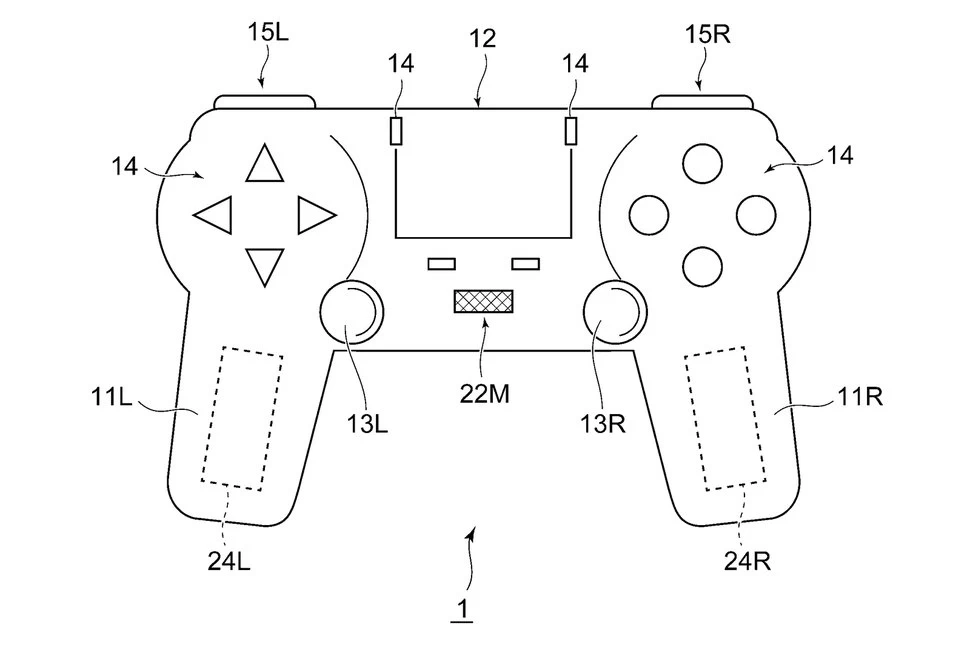
The claim is further supported by a patent on WIPO which indicates that Sony is putting in a microphone on the controller, making the device capable of interpreting commands and requests while it is in use. This is similar to the functionality of smart speakers like Amazon Echo with Alexa support.

But it remains to be seen how powerful this new smart voice commands-based system will be for the controller and what functionalities will it support. We expect to know more about this ahead of the Holiday 2020 launch.

(Via)

Motorola Razr release date pushed to February 6

Motorola had announced the Motorola Razr clamshell foldable phone in November. It was officially confirmed that the device would be available on pre-orders from Dec. 26 in the U.S. and its shipping would start on Jan. 9. However, the company delayed the market release citing high demand that surpassed its supply predictions. Motorola had said that there won’t be significant shift from the original availability timeline. Fresh information reveals that the pre-orders of the Motorola Razr will kick off in the U.S. from Jan. 26 followed by a market release starting on Feb. 6.

In the U.S., the Motorola Razr can be availed from Verizon, Walmart and the official site of Motorola. The foldable device can be purchased with a price tag of $1,499. The new Razr will be also made available in select markets. The company is yet to release the list of markets that will be provided with Motorola Razr.

The Motorola Razr is already up for pre-orders in the U.K and is currently available only on contract through EE’s website. The customers who have pre-ordered have been reportedly provided a shipment timeframe of around 28 days. This indicates that the market release of the Motorola Razr in the U.K. could be synced with the U.S.

motorola razr 01

Soon after its announcement in November, the handset appeared on the website of Motorola India. Interested buyers in the country can register to know more on the arrival of Razr. Recently, the images of the production unit and retail box of the Razr was recently shared on China’s Weibo microblogging site. China will be receiving the device in Q2 this year.

Motorola Razr specifications

The Motorola Razr has a main 6.2-inch Flex View P-OLED screen that supports full HD+ resolution and 21:9 aspect ratio. When closed, users can access its 2.69-inch Quick View display that supports 800 x 600 pixels resolution for viewing notifications and caller IDs.

The mid-range Snapdragon 710 chipset from 2018 powers the Motorola Razr. It is assisted by 6 GB of RAM. The handset offers an internal storage of 128 GB. It has a selfie camera of 5-megapixel. The rear camera of 16-megapixel is assisted by a 3D ToF sensor.

The device is backed by a 2,510mAh battery that may carry support for 15W fast charging. The Android 9 Pie OS in its near stock version runs on the device. Hopefully, the device will be treated with the latest version of Android 10 update soon. A fingerprint scanner is present on the broad chin of the device. The handset comes with connectivity features like eSIM, 4G LTE, Wi-Fi 802.11ac, GPS and NFC. It lacks a 3.5mm audio jack.


Xiaomi Youpin launches Trident tactical knife in China for 158 yuan ($23)

Xiaomi is well-known for smartphones but the company has also made its name for launching new product categories as it keeps expanding its business to cover categories that goes beyond technology.

Now, the company launched Trident tactical knife which can be useful as a survival tool for those who are into wild adventure. The knife comes with a single blade and three blade options, for a price of 158 yuan which is roughly $23.

Xiaomi Trident Tactical Knife

The Trident tactical knife consists of the main knife body, a tactical sleeve, and a tactical umbrella rope. It measures about 235mm in length while the blade length measures 98mm, offering a thickness of 4mm and weighing at 232 grams.

The company adds that the knife is made up to 440C Stainless Steel and has a titanium coating. It has three different kind of blades — tooth, cutting, and chopping. It also support one other functionality — bottle opening. Further, the company says that the tail hammer of the knife can break the glass, which can be helpful in a situation which needs escaping.

As for the ergonomic design, it comes with a K10 composite fiber handle having a non-slip pattern. It also has a three-dimensional grooves for the finger placement to ensure that the grip is tight on the handle.


OnePlus 8 Pro could be coming with wireless charging support

Popular Chinese smartphone OEMs such as Huawei, Xiaomi and OPPO have all introduced fast wireless charging technologies. However, OnePlus is yet to introduce wireless charging feature on its smartphones. After the launch of OnePlus 7T in September, OnePlus CEO Pete Lau claimed that it misses out on wireless charging feature because it is not as fast as its Warp Charge (wired charging) speeds. Also, the company was working on resolving the heating issues associated with its wireless charging tech. Rumors have been claiming that the Chinese firm may introduce the said feature on the upcoming OnePlus 8 series. A leakster shared a cryptic image on Twitter which suggest that the said feature may indeed arrive on the OnePlus 8 Pro.

The tweet shows a phone placed on a wireless charging pad and it carries the “charge like a pro” text. The image is just for representation purpose and not the actual OnePlus 8 Pro placed on a wireless charging bed. The Chinese firm has been working on wireless charging feature since a few years and it seems that the technology could be finally ready to arrive on the OnePlus 8 Pro.

OnePlus 8 Pro specifications (Rumored)

The OnePlus 8 Pro is rumored to be equipped with a 6.65-inch Fluid Display. The CAD renders of the smartphone have revealed that it will be sporting a curved AMOLED screen with a punch-hole at its top-left corner. The phone reportedly supports a refresh rate of 120Hz along with quad HD+ resolution. A recently seen leaked hands-on photo of the OnePlus 8 Pro revealed that it will have an option to switch between 60Hz, 90Hz and 120Hz refresh rate without changing the resolution.

The Snapdragon 865 mobile platform is expected to fuel the OnePlus 8 Pro and OnePlus 8 phones. It could be arriving in variants such as 8 GB of RAM and 128 GB of storage and 12 GB of RAM and 256 GB of storage. The smartphone is expected to house a quad camera setup on its rear.

OnePlus 8 Pro renders
CAD render of OnePlus 8 Pro

The phone may feature a 32-megapixel front-facing camera. Its rear camera setup may include a Sony IMX686 64-megapixel main lens, a 20-megapixel ultrawide lens, a 12-megapixel telephoto lens and a ToF sensor. It could be housing a 4,500mAh battery that may arrive with improved version of Warp Charge technology.

Past reports have claimed that OnePlus 8 lineup will include three devices such as OnePlus 8, OnePlus 8 Pro and OnePlus 8 Lite.


TENAA: Full specs of OPPO PCLM50 published; might be another Reno 5G phone

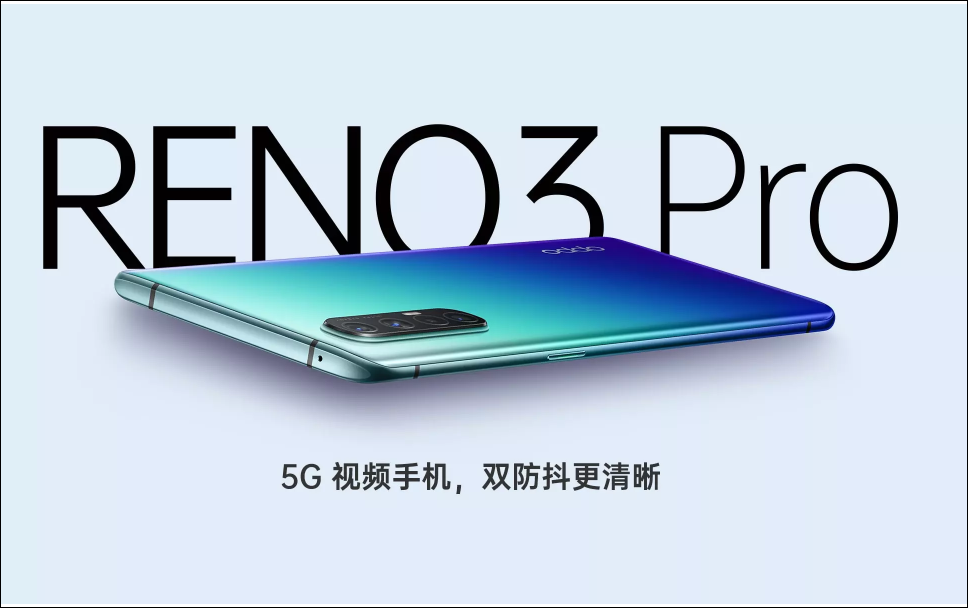
It is barely a month since the launch of the V (PDCM00/PDCT00)) and the Reno3 Pro (PCRM00/PCRT00) by OPPO. Both are upper mid-range 5G smartphones that pack incredible specs. Now, the Chinese company is set to announce a third mid-range 5G smartphone. The full specs of the device, which has the model number OPPO PCLM50, has been published by TENAA.

The OPPO PCLM50 has a 6.4-inch screen like that of the Reno3. It is an AMOLED panel and it has a resolution of 2400 x 1080. There are no images attached to the listing, so we cannot tell if it is curved or if it has a notch or a punch hole. What we can confirm is that it has an in-display fingerprint scanner.

There is a 2.4GHz octa-core processor inside the phone which is most likely the Snapdragon 765G 5G processor. The phone will have only one RAM variant – 8GB, and will be available with 128GB or 256GB of non-expandable storage.

OPPO has given the phone four rear cameras too just like the Reno3 series. The main camera is a 48MP sensor that is paired with an 8MP sensor that most likely has an ultrawide lens and two 2MP cameras. We cannot say if one of the 2MP sensors is a depth-capturing camera while the other is a macro camera. However, it is important to state that the Reno3’s two 2MP sensors are a black and white portrait camera and a retro portrait style camera, so it is possible OPPO will use the same lens for that of the OPPO PCLM50. You also get a 32MP selfie camera.

The OPPO PCLM50 has a 3,935mAh battery just as the Reno3 series, so its rated capacity should be 4,000mAh. The phone will ship with Android 10 out of the box with ColorOS7 on top. TENAA says it measures 160.3 x 74.3 x 7.96 millimeters and weighs 180 grams. The colors listed are White, Black, and Yellow.

Unlike the Reno3 and Reno3 Pro, this new OPPO phone only supports SA and NSA 5G Band 41 and Band 78. There is no support for band 79.

We do not know when this new device will be announced but it should be around the corner.


POCO GM sheds light on the company’s new plans

Xiaomi first unveiled the Poco brand as one of its sub-brands to meet the demands of young smartphone users. The Poco F1 was launched as the first and so far, the only model under the brand. A couple of days back, Xiaomi announced that Poco has become an independent brand without going into details of what that entails.POCO F1-featured

In a recent interview with Gadgets 360, Poco India General Manager C Manmohan gave an insight into the vision of the new independent brand. He emphasized that the split between Poco India and Xiaomi wouldn’t affect Poco’s existing philosophy which is summarized in the brand’s slogan – “everything you need, nothing you don’t”. The brand hopes to achieve that by strongly considering consumer feedback and ongoing market trends

He also disclosed that Poco plans to get its own office building different from Xiaomi and should operate as a separate entity. In addition, he stated that “Poco will get a product team of its own, a sales team of its own, and a marketing team of its own.” But for now, Poco will continue to utilise the established presence of Xiaomi. It will also continue to store user data at Xiaomi’s data centres and offer after-sales services through the latter’s channels.

One of the key features that made the Poco F1 a Xiaomi phone was the presence of a tweaked MIUI version that the brand called “MIUI for Poco”. Manmonhan told Gadgets 360 that MIUI for Poco will continue to be a part of Poco phones.

“Some of my Poco fans say that it is much more stock Android-ish,” he said. “So essentially, we are kind of, leveraging that and with our Poco fans feedback and the community feedback, we’ll work towards making it much more better and better. So, that’s the plan right now.”

The users who already own a Poco F1 aren’t likely to see any changes through the spin-off. Manmohan also stated that the company would continue to provide the same support to its existing Poco F1 consumers that they were promised. The company may also replicate the marketing strategy of Xiaomi and establish a community of Poco fans – just like how you can see Mi fans at any of Mi or Redmi launch.

“That’s the idea because in all honesty, if today, Poco has come to this stage, it’s because of the community,” Manmohan said while answering the question of how Poco is set to establish its fans. “The amount of support/ feedback we got from them is just enormous. That’s exactly why we are here today and we will continue to nurture it.”

At the initial stage, Poco is aiming to cater to the online space, though it is open to establishing offline channels over time. Manmohan revealed that the company wouldn’t sell its future devices through Xiaomi-exclusive Mi Home stores, though.

“Channel strategy will keep evolving. It’s not something which we can kind of take a call on today and tomorrow we can provide. So it depends on the kind of product we launch, and so on so forth. So we will take a call as and when we launch the products and depends on what our customers are asking,” he added.

The Poco GM also disclosed during the interview that it will continue its philosophy of launching value-for-money smartphones despite not knowing the price segments in which it will launch its new devices. This clearly means that the company would cannibalise the sales of some Redmi phones. The Poco X2 is touted to be a rebranded Redmi K30 and may drop soon. Poco is also expected to launch the Poco F2, news of which seems to have sent the Indian tech pace into a frenzy.

Manmohan didn’t clearly specify whether the next phone will be the Poco F2 or something completely different. Nonetheless, he did mention that it would essentially be the successor to the Poco F1. He also didn’t completely refute the reports suggesting there are multiple Poco phones in the works, though he suggested that there would initially be one model to begin the new era.

When asked if Poco has plans to expand its range and bring some Poco devices to affordable segments, he said, “That’s also something which we are kind of evaluating. In due course of time, we will share that.”


(via)


Oppo Reno3 vs Redmi K30 5G vs Honor V30: Specs Comparison

5G is expanding every day more and it is slowly becoming within everyone’s reach. From January 2020, the first affordable 5G smartphones started being available to purchase. Among them, we got the Oppo Reno3, the Redmi K30 5G, and the Honor V30. If you are looking for a long-lasting 5G smartphone but you do not want to spend a fortune, these devices alongside a few other options are the best solution for it. After comparing other 5G midrange phones, here we will compare the specifications of Oppo Reno3, Redmi K30 5G, and Honor V30 in order to let you understand which affordable 5G phone is the best for your needs.

Oppo Reno3 vs Xiaomi Redmi K30 5G vs Huawei Honor V30

Xiaomi Redmi K30 5G Huawei Honor V30 Oppo Reno3
DIMENSIONS AND WEIGHT 165.3 x 76.6 x 8.8 mm, 208 g 162.7 x 75.8 x 8.9 mm, 213 grams 160.3 x 74.3 x 8 mm, 181 g
DISPLAY  6.67 inches, 1080 x 2400p (Full HD+), IPS LCD 6.57 inches, 1080 x 2400p (Full HD+), IPS LCD 6.4 inches, 1080 x 2400p (Full HD+), AMOLED
PROCESSOR Qualcomm Snapdragon 765G, octa-core 2.4 GHz Huawei Hisilicon Kirin 990, octa-core 2.86 GHz Mediatek Dimensity 1000L, octa-core
MEMORY 6 GB RAM, 64 GB – 6 GB RAM, 128 GB – 8 GB RAM, 128 GB – 8 GB RAM, 256 GB – micro SD slot 6 GB RAM, 128 GB – 8 GB RAM, 128 GB 8 GB RAM, 128 GB – 12 GB RAM, 128 GB
SOFTWARE  Android 10, MIUI Android 10, Magic UI Android 10, Color OS
CONNECTIVITY  Wi-Fi 802.11 a/b/g/n/ac, Bluetooth 5.0, GPS Wi-Fi 802.11 a/b/g/n/ac, Bluetooth 5.0, GPS  Wi-Fi 802.11 a/b/g/n/ac, Bluetooth 5.0, GPS
CAMERA  Quad 64 + 8 + 5 + 2 MP, f/1.9, f/2.2, f/2.4 and f/2.4
Dual 20 + 2 MP f/2.2 and f/2.4 front camera
Triple 40 + 8 + 8 MP, f/1.8, f/2.4 and f/2.4
Dual 32 + 8 MP f/2.0 and f/2.2 front camera
Quad 64 + 8 + 2 + 2 MP, f/1.8, f/2.2 and f/2.4
32 MP f/2.4 front camera
BATTERY  4500 mAh, fast charging 30W 4200 mAh, fast charging 40W 4025 mAh, fast charging 30W with VOOC Flash Charge 4.0
ADDITIONAL FEATURES  Hybrid Dual SIM slot Dual SIM slot Dual SIM slot

Design

If you are ok with waterdrop notches, Oppo Reno3 offers the most compact, the thinnest and the most lightweight body. That is very important if you need a phone you can easily use with one hand or you often got your device in a pocket. And with its clean glass back and an in-display fingerprint reader, Oppo Reno3 looks very elegant. If you hate having a notch, then the dual punch-hole display of either the Redmi K30 5G or the Honor V30 will please you. Which one should you prefer? It is just a matter of taste.


Display

The most impressive displays belong to the Oppo Reno3 and the Redmi K30 5G. If you prefer having deeper colors, then choose the AMOLED panel found on the Oppo Reno3 which provides a very high image quality. On the other hand, while keeping a great image quality, the Redmi K30 5G offers an almost unique feature in the actual market: a 120 Hz refresh rate for a smoother experience. It has a classic LCD panel, but with a 120 Hz and a wider display, it is a better choice for gamers. Even Honor V30 has an IPS display like the Redmi K30 5G, but it lacks a high refresh rate, so we do not recommend it.


Hardware/Software

Honor V30 outperforms both Oppo Reno3 and Honor V30 because it is the only to boast a real flagship chipset without compromises: the Kirin 990. Despite it does not come with 12 GB of RAM unlike the Oppo Reno3, the better chipset makes it more powerful on the paper. Oppo Reno3 comes right after with a great Dimensity 1000L SoC and up to 12 GB of RAM, as well as UFS 2.1 internal storage. Note that the 5G modem found on the Honor V30 supports both sub-6 GHz frequencies and mmWave just like the Snapdragon 765G found on the Redmi K30 5G, while the Dimensity 1000L of the Oppo Reno3 only supports sub-6 GHz frequencies, so it can not take advantage of the full potential of 5G networks. Android 10 is installed out of the box in each case.


Camera

On the paper, Oppo Reno3 offers a very interesting camera setup on the rear side. First of all, it supports optical stabilization. Further, it has a quad-camera setup including a monochromatic sensor which boosts the photo quality. On the other hand, Honor V30 is all but disappointing with its 40 MP triple camera including OIS and 3x optical zoom. Further, it is the only with a dual front camera including an ultrawide lens. Despite it has a triple rear camera, Honor V30 looks amazing. If you want a real camera phone, just do not go for the Redmi K30 5G.


Battery

Redmi K30 5G wins the battery comparison thanks to its bigger 4500 mAh battery, while Honor V30 wins the fast charging comparison thanks to its 40W charging technology allowing it to reach 70 percent of battery charge in just 30 minutes.


Price

Redmi K30 5G starts from just €255/$283 in the 6/64 GB configuration, Oppo Reno3 starts from €445/$494, and Honor V30 starts from €430/$477. Overall, if we exclude the display, Honor V30 looks like a better handset overall. But Redmi K30 5G has a higher value for money. Oppo Reno3 offers a great AMOLED display as well as a nice design without a lot of compromises.


Oppo Reno3 vs Xiaomi Redmi K30 5G vs Huawei Honor V30: PRO and CONS

Xiaomi Redmi K30 5G

PROS

  • Bigger and great display
  • Bigger battery
  • Affordable

CONS

  • Inferior hardware


Huawei Honor V30

PROS

  • Amazing hardware
  • Very nice rear cameras
  • Great front cameras
  • Faster charging technology

CONS

  • Inferior display


Oppo Reno3

PROS

  • Good cameras
  • Thin design
  • Great performance
  • AMOLED display

CONS

  • Nothing particular


HTC sues Meizu and Gionee over patent infringement, wins 6.5 million yuan in compensation

HTC has sued Gionee and Meizu in China over alleged patent infringement. The patent being infringed is the concept of a mobile device with a metal chassis, with a specific antenna structure. The invention aims to solve the technical problem of poor radiation signals caused by the shielding of the metal casing, and to design an antenna structure that can be combined with a metal appearance.

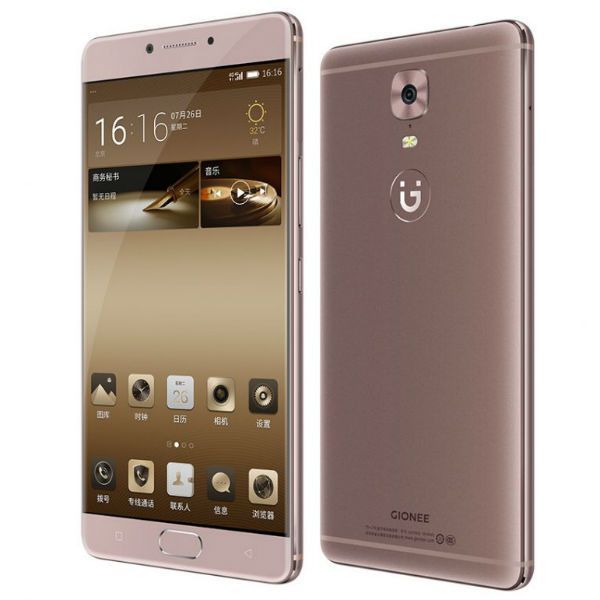
If you’re aware of any of HTC’s metal devices, you’ll be familiar with this setup. HTC has been using it since the One M7. Now for the case, HTC claims that Gionee infringed on the patent with the Gionee M6, another full metal device that to be frank, does use the same setup of antennae like the HTC devices. Meizu’s device on the other hand is their M5 Note, another mid-range full metal device.

The Beijing Court of Intellectual Property concluded the two cases did in fact infringe the patent right of the invention. The M6 ​​mobile phone infringed on the invention patent right of “mobile device” No. 201310032515.5, and sentenced the defendants to stop infringement and compensate for economic losses and reasonable expenses.

HTC requested that Meizu compensate 30 million for economic losses. Gionee on the other hand was asked to compensate for economic losses of 24 million yuan, as well as pay for a temporary protection period of 1.6 million yuan. Meizu and Gionee argued against non-infringement, and argued that the plaintiff claimed that the amount of compensation was too high.

During the pre-trial meeting, the Beijing Intellectual Property Court organized the parties to determine the matters of entrusted identification. The appraisal agency issued a “Judicial Appraisal Opinion”, which states that both devices infringe on multiple aspects:

  1. The product involved in the case includes components on the metal layer;
  2. The antenna structure of the product involved includes the following components: First feed Parts, upper parts of the metal layer, connecting parts, first slot holes, metal shell;
  3. The first slot holes are not configured with metal or electronic parts.

Beijing Intellectual Property Court held that some of the data provided by HTC were extrapolated, and the profit margin and patent contribution also lacked sufficient evidence to support it. However, even with a lower profit margin and patent contribution, the calculated amount of compensation has clearly exceeded the statutory maximum limit of one million yuan stipulated in the Patent Law.

Therefore, the Beijing Intellectual Property Court, on the basis of the statutory compensation ceiling, determined that Meizu needs to compensate 3 million yuan for economic losses, while Gionee Corporation compensated 2.6 million yuan for economic losses. This, paired with payments for lawyer fees, totals at 6.5 million yuan in terms of total compensation.

(Source)

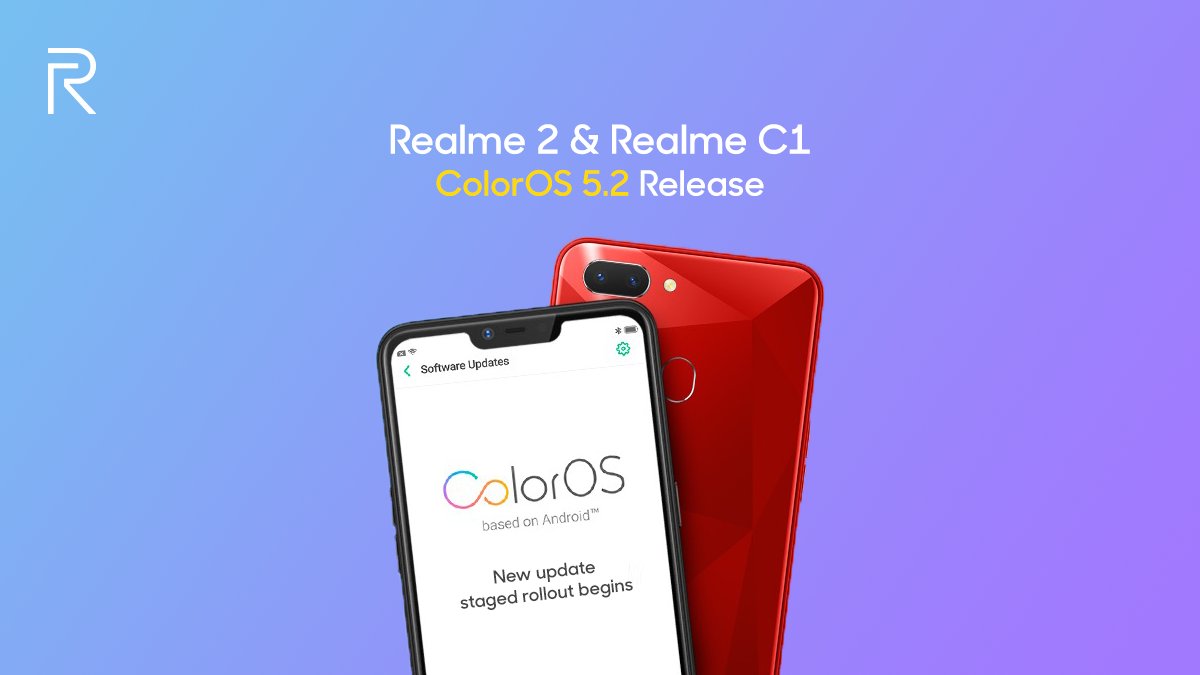
Realme X2, 2, 3, 3i and C1 latest OTA updates bring January 2020 security patches & more

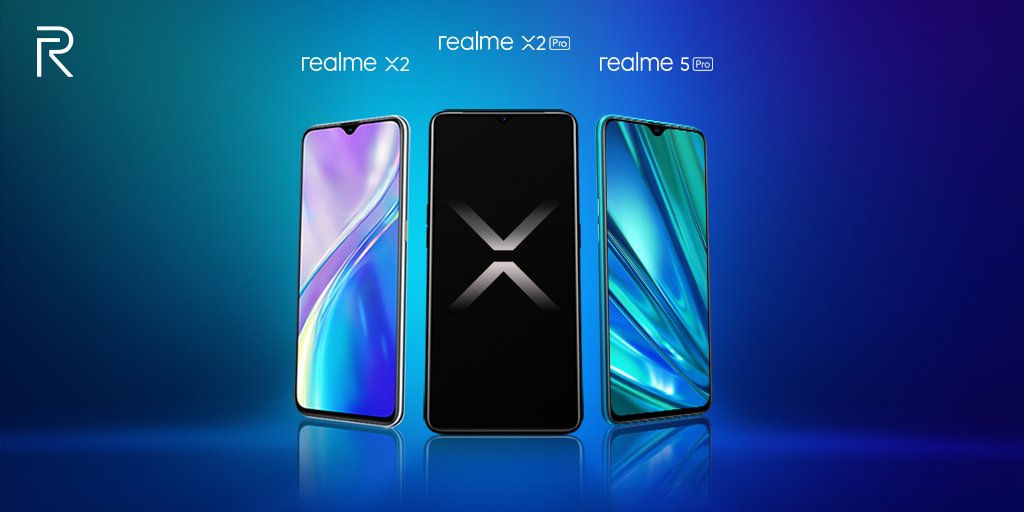
Google began pushing Android security patches for January 2020 to all the pixel models earlier this month. OEMs were soon to follow, including Chinese tech giant Realme. Realme had earlier released the update for the Realme 2 Pro and that was soon followed by updates for the Realme 2, 3, 3i and C1. The Realme X2 has now joined the party.

The Realme 2 and C1 updates usher in the version RMX1805EX_11_A.63, Apart from bringing Android security patches for January 2020, the update equally brings some minor bug fixes and system stability improvements. Here’s the official changelog of the ColorOS 6.0 update for the Realme 2 and C1:

Security:
Android security patch: January, 2020
System
Fixed some known bugs and improved system stability
The ColorOS 6.0 update for the Realme 3 (v.RMX1821EX_11.A.25) is a bit more comprehensive when compared to the one released for the Realme 2 and Realme C1. It not only includes the Android security patches for January 2020, but also brings a new flash on call feature, a new fast toggle for dark mode, and more.

The Realme 3i has also received a similar update (v.RMX1821EX_11.A.25) with the same features. Here’s the official changelog for the ColorOS 6.0 update for the Realme 3 and 3i:

  • Security:
    • Android security patch: January 2020
  • System:
    • Added flash on call feature
    • Added click the blank area to back to the launcher on recent task interface
    • Notification Center and Status Bar:
    • Added fast switch toggle of dark mode in the notification center

The update for the Realme X2 comes with version number RMX1992EX_11.A.18 and apart from the Android Security patch for January 2020, there are also a few system optimisations and bug fixes.

  • Security:
    • Android Security patch: January 2020
  • Lock Screen:
    • Modified the charging animation display where the decimal point will not be shown after charging for twenty seconds
  • Fixed:
    • Fixed error prompt issue while video call using WhatsApp
    • Fixed the issue that album cache data can not be deleted
    • Optimized navigation menu display in settings

The latest ColorOS update has reportedly started rolling out to users in India. However, you can as well download the OTA package from the link below and flash the update manually on your device.

Download: ColorOS 6.0 (v. RMX1992EX_11_A.18) for the Realme X2

ColorOS 6.0 (v. RMX1805EX_11_A.63) for the Realme 2

ColorOS 6.0 (v. RMX1805EX_11_A.63) for the Realm C1

ColorOS 6.0 (v. RMX1821EX_11.A.25) for the Realme 3

ColorOS 6.0 (v. RMX1821EX_11.A.25) for the Realme 3i


(source)


Honor MagicWatch 2 Limited Edition unveiled with unique deisgn choices

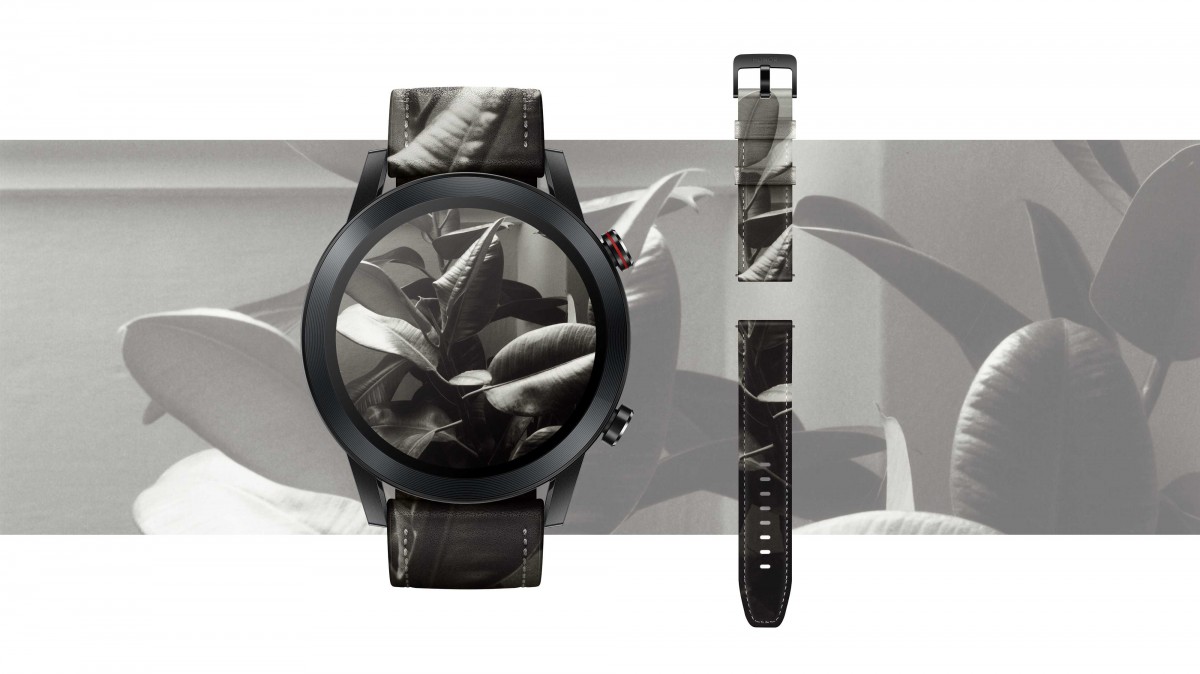
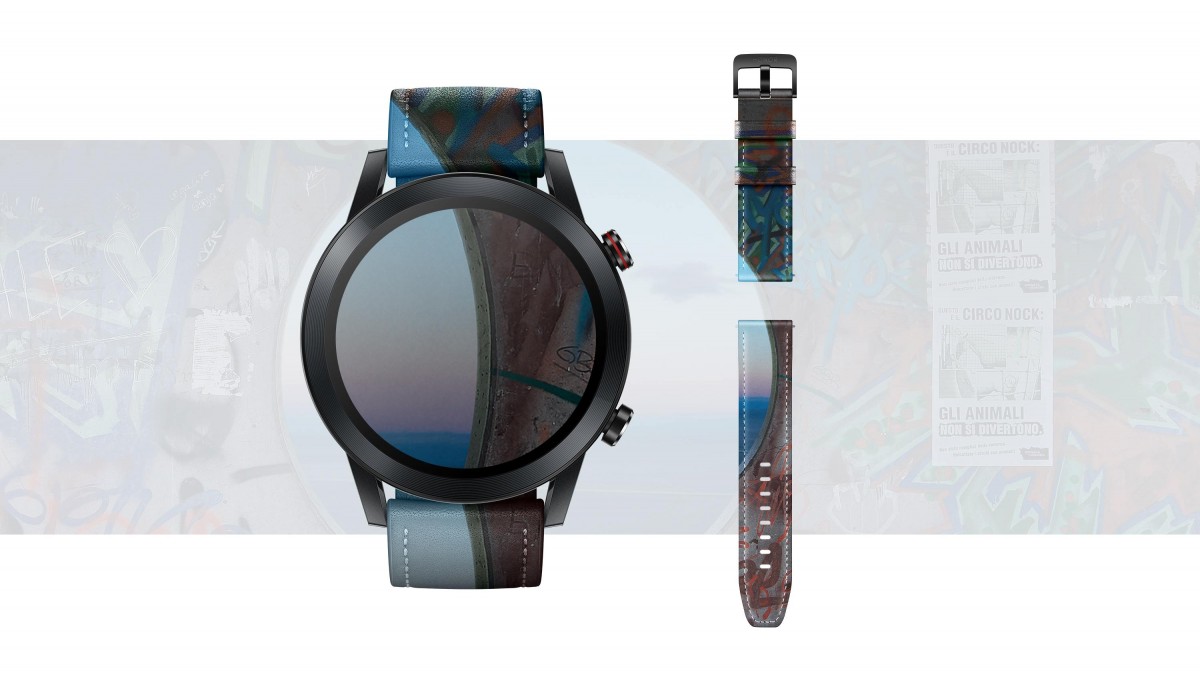
Despite being just a couple months old, new avatars of the Honor MagicWatch 2 have just been unveiled. Collaborating with multiple artists, Honor has come up with a range of funky designs as part of the Limited Edition package. The MagicWatch 2 Limited Edition is adorned with colorful bezels, bands, and themes and has been designed by “a number of rising stars from the world of art and graphic design” according to Honor’s official statement.

Honor unveiled the limited edition designs at a special event held in London on January 21. Some of the artists in question are Giovanni Ozzola, George Greaves, Wag DongLing, and Jacky Tsai. Inspired by what seems like jazzy swatches at first glance, the designs draw inspiration from the world of photographers, sculptors, graphics designers, and illustrators. Behind the façade is the same old MagicWatch 2 that Honor launched back in November 2019.

The Honor MagicWatch 2 Limited Edition features built-in themes matching its unique style, and is part of the company’s aggressive push into the smart-wearables category. A move to further establish an independent identity away from parent company Huawei.

The official statement by George Zhao, Honor’s President read, “We are dedicated to bringing customers the latest in cutting-edge technology, coupled with the newest fashion trends. Our products are funky on the outside and smart on the inside and embody our free spirit. Our range of uniquely-designed products ensures that you have something to wear on every occasion”.

There is a limited number of watch faces/themes available on the Huawei Health app right now. However, starting February 2020 85 unique designs will be available for download. What is interesting to note is the designs were selected from over 1,400 entries that came in as part of Honor’s Global Watch Face Design contest.

Although the quirky designs are interesting, the MagicWatch 2 Limited Edition gets the exact same features as the standard variant. The flashy watch offers up to two weeks of battery backup, which is quite similar to what is seen on the Huawei Watch GT 2, which is designed using the same platform. Details regarding pricing and availability are currently unavailable, but you could buy the standard variant for £160 (~$209) for the 46mm variant and £150 (~$196) for the 42mm option. 


Xiaomi Youpin launches a 5-port Charger with 94W power rating

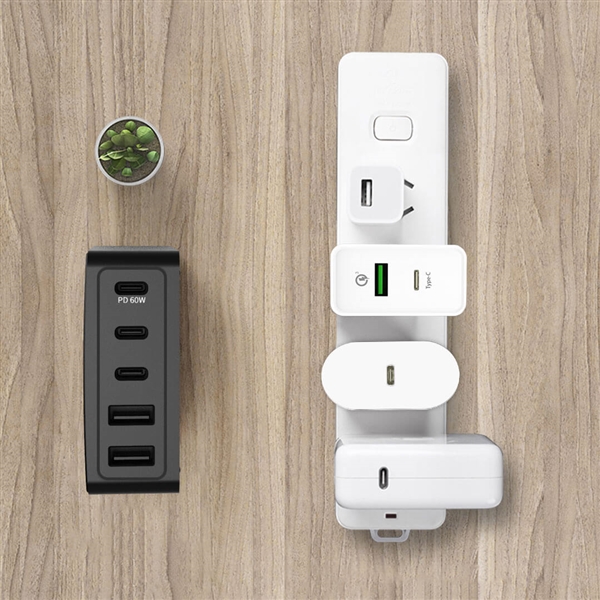
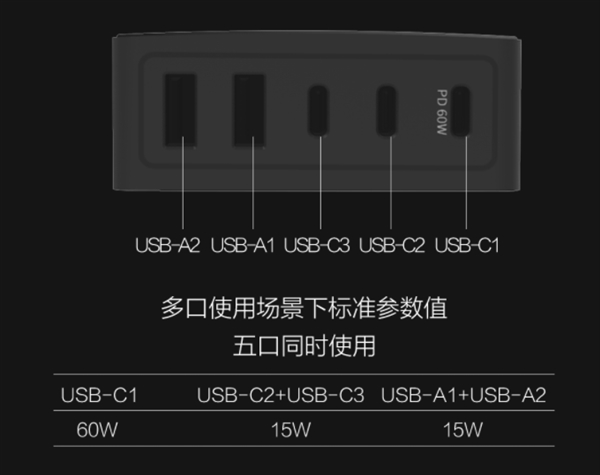
Xiaomi Youpin has officially unveiled a C-bit, high-energy charger with a power rating of 94W and five output ports. The charger is designed to serve as a portable companion to charge multiple devices at the same time. The charger is compatible with several gadgets like electronics products such as notebooks, smartphones etc. It is manufactured to conform with British, European and US regulations. It adopts an affordable price of 249 yuan ($36).

The C-bit high-energy charger comes with three USB-C high-power output ports and two USB-A ports. It has a power rating of 96W and a peak value of 105W. The main USB-C port can continuously output 60W which can effectively charge most devices. The second USB-C port supports 18W charging.

Its dual USB-A ports support multi-protocol fast charging which can charge most electronic devices such as mobile phones or tablets that support fast charging at high speed, and supports micro-current charging.

The C-bit high-energy charger comes with European, British, and American plugs and a 1-meter-long Chinese-standard power cord, making it possible to be used worldwide. At the same time, the AC 100-240V wide voltage input breaks through the voltage limit and meets the power rating standard in different countries.

The high-energy charger can be plugged directly into a power strip. It can also be kept at a distance and connected to a power tip using a power cord.


(source)

ZTE Axon 10s Pro 5G launch nears as it receives Wi-Fi certification

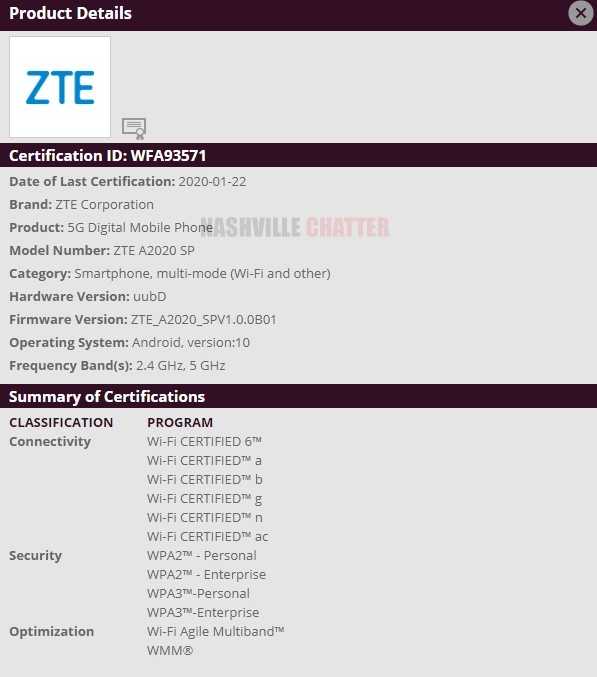
The Axon 10s Pro 5G flagship phone is expected to launch soon in China. The reason behind it is that the ZTE phone bagged 3C and TENAA certifications in December. Hence, all its specifications have been revealed. Also, the company had also confirmed some of its key specs and features in the previous month. The handset will be showcased at the upcoming Mobile World Congress (MWC) 2020 tech trade show in the coming month. The ZTE Axon 10s Pro 5G has now popped up on Wi-Fi Alliance with its A2020 SP model number. The smartphone has received yet another certification which indicates its launch is not far away.

The Wi-Fi certification reveals the presence of Wi-Fi 6 support on the ZTE Axon 10s Pro 5G which was already revealed by the Chinese firm in December. The handset will run on the latest Android 10 OS. Apart from these details, no other information on the phone has appeared on WFA Alliance.

ZTE-Axon-10-Pro-5G-WFA

Soon after the TENAA appearance of the Axon 10s Pro 5G, Lu Qianhao, Director of Consumer Experience Department at ZTE hinted on Weibo that it will be launching soon. The Xiaomi Mi 10 series are expected to break cover in early February. Some reports have claimed that Mi 10 and Mi 10 Pro may go official on Feb. 10 or Feb. 11. If the Axon 10s Pro 5G launches before Mi 10 series, ZTE will become the first company to launch a Snapdragon 865 powered phone.

ZTE Axon 10s Pro 5G specifications

The Axon 10s Pro 5G has a 6.47-inch OLED waterdrop notch screen that produces 1080 x 2340 pixels full HD+ resolution and 19.5:9 aspect ratio. The Snapdragon 865 mobile platform driven phone has a 3,900mAh minimum rated battery that supports 18W fast charging. The phone may support wireless charging. The Android 10 OS runs on the device along with MiFavor 10 custom skin.

The SoC of the phone is coupled with LPDDR5 RAM. The TENAA listing states it could be coming in RAM choices like 6 GB, 8 GB and 12 GB in China. It could be coming with 128 GB, 256 GB and 512 GB. There is a microSD card slot on the phone for additional storage. The handset has a 48-megapixel + 20-megapixel + 8-megapixel triple camera system. The phone has a front-facing camera of 20-megapixel.


iQOO Pro, iQOO Neo and iQOO Lite monikers trademarked in India

Vivo’s sub-brand iQOO is expected to launch its first smartphone in India by March. It will be a performance driven phone that could be fueled by the Snapdragon 865 mobile platform. While the said phone is expected to debut in China as iQOO 3, there is no word on the name of its Indian version. Vivo has recently filed trademarks for three iQOO product names such as iQOO Pro, iQOO Neo and iQOO Lite with the Intellectual Property India. Probably, the country will be receiving with these names in future.

Among three aforementioned names, iQOO has already launched the iQOO Neo and iQOO Pro smartphone in China last year. It had arrived as a Snapdragon 845 powered device. The iQOO Pro was a Snapdragon 855+ mobile platform driven smartphone.

iQOO is yet to launch a phone with iQOO Lite moniker. Last year in September, Vivo had trademarked the iQOO Lite name with European Union Intellectual Property Office (EUIPO). Hopefully, future reports will reveal more information on the iQOO Lite device. The above tweet has the screenshots with names of the newly trademarked iQOO phones.

A Chinese tipster has claimed that iQOO is now more of a performance driven brand rather than a gaming-focused brand. He added that Monster Inside lighting and design won’t be available on the next generation iQOO device. Hence, it appears will the upcoming iQOO 3 will have some gaming capabilities, but it won’t be a full-fledged gaming phone like the devices from Black Shark and Red Magic.

Rumors have it that the forthcoming Vivo iQOO 3 will a 60Hz refresh rate screen. It is expected to house a punch-hole AMOLED display of 6.44 inches that supports 20:9 aspect ratio and full HD+ resolution. The Snapdragon 865 mobile platform with 5G support will be fueling the device with a 4,410mAh battery. It may arrive with a 55W fast charger. The handset is speculated to arrive with a 48-megapixel quad camera setup.


Huawei rolls out Open Beta for EMUI 10 on the Mate X

Earlier today (22nd January 2020), Huawei officially announced that the Mate X, the company’s foldable smartphone, will start the public trial for EMUI 10 through an Open Beta.

For those that wish to participate in the beta program, go to the “Services” app and search for early adopters update to upgrade to the beta build for EMUI 10. Furthermore, you also have to have the latest version update of the Services app to opt in for the program, so make sure you have the latest version.

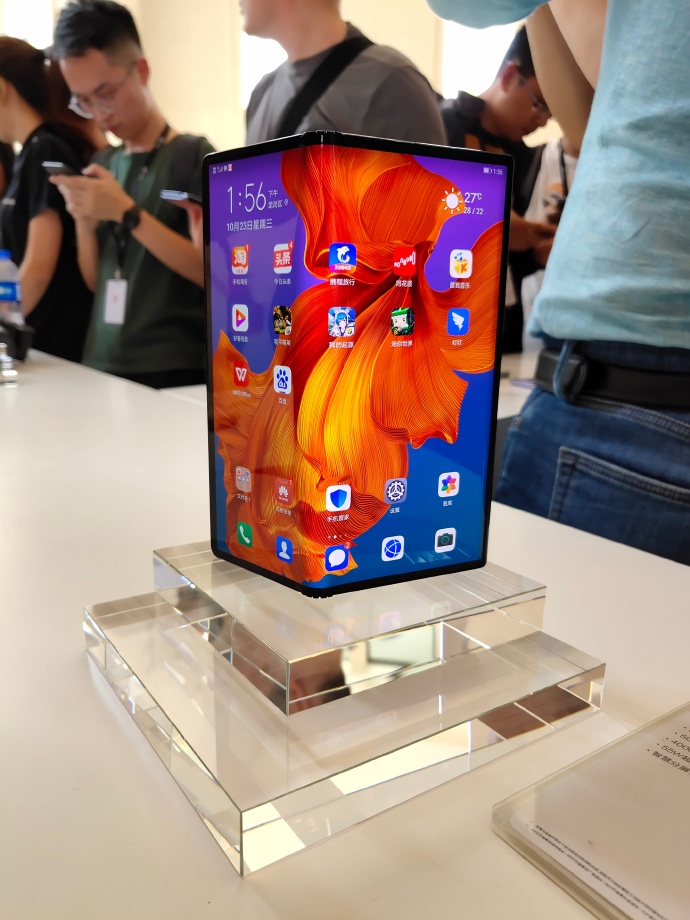
Huawei Mate X 5g
Huawei Mate X 5G

Note: Open Beta program is an unstable and unpolished version of the future Android 10 based EMUI 10 custom skin. So, a participating user is likely to find bugs and glitches when using the new unfinished software. Make sure to backup important data if you still wish to follow through.

Previously, Huawei had announced that the EMUI 10 update roadmap for the month of February and March of this year. The models which are scheduled to receive the new update in mid or late February include Nova 5, Nova 5i Pro, Nova 5z and Honor 20S. Furthermore, the smartphones that will receive the rollout for EMUI 10 in early March 2020 are the Nova 5i, Huawei Enjoy 10S, and Honor 20 Youth Edition.

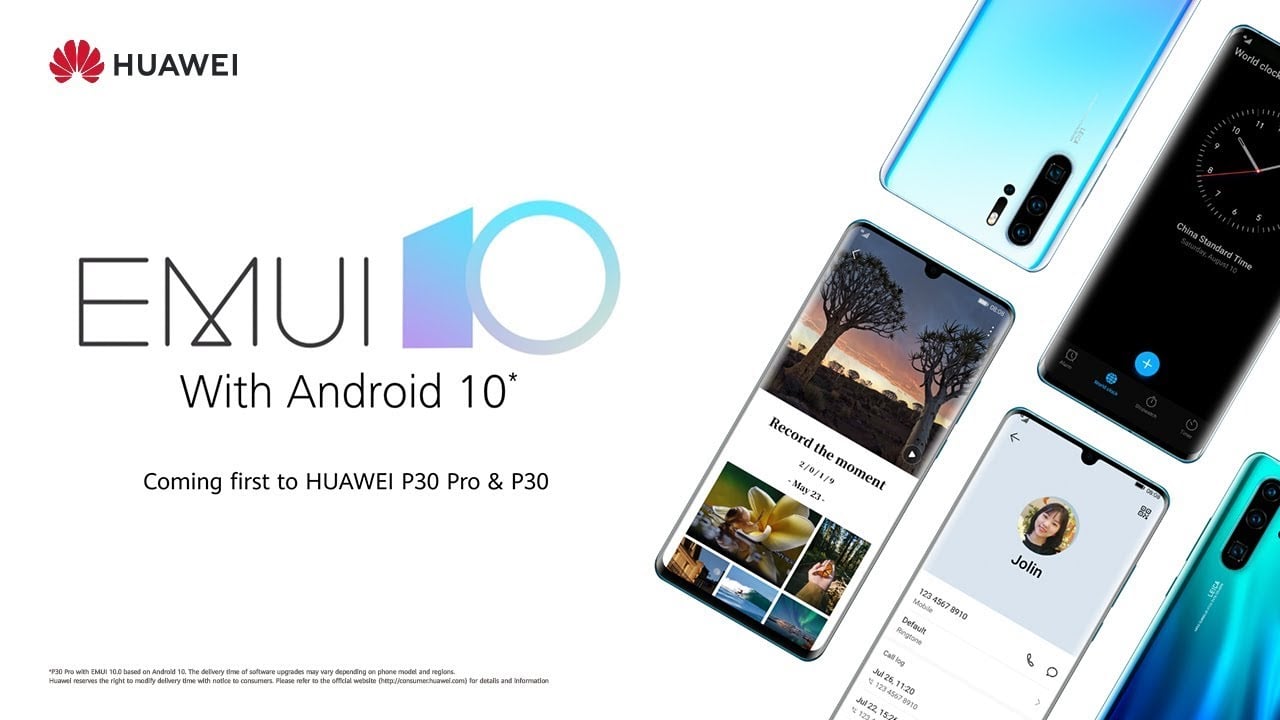
emui 10
Android 10 OS based EMUI 10

Huawei’s Mate X is the Chinese tech giant and smartphone manufacturer’s first foldable smartphone. It was released in November of 2019 and features an 8 inch flexible OLED display and houses the Kirin 980 SoC from the company’s subsidiary, HiSilicon. It is powered by a large 4,500mAh battery and houses a quad camera setup on the rear.


(Via)

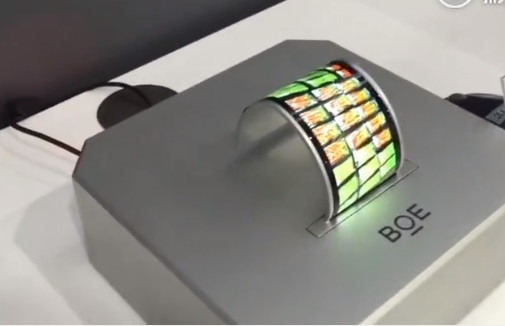
BOE OLED panel capacity more than 200% in 2020

BOE, a renowned smartphone display manufacturer, is the largest LCD panel supplier in the world but has plans to cease further investments in the area. As the popularity of OLED displays grows, even more, the company is planning on increasing its production capacity for the same.

LCD panels prices have been plummeting as even more smartphone manufacturers adopt the OLED panel. In South Korea, China and Taiwan, the production of the display technology has been ceased effectively. This, in turn, will see BOE suffer from heavy losses due to lack of orders or oversupply. Currently, smartphones with OLED displays are more popular in mid to premium grade handsets, with even entry level devices expected to soon adopt the technology as well.

BOE display technology
Flexible OLED Display from BOE

Thus, BOE is launching the OLED production lines this year which will essentially boost its manufacturing capacity by more than 200 percent. Recently, the company has heavily invested in three OLED production lines in China. The first is in Chengdu which is also the first flexible AMOLED production line within China. It will produce the sixth generation of AMOLED displays and will reach a full production capacity of manufacturing 48,000 units every month.

The second is in Sichuan and will start shipping AMOLED display units by July 2020 and is currently raising production capacity. The third facility is in Chongqing, which had a massive 46.5 billion Yuan investment and will be completed later this year. The production capacity of this is also expected to reach 48,000 units per month volume.

BOE's iPhone X-like OLED panel
BOE’s Apple iPhone X-like OLED panel (Reference: Screenshot of China Daily’s YouTube)

According to BOE, the production capacity of its new OLED panels will be around 70 million units in 2020. Out of this number, about 20 million are said to be flexible OLED displays. This number will reportedly bump up the company’s global market share in the field to 18 percent. Notable clients of BOE OLED displays include Huawei, Oppo, Vivo and more. Even Apple is said to be considering the supply of OLED displays for its 2020 lineup of iPhones as the company already supplies LCD panels for its iPads and Macbooks.


(Via)

Apple approaches TSMC to bump A13 chipset production to meet high demands for iPhone 11: Report

Reportedly, Apple has reached out to TSMC to increase the production of its A13 processor as the demand for the iPhone 11 was higher than previously predicted. The report arrives after the iPhone 11 and iPhone 11 Pro were well received in the Chinese with a healthy sales number.

Bloomberg, a reporting agency, published the news and stated that the iPhone 11 series is “outperforming the market and Apple’s expectations.” In other words, the Cupertino based tech giant has to raise production capacity for its smartphone to keep up with high demands. TSMC (Taiwan Semiconductor Manufacturing Company) is a major manufacturer of PC and mobile processors. It is also a known brand that supplies Apple’s A13 chipsets used in its iPhone 11 lineup.

Apple
Apple’s A13 Bionic Chipset (Found in the iPhone 11 series)

Furthermore, another major reason for Apple bumping up the production of its proprietary chipset also ties in with an upcoming affordable iPhone model. It is reported that the device will feature a design similar to that of the iPhone 8 but with the newer and faster A13 processor. Unfortunately, it has yet to be officially confirmed but the iPhone 8 was one of the best selling iPhones in recent years due to its lower price tag, so it is likely to be the case.

Later this year, Apple will also be unveiling its 2020 iPhone lineup which will arrive with the new generation of processor, likely the A14 SoC (systems on a chip). The production for this next generation chipset will start sometime in the second quarter of 2020 and will be on the new 5nm process. The A13 was manufactured on a 7nm process, meaning that the newer iteration should be more powerful and energy efficient.

Apple
iPhone 11 Pro Max

Analysts have claimed that the iPhone 11 series is performing better than what was originally predicted. The iPhone 11, iPhone 11 Pro and iPhone 11 Pro Max currently account for about 69 percent of all iPhones sold in the fourth quarter of 2019.


(Via)