Update: The Realme 5i official listing also mentions 3 GB RAM + 32 GB storage model. However, it wasn’t mentioned by Realme India CEO Madhav Sheth at launch.
Original story continues…
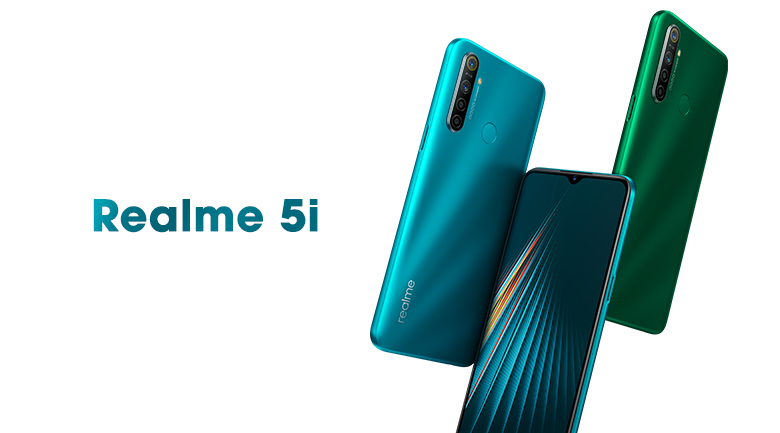
Last week, Realme unveiled the Realme 5i smartphone in Vietnam. Realme India today held an unveil event in the country to announce the same phone for the Indian audience. With a price tag of Rs. 8,999, the handset is priced lower than the Realme 5 that had gone official in the country in August last year. The Realme 5i resembles with the older Realme 5 smartphone. However, the only two major differences between the two devices is that the Realme 5i has a downgraded front and does not feature a diamond-cut patterned rear like the Realme 5.
Realme 5i price in India
The Realme 5i has arrived in India in 4 GB RAM + 64 GB storage edition with a pricing of Rs. 8,999 (~$126). Forest Green and Aqua Blue are the two color variants of the smartphone. The first sale of the smartphone will be held on Jan. 15 at 12PM (local time). The smartphone will be exclusively available for purchase through Flipkart and Realme’s India online store.
In comparison, the Realme 5 with base model 3 GB RAM + 32 GB storage is selling with the same price of Rs. 8,999 (~$126) in India.
The Realme 5i is equipped with an IPS LCD display with mini dewdrop notch. The rear shell panel of the smartphone features a polished polycarbonate rear with an anti-fingerprint coating.
The 6.52-inch screen delivers 720 x 1600 pixels HD+ resolution and an aspect ratio of 20:9. The phone promises a screen-to-body ratio of 89 percent. The Snapdragon 665 mobile platform is present under the hood of the device along with 4 GB of LPDDR4x RAM. The phone ships with an internal storage of up to 64 GB. For additional storage, there is a dedicated microSD card slot on the device.
The ColorOS 6.1 based Android 9 Pie OS comes preloaded on the device. The phone is equipped with a 5,000mAh battery that promises 30-day standby time. The phone supports reverse charging but lacks support for fast charging.
The rear side of the Realme 5i features a quad camera setup includes a 12-megapixel main lens with f/1.8 aperture, a 119-degree 8-megapixel ultrawide lens, a 2-megapixel macro lens. It comes with support for Super Night Scape 2.0, EIS for video shooting and slow-motion video recording. The handset has a front camera of 8-megapixel. In comparison, the Realme 5 is equipped with a 13-megapixel selfie camera.
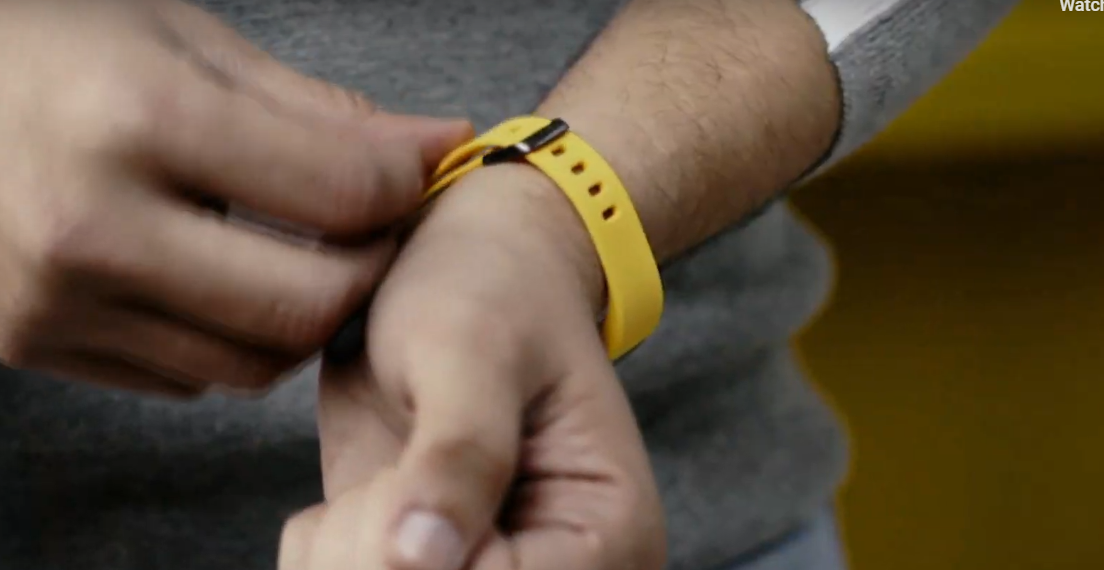
At the end of the Realme 5i launch, the Realme India CEO Madhav Sheth teased the arrival of a yellow colored Realme fitness band. Nothing is known on the specs and features of the company’s first smart band. As Sheth had revealed earlier, the Realme fitness band is expected to launch in the first half of this year.
The Redmi 8 has been available in three color variants since its launch in October last year. Starting from today, the Chinese firm has started selling a fourth color variant called Phantom Red for Redmi 8 buyers in the home market. The new color option is available only for the 4 GB RAM + 64 GB edition of the smartphone.
The Redmi 8 Phantom Red color variant will be selling alongside other options like Fairy Green, Sapphire Blue and Carbon Ash. The new color edition is available as Ruby Red in other markets like India. The Redmi 8 Phantom Red 4 GB RAM + 64 GB storage is priced at 799 Yuan (~$115).
Redmi 8 Phantom Red
The 3 GB RAM + 32 GB storage edition of the Redmi 8 is priced at 699 Yuan (~$100). This variant is available in other color editions except for Phantom Red.
The Redmi 8 has a 6.22-inch IPS LCD display with waterdrop notch. The 19:9 aspect ratio producing screen delivers HD+ resolution of 720 x 1520 pixels. The Snapdragon 439 mobile platform drives the smartphone. The phone ships with MIUI 11 based Android 9 Pie OS.
The rear side of the Redmi 8 has a dual camera setup. It has a Sony IMX363 12-megapixel primary shooter and a depth assist lens of 2-megapixel. For shooting selfies, the phone posses an 8-megapixel lens. There is a 5,000mAh battery inside the smartphone that offers support for 18W fast charging through USB-C. The back panel of the smartphone is fitted with a fingerprint scanner below the dual camera module.
Apart from introducing the Redmi 8 Phantom Red edition, the Chinese firm has also started selling the Twilight Orange color option for Redmi Note 8 Pro in the home market. The new color models are available for only two variants of the Note 8 Pro such as 6 GB RAM + 128 GB storage and 8 GB RAM + 128 GB storage. These models are respectively priced at 1,399 Yuan (~$201) and 1,599 Yuan (~$230).
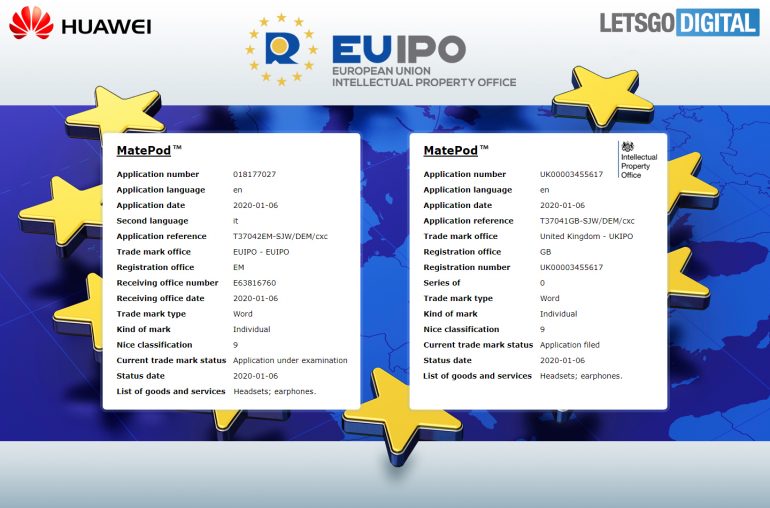
In 2018, Huawei had launched FreeLace wireless headset alongside the Huawei P30 and P30 Pro flagship phones. In September, the company unveiled the Mate 30 series and it also announced the FreeBuds wireless earbuds as a rival product for Apple AirPods. The Chinese firm has trademarked the “MatePod” moniker with European Union Intellectual Property Office (EUIPO). It seems like the company has a trademarked the new for its new earbuds that may go official with the P40 and P40 Pro phones.
The trademark for MatePod was filed with EUIPO on Jan. 6. The same name was also trademarked with Intellectual Property Office (IPO) in the U.K on the same date. The product category in which the MatePod has been classified includes headsets; earphones; speakers; computer hardware; tablet; smartphones; handheld digital electronic devices capable of providing access to the internet and for sending, receiving, and failing telephone calls, electronic mail, and other digital data ‘.
The MatePod sounds quite similar to Huawei’s Android tablet lineup – MatePad. Probably, the Chinese manufacture could be planning to replace the FreeLace / FreeBuds names with MatePod. It is just being speculated that the new MatePod headset may debut alongside the P40 series of flagship phones that are expected to go official in March. There is a possibility that the MatePod may break cover later this year along with the Mate 40 series smartphones.
In related news, a reliable tipster had claimed Huawei is planning to launch three flagship phones with P40 branding. These include standard, pro and lite. The leakster also claimed that there could be a Porsche Design edition or Max variant too. While the rumor mill has leaked details on the P40 and P40 Pro models, past reports have claimed that the P40 Lite could be a midranger and a rebranded version of the Huawei Nova 6 SE. However, the tipster has claimed that the lite model is also a flagship phone. Hopefully, more details on the specs of the third member of P40 family will be revealed in the coming days.
A recently seen render of the P40 Pro revealed that it has a dual-edge curved display with a punch-hole at its top-left corner for the dual front-facing cameras. The size of the display could be 6.5 or 6.7 inches. The back panel of the phone a rectangle-shaped camera module. It comprises of five cameras along with LED flash. It is speculated that the rear camera system includes such as a wide-angle lens, a cine lens, a ToF (Time of Flight) sensor, a periscope lens with 10x optical zoom support and a fifth lens that could be a telephoto sensor with up to 9x optical or ultrawide lens. The P40 and P40 Pro will be equipped with Kirin 990 5G chipset and Android 10 OS.
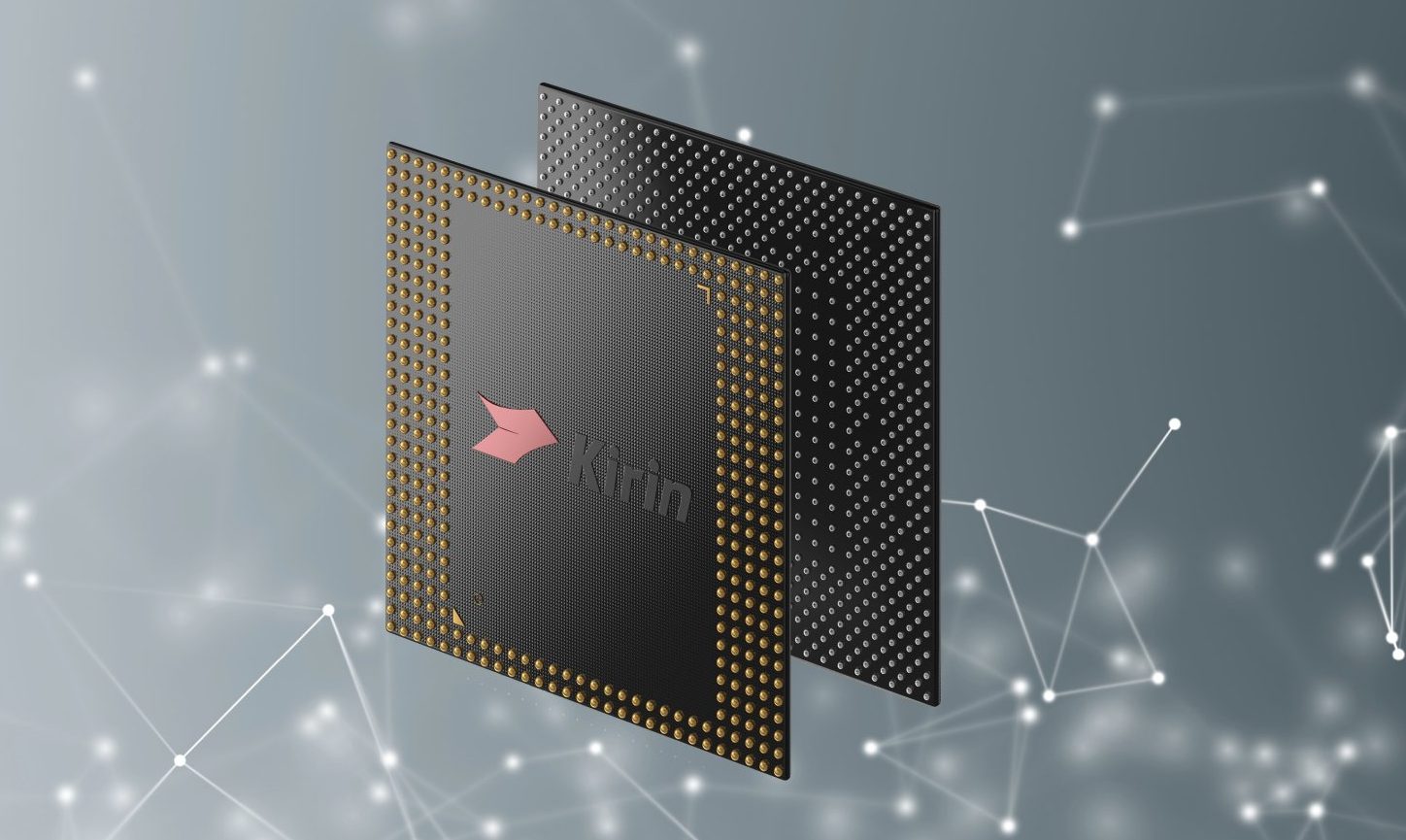
In a bid to reduce reliance on third-party suppliers, leading smartphone makers like Samsung and Huawei have ramped up usage of their own chipsets for products. According to IHS Markit, this is causing a major shift in the market.
The report shows that both Samsung and Huawei have expanded their in-house chipset shipments by more than 30 percent in Q3 2019 compared to the same period last year. In line with this, the share of Qualcomm fell by 16.1 percent during the same time.
Samsung Exynos 990 SoC
Further, it has been revealed that South Korean giant Samsung used its own Exynos processor in about 80.4 percent on its mid-range smartphones in Q3 2019, up from 64.2 percent in 2018. Overall, the Exynos chipset were found in 61.4 percent of smartphones coming from Samsung during the same quarter.
On the other hand, Huawei used its own Kirin lineup of processors in 74.6 percent of the smartphones that the company shipped in the third quarter of 2019. This represents an increase from 68.7 percent one year earlier, according to IHS.
This is a major shift for the Chinese giant which previously used its Kirin chipsets mainly on flagship smartphones. However, it is now expanding the usage of its own Kirin processor for mid-range devices as well.
The report from IHS adds that Qualcomm’s portion of Huawei shipments decreased to 8.6 percent in the third quarter of 2019, down from 24 percent in the third quarter of 2018. On the other hand, MediaTek increased its share of Huawei phones, rising to 16.7 percent in the third quarter, up from 7.3 percent a year earlier.
However, at the same time, both Qualcomm and MediaTek are fighting fiercely to maintain and grow their market share. With the likes of Xiaomi, Oppo and Vivo being the major customers of Qualcomm and MediaTek, the competition between these two chipmakers is heating up.
Qualcomm retained the highest share in the global mobile processor market in the third quarter of 2019 with a 31 percent share, followed by MediaTek at 21 percent. Samsung’s Exynos and Huawei’s Kirin recorded 16 percent and 14 percent market share, respectively.
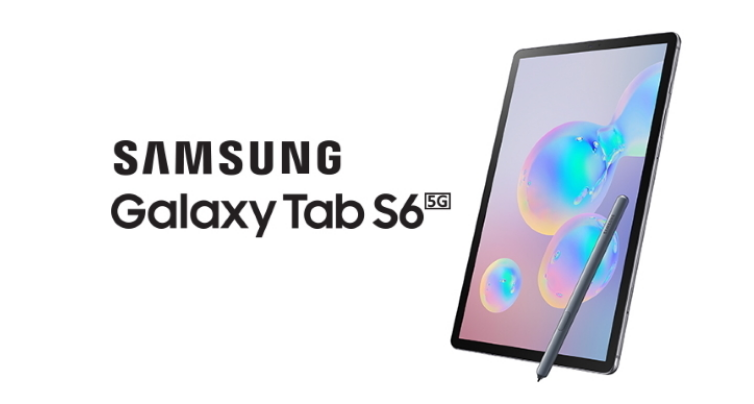
Samsung Galaxy Tab S6 5G is inching towards its launch in South Korea. The tablet had bagged necessary certifications at the end of the last month. Now the tablet has been spotted on the database of Android Enterprise. It appears that the flagship tablet will soon go official in the home market.
The Android Enterprise listing of the Galaxy Tab S6 5G carries its SM-T866N model number. The listing reveals that the tablet has a 10.5-inch display. The device includes 6 GB of RAM and it has a native storage of 128 GB. The tablet is loaded with Android 9 Pie OS which will be overlaid with Samsung’s One UI skin.
Samung Galaxy Tab S6 5g
The aforementioned specs of the Galaxy Tab S6 5G are exact match with its 4G LTE / Wi-Fi edition. It could be also available in higher edition featuring 8 GB of RAM and 256 GB of built-in storage. The promotions of the tablet have started in South Korea and its support page has also gone live on the official website. Samsung had recently confirmed that the Galaxy Tab S6 5G will be made official in the first quarter this year. It will be going official as the world’s first tablet with 5G support.
The 4G LTE / Wi-Fi edition of the Galaxy Tab S6 houses a 10.5-inch S-AMOLED display that is integrated with a fingerprint scanner. It is the first tablet with HDR10+ compliant display. The screen of the device offers 1600 x 2560 pixels quad HD resolution and a tall aspect ratio of 16:10. The Snapdragon 855 mobile platform is present under the hood of the device. It comes in 6 GB / 8 GB RAM choices and 128 GB / 256 GB storage options.
The Galaxy Tab S6 features a dual camera setup on its back. It has a main lens of 13-megapixel and a 5-megapixel secondary senor. It houses a big battery of 7,040mAh capacity that is coupled with 15W fast charging. The tablet is equipped with AKG tuned quad speakers. The device carries support for S Pen stylus.
The 128 GB and 256 GB Galaxy Tab S6 are respectively priced at $649 and $729 in the U.S. Its color options are Cloud Blue, Rose Blush, and Mountain Gray.
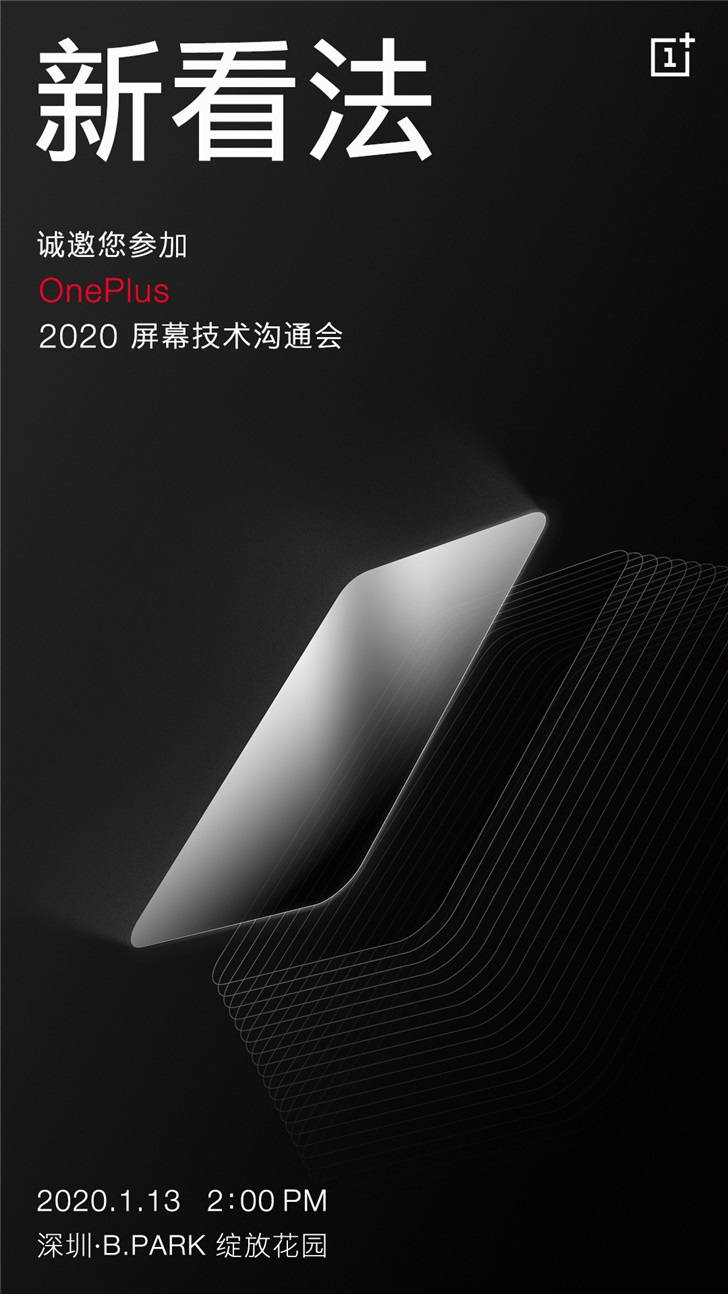
Chinese premium smartphone maker OnePlus has sent out media invites for an event on 13th January which the company has named “OnePlus 2020 Screen Technology Communication Meeting.”
The brand has not yet revealed what to expect in this meeting, which will be held on 13th January at 14:00 local time in Shenzhen B.PARK bloom garden.
However, going by the name of the event, it seems that the company will be revealing information about the latest screen or display technology that the company plans to use in its upcoming flagship smartphones.
If that turns out to be true, then we expect the company to showcase its 120Hz refresh rate screen for the upcoming smartphone given that the OnePlus 7T series phones come with 90Hz refresh rate.
There are lots of major developments happening when it comes to smartphone displays — from in-display fingerprint sensors to in-display camera modules to higher refresh rate. What OnePlus plans to talk about at this event still remains under the wraps.
The news about the screen technology meeting from the company comes just days after OnePlus showcased its OnePlus Concept One smartphone at the on-going CES 2020 in Las Vegas.
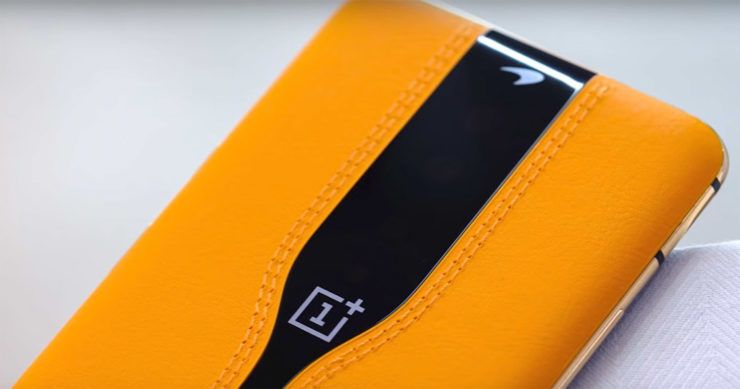
The phone features a vertical triple camera system that is neatly tucked under an electrochromic glass. When a current is applied, the glass can swiftly change from opaque to transparent. This special type of glass is used for sunroofs of some luxury cars, airplane windows and also for buildings where it used as a walls and windows.
In this smartphone, when the camera is turned on, the three sensors become instantly visible. When the camera app is closed, the triple cameras again become invisible. The company claims that it takes only 0.7 seconds for the glass to transition from transparent to opaque or vice versa.
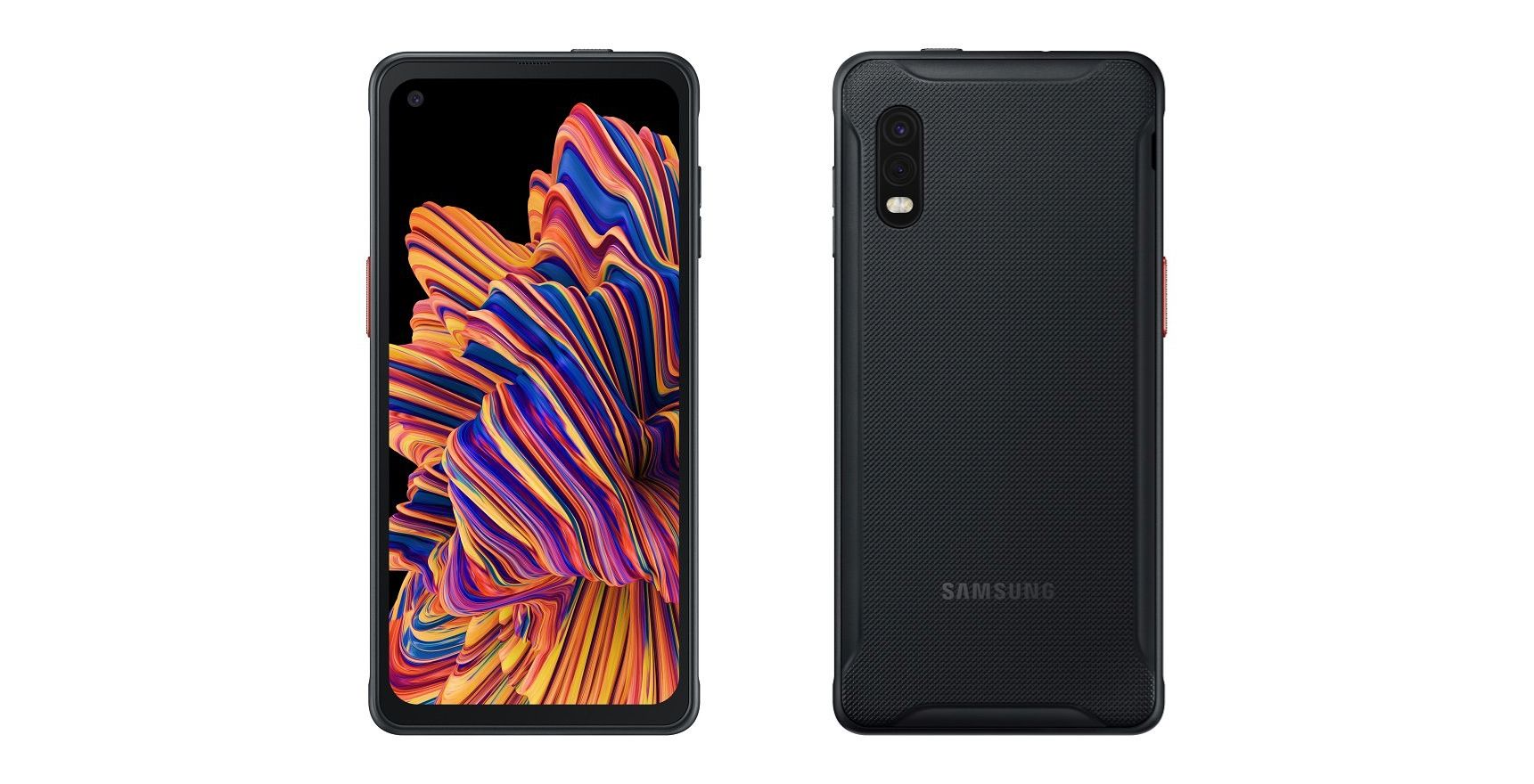
Samsung has discreetly unveiled the Galaxy XCover Pro smartphone in Finland. The confirmation has come through an official press release. Like the predecessor models, the Galaxy XCover Pro is a rugged smartphone. Unlike the older models that came with thicker bezels, the XCover Pro features the latest punch-hole screen that is surrounded by slimmer bezels. Also, the other attractive features of the smartphone include dual rear cameras and a large-sized battery with fast charging support.
Samsung Galaxy XCover Pro specifications
The Galaxy XCover Pro has 165.2 x 76.5 x 9.94 mm and it weighs 217 grams. It is an IP69 and MIL-STD-810G certified rugged smartphone that is built to withstand harsh climatic conditions and damage from water, dust, impacts and shocks. The XCover Pro features a TFT panel of 6.3 inches. The punch-hole screen supports 1080 x 2400 pixels. The display can be operated with wet hands and gloves.
The Exynos 9611 chipset along with 4 GB of RAM powers the Galaxy XCover Pro. The native storage of the device is 64 GB and there is an external storage slot that supports up to 512 GB of microSD card. It has a 4,050mAh battery that carries support for 15W fast charging. The battery is removable.
The rear shell of the smartphone has an LED assisted and autofocus enabled dual camera system that comprises of a 25-megapixel primary shooter and an ultrawide lens of 8-megapixel. The punch-hole on the display is the home for its 13-megapixel selfie camera.
The Android 9 Pie OS comes preloaded on the Galaxy XCover Pro. It is overlaid with the company’s One UI customs skin. The smartphone possesses two programmable buttons which can be used for switching on / off the flashlight or sending text messages by talking (Push to Talk). Samsung promises utmost security on the device through its Knox security system. A side-mounted fingerprint sensor is also available on the device.
Samsung Galaxy XCover Pro price and release date
The Galaxy XCover Pro comes in Black color only. It is priced at 499 euros (~$555) and its sales will commence on Jan. 31 in Finland. There is no word on the availability of the smartphone in other markets.
Share us your thoughts on the specs and pricing of the Galaxy XCover Pro by posting your comments below.
Xiaomi sub-brand Redmi’s highly anticipated Redmi Note 8 series went official in China in August last year. The launch of Redmi Note 8 Pro smartphone made it the world’s first to come with 64-megapixel primary camera sensor.
Recently, the company introduced a new color option for the Redmi Note 8 Pro smartphone — Twilight Orange. This is in addition to existing colors that include Fritillaria White, Ice Emerald (Green) and Light Gray.
Today, the Redmi Note 8 Pro Twilight Orange color option will be available for purchase in the Chinese market at 10:00 AM local time. This new color model comes in two variants — 6GB RAM + 128GB storage for 1,399 yuan (~$201) and 8GB RAM + 128GB storage for 1,599 yuan (~$230).
Coming to the specifications, the smartphone comes with an IP52 splash resistant body and is equipped with a 6.53-inch IPS LCD display with waterdrop notch. It supports Full HD+ screen resolution of 1080 x 2340 pixels. The TUV Rheinland certification for the display ensures that it filters the harmful blue rays.
There’s a MediaTek Helio G90T processor which fuels the smartphone. It is packed with 6GB and 8GB of RAM, depending on the variant you choose and comes in two storage options — 64GB and 128GB. There’s also a dedicated microSD card slot that enables you to further expand the storage capacity on the device.
The quad-camera setup on the back includes an f/1.7 aperture 64-megapixel ISOCELL Bright GW1 as primary lens, an ultrawide lens of 8-megapixel, a 2-megapixel macro lens with 2cm focal length and a depth sensor of 2-megapixel. There’s also a 20-megapixel front-facing camera for taking selfies, housed inside the notch on top of the display.
The smartphone runs Android 9 Pie operating system out-of-the-box with MIUI 10 which comes with enhanced gaming experience, thanks to the Game Turbo 2.0 and HyperEngine by MediaTek. The device is powered by a 4,500mAh battery that carries support for 18W rapid charging technology.
A couple of days ago, Realme launched its first 5G smartphone in its home country China — Realme X50 5G, which went on sale the very same day. The company then announced that all the units put on sale were sold out, without revealing the numbers.
Now, the company is all set to host another sale of the Realme X50 5G smartphone in China today. If you didn’t get your hands on the smartphone in the first sale, then you can try again today at 10:00 AM local time in China.
The smartphone costs 2,499 yuan (~$360) for the 8GB RAM + 128GB storage model and 2,699 yuan (~$388) for the 6GB RAM + 256GB storage variant. The top-end model with 12GB RAM + 256GB storage costs 2,999 yuan (~$432). The phone comes in two color options — Polar White and Glacier Blue.
As for the specifications, the Realme X50 5G features a 6.57-inch IPS LCD display with 120Hz refresh rate, an aspect ratio of 20:9, and Full HD+ screen resolution of 1080 x 2400 pixels, along with a screen-to-body ratio of 90.4 percent.
Under the hood, the device is powered by Qualcomm Snapdragon 765G mobile platform that includes Adreno 620 graphics, fifth generation AI processing engine and dual-mode 5G. It supports n1, n41, n78 and 79 5G frequency bands of China.
The company also reveals that the phone can not only connect two dual Wi-Fi connections but also with 5G networks simultaneously for stable and uninterrupted web connection. The five-dimensional ice-cooled heat dissipation system that includes a double layer of graphite sheet, liquid cooled copper pipe, thermal gel, thermal silicon pad, copper foil thermal array and more layers graphite sheet ensures that the phone remains cool.
Coming to the camera setup, the device comes equipped with a dual-camera setup on the front side, housed inside the pill-shared cutout on the display. It includes Sony IMX471 primary lens coupled with an 8-megapixel super-wide sensor.
On the back side, the smartphone features a quad-camera setup that includes an f/1.8 aperture Samsung GW1 64-megapixel main lens, an f/2.3 aperture 8-megapixel ultrawide lens with 119-degree field-of-view, an f/2.5 aperture 12-megapixel telephoto lens and an f/2.4 aperture 2-megapixel macro lens with a focal length of 4cm.
As for the connectivity options, the phone supports dual-SIM slot with microSD support, dual frequency GPS, Wi-Fi 802.11ac, Bluetooth 5.0 and USB-C. The smartphone lacks a 3.5mm audio jack. It also has features like side-mounted fingerprint reader, 1216 super linear speaker Dolby Sound and Hi Res audio support.
The smartphone is running Android 10 operating system out-of-the-box with the Realme UI custom user interface on top. The device is backed by a 4,200mAh battery with Enhanced VOOC 4.0 Flash Charge technology for 30W charging that is promised to charge up to 70 percent in just 30 minutes.
A couple of months ago, in November 2019, at the Lenovo Innovation and Technology Conference, the company released its first foldable smartphone — Motorola Razr. At that time, the company confirmed that the phone’s isn’t coming to China anytime soon.
Now, during CES 2020 in Las Vegas, Liu Jun, Executive Vice President of Lenovo Group and President of Lenovo‘s China operations, said in an interview that the Motorola Razr smartphone will be launched in the Chinese market in the second quarter of this year.
After launching the Motorola Razr smartphone in November in the United States, Yang Yuanging, Chairman and CEO of Lenovo Group confirmed that the phone’s sale in the U.S. has been postponed due to demand and supply issues. Also, Liu Jun has said that the Razr foldable smartphone coming to the Chinese market in Q2 2020 will come with support for 5G connectivity.
Earlier, explaining the reason for not launching the device in China, the company had said that China’s network operators currently do not support eSIM cards due to technical problems. This is an issue given that the Motorola Razr doesn’t come with physical SIM card slot and only supports eSIM.
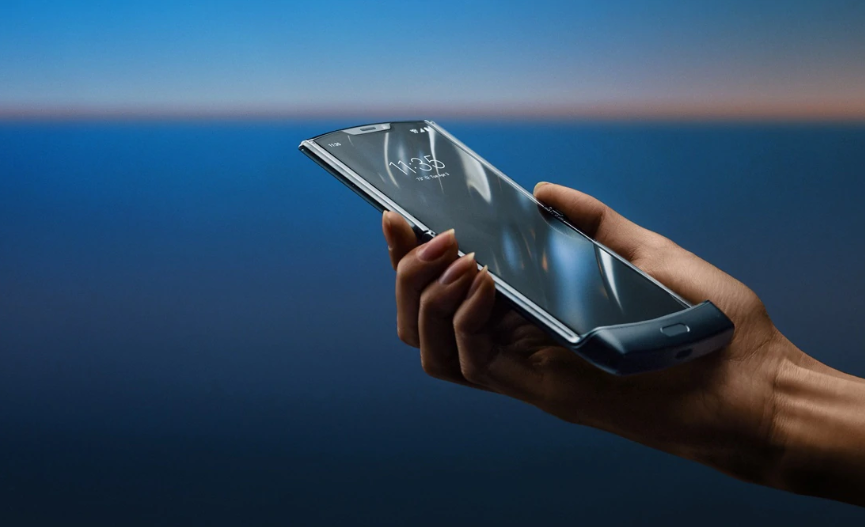
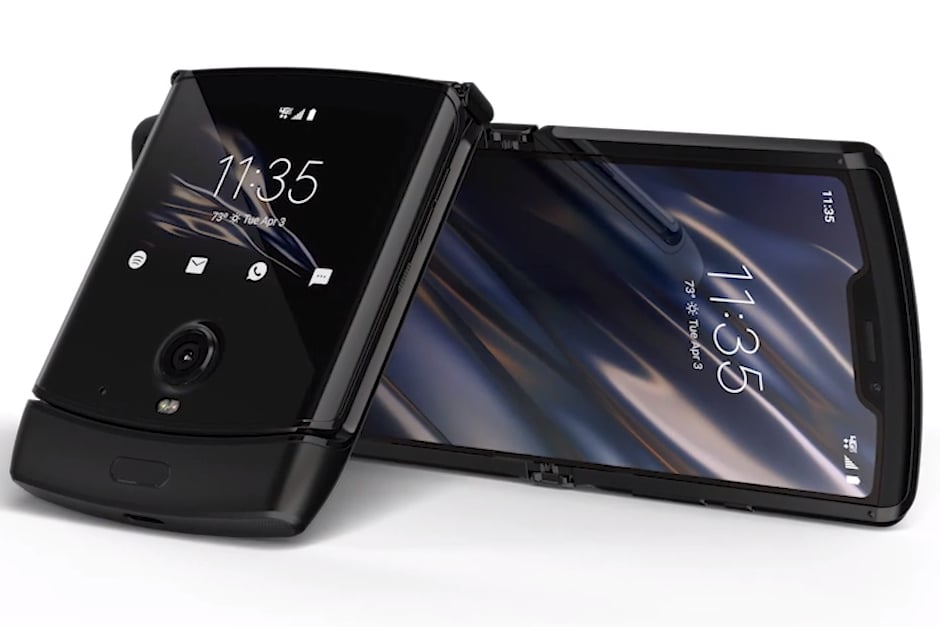
As for the specifications, the Motorola Razr features a main Flex View p-OLED display of 6.2 inches. It carries support for 2142 x 876 pixels and a tall aspect ratio of 21:9. It can be accessed by unfolding the device.
While the Galaxy Fold and Mate X can be unfolded horizontally to use them like a tablet, the Razr can be unfolded vertically to use it as a regular phone. The device comes with nano-coating for splash resistance and it weighs 205 grams.
Motorola Razr
When the device is closed, users can make use of the Quick View secondary display of 2.69 inches that offers a resolution of 800 x 600 pixels. When folded, it becomes a pocketable device as it measures 94.5 x 71.95 x 14.06mm.
The second screen or the Quick View display can be used for viewing notifications and basic tasks like responding to messages. The Quick View is integrated with Google Assistant which enables quick responses. Content can seamlessly transition between the Quick View and Flex View screens.
Under the hood, the device is powered by Qualcomm Snapdragon 710 chipset, which is coupled with 6GB of RAM and internal storage of 128GB. The device runs Android 9 Pie operating system and is fuelled by a 2,510mAh battery that carries support for 15W TurboPower charging through USB-C.
The LG V50 ThinQ was released almost a year ago and it seems a successor will soon arrive. Photos of the LG V60 ThinQ’s rear panel have surfaced on the web and they give us an idea of the design and its camera configuration.
The images show the rear cameras will be arranged horizontally just like that of the LG V50 ThinQ. However, the opening is longer and hints at the LG V60 ThinQ coming with more cameras. Our guess is there will be four cameras along with the LED flash occupying the hole.
[envira-gallery id=”299844″]
There is no cut-out for the fingerprint scanner which means we are getting an in-display fingerprint sensor like that of the LG V50S ThinQ. The photos show the phone will come in black and surprisingly, pink.
Popular leaker, OnLeaks, said the V60 ThinQ may be the same he originally leaked as the LG G9. If that is true, the LG V60 ThinQ will have a U-shaped notch in its display as shown in the leaked renders of the LG G9. The phone should also have an audio jack and a dedicated Google Assistant button.
It is also possible that the LG G9 and LG V60 ThinQ share the same rear design but different designs for the display. Nevertheless, more leaks will probably surface before the device’s launch next month at Mobile World Congress. Actually, we believe the LG G9 and LG V60 ThinQ will arrive together.
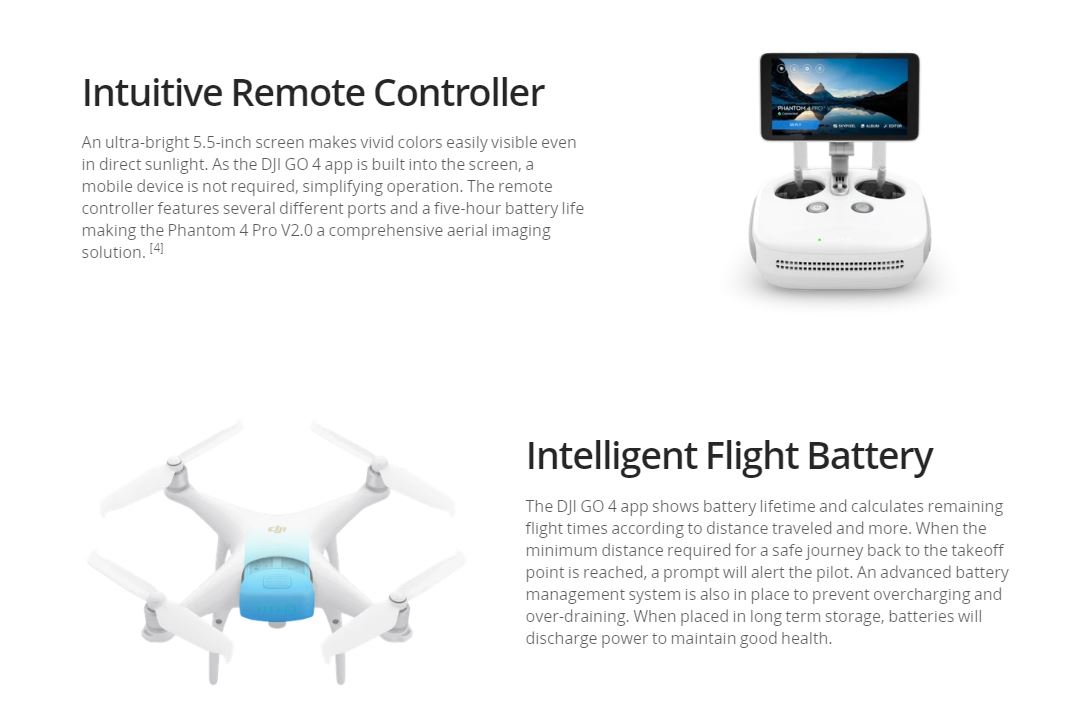
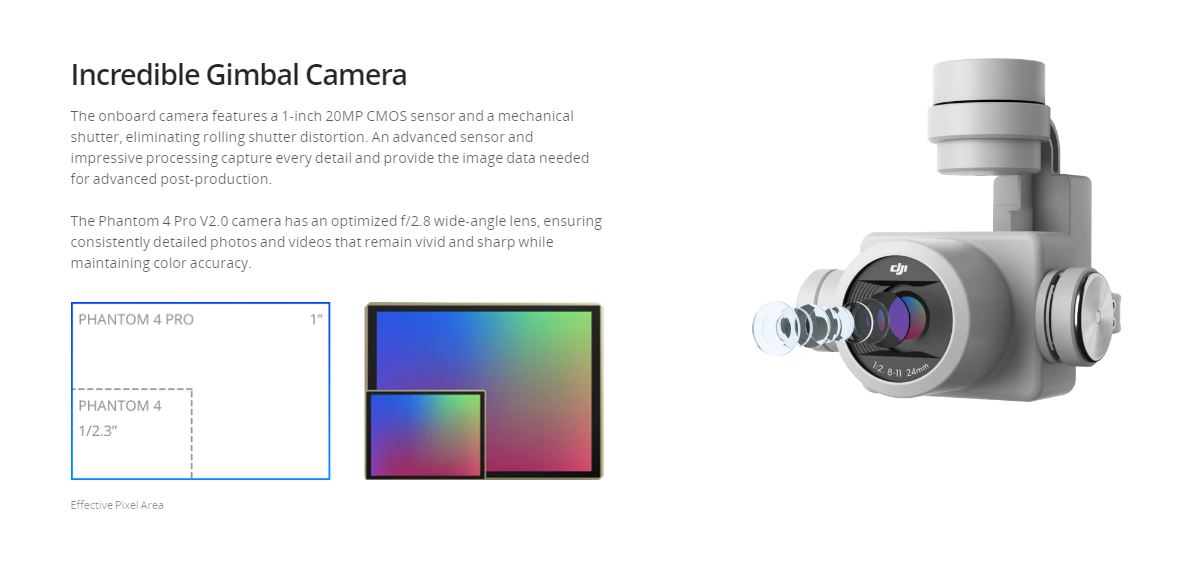
DJI’s line of “prosumer” drones is particularly popular because they offer professional-grade quality and features in a price tag that is still accessible to casual drone fans. For a long time, the golden standard was the DJI Phantom 4 Pro that became iconic instantly with its white body and features that blew away most of the competition. Well, the original version is no longer in production and has been replaced by the DJI Phantom 4 Pro V2.0 that comes with improved propulsion system and OcuSync transmission technology.
The Phantom 4 Pro was released at a time when ultra-portable drones dominated the market. Coming with features that could rival professional-grade drones, it challenged technology to create a miracle that could fit in your pocket yet being able to deliver professional results.
And then came V2.0 of the Phantom 4 Pro with unique features like the Cinematic 4K resolution, also known as 4K DCI. This is a wider aspect ratio which may not be relevant to some drone pilots but is highly valued in the professional filmmaking industry. The 2.0 version has also been upgraded with a variable aperture that allows you to make on-the-fly adjustments for a variety of lighting conditions.
After the release, mystery was spread over its production as it was out of stock many times. But that’s all in the past now as it is back on the company’s online store and isin stock. So, if you’ve been waiting to grab one during the holiday season in December but didn’t, now is your chance. You can get it here.
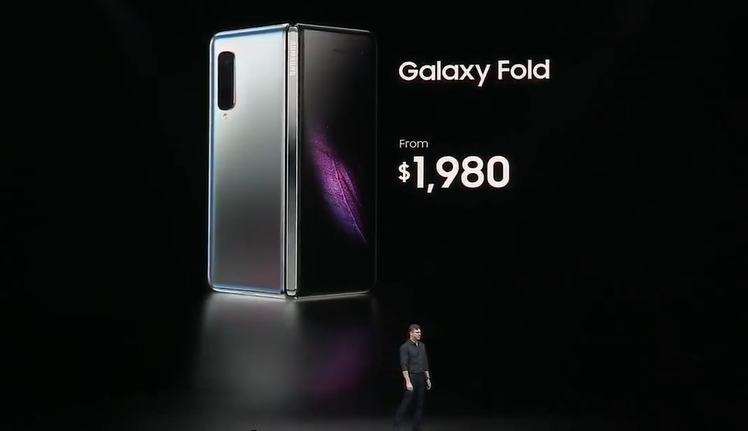
If you put a $2000 price tag on a phone, it is only fair people are curious to know how many units you are able to sell. Last year, there was a report that Samsung had sold 1 million Galaxy Fold units but the statement was later denied. At an interview at CES 2020, CEO of Samsung Electronics, DJ Koh, has revealed the true amount sold.
The top executive revealed that they have sold between 400,000 to 500,000 units of the Galaxy Fold. This goes in line with the earlier statement refuting they had sold 1 million units. The official statement had said that if they had sold 1 million units, they would have sold double their initial sales expectations.
The Galaxy Fold is definitely out of the reach of a lot of people but its launch was one of the highlights of the last decade and a defining moment for the mobile industry.
Samsung is set to announce a new foldable phone that folds vertically. This device should have a cheaper price tag than the Galaxy Fold. There are reports it will launch as the Galaxy Fold 2 but we have also seen some folks say that is not its official name.
There is a launch event scheduled for February 11 where Samsung will announce the Galaxy S20 series and the new foldable device. It is still a month away but we are pretty sure more details about the devices will surface before the launch day.
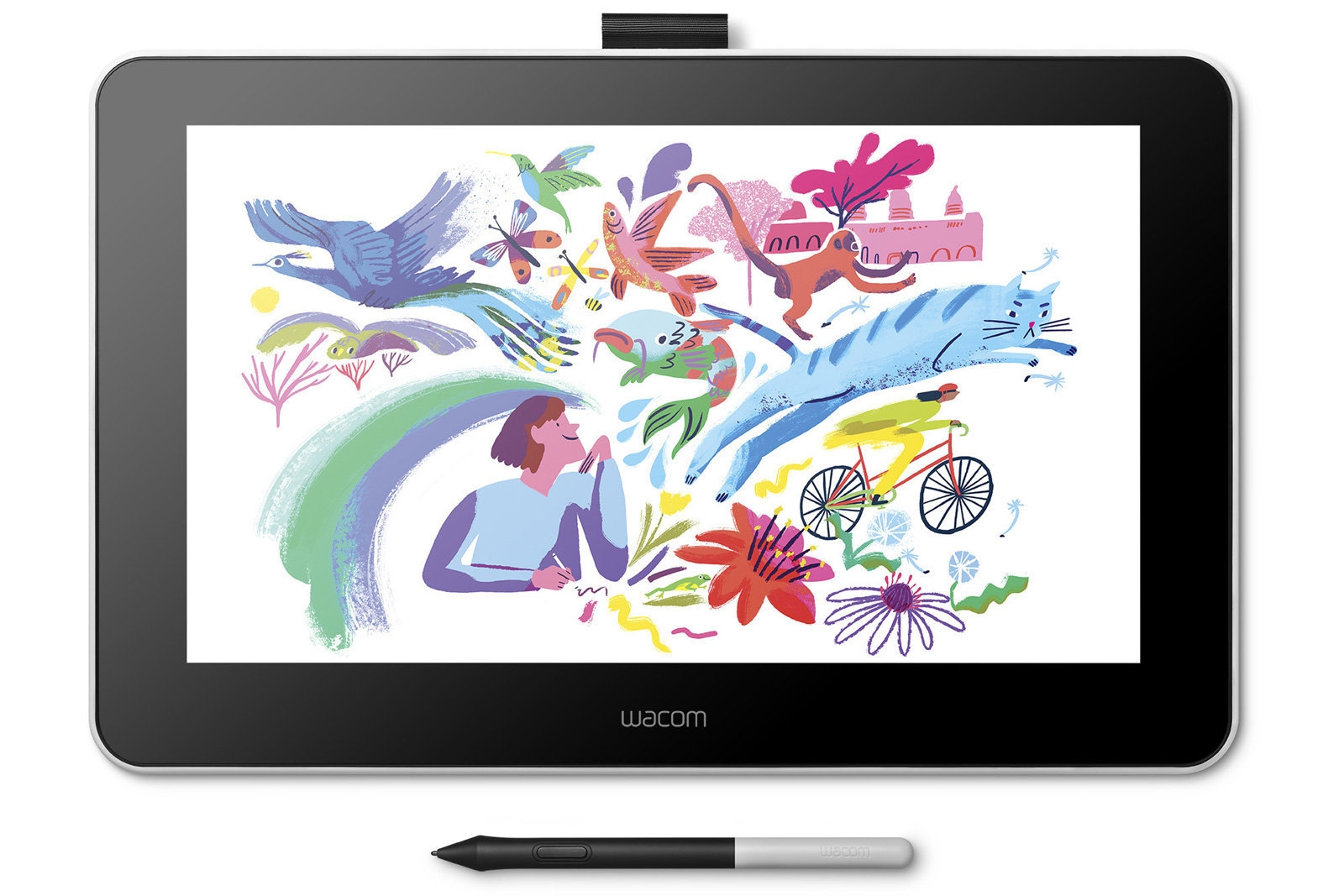
Wacom has joined the list of tech giants that made a presence at CES 2020 with amazing products. One of the Japanese techy’s products unveiled in the Wacom One pen display tablet. The device lets you draw directly on a screen for $400 which is cheaper than the company’s previous offerings with a base price of $650
The Wacom One display features a mammoth 13-inch display with a screen resolution of 1080p and 72 per cent NTSC colour gamut. The display has a 26ms response time which some professional artists who desire a quick-response canvas might find slow. It is also bundled with a stylus pen that doesn’t use a battery. The pen can be used to sketch with 4,096 pressure levels and a tilt of up to 60 degrees. The display also comes with retractable legs which allow users to mount it uprightly on any surface.
The creative-focused tablet is compatible with Macs, Windows PCs and “certain” Android devices which we believe are the flagship models or based on the Android operating system version. Wacom also supplies apps like the long-serving Bamboo Paper as well as six months of Celsys’ Clip Studio Paint Pro.
The Wacom One is scheduled to go on sale later this month on the Wacom eStore, Amazon.com, select Best Buy locations and other authorized Wacom partners.
CES 2020 is ongoing and after just two days a lot of companies launched several innovative products that may revolutionize the world of technology. We saw interesting launches from important hi-tech brands but also from startups and emerging companies. There are so many interesting products that we decided to make a selection of the 10 coolest products announced at CES 2020. We think that if you are a tech-addicted you should absolutely know these new and innovative products we are going to list. If you know other innovative products launched at Consumer Electronics Show, please share the info with us by using the comment box below the post.
The 10 coolest products of CES 2020
First 5G notebooks: Dell, HP, and Lenovo
For over a year we have been talking about 5G smartphones; now it is time to start talking about 5G notebooks. Dell, HP, and Lenovo showcased their first laptops with 5G connectivity at CES 2020. To be honest, Dell already unveiled the first 5G laptop a few days ago, but at CES 2020 it announced its 2 in 1 version. HP announced the Elite Dragonfly G2, while Lenovo came up with the Yoga 5G 2 in 1. The laptops support 5G connectivity thanks to Qualcomm’s modem and they all run Windows 10.
OnePlus Concept One
OnePlus attended CES 2020 with a concept phone: the OnePlus Concept One. Its key feature is the invisible camera technology. The concept model is a smartphone with a leather rear in the iconic Papaya Orange color of McLaren and invisible triple cameras on the backside. The cameras are placed underneath an electrochromic glass which can change from opaque to transparent making the cameras effectively invisible while not used. The company said that it takes 0.7 seconds for the glass to transition from transparent to opaque or vice versa. The glass is also able to become semi-transparent so that the user can shoot better photos in very bright sunlight. The panel includes two 0.1 mm glass panels and organic material for a thickness of just 0.35 mm. OnePlus Concept One will probably never hit the shelves, but we might see this technology on board of the OnePlus 8 series.
Samsung showcased its new Galaxy Note 10 Lite and S10 Lite at CES 2020. The two devices which will hit the shelves in Q1 2020 are the first Lite variants of Samsung’s flagship lineups. The Galaxy Note 10 Lite is the first “affordable” Note device and it provides all the innovative and unique features of the S Pen for a listing price of just €599. Despite being Lite variants, these devices still come bundled with high-end specifications, including Exynos 9810 and Snapdragon 855 chipsets, as well as great camera departments including a new optical stabilization technology.
Lenovo unveiled the world’s first foldable laptop (with a foldable display) at CES 2020 and it is not a concept anymore. Its name is ThinkPad X1 Fold and it will be available to purchase this year. The laptop is equipped with a Plastic OLED display boasting a 4:3 aspect ratio, a 13.3-inch diagonal and a 2K resolution. The laptop weighs just 999 grams but it includes a good 55 Wh battery lasting 11 hours on a single charge, according to Lenovo. It is fueled by a next gen Intel Core CPU paired with 8 GB of LPDDR4x RAM and up to 1 TB of internal storage (SSD), it includes a SIM card slot and two USB Type-C ports. The laptop may include a 5G modem.
Samsung NEON technology
Samsung NEON is not a hardware product but it is a new technology. It is a technology able to give a body and a face to chatbots. It creates avatars able to interact with real people for a series of tasks to be accomplished. The software managing the avatars is able to generate new expressions, movements, and dialogues in real time, automatically, in just a few milliseconds. This will make the virtual avatar extremely realistic.
Coming to the IoT sector, Samsung unveiled Ballie: a small rotating robot that is able to recognize people around it thanks to AI and control smart home appliances. But it can do a lot more: it is even able to follow us wherever we go and find solutions or call us in case of issues. The official video shows the robot solving problems and helping the user in a very smart way: you can check it below.
Sony VISION-S concept car
A lot of people expected Sony to unveil the PS5 at CES 2020, but it did not happen (the company only unveiled the new PS5 logo). Instead, Sony came up with a concept car: the Vision-S. It is Sony’s first electric car and it was built by the company’s AI and robotics team. The car features 33 sensors able to detect people and other vehicles inside and outside the car in order to provide driving support.
Yes, again Samsung. It is one of the companies that announced the highest number of innovative products at CES 2020. The nth one is the new The Wall TV: one of the biggest TVs ever made. It comes with a MicroLED panel measuring whopping 292 inches (over 7.4 meters), but there is also a 150-inch version with 8K resolution. The MicroLED panel provides perfect black levels and high brightness for a quality that is potentially better than OLED without the risk of burn-in.
Ninebot Segway S-Pod
Ninebot reinvented the world of micro-mobility by announcing an electric chair that can reach up to 38 km/h (24 miles per hour) at CES 2020: the Segway S-Pod. The sedan chair has a joystick to control the velocity and direction of the travel, but it can also be controlled remotely through a tablet.
Besides its first 5G laptop, Dell also showcased three concept PCs at CES 2020. The first is named Concept UFO and it is a modular PC with the form factor of the Nintendo Switch. It features two removable controllers and it can be used both as a laptop and a desktop computer. The second concept is called Concept Duet and it is a dual-screen PC with two 13.4-inch displays. Last but not least Concept ORI, a PC with a foldable display just like Lenovo ThinkPad X1 Fold, boasting a 13-inch monitor while unfolded.
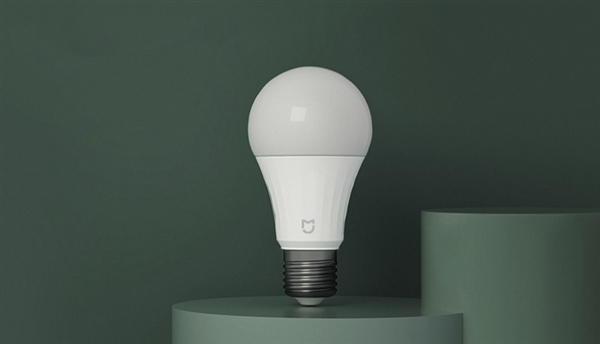
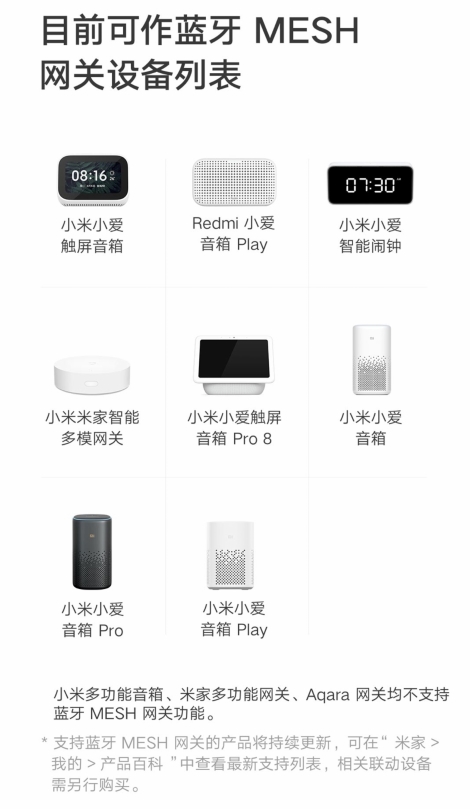
Xiaomi has launched a new product today and it is the MIJIA LED Bulb (Bluetooth mesh version). The product is presently on crowdfunding at Xiaomi Mall for a price of 249 yuan ($35) for 10 pieces. The offer also includes one free Redmi Small Love Speaker valued at 79 yuan, meaning backers are actually paying around 17 yuan ($2) for each piece. At a later date after the crowdfunding exercise, the price with jack up to 29.99 yuan (~$4) for a unit. The LED bulbs are expected to start shipping on February 19.
With the MIJIA LED Bulb, you don’t need to get out of bed to turn on or off the light. The bulb can be paired with devices that support the Bluetooth mesh gateway function such as smartphones, smart speakers and smart displays. This doesn’t require broadband and is stable. It can, thus, be controlled from a connected smartphone.
The light bulb also comes with adjustable colour temperature and brightness which can be adjusted at any time. Being an LED bulb, it is an energy-saving bulb with a 5W power consumption rating. The bulb has an impressive brightness of 500lm which is enough to adequately light up a medium-sized room. The colour temperature can be adjusted between 2700-6500K.
Furthermore, the MIJIA LED Bulb (Bluetooth Gateway version) comes with support for XiaoAI smart voice control. As such, with just a word, you can turn off and turn on the lamp. It also supports the MIJIA app through which you can set the timer switch, delay lights off and other functions.
At the same time, the MIJIA app can also group multiple MIJIA LED light bulbs, such as the main bedroom light bulb group, the second bedroom light bulb group, the children’s room light bulb group, the living room light bulb group, etc. The grouping enableS the light to achieve group control as well as real-time lighting status synchronization.
Cybersecurity research firm Check Point Research says it found “multiple vulnerabilities” within video sharing app TikTok that demonstrated its insecurity as scrutiny for the Chinese-owned company continues to grow. Check Point found that it was possible to spoof text messages to make them appear to come from TikTok, among other issues.
TikTok learned about the conclusions of Check Point’s research on Nov. 20 and said it had fixed all of the vulnerabilities by Dec. 15. It’s still an issue however, as the weaknesses would have allowed attackers to send TikTok users messages that carried malicious links. Once users clicked on the links, attackers would have been able to take control of their accounts, including uploading videos or gaining access to private videos.
The app, whose parent company is based in Beijing, allows users to post short, creative videos, which can easily be shared on various apps. TikTok has been growing more popular among U.S. teenagers at a time of growing tensions between the United States and China over trade and technology transfers. About 60% of TikTok’s 26.5 million monthly active users in the United States are between the ages of 16 and 24.
In a statement, TikTok head of security Luke Deshotels said “TikTok is committed to protecting user data… Like many organizations, we encourage responsible security researchers to privately disclose zero day vulnerabilities to us… Before public disclosure, Check Point agreed that all reported issues were patched in the latest version of our app. We hope that this successful resolution will encourage future collaboration with security researchers.”
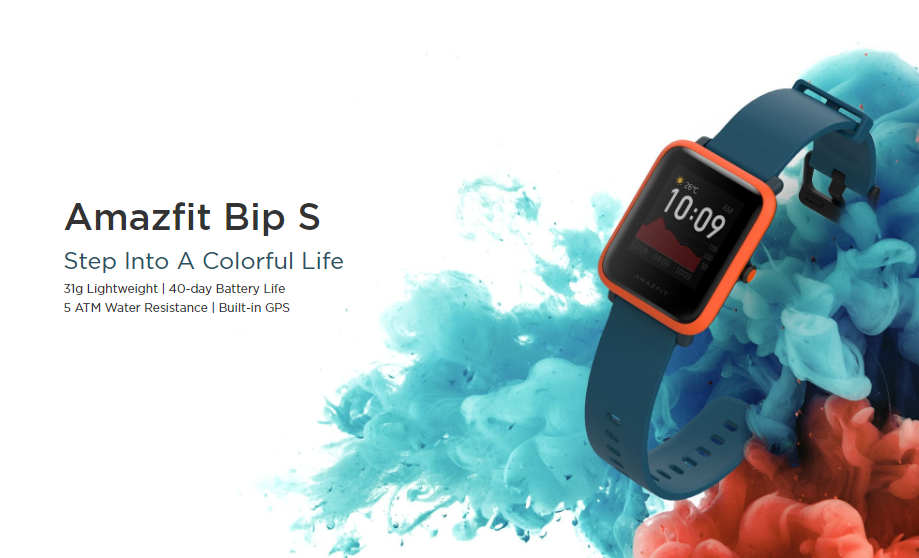
The Amazfit Bip is one of Huami’s most popular smartwatches and now it has gotten a successor called the Amazfit Bip S. Announced at CES 2020, the smartwatch improves upon its predecessor with better connectivity and new features.
Design
Don’t fix what is not broken, right? The Amazfit Bip S keeps the square display of the original. It is still a 1.28-inch TFT transflective color display with a 176 x 176 resolution and a 64 RGB color gamut. And the straps are still 20mm. However, there are some changes.
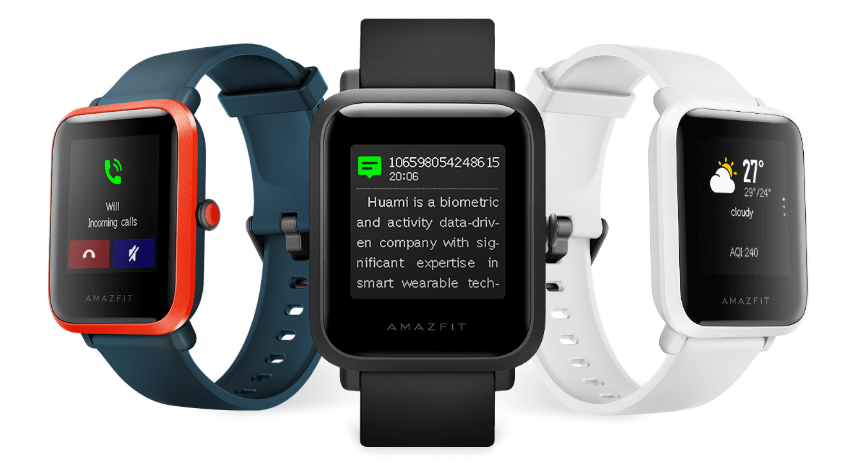
Huami says the polycarbonate body uses a two-tone technology that allows for fusing two different shades of the polycarbonate material. The bands are also self-cleaning thanks to the cleaning wristband manufacturing process developed by Huami. The wristband uses molecular lattice technology to ensure that the bands are soft, dry and resistant to dirt. Huami said this cleaning process is only available on the White Rock, Red Orange, and Warm Pink color variants as they use silicone straps. The Carbon Black variant has skin-friendly TPU straps that do not require it.
Specifications and Features
One of the biggest upgrades the Amazfit Bip S brings is its Sports Modes. It now supports 10 sports modes, more than double that of the original. Along with indoor and outdoor running, cycling, and indoor and outdoor walking, it can also track elliptical training, free training, yoga, and indoor and outdoor swimming. The watch can measure stroke rate, stroke times, and SWOLF index. It will also measure your speed and alert you when your heart rate is higher than normal.
There is a 28nm Sony GPS chip inside the watch which brings better positioning and an improvement in power consumption.
The Amazfit Bip S has 24-hour heart rate monitoring which includes resting heart rate and heart rate intervals. Huami says the new BioTracker PPG heart rate sensor’s sensing area is now 3 times larger; has an LED luminous intensity 7 times more; has its accuracy improved to 98%, and uses 1/5 of the power consumption of the previous generation.
The watch has Huami’s PAI (Personal Activity Intelligence) Assesment System which helps you measure the impact of your physical activity on your heart. There is also support for music control, weather forecast, alarm clock, world clock, call notification (reject or silence), message notifications and more.
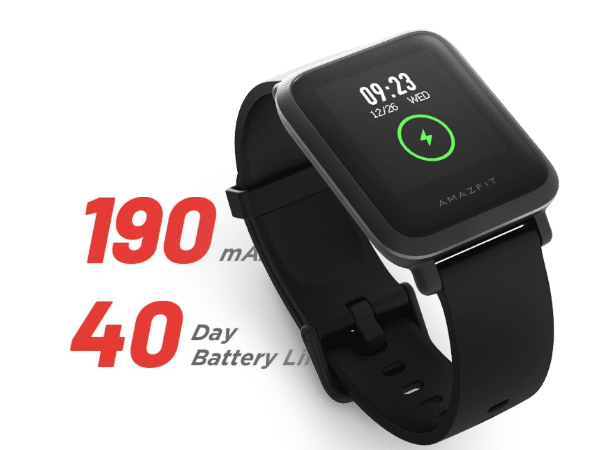
Inside the watch is a 190mAh (200mAh typical) battery which will last 40 days on a single charge and up to 90 days in standby. With GPS turned on, you will get 22 hours of use. The smartwatch takes 2.5 hours to charge via its clip-on pogo pin charger. It has Bluetooth 5.0/LE, a 3-axis acceleration sensor, a 3-axis geomagnetic sensor, and a waterproof rating of 5 ATM.
The Amazfit Bip S weighs 31 grams with the straps and 19 grams without the strap. Its dimensions are given as 42 x 35.3 x 11.4 millimeters. The watch is compatible with devices running Android 5.0 and up and iOS 10.0 and up.
1 of 4
Price and Availability
Huami says the Amazfit Bip S will sell for $70 and will go on sale next month.
Xiaomi‘s latest MIUI 11 custom ROM is available on almost all known eligible Mi smartphones. The thing is, the update didn’t usher in Google‘s latest Android 10 even though there are several new features inspired by Android 10 onboard. The company has since rolled out MIUI 11 based on Android 10 for a couple of devices, including the POCO F1, Redmi K20 Pro/Mi 9T Pro, Mi 9, and more. Presently, more Xiaomi phones are getting Android 10 updates as the company has reportedly started rolling out MIUI 11 based on Android 10 for the Redmi Note 7, Redmi Note 8 Pro, Redmi K20/Mi 9T, Mi MIX 3, Mi 9 SE, and Mi 8 SE.
Out of the lot, the Redmi K20 which launched outside China as Mi 9T has received the MIUI 11 global stable beta while the rest of the pack, apart from the Redmi Note 7, got the China stable beta. On its part, the Redmi Note 7 has received the Chinese closed beta.
These updates are indicators of the imminent release of the stable Android 10 update for most Xiaomi phones. But at present, they are early builds which means they may still harbour some bugs. However, if you are still interested in trying out MIUI 11 based on Android 10 on any of the listed devices, you can download the ROM from the link below and install it on your device. You’ll have to use a custom recovery in order to flash your phone and install these ROMs.
MIUI 11 Global stable beta for the Redmi K20/Mi 9T (Global, EEA, India)
4K content is increasing as time passes by and with more players entering the video streaming market, it’s safe to say that 4K video will soon become the new standard. Already, most TVs sold feature 4K resolution and it was about time for decent 4K projectors to enter the market. The new entry is coming from Anker which you should know from the excellent yet affordable smartphone accessories they make.
The Nebula division of the company that focuses on making more upmarket products -and more expensive- is famous for its projectors, including the Capsule, Mars, and Prizm and recently finished the crowdfunding campaign of a new high-end projector series, Cosmos.
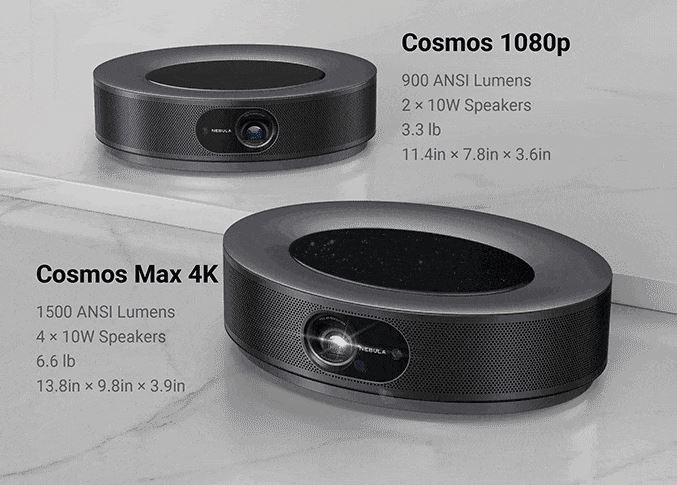
The series includes Cosmos Max that offers up to 4K resolution and excellent brightness -up to 1500 lumens. Also, it supports HDR10 as well as immersive sound experience with Dolby Digital Plus 3D audio.
The most important fact is that it runs on Android 9 so it’s a solid home cinema. In addition, there are 4x 10W speakers that combined with Dolby Digital Plus, create immersive 360º sound in environments without a dedicated sound system. Lastly, autofocus, auto-rotation, and two-way keystone correction give it placement versatility, whether set on a shelf or the optional mount. Although the campaign has ended, you can still grab it at a discounted price here.
We use cookies on our website to give you the most relevant experience by remembering your preferences and repeat visits. By clicking “Accept”, you consent to the use of ALL the cookies.
This website uses cookies to improve your experience while you navigate through the website. Out of these, the cookies that are categorized as necessary are stored on your browser as they are essential for the working of basic functionalities of the website. We also use third-party cookies that help us analyze and understand how you use this website. These cookies will be stored in your browser only with your consent. You also have the option to opt-out of these cookies. But opting out of some of these cookies may affect your browsing experience.
Necessary cookies are absolutely essential for the website to function properly. This category only includes cookies that ensures basic functionalities and security features of the website. These cookies do not store any personal information.
Any cookies that may not be particularly necessary for the website to function and is used specifically to collect user personal data via analytics, ads, other embedded contents are termed as non-necessary cookies. It is mandatory to procure user consent prior to running these cookies on your website.


















UP NEXT: Realme UI beta testing for Realme X2 smartphone announced by the company