Advertisement

Pre-Order Realme Buds Air for Just $54.99 from Giztop [$5 OFF Coupon Code]

After starting India, Oppo’s independent brand Realme expanded to China and various other regions. Realme’s decision to enter the Chinese market is hardly surprising given that the colossal market has to lot of offer to OEMs.
Realme Buds Air

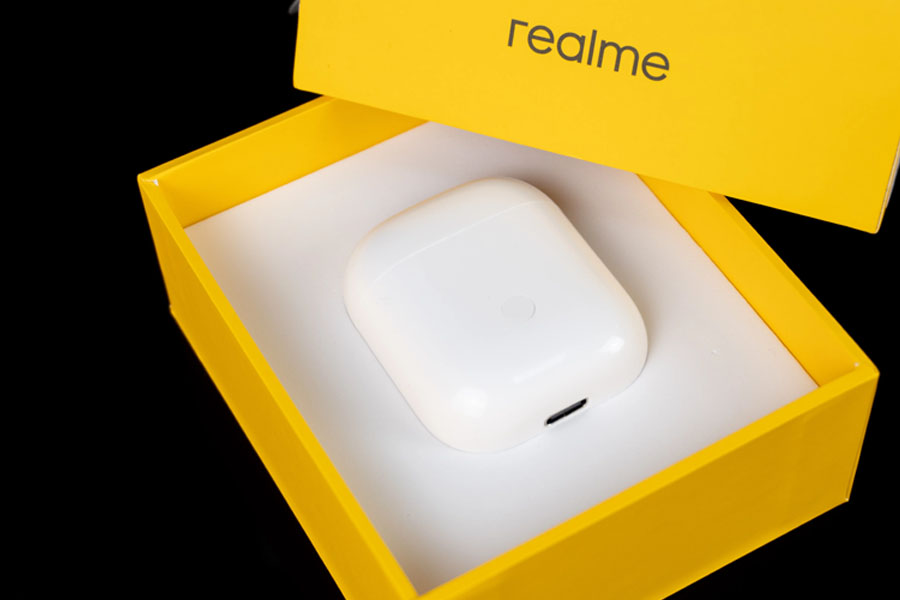
Keeping its focus on the Chinese market, the brand is all set to launch its first earbuds in the country. Dubbed as the Realme Buds Air, the earbuds have been teased in the form of a launch poster ahead of its scheduled launch on January 7th in China. The earbuds were made available in the Indian markets last month.

While we are still days away from the true wireless headset hitting the Chinese store shelves, it has gone up for pre-order through Giztop. Available in three highly appealing color options including yellow, white, as well as black, the Realme Buds Air would normally set you back $59.99.Realme Buds Air

Those placing their pre-orders via Giztop before January 10th can avail of an extra $5 off by applying coupon code RBA5. In other words, the Realme Buds Air can now be yours for a lowered price of just $54.99, thanks to the above-mentioned coupon.

An absolute steal at this price, the durable and light Realme Buds Air is made using superior quality material, which makes it easy-to-carry earbuds. Moreover, it packs a powerful R1 chipset under the hood.

Other features include a built-in Google Assistant voice assistant and a 12mm Dynamic Bass Boost driver with a multi-layer composite diaphragm. Aside from that, it has a 12mm movable coil for delivering seamless Hi-Fi music.realme buds air

To ensure stable wireless connectivity, the Realme Buds Air adopts the latest Bluetooth 5.0. It is backed by a robust battery that delivers a battery life of up to 17 hours, and it also supports wireless charging.

In addition to featuring a built-in Voice Assistant, the Realme Buds Air has an intelligent touch control. In short, you can perform multiple tasks such as calling, playing music simply by touching the earbuds.

To know more about the Realme Buds Air and to place your pre-order, visit this link. Note that the coupon code is slated to expire on January 10th.
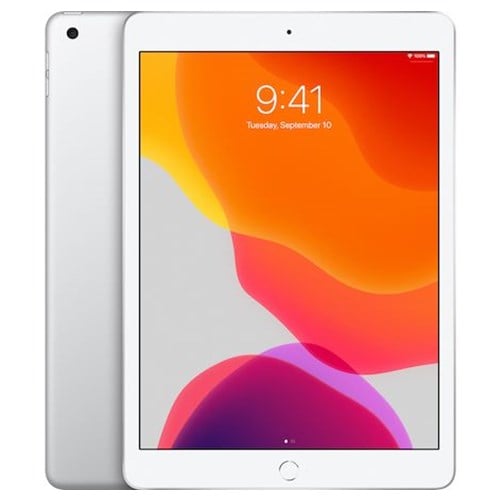
Apple quietly cuts iPad prices in China

Apple, in China, has reportedly slashed its prices for iPads in China. The price cut is for the entry level iPad on its official website and was made without any official announcement.

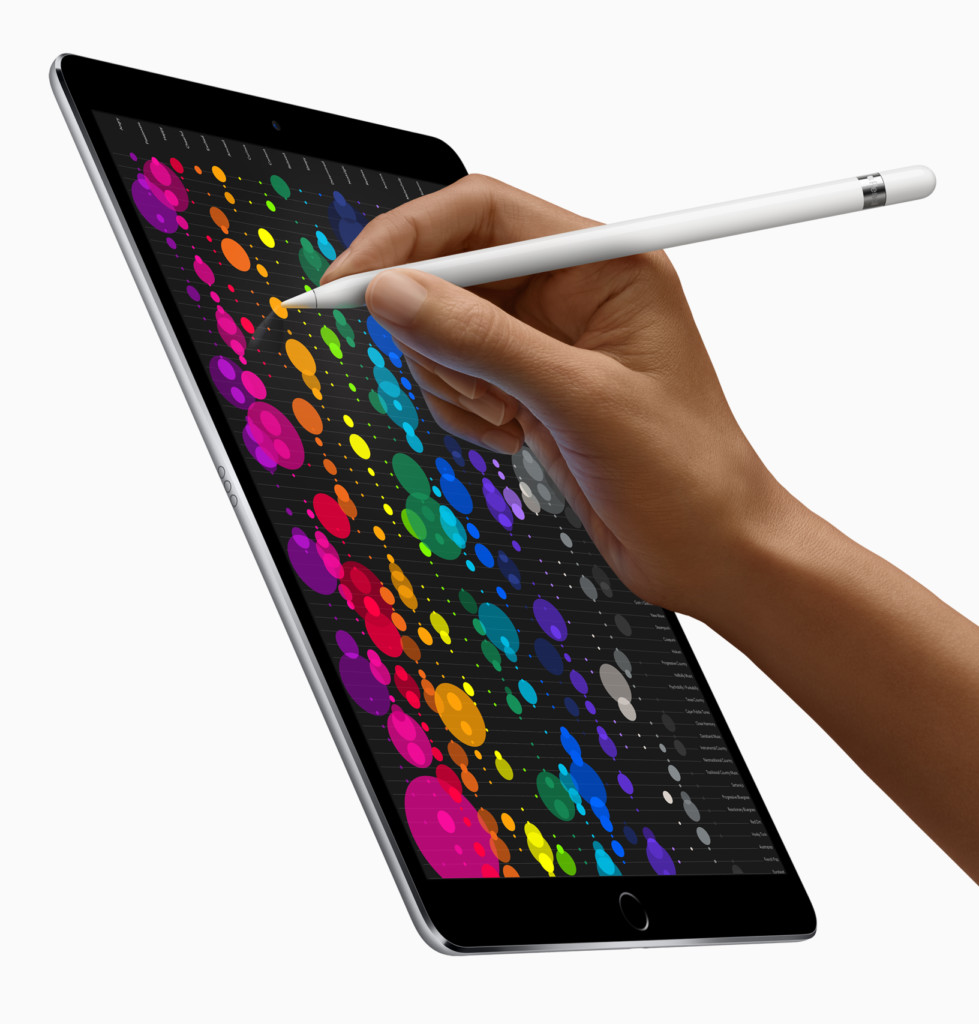
Apple’s iPad in China were available for a more affordable rate in numerous third party online and offline channels. Thus, the move for price adjustment was quite necessary. The 2019 iPad model in question is a 10.2 inch screen device which is similar in design to the 2018 model. It supports Apple Pencil and provides Touch ID fingerprint recognition software for protection alongside an 8 megapixel camera for photography.

Apple
Apple iPad with Apple Pencil Support

The price for the entry level iPad after adjustment is 2,499 Yuan or roughly 358 US Dollars for the 32GB storage variant. The 128GB variant, on the other hand, is now priced at 2,999 Yuan or roughly 430 US Dollars. The original prices for both different versions stand at 2,699 and 3,499 Yuan (or roughly 387 to 502 US Dollars), respectively.

This marks a price cut of 200 Yuan and 500 Yuan (or roughly 28 to 71 US Dollars) in both variants; with the more expensive model with larger storage seeing a higher level of adjustment. It makes the 128GB variant offer better value overall after the price cut.

Apple iPad 10.2
Apple iPad with a 10.2 inch display

The slash in pricing should also allow Apple to be a bit more competitive to the various third party retailers that target either offline or online shoppers. Although, this might also lead to the same third party retailers to further slashing their own prices since the official price tag has fallen lower than before.


(Via)

Buy Realme X2 Pro Global Version for $419 from Giztop

Realme took the covers off its first flagship phone dubbed the Realme X2 Pro in China and Europe in October last year, and made the device available to Indian consumers in November.

realme x2 pro

Touted as the ‘Full Speed Flagship,’ the global version of the X2 Pro is now available on Giztop featuring 8GB of RAM and a hearty 128GB of onboard storage space. This blue-tinted global version will set you back $419 if you place your order via Giztop.

The irresistible X2 Pro sports a 6.5-inch Super AMOLED full HD+ display with a refresh rate of 90Hz, the screen-to-body ratio of 91.7 percent, and an aspect ratio of 20:9. Under the hood, it packs a powerful Snapdragon 855 Plus 2.96GHz Octa-core processor along with an Adreno 640 GPU.

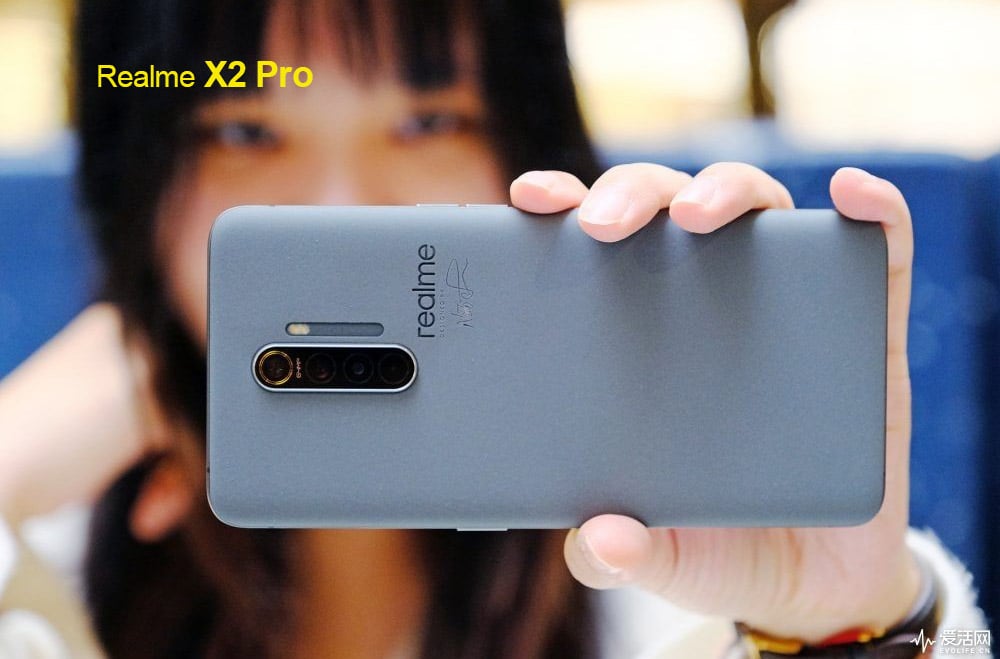
Realme X2 Pro Global VersionIn the photography department, the Realme X2 Pro houses a quad-camera setup comprising 64MP+13MP+8MP+2MP sensors. Upfront, there’s a 16MP camera for selfies and video calling.
The Realme X2 Pro uses superconducting carbon fiber and has vapor chamber liquid cooling for better heat dissipation. Furthermore, the phone runs ColorOS 6.1 Realme Edition based on Android 9.0 Pie OS and is backed by a 4000mAh battery that supports 50W SuperVOOC flash charge and USB-PD and 18W rapid charging.

On top of that, the X2 Pro also supports dual-frequency GPS and NFC. To know more about the feature-laden mobile phone and to place your order, simply follow this link without wasting time.

Xiaomi Watch Color hands-on images showcase the smartwatch in all its glory

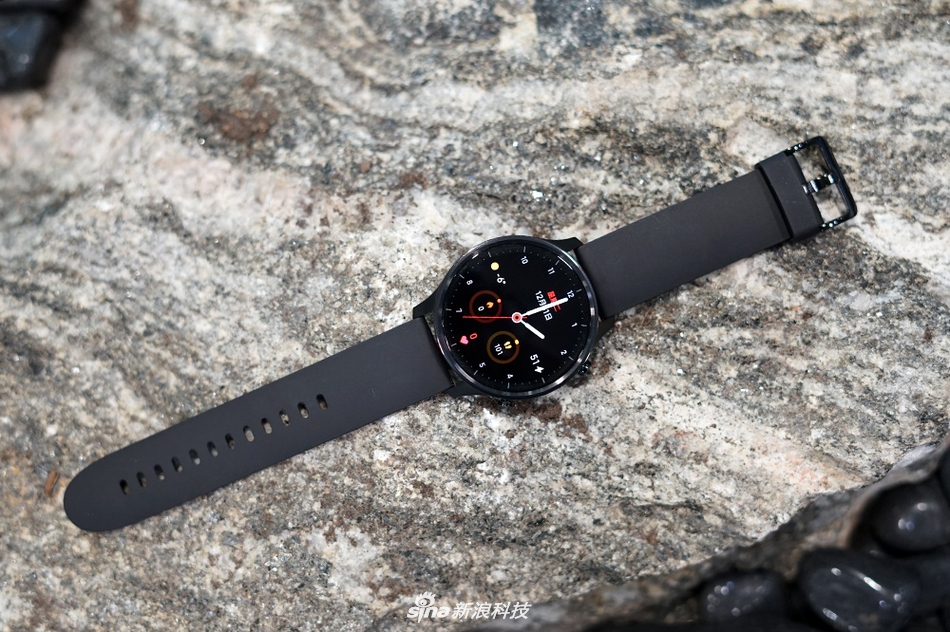
Xiaomi will be launching its new Xiaomi Watch Color tomorrow in China. Ahead of the launch, the company has revealed some of the details but refrained from revealing full specifications and pricing details.

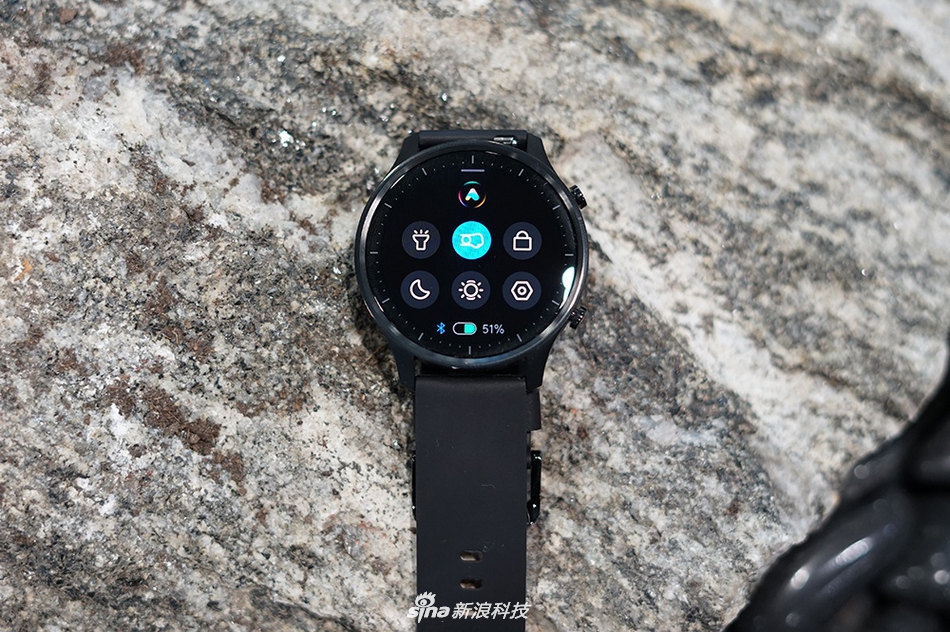
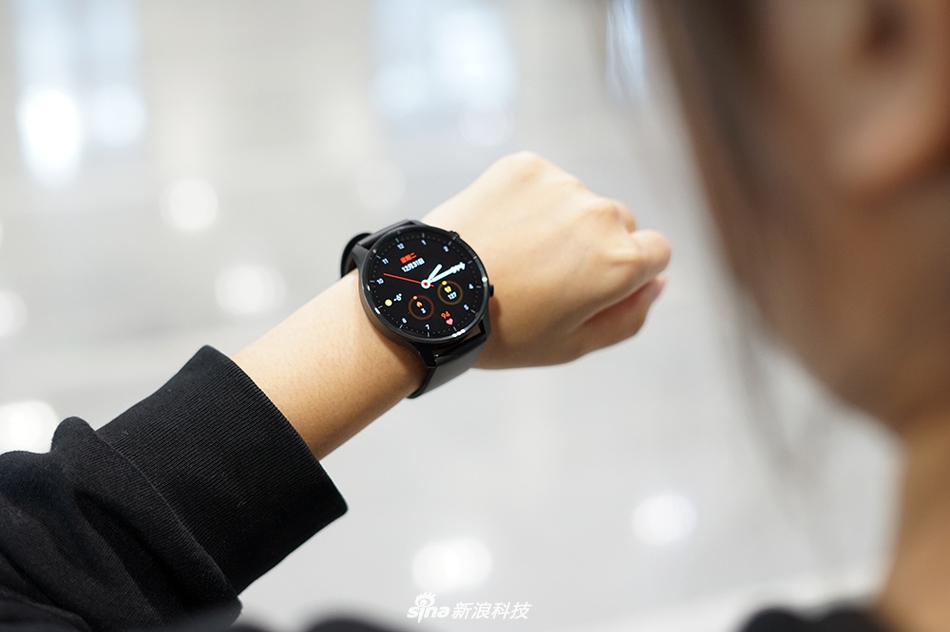
However, jus t a day before the Xiaomi Watch Color goes official in China, hands-on images of the wearable device has surfaced online which reveals the full design as well as some of the key features.

This is the second watch product coming from Xiaomi brand but it isn’t being labelled as a smartwatch given that the company is focusing more on the design of the device rather than functionality, in a stark contrast to the Mi Watch launched recently.

It comes with a 1.39-inch circular dial and has a diameter of about 47mm. The display offers pixel density of 326PPI which is protected by a layer of third-generation Corning Gorilla Glass.

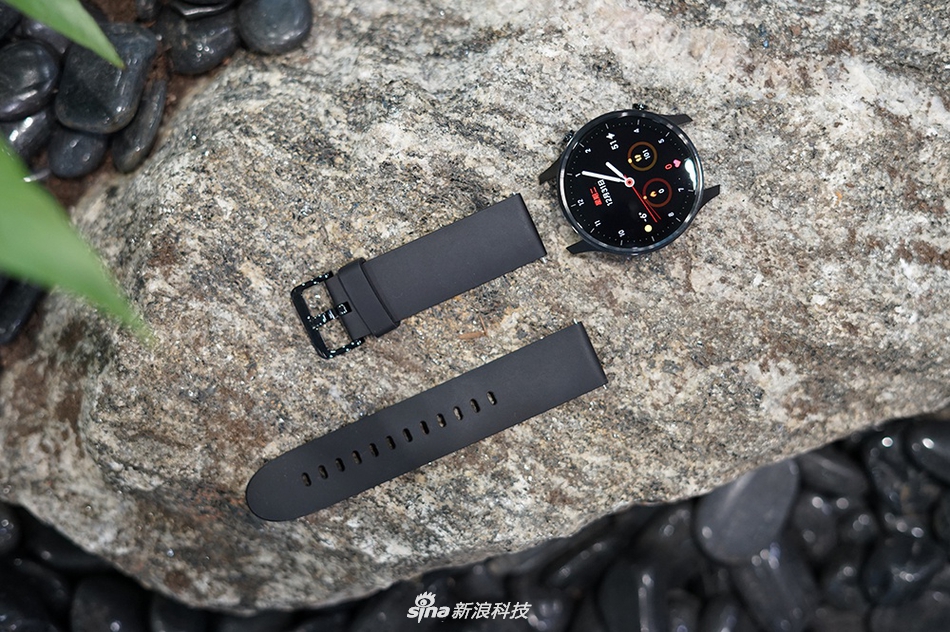
Thanks to the all-black body and a black colored rubber strap, metal frame and circular display, the Xiaomi Watch Color is looking visually stunning. While the hands-on image shows black-colored strap, the company is offering six color options to choose from along with 110 built-in dials.

To operate this wearable device, the company is still offering the usual touch + physical button method. Unlike the Mi Watch, this new Watch Color comes with two physical buttons on the right side. One is a power button which is also used to navigate while the other one is for quick actions such as click-to-call, exercise mode, etc.

Although the Xiaomi Color Watch is not as smart as the company’s first smartwatch, it seems to be running MIUI for Watch interface, which isn’t confirmed yet. The functionality of the device is similar to the Mi Band 4 fitness tracker.

Interestingly, it also comes with support for XiaoAI smart assistant, making it easy for the user to control IoT product or smart home appliances with the Watch Color. However, it is reported that the wearable device lack vibration feedback for notifying action feedback.

The Xiaomi Watch also displays notifications on the screen from several applications including WeChat, up to 100 Chinese characters. However, do note that the watch does not support replying and just shows the notifications.

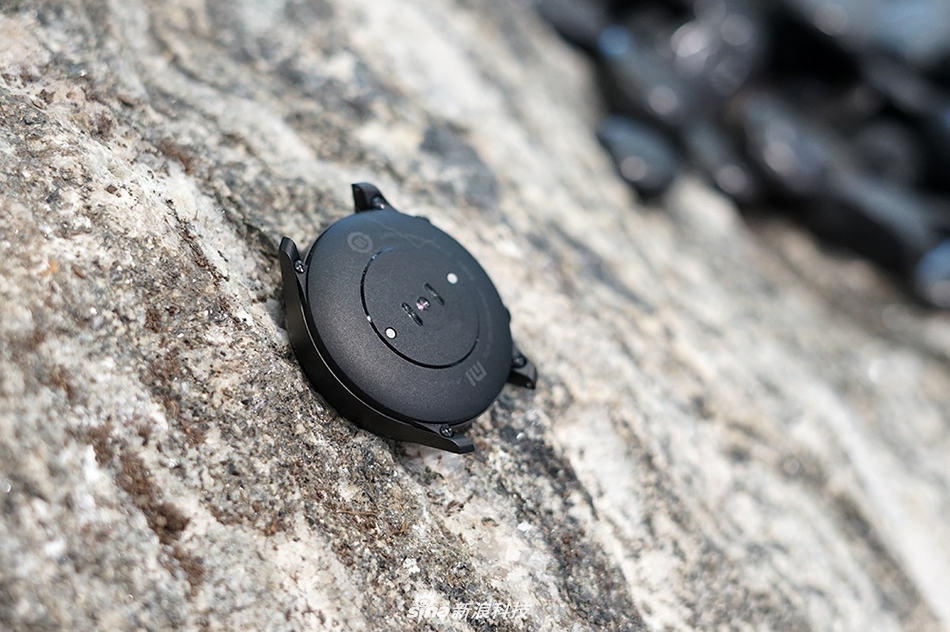
As the functionality is similar to the Mi Band 4, it does come with support for several fitness-related feature and thus packs multiple sensors, including third-generation HRM heart rate sensor along with Xiaomi’s motion algorithm.

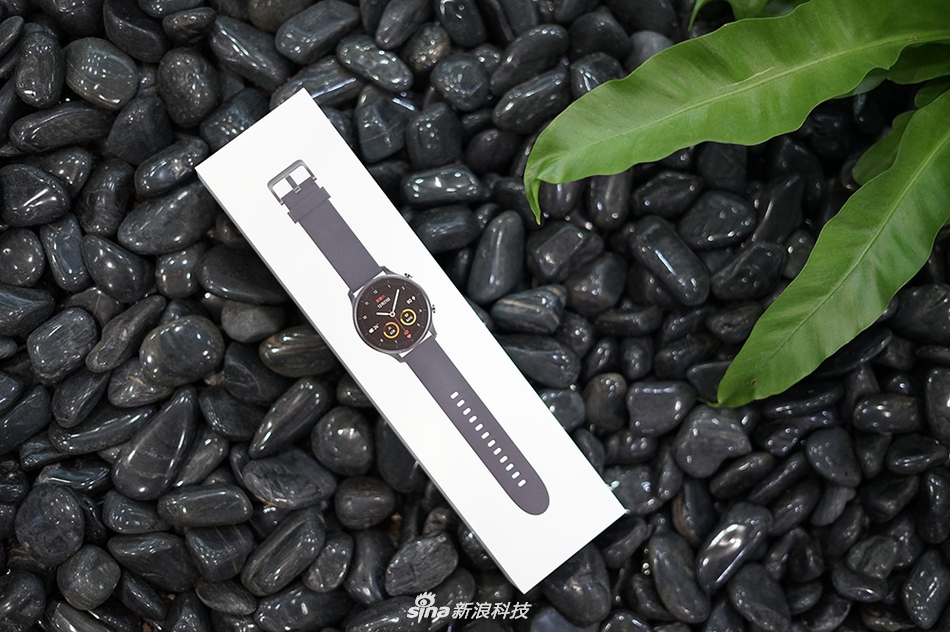
Xiaomi Watch Color Hands-on

The device is said to have 5ATM rating making it waterproof and comes with Bluetooth 5.0 connectivity. Thanks to NFC support, it can be used to make payments as well. The Xiaomi Watch Color is powered by a 420mAh battery which is claimed to provide battery life of around 14 days on a single charge.

As said, the Xiaomi Watch Color is slated to launch and go on sale in China tomorrow, i.e. 3rd January 2020. It is said to be priced at 799 yuan which roughly converts to $115. To know for sure, we’ll have to wait for a few more hours.

(Source)

Realme X2 Pro 6GB + 64GB variant with Rs. 27,999 (~$392) goes on sale in India

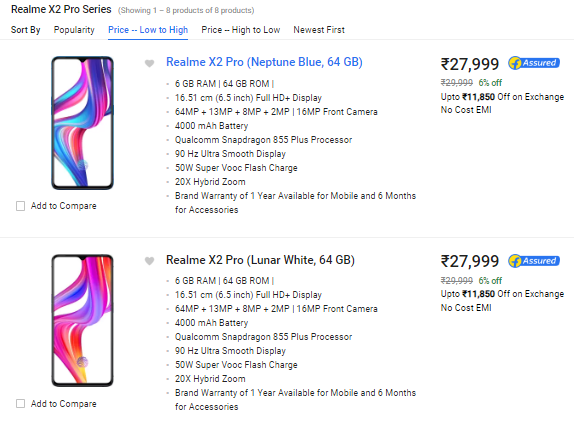
At the end of December, Realme India had confirmed the pricing of the new 6 GB RAM + 64 GB storage variant for the Realme X2 Pro. However, the handset wasn’t made available for purchase readily. The new variant isn’t yet listed on the official website of Realme India. However, it is available for purchase through Flipkart with a price tag of Rs. 27,999 (~$392).

Flipkart is carrying out Realme 2020 Sale between Jan. 2 and Jan. 5. The landing page of the sale has revealed that the 6 GB RAM + 64 GB storage edition of Realme X2 Pro is now available for purchase. The smartphone is listed in color option such as Neptune Blue and Lunar White.

Realme X2 Pro 6 GB RAM + 64 Gb storage variant on sale

The Realme X2 Pro is available in other variants such as 8 GB RAM + 128 GB storage and 12 GB RAM + 256 GB storage. Both models are respectively priced at Rs. 29,999 (~$420) and Rs. 33,999 (~$477). Both models are available in aforementioned color options. As far as the Realme 2020 Sale is concerned, the Chinese firm is now selling smartphones like Realme C2, Realme 3i, Realme 3, Realme 5, Realme X, Realme XT and more with attractive discounts.

Realme X2 Pro Specifications

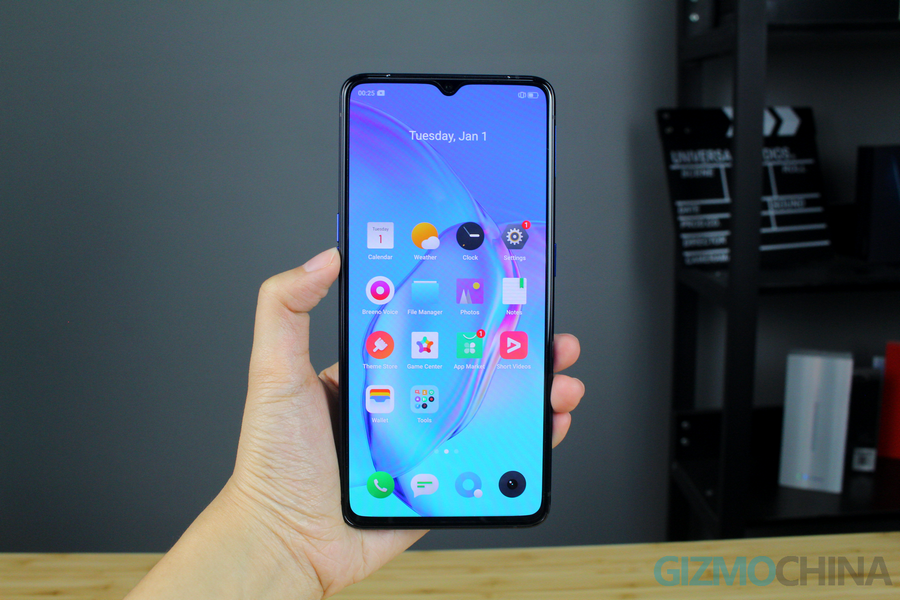
The Realme X2 Pro supports 90Hz refresh rate through its 6.5-inch S-AMOLED display. The waterdrop notch screen offers full HD+ resolution and is integrated with a fingerprint sensor. It is the first flagship phone from the company that is driven by Snapdragon 855+ mobile platform and LPDDR4x RAM. The phone ships with UFS 3.0 storage.

Realme X2 Pro

The Realme X2 Pro has a front-facing camera of 16-megapixel. The rear shell of the phone has a quad camera setup that includes a 64-megapixel main lens, a 13-megapixel telephoto lens that enables 20x hybrid zoom support, an 8-megapixel ultrawide sensor and a depth assist lens of 2-megapixel. The ColorOS 6 based Android 9 Pie OS runs on the smartphone. The X2 Pro is fueled by a 4,000mAh battery that supports 50W SuperVOOC Flash Charge technology.


Nokia 9.2 PureView with Snapdragon 865 launch delayed till late 2020

At the Mobile World Congress (MWC) 2019, HMD Global had announced the Snapdragon 845 powered Nokia 9 PureView that featured penta-lens camera setup. Rumors in mid-2019 had claimed that the Finnish firm will be debuting Nokia 9.1 PureView powered by Snapdragon 855 mobile platform. However, it did not come true. In October, it was reported that the arrival of the Nokia 9.1 PureView has been delayed to the second quarter of 2020. Fresh information shared by Nokia Anew, a Twitter account known for sharing new details on upcoming Nokia phones, has revealed that the successor smartphone for Nokia 9 PureView might be called Nokia 9.2. Its arrival has been further pushed to late 2020 as the company wants to launch it with the latest Snapdragon 865 mobile platform.

As mentioned above, the previous reports had claimed that the successor of the Nokia 9 PureView could be featuring the SD855. The alleged Nokia 9.2 PureView could be a 5G phone as it is expected to arrive with SD865. The leak has no information on the other specs of the device. There is a possibility that it could be equipped with a more powerful penta-lens camera system. Reader are advised to take this news with a pinch of salt. Hence, it seems that the Finnish firm won’t be announcing any flagship phone at the MWC 2020 tech exhibition next month.

In December, the company had confirmed at the Qualcomm’s Snapdragon Tech Summit 2019 event it will be launching a Snapdragon 765 powered 5G handset at the MWC 2020. The company did not confirm anything on launching a SD865 powered phone at MWC 2020. The first SD765 Nokia phone is expected to sport a copper frame and a round-shaped camera module powered by ZEISS imaging technology. The phone will be equipped with PureDisplay that may allow the phone to support HDR playback. There is no information available on the name of the device.

Nokia Anew has also claimed that Nokia 7.2 was the most popular Nokia phone in 2019 on the basis of volume of devices shipped last year. The second popular was Nokia 9 PureView followed by other phones such as Nokia 6.2, Nokia 7.1, Nokia 2.2 and Nokia 4.2. Again, there is no official source to take this information.


Former Lenovo Mobile head Chang Cheng joins Xiaomi as Vice President

A couple of days ago, Chang Cheng, Lenovo’s Vice President and Head of Lenovo Mobile China announced his departure from the company which he joined around 19 years ago. It is said that Chang Cheng had resigned from Lenovo on December 18, the same day Liu Chuanzhi retired.

Surprisingly, Chang Cheng has now joined Xiaomi as a Vice President. Earlier today, Lei Jun, Founder, Chairman and CEO of Xiaomi confirmed the same by welcoming him to Xiaomi as the Vice President of Xiaomi Group.

Chang Cheng Xiaomi VP

In his new role, Chang Cheng will be responsible product planning related to the company’s smartphones. Subsequently, Mr. Cheng also confirmed his appointment at Xioami through a post on his Weibo account.

He had joined Lenovo in the year 2000 as the Director of Research and Development of the notebook business unit. In 2011, he was appointed the Vice President of Lenovo Group and the General Manager of the mobile end-to-end software platform. Later, in June 2015, he became CEO of ZUK mobile brand.

Under Chang Cheng, Lenovo struggled in the highly competitive smartphone market and couldn’t grab significant market share. He had been under tremendous pressure to deliver results. His departure from Lenovo was cited because of personal health issues and spending more time with the family. However, that doesn’t seem to be case given that he has now joined Xiaomi in the same role.


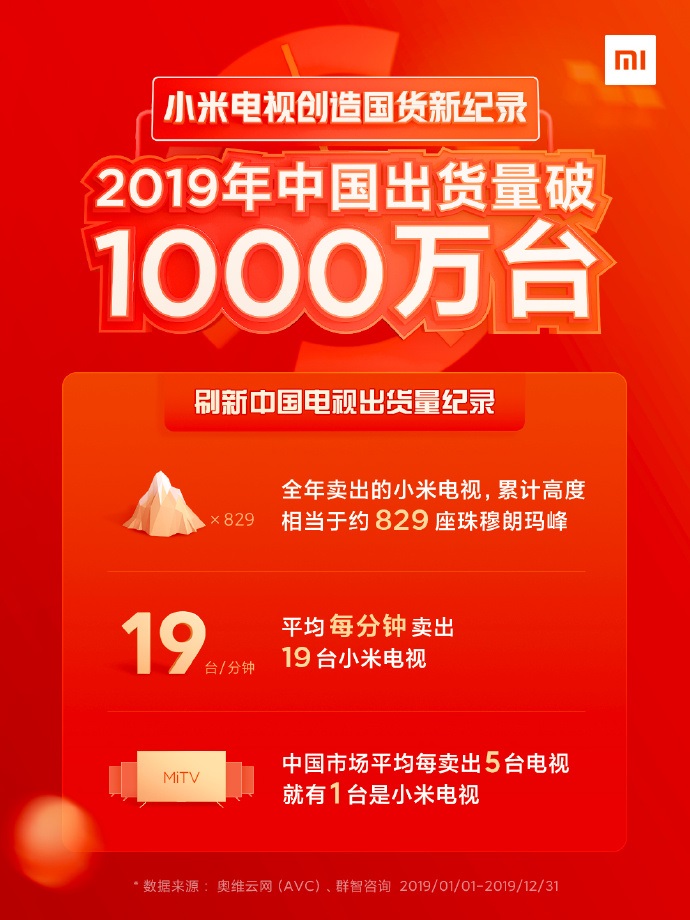
Xiaomi stays true to its promise; sends out 100 Mi TVs to celebrate 10M sales

Xiaomi recently announced that the company has surpassed its goal of shipping 10 million units of its Smart TVs in the Chinese market. Now, fulfilling the promise made by Xiaoxiao Li, General Manager of the Xiaomi TV Department, he has sent 100 Xiaomi TVs in a raffle.

The company has revealed that the giveaway for these 100 units of Xioami TV will take place from 3rd January to 7th January and the company will be giving away 100 units during these five days and added that the winners will be declared every night.

Xiaomi Smart TV Giveaway China

As per the report, Xiaomi has been placed at the top in the Chinese TV market from January to November, beating established TV manufacturers such as Skyworth, Hisense, and TCL among others.

Xiaomi stated its journey in the Smart TV market back in 2013 and now the company has announced that it has achieved its goal of becoming China’s top player in the category. With the achievement of shipping 10 million units of its smart TV in 2019, Xiaomi has created a history since no other brands have achieved such numbers in a single year.

Notably, Xiaomi’s Mi TV series has also won the top “Color TV Innovation Product” award previously at the China Intelligent Display and Innovation Application Industry Conference. The company even arrived first in the “Top Ten TV Awards 2019” and  “High-end Smart Product Awards.” This essentially cements the company’s place in the TV industry in the home market China and as a viable option in global markets.

Not just China, Xiaomi is also dominating the Indian smart TV market. As per the report from IDC, Xiaomi’s Mi TV holds about 33 percent of the smart TV market share in India. Following Mi TV range in India in the second spot is Samsung India with a market share of 14 percent and LG sits at third with a share of 13 percent.

(Via)

Vivo S1 Pro color variants confirmed ahead of January 4 launch

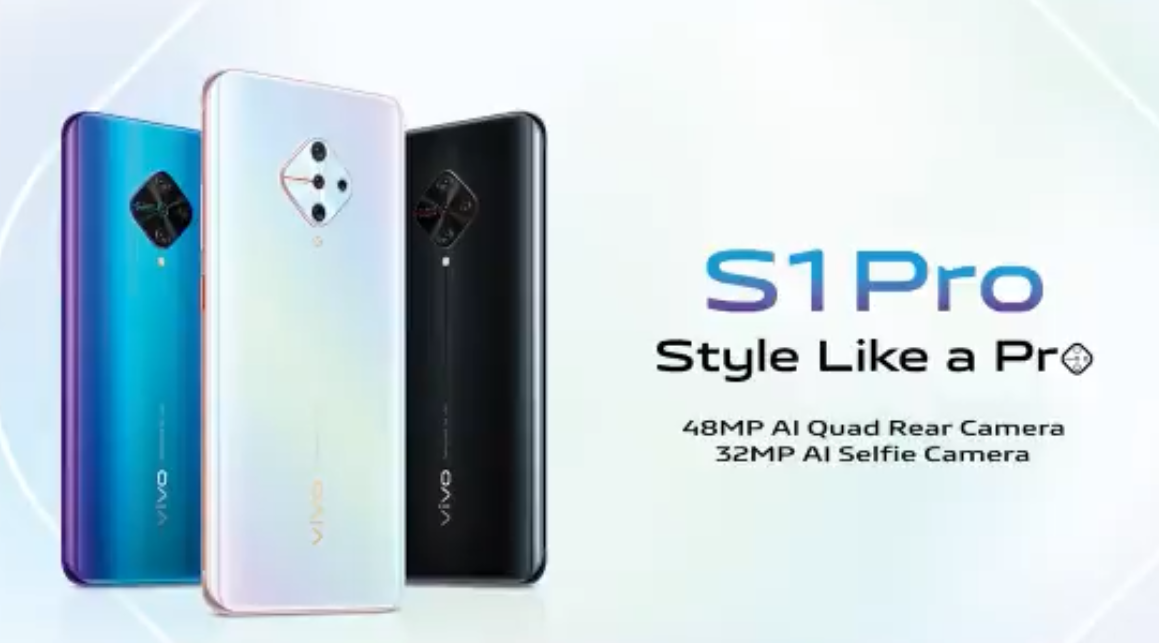
Last week, Vivo India had officially confirmed that it will be launching the Vivo S1 Pro smartphone in India on Jan. 4. Over the weekend, Vivo India tweeted new teasers on the Vivo S1 Pro. The new tweets have revealed the front and rear sides of the smartphone. Also, they have confirmed the color variants of the device

The recent tweets on Vivo S1 Pro are mainly focused on its camera capabilities. The phone is equipped with a 32-megapixel camera that is housed inside the waterdrop notch on the display. The back panel of the Vivo S1 Pro as 48-megapixel AI quad camera setup arranged in a diamond-shaped pattern. As it can be seen, the smartphone will be available in India in three color variants such as Crystal Blue, Dreamy White, and Knight Black.

Rumors have it that the 8 GB RAM + 128 GB storage edition of the Vivo S1 Pro will be priced at Rs. 19,990 (~$280). It is also expected to arrive in a 6 GB RAM model. However, there is no information on its pricing. The smartphone will be available for purchase through Amazon India.

Vivo S1 Pro Specifications

The Vivo S1 Pro has a S-AMOLED display of 6.38 inches and it carries support for full HD+ resolution of 1080 x 2340 pixels. The S1 Pro offers an aspect ratio of 19.5:9. The display is equipped with in-screen fingerprint scanner. The smartphone is fueled by Snapdragon 665 mobile platform that includes 2.0GHz octa-core processor. The FunTouch OS 9.2 based Android 9 Pie OS runs on the smartphone. The handset comes with a shared SIM slot for more storage.

Vivo S1 Pro color variants for India

The S1 Pro draws power from a 4,500mAh battery. The phone supports 18W fast charging through USB-C. For capturing selfies, it has an f/2.0 aperture 32-megapixel front camera with AI Face Beauty feature. The LED flash assisted four camera system positioned on the back side of the device has Samsung GM1 48-megapixel lens as the primary lens. It is assisted by an 8-megapixel ultrawide lens, a 2-mepaixel dedicated macro camera and a 2-megapixel depth assist lens. The usual connectivity features like dual 4G VoLTE, Wi-Fi 802.11ac, Bluetooth, GPS and 3.5mm audio jack are also available on the smartphone.


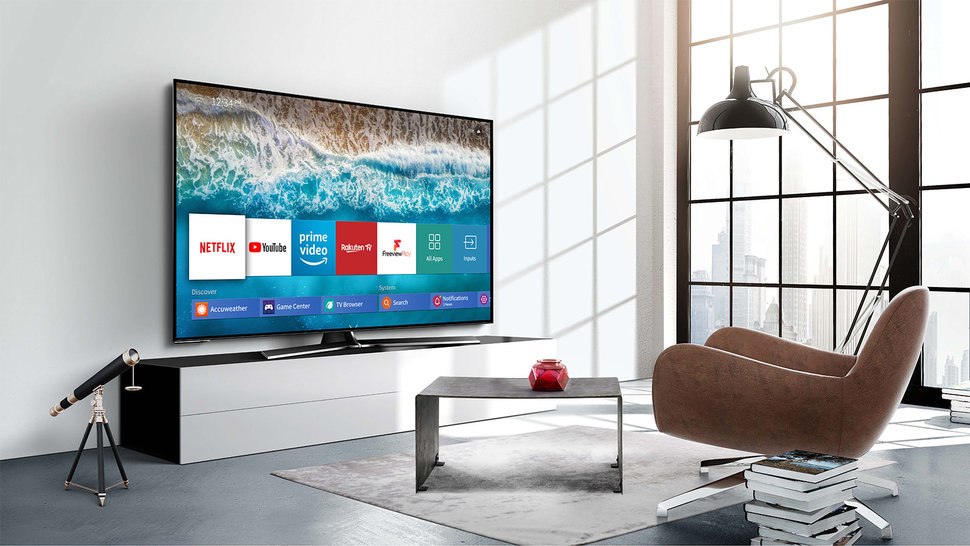
HiSense OLED TVs will solve burn-in issues with the new six-layer technology

Last year in March, Hisense had exibited the company’s first OLED TV at the AWE exhibition and now the company is soon expected to commercially launch its OLED TVs in the market. Given that many manufacturers have already launched their OLED Smart TVs in the market, the entry of Hisesne seems a bit late.

However, as a saving grace, the company seems to have come with solutions to some of the issues being faced with the OLED TVs which has casted doubts about the future of this next-generation display technology.

HiSense OLED TV
HiSense OLED TV

OLED panels on TVs have issues ranging from after images, burn-in, insufficient brightness, color inaccuracies, among others. Now, Hisesne claims that its OLED TVs will solve the issue of burn-in. The company has developed a six-layer after image protection technology and has introduced dark filed detail enhancement for color accuracy.

The six-layer technology from Hisense include LEA-edge station logo monitoring and adjustment; local brightness adjustment of static content under dynamic video; brightness adjustment function for still images; overscan pixel shift technology; OFFRS function; and JB function. The company is also using 3D color correction technology to achieve 729-point accurate color correction and offers 900nit maximum brightness.

For those who are unaware, burn-in happens when a persistent part of the image on a screen — navigation buttons on a phone or a channel/company logo, news ticker or a scoreboard on a TV, remains as a ghostly background no matter what else appears on the display panel.

All organic light-emitting diode screens can burn-in and it seems that OLED panels are more susceptible to this than the standard liquid crystal displays, including QLED models from Samsung and others. However, the same OLED screens produce better image quality than standard LCDs.

(Source)

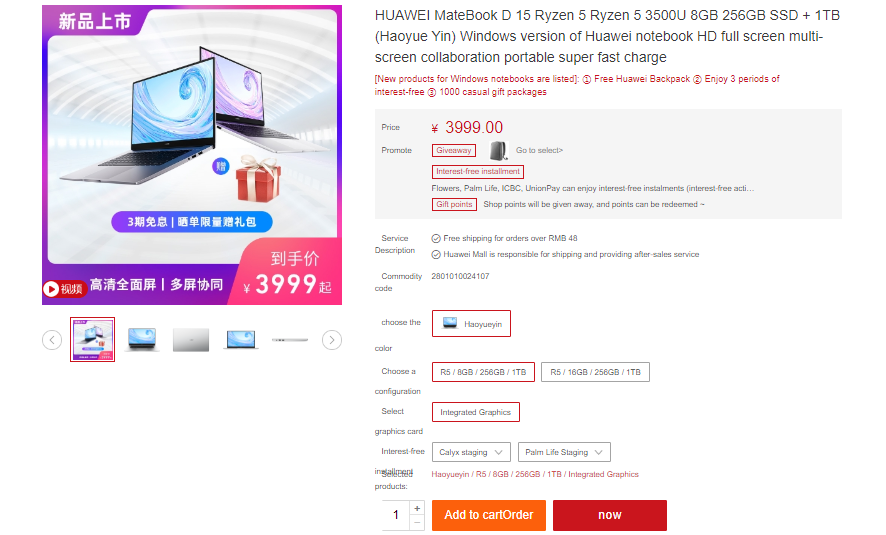
Huawei MateBook D 15 Ryzen Edition goes on sale for 3,999 Yuan (~$574) in China

In November, Huawei had unveiled MateBook D 14, MateBook D 15 notebooks. The Chinese manufacturer had also launched an optional MateBook D 15 Ryzen Edition with a cheaper starting price of 3,999 Yuan (~$574). Starting from today, the MateBook D 15 Ryzen Edition is available for purchase in the home market.

Huawei MateBook D 15 Ryzen Edition Price

On Vmall, the MateBook D 15 Ryzen Edition is listed in two variants. The first one has 8 GB of RAM, 256 GB of SDD and 1 TB of HDD storage. This model is priced at 3,999 Yuan (~$574). The other model has 16 GB of RAM, 256 GB of SDD and 1 TB of HDD storage. This variant costs 4,299 Yuan (~$617). Apart from White, the MateBook D 15 Ryzen Edition comes in Space Gray. However, the gray color variant is not yet available for purchase.

Huawei MateBook D 15 Vmall Listing

In comparison, the Intel i5 8 GB and 16 GB RAM variants of MateBook D 15 are priced at 5,299 Yuan (~$760) and 5,599 Yuan (~$803). The Intel i7 edition with 16 GB RAM is priced at 6,599 Yuan (~$947). All three Intel powered models have 256 GB of SSD storage, 1 TB of HDD storage and Nvidia GeForce MX250 graphics.

Huawei MateBook D 15 Ryzen Edition Specifications

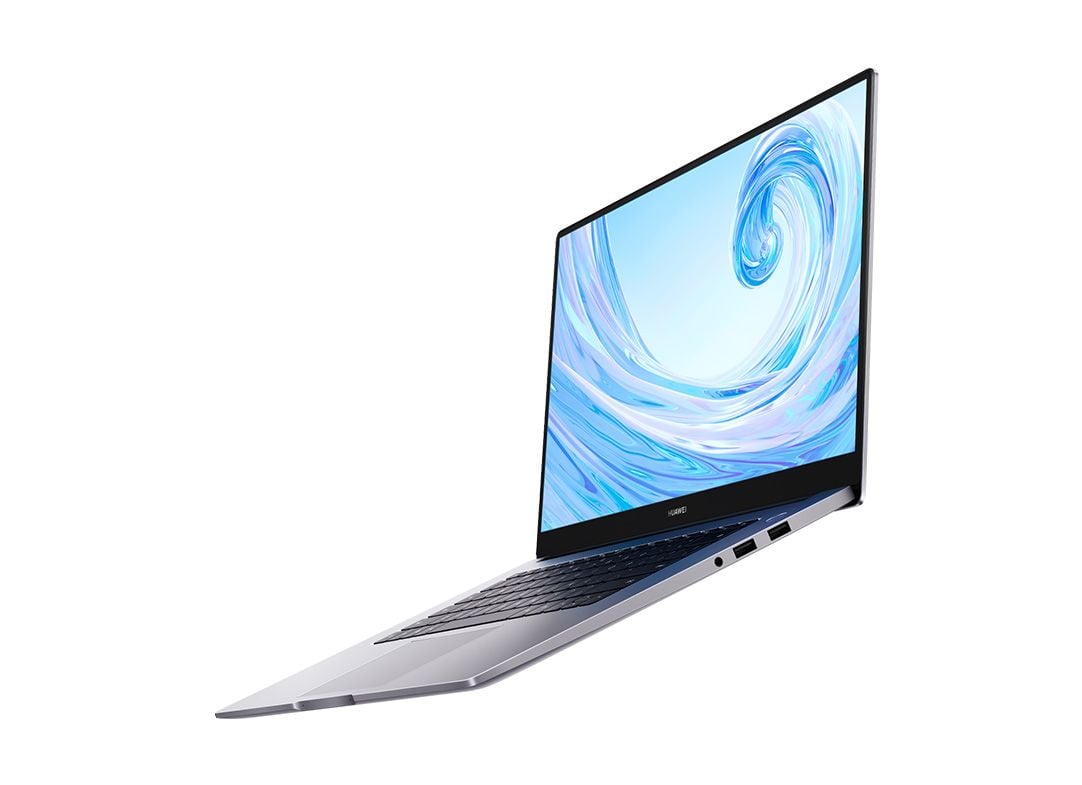
The MateBook D 15 Ryzen Edition has an aluminum chassis measures 357.8 x 229.9 x 16.9 mm and it weighs 1.62 kg. The device is fitted with a 15.6-inch IPS display that offers full HD resolution of 1080 x 1920 pixels. It promises a screen-to-body ratio of 87 percent. The notebook is equipped with a full-sized keyboard along with a trackpad. An HD camera that is good enough for video calling is available on the device.

Huawei MateBook D15
Huawei MateBook D15

The AMD Ryzen 5 3500U processor powers the MateBook D 15 Ryzen Edition along with Radeon Vega 8 graphics. It is backed by 42Wh battery that supports 65W USB-C pocket charger. By charging the device for 30 minutes will allow it to gain 53 percent battery power.

The MateBook D 15 Ryzen Edition comes with connectivity features such as Wi-Fi 802.11ac, 2×2 MIMO and Bluetooth 5.0. The power button on the keyboard is integrated with a fingerprint sensor. The connectivity ports available on the device include a USB-A 3.0, two USB-A 2.0, a USB-C, HDMI and 3.5mm headphone / mic combo. The device is loaded with Windows 10 OS.


(source)

Huawei reports 850 billion yuan in revenue this year; smartphone shipments reach 240 million units

Huawei, the Chinese tech giant which is also the world’s largest telecom equipment maker, has revealed its financial report of this year. The company has reported growth despite continued campaign against its business by the United States.

Eric Xu, Huawei’s rotating chairman, wrote in a New Year’s message to employees that the company’s revenue topped 850 billion Chinese yuan (approximately $122 billion) this year, a new record high for the Chinese group, registering an 18 percent increase over the previous year.

Further, he has added that the company has sold 240 million smartphones this year, a significant increase compared to 206 million units last year. This is impressive given that the company achieved such numbers even after getting banned in the United States.

The smartphone business became the company’s biggest revenue contributor in the first half of this year. The Chinese company is expected to remain ahead of Apple and behind South Korea’s Samsung Electronics in the global rankings of smartphone brands.

However, the figures related by Huawei’s rotating chairman are lower than the company’s initial projections. But, in the note, Eric Xu wrote that “business remains solid and we stand strong in the face of adversity.”

He acknowledged that Huawei is confronting a “strategic and long-term” campaign against its business by the U.S. government and added that if this continues for long, it would create an even more “difficult” environment for the company to “survive and thrive.”

To ensure the company’s growth, Huawei will toughen its stance on lagging units and managers. In the memo, Xu talked about the need to weed out as many as 10% of the company’s worst-performing managers in 2020. Some support or even operational units will be merged or downsized, and employees could get re-assigned to other divisions.

He has also said that the company will prioritise supply chain security and go “all out” to build its own mobile software system — Huawei Mobile Services — designed to replace many popular applications such as Google Maps, YouTube and Gmail.


Samsung trademarks Galaxy A12, A22, A32, A42, A52, A62, A72, A82 and A92

The revamped Galaxy A-series and the new Galaxy M-series from Samsung had received good reception from users and critics this year. Recent reports have revealed Samsung is working on the launch of its Galaxy A-series and Galaxy M-series smartphones. These phones are expected to break cover starting from the coming year. The Galaxy A51 and Galaxy A71 that were announced in December are expected to be the first Galaxy A-series 2020 phones to go on sale from this month. A tipster on Twitter has revealed that Samsung has trademark for new Galaxy A-series that may possibly debut in 2021. The trademark has been filed with SungAm Suh International Patent & Law Firm in South Korea.

The trademark filings reveal monikers such as Galaxy A12, Galaxy A22, Galaxy A32, Galaxy A42, Galaxy A52, Galaxy A62, Galaxy A72, Galaxy A82 and Galaxy A92. It is too early to talk about the specs of these phones as Samsung is expected to launch them in the coming year.

In 2019, Samsung launched Galaxy A-series phones from A10 to A90 in the first half of the year. In the second of 2019, it released the upgraded versions of those phones. The A-series of phones in 2H 2019 arrived with ‘s’ attached to their names. The South Korean company is expected to follow the same strategy this year. In 2020 first half, it is expected to debut Galaxy A11, Galaxy A21, Galaxy A31, Galaxy A41, Galaxy A51, Galaxy A61, Galaxy A71, Galaxy A81 and Galaxy A91 phones. The latter half of the year may see their upgraded editions such as Galaxy A11s, Galaxy A21s, Galaxy A31s and so on.

Hence, the newly trademarked phones seem to be Galaxy A-series phones for the year 2021. Since the company is expected to continue to launch a wide range of Galaxy A-series smartphone in 2021, it is likely to aggressively price and market the A-lineup this year to increase its popularity.

Some details of the upcoming Galaxy A11, Galaxy A31 and Galaxy A41 had appeared in November. Some reports have claimed that the Galaxy Note 10 Lite that is expected to go official at Consumer Electronics Show (CES) 2020 tech event next week could be rebranded as Galaxy A81 in some markets. The CAD renders of the Galaxy A91v smartphone has also appeared. It could be Snapdragon 865 powered flagship phone that may arrive with a lower price tag than the Galaxy S11 series.


Redmi K30 5G retail box image officially shared by Lei Jun

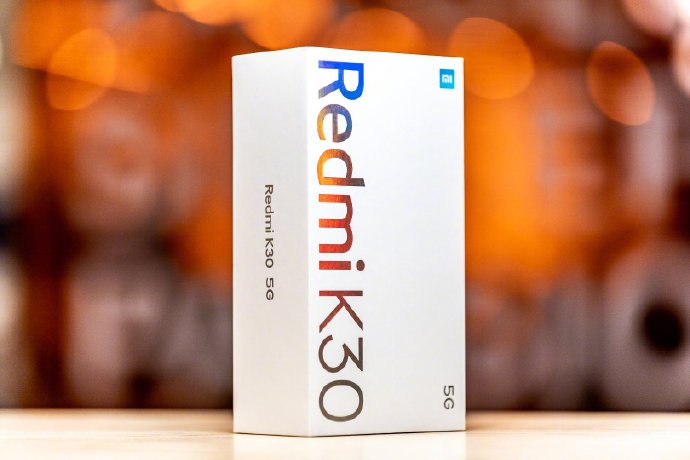
Redmi will begin the sales of the Redmi K30 5G smartphone in China on Jan. 7. The smartphone was unveiled alongside its 4G sibling in December. The 4G variant has been available for purchase since the same month. The Redmi K30 5G which has been available for pre-orders will be available through Xiaomi Mall and other retailers from Jan. 7. Ahead of the market release, Xiaomi CEO Lei Jun has shared an image of the retail box of the Redmi K30 5G.

The Redmi K30 5G retail box has a minimalist appeal. The gradient colored phone name with a white backdrop makes it look appealing. The 5G logo placed at one corner. The smartphone will go on sale at 10:00 AM (local time) in China on the said date.

Redmi K30 5G package

Redmi K30 5G Pricing

The Redmi K30 5G will be available in four models such as 6 GB RAM + 64 GB storage, 6 GB RAM + 128 GB storage, 8 GB RAM + 128 GB storage and 8 GB RAM + 256 GB storage. These models are respectively priced at 1,999 Yuan (~$287), 2,599 Yuan (~$373), 2,799 Yuan (~$401) and 2,899 Yuan (~$416). Blue, red, purple and white are the four color variants of the smartphone.

Redmi K30 5G Specifications

The Redmi K30 5G has a full HD+ resolution supporting IPS LCD display of 6.67 inches. The phone delivers a tall aspect ratio of 20:9. The pill-shaped cutout on the display features 20-megapixel + 2-megapixel dual front-facing cameras.

The Android 10 OS runs customized with the latest MIUI 11 UI comes preinstalled on the Redmi K30 5G. The Snapdragon 765G mobile platform brings support for dual-mode 5G on the device. It draws power from a 4,500mAh battery and it comes with support for 30W rapid charging.

The quad cameras system on the backside of the Redmi K30 5G has a 64-megapixel Sony IMX686 as primary shooter. It is coupled with an 8-megapixel ultrawide sensor, a 5-megapixel super macro lens and a 2-megapixel depth assist lens. The device comes with a side-facing fingerprint reader. It features a microSD card slot for more storage.


(source)

Huawei Chairman: HMS important for sales of phones outside China

The US ban has forced Huawei to develop its own suite of apps which it calls Huawei Mobile Services. HMS is an alternative to Google Mobile Sevices (GMS) and will ship with phones this year.

At a press conference yesterday, December 31, the rotating chairman of Huawei, Xu Zhijun, said in his New Year speech that Huawei Mobile Services will be finished this year and will be available not only on local phones but also those that will be sold outside China too.

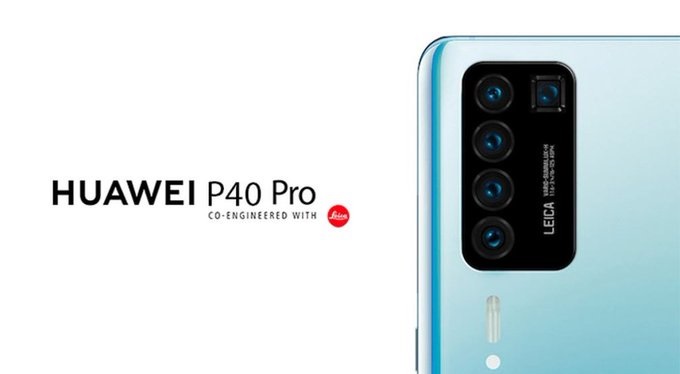
Alleged Huawei P40 render
The Huawei P40 will not come with GMS but should be the first to come with HMS

As of a few weeks ago, it was revealed that most of the main apps for HMS such as the ones for navigation (maps), payment, messaging, and gaming will be finished by the end of December.

Huawei Mobile Services should be ready by the time the Huawei P40 series is about to launch and should ship with both phones. It should then become a standard feature for future devices.

Huawei faced challenges last year following the United States’ decision to place it on an entity list. However, it still recorded up to 18% in growth but will be facing an even tougher 2020 as its P-series flagships will not have Google Mobile services support, unlike last year’s P30 series which already got certified before the ban took effect.


(Via)

OnePlus 7T Pro vs Samsung Galaxy Note 10+ vs Huawei P30 Pro: Specs Comparison

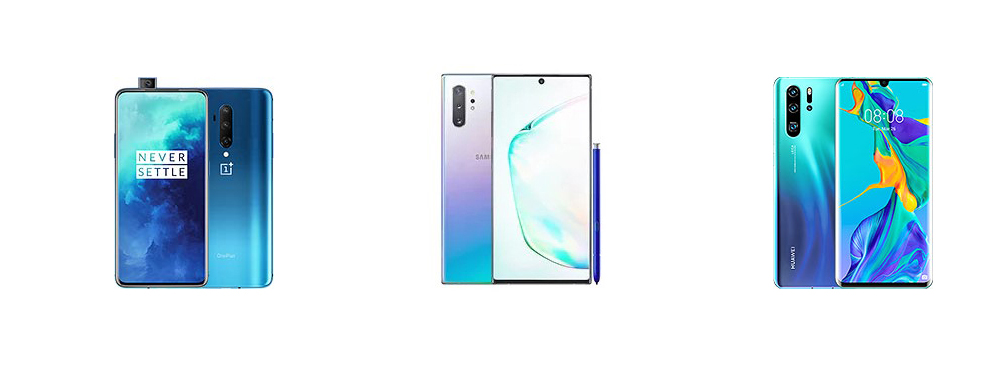
2019 finally came to an end and a few days ago we published a post with the most impressive flagships released this year. Given the importance of these devices for the smartphone market and given that they are still among the best choices in the flagship segment, we thought it is worth telling more about them. So we decided to compare the first three devices in the ranking: OnePlus 7T Pro, Huawei P30 Pro and Samsung Galaxy Note 10+. If you want to choose one of the most interesting flagship smartphones released this year, you should definitely take a look at this comparison.

OnePlus 7T Pro vs Samsung Galaxy Note 10+ vs Huawei P30 Pro

Huawei P30 Pro Samsung Galaxy Note 10+ OnePlus 7T Pro
DIMENSIONS AND WEIGHT 158 x 73.4 x 8.4 mm, 192 g 162.3 x 77.2 x 7.9 mm, 196 g 162.6 x 75.9 x 8.8 mm, 206 g
DISPLAY  6.47 inches, 1176 x 2340p (Full HD+), OLED 6.8 inches, 1440 x 3040p (Quad HD+), Dynamic AMOLED 6.67 inches, 1440 x 3120p (Quad HD+), Fluid AMOLED
PROCESSOR Huawei Hisilicon Kirin 980, octa-core 2.6 GHz Samsung Exynos 9825, octa-core 2.73 GHz Qualcomm Snapdragon 855+, hexa-core 2.96 GHz
MEMORY  6 GB RAM, 128 GB – 8 GB RAM, 128 GB – 8 GB RAM, 256 GB – 8 GB RAM, 512 GB – nano memory card slot 12 GB RAM, 256 GB – 12 GB RAM, 512 GB – micro SD slot 8 GB RAM, 256 GB – 12 GB RAM, 256 GB
SOFTWARE  Android 9 Pie, EMUI 10 Android 9 Pie, One UI Android 10, Oxygen OS
CONNECTIVITY  Wi-Fi 802.11 a/b/g/n/ac, Bluetooth 5.0, GPS  Wi-Fi 802.11 a/b/g/n/ac/ax, Bluetooth 5.0, GPS Wi-Fi 802.11 a/b/g/n/ac, Bluetooth 5.0, GPS
CAMERA  Quad 40 + 8 + 20 MP + TOF camera, f/1.6 + f/3.4 + f/2.2
32 MP f/2.0 front camera
Quad 12 + 12 + 16 MP, f/1.5-1.8-2.4 + f/2.1 + f/2.2
10 MP f/2.2 front camera
Triple 48 + 8 + 16 MP, f/1.6 + f/2.4 + f/2.2
Single 16 MP f/2.0 front camera
BATTERY  4200 mAh, fast charging 40W, Fast wireless charging 15W 4300 mAh, fast charging 45W, Fast wireless charging 20W 4085 mAh, fast charging 30W
ADDITIONAL FEATURES Hybrid Dual SIM slot, reverse wireless charging, waterproof IP68 Hybrid Dual SIM slot, reverse wireless charging, waterproof IP68 Dual SIM slot

Design

Do you need the most innovative and beautiful design or the most compact one? If you want something innovative and good-looking, then OnePlus 7T Pro and Samsung Galaxy Note 10+ are more interesting. The former comes with a pop-up camera and a notch-less display, while the second has a punch-hole display. Both have a very high screen-to-body ratio and a gorgeous glass back. Huawei P30 Pro is more compact and it has very attractive curved bezels, but it comes with a waterdrop notch. Note that Huawei P30 Pro and Samsung Galaxy Note 10+ are waterproof and dust resistant with the IP68 certification, while OnePlus 7T Pro does not offer any kind of water resistance.


Display

OnePlus 7T Pro and Samsung Galaxy Note 10+ are the winners if we talk about displays. The former is the only of the trio to boast a 90 Hz refresh rate, while the latter provides an amazing image quality. In both cases, you get the HDR10+ technology for the accurate reproduction of multimedia content. And both have a high Quad HD+ resolution with 1440 x 3040 pixels. The display of the Samsung Galaxy Note 10+ also supports the S Pen that is the key feature of the device. Huawei P30 Pro is inferior with its Full HD+ display providing just the HDR10 technology, but it is more compact and easier to use with one hand.


Hardware/Software

The hardware department of the OnePlus 7T Pro is composed of a Snapdragon 855+ chipset, up to 12 GB of RAM and up to 512 GB of UFS 3.0 internal storage. OnePlus 7T Pro is the fastest and smoothest device of the trio. It is also the only to run Android 10 out of the box, with a nearly stock user interface and amazing software optimization. Samsung Galaxy Note 10+ comes right after with either a Snapdragon 855 or Exynos 9825 processor depending on the market. It features expandable storage and up to 512 GB of internal storage. Huawei P30 Pro has a less powerful but still flagship SoC.


Camera

Despite the Huawei P30 Pro was the true innovation of 2019, we define the Samsung Galaxy Note 10+ as a slightly better camera phone than the Huawei P30 Pro. And both are among the best camera phones out there. Huawei P30 Pro is amazing in low light conditions thanks to its RYYB main sensor, and it also provides a better zoom thanks to 5x optical zoom. Samsung Galaxy Note 10+ is better at overall image quality and colors. Despite still being a good camera phone, OnePlus 7T Pro is way inferior to both.


Battery

Thanks to its bigger 4300 mAh battery, Samsung Galaxy Note 10+ has the longest overall battery life in most of the scenarios. It is followed by the Huawei P30 Pro. Both feature wireless charging and reverse wireless charging, while OnePlus 7T does not.


Price

The winner of this comparison is the Samsung Galaxy Note 10+ since it offers more features, a better camera, and longer battery life. But it also comes with the highest price (more than €800/$900 street price). Unless the camera is one of your main priorities, if you want to save some money you should go for the Huawei P30 Pro. OnePlus 7T Pro (about €700/$790 street price) has better performances and a better display than Huawei P30 Pro, but the P30 Pro offers a better camera, longer battery life, IP68 certification, wireless charging, and a more affordable street price (less than €650/$732).


OnePlus 7T Pro vs Samsung Galaxy Note 10+ vs Huawei P30 Pro: PRO and CONS

Huawei P30 Pro

PROS

  • Amazing cameras
  • More compact
  • Reverse wireless charging
  • Good price
  • Waterproof

CONS

  • Worse display


OnePlus 7T Pro

PROS

  • 90 Hz refresh rate
  • Best performance
  • Innovative design
  • Android 10 out of the box

CONS

  • Worse cameras


Samsung Galaxy Note 10+

PROS

  • Amazing and bigger display
  • Reverse wireless charging
  • S Pen
  • 5G (optional)
  • Waterproof
  • Great cameras

CONS

  • Price

Price of Xiaomi Watch Color revealed two days to launch

The Xiaomi Watch Color’s announcement on Monday took us by surprise. The watch which has a different design from the Mi Watch is set to be announced on Friday, January 3. While there are already lots of official photos of the smartwatch, Xiaomi has kept mum on its specs and price. However, we already know the specs of the watch thanks to photos of the retail box posted hours after the announcement. And now a new leak has revealed the official price of the smartwatch.

The leak is a photo that was taken at what appears to be a Xiaomi store and it shows a digital advert board that displays the watch and its official selling price.

Xiaomi Watch Color Price

According to the image, the Xiaomi Watch Color will be sold for ¥799 (~$115) when it goes on sale on Friday. At that price, the smartwatch is just $5 more expensive than the 47mm version of the Amazfit GTR which got a price cut after Xiaomi announced its second smartwatch on Monday. It also means those who cannot afford the Xiaomi Watch but want a Xiaomi-branded smartwatch can purchase this instead.

The Xiaomi Watch Color has a 1.39-inch AMOLED display with a 454 x 454 resolution and a plethora of watch faces to choose from. It is water-resistance up to 50 meters, has NFC and will be able to track a variety of sporting modes. It will also count your steps, measure your heart rate, and track your sleep.

Xiaomi Watch Color battery life official

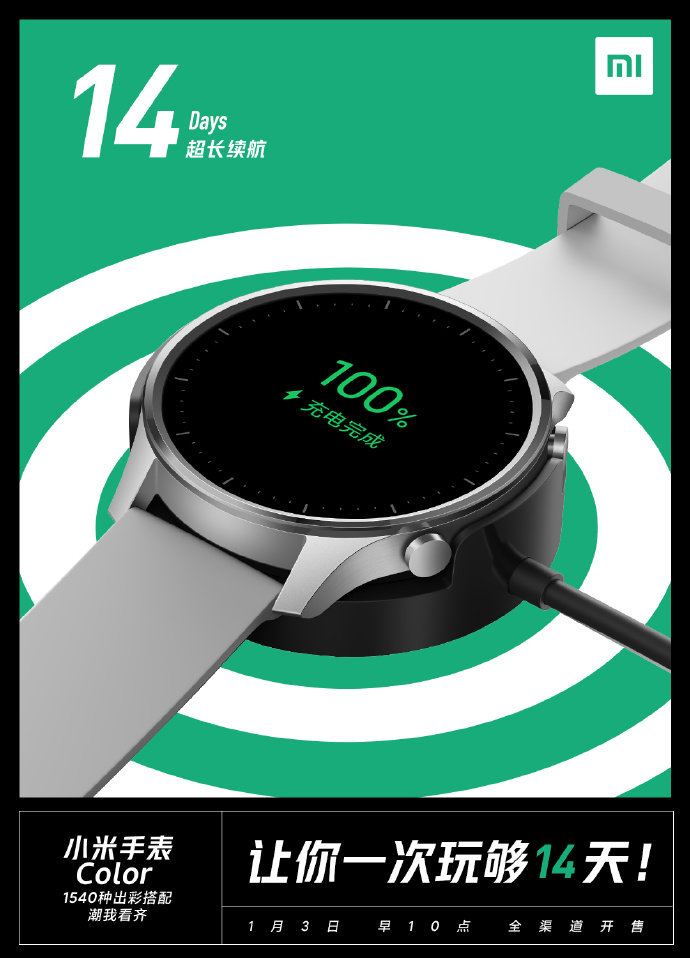
The Watch has a 420mAh battery capacity and boasts a battery life of 14 days on a single charge. It also has XiaoAI assistant built-in. It will connect to your Android or iOS device via Bluetooth 5.0 LE and also has GPS + GLONASS.


(Via)

Amazfit T-Rex’ design revealed in teaser poster; launches January 8

The Amazfit T-Rex is an upcoming smartwatch from Huami. It was expected to launch today but it didn’t. Instead, what we got is a teaser poster of the smartwatch as well as a new launch date.

First, the Amazfit T-Rex will be announced on January 8 at a global event. That date is Day 2 of CES 2020, so the watch should be announced in Las Vegas next week.

The caption for the teaser poster says the Amazfit T-Rex is a new series of rugged (loosely translated to outdoor) smartwatches. The teaser poster shows a silhouette of the watch and it sure has a rugged design.

Amazfit T-Rex

Based on this, it is safe to say Huami’s latest smartwatch line will be competing against other rugged smartwatches such as Garmin’s Fenix series and the Shearwater Teric.

The poster shows the Amazfit T-Rex has two buttons on the right side while a third button sits on the left. There is likely a fourth button too hidden at the top left corner but since we can’t see that side, we won’t assume.

Since this is a rugged smartwatch, we expect it to have water-resistance; have GPS, GLONASS, a compass, an altimeter, and a barometer built-in; and also have an impressive battery life. However, there is a possibility it may cost more than Huami’s other smartwatches.

We do not know how many models will be announced at the event but nevertheless, more models should be released later in the year. Alongside the T-Rex series, Huami will also announce its first pair of TWS earbuds on January 7 at CES 2020 and an upgraded version of the Amazfit Bip called the Bip S.

Last year, Huami announced more than 6 smartwatches. We believe this year will not be any different.


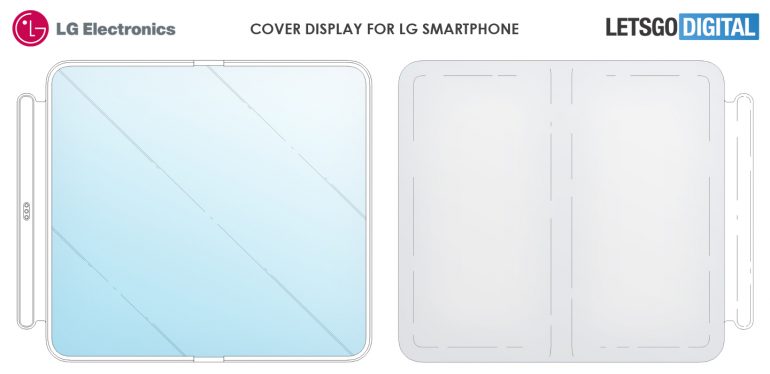
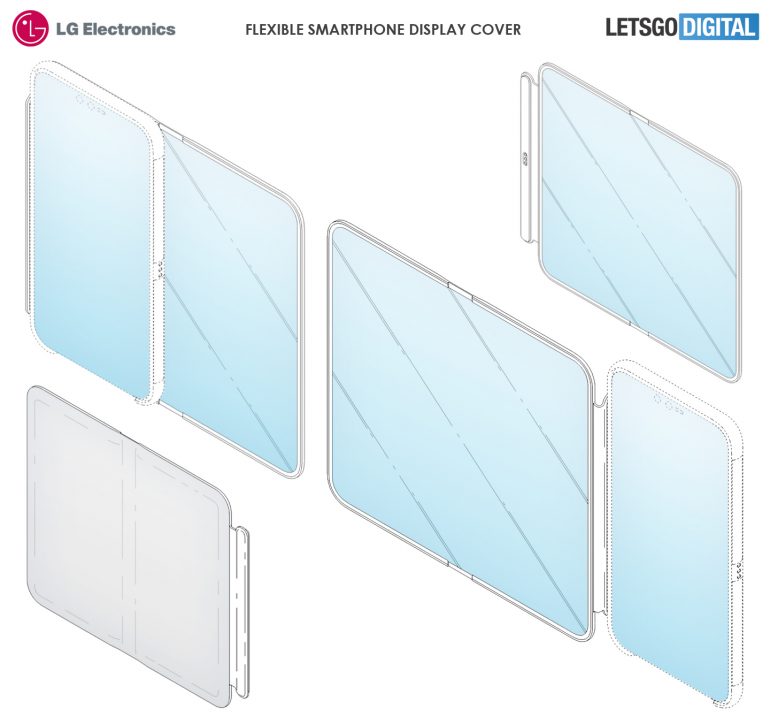
LG patents foldable OLED case that wraps around conventional smartphones to form a dual screen design

In the fast-evolving world of technology, LG has come up with a new OLED foldable case that wraps around the smartphone, increasing the size of the display. The design leaked online as LG filed for a patent at the WIPO Global Design Database, and the Hague International Design System. With the new technology, select LG flagship devices will double up as foldable smartphones.

Although a brilliant approach, LG’s idea of a foldable cover with a second display failed to leave its mark on the audience when the company tried something similar last year with LG V50 ThinQ and LG G8X ThinQ. This time, however, the cover folds up seamlessly into a tablet-sized display, without bezels cropping up in between. This is possible as the phone will be able to sit outside the cover while still being attached via a connector, offering a greater surface area.

Once folded the device will be as large as the Huawei Mate X. When unfolded the overall dimensions will be a tad larger than the average foldable smartphone. The greatest benefit of the design is that since the display and the smartphone are separate pieces, they can be replaced individually should one get damaged.

Smartphones like the Huawei Mate X and the Samsung Galaxy Fold try to solve the demand for bigger displays while still being portable. However, flexible designs have generally failed to be reliable in the long run. Plus, they add unnecessary cost and design complications. With a wraparound cover, LG is looking at ways to solve the equation while keeping the negativities in check.

The cover need not remain attached to the smartphone at all times, as the device is connected via a vertical connector, similar to the one on the Microsoft Surface cover. The only difference here is the display attached to the cover. It is possible that the patent might never see the light of day when you consider the engineering challenges that the designers need to overcome. The bigger question now is will such an accessory be enough to divert people’s attention from a lackluster device!


(source|via)

JioMart launched in India to rival With Amazon and Flipkart

Indian business conglomerate Reliance Industries Limited has just launched JioMart, its highly-anticipated venture into the eCommerce platform, to take on giants like Amazon and Flipkart. Operated by Reliance Retail, the retailing arm of Reliance Industries, JioMart is currently available only in limited regions around the Mumbai city as part of a pilot program.

JioMart will leverage the power of the local shops, (known as kiranas in India), to deliver grocery directly to your doorstep, and the company has over 50,000 listed kiranas in the three areas where it is currently active. Reliance being a domestic player does not come under the purview of strict FDI regulations that Amazon has to deal with. Plus, they have the upper hand, as the government could change its outlook anytime to protect the interests of the small businesses throughout the country.

RIL Chairman Mukesh Ambani had hinted at the venture last year by calling it a “new commerce initiative”. “In its final form JioMart will connect three crore offline retailers to over 20 crore households throughout India”, Ambani stated at the company’s 42nd Annual General Meeting (AGM) held in August 2019.

In a bid to kickstart its eCommerce initiative, Reliance Retail has opened pre-registrations for JioMart. The platform is slated to offer over 50,000 grocery products to clients. Along with a bunch of benefits including free home delivery irrespective of minimum order value, express delivery, and easy return policy. RIL describes JioMart as “Desh Ki Nayi Dukaan” or the country’s new shop on the official JioMart website. JioMart is expected to have a major impact on existing eCommerce ventures, with Amazon and Flipkart regulars shifting loyalty.

A recent report on Mint claims Reliance has invited existing Jio Telecom users to register with JioMart and avail introductory discounts. The website mentions customers are entitled to offers worth Rs. 3,000 on early sign-up. Instead of focusing on building storage and inventory facilities, RIL has joined hands with existing offline businesses as part of its offline to online (O2O) business strategy. The strategy is similar to what Amazon Pantry and Grofers do at the moment.

“Beta testing JioMart with thousands of merchants across India has established our premise with a significant improvement to sales and profit margins for the participants. We are slowly moving towards launching the service on a mass scale”, Ambani added during the 42nd AGM in August.

Apart from groceries, JioMart will also sell daily staples and household items like soap and shampoo. Hence, competing directly with Amazon Prime Now, which promises two-hour delivery of common household items. The official JioMart website claims that an Android and iOS app is in the making. Upon launch, users will be able to place orders directly from their smartphones. Reliance is yet to announce a tentative launch date of the mobile app, stating that it is currently under development.

In the wake of launching JioMart, RIL was previously seen working with software firm C-Square that specializes in sales force automation for distribution firms, virtual business operation, and eCommerce platforms. Back in March 2019, RIL showed interest in acquiring logistics services Grab A Grub for this very reason. Apart from acquiring businesses complimenting JioMart’s mission, Reliance is increasing its effort in Artificial Intelligence (AI), and the Internet of Things (IoT) to offer customers better shopping experience.