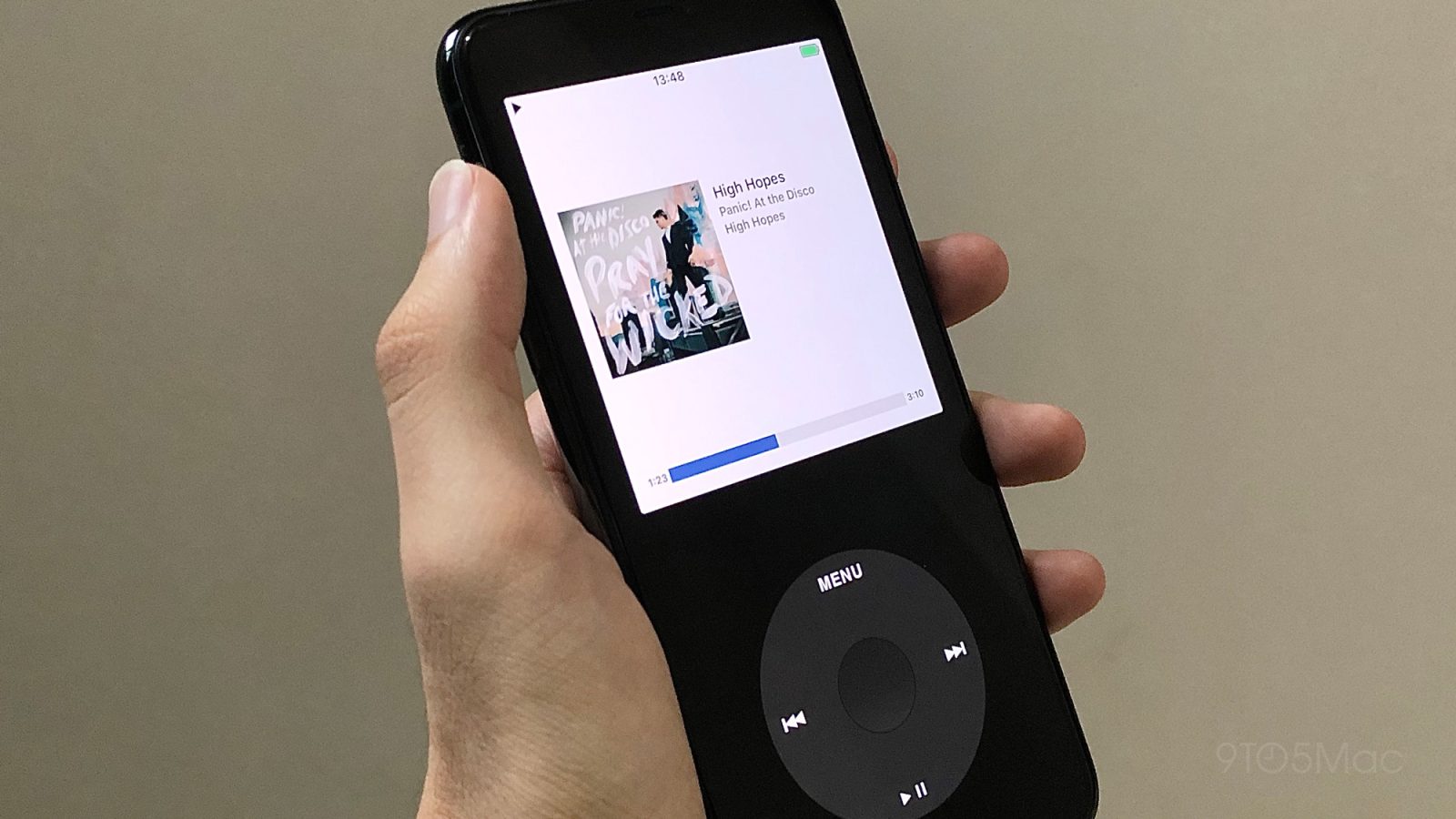
Apple iPhone users are probably accustomed to not being allowed to have fun things by now, as the company kills yet another app. This time around, Apple has brought the hammer down on Rewound, an app that allowed users to customize their iPhones to look like an iPod Classic.
Developer Louis Anslow is the creator of Rewound, a customizable music player that more or less turns the iPhone’s touchscreen into an iPod Classic. Anslow isn’t the first developer to try to feast on the general public’s want for iPod nostalgia, but Anslow managed to get Rewound into the app store with a workaround that may or may not run afoul of Apple’s intellectual property rules.
The apps was designed from the ground up to use skins that allowed users to customize the look of their app. According to the devs, “Rewound was specifically designed not to infringe on Apple’s trademarks and we didn’t. Rewound could look many ways. Not until users started sharing/using Clickwheel skins did they ban the app.”
According to Rewound, another reason why Apple removed it is because the app charged for Apple Music features. “This is less unreasonable BUT they already approved the in-app purchase before Clickwheel skins started proliferating… then they decided it was not ok. Double standard?” said Rewound.
Rewound said it can’t update the app to get it re-approved without breaking the app for more than 170,000 users. “So we’re going to have to upload a separate version. They’re just going to keep saying no until users can’t possible make it like their favourite music player,” said the app developer.
According to the latest report on Reuters, Google has stopped licensing Android smartphones for sale in Turkey, meaning new Android devices will no longer enjoy the perks of Google Mobile Services (GMS). The development closely follows the Turkish competition regulator’s decision to impose a 93 million lira (~$17.4 million) fine on Google for failing to comply with the law. Even as Google responded by making significant changes to its arrangements with its local business partners, the regulatory body was far from impressed.
In its official statement, Google said that it will not approve licensing requests for new Android smartphones in Turkey, meaning the devices will lack some crucial features like Google Play Store, YouTube, and Gmail. However, the company clarified that existing smartphone models do not come under this purview. “Existing models will continue to receive updates as usual. Google’s other services will remain unaffected”, read Google’s statement.
Google further mentioned that it is actively in talks with the Turkish regulatory body to try and resolve the situation. The company also urged its business partners to pressurize the country’s trade minister and the competition authority to revoke its decision. “Google is aware of the complications that arise from its decisions and understands the problems generated for consumers, app developers, manufacturers, and carriers. We expect to arrive at a conclusion with the TCA soon”. Google said the company already restructured its contract with local partners, allowing greater flexibility on how smartphone manufacturers preload Google’s revenue-generating apps on their devices.
The Turkish competition authority opened its first investigation into Google back in 2017, following a complaint by Yandex. The investigation found Google guilty of abusing its dominant position by making it difficult for its partners to conduct business. The regulatory body instructed the company to sort out the problems that had been identified within six months while imposing a fine in September 2018. Although Google made a few significant changes to its business contracts based on the findings in August 2019, the TCA remained dissatisfied with Google’s efforts and imposed a fine of 0.05% of the company’s revenue per day till the issues were finally resolved.
Airtel, one of the leading telecom network operator in India, recently started offering VoWiFi calling feature to its users in select circle and it plans to expand the offering to other circles in the country soon.
However, not all the smartphones are compatible to make use of this Wi-Fi calling feature. Initially, only 24 smartphones were compatible with the new feature introduced by Airtel. Now, Xiaomi has added VoWiFi calling support to three more devices.
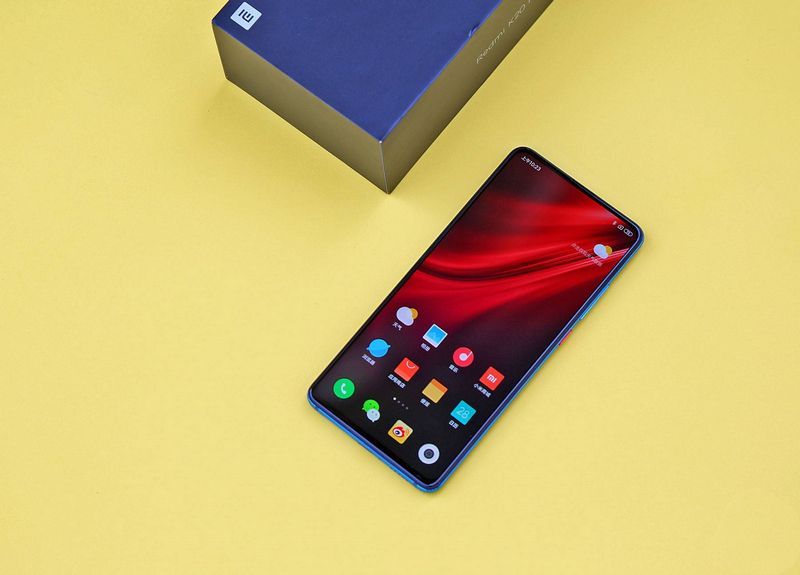
Chinese smartphone maker Xiaomi has today announced that Redmi K20, Redmi K20 Pro, and Poco F1 smartphones now have support for Wi-Fi calling. So, if you have any of these phones and an Airtel connection, you can make use of the feature to make clearer calls.
Do note that the VoWiFi support comes with the latest MIUI 11 update that these devices have received. If you have not yet received the MIUI 11 update, you should check for system updates and download it. Users will then have to enable the support for VoWiFi calls from the Settings menu. Once the VoLTE is enabled on the smartphone, you need to go to SIM Card & Networks and look for Airtel SIM and then head over to Make Calls using Wi-Fi and turn it ON.
To make calls using VoWiFi, you also need to connect to an Airtel broadband network. Once the connection is secure, you can simply make your call and the device will latch on to the broadband network to conduct the call. So currently, in order to use the VoWiFi network, you need to have an Airtel SIM card and an Airtel broadband network at your place.
The US House of Representatives has passed a bill that will now prevent the government from using funds to help carriers buy Huawei’s telecommunications equipment. Along with that, other equipment considered to be a threat to national security is also banned under the draft ‘Secure and Trusted Communications Networks Act’.
Commenting on this, Frank Pallone Jr., Energy and Commerce Committee Chairman, Ranking Member Greg Walden, Reps. Doris Matsui, and Brett Guthrie said that the move is critical to protect America’s wireless networks from “malicious foreign interference”.
They also added that “companies like Huawei and its affiliates pose a significant threat to America’s commercial and security interests because a lot of communications providers rely heavily on their equipment.”
The legislation now faces a vote from the Senate. As said, when passed, it will prevent the Federal Communications Commission from providing funds to carriers to purchase the equipment from Huawei. It also requires the government to help smaller carriers rip out any “suspect network equipment” and will also see the government share supply chain security information with carriers.
Huawei, the Chinese giant and the world’s leading telecommunication equipment maker, was blacklisted in May when the company was added to the United States’ “entity list”.
In addition to adding Huawei to the list, US President Donald Trump at the same time signed an executive order essentially banning the company due to national security concerns that Huawei had close ties with the Chinese government. However, no proof was provided to back the claim and Huawei has repeatedly denied that charge.
Chinese e-commerce company Jingdong (JD.com) recently held its Luxury Goods Festival-Autumn and Winter Mobile Phone Fashion Festival. The company unwittingly listed the top 10 “unaffordable” mobile phones and a look at the list would leave you speechless. The most expensive of the lot cost as much as 2.47 million yuan (about $353,000)! That model is the Vertu Signature Cobra Limited Edition. The phone was launched back in May 2017 and even came with an offer of delivery by Helicopter. We doubt if the device will ever get sold out since it is still listed over 2 years after.
Vertu is known for its premium phone designs with gold or platinum accents as the case may be. So, it is no surprise that the second-most-expensive model on the list is also a Vertu model. Next on the line is the Vertu Aster P which was launched in October 2018. The gold plated version is listed on JD.com for 221,800 yuan ($31K).
The third phone is Huawei Mate X 5G foldable smartphone which holds the record as the industry’s first 5G foldable display mobile phone. The Mate X has a recommended retail price of 16,999 yuan (~$2400)but Jingdong’s spot price for the device was 69999 yuan(~$10K). It is presently sold out.
The Vertuu Aster P made it again into the list with a price tag of 46800 yuan which should be for the Ink Black and White variants. Swiss watchmaker 8848 released the M5 luxury smartphone and it is ranked at number 5. The rest of the top 10 is made up of the Huawei Mate 30 RS Porsche design, a light business phone priced at 15999 yuan (~$2286). It is followed by the Samsung Galaxy Fold, the world’s first mass-produced foldable phone with a price tag of 15,999 yuan (~$2286). A number 8 is the iPhone 11 Pro Max, priced at 12,699 yuan (~$1800). OPPO Find X Lamborghini model, which costs 9999 yuan ($1400) claims the ninth spot. Finally, the Royole Flexpai completes the top 10 with a 9,998 yuan price tag (~$1400).
Last month, Huawei released a revised EMUI 10 update roadmap which stipulated when the tech giant would push the latest update for the latest Android custom skin, including Stable ROMs to specific models.
The company has already rolled out the latest EMUI 10 update, which is based on Android 10 operating system, to several devices from Huawei as well as its sub-brand Honor. Now, the beta version of the update is made available to more devices.
On the Club Huawei forums, the company has confirmed the latest batch of devices to receive the EMUI 10 Beta. The list includes Chinese variants of the following devices:
Huawei Mate 10
Huawei Mate 10 Pro
Huawei Mate RS Porsche Design
Huawei P20
Huawei P20 Pro
Huawei Mate 20 RS Porsche Design
Honor 8X
Huawei Nova 5 Pro
EMUI 10 is an important update for Huawei phones as it improves smoothness and performance on existing devices. The company has even added a system-wide dark mode which even forces apps that don’t have a dark mode to comply.
The system settings are now better organized in this new version and the OS is designed to offer a better experience when working other devices like a Windows 10 laptop. EMUI 10 allows the smartphone to cast its screen directly on to the Windows 10 device, offering a seamless working experience. The update equally brings Android 10-inherent features.
Huawei has impressively managed to roll out its latest Android 10-based EMUI update to its portfolio devices, at a time when the company is going through the worst possible time given that it has been blacklisted from doing business by the United States.
OnePlus recently announced that the company will be hosting a ‘OnePlus Special Event’ from 7th January 2020 to 10th January 2020, during the upcoming Consumer Electronics Show (CES) in Las Vegas.
When announcing the event, the company had not revealed what to expect from OnePlus at the event. Recently, Pete Lau, Founder and CEO of OnePlus revealed on Twitter that the company will showcase “something special” at the event.
Now, he has finally revealed what will be showcased at the January’s Special Event. Pete Lau confirmed that OnePlus will announce a new concept smartphone at its CES 2020 event in Las Vegas.
The company will be taking the wraps off OnePlus Concept One smartphone, which as the name itself indicates, is the first concept device from the brand. Apart from this, nothing is known about this upcoming device.
While the company has not revealed what this product is, there are three possibilities — a mid-range smartphone, a true wireless earphones, and a foldable smartphone. Since the event is happening at CES and the foldable devices are going mainstream, chances of OnePlus showcasing a foldable concept phone is higher than the other two options.
This is just a speculation and the company could come up with something new and entirely different. To know for sure, we’ll have to wait for the ‘OnePlus Special Event’ to take place next month. However, we expect the company to teased the product in the coming days.
The Chinese brand, which started off with value-for-money smartphones, has been trying to diversify its portfolio of products. It has already launched Bluetooth wireless earphones and recently entered the smart TV market in India with the launch of OnePlus TV lineup.
Last week, Redmi announced the Redmi K30 5G phone in China with an affordable pricing. Yesterday, the Vivo X30 and X30 Pro were made official in the home market as its first non-flagship 5G phones. Realme too is gearing up to launch its first 5G-ready smartphone. The Realme X50 5G will be the first 5G phone from the company. It was recently reported that the Realme X50 5G will be made official before China’s Spring Festival. A new teaser that was released by Realme CMO Xu Qi Chase yesterday evening suggests that the company may announce the Realme X50 5G phone on Jan. 5.
Qi has stated that Realme X50 5G’s press conference is only _ _ days away. The number 20 that can be seen between the two treadmill screens suggests that the company may the Realme X50 5G launch event 20 days from Dec. 16. Hence, it appears that the Chinese firm may unveil the phone on Jan. 5. With few days remaining for the launch, the company may confirm on the actual unveil date in the next few days.
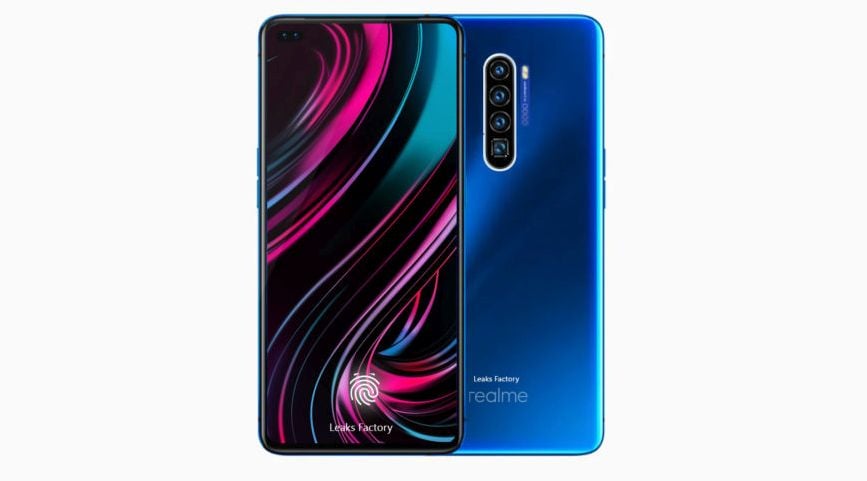
Realme has revealed that the Realme X50 5G phone will come equipped with a display that features a pill-shaped punch-hole for the dual front-facing cameras. The recently launched Redmi K30 also features a dual punch-hole display. The Redmi K30 has an elliptical cutout for the two cameras at the top-right corner. On other side, the Realme X50 5G has the punch-hole positioned at its top-left corner. The Redmi K30 has an IPS LCD display with a side-mounted fingerprint scanner. It remains to be seen whether the Realme X50 5G will come with an AMOLED display and in-screen fingerprint scanner. So far, all the X-series phones released by Realme have featured in-display fingerprint reader.
Realme has recently confirmed that the Realme X50 5G will be powered by the Snapdragon 765Gv SoC which will bring support dual-mode 5G connectivity. The same chipset also powers the Redmi K30 5G phone. No other details on the specs of the Realme X50 5G has been revealed by the company.
Realme X50 5G render
An unofficial render that is now doing rounds on social media sites reveal that the Realme X50 5G will be featuring a quad camera setup on its back. The rumored specs that surfaced along with it revealed that the phone will come with 12 GB of RAM, 128 GB / 256 GB of storage, ColorOS 7 and 50W rapid charging.
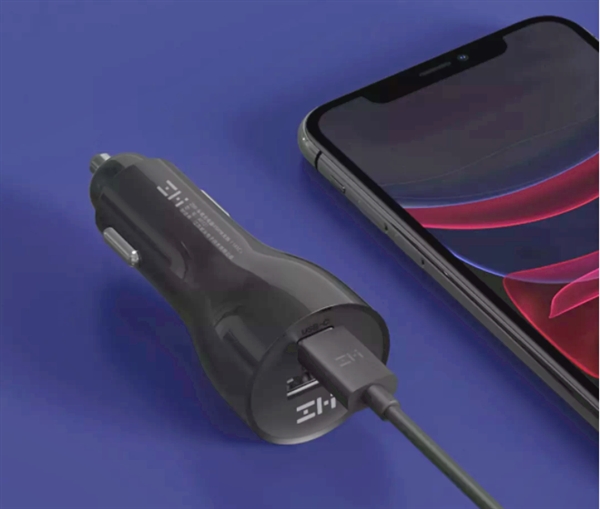
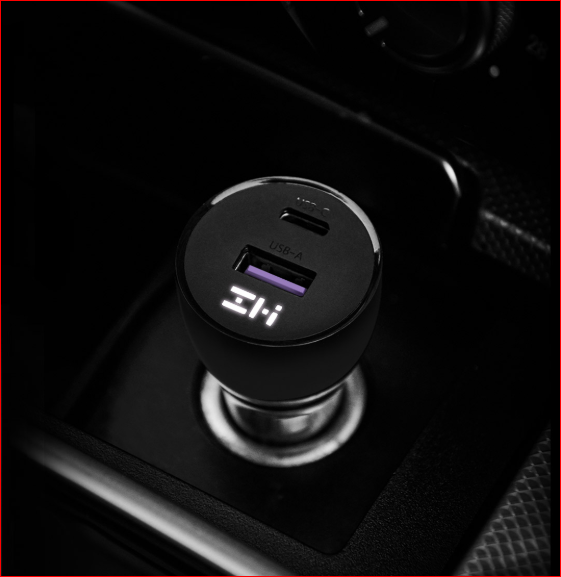
Xiaomi‘s ecological chain company ZMI is gaining popularity for its wide range of charging solutions. The company’s products include superfast power banks, wired charger, wireless chargers, as well as car chargers. ZMI has just launched a 45W fast charging version of the ZMI car charger. The device is presently on sale at the ZMI Jingdong/Tmall official flagship store for 69 yuan ($9).
The fast car charger adopts dual-port independent output design consisting of a USB-A and USB-C port. The maximum output of both ports can reach 45W at the same time. The USB-C interface with the ZMI USB Type-C to Lighting data cable charges the iPhone 11 and it takes only 1 hour and 46 minutes to fully charge. The charging speed is said to be 50% faster than the original Apple charger. In addition, the USB-C interface supports 27W MAX high power output.
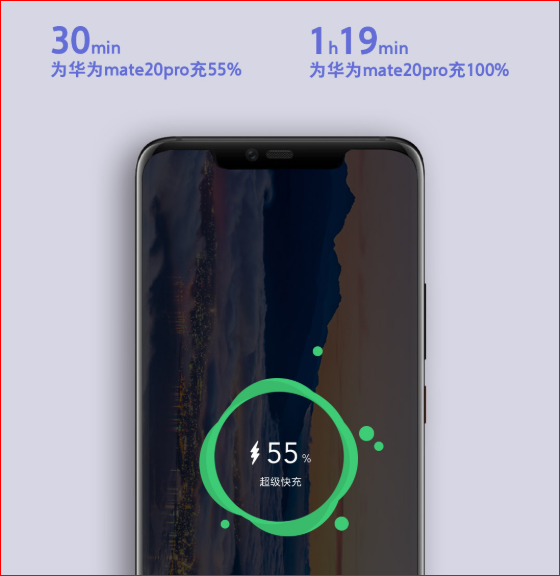
On the other hand, the USB-A interface supports 22.5W MAX output. With the ZMi 5A data cable, it can charge the Huawei Mate 20 Pro up to 55% in 30 minutes and can deliver a full charge in 1 hour and 19 minutes.
ZMI 45W fast charge car charger has a built-in smart chip and can automatically adapt to different devices and effectively output the appropriate current. In terms of design, the fuselage is made of flame-retardant PC material, integrated injection moulding process, and double-sided metal elastic contact design, which is effective to prevent shock and not fall off easily. In terms of safety, it adopts imported main control chip, multiple protections such as overcurrent protection, short circuit protection, overvoltage protection and temperature protection.
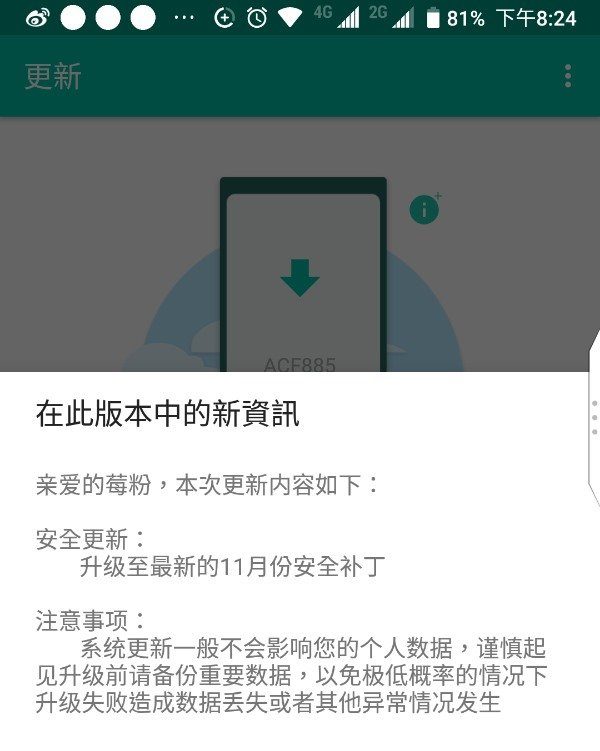
None of the licensees for the BlackBerry Mobile brand announced a new smartphone this year. Not TCL, not Optiemus Infracom, and definitely not BB Merah Putih. One can say the brand is dead once again. However, while no new phones were announced, the older ones got software updates albeit security patches. For example, the 2017 BlackBerry Motion got September 2019’s security patch back in October. Now there are reports that the KEY2 is getting November’s security patch.
The news comes from China and it says the changelog doesn’t bring any new features other than the security patch. So the BlackBerry KEY2 is still stuck on Android 8.1 Oreo which is quite sad.
While there is no confirmation of a new BlackBerry phone in development, one thing we are sure of is that there won’t be a 5G BlackBerry phone anytime soon according to a TCL executive. Stefan Streit who is the general manager of marketing said back in October that they have no plans to launch a 5G BlackBerry phone. Apparently, he doesn’t see the need for the technology on a device that isn’t considered as an entertainment phone. This is not completely ruling out a 5G BlackBerry phone but it just isn’t currently in their plans.
The BlackBerry KEY2 was announced in June 2018. It has a 4.5-inch screen with a 1080 x 1620 resolution that sits above a physical QWERTY keyboard. The phone is powered by the Snapdragon 660 and has 6GB of RAM and 64GB or 128GB of expandable storage. There are dual 12MP cameras on the rear while an 8MP camera sits in front for selfies and video calls. The phone also has a 3500mAh battery with support for Quick Charge 3.0, a front-mounted fingerprint scanner, NFC, and an audio jack.
TCL is currently focusing on its own brand. It launched the TCL Plex in September and there is a possibility it will announce another TCL-banded phone next year. So for now, one can say the BlackBerry Mobile brand has taken a backseat.
The new Galaxy A 2020 series by Samsung was officially announced a few days ago and it currently includes two devices: Samsung Galaxy A51 and A71. We already published a specs comparison regarding the Galaxy A71, so now it is time for its affordable sibling. Just like most of our comparisons, we chose the devices we believe to be the most competitive sold in the same price range. For this comparison, we decided to pick the Realme 5 Pro and the Xiaomi Mi 9 Lite. Both are devices offering high performance at very interesting prices: will the Galaxy A51 be able to compete with them? Let’s discover it together.
Samsung Galaxy A51 vs Realme 5 Pro vs Xiaomi Mi 9 Lite
Samsung Galaxy A51
Oppo Realme 5 Pro
Xiaomi Mi 9 Lite
DIMENSIONS AND WEIGHT
158.5 x 73.6 x 7.9 mm, 172 grams
157 x 74.2 x 8.9 mm, 184 grams
156.8 x 74.5 x 8.7 mm, 179 grams
DISPLAY
6.5 inches, 1080 x 2400p (Full HD+), 405 ppi, Super AMOLED
Quad 48 + 12 + 5 + 5 MP f/2.0, f/2.2, f/2.4 and f/2.2
32 MP f/2.2 front camera
Quad 48 + 8 + 2 +2 MP f/1.8, f/2.2, f/2.4 and f/2.4
16 MP f/2.0 front camera
Triple 48 + 8 + 2 + 2 MP f/1.8
32 MP f/2.0 front camera
BATTERY
4000 mAh, fast charging 15W
4035 mAh, fast charging 20W with VOOC 3.0
4030 mAh, fast charging 18W
ADDITIONAL FEATURES
Dual SIM slot
Dual SIM slot
Hybrid Dual SIM slot
Design
In order to make their budget phones very affordable, both Samsung and Realme decided to make the Galaxy A51 and the Realme 5 Pro with a cheap plastic body. Despite coming with cheap materials, keep in mind that Realme 5 Pro is splash resistant. But the device offering the best design and build quality is the Xiaomi Mi 9 Lite, also known as the Xiaomi Mi CC9 in China. Unlike most of the budget phones, it comes with both a glass back and an aluminum frame for a premium touch & feel. Further, its rear side shows suggestive light effects depending on the viewing angle.
Display
Xiaomi Mi 9 Lite is superior even if we talk about the display quality. It is the only HDR-compliant device from this trio, which means it provides a richer image quality. Further, it has a higher peak brightness with up to 600 nits. It is also an AMOLED panel. The silver medal goes to the Samsung Galaxy A51 equipped with a Super AMOLED display, while Realme 5 Pro loses the comparison as it comes with a classic IPS panel, but it is not disappointing thanks to its Full HD+ resolution.
Specs & Software
In a lot of regions, if you want the most affordable smartphone with the highest performance, you have to choose the Realme 5 Pro. The mid-ranger from Oppo’s sub-brand is available for less than €200 and it offers an amazing Snapdragon 712 chipset, which is an upgraded version of the Snapdragon 710 found on the Xiaomi Mi 9 Lite. The Mi 9 Lite offers a fast UFS 2.1 internal storage, but Realme 5 Pro has more RAM: up to 8 GB in its most expensive version, while both Samsung Galaxy A51 and Xiaomi Mi 9 Lite stops at 6 GB. Despite it is less impressive in terms of performance, Samsung Galaxy A51 is the only with Android 10 out of the box since it is a more recent handset.
Camera
The differences in photo quality between Samsung Galaxy A51, Realme 5 Pro and Xiaomi Mi 9 Lite are not excessive. Due to its definitely better secondary sensors, I personally prefer the quad rear camera of the Samsung Galaxy A51. It is even great at shooting selfies, but Xiaomi Mi 9 Lite has a better selfie snapper.
Battery
With these three phones, you get more or less the same battery capacity and, given that we still did not test the battery life of the Samsung Galaxy A51, we can not provide you a definitive opinion. Between Xiaomi Mi 9 Lite and Realme 5 Pro, the former offers a slightly longer battery life in most of the scenarios.
Price
Samsung still did not announce the price of the Galaxy A51. You can get the Xiaomi Mi 9 Lite globally for less than €250/$279, while Realme 5 Pro has a €199/$222 global listing price (but street prices are lower). Xiaomi Mi 9 Lite is a more complete device than its rivals due to its better build quality and display, but it costs definitely more than Realme 5 Pro, even though the 5 Pro provides higher performance.
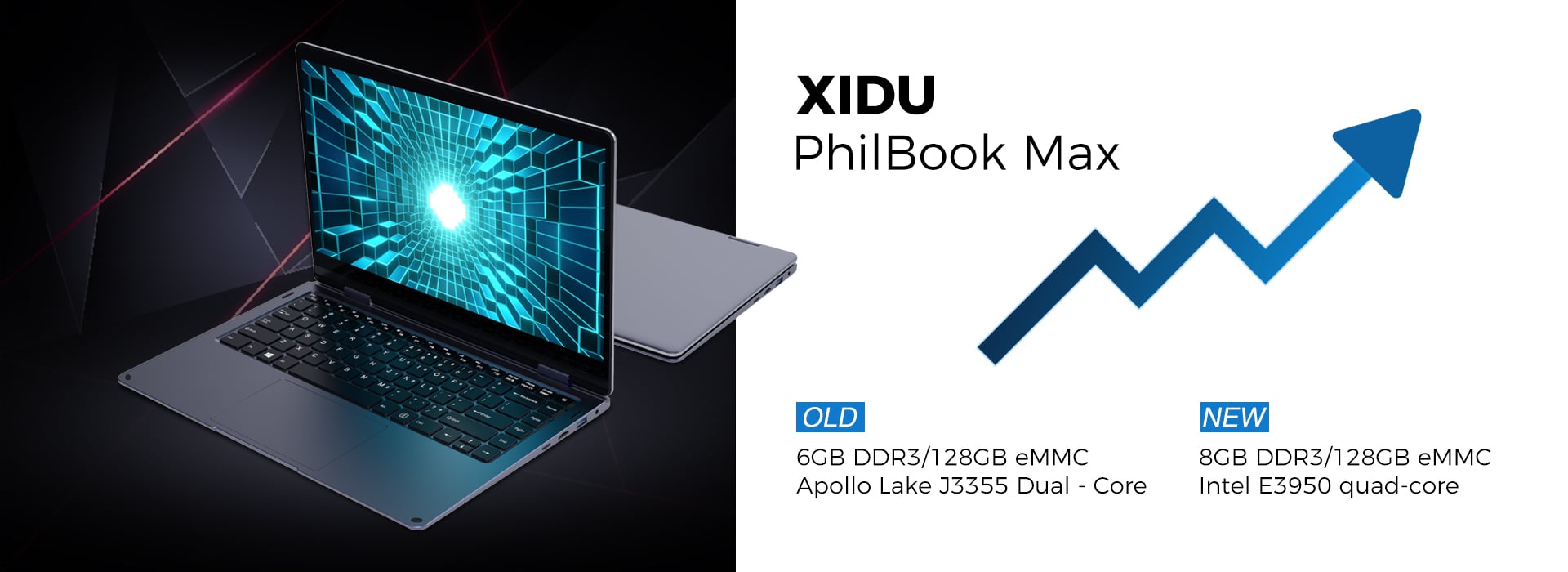
Today’s life is heavily attached to our mobile devices -mostly smartphones- but laptops are making a big come back lately with many Chinese manufacturers offering great devices and Value for Money. XIDU is one of those manufacturers that offer lightweight and portable 2in1 laptops with a touch display. One great budget-friendly model is the XIDU PhilBook Max. Let’s check out what it’s all about.
XIDU PhilBook Max build quality
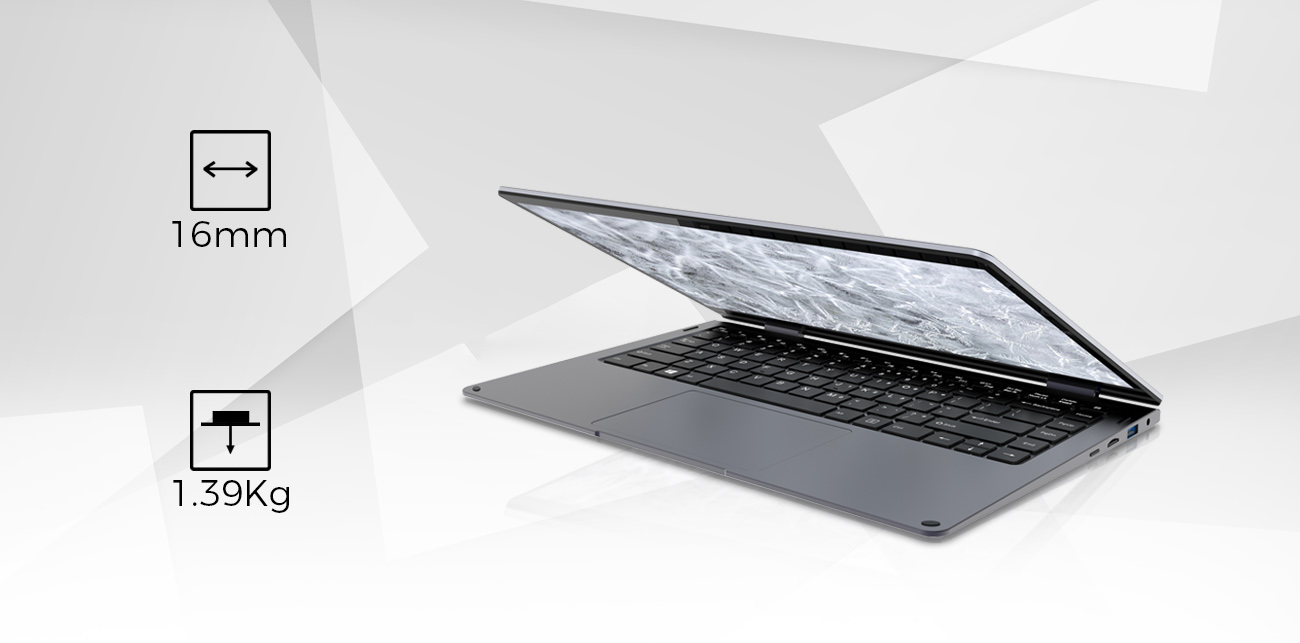
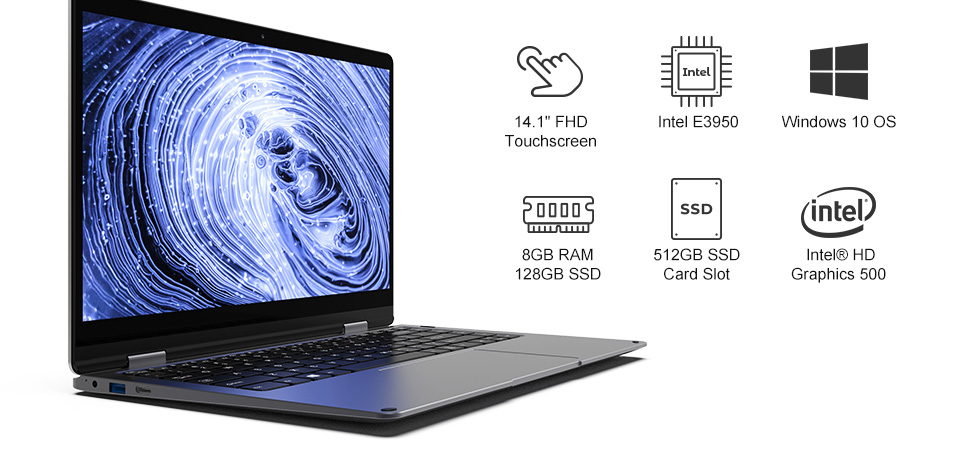
The PhilBook Max is made of aluminum and weighs just 1.39 kg. At the same time, it is among the thinnest laptops out there with its thickest point measuring just 16mm. Despite its thin profile and budget price, it comes with a bunch of ports like 2 x USB 3.0 ports, an SD card slot, and a 3.5mm headphone jack. Also, there is a 2MP webcam that might not be the best there is but it gets the job done. What’s more, the laptop is pretty comfortable but features all the disadvantages of a laptop keyboard. On the other hand, the touchpad is large and works as it should.
As for the rest (and most important) specs, it is powered by the Intel E3950 and 8GB of RAM. Also, it comes with 128GB SSD for fast loading times. There is a 14.1″ multitouch FHD display that can rotate 360° thanks to the flexible hinge design. Lastly, there is 802.11 ac WiFi.
XIDU PhilBook Max performance
Performance-wise, it doesn’t set fire to the Benchmark apps but it has adequate power for everyday tasks. After all, don’t forget that it is a budget 2in1 laptop so you shouldn’t expect top-notch performance to start with. The important factors like RAM amount and disk type are there as 8GB RAM make sure that multitasking is smooth and the fast 128GB SSD reduces loading times by a lot. Also, lightweight gaming is what you can do but heavy gaming is out of the question since there is no dedicated GPU.
As far as battery life is concerned, it can go on up to 6 hours of use on a single charge so there is no need to panic if you left your charger at home. Lastly, there is the touch display. Touch works as it should without any strange issues. Overall, the PhilBook Max is among the best low budget 2in1 laptops out there and you should consider it if you are looking for something similar.
If we had to report some pros and cons about it, we’d definitely put battery life, weight, 2in1 character, touchscreen, and SSD on the pros side. On the other hand, it could have had a more powerful CPU, a faster charger, and a more sturdy hinge system.
The PhilBook Max currently sells for around $350 on Amazon and it maybe is the cheapest 2in1 laptop right now. If you are on a tight budget and are looking for an entry-level 2in1 laptop, take a look at it. Especially if you are a student.
You can grab it as a Christmas present on the official XIDU Store, Aliexpress, and Amazon US, UK, FR, ES, IT stores. To get discount coupons on more XIDU devices, click here.
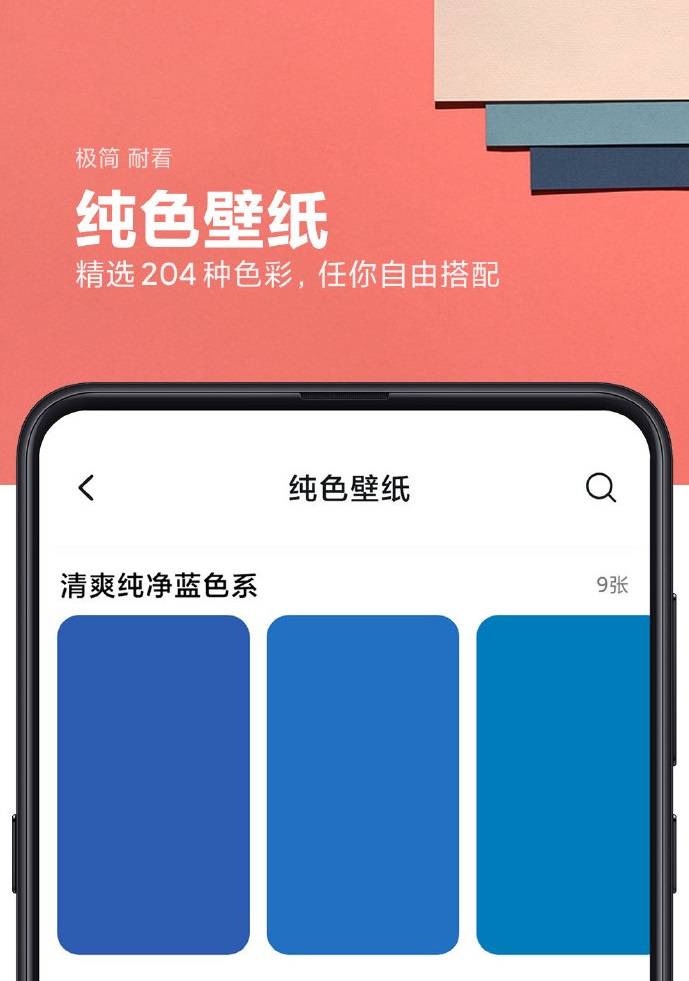
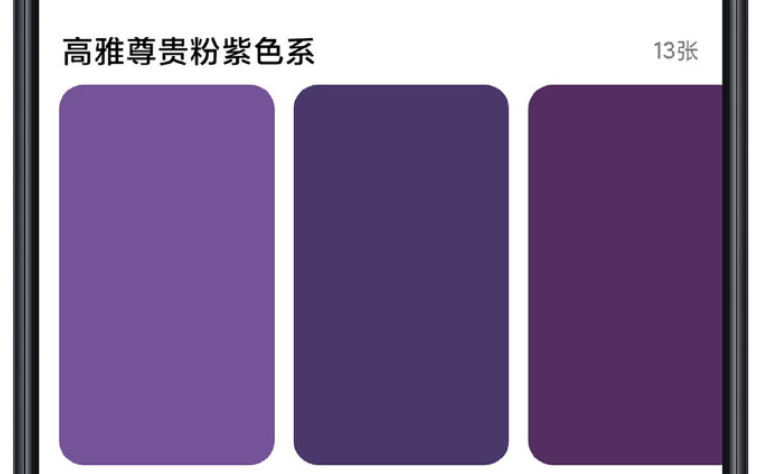
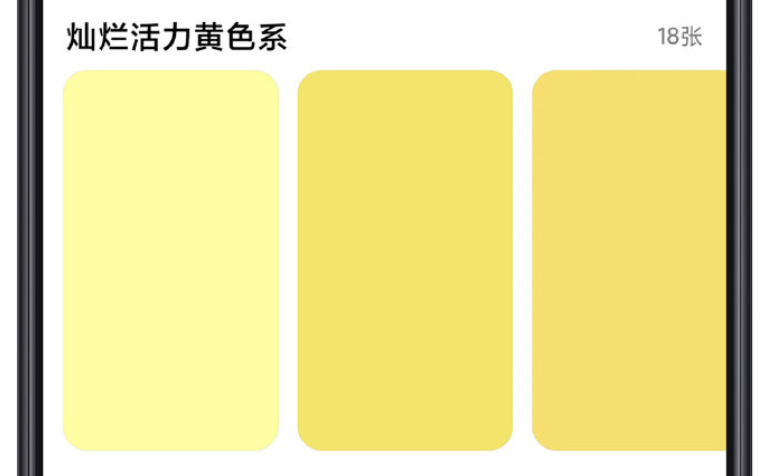
Apart from providing regular upgrades and security patches to its devices, Xiaomi also brings new wallpapers, themes, fonts, and ringtones for its users. Xiaomi keeps conducting photography contests to improve interaction among the users. The company’s skin – MIUI is a window to customization as it supports custom themes, fonts, ringtones, and wallpapers. In addition, Xiaomi recently introduced 204 new solid color wallpapers to bring minimalist and more beautiful backgrounds.
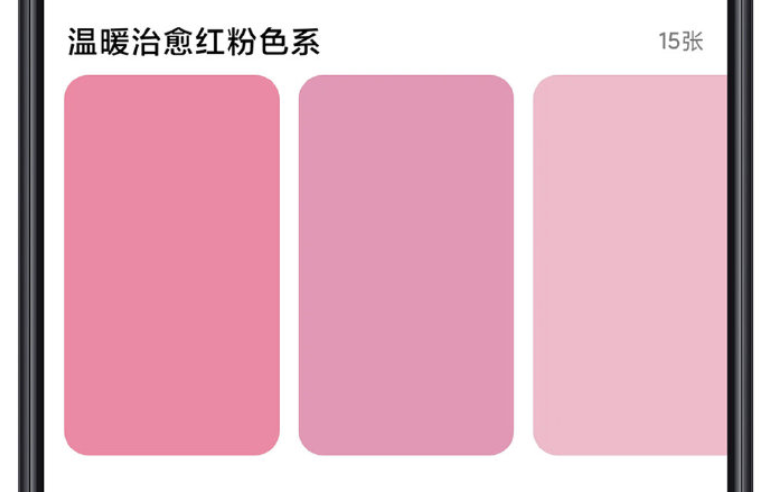
Xiaomi has added a series of solid colors, including colors such as pure blue, moist blue, green, elegant blue-green, and various others. There’s a whole lot of variations for each natural color. It also includes traditional Chinese colors, including green, pink, red, and blue palette colors.
The new wallpapers can be used along with the widgets to get a minimalist look. The clean and clear look on the home screen will further boost users’ productivity. These different solid color wallpapers give a bigger room for the customizations. These wallpapers will soon become available for download from the Xiaomi theme store.
1 of 3
Do you feel these wallpapers will find enough downloads?
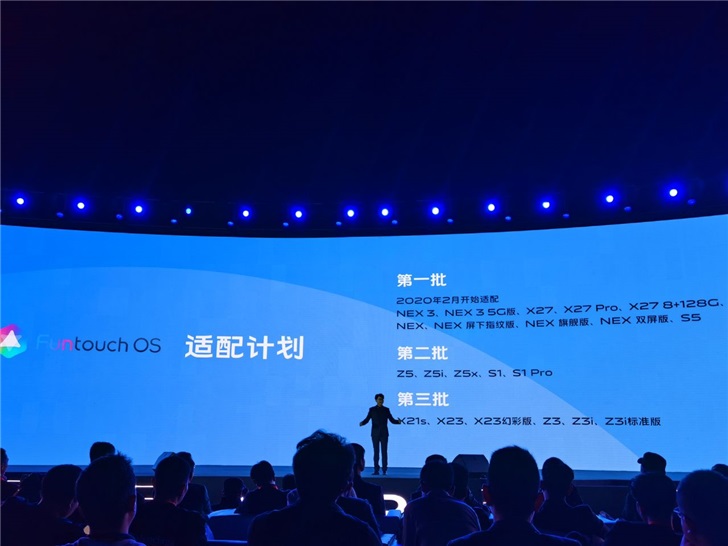
A few weeks ago, the product manager for Funtouch OS shared a font design image with the words “Jovi OS”. Originally believed to be a teaser for a new OS, it turned out to be a rebranding for FunTouch OS. Then it got canceled, and today we saw Vivo launch the latest version of FunTouch OS, that being FunTouch OS 10, at the Vivo X30 launch conference.
Now, while the Vivo X30 will come with FunTouch OS 10 by default, users of other devices will need to wait for an update. Thankfully, Vivo have also announced an update roadmap, with three batches of updates coming. Updates begin in February 2020 which isn’t too long from now, and they cover a decent amount of devices. You can check it out below.
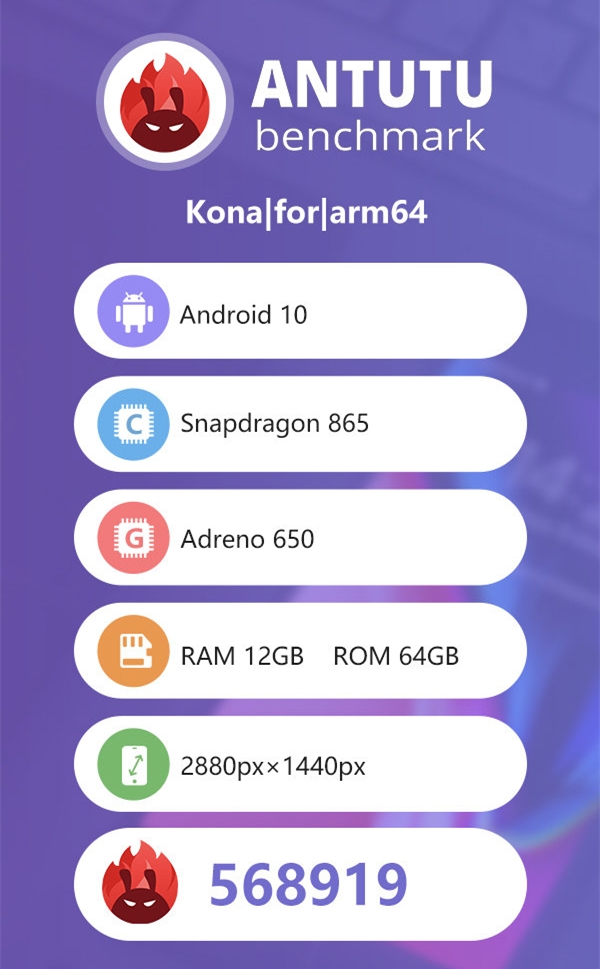
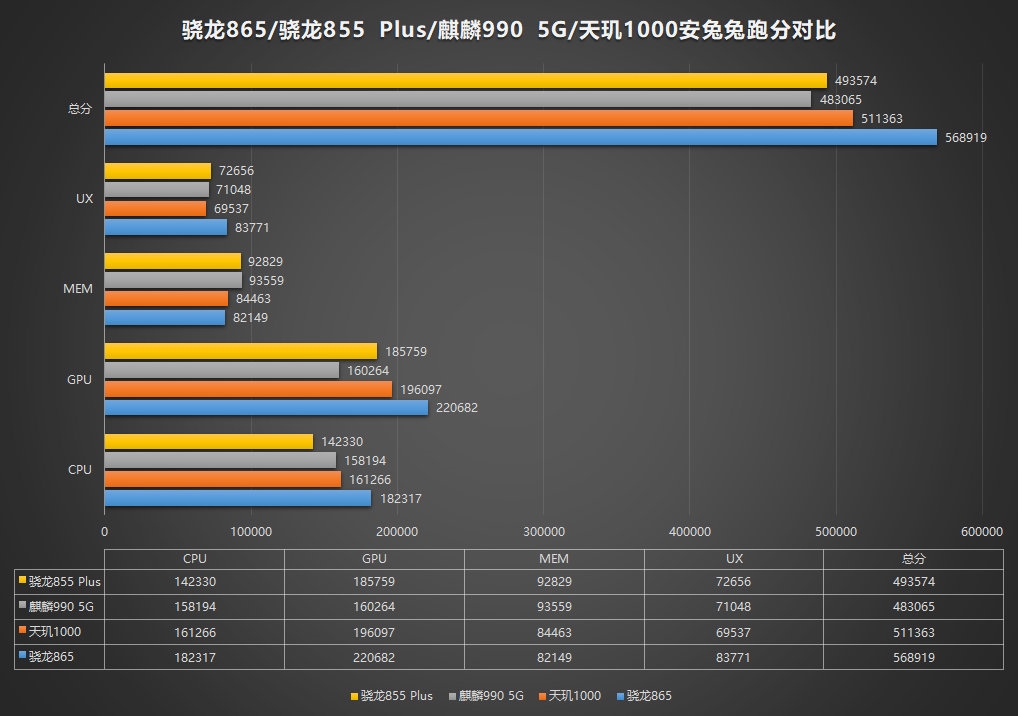
With the advent of the 2020 Android flagships approaching, Qualcomm have been hyping up their new Snapdragon 865 SoC. They’ve been touting the chip’s performance, claiming it’ll be the best chip on the market, but now we’ve got actual benchmarks to look at. Someone ran Qualcomm’s Snapdragon 865 reference device (codenamed ‘Kona’) through AnTuTu, and the results are just as excellent as expected.
In AnTuTu, the chipset manages to score of 568,919 points, which puts it above every commercial smartphone currently available on the market. It’s a marked improvement over the Snapdragon 855 which averaged around 450,000 points, and even manages to nudge the iPhone 11 Pro Max and its Apple A13 Bionic chip aside.
Compared with the Snapdragon 855+, Kirin 990 5G and MediaTek Dimensity 1000, the Snapdragon 865 still retains its clean lead, leaving it as the king of the pack. Granted, this is a reference device, it’s fully possible that final devices from manufacturers will score higher or lower than this, but it sets a very good standard for other chip makers to aim for.
The Snapdragon 865 was announced at their recent summit in Maui, Hawaii and will be probably be seen in all major flagship Android smartphones in 2020. With the Snapdragon 865, Qualcomm is promising up to a 25 percent increase in CPU and GPU performance, twice the performance increase in AI tasks and lower power consumption across the board. We can’t wait to get our hands on a Snapdragon 865 powered device and test it ourselves.
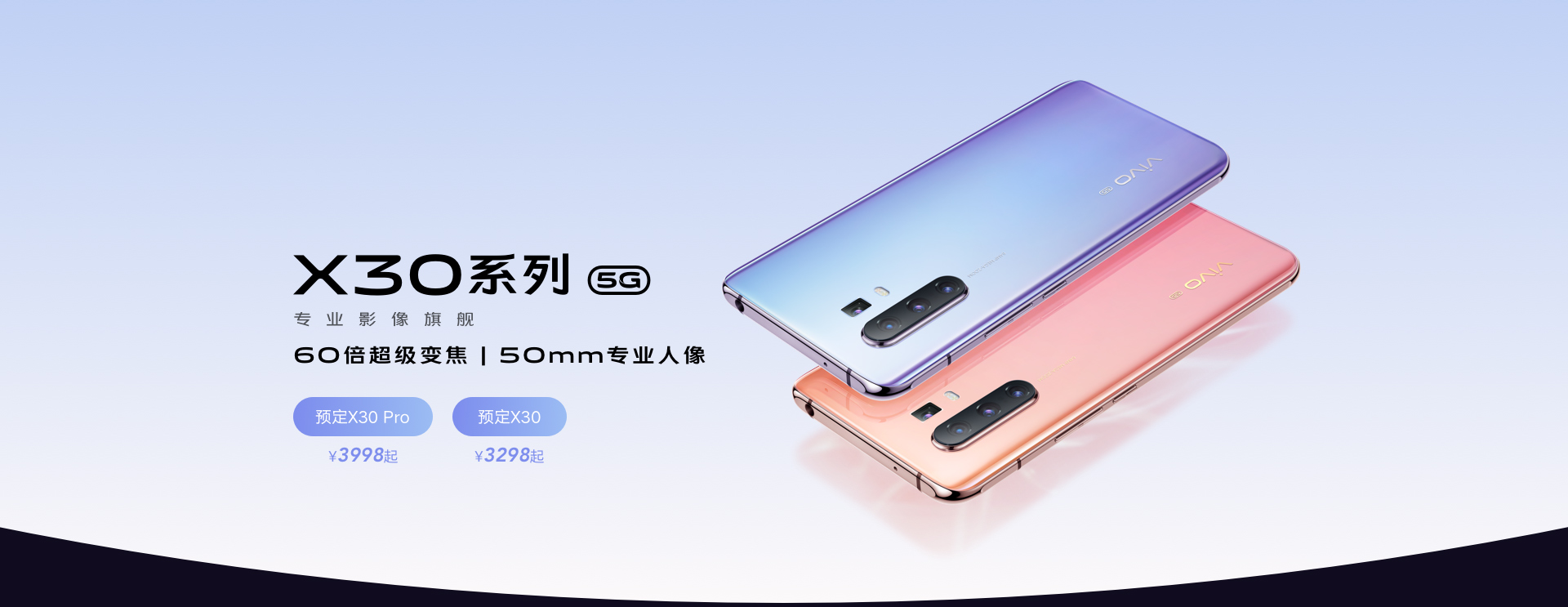
Vivo has announced two new phones for its X-series line of smartphones. The Vivo X30 and Vivo X30 Pro are both 5G phones and they are the first smartphones to be powered by the Exynos 980 processor.
Design
The Vivo X30 and Vivo X30 Pro largely share a similar design. Both have a punch-hole display with the hole, which measures 2.98mm in diameter, at the top right corner. The phones are covered in glass on both sides and come in the same color variants.
[envira-gallery id=”295472″]
Specifications
The Vivo X30 and Vivo X30 Pro both have a 6.44-inch Super AMOLED display with a 2400 x 1080 resolution. Under the screen is a fingerprint scanner and there is also support for face unlock.
The two phones are the first to be powered by the Exynos 980, Samsung’s first processor with an integrated 5G modem and which was co-developed with Vivo. The octa-core processor which features Cortex-A77 cores is paired with 8GB of RAM on both phones with the option of 128GB or 256GB of storage.
The Exynos 980 modem brings support for SA and NSA networks (n41 and n78 bands) and boasts up to 2.55Gbps in download speeds. There is 2.4GHz, 5GHz, and 5.8GHz WiFi; Bluetooth 5.0, NFC, and an audio jack.
Vivo ships both phones with a 4350mAh battery with support for 33W Flash Charge via USB Type-C. Both phones have liquid-cooling to keep the device’s temperature low when performing CPU-intensive tasks. They also run the new FunTouchOS 10 which is disappointingly based on Android 9 Pie and not Android 10. It brings Multi-Turbo 2.5, a revamped UI, dynamic wallpapers, and software optimizations.
The camera specs are what differentiates the Vivo X30 from the Vivo X30 Pro.
Vivo X30 Cameras
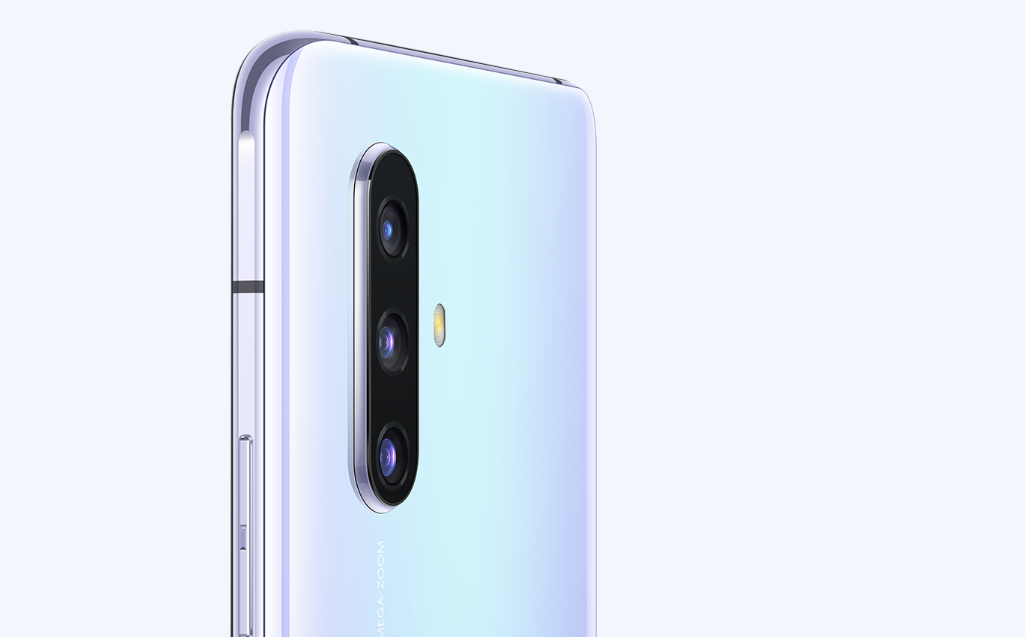
The standard version has triple rear cameras – a 64MP f/1.8 camera with a 26.4mm focal length; an 8MP ultrawide angle camera with an f/2.2 aperture, 16mm focal length and a 112° field of view; and a whopping 32MP f/2.0 professional portrait camera with a 50mm focal length.
The phone has Super Night Scene Mode 2.0 which brings multi-frame noise reduction and allows for brighter and more detailed night shots. There is also Backlight-HDR which helps you take better photos irrespective of where the source of light is from.
The X30 has up to 20x zoom and is able to achieve this with the help of an algorithm. Vivo says you can combine the main camera and portrait camera to shoot photos of the moon with rich details. Vivo advises owners to use a combination of the full-moon mode and night mode to achieve this.
Vivo X30 Pro Cameras
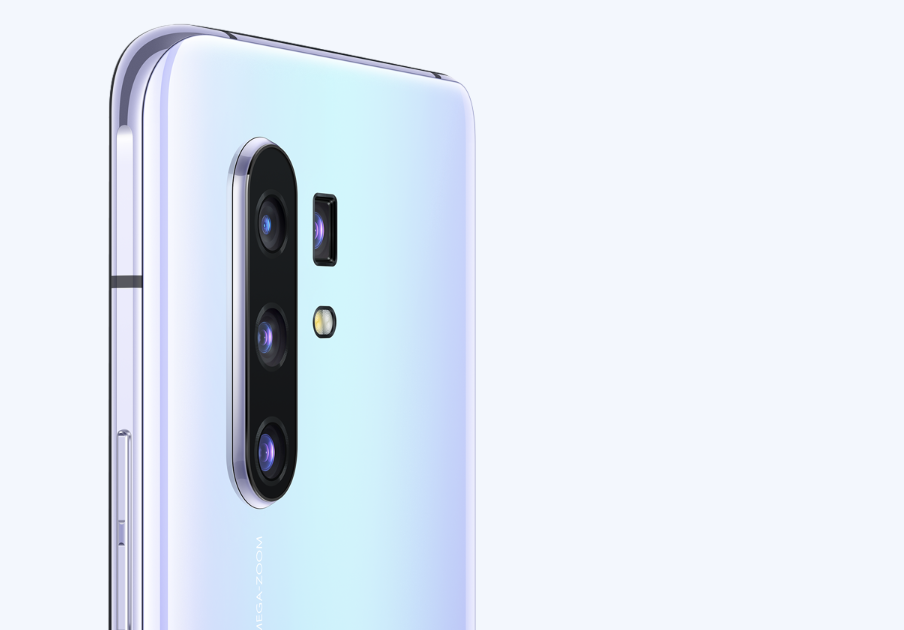
The X30 Pro also has a 64MP primary rear camera with the same f/1.8 aperture and 26.4mm focal length. It pairs it with an 8MP f/2.2 ultrawide angle camera with a 122° FOV, and also has a 32MP professional f/2.0 portrait camera with a 50mm focal length. Vivo then rounds it off with a 13MP periscope lens with a 5x optical zoom.
The periscope lens allows the Vivo X30 to offer up to 60x zoom, thrice that of the standard variant. It also has all the other features of the standard variant mentioned above.
Both the Vivo X30 and X30 Pro have a 32MP selfie camera with an f/2.45 aperture.
Price and Availability
The Vivo X30 is priced at ¥3298 (~$472) for the 128GB version and ¥3598 (~$515) for the 256GB version. However, only the 128GB version is available for pre-order on the Vivo online shop. The first sale is scheduled for December 28 at 10 AM and pre-orders will ship with a free pair of W7 Bluetooth headphones.
The Vivo X30 Pro starts at ¥3998 (~$573) for the 128GB version and goes up to ¥4298 (~$616) for the 256GB version. The X30 Pro goes on sale a few days earlier than the standard version on December 24 at 10 AM and will include the W7 headphones with pre-orders.
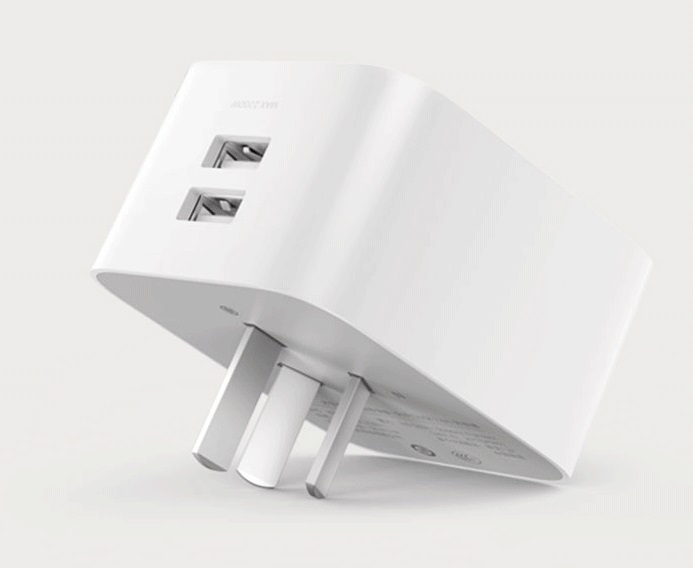
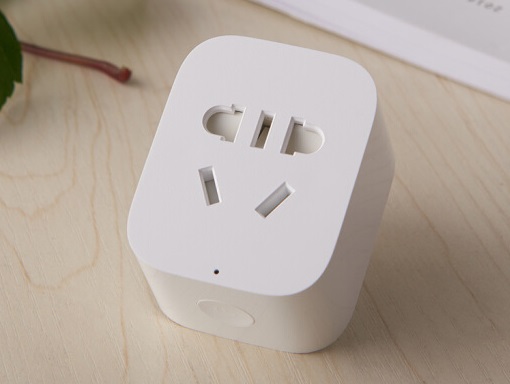
Xiaomi has added a new MIJIA Smart Socket Bluetooth Gateway Edition to its growing list of smart products. The MIJIA Smart Socket Bluetooth Gateway Edition is now listed on Xiaomi’s official flagship store on Jingdong (JD.com) with a price tag of 79 Yuan (~$11). However, you only get the option of “Arrival Notice” so, we can’t say when it will go on sale.
Xiaomi first launched a smart socket as far back as 2014. Thereafter, the company has launched a basic edition, a Zigbee version and a MIJIA Smart Socket Enhanced Edition which had as its biggest feature dual USB-A interface which can be used to charge devices that use the USB interface. This new version still maintains the same compact design of its predecessor but can serve as a Bluetooth gateway.
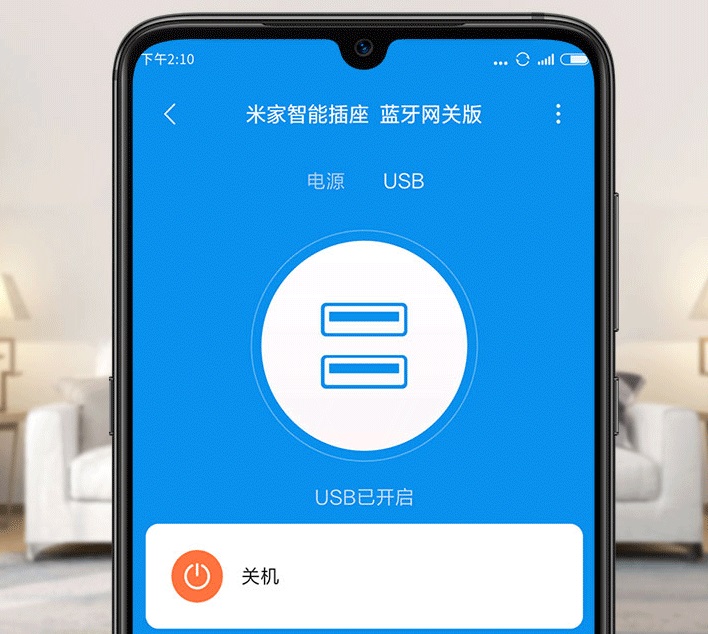
The Bluetooth network can collect the signals of Bluetooth sub-devices (such as temperature and humidity sensors, Smart door locks, etc.), and upload the collected content to MIJIA server via Wi-Fi. Users can use the Mijia app to remotely view the data of Bluetooth sub-devices and configure them to intelligently interact with other devices.
In addition, users can remotely monitor household appliances plugged into the Mijia Smart Socket Bluetooth Gateway Edition through the Mijia app. You can also switch appliances on and off remotely, which is convenient and removes potential safety hazards. At the same time, the Mijia Smart Socket Bluetooth Gateway Edition can be used with smart voice devices equipped with XiaoAI voice assistant to implement voice-controlled appliances switching.
Apart from this new feature, the Mi Smart Socket allows you toenable or disablethe socket,puttimerusingyour phone via the MIJIA app. You can also control the device from anywhere you are as long as there is an internet connection. Thus, those who stay in low temperate regions can set the device to switch on with the heater connected so as to come home to a warm house. The socket has support forBC1.2 protocol, remote control, timer switch, power statistics and other functions. The body is manufactured using a high-temperature resistant material. There is also a built-in temperature sensor which alerts users if the socket becomes too hot as a result of heavy load. Apart from the alert, if the temperature becomes too high, the smart socket will automatically cut off the power to reduce the risk.
After rolling out OxygenOS 10.0.7 for OnePlus 7T, the Chinese smartphone manufacturer starts rolling out OxygenOS 10.0.5 for OnePlus 7T Pro. The new update packs several performance tweaks and general bug fixes, improving the overall stability of the smartphone.
The new update will also enhance the app opening speed along with the optimized RAM management. The update also fixes the black and white screen issues which were prominent with some apps. Another black and white lines problem while charging is also fixed in the recent update.
The November security patch is also a part of the update addressing several security loopholes. The photo quality while using the native camera app is improved.
It is an incremental update and will send first sent and evaluated for any bugs. Later, the broader rollout will take place to reach each unit. OnePlus is asking its users to report the bugs via the new Feedback Tool. The company even initiated programs like bug hunters to refine the OxygenOS.
We suggest users switch to a WiFi network to save additional carrier costs. The users can manually check the update by heading to the Settings > System > System Updates > tap Check for Updates.
OnePlus 7T Pro was launched recently with Snapdragon 855 Plus chipset coupled with 8GB RAM. It features a triple camera module featuring a 48-megapixel primary camera, an 8-megapixel telephotos lens, and a 16-megapixel ultrawide lens. A 4085-Mah battery with 30W Warp charge technology is present in the device.
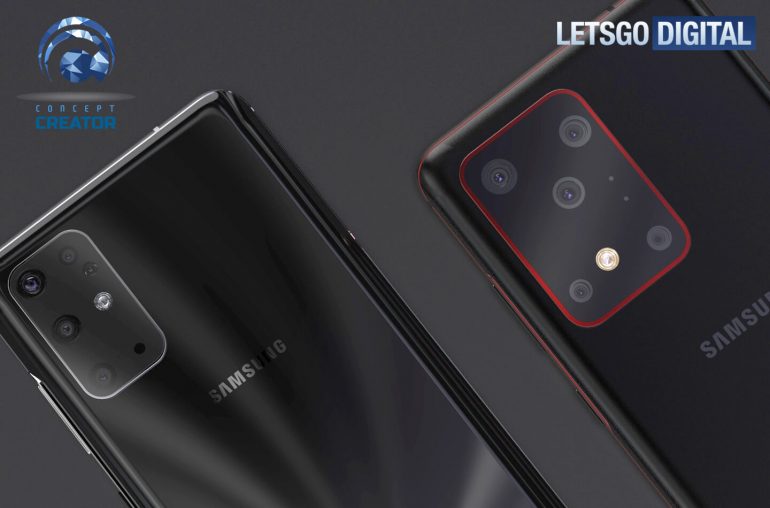
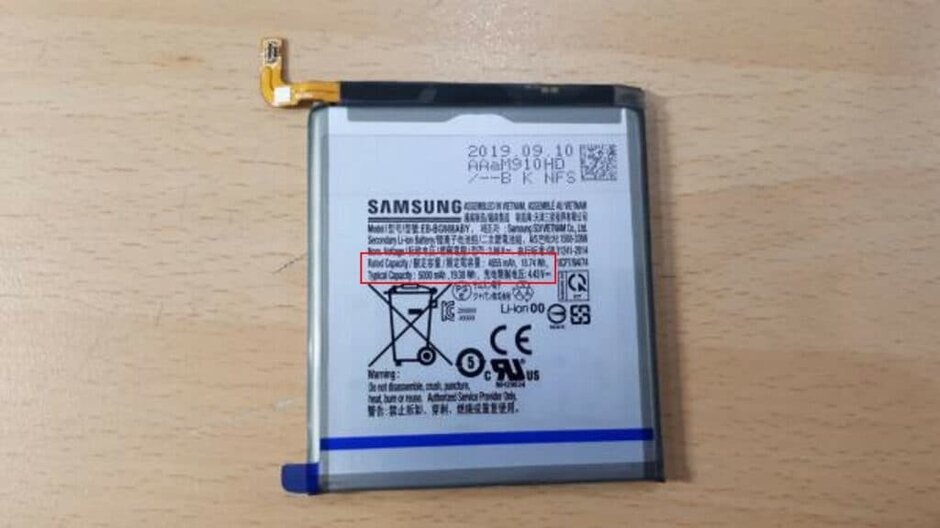
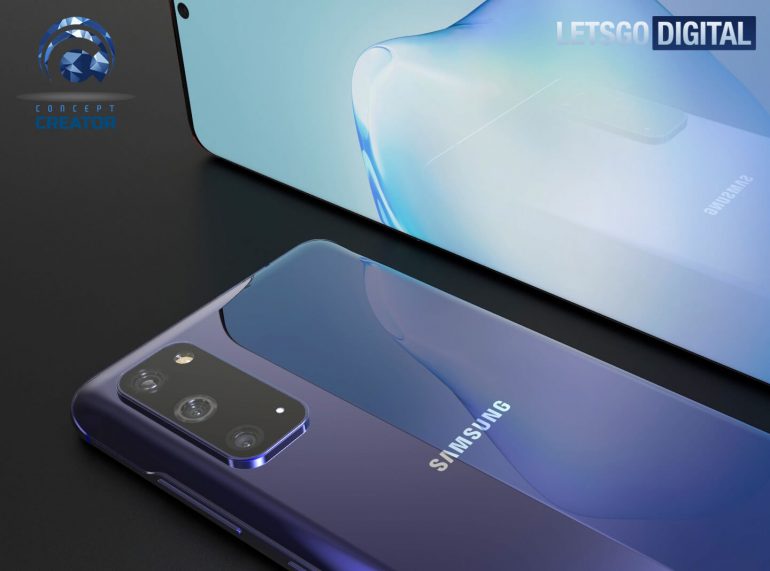
Earlier today (16th December 2019), Samsung‘s upcoming flagship smartphone, the Galaxy S11 series, had its camera setup and design revealed through renders. Now, it is reported that the Galaxy S11+, the larger variant in the series, will be powered by a large 5,000mAh battery made by LG.
The Galaxy S11 series is likely to feature improvements across the board in comparison to its predecessor, the Galaxy S10 series. This holds true in performance with new processors, photography with new sensors and even battery life with better power optimizations and battery capacity.
Samsung Galaxy S11 Design Renders
According to a new report, the South Korean tech giant’s upcoming flagship series will not just offer better battery life with the use of its new generation AMOLED technology but offer bigger battery capacity as well. The Galaxy S11 is said to be equipped with either the Note 10+ battery of 4,300mAh or Galaxy A71‘s 4,500mAh battery; a notable increase over the Galaxy S10.
Reported Samsung Galaxy S11+ 5,100mAh Battery
On the other hand, Samsung’s Galaxy S11e is expected to arrive with a 3.730mAh battery over the 3,100mAh battery featured on the Galaxy S10e. And for the Galaxy S11+, the device may arrive with a battery capacity close to 5,000mAh, similar to the Galaxy M30. The reasons for such power boosts points towards a few demanding upgrades on the series.
The upcoming S11 lineup is likely to feature a higher refresh rate like 120Hz and arrive in 5G versions. Both features draw a considerable amount of power on their own and might drag the device behind in battery backup. According to industry sources, the large 5,000mAh battery is reported to be supplied by LG, a fellow South Korean electronics company. Notably, LG is also the world’s largest lithium-ion battery producer by capacity, so it is likely to be Samsung’s supplier.
Samsung Galaxy S11e
Samsung has achieved this new significant surge in battery capacities by using a custom PMP packaging method. This method allows for the cells to have drastically reduced wrapping sizes allowing for either smaller packs with the same capacity or more power in the same battery size as older generations. Additionally, the supplier that is providing Samsung with the PMP module will also be supplying Apple. Thus, we can also expect the Cupertino-based giant to offer high resolution displays and more with 2020 iPhones.
Xiaomi has unveiled the MIJIA Electric Teeth Water Flosser. The device will be available under the Youpin crowdfunding platform from December 18 – 25 with a price tag of 169 yuan ($24) but reservation opens today. The price will go up to 199 yuan ($28) after the crowdfunding exercise. Let’s take a quick look at the features of the water flosser/oral irrigator.
Until recently, oral irrigators are mostly used by Dentists in dental clinics during dental procedures. However, it seems to have gained popularity as an oral hygiene measure that can be employed within the comfort of our homes. There are different designs in the market but MIJIA Electric Oral Irrigator/Water Flosser adopts a portable design style. The device has a powerful high-frequency pulsed water flow which can clean stubborn stains in the teeth in all directions.
Usually, our regular toothbrushing isn’t enough to dislodge every debris attached to the teeth as the toothbrush can’t penetrate deep into the interdental spaces. This is a major cause of tooth decay and gingiva disease but with the water flosser, all surfaces can be reached. It deploys high-jet water spray to remove stubborn stains and food debris.
The device is equipped with a new carbon brush intelligent permanent magnet motor, equipped with a voltage stabilization system, which can produce a super-fast water flow of 1400 times/minute and water pressure of up to 140PSI. The device also comes with a 200mL large-capacity water tank and the nozzle has a diameter of 0.6mm which can accurately clean the stains between the teeth and the dead corners of the mouth.
The device is designed in such a way that users can achieve firm grip during use.
We use cookies on our website to give you the most relevant experience by remembering your preferences and repeat visits. By clicking “Accept”, you consent to the use of ALL the cookies.
This website uses cookies to improve your experience while you navigate through the website. Out of these, the cookies that are categorized as necessary are stored on your browser as they are essential for the working of basic functionalities of the website. We also use third-party cookies that help us analyze and understand how you use this website. These cookies will be stored in your browser only with your consent. You also have the option to opt-out of these cookies. But opting out of some of these cookies may affect your browsing experience.
Necessary cookies are absolutely essential for the website to function properly. This category only includes cookies that ensures basic functionalities and security features of the website. These cookies do not store any personal information.
Any cookies that may not be particularly necessary for the website to function and is used specifically to collect user personal data via analytics, ads, other embedded contents are termed as non-necessary cookies. It is mandatory to procure user consent prior to running these cookies on your website.