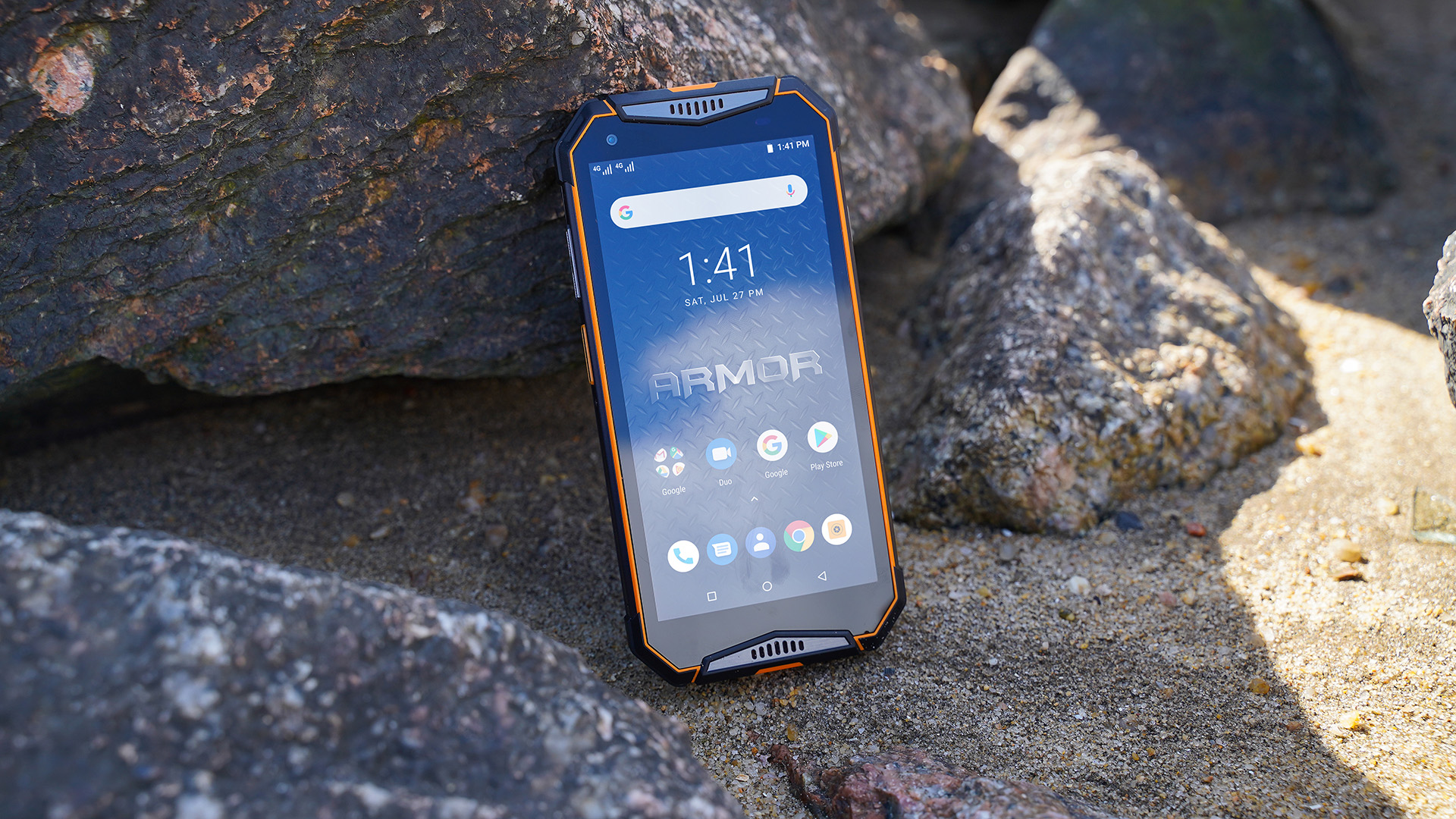
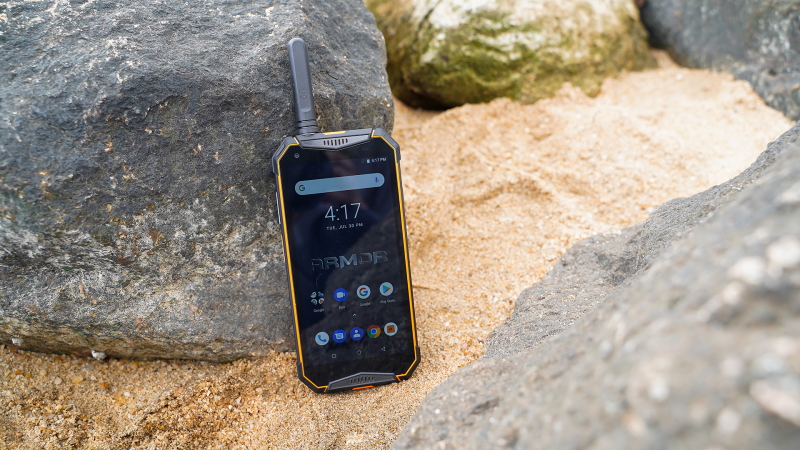
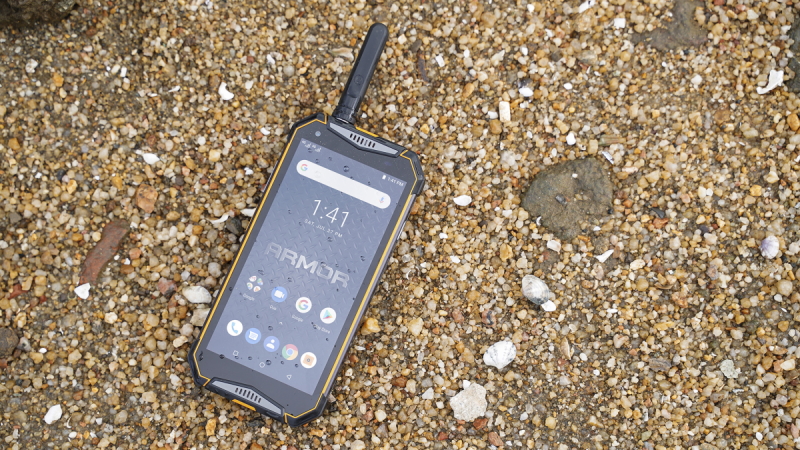
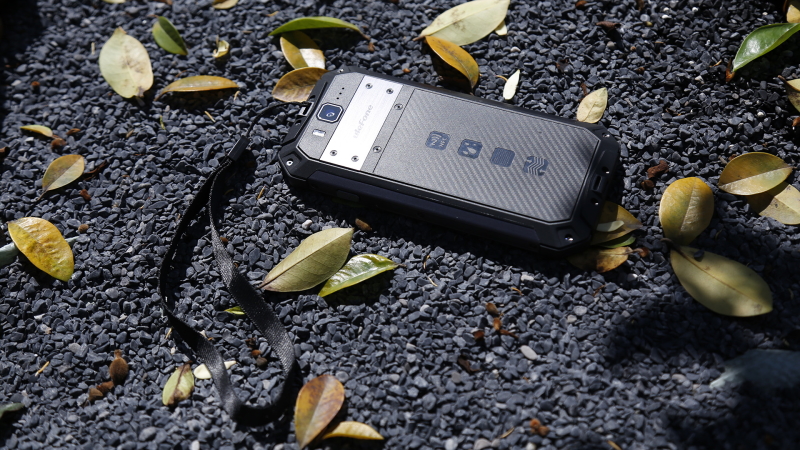
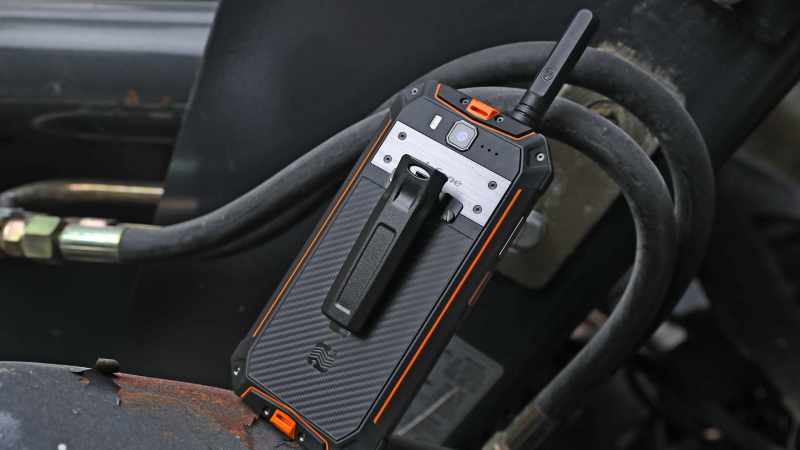
Last year, Ulefone launched two large battery rugged phones with IP68/IP69K and MIL-STD-810G certifications and were well received by users and tech media. We are talking about Ulefone Armor 3 and Armor 3T and now, the Chinese manufacturer is ready to release their upgraded versions, Armor 3W and Armor 3WT. As in the previous models, the Armor 3WT is the walkie-talkie version of Armor 3W. Let’s see an introduction video and check what improvements have been made.
Starting from inside-out, the SoC in the new models has been upgraded to the powerful Helio P70 with AI support and delivers more performance and reduced power consumption. Also, the RAM jumped to 6GB instead of the 4GB found in the previous models for smoother multitasking experience. What’s more, the devices come with the latest Android 9 Pie. On the outside, the phones look fresher with modern lines and colors.
1 of 5
The other specs are same as their predecessors’ and they include a 10300mAh huge battery with 9V/2A & MTK PE+2.0 fast Charge, 64GB of internal storage, 21MP rear camera with dual-LED flash, 8MP selfie shooter, face and fingerprint unlock, dual-4G/dual-VoLTE, NFC with Google Pay, GPS/Glonass/Beidou navigation system and global frequency bands.
As always with Ulefone rugged phones, the Armor 3W/3WT are suitable and practical for outdoor activities, extreme environments, and some special industries that have hard conditions. You can visit their official website to learn more about the Armor 3W and Armor 3WT.
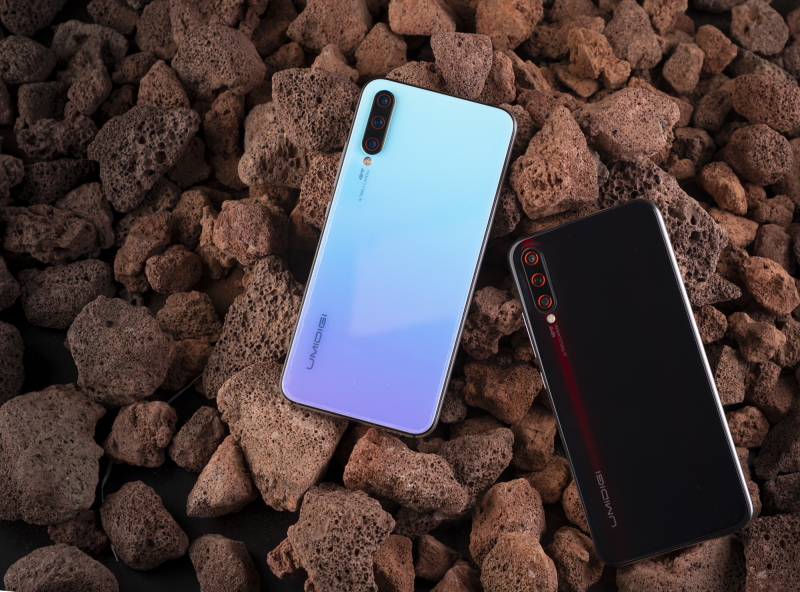
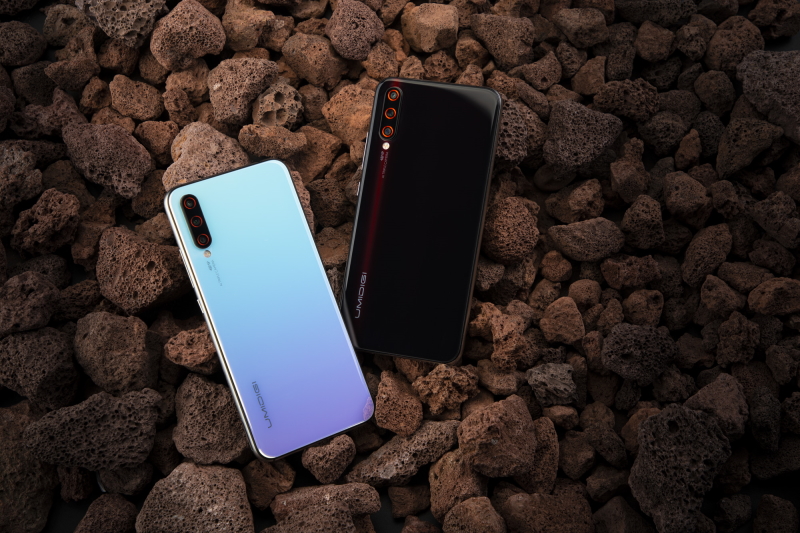
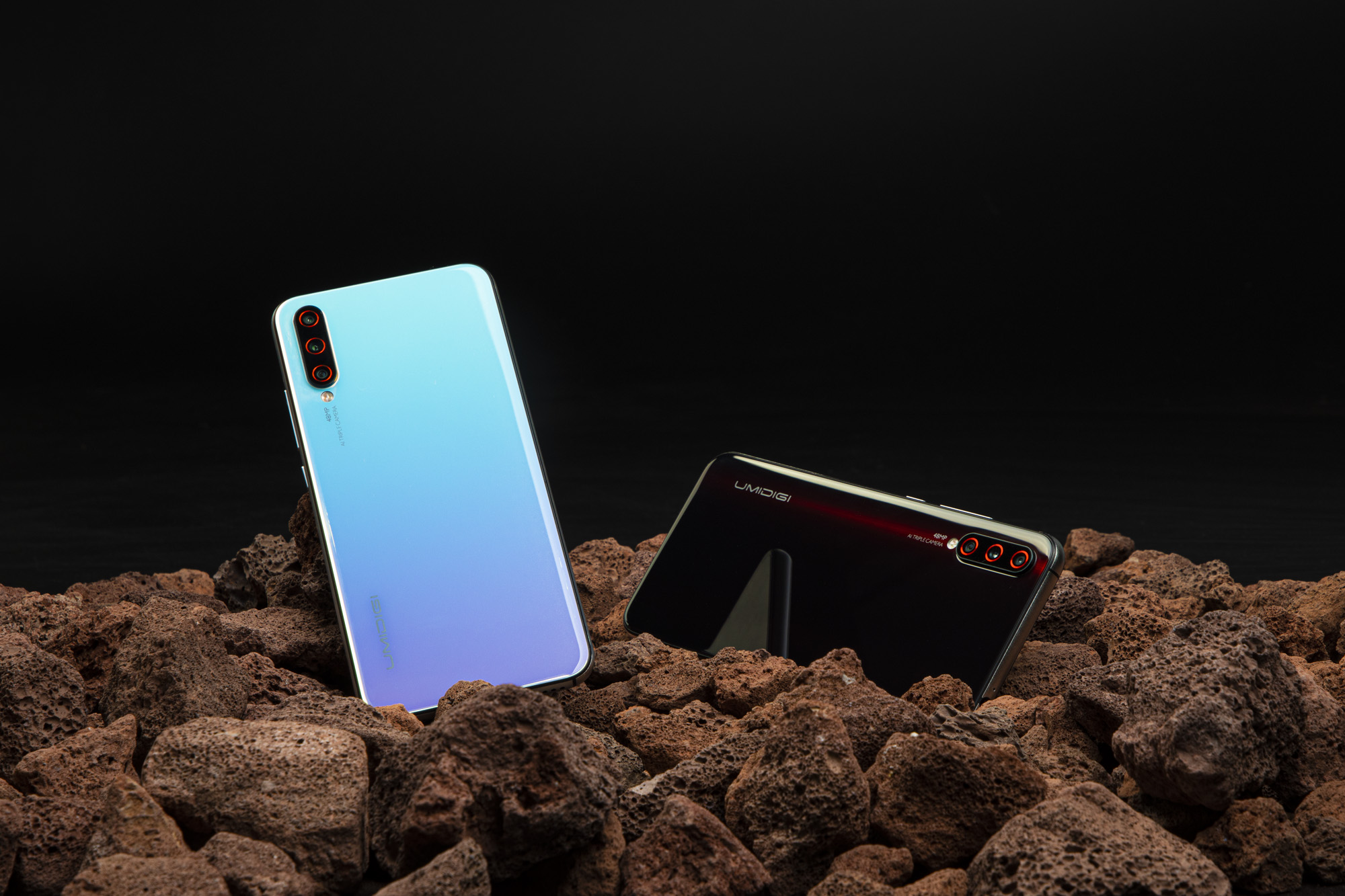
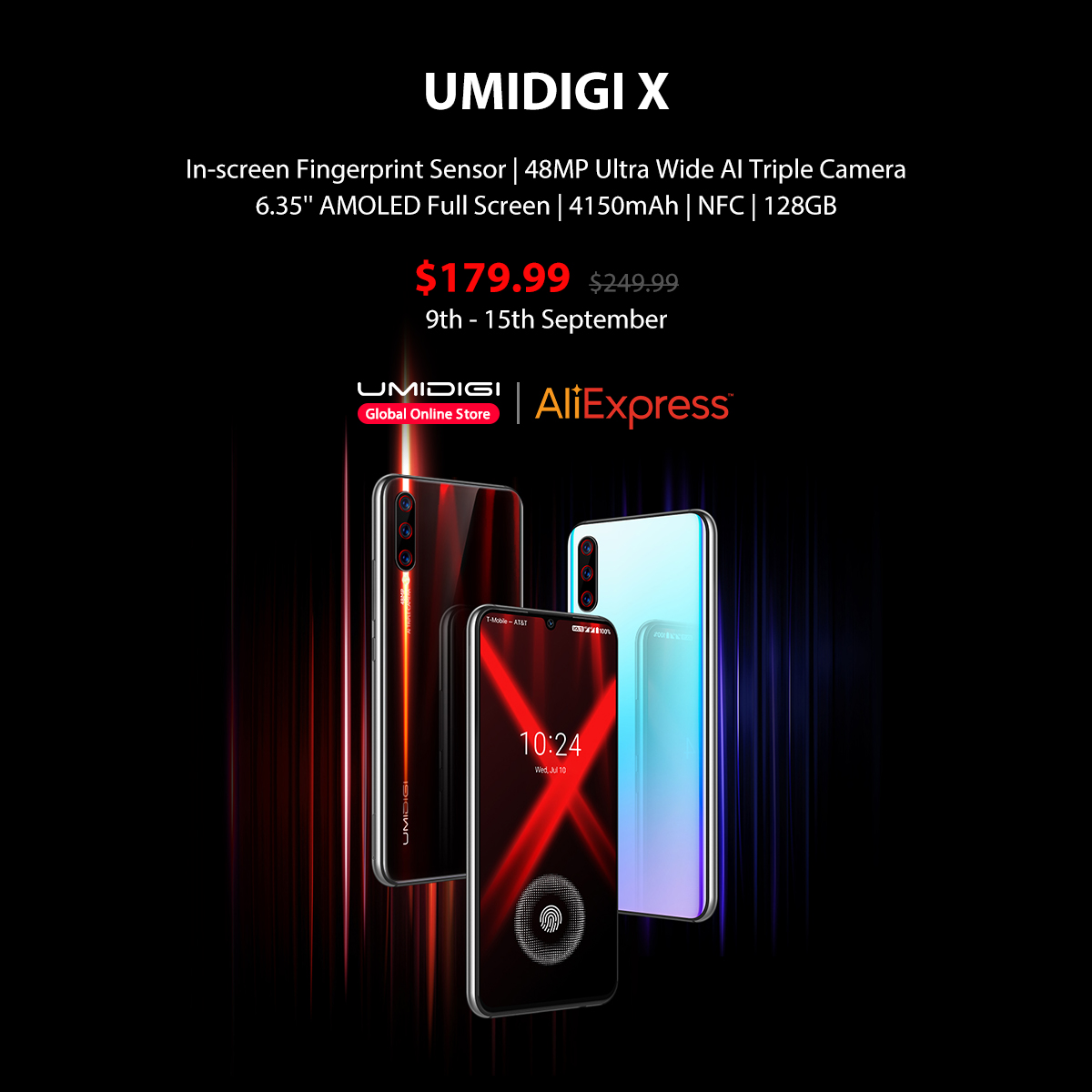
UMIDIGI X launch last month being the first in-screen fingerprint smartphone of the company and during the presale, it came at an amazing price of $179.99. This price is available once again until September 15th on Aliexpress for those who didn’t catch the deal on time. In the meantime, the company shared the teardown video of the device so that users can check out the build quality.
After the removal of the SIM tray and the back panel, the disassembly is pretty straightforward and all you need is a screwdriver to go all the way. This also means that it is easy to repair. Of course, the video shared focuses on the in-screen fingerprint sensor and triple rear camera which are the highlights of the device.
1 of 4
According to the manufacturer, the device is equipped with the latest generation optical in-screen fingerprint sensor, which looks like a camera and it can capture a photo of your thumbprint to unlock the screen. It comes from Goodix, the provider of in-screen fingerprint modules for tech giants like Huawei and Xiaomi. In addition, the company points out the NFC chip found inside, a feature missing from most budget devices. Lastly, the 48MP AI triple rear camera setup (48MP/8MP ultra wide/5MP depth camera), 4150mAh big battery with 18W fast charging, and large storage (128GB) are some other specs worth pointing out.
UMIDIGI X will be available for $179.99 again at UMIDIGI Global Online Store on Aliexpress from September 9th to September 15th while the global recruiting of 10 trial users to test UMIDIGI Uwake is still ongoing. You can learn more details and join the giveaway on their official website.
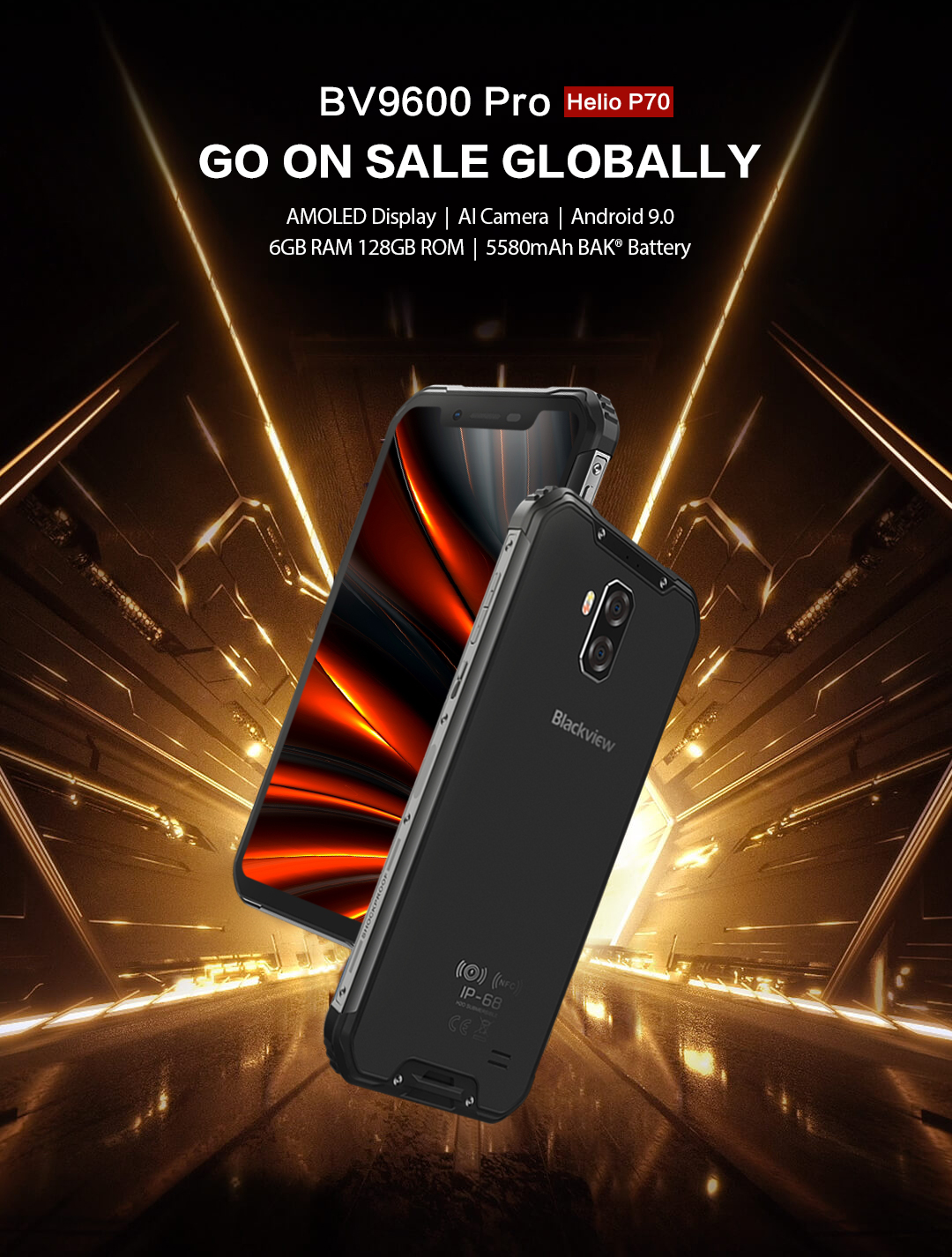
We’ve talked about the upcoming spec bump that Blackview had scheduled for the BV9600 Pro and on September 7th, the upgraded model hit the market featuring the Helio P70 SoC. Coming with smoother multitasking and better user experience than the model it replaced, it comes at the exact same price so there’s one more reason to grab one if you’re looking for a rugged phone.
The Helio P70 promises a 10-30% boost in AI tasks and a 13% improvement on general tasks over its predecessor as it runs on higher clocks since the four big Cortex-A73 cores now run at 2.1GHz. Meanwhile, the Mali-G72 MP3 GPU is now clocked at 900MHz. What’s more, it consumes up to 35% less power in popular games compared to the P60. This is thanks to the Energy-Aware Scheduling+ thermal management solution that promises to lower operating temperature by up to 4.5°C.
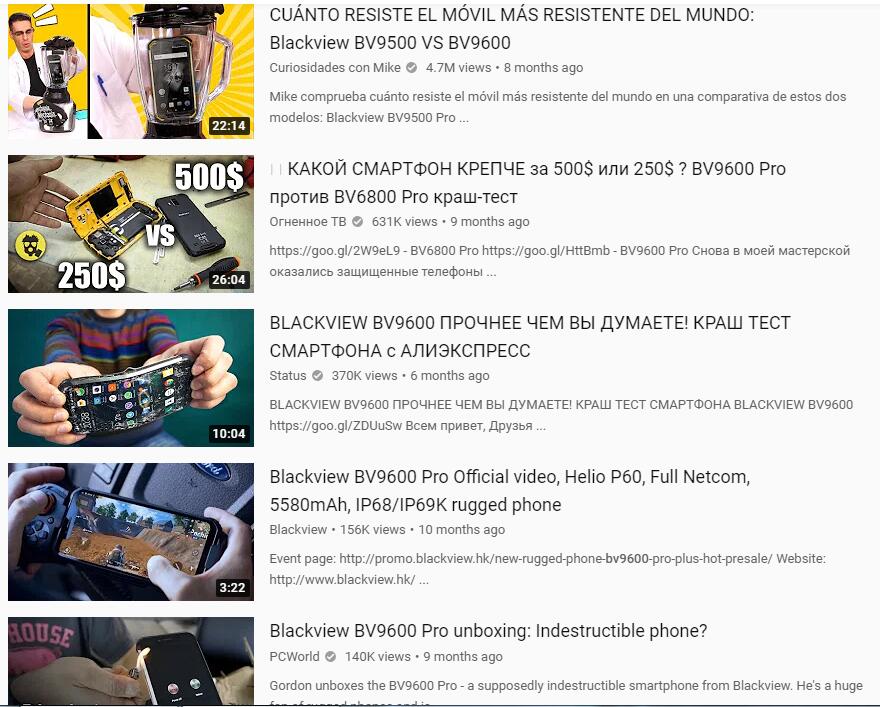
The spec bump is the icing on the cake for BV9600 Pro, one of Blackview bestsellers, which gained great popularity among outdoor workers and enthusiasts, with sales volume totaling up to 300,000 pieces. Let’s see what comments some YouTubers made about it. Also, you can visit the promo running for more info.
In the meantime, the Chinese manufacturer has, since September 2nd, launched the Blackview Short Video Contest. In order to participate in the contest, all you have to do is upload your creative video showing your story with Blackview to social media (Like Youtube, Facebook, Instagram, Twitter, VK, TikTok, etc), add a tag of #Blackview and get as many views as you can.
The prizes are pretty big too. The first prize is $4000, the second prize is $2000, the third prize is $1000, and the innovation prize of $200 is given to 5 people. You can post your creative video based on the theme of Me & Blackview. You can show your life, work, outdoor adventures and so on. The video with the most views will win the first prize, the most posts win the second prize, and so on. The contest ends on December 2nd and you can learn more about it here.
For fans of Pure Android who are willing to shell out more money for a premium device, the Google Pixel 4 is definitely on their radar. Google’s upcoming smartphones will not only bring a pure Android experience but will also be the phone to beat when it comes to camera performance.
Although a release date is still unknown there has been a steady stream of leaks keeping us satiated. The latest is a promotional video and a couple of live photos that reveal an interesting color variant.
The 1-minute long promotional video highlights some of the software features of the phone such as the gesture control which is powered by the Soli radar chip, the usefulness of the Google Assistant, and the phone’s low-light camera performance. We also get a tease of the phone’s zoom capabilities as the video shows a shot of a star-filled sky being captured.
The video highlights the fact that this is a device made by Google, the same people behind YouTube and Google Maps, and that “you get more than a phone, you get a phone made the Google way”.
In the video, we see the Google Pixel 4 in white with a black frame and black bezels in front. The square camera housing is unmissable and the LED flash sticks out like a sore thumb against the black camera housing.
[envira-gallery id=”275198″]
The other leaks are live photos of the phone and they reveal the Pixel 4 will come in orange or coral. This color variant looks gorgeous and will look really nice next to the coral Google Home Mini. The Pixel 4 will also come in white and black. The latter is the only whose camera housing actually blends since it is also black. All three appear to have an orange power button.
The Pixel 4 should launch next month based on the release dates of its predecessors. When it does, it should ship with Android 10 out of the box as well as some Pixel-exclusive software features.
For a lot of people, February and September are the most important months of the year when it comes to the mobile sector. During this month, Apple and Huawei (which are the third and the second smartphone brands in the global market, respectively) usually unveil their most powerful flagship phones of the year. And there are also many other manufacturers coming up with new handsets.
That is why you may find this article very interesting: it lists all the most important upcoming smartphones in September 2019. The list does not include the several devices unveiled at IFA 2019: for those, we send you to our dedicated IFA 2019 page. Here, you will find the rest of the phones we know will be officially announced on September 2019.
Top upcoming phones of September 2019
Huawei Mate 30
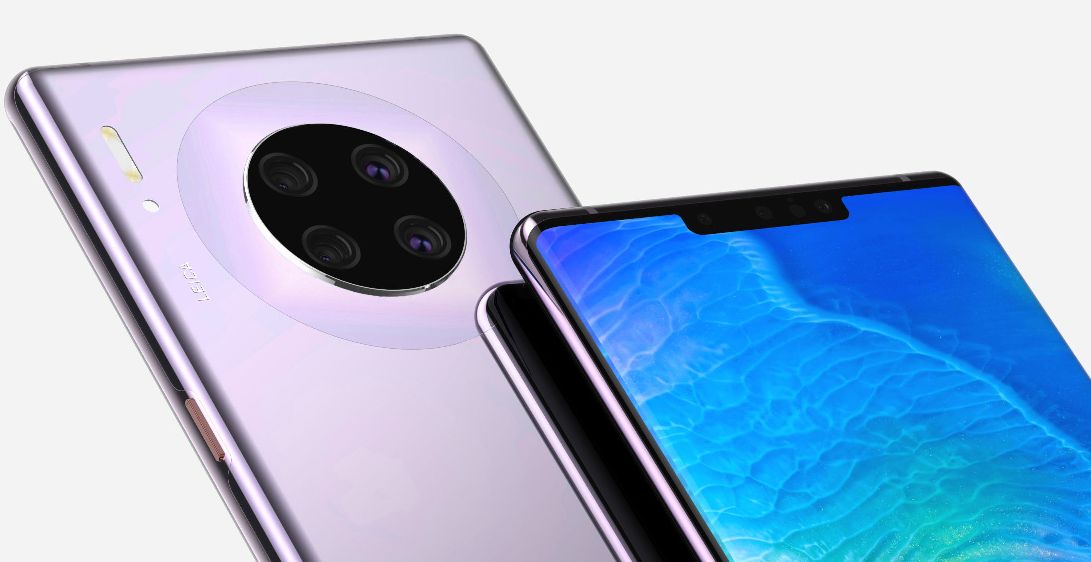
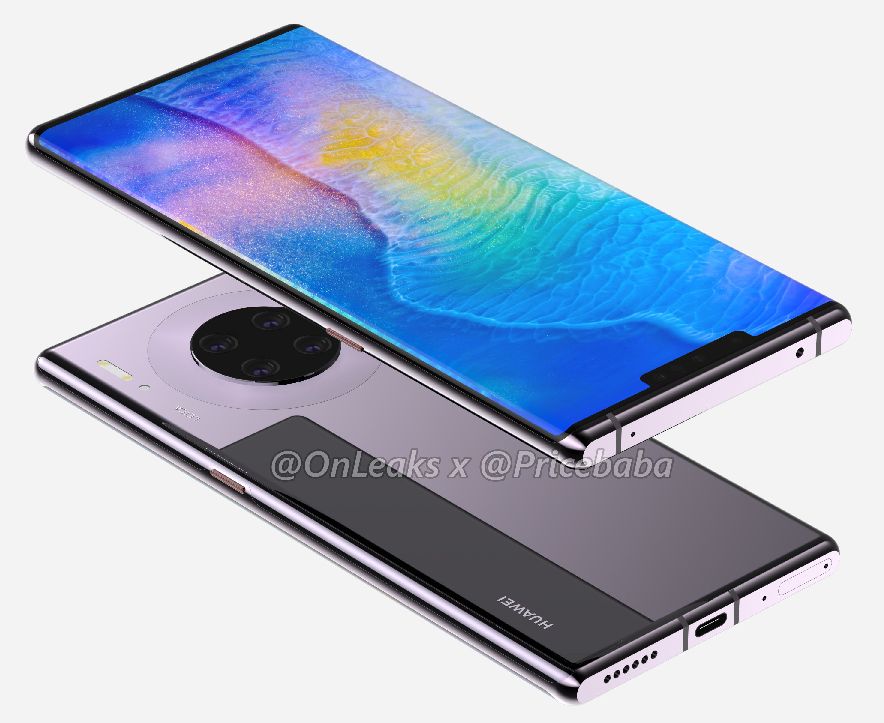
After unveiling two new color variants of the P30 Pro which will probably ship with EMUI 10 based on Android 10 out of the box, Huawei will take the wraps off the Mate 30 series on September 19. The line-up will include the Huawei Mate 30 and the Mate 30 Pro, alongside the 5G version. They will be powered by the new Kirin 990 unveiled a few days ago which will be the first chipset to hit the market with an integrated 5G modem. The rear camera sensors will be housed inside a circular module known as “Oreo” module on the back, and they will include two 40 MP sensors. The Mate 30 series will ship without Google apps and it will adopt third-party alternatives available on a custom version of Android 10 due to issues coming from the U.S. ban.
OnePlus 7T and 7T Pro
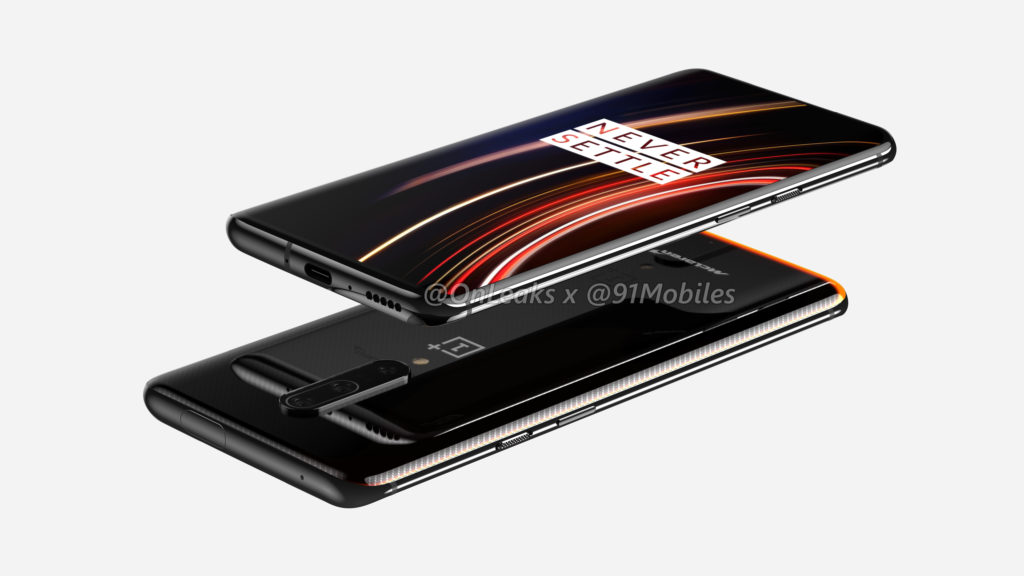
Despite its devices will launch in the final part of the month, let’s not forget about the OnePlus 7T line-up. They will debut in India on September 26 while they will come in the U.S. and Europe in October. The series is supposed to include three models: OnePlus 7T, OnePlus 7T Pro and OnePlus 7T Pro McLaren Edition. The first will sport a 6.55-inch flat display with a 90 Hz refresh ratio and a Full HD+ resolution. It will be powered by the Snapdragon 855+ chipset paired with 8 GB of RAM and 128 GB of internal storage in its base version, while the rear side will house three cameras in a circular module including a 48 MP main sensor, an ultrawide 16 MP sensor and a 12 MP telephoto lens with 2x optical zoom. The battery will have a 3800 mAh capacity and it will support Warp Charge 30T, while the operating system will be Android 10 out of the box. OnePlus 7T Pro and 7T Pro McLaren Edition will sport a 6.67-inch curved display with a 2K resolution and still a 90 Hz refresh ratio. The processor will be the same but memory configurations will start from 8 GB of RAM and 256 GB of internal storage. The camera placement will be different and the rear side will house three cameras including an ultrawide sensor and a telephoto lens with 3x optical zoom. There will also be a big 4085 mAh battery.
Apple is ready to unveil the successors of iPhone Xs, Xs Max, and XR: even this year there will be three models, including a more affordable variant. Their names will be iPhone 11, iPhone 11 Pro and iPhone 11 Pro Max, and they will be official tomorrow, on September 10. The display sizes will remain the same as their predecessors: 6.1, 5.8 and 6.5 inches respectively. But there will be an important addition on the Pro variants: they will both support the Apple Pencil just like iPad Pro. All the phones will be equipped with an Apple A13 built by TSMC on a 7 nm+ process and paired with 4 or 6 GB of RAM depending on the model. There will be no 5G, but there is Wi-Fi 6. iPhone 11 Pro and 11 Pro Max will sport a triple camera setup, while the vanilla iPhone 11 will have just two cameras.
Xiaomi Mi Mix 4
According to a cryptic post on the microblogging platform Weibo and leakers, Xiaomi Mi Mix 4 will be officially announced on September 24, and it will obviously have a 5G variant. Leaked specifications confirmed that the phone will come with a 2K display and a full ceramic body. It is supposed to be powered by the Snapdragon 855+ chipset paired with up to 12 GB of RAM and 1 TB of internal storage. It seems that it will also be the first Xiaomi phone with a 100 MP rear camera using the sensor recently unveiled by Samsung. And it is also rumored to come with 40W fast-charging. Alongside the Mi Mix 4, Xiaomi might launch the Xiaomi Mi 9 Pro 5G, the first phone with a 30W wireless charging technology.
Vivo NEX 3
The official launch date of the Vivo NEX 3 is September 16. If we exclude the gaming phones from the iQOO series, Vivo did not release any flagship this year, so this is a very awaited moment. Vivo NEX 3 will come with an amazing design including a notch-less display with very thin bezels, as well as the 5G connectivity. The rear camera module will be round-shaped and it will include three sensors, while on the front there will be a pop-up camera. The device will boast a 6.89-inch AMOLED display with a Full HD+ resolution and an integrated biometric sensor. And give that it will support 5G, you probably understood that it will be powered by the Snapdragon 855+ chipset. The main sensor of the rear camera is said to have a 64 MP resolution, while the battery is supposed to carry a 4500 mAh capacity and the support to 44W fast charging.
Samsung Galaxy Fold
After delaying it for several months, Samsung finally launched the Galaxy Fold in its homeland: South Korea. The foldable smartphone is finally ready for the market with a few tweaks done in order to make the display more resistant. The Galaxy Fold is going to hit some European countries including the UK on September 18. Its listing price will probably be around €2,000. Unfortunately, the foldable phone will come only in select markets and not in the whole Old Continent.
Oppo Realme XT
Oppo recently fooled Xiaomi by unveiling the world’s first phone with a 64 MP rear camera a few hours before the announcement of the Redmi Note 8 Pro. However, the Realme XT did not have a proper launch event: the phone will officially launch in India on September 13. It will be an affordable mid-ranger which will rival the Redmi Note 8 Pro with a Snapdragon 712 chipset, a 4000 mAh battery, a quad rear camera and an outstanding quality-price ratio.
Samsung Galaxy M30s
Last but not least, Samsung Galaxy M30s will make its debut on September 18. It will be another mid-ranger with a 6.4-inch display and a triple camera including a 48 MP main sensor. But its key feature will be a huge 6000 mAh battery and, despite the huge battery, the phone will weigh just 174 grams. Galaxy M30s will be fueled by the Exynos 9611 chipset and it will obviously carry a pretty affordable price.
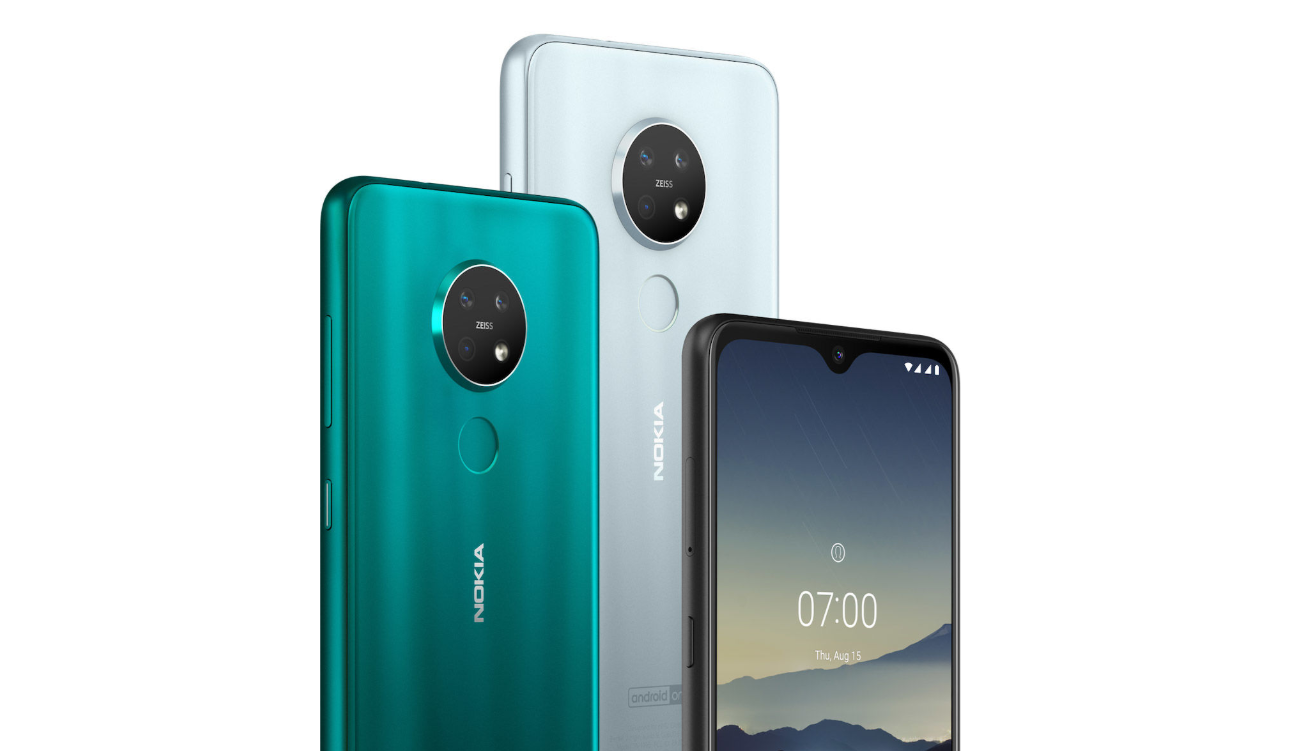
Nokia 7.2 and 6.2 were officially unveiled at IFA 2019 among a bunch of other products such as the Nokia 2720 Flip and Nokia Power earbuds. However, these two phones turned out to be the real showstoppers of the Nokia event in Berlin, thanks to its revamped design and competitive specs. Now it looks like HMD Global is all set to release the duo in India as well. Both the models were recently listed on the official Nokia India website.
The Nokia 7.2 and the 6.2 share a similar design language with a waterdrop notch on their 6.3-inch IPS LCD displays and a circular camera housing at the back. But the real highlight is the color options available like Cyan Green and Ice which makes their design stand out even more. Unfortunately, the Nokia India website doesn’t reveal a date for its release. But the company is said to have sent invites for a September 11 event in India, likely for their launch.
Unlike the global variants, the Nokia duo won’t have NFC support. This was recently confirmed by a company executive. While the lack of NFC is a bit disappointing, it’s not going to be a deal-breaker for most Indian customers. NFC payment is not really a popular feature in India and even the Nokia 4.2 which was announced in May in India lacked this one particular feature.
You can read more about the Nokia 7.2 and 6.2 from our launch coverages.
Those skilled in film making usually go for high-end gimbals to shoot a masterpiece video. Others who fancy capturing memorable moments using their mobile devices, on the other hand, go for inexpensive alternatives that offer disappointing performance.
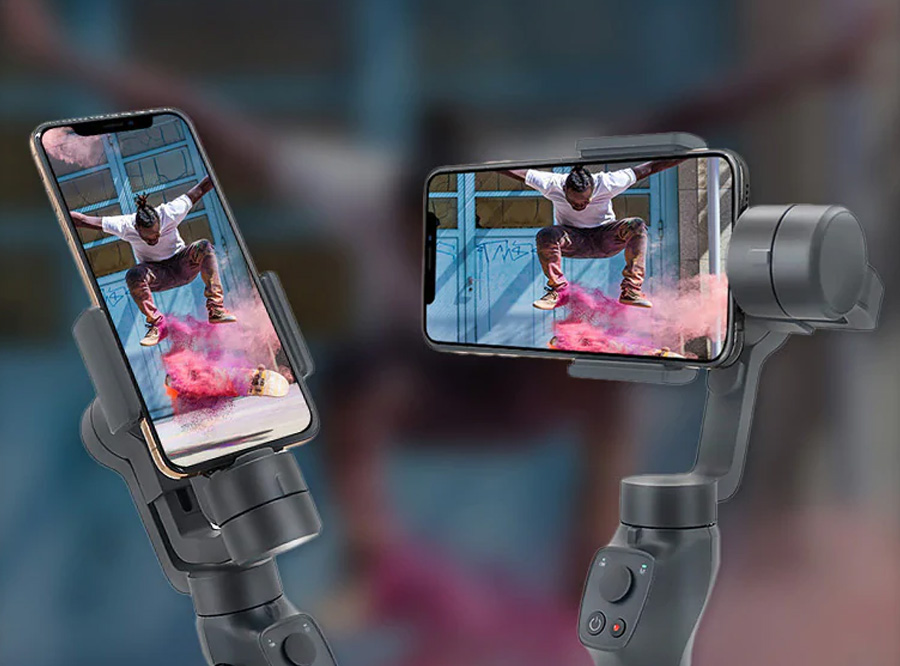
Designed to radically enhance the process of shooting or film making, high-priced gimbals come in various shapes and sizes. If you are in the market for a feature-laden gimbal that doesn’t cost a bomb, you have come to the right place.
We have listed the top 5 gimbals you can buy under $100 according to your needs. Moreover, we will show how you can save more money before placing your order. So without wasting more time, let’s check them out.
The MOZA Mini-S adopts a foldable design so that you carry it everywhere you go, and even store it without breaking a sweat as it does not take up a lot of space. In addition to the one-button zoom, focus control, and quick look-back the device boasts an impressive array of other features that ensure simple operation.
You’d normally associate a steep price tag with a high-end gimbal that offers comparable features, but the MOZA MINI-S can now be yours for a lowered price of just $69.99 from GeekBuying, while it usually retails for $89.99. You can extend this 22 percent discount with the help of coupon code 3PAJQGUT.
The coupon allows you to save $4 more at check out by reducing the retail price of the MOZA MINI-S to just $65.99. New users can take advantage of a $2 off coupon as well. Regrettably, the promo is slated to end in just two days. You can follow this link to grab the discount before the promo ends.
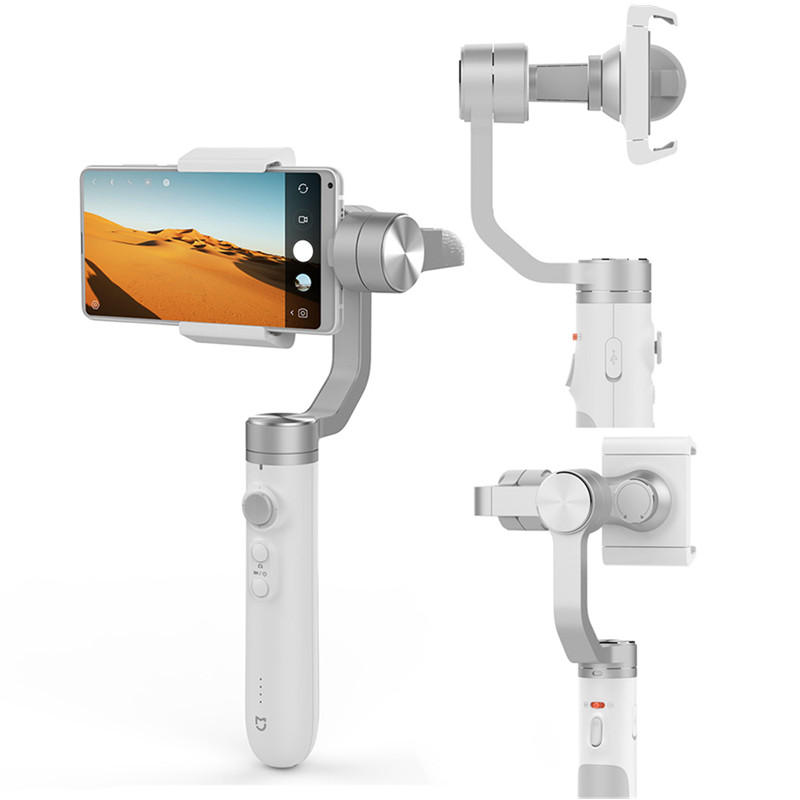
Primarily known for making top-end smartphones, Xiaomi offers a wide selection of mobile phone accessories including gimbals. The Xiaomi Mijia Handheld Gimbal would normally set you back $90.58, but you can now buy it from Gearbest for a lowered price of only $79.99.
This is a significant 12 percent reduction in the device’s original selling price. An absolute steal at this price, the Xiaomi Mijia Handheld Gimbal is designed to support both mobile phone equipment, as well as shooting equipment within the size of 56 – 86mm and weight of 200 grams.
It comes with a standard screw, allowing you to use it with brackets and other peripherals devices for all sorts of shooting needs. Moreover, it uses high accuracy attitude sensors, triaxial mechanical stabilization, coupled with loop servo system to ensure you get a stable and seamless picture even in a shaking environment.
You can visit this link to check out more details about this handheld gimbal from Xiaomi and place your order. With 33 pieces sold at the time of writing, this promo is slated to end in three days.
Touted as one of China’s best online stores for electronic items, Gearbest is currently doling out a 13 percent off on the Beyondsky Eyemind 2 Intelligent Handheld Gimbal, which usually carries an $85.82 price tag. Thanks to the discount, you can now buy it for a reduced price of $74.99.
As if that weren’t enough, you can get an extra $1 off by applying coupon code EYEMIND2 during the checkout process. In other words, you can bring the already lowered asking price of the Beyondsky Eyemind 2 further down to just $73.99 by applying the above-mentioned coupon.
The Beyondsky Eyemind 2 is quite a durable handheld gimbal that is made using high-quality ABS + electronic components + metal materials. It offers a maximum control speed of 120 degrees and a rotation range of its heading axis is 320 degrees.
To check out more details about this intelligent handheld gimbal, you can follow this link. Over thirty pieces were sold out at the time of writing, and it is also worth noting that the promo will end in three days. Note that the coupon will be valid for the first hundred units only.
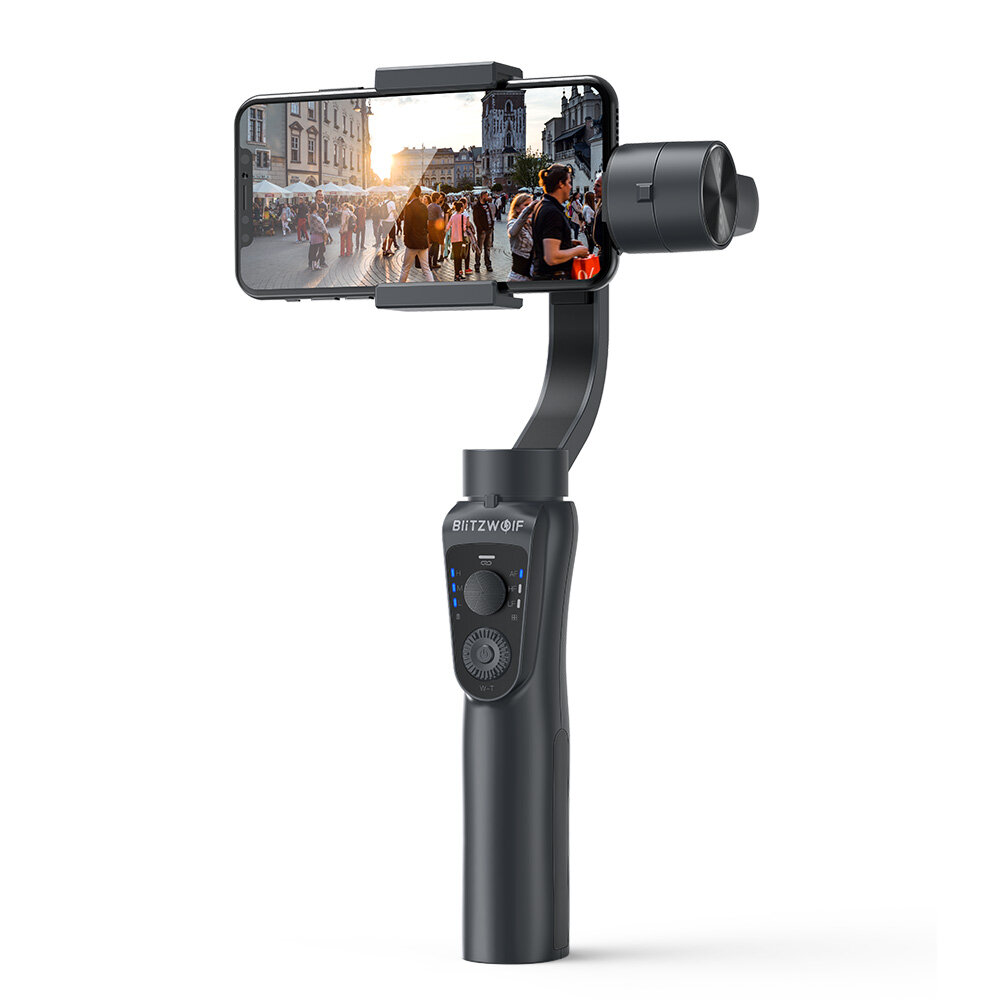
BlitzWolf BW-BS14 Bluetooth 3-Axis Gimbal Stabilizer
The BlitzWolf BW-BS14 offers three adjustable modes including AF / Following Mode, HF / Pan Following Mode, and LF / Locking Mode. Moreover, it can accurately track the movements of people or objects and gives you the freedom to adjust the camera close so that you can effortlessly capture close-up images using the app.
Backed by a robust 4000mAh high capacity battery that offers 12 hours of working, the BlitzWolf BW-BS14 has gone up for pre-order bearing a $115.19 price tag on Banggood. You can get free shipping on orders over $19.99, and $2 cashback on cash order of $99 with PayPal.
You can visit this link to get your hands on the black-tinted x-axis gimbal stabilizer and earn 115 BG points.
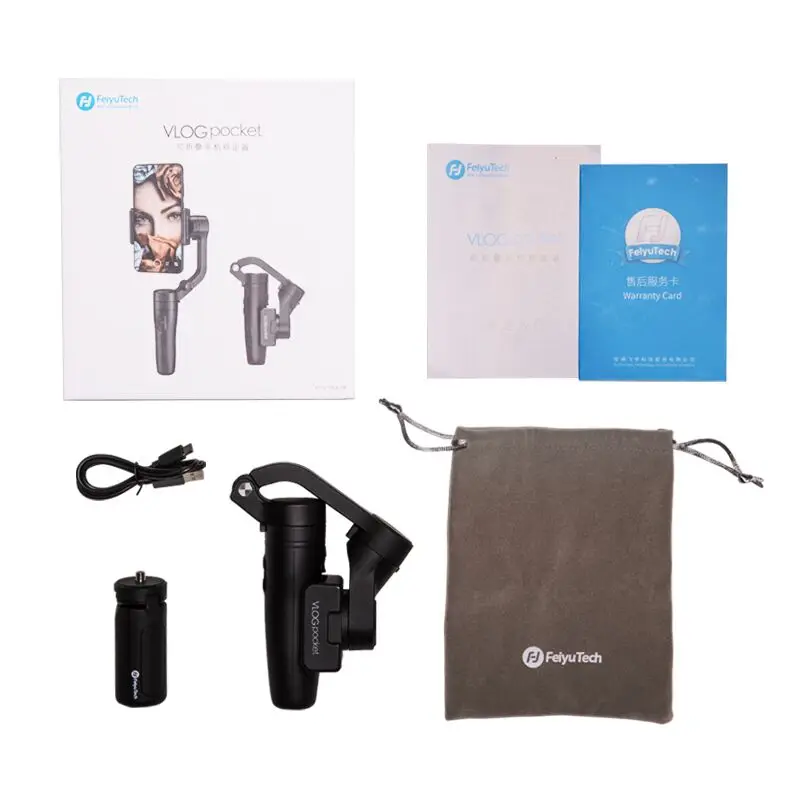
With a $99 price sticker on it, the Feiyutech VlogPocket works with smartphones with dimensions of 42mm to 88mm (about 7 inches) maximum and weighing in at 240 gram. Aside from that, it is compatible with all iPhone series, along with Huawei P30 Pro, Xiaomi Mi 9, Vivo Nex, and more.
It supports both Android, as well as iPhone with 7-inch or smaller screen. Sporting an innovative foldable design, the Feiyutech VlogPocket can be purchased from AliExpress. New users can use a $2 off coupon. If your cart value exceeds $799, you can apply a $20 off coupon and save more money at checkout.
Available in black and color options, the Feiyutech VlogPocket Foldable Phone Gimbal can be purchased by following this link.
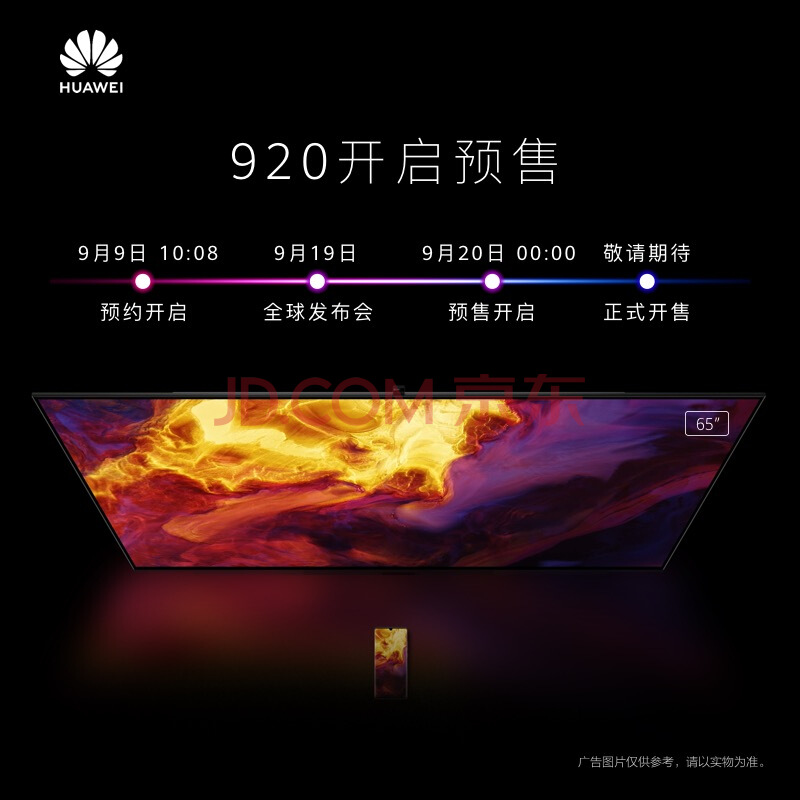
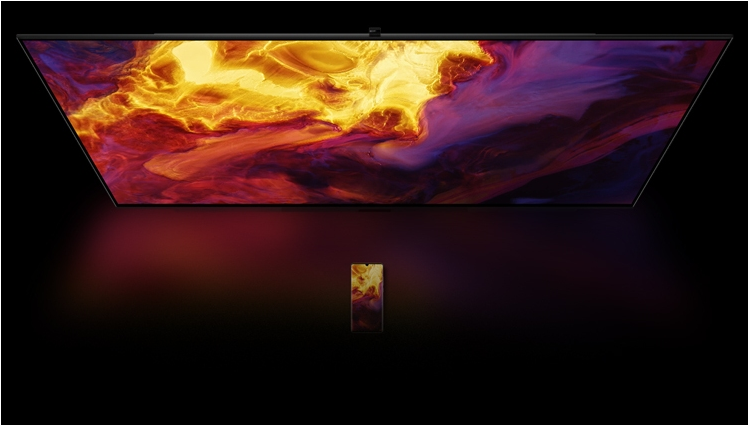
Huawei announced its alternative to Google’s Android operating system dubbed Harmony OS recently. The company’s much-anticipated smart TV was tipped to be among the first products to have the OS on board. Reservations for the Huawei TV has now opened today (09/09) in China via Jingdong (JD.com).
The JD product page includes a timetable of the product release including the launch date. From the page, we can grab that Huawei will hold a global launch conference on September 19 where the TV dubbed Huawei Smart Screen will be unveiled. According to an official poster released by Huawei on Weibo, the launch event will hold in Munich, Germany. The smart TV will go on pre-order on September 20 but the release date wasn’t stated. The part that was supposed to contain the date contains the words “Stay tuned”. However, we expect the device to go on sale in no distant time after the launch.
The new smart device will become the second device from Huawei to feature Harmony OS after the Honor Smart Screen that was launched packing The new OS. Little is known about the Huawei Smart Screen but it was recently certified at China’s National Quality Certification Center. The certification page shows the smart TV will have a 55-inch model and a 65-inch model, and both are from Hefei BOE Video Technology Co., Ltd, one of China’s leading LCD makers. Huawei’s CEO Richard Yu later disclosed that there is also a 75-inch model. The new smart device is also expected to feature a pop-up camera, AI technology, powerful sound systems, cloud services and others, in addition to the new operating system. It will equally become a new control centre for Huawei’s Internet of Things (IoT), providing artificial intelligence-powered interactive user experiences.
The launch of the smart TV, which is expected to ship globally, is a superb opportunity for the Chinese tech giant to showcase the capabilities of Harmony OS. This has become even more imperative considering that the company is positioning the OS as an alternative to Android OS on the Huawei P40 next year if it remains on the US government blacklist and unable to access Google’s Android service. The self-developed OS is also expected to find its way to Huawei smartwatches and laptops in the near future.
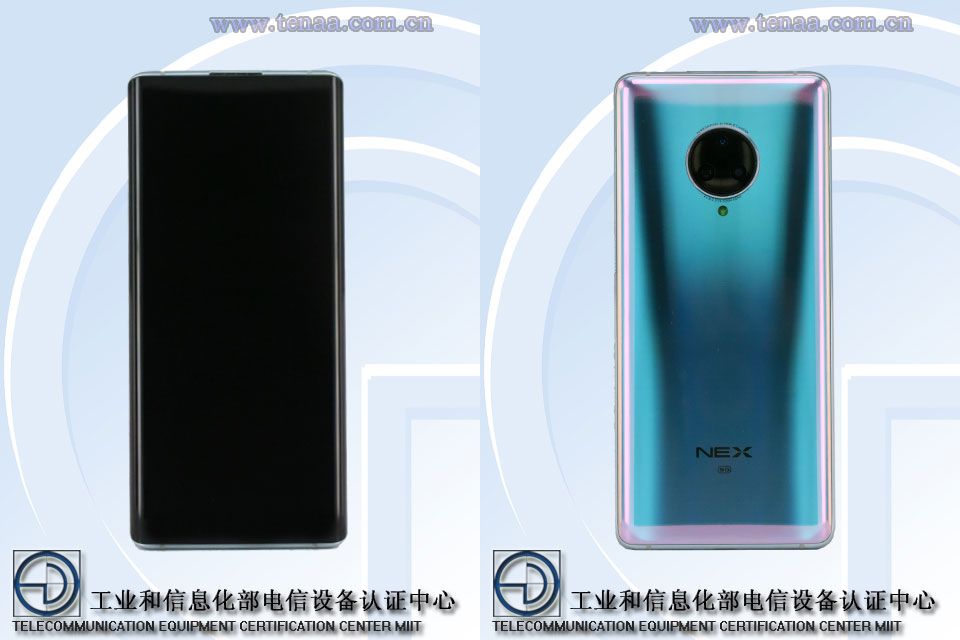
UPDATE: Vivo has officially confirmed that the NEX 3 will indeed offer a massive screen space of 99.6 percent. The real images of the phone that have appeared recently also second that. The leaked images also give a good view of the sides and rear panel of the phone. The 5G edition of the NEX 3 that has the model number of V1924A was spotted with impressive performance scores on the single-core and multi-core tests of Geekbench.
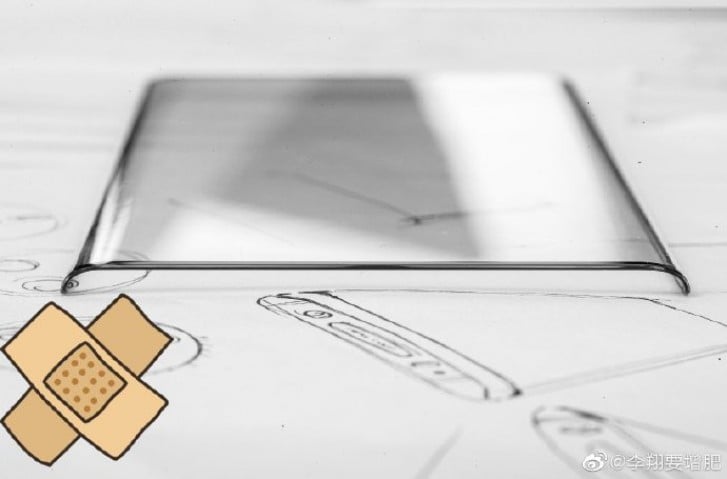
On Sept. 16, Vivo will be debuting the Vivo NEX 3 flagship phone to replace the Vivo NEX S from last year. The most striking feature of the Vivo NEX 3 is its notch-less screen that is equipped with extremely curved edges. Ahead of the launch, the Chinese manufacturer has revealed the entire design of the phone through a couple of teasers. Also, the NEX 3 has appeared on TENAA with full specifications.
Vivo NEX 3 Design
The NEX 3 has a marvelous notch-less display with extreme curvature coupled with ultra-thin side bezels. An earpiece is available on the top bezel of the smartphone. The top and bottom bezels of the phone are also very thin. Rumors surrounding the NEX 3 smartphone have claimed that it may offer a screen-to-body ratio of 99.6 percent.
The rear-mounted round-shaped camera housing three sensors arranged in a triangular manner is inspired from the design of mechanical watches. An LED flash is present under the circular module of the device. The top bezel of the phone has a wider pop-up camera module that is home for two front-facing cameras.
Another important thing about the design of the Vivo NEX 3 is that there are no physical buttons on the sides of the device. It features pressure-sensitive zones for volume and power. There is an additional power button at the top edge of the phone. There is a 3.5mm audio jack and a microphone on the top side of the smartphone. On the bottom, the NEX 3 has an external speaker, a USB-C port and another microphone. The smartphone may release in Black and White color editions. Here is an unboxing video of the NEX 3 smartphone that showcases its design.
Vivo NEX 3 Specifications
The Vivo NEX 3 has 167.4 x 76.1 x 9.4mm and it weighs 218.5 grams. The smartphone will be releasing in 4G-only and 5G editions. The handset is fitted with a 6.89-inch S-AMOLED display that carries support for full HD+ resolution of 1080 x 2256 pixels. The display of the NEX 3 is integrated with an in-display fingerprint sensor.
The 2.96GHz Snapdragon 855+ processor powers the Vivo NEX 3. The handset may release in China in 8 GB and 12 GB RAM variants. The smartphone comes in three storage versions such as 128 GB, 256 GB and 512 GB. A microSD card slot is available on the device for more storage. The Android 9 Pie OS comes preloaded on the device. It will be coming with the latest version of the FunTouch OS.
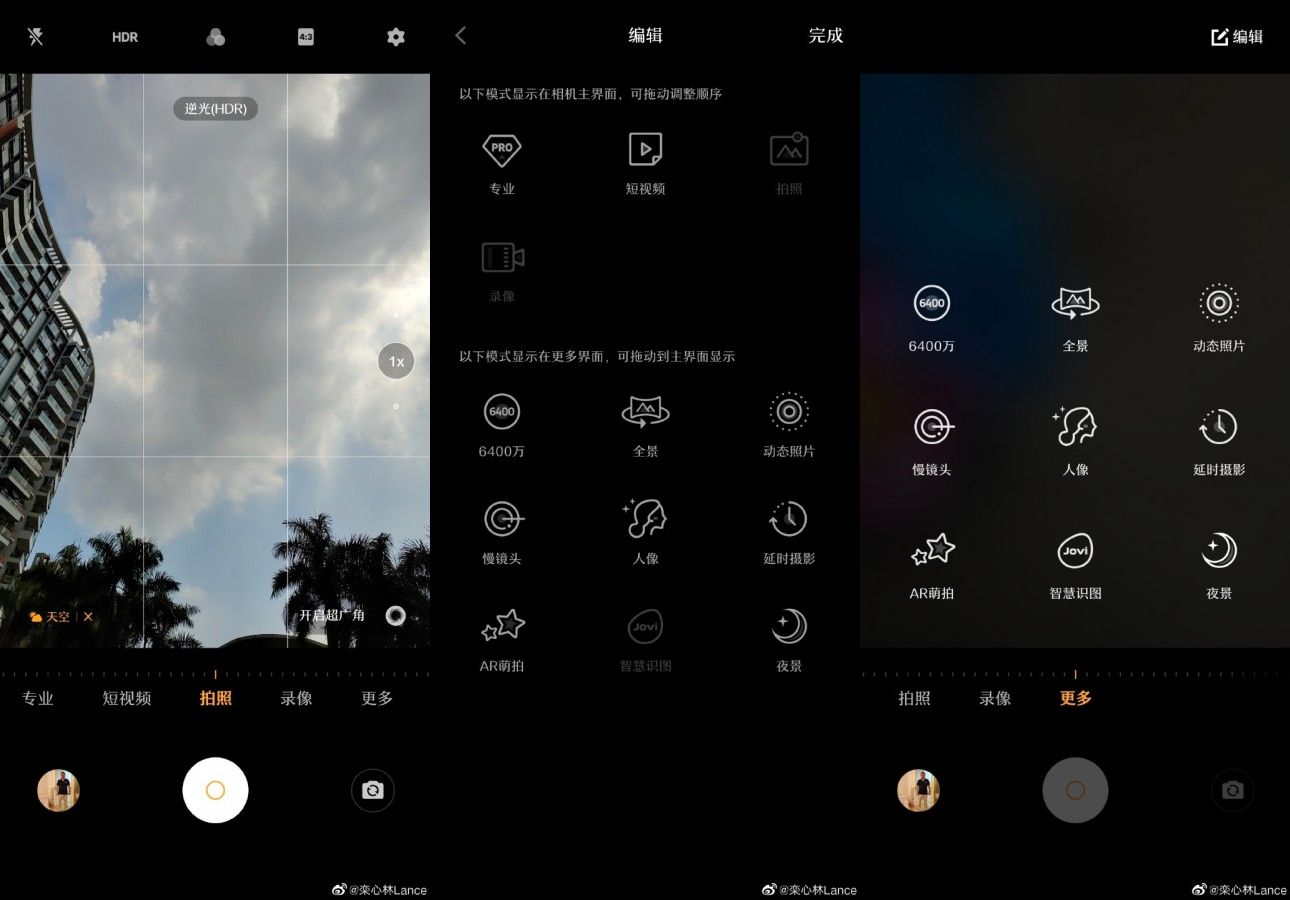
The Vivo NEX 3 camera module has a 64-megapixel primary lens, a secondary lens of 13-megapixel and a third sensor of 13-megapixel. The pop-up camera module has a 16-megapixel main lens and an unknown second lens. The phone will be sporting a new camera UI that can be completely customized. It will allow users to personalize functions and icons that appear on the viewfinder. The handset has a 4,500mAh battery that carries support for 44W charging. At present, there is no information on the pricing of the Vivo NEX 3.
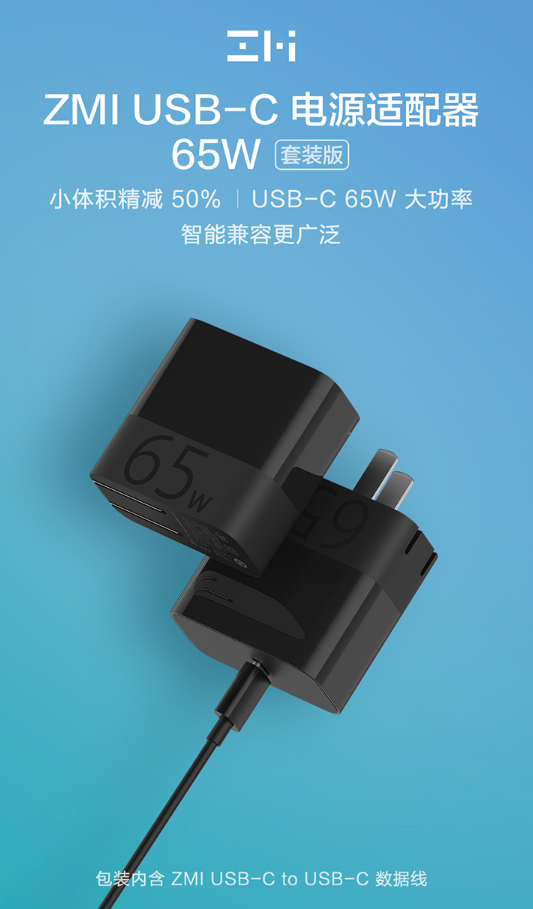
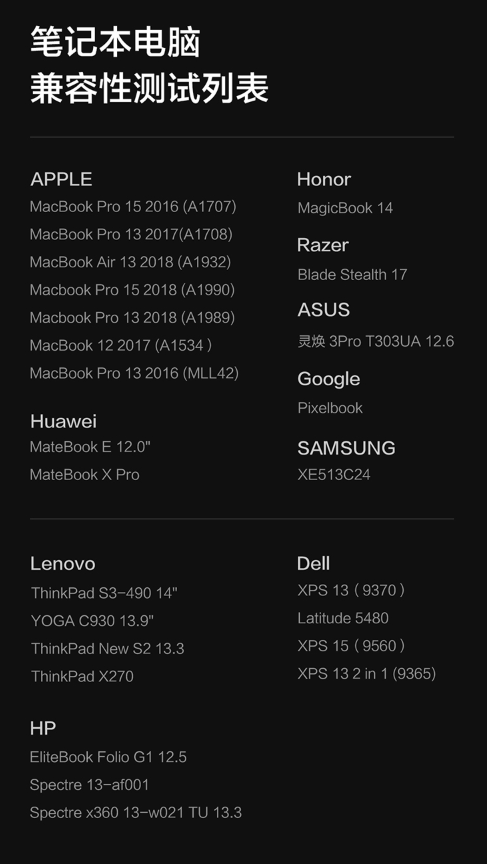
ZMI is best known as a Xiaomi partner company that makes chargers of various types as well as cables and power banks. Today, the company announced a new 65W USB-C charger for MacBooks, iPhones, laptops and all other devices that support USB Power Delivery.
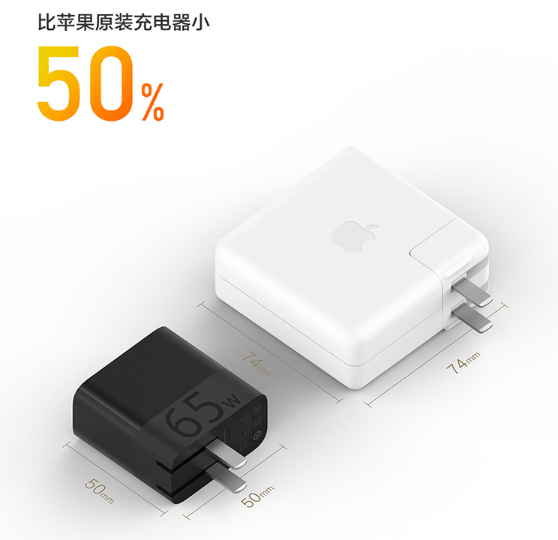
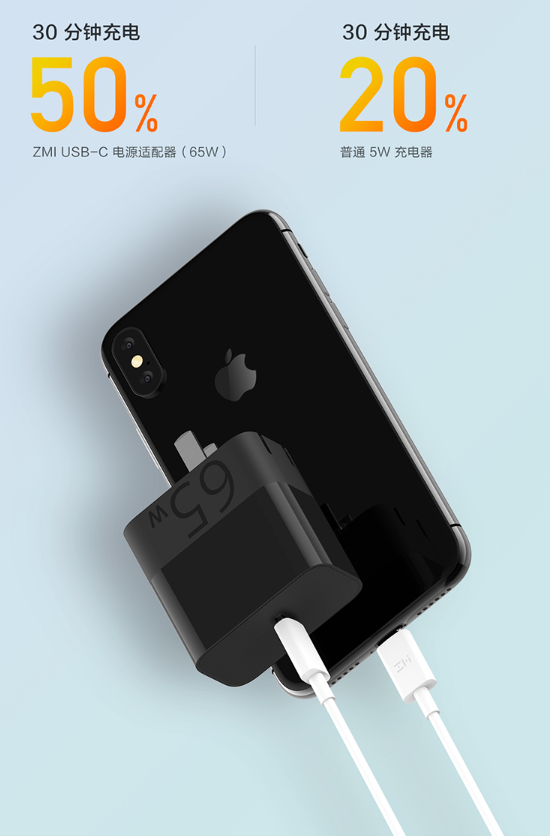
But this is no ordinary charger. Not only is it small, 50% smaller than Apple’s 61W USB-C Power Adapter, it is also really cheap. It is actually priced at ¥149 (~$21) which is less than one-third the price of Apple’s own charger.
The ZMI USB-C 65W Charger has a two-tone black finish with a foldable plug design albeit American and 65W branded on the sides. It has a single USB-C port at the top and measures 50mm x 50mm.
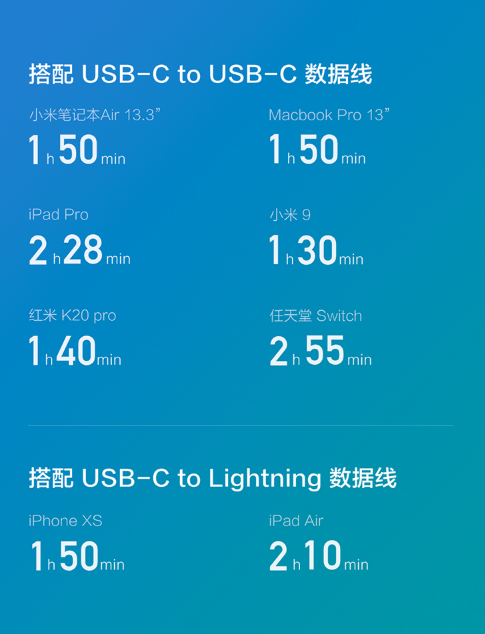
The charger is compatible with a wide range of devices and will automatically detect the device connected so as to supply the right power rating. ZMI says it will charge the 13.3” MacBook Air and 13” MacBook Pro in 1hr 50 minutes, the iPad Pro in 2hrs 28 minutes, the Redmi K20 Pro in 1hr 40 minutes, the Mi 9 in 1hr 30 minutes, and the Nintendo Switch in 2hrs 55 minutes.
1 of 4
It will also work with the iPhone XS and iPad Air when connected to a USB-C to Lightning connector cable and charge both devices in 1hr 50 minutes and 2hrs 10 minutes respectively. A full list of compatible laptops is included above.
The ZMI USB-C 65W Charger has 7 different protections built-in such as input and output high current protection, high-temperature protection, and short-circuit protection.
[envira-gallery id=”275137″]
ZMI will ship the charger with a free 1.5 meters long USB-C to USB-C cable that supports 5A current and has an e-mark chip.
The charger is available for pre-order on JD.com and will begin shipping on September 17. It is also available for pre-order on Giztop for $29.99 and will begin to ship by the middle of September.
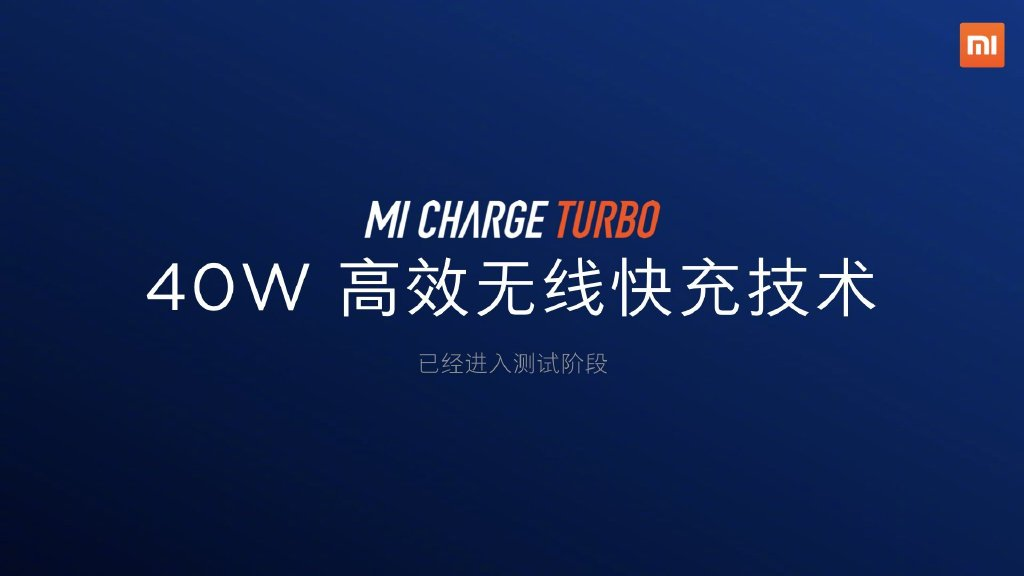
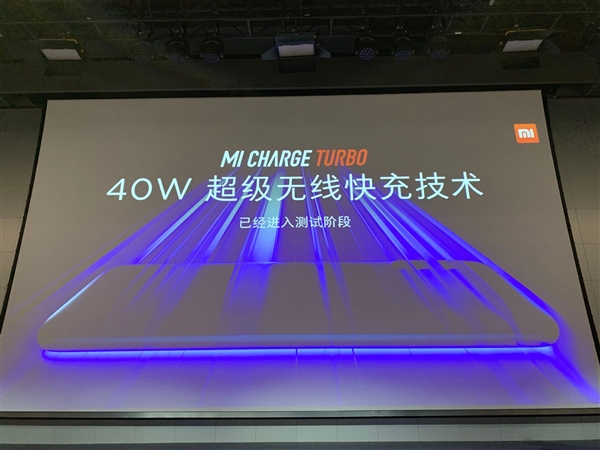
Xiaomi today held the 5G era charging technology conference where it unveiled the Mi Charge Turbo 30W Wireless charging technology. The company also revealed some of its products that are in the works. One of them is a 40W wireless charging solution which was revealed alongside a Mi 30W Wireless charging stand and a 20W wireless charger.
The 40W wireless charger may likely be released in the near future and will put Xiaomi in an exclusive zone. The new 30W wireless charger is the first in the world and is expected to feature on the Mi 9 Pro 5G which will be released soon. The 30W wireless flash charger can charge a 4000mAh from 0% to 50% in 25 minutes while it takes just 69 minutes.
The company says the 40W super wireless fast charging technology has entered the testing phase. The 40W wireless charging solution will deliver an improved 33% faster-charging capability. In addition to wireless direct charge, Xiaomi says the future flagship standard would deliver not just wireless charging but also wired charging and reverse charge. The product may likely not debut this year but we expect it to drop at the earliest, next year.
The Meizu 16s Pro was announced last month and is already available for purchase. The phone which starts at under $400 has a gorgeous design with pretty slim bezels and flagship specs to match. Today, Meizu has revealed it will make an announcement tomorrow that is related to the flagship.
The news was shared by the official Weibo account and it says there is an announcement tomorrow at 10 o’clock. The post also includes a poster with the figures “25”, “130”, and “140” written in red, green, and blue fonts respectively.
We think the announcement is related to the Meizu phone with the model number M928Q which appeared on TENAA last week. Seeing as the Weibo post includes a Meizu 16s Pro hashtag, the TENAA phone is likely a variant of the new flagship.
According to the TENAA listing, the Meizu M928Q has a 6.5-inch 2232 x 1080 OLED display. It is powered by a 2.84GHz octa-core processor which is actually the Snapdragon 855. There is 6GB of RAM and 128GB of storage but no support for storage expansion.
The Meizu M928Q also has triple rear cameras like the 16s Pro but a different configuration and design. It is a 12MP + 8MP + 5MP setup. Although the sensors are stacked on top of each other on the left just like the Meizu 16s Pro’, it doesn’t use the ring-flash design which means the third sensor and LED flash are not integrated together. The second camera sensor also has a red ring around it. Up in front is a 16MP sensor for selfies and video calls.
[envira-gallery id=”275113″]
The rest of the specs include an in-display fingerprint scanner, Android 9 Pie pre-installed, and a 4400mAh battery. It will be available in blue, green, and red. These are the same colors used for the font of the figures in the poster above. The phone measures 159.63 x 78.2 x 8.3 millimeters and weighs 183 grams. The extra thickness and weight are not surprising as the phone packs a bigger battery capacity than the Meizu 16s Pro.
We strongly believe Meizu’s announcement for tomorrow is related to this device. When it launches, it should be cheaper than the base model of the Meizu 16s Pro which is priced at ¥2699 (~$379).
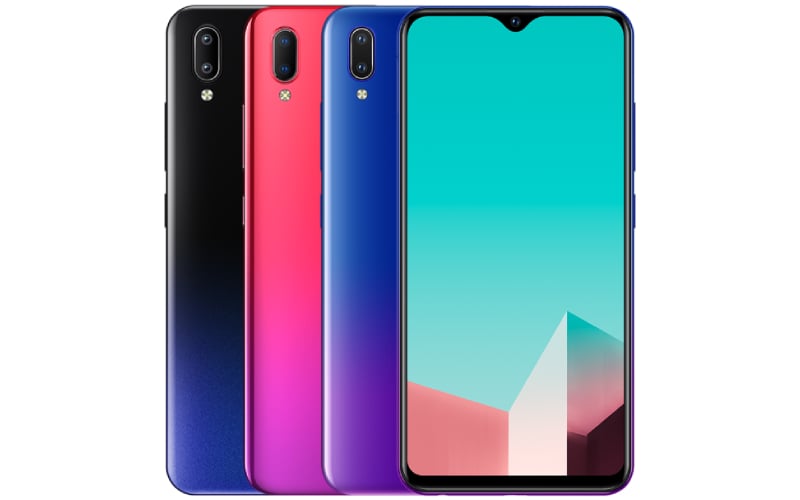
A report from the previous month had claimed that Vivo India will be launching several new phones including a new U-series phone in the country. The Chinese firm has recently launched Vivo Z1 Pro, Vivo S1 and Vivo Z1X phones in India. It is expected to launch the Vivo V17 Pro smartphone in this month. Vivo India Brand Strategy Director Nipun Marya has revealed to 91mobiles that the company will be soon debuting the Vivo U10 smartphone exclusively through Amazon India
The report claims that Vivo India will begin campaigning the Vivo U10 through Amazon India later today. The Vivo U10 phone is priced under Rs. 12,000 (~$167) and it will be hitting the markets by the end of September.
According to Marya, the Vivo U-series phones made include youth-centric phones with fast charging technology. The retail package of the U-series will include a fast charger. The new series will carry ‘Unstoppable’ branding. It is speculated that forthcoming U-series may come with large-sized batteries. Marya said that 80 percent of online smartphones sales includes devices priced between Rs. 8,000 (~$111) and Rs. 20,000 (~$279). The U-series will be targeting the online market in this price range. As of this writing, there is no information on the specifications of the Vivo U10 phone.
Vivo U1 from 2018
In order to capture the online market, Vivo is also selling Z-series phone like Vivo Z1 Pro and Vivo Z1X that are priced between Rs. 15,000 and Rs. 20,000. For offline markets, it is selling Vivo S-series in the same price range in the country. The Vivo V-series costs between Rs. 20,000 and Rs. 30,000. Rumors have it that the Vivo V17 Pro phone may go official in the third week of this month.
As per a recent market research study by Counterpoint, Xiaomi is leading the Indian market with 28 percent market shared followed by Samsung with 25 percent market share. Vivo is third with 11 percent market share. Vivo India could be eyeing the second position in the India n market as the company has planned to invest Rs. 4,000 crores in the coming years to produce 5 crore mobile phones per year.
Whenever the name Blackberry is mentioned, what readily comes to mind is the physical QWERTY keyboard-packing smartphone. But the company is much more than its ailing smartphone brand. In recent times, BlackBerry reorganised into three business units: IoT, Blackberry Cylance, and Licensing with a focus on enterprise software, services, security, and the Internet of Things. In this light, the company has announced a partnership with automobile giant Jaguar Land Rover which will see both firms work together to develop new autonomous vehicles using artificial intelligence (AI) and machine learning technologies.
The autonomous vehicles will use Blackberry’s QNX operating system and Blackberry Cylance, the security software technology which Blackberry acquired at the end of last year. This is in a bid to develop a range of capabilities to bolster vehicle safety, including predictive software maintenance and cyber threat protection, in Jaguar Land Rover’s next-generation vehicle architecture.
The partnership will also see Blackberry help Jaguar Land Rover identify potential security vulnerabilities found in connected and autonomous vehicles. This will be the first time Blackberry will integrate Cylance’s AI technology into Blackberry’s solution since it bought the security company at the end of last year in what was its biggest acquisition to date.
Xiaomi announced the Mi Charge Turbo 30W wireless charging technology at an event in China today. The new charging solution takes wireless charging speeds to new levels, making it even faster than the company’s own wired charging technology. At the same event, Xiaomi also revealed a couple of wireless charging accessories that are in the works.
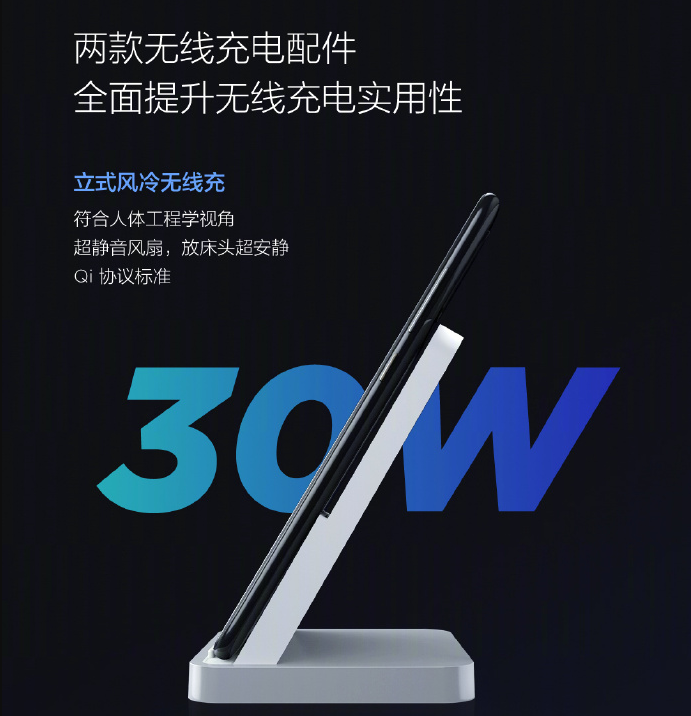
The first one is the Xiaomi Mi 30W wireless charging stand. The charger comes in an all-white design and is relatively thin. It acts as a dock for your smartphone and features a quiet fan inside. It can wirelessly charge your phone at 30W using the Qi wireless charging standard.
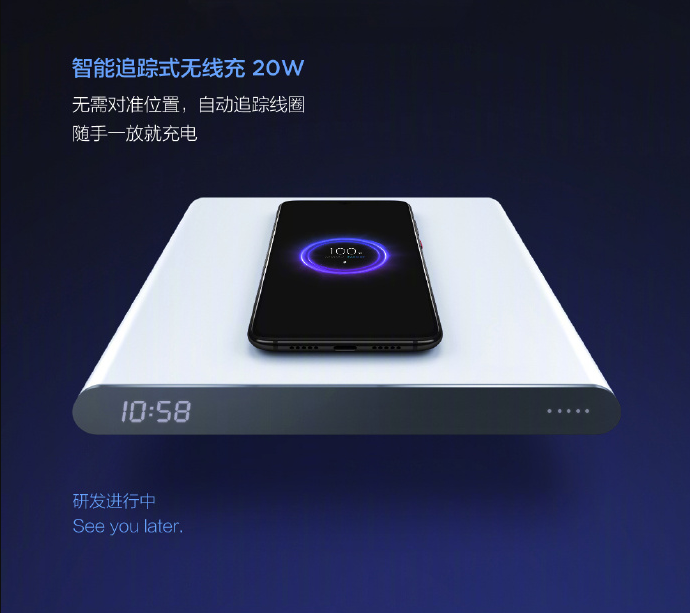
The second product is even more interesting. It supports the company’s current 20W wireless charging standard and comes in at a relatively thick form factor. It’s almost as thick as a book! However, there are a few features that sets it apart. First, this charger is said to come with a smart wireless charging tracking technology. This technology can locate and match the receiving wireless charging coil on your phone with the transmitter coil inside the charger. This ensures that your phone will start charging the moment it is placed on the charger, irrespective of its position. This teaser video (taken from Weibo) actually explains it perfectly.
Further, this 20W Mi wireless charger supports OOB pairing (Out of Box) which is fast and brings security and stability while charging wirelessly. From the image, we can also discern that this 20W smart wireless charger will have a small display that shows the current time as well as the power output.
Xiaomi hasn’t revealed a release date or pricing for these two wireless charging products, but expect it to be present at the Xiaomi Mi 9 5G launch that should happen sometime in the coming weeks.
Qualcomm recently announced its first mobile processor with 5G modem integrated. Soon after that, Shen Yiren, Vice President of Oppo revealed that the company will be the first to launch a smartphone powered by the same chipset.
While he has not revealed the name of the smartphone, the phone in question is believed to be the Oppo Reno series or K-series handset and will be the world’s first to come with the latest 7nm Snapdragon 5G integrated chipset.
The Qualcomm Snapdragon 855 platform has support for 5G modem but the module is separate from the processor. The chipset is powering many current 5G smartphones but the company has announced that its next range of chipsets will have integrated 5G modems right into the processor.
The Snapdragon 6xx and Snapdragon 7xx series as well as the flagship Snapdragon 8xx series will come with integrated 5G modem, covering both the smartphone segments — mid-range as well as premium.
The three Snapdragon 5G platforms will support all the key regions and frequency bands, claims Qualcomm. The phones powered by this will support the entire range of 5G features including mmWave and sub-6 GHz spectrum, TDD and FDD modes, 5G multi-SIM, Dynamic Spectrum Sharing, and Standalone (SA) and non-standalone (NSA) network architectures.
Qualcomm has recently unveiled the faster and more power-efficient X55 modem which is based on 7-nanometer tech, but it won’t arrive until 2020. The latest integrated 5G processors and separate 5G modems will use Qualcomm’s “Snapdragon 5G Modem-RF System” that combines the modem, RF tranceiver and RF front-end.
Chinese tech giant Xiaomi has scheduled an event tagged Smart Living 2020 for September 17 in India. This was revealed via a tweet on Xiaomi India’s official Twitter handle. The tweet which was accompanied by a poster didn’t give any detail of the product that would be unveiled. However, the teaser poster gives us a clue as to the product that will likely be unveiled on that day and that is the Mi Band 4.
The poster has the image of the Mi Band 4 as one of the letters “I” in “LIVING”. The Smart Living 2020 caption is surrounded by icons of the features that would be onboard the smart wearable such as Bluetooth connectivity, heart rate monitor, sedentary alert, call notification, stopwatch, a durable battery and others.
The Mi Band 4 was first launched in China in June this year and has also made its debut in Europe with the moniker Mi Smart Band 4. The device comes with several features that will surely enhance our fitness level and ensure smarter living. We won’t rule out the possibility of the tech giant launching more than more product on that day. We’ll keep you posted here on Gizmochina as soon as the launch event happens.
This year at IFA 2019, Huawei released the Kirin 990 5G processor, the world’s first 5G chipset built on a 7nm EUV process. The Kirin chipsets have always been a hallmark of Huawei’s devices, often being a selling point for them. Huawei themselves have never really treated these as commercial products, but rather as important intellectual property. Which is exactly why this statement by Richard Yu after IFA 2019 is so surprising.
According to Globaltimes, in the interview after IFA, Huawei CEO Richard Yu claimed that Huawei is now considering selling their Kirin chipsets to other industries, though only for specific uses such as in IoT fields. The company is still hesitant to deal with the export of Kirin processors for smartphones, though they did not rule out the possibility.
This is a huge turnaround from the company’s previous stance on Kirin chipsets. In the past, Huawei has always vehemently abhorred talks about selling their Kirin chipsets to others. Just last year Senior Product Director Brody Ji claimed: “For Huawei, Kirin is not a business but a product or technology that acts as our competitive edge against rival smartphone brands.”
So the big question is, why the sudden change of heart? First off, the elephant in the room is probably Huawei’s current US ban. It’s possible that the company is expecting a huge drop in revenue from the ban, possibly due to the losses in the international market, and as a result, is pressured into taking this step as a means to alleviate their revenue problems. It’s also possible the company’s just looking to expand their horizons further.
Now, there’s plenty of good that comes out of this for Huawei, the obvious one being an increase in revenue. Huawei has a pedigree of excellence when it comes to chipset design, which is evident from its recent Kirin 990 launch. So even if it’s limited to non-smartphone devices, we can definitely see there being a reception for these.
On top of that, this can also help Huawei expand its connections with other companies and build bridges that will help them in the future. From the recent Honor Smart Screen launch, we know that Huawei wants to build a smart interconnected system that allows many different devices to communicate freely. It even opens the door for Huawei to market HarmonyOS more effectively, allowing for a higher and faster rate of adoption.
On the downside, Huawei selling their processors would essentially make their own devices stand out less, especially when it comes to their smart devices. The company’s smartphone division would likely be less unharmed, but their smart products like TVs and stuff would gain competition from the very companies that Huawei works with.
Regardless of how things turn out, we’re eager to see what happens next. These past few months have been some of the most exciting to watch, and it doesn’t seem like it’s slowing down anytime soon. Huawei has some tough times ahead of them, but we’re hoping sudden and unexpected moves like these will allow the company to regain ground soon.
Google has officially released the latest Android 10 and some of the smartphones have already started receiving this new update. While the Google Pixel series, Essential Phone and Xiaomi’s K20 and K20 Pro have got the stable build, phones like OnePlus 7 and 7 Pro are on the beta build.
The source code of the new Android 10 is already up at AOSP and thanks to it, custom ROMs based on Android 10 have started surfacing online. In the latest development, Android 10-based custom ROMs for a few Xiaomi smartphones, including Poco F1, Mi 6, Mi 8, and the Redmi Note 5 have been released.
The popular Poco F1 has now received unofficial Android 10, thanks to the Potato Open Sauce Project (POSP) custom ROM. The ROM is not yet stable and there are some issues such as the fingerprint scanner is not working for some users. It also lacks some features but it’s alright given the early days of development.
The same ROM is also available for the Redmi Note 5 (India) and the Redmi Note 5 Plus (Global). However, the ROM is marked as alpha and it’s advisable to use this only if you are experience in this. It too has issues with the fingerprint scanner and the thermal engine, among others.
The Xiaomi Mi 6 is also receiving Android 10 through unofficial LineageOS 17 build (link) and has only one bug listed which is related to Bluetooth playback. This is quite impressive that an almost stable build is available for the smartphone just days after the rollout of this new version of the operating system. Also, the Mi 8 has got Android 10 through Pixel3 ROM (link), which has some issues with FPC scanners and Google Camera.
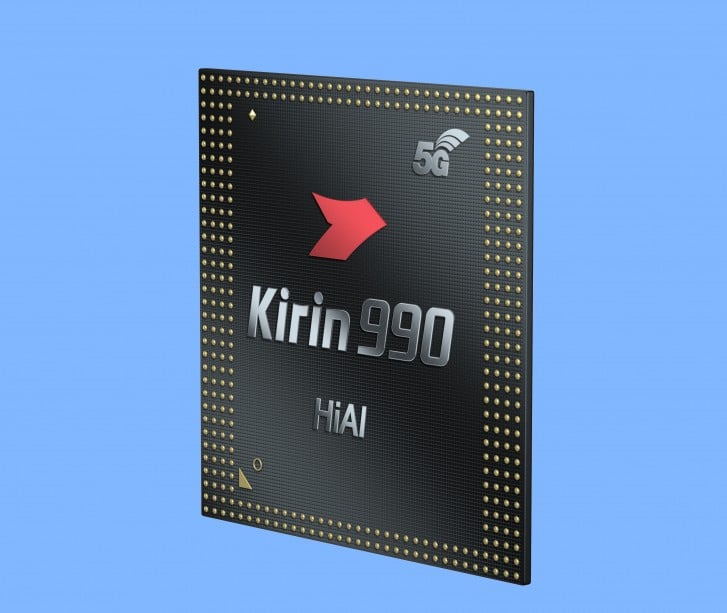
A few days ago, at the IFA 2019 in Berlin, Germany, China-based Huawei announced its much-awaited Kirin 990 5G flagship chipset for smartphones. The chipset comes with dual NPU hardware which not only makes it superior than its predecessor but also superior compared to its competition.
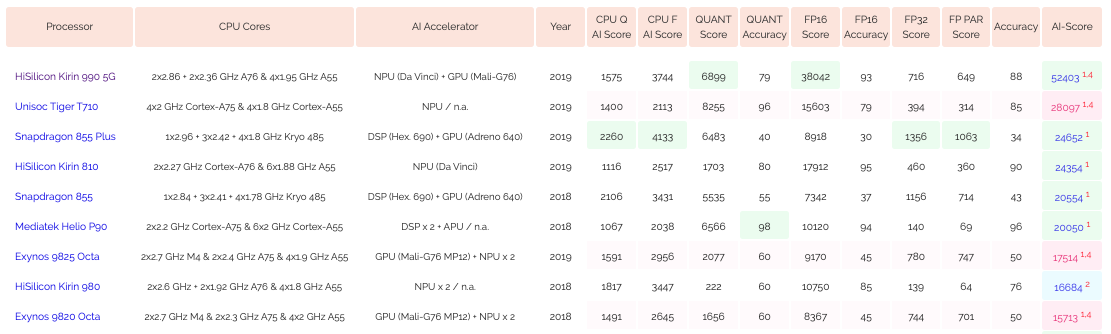
The AI Benchmark test puts the newly announced Kirin 990 5G chipset ahead of the Qualcomm Snapdragon 855 Plus SoC, topping the rankings. The chipset has achieved a score of 52,403 in the test, far ahead compared to the scores of Unisoc Tiger T710 and Qualcomm Snapdragon chipsets.
The Huawei HiSilicon Kirin 990 5G is a 7nm octa-core chipset that has 10.3 billion transistors. It uses two big, two middle and four little cores to optimize multitasking, with clock speeds of 2.86GHz, 2.36GHz and 1.95GHz respectively. The 990 5G also packs a 16-core Mali G76 graphics processor which should offer plenty of power for mobile gaming, as well as smart cache built in to reduce bandwidth by up to 15 percent.
It is also touted to be the first full-frequency 5G SoC — with support both non-standalone and standalone architectures as well as TDD/FDD full frequency bands. The Kirin 990 is a true unified design, supporting Sub-6 GHz 5G networks on both SA and NSA architectures.
For photography, it has a new fifth-generation Dual ISP boasts DSLR-level hardware noise reduction and block-matching and 3D filtering. Huawei’s smartphone cameras already produce stunning low-light results, but it looks like that can be improved further.
The Kirin 990 will probably be the FIRST integrated 5G chipset to hit the market
Aside from implementing the 5G modem, the biggest change in the Kirin 990 is going to be the NPU, or Neural Processing Unit. Boiled down to basics, it’s a co-processor optimized for the sort of vector math that’s the lifeblood of machine learning frameworks.
Huawei has scheduled a launch event in Munich on the 19th of September, where the company is expected to launch Huawei Mate 30 and Mate 30 Pro flagship smartphones, which will be powered by this new Kirin 990 SoC.
Today, Huawei’s sub-brand Honor has released a poster confirming a new lineup of smartphones — Honor Vera30. While nothing much is known about this new smartphone series, the company has confirmed that it’ll be powered by the Kirin 990 5G chipset.
We use cookies on our website to give you the most relevant experience by remembering your preferences and repeat visits. By clicking “Accept”, you consent to the use of ALL the cookies.
This website uses cookies to improve your experience while you navigate through the website. Out of these, the cookies that are categorized as necessary are stored on your browser as they are essential for the working of basic functionalities of the website. We also use third-party cookies that help us analyze and understand how you use this website. These cookies will be stored in your browser only with your consent. You also have the option to opt-out of these cookies. But opting out of some of these cookies may affect your browsing experience.
Necessary cookies are absolutely essential for the website to function properly. This category only includes cookies that ensures basic functionalities and security features of the website. These cookies do not store any personal information.
Any cookies that may not be particularly necessary for the website to function and is used specifically to collect user personal data via analytics, ads, other embedded contents are termed as non-necessary cookies. It is mandatory to procure user consent prior to running these cookies on your website.






 Designed to radically enhance the process of shooting or film making, high-priced gimbals come in various shapes and sizes. If you are in the market for a feature-laden gimbal that doesn’t cost a bomb, you have come to the right place.