Huami Technology is expected to unveil a new smartwatch on August 27 which is just days away. Before now, little is known about the product but the company has revealed that this will be the Amazfit Smart Sports Watch 3. This makes it the successor to the Amazfit Smart Sports Watch 2 also known as Amazfit Stratos. The Stratos was first launched in 2017 as a successor to the Amazfit Pace which is the first-gen Amazfit Smart Sports Watch.
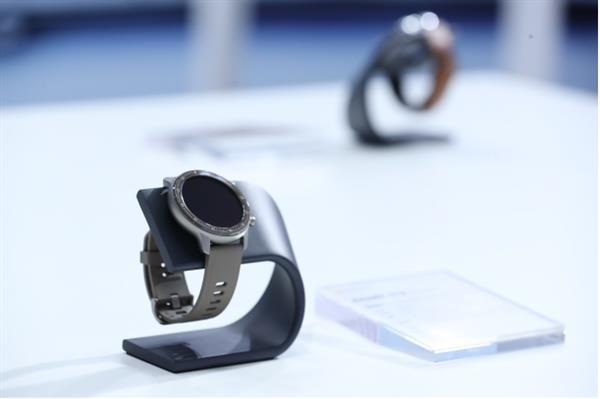
Huami’s vice president, Qi Fandi, has hinted that the upcoming smartwatch will simply be called Amazfit Sports Watch 3 without the “smart” attribute since all their smartwatches are smart”. Adopting a shorter name is always cool. The watch may adopt the alias Amazfit Pace 3 since the previous-gen model was officially known as Amazfit Pace 2. The VP also hinted that the Sports Watch 3 will equally come with not just the Standard version but also an Elite edition. The elite edition will come with better craftsmanship and quality. The body of the Amazfit Sports Watch 3 Elite Edition will be manufactured using a Tic4 titanium alloy with better performance to make the new craftsmanship and technology reach the leading level in sports watches. The watch also has a glass screen made from high-hardness and wear-resistant sapphire crystal. Recall that the Amazfit GTR 47mm also has a Titanium Edition.
Amazfit GTR 47mm Titanium Edition
Previous leaks tip the Amazfit Sports Watch 3 to feature a 1.34-inch reflective full-circle screen that is cost-effectively customized. The display is supplied by Japan Display Inc. (JDI) which is also the supplier of displays for the Apple Watch models. The watch is also revealed to have NFC meaning it will likely support contactless payment.
Xidu is popularly known for its laptops ranging between different sizes and functionality. The Shenzen based company has launched various innovative laptops in the past five years. The company aims to bring innovative designs crafted, especially for modern users. On the same lines, Xidu has recently launched two new laptops – Xidu PhilBook and Philpad primarily focused on students.
As a gesture for all the students, Xidu is offering best deals on the newly launched laptops at AliExpress 8.28 promotion. A $40 discount on usual retail price reduces the prices of both the Xidu PhilBook and Philpad on Aliexpress. All the variants of both the laptops will be getting hefty discounts on Amazon, Aliexpress and the official Xidu store.
The Xidu PhilBook 2-in-1 touchscreen laptop usually retails at the price of $289.99, and on the day of sale, it will be down to $259.99. It is packed with 11.6-inch multi-function display with the resolution of 1920 x 1080 pixels. The touch display is 360 degrees flexible, which enhances efficiency and reduces the need for extra mouse and keyboard.
It is powered with Atom Quad-Core CPU coupled with a 64GB storage and 4GB RAM. It comes with a MicroSD card slot, HDMI, USB 3.0, 3.5mm audio jack and WiFi. Xidu PhilBook measures 0.6 meters thin and weighs 2.42 pounds. It runs on Windows 10, making the laptop more smart, efficient and productive.
The Xidu Philpad comes with a 2K 13.3 inch IPS display panel with the resolution of 2560 x 1440 pixels. The device is also capable of some heavy gaming and the display is the perfect complement for gamers. It is coupled with a 6GB DDR3 RAM and 64GB of internal storage. The users can also expand the storage up to 512GB via a MicroSD card slot. The device is powered by an Intel Apollo Lake N3450 CPU along with the Intel 9th HD graphics processor. A 5000 mAh battery on the board helps users to keep working continuously for up to 6-8 hours.
The convertible 2-in-1 Philpad also comes with an Adjustable Kickstand. In connectivity, it supports WiFi, Bluetooth 4.0, USB 3.0, USB 2.0, Mini HDMI, and a headset port. It runs on Windows 10 out of the box to accelerate performance and productivity. Other features include a Backlit Keyboard, Touchscreen, Camera and Windows 10. The ergonomic soft keyboard makes it comfortable to type. It will be on sale fo the of $341 via Alexpress.
Both the laptops carry HDMI ports and other necessary USB ports and Micro SD card slot.
To avail the discount, make sure to check back the Aliexpress 8.28 promotion on 28th August. We recommend you to order your favorite Xidu laptop as soon as the back-to-school promotion goes live. You can use the coupons to avail discount:
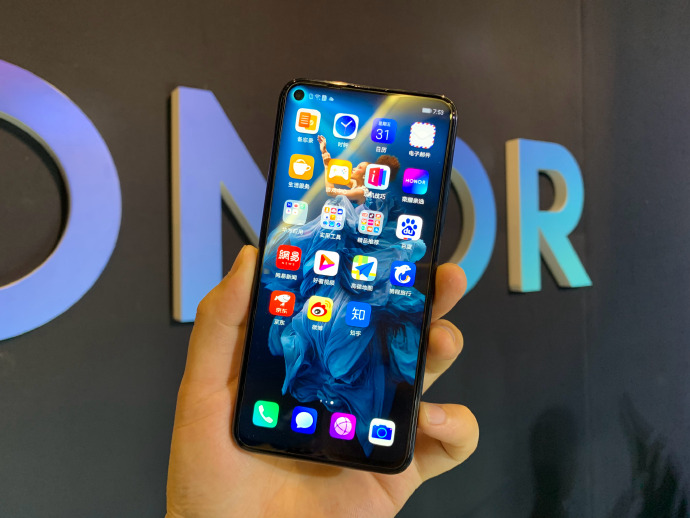
The Honor 8S was announced back in April. It was first launched in Russia before making its way to China. A new listing on TENAA hints at the launch of a Pro version (Honor 8S Pro) or a successor (Honor 9S), though we believe it is the former.
The Honor phone has the model number KSA-AL10 which is nearly identical to that of the Honor 8S (KSA-AL00) and also has the same design. The specs are also the same, save for the processor which is now a 2.0GHz octa-core processor, unlike the Honor 8S which has a 2.0GHz quad-core Helio A22 processor. We believe the new chipset is the Helio P22 which is practically the Helio A22 with four more cores.
[envira-gallery id=”272046″]
The Honor KSA-AL10 has a 5.71-inch 1520 x 720 display with a waterdrop notch for a 5MP selfie camera. The processor is paired with 2GB or 3GB of RAM and 32GB or 64GB of expandable storage. The rear camera is a single 13MP sensor.
The battery capacity is given as 2920mAh and there is no fast charging available. The dimensions are the same as those of the Honor 8S which is 147. 147.13 x 70.78 x 8.45 millimeters while weight is 146 grams. It will be available in Magic Night Black, Platinum Gold, and Aurora Blue.
We have no idea when the Honor 8S Pro or whatever Honor decides to call it will launch but it should be around the corner.
A new smartphone just made its debut in the gaming smartphones segment: Vivo iQOO Pro. It is not an expensive device like the recent Asus ROG Phone 2, but it will offer a top-end hardware department at an affordable price. It will be the main competitor of two recent Chinese gaming phones released by Xiaomi and Nubia: the Black Shark 2 Pro and the Red Magic 3. Does the Vivo iQOO Pro offer a higher value for money or better specifications compared to its two opponents? These are the main questions we will try to answer through this specs comparison in order to suggest you the best purchase you can actually do if you are searching for an affordable gaming handset.
Vivo iQOO Pro vs Xiaomi Black Shark 2 Pro vs Nubia Red Magic 3
Xiaomi Black Shark 2 Pro
Vivo iQOO Pro
Nubia Red Magic 3
DIMENSIONS AND WEIGHT
163.6 x 75 x 8.8 mm, 205 grams
158.8 x 75.7 x 9.3 mm, 215 grams
171.7 x 78.5 x 9.7 mm, 215 grams
DISPLAY
6.39 inches, 1080 x 2340p (Full HD+), 403 ppi, AMOLED
6.41 inches, 1080 x 2340p (Full HD+), 402 ppi, Super AMOLED
6.65 inches, 1080 x 2340p (Full HD+), 388 ppi, AMOLED
Dual 48 + 12 MP f/1.8 and f/2.2
20 MP f/2.0 front camera
Triple 48 + 13 + 2 MP f/1.8, f/2.2 and f/2.4
12 MP f/2.0 front camera
48 MP f/1.7
16 MP f/2.0 front camera
BATTERY
4000 mAh, Fast Charging 27W
4500 mAh, Fast Charging 44W
5000 mAh, Fast Charging 18W
ADDITIONAL FEATURES
Dual SIM slot
Dual SIM slot
Dual SIM slot
Design
Despite it is clearly a gaming-focused phone, Vivo iQOO Pro is the only smartphone from this trio to feature a traditional design. So it is as elegant as other phones and it does not have an aggressive gaming-centric design which someone might not like. It even comes with a very high screen-to-body ratio thanks to very narrow bezels around the display and a waterdrop notch, unlike its two rivals. But if you prefer a gaming-centric design with RGB lights and additional keys to enhance the gaming experience, then go either for the Xiaomi Black Shark 2 Pro or the Nubia Red Magic 3 depending on your personal tastes. I prefer the Black Shark 2 Pro because it is thinner and lighter.
Display
Here, you basically have to choose between a higher refresh ratio and a bigger diagonal, or a more compact display with better touch sensing. The device which offers a higher refresh ratio (90 Hz) and a wider display is the Nubia Red Magic 3, and that is what I would choose. The one with 240 Hz touch sensing is the Xiaomi Black Shark 2 Pro, but it has a smaller display and a standard refresh rate. I define the refresh ratio as a more important element than a higher touch sensing, so my choice would be the Red Magic 3. Both Red Magic 3 and Xiaomi Black Shark 2 Pro offer 100 percent DCI-P3 coverage, while Vivo iQOO Pro has a standard AMOLED display with non-amazing color reproduction and a standard refresh ratio, so it loses the comparison.
Specs & Software
While Nubia Red Magic 3 is equipped with a standard Snapdragon 855 chipset, both Vivo iQOO Pro and Xiaomi Black Shark 2 Pro are powered by the new Snapdragon 855+: an upgrade version of the SD855 offering a higher clock frequency and a graphic performance improvement up to 15 percent. I think Xiaomi Black Shark 2 Pro will offer higher performance in long session due to its advanced cooling system. Further, in its most expensive configuration, it has more internal storage than Vivo iQOO Pro (up to 256 GB against 128 GB). Xiaomi Black Shark 2 Pro even comes with very optimized software experience.
Camera
None of these handsets is a real camera phone: all of them have midrange-class cameras. In these cases, I prefer the most versatile device, so the one which offers the highest amount of features. My choice would be the Vivo iQOO Pro due to its triple camera including an ultrawide sensor and a pretty nice 48 MP shooter. But Xiaomi Black Shark 2 Pro is all but a bad camera phone, especially with its great telephoto lens enabling 2x optical zoom, as well as a decent selfie camera.
Battery
Nubia Red Magic 3 has a huge 5000 mAh battery, while Xiaomi Black Shark 2 Pro and Vivo iQOO Pro come with just 4000 and 4500 mAh, respectively. But the Nubia Red Magic 3 has a real cooling fan to manage (as well as a bigger display), so it is not said that it will always last more than Vivo iQOO Pro.
Price
€410/$460 for the Vivo iQOO Pro, €450/$505 for the Xiaomi Black Shark 2 Pro and €500/$560 for the Nubia Red Magic 3. Overall, we think the most demanding gamers should go for the Xiaomi Black Shark 2 Pro, but if you are a casual gamer, then Vivo iQOO Pro may be a better option.
Banggood is a name to reckon in online retail. Living up to its reputation for offering the best bang for your bucks, the Chinese online store offers a wide range of electronic items at unbeatable prices.
We have listed the top 5 mobile phones that you can buy at considerably lowered prices from Banggood. So without wasting more time, let’s check them out.
OnePlus 7 Pro 4G Smartphone
Designed for those who fancy going beyond speed, the OnePlus 7 Pro was made available to the public earlier this year. Considering its undying demand, OnePlus has teamed up with Banggood to offer the 8GB RAM+256GB ROM variant of the well-received smartphone for a lowered price of just $989.33.
This is a significant 38 percent reduction in the phone’s original asking price of $1,599.99. On top of that, you can choose between three eye-catching color options including Nebula Blue, Mirror Gray, and Gold.
The irresistible OnePlus 7 Pro smartphone sports a mammoth 6.67 Inch 2K+ HDR10+ Fluid AMOLED display with a QHD+ resolution of 1440 x 3120 pixels. It packs a powerful Qualcomm Snapdragon 855 processor along with an Adreno 640 GPU, under the hood.
New users can use a $100 off coupon at checkout and reduce the retail price. Those spending over $19.99 will get free shipping. You can follow this link to check out more details about the feature-rich smartphone and avail the discount.
Available in Piano Black, as well as Ocean Blue color options, the Xiaomi Mi9 was unveiled in February this year. The phone features a 6.39 inch AMOLED display 2340 x 1080 pixels resolution and has Corning Gorilla® Glass 6 on top for added protection.
The Mi9 is powered by the Qualcomm Snapdragon 855 Octa-Core processor and it has an Adreno 640 graphics processing unit for a superior viewing experience. The aforesaid variant ships with 6GB of RAM and offers 128GB of non-expandable internal storage capacity.
While it usually retails for $689.99, this 6GB RAM+128GB ROM Xiaomi Mi9 variant has gone up for sale bearing a lowered price tag of just $609.99 on Banggood. This is a noteworthy 12 percent drop in the device’s original selling price.
Aside from that, you can get free shipping if your cart value exceeds $19.99. To grab this great discount, all you need to do is to follow this link without wasting time.
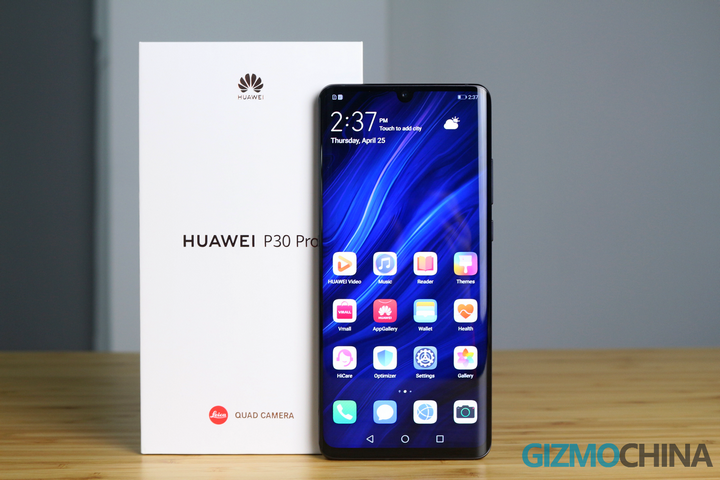
Huawei took the wraps off its long-awaited P30 Pro smartphone in March this year. Regrettably, the phone didn’t garner a lot of popularity among cost-conscious buyers, thanks to the steep price tag it carries.
To make the extra-large 8GB RAM+128GB ROM Huawei P30 Pro model available to those on a tight budget, Huawei has now teamed up with Banggood, offering the above-mentioned model for a lowered price of $1,158.99. It is worth noting that this version normally retails for $1,199.99.
Patriotic or not, Huawei P30 Pro is one of the best camera phones in the market today!
An absolute steal at this price, the Huawei P30 Pro features a 6.47 inch OLED display with a high resolution of 2340 x 1080 pixels and 16.7 million colors. It is powered by the company’s own Kirin 980 Octa-Core processor and packs a Mali-G76 720MHz GPU.
The phone comes in multiple color options including black, twilight, orange, and light blue. You can visit this link to avail the discount and place your order before the promo ends.
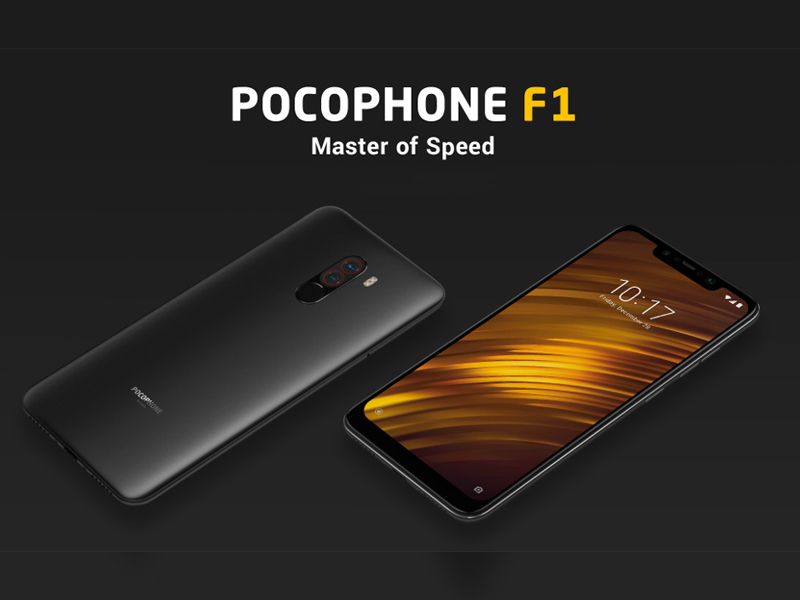
Announced in August this year, the Pocophone F1 has a 6.18 Inch FHD+ capacitive touch screen display with 2246 x 1080 pixels resolution. It is powered by the Qualcomm Snapdragon 845 Octa Core, max to 2.8GHz processor, and packs an Adreno 630 710MHz GPU.
The global version of the Xiaomi Pocophone F1 which offers 6GB of RAM and 64GB of onboard storage capacity normally carries a $399.99 price, but Banggood is offering it for a lowered price of just $390.39. Moreover, you can get free shipping if you spend over $19.99.
POCO’s first model F1 was a hit in India
The Xiaomi-branded smartphone is available in two color options including black, and blue. You can follow this link to take advantage of the discount and to check out more details about the Pocophone F1.
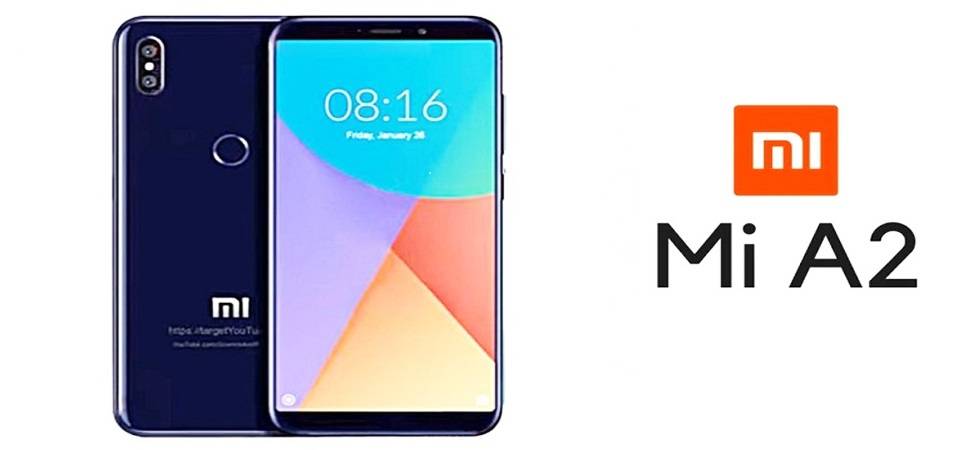
The Mi A2 was announced in July this year. Just months after hitting the store shelves, the popular 4GB RAM+64GB ROM version of the phone has gone up for sale bearing a lowered price tag of $292.79 on Banggood. It is worth mentioning here that the above-mentioned model usually sells for $299.99.
The Xiaomi Mi A2 Global Version comes with an eye-catching 5.99 Inch FHD+ capacitive touch screen with a resolution of 2160 x 1080 pixels. It has Snapdragon 660 Octa-core, max to 2.2Ghz, along with a highly competent Adreno 512 650MHz GPU for enhanced user experience.
You can head straight to this link to buy the Xiaomi Mi A2 4G smartphone for a lowered price from Banggood.
This year’s OnePlus T-series will be arriving earlier than usual going by the leaked dates. Rather than an October launch, the OnePlus 7T and OnePlus 7T Pro will be announced in September. Today, 3D renders of the phone have surfaced, thanks to OnLeaks in collaboration with PriceBaba, giving us an early look at the flagship.
The OnePlus 7T will be wearing a different design from the OnePlus 7, at least on the rear. OnePlus has decided to go with triple rear cameras for the phone, one sensor more than that of the OnePlus 7. The camera configuration is unknown but the extra sensor is most likely an ultrawide angle sensor.
The extra camera is not the only difference. The cameras are in a circular housing with a bump. The cameras are arranged horizontally. There is a dual-LED flash below the middle camera inside the housing. A few millimeters below the cameras is the familiar OnePlus logo. The OnePlus 7T is covered in glass and it is curved at the sides just like the OnePlus 7.
The front of the OnePlus 7T has not changed. It keeps the flat display of the OnePlus 7 with a cut out for the speaker at the top. The size of the bezels hasn’t changed either. The screen size is said to still be 6.4-inches and the resolution may remain FHD+.
The OnePlus 7T has only one grille at the bottom instead of two like the OnePlus 7. The SIM tray is now at the bottom opposite the USB Type-C port while the right side of the frame houses the power button and alert slider and the left is home to the volume control. The phone’s dimensions are given as 161.2 x 74.5 x 8.3 millimeters.
[envira-gallery id=”272034″]
The OnePlus 7T should come with a Snapdragon 855+ processor. It should also come with improved cameras and maybe even Android Q out of the box. It will launch first in India alongside the OnePlus TV before launching in other markets.
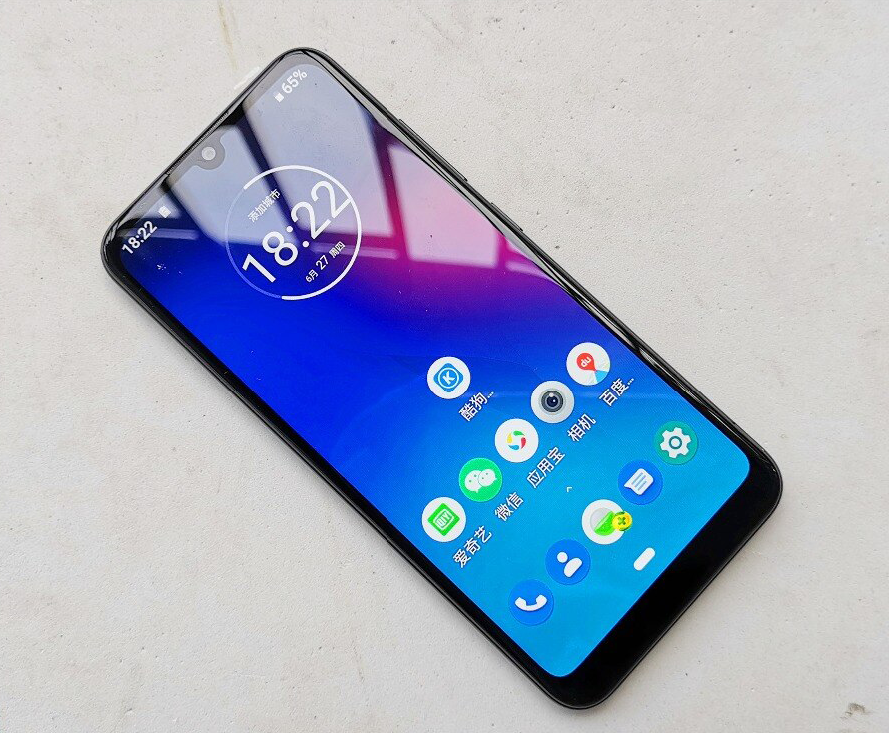
It has been over two months since the Moto E6 Plus was seen on Geekbench but after that nothing has been heard about the phone until today. A couple of high-quality live photos phone have leaked on the web.
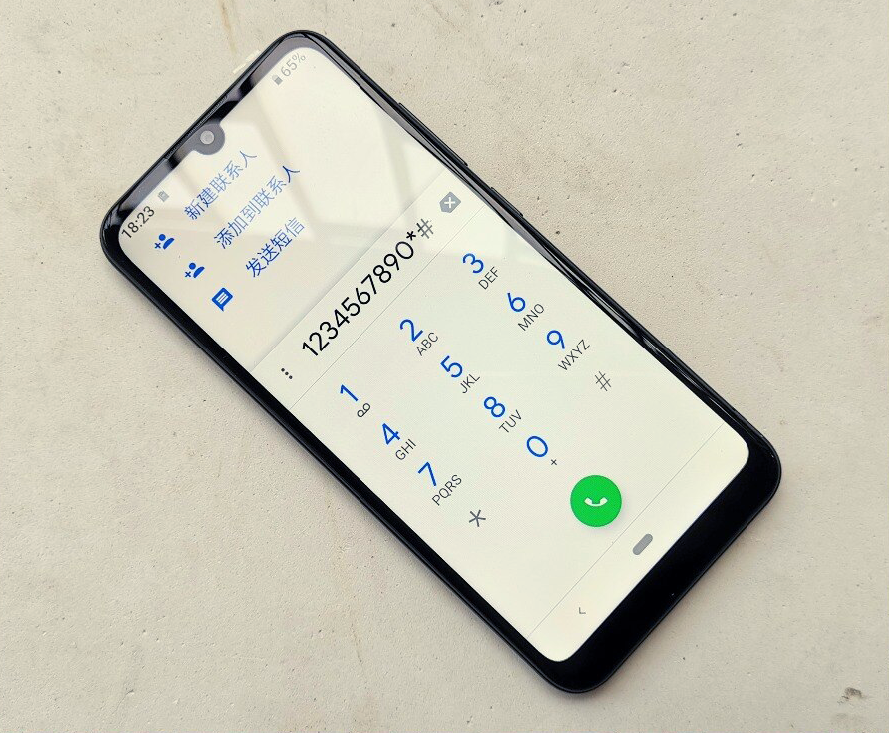
The source of the photos is Roland Quandt (@rquandt) and the photos reveal the Moto E6 Plus will have a waterdrop notch. The bezels are not the thinnest we have seen on a phone, most especially the chin but this is a budget device, so we can’t complain.
1 of 4
Moto E6 Plus
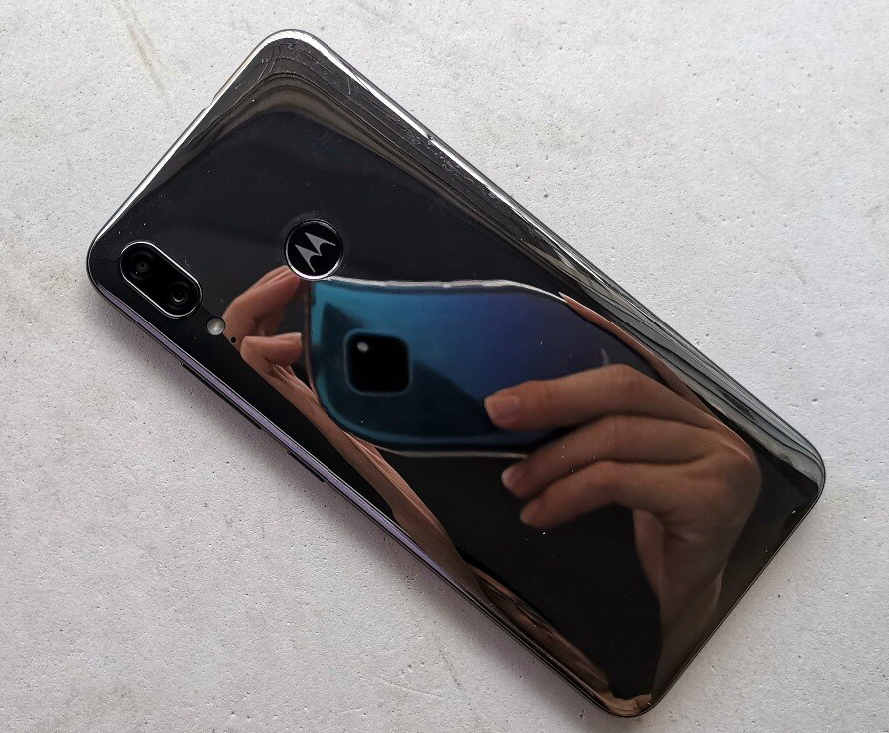
Moto E6 Plus
Moto E6 Plus
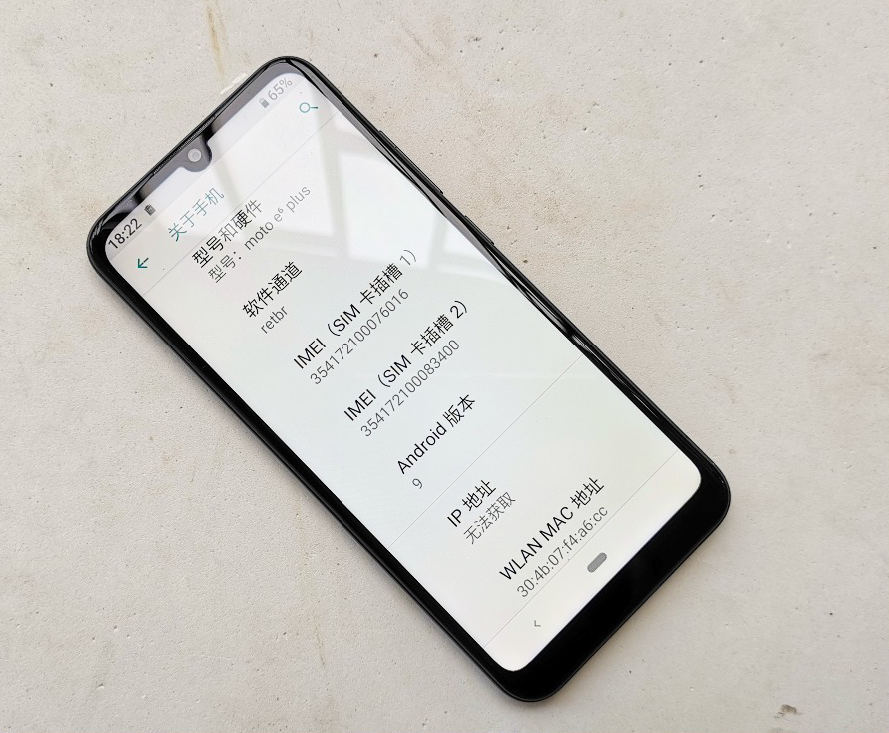
Moto E6 Plus
The back of the phone is home to dual rear cameras but unlike the Moto E5 Plus, the cameras are not in a circular housing but arranged vertically on the left side. The two sensors are housed together while an LED flash and microphone sit below. There is also a fingerprint sensor buried under the Motorola batwing logo on the back. The photos also show the Moto E6 Plus has its power button and volume rocker on the right side of the frame. The back is also very reflective and will be a fingerprint magnet.
The phone will run Android 9 Pie out of the box and will have dual-SIM support. None of the photos show the bottom and top, so we can’t confirm the type of port it has and if there is an audio jack.
Geekbench already revealed that the Moto E6 Plus will be powered by MediaTek’s Helio P22 processor paired with 2GB of RAM. There should be a 3GB RAM version too when it launches. We still don’t know if it will come with a big battery capacity like its predecessor but we expect the worst seeing as Motorola ships the Moto E6 with a smaller battery capacity than that of the Moto E5.
The phone may launch first in China seeing as the version in the photos is the Chinese version. The Moto E6 launched for $149, so the E6 Plus may be priced at $179 or thereabout. But at that price, you are better off buying the Moto G7 Power which has a 5000mAh battery, a Snapdragon 632 processor but a single camera for $184.99.
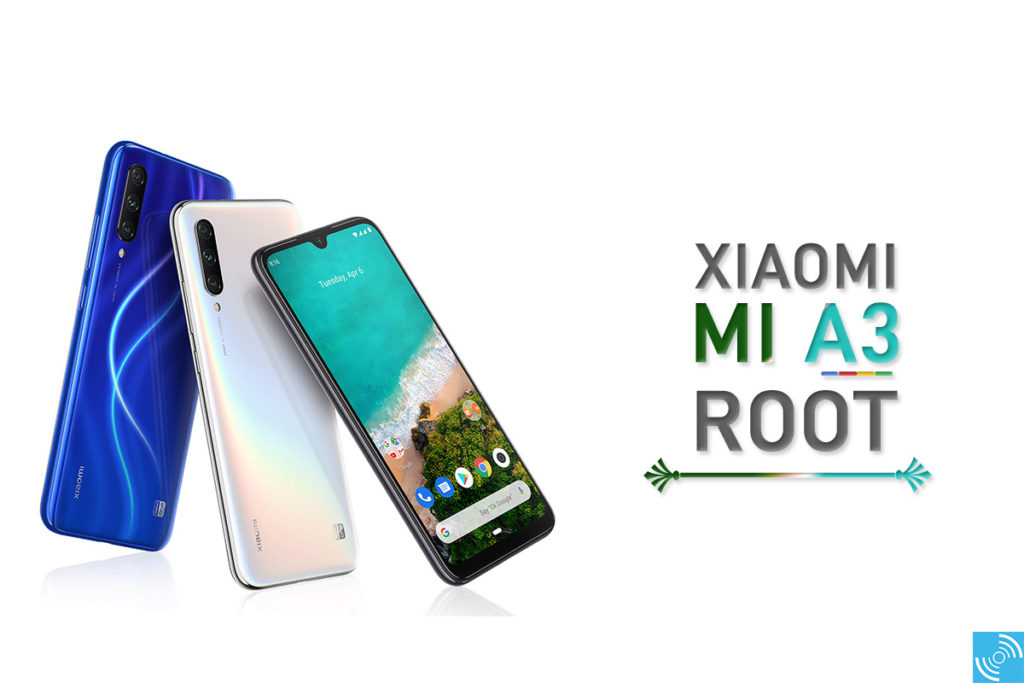
Xiaomi has left the competitors in lurk after announcing the Mi A3 in China, India and other parts of the world. The company keeps surprising users with new smartphones at competitive prices. Xiaomi Mi A3 is also a useful device which is launched recently with decent specifications and affordable pricing. Many users are interested in buying the Mi A3 over the other Android One devices. As like always, the development of the new Xiaomi device has started. A senior developer at XDA has published the patched boot image to root Xiaomi Mi A3 using Magisk.
Xiaomi Mi A3 specification
Xiaomi Mi A3 is a mid-range smartphone with Qualcomm Snapdragon 665 SoC packing an 11 nm Octa-core Kryo 260 CPU at 2.0GHz of clock speed. The Adreno 610 GPU is sufficient to handle the graphics-intensive tasks. The device is available two different storage options of 4GB+64GB and 4GB+ 128GB internal storage. The user can also expand the storage up to 256GB via MicroSD card. A 6.088-inch AMOLED DotDrop display makes it more beautiful with the HD+ resolution of 1560 x 720 pixels. The rounded display corners with 2.5D glass and Corning Gorilla Glass 5 makes it look premium and durable.
In the optical department, Xiaomi Mi A3 carries an AI Triple rear camera featuring a 48 MP primary Sony camera, an 8 MP ultra-wide-angle camera, and another 2 MP depth camera. It is optimized with AI portrait mode, night photography mode, and AI scene detection. A 32 MP AI selfie camera is present in its dewdrop display with the ability of AI face unlock, Panorama Selfie, etc.
Other features include an in-screen fingerprint sensor, hybrid SIM slot 4030 mAH battery supporting QC 3.0 18W fast charging. In connectivity, the phone offers support for WiFi, Bluetooth 5.0, GSM/VoLTE, 3.5 mm audio port, GPS, GLONASS, AGPS, and Beido. It also packs a Gyroscope, Accelerometer, Electronic compass, IR blaster, light sensor, and proximity sensor to make it smarter.
Rooting is an aspect of Android smartphone through which users gain superuser access to the whole Android system on a particular device. It is done to attain full access to the smartphone. It open doors to uninstall the bloatware, flash mods and customize as per need which is typically impossible in the stock configuration.
Advantages
Full control across the device and applications.
Improves customizability
Brings the ability to install custom ROM.
It also brings support for custom themes.
Ability to uninstall bloatware or unnecessary system apps from the phone.
Install custom ROM mods such as Magisk, Xposed and others.
Upgrade to the newer Android version
Disadvantages
It voids warranty
The user won’t be able to receive OTA updates
Risk of bricking the smartphone
It may also lead to poor performance
Now, let’s see how to root the Xiaomi Mi A3 using the patched boot image. Before proceeding further, please set up the environment with the dependencies as mentioned below.
Note: GizmoChina.com is not responsible for any damage to data or device while performing the unlocking. It will also void the device’s warranty and remove all data on the device. You’re proceeding at your own risk.
Download Mi A3 stock boot.img found on this GITHUB.
(Note: Download the boot image file of the respective version of MIUI that is installed on your phone. The link added above corresponds to MIUI v10.3.5.0 as it matches the version on my Xiaomi Mi A3.)
Enable Developer Mode by tapping MIUI version 7 times after heading to the Settings > About Phone.
Also, enable USB Debugging by heading to the Settings>Developer Option and toggle USB Debugging.
Now, connect your phone with PC via the USB cable.
Copy the downloaded boot.img to your phone’s internal (or external) memory.
Also, place a copy of boot.img in your ADB and Fastboot extracted folder.
Download and install Magisk Manager on your phone.
Open Magisk Manager app and patch the file by going to Install > Install (once again) > Select Patch a file and then browse the location where you stored the stock boot.img.
Upon selection, the Magisk manager will patch the boot image and will store it in internal memory/Download/magisk_patched.img.
Move the patched file from your mobile to PC. (Note: place the patched file in the same extracted ADB and Fastboot folder).
If you can’t find the file using MTP mode, you can pull it via below mentioned ADB command:
adb pull /sdcard/Download/magisk_patched.img
Now, uninstall Magisk manager App from Xiaomi Mi A3.
Connect the phone with PC via USB cable. Now flash the patched boot image on your smartphone. Execute the following command:
adb reboot bootloader
After rebooting into the fast boot mode, type the following command to flash patched boot:
fastboot flash boot magisk_patched.img
Just after successfully flashing the fastboot, type the continue command instead of reboot:
fastboot continue
Upon successful boot-up, install Magisk Manager and enjoy the root access.
If you followed all the step accurately, then you would have rooted Xiaomi Mi A3 using patched boot image. If any error pops-up while rooting Mi A3, then do let us know via the comments below.
The method above is strictly for Xiaomi Mi A3. Other devices may get bricked.
The OnePlus TV should arrive in about a month and some few days. There is a lot we already know about the TV from official sources but more details have surfaced now, thanks to a leaked spec sheet.
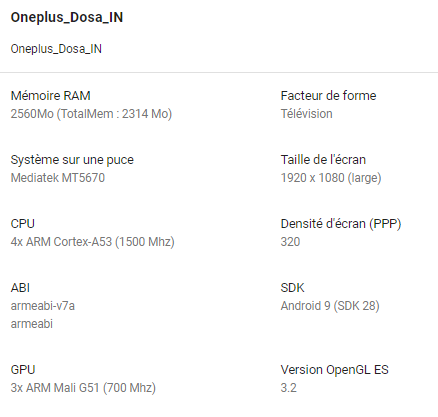
An image which appears to be a screenshot from a Google Play Developer Console page has key specs of the TV listed. Prior to this, a device with the same name was certified by Google on August 22. According to the photo, the OnePlus TV is codenamed “Dosa” and the variant here is for India.
The TV has 2560MB of RAM and it is paired with a MediaTek MT5670 processor. This is a quad-core processor clocked at 1.5GHz. The chipset has an ARM Mali G51 GPU. The resolution is given as 1920 x 1080. The source explains that the TV menu is always in 1080p which is why that is the resolution displayed as OnePlus already revealed it is a 4K panel.
The OnePlus TV will run Android TV 9 but we already know it will be customized by OnePlus, so the UI will be different from that of other devices running stock Android TV 9.
The OnePlus TV will have a 55-inch QLED display. It will launch first in India and Pete Lau says it will have a price tag that reflects it is a premium device. The decision to launch first in India not only stems from the fact that India is its biggest market but also because it already partnered with content providers Nevertheless, it should be more affordable than offerings from LG and Samsung. The OnePlus TV will also be announced in Europe, the USA and China in October.
This is not a one-off project as OnePlus plans to release successors that will bring new features and will be very different from the traditional TV. The OnePlus TV will not only have great quality but also a great user experience said OnePlus CEO, Pete Lau.
It is usually a happy one for phone users when updates are pushed in a prompt manner. That’s how fans of the Honor 20 will likely be feeling right now as Honor has started pushing a new update to the Honor 20 in India.
The phone still runs Magic UI 2.1 so this is just an incremental update and nothing big. It comes with the version number 9.1.0.142 and is 4.16GB in size. The update brings Android’s July security update and some optimization to the Android operating system’s performance and stability.
The Honor 20 series was first launched in May and actually went on sale in June. It is pretty impressive that the Honor 20 is getting its first update quite early. The phone has so far turned out to be a popular one. In just 14 days after they were launched, Honor reported that it had sold 1 million units. The models were launched in India on June 11 and went on sale on June 25. We believe the sales have been impressive despite the uncertainty trailing Huawei’s fate as to the US government trade ban.
The popularity of the Honor 20 will no doubt be driven by a sleek build and powerful hardware, even though the pricing is anything but cheap. The Honor 20 is priced at Rs. 32,999 in India, which roughly converts to $474. The device features the same 6.26-inch IPS LCD panels with full HD+ resolution and a punch-hole design just like the Honor 20 Pro. It comes with a side-mounted fingerprint reader and is powered by Huawei’s own Kirin 980 octa-core chipset.
Xiaomi Mi 9T was released quite some time ago and I’ve been using it for more than 1 month.
The Mi 9T has a great combination of premium design and good specs that include a Snapdragon 730 CPU, 6GB of RAM, 64/128GB of internal storage. Unfortunately, there is no microSD card slot for cheap storage expansion which is one of the flaws of this phone.
I like its design, build, display and many other features. The phone runs on the MIUI 10.3 Global ROM that is loaded with features and customization options but thanks to great optimization by Xiaomi, the phone feels smooth and fast on a daily basis.
The display is one of our favorite features of the Xiaomi Mi 9T. It’s good to see AMOLED panels even on budget/midrange phones like this and we can’t wait to see what manufacturers have in their pipeline moving forward.
Even though the Xiaomi Mi 9T is a really nice and powerful phone, it also has a few shortcomings you need to know before buying. Check out the video review to learn more.
Those who go for inexpensive FPV racing drones usually end up comprising on quality to avoid emptying their pockets.
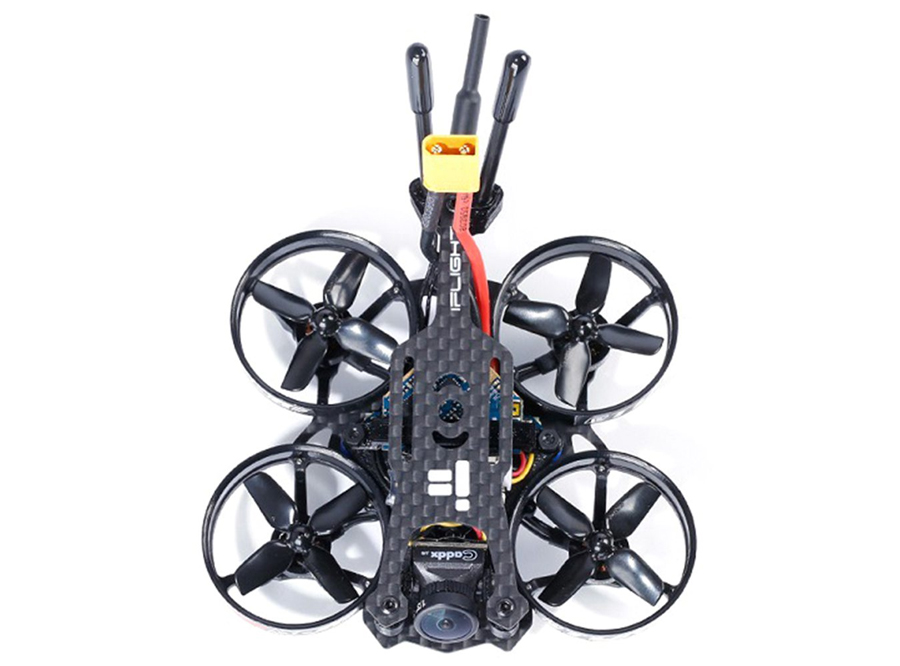
It is no secret that feature-laden FPV racing drones aren’t easy on the pocketbook. Much to the relief of cost-conscious drone enthusiasts, GeekBuying is bent on changing that by offering the amazing iFLIGHT TurboBee 66R 2S Cinewhoop FPV racing drone for a lowered price.
The aforesaid discount is currently available on two versions of the iFLIGHT TurboBee 66R 2S Cinewhoop FPV Racing Drone, including one that comes with a Frsky XM+ Receiver and the other that has a Frsky R-XSR Receiver. We will even show how you can save more money at checkout.
Backed by an iFlight BeeMotor 0802 12000KV 1-2S, the TurboBee 66R with XM+ Receiver would normally set you back a pretty penny on both online, as well as offline stores. GeekBuying is now doling out a noteworthy 37 percent discount to reduce the retail price of the drone to just $122.99.
Without this noteworthy discount, the TurboBee 66R would set you back $194.99. Aside from grabbing this great discount, GeekBuying users can apply coupon code 3LPNWXXU for an extra $6 off.
You can get your tech greedy hands on the iFLIGHT TurboBee 66R 2S Cinewhoop FPV Racing Drone – Frsky XM+ Receiver for a considerably lowered price of $116.99 after using the coupon code, which is likely to expire soon. Note that the promo was also on the verge of wrapping up at the time of writing.
You can visit this link to avail the discount and take advantage of the coupon before it expires.
Usually carrying a steep $211.99 price tag, this TurboBee 66R version uses a Frsky R-XSR Receiver. It might interest those who have restlessly been waiting to buy this model that GeekBuying is now offering it for a lowered price of just $129.99.
As if that weren’t enough, you can extend this 39 percent discount by applying coupon code 3LPNUQH8, which helps you grab an extra $4 off.
In other words, you can bring the original asking price of the iFLIGHT TurboBee 66R 2S Cinewhoop FPV Racing Drone with Frsky R-XSR receiver further down to $125.99 before clicking the ‘Place your Order’ button.
You can head straight to this link to avail the discount. Note that the promo will come to an end soon and the aforesaid coupon will also lapse shortly.
Following in the footsteps of leading handset manufacturers, more and more mobile phone manufacturing companies are now adopting triple-camera setups for their flagships.
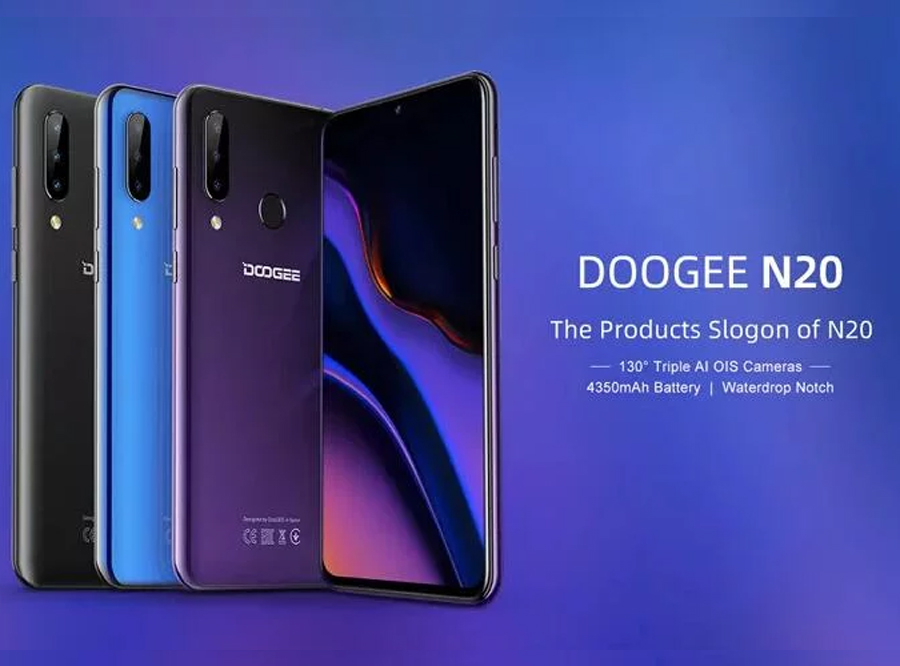
The latest brand to join the triple camera setup bandwagon is DOOGEE. The brand, known for offering high-performance products recently announced the presale kick-off of the DOOGEE N20, it new mid-range flagship.
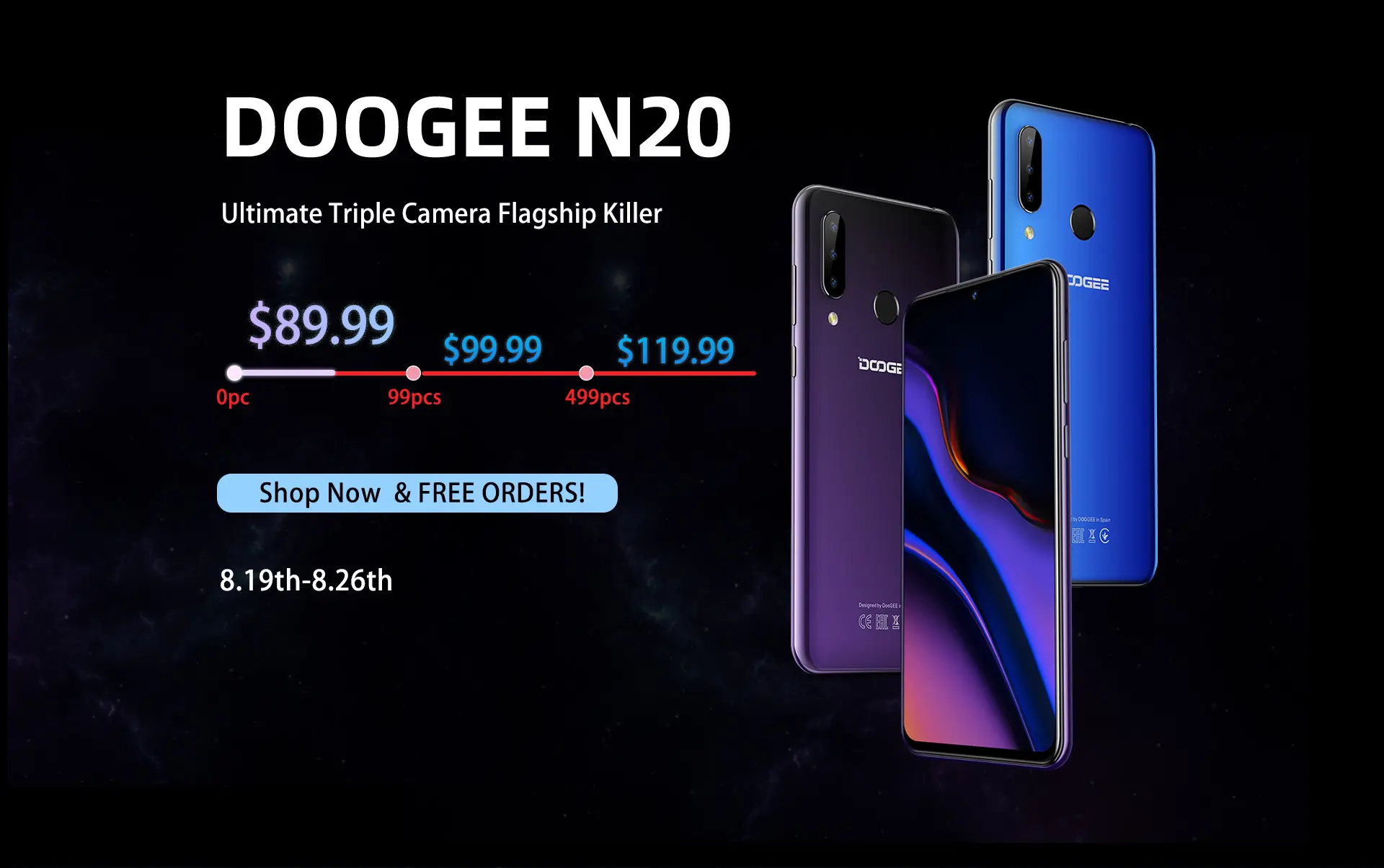
Marketed as the ‘ultimate triple-camera flagship killer,’ the DOOGEE N20 can now be yours for a lowered price. Banggood has teamed up with DOOGEE to launch the Banggood DOOGEE N20 Phone Promotion, wherein the Chinese online store will be offering the recently unveiled phone for an unbeatable price.
Equipped with 4GB RAM+64GB ROM, the DOOGEE N20 would normally set you back a pretty penny, but Banggood is giving loyal users to get their hands on the first 99 pieces for a lowered price of just $89.99. The rest of the 499 pieces will carry a $99.99 price tag, while the remaining units will sell for $119.99.
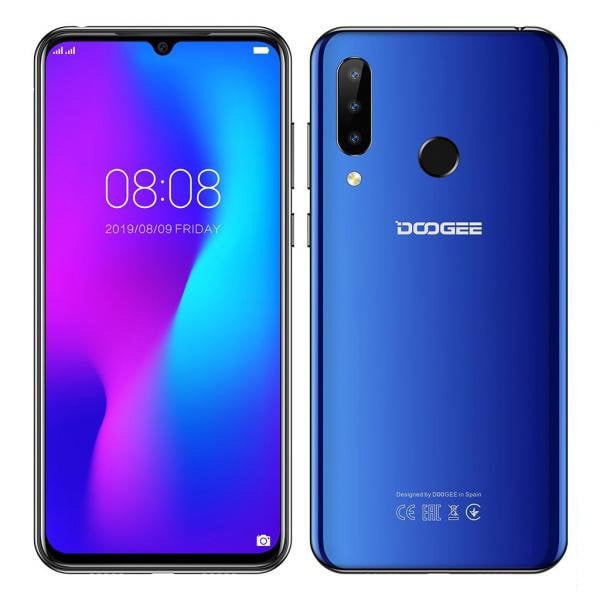
The DOOGEE N20 comes in three eye-catching color options including black, blue and purple. You can choose between the EU version, RU version and Other Area version based on your location.
It is worth mentioning here that the 4GB RAM+64GB ROM DOOGEE N20 variant carries a $158.59 price tag without the aforesaid discounts. Moreover, those who end up shelling out more than $19.99 on the activity page will qualify for free shipping.
The Banggood DOOGEE N20 Phone Promotion, which was launched on August 19th also offers a chance to get the DOOGEE N20 for free. To take advantage of this offer, all you need to do is to buy the handset. Banggood will randomly select one customer to win one piece per day until August 23rd.
Lucky customer who wins the DOOGEE N20 will be notified via email once the promotion comes to an end. Note that there are five free orders in total. The activity page features a video showing how you can win giveaways.
Here are the top reasons you should consider buying the DOOGEE N20:
6.3 Inch FHD+ Waterdrop Display with 2280 x 1080 pixel resolution
Face ID + fingerprint sensor
Triple rear camera setup comprising 16MP+8MP+ 8MP sensors
4GB RAM/64GB ROM
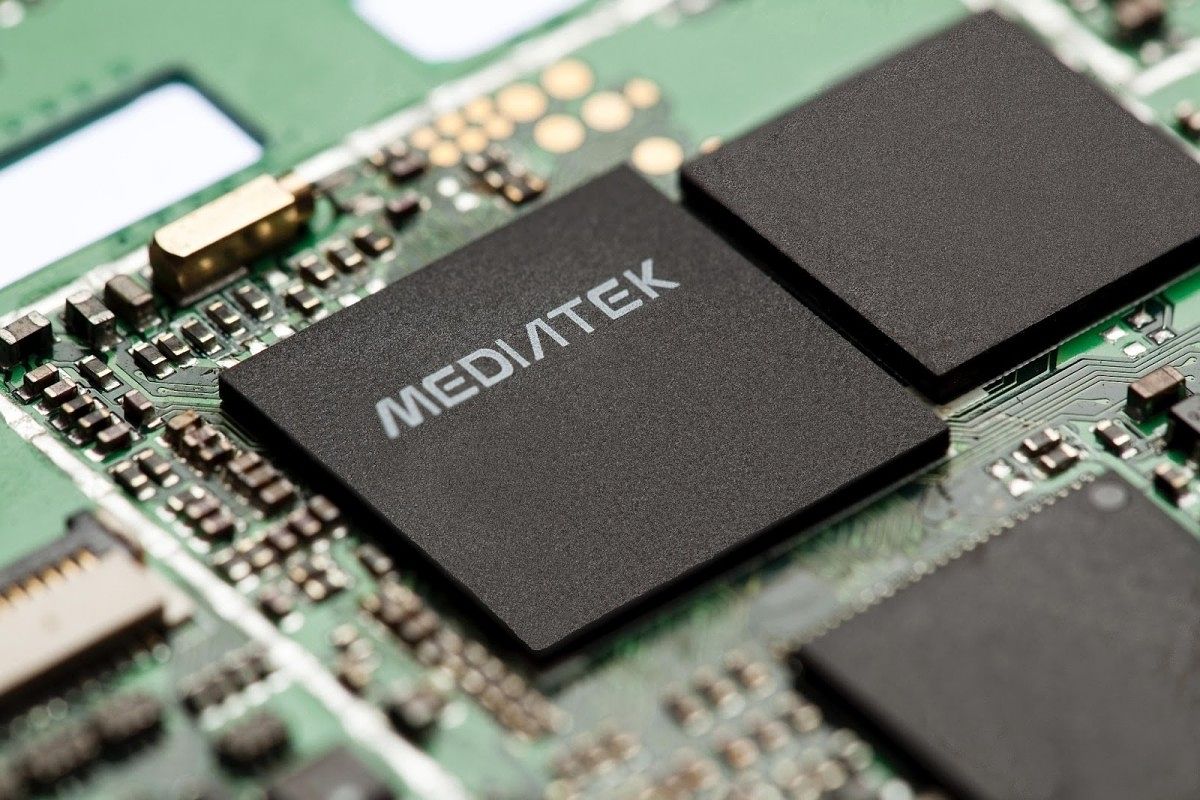
MediaTek Helio P23 processor
4350mAh big battery with 10W fast charging
Android 9.0 Pie
You can head straight to the promotion page by following this link. Note that the promo is slated to end on August 26th.
Taiwanese fabless semiconductor manufacturer MediaTek has disclosed that it plans to increase investment in research and development (R&D) as well as brand awareness. This is in a bid to be in a good position to compete as more Chinese smartphone OEMs venture into manufacturing their own chipset.
In an interview granted in Shenzhen on Wednesday, the company’s president, Joe Chen stated, “MediaTek needs to stay ahead and offer the best technology even if this phase reverses.”
Guess the Taiwanese company isn’t taking any chances this time around. It could be recalled that MediaTek used to compete with US chip giant Qualcomm in the chip market, including flagship chipsets. Bt that as changed as the company lost out completely to Qualcomm in the high-end market. It later shifted its focus to the midrange and budget chip market and that paid off. The company chipset is used on smartphones as well as home appliances such as TVs. Its smartphone chip business generates about a third of overall group revenue, with most of its sales coming from Android phone makers, especially those in China.
In recent times, the trade war with e US has led to China’s President Xi Jinping calling for greater self-sufficiency in strategic industries such as semiconductors. Already, Xiaomi has its own chipset, the Surge S1. OPPO, currently ranked as the second-largest smartphone vendor in China has started to develop its own chips, according to several Chinese media reports, citing unidentified sources. That has not been confirmed by OPPO. Huawei has already attained self-reliance status with its Kirin chipsets.
MediaTek is also working seriously to get its 5G chipset up and running as a way to re-enter the high-end market. “We’ve never given up on the high-end market and are striving to develop all the necessary technologies to stay competitive,” said Yenchi Lee, senior director of product marketing for MediaTek’s wireless business, in a telephone interview on Tuesday. MediaTek’s 5G chipset is expected to be rolled out in the first quarter of 2020. The good thing about it is that it aims to help vendors bring down the retail price of 5G phones below 2,000 yuan (US$283) in the second half next year.
A few days after going on presale, the first hands-on video of Ulefone T2 has appeared online. The video is showing some exceptional capabilities of the device. Before buying, it is necessary to look at the hands-on video to evaluate the actual performance and look of the device. Let’s see how thin bezel device fares in the real-world scenarios.
Ulefone has prepared a beautifully crafted device flaunting its thin bezels. The company has added a 6.7-inch ultra-large SHARP notch display with the resolution of 1080 x 2280 pixels and 98% NTSC ultra-wide color gamut. The bright and colorful display allows users to enjoy the broader viewing experience. In connectivity, it comes with a GPS, Bluetooth 4.2, WiFi, OTG, and VoLTE support. The 3D glass back cover, and the gradient colors make the device look elegant and attractive.
It is powered with MTK Helio P70 AI chipset which can efficiently handle high-resource using apps and games. It is coupled with 6GB RAM and 128GB Internal Storage to aid multitasking without any issue. It can simultaneously execute operations like playing an online game, listening to music, browsing social media, and sending messages on WhatsApp.
In optics, the device hosts a dual-camera module with a pair of 16-megapixel + 8-megapixel rear sensors. The Helio P70 SoC helps the device to capture beautiful pictures with its high-resolution depth engine. On the front, there’s an 8MP front camera for stunning selfies and video calling. It runs on Android 9.0 Pie with the smarter, faster, and smoother user interface.
The users need not worry about the battery backup, as its 4200 mAh battery is sufficient for a full day of extensive use. The NFC capable device offers the ability to use Google Pay, and it also comes with a Hi-Fi audio chip and global frequency bands.
The device is already on presale from the past few days, and if you’re interested then do book it before August 28 for $269.99 $300. Ulefone is offering a $30 discount for users who buy it on the presale from Banggood. Ulefone T2 is available on presale in two different color options of Glacier Blue and Bordeaux Red. The company is giving an extra gift bag along with a phone case and protective film.
Surprisingly, users can also enter the giveaway to win the Ulefone T2 for free. You can know more about the giveaway by visiting the official website.
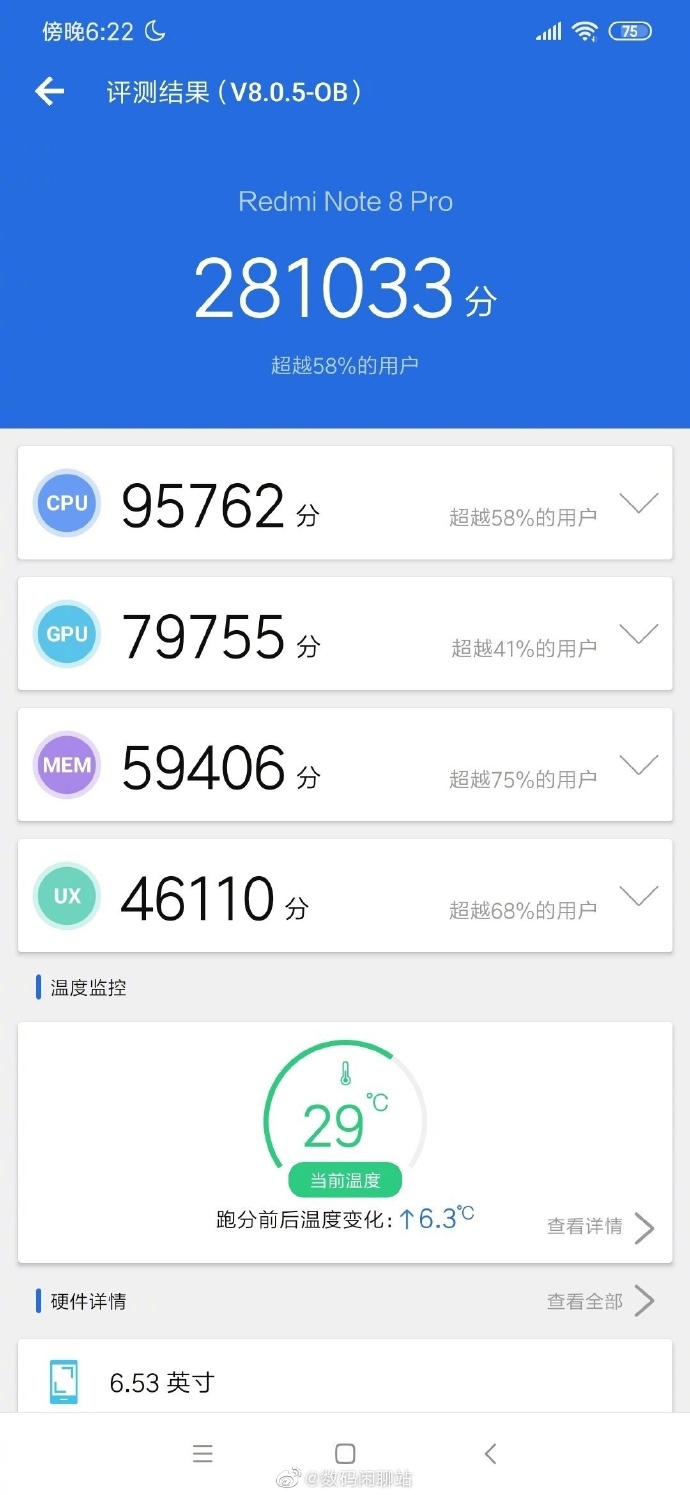
The upcoming Redmi Note 8 Pro is expected to be the first phone to feature the latest MediaTek Helio G90T chipset. Ahead of the launch on August 29, what is listed as the AnTuTu score of the Redmi Note 8 Pro has appeared online.
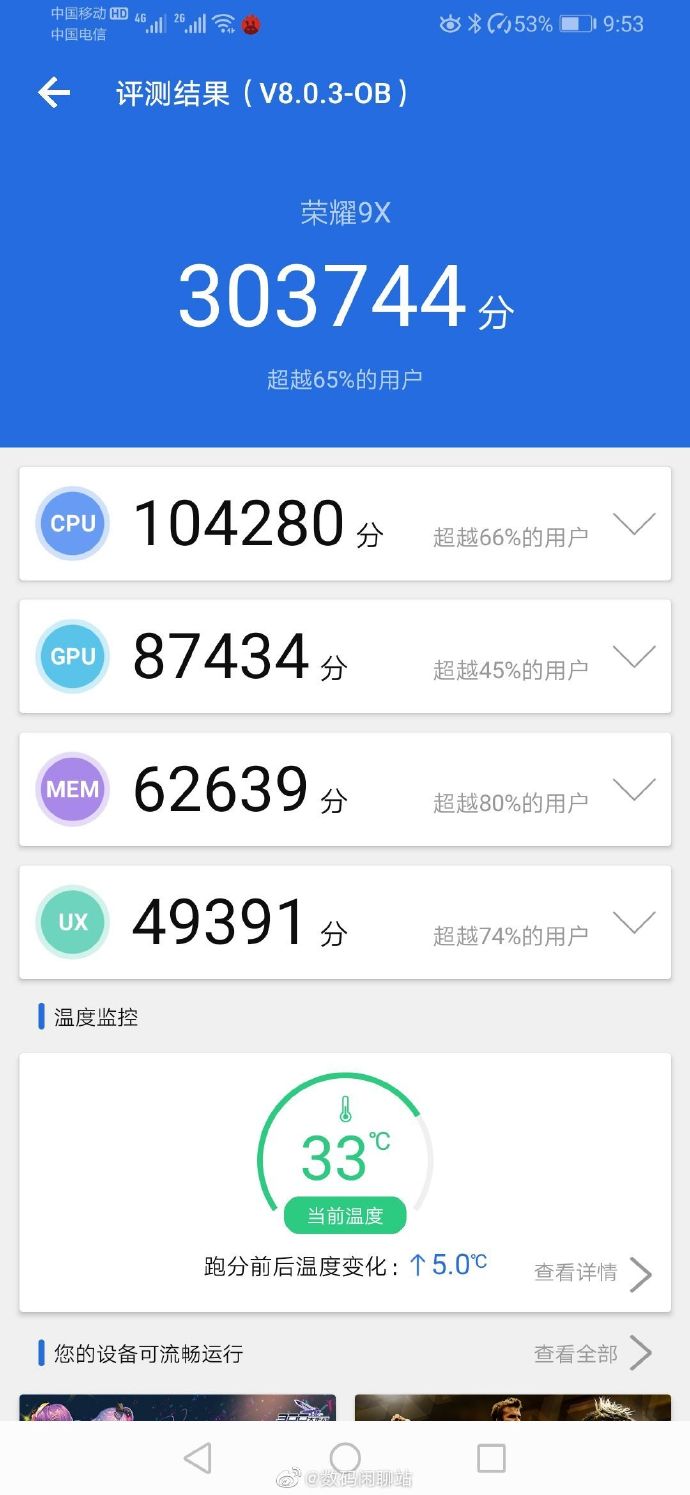
The device is said to have raked in a total score of 281,033 points on AnTuTu. This is way higher than the 222,282 points score of the Helio G90 chipset which had earlier leaked. What makes this unbelievable is that it is compared with a second screenshot said to be the Kirin 810-powered Honor 9X AnTuTu score given as 303,744 points. This is in contrast to the AnTuTu score of the Kirin 810 given as 237437 points. However, this looks genuine and is similar to an earlier leak which tipped the Kirin 810 score to be 301419 points and 283,333 points for the Redmi Note 8 Pro. If this is true, the Helio G90T looks like an impressive SoC for a mid-range phone. It is noteworthy that the score is way higher than that of the Snapdragon 710.
The Helio G90T is built on the 12nm FinFET node design. It features two Cortex-A76 cores clocked at 2.05 GHz and six Cortex-A55 cores clocked at 2GHz, in an octa-core arrangement. It includes ARM Mali G76 graphic processing unit clocked at 800MHz and having support for 21:9 aspect ratio display, 90Hz refresh rate, HDR10 standard, up to 10 GB of LPDDR4X RAM and UFS 2.1 storage.
The Helio G90 series of chipsets support HyperEngine for improved connectivity between a smartphone and a cellular network. There is Dual Wi-Fi connection support that allows the phone to connect to two Wi-Fi networks at the same time. Its other features include Call and Data Concurrency, Resource Management Engine and a Picture Quality Engine.
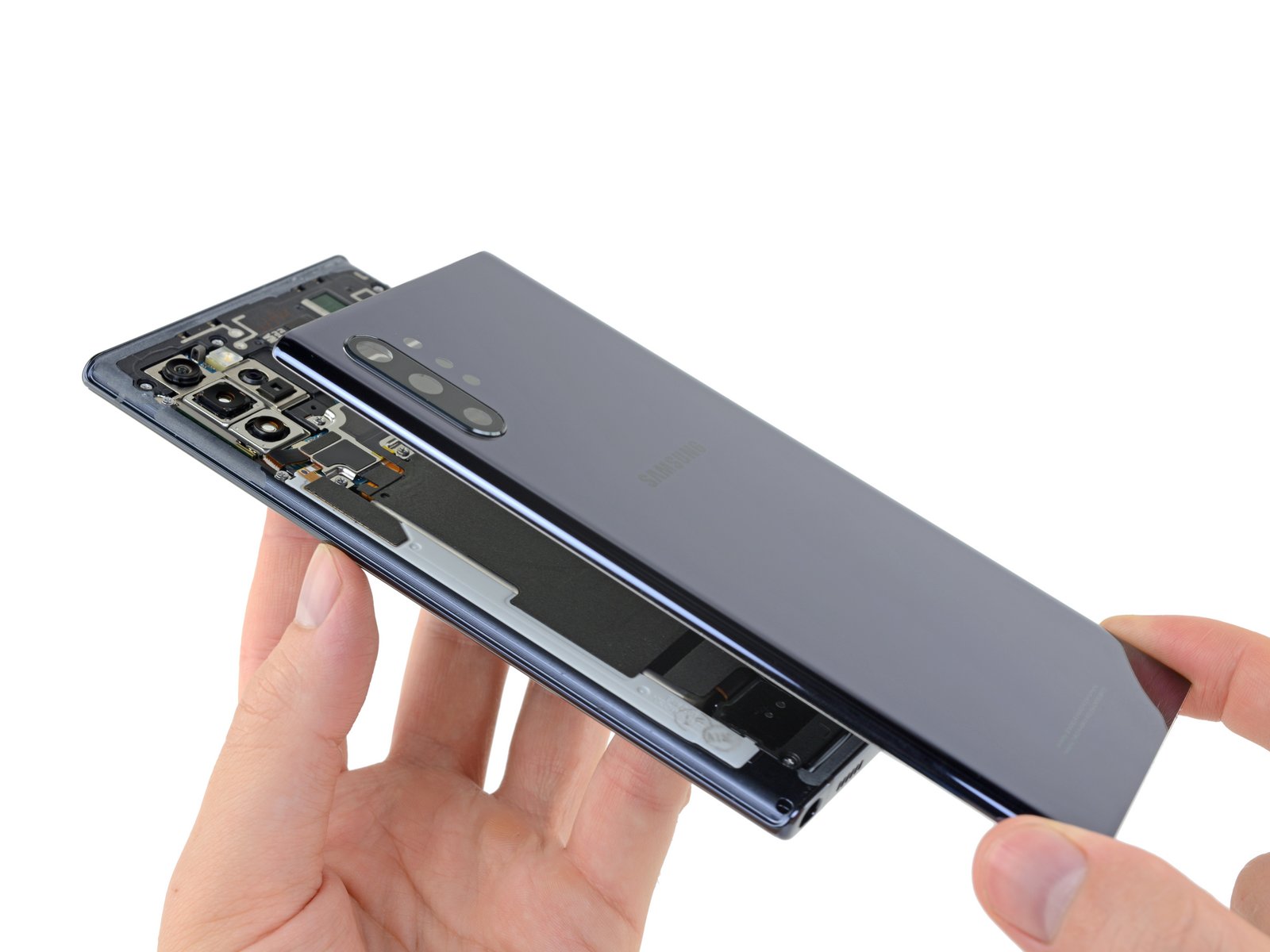
Samsung’s Galaxy Note lineup never really fared well for its repairability. Last year’s Galaxy Note 9 got a poor score of just four out of 10 in iFixit’s repairability score. However, according to the latest teardown by iFixit, the new Galaxy Note 10+ 5G takes its internals to a whole new level. It’s the worse of the lot, scoring only three out of ten for its repairability.
Source: iFixit
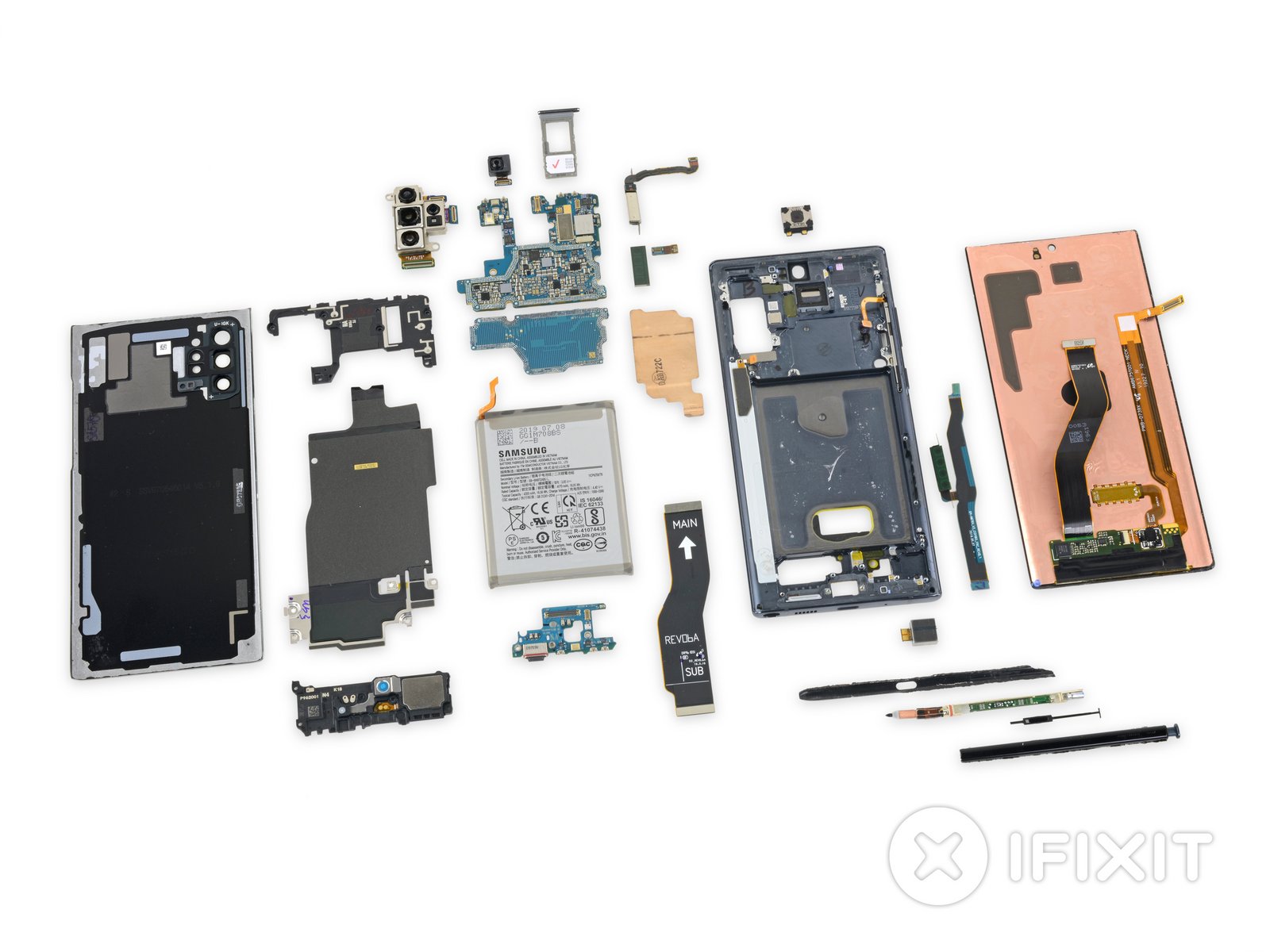
Why the low score you ask? Well, everything seems to be glued down inside the phone, right from the back cover to the battery, which is now wider than before. The biggest change inside the new Note 10+ 5G is the use of a stacked motherboard (similar to Apple) in order to save space. But this makes for a trickier mother and daughterboard connection which forced Samsung to use “annoying interconnect cables” (as iFixit puts it) which further block access to the battery.
Another notable change inside was the use of the square-ish vibration motor instead of the regular circular one found on its predecessors. iFixit notes that this should result in better haptics on the new model. You’ll also find three mmWave antenna modules inside for 5G, two on each side of the phone and one facing the screen.
Source: iFixit
But what gave this phone the worst repairability score is the mess you have to go through for something as simple as replacing its beautiful display. iFixit says that the Note 10+ 5G will either require a complete teardown or you’ll have to replace half the phone just to change its 6.8-inch screen! That’s too much of a hassle and it practically kills any possibility of doing it yourself.
In short, the Galaxy Note 10+ 5G is an amazing smartphone as long as you don’t break it.
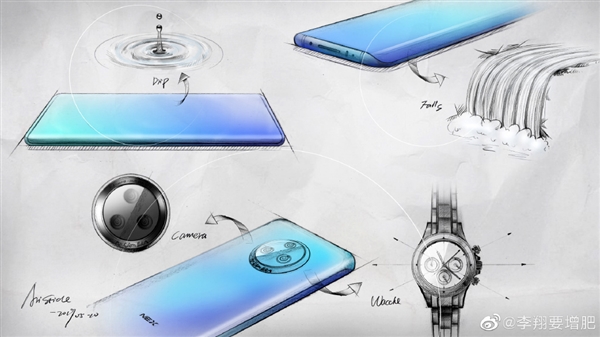
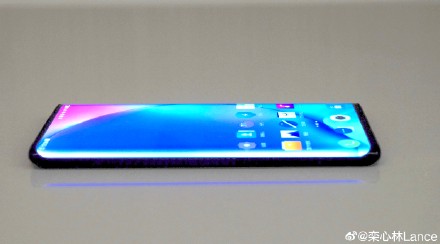
Vivo’s product manager Li Xiang has been busy teasing the upcoming Vivo NEX 3 flagship. The NEX lineup has been special so far featuring interesting models such as the dual-screen Vivo NEX 2 or the original Vivo NEX which featured the world’s first pop up camera! The new NEX 3 is going to retain the same level of interest as its predecessors because it comes with a curved display with a very high screen to body ratio and what’s being called as the ‘waterfall screen’. And now, Vivo seems to be ready for the official announcement of the phone on Monday.
Vivo NEX 3 sketch
Earlier today, Vivo’s official NEX series Weibo account posted the following: ‘See you next Monday’. If that wasn’t enough of an indication for us to mark the day, Vivo’s own profile forwarded the same post and said ‘Ok, see you next week’. Given the timing of these posts, it’s being said that the company will announce the launch event for the NEX 3 on Monday. Ideally, it should be around mid-September but we’ll have to wait for an official date till next week.
The Vivo NEX 3 is confirmed to feature a high screen-to-body ratio with a waterfall display that’s curved on both sides. We can see bezels on the top as well as the bottom of the phone, so it’s not going to be a 100% bezel-less display as previously reported. Also, the image of the phone shows no notches or cut out cameras on the screen which could hint that it features a pop-up camera just like the first NEX series model. There are rumors about an in-display camera too but that’s highly unlikely. Even OPPO confirmed earlier that it hasn’t perfected this technology yet.
The NEX 3 is expected to feature the new Snapdragon 855 Plus processor with 5G support. The rear camera setup will be housed in a circular housing. The phone will also come with a headphone jack unlike other flagships in the market today.
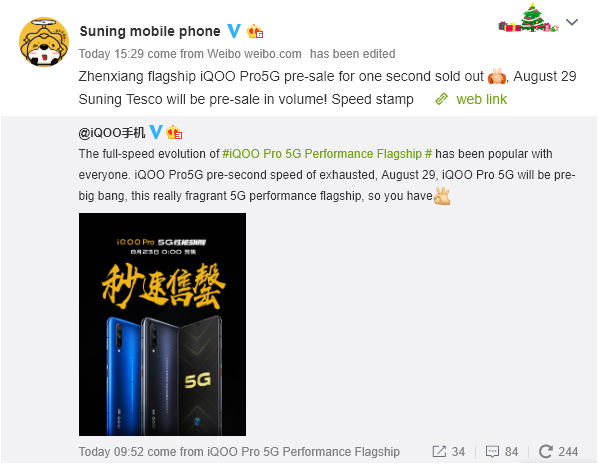
Vivo‘s iQOO Pro 5G smartphone was launched on August 22 alongside a 4G variant. The phone is the first 5G mobile phone from Vivo’s sub-brand and features the latest Snapdragon 855 Plus processor. It also comes with a fairly cheap price tag of ¥3198 (~$452) for the 8GB + 128GB variant.
The design, hardware and pricing of the iQOO Pro set it up to be a highly sought after model. The 4G version was opened for pre-orders on Suning Tesco on the same day and is billed to go on sale on August 29. While the presale for the 5G version opened today with the 5G version scheduled to go on sale on September 2. Suning mobile phone has come out to announce that the pre-order exercise was done and dusted in just 1 second! iQOO also confirmed this but we can’t figure out how that could happen. It is possible, though, that the company was only open to accepting pre-orders based on the number of units expected for the first batch of sales. As usual, the number of pre-orders wasn’t revealed. So, it is safe to accept this as one of the regular marketing gimmicks. Make no mistake, though, the iQOO Pro 5G will be a hot-selling phone.
The iQOO Pro features a 6.41-inch Super AMOLED display with FHD+ resolution of 2340×1080 pixels. The phone also has a 12GB RAM+256GB storage variant. There is a Sony IMX582 48MP primary camera on the back along with a 13MP 120° ultrawide angle camera and a 2.0MP depth sensor. While at the front there is a 12MP sensor. The phone comes with features like AI Scene 2.0, 2.5CM macro photography and AI Portrait.
The iQOO Pro equally packs a 4500mAh battery under the hood with support for Vivo’s 44W Super FlashCharge technology. The phone runs Monster UI based on Android 9 out of the box. There is also the Jovi Assistant with IoT on board too, NFC with Vivo Pay, and the new Turbo Network Acceleration technology that allows you to connect to two Wi-FI connections at the same time (2.4GHz + 5GHz). The iQOO Pro also has an audio jack along with a dedicated audio chip for Hi-Res audio.
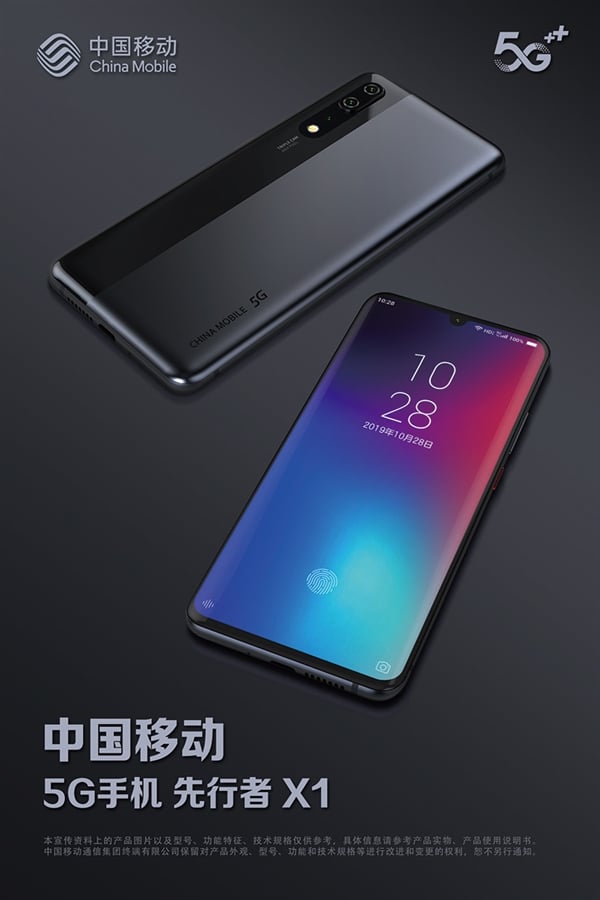
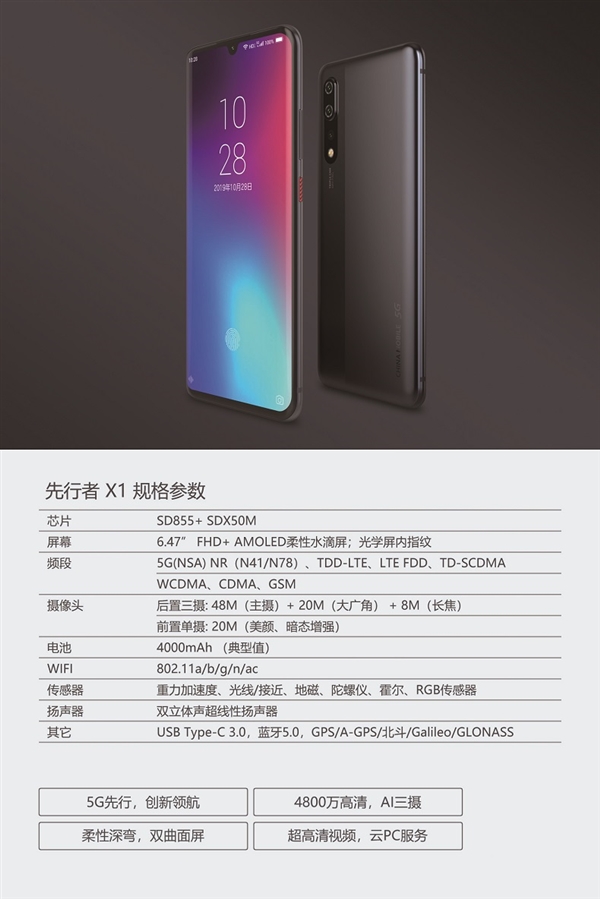
A recent report by Strategy Analytics says China is key to the growth of the 5G market in 2020. Chinese OEMs are rapidly keying into the 5G drive and a good number of 5G phones have actually gone official in China. China Mobile has joined the train with the launch of the Pioneer X1, its first 5G phone. The phone is presently available to pre-order on Jingdong and Tmall for a staggering 4988 yuan ($704).
China Mobile Pioneer X1 is powered by a Qualcomm Snapdragon 855 chipset which means it packs the Snapdragon X50 modem. The phone packs a 6.47-inch AMOLED display with a waterdrop notch. The display supports FHD+ resolution and also houses an on-screen fingerprint scanner. Housed inside the waterdrop notch is a powerful 20MP camera.
At the rear, the Pioneer X1 features a triple camera setup comprising of a 48MP f/1.8 main camera, a 20MP wide-angle lens and an 8MP telephoto lens. The flagship model comes with just 6GB of RAM and 128GB of internal storage.
It gets its power from a non-removable 4000mAh battery. The phone comes with 802.11ac Wi-Fi, dual stereo super linear speakers, and USB Type-C 3.0 interface. The phone equally packs a 3.5mm audio jack and NFC.
We use cookies on our website to give you the most relevant experience by remembering your preferences and repeat visits. By clicking “Accept”, you consent to the use of ALL the cookies.
This website uses cookies to improve your experience while you navigate through the website. Out of these, the cookies that are categorized as necessary are stored on your browser as they are essential for the working of basic functionalities of the website. We also use third-party cookies that help us analyze and understand how you use this website. These cookies will be stored in your browser only with your consent. You also have the option to opt-out of these cookies. But opting out of some of these cookies may affect your browsing experience.
Necessary cookies are absolutely essential for the website to function properly. This category only includes cookies that ensures basic functionalities and security features of the website. These cookies do not store any personal information.
Any cookies that may not be particularly necessary for the website to function and is used specifically to collect user personal data via analytics, ads, other embedded contents are termed as non-necessary cookies. It is mandatory to procure user consent prior to running these cookies on your website.