Earlier this month, Xiaomi took the wraps off its second gaming laptop – the Mi Gaming Laptop 2019, which comes with an impressive set of specifications. Today, the Mi Gaming Laptop 2019 will be officially available for purchase in China through JD.com at 10:00 AM local time, for a starting price of ¥7,299, roughly $1,037.
The laptop comes in three models based on their configuration. The base model with 9th Gen Intel Core i5-9300H processor, NVIDIA GeForce GTX 1660 Ti, 8GB DDR4 RAM, and 512GB PCIe SSD is priced at ¥7,299 (~$1,037).
There’s another model priced at ¥8,399 (~$1,037) that packs 9th Gen Intel Core i7-9750H processor, NVIDIA GeForce GTX 1660 Ti, 16GB (2 x 8GB) DDR4 RAM, and 512GB PCIe SSD. The high-end model has the same specs but packs NVIDIA GeForce RTXTM 2060 and is priced at ¥8,799, roughly $1,250.
The Mi Gaming Laptop 2019 looks similar to the last year’s model and comes with the same number of ports and vents, a 15.6-inch display with the same bezel size, and the exact keyboard layout.
The 15.6-inch display offers 81 percent screen-to-body ratio and 72% color gamut as well as 144Hz refresh rate for much smoother gameplay. All the model have dual-band WI-Fi, Bluetooth 5.0, 2 x 3W speakers, Dolby Audio, and a 1MP HD webcam.
Coming to the ports, there are 4 x USB 3.0 ports, 1 x Ethernet port, 1 x microphone port, 1 x headphone jack, 1 x HDMI output port, and a 3-in-1 card reader. Although the dimensions are still the same (364 x 265.2 x 20.9 mm), the 2019 version weighs a tiny bit less at 2.6kg against last year’s model which is 2.7kg.
The Mi Gaming Laptop 2019 comes with 4-color LED-backlit keyboard with 3 different modes, a glass touchpad with multiple gesture control, and ships with Microsoft‘s Windows 10 Home pre-installed. It has a 55Whr battery that is claimed to provide up to 4.5 hours of video playback, 4 hours of video streaming, and 4.5 hours of web browsing.
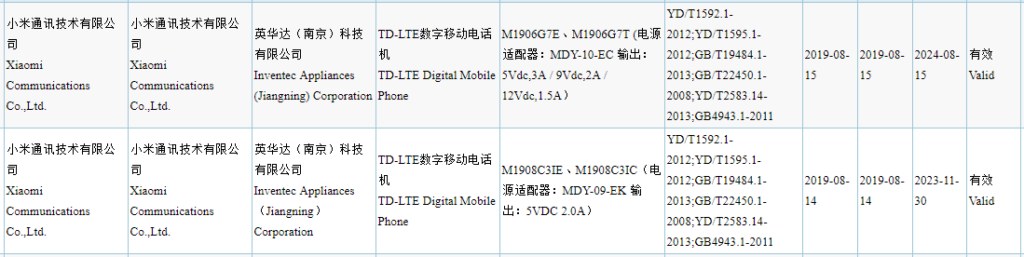
Redmi General Manager had recently confirmed that the company is working on Redmi Note 8 series. It is believed that the Redmi Note 8 or Note 8 Pro may come equipped with a 64-megapixel quad camera system. Two new devices have appeared on 3C authority. One of them carries support for 18W fast charging. It is being speculated that it could be the upcoming Redmi Note 8 smartphone.
As it can be seen in the below shown screenshot, an unknown Xiaomi phone with M1908C3IE and M1908C3IC variants have been certified by China’s 3C authority. The listing further reveals that the phone may come equipped with MDY-09-EK charger that supports only 5V/2V (10W) charging.
The other phone has variants such as M1906G7E and M1906G7T. Its 3C certification reveals that it could be shipped with MDY-10-EC charger that supports up to 18W rapid charging. Probably, this smartphone could be Redmi Note 8 or Redmi Note 8 Pro handset. There is a possibility that it could be an entirely different device. Hence, it is advisable to wait for further reports to confirm on the exact identities of M1908C3IE/C and M1906G7E/T smartphones.
Rumors are rife that the Redmi Note 8 could be arriving as Redmi’s first phone with 64-megapixel quad camera setup. Speculations are rife that the smartphone will continue to sport a waterdrop-style notch screen like the predecessor Redmi Note 7 smartphone. The handset could be either be featuring a side-mounted fingerprint sensor or an in-display fingerprint scanner.
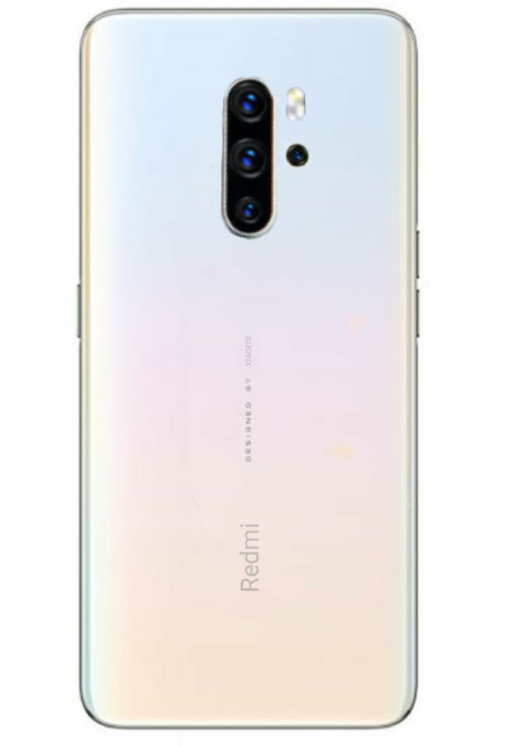
Shown above is the render of the alleged Redmi Note 8 smartphone. It shows that the phone is equipped with a quad camera setup. There are three camera sensors arranged vertically and on their right is an LED flash and a fourth sensor. It could be the first smartphone ever to feature the gaming centric MediaTek Helio G90T chipset. No other details of the Redmi Note 8 are known yet.
Redmi is expected to release Redmi Note 8 and Note 8 Pro as successors for the popular Redmi Note 7/7S and Note 7 Pro phones that were released in the first half of the year. The Redmi Note 8 series may receive fierce competition from Realme 5 and Realme 5 Pro smartphones. Realme is expected to release 64-megapixel Realme X Pro smartphone powered by Snapdragon 855+ by October. It is believed that Redmi is also working on an upgraded version of the Redmi K20 Pro to take on the Realme X Pro. The upgraded Redmi K20 Pro is speculated to feature 64-megapixel camera and SD855+.
Last year, the Huawei P20 Pro was adjudged to be the best smartphone in Europe by EISA (Expert Imaging and Sound Association). This year’s edition of the award has been announced and the Huawei P30 Pro this time around still emerged as the best smartphone. The P30 Pro is the successor to the P20 Pro. Apart from the P30 Pro, other winners include the Honor 20 Pro, OnePlus 7 Pro and Redmi Note 7. The winners were selected by 61 experts from tech magazines from 29 countries across the globe.
There is no doubt that the Huawei P30 Pro is an amazing device. Until recently, the P30 Pro’s camera was crowned as the best by DXOMark and even no, it still ranks among the top 3. Apart from the camera, the P30 Pro also came with several amazing features.
The award is a confirmation of Huawei’s dominance in terms of smartphone design and features. The Honor 20 Pro also bagged an award as the best “Lifestyle smartphone”. The Honor 20 Pro isn’t a flagship model but it comes with a spectacular gradient 3D glass finish paired with its flagship-grade camera and amazing price tag.
The OnePlus 7 Pro isn’t a surprise addition to the list considering that got all the juice you need in a perfect flagship model. Stuff like the Snapdragon 855 chipset, up to 12GB RAM and UFS 3.0 storage with a large curved, bezel-less display. There is even a pop-up camera.
Another surprise winner is Xiaomi’s Redmi Note 7. The device clinched the awarded as the “Best buy” smartphone and that is as a result of its feature-packed specs sheet featuring a dual-glass design, Snapdragon 660 chipset, 48MP camera and 4,000 mAh battery.
All awards will be presented during a gala ceremony at IFA Berlin
A new Redmi smartphone with quad camera setup featuring the all new 64-megapixel Samsung ISOCELL GW1 as primary sensor will be launching in the last quarter of this year. Redmi General Manager Lu Weibing took to Weibo to share a video to confirm that the mass production of the device has already started. The video reveals the arrangement of the four camera sensors. A new render of the purported Redmi Note 8 smartphone featuring a quad camera setup as shown in the official video is now doing rounds on Weibo.
As it can be seen in the above video, the unnamed handset that is believed to be the Redmi Note 8 features a three vertically placed camera sensors and a fourth one positioned on the right. The innards of the phone shows that it does not feature a pop-up camera module. It indicates that the frontside of the phone may feature a waterdrop notch. Also, the fingerprint scanner is not visible on the backside of the phone.
Weibing has claimed that the mass production of the Redmi phone with 64-megapixel quad camera setup began around half a month back. However, he did not reveal any details on the specifications of the smartphone.
A render of the purported Redmi Note 8 has been created based on the video released by Weibing. Based on the imagination of the designer, the alleged Redmi Note 8 is shown with a gradient colored rear panel.
The image shows the placement of triple camera setup in the upper half of the device with an LED flash and fourth sensor placed alongside it. There is no fingerprint scanner on the rear side of the device. Hence, it appears that the phone could be either featuring a side-mounted fingerprint scanner or the latest in-screen fingerprint sensor.
Xiaomi will be the first company to launch a smartphone powered by the gaming-centric Helio G90T chipset from MediaTek. Probably, the Redmi Note 8 Pro could be the first phone to feature it. Other details of the smartphone are currently under the wraps.
Readers are advised to take this report with a grain of salt since it is not yet confirmed officially whether the Redmi Note 8 series will be featuring the much hyped 64-megapixel camera sensor.
On Aug. 8, Nubia had held an unveil event in China to announce the dual display Nubia Z20 flagship phone. It is the first non-gaming phone to feature the latest Snapdragon 855+ chipset. Starting from today, the handset will be available for purchase in China.
Nubia Z20 Price and Specifications
The Nubia Z20 was introduced in three models such as 6 GB RAM + 128 GB storage, 8 GB RAM + 128 GB storage and 8 GB RAM + 512 GB storage. These variants are respectively priced at 3,499 Yuan (~$497), 3,699 Yuan (~$526) and 4,199 Yuan (~$597) in China. Black, Blue and Orange (Living Coral) are the three color variants of the Nubia Z20.
The Nubia Z20 features two displays. The 6.42-inch front AMOLED display supports full HD+ resolution of 1080 x 2340 pixels and 19.5:9 aspect ratio. The rear side of the smartphone features a 5.1-inch AMOLED display that supports the same full HD+ resolution. The front and rear screens can show two different Always-on Display (AOD) contents. Both screens can be used to view two apps simultaneously. The rear display can also function has a virtual button and it can be also used as a viewfinder while taking selfies using the rear-mounted triple cameras.
The Snapdragon 855+ chipset that includes 2.96GHz octa-core processor is present under the hood of the device with up to 8 GB of RAM. The Nubia UI 7 based Android 9 Pie OS runs on the device. It lacks a microSD card slot but offers users with a highest storage capacity of 512 GB.
The Nubia Z20 does not feature a front-facing camera. The rear-positioned triple cameras can be used to capture regular shots and top quality selfies. The triple camera setup includes a Sony IMX586 48-megapixel primary lens, an 8-megapixel telephoto lens with 3x optical zoom and a 16-megapixel ultrawide lens. The rear cameras that are assisted by a pair of LED flash units can shoot 8K videos at 15fps.
The Nubia Z20 handset features dual fingerprint scanners that are placed on its either sides. The 4,000mAh battery of the Nubia Z20 supports 27W fast charging. The smartphone does not feature a 3.5mm audio jack.
At the end of July, Huawei had held an unveil event in China to announce the Huawei Nova 5i Pro and Huawei Mate 20 X 5G smartphones. The Nova 5i Pro has been available for purchase since the beginning of this month. As scheduled, the first sale of the Huawei Mate 20 X 5G will take place at 10:00 AM in China today. It will be hitting the market as Huawei’s first 5G phone for the home market.
Huawei Mate 20 X 5G Price and Specifications
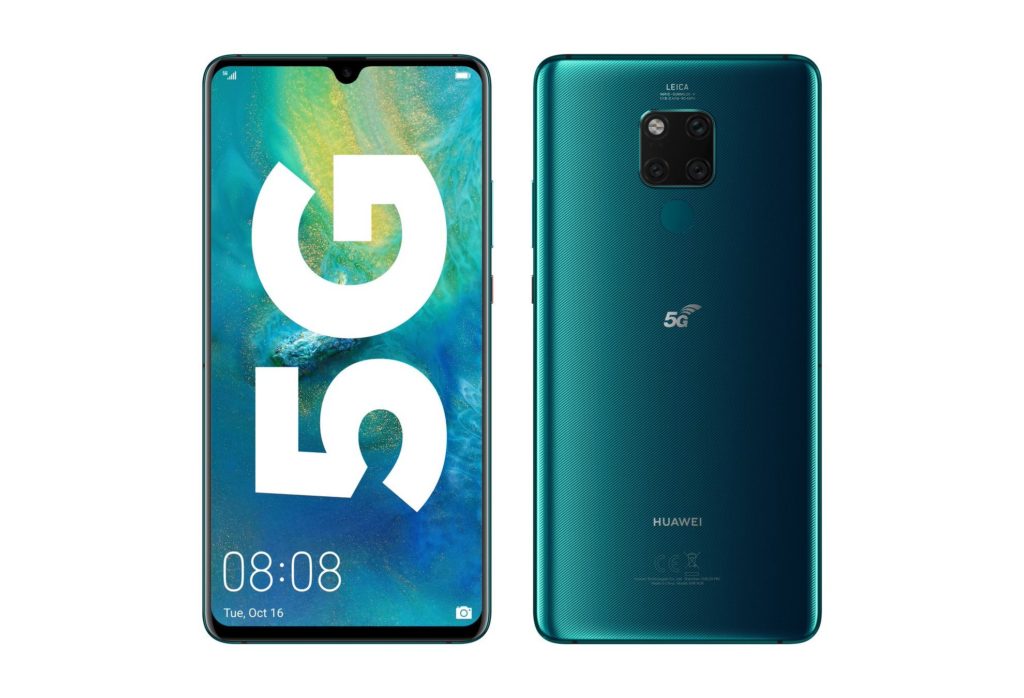
The Huawei Mate 20 X 5G that features 8 GB of RAM and 256 GB of native storage carries a price tag of 6,199 Yuan (~$881). The handset comes in a single color of Emerald Green.
The Mate 20 X 5G features a massive 7.2-inch OLED display with waterdrop notch. It delivers full HD+ resolution of 1080 x 2244 pixels and an aspect ratio of 18.7:9. The 7nm Kirin 980 chipset is present under the hood of the device. The presence of Balong 5000 5G modem brings about 5G connection on the device. It is a dual SIM phone that supports a 5G SIM and a 4G SIM at the same time.
The smartphone is packed with a 5,000mAh battery that supports 40W fast charging. The hybrid SIM slot of the device supports up to 256 GB of nanoSD card. At the front side of the phone is a 24-megapixel selfie camera with f/2.0 aperture. The rear shell of the smartphone features Leica engineered three camera sensors housed inside a square-shaped module. It includes an LED flash, an f/1.8 aperture 40-megapixel primary sensor, an f/2.4 aperture 8-megapixel telephoto lens with OIS and a 20-megapixel ultrawide lens.
The Mate 20 X 5G comes preloaded with Android 9 Pie OS that is customized with EMU 9.1. The other features of the smartphone include Dolby Atmos support, face unlock, Wi-Fi 802.11ac, Bluetooth 5.0, GPS, USB-C, 3.5mm headphone jack and a rear-facing fingerprint sensor.
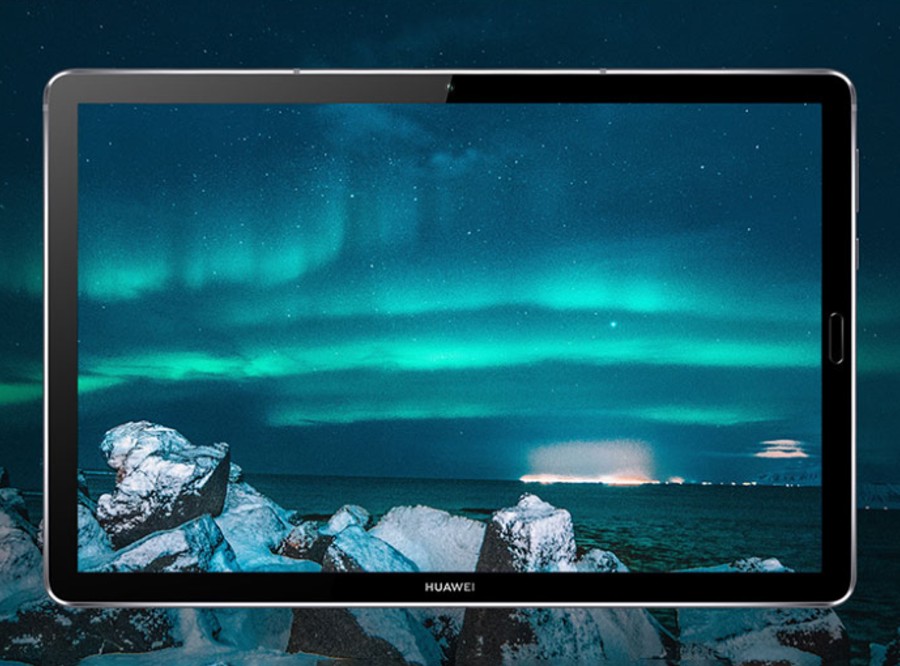
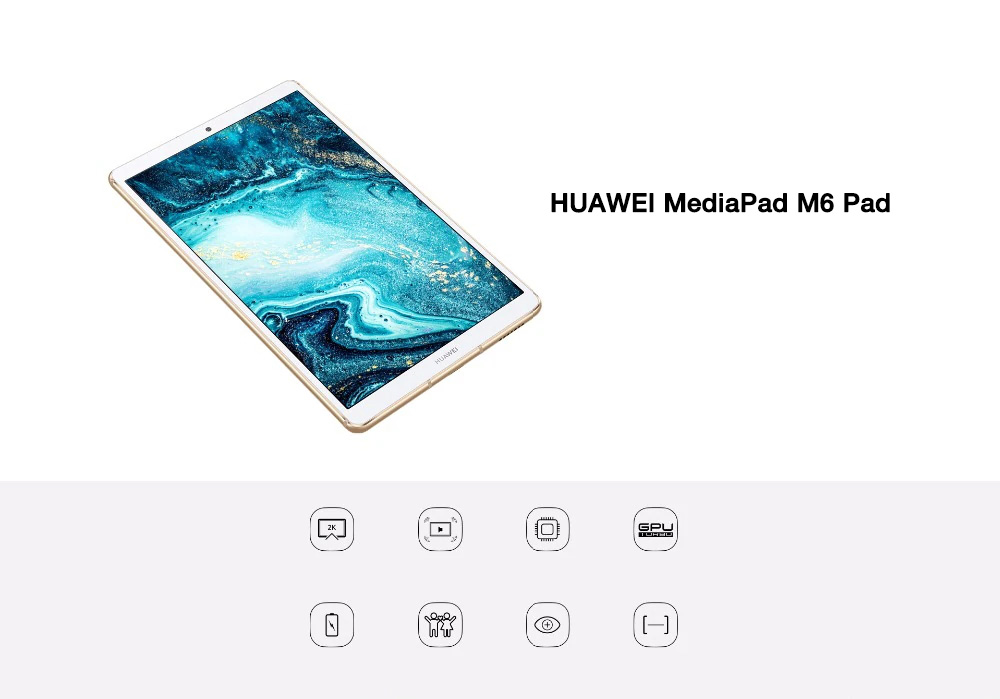
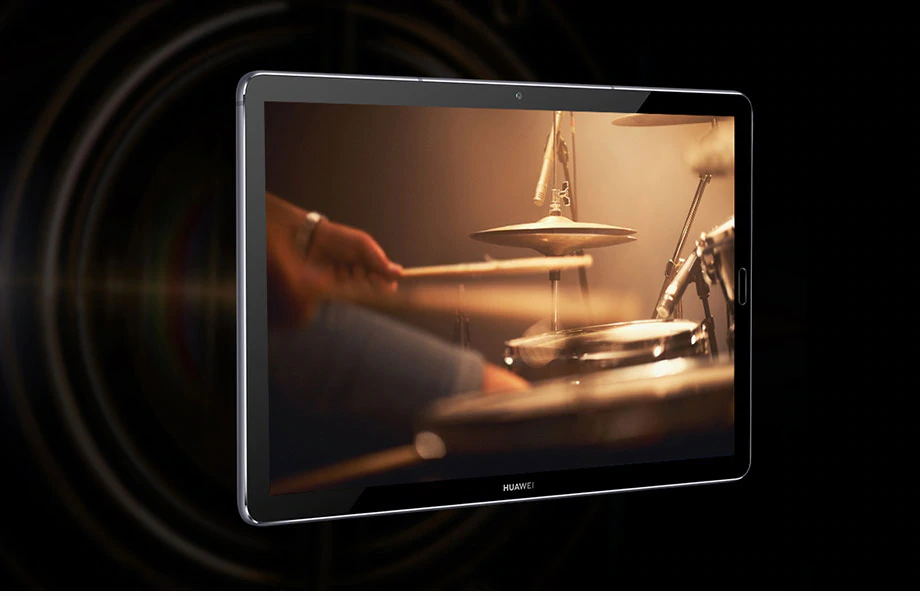
Huawei took the wraps off the MediaPad M6 in June this year. The long-awaited tablet is available in two size options including the 10.8-inch model and an 8.4-inch model. Aside from the size, there’s hardly any difference between the two variants.
In a bid to make the two variants of its recently unveiled tablet available to its huge fanbase, the Chinese tech giant has teamed up with GearVita. Much to the relief of those on a tight budget, each model has been assigned a coupon code that can be used to save money during the checkout process.
Huawei MediaPad M6 Pad 4G WiFi Tablet (Chinese & English Version)
Sporting an 8.4 inches IPS display with 2560X1600 pixels resolution, this Huawei M6 4G WiFi tablet ships with 4GB of RAM and offers 64GB of internal storage capacity. Moreover, this model comes in two appealing color options including silver and gold.
While you’d normally end up shelling out $449.99 on the Huawei MediaPad M6 Pad 4G WiFi Tablet, you can use coupon code ROMPM6Wifi64 to reduce this steep price tag. The aforesaid coupon helps you save $110 by reducing the retail price to $$339.99.
buy huawei mediapad m6 pad 4g wifi tablet
It is imperative for you to bear in mind that the aforesaid coupon will only be valid for a limited period. You can follow this link to take full advantage of the coupon before it expires.
Huawei M6 4G LTE Bluetooth WiFi Tablet (Chinese & English Version)
Available in silver, as well as gold color options, this Huawei M6 4G LTE Bluetooth WiFi tablet comes with 4GB of RAM and features 64GB of internal storage capacity. It sports a 10.8 inch IPS Capacitive screen with 2560 x 1600 pixels resolution for high contrast and superior viewing experience.
buy huawei m6 lte wifi tablet
The Huawei M6 4G LTE Bluetooth WiFi tablet would normally set you back $579.99, but you can save a considerable amount of money simply by applying coupon code ROM6LTE64CE before placing your order. The coupon helps you grab $134 off and brings the original selling price of the tablet down to just $445.99.
Regrettably, the aforesaid coupon is slated to expire soon. You can follow this link to use the coupon and avail the discount.
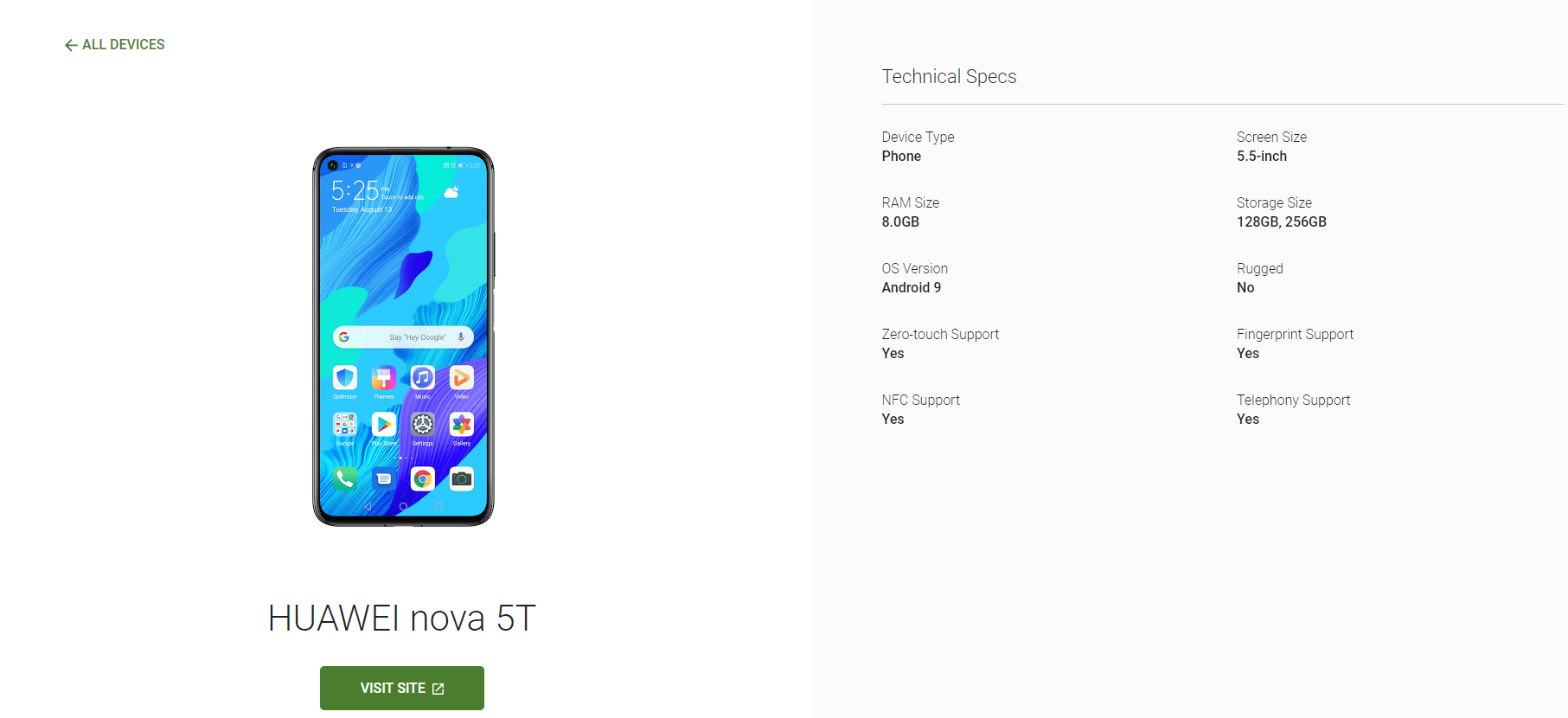
The attached image shows the Huawei Nova 5T has a punch-hole display. The hole is located in the top left corner of the screen. We can make out an indentation on the side similar to that of the Honor 20. This indentation is for the side-mounted fingerprint scanner which also doubles as the volume rocker. Above it sits the volume rocker.
The Android Enterprise listing says it has a 5.5-inch display which we believe is an error as the Honor 20 has a 6.26-inch IPS LCD display. RAM is listed as 8GB and there are two storage variants – 128GB and 256GB.
The listing also says it has NFC and runs Android 9 Pie out of the box.
There is no info yet regarding when the Nova 5T will be announced but it should launch soon seeing as it has been certified by the NBTC.
The Nova 5T will be powered by the Kirin 980, have quad rear cameras (48MP + 16MP + 2MP + 2MP), a 32MP selfie camera, a 3.5mm audio jack, a 3750mAh battery, and support for 22.5W fast charging.
Xiaomi is India’s biggest smartphone maker right now and one of the top 5 smartphone companies in terms of shipments globally. But where did it all start? How did it all begin? Did it start when the company was established back in 2010?
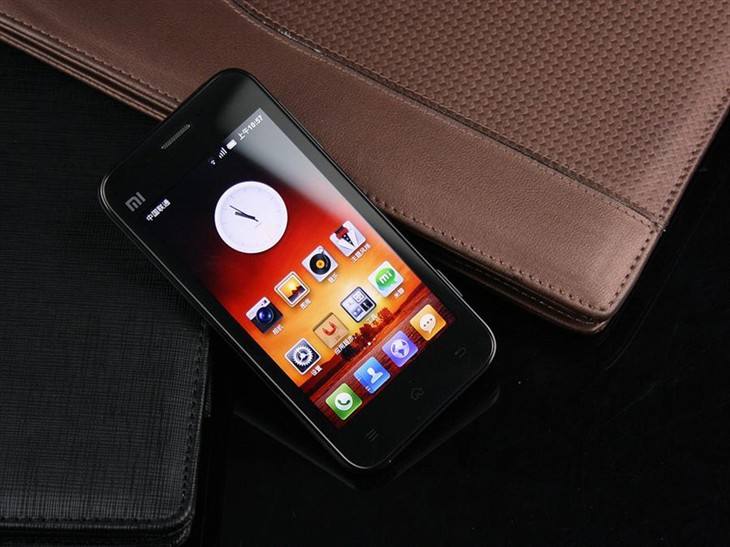
Actually, when Xiaomi was established back in 2010, the company didn’t immediately release its first smartphone. It waited for nearly a year to release the Xiaomi Mi 1, the company first-ever smartphone based on Android. It will be the eighth anniversary of the Xiaomi Mi 1 on August 16, 2019, so we thought this is a really good time to revisit the phone and see what it offered.
The Xiaomi Mi 1 or simply called as the Xiaomi Phone was announced in August 2011 and went on pre-order on August 29. However, the sales began only by October of 2011, which meant there was quite a significant amount of waiting time.
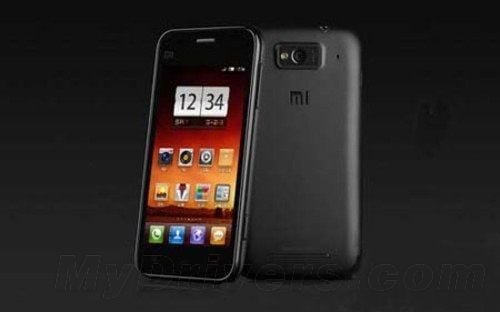
The phone featured a basic design made out of plastic. It isn’t surprising given that it was the first-ever smartphone manufactured by a company which had zero experience in this industry. The front had very thick bezels, which was common among other smartphones as well. The back came with a protruding camera inside a rectangular housing. There was the MI logo etched at the back. The power button was on top along with the headphone jack while the volume buttons were on the right. It was a simple design but back then phones didn’t look as premium as they do today.
The main attraction of the Xiaomi Mi1 or the Xiaomi Phone was the 1.5GHz Snapdragon S3 processor, making it the first Chinese phone to feature such a powerful chipset inside. For memory, the Mi 1 came with just 1GB RAM and 4GB of ROM. There was a small 4-inch display upfront. The battery was pretty decent for its time, a 1930mAh capacity one. The phone shipped with MIUI which Xiaomi had announced a year back.
MIUI was also another highlight of the Xiaomi Mi 1 mainly because it offered great customization options to its users. There were a lot of features that you could tweak to personize your smartphone and it’s no surprise that the OS has got over 300 million activated users globally. In fact, do check out the video at the end of this article. It explains the features of the early MIUI OS and it’s really fun to see how things have evolved over the course of time.
The Xiaomi Mi 1 was surprisingly popular right from the start. The main reason could have been its competitive 1999 Yuan (~$284 right now) price tag. In fact, despite being a first-generation smartphone, it received over 300,000 pre-orders in the first 34 hours!
So the Xiaomi Mi 1 is where it all began. The Mi series is still very much alive with the latest model being the Xiaomi Mi 9 launched earlier this year. We also have the Redmi brand now with extensions to the original lineup like the Mi Mix series, Mi A series and even a Mi Max series.
Interested in more throwback articles? Check them out below!
The Galaxy A series got revamped this year. It now covers a wider range of prices and is no longer a line of upper mid-range phones. This decision contributed to Samsung‘s growth in markets like India where it was already losing to Chinese players like Xiaomi.
The source of the leak is Sudhanshu Ambhore @Sudhanshu1414. He had previously teased that he had info about eight new devices scheduled for launch next year before tweeting the details today.
The phones are the Galaxy A21, Galaxy A31, Galaxy A41, Galaxy A51, Galaxy A61, Galaxy A71, Galaxy A81, and Galaxy A91.
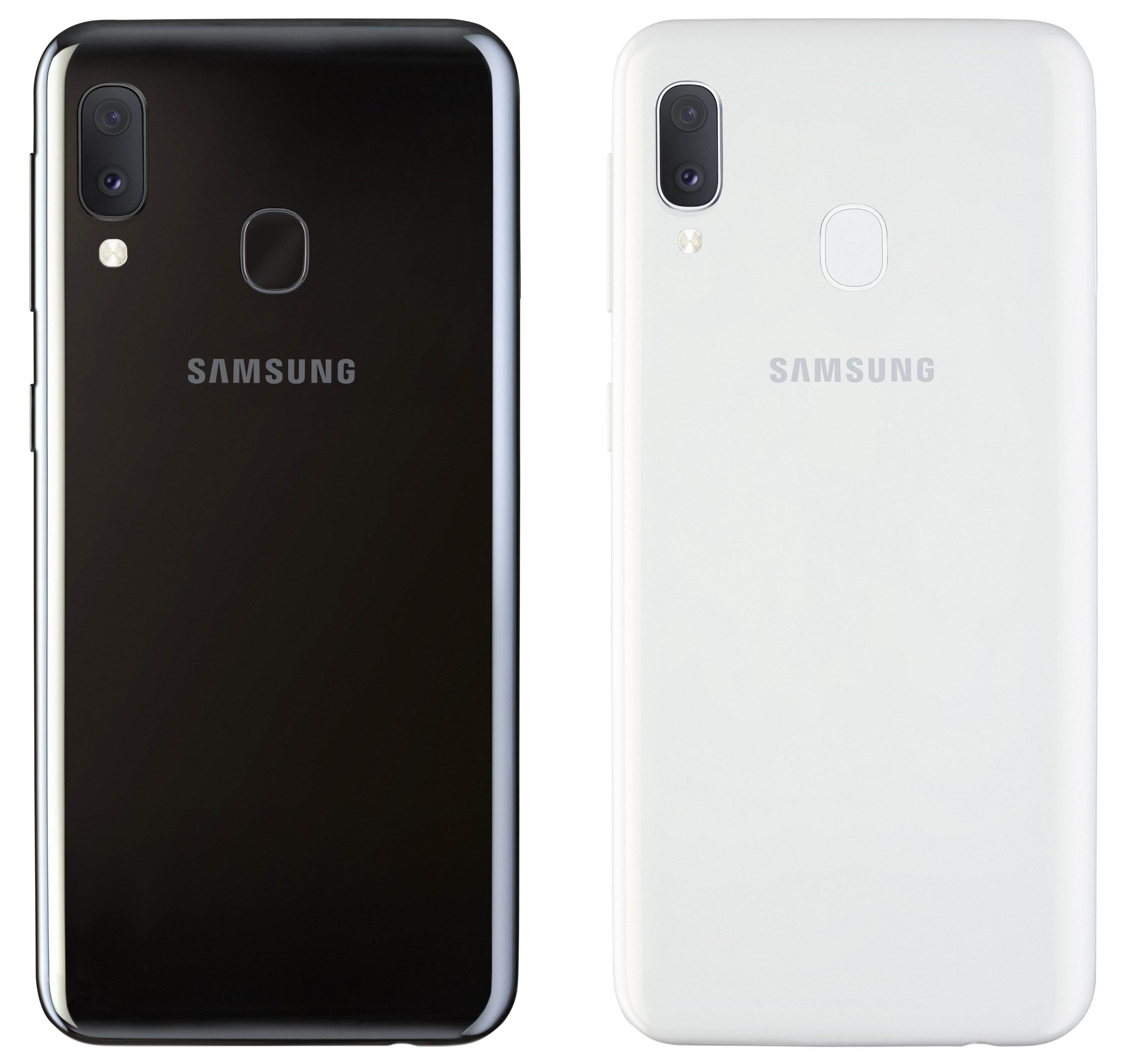
Galaxy A20
Galaxy A21
The Galaxy A21 will come with triple rear cameras, one more sensor than its predecessor, the Galaxy A20. The primary camera is a 13MP sensor that is paired with an 8MP wide-angle camera and a 5MP depth sensor.
Galaxy A31
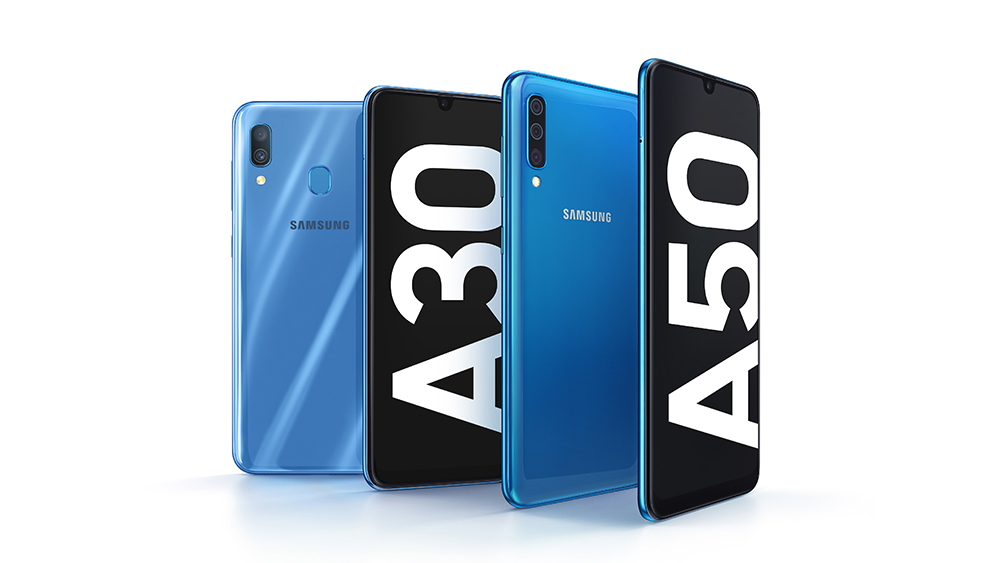
The Galaxy A30 also has dual rear cameras but its successor, the Galaxy A31 will have three. It will keep the 16MP primary sensor, upgrades the 5MP ultrawide camera to 8MP and adds a 5MP depth sensor.
Galaxy A41
The Galaxy A40 which also has a 16MP + 5MP dual camera combo will get a triple camera setup for its successor. The Galaxy A41 will have a 24MP primary sensor, an 8MP ultrawide camera, and a 5MP depth sensor.
Galaxy A51
Samsung will switch to quad rear cameras for the Galaxy A51. The main camera will be a 32MP sensor paired with a 12MP ultrawide camera, a 12MP telephoto camera with 2x optical zoom and a 5MP depth sensor.
Galaxy A61
The Galaxy A60’s successor will also get the quad-rear camera treatment. There is a 48MP main camera on the Galaxy A61. It will also have an 8MP ultrawide camera, a 10MP telephoto camera with 2x optical zoom like the Galaxy A51, and also a 5MP depth sensor.
Galaxy A71
The Galaxy A71 will also get a 48MP primary camera, a 12MP ultrawide sensor, another 12MP sensor but telephoto with 2x optical zoom, and then a ToF sensor.
Galaxy A81
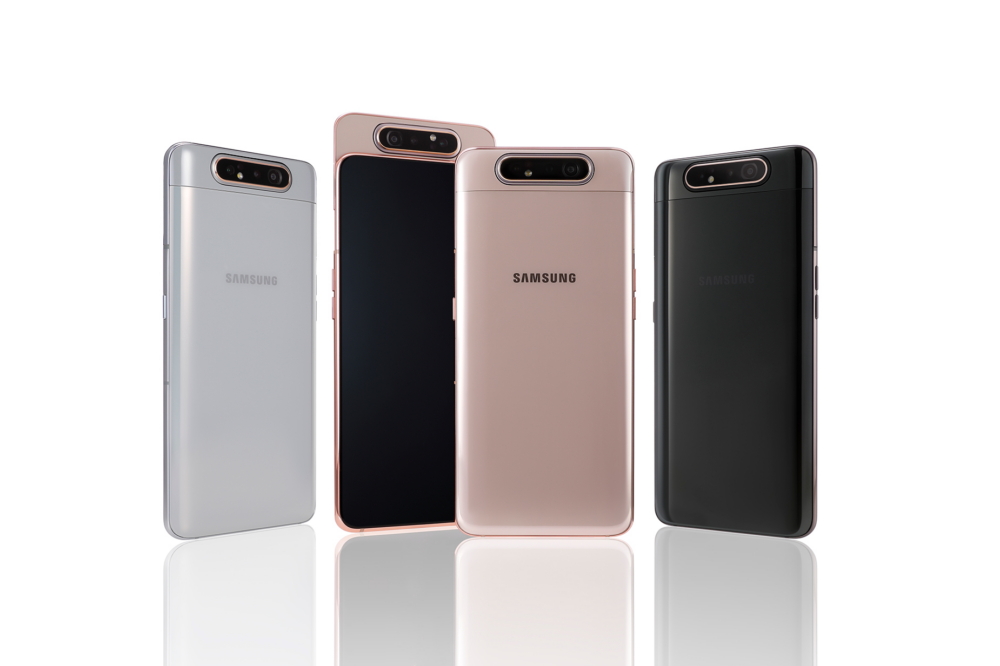
The Galaxy A81 is Samsung’s most powerful A series phone at the moment but it will soon be dethroned by the upcoming Galaxy A90. The Galaxy A81 will have quad rear cameras and we doubt it will adopt the slide+rotate design of the Galaxy A80’s triple rear cameras.
The main camera of the Galaxy A81 is a 64MP sensor and it will be paired with a 16MP ultrawide angle camera, a 12MP telephoto camera with optical zoom (source not sure if it is 2x or 5x) and a Time of Flight sensor.
Galaxy A91
Last but definitely not least is the Galaxy A91, a successor to the yet-to-be-announced Galaxy A90. This will make use of Samsung’s 108MP sensor, most probably the one which was announced recently. It will add a 16MP ultrawide camera, a 12MP telephoto camera with 5x optical zoom and a ToF camera.
Samsung’s Galaxy A series lineup for next year will be packing some serious camera specs which should make the competition worried. However, the authenticity of the above info is still unconfirmed. The Galaxy A20 launched in April which means a successor is still about eight months away. Even if the above specs are true, as of the time of writing, Samsung may decide to change some features.
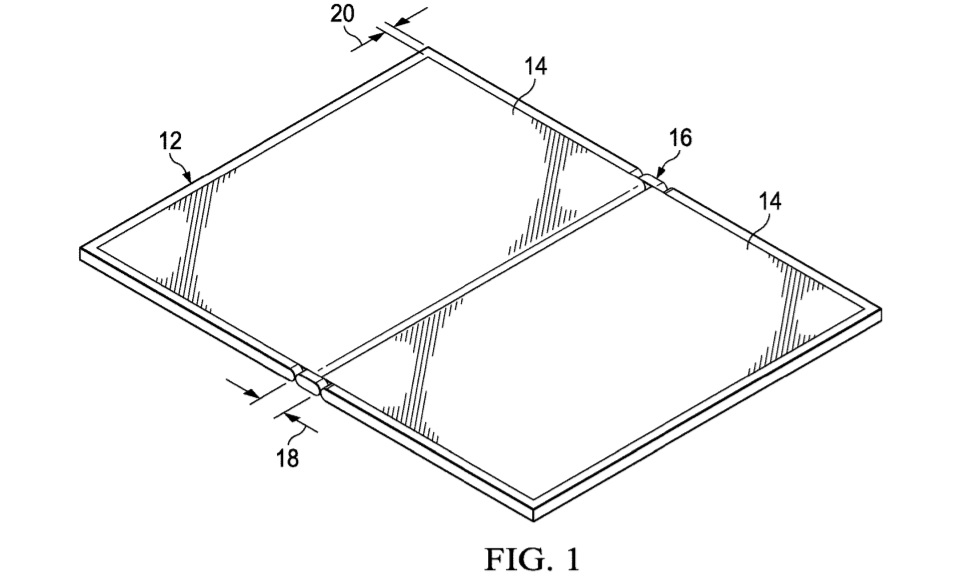
Foldable phones are becoming a thing in the tech industry. Not only have we seen foldable phones, but we may also soon get a foldable PC. US tech giant, Dell has filed a patent for a dual-screen Windows 10 device. The device will utilise a ‘narrow width dual axes hinge’ to smoothen the transition.
The patent was originally filed with the US Patent and Trademark Office (USPTO) in February 2018 but was made public on August 8, 2019. The Dell patent is titled ‘Information Handling System Narrow Width Hinge’ and is for a 2-in-1 device with a narrow width dual axes hinge that rotationally couples the two portions of the device. The design also utilises a gear assembly to synchronize the motion of the dual axles at one end of the dual axles.
The patent application also includes a description of how it works thus, “A gear assembly synchronizes motion about the dual axles at one end of the dual axles, the gear assembly having brackets to couple to each housing portion. Torque brackets couple to the opposite end of the dual axles, each torque bracket couple to a housing portion and resisting rotation of the housing portions by generating friction at the axle.”
In addition, Dell claims the setup will come with a narrow bezel. The device’s narrow width of the hinge elements provides a narrow gap between displays so that visual information presented on displays has a more uniform appearance than would be presented with larger gaps.
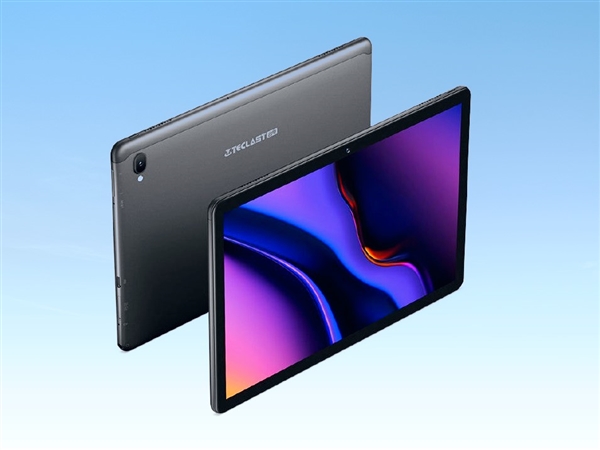
Chinese PC maker Teclast is specialized not only in the production of PC but also in the production of laptops, tablets, 2-in-1, power bank and USB flash. The company’s latest product is the Teclast T30 tablet.
The Teclast T30 is powered by a MediaTek Helio P70 processor. The Helio P70 is a successor to the Helio P60 SoC. It is an octa-core chipset developed using 12nm FinFET technology. It packs four Arm Cortex-A73 performance cores clocked at 2.1GHz while remaining four power-efficient Arm Cortex-A53 tick at 2.0GHz. In comparison to the Helio P60, the Helio P70 boasts an improved Arm Mali-G72 MP3 GPU which is said to offer a 13 percent improvement in graphics performance. The biggest addition in the new chip is the multi-core APU which takes care of all the AI processing. The chipset is paired with 4GB of RAM and 64GB of internal storage.
The Teclast T30 packs a 10.1-inch display with a resolution of 1920×1200 pixels. The display has a 2.5D curved glass on top of the display. One of the spectacular features of the T30 is the 8000mAh large battery which it packs. Connectivity features include dual-band WiFi, GPS and other functions. The device also comes support for 4G full Netcom with call functions.
The company also introduced a magnetic keyboard holster with a non-Bluetooth dock which can also be used as a bracket. The tablet also comes with split-screen function and some mobile office capabilities. It gets its interface from Android 9.0 Pie.
It comes with a price tag of 1299 yuan ($184) but no detail yet on the availability.
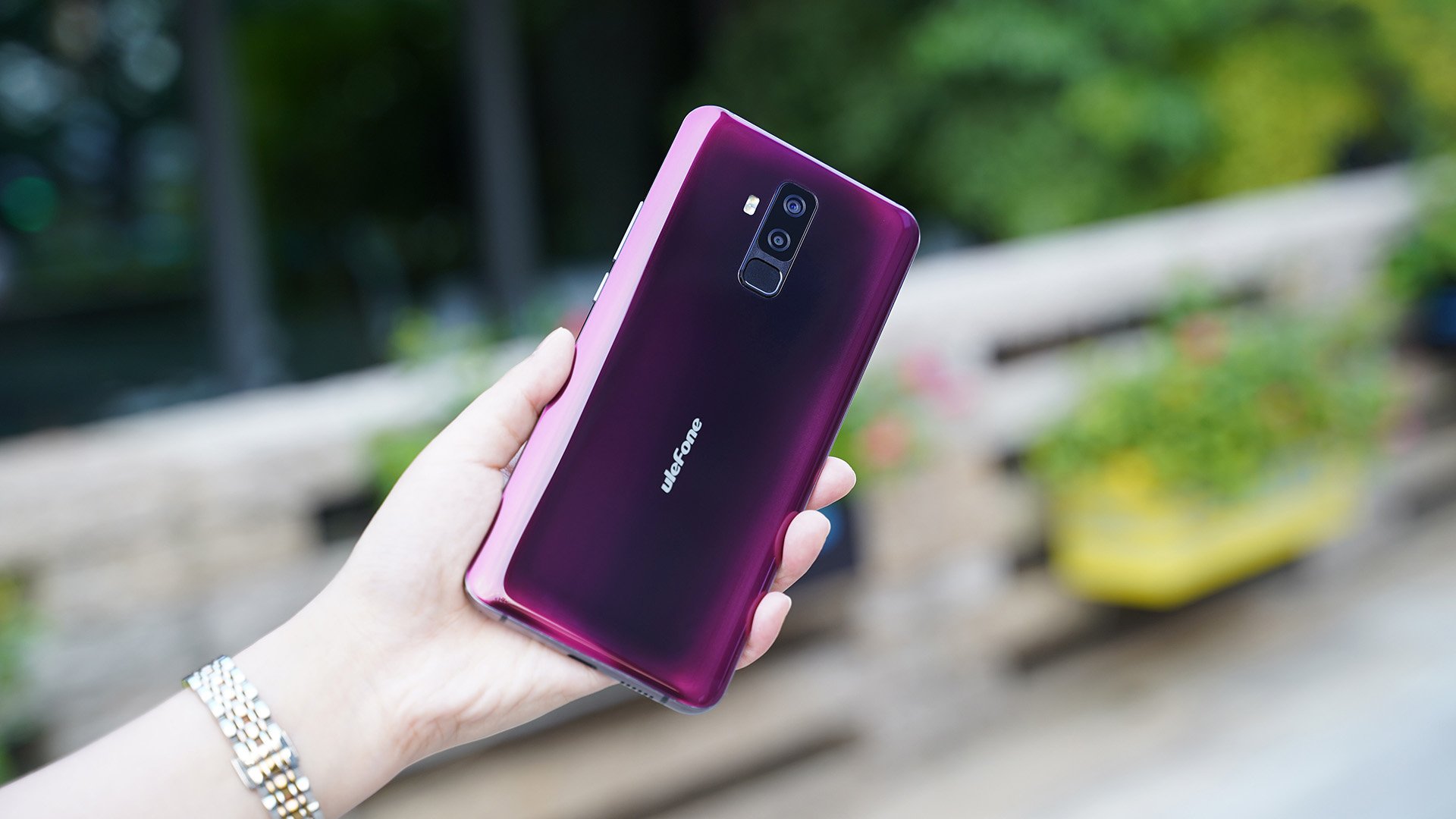
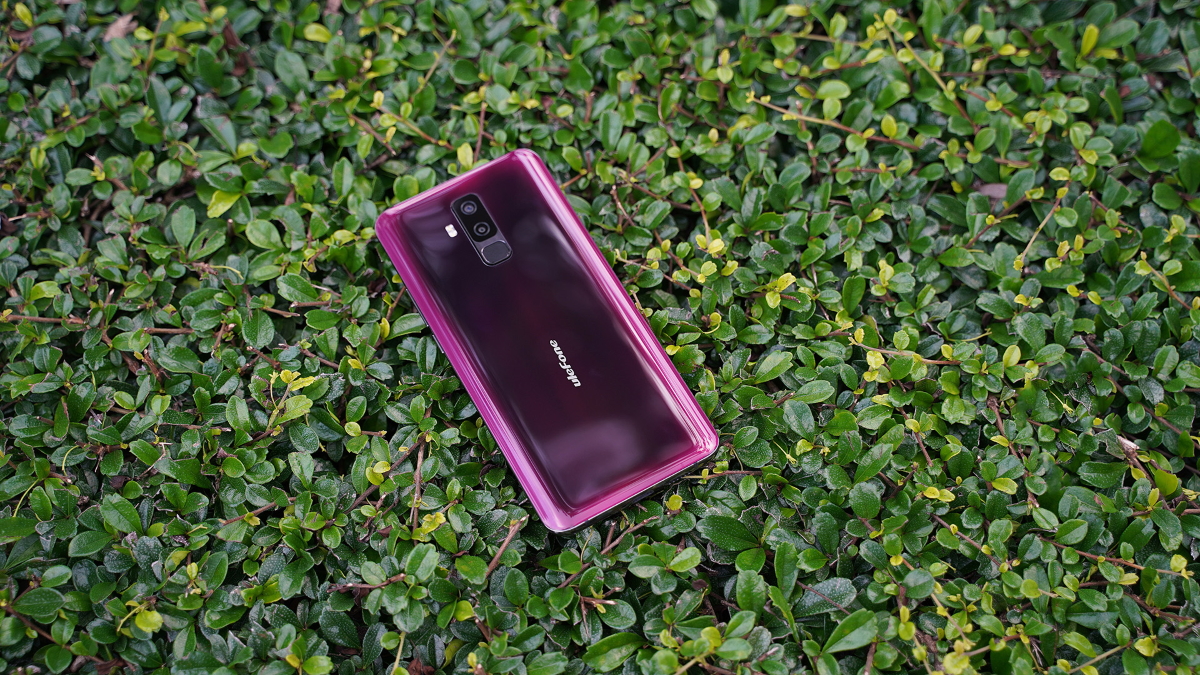
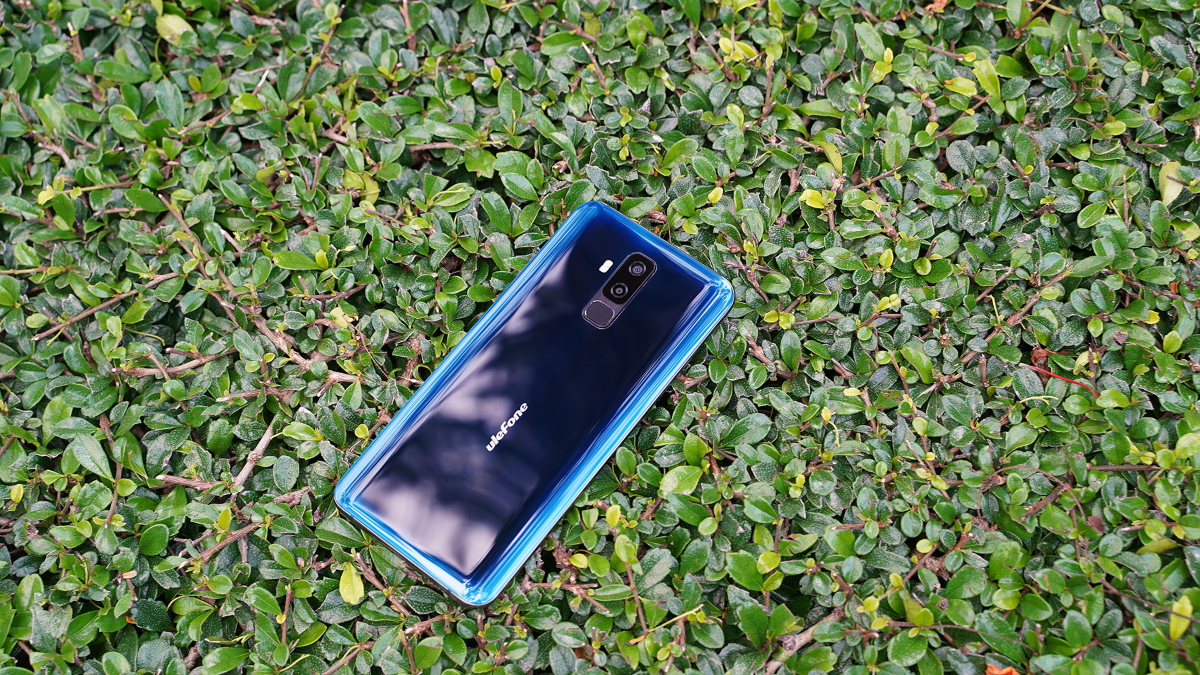
Although previous information was talking about the launch of Ulefone T2 hitting the market in February of 2019, it seems that the company’s planning changed and it didn’t. But now it is final and the new flagship of the Chinese manufacturer will be launched next week. Also, this delay has its advantages as it is coming with Helio P70 instead of P60.
As a flagship-level phone, the screen of Ulefone T2 is pretty much bezeless. It measures at 6.7″ with FHD+ resolution, an aspect ratio of 19:9, and is provided by Sharp. The specs of the display cover up to 98% NTSC ultra-wide color gamut to offer vivid, colorful, and crisp images.
On the inside lies the most advanced processor from MediaTek, Helio P70 AI SoC, and is backed by 6GB of RAM and 128GB of internal storage. As you can guess, it is a multitasking beast. What’s more, it packs a massive 4200mAh battery, larger than most flagship devices out there. This makes sure that you won’t run out of battery in the middle of the day. And even if you do, the 18W fast charging will get you up and running fast. Also, it supports wireless charging as well thanks to the 3D Glass back cover.
In terms of camera performance, the Ulefone T2 comes with a dual rear setup with 16MP/8MP sensors that, with the help of the new high-resolution depth engine of Helio P70, gives a 3X boost in depth-mapping performance, and captures richer details. The selfie shooter hosts an 8MP sensor that can also be used for Face Unlock.
The rest of the specs are what a flagship deserves to have, so there is NFC with GPay support for easy contactless payments, a smart Hi-Fi audio chip that offers high-quality music reproduction, and support for 18 4G/LTE frequency bands that cover more than 90% of the world’s network carriers. Oh, there’s also dual 4G/dual VoLTE support too.
The Ulefone T2 will start its presale next week but the price isn’t known for the time being. We assume it will be revealed soon. To see all the specs and features of the new flagship, visit the official product page here.
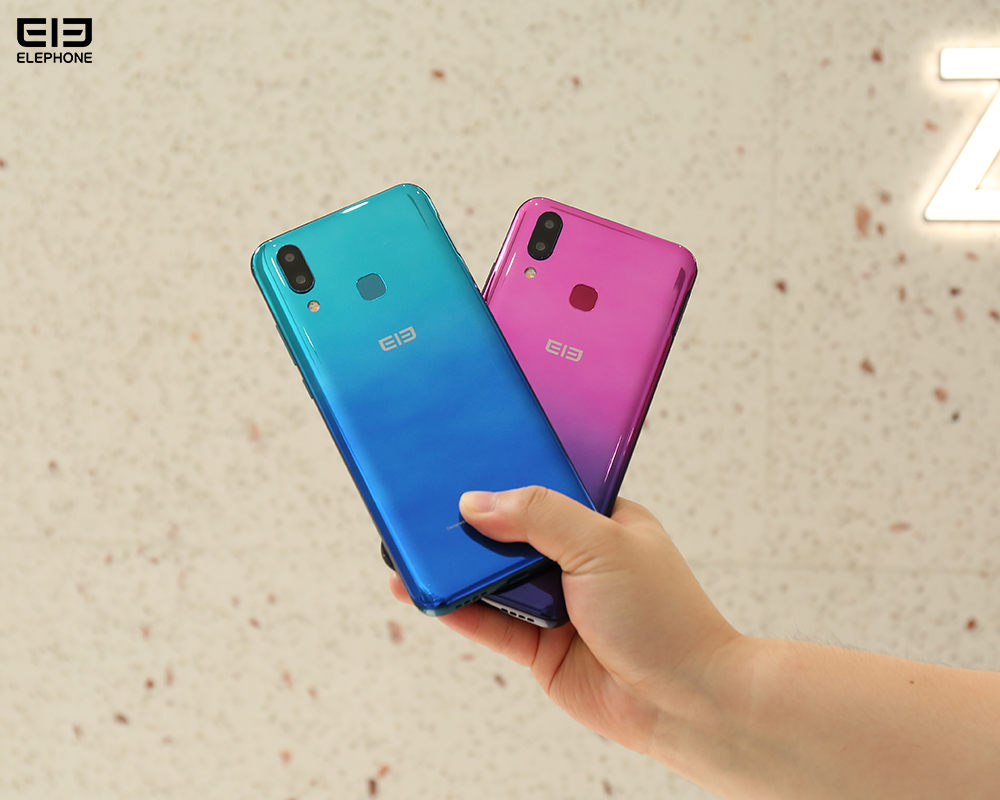
Elephone’s latest device -A6 Max- is already available for preorder at just $139.99 instead of $159.99 and until August 21st, Banggood is the online shop to host it. Besides the $20 off discount offered by Elephone, the first 100 units sold will also get an Ele B5 smartband as a free gift! At the same time, a Giveaway event is ongoing until the end of the month.
The Elephone A6 Max features a 6.53″ waterdrop notch display with HD+ resolution and a high screen/body ratio thanks to the thin bezels. It is powered by MediaTek’s Helio P22 octa-core SoC accompanied by 4GB of RAM and 64GB of internal storage, a configuration that should be enough for almost everyone in everyday use.
The battery stands at 3950mAh capacity and supports fast charging as well as wireless charging and should take you through 2 days of normal use. Also, there is NFC support for contactless payments and more. In addition, there is a dual rear camera with 20MP/2MP sensors while the selfie shooter is also 20MP with face unlock support. Other specs include a USB Type-C charging port, a fingerprint reader, Bluetooth 5.0, and Starry Black plus Peacock Blue colors. Learn more about it on the official product page.
Xiaomi-backed wearable brand Huami comes up with amazing smart wearables under its Amazfit lineup from time to time.
On the downside, these feature-laden smart wearables aren’t easy on the pocketbook. Amazfit-branded smartwatches including the Amazfit Stratos Smart Sports Watch 2 and the Xiaomi Huami Verge Lite Smartwatch will set you back a pretty penny on both online, as well as offline stores. But that’s about to change.
GeekBuying is currently doling out great discounts on the Amazfit Stratos Smart Sports Watch 2 and the Xiaomi Huami Verge Lite Smartwatch, giving cost-conscious buyers an unmissable chance to get their hands on the coveted smartwatches at lowered prices. We will shed light on the aforesaid discounts and show how you can save more money at the time of checking out.
Xiaomi Huami Amazfit Stratos Smart Sports Watch 2
This English version of the Xiaomi Huami Amazfit Stratos Smart Sports Watch 2 comes with a 5ATM water-resistance rating. It sports an eye-catching 2.5D capacitive touch screen with 320 x 300 pixel and Corning Gorilla glass material on top for added protection.
Equipped with Firstbeat Health Data Tracker, the device helps you lead a healthier lifestyle by constantly reminding you to exercise. It is backed by a robust battery that offers ultra-long standby time up to 5 days under an ordinary situation. You can sync your data and monitor activity data and exercise via the app.
The Xiaomi Huami Amazfit Stratos Smart Sports Watch 2 would normally set you back $279.99, but you can now buy it for a lowered price of just $159.99 from GeekBuying. Moreover, you can even extend this 43 percent discount with the help of coupon code 3KQMGWOT.
The coupon helps you get an extra $5 off. In other words, you can bring the already lowered asking price of the Xiaomi Huami Amazfit Stratos Smart Sports Watch 2 further down to only $154.99 simply by applying the above-mentioned coupon during the checkout process.
You can head straight to this link to check out more details about the smartwatch and place your order. Note that the promo is slated to end in just three days.
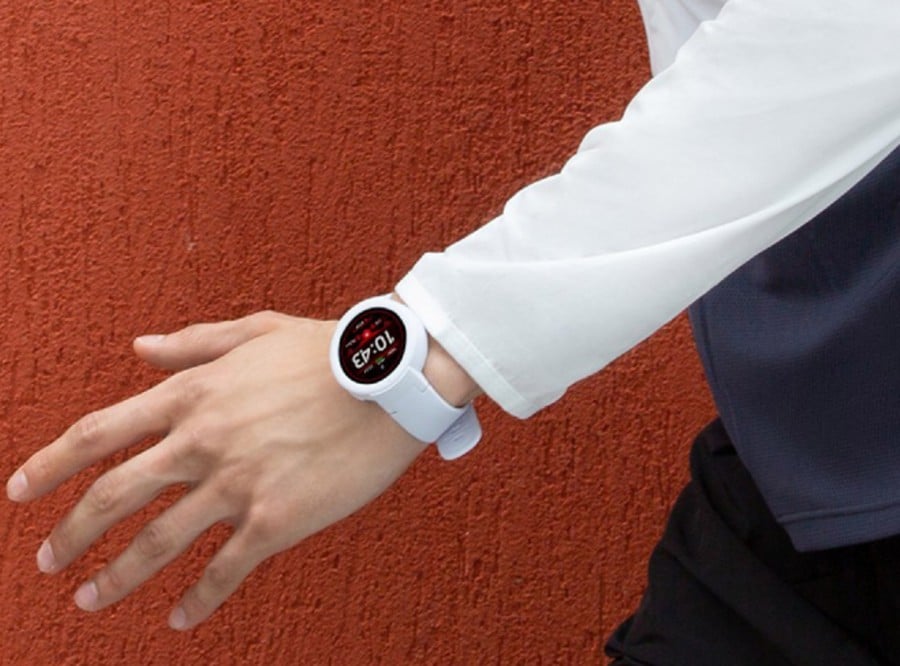
Alternatively, you can buy the equally-coveted Amazfit Xiaomi Huami Verge Lite Smartwatch for a considerably reduced price of just $99.99 from GeekBuying. This is a noteworthy 29 percent reduction in the device’s original selling price of $139.99.
As if that weren’t enough, you can save $5 more by applying coupon code 3JB6CLOO at the time of checking out. As a result, you can now buy the Amazfit Xiaomi Huami Verge Lite smartwatch for only $94.99.
An absolute steal at this price, the Amazfit Xiaomi Huami Verge Lite Smartwatch sports a 1.3 inch AMOLED display with a high screen resolution of 360×360 pixels. Despite its bigger screen, the device fits the width of the wrist without any sort of discomfort even when worn for a longer duration.
AMAZFIT Xiaomi Huami Verge Lite Smartwatch 20 Days Battery Life 1.3 Inch AMOLED Screen Built-in GPS
It comes with seven sports modes including outdoor running, treadmill, walking, outdoor & indoor cycling, etc and uses the GPS+GLONASS binary positioning system to accurately record your movement trajectory and show the calories you burn.
The Amazfit Xiaomi Huami Verge Lite Smartwatch draws its juices from a massive battery that offers 20 days long standby for a full charging. Other functions include call reminder and SMS message, pedometer, and sleep monitoring.
You can follow this link to grab the discount and use the coupon, which is likely to expire soon.
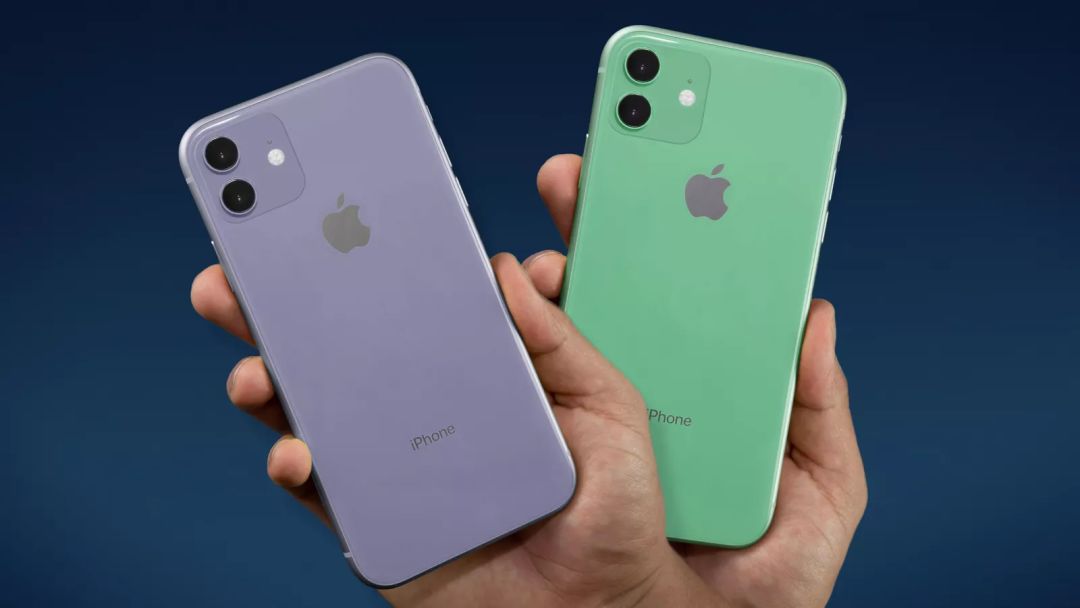
Apple has got another patent-infringement lawsuit under its sleeves. This time around, an Israeli-based camera technology company Corephotonics has filed a lawsuit against Apple claiming that the technology on the US company’s current dual-camera packing iPhones infringes several of its patents.
Apparently, Apple and the Isreali company has had contact with each other in the past. According to Corephotonics, the two companies have been in negotiations since 2012. All this while, the company had discussed the dual-camera modules in detail with Apple’s engineering team. The company even granted Apple access to the five-element telephoto lens back in 2012. Later on, in 2014, Apple got access to test boards and lenses and a black box simulation files for lens designs along with software simulator and system prototypes. The lawsuit alleges that this was crucial for developing the camera modules in today’s iPhones.
Apple’s first phone to feature a dual-camera setup, the iPhone 7 Plus was launched in 2016 without reaching a deal with Corephotonics. The Isreali company alleges that a high-ranking official even reached out to Apple once more to resume the negotiations of a partnership a month before the launch but that met a brick wall.
The first patent infringement lawsuit was, thus, filed by Corephotonics in November 2017 after examining the camera module of the iPhone 7 Plus and the iPhone 8 Plus. The camera-technology company claimed that the zoom technology used in those phones relies on Corephotonics’ patents.
A second lawsuit was filed on April 2018 after the launch of the iPhone X. The claim still remains the same. The latest lawsuit targets the iPhone XS and XS Max which still contain the controversial camera technology.
This could be a case of the biblical “hand of Esau but the voice of Jacob” as it could be recalled that Samsung acquired Corephotonics in a deal worth $150 million. However, neither Samsung nor Corephotonics released an official statement of the acquisition. Do we need to add that Corephotonics is the company behind OPPO’s 10X Zoom technology featured on the OPPO Reno?
Samsung will announce its game streaming service next month. It will be called PlayGalaxy Link but only a few details are known about the service. However, Samsung uploaded a short video demoing the service on its Korean Youtube channel.
Based on the video, the feature will be available first on the Galaxy Note10 and Galaxy Note10+. As you can see in the clip, users will be able to stream games played on their PCs to their phones. The user has to sign in to the PlayGalaxy Link app on their computer, and also launch the app on their phone.
Both devices will have to be on the same Wi-Fi network and also use the same Samsung account. Once set up, you will be able to pause a game on your PC and continue playing on your mobile phone.
It has been reported that Parsec is the company behind the low-latency technology used for PlayGalaxy Link.
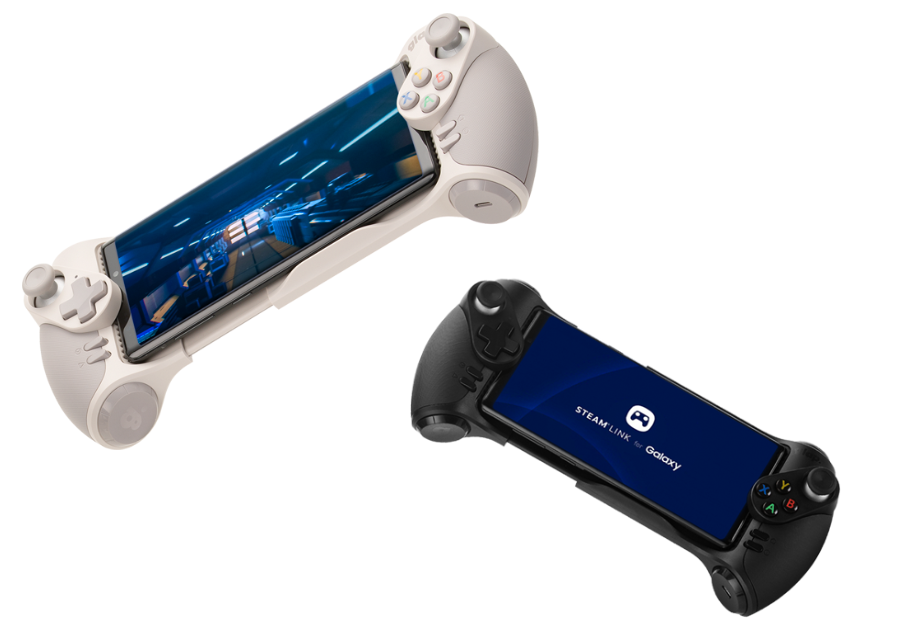
The video also shows the Galaxy Note10 has a special controller attached to it. Called the Glap Controller, it is said to be custom-made for Samsung but can also work with devices under 7.5-inches in size and not more than 10.1 millimeters thick.
The controller has a D-pad and a joystick on the left while the right is home to XYAB action buttons and another joystick. There are additional buttons like the home button, play, and power buttons. It also has trigger buttons at the top. The controller has a 10-hour battery life and will also work with a Windows PC. The Glap Controller is priced at GBP 79.99 in the UK and USD 72.99 on Amazon in the US.
PlayGalaxy Link will be available for free when it launches in September but it is unknown if there will be exclusive games for the platform later in the future.
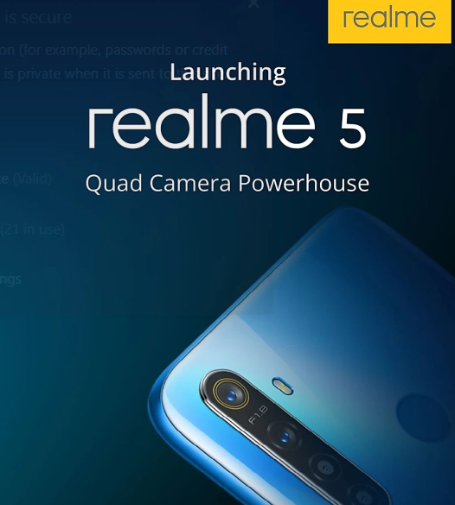
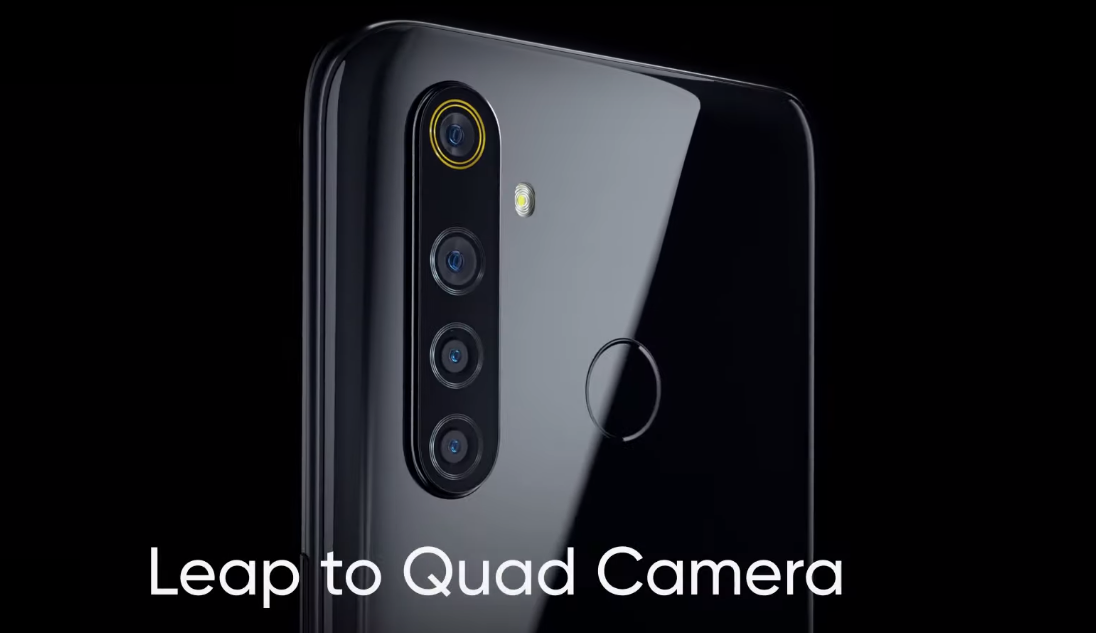
There’s been a whole lot of information coming out regarding the Realme 5 all at the same time. The Realme 5 will join the Realme 5 Pro to make its debut on August 20. A recent official tweet confirmed the presence of a quad-camera setup with the main camera being a 48MP sensor.
Realme India’s CEO has now effectively confirmed the price range of the Realme 5 earlier today. The CEO hinted that the company is bringing next week “the world’s 1st quad-camera smartphone under 10k”. INR10,000 converts to roughly $140. This is similar to the price tag of the Realme 4 which came in at INR9,999.
Even though the price is similar to that of its predecessor, there are some key upgrades which will be the selling point for the Realme 5. Apart from being the first 48MP Quad camera smartphone in India, the Realme is the world’s first Quad-camera smartphone under INR10,000. The device will also come with a powerful Qualcomm chipset that would be launching for the first time in India. A Realme model RMX1911 appeared on GeekBench packing a Snapdragon 665 SoC. This is believed to be the Realme 5.
Some achievements on our technology journey A. 1st to bring 48MP Quad camera smartphone in India B. World’s 1st Quad camera smartphone under 10k 1st in India C. Powerful Qualcomm chipset 1st time ever launching in India All on 20th Aug #ProudIndian#HappyIndependenceDaypic.twitter.com/r9xDQt7PwM
Xiaomi Mi A3 is the only phone that uses a Snapdragon 665 chipset presently. So, even though the Realme 5 will be the only device in India rocking the SD 665 SoC, it won’t hold that title for long as the Mi A3 will debut a few days later.
Banggood is known for offering a wide selection of products at unbeatable prices. Aside from that, the Chinese online store comes up with amazing promotions and offers unmissable deals from time to time.
Staying true to its reputation for offering the best bang for your buck, Banggood has launched the Back to School promo. Launched earlier this month, this promotion sale features a myriad of school essentials carrying heavily-discounted prices.
To simplify the search process for its loyal users, Banggood has split these products into various categories. In addition to bearing lowered price tags, these amazing tech gears carry specifically assigned coupons that can be used at checkout for saving more money.
Banggood Back to School Tech Guide
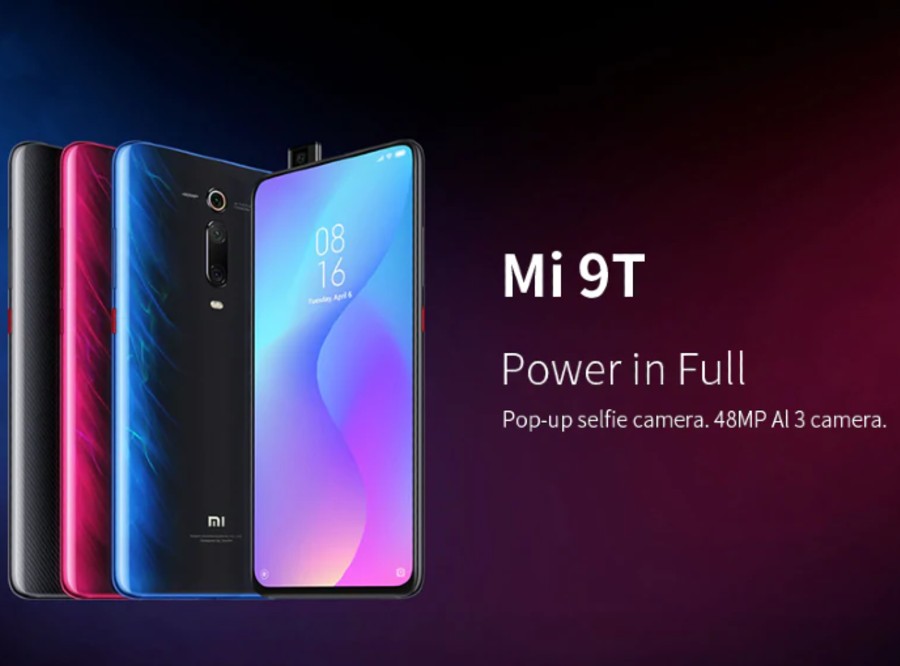
For the sake of an instance, the global version of the Xiaomi Mi9T which ships with 6GB of RAM and offers 128GB of internal storage capacity is currently available for just $487.99 under the first section called Must-Buy List. This is a 19 percent reduction in the device’s original asking price of $599.99.
On top of that, you can apply coupon code BG89T128 to bring the already lowered retail price of the handset further down to just $302.99. In other words, you can get an extra $185 off simply by applying the above-mentioned coupon during the checkout process.
The rest of the products including the Mi Backpack Men Women Student Backpacks, Emax TinyhawkS 75mm F4-2S FPV racing drone, and more also carry great discounts. Moreover, these items have been assigned coupon codes as well.
Products added to the following category called Flash Deals have carefully been divided into three sub-categories i.e. Aug 7-Aug 11, Aug 12-Aug 16, and Aug 17-Aug 19. Each sub-category is teeming with amazing products that you can buy without emptying your pocket.
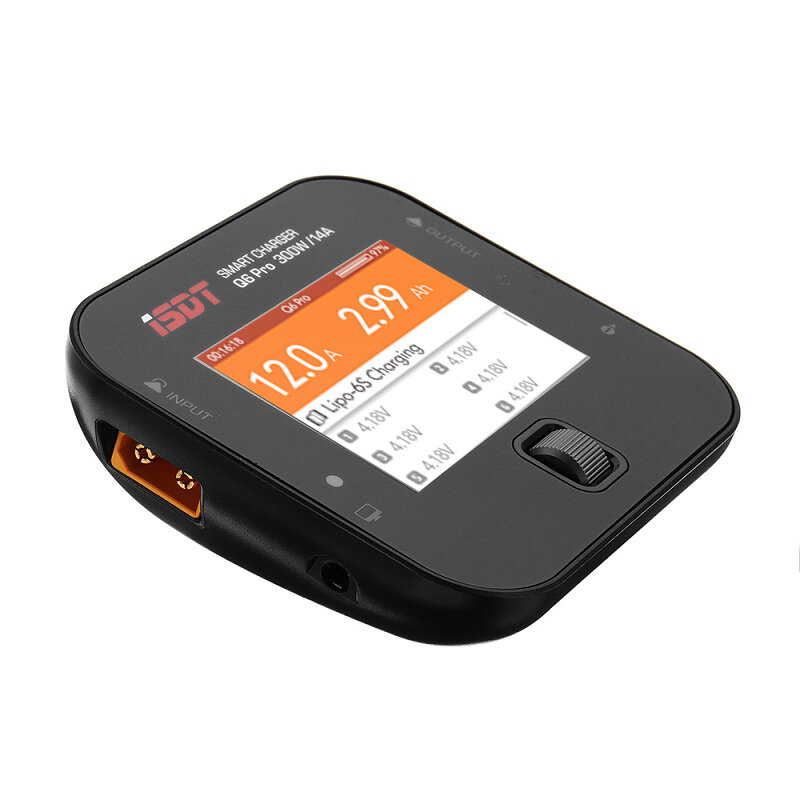
As if that weren’t enough, select products under the Flash Deals section carry coupon codes that you can use to get extra discounts. For example, the ISDT Q6 Pro BattGo 300W 14A Pocket Lipo Battery Balance Charger would normally set you back $73.19, but you can reduce this retail price with the help of coupon code BGQ6PRO20.
If you are a tech buff, you might want to check out the next category called The Latest Tech. Under this section, you can get your tech greedy hands on a slew of high-end electronic items including the Umidigi A5 Pro smartphone, XCY Mini PC, and RunCam Nano 2 FPV camera at considerably reduced prices.
The following category called Event Exclusive Coupon features equally top-notch products that you can buy without worrying about spending a lot of money. Each item placed under the aforesaid section has been assigned a coupon code that you can use to save money before placing your order.
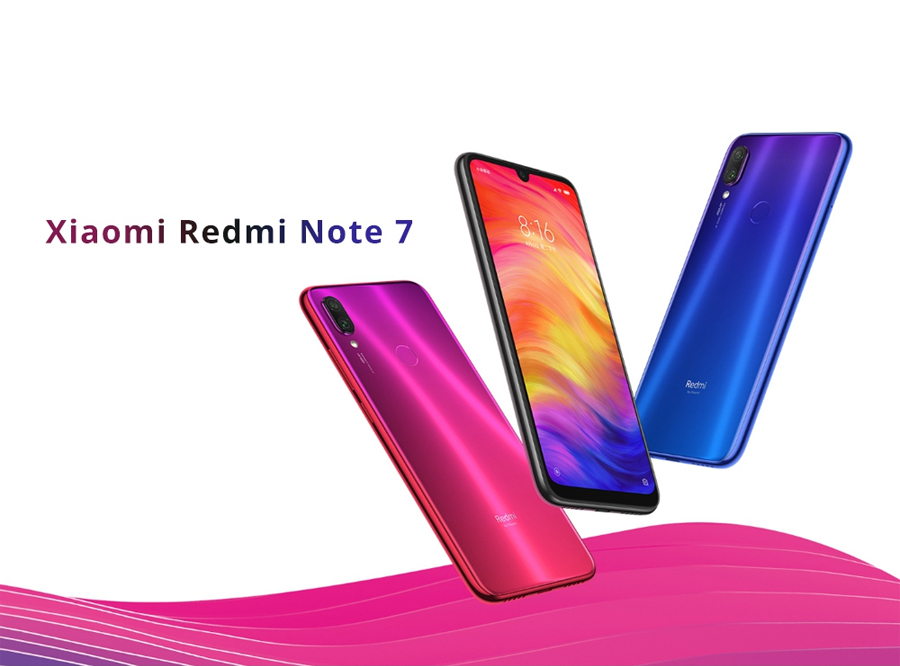
For example, the Xiaomi Redmi Note 7 Global Version with 3GB RAM, and 32GB ROM usually retails for $219.99, but you can now buy it for a lowered price of just $213.76. You can use coupon code BGEDM during the checkout process to reduce the original asking price of the smartphone to $167.74.
The Geek’s Favorite category offers a lot to cheer about if you are a gadget lover. A myriad of steeply-priced products is up for grabs under this section. Furthermore, each product carries coupon codes that you can use for extra discounts.
Likewise, all products added under the Consumer Electronics section are available for lowered prices. Drone lovers can head straight to the Must-Have RC Parts category to buy high-end RC drones that usually carry steep price tags. The concluding category called Brand Deals is teeming with well-received products from leading manufacturers such as BlitzWolf, Xiaomi, and Bakeey.
While you can grab great discounts on these top-branded items, it is imperative for you to bear in mind that the promotion sale is slated to end on August 19th. To check out the activity page, all you need to do is to follow this link without wasting time.
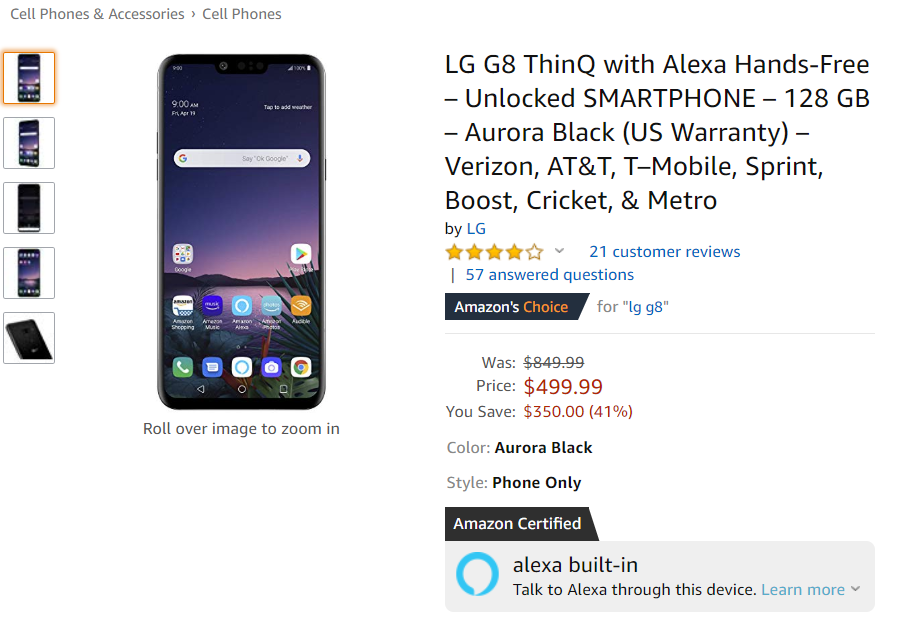
The LG G8 ThinQ was released back in February. When it went on sale in April it was sold for $850, four months later, the LG G8 ThinQ now sells for $499. That’s $350 off its launch price.
For $500, the LG G8 ThinQ packs a 6.1-inch OLED display with a QHD+ resolution. There is a wide notch at the top for the 8MP selfie camera as well as a 3D ToF camera and components for its 3D Face Unlock, Hand ID, and Air Motion technology. The phone is powered by a Snapdragon 855 processor along with 6GB of RAM and 128GB of expandable storage (2TB Max.).
The G8 ThinQ has dual rear cameras – a 12MP f/1.75 primary camera and a 16MP f/1.9 ultrawide camera. There is a fingerprint scanner under the rear cameras if you don’t want to use face unlock or Hand ID. The phone packs a 3500mAh battery with support for Quick Charge 3.0 fast charging, USB Power Delivery, and 9W wireless charging.
It has an IP68-rating, an audio jack with Hi-Fi Quad DAC, Dolby Vision, runs Android 9.0 Pie out of the box, and is MIL-STD-810G compliant. The phone doesn’t have a traditional speaker for calls but uses Crystal Sound OLED technology which is used in some of LG‘s own TVs
The LG G8 ThinQ is available at this new price on Amazon and it comes with Alexa and some Amazon apps pre-installed.
At $500, there are other options too like the Zenfone 6 which has a bigger battery and a better-looking display albeit LCD but doesn’t have an IP rating, packs smaller storage capacity (64GB), and also skips on wireless charging.
We use cookies on our website to give you the most relevant experience by remembering your preferences and repeat visits. By clicking “Accept”, you consent to the use of ALL the cookies.
This website uses cookies to improve your experience while you navigate through the website. Out of these, the cookies that are categorized as necessary are stored on your browser as they are essential for the working of basic functionalities of the website. We also use third-party cookies that help us analyze and understand how you use this website. These cookies will be stored in your browser only with your consent. You also have the option to opt-out of these cookies. But opting out of some of these cookies may affect your browsing experience.
Necessary cookies are absolutely essential for the website to function properly. This category only includes cookies that ensures basic functionalities and security features of the website. These cookies do not store any personal information.
Any cookies that may not be particularly necessary for the website to function and is used specifically to collect user personal data via analytics, ads, other embedded contents are termed as non-necessary cookies. It is mandatory to procure user consent prior to running these cookies on your website.