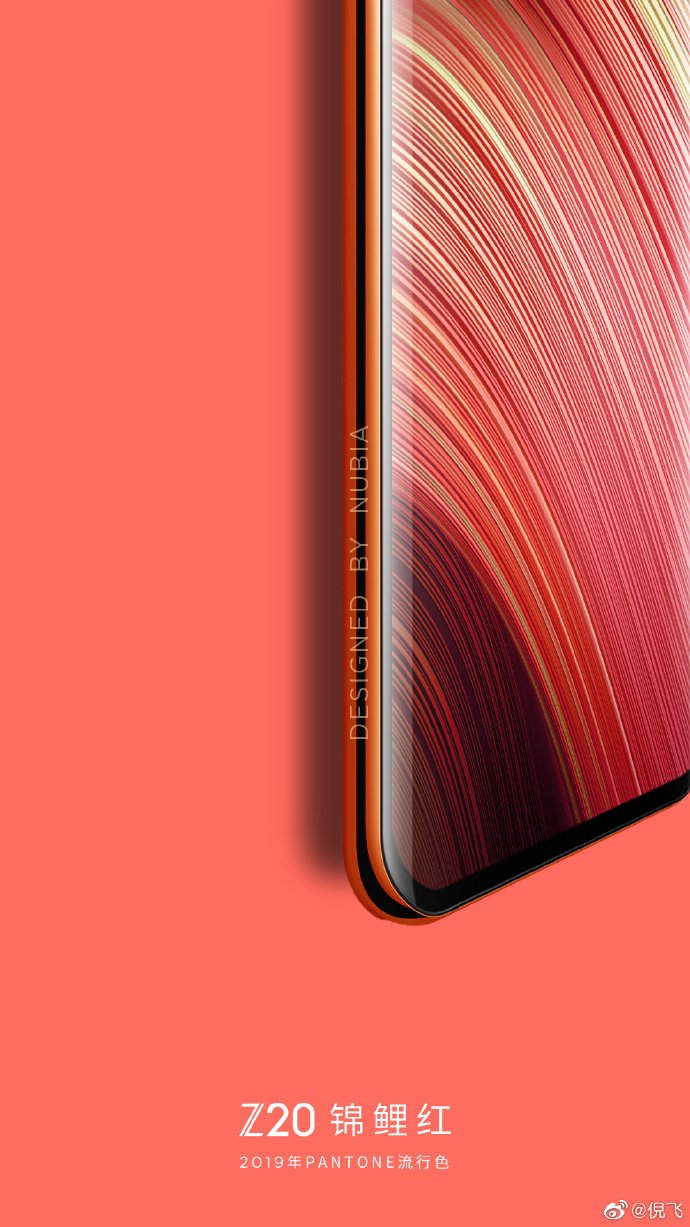
Nubia Z20 will be officially announced on August 8 in Beijing. But the co-founder and president of Nubia smartphone decided to tease us with a glimpse of the upcoming smartphone earlier today. He shared a render of the phone’s curved screen coming in a unique Living Coral inspired color, which is Pantone’s Color of the Year 2019.
Ni Fei, President of the Nubia brand reveals that the upcoming Nubia Z20 will feature a curved design on the front as well as the back. We can see that the bezels on the sides are pretty thin and extends to the bottom with only a slight increase in thickness. There’s a black strip going through the sides, which is likely just a design element. There’s also the inscription, ‘DESIGNED BY NUBIA’ on the left side of the device.
Nubia Z20’s color in the render is particularly unique because it’s inspired by the Living Coral color theme. The company is calling it as the ‘Koi Red’ (likely because the company thinks the color is close to the red patches on the Koi fish). Judging from the black line that goes through the side, we could see more instances of black on this phone.
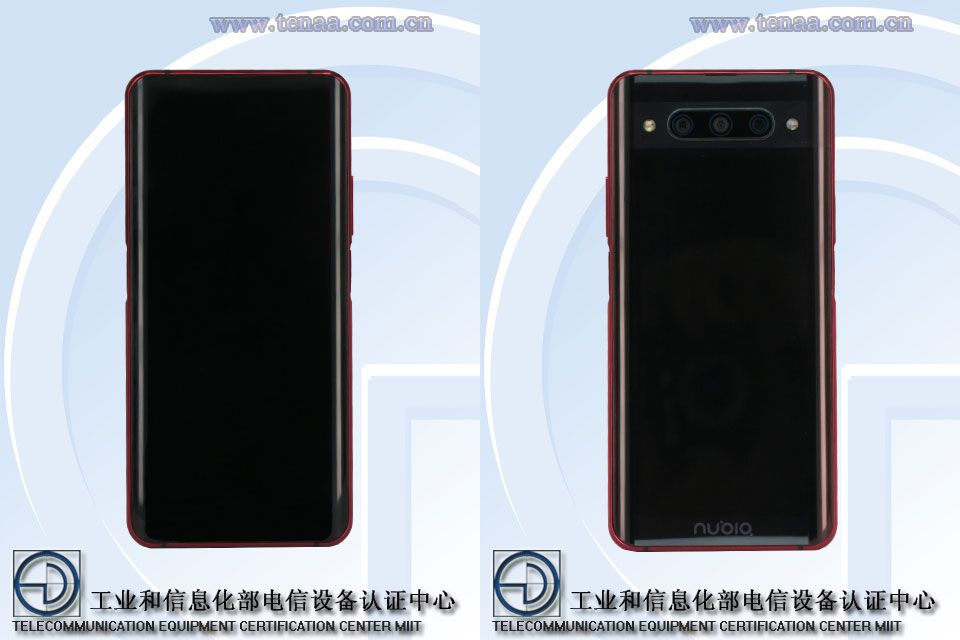
TENAA listing also confirmed the Nubia Z20’s design and specs. We know that there will be a 6.42-inch OLED display upfront along with another display at the back, again an OLED panel but featuring a smaller 5.1-inch display with a lower HD+ resolution. The phone continues with the dual fingerprint design from the Nubia X. As for the cameras, there’s a triple camera setup at the back arranged horizontally on top with a dual-tone flash on each sides of the setup. The phone is thick at 9mm, likely because of the additional screen at the back and a large 3900mAh battery.
Nubia Z20 images according to TENAA
Nubia Z20 is expected to bring a flagship-level camera experience, even capable of shooting 8K videos. The company has already shared a few samples from the device and they look beautiful, especially all the landscapes. So, we hope to see a stellar camera performance from the upcoming flagship.
HTC, a Taiwan-based consumer electronics company, which hasn’t been doing well since the past few years in the smartphone market, is now reportedly caught up in a patent dispute. Because of this patent issue, the company has now pulled all of its smartphone devices from sale in the United Kingdom.
A UK-based company named IPCom GmbH & Co. KG, which specializes in intellectual property licensing and Research & Development, is fighting HTC over patents dispute. The details of this particular legal dispute aren’t too interesting, but HTC agreed at one point to only sell phones in the UK that didn’t violate IPCom’s patents of a wireless technology developed for car phones.
Munich-based Ipcom has alleged it carried out tests earlier this year that showed no workaround had been implemented. IPCom is now alleging that HTC failed to “play by the rules” and has a “disregard for the law by contravening a UK court ruling”.
However, HTC spokesperson told BBC that “we are proactively investigating an infringement claim by a third party with respect to a single handset model.” Meantime, HTC’s website now lists all smartphones as out of stock, though Amazon UK still has a few models left. Other products from HTC, which includes 5G router and virtual reality headsets, remain on sale.
HTC is reportedly making a comeback in the Indian smartphone market with a new flagship smartphone series later this month. The company had stopped selling phones in India due to the low sales and its South Asia head and in-charge of Indian business Faisal Siddiqui had resigned.
There was a time when HTC’s smartphones were known for the build quality and design, the speakers, the user interface and much more, which is no longer the case. India is a price-sensitive market and currently has cut-throat competition. If HTC wants to succeed this time in India, it will have to offer value-for-money phones with aggressive pricing.
At the end of the previous month, a 5G enabled Xiaomi phone with model number M1908F1XE was spotted at the database of TENAA. The listing of the phone with all its specifications and images have not appeared yet on the website of the Chinese telecom authority. Today, the same model has bagged 3C certification from 3C body of China with a superfast charger. The M1908F1XE Xiaomi phone could be the next Mi MIX series or a 5G version of the Xiaomi Mi 9.
The M1908F1XE 3C listing reveals that it’s a 5G smartphone. Also, the MDY-10-EX charger that has been approved along with the handset carries support for up to 45W charging. The Xiaomi Mi 9 that was announced earlier this year has support for 27W fast charging. It appears that the M1908F1XE with fastest charging rate seen on a Xiaomi phone. The upcoming Samsung Galaxy Note 10+ 5G for China will be also equipped with 45W fast charging support. It is advisable to wait for further reports to confirm on the identity of the M1908F1XE Xiaomi smartphone.
The last Mi MIX model from the company i.e. the Mi MIX 3 5G was a smartphone that carried support for 5G connectivity. Hence, it goes without saying that its successor model will also come equipped with 5G support. However, its uncertain whether the upcoming Mi MIX model will be called Mi MIX 3s or Mi MIX 4. Since the number 4 is considered as bad omen in China, the company may skip the Mi MIX 4 to launch it as Mi MIX 5.
Xiaomi is expected to announce the next Mi MIX smartphone in October this year. Hence, the rumor mill is expected to spill plenty of information on its specifications and design in the coming weeks. Since it will be a premium flagship phone from the company, it may either feature Snapdragon 855 or Snapdragon 855+. The chances of the company choosing the latter seems likely since the Mi MIX 3 5G was fueled by the SD855 chipset.
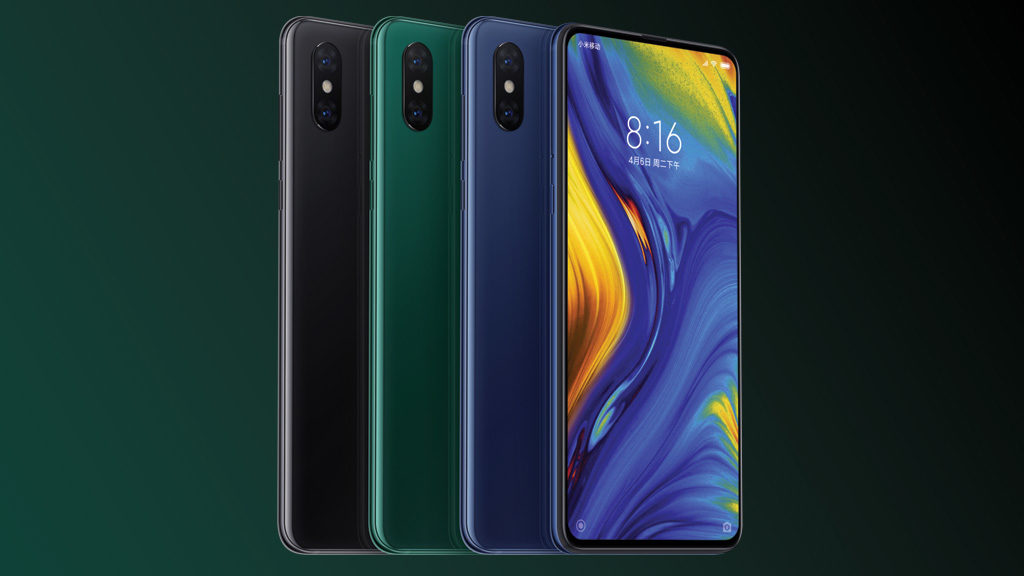
Xiaomi Mi MIX 3
Rumors surrounding the upcoming Mi MIX smartphone have revealed that it will be arriving with faster wireless charging technology than 20W wireless charging available on the Xiaomi Mi 9. Also, an XDA Developers report from last week had revealed that the upcoming Mi MIX smartphone will come with reverse wireless charging feature. It goes without saying that it will continuous to boast a high screen-to-body ratio like the predecessor models.
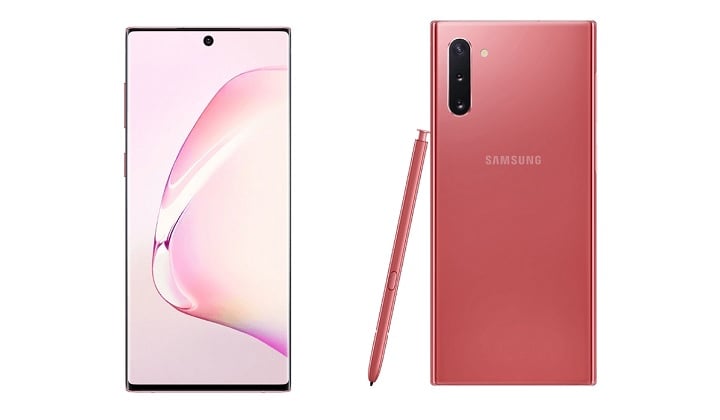
Samsung will be holding a global launch event on Aug. 7 to announce the Galaxy Note 10 series. A fresh report by 91mobiles states that the South Korean company will be holding an unveil event in India too on Aug. 20 to launch the Note 10 series. The report also claims that the Note 10 lineup will be available for buying from Aug. 22.
Samsung is expected to launch the Galaxy Note 10 and Note 10+ smartphones in India. A recent report had claimed that the Note 10 and Note 10+ will be hitting the Indian market on Aug. 23. However, that publication that cites information received from an anonymous Samsung official states that the Note 10 series will be made available for purchase across international market including India on Aug. 22. Samsung also has a 5G version of the Note 10+. It won’t be coming to India since the country is not 5G-ready yet.
Samsung Galaxy Note 10 and Note 10+ Specifications
The Galaxy Note 10 and Galaxy Note 10+ will be coming with respective Dynamic OLED Infinity-O displays of 6.4 inches and 6.8-inches. The curved edged displays of both devices will feature a small round-shaped cutout at the top-center for the front-facing snapper of 10-megapixel. Both smartphones will come equipped with ultrasonic in-display fingerprint scanners.
Depending on the market, the Galaxy Note 10 series will come in Snapdragon 855+ and Exynos 9825 chipset editions. The Exynos 9825 variant will be made available in India. The Android 9 Pie OS with One UI skin will come preloaded on the Note 10 series. The Note 10 may come with 8 GB of RAM and 256 GB of storage whereas the Note 10+ could be equipped with 12 GB of RAM and 256 GB / 512 GB of storage. The Note 10 may lack the microSD card slot while the Note 10+ may retain it.
The rear shell of the Galaxy Note 10 and Note 10+ features triple camera setup on their rear. It includes a 12-megapixel primary lens with f/1.5 – f/2.4 variable aperture, a 16-megapixel wide-angle lens with f/2.2 aperture and a 12-megapixel telephoto lens with support for 2x optical zoom. The Galaxy Note 10+ will also feature an additional ToF (Time of Flight) sensor.
The Galaxy Note 10+ will come with a 4,300mAh battery that will carry support for 45W fast charging and 20W fast wireless charging. The Note 10 will have a 3,500mAh battery with 25W fast charging and 12W wireless charging. Both devices will also come with support for reverse wireless charging. Both devices will lack support for 3.5mm audio jack.
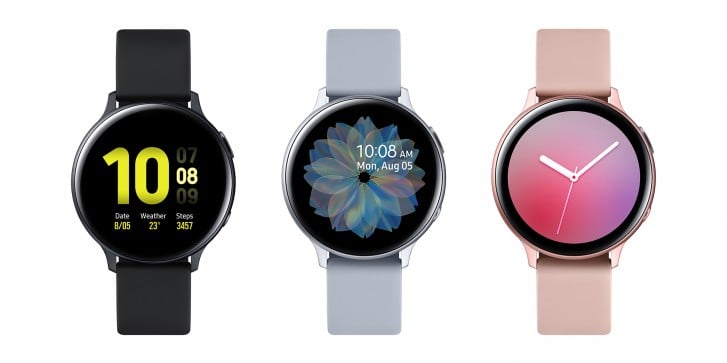
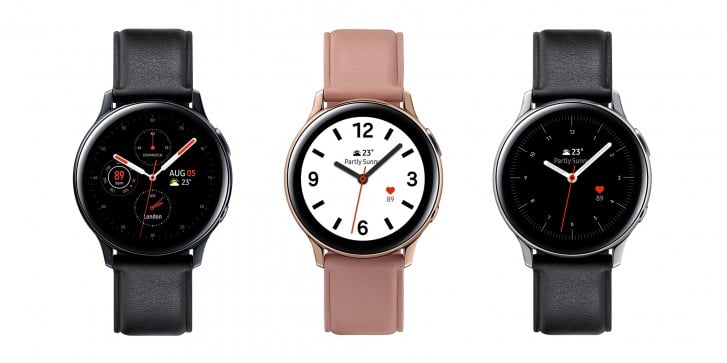
After weeks of leaks, Samsung has finally announced the Galaxy Watch Active 2 smartwatch in the U.S. It comes in two sizes and two styles. The Galaxy Watch Active 2 that is designed to withstand harsh conditions features a round-shaped AMOLED display and plenty of health-centric features including an electrocardiogram (ECG).
Samsung Galaxy Watch 2 Specifications and Features
The Galaxy Watch Active 2 exists in 40mm and 44mm sizes. It does not feature a rotatable bezel but features a virtual one. Also, the Watch Active 2 comes in two styles such as a casual edition that has an aluminum chassis and FKM wrist band and there is a premium version featuring stainless steel body along with a leather strap. On both versions, users can easily replace the existing strap with any 20mm band.
Samsung Galaxy Watch Active 2 – 40mm Aluminum
The Galaxy Watch Active 2 is an IP68 rated and MIL-STD 810G rated water-resistant and dustproof device that can remain unaffected from harsh climatic conditions. Also, it is swim-proof product since it comes with 5ATM water resistance. The display of the phone is shielded by Gorilla Glass DX+. The One UI allows users to create a customized watch that matches with the clothes of the user. To use it, one needs to take a photo of the outfit that he is wearing through My Style feature present in the Galaxy Wearables app.
The Galaxy Watch Active 2 offers users with 39 workout option with different categories. It features an improved optical heart rate tracker with 8 LEDs for faster readings. The device also features an electrocardiogram (ECG). It also comes with Calm app for improving sleep through meditation programs. The device can also track stress levels.
The Galaxy Watch Active 2 houses a S-AMOLED display that supports 360 x 360 pixels resolution. The 40mm device has a 1.2-icnh display whereas the 44mm model is fitted with a 1.4-inch screen. The Exynos 9110 chipset along with 768MB of RAM powers the Galaxy Watch Active 2. The LTE supported stainless steel edition of the smartwatch being a premium model has 1.5 GB of RAM.
The smartwatch runs on Tizen OS and comes with real-time voice and text languages. Samsung Health, Smart Things, Samsung Pay and Bixby are some of the features packed of the device. It can be used to launch camera on paired devices such Galaxy S9, Galaxy Note 9 or Galaxy S10.
Samsung Galaxy Watch Active 2 Price and Availability
The Galaxy Watch Active 2 will be up for pre-orders from Sept. 6 and its shipments will begin from Sept. 26. The 40mm aluminum edition of the Watch Active 2 is priced at $279 and the 44mm variant carries a price tag of $299. Customers who pre-order the Watch Active 2 will be provided with Wireless Charger Portable Battery for free.
Samsung is yet to confirm the pricing of the stainless-steel edition of the Galaxy Watch Active 2. In the US, the smartwatch will be available through all the leading carries such as AT&T, Sprint, T-Mobile, US Cellular and Version from Sept. 27.
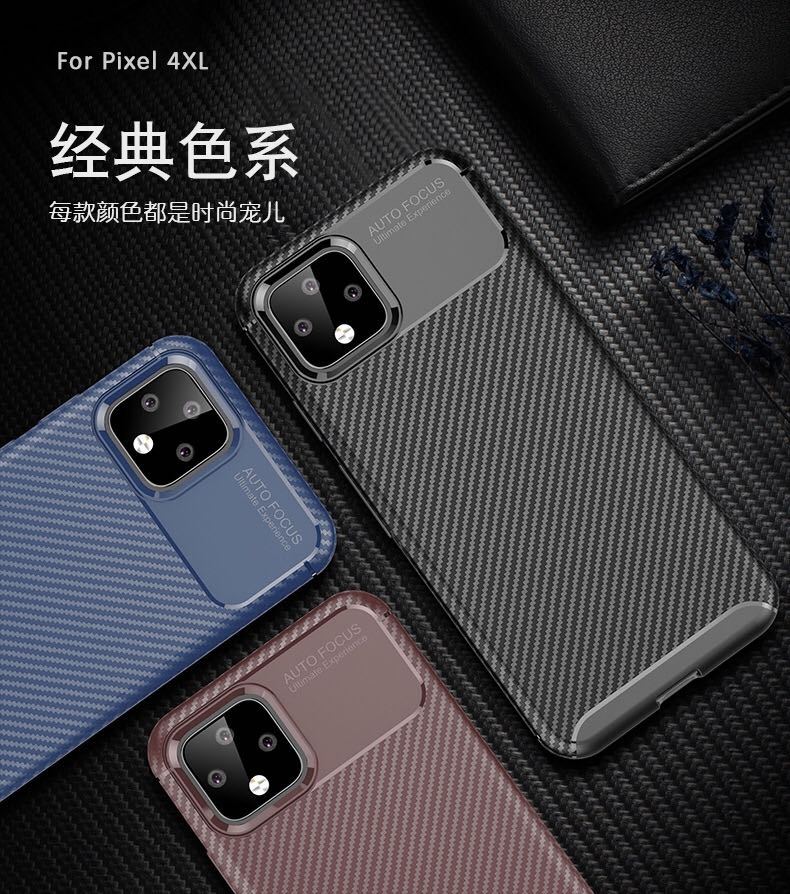
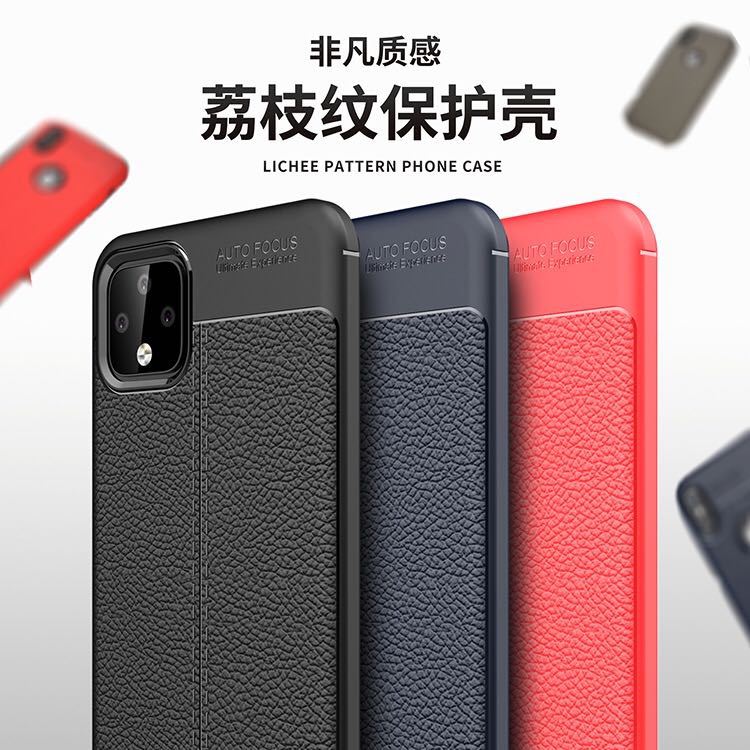
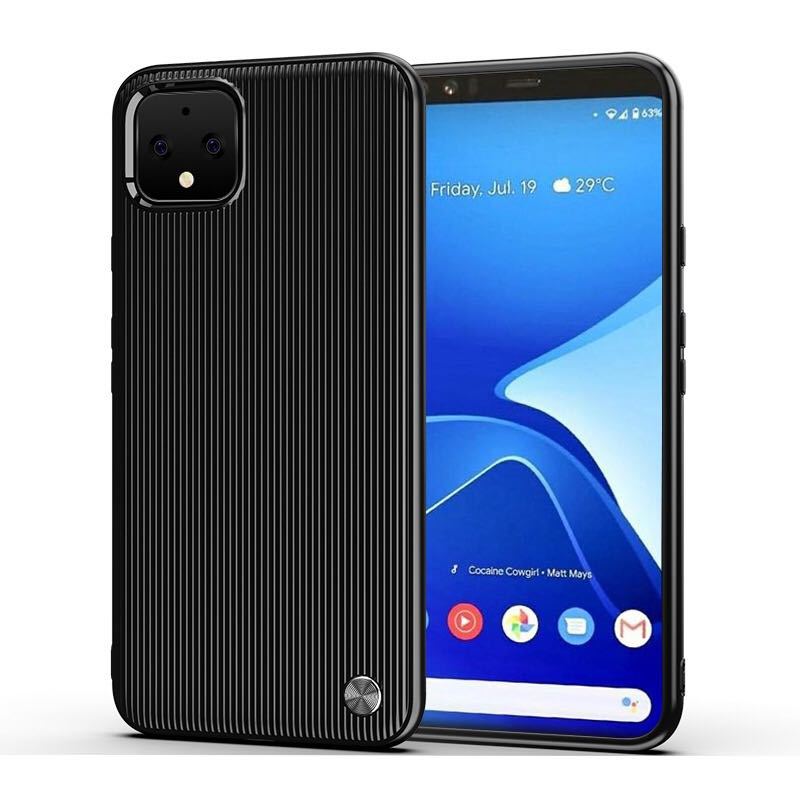
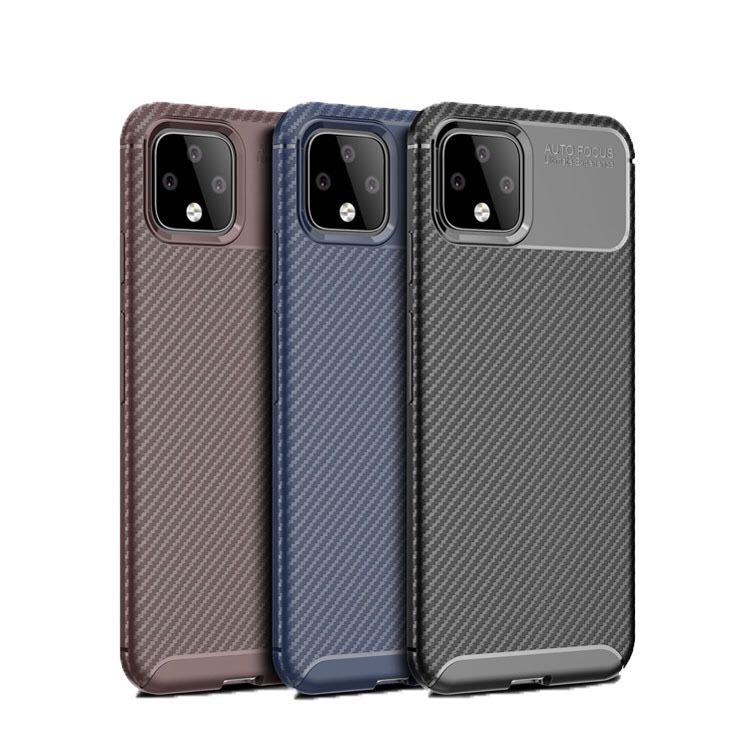
Now, we have high-resolution case renders of the Pixel 4 XL and while they don’t reveal much, we get to see the rear cameras up close.
The Pixel 4 XL will have three rear cameras – a huge upgrade from the single rear camera on the previous generations. One of these cameras should be an ultrawide angle camera.
The expected mind-blowing performance of the cameras should make up for the square-shaped camera module which a lot of folks are still trying to accept. However, seeing as this year’s iPhones will also be sporting a similar design, the Pixel 4 and Pixel 4XL won’t be the only ones being made fun of.
All the cases provide the needed grip for a phone which is actually covered in glass. And as you can see, the cut-out for the camera housing is raised so that the glass doesn’t get scratched when placed on a surface. Not like it should even get scratched in the first place as we bet the glass covering the camera housing is most likely Gorilla Glass 5 or 6.
1 of 4
Pixel 4 XL case render
The Pixel 4 series will come with 6GB of RAM, an OLED display, Face Unlock similar to Apple’s Face ID, a Soli Radar chip for gesture control, Titan M security chip and a Snapdragon 855/855+ processor. They will also run Android Q out of the box when they launch in October.
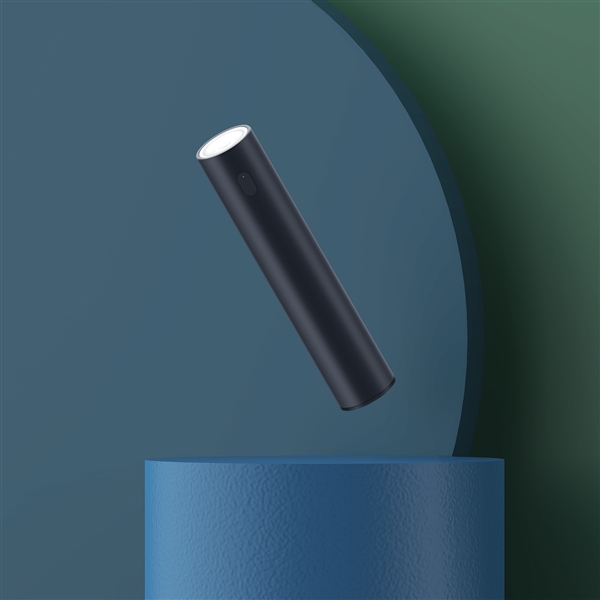
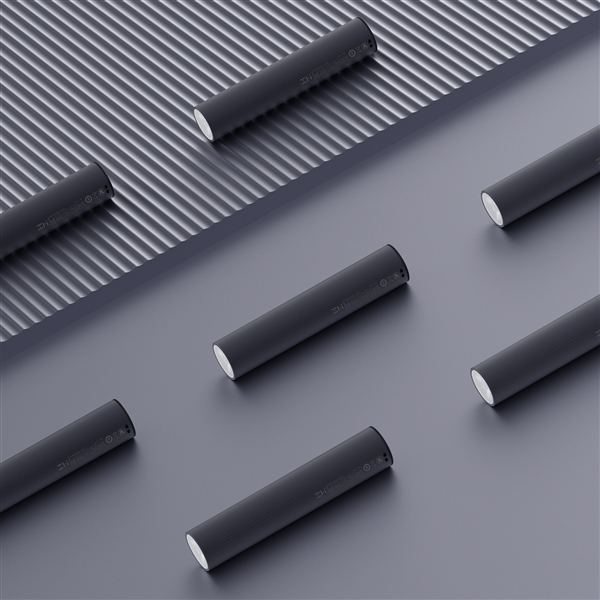
Vacations are periods we want to pack all the things we are going to need but still want to keep the bag light. One essential product needed on the move is no doubt a torchlight which can help in various ways apart from illumination. A power bank is also an important gadget to have around. How about having a gadget with both functions? Xiaomi‘s ecological chain partner ZMI has launched a portable flashlight that can also be used as a power bank.
The ZMI Portable flashlight utilises an aluminium alloy body. The flashlight is made of imported Nichia LED lamp beads can last up to 10,000 hours and with superb brightness of 500 lumens. The lights come with 5 adjustable brightness levels with the longest range the light can go is 110m. In addition, the light uses an LG high-density lithium-ion battery with a large capacity of 5000mAh. The battery can illuminate for as long as 3600min.
As stated earlier, the flashlight can also be used as a portable charging power bank. The device supports two-way fast charging. The device can provide fast-charging up to a power of 12W. The gadget has a USB-A output interface as well as a USB-C input interface for charging the battery. The device comes with an IPX6 waterproof design which means it can be used inside the rain or under other wet conditions.
The ZMI portable flashlight can be turned on by pressing the power button for a long time. When the flashlight is turned on, pressing the button for a short while changes the brightness level. Also, double-clicking the power button switches on the highest brightness level. In an emergency, the SOS mode can be turned on by pressing the button three times. This delivers extremely short bursts of light (strobe).
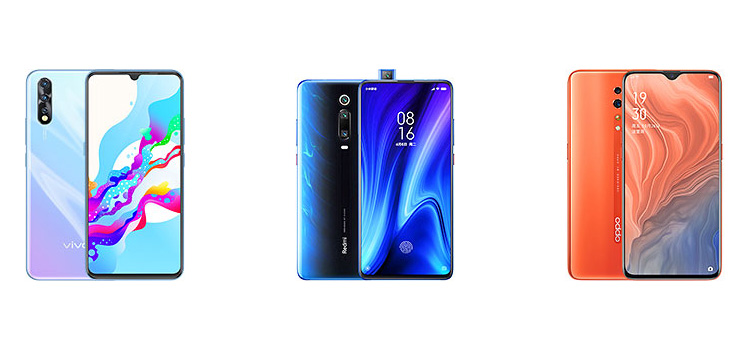
Three months after the astonishing Z5x, Vivo unveiled a brand new mid-ranger focused on quality-price ratio: the Vivo Z5. The new smartphone looks very promising because it offers upper-midrange specifications at a very affordable price. But there are a lot of phones with such a value for money out there in 2019, including best-sellers. Will the new Z5 be able to compete with these devices or it will be cannibalized? In order to predict its success and establish if it is worth choosing it among the many actual choices, we decided to compare it with the best-selling Redmi K20 and the new Oppo Reno Z which is making a lot of success even in the global market.
Vivo Z5 vs Redmi K20 vs Oppo Reno Z
Vivo Z5
Xiaomi Redmi K20
Samsung Galaxy A80
DIMENSIONS AND WEIGHT
159.5 x 75.2 x 8.1 mm, 187 grams
156.7 x 74.3 x 8.8 mm, 191 grams
157.3 x 74.9 x 9.1 mm, 186 grams
DISPLAY
6.38 inches, 1080 x 2340p (Full HD+), 404 ppi, Super AMOLED
6.39 inches, 1080 x 2340p (Full HD+), 403 ppi, AMOLED
6.4 inches, 1080 x 2400p (Full HD+), 402 ppi, AMOLED
Triple 48 + 8 + 5 MP f/1.8 and f/2.2 and f/2.4
32 MP f/2.0 front camera
Triple 48 + 13 + 8 MP f/1.8 and f/2.4 and f/2.4
20 MP f/2.2 front camera
Dual 48 + 5 MP f/1.7 and f/2.4
BATTERY
4500 mAh, fast charging 22.5W
4000 mAh, fast charging 18W
4035 mAh, fast charging 20W with VOOC 3.0
ADDITIONAL FEATURES
Hybrid Dual SIM slot
Dual SIM slot
Dual SIM slot
Design
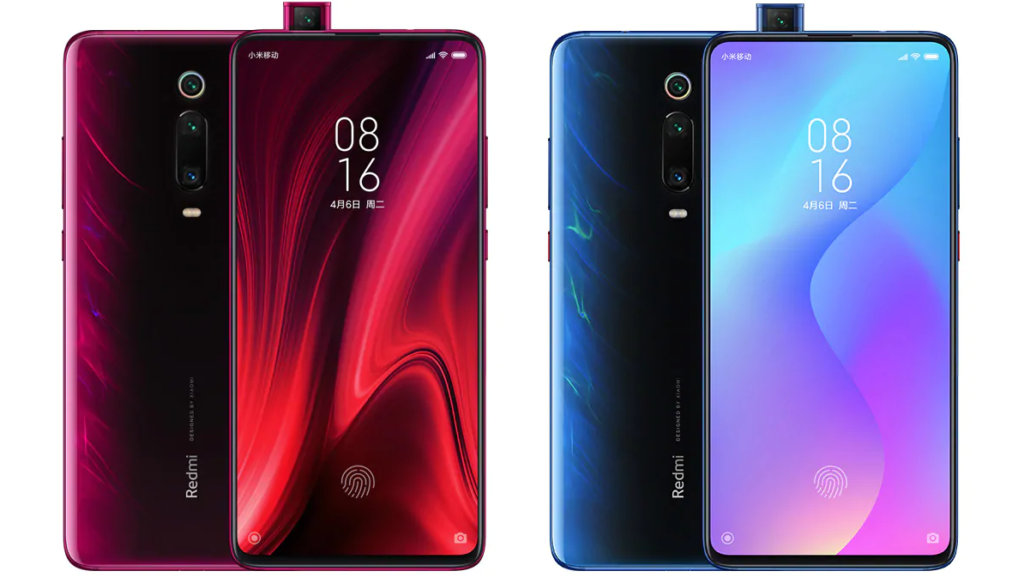
No stories: Redmi K20 is the best, at least according to my tastes. First of all, it features premium materials, including an elegant glass back with suggestive effects on light reflection and an aluminum frame. Secondly, it is equipped with a full borderless display, so there is no notch and its bezels are very narrow. This is possible thanks to the presence of a motorized pop-up camera. Both Vivo Z5 and Oppo Reno Z boast a classic waterdrop display, as well as an elegant reflective back available in gradient hues. Both are beautiful and well-built handsets, but when it comes to the design, they are nothing compared to the Xiaomi Redmi K20.
Display
Given the support to the HDR technology, Redmi K20 and Oppo Reno Z show more brilliant and realistic colors through their displays. However, you get brilliant colors in each case as all of these devices feature AMOLED panels. Even the display sizes are more or less the same, and all of them have an in-display fingerprint reader. So you do not get so many difference when it comes to display, that is the reason why we recommend you to focus on other specifications.
Specs & Software
Snapdragon 712 for the Vivo Z5, Snapdragon 730 for the Redmi K20 and Mediatek Helio P90 for the Oppo Reno Z. Three amazing upper-midrange processors, but Snapdragon 730 is above all of its opponents. It is built at just 8 nm, so it is very efficient and also very performing (both CPU and GPU). You can not find a better midrange chipset in the actual Qualcomm’s line-up. Snapdragon 712 and Helio P90 offer very similar performances in a lot of scenarios, but Snapdragon 712 is definitely better when it comes to speed and reactivity, while Helio P90 is faster to perform AI tasks. Note that Redmi K20 even comes in the best memory configuration with 8 GB of RAM and 256 GB of internal storage.
Camera
The most convincing rear camera setup is on board of the Redmi K20. The mid-ranger from Xiaomi’s sub-brand features a 48 MP main sensor, a pretty nice ultrawide lens with a 13 MP resolution and even a telephoto lens with 2x optical zoom. The second place goes to the Vivo Z5 which has a worse rear camera than Redmi K20 but a way better selfie camera. Oppo Reno Z is the only to feature a dual camera instead of a triple camera, but its rear main sensor is still awesome thanks to its bright aperture and a pretty nice stabilization.
Battery
Vivo Z5 is powered by a huge 4500 mAh battery and it wins the battery life comparison in most of the scenarios, followed by the Redmi K20 with its very efficient 8 nm chipset and a 4k mAh battery.
Price
Vivo Z5 is the most affordable with a €210/$235 starting price, Redmi K20 starts from €260/$291 and Reno Z carries a €330/$370 price. At the end of the day, Redmi K20 looks a lot better thanks to its higher performance, better design, nice display, and amazing cameras.
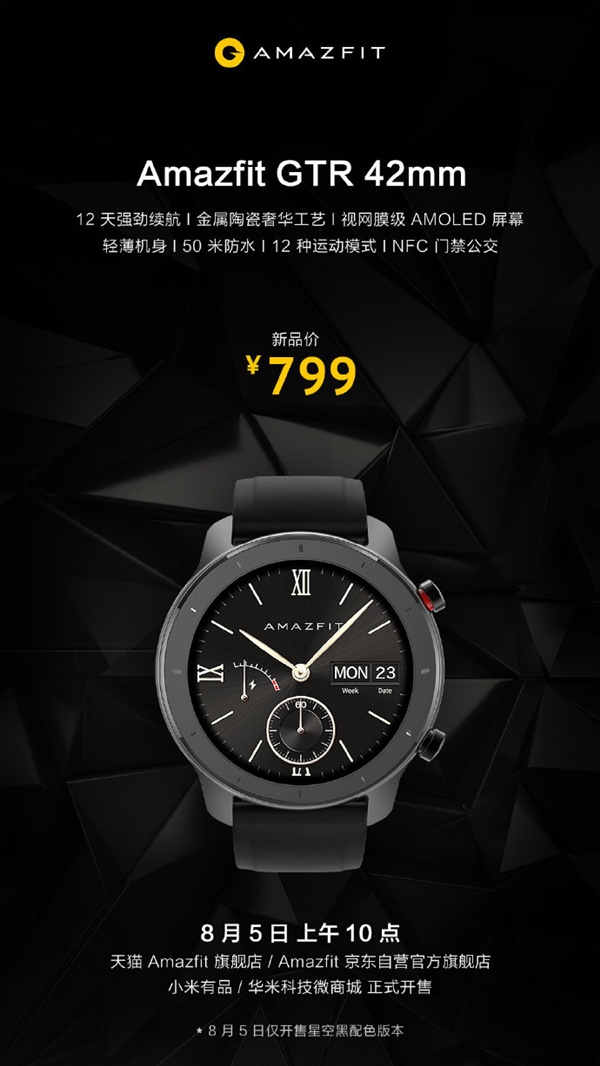
Huami has finally released the Amazfit GTR smartwatch 42mm version in China. The smartwatch comes with a price tag of 799 yuan ($113). For now, though, only the Starry Black colour variant is available to buy. But the watch comes in four colours; starry black, pink, moonlight white and coral red colours.
The Huami Amazfit GTR smartwatch was released on July 16 and comes in 47/42mm sizes, both adorned with three high-grade metals: titanium, stainless steel and aluminium. The 42mm version is smaller and more compact. The body is only 9.2mm thick and weighs 25.5g.
For the watch face, the Amazfit GTR 42mm series is equipped with a 1.20-inch AMOLED colorful screen with a resolution of 390×390. The screen is covered by the Corning Gorilla 3 with anti-fingerprint (AF) coating. In terms of functions, it supports mobile phone calls, text messages, emails, calendars, social applications and other information reminders, and can also find mobile phones and control mobile phones to play music. The watch also supports contactless payment as it is equipped with a built-in NFC chip. It can also be used to unlock the smart door lock and other contactless services such as bus card.
In terms of battery life, the Amazfit GTR 42mm daily use mode lasts for 12 days, the basic watch mode is 34 days, and the GPS continues to work for 22 hours. The 47mm version sports a bigger 1.39-inch screen with a resolution of 454 x 454 pixels.
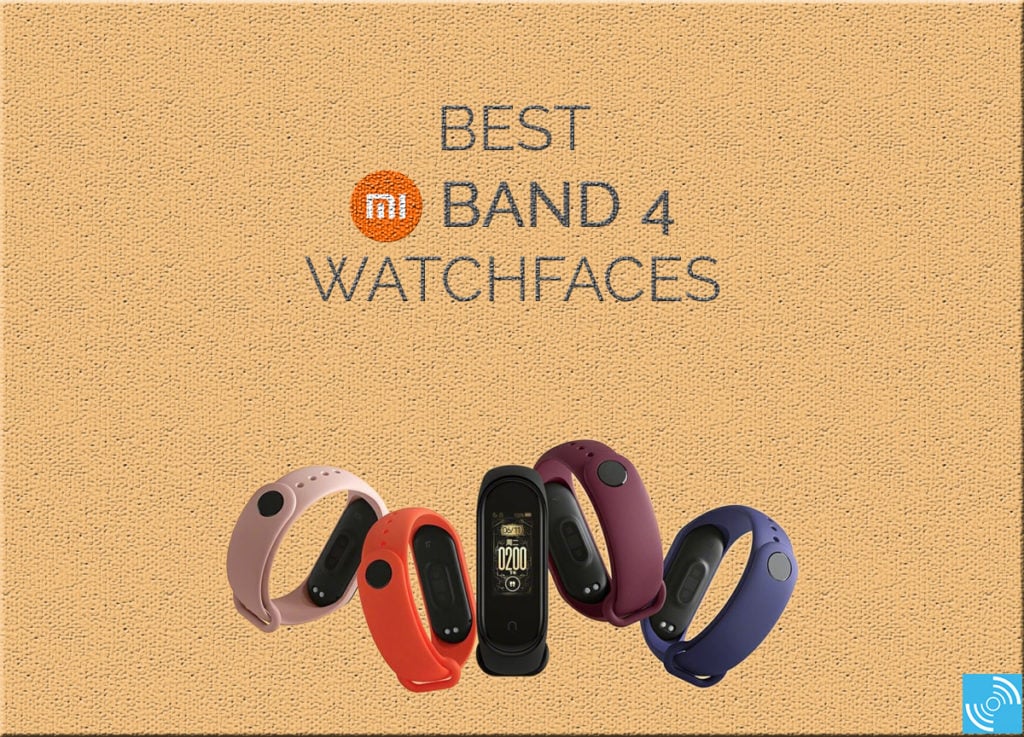
Xiaomi is popularly known for its Amazfit smartwatch and Mi Fitness Bands in the wearable market. The Chinese electronics maker recently unveiled Xiaomi Mi Band 4 with some upgradations over the predecessor. The Mi Band 4 comes in three different variants in China – Standard, NFC + AI Voice Assitant and the Mi Band 4 Limited Avengers Edition. The refined and beautifully crafted fitness tracker also supports custom watchfaces. A user can easily switch between watchfaces according to the choice.
Xiaomi Mi Band carries a 0.95-inch color AMOLED display with the resolution of 120 x 240 pixels and can hit up to the maximum brightness of 400 nits. The 5ATM certified wearable can sustain for 14 days with its 135 mAh battery. The Xiaomi Mi Band 4 features an elliptical design and a silicone strap. The Xiaomi Mi Band 4 offers health features such as sleep monitoring, heart-rate monitoring, all-day heart rate checking, heart rate chart, idle alerts, etc. The affordable yet useful fitness band is easily customizable with different watch faces.
In our today’s writeup, we have compiled a list of best watch faces for Xiaomi Mi Band 4 after filtering the Amazfit Watchfaces store.
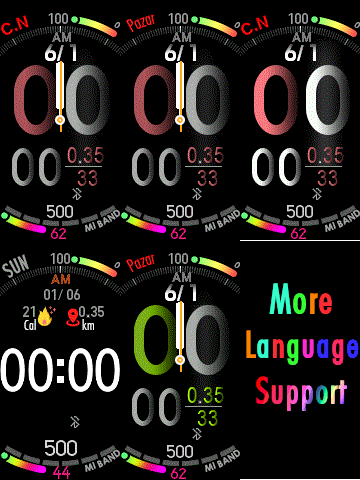
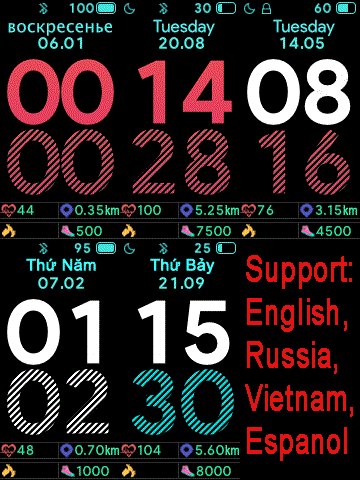
It is a famous digital watch face depicting a bright techno font developed by Alixinhza`i. It showcases time and date, heart rate, and step counter details. Colorful Number Watchface is a multilingual watch face with the support for English, Vietnamese, Espanol, Portuguese, Russian and others.
It is among the most popular watchfaces as it is stemmed from the Apple Watch Nike+. The author has used original fonts to give the actual look. It displays the date in Day > Month > Week format with the presence of Do not disturb, Lock and Bluetooth indicators. The user can customize the color between 10+ different color options. It is recommended to restart the device after installing the watchface.
It is another multilingual watchface with both digital and analog clocks over the top. It supports more than 10+ languages including Hindi, Chinese, English, Russian, Italian, Indonesian, German, French, etc. Digital Apple Watch is a vibrant yet stylish watchface for the trendy youth. The author has synced the date with the country’s date format.
Are you fond of minimal designs? Then Galaxy Fit watch face which is ported from Samsung’s wearable lineup best suits you. The clean design of the watch face depicts time, battery status, and step count. It only supports the English language.
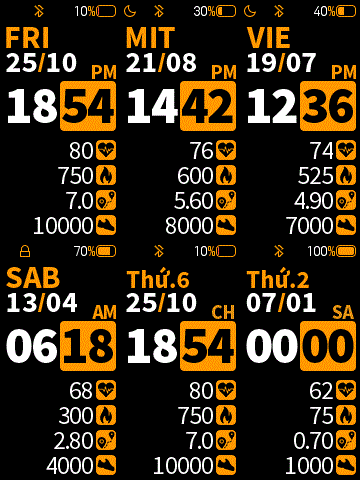
Do you love the calculator font or want more detailed information at a single place? Then the Digital – Black Version watch face is what you need. It shows battery status, weather, min/max temperature, date, and time details along with the steps, distance, and heartbeat counter. It also carries beautiful weather icons. On the top, the watch face depicts battery status, with Bluetooth connectivity ad other details.
A more clear look and easily readable font are two major features of this watch face. It shows all the information emphasizing the readability. The compatibility with different languages also makes it best out of the lot. It is developed by Alixinhzai.
It is a beautifully designed custom watch face with the huge time display. It supports multiple languages and colors along with some essential details like heart rate, steps counter, and travel time. The stylish watch face is downloaded in thousands and is among the most loved watch faces.
A pale black and white watchface for the person who loves to have a classic look on the Mi Band 4 watch face. It supports English and Portuguese languages. It depicts date and time, heart rate, step counter, battery status, and other essential counters.
Apple Watch UI is popular among wearable owners, and its drawer UI is also loved by many Mi band 4 users. Thanks to as_im, who has created this beautiful Apple app drawer watch face for Mi band 4. It displays analog dial with Weekday and Data display. However, the digital clock is recently added to the watch face with Bluetooth and some other details.
Well, these are some best Mi Band 4 watchfaces available at the Amazfit watchface store. You must try out these watchfaces to get a newer look on the Mi Band 4 and also don’t forget to share your favorites too via the comments below.
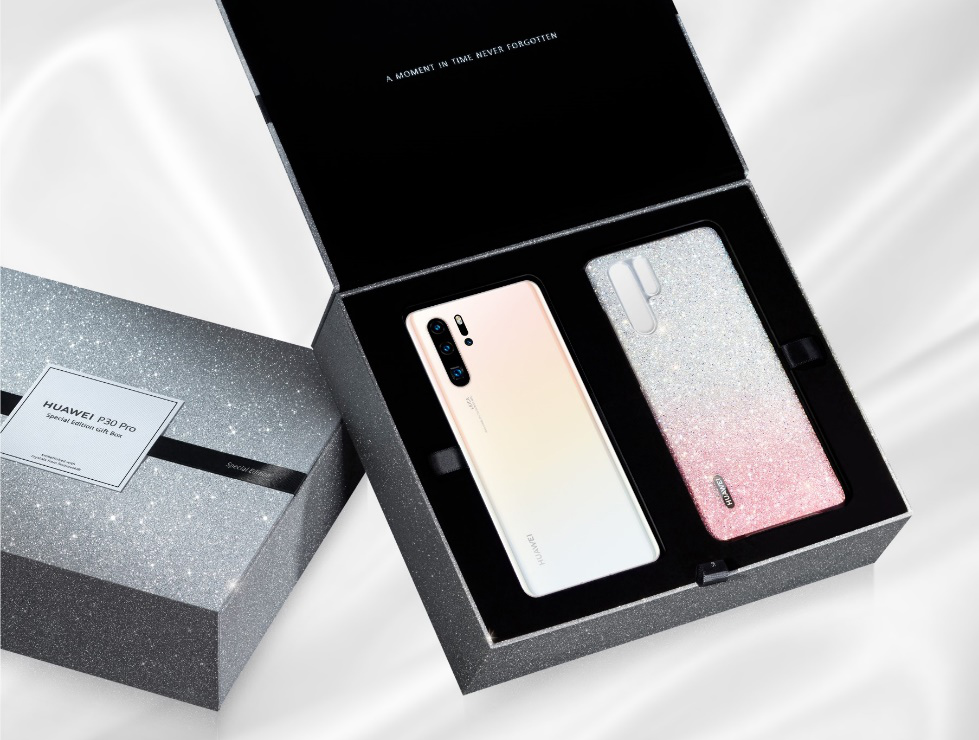
Huawei has released a limited edition Huawei P30 Pro for the Middle East. This special edition includes a Pearl White version of the phone and a case covered in Swarovski crystals.
Huawei calls it the Huawei P30 Pro Limited Edition Pearl White in Special Gift Box with Glamorous Case. We agree it is a pretty long name. It comes in a special gift box and is available in the UAE and Saudi Arabia. Inside the glittering box are an 8GB RAM + 128GB version of the P30 Pro and the crystal-covered case.
The limited-edition phone is priced at AED 2599/SAR 2599 and is available in limited quantities. If you already own the phone, you can purchase the case separately for AED 499 (~$136). It will be available in stores by August 8, in time for the Eid al-Adha celebrations which is this Sunday. You can order it online already but Huawei says orders made from August 6 will be shipped on August 14.
The Huawei P30 Pro sports a 6.47-inch FHD+ AMOLED display with an in-display fingerprint scanner. It doesn’t have a traditional speaker for calls, instead, it uses Huawei’s Acoustic Display Technology. There is a Kirin 980 processor under the hood paired with up to 8GB of RAM and 512GB of storage.
The phone has a quad rear camera setup which includes a 40MP primary camera, an 8MP periscope camera, a 20MP ultrawide angle camera, and a ToF 3D camera. There is a 32MP sensor in front for selfies. The Huawei P30 Pro has a 4200mAh battery with support for 40W fast charging and a 15W wireless charging. It also has reverse wireless charging allowing you to charge other devices that support wireless charging.
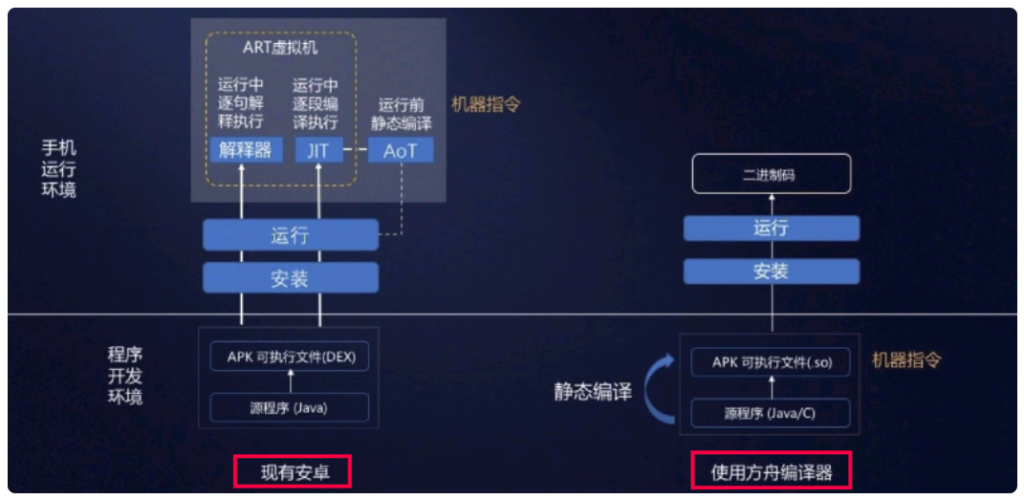
Earlier this year, Huawei unveiled its Android compiler known as Ark compiler to speed up the code execution. It aims to improve the overall Android system efficiency by making App compilation more fluent. As announced earlier, the Huawei has finally opened the Ark Compiler for public. Huawei’s idea behind making it open-source is to nourish the development ecosystem, which can play a significant role in the growth of Huawei’s upcoming OS. However, the Chinese electronics maker has not revealed any exact information, but if we believe the industry analysts, then the company is establishing a base for its own OS.
The Ark Compiler can improve the overall speed and fluency of the Android System. It is a major breakthrough after the Dalvik VM and the ART (Android Runtime). Statistically, Ark Compiler improves the fluency by 24%, system response by 44% and the smoothness of the third-party application up to 60%. Ark Compiler brings the capability to convert some programs into machine code and execute them directly on the CPU. Majorly, it rejuvenates the deployment of software and also improves the Garbage Collection. Huawei is claiming to optimize the Android performance upto the levels of iOS.
It was launched along with the Huawei P30 in April and was later embedded into the Huawei Nova 5, Nova 5 Pro, Honor 20 series, Honor View 20 and some other devices. Huawei is planning to roll out the new compiler for some more devices such as Honor Magic 2, etc.
The interested users can download the released source code from the Huawei Cloud’s official website.
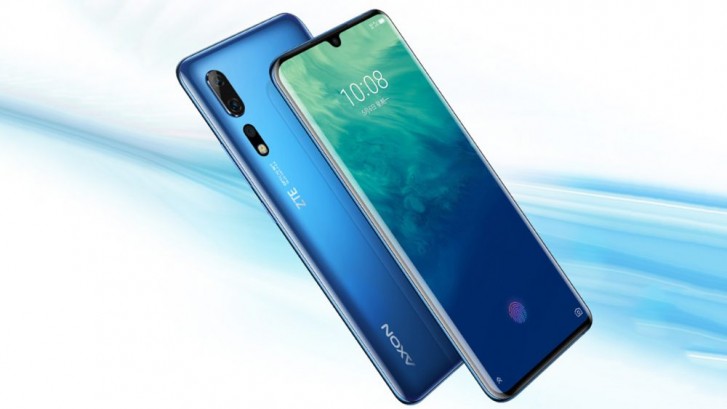
The number of 5G smartphones in the market is gradually increasing and is expected to increase even more next year when more carriers would have rolled out their 5G networks. ZTE Axon 10 Pro 5G is one of the 5G phones that have been released so far. The phone was announced a few months back but went on sale last month. AnTuTu has now shared the benchmark score of the Axon 10 Pro 5G on its Weibo page.
The Axon 10 Pro 5G is powered by a Qualcomm Snapdragon 855 chipset and also has a Snapdragon X50 5G modem onboard. The device has a benchmark score of 430,654 points which is higher than the earlier score of 380k. This is because the device was tested this time around with version 8 of the app. This should place the device in the same category, performance wise, with other 5G phones. However, the score is lower than that of the Black Shark 2 Pro gaming phone which is over 450k.
ZTE Axon 10 Pro 5G comes equipped with a 6.47-inch AMOLED display with a waterdrop notch, Full HD+ screen resolution as well as an in-screen fingerprint reader. The device is IP68 certified to ensure that it’s dustproof and waterproof. It comes with up to 12GB of RAM and up to 256GB of internal storage.
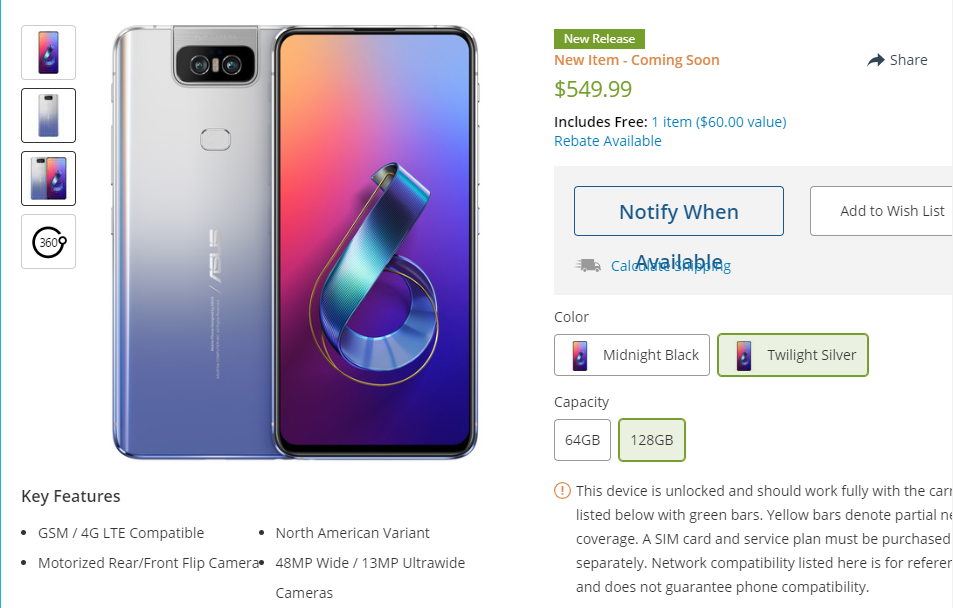
Update: The Zenfone 6 is now listed on the official website for $499 or $25/month. The page says “Temporarily Sold Out” but you can sign up to be notified. It is also listed on Amazon for the same $499 price but is sold by a third-party seller, Mobile Advance. It is said to ship in approximately 2 days.
If you are looking for an affordable flagship phone, you should consider the ASUS Zenfone 6. The phone not only costs less than a number of its competitors but also boasts features not available on some of them.
Launched back in May, the ASUS Zenfone 6 has received a lot of positive reviews; first for its design – a notch-less screen that covers nearly all the front; its motorized flip-out rear cameras which pull double duty as the front-facing cameras; its massive 5000mAh battery; and most importantly the revamped ZenUI which is cleaner, free of bloatware, and packs some pretty useful features you won’t find on stock Android.
After months of waiting, the ASUS Zenfone 6 is finally available in the US. The flagship is now available for pre-order on B&H Photo. There are two variants available – a 6+64GB version which is priced at $499 and a 6+128GB version which has a $549 price. You will be able to purchase any of the two configurations in either Midnight Black or Twilight Silver.
The store doesn’t list when the device will be available but you can sign up to be notified. At the moment, this is the only place the phone is listed. It is not even on the official ASUS site yet.
The Zenfone 6 sports a 6.34-inch FHD+ LCD display, a Snapdragon 855 processor paired with up to 8GB of RAM and 256GB of storage. There is a dedicated MicroSD card slot for storage expansion and you also get dual SIM support. The cameras are a Sony IMX586 48MP primary sensor and a 13MP ultra-wide-angle camera. There is a 5000mAh battery with support for Quick Charge 4. The phone also has a dedicated button for calling up Google Assistant but it is also customizable. It also has stereo speakers and an audio jack.
The Zenfone 6 runs Android 9 Pie but ASUS has promised Android Q and Android R updates for the phone. It is already recruiting beta testers for Android Q and there are reports that it will be available in November for the phone.
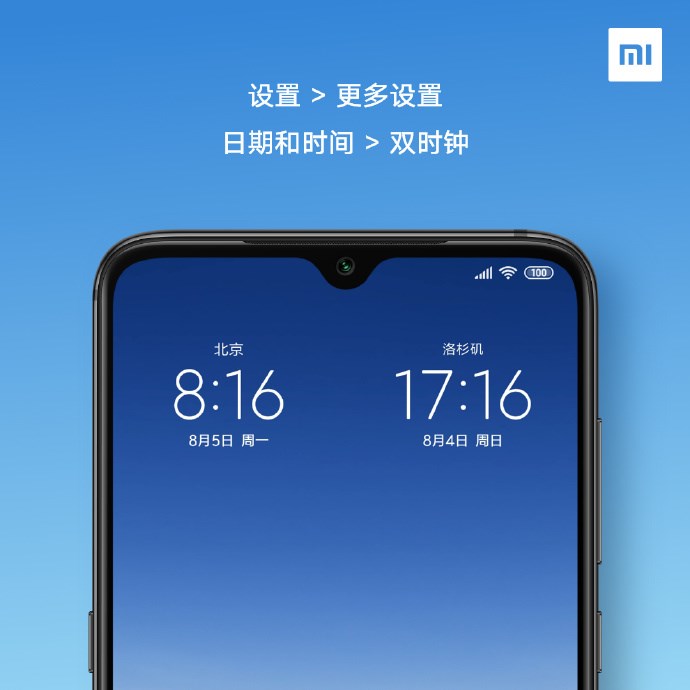
Xiaomi’s MIUI is one of the oldest Android skins prevailing in the market. MIUI 10, which was introduced in 2018, is still growing strong despite rumors of MIUI 11. The weekly MIUI developer beta updates always keep on adding new features while polishing the user experience. The latest MIUI 10 Developer Chinese beta which is now being rolled out adds dual clock widget which was absent in MIUI since the beginning. MIUI 10 China Developer ROM adds dual clock widget in the latest update.
Dual clock widget is not a new feature when we talk about Android smartphones. It has been present for many years on a number of Android skins like EMUI, HTC Sense, and others. But for some reasons, Xiaomi never added that functionality to MIUI until now. Though dual clock feature has been present in MIUI for a while, the widget for the same which can be placed on the home screen was not available.
The dual clock widget might sound ridiculous, but it is helpful for those who often travel across different time zones. Those specific or any MIUI 10 China Developer beta users can now enable dual clock widget on their Xiaomi smartphones if they have installed the latest update. To do so, go to Settings -> Additional Settings -> Date & Time -> Dual Clock. Once you have enabled it, you will have the dual clock widget like the picture above on your home screen.
Hopefully, this feature makes its way to MIUI 10 Global builds as well so that more users can make use of it.
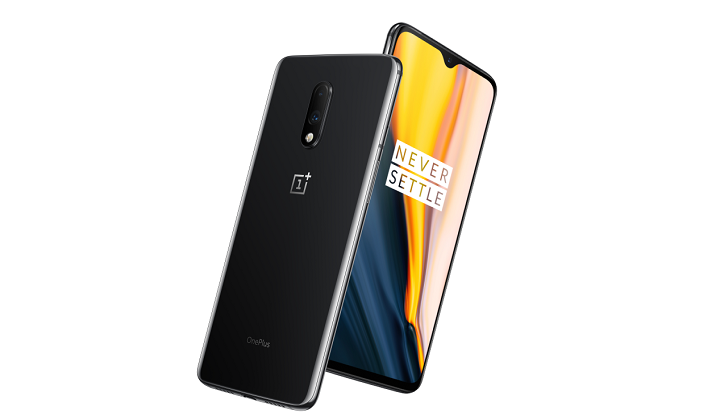
The OnePlus 7 is the next to receive the August 2019 security patch, after its sibling, the OnePlus 7 Pro. The update is rolling out as OxygenOS 9.5.8 and also includes some fixes and optimizations. OnePlus started rolling out over the weekend to users.
It is important to mention that the only plausible reason OnePlus is rolling out August’s security patch ahead of the Pixels and Essential Phone, which are known to be the first set of phones to get security patch updates, is because the OnePlus duo won’t be getting Android Q right away.
Going by last year’s release date for Android Pie, Android Q should arrive tomorrow and we expect it to come with the August security patch for the Pixels and Essential Phone.
Back to the update for the OnePlus 7, OxygenOS 9.5.8 which is 303MB in size, fixes some touch issues and updates Google Mobile Services to that of June 2019. Below is the full change-log:
System
Optimized Adaptive Brightness.
Fixed the issue with quick settings menu dropping down due to accidental touches, while on a call.
Updated GMS to 2019.06.
Updated Android security patch to 2019.08.
General bug fixes and improvements.
The OnePlus 7 is the cheaper version of the OnePlus 7 duo, it swaps the pop-up selfie camera of the Pro version for a camera notch in the display. It also skips the 90Hz refresh rate of the Pro version and has only two cameras on its back. OnePlus has also stuck to its 20W fast charging for the OnePlus 7 while giving the OnePlus 7 Pro Warp Charge 30 (30W). Do check out our review of the device.
As is usual with updates this is a staged rollout. You can wait for the OTA to get to you, download the incremental builds, or use the Oxygen Updater app to pull the update to your device.
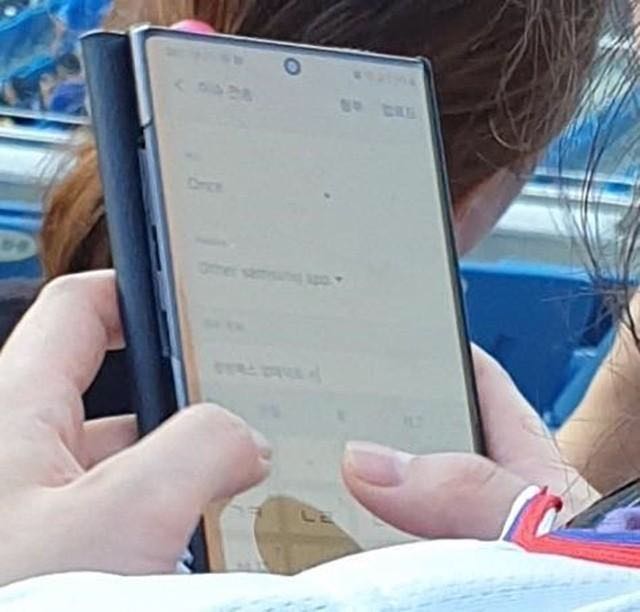
We are just a couple of days away from the official release of the Galaxy Note 10 series. However, just before its release, a sharp-eyed traveler in China seems to have captured the prototype model of the Note 10+ in the video. The video was later shared on China’s Weibo.
In the video, we can see a user playing around with the Note 10+ prototype and its UI. As previously seen in renders and leaks, the phone carries a very high screen to body ratio with the selfie camera placed on the top center of the display. While the screen looks flat in the video, it’s likely because the curves are hidden by the case. Prototype models are usually pretty well covered by cases and that seems to be applicable here as well.
The Galaxy Note 10+ is shaping up to be one of the best screen to body ratio smartphones this year. The phone is said to feature a top and bottom bezel of just 2mm and 3.7mm respectively. Even the side bezels are said to be limited to just 1.5mm bringing you a true full-screen experience.
If you remember, we have already seen the device in action before in a hands-on video. The phone is said to feature a 6.8-inch Dynamic AMOLED display with QHD+ resolution. There should be either Snapdragon 855 Plus or Exynos 9820 inside depending upon the region. At the back, expect to find a quad-camera setup with 12MP f/1.5-2.5 variable aperture primary camera, 12MP f/2.1 telephoto lens, 16MP ultra-wide lens, and a ToF sensor. As for the battery, there should be a large 4300mAh capacity one inside with 45W fast charging.
While Xiaomi launched both the Redmi K20 and the Redim K20 Pro smartphones in India back in July, they were available exclusively through flash sales in India. However, the devices are available round the clock on Flipkart and Xiaomi India’s official online store starting from today (August 5). The offline sales of the Redmi K20 series have also started in India. The prices are slightly higher at the offline vendor.
Redmi K20 and K20 Pro Open Sale
Customers can take advantage of the Redmi K20 series open sale through Flipkart, Mi.com and Mi Store app. Xiaomi is offering a special discount of Rs. 1,000 (~$14) for ICICI debit and credit card holders.The Redmi K20 has a starting price of Rs. 21,999 (~$311) for its 6 GB + 64 GB variant. The higher-spec 6 GB + 128 GB Redmi K20 variant is available for Rs. 23,999 (~$339). The K20 Pro carries a price tag of Rs. 27,999 (~$396) for the 6GB + 128GB variant. The 8GB + 256GB variant can be purchased for Rs. 30,999 (~$438).
AnXiaomi India Chief Marketing Officer, Anuj Sharma said, “We wanted to work on a unique approach for the K20 and the K20 Pro. Something beyond the scope of traditional smartphone adverts. We want our ads to offer a story that resonates with our flagship product, instead of highlighting features like the camera or the design. Choosing a story with the Tai chi theme was a conscious effort to highlight the exceptionally quick performance of the K20 Pro”.
The Redmi K20 and the K20 Pro lineup can be purchased offline at a partnered retail store. However, customers will have to shell out Rs. 500 (~$7) more than the online store. The Redmi K20 with 6 GB + 64 GB is priced at Rs. 22,499 (~$318). The 6 GB + 128 GB variant bears a Rs. 24,499 (~$346) price tag. The K20 Pro with 6 GB of RAM + 128 GB of native storage can be yours for Rs. 28,499 (~$403). The 8 GB + 256 GB variant of the K20 Pro is exclusively available in the online store at the moment.
Redmi K20 and Redmi K20 Pro Specifications
The Redmi K20 and the Redmi K20 Pro features a 6.39-inch full HD+ AMOLED notch-less display with a resolution of 1080 x 2340 pixels. Both devices get an in-display fingerprint scanner. While the K20 is powered by a Qualcomm Snapdragon 730 SoC, the K20 Pro features a Snapdragon 855 chipset under the hood.
Both devices feature a 48-megapixel Sony sensor with a 13-megapixel ultra-wide sensor and an 8-megapixel telephoto lens. While the K20 Pro gets the Sony IMX586 sensor, the K20 uses the Sony IMX582 sensor. The front camera is a 20-megapixel pop-up unit. The K20 draws power from a 4,000 mAh battery with 18W fast charge support. The K20 Pro gets the same battery with 27W fast charging. Both devices run on Android 9.0 Pie-based MIUI 10.
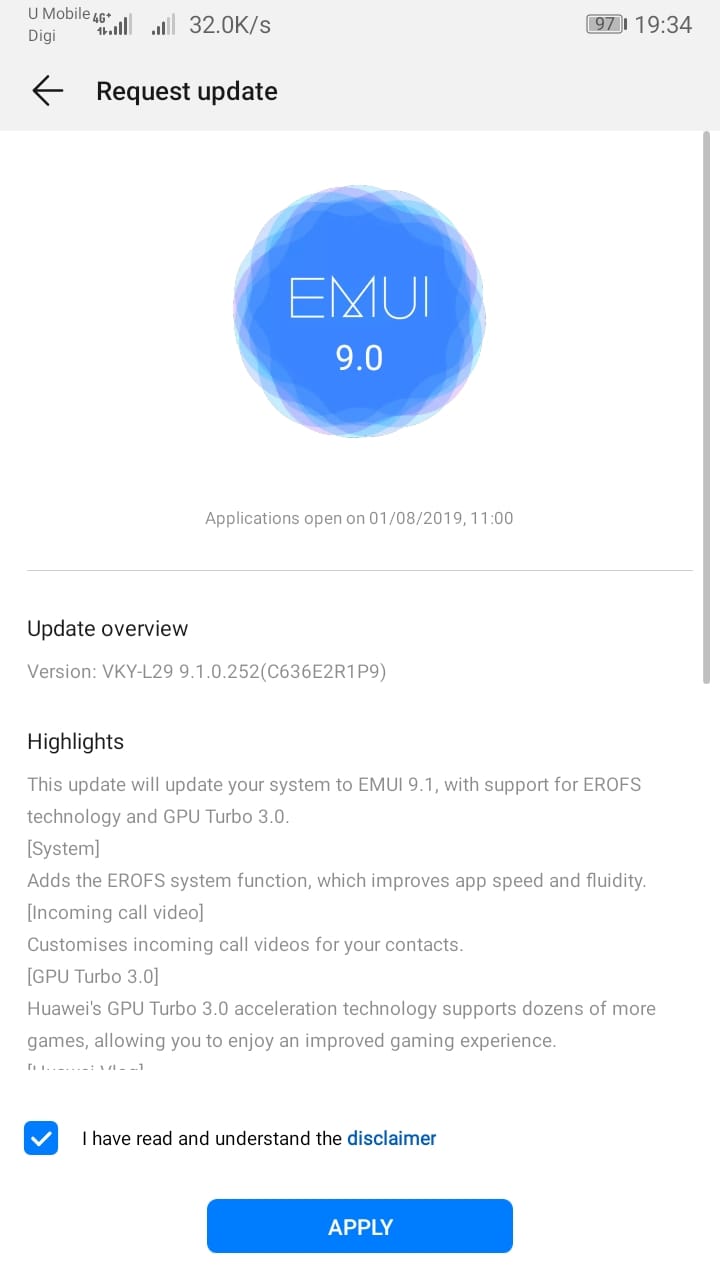
The Huawei P10 Plus was released in February 2017. It is now over two years old but it is not yet done receiving updates. Huawei has released EMUI 9.1 for the 2017 flagship and one of the new features it brings should increase system speed.
EMUI 9.1 is built on Android Pie, so the Huawei P10 Plus is getting its second major OS update as it launched with Android Nougat back in 2017. The update arrives as EMUI 9.1.0.252 and is rolling out in Asia already. Below are some of the new features listed in the changelog:
System
Add the EROFS system function which improves app speed and fluidity.
Incoming call video
Customizes incoming call videos for your contacts.
GPU Turbo 3.0
Huawei’s GPU Turbo 3.0 acceleration technology supports dozens of more games, allowing you to to enjoy an improved gaming experience.
The update should arrive in the next few days or weeks depending on the region. If you don’t get the OTA, you can go to Software Update under System Settings and select Check for Updates. If the update is available, you should be able to download it right away. You can also request for the update via the HiCare app.
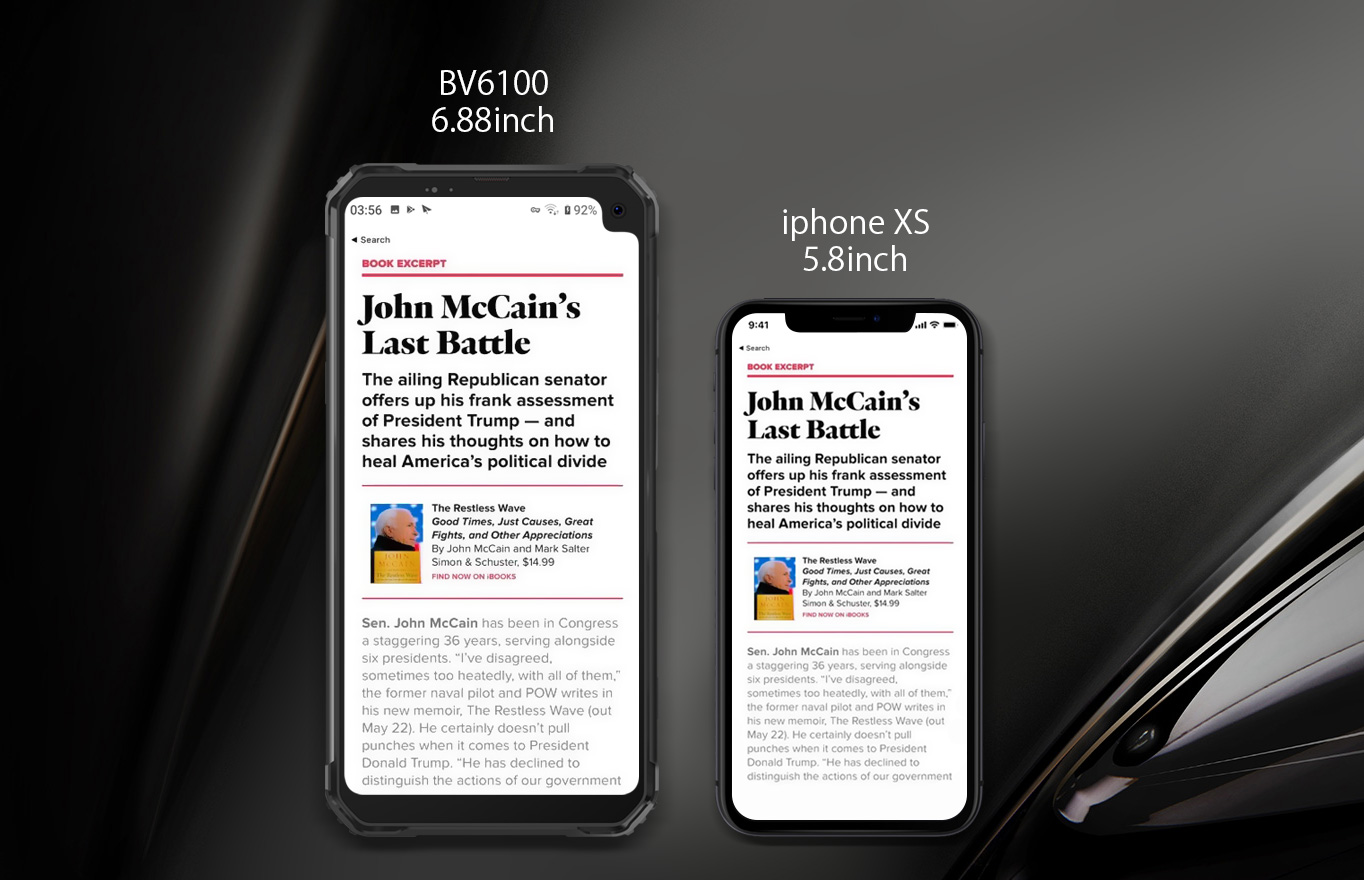
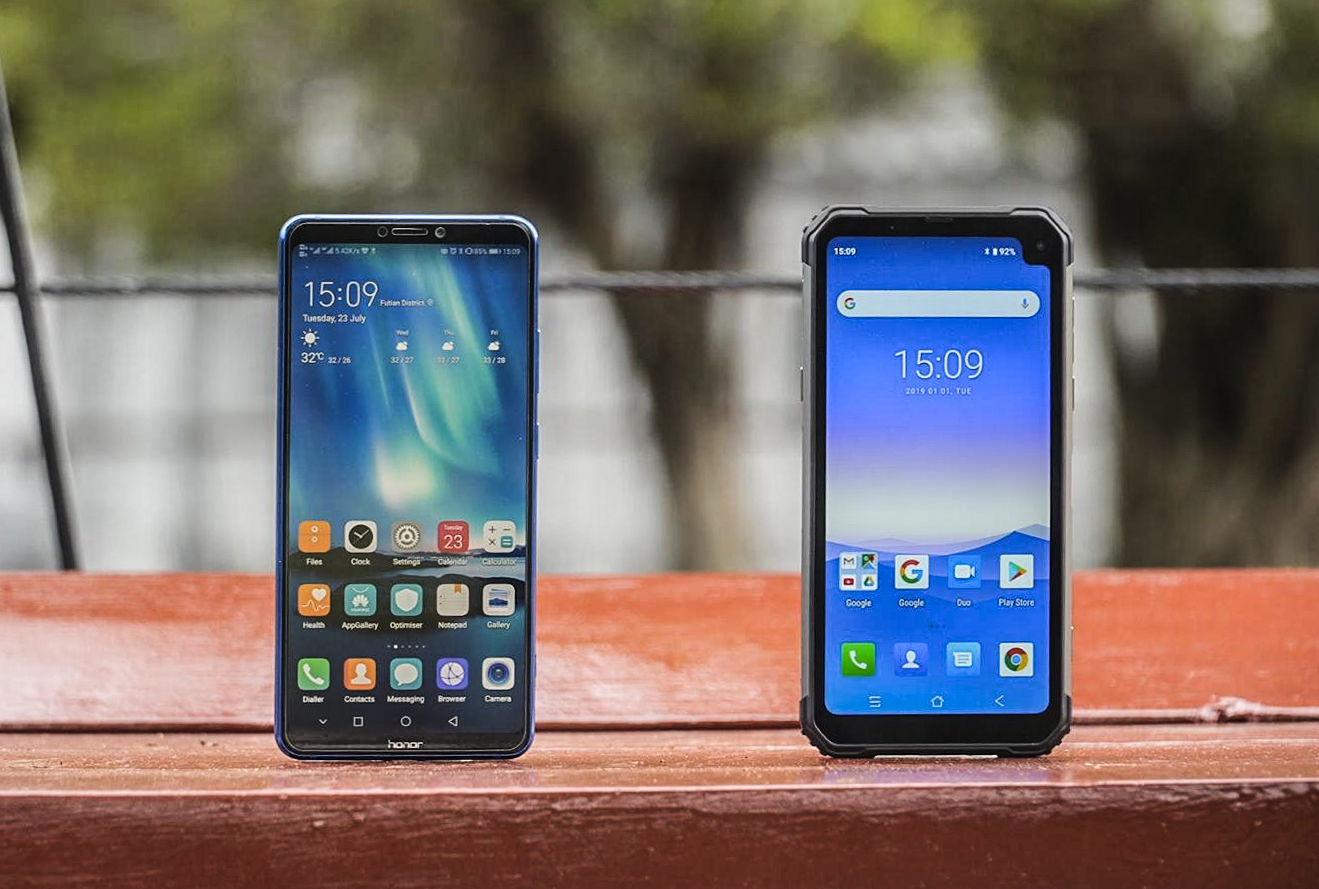
The tablet market is a dead market for Android smartphone manufacturers since big-screen smartphones have cannibalized the sales of tablets. A year ago, Honor released the Honor Note 10, a 6.95″ smartphone and brought a brand-new experience for gaming, browsing texts and social media. Last month, Blackview released their version of a big-screen phone, the BV6100 rugged smartphone with a 6.88″ display and excellent waterproof, drop-proof, and dustproof performance. These 2 phones belong to different market segments since the BV6100 is a rugged phone and Note 10 is a casual smartphone like most of the devices out there.
If the design is your main priority, then the choice is crystal clear since the Honor Note 10 sports a sleek design with notch-less display and a glass back. On the other hand, the BV6100’s sides and corners are ruggedized with anti-wear aluminum alloy and impact buffers. It looks tough and masculine, with a notch located on the upper-right corner. Interestingly, BV6100’s front and back are covered with Corning® Gorilla Glass for aesthetics and toughness. Appearance is the most subjective criterion of all but still, Note 10 has an advantage. Let’s take a look at both in the comparison video below.
Moving on to performance, the real question you should ask yourself is what kind of apps do you use the most. Honor Note 10 comes with Kirin 970 8-core SoC backed by 6GB/128GB memory configuration and Android 8.1, 16MP/13MP rear/front cameras, and 5000mAh battery. The Blackview BV6100 comes with Helio A22 4-Core SoC backed by 3GB/16GB memory configuration, a 5580mAh, Android 9 Pie, and IP68/IP69K/MIL-STD-810G certifications.
Of course, the Note 10 has a clear advantage over its opponent in raw power but what happens when you need a durable device? The BV6100 withstands 1.5m deep water submersion, is dustproof, and won’t break even if you drop it from 1.5m high. Besides, it’s designed with 360° all-round dust-proof protection. The tough body gains its popularity among outdoor enthusiasts, construction workers, firemen, and more. So, if specs are what you are after, go for the Honor Note 10. Choose BV6100 if you need a reliable partner for outdoors sports or for severe living environments.
Finally, we come to the part that interests most of the buyers. If the budget is the major factor for you, the BV6100 is the ultimate winners as it costs from $149.99 to $189.99 with free tempered glass and cool phone case, while the Note 10 costs around $340. If you are in seek of a rugged big-screen phone, then check out the Blackview BV6100 promo that is currently running.
We use cookies on our website to give you the most relevant experience by remembering your preferences and repeat visits. By clicking “Accept”, you consent to the use of ALL the cookies.
This website uses cookies to improve your experience while you navigate through the website. Out of these, the cookies that are categorized as necessary are stored on your browser as they are essential for the working of basic functionalities of the website. We also use third-party cookies that help us analyze and understand how you use this website. These cookies will be stored in your browser only with your consent. You also have the option to opt-out of these cookies. But opting out of some of these cookies may affect your browsing experience.
Necessary cookies are absolutely essential for the website to function properly. This category only includes cookies that ensures basic functionalities and security features of the website. These cookies do not store any personal information.
Any cookies that may not be particularly necessary for the website to function and is used specifically to collect user personal data via analytics, ads, other embedded contents are termed as non-necessary cookies. It is mandatory to procure user consent prior to running these cookies on your website.