Since the past couple of years, a new category of smartphones is gaining popularity — gaming smartphones. Asus, the Taiwan-based technology company was among the first ones to launch a gaming smartphone under its ROG brand, dubbed as Asus ROG Phone.
Now, the company has been working on its next-generation gaming smartphone, which is named Asus ROG Phone 2. After speculations, the company has confirmed that the ROG Phone 2 will be launched on 23rd July in China, as we had earlier reported. Asus has also started sending out media invites for the launch event.
The poster shared by the company for the announcement of the launch date of ROG Phone 2 also confirms the continued partnership of Asus’ Republic of Gamers (ROG) brand and Chinese giant Tencent Games, the company behind hugely popular PUBG game.
While the company has not revealed any details about the upcoming gaming smartphone, Asus ROG Phone 2 is rumored to come with an improved display as well as a powerful processor. It could have a Super AMOLED display with 120Hz refresh rate, similar to its predecessor, ROG Phone.
The phone is said to be powered by the Qualcomm Snapdragon 855 octa-core 7nm flagship processor, which is currently the most popular chipset from the company. It powers most of the flagship phones launched this year so far.
It has also been revealed that the device will come with a horizontally placed dual-camera setup on the rear. The phone will come with either 18W charger or a 30W charger, depending on the variant (I001DA and I001DB). We expect the phone to have at least with a top-end variant having 12GB of RAM.
The ASUS ROG Phone launched last year comes with a 6-inch AMOLED display with 18:9 aspect ratio and is powered by a Snapdragon 845 chipset coupled with 8GB of RAM and 128/512 GB of internal storage. It features a 12 MP + 8 MP dual camera setup and a selfie camera of 8 MP. It houses a 4,000mAh battery that supported 30W fast charging.
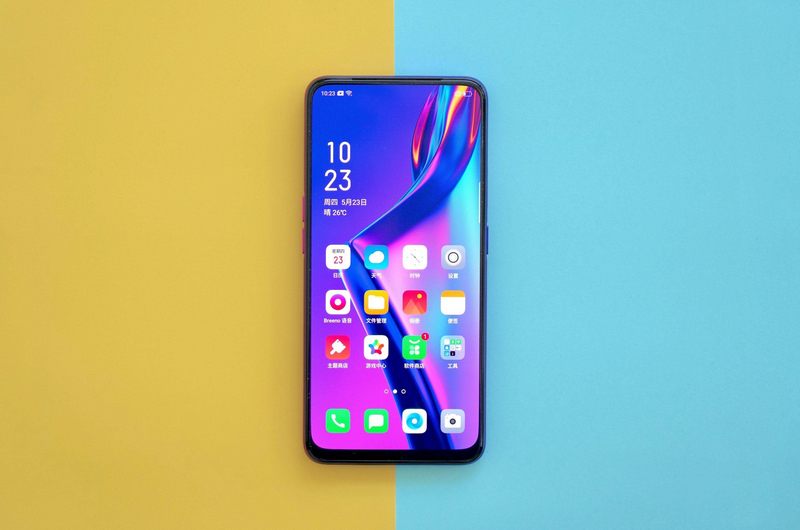
OPPO has just teased the launch of the K3 smartphone in India, nearly three months after launching the device in China. News of the launch went viral, soon after a teaser page went live on Amazon India. The OPPO K3 is the successor to last year’s OPPO K1. It features a powerful Snapdragon SoC along with a pop-up camera and notch-less display.
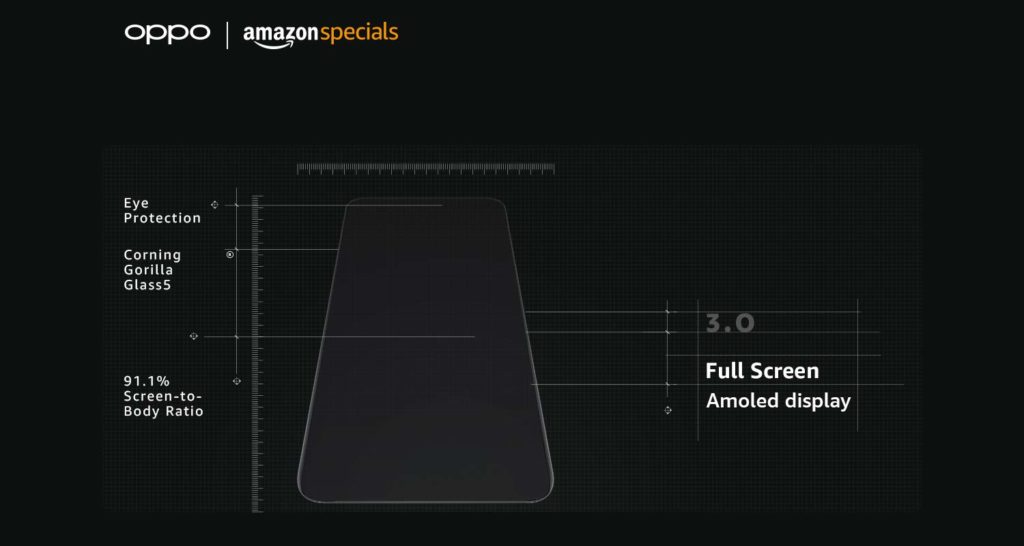
According to the teaser, the OPPO K3 gets a Fullscreen AMOLED display, with Eye Protection mode, and Corning Gorilla Glass 5. The screen-to-body ratio on the smartphone is a whopping 91.9%. The other teaser image available on the retailer site has “Coming Soon” message.
OPPO K3 Specifications and Features
The OPPO K3 features a 6.5-inch AMOLED display with a 1080 x 2340-pixel resolution and an aspect ratio of 19.5:9. The display is slightly bigger than the 6.4-inch unit on the K1. The K3 gets Gorilla Glass 5 certification for additional safety.
The smartphone is powered by a Qualcomm Snapdragon 710 chipset which is also seen on the Realme 3 Pro. The OPPO K3 available in China is offered with up to 8GB of RAM and 256GB of built-in storage. The official RAM and storage figures for India are yet to be announced.
The major change in design on the OPPO K3 is the front-facing pop-up camera that is missing on the K1. The selfie camera is a 16-megapixel unit with an f/2.0 sensor with HDR support. This camera is capable of filming videos in full-HD resolution. The primary camera is also a 16-megapixel unit with an f/1.7 aperture rating with PDAF support. The secondary sensor is a 2-megapixel unit with an aperture rating of f/2.4 for depth effect.
The OPPO K3 runs on the latest version of ColorOS 6, which is based on Android 9.0 Pie. It features software enhancements such as Game Boost, Touch Boost and Frame Touch. All of which are aimed at improving gaming performance. The device also supports Link Boost 2.0, which optimizes network performance on the device.
The OPPO K3 draws power from a 3,765 mAh battery, which is not that impressive in the segment. The Realme 3 Pro runs a much larger 4,045 mAh unit, for comparison. The OPPO K3 support VOOC 3.0 Fast Charging.
Connectivity options include dual-SIM 4G LTE support, Bluetooth, Wi-Fi, GPS/A-GPS and USB Type-C. The K3 is priced at 1,599 Yuan (~$230) for the base variant in China. There is no official word on the pricing in India.
OPPO K1 Selling at Discounted Price
The OPPO K1 was revealed in India in February for Rs. 16,990 (~$248). Last month, its price was slashed to Rs. 14,990 (~$219). The recent price cut is also another indication that OPPO is gearing up for the arrival of successor model.
Redmi had launched the Redmi K20 and Redmi K20 Pro on May 28 in China. Xiaomi India has been teasing the arrival of Redmi K20 in India since the past few weeks. Finally, an official confirmation that has been released today reveals that the Redmi K20 and K20 Pro killer flagship phones will go official in India on July 17.
Redmi has recently launched the Redmi 7A entry-level phone in India with a starting price of Rs. 5,999 and now its all set to announce the Redmi K20 series on July 17. The company has timed the launch two days after the Realme X launch which is scheduled to take place on July 15. The Redmi K20 and K20 Pro are currently only available in China. Redmi had recently confirmed that it has sold 1 million units of the Redmi K20 series in the home market. Since Redmi phones are highly popular in India, the K20 and K20 Pro are expected to break sales record in the country.
Xiaomi Redmi K20 and K20 Pro Specifications
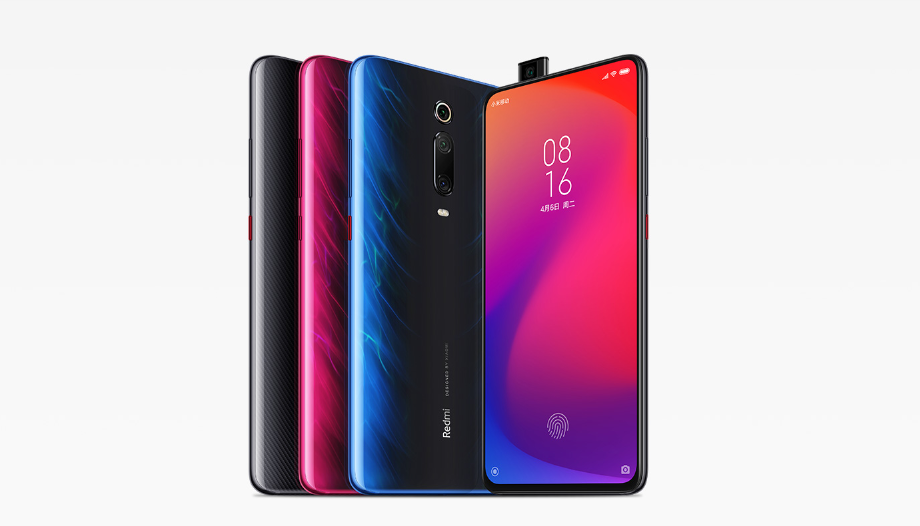
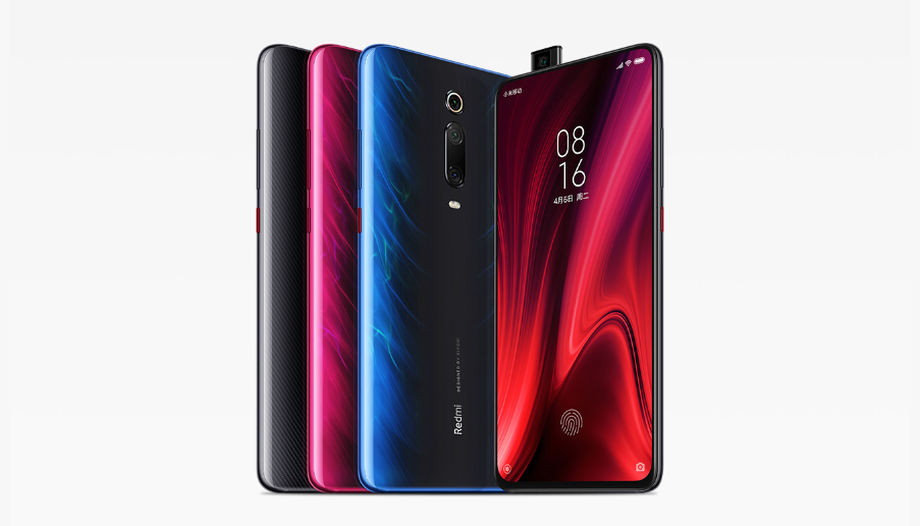
The Redmi K20 and Redmi K20 Pro have notch-less full HD+ AMOLED displays of 6.39 inches that are integrated in-screen fingerprint sensor. The rear side of these phones feature 3D curved glass. Both phones have 20-megapixel pop-up selfie cameras. They are equipped with 48-megapixel + 13-megapixel + 8-megapixel triple camera setup. The Redmi K20 has Sony IMX582 primary lens whereas as the Redmi K20 Pro features Sony IMX586.
Redmi K20
The Redmi K20 and K20 Pro are both powered by 4,000mAh batteries. The K20 supports 18W rapid charging whereas the Pro model supports 27W fast charging. The K20 handset is fueled by Snapdragon 730 while the Snapdragon 855 is present under the hood of the K20 Pro handset.
Redmi K20 Pro
The Redmi K20 Pro pricing in China is as follows: 6 GB RAM + 64 GB storage – 2,499 Yuan (~$363), 6 GB RAM + 128 GB storage – 2,599 Yuan (~$378), 8 GB RAM + 128 GB storage – 2,799 Yuan (~$407) and 8 GB RAM + 256 GB storage – 2,999 Yuan (~$436). The Redmi K20 comes in three models such as 6 GB RAM + 64 GB storage – 1,999 Yuan (~$290), 6 GB RAM + 128 GB storage – 2,099 Yuan (~$305) and 8 GB RAM + 128 GB storage – 2,599 Yuan (~$378).
Realme will be launching the Realme X as well as its special Spiderman edition on July 15. Redmi has recently launched Redmi K20 Pro Marvel Hero Limited Edition in China. It remains to be seen whether the limited edition K20 Pro model will be also made available in India.
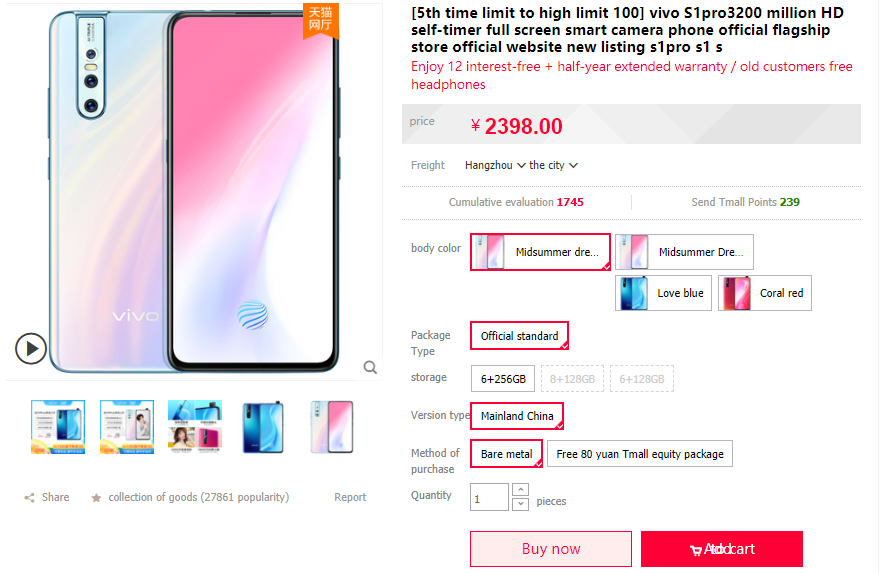
At the end of the previous month, Vivo had introduced the Midsummer Dream color edition for the Vivo S1 Pro smartphone in China. Starting from today, the new color variant is available for purchase in the country. Apart from new Midsummer Dream color, the handset also comes in Love Blue and Coral Red colors.
When the Vivo S1 Pro Midsummer Dream edition was introduced last month, the official listings of its 6 GB RAM + 256 GB storage and 8 GB RAM + 128 GB storage were both priced at 2,698 Yuan (~$392). However, both listings have been updated and these models now cost 2,398 Yuan (~$349). The Vivo S1 Pro is also available in a lower variant with 6 GB of RAM and 128 GB of storage. It comes in Love Blue and Coral Red colors only and it is priced at 2,198 Yuan (~$319).
The Vivo S1 Pro features a notch-less display and a pop-up selfie camera. In fact, it is a slightly different version of the Vivo V15 Pro that also sports the same design and similar specs. The Vivo S1 Pro has a 6.39-inch Super AMOLED display that is integrated with an in-display fingerprint sensor. It offers 19.9:5 tall aspect ratio and full HD+ resolution of 1080 x 2340 pixels. The smartphone boasts a high screen space of 91.64 percent.
The Snapdragon 675 chipset is present under the hood of the Vivo S1 Pro. The handset is backed by a 3,700mAh battery that supports 18W rapid charging through microUSB 2.0. The Android 9 Pie OS skinned with FunTouch OS 9 comes preinstalled on the device. The pop-up camera module of the phone houses a 32-megapixel selfie snapper. The triple camera module has a 48-megapixel primary lens, an ultrawide 8-megapixel lens and a depth sensor of 5-megapixel.
In related news, Vivo’s gaming wing had recently announced the Vivo iQOO Neo gaming smartphone powered by Snapdragon 845. It features a 6.38-inch S-AMOLED full HD+ display, 6 / 8 GB RAM, 64 GB / 128 GB storage native storage, 12-megapixel + 8-megapixel + 2-megapixel triple camera, 12-megapixel front camera and 4,500mAh battery. It is priced between 1,798 Yuan (~$261) and 2,298 Yuan (~$334). Its first sale will take place on July 8.
Huawei‘s holding a Huawei Developer Conference on the 9th of August 2019, and it might just be one of the most exciting ones to date. Huawei Developer Conference 2019 (or just HDC 2019 for short) will be held in Songshan Lake, Dongguan from August 9th to 11th. The conference will be divided into three segments, a keynote speech, a technical forum and Codelabs.
What makes this specific HDC so interesting is that it might give us our first glimpse at Huawei’s HongMeng OS. We’ve heard so much news about HongMeng OS, that it’s ludicrous how we’ve yet to see any clear leaks of it. The website also hints at a lot of 5G news, as well as a large focus on the Internet of Things. We expect to see all this during the keynote speech.
The technical forum will have a bigger focus on smart home, sports health, smart travel, EMUI, AR&VR, and Huawei Pay. It’s generally for all the things Huawei is already pushing forward just to keep things up update. Codelabs on the other hand is a place to get hands-on coding experience. Here you can learn about Huawei’s latest cutting-edge technologies, and share knowledge and insights with Huawei’s own technical experts across the country.
Overall, this year’s Huawei Developer Conference is shaping up to be one of the most important for the company. It’s fully possible that we won’t hear anything about HongMeng OS, but it’s far more likely that they’ll announce SOMETHING about it. We’re eager to learn more, but all we can really do for now is wait.
On one side, US president Donald Trump said that the US-based companies can continue selling components to Huawei as long as it doesn’t threaten the United States national security while on the other side, it continues fighting the Chinese giant on the legal fronts.
As per the latest reports, the United States has asked a federal court in Texas to dismiss a lawsuit filed by the Chinese telecom giant Huawei against the US government after they banned its products in the country.
For those who are unaware, Huawei had filed the case in March this year claiming that a law preventing US federal agencies from buying its products violates the US constitution by singling out an individual or group for punishment without trial.
However, lawyers for the US Department of Justice challenged that claim in a filing this week,saying that the law wasn’t unconstitutional punishment, but rather the “logical next step” to protect the country and ensure that China isn’t given “a strategic foothold” in the United States networks.
They further added that the American lawmakers and officials had been warning against Huawei’s potential use for Chinese “cyber-activity” for over a decade. They also said that the company was using outdated arguments from the Civil War and Cold War eras.
The lawyers also argued that the portion of the law in question “does not sentence Huawei to death, imprison it, or confiscate its property.” Moreover, they added that it “plainly does not preclude Huawei from engaging in its chosen profession.”
Huawei is the world’s leading company when it comes to telecommunications equipment as well as it is also one of the leading brands when it comes to smartphone sales. However, the company has been under pressure ever since the Trump administration put Huawei in the “Entity List”, effectively banning the company from doing business with the US-based companies and technology. This was done through an executive order passed by Donal Trump, citing national security but without providing any proof for the same.
However, many analysts believe that the lawsuit is more of a symbolic gesture, given that Huawei has been barred from core US telecommunications networks for years. Currently, the concern for the Chinese company is being on the US trade blacklist, which could cost it $30 billion in lost sales over the next two years.
Samsung Electronics said Friday, July 5, it expects operating profit to tumble 56% for the second quarter of this year in the face of a weakening chip market. The world’s largest maker of smartphones and memory chips has enjoyed record profits in recent years despite a series of setbacks, but is now struggling, with chip prices falling as global supply increases while demand weakens.
Unpredictability surrounding the trade war between the U.S. and China — where Samsung earns the bulk of its revenue — has sustained a downturn in the chip industry as smartphone demand tapers off and the pace of datacenter construction decelerates. This puts the Huawei situation at the epicenter of this entire problem. It’s a real shame, but its gets worse.
“Memory prices are likely to keep sliding due to the ongoing trade war,” said Song Myung-sup, an analyst at HI Investment & Securities Co., adding that shipments should be stable as Chinese customers who haven’t received products from U.S. chipmakers are likely to increase orders. This isn’t boding well for most chipmakers unfortunately.
On the bright side, things aren’t all bad for good old Samsung. Samsung’s smartphone business could get a boost if the Huawei ban remains. HI Investment & Securities predicts that Samsung may sell 37 million more smartphones a year (which will take some pressure off the other divisions too as they’ll use some Samsung chips).
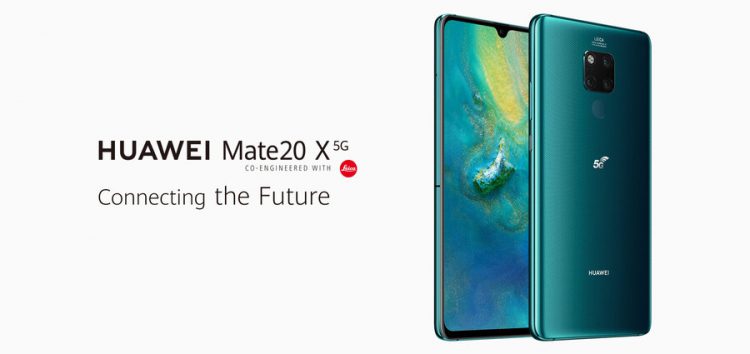
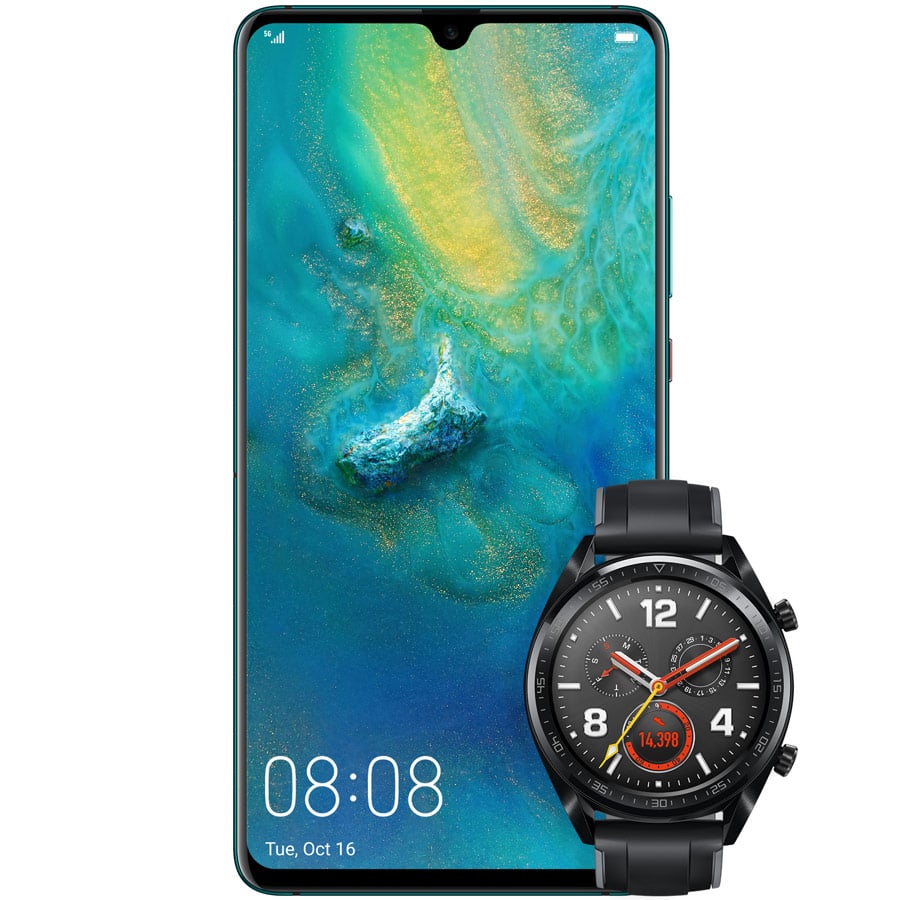
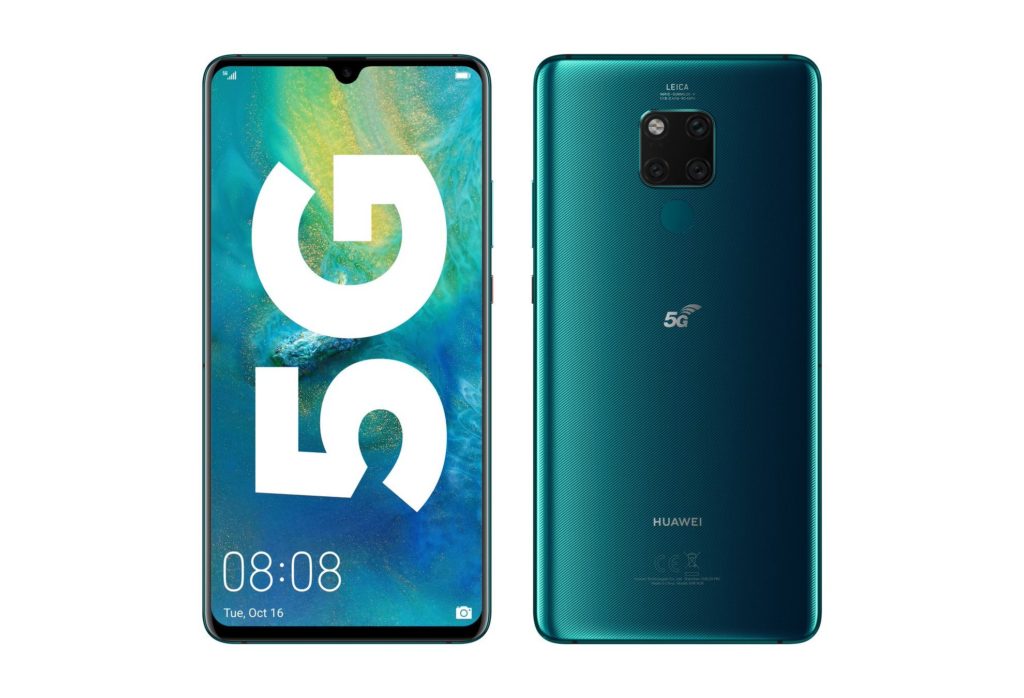
In June, Huawei had confirmed that it will be launching the Mate 20 X 5G smartphone in July. The smartphone is now ready to hit the UAE markets as du telecom operator has started receiving its pre-orders. It is the second 5G phone to release in UAE after the ZTE Axon 10 Pro 5G that was made available through carrier Etisalat at the end of May. The pre-orders of the Mate 20 X 5G have started in UAE and it will be available for purchase from July 18.
Huawei Mate 20 X 5G Pre-orders
The Huawei Mate 20 X 5G comes with a 24-month contract through du. It requires users to spend AED 145 (~$39) each month. The total price of the phone comes to AED 3,840 (~$1,045). While buying the phone, du customers can opt for a data plan that starts at AED 414 per month.
Buyers who sign up for the smartphone between July 4 and 17 will be provided with a Huawei Watch GT smartphone for free. The Mate 20 X 5G is cheaper than the Axon 10 Pro 5G that is priced at AED 5,832.75 (~$1,588) in UAE.
Unlike the regular Huawei Mate 20 X that comes in color options such as Midnight Blue and Phantom Silver, its newly introduced 5G variant comes in a new Emerald Green color. The smartphone comes with a 7.2-inch OLED panel with waterdrop notch. It supports full HD+ resolution of 1080 x 2233 pixels and offers a screen-to-body ratio of 87.83 percent.
The Kirin 980 chipset is present under the hood of the device. The SoC is supported by 8 GB of RAM and an internal storage of 256 GB. It features a nanoSD card slot for additional storage. The Balong 5000 5G modem that comes along with it enables 5G connectivity on the smartphone. The Android 9 Pie OS runs on the device.
The rear side of the smartphone features a triple camera unit with a 40-megapixel wide-angle lens with f/1.8 aperture, a 20-megapixel ultrawide lens with f/2.2 aperture and an 8-megapixel telephoto lens with f/2.4 aperture. On the frontside of the smartphone is an f/2.0 aperture 24-megapixel selfie camera. The Mate 20 X supports dual-SIM, Wi-Fi 802.11ac, Bluetooth 5.0, NFC, dual-band GPS frequency and USB-C. It lacks a 3.5mm audio jack. Due to modifications for housing numerous antennas inside the handset for 5G connectivity, it features a 4,200mAh battery which is considerably smaller than the 4G LTE edition that features a 5G modem. The smartphone supports 40W fast charging. Lastly, the phone comes with an IP53 rated chassis.
The German Patent and Trademark Office has recently added a number of Huawei design patents from China that describe a user interface for a smartphone. The designs, which are now patented in Germany, show how a circular area should be reserved an camera. The surprising bit is that the camera is an under display unit, a first for Huawei.
The different thing about Huawei’s implementation seems to be that the camera is still visible. Even though it’s under the display, the user should still be able to see the front facing camera, or at least its outline according to the patent images. This is an odd choice, especially considering how other companies have been pushing to make it essentially invisible.
Huawei’s instead attempting to use UI elements to blend the camera and its outline with the background. It’s not as elegant as it being completely invisible, but it’s also much nicer than just having a hole-punch right there. On top of that, as is the case with a lot of Huawei patents, we’re not even sure if we’ll ever see this on their devices.
Regardless, it’s still a novel idea, and an interesting take on under-display selfie cameras. We’d like to eventually see it in action to properly judge it, but for now it’s just a patent. Huawei’s currently on the road to recovery, but they’re also not completely in the green yet. How things will pan out for them remains to be seen, but we’re optimistic.
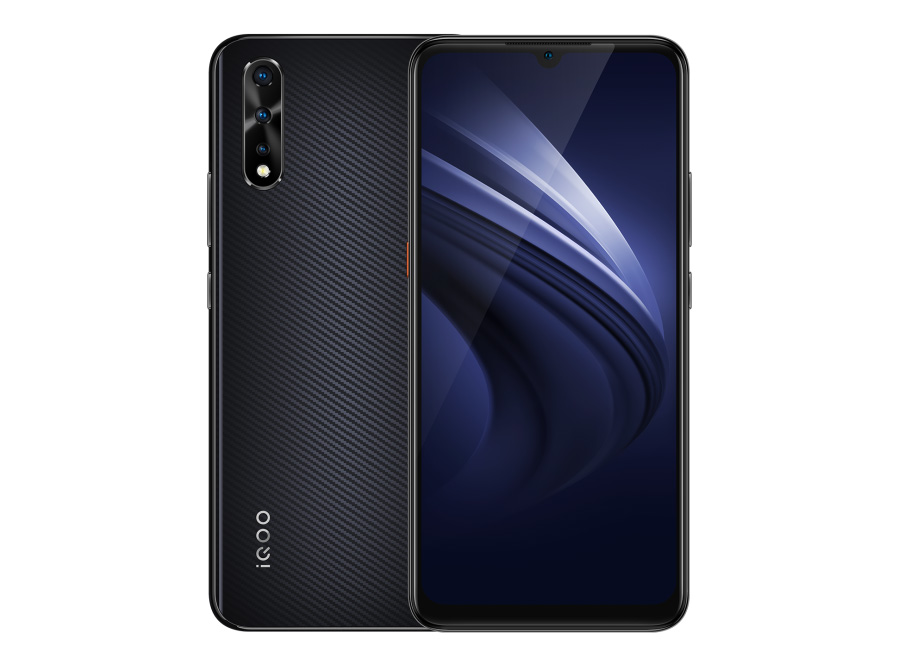
After quietly listing the iQoo Neo on its Chinese website a few days ago, Vivo launched the long-awaited smartphone on Tuesday, July 2nd.
A part of the company’s popular iQoo lineup that comprises the Vivo iQoo and Vivo iQoo 5G, the recently unveiled gaming phone has been added to the mid-range category. You can now get your hands on top variants of the Vivo iQOO Neo through Giztop.
The Vivo iQOO Neo is available in 6GB RAM+64GB ROM, 6GB RAM+128GB ROM, and 8GB RAM+128GB ROM versions. Moreover, you can choose from three eye-catching color options that include Carbon Fiber Black, Purple, and Carbon Black.
The 6GB RAM+128GB ROM model comes in Carbon Fiber Black as well as Purple color options. Both color options are available for $349 on Giztop. The smaller 6GB RAM+64GB ROM model, on the other hand, is available in Carbon Black color option bearing a $299 price tag.
The larger model that ships with 8GB of RAM and offers a hearty 128GB of internal storage capacity retails for $399. This variant is available in Carbon Fiber Black color option. The Vivo iQOO Neo offers the following features:
38-inch waterdrop AMOLED display with an in-screen fingerprint sensor
10nm Qualcomm Snapdragon 845 processor
Adreno 630 GPU
12MP+8MP+2MP rear-mounted cameras
12 MP selfie camera
6GB/8GB RAM and 64GB/128GB ROM
Funtouch OS 9 based on Android 9.0 Pie
4500mAh battery that supports 22.5W fast charge
Supports Jovi Assistant
You can visit this link in order to check out the full specifications of the Vivo iQOO Neo smartphone and place your order through Giztop.
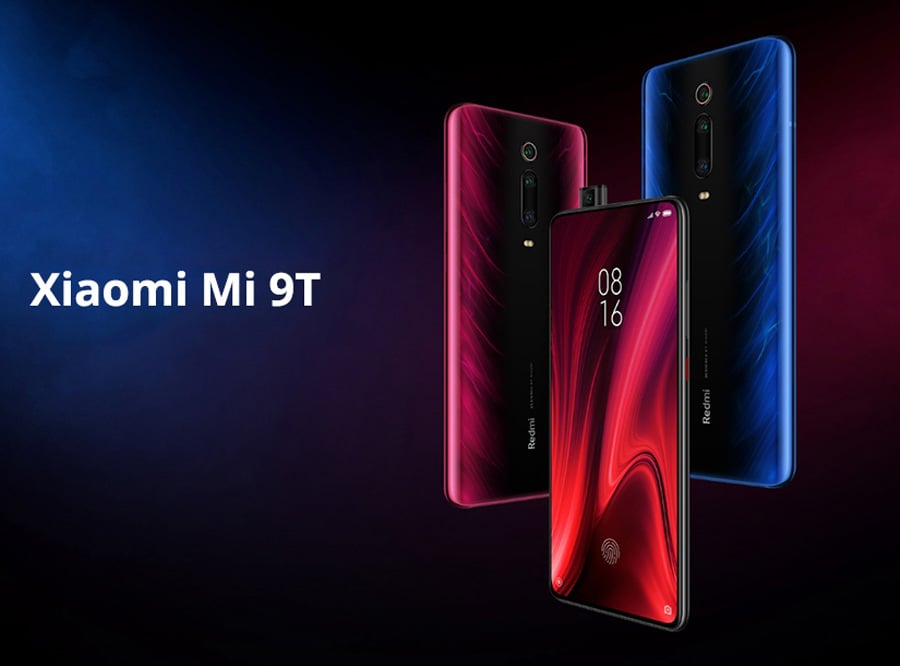
If you’ve restlessly been waiting to get your hands on the Xiaomi Mi 9T without spending a lot of money, we got your back! Here’s are leading online stores where you can buy the recently unveiled mobile device from Xiaomi at lowered prices.
Xiaomi Mi 9T 4G Phablet Global Version – Gearbest
Available in black and blue color options, the global version of the Mi 9T has gone up for sale carrying a dropped price tag of just $367.87 on Gearbest. This is a 4 percent drop in the phablet’s original asking price of $382.34.
Aside from taking advantage of the aforesaid discount, you can apply coupon code MI9T64BLACK and get an extra $49.88 off. In other words, you can bring the already reduced retail price of the Mi 9T phablet further down to only $317.99 simply by applying the aforesaid coupon.
With over a thousand units sold, the promotion sale is slated to end in just two days. Moreover, the coupon will be valid only for the first 1000 pieces. You can follow this link to avail the discount, which will be valid for the Xiaomi Mi 9T 6GB RAM+64GB ROM variant.
Alternatively, you can go for the slightly larger 6GB RAM+128GB ROM model which normally sells for $412.33, but is currently available for just $395 on Gearbest. This model is available in two color options including black and blue.
Moreover, you can extend this 4 percent discount with the help of coupon code MI9T128BLACK. The coupon helps you save $35.01 more by reducing the original asking price of this variant to only $359.99.
You can head straight to this link to avail the discount, and use the coupon which will be available for the first 200 units only. Note that more than 1000 units were already sold at the time of writing. The promo ends in just two days.
Offering 6GB of RAM and 64GB of internal storage capacity, the Xiaomi Mi 9T comes in black and blue color versions, and carry a $459.99 price tag on GearVita. If you are living on a tight budget, all you need to do is to apply coupon code ROM9T64B at checkout and save $134.
As a result, the original selling price of the Xiaomi Mi 9T smartphone reduces to only $289 even before you place your order. You can follow this link in order to use the coupon and grab the discount, which will be valid for a limited period of time.
The larger model that ships with 6GB of RAM and offers 128GB of internal storage capacity for you to save your favorite multimedia content would normally set you back $489.99 on GearVita. By using coupon code ROM9T128B during the checkout process, you can save $134.
Thanks to the coupon, the original asking price of this variant reduces to just $309. You can choose between black and blue color options. Simply follow this link without wasting time in order to use the coupon before it expires.
The 6GB RAM, 64GB ROM model, which is available in an eye-catching Carbon Black color option is available for $349 on Giztop. If you are willing to shell out $379, you can get your hands on the larger model that comes in an appealing Carbon Fiber Black color option and features 6GB of RAM and 128GB of onboard storage capacity.
You can click here to check out more details about the Xiaomi Mi 9T Global Version and place your order.
GeekBuying is doling out a noteworthy 35 percent discount on the Xiaomi Mi 9T smartphone 6GB RAM+64GB ROM variant that normally carries a $503.99 price sticker. Thanks to the aforesaid discount, this model can now be yours for a lowered price of only $329.99.
On top of that, you can use coupon code 3DC6LCXH and get an extra $11 off. The coupon helps you reduce the retail price of the phone to just $318.99 at checkout. You can follow this link to avail the discount before the promo ends in one day.
GeekBuying users can also avail a significant 34 percent discount on the larger Xiaomi Mi 9T variant that comes with 6GB RAM and 128GB ROM. The above-mentioned variant sells for $571.99, but it is currently up for grabs for just $359.99 with coupon code 3DNROUBQ.
You can visit this link and get a discount. It is worth mentioning here that the promo will only be valid for two days.
Xiaomi Mi 9T Global Version 4G Smartphone – Banggood
The global version of the Xiaomi Mi 9T 6GB RAM+64GB ROM model is priced at 499.99, but much to the relief of cost-conscious buyers, Banggood is offering it for a dropped price of just $426.99. This is a 15 percent reduction in the phone’s original selling price.
On top of that, you get a Tsumbay Ai01 TouchAI Bluetooth Hands Free Car Kit Wireless in Car Control for smartphone worth $39.99 absolutely free. As if that weren’t enough, you can get free shipping if your cart value exceeds $19.99.
You can click here to visit the promotion page and get the discount, which is available for the Carbon Black color version of the phone.
Xiaomi Mi 9T Global Version 4G Smartphone – Banggood
The Chinese online store known for offering the best bang for your buck is also giving you a chance to grab a 19 percent off on the 6GB RAM+128GB ROM version of the Mi 9T smartphone. This model usually sells for $629.99, but you can now buy it for just $517.99 from Banggood.
If you order over $19.99, you get free shipping. Furthermore, Banggood will be giving Tsumbay Ai01 TouchAI Bluetooth Hands-Free Car Kit Wireless in Car Control for smartphone which retails for $39.99 as a free gift with your order.
You can visit this link to get the discount, which is available for the Glacier blue color option of the phone.
Global Version Xiaomi MI 9T Smartphone (Redmi K20) – AliExpress
The 6GB RAM and 64GB ROM model of the Xiaomi MI 9T is available in two color options including black and blue on AliExpress. While the black-tinted model retails for $369.99, the blue color option will set you back $370.99.
If you are a new user, you can take advantage of the $3 off New User Coupon and save money. Likewise, you can get $1 off per $199, $2 off per $395, and $3 off per $459 by applying coupon codes. You can follow this link to check out more details.
Global Version Xiaomi MI 9T Smartphone (Redmi K20) – AliExpress
If you fancy going for the larger variant which features 6GB of RAM and a hearty 128GB of internal storage capacity, you would need to shell out $414 – $444 on AliExpress. This model comes in Carbon Black as well as Glacier Blue color versions.
New users can apply the $3 off New User Coupon to save money before placing their orders. It is worth noting that the estimated delivery for this model is July 30th. You can check out more details about the Mi 9T and get the discount by following this link.
In just a week, three of the most important smartphone manufacturers announced three amazing upper-midrange devices which have all the specifications necessary to become best-sellers. We are talking about the Xiaomi Mi CC9 from the brand new CC line-up, the Lenovo Z6 which boasts the best display in the whole midrange segment, and the Vivo Z1 Pro with a huge battery and a punch-hole design. All of them come with impressive hardware departments and prices, but which is the best choice for this second half of 2019 for everyone who does not have a high budget? This comparison will clear your ideas and establish a winner among these three potential best-sellers.
Xiaomi Mi CC9 vs Lenovo Z6 vs Vivo Z1 Pro
Xiaomi Mi CC9
Lenovo Z6
Vivo Z1 Pro
DIMENSIONS AND WEIGHT
156.8 x 74.5 x 8.7 mm, 179 grams
157 x 74.5 x 8 mm, 159 grams
162.4 x 77.3 x 8.9 mm, 201 grams
DISPLAY
6.39 inches, 1080 x 2340p (Full HD+), 403 ppi, Super AMOLED
6.39 inches, 1080 x 2340p (Super AMOLED), 403 ppi, Super AMOLED
Triple 48 + 8 + 2 MP f/1.8
32 MP f/2.0 front camera
Triple 24 + 8 + 5 MP f/1.8, f/2.4 and f/2.4
16 MP front camera
Triple 16 + 8 + 2 MP f/1.8, f/2.2 and f/2.4
32 MP f/2.0 front camera
BATTERY
4030 mAh, fast charging 18W
4000 mAh, fast charging 15W
5000 mAh, fast charging 18W, reverse charging
ADDITIONAL FEATURES
Hybrid Dual SIM slot
Hybrid Dual SIM slot
Hybrid Dual SIM slot
Design
None of these devices jokes when it comes to beauty and builds quality. Xiaomi Mi CC9 looks like the most impressive one because it comes with premium materials as well as an impressive design. Its back cover is made of glass and it shows different light effects depending on the reflection, while the frame is made of aluminum. The main advantage of the Lenovo Z6 is its very high screen-to-body ratio: it is almost a full-screen phone except for the waterdrop notch and a very thin lower bezel. Vivo Z1 Pro is another device with an amazing design thanks to its punch-hole display, but my favorite one is the Xiaomi Mi CC9 due to its suggestive glass back. Which one do you prefer?
Display
As mentioned above, Lenovo Z6 has the best display you can expect on a midrange phone to date. It is the only mid-ranger coming with a smooth 120 Hz refresh ratio, it boasts the HDR10 technology for an amazing color reproduction as well as DCI-P3 coverage. And it is even a Super AMOLED panel with an in-display fingerprint reader. The second place goes to the Xiaomi Mi CC9, but on the paper, the color reproduction seems less impressive and it has also a lower refresh ratio. Vivo Z1 Pro has a classic IPS display just like every phone sporting a punch-hole panel, except some devices by Samsung.
Specs & Software
As it features the fastest SoC (Snapdragon 730 by Qualcomm), Lenovo Z6 should be the fastest and smoothest device. It even has a variant with 8 GB of RAM, unlike Xiaomi Mi CC9 and Vivo Z1 Pro (to be accurate, the Meitu Custom Edition of the CC9 has 8 GB of RAM). Further, Lenovo Z6 allows expanding the internal storage up to 1 TB with a micro SD. Right after, there is Vivo Z1 Pro equipped with a Snapdragon 712 that is an upgrade of the Snapdragon 710 found on the Xiaomi Mi CC9.
Camera
The most amazing cameras belong to the Xiaomi Mi CC9. It is the only to sport a main sensor with a 48 MP resolution, so at least basing on the specs on the paper, it should be able to shoot way better photos. The sensor is paired with an ultrawide lens and a depth sensor, and it even supports super slow motion videos at 960 fps. The front camera is as amazing as the rear camera with its 32 MP resolution and Meitu’s advanced selfie algorithm. Lenovo Z6’s main sensor is just a 24 MP sensor, but the phone features 2x optical zoom, unlike its rivals. So it still deserves some respect.
Battery
Vivo Z1 Pro wins the battery life comparison due to its bigger lithium unit: a mammoth 5000 mAh battery which can also be used as a power bank thanks to reverse charging.
Price
Xiaomi Mi CC9 has a €230/$260 starting price, Lenovo Z6 starts from €250/$282 and Vivo Z1 Pro costs €190/$215. At the end of the day, I would go for the Lenovo Z6 due to its amazing display, and better hardware side, even though a lot of people may prefer the Xiaomi Mi CC9 due to its amazing builds and cameras. Vivo Z1 Pro is the best handset for all those people searching for infinite battery life.
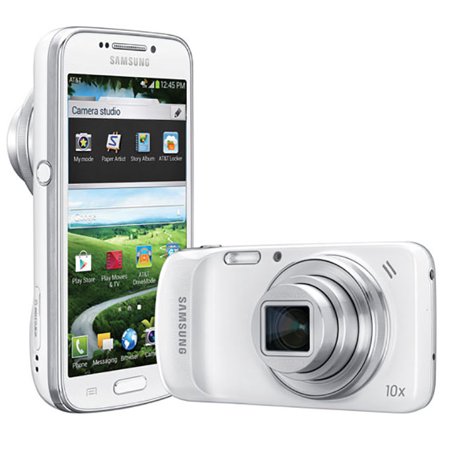
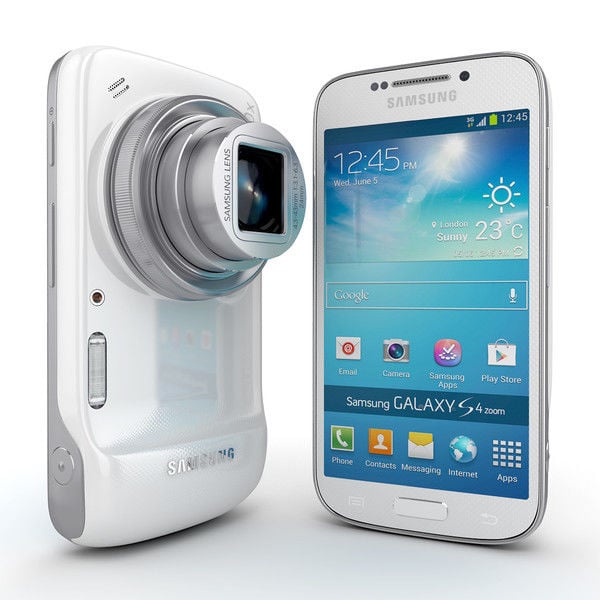
Is it a digital camera or is it a phone? It’s both!
This was how people described the Samsung Galaxy S4 Zoom – the South Korean giant’s attempt at making a crazy camera-centric smartphone. After all, the phone had a massive 10X optical zoom lens inside, offering incredible zooming features in a smartphone.
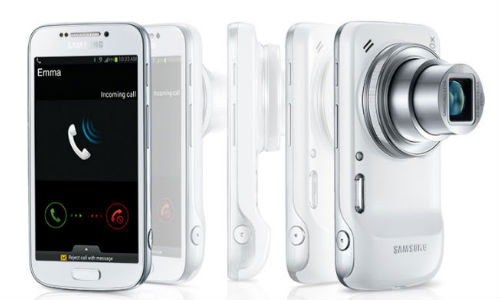
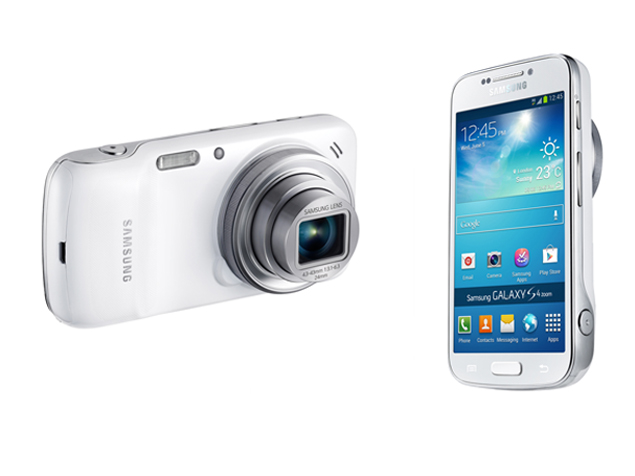
With its massive camera bump at the back, the Samsung Galaxy S4 Zoom was more of a point and shoot camera than a phone. In fact, it would be more appropriate to say Samsung slapped a few smartphone-centric features on a point and shoot camera, running on Android Jellybean and called it the S4 Zoom. The phone (oh! I mean the camera) had a dedicated camera button, with a zoom ring that opened up a bunch of camera-centric options with a simple twist. In fact, the phone even allowed you to manually focus with its zoom ring! Now that’s really cool!
Not Your Everyday Smartphone
As for the form factor, the Galaxy S4 Zoom was no less than a point and shoot camera. And it sure puts other smartphones to shame when it comes to its thickness and weight. The phone was 15.4mm at its thickest point and weighed a solid 208 grams. Calling it a bulky smartphone would be an understatement.
Despite its camera-like appearance on the rear, the Galaxy S4 Zoom’s front was like that of a traditional smartphone and not like a camera. It came with a 4.3-inch touch display with a 960 x 540p resolution, a physical home button, two capacitive back and menu buttons, and a selfie camera. In fact, from the screen side of view, you could have easily confused it as the Galaxy S4.
As for the specs, the phone had a 1.5GHz dual-core Exynos processor inside with 1.5GB of RAM, Mali 400 GPU, and 8GB of internal storage. For its battery, it had a capacity of 2330mAh. To remind you, these were flagship-grade specs back in 2013! Clearly, we have come a long way, right?
Enough about Galaxy S4 Zoom’s smartphone features. Let’s see what made this phone so special and one of the craziest launches from Samsung back in its day.
The Galaxy S4 Zoom wasn’t an exceptional smartphone but it sure had a powerful camera setup inside. The phone captured stellar low light images with OIS further helping it capture blur-free shots. It came with 25 smart shot modes that ensured you had a unique mode for every situation. In fact, the phone performed really well in smart mode ensuring colors and details came out perfect according to the object in focus.
But what really made the phone special was the zoom set up at the back. It featured a 16MP BSI sensor with 10X Optical Zoom equivalent to 24mm to 240mm! Yes, I said 10X Optical Zoom! Even the camera champions of today, the OPPO Reno Zoom and the Huawei P30 Pro limit optical zoom at 5X. So even now, there’s no phone in the market to beat its 10X Optical Zoom! You could simply take out the phone, point it at a distant object, zoom in and capture a good quality image. This was unlike other smartphones of its time which were practically useless when it came to capturing distant objects. Even in low-light conditions, zooming in wouldn’t wash away the details. In terms of video shooting, the phone could capture smooth 720p videos at 60 fps, one of the few ones capable enough to do this back in its day.
The zoom ring on the S4 Zoom had multiple uses. First, you could open up the camera menu with a simple twist of the ring. The camera menu allowed you to start up the camera, select up to 5 different modes, or you could directly go to the gallery. But the camera ring also had a traditional feature that you usually see on professional cameras. In the expert mode, the camera zoom ring allowed you to manually focus on an object. The experience was similar to a DSLR! The cherry on the cake was the professional Xenon flash along with an autofocus assist light.
The Galaxy S4 Zoom wasn’t really a great smartphone. But it was an original smartphone-camera hybrid of its time!
With the sheer amount of crazy smartphones that we see today, I wonder if Samsung could release such a device in the near future with a better form factor. I mean, wouldn’t it be amazing to have a thinner and lighter Galaxy S4 Zoom with, say like 21X optical zoom (remember the Galaxy Camera?) and that is optimized for apps like Instagram, Snapchat and YouTube Live?
Well, if we do see such a powerful zoom smartphone in the future, I have a tagline suggestion — Moon is boring, let’s take a closer look at Mars!
The Motorola P50 is a rebranded version of the Motorola One Vision sold in India, Brazil, Europe, Saudi Arabia, and Thailand. The P50 will be exclusive to China and will run ZUI, unlike the One Vision which runs a near-stock version of Android.
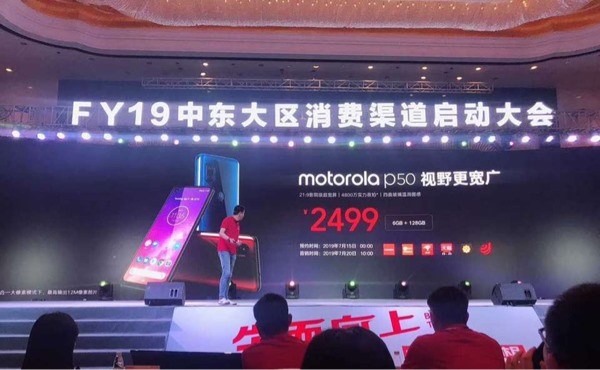
Earlier this week, a top Lenovo executive revealed the specs of the device. Today, the phone’s price has also been made public and the source is none other than Motorola itself. The price was revealed at an FY19 Middle East region sales event.
The phone will come in a single configuration which has 6GB of RAM and 128GB of storage. It will have a price tag of ¥2499 (~$364/€322/₹24934); a bit more than the Motorola One Vision’s €299 European price tag and ₹19,999 Indian price tag. However, unlike the Motorola P50, the Motorola One Vision has 4GB of RAM but the same amount of storage.
The P50 will be available for pre-order on July 15 before going on sale on July 20. It will be available in Sapphire Blue and Bronze on JD.com, Suning, Tmall and other partner stores.
The phone has a 6.34-inch 2520 x 1080 punch hole display with a 21:9 aspect ratio. There is a 25MP camera with HDR support inside the punch hole. On the back are 48MP f/1.7 + 5MP dual cameras and a fingerprint scanner buried under the Motorola logo. The phone has dual-band Wi-Fi, Bluetooth 5.0, USB Type-C port, dual-SIM support, Dolby Audio, and packs a 3500mAh battery.
One of the software features that launched with the OnePlus 7 Pro and OnePlus 7 is Screen Recording. Shortly after both devices launched, the APK was made available to older OnePlus devices thanks to APKMirror. If you own a OnePlus 6 or OnePlus 6T and didn’t sideload the APK then, you shouldn’t worry about doing so as the latest update brings the feature to the phone.
Both the OnePlus 6 and OnePlus 6T are receiving a new update that arrives as OxygenOS version 9.0.7 for the OP6 and version 9.0.15 for the OP6T. The updates bring the screen recorder feature to both devices. It also updates the security patch to that of June 2019, improves the screen rotation, and adds support for VoLTE and VoWiFi for Telia Denmark.
Do note that the screen recorder won’t show in your app drawer but can be accessed from the Quick Settings panel.
The update is rolling out gradually but you can also download and manually install the incremental OTA or flashing the full ROM. Download links are available here.
OnePlus promised that Zen Mode will also be coming to the OnePlus 6/6T but it isn’t bundled with this update. It may probably arrive with July’s security patch. If you can’t wait, you can sideload the APK from APKMirror too.
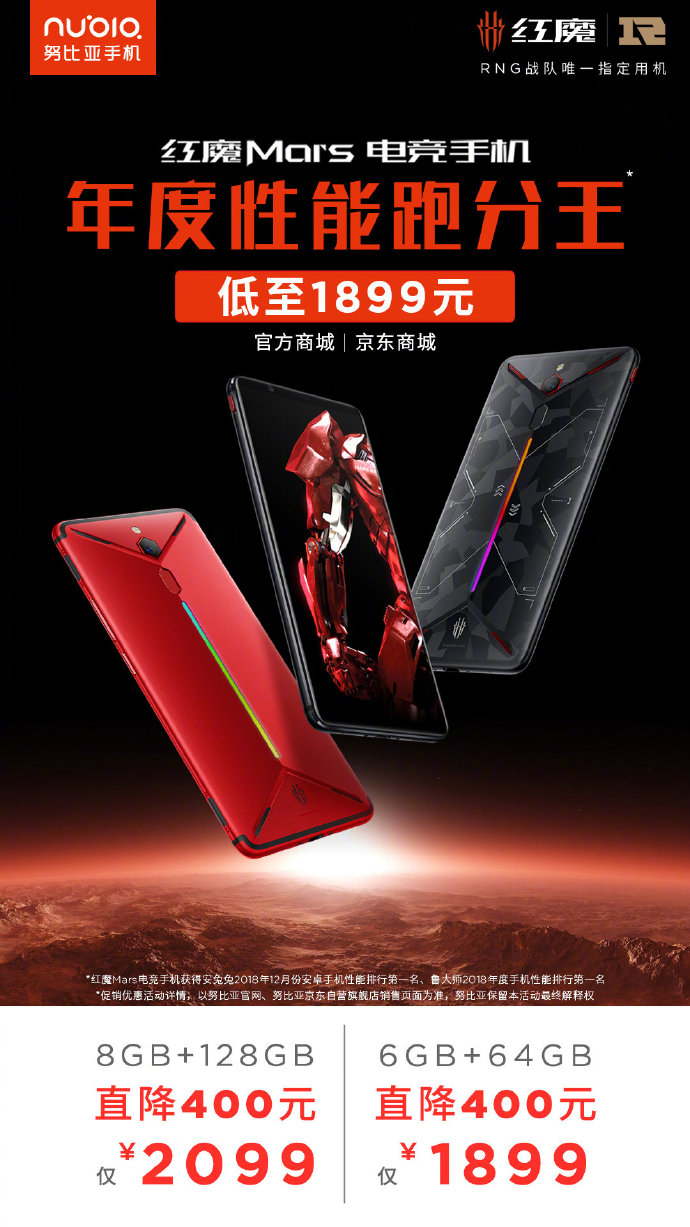
The iQOO Neo is one of the devices that launched this week. It packs a lot of features and tops it off with a really affordable price tag. That combination of specs and price may have gotten its competitors worried, prompting them to announce price cuts. The Nubia Red Magic Mars is one of such devices.
Yesterday, Nubia announced on Weibo that its Red Magic Mars gaming smartphone has received a price cut of ¥400 (~$58). The base model which has 6GB of RAM and 64GB of storage will now sell for ¥1899 (~$276) while the 8GB RAM + 128GB version will sell for ¥2099 (~$305).
When it launched last year, the Snapdragon 845-powered smartphone had a starting price of ¥2699 (~$392) while the 8GB + 128GB version sold for ¥3199 (~$466). The base model launched in the US at $399.
This isn’t its first price cut but even at the new prices, the Red Magic Mars doesn’t seem like the one to buy when you compare it to the iQOO Neo. The base model is still more expensive than that of the Neo which is ¥1798 (~$260). But that is barely even scratching the surface when it comes to where the iQOO Neo wins.
The Neo has a larger display which is AMOLED as against the Nubia’s smaller LCD screen. The Neo also has a much bigger battery, a faster-charging technology, and more cameras. Though it misses out on the Red Magic Mars’ RGB LED strip, surround sound and wider availability.
Huawei never fails to satisfy its customers when it comes to quality. That is one reason the company is the world’s second largest smartphone vendor in terms of shipment volume.For instance, can your phone survive a fall from the fifth floor of a building and still work? How about an accidental drop from the 21st floor of a building? Huawei’s smartpones have been shown on different scenarios to have experienced such and they still kept working.
A netizen who happens to own an Honor 10 smartphone took to China’s Weibo to share the story of his Honor 10 fell down from the fifth floor of a build and the display got shattered. A year after, he picked up the phone and after charging, it was switched on. Interestingly, the phone still continued working despite the entire touchscreen digitizer panel was shattered. Even the LCD panel was partially damaged at the top half but the owner was still able to make a call with the phone. It is possible that with the split screen feature, some apps that support split screen can still be used seamlessly.
Even the VP of Honor’s business department Xiong Junmin commented that the impact of the fall was more ferocious than the drop experiment of the Honor Lab.
This experience is similar to that of the Huawei P20 which reportedly fell from the 21st floor of a building last year and got shattered but still continued working. According to the owner, some features continued working seamlessly. Features such as Face Unlock, fingerprint sensor, Bluetooth. Apart from physical damage to the fuselage and a broken rear camera, other features and apps such as the internet connection, WeChat etc still worked normally. You could even receive calls with the phone.
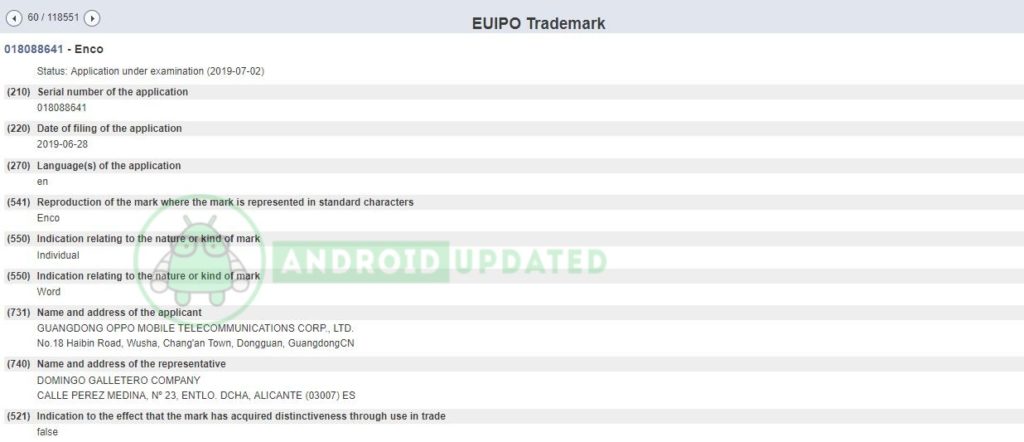
This year, OPPO shut down its R-series line of smartphones, however, it announced a new one called Reno. The Reno line includes the Reno, Reno Z, Reno 10x Zoom, and the OPPO Reno 5G. The Guangdong-based company has applied for a new trademark for the word “Enco”. It has been reported that this may be the name of a new line too.
The trademark application was filed on June 28, 2019, at the European Union Intellectual Property Office (EUIPO). There isn’t much that the trademark application reveals but the rumor about it being a new series of smartphones isn’t actually new.
Last month, OPPO’s VP, Brian Shen, revealed in a Weibo post that a new series of smartphones will launch in the second half of the year. This new series may as well go by the name Enco. It is unknown if the series will cover the three main phone categories (entry, mid-range, and flagships) or if it will be limited to just one or two.
We expect more details will surface soon with respect to the series and even its first phone.
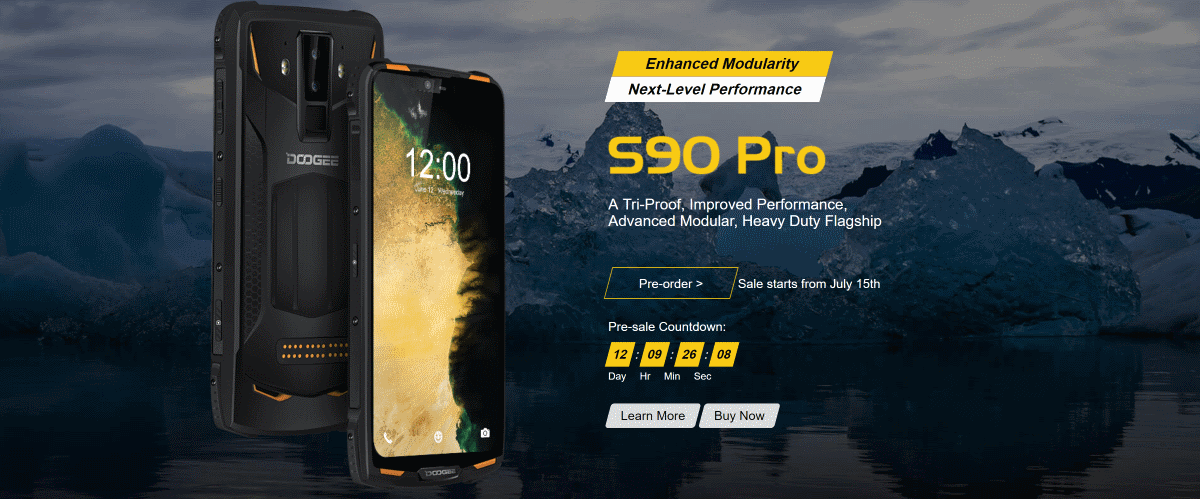
The Doogee S90 is the last rugged phone that the company had released and today, the Chinese manufacturer is ready to release its successor, the all-new Doogee S90 Pro. As an upgraded version, the new model comes with increased performance, better modularity, better battery life, and Android 9 Pie. The S90 Pro is expected to hit the market on July 15th on Doogeemall.
Doogee S90 Pro modular design
Starting with the design, the DOOGEE S90 Pro continues the innovative modular tri-proof design inherited from S90. Of course, as a rugged phone, it sports IP68/IP69K and MIL-STD-810G certifications, and together with the improved rubber design and titanium alloy chassis, the S90 Pro can withstand water (30′, 3 meters deep), dust, and drops from 1.5m high. As for the modular design, the phone supports all current modules like the 5000mAh powerbank, Walkie-Talkie module, Gamepad module, and Sony Ultra-Wide Night vision camera module.
Performance Upgrade
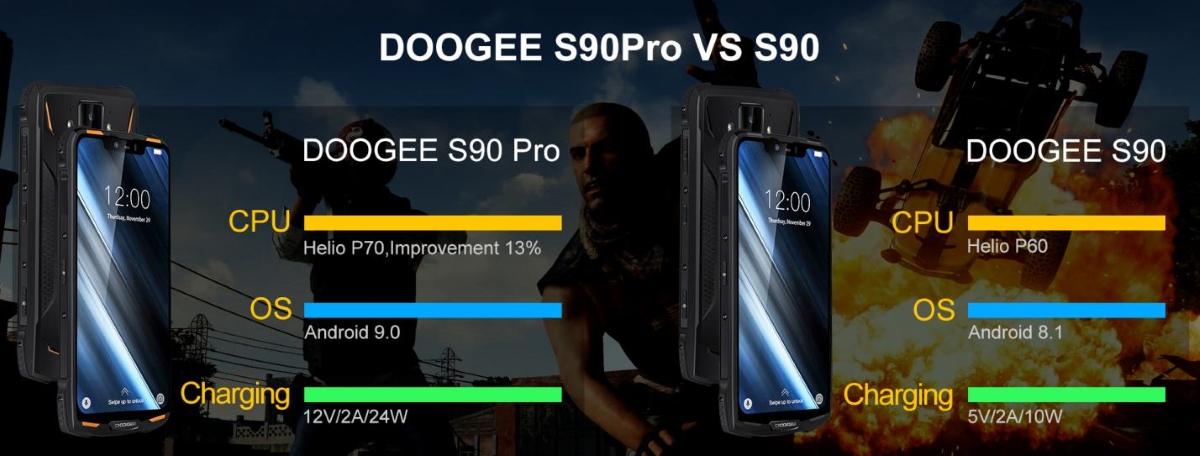
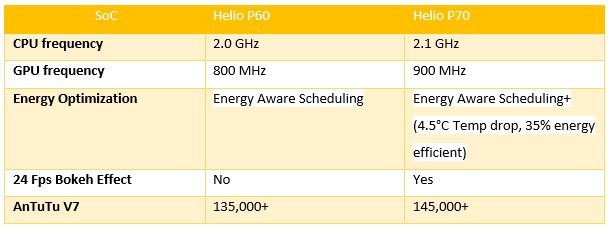
The S90 Pro comes with Helio P70 instead of the P60 found on the previous model and it offers a 35% bump in power efficiency, 10% boost in A.I. performance, 13% increased CPU performance, 3x improvement in camera performance, and 15% longer battery life.
Hosting a 5080mAh battery under the 14.1mm chassis, the S90 Pro is one of the thinnest rugged phones with more than 5000mAh battery. Moreover, the quick charge 10W wireless charging and 10V/2A wired charging are also new features. Thanks to the 35% better efficiency of the new SoC, the battery life of the phone has been improved to 2 days/48 hours (average usage).
Rest of specs
The phone comes with a large 6.18″ U-notch in-cell display with FHD+ resolution that is protected with Gorilla Glass 4. The notch hosts a 16MP Sony wide-angle camera with f/2.0 aperture and A.I. Beauty Camera support. At the same time, the rear camera consists of two Samsung sensors with 16MP/8MP configuration and f/2.0 aperture, PDAF, and Quad-Tone LED flash. There’s also NFC with Google Pay support, Face and fast Fingerprint support, and the already known from the previous model Survival Toolkit for physical measurements. Lastly, the Android 9 Pie in conjunction with Helio P70 and 6GB/128GB memory combo, not only takes care of fluid and smooth performance but also sports the most recent Google security patches and new features.
Now, you can join the Doogee Affiliate Program to win high commission! Find more information here.
Huawei’s sub-brand Honor has already confirmed that the company will be launching the Honor 9X smartphone in China on 23rd July. Ahead of the launch, the company has revealed what chipset will power the phone.
Through a poster shared on Weibo, Honor has confirmed that the upcoming Honor 9X smartphone will be powered by the company’s newly launched HiSilicon Kirin 810 octa-core processor which is manufactured using 7nm process.
The chipset comes equipped with two Cortex-A76 high-performance large cores clocked at 2.27 GHz and six Cortex-A55 energy efficient small cores clocked at 1.88 GHz. It is coupled with Mali-G52 GPU for graphics processing.
It also has a new Huawei DaVinci architecture NPU, which consumes less energy and has artificial intelligence (AI) technology running at over 32,280 points, surpassing the scores of Snapdragon 855 SoC and Snapdragon 730 SoC.
The company also said that the image processing capability of this new smartphone processor is at par with those of the flagship grade SoCs. Huawei has included a powerful night vision algorithm for higher brightness and greater tolerance.
As per the leaks, the Honor 9X will come with a triple rear camera module that will feature a 24MP primary sensor, an 8MP secondary sensor, and a 2MP depth sensor. On the front side, the phone will feature a 20MP snapper.
The smartphone is also expected to come with a fingerprint scanner for added security, a 3.5mm audio jack, and support for storage expansion. The device will be running EMUI 9 based on Android Pie operating system out-of-the-box.
Last month, Huawei launched the Huawei Nova 5 smartphone, which became the first smartphone to be powered by the Kirin 810 SoC. Also, with the launch of Kirin 810, Huawei has become the world’s first smartphone company to have two chipsets that are manufactured using the 7nm node.
We use cookies on our website to give you the most relevant experience by remembering your preferences and repeat visits. By clicking “Accept”, you consent to the use of ALL the cookies.
This website uses cookies to improve your experience while you navigate through the website. Out of these, the cookies that are categorized as necessary are stored on your browser as they are essential for the working of basic functionalities of the website. We also use third-party cookies that help us analyze and understand how you use this website. These cookies will be stored in your browser only with your consent. You also have the option to opt-out of these cookies. But opting out of some of these cookies may affect your browsing experience.
Necessary cookies are absolutely essential for the website to function properly. This category only includes cookies that ensures basic functionalities and security features of the website. These cookies do not store any personal information.
Any cookies that may not be particularly necessary for the website to function and is used specifically to collect user personal data via analytics, ads, other embedded contents are termed as non-necessary cookies. It is mandatory to procure user consent prior to running these cookies on your website.