The Huawei P30 is available in Europe in only one variant which has 6GB of RAM and 128GB of storage. In Huawei’s home country, the phone is available in three variants – 8GB of RAM with 64GB, 128GB, or 256GB of storage. A new discovery reveals Huawei may announce new variants soon.
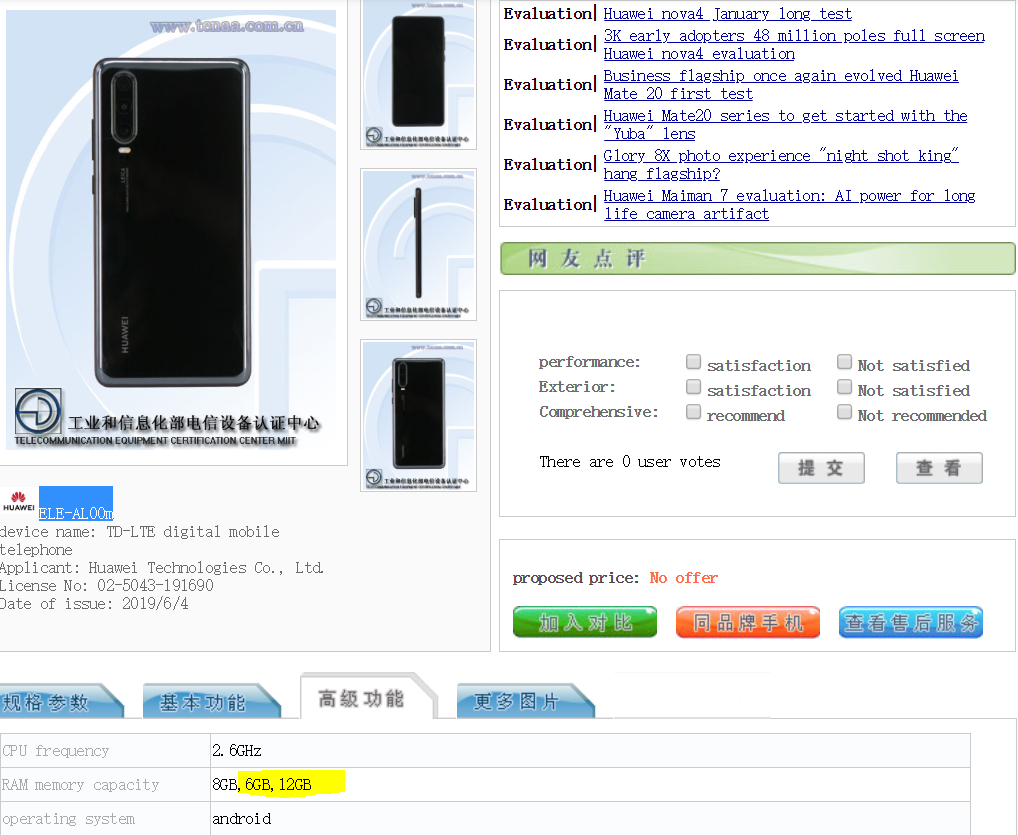
A new listing for the Huawei P30 has appeared on TENAA (Huawei ELE-AL00m) and it shows that the Huawei flagship might soon be available in two new variants.
The first is a 12GB RAM variant which will most likely have 256GB of built-in storage. There is also a 6GB RAM listing which should have 64GB of storage.
The rest of the specs are the same as the already available variants. So you get a 6.1-inch AMOLED FHD+ display, a Kirin 980 processor, a 3650mAh battery, triple rear cameras (40MP + 8MP + 16MP) and a 32MP selfie camera. The Huawei P30 also has an in-display fingerprint scanner, support for storage expansion (Huawei’s NM card), and runs EMUI 9.1 based on Android 9 Pie.
HMD Global has unveiled the Nokia 2.2 smartphone in India. It is an entry-level phone that has arrived to replace the Nokia 2.1 smartphone from last year. The Nokia 2.2 has a waterdrop-style notch like the Nokia 3.2 and Nokia 4.2 mid-range phones that were made official in India recently. The modest Helio A22 powers the Nokia 2.2 and it features a 13-megapixel camera for capturing better shots in dim-light conditions. The smartphone has landed in India with a starting price of Rs. 6,999 (~$100).
Nokia 2.2 Specifications and Features
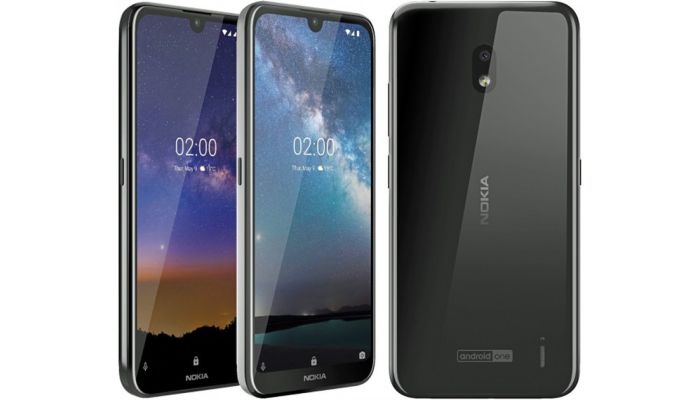
Housed in a nano-coated polycarbonate body with 145.96 x 70.56 x 9.3mm dimensions, the Nokia 2.2 sports a 5.71-inch IPS LCD panel with 19:9 aspect ratio. The display that is equipped with a selfie notch produces full HD+ resolution. It features a thick bezel at the bottom that has the branding of the company.
A front-facing camera of 5-megapixel is placed inside the notch. It can double as face recognition for conveniently unlocking the device. The AI driven front camera can produce brighter selfies in low-light conditions. The rear shell of the phone lacks a fingerprint reader. An LED flash enabled camera of 13-megapixel and f/2.2 aperture is available on the backside of the device. The camera features available on the device include autofocus, Beautify (for beautified portrait shots), HDR, panorama, low light enhancement, timelapse and Google Lens.
The MediaTek Helio A22 SoC fuels the smartphone. It comes in two variants such as 2 GB RAM + 16 GB storage and 3 GB RAM + 32 GB storage. For expanding its storage, users can add a microSD card to the device. The phone features a 3,000mAh battery to keep the lights on. It carries support for 5W charging only.
The Nokia 2.2 boots to purest version of Android 9 Pie OS since it is an Android One smartphone. It comes with two-years OS update guarantee and three years of security updates. The connectivity features of the smartphone include singe/dual SIM support, VoLTE, Wi-Fi, Bluetooth, GPS, and 3.5mm headphone jack. There is a dedicated key for launching Google Assistant. Customers of the Nokia 2.2 can customize its appeal by using changeable Xpress-on covers. Shown below is the official unboxing video of the Nokia 2.2 smartphone.
Nokia 2.2 Price and Availability
The 16 GB and 32 GB models of the phone Nokia 2.2 are respectively priced at Rs. 6,999 (~$100) and Rs. 7,999 (~$115) in India until the end of this month. Beginning from next month, these models will respectively cost Rs. 7,699 (~$111) and Rs. 8,699 (~$125). In Europe, it carries a starting price of 99 euros. Tungsten Black and Steel are the two color editions of the smartphone.
The pre-bookings of the smartphone have started in India. The last date to pre-order it is June 10. In India, the phone can be purchased through the company’s official online store, Flipkart and offline stores. Buyers of Nokia 2.2 can benefit from Rs. 2,200 (~$32) cashback offer and 100 GB additional data from Jio on Rs. 198 and Rs. 299 recharges.
What’s your opinion on the Nokia 2.2? Will you be purchasing it? Let us know your thoughts by posting your comments below.
The 5G network is already live in various countries, including the US, UK, China, South Korea, Switzerland, and now it is switched on in Italy. Vodafone has lit 5G services across 28 municipalities of the Milan metropolitan area and in four more cities including Rome, Turin, Bologna, and Naples.
Talking about the plans, Aldo Biso, Vodafone’s CEO, said the company aims to extend the 5G services to 45 to 50 cities by the next year, and 100 by 2021. He further revealed that it would take another 4-5 years to get the same coverage for 5G as we have for the 4G nowadays. He believes, “5G paves the way for a new era of digital development services across the country, we expect our services to grow exponentially and have a profound social and economic impact.”
TIM and Fastweb will soon compete with Vodafone by launching their 5G services throughout the country.
Vodafone users can enjoy the 5G network with three new smartphones – Xiaomi Mi Mix 3 5G, LG V50 ThinQ 5G, and Samsung Galaxy S10 5G. However, Xiaomi Mi Mix 3 is currently available on sale, whereas the other two devices will be available in the next few days. The interested users have to pay an extra €5/month to enjoy the 5G services.
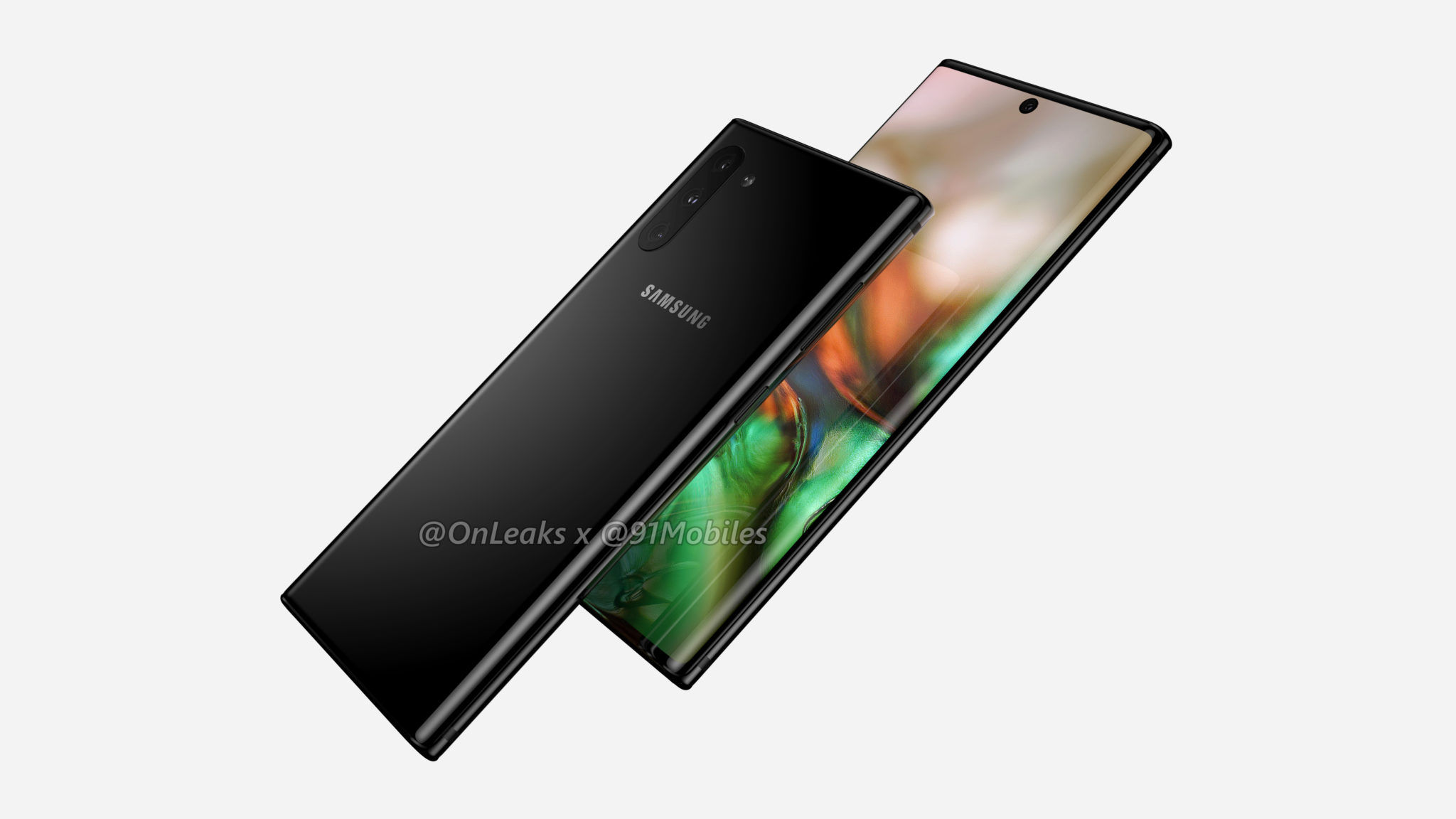
Samsung will not announce the Galaxy Note10 until August at the earliest but we don’t have to wait that long to know what it will look like. OnLeaks, in partnership with 91mobiles, have released renders and a 360° video of the device; and Samsung has made some key changes – some you might love and others that might break your heart.
The Galaxy Note10 will come with a punch hole display but quite different from that of the Galaxy S10 which has its hole at the right corner or the Galaxy S10+ which has a pill-shaped hole. The hole in the display of the Note10 is in the middle of the upper part of the screen.
The 6.3-inch QHD+ display is curved on both sides and has pretty thin bezels at the top and bottom. The power button and volume controls are on the left now while the right is devoid of buttons. Yes, no more Bixby button.
[envira-gallery id=”257645″]
The top of the phone is where the SIM tray lies while the bottom is home to the USB Type-C port, a speaker grille, and the S Pen. The beloved audio jack is gone.
The Galaxy Note10 will come with three rear cameras. Not a horizontal arrangement like on the Galaxy S10. Instead, they are stacked up vertically and positioned at the left side of the phone. The cameras are raised and contribute to the phone’s overall thickness of 8.5mm.
The device doesn’t have a fingerprint scanner on the back which means there is one under the display. There is also no visible slit for the earpiece and that means the Galaxy Note10 will also use the display to pump out audio just like the Galaxy A80.
Samsung will launch the Galaxy Note10 in Exynos 9820 and Snapdragon 855 variants. It should be available in multiple configurations with up to 12GB of RAM and 512GB of storage. There are also reports there will be a Pro variant of the Note10 which will not have any physical buttons.
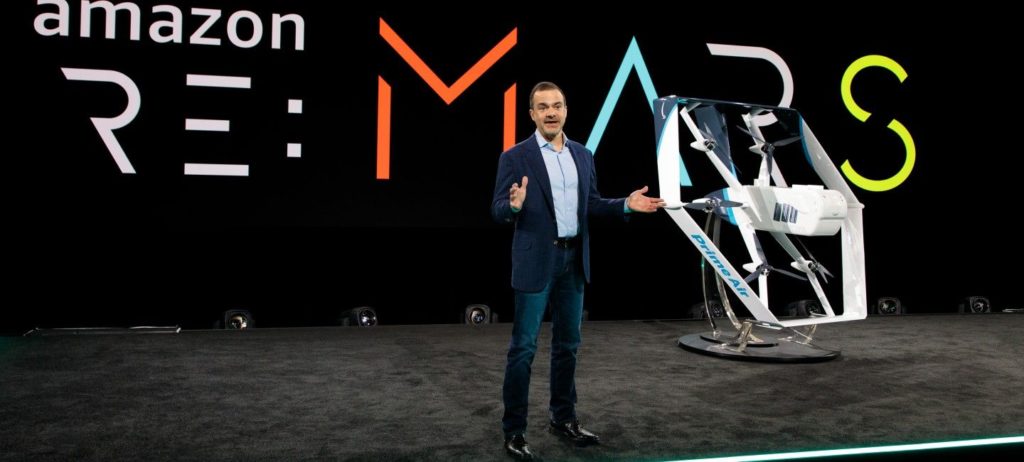
Amazon is looking for new ways to improve on the delivery times. To facilitate customers with faster delivery, Amazon evolved the Prime two-day shipping to a one-day program in the US. The increasing expectations from the customers have led Amazon to look for some alternatives to deliver the packages more conveniently and in a faster way. Amazon’s new Prime Air drone is designed to accomplish these goals.
The new Prime Air drone is fully electric and can fly up to 15 miles within 30 minutes. Amazon is eyeing to bring the new drone into the mainstream delivery network within the next few months. It can deliver packages both quickly and efficiently. It supports both vertical and horizontal takeoffs and landings like a helicopter and an airplane.
The company even worked to make the system incredibly safe. The Prime Air service will involve two main delivery stages of In transit to a destination, and the other when approaching the ground. Amazon employed proper sensors and algorithms to detect moving objects like a chimney, building, helicopter, etc. Artificial Intelligence is playing an essential role while both vertical and horizontal takeoffs. Safe operation is ensured by new technologies such as computer vision, stereo vision, and multi-view stereo vision.
“A customer’s yard may have clotheslines, telephone wires or electrical wires. Wire detection is one of the hardest challenges for low-altitude flights,” said Jeff Wilke, CEO of Amazon Worldwide Consumer on the company’s blog. “Through the use of computer-vision techniques we’ve invented, our drones can recognize and avoid wires as they descend into, and ascend out of, a customer’s yard.”
The new initiative will help Amazon to achieve a 50% cut in carbon emissions on all the shipments. Along with using drones, Amazon will shift towards using solar power and electric cars to make shipments carbon-neutral by 2030.
A recent report had revealed that LG will be soon launching a new series of smartphones to take on the mid-range market in India. Amazon India has a landing page for the company’s first W-series smartphone. The South Korean company hasn’t launched a W-series phone before. Hence, it appears that India will be the first market to receive the W-series LG phone. The landing page on the retailer site has some key information on the features of the phone.
According to the information shared on the landing page, the first LG W-series phone will be arriving with a “pocket-friendly” pricing. This suggests that the new series will be the company’s lethal weapon for Xiaomi’s Redmi Note and Samsung’s M-lineup.
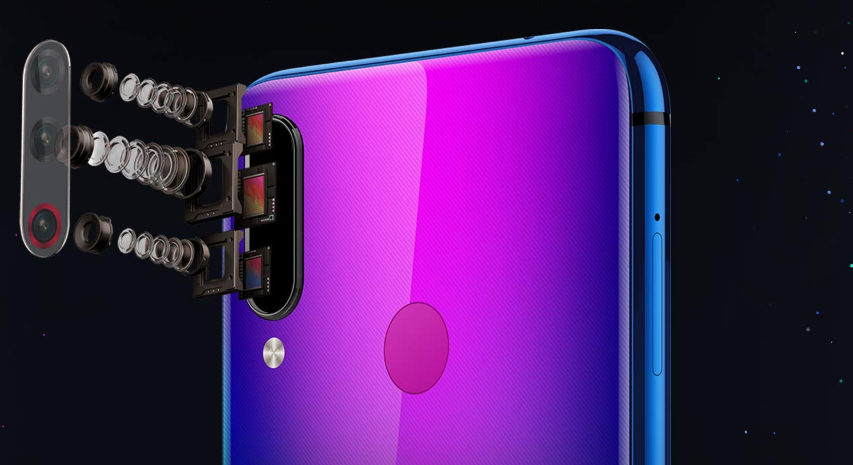
As it can be seen in the images shared in the post, the forthcoming W-series phone will have a gradient finish. It is yet to be confirmed whether the phone will have a polycarbonate body with glossy finish or a glass rear. A triple camera setup and a fingerprint scanner can be seen on the rear shell of the phone.
The AI triple camera setup on the smartphone will be offering features like night mode, portrait mode, bokeh, wide-angle photo shooting and more. The third sensor in the setup has a red ring around it. Below the triple camera module is an LED flash.
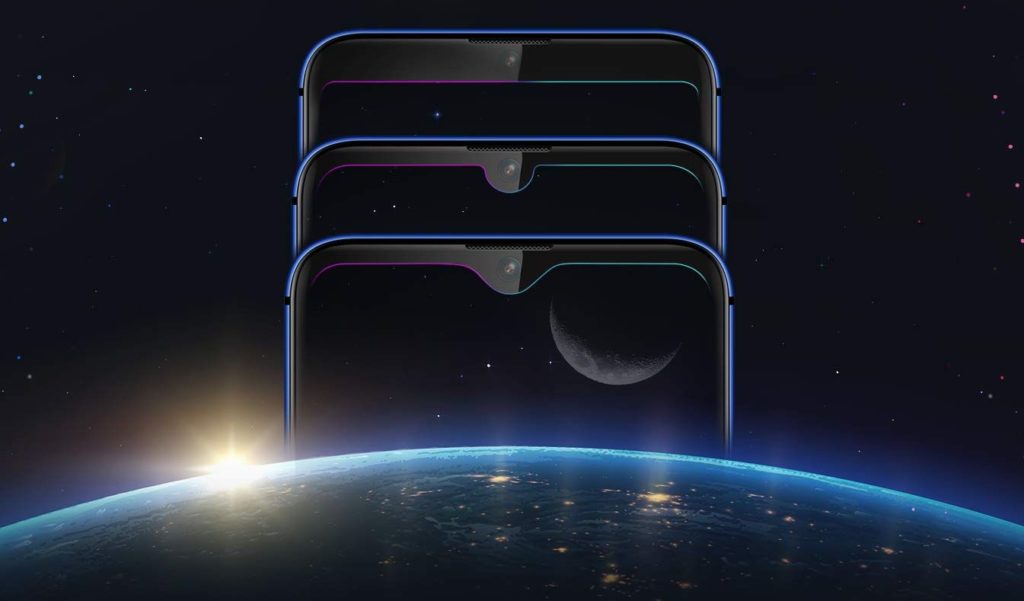
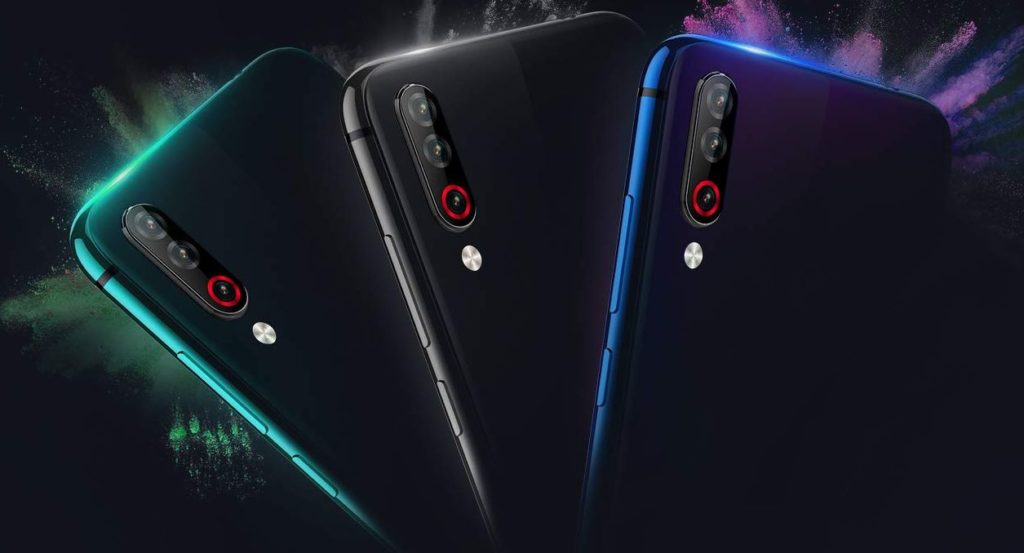
The first LG W-series phone will have a selfie notch. The teaser image on the landing page states that users will be able to customize the notch design. The below image shows that the handset will come in Blue, Black and Green color editions. There is no information available on the specifications of the phone yet. Also, the launch date of the device is currently under the wraps.
A previous report had revealed that the three key features of the phone will be its FullVision display, AI powered triple cameras and a strong battery. The smartphone is expected to borrow some features from V-series and G-series phones from LG.
The South Korean company will be launching at least two W-series phones by the end of this month. In all, the company may launch around 4 to 5 smartphones in the new series. These phones will be priced between Rs. 10,000 and Rs. 25,000 in India.Do you think that LG will be to rival with Xiaomi and Samsung in the mid-range bracket? Share us you views by posting your comments below.
Nokia Mobile has an event today in Italy where it will unveil at least two new phones. One of those new devices might just be the Nokia 2.2 and we have our first look at the phone thanks to Evan Blass (@evleaks).
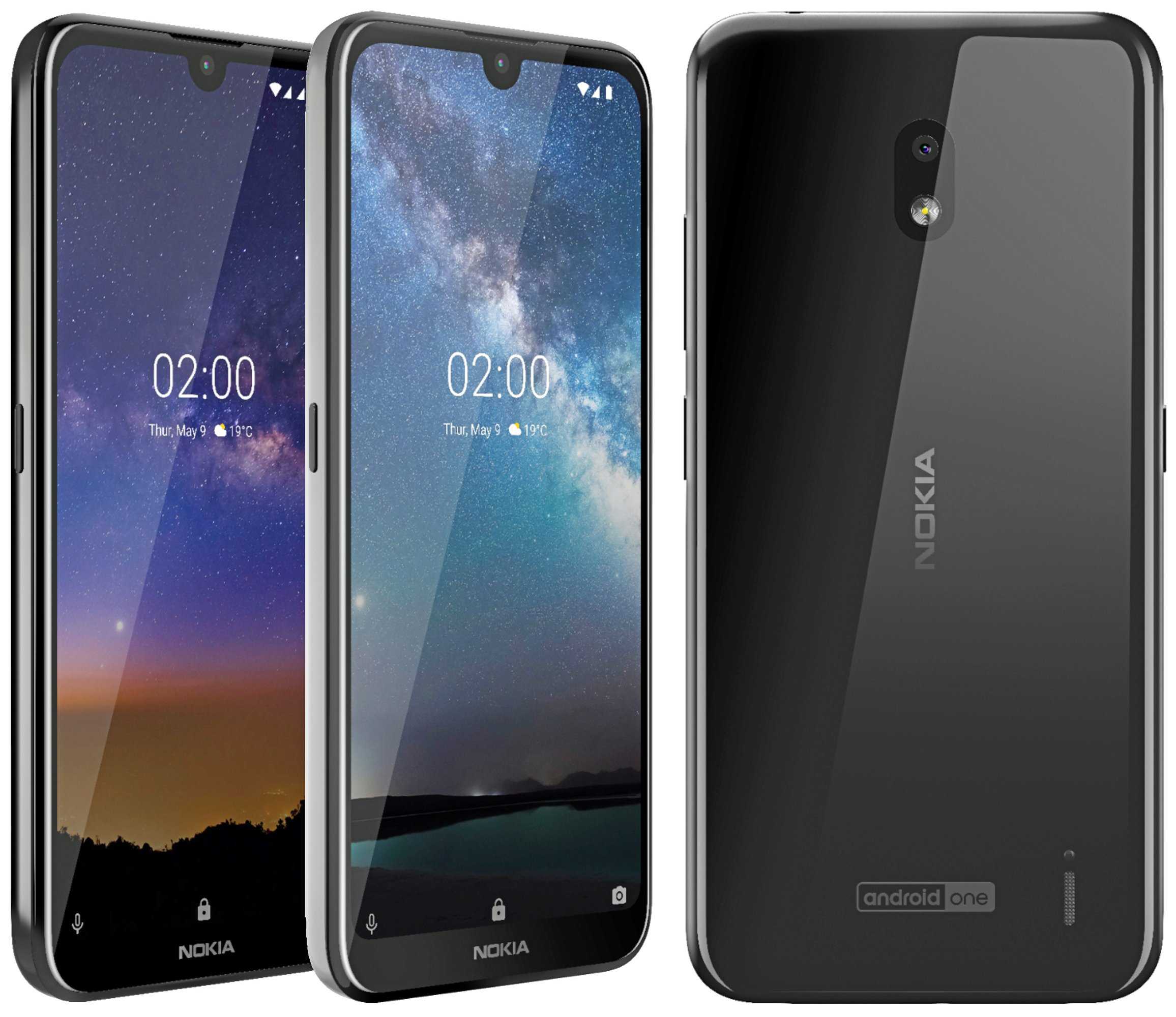
HMD Global is switching things up with the Nokia 2.1’s successor. Gone is the thick bezel at the top. It has now been replaced with a waterdrop notch similar to that of the Nokia 4.2. There is still a lower bezel but it isn’t as thick as that of the predecessor.
Image Source: Evan Blass (@evleaks)
The Nokia 2.1 is an interesting entry-level phone as it has stereo front-facing speakers. Sadly, the Nokia 2.2 has ditched that design. We are not sure if it still has stereo speakers but seeing as the slit for the earpiece is smaller, the chances are really slim.
The Nokia 2.2 has a single camera on the back just like its predecessor. There is an LED flash right beneath the sensor but there is no fingerprint scanner. The back appears to be covered in glass just like the Nokia 4.2 but that frame is definitely polycarbonate.
The phone has its volume control and power buttons on the right but there is another button on the left side of the device. This is surely a dedicated Google Assistant button as we have on the Nokia 4.2 and Nokia 3.2.
There is Android One written at the bottom of the device, so expect to get a pure Android experience with OS and security updates for at least 2 years.
We don’t know the specs of the phone but we sure expect upgraded internals and we hope HMD Global keeps the 4000mAh battery capacity of its predecessor if it isn’t going to make it bigger.
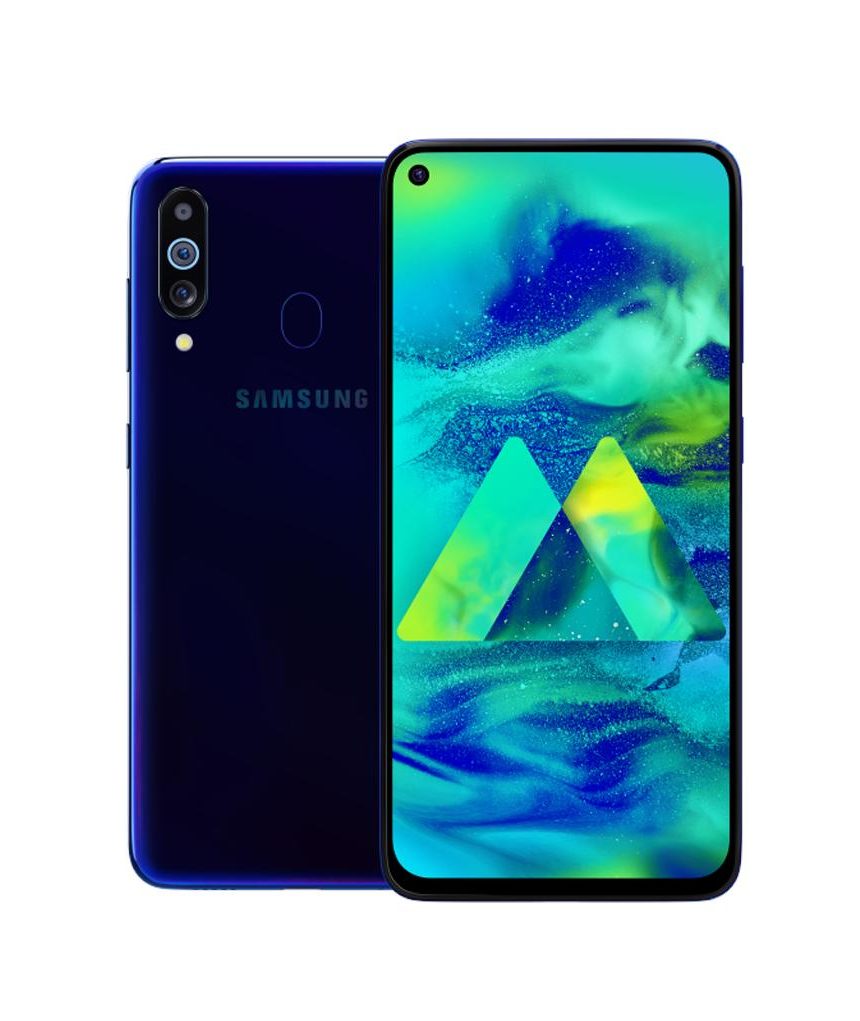
Samsung will be announcing the Galaxy M40 smartphone in India on June 11. Some of the key features of the phone have been already confirmed by the South Korean company while other sources have also leaked some of its specs. With less than one week remaining for the launch of Galaxy M40, its entire specifications have been leaked
The leak reveals that the Galaxy M40 will be featuring a 6.3-inch Super AMOLED display that will offer full HD+ resolution of 1080 x 2340 pixels. It will offer a pixel density of 409ppi. The landing page of the Galaxy M40 on Flipkart has some of its images which confirm that it will be sporting a small notch for the selfie camera like the other M-series phones.
The Snapdragon 675 mobile platform will be present under the hood of the Galaxy M40 along with 6 GB of LPDRR4C RAM. The internal storage capacity of the M40 will be 128 GB. It will feature a microSD card slot for expanding the storage. It will come preloaded with Android 9 Pie OS. The Galaxy M40 will draw power from a 3,500mAh battery through USB-C.
The front notch of the Samsung Galaxy M40 will be equipped with a 16-megapixel selfie snapper. The rear shell of the phone will feature a triple camera setup with 32-megapixel main sensor. It will also comprise of a 5-megapixel secondary sensor with f/2.2 aperture and an 8-megapixel wide-angle lens with 123-degree viewing angle and f/2.2 aperture. The handset will be featuring connectivity features such as dual-SIM support, 4G VoLTE, Bluetooth, GPS and 3.5mm audio jack. It will be also equipped with a rear-facing fingerprint reader.
There is no information available on the pricing of the Galaxy M40. The Galaxy M30 with 6 GB of RAM and 128 GB of storage is selling for Rs. 17,990 (~$259). There is a possibility that the Galaxy M40 could be priced at Rs. 19,990 (~$288)
What’s your opinion on the specifications of the Galaxy M40? Do you think it will be priced under Rs. 20,000? Share us your views by posting your comments below.
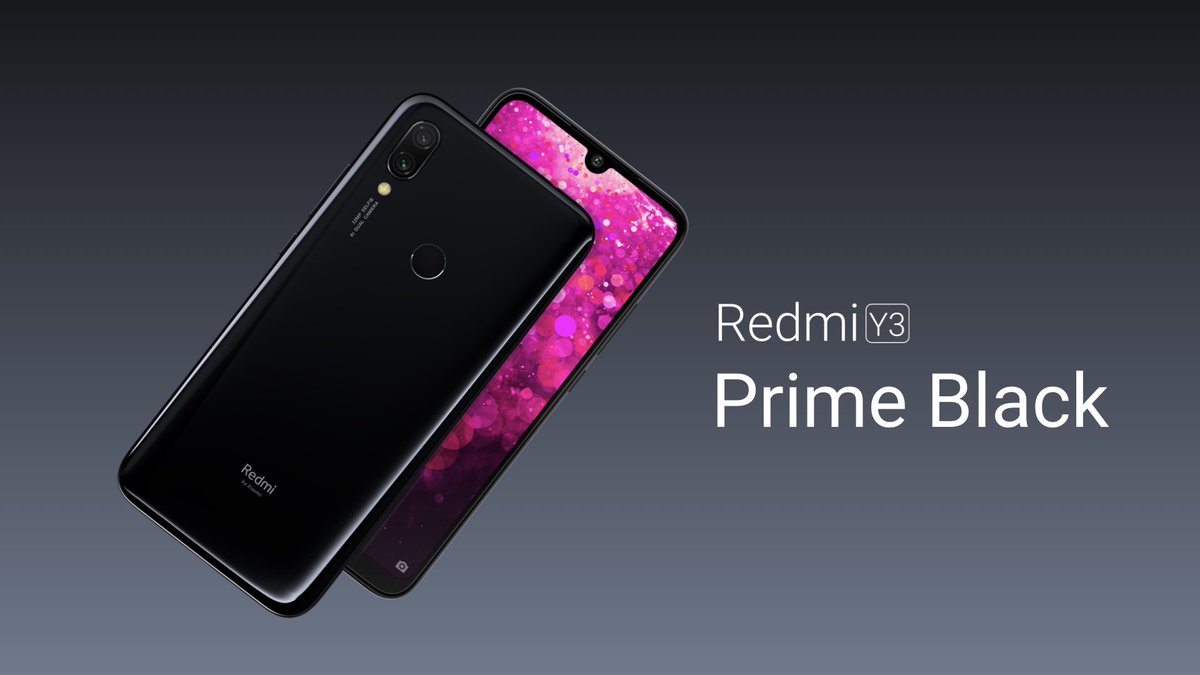
A couple of months ago, in April, Xiaomi had launched the selfie-centric Redmi Y3 smartphone in the Indian market. Now, the smartphone is available through the open sale and can be purchased anytime via Mi.com, Amazon India, and Mi Home Stores.
In India, the smartphone comes in three color options — Prime Black, Bold Red, and Elegant Blue colors. The 3GB RAM + 32GB storage model costs Rs. 9,999 (approx. $143) while the 4GB RAM + 64GB storage variant costs Rs. 11,999 (approx. $172).
The Redmi Y3 features a 6.26-inch IPS LCD HD+ display with waterdrop notch with an aspect ratio of 19.5:9 and 720 x 1520 pixels screen resolution. The display of the phone is protected by Gorilla Glass 5.
Under the hood, the device is powered by Qualcomm Snapdragon 632 octa-core chipset, clocked at 1.8 GHz, coupled with 4GB of RAM and up to 64GB of internal storage. There’s also a hybrid SIM slot for expanding the phone’s storage capacity.
On the front side, the phone comes equipped with a 32-megapixel selfie camera with f/2.0 aperture. It is assisted by some other features like AI Portrait Selfie, 80-degree group selfies, auto HDR, shake-free selfies with palm shutter, EIS enabled 1080p video shooting and screen flash.
As for the rear camera, it features a dual camera setup that includes a primary sensor of 12-megapixel and a depth sensor of 2-megapixel. The dual rear cameras are equipped with photography features like dual-LED flash, AI portrait mode scene recognition, Google Lens support, and EIS assisted 1080p video recording at 60fps.
Connectivity options on the device include Dual SIM, 4G VoLTE, Wi-Fi 802.11 b/g/n, Bluetooth 4.2, GPS, micro USB 2.0, IR blaster and 3.5mm audio jack. It also comes with a fingerprint scanner and 360-degree AI face unlock feature. It runs Android Pie-based MIUI 10 and is powered by a 4,000mAh capacity.
This is the year when the 5G telecom technology is getting mainstream. While countries like South Korea and the USA have already started 5G operations, it’s now the turn of China as it has now started issuing 5G licenses.
Earlier, it was reported that the commercial 5G license will be issued somewhere around October but since China has now started issuing licenses from today, the commencement of 5G rollout is earlier than expected.
This means that development in the country is progressing faster than expected. An insider of this development said, “China is now issuing 5G licenses, indicating that China’s 5G industry is ready. China has the ability to let the world see what is the world’s leading 5G network!”
Last month, Michael Gao Wenhao, Deputy General Manager of ZTE‘s 5G industrial product line, appeared at the Hong Kong 5G Forum of the Hong Kong Productivity Council headquarters and said that China plans to start commercialization of 5G technology nationwide from October 1st.
As per the reports, the base stations for the 5G rollout in Mainland China are expected to be provided by three companies — Huawei, ZTE, and Ericsson. With this, China will become one of the first countries to offer commercialized 5G.
By 1st October, China Mobile, China Unicom, and China Telecom — the three major telecom operators in China, will deploy 30,000 to 50,000 base stations in around 40 cities in China for the 5G services. The 5G deployment in 40 cities is a big task and compared to the USA and South Korea, China will have wider 5G coverage.
In April, China’s first 5G network went live in the Qianhai-Shekou Free Trade Zone in country’s southern tech hub Shenzhen. China’s state telecom carrier China Unicom built 111 5G base stations by joining hands with FTZ (Free Trade Zone) in Shenzhen.
China Unicom has been testing 5G network in Beijing, Tianjin, Qingdao, Hangzhou, Nanjing, Wuhan, Chengdu, Fuzhou, Zhenzhou and Shenyang. On the other hand, China Mobile is aiming to bring 5G network in multiple cities and is also planning to build around 10,000 5G base stations by the year 2020.
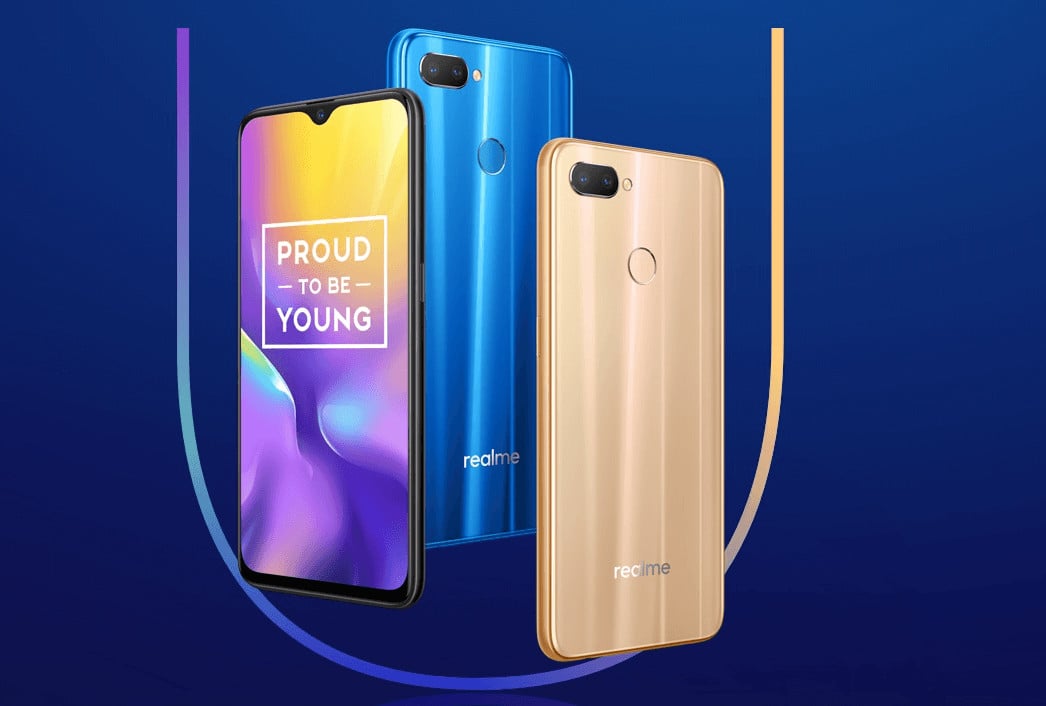
Realme, the smartphone brand backed by Oppo, has now started rolling out Android 9 Pie Beta version to its two smartphones — Realme 1 and Realme U1. With this Beta update, the company is aiming to gather user opinions and fix all bugs before the final version comes out in approximately three weeks.
The new ColorOS 6 Beta version, which now comes with Android Pie, will bring an overhauled visual experience with new UI elements and gesture navigation support. Users will also get updated notification icons in the status bar as well as an app drawer and new live wallpapers for better personalization.
Further, the camera will also receive the Nightscape Mode for improved low light shots as well as HAL3 support for better third-party camera support. Apart from these, the company will also be including a new Game Center and Community apps and the May security patch.
Coming to the specifications, the Realme 1 comes with a 6-inch Full-HD+ display and 84.75 percent screen-to-body ratio. Under the hood, the smartphone is powered by an octa-core MediaTek Helio P60 processor and comes in three variants based on memory configuration — 3GB, 4GB, and 6GB RAM.
As of the storage, the 3GB RAM model comes with 32GB of internal storage while the 4GB RAM model packs 64GB of onboard storage. The top-end variant having 6GB RAM packs 128GB of internal storage. All three models come with a dedicated microSD card slot, enabling users to further expand the storage capacity.
The phone sports a 13-megapixel rear camera with LED flash while there’s an 8-megapixel snapper for taking selfies and video calling. The device is fueled by a 3,410mAh battery and is optimized by AI Battery Management feature.
On the other hand, the Realme U1 features a 6.3-inch Full HD+ dewdrop display and is the world’s first smartphone to be powered by MediaTek’s Helio P70 chipset. The highlight of the smartphone is the camera module.
It features a dual camera setup on the back, consisting of a 13-megapixel primary sensor and a 2-megapixel secondary sensor. It comes with AI Photography and AI Beautigy+ features for enhancing the photography experience. On the front side, the phone comes equipped with a 25-megapixel Sony IMX576 sensor with f/2.0 aperture.
Connectivity options on the device include Dual 4G VoLTE, WiFi 802.11 b/g/n/ac dual-band (2.4GHz + 5GHz), Bluetooth 4.2, and GPS. The phone is running Android 8.1 Oreo operating system out of the box with ColorOS 5.2 on top and is powered by a 3,500mAh battery.
After launching the Huawei Maimang 8 smartphone in the Chinese market, it seems that the company is now all set to launch yet another smartphone series. The company is reportedly gearing up to launch the Huawei Nova 5 series smartphones.
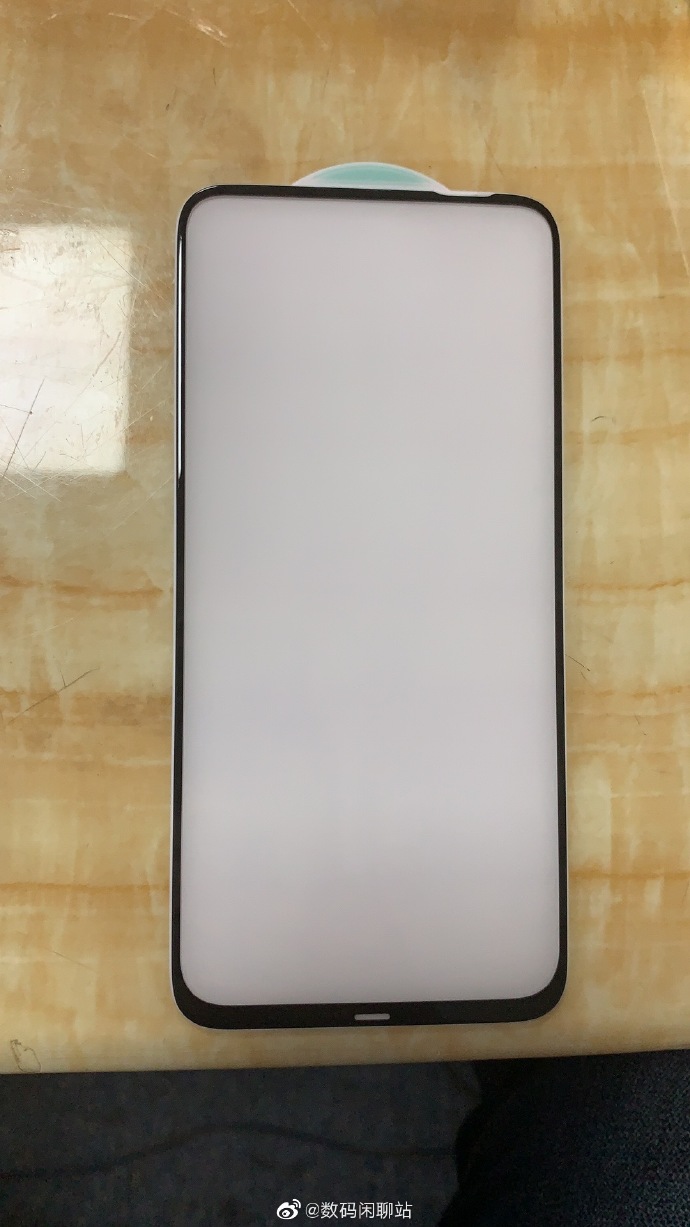
A protective film for the display of Nova 5 and Nova 5 Pro has leaked online, which showcases that the upcoming smartphones will come with a full-screen display without any kind of notch on top of the screen.
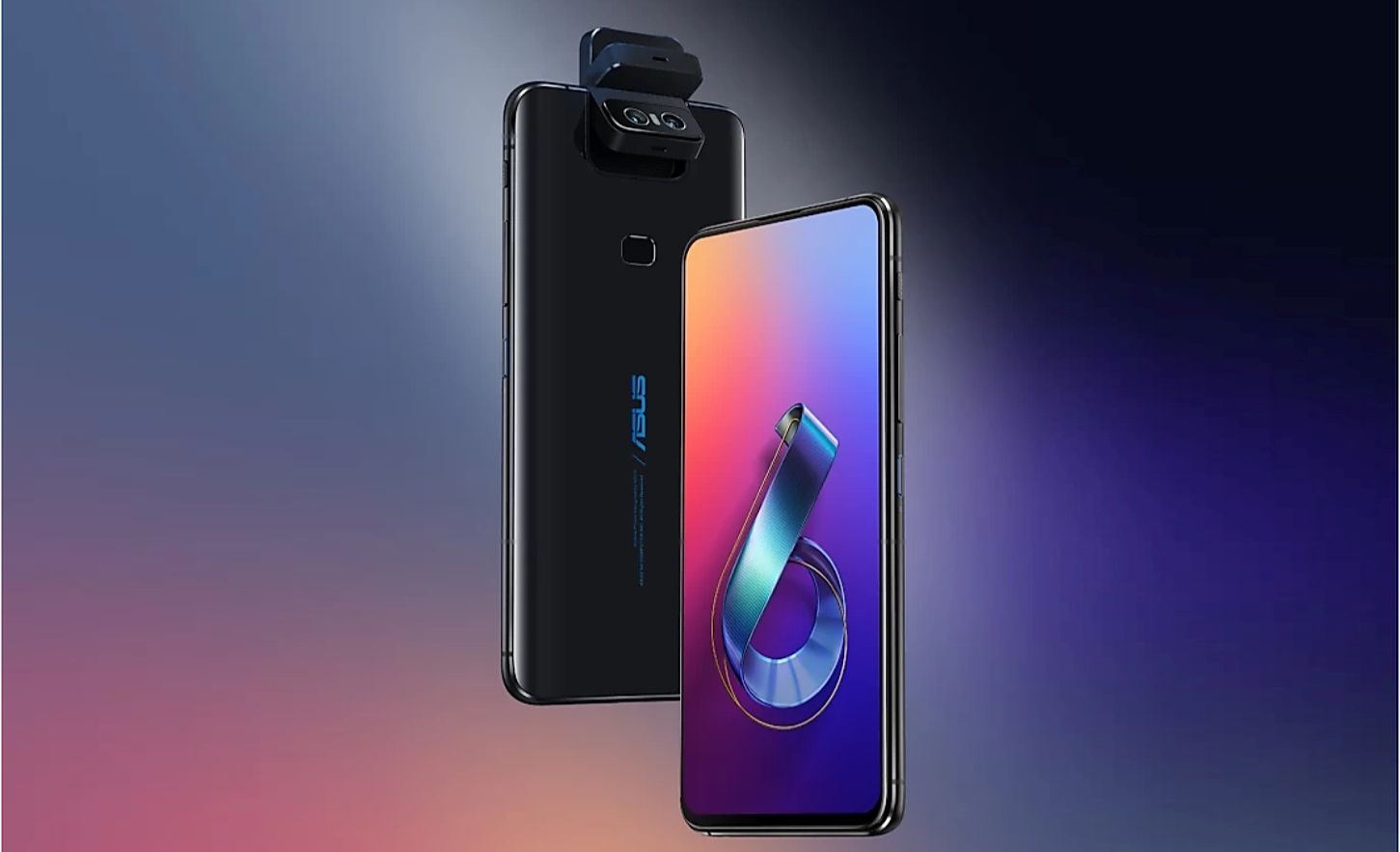
This indicates that the company could be using a pop-up camera mechanism for the front-facing snapper or could use a flip camera mechanism similar to what we’ve seen in the recently launched Asus Zenfone 6 and Samsung Galaxy A80.
Earlier, the EEC certification confirmed that the Huawei Nova 5 has a model number SEA-LX1 whereas the Nova 5i has a model number of GLK-LX1U. The EEC approval of these smartphones hasn’t revealed any information on their specifications.
As per the reports, the Huawei Nova 5 is expected to come with an OLED display but the exact screen size is not yet known. It is expected to come with an in-display fingerprint for added security measures. There’s also a possibility of a side-mounted fingerprint sensor.
Under the hood, it will be powered by Kirin 980 octa-core chipset. Coming to the camera department, reports indicate that the device will come with a triple rear camera setup with a Sony IMX586 48-megapixel primary sensor. On the front side, the phone will be equipped with a 25-megapixel snapper.
The smartphone is expected to be powered by a 3,500mAh battery and if the reports are to be believed, then the device will also come with support for 40W fast charging technology.
While the launch date of the Huawei Nova 5 series has not been confirmed yet, it is being reported that the smartphone could go official by the end of this month and could go on sale shortly after the announcement.
Asus’ Zenfone series of smartphones have fared well in the Indian market and thanks to the Zenfone Max Pro M1, the company has managed to establish itself in the overcrowded Indian smartphone market.
The company is now all set to launch the Asus Zenfone 6 in India and ahead of the launch, Asus is now entangled in some legal issues. The Delhi High Court has ruled that Asus has infringed on an existing trademark for the word Zen, which belongs to Telecare Network.
Asus Zenfone 6
Telecare Network India Pvt Ltd, which claims to own the trademarks for Zen and Zen Mobiles had filed the case against Asus. The company sells feature phones as well as entry-level smartphones under this brand name and has claimed that the use of a similar branding by a competitor is damaging.
The Delhi High Court found these claims reasonable and restrained Taiwan-based Asus from selling any smartphone, tablet, or accessory with the ZenFone branding starting eight weeks after May 28th, i.e. July 23rd.
Telecare also claims that Asus used the Zen name to “ride upon its goodwill” when the company entered the Indian market back in the year 2014. On the other hand, Asus says that the word “zen” is common and has its roots in Buddhism.
However, Asus has appealed this decision and the next hearing is scheduled to take place on 10th July. So, either the company needs to win the next hearing or needs to change the branding for its smartphones in India.
As said, this comes just ahead of the launch of the Zenfone 6 smartphone in India, which is expected to take place on 16th June. It remains to be seen if this legal issue will impact the launch scheduled of the company’s flagship smartphone in one of the world’s biggest smartphones market.
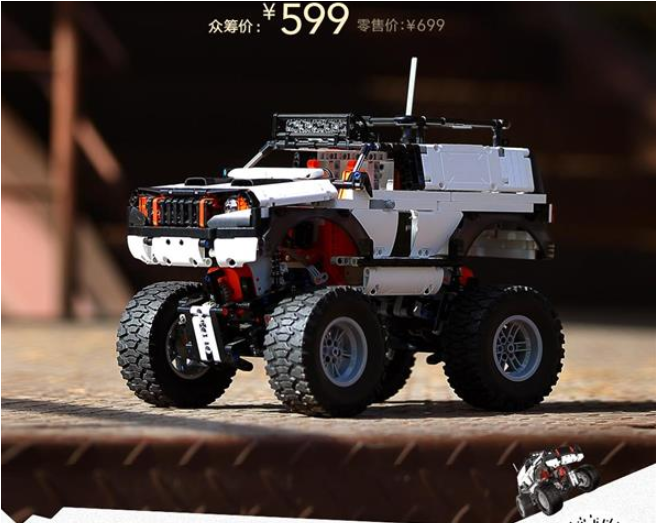
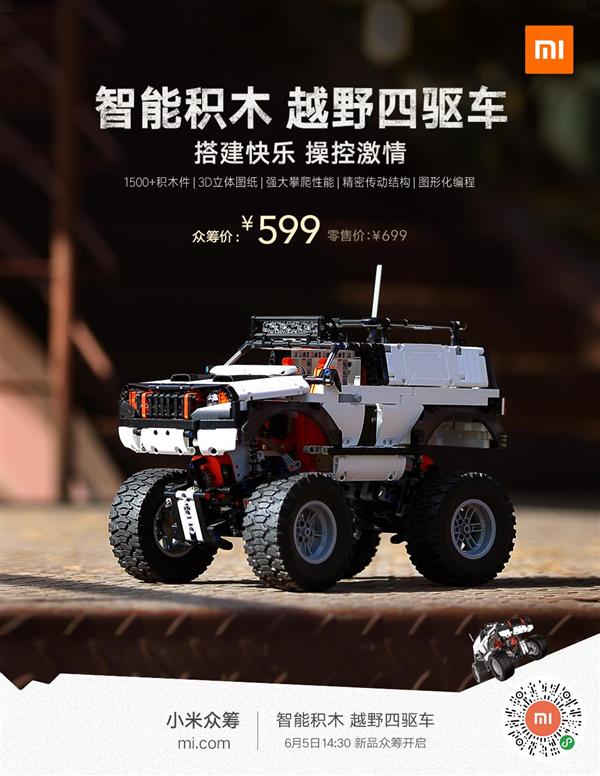
Xiaomi‘s Mitu sub-brand is the division under which the company releases toy products. The brand has launched a new to product but in a surprise twist, it is under crowdfunding. This happens to be the first toy product that would be launched under the crowdfunding platform. The device comes with a retail price of 699 yuan and a crowdfunding special price of 599 yuan ($86).
The MIJIA smart building blocks cross-country four-wheel drive is a smart remote-controlled building block toy which is connected by more than a thousand pieces of bricks, and then driven by a large torque motor, which can be controlled with a mobile phone or a tablet.
The smart off-road four-wheel drive is equipped with large-size high-elastic rubber tires in order to be able to travel on all terrain. Each wheel has a size of 105mm. It also has four independent suspensions which act as buffer devices between the body and the tire, mainly for absorbing the vibration generated by the vehicle when navigating through holes and rough road surfaces.
The MITU Smart Building Block off-road four-wheel drive is equipped with two smaller, high-torque motors with a maximum torque of 430mN.m, which makes the power output of the vehicle reach an unprecedented level of strength, and the climbing angle reaches 30°. It is also equipped with a high-precision steering device, the digital steering gear, which makes the control angle close to 1°. In terms of the rotation angle, the high-precision digital steering gear of the smart building blocks off-road four-wheel drive achieves a range of ±160° rotation and has a torque of 200mN.m. No matter whether it is driving in a ditch or a steep hill, it won’t leave you disappointed.
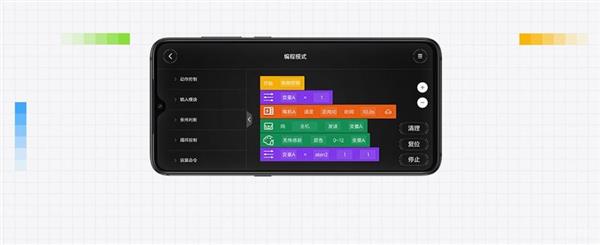
The control of the Smart building block off-road four-wheel drive is integrated into the building block robot app. Only a Bluetooth connection is required to activate the smartphone or tablet controller. The building block uses a USB Type-C port and packs a 650mAh built-in battery.
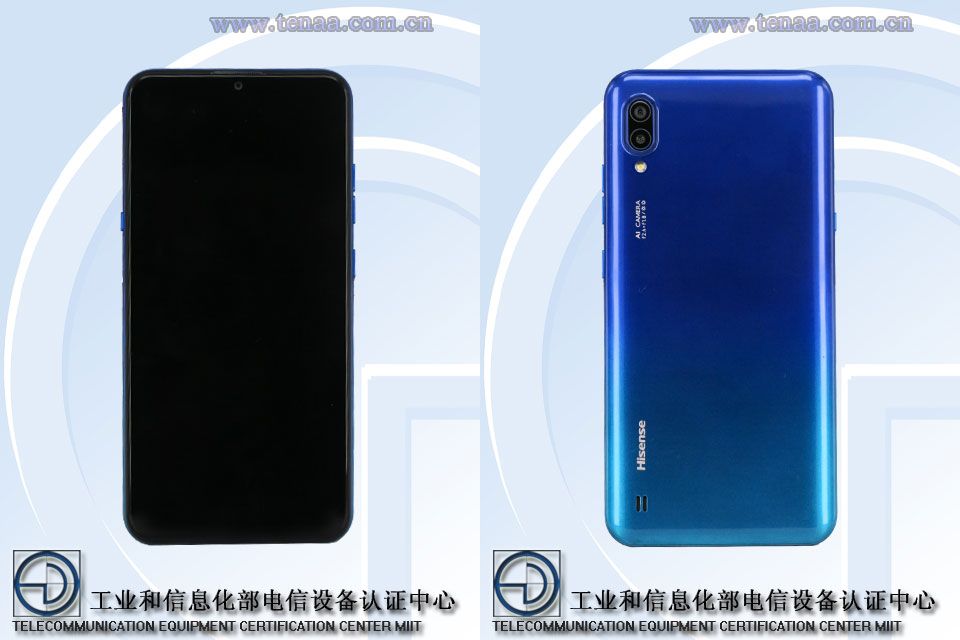
A new smartphone from Hisense that has a model number of HLTE217T has been approved by China’s TENAA authority. The TENAA certification of the smartphone has revealed its entire specifications and images. It appears to be a budget-friendly phone with waterdrop-style notch screen and dual rear cameras.
Hisense HLTE217T specifications
The Hisense HLTE217T appears to be equipped with a polycarbonate rear with a gradient finish. The TENAA listing mentions its color variants as Streamer Blue, Dream Red and Deep Cobalt Blue. The smartphone measures 156.88 x 76.5 x 8.57mm and it weighs 169 grams.
The mysterious smartphone from Hisense is fitted with a 6.217-inch IPS LCD panel with a waterdrop notch. It offers HD+ resolution of 720 x 1520 pixels. It has a minimum capacity battery of 3,900mAh battery. Its typical capacity could be around 4,000mAh.
The smartphone is fueled by an unknown octa-core processor that works at 2.0 GHz. It is loaded with Android 9 Pie OS. There seems to be three variants of the smartphone such as 3 GB RAM + 32 GB storage, 4 GB RAM + 64 GB storage and 6 GB RAM + 128 GB storage. There is a microSD card slot available for more storage.
The Hisense HLTE217T is fitted with an LED flash assisted dual camera setup on its rear. It has a primary sensor of 13-megapixel and a secondary lens of 2-megapixel. For shooting selfies, it is equipped with a front-facing camera of 8-megapixel.
The smartphone seems to volume up and down buttons along with the power key on the right spine. There is another unidentified button on the left edge of the device. The exact identity of the smartphone is not known yet. Its appearance is similar to the Hisense Rock V (2019) smartphone that also features a waterdrop notch and dual rear cameras. Probably, the Hisense HLTE217T could be an entry-level version of Rock V (2019) phone. Now that it has bagged approval from TENAA, it is likely to go official soon in China.
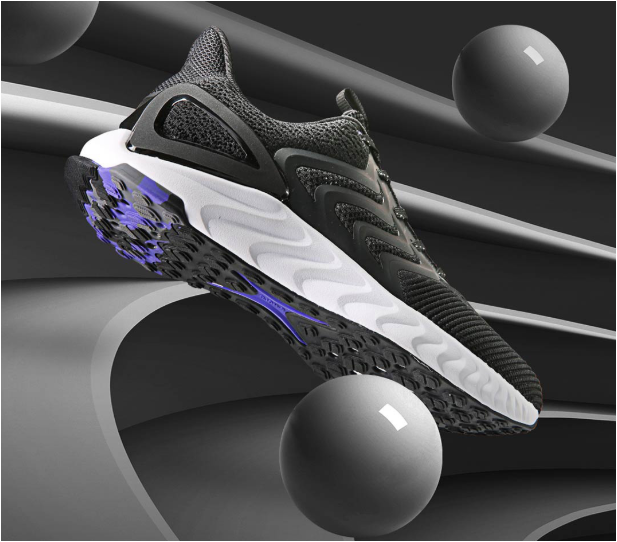
Xiaomi has launched a sleek sports shoes under the Youpin crowdfunding platform. The Peak 1.0 Plus Sports Shoes come with an adaptive technology which Xiaomi claims can adapt to various sporting conditions.
The adaptive sports shoes are capable of providing just the right cushioning rebound and support to enhance sports performance. It uses a new subversive midsole technology made of polymer material. When you walk slowly, the molecules are separated from each other like bare feet on the sponge but when you run fast, the molecules interlock to give the right thrust.
The upper woven mesh is made of elastic fibre which provides different levels of wrapping experience, making the material softer and more comfortable, while ensuring the smoothness of the distortion during running. In addition, it comes with three-dimensional ribs and a larger wrapping area. The soles of the shoes are strengthened to resist the torsion of the back of the feet. The sports shoes also come with a colourful lace which has a reflective fibre. The lace is fashionable and the reflective nature ensures the safety of the user if he’s out running at night.
The shoes are available in several sizes for male and female folks ranging from size 35 to 48. It also comes in colour mix such as Beige, White, Black/White, Black. There are also Pink/purple, White flower yarn colours for female folks.
The product is expected to start shipping in China on June 26.
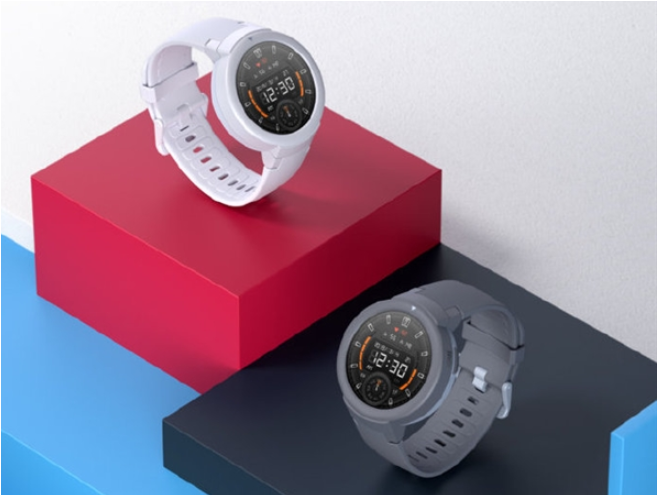
If you like Huami’s AMAZFIT line of smartwatches, then you should look forward to the coming months. The Chinese wearables manufacturer disclosed in an official press release that it has plans to release more than 10 AMAZFIT smartwatches in the coming months!
AMAZFIT Verge Lite
The press release was published yesterday, 4th of June but the info was first revealed by the CEO of the company, Huang Wang, at the Q1 2019 financial report on June 3.
Huami says these smartwatches will fall between the range of ¥299 (~$43) and ¥2000 (~$289). At the moment, we know a new AMAZFIT smartwatch will be released next week. This watch will come with an eSIM and a Snapdragon Wear 3100 and may be priced at ¥2000 (~$289).
About a week ago, Huami also announced the AMAZFIT Verge Lite and the AMAZFIT Bip Lite – which are both cheaper versions of the Verge and Lite respectively. These two new watches are likely part of the lineup it has planned for this year. However, we also expect there will be some brand new models which will include successors to the AMAZFIT Stratos, the AMAZFIT BIP and the AMAZFIT COR.
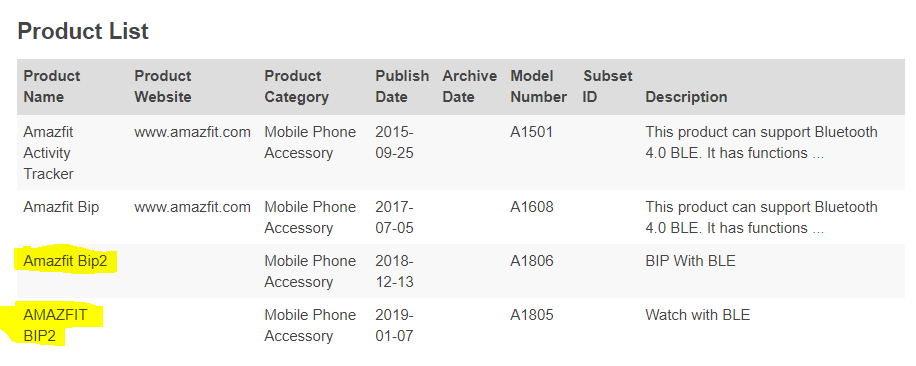
The AMAZFIT BIP 2 is definitely coming; seeing as Huami already received Bluetooth certifications for two smartwatches with that name back in December 2018 and in January 2019.
Huami is banking on the expansion of the wearables market which explains why it will be launching several new products this year. According to FROST & SULLIVAN, the global wearables market will increase from 10.3 million units to 27.1 million units.
For the first quarter of this year, the company announced its AMAZFIT brand grew by 62% year-on-year while it made up 41.3% of the total revenue. These figures are impressive and will likely increase as time goes on.
Mcdonald’s has for long embraced technology with its chain of delivery robots that are already deployed in some cities. Not only is the company innovative, it recently demonstrated its drive to promote a sustainable planet with a new initiative launched in Sweden. The initiative will see the fast-food chain provide beehives on the rooftops of some of its restaurants in the country. The move is aimed at preserving the rapidly decreasing bee population. The franchise will also replace the grasses around its restaurants with various flowers and plants that would promote a stable ecosystem for the bee population.
The laudable initiative is a collaboration between McDonald’s Sweden and advertising agency NORD DDB. The ad agency created what could pass for the world’s smallest restaurant and it is named McHive.
The McHive is actually a redesigned beekeeping box hives that look like a modern-day McDonald’s restaurant. The beehive is fitted with the brand’s golden arches and features an exterior with tweaks such as a drive-thru, various advertisements, and more, all scaled down in size to fit the size of the beehives.
According to Christoffer Rönnblad, marketing director of McDonald’s Sweden “We have a lot of really devoted franchisees who contribute to our sustainability work, and it feels good that we can use our size to amplify such a great idea as beehives on the rooftops – this miniature McDonald’s is a tribute to franchisee Christina Richter’s initiative.”
You can check out the entire design from the YouTube video below.
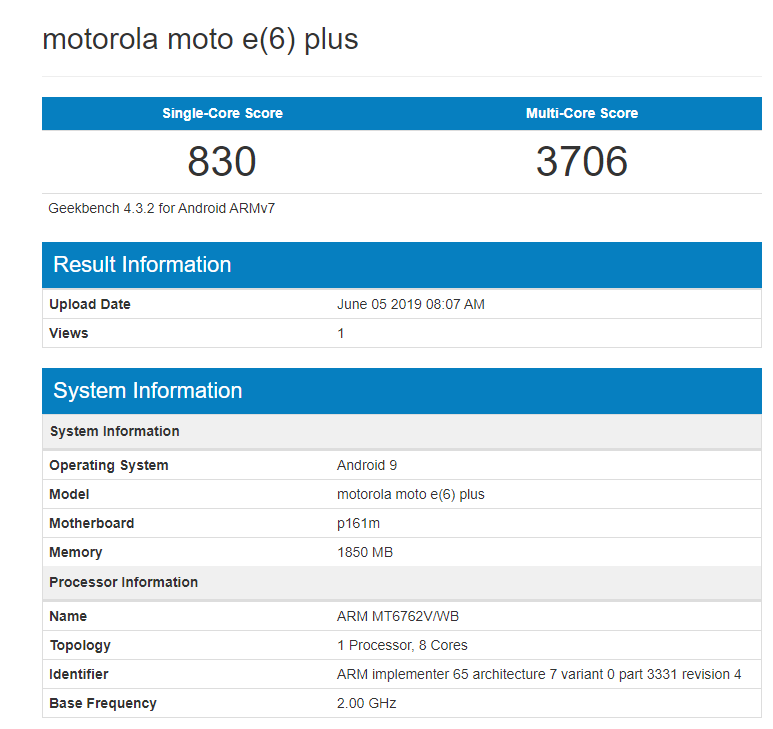
The Motorola Moto E6 is an upcoming entry-level smartphone from Motorola. Over a month ago, specs and renders of the device surfaced on the internet. Now, a Geekbench listing has revealed there will also be a Moto E6 Plus.
The phone was benchmarked today and the result shows it runs Android 9 Pie and has 2GB of RAM. It is also powered by the MT6762 a.k.a. Helio P22. This is a more power efficient processor than the Snapdragon 430 that will power the Moto E6. The chipset also has a higher clockspeed (2.2GHz) compared to the Snapdragon 430 (1.4GHz).
The Moto E Plus scored 830 points in the single-core test and 3706 points in the multi-core test.
Although the rest of the specs are unknown, we expect Motorola will include a big battery with the Moto E6 Plus since its predecessor has a 5000mAh battery capacity. Other expected features include a large HD+ display, a fingerprint scanner, and a single camera on the back.
Huami smartwatches will soon get a ton of new features (at least for China users) thanks to a new partnership it signed with Tencent.
An official statement put out by the China-based company on its Weibo page says its smart wearables will gain support for QQ (Tencent’s instant messaging service), QQ Music (Tencent’s music streaming service), and Tencent’s translation services in the future. They will also get an AI voice assistant alongside some other unnamed functions.
It wasn’t revealed when these features will roll out to its already existing line of smart wearables sold under the Amazfit brand or even which models will get which feature.
The Chinese company has a launch event scheduled for June 11, the same day Xiaomi will announce the Mi Band 4 (which Huami also manufactures). It has been reported that the launch is for a new Amazfit smartwatch which has an eSIM and will be powered by the Snapdragon Wear 3100. We won’t be surprised if some of these new features arrive first on the new watch.
For international users who may feel they are missing out on these new features; we believe the company is also working on bringing similar features to the international variants. The Amazfit Verge already supports Amazon’s Alexa Assistant and may gain new features as time goes on.
We use cookies on our website to give you the most relevant experience by remembering your preferences and repeat visits. By clicking “Accept”, you consent to the use of ALL the cookies.
This website uses cookies to improve your experience while you navigate through the website. Out of these, the cookies that are categorized as necessary are stored on your browser as they are essential for the working of basic functionalities of the website. We also use third-party cookies that help us analyze and understand how you use this website. These cookies will be stored in your browser only with your consent. You also have the option to opt-out of these cookies. But opting out of some of these cookies may affect your browsing experience.
Necessary cookies are absolutely essential for the website to function properly. This category only includes cookies that ensures basic functionalities and security features of the website. These cookies do not store any personal information.
Any cookies that may not be particularly necessary for the website to function and is used specifically to collect user personal data via analytics, ads, other embedded contents are termed as non-necessary cookies. It is mandatory to procure user consent prior to running these cookies on your website.