Lenovo recently revealed that the Chinese company’s upcoming flagship smartphone — Lenovo Z6 Pro will be officially launched in China on 23rd April. Ahead of the phone’s launch, a lot of details have been revealed online.
Now, in a new development, the company’s executive has posted a screenshot of the phone’s network icons on Weibo, which confirms that the upcoming flagship smartphone, Z6 Pro, will come with support for 5G connectivity.
It has already been confirmed that the device will be powered by the Qualcomm Snapdragon 855 octa-core processor. This won’t be the company’s first device to pack SD855 SoC. The Lenovo Z5 Pro GT is also powered by the same chipset.
In the previously shared teasers, the company hinted that the phone’s camera will be able to capture 100-megapixel shots. There is a possibility that the company could be relying on some sort of software trick for shooting 100-megapixel images through the smartphone.
This could be HyperVision camera feature that the company has been teasing since February. Through another teaser, the Chinese firm also confirmed that the Z6 Pro supports Hyper Video that can be transferred at higher rates than existing videos. Till now, it is yet to reveal the details of the HyperVision Camera and Hyper Video features.
To know exactly what the smartphone offers, as well as its pricing and availability details, we’ll have to wait until the company officially launches the Lenovo Z6 Pro at a launch event on 23rd April in China.
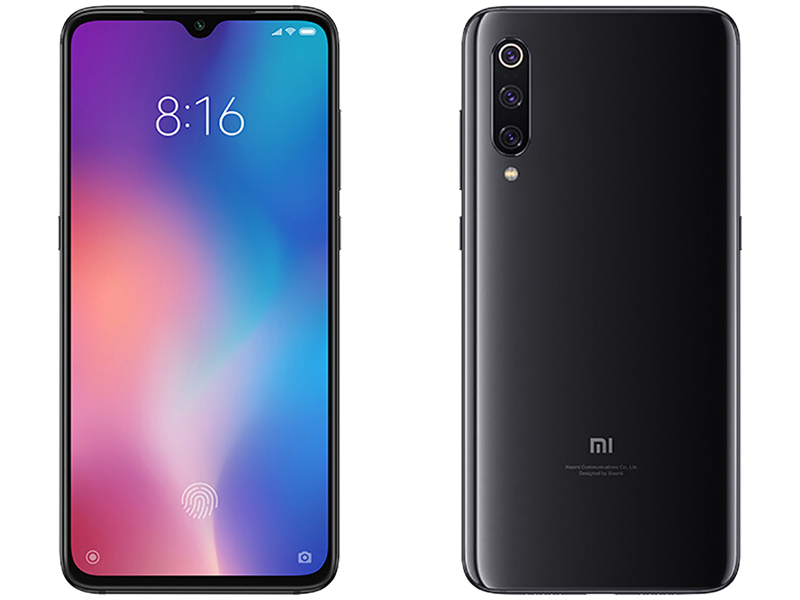
Due to the overwhelming demand for smartphones, Xiaomi always launches new devices via flash sales. Similarly, Xiaomi Mi 9 was launched in February in China for the starting price of 2999 Yuan (~$446). After being made available via flash sales for over a month, the handset is finally up on open sale in China.
Interested users can brag the Xiaomi Mi 9 handset from JD.com in China. Specifically, 6 GB + 128GB version is available for 2999 Yuan(~$446) while the 8GB RAM+128GB version is priced at 3299 Yuan (~$491). The transparent edition is available for 3724 Yuan (~$554) with 8GB RAM+ 256GB storage. It is available in four color options – Lavender Violet, Ocean Blue, Piano Black, and a Transparent edition.
Xiaomi Mi 9 comes packed with a 6.39-inch AMOLED display with the resolution of 2340 x 1080 pixels. The top of the display has a U-shaped waterdrop notch. It is powered by Qualcomm Snapdragon 855 octa-core chipset coupled with 6/8 GB RAM. The Mi 9 is paired with Qualcomm’s X50 modem for 5G compatibility.
Similar to other smartphone manufacturers, Xiaomi Mi 9 also sports triple rear sensors. The device camera setup comprises of a massive 48-megapixel Sony IMX586 sensor, a 12-megapixel telephoto lens and a 16-megapixel ultrawide-angle sensor with an f/2.2 aperture. Whereas, a single 10-megapixel camera sensor is present on the front side for selfies and video calling.
It runs Android 9 Pie with Xiaomi’s MIUI 10 running atop and is backed by a 3,300mAh battery. It is the first handset which offers Qualcomm Quick Charge Wireless and Qi Wireless standard 20W charging technology.
Other features include an in-display fingerprint scanner, NFC, a dedicated AI button, Bluetooth 5.0 dual-frequency GPS for better positioning, an infrared port, and a USB Type-C port.
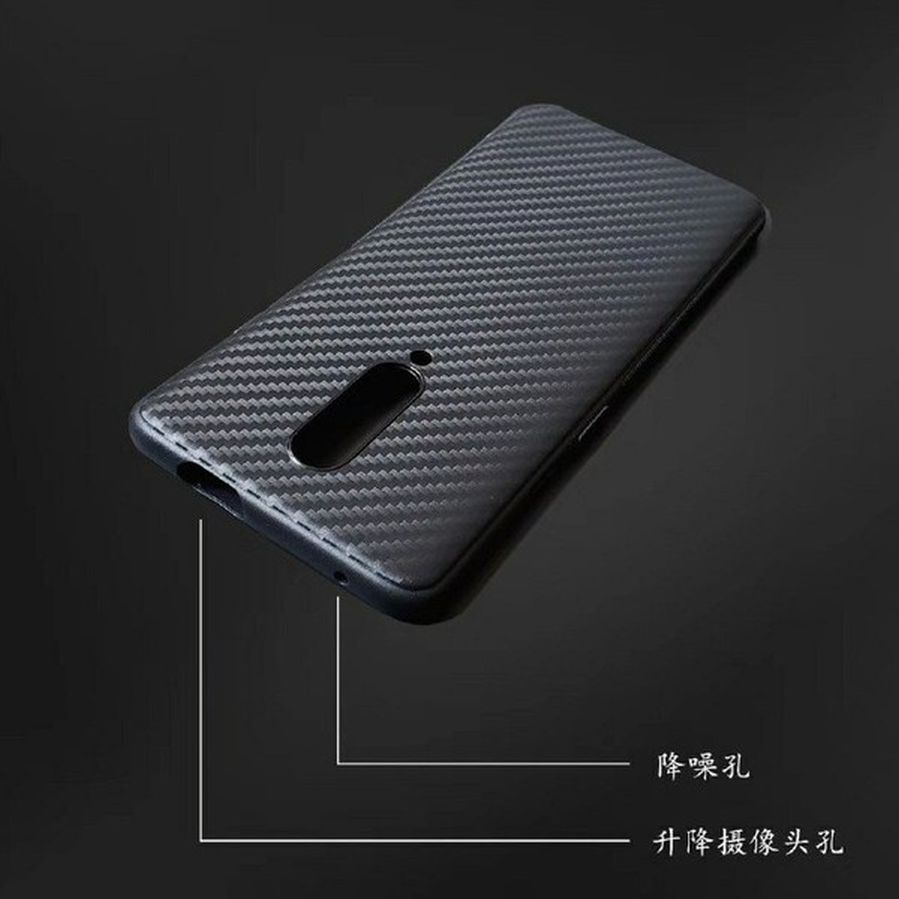
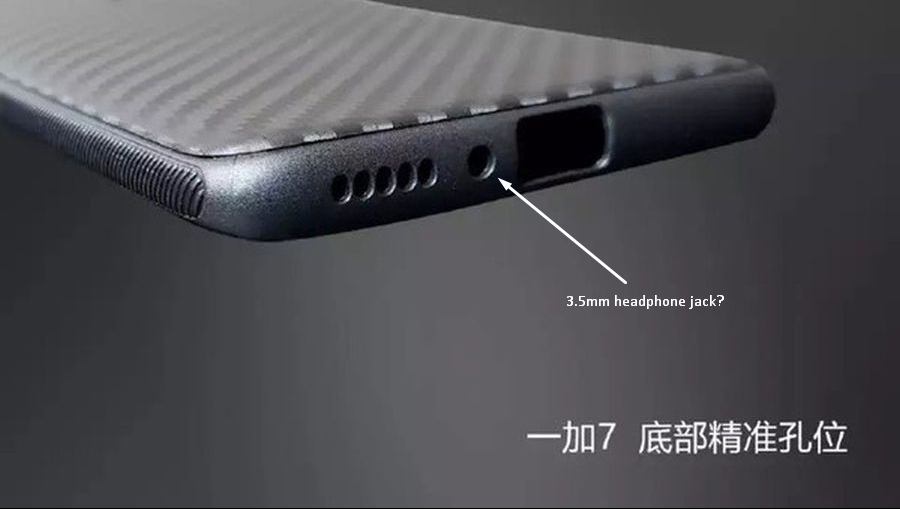
OnePlus 6T is the first OnePlus smartphone to arrive without a 3.5mm audio jack. The case renders of the upcoming OnePlus flagship phone have revealed that it won’t be coming with a 3.5mm headphone jack. However, fresh case renders of OnePlus 7 shows that it features a cutout for 3.5mm audio jack on its bottom edge.
A recent leak had revealed that the OnePlus 7 series will include as many as three smartphones such as OnePlus 7, OnePlus 7 Pro and OnePlus 7 Pro 5G. The detailed specs of these phones are unavailable. However, it appears that the OP7 Pro and OP7 Pro 5G could be powered by the Snapdragon 855 and the only difference between them could be that the Pro model could be featuring X50 5G modem to carry support for 5G networks. There is no confirmation on whether the OnePlus 7 phone will be also powered by Snapdragon 855 or a less powerful SoC. The OP7 model could be cheaper than its Pro siblings.
The newly surfaced case images may belong to the OnePlus 7 smartphone, and not the Pro/Pro 5G versions. The top edge of the phone has a rectangular cutout for the pop-up selfie. The other round-shaped cutout on the same edge could be for the microphone.
The rear design of the new case is different from the previously spotted ones which features cutouts for a SIM card slot, a USB-C por and an external speaker. The new images show the bottom edge features cutouts for an external speaker, a 3.5mm audio ack and USB-C. There is a large vertical cutout on the case for the smartphone’s triple camera setup. There is a possibility that non-Pro edition of the upcoming OnePlus 7 smartphone may retain the 3.5mm audio jack, while its Pro edition may lack it.
It is speculated that the OnePlus 7 Pro could be coming with a notch-less and curved OLED screen of 6.67 inches. If this rumor is true, the OnePlus 7 may feature a flat display. The Snapdragon 855 mobile platform will be powering the smartphone along with 8 GB of RAM. The Android 9 Pie OS comes loaded on the device. It may come with a triple camera module that includes a 48-megapixel Sony IMX586 main sensor, a 16-megapixel secondary lens and an 8-megapixel third sensor. The handset has an internal storage of 256 GB.
It is advisable to digest the speculations on the cheaper OnePlus 7 phone with 3.5mm audio jack and wait for further leaks to confirm on its existence. Do you think that OnePlus will release such a phone this year? Share us your views by posting your comments below.
The latest EMUI 9.1 beta is now made available for Huawei Mate 20 series – Huawei Mate 20, Mate 20 Pro, Mate 20 X, and Mate 20 RS Porsche in China. After bringing stable experience for the Huawei Mate 20 series, EMUI 9.1 will roll out on other Huawei models.
The new update is available only on non-rooted devices running EMUI 9.0.1. We suggest proceeding for update only if you’re aware of the beta versions. Further, the company disclosed update does not support rollback feature, once you upgraded there won’t be any way to get back on the previous version.
There are plenty of new features and enhancements in EMUI 9.1. The new User Interface with beautiful icons on board makes it more realistic, simple and expressive. The whole system is now more refined and optimized, thanks to Huawei’s new Ark Compiler. It improves performance by 24%, responsiveness by 44% and enhances third-party operations by 60%. It aims to bring deep optimizations at the root level.
The new EROFS file system increases the reading speeds by up to 20% than the EXT4 file system. Moreover, the new GPU Turbo 3.0 accelerates the graphics processing by ensuring lower power consumption with a higher frame rate.
During the Mobile World Congress (MWC) tech expo in February, ZTE had showcased the Axon 10 Pro and Axon 10 Pro 5G smartphones. The Chinese manufacturer is yet to confirm the Axon 10 Pro release date for China. As far as the Axon 10 Pro 5G edition is concerned, the company has confirmed through couple of teasers that its sale will begin after May 1 holiday.
ZTE Axon 10 Pro 5G Specification and Features
The Axon 10 Pro 5G is powered by Snapdragon 855 mobile platform that come with X50 5G modem. According to the company, the smartphone can reach maximum download speeds of 2 Gbps on 5G. The SoC is coupled with 6 GB of RAM and it features an internal storage of 128 GB. Its packed with a 4,000mAh battery that support 18W Quick Charge 4+ fast charging and wireless charging.
The Android 9 Pie OS comes loaded on the device along with the MiFavor 9.0 custom UI of the company. The handset features a waterdrop notched AMOLED display of 6.47 inches. The HDR10 complaint display offers full HD+ resolution of 1080 x 2340 pixels and an aspect ratio of 19.5:9. It come equipped with an in-screen fingerprint reader.
The front notch of the Axon 10 Pro 5G is the home for the 20-megapixel selfie camera. The glass rear of the handset features a triple camera unit which includes a 48-megapixel primary sensor with OIS and f/1.8 aperture, a secondary ultra wide-angle lens of 20-megapxiel and an OIS enabled 8-megapixel telephoto lens. Some of the other features of the phone that have been confirmed through a video teaser today are face unlock, super night scene mode, dynamic stereo sound DTX:X support and 125-degree field of view for the wide-angle lens. The pricing of the smartphone is currently under the wraps.
After announcing the Huawei P30 and P30 Pro flagship smartphones at a launch event in Paris, France last month, the company finally launched both the devices in its home country China yesterday.
The highlight of the P30 and P30 Pro smartphones is the camera capabilities. The Huawei P30 comes with a triple camera setup consisting of a 40-megapixel primary sensor, a 16-megapixel wide-angle lens, and an 8-megapixel telephoto lens.
On the other hand, the P30 Pro comes with a quad camera setup that includes a ToF 3D sensor in addition to the 40-megapixel Sony IMX600 + 20-megapixel (ultra wide-angle lens)+ 8-megapixel (periscope lens) triple sensors. It is equipped with features like dual OIS, laser focus, dual LED flash, and 50x digital zoom.
The company has revealed that the overall DxOMark score for the Huawei P30 Pro’s rear camera is 112, which is currently the highest in the world, proving the capabilities of the Huawei P30-series camera setup.
However, the company has not yet revealed the DxOMark score for the Huawei P30. Explaining the reason behind this, Huawei’s consumer business CEO Yu Chengdong says that the score of P30 is very close to the score of P30 Pro and that’s why the company has not released the score.
The explanation from the company doesn’t make any sense. Why would a company not want to brag about such high scores for their newly launched smartphone, especially when the competition is cut-throat?
Currently, the top three ranked smartphones in the DxOMark score are from Huawei, which includes P30 Pro, Mate 20 Pro, and P20 Pro. The fourth place is secured by Samsung Galaxy S10 Plus, which scored 109 points.
The Huawei P30 comes in three models — 8GB RAM + 64GB storage, 8GB RAM + 128GB storage and 8GB RAM + 256GB storage. These models are respectively priced at 3,988 Yuan (~$593), 4,288 Yuan (~$638) and 4,788 Yuan (~$713).
On the other hand, the Huawei P30 Pro also comes in three models — 8GB RAM + 128GB storage, 8GB RAM + 256GB storage and 8GB RAM + 512GB storage. They are respectively priced at 5,488 Yuan (~$817), 5,998 Yuan (~$893) and 6,788 Yuan (~$1080) in China.
The upcoming Samsung
Galaxy A2 Core Android Go smartphone has been in the rumors since the past few
months. The smartphone is expected to replace the Galaxy J2 Core entry-level
smartphone from last year. The specifications of the Galaxy A2 Core have
surfaced in
the past reports. The latest leak courtesy of 91mobiles has shared
the specs sheet and pricing of the smartphone.
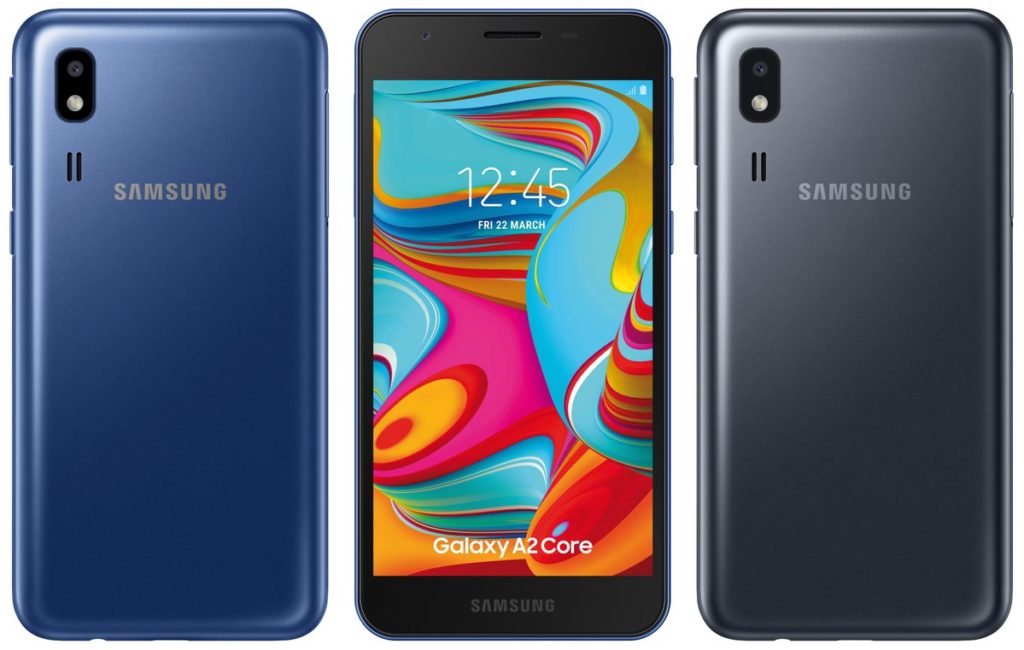
The new leak reveals that the Galaxy A2 Core entry-level
smartphone will be measuring 141.5 x 70.9 x 9.1mm. The smartphone will be
sporting a plastic rear with glossy appeal. It will be housing a 5-inch display
that offers qHD resolution of 960 x 540 pixels.
The Android Go version of the latest Android 9 Pie OS will come preloaded on the device. The phone will come with Smart Manager feature that optimizing the performance of the device by closing background apps and by assisting in uninstalling unnecessary apps. It will be fueled by Exynos 7870 chipset that includes an octa-core processor that works at 1.6 GHz. The SoC will be supported by 1 GB of RAM. It will be arriving with an inbuilt storage of 16 GB. For additional storage, it will also carry support for microSD card slot.
The rear panel of the Galaxy A2 Core has a 5-megapixel camera
with f/1.9 aperture. The front panel of the phone is fitted with a 5-megapixel
selfie snapper with f/2.2 aperture. For capturing beautified shots, the Galaxy
A2 Core will have Beauty Mode camera feature. The smartphone is packed with a
2,600mAh battery.
The upcoming Samsung Galaxy A2 Core is expected to release
in India with a price tag of Rs. 5,290 (~$76). It will be available in three
colors like Dark Grey, Blue and Red. There is no information available on the
launch date of the Galaxy A2 Core. However, considering the leaks of the phone,
it can be assumed launch could be around the corner.
The predecessor Galaxy J2 Core
is now selling for Rs. 5,490 (~$79). It was unveiled with a price tag of Rs. 5,990
(~$86). The handset came with a 5-inch display that delivered qHD resolution,
Exynos 7570 chipset with 1.4 GHz quad-core processor, 1 GB of RAM, 8 GB of
native storage, rear camera of 8-megapixel, front camera of 5-megapixel and 2,600mAh
battery.
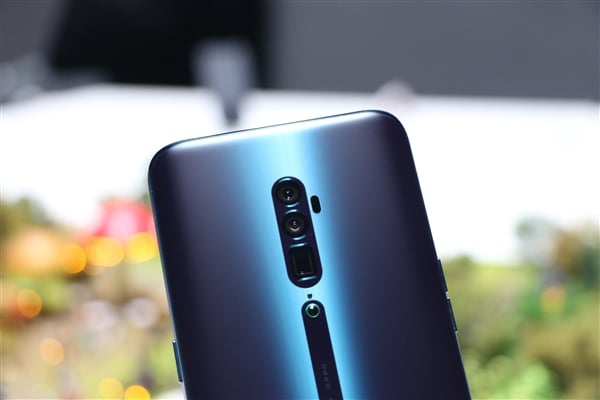
Earlier this week, on 10th April, Oppo took the wraps off its latest premium smartphone lineup — Oppo Reno. The company has launched two smartphones under the Reno series and is expected to launch five models in the series.
With the launch of Reno lineup, it wasn’t clear which series will be the company’s flagship series as the Oppo currently has three series — R-series, Find-series and Reno-series. But, that is settled now.
In an interview Oppo’s senior vice president Shen Yiren confirmed that the company will scrap the R-series and will no longer update the lineup with new models. Instead, the company will be focusing on Oppo Reno and Oppo Find series, which will meet all the customers’ demand.
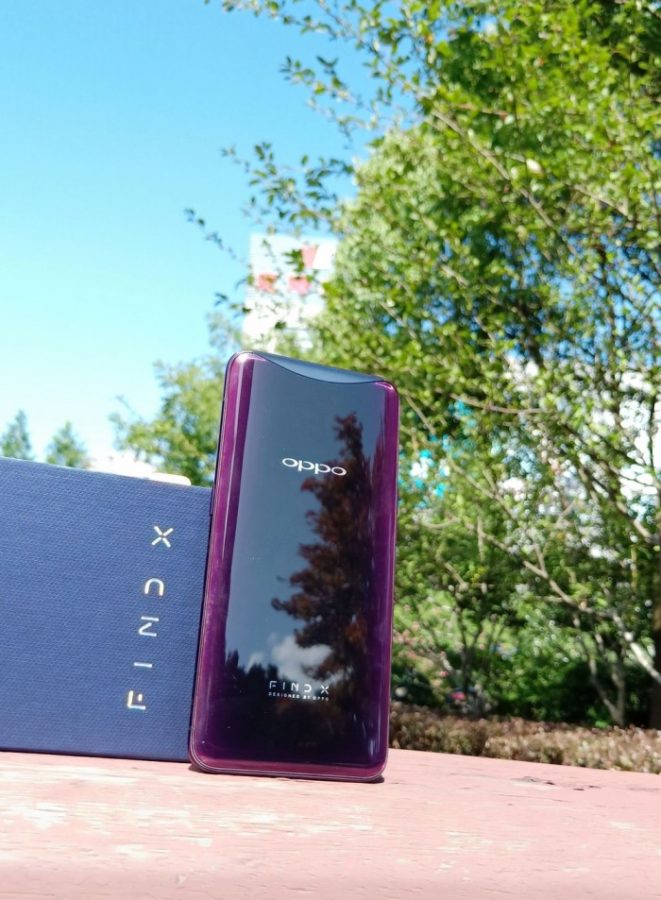
Thus, it seems that the Oppo R17-series was the last from the company in the lineup and the flagship series is now being replaced with the Reno and Find lineup. While Reno models have started becoming official, the company is yet to launch the successor of the Oppo Find X that was launched last year.
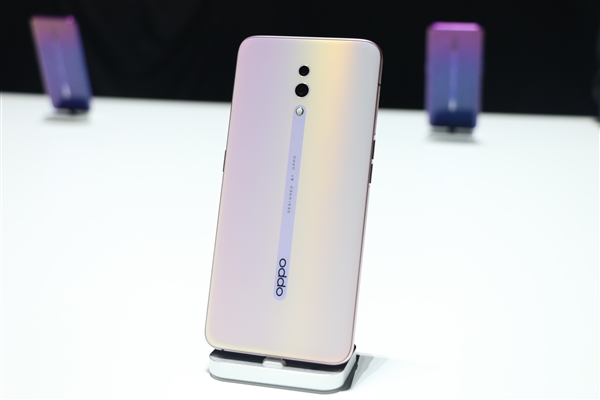
Oppo recently launched Oppo Reno and Oppo Reno 10X Zoom Edition in China. The Reno standard edition comes with 6.4 inches display that offers full HD+ resolution and 19.5:9 aspect ratio. It is also fitted with an in-display fingerprint reader as well as Gorilla Glass 6.
The phone is powered by the Qualcomm Snapdragon 710 chipset along with up to 8GB of RAM. It comes with inbuilt storage of up to 256 GB and it also features a microSD card slot for extra storage. It features 48MP + 5MP dual camera at the back and a 16MP pop-up front-facing camera.
On the other hand, the Oppo Reno 10X Zoom, as the name suggets, comes with a camera setup that supports 10x hybrid zoom. It features a 6.65-inch Full HD+ AMOLED display that offers a screen-to-body ratio of 91.3 percent.
Under the hood, this one is powered by the Qualcomm Snapdragon 845 octa-core processor, along with up to 8GB of RAM. It houses a 16-megapixel front camera and LED flash. On its rear, there’s a triple camera setup that includes 48MP + 8MP + 13MP sensors. It is powered by a 4,500mAh battery with VOOC 3.0 fast charging.
A new HTC
smartphone with model number 2Q7A100 has been spotted on Geekbench benchmarking
platform. The key specs of the phone that have appeared through its Geekbench
listing reveals that it is an upcoming high-end phone from the Taiwanese
company.
The HTC 2Q7A100 runs on the latest Android 9 Pie OS. The smartphone is driven by Snapdragon 710 which was next best SoC chipset after the Snapdragon 855 until the recent launch of Snapdragon 730. The SoC is supported by 6 GB of RAM.
There is no information available on the identity of the smartphone. It remains to be seen whether it will end up as a Desire series smartphone or a U series phone. At the end of 2018, HTC had said that it will only launch high-end and mid-range phones in 2019. Hence, it appears that HTC 2Q7A100 could be the company’s first major phone for this year. Even though the phone has appeared on Geekbench, it could be couple of weeks away from launch. The rumor mill is expected to leak more information on it the coming days.
In related news, HTC has recently confirmed that it will be releasing confirmed that it will be rolling out Android 9 Pie update for three smartphones such as HTC U11, HTC U11+ and HTC U12+. The software update for these phones will be released in this quarter. Apart from these phones, HTC has already released Android 9 Pie update to HTC U11 Life Android One edition in November 2018.
With more and more leading brands jumping on the wearable bandwagon, smartwatches are no longer just enthusiast items. These devices not only keep a track of your fitness but also monitor various activities, helping you lead a healthier lifestyle.
While the market is cramped with all
sorts of smartwatches, these newfangled timepieces aren’t necessarily easy on
the pocketbook. In fact, a top-end smartwatch would normally set you back a
pretty penny on both online as well as offline stores.
Much to the relief of those who aren’t
willing to spend a lot of money on smartwatches, Huawei has teamed-up with
GeekBuying to offer its well-received Honor Dream smartwatch at an unbeatable
price.
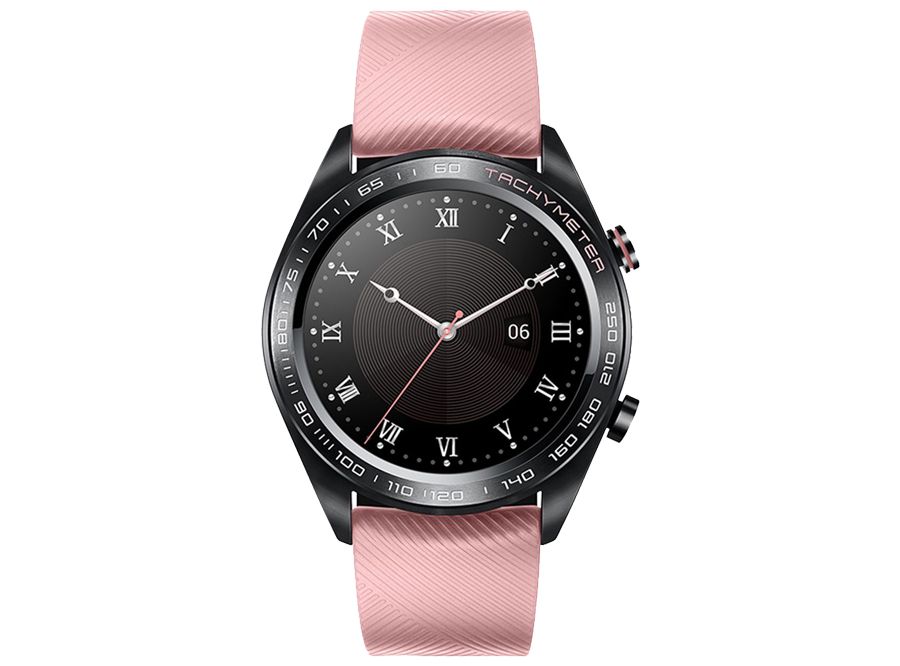
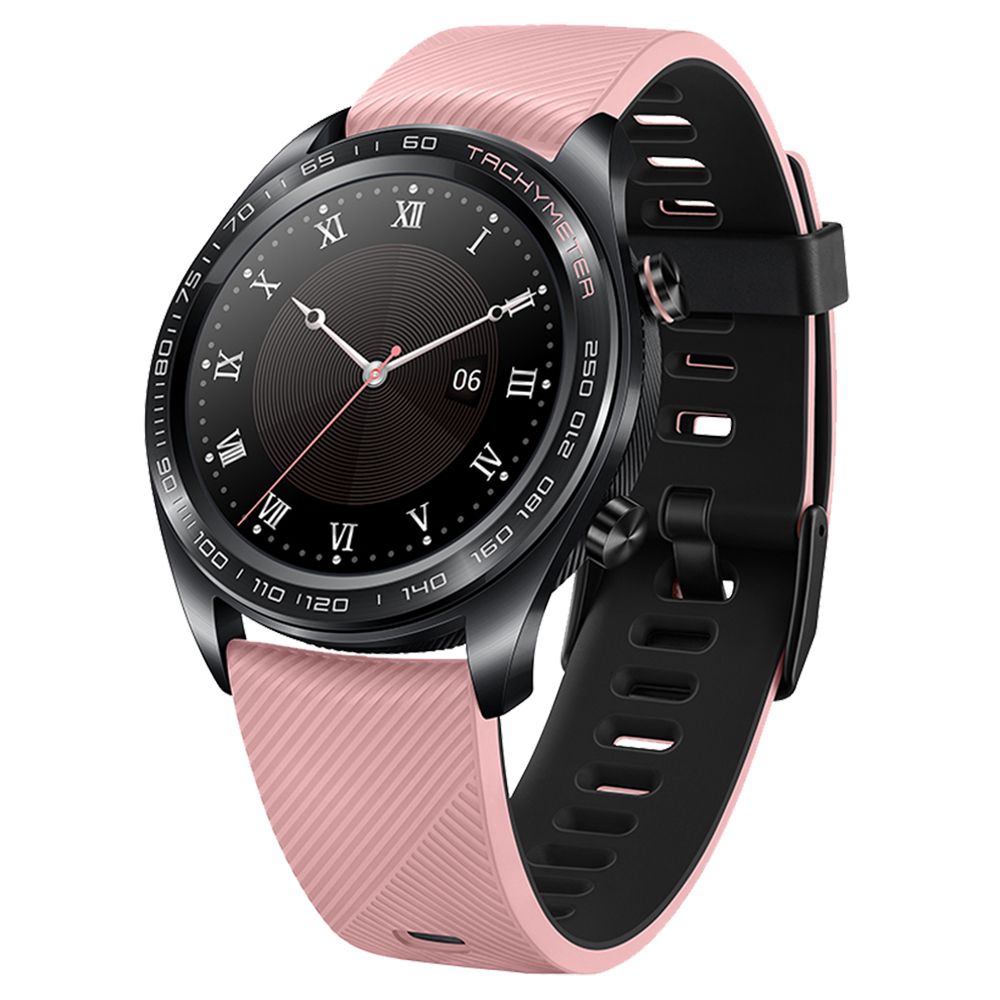
Just like most steeply-priced smartwatches available in the market today, the Honor Dream smartwatch usually retails for $219.99. As part of its collaboration with GeekBuying, the Chinese consumer electronics manufacturer is now offering it for just $139.99.
Moreover, you can extend this 36
percent discount by applying coupon code
ROWZDYKA at checkout. The aforesaid coupon helps you save $35 more by
reducing the already lowered retail price of the Honor Dream smartwatch to just
$134.99.
An absolute bargain at this price, the
Honor Watch Dream offers a wide selection of eye-catching watch faces that its
wearer can choose from. The 1.2 Inch AMOLED display is housed in a robust
stainless steel frame with a thickness of 9.8mm (11mm with glass).
It comes with a 5ATM rating that
allows you to wear it even while swimming. Moreover, it features TruSleep 2.0
which monitors your sleep using eight different patterns, oversee six types of
sleep disorders and offer about 200 types of sleep suggestions.
Aside from that, the Honor Dream
smartwatch is capable of tracking various activities including running,
cycling, swimming, mountaineering, etc. It adopts Huawei’s TruSeen 3.0 heart
rate monitoring technology to monitor your heart rate 24/7.
You can follow this link in order to check out the full specifications of the Honor Dream smartwatch and avail the noteworthy discount, which is valid for the pink color version. Note that the promo will come to an end in just five days.
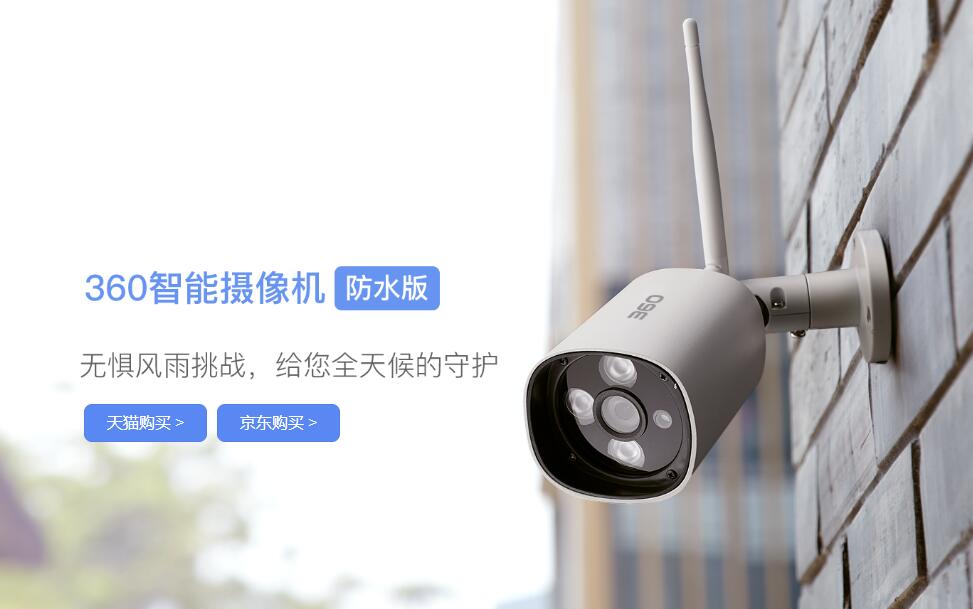
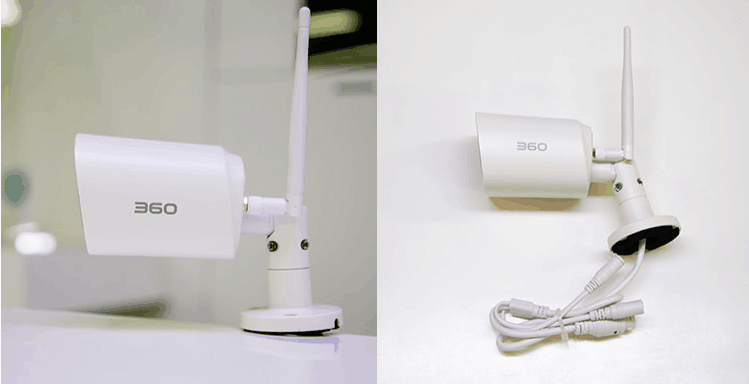
Gizmochina along with MC Mart is conducting 6 units 360 Smart Camera store Surveillance as giveaway gifts to 6 lucky readers. Like always, you just have to follow the steps mentioned on the Gleam widget to get a chance to win these amazing gifts.
If you want to win the free 360 Smart
Camera store Surveillance, here are some important steps for you to do:
Leave Your Comment on the post (Facebook page) and tag different 3 friends;
The 360 Smart Camera store Surveillance comes with premium metal shell design with an IP66 rating for water resistance. Shipping with the capabilities of waterproof, dustproof, heat insulation, anti-interference, the performance of 360 Smart Camera is more stable. The 360 Smart Camera Surveillance is equipped with Sony 1080P sensor which can show the great image having the resolution of 1920 x 1080 pixels. The quality of the picture taking by the 360 Smart Camera is clear with little rate of noises. It can accurately record the changes of details in the monitoring area. With 6mm camera lens, the monitoring angle is up to 75 degrees, and the monitoring distance is 5 to 30 meters. This amazing surveillance camera has three built-in infrared night vision lamp, and the night vision range up to 15meters. According to the ray variation, the camera will automatically change to night vision mode because of the built-in IR-CUT. It’s convenient for you to pledge the house safety through smartphone or PC.
How to entry this giveaway? Just follow these steps via Gleam widget:
1. The giveaway is an international giveaway. 2. We are not responsible for lost shipments. 3. We are not responsible for any duties, import taxes that you may incur. 4. We reserve all rights to make any changes to this giveaway. 5. The prize will be shipped in a month when the giveaway end.
Just follow the steps mentioned in the Gleam widget to participate in the giveaway.
While it looks like wearables including fitness bands and smartwatches are the future, numerous tech enthusiasts aren’t able to get their tech greedy hands on these devices due to the steep price tags they normally carry.
Cost-conscious buyers, on the other
hand, end up purchasing a wearable device that usually fails to meet their
fancy. But that’s about to chance.
The sole partner of Xiaomi wearables,
Huami has teamed-up with GearVita in a bid to make the global version of its
well-received smartwatch available to those living on a tight budget. Dubbed as
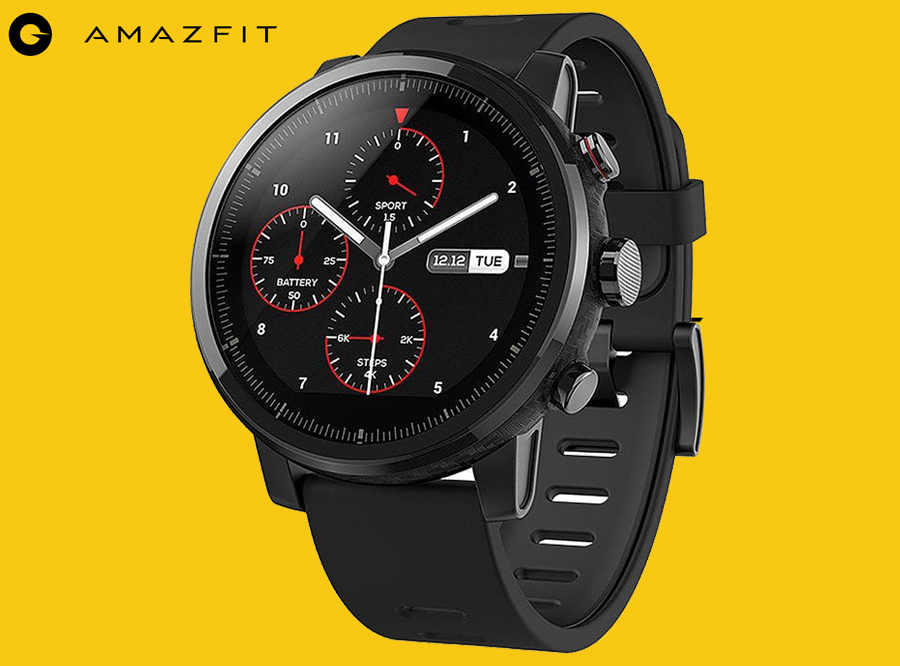
the Huami Amazfit Stratos Sport Smartwatch 2, the coveted device would set you
back just $169.99.
If you aren’t willing to shell out that kind of money on a smartwatch, all you need to do is to apply coupon code GVAmazf2g at checkout. The aforesaid coupon helps you save $28 by reducing the retail price of the Huami Amazfit Stratos Sport Smartwatch 2 to just $141.99 before you place your order.
Staying true to its reputation for
making simplistic, yet stylish activity trackers, Huami launched the
long-awaited successor of its smartwatch back in 2017. Bearing the Amazfit
Smart Sports Watch 2 moniker, the device was unveiled along with Amazfit Smart
Sports Watch 2S Premium Edition variant.
The Huami Amazfit Stratos sports an
eye-catching 2.5D arc glass mirror and is painted with a detailed 60 minutes.
Aside from that, it has a reflective color display that shows clear information
even in the sun.
As if that weren’t enough, the Huami
Amazfit 2 Stratos features hand polished ceramic bezel that not only reflects
the elegant luster but also protects the display from accidental scraping.
If this has stirred your interest, you can visit this link to check out more details about the Huami Amazfit Stratos Sport Smartwatch 2 and use the coupon to get a noteworthy discount while placing your order on GearVita.
Huawei launched the long-awaited P30 and P30 Pro in Paris last month. The Chinese consumer electronics manufacturer unveiled a slew of other interesting products like wearables during the launch event.
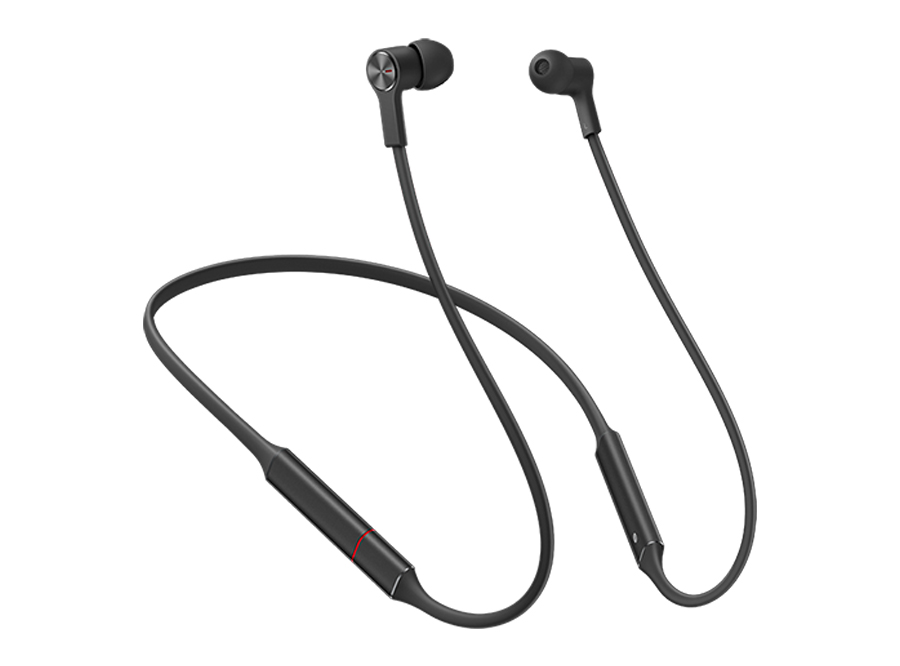
Aside from that, the Huawei FreeLace
Bluetooth headset was also unveiled. Designed to grab the attention of
sportspersons and those who fancy listening to their favorite music while
working out, the Huawei FreeLace is an irresistible wireless earphones.
Before we delve further into more details about the Huawei FreeLace, it might interest you to know that these feature-laden wireless earphones have now gone up for sale bearing a $99 price tag on Giztop. You can choose between two appealing color versions including orange and black.
One of Huawei FreeLace’s USPs includes
the unique collar design that makes it easy-to-wear earphones. Moreover, it is
made using nickel-titanium alloy and liquid silicone for durability.
It features a 9.2 mm dynamic driver
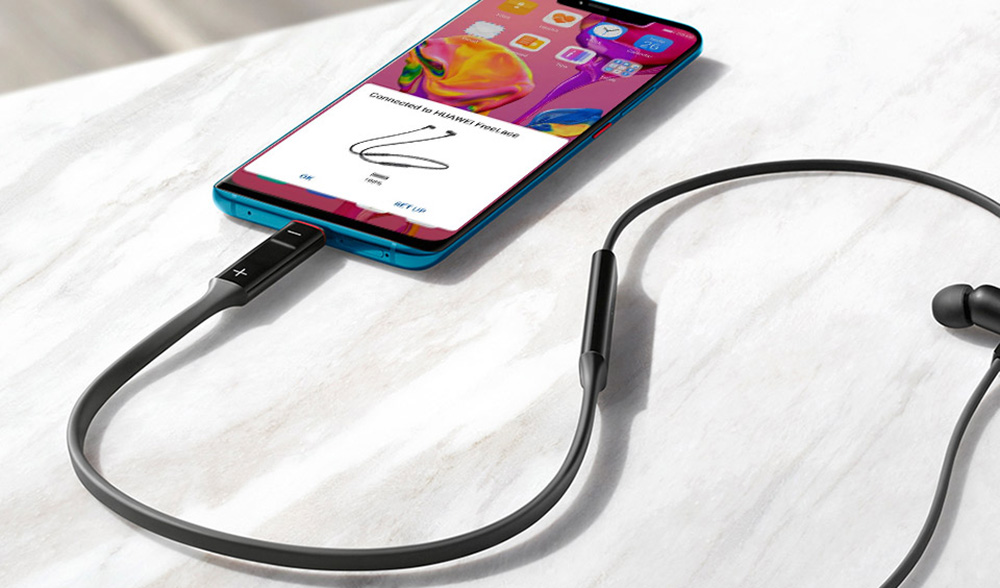
unit that provides extended sound field. It comes with a USB-C port for faster
data transfer and quick charging. It is worth mentioning here that you get up
to 4 hours of audio playback with just five minutes of charge.
With a full single charge, the Huawei FreeLace Wireless Earphones can deliver a continuous playback of up to 18 hours. On top of that, the earphones are IPX5-rated waterproof so that you can wear them without worrying about accidental spills or splashes.
Moreover, these wireless earphones are compatible with Huawei’s P30 and P30 Pro. They can be wirelessly paired with a myriad of other gadgets via Bluetooth.
You can visit this link to check out more details about the Huawei FreeLace Wireless Earphones and order your favorite color version from Giztop without emptying your pocket.
Cinephiles who fancy watching your favorite movies, TV series and avid gamers who like playing popular games on a big-screen without leaving the comfort of your house usually shell out a lot of money on a high-end laser projector.
Those living on a tight budget, on the
other hand, end up compromising on the quality, but it looks like Xiaomi and
Gearbest are bent on changing that.
Thanks to a collaboration between
China’s leading online store and the country’s most popular brand,
cost-conscious buyers can now get their hands on the Xiaomi Mijia Laser
Projector – Ultra Short Throw for a considerably lowered price.
While the Xiaomi Mijia Laser Projector
– Ultra Short Throw would normally set you back a pretty penny on both online
as well as an offline store, Gearbest users can buy it for only $1669.99. This
is a noteworthy 22 percent drop in the device’s original asking price of $2147.26.
An absolute steal at this price, the
Xiaomi Mijia Laser Projector is touted as the world’s first ultra-short
projector to adopt ALPD (advanced laser display) technology. It delivers 150
inches of full HD quality images in 50cm, with up to 25,000 hours of product
life.
In order to achieve user-friendly
design goals, the Xiaomi Mijia Laser Projector uses a compact, minimalist “box”
design language, while discreetly maintaining the host and Bluetooth remote
control design style consistency.
You can control the host regardless of
which corner of the room you’re in. Aside from that, you can find programs via
the voice assistant and a slew of other interactive ways for a superior movie
viewing experience.
You can follow this link in order to check out more details and grab he aforesaid discount, which will be valid for the white color version of the Xiaomi Mijia Laser Projector – Ultra Short Throw. With only 30 pieces remaining, the promo is slated to end in six days.
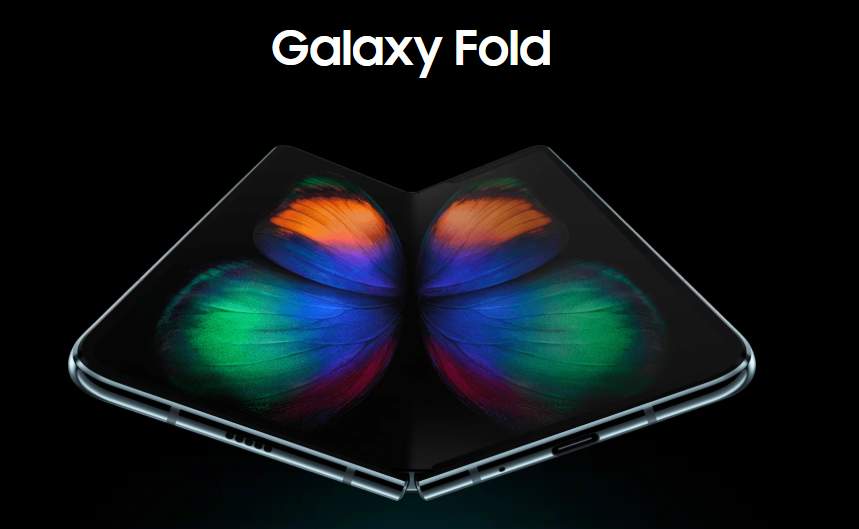
Samsung unveiled the Galaxy Fold alongside the Galaxy S10 models during the Galaxy Unpacked event held last month. The Fold has gained widespread followership due to the practicability of its design and the protection it offers the delicate flexible panel with the in-fold design it adopts. Samsung is yet to disclose when the phone will go on sale globally and the company didn’t even reveal many details about the phone. However, an hand-on video of the Galaxy Fold in action has appeared online, practically showing us how the phone responds while in use.
Samsung did send out some units to reviewers who are under strict instructions not to show pictures or videos of the phone. Seems someone hasn’t kept to that instruction going by this rather extensive video which appeared first on Weibo. The video wasn’t properly recorded as it seems to have been dome with a phone in portrait mode. Nevertheless, the clarity is good enough for us to make out the phone and its operations.
The video seems to hint at launch in the US by AT&T, as the model is listed as the US carrier’s edition. The Galaxy Fold was confirmed to hit Europe with a Snapdragon 855 chipset onboard with performance comparable to the Galaxy S10+. The US variant might use an Exynos chipset. On the software end, it runs Samsung’s One UI 1.2 based on Android 9 Pie and from the video, the operations is smooth. You can check out the video from below. We do hope it doesn’t get pulled off the internet soon.
During the recent OPPO launch event where the OPPO Reno models were unveiled, OPPO’s CEO Bryan Chen also revealed the company’s plans for the future. He hinted that the company will be channelling more energy in three directions; deepening the mobile phone business, exerting its presence in IoT, and attaching importance to technological innovation and brand building.
Chen disclosed that OPPO has been in the mobile phone business for 10 years and that the market outlook last year wasn’t very good. Despite the challenges, OPPO was able to pull some amazing results. First, the company made its entry back into the high-end market with the launch of the Find X. Chen also hinted that OPPO made an entry into the Japanese and European markets. The company’s global sales continued to grow and the olorOS users even exceeded 250 million. He showered accolades on all OPPO’s partners who made the achievements possible.
Going forward, the CEO acknowledged the fierce and rapidly increasing competition among OEMs in the mobile phone industry. As a result, he stated that OPPO will continue to deepen its core mobile phone business as well as strive to be among the first set of OEM to launch a 5G phone. The company will also aspire to lead the high-end market in the future. Bryan Chen also disclosed that OPPO will increase its investment and attach importance to technological innovation and brand building. To this end, he hinted that the company has set aside a 10 billion yuan budget for research and development (R&D) this year. The budget will be increased each year. The company’s R&D team will also be expanded to more than 10,000 persons in order to comprehensively enhance the scientific and technological strength of OPPO. At the same time, OPPO says it will promote brand upgrades and build world-class brands.
OPPO also plans to expand its business concerns and should be heading in the direction of the Internet of Things (IoT). The CEO revealed that OPPO plans to develop more IoT products in sports, health, home, entertainment and in other vital aspects.
The Realme 3 Pro is shaping up to be a real contender to the Redmi Note 7 Pro. A new feature teased by Realme‘s CEO shows the Realme 3 Pro will come with a feature the Redmi Note 7 Pro or a lot of other phones for that matter do not have (yet).
Madhav Sheth took to Twitter to reveal that the Realme 3 Pro will be able to run Fortnite. He not only confirmed their upcoming phone will support the popular game but also dissed another “Pro” device that can’t run it. If you look at the picture, you will see that the “Pro” device is the Redmi Note 7 Pro.
How about playing #Fortnite on #realme3Pro? I believe #realme3Pro will be the 1st in its segment that can directly support it. Tried to play this game on some latest "Pro" devices but none of them could manage. When it comes to speed, chipset matters. RT to win 1 Rm3pro. pic.twitter.com/j5SKOrXA2g
The tweet also teases that the Realme 3 Pro will come with a faster mobile processor than its closest competition, the Redmi Note 7 Pro, based on the statement “When it comes to speed, chipset matters.”
The retail box for the phone also makes an appearance in the image but save for the name, there isn’t anything of interest on the body, not even a picture of the phone itself.
Pop-up cameras became one of the biggest trends among smartphone manufacturers. A lot of them consider this as an amazing solution to get rid of bezel around the display. With the new Galaxy A80, even Samsung embraced this solution, but in a slightly different way. The Korean giant brought more innovation by realizing a rotating camera. But will this new handset be better than its Chinese competition in the upper-midrange sector? You can discover it with us by going ahead with this comparison between Samsung Galaxy A80, the new Oppo Reno and the Vivo X27 Pro. We decided to compare the innovative Galaxy A80 with the best upper-midrange devices from Oppo and Vivo as they come with similar prices and they sport pop-up cameras too.
Samsung Galaxy A80 vs Oppo Reno vs Vivo X27 Pro
Samsung Galaxy A80
Oppo Reno
Vivo X27 Pro
DIMENSIONS AND WEIGHT
165.2 x 76.5 x 9.3 mm
156.6 x 74.3 x 9 mm, 185 grams
165.7 x 74.6 x 9 mm
DISPLAY
6.7 inches, 1080 x 2400p (Full HD+), 393 ppi, Super AMOLED
6.4 inches, 1080 x 2340p (Full HD+), 402 ppi, AMOLED
6.7 inches, 1080 x 2460 pixels, 401 ppi, 19.5:9 ratio, Super AMOLED
Dual 48 + 5 MP f/1.7 and f/2.4
16 MP f/2.0 front camera
Triple 48 + 13 + 2 MP f/1.8 and f/2.4
32 MP front camera
BATTERY
3700 mAh, fast charging 25W
3765 mAh, fast charging with VOOC 3.0
4000 mAh, Fast Charging 18W
ADDITIONAL FEATURES
Dual SIM slot
Dual SIM slot
Dual SIM slot
Design
Several people define it ugly, but I am magnetically attracted from the way Samsung Galaxy A80 flips its camera in order to let the users shoot both normal photos and selfies with the same triple setup. It definitely needs the innovation award. But Oppo Reno has a cleaner and more attractive rear side, that is why I prefer it slightly more. It is equipped with a “shark fin-like” pop-up camera and it also seems to come with the highest screen-to-body ratio. Last but not least, it has more compact dimensions, so it is easier to hold, to use with one hand and to keep in a pocket.
Display
Even though Samsung is the king of displays, you will not see noticeable differences between the panels of these handsets. They all come with the Super AMOLED technology, a Full HD+ resolution, and satisfying color reproduction. So it is kinda useless to make a comparison between their displays. Note that, with 6.7 inches, Samsung Galaxy A80 and Vivo X27 Pro come with a wider diagonal that is more satisfying for multimedia and productivity. But at the same time, they are less compact than Oppo Reno, as mentioned above.
Specs & Software
Do you want to always get the fastest and smoothest performances from your handset? Then go for the Samsung Galaxy A80 as it comes with a newer, more efficient and more powerful Snapdragon 730 chipset! It was officially announced just two days ago and it is very nice for gaming and advanced users. On the other hand, Oppo Reno and Vivo X27 Pro offer more internal storage in their most expensive variants: up to 256 GB (the Galaxy A80 stops at 128 GB). This is important because none of these phones features expandable storage. Do you prefer having slightly better performance or more internal storage?
Camera
The most complete camera department belongs to the Vivo X27 Pro. It is equipped with a triple camera setup on the back including an ultrawide sensor, while on the front there is an awesome 32 MP shooter. You get a similar configuration with the Samsung Galaxy A80 on the back, but it has a less bright focal aperture and it lacks the front camera as it can use its rotating camera as a front camera too. Oppo Reno has a front camera, but it has just a dual camera on its back and it lacks an ultrawide lens.
Battery
Given that the Vivo X27 Pro has the biggest battery (4000 mAh) and it has a way bigger capacity than Samsung Galaxy A80 and Oppo Reno, it will probably last more on a single charge in almost every scenario. There is not so many difference between the specs sheets of these phones, so the only doubt actually regards the software optimization, as we still did not test the Galaxy A80 and Oppo Reno battery life (as they just became official).
Price
Samsung Galaxy A80 will hit the market with a €650/$731 price tag in Europe, Oppo Reno starts from €400/$450 in China and Vivo X27 Pro costs €530/$596. Overall, these phones are more or less at the same level, but I would personally go for the Vivo X27 Pro because of its great camera department and its bigger battery.
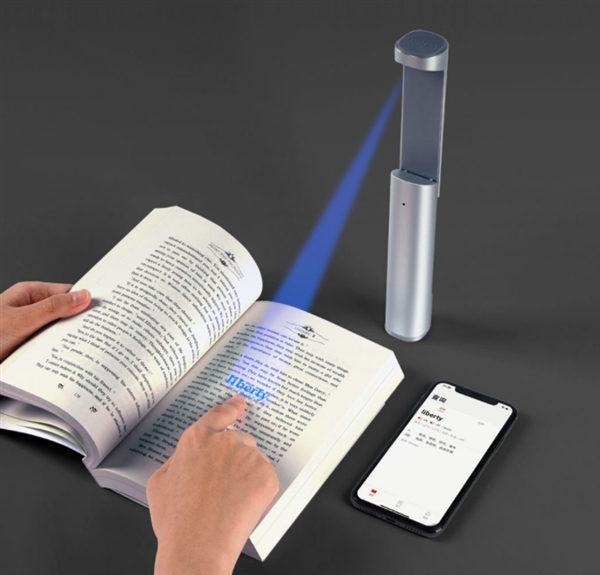
Xiaomi has launched another innovative product under the Youpin crowdfunding platform. The product is dubbed Lighten AI English reading companion. As the name implies the gadget offers translation services for Chinese speakers. The gadget actually needs a supporting smartphone as it comes with an app that has the Cambridge dictionary and another simplified dictionary onboard.
The gadget comes with a 13MP Sony IMX214 camera which captures the texts in a book placed in front of it. The camera has a wide angle and can capture texts with a 1750cm2 radius. The type of book varies from children’s picture books, exam papers, magazine to any other materials with English texts. The device a doesn’t actually translate the entire texts on the book but any word you point with the finger will be translated and the meaning relayed on the smartphone app. The app even provides the word pronunciation. The efficiency of the app isn’t affected by the font type, line spacing, and typesetting format.
The device is ultra-lightweight, at just 190g and has a dimension of 34x34x1.62mm when not in use. The head is extendable in order to prop up the camera when it is to be used. Despite the size, it crams a big 2600mAh battery under the hood. The device also comes with vacuum stabilizer which helps keep it stable despite the narrow frame. It is powered by an Intel AI chip.
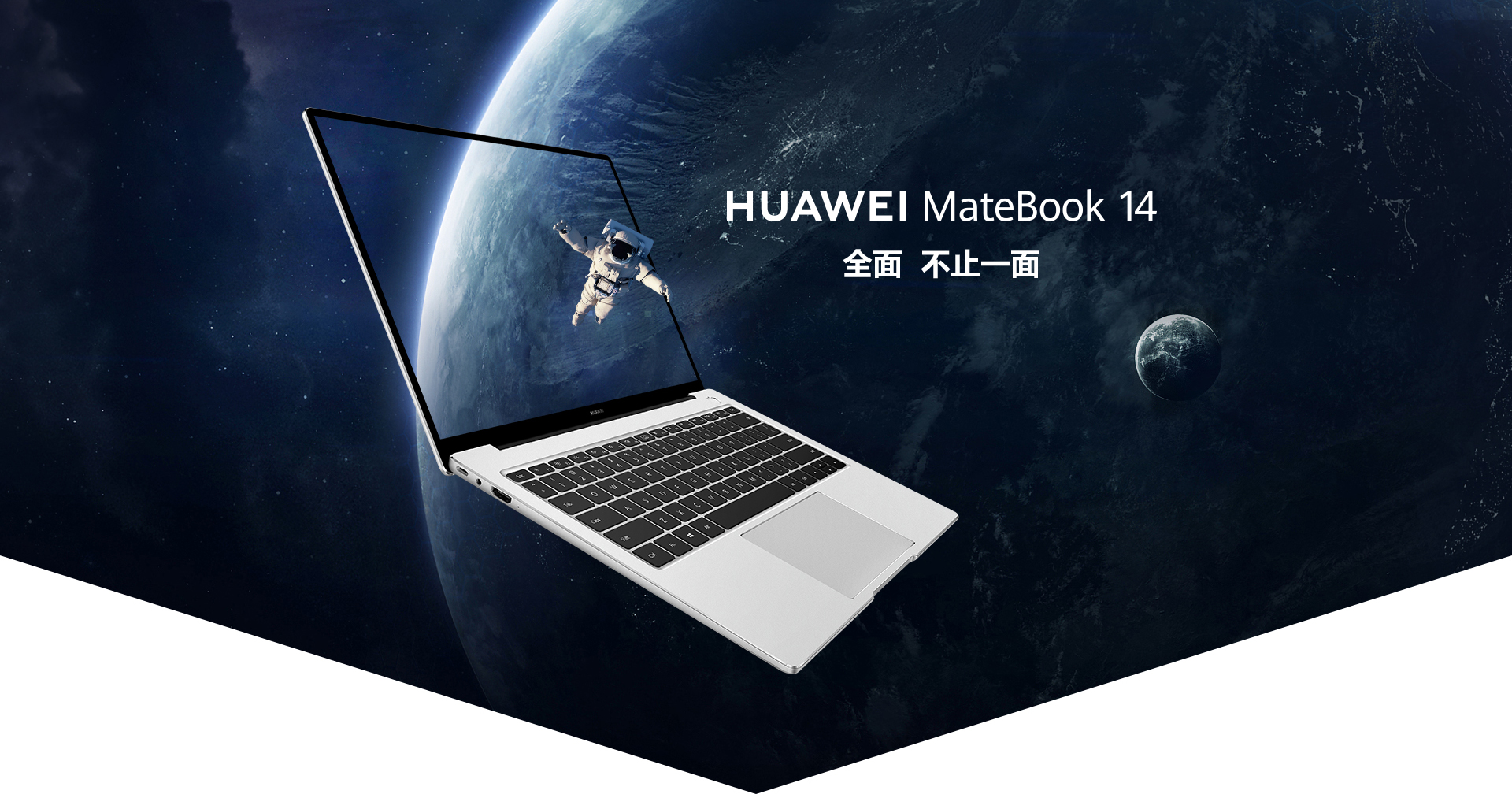
At today’s event in China, Huawei also announced the MateBook X Pro and the MateBook 14. The two notebooks were first unveiled back at MWC 2019 in Barcelona.
MateBook X Pro (2019)
The MateBook X Pro is built from a single piece of aluminum with CNC drilling and cutting and a ceramic sandblasting finish for each half of the chassis.
It has a 13.9-inch 3K display with a 91% screen-to-body ratio and a 3:2 aspect ratio. The display supports up to 10-finger multi-touch with touch-screen gestures such as three-finger swipe to take a screenshot.
The MateBook X Pro (2019) hasn’t changed physically from last year’s model but there are changes under the hood. It is now powered by an 8th-gen Core i7-8565U processor which has an integrated Intel UHD 620 graphics card and the new NVIDIA MX250 GPU. The Thunderbolt 3 port also allows you to add an external GPU.
There is a new Shark Fin 2.0 cooling fan which is 20% more efficient than the previous generation. The MateBook X Pro (2019) also retains the fingerprint scanner which is built into the power button and the pop-up webcam nestled between the keys.
Another new feature is the Huawei Share 3.0 One Touch feature that allows you to easily transfer files between your phone and PC. There is Bluetooth 5.0 too and an upgraded dual antenna for faster and more stable wireless connections.
The MateBook X Pro (2019) has a 57.4Wh battery that is said to provide 13 hours of video playback (1080p) and up to 12 hours of web browsing. It will ship with a 65W charger. There are quad speakers with Dolby Atmos for surround sound audio.
The notebook will be available for purchase on Huawei’s online store, Tmall, and Suning. There will be four variants and three colors (Deep Gray, Moon Silver, and Pink Gold), below are their prices:
The MateBook 14 comes with a 14-inch display with a 2160 x 1440 resolution. It also has a 3:2 aspect ratio and a screen-to-body ratio of 90%. The power button doubles as the fingerprint scanner and the webcam is also hidden between the keys.
The notebook is powered by Intel’s 8th-gen Core i7-8565U processor and it also gets the new NVIDIA MX250 dedicated graphics card with a TDP of 25W. It comes in a Core i5 variant too and all variants have 8GB of RAM and 512GB of storage.
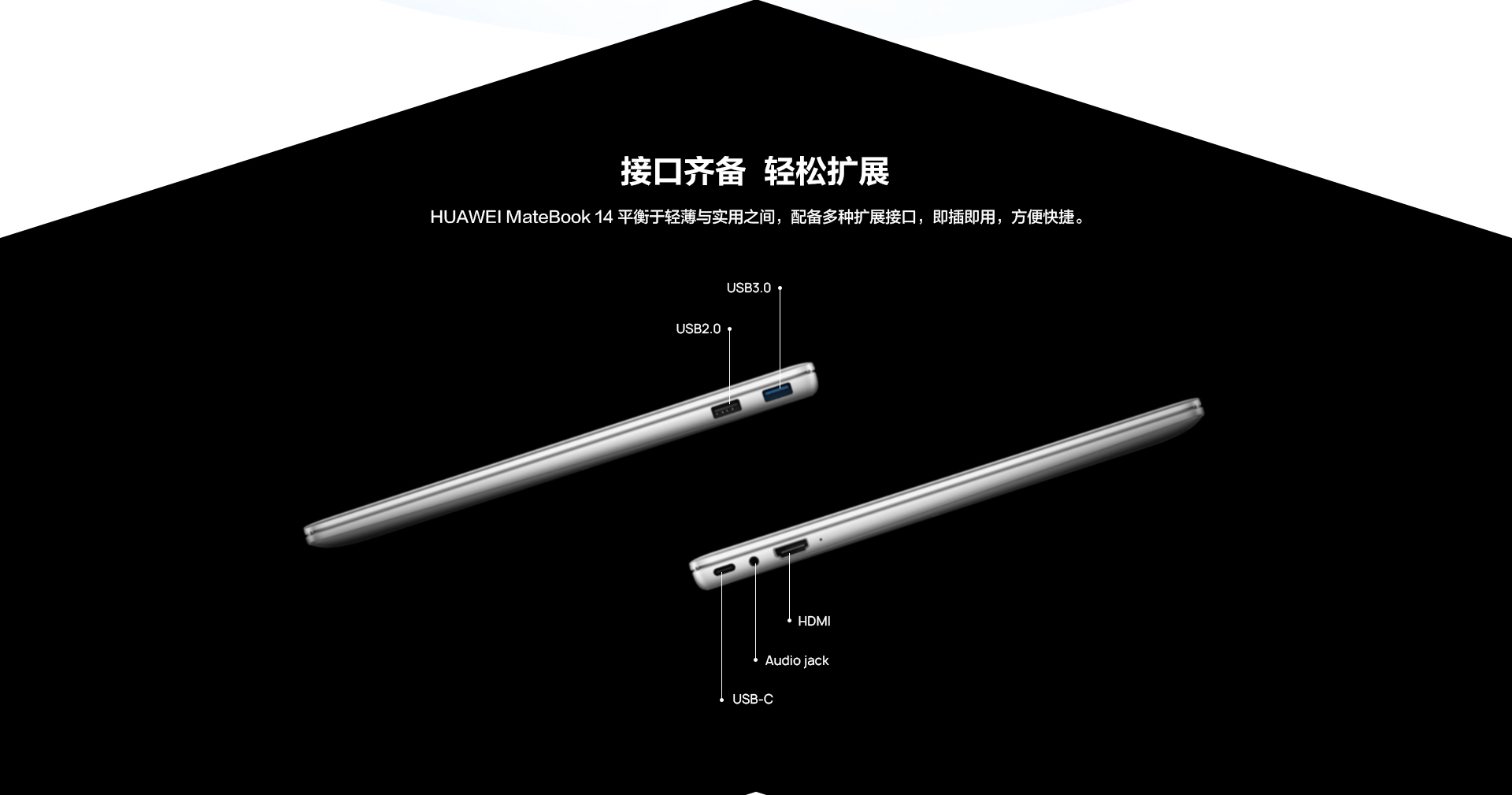
The new Shark Fin 2.0 fan handles cooling and there is a built-in sensor that monitors the temperature in real time. The MateBook 14 doesn’t have the MateBook X Pro’s Thunderbolt port but you get a USB-C port for charging/data transfer/display port, an HDMI port, a USB 2.0 port, a USB 3.0 port, and an audio jack. There is also Bluetooth 5.0 and dual-band Wi-Fi.
The notebook also supports Huawei Share for easy data transfer between the PC and supported phones. There are two speakers with Dolby Atmos audio and four microphones. The notebook has a 57.4Wh battery and ships with a 65W USB-C charger.
The MateBook 14 comes in Dark Gray and Moon Silver. It is 15.9 millimeters at its thickest and weighs 1.49 kilograms.
We use cookies on our website to give you the most relevant experience by remembering your preferences and repeat visits. By clicking “Accept”, you consent to the use of ALL the cookies.
This website uses cookies to improve your experience while you navigate through the website. Out of these, the cookies that are categorized as necessary are stored on your browser as they are essential for the working of basic functionalities of the website. We also use third-party cookies that help us analyze and understand how you use this website. These cookies will be stored in your browser only with your consent. You also have the option to opt-out of these cookies. But opting out of some of these cookies may affect your browsing experience.
Necessary cookies are absolutely essential for the website to function properly. This category only includes cookies that ensures basic functionalities and security features of the website. These cookies do not store any personal information.
Any cookies that may not be particularly necessary for the website to function and is used specifically to collect user personal data via analytics, ads, other embedded contents are termed as non-necessary cookies. It is mandatory to procure user consent prior to running these cookies on your website.