Advertisement

OnePlus launched its SuperVOOC 150W 20,000mAh Power Bank alongside OnePlus 13T

OnePlus dropped a slick new accessory with the OnePlus 13T launch on April 24, 2025, in China: the SuperVOOC 150W Power Bank. Priced at just CNY 349 (~$48), this 20,000mAh power bank boasts a built-in cable, two extra ports, and the ability to charge three devices at once. It’s a game-changer for power-hungry users, and a global release is likely on the horizon.

It can charge a 2021 MacBook Pro to 54% in just 30 minutes

Launched alongside the Snapdragon 8 Elite-powered OnePlus 13T, the SuperVOOC 150W Power Bank is built for speed and versatility. With a 20,000mAh capacity, it can fully charge the 13T’s 6,260mAh battery about 2.36 times. It features a foldable USB-C cable, plus one USB-C and one USB-A port, delivering up to 100W per port or a combined 150W across multiple devices. OnePlus claims it can juice up a 2021 MacBook Pro to 54% in just 30 minutes, which is awesome.

The power bank supports PD 3.0, QC 3.0, and PPS protocols, making it compatible with most devices, from phones to laptops. It recharges itself in about two hours with a fast charger. A built-in display shows battery capacity. Safety is covered with multiple charging protection techniques, flight-safe certification, and a slot for the integrated cable.

At CNY 349 (around $50), it’s a steal for what it offers. While currently China-exclusive, posts on X suggest strong hype, with users praising its 100W PD support for laptops. A global launch is expected soon, possibly alongside the 13T’s international debut. For travelers, gamers, or anyone needing a fast, reliable power source for their mobile devices, this power bank is a lifesaver.

Tech enthusiast? Get the latest news first! Follow our Telegram channel and subscribe to our free newsletter for your daily tech fix!

For more daily updates, please visit our News Section.

Philips launches a flagship 4K 240Hz QD-OLED monitor built for serious gamers and creators

Philips has launched its latest flagship gaming monitor in the Chinese market, the Evnia 27M2N8800, featuring a 26.5-inch 4K QD-OLED panel. It is priced at 6499 yuan ($892) and is now available on JD.com. Let’s check out its key specs.

Philips Evnia 27M2N8800

Philips Evnia 27M2N8800 Specifications

The 27M2N8800 is equipped with a 26.5-inch 4K display using Samsung’s third-generation QD-OLED panel, offering a 3840×2160 resolution, 240Hz refresh rate, and an ultra-low 0.03ms GTG response time.

The monitor also comes with HDR True Black 400 certification, achieving a peak brightness of up to 1000 nits on a 3% window, which helps display vivid highlights and rich shadow details. It supports Adaptive Sync for smooth, tear-free visuals and carries the prestigious VESA ClearMR 13000 certification, indicating extremely low motion blur.

In terms of colors, the monitor covers 99% of the DCI-P3 gamut, 97.6% Adobe RGB, and 100% sRGB, with factory calibration ensuring Delta E <1 accuracy. It sports a native 10-bit panel for smoother color transitions, making it suitable for both content creation and gaming. Philips also includes an AI-based anti-burn-in system that monitors static elements like HUDs and logos in real time, backed by a 3-year burn-in warranty.

The monitor includes Ambiglow, Philips’ ambient lighting tech that syncs rear LEDs with on-screen visuals and audio for an immersive experience. On the hardware front, it comes with a height-adjustable, tilt-and-swivel ergonomic stand in a silver armor finish, complemented by a white chassis and star-patterned rear texture. The monitor is equipped with dual 5W speakers and a five-way joystick for quick navigation.

Connectivity includes two HDMI 2.1 ports (48Gbps FRL6), a DisplayPort 2.1 (80Gbps UHBR20), USB 3.2 Gen 1 ports, a USB upstream connection, and audio out. The monitor also supports picture-in-picture and picture-by-picture modes, smart crosshair magnification via Smart Sniper, AI-based Stark Shadow Boost for dark area enhancement, and enhanced low input lag via “Zero Latency Sync.”

The display also offers both hardware and software-level blue light reduction, flicker-free backlighting, and an Easy Read mode for eye comfort. The monitor weighs 5.81 kg without the stand and 7.14 kg with it.

In related news, LG recently launched two GX9S OLED gaming monitors that also function as smart TVs with webOS, while Xiaomi introduced a budget-friendly 27-inch 2K 100Hz monitor for customers in the EU and UK.

For more daily updates, please visit our News Section.

Stay ahead in tech! Join our Telegram community and sign up for our daily newsletter of top stories! 💡

Xiaomi just launched a smarter, sleeker speaker for under $30

Xiaomi has officially introduced its latest Smart Speaker in China, priced at an affordable 199 yuan ($27). It features Xiaomi HyperOS and comes equipped with the brand’s new “Super Xiao Ai” voice assistant, offering upgraded AI capabilities for more natural and responsive interactions.

Xiaomi Smart Speaker

Xiaomi Smart Speaker Specifications

The speaker supports consecutive command recognition, allowing users to control multiple smart home devices with a single sentence. Whether it’s switching on lights, drawing the curtains, or starting the robot vacuum, the speaker processes multiple instructions in one go. It also supports voice-triggered automation, so you can schedule daily routines like cleaning or appliance control with a simple voice cue.

It comes with an advanced multi-turn dialogue system that allows seamless back-and-forth conversations without requiring repeated wake words. The assistant can be interrupted mid-sentence and still respond to the new query naturally. It’s backed by a large language model Q&A engine that can generate complex answers, help create travel plans, write content, or provide translations and scientific explanations.

The speaker sports a clean, rounded aesthetic finished in light grey fabric mesh. It features a dynamic light ring on the top that reacts to voice commands and music playback, enhancing the overall interaction. It equips a 2-inch full-range speaker rated at 8W, paired with a precision low-frequency duct to enhance bass performance.

For connectivity, it supports Bluetooth 5.3, dual-band Wi-Fi (2.4GHz/5GHz), and integrates with Xiaomi Mesh 2.0. It also functions as a Bluetooth Mesh gateway, enabling seamless pairing with other Xiaomi smart devices.

The speaker comes with additional smart features like remote control of Xiaomi EVs via voice, letting users adjust air conditioning, window positions, and seat heating. It also supports the Family Broadcast function, allowing communication across Xiaomi speakers, TVs, laptops, and phones within the home.

The Xiaomi speaker supports a wide range of content platforms, including QQ Music, NetEase Cloud Music, Ximalaya, Kugou, and Qingting FM, offering access to music, radio, audiobooks, and podcasts.

Earlier this year, the company introduced the larger Xiaomi Smart Speaker Pro, featuring more advanced AI capabilities and enhanced sound performance.

For more daily updates, please visit our News Section.

Stay ahead in tech! Join our Telegram community and sign up for our daily newsletter of top stories! 💡

How the OnePlus 13T Outclasses the Google Pixel 9a

The OnePlus 13T finally made its debut in China after weeks of rumors and teasers. It offers cutting edge features and a compact form factor, but one of its key highlights is its pricing. At this range, the device competes with the Pixel 9a, so here are a few ways the OnePlus 13T outclasses the rival from Google.

1. Build Quality

OnePlus 13T

The Pixel a series is typically reserved for the brand’s mid range model that are more affordable than its flagship numbered lineup. So the Pixel 9a is no exception, offering cutdown specs and features that make it cheaper than the Pixel 9. One of these areas is the build quality. Unlike the Pixel 9 with a premium glass body, the Pixel 9a has a plastic rear panel, which is surrounded by an aluminum frame. It also measures 8.9mm in terms of thickness.

On the other hand, the OnePlus 13T is a budget flagship smartphone that even translates to its design. The build quality includes a metallic frame and a glass rear panel. This model is even slimmer, measuring just 8.15mm in thickness.

2. Performance

Google Pixel 9a
Google Pixel 9a

Google’s Pixel devices aren’t known for their cutting edge raw performance, with their focus being in other departments like AI. The Tensor G4 on the Pixel 9a is the same chip that powers the higher end Pixel 9 Pro, but it doesn’t compete with the Snapdragon 8 Elite found on the OnePlus 13T.

Not everyone needs top notch performance, but it does come in handy for gaming, intensive tasks, and makes the device more future proof. With Qualcomm’s latest and greatest, the OnePlus 13T is one of the fastest flagship Android smartphones on the market.

3. Battery and Charging

Despite having a thinner and marginally lighter body, the OnePlus 13T packs a massive 6,260mAh battery pack, which supports 80W wired fast charging. One of the notable upgrades the Pixel 9a received over the Pixel 8a was the bump to a 5,100mAh battery. However, this still pales in comparison to the OnePlus latest smartphone. It also lags behind by a notable margin in the charging department with only 23W wired fast charging. However, you do get 7.5W wireless charging support.

4. Competitive Pricing

Google Pixel 9a

Google unveiled the Pixel 9a last month with a starting price tag of 499 US Dollars for the 8GB + 128GB offering. While the 8GB + 256GB variant costs 599 US Dollars. In comparison, the OnePlus 13T was just announced in China for a starting price tag of 3,399 Yuan or roughly about 446 US Dollars. This is for the 12GB + 256GB variant, so you’re easily getting a much better value. We can assume a slight price hike in the overseas market release but it would still be a great value for this price range.

For more daily updates, please visit our News Section.

Tech enthusiast? Get the latest news first! Follow our Telegram channel and subscribe to our free newsletter for your daily tech fix! ⚡

Xiaomi Launches Redmi G Pro 27U Gaming Monitor with 4K, 160Hz Display and Mini LED Tech

Xiaomi has officially launched the Redmi Monitor G Pro 27U in China, following its initial reveal last week. This high-end gaming monitor is a major upgrade over its predecessor (Redmi Display G Pro 27 MiniLED), offering significant improvements in display quality, performance, and smart features.

Redmi Monitor G Pro 27U

Redmi Monitor G Pro 27U features

The Redmi G Pro 27U features a 27-inch 4K UHD panel with a resolution of 3840 × 2160 pixels and a pixel density of 157 ppi. It supports a 160Hz native refresh rate, with the potential to reach up to 320Hz, providing smooth visuals tailored for high-performance gaming. The display hits a peak brightness of 1600 nits and utilizes 1152 Mini LED zones paired with QD quantum dot technology for vibrant color reproduction.

Color accuracy is a strong focus, with the monitor covering 100% of the sRGB spectrum, 99% DCI-P3, and 99% Adobe RGB. It delivers a factory-calibrated ΔE<1 for professional-grade accuracy.

Redmi Monitor G Pro 27U

Internally, the monitor is powered by a Cortex-A73 quad-core processor and a G57 MC1 GPU. It includes 3GB of RAM and 32GB of internal storage, running on Xiaomi’s HyperOS. For audio, the monitor is equipped with dual 5W speakers.

Connectivity is robust. It supports Wi-Fi 6 and Bluetooth 5.2 and includes two HDMI 2.1 ports, one DP 1.4 port with support for 8K@60Hz output, one USB 3.0 port, and one USB 2.0 port. The G Pro 27U also supports wireless casting via AirPlay and Miracast.

Physically, the monitor measures 613.3mm x 364.5mm x 65.9mm without the stand, and 613.3mm x 521.2mm x 227.3mm with the stand. It weighs 4.7kg and 6.8kg, respectively. Viewing angles are adjustable horizontally from -35° to +35° and vertically from -5° to +20°. A 75x75mm VESA mount is included for wall setup.

Pricing & availability

Xiaomi is offering a three-year warranty and a seven-day no-questions-asked return policy. The Redmi Monitor G Pro 27U is priced at CNY 2,699 (~$370), marking a 35% increase from last year’s G Pro 27, which launched at CNY 1,999 (~$274).

Global availability remains unconfirmed. The monitor has debuted alongside the Redmi Turbo 4 Pro, which is the first smartphone to feature the Snapdragon 8s Gen 4 processor.

(Source)

Xiaomi 15 Ultra Gets $200 Price Cut: Grab this Flagship Deal on Geekwills

Xiaomi 15 Ultra is a flagship smartphone that brings together top-tier hardware and imaging capabilities for those who demand the best from their phone. With Leica-powered optics, a powerful Snapdragon chip, and a stunning 2K OLED display, this device is built to offer an ultra-premium experience for both photography lovers and performance enthusiasts.

Exclusive Deal

Xiaomi 15 Ultra is now available with a $200 discount on Geekwills, making it an excellent time to grab this premium flagship at a lower price. With top-tier specs and Leica-powered cameras, this deal adds even more value to an already powerful device.

Design and Display

The phone sports a 6.73-inch 2K UltraVision OLED display with a resolution of 3200 x 1440. The screen supports up to 120Hz refresh rate and 300Hz touch sampling, ensuring smooth visuals and responsive touch performance. With Dolby Vision, HDR10+, HDR Vivid, and a peak brightness of 3200 nits, the display is vibrant and excellent for watching content in any lighting condition. The phone is also IP68-rated, meaning it’s resistant to dust and water, adding a layer of durability to its premium build.

Performance and Battery

Under the hood, the Xiaomi 15 Ultra runs on the Snapdragon 8 Elite mobile platform and supports Dynamic Performance Scheduling 4.0 for smart power management. It features LPDDR5X RAM, UFS 4.1 storage, and refreshed FBO storage technology for faster data access and smoother multitasking. The 6000mAh battery is managed by Xiaomi’s Hyper Battery Management System and supports 90W wired and 50W wireless charging, along with wireless reverse charging.

Camera System

Xiaomi has partnered again with Leica to deliver an exceptional quad-camera setup. The main 50MP Leica Super Dynamic Prime camera uses Sony’s LYT-900 sensor with a large f/1.63 aperture, promising superb light capture and sharpness. There’s a 200MP Samsung HP9 periscope telephoto lens with 100mm focal length and optical stabilization, ideal for distant shots. Another 50MP Leica floating telephoto camera supports 70mm focal length and macro photography up to 10cm. Lastly, a 50MP ultra-wide camera offers a 115° field of view, great for landscapes and group shots.

Audio and Software

The phone features stereo dual speakers and a 4-MIC high dynamic array for clear audio capture and playback. It runs on Xiaomi HyperOS 2, designed for fluid performance and enhanced user experience.

Key Specs:

  • Display: 6.73-inch OLED, 3200 x 1440, 120Hz, 3200 nits peak brightness
  • Processor: Qualcomm Snapdragon 8 Elite
  • RAM/Storage: LPDDR5X + UFS 4.1 with FBO storage
  • Battery: 6000mAh with 90W wired and 50W wireless charging
  • Main Camera: 50MP Sony LYT-900 with f/1.63 aperture
  • Telephoto 1: 200MP Samsung HP9, 100mm, f/2.6
  • Telephoto 2: 50MP Sony IMX858, 70mm, f/1.8 with macro
  • Ultra-wide Camera: 50MP, 14mm, 115°
  • Operating System: Xiaomi HyperOS 2
  • Protection: IP68 water and dust resistance
  • Audio: Stereo speakers + 4-MIC array with high dynamic range

Meet Anker’s Nebula X1: A Watercooled 4K Outdoor Projector

A portable projector is all the rage right now as they bring a large screen on the go. However, the Nebula X1 takes things a step further with its design and features. This latest projector is meant for outdoor use and was made by Anker, a popular peripherals maker. So here’s why this project stands out.

Anker Nebula X1: Cutting Edge Outdoor Projector

Anker’s new Nebula X1 is a smart projector that was designed to offer a cinema experience outdoors, instantly upgrading your entertainment system when travelling. The X1 can project a screen as big as 200 inches from a distance of 13 to 22 feet with its optical lens (supports zoom). It can output 4K resolution from its triple laser light engine, which is capable of outputting 3,500 ANSI lumens.

Anker Nebula X1 Projector

The Nebula X1 can also automatically adjust the brightness for an optimized experience. Anker’s new project runs on the Google TV, which offers built in 4K streams for Netflix. For audio, the Nebula X1 features a quad built-in speaker setup with two 15W and two 5W units. These can be paired with with two battery powered WiFi satellite speakers for a surround sound experience.

Other notable features include Dolby Vision, a gimbal with 25 degrees tilt support, a dedicated button on the remote for spatial adaptation, and an IP54 rating for water and dust resistance. But one of its biggest talking points is the industry first liquid cooling mechanism for heat management. Anker’s Nebula X1 is set to go on sale on 21st May 2025 with a hefty price tag of 2,999 US Dollars. Buyers can also purchase an X1 bundle that includes two mics, a travel case, and a pair of satellite speakers.

For more daily updates, please visit our News Section.

Don’t miss a thing! Join our Telegram community for instant updates and grab our free daily newsletter for the best tech stories!

Redmi Turbo 4 Pro debuts with world’s first Snapdragon 8s Gen 4 processor

Xiaomi has launched the Redmi Turbo 4 Pro in China, introducing a new phone built for performance and durability. What makes the smartphone special is the fact that it is the first phone with the Snapdragon 8s Gen 4 SoC.

Redmi Turbo 4 Pro features

The Turbo 4 Pro features a 6.83-inch 1.5K LTPS flat display using M9 luminous material. The screen reaches up to 3200 nits of brightness and offers dual brightness calibration at 100 and 600 nits. It has narrow bezels on three sides (1.5mm) and a slightly thicker chin (1.9mm).

Redmi Turbo 4 Pro

This is the first phone powered by the Snapdragon 8s Gen 4 processor. It uses a 6000mm² dual-loop 3D ice cooling system and Xiaomi’s Rage Engine 4.0 to maintain stable performance during heavy use. The phone has a 7.98 mm-thick body with a metal frame made of aviation-grade aluminum alloy. CNC machining and sandblasting techniques give it a solid feel, and the body can handle up to 70kg of pressure. It comes with IP66, IP68, and IP69 ratings, making it water- and dust-resistant even in tough environments.

The Redmi Turbo 4 Pro has a metal camera housing with a 50MP main sensor and an 8MP ultra-wide camera. It also includes a light ring with adjustable brightness. The phone packs a 7550mAh battery and supports 90W wired charging along with 22.5W reverse charging. It includes Xiaomi’s offline positioning tech that works without GPS.

The camera setup includes a 50MP Sony LYT-600 sensor with OIS and EIS, an 8MP ultra-wide camera, and a 20MP front camera. Connectivity options include 5G SA/NSA, Dual 4G VoLTE, Wi-Fi 6, Bluetooth 5.4, GPS, GLONASS, Galileo, QZSS, NavIC, USB Type-C, and NFC. The phone has an in-display fingerprint sensor, stereo speakers, and an infrared sensor. It weighs 219g and measures 163.1 x 77.93 x 7.98mm.

Redmi Turbo 4 Pro Harry Potter Edition

Xiaomi also revealed a special Redmi Turbo 4 Pro Harry Potter Edition. It comes with 16GB RAM and 512GB storage. The design includes a beveled camera area, 3D nanolithography, and Harry Potter-themed visuals. It comes with a custom black-and-gold Deathly Hallows gift box and a themed interface.

Pricing & availability

The Redmi Turbo 4 Pro starts at 2199 yuan for the 12GB + 256GB model and goes up to 2999 yuan for the 16GB + 1TB version. The Harry Potter Edition is priced at 2799 yuan. A global release is expected, possibly under the POCO F7 name in India. The base model currently includes a 200 yuan discount.

For more daily updates, please visit our News Section.

Stay ahead in tech! Join our Telegram community and sign up for our daily newsletter of top stories!

(Source)

Oppo’s latest budget phone is an iPhone lookalike with military grade & waterproof body

A new budget smartphone from Oppo has just dropped in the Indian market. The model in question is the Oppo A5 Pro 5G, which arrives with a familiar yet durable design that is also waterproof. So here’s everything you need to know, like its specs, pricing, and more.

Oppo A5 Pro 5G: What does it offer?

The Chinese tech giant has already announced the Oppo A5 Pro 4G and A5 Pro 5G in the global market. Now, the latter is finally arriving in the Indian market. This model sports a tall 6.67-inch LCD panel on the front with a 120Hz refresh rate and HD+ resolution. Meanwhile, the rear features an iPhone-like design with a dual camera setup that consists of 50MP Main + 2MP setup monochrome sensors. For selfies and video calls, the device features an 8MP shooter.

Oppo A5 Pro 5G
Oppo A5 Pro 5G

A massive 5,800mAh battery pack powers the Oppo A5 Pro 5G, which supports 45W wired fast charging. Under the hood, it is equipped with the MediaTek Dimensity 8300 SoC with 8GB of RAM and up to 256GB of internal storage. Other notable features include Android 15 OS based ColorOS 15 custom skin out of the box, a side mounted fingerprint scanner, slim 7.76mm body, and an IP66 + IP68 + IP69 for cutting edge water resistance.

Pricing, Color, and Availability

The Oppo A5 Pro 5G was announced in two color options, namely Feather Blue and Mocha Brown. It has a starting price tag of 17,999 INR for the 8GB + 128GB model, while the 8GB + 256GB variant costs 19,999 INR. The brand is also offering an instant bank discount of 1500 on select credit cards as well. You can purchase this model from Flipkart, Amazon, the brand’s official website, and major retail stores.

For more daily updates, please visit our News Section.

Tech enthusiast? Get the latest news first! Follow our Telegram channel and subscribe to our free newsletter for your daily tech fix! ⚡

Xming launches Q5 Neo Plus 1080p projector with 240 CVIA lumens, 4K decoding & gimbal design

Xming is back with a new smart projector in China that doesn’t just aim for solid specs, it wants to be part of your home’s design language too. The newly launched Q5 Neo Plus is now up for grabs on JD.com for 999 yuan ($137), and it’s got more going for it than just a budget-friendly price tag.

Xming Q5 Neo Plus

Xming Q5 Neo Plus Specifications

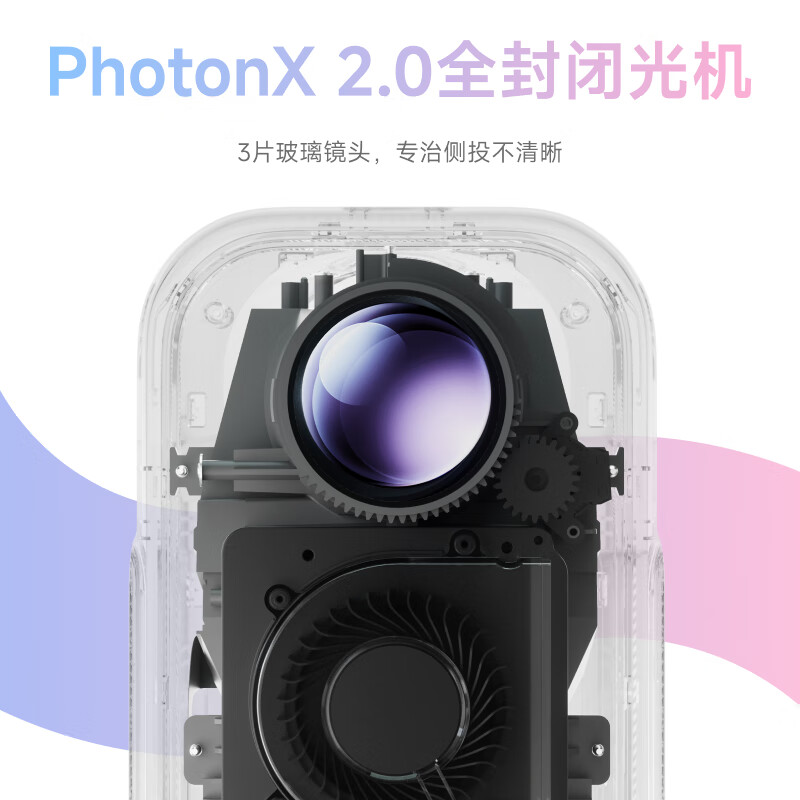
The Q5 Neo Plus features a native 1080p resolution with support for 4K decoding, capable of projecting visuals up to 150 inches. It comes equipped with Xming’s PhotonX 2.0 fully enclosed light engine, which boosts light efficiency by 30 percent and reduces dust accumulation for longer-lasting clarity. The projector is rated at 240 CVIA lumens and offers a 2600:1 contrast ratio for deeper blacks and more vivid highlights.

The Q5 Neo Plus sports a dual-tone finish in Forest Green and Glacier White, inspired by natural color palettes. It includes a 180-degree integrated dual-axis gimbal that doubles as both a carrying handle and a flexible stand. The projector supports ceiling and side projection, with automatic focusing, multi-angle keystone correction, and intelligent frame alignment for effortless setup across different environments.

Under the hood, it runs on a MediaTek 9-series chipset and packs 32GB of onboard storage. For connectivity, it supports dual-band Wi-Fi 6 and Bluetooth 5.3, ensuring smoother streaming and wireless performance. The projector supports Miracast, DLNA, AirPlay, and Huawei Cast+ protocols without intrusive ads, for seamless screen mirroring.

Talking about software, it comes preloaded with Android 9.0 and Xming’s iQIYI Launcher, offering access to a wide selection of content, including over 100,000 video titles. Voice control is supported via a Bluetooth remote and Xiao Ai assistant, with additional integration through the Mi Home app and HyperOS Connect for smart home control.

On the wellness front, the Q5 Neo Plus features SGS-certified low blue light output and diffuse reflection technology, reducing eye strain during extended viewing. It also sports a smart fan system with real-time temperature monitoring, keeping the projector quiet and cool. Boot times are quick, with the system ready to go in just six seconds.

In related news, earlier this month Redmi introduced a budget-friendly smart home projector priced under $100, while Xiaomi launched the Smart Projector L1 in Europe and the UK, offering portable 1080p visuals with AI-powered auto-correction.

For more daily updates, please visit our News Section.

Stay ahead in tech! Join our Telegram community and sign up for our daily newsletter of top stories! 💡

(JD)

OnePlus Ace 5 Racing Edition key specifications, launch timeframe tipped

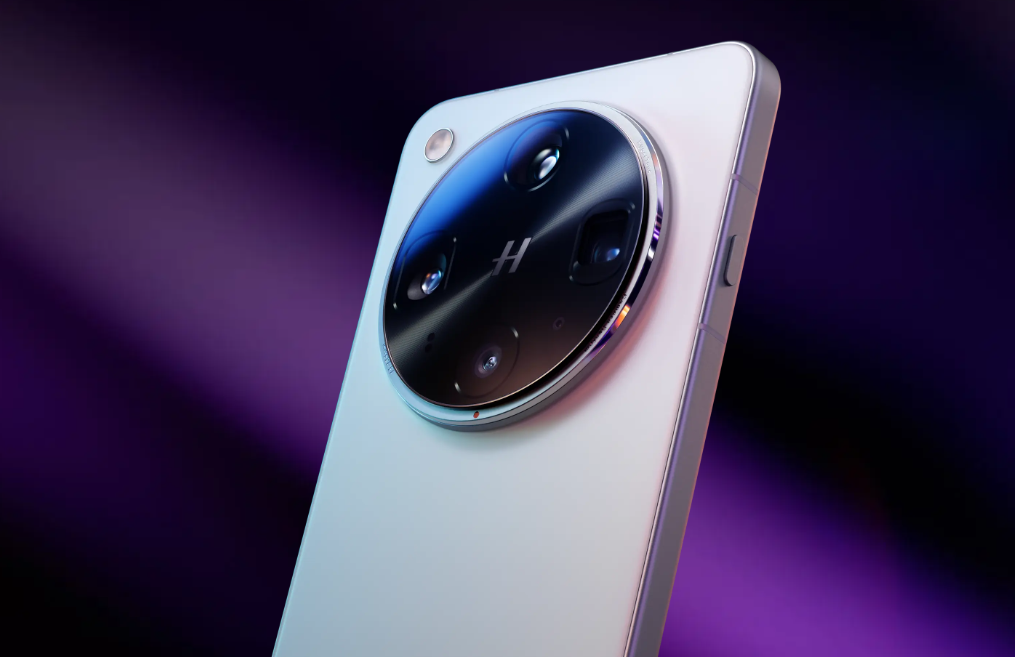
Several reports have claimed that OnePlus will unveil three smartphones in the second quarter of this year. Among these, the brand has already launched the OnePlus 13T today, and the remaining two Ace-branded smartphones will be equipped with the Dimensity 9400e and Dimensity 9400 Plus chipsets. Previous reports claimed that these devices would be called the Ace 5V and Ace 5S. However, a new leak by tipster Digital Chat Station reveals that the actual name of the Dimensity 9400e-powered device will be the OnePlus Ace 5 Racing Edition.

OnePlus Ace 5 Racing Edition specifications (rumored)
OnePlus Ace 5 key specifications

According to DCS, the OnePlus Ace 5 Racing Edition will sport a 6.77-inch LTPS OLED display with a flat design. Under the hood, it may house the yet-to-be-announced Dimensity 9400e processor, which is rumoured to be a tweaked version of the Dimensity 9300 Plus chipset.

For selfies, the device is likely to come with a 16-megapixel front-facing camera, while the rear setup could include a 50-megapixel main sensor paired with a 2-megapixel secondary lens. Additional details from the leak point to an optical fingerprint scanner embedded within the screen and the use of a plastic frame in its construction.

As per previous reports, the Ace 5 Racing Edition will feature a massive 7,000mAh battery. As far as the chipset is concerned, recent reports have revealed that the Dimensity 9400e may offer better performance than the Snapdragon 8s Gen 4. Hence, it is expected to rival the Redmi Turbo 4 Pro and the iQOO Z10 Turbo, which feature the said Snapdragon chipset.

OnePlus Ace 5 Racing Edition launch timeframe

As per a DCS Weibo post from earlier this week, OnePlus will unveil its dual Ace-branded flagship phones in the second half of May.

For more daily updates, please visit our News Section.

Stay ahead in tech! Join our Telegram community and sign up for our daily newsletter of top stories!

Lenovo’s Idea Tab Pro with a 12.7″ 144Hz display & Dimensity 8300 chip reaches Indian store shelves with 36% Discount

Lenovo’s Idea Tab Pro, launched in India in March 2025, is now available for purchase on Amazon. It comes in two variants: 8GB RAM with 128GB storage priced at ₹27,999 and 8GB RAM with 256GB storage at ₹30,999. These are limited-time offers with 36% and 30% discounts from the original prices. The tablet is available in a single color—Luna Grey. Buyers can also get no-cost EMI, cashback, coupons, bank offers, and other Amazon deals.

Lenovo Idea Tab Pro

Lenovo Idea Tab Pro features

The tablet has a 12.7-inch LCD with a resolution of 2944 x 1840 and a 144Hz refresh rate. It has an all-metal body, is 6.9mm thick, and weighs 615 grams. It runs on the MediaTek Dimensity 8300 chip and includes a microSD slot for additional storage.

Lenovo Idea Tab Pro

It comes with Android 14 and Lenovo promises updates up to Android 16, along with four years of security patches. The software includes Lenovo’s ZUI 16 interface, which supports Google’s Gemini AI tools like Circle to Search. It also includes Share Hub for file sharing across devices, App Streaming to mirror apps to a PC, and Smart Clipboard for cross-device copy-paste.

The tablet supports the Lenovo Pen Plus and a 2-in-1 keyboard case, though both are sold separately. It has a 10,200mAh battery with support for 45W fast charging.

For audio, the tablet features four speakers tuned by JBL with Dolby Atmos support. Other features include WiFi 6E, Bluetooth 5.3, and a USB-C 3.2 Gen 1 port. Its pricing is similar to the Xiaomi Pad 7, and it offers a few advantages in certain areas. That said, the Xiaomi Pad 7 has its own strengths, including a capable processor and a well-designed build. We’ve put together a detailed comparison of both tablets, which you can view by clicking this link.

For more daily updates, please visit our News Section.

Stay ahead in tech! Join our Telegram community and sign up for our daily newsletter of top stories!

TCL launches new T6C-UK QLED Fire TVs in UK with 4K HDR, 120Hz gaming & Freely live TV

TCL has officially launched its T6C-UK Fire TV series in the UK, aiming to offer a smarter, more streamlined home entertainment experience. Ranging from 43 to 85 inches, the new lineup isn’t just about size options. TCL is betting big on built-in services, ease of use, and display quality to appeal to modern cord-cutters and everyday viewers alike.

TCL T6C-UK QLED TVs

TCL T6C-UK QLED TVs Specifications

The T6C-UK series comes with QLED panels that support 4K HDR Pro and Quantum Dot technology, offering vibrant colors and deep contrast. They feature Dolby Vision and HDR10+ for an expanded dynamic range, while the HVA panel architecture delivers better contrast and consistent clarity from wide angles, even in bright environments. On models 55 inches and above, TCL includes a 120Hz Game Accelerator at Full HD, combined with HDMI 2.1 and Auto Low Latency Mode (ALLM) for smoother, more responsive gameplay.

The entire series runs Fire TV OS out of the box, offering direct access to Prime Video, Netflix, Disney+, YouTube, and more, no extra devices required. Just connect to Wi-Fi, plug in, and you’re set. The remote includes Alexa support for voice commands, content search, app launching, and smart home control.

TCL T6C-UK QLED TVs

What sets the T6C-UK series apart in the UK market is the inclusion of “Freely”, a no-subscription live TV platform that provides access to live channels without needing a dish, aerial, or separate Freeview box. This makes the TVs an even stronger proposition for cord-cutters seeking a plug-and-play live viewing solution.

Dolby Atmos audio is supported across all models, ensuring spatial sound that enhances immersion. The 85-inch flagship model takes things further by including a 2.1-channel Onkyo speaker system with a dedicated subwoofer built in. This setup aims to deliver deeper bass and a fuller cinematic audio experience without requiring an external soundbar.

Design-wise, the lineup sticks to modern aesthetics with near bezel-less displays, clean lines, and a slim profile that blends well into contemporary living rooms. TCL keeps it minimalist while letting the screen presence shine when in use.

Pricing and Availability

The TCL T6C-UK Fire TV series will be available soon in the UK in multiple size options:

  • 43-inch: £349
  • 50-inch: £399
  • 55-inch: £449
  • 65-inch: £549
  • 75-inch: £799
  • 85-inch: £1,099

The full lineup is expected to go on sale through major UK retailers in the coming days.

In related news, TCL recently introduced its latest high-end smart TVs in China for 2025, including the Thunderbird Crane 6 Ultra and 6 Pro MiniLED models, along with the new Thunderbird Crane 7 Pro QD-Mini LED TV. The Crane 7 Pro stands out with a peak brightness of 4200 nits, a 144Hz refresh rate, and an ad-free viewing experience.

For more daily updates, please visit our News Section.

Stay ahead in tech! Join our Telegram community and sign up for our daily newsletter of top stories! 💡

(Via)

Nintendo issues apology as it can’t keep up with Switch 2 pre-orders

Nintendo has a new hit on its hands, but it’s not all good news. The Switch 2, its follow-up to the massively successful hybrid console, has drawn so much interest in Japan that the company is already issuing apologies for its inability to meet demand.

In a message posted on X (formerly Twitter), Nintendo president Shuntaro Furukawa acknowledged that the demand for the Switch 2 had “far exceeded” expectations. 

Japan alone has 2.2 million pre-orders of the Switch 2

According to Furukawa, over 2.2 million people applied for a lottery just to pre-order the console through the My Nintendo Store. This, according to him, is far more than the company can actually supply by the launch date of June 5.

“We deeply apologize for failing to meet your expectations despite our preparations,” Furukawa says. 

Nintendo Switch 2 pre-orders demand high

The message was direct and unusually candid, which honestly is a good thing for consumers. Rather than a vague statement, Nintendo chose to clearly communicate the delay of Switch 2 shipments. We think most consumers will likely understand this.

Those who didn’t secure a pre-order in the first lottery round will be automatically entered into a second round. But even then, Furukawa warned that there still won’t be enough consoles to go around. 

The company says it will improve its production system, and it will also start taking pre-orders and lottery sales for the Switch 2 from game retailers and online stores nationwide. The console will continue to be sold through the My Nintendo Store post-launch.

So it sounds like only the lucky one selected in the first lottery sale will be able to get their hands on the Switch 2 early. Nintendo is clearly trying to manage the fallout from a demand problem of its own making. But it surely will take time.

Don’t miss a thing! Join our Telegram community for instant updates and grab our free daily newsletter for the best tech stories!

For more daily updates, please visit our News Section.

OnePlus 13T launched in China with Snapdragon 8 Elite, 6.32″ display, and 6260mAh battery

OnePlus unveiled the OnePlus 13T today, April 24, 2025, in China, touting it as a compact yet capable flagship. Starting at 3,399 yuan (roughly ₹40,000 or $470), or 2,899 yuan (around ₹34,000 or $400) with subsidies, this compact beast packs flagship-grade performance, a massive battery, and a new design.

The OnePlus 13T redefines compact flagships with a 6.32-inch FHD+ LTPO AMOLED display (2640×1216, 460 PPI, 120Hz, 2400 nits), featuring ultra-narrow bezels and Bright Eye Protection 2.0. Its 185g body, with a 50:50 weight balance, comes in Morning Mist Gray, Pink (coral fleece glass), and Cloud Ink Black (silk glass), sporting a flat metal frame and a new “metal cube” camera deco. A customizable shortcut key replaces the alert slider, adding versatility.

Compact yet capable

Powered by the Snapdragon 8 Elite, the 13T scores over 3 million on AnTuTu, a first for small-screen phones. It runs ColorOS 15 (Android 15) with a smooth dual engine, AI flash memory, and five years of updates. The 6,260mAh battery—”world’s largest” for a small-screen phone—supports 80W fast charging. The Glacier Cooling System, with a 4400mm² VC and 37,000mm² total heat dissipation, keeps it cool during intense gaming like “Ni Shui Han” at 1.5K 120fps.

Camera-wise, it mirrors the OnePlus 13 with a 50MP Sony LYT700 main sensor, 50MP 2x telephoto (OnePlus claims 4x lossless zoom), and 32MP front camera, enhanced by flagship AI imaging and shadowless capture. Connectivity shines with a G1 Wi-Fi chip, 360° antenna system, and up to 50% stronger signals. Unfortunately, it lacks an ultrawide.

Pricing and availability:

Priced from 2,899 yuan (₹34,000) for 12GB+256GB to 3,999 yuan (₹47,000) for 16GB+1TB post-subsidy, it’s a steal for its specs. While a global launch remains unconfirmed, the 13T’s compact form, refreshed design, and strong performance make it well worth the attention.

Don’t miss a thing! Join our Telegram community for instant updates and grab our free daily newsletter for the best tech stories!

For more daily updates, please visit our News Section.

Sony Xperia 1 VII real-life images revealed: evolutionary rather than revolutionary

Sony’s next flagship, the Xperia 1 VII, has been surfaced in real-life images, courtesy of a certification listing. These live photos confirm the phone’s design, echoing earlier renders, and reveal three color options: black, navy green, and a purple hue not seen since the Xperia 1 IV. With a slightly tweaked look and the model number XQ-FSxx, here’s what we know so far.

The Xperia 1 VII, likely launching soon given the Xperia 1 VI’s May 2024 debut, sticks close to its predecessor’s aesthetic, as shown in certification images. The side and back finishes mirror the 1 VI, but the camera bump is chunkier, housing a triple-lens setup. Rumors of all three cameras using Exmor-T sensors didn’t pan out—only the main 52MP (48MP effective) camera appears to sport one, matching the 1 VI’s 12MP ultrawide and telephoto. The microphone has shifted closer to the 3.5mm headphone jack, a Sony staple.

Here are the dimensions:

The phone’s dimensions are roughly 165mm tall and 74mm wide, a tad longer than the 1 VI’s 162 x 74mm, per the measurements. Fitting a 21:9 display in this frame would require slimmer bezels, leaving some speculation about the screen’s aspect ratio. The model number XQ-FSxx, with the SIM-free version likely XQ-FS44, and OEM ID PM-150x-BV suggest fewer regional variants than past models, hinting at a more limited rollout.

The Xperia 1 VII could pack a Snapdragon 8 Elite chip, though specs remain unconfirmed. With a design that’s evolutionary rather than revolutionary, Sony is banking on its signature style. Expect more details as the rumored May 15 launch nears.

Don’t miss a thing! Join our Telegram community for instant updates and grab our free daily newsletter for the best tech stories!

For more daily updates, please visit our News Section.

(Source)

5 Ways the Motorola Edge 60 Stylus is Different from the Edge 60 Fusion

Motorola’s Edge series phones look a lot similar on the surface, but dig a little deeper, and you’ll find they cater to different audiences in the market. The new Edge 60 Fusion and Edge 60 Stylus are two such examples. 

Both are built on a familiar Motorola template. They both have a big p-OLED screen, decent cameras, flashy Pantone colors, and clean Android software. But there are some meaningful differences tucked beneath their spec sheets. 

Here are five ways the Edge 60 Stylus sets itself apart from the Edge 60 Fusion. And why those differences might actually matter, depending on how you use your phone.

Motorola Edge 60 Stylus vs Edge 60 Fusion

1. The Stylus Actually Matters

Motorola edge 60 STYLUS

As expected from the name, the Edge 60 Stylus includes a built-in stylus. It’s housed in the bottom corner of the phone and comes with software enhancements that let you jot down notes, sketch, or navigate with a bit more precision than your finger allows. 

Motorola has been trying to make the stylus stick on mid-range phones for a while now. We usually see it with the Moto G Stylus line, but this time, Motorola brought stylus support to the Edge series with the Edge 60 Stylus.

The Edge 60 Fusion, on the other hand, doesn’t support stylus input at all. If you don’t care about handwritten notes or precise selection, it won’t be a dealbreaker for you. 

But if the idea of a digital pen sounds remotely useful, or even just like a nice option to have, it’s only available on the Stylus variant. 

There’s no silo or support for aftermarket pens on the Fusion. This makes the Stylus feel less like a variant and more like a purpose-built device. 

2. Performance Goes in Slightly Different Directions

Under the hood, the two phones take diverging paths on silicon. The Edge 60 Fusion comes with MediaTek’s Dimensity 7300 globally, or the slightly bumped Dimensity 7400 in India. Meanwhile, the Stylus model relies on Qualcomm’s Snapdragon 7s Gen 2.

In daily use, there isn’t a huge gap in raw power. Both chipsets are built on a 4nm process and use similar Cortex-A78 performance cores. However, there are slight variations in clock speed—2.5 GHz (Fusion global), 2.6 GHz (Fusion India), and 2.4 GHz on the Stylus—and even greater variation in GPU output. 

The Fusion’s Mali-G615 may also edge out Qualcomm’s Adreno 710 in some synthetic tests, especially for gaming. But most users probably won’t notice the difference outside of benchmark sheets.

The devices come with Android 15 pre-installed and are promised for up to two years of platform and 3 years of security patch updates. 

3. Display Differences That Aren’t Obvious

On paper, the display specs are nearly identical. Both devices sport 6.7-inch p-OLED panels with a 1220 x 2712 resolution and support for 120Hz refresh. They each claim HDR support and peak brightness levels that most users won’t reach in day-to-day use.

But there are some differences. The Edge 60 Fusion gets Gorilla Glass 7i protection on the front. In comparison, the 60 Stylus settles for older Gorilla Glass 3. That means the Fusion is theoretically more resistant to scratches and small drops, even if the real-world difference is minor.

Brightness also tips slightly in the Fusion’s favor at peak output. It hits 4500 nits at peak versus 3000 nits on the Stylus. These numbers don’t really mean better outdoor visibility, but on paper, the Fusion’s screen is better protected and potentially brighter.

4. Audio and Ports

Audio hardware is one of the more concrete differentiators here. The Edge 60 Stylus includes a 3.5mm headphone jack, along with support for 24-bit/192kHz high-resolution audio. Whereas, the Edge 60 Fusion drops the headphone jack entirely. 

Both phones have stereo speakers with Dolby Atmos, so external audio output should be comparable. But if you still value wired headphones or don’t want to deal with Bluetooth latency for voice calls, the Stylus might have a real edge here.

5. Battery Features

The Edge 60 Fusion comes with a 5200 mAh battery (or 5500 mAh in India), while the Stylus gets a slightly smaller 5000 mAh cell. Both charge at 68W over USB-C, and you can expect similar charging times. But the Stylus also has 15W wireless charging support. 

This makes the Stylus one of the few midrange phones in its price range to support both fast wired and wireless charging. It’s not the fastest wireless standard, but it’s better than nothing. And the Fusion, for whatever reason, decided to offer nothing in this area.

6. Conclusion: Two Phones With Just Enough Difference

There’s no obvious winner between the Motorola Edge 60 Fusion and Edge 60 Stylus. Instead, what you get is a slow branching of two devices built on the same chassis, catering to different types of users. 

The Stylus targets those who still want pen input, a headphone jack, and wireless charging. The Fusion leans into a slightly sleeker body, a longer update promise, and a marginally better screen.

Neither phone breaks new ground, but they don’t really need to. If you already know which features matter to you, the choice is simple. If not, you’re likely to be fine with either. Just don’t expect either one to surprise you.

Tech enthusiast? Get the latest news first! Follow our Telegram channel and subscribe to our free newsletter for your daily tech fix!

For more daily updates, please visit our News Section.

iPhone 17 lineup’s realistic-looking dummies spotted in Black and White

Apple’s iPhone 17 lineup is already making headlines, with dummy units of the entire family — iPhone 17, 17 Air, 17 Pro, and 17 Pro Max — posing together in group photos. This follows the metal molds of the entire lineup revealed last month, as well as a realistic-looking dummy of the Air model (see our dedicated roundup) that surfaced just a few days ago.

Realistic-looking dummies spotted in Black and White

Hot on the heels of a video showcasing the iPhone 17 Air’s mold, which reportedly measures only 5.65mm in thickness, we now have photos of dummy units for the whole iPhone 17 lineup. The black set lines up with the iPhone 17 on the left, followed by the 17 Air, 17 Pro, and 17 Pro Max on the right. The white units flip the order, starting with the 17 Pro Max, then 17 Pro, 17 Air, and 17.

These dummies, likely used for case design or early testing, hint at the family’s shared aesthetic. The 17 Air stands out as the slimmest. While specs are still under wraps, rumors point to a 6.7-inch display for the Air, a single rear camera, and a new A19 chip across the board, with Pro models likely packing an A19 Pro and periscope telephoto lenses.

Set for a September 2025 debut, the iPhone 17 series looks poised to blend cutting-edge design with power. The Air’s featherlight build could be a game-changer, but we’re waiting for more details. For now, these photos are a tempting preview of Apple’s next big thing.

We’ve already covered all the major upgrades revealed so far across the entire iPhone 17 lineup — you can check them out here. Stay tuned, as more details are likely to surface as we get closer to the launch.

Tech enthusiast? Get the latest news first! Follow our Telegram channel and subscribe to our free newsletter for your daily tech fix!

For more daily updates, please visit our News Section.

(Source)

Xiaomi indirectly confirms HyperOS 2.2 update rollout plan

Xiaomi HyperOS 2.2

The HyperOS 2.2 update brings many improvements to enhance the user experience. However, it was unclear how Xiaomi is planning to rollout the HyperOS 2.2 until today, as it has now indirectly revealed the rollout plan.

The Chinese brand has announced the Xiaomi Camera 6 release schedule. We know that the Xiaomi Camera 6 will come pre-installed with HyperOS 2.2, which gives an idea of when Xiaomi users can expect the new HyperOS update on their devices.

Here’s the rollout plan (shared by Xiaomi Time):

First batch (mid-May to mid-June)

The first wave of the HyperOS 2.2 rollout will be focused on flagship devices and newer models.

  • Xiaomi 15
  • Xiaomi 15 Pro
  • Xiaomi 15 Ultra
  • Xiaomi 14
  • Xiaomi 14 Pro
  • Xiaomi 14 Ultra
  • Xiaomi MIX Fold 4
  • Xiaomi MIX Flip
  • Redmi K80
  • Redmi K80 Pro
  • Redmi K70
  • Redmi K70 Pro
  • Redmi K70 Ultra
  • Redmi Note 14 (LTE/5G)
  • Redmi Note 14 Pro (LTE/5G)
  • Redmi Note 14 Pro+ 5G
  • Redmi Turbo 4

Second batch (mid-June to late-July)

Xiaomi will gradually roll out the HyperOS 2.2 update to older devices in the second batch.

  • Xiaomi 13
  • Xiaomi 13 Pro
  • Xiaomi 13 Ultra
  • Xiaomi 12
  • Xiaomi 12 Pro
  • Xiaomi MIX Fold 3
  • Xiaomi Civi 4 Pro
  • Redmi K60
  • Redmi K60 Pro
  • Redmi K60 Ultra
  • Redmi Note 13 (LTE/5G)
  • Redmi Note 13 Pro (LTE/5G)
  • Redmi Note 13 Pro+
  • Redmi Turbo 3

This list is based on the Xiaomi Camera 6 release schedule. Although the brand is likely to follow the same timeline, an official HyperOS 2.2 timeline would give us more confidence. We’ll publish that on this website when the details are out.

Don’t forget to visit the Xiaomi section for the latest updates. Also, follow our Telegram channel and subscribe to our free newsletter for your daily doze of tech!

Also read:
1. Android 16 beta is available for these devices
2. Here’s how to install Android 16 beta on Xiaomi phones

Here’s how the vivo X200 Ultra looks from the inside

The vivo X200 Ultra, vivo’s top-tier flagship, has undergone a detailed teardown just days after launch. Shared on YouTube with auto-translated Chinese captions, the video dives into the phone’s guts, spotlighting the huge camera sensors behind its chunky camera island. It’s a tech nerd’s dream, but with the phone exclusive to China for now, most of us can only admire it from afar.

The video offers a closer look at the engineering decisions and compromises involved

The vivo X200 Ultra hit the scene as a photography beast, and the disassembly video proves why. The star of the show? Its massive camera island, which houses three oversized sensors that demand serious real estate. Vivo kept the phone’s body slim, so the cameras jut out, creating a bold, divisive look. The video’s presenter notes that this thick bump doubles as a handy grip for your index finger, making the phone easier to hold—though you’d need to feel it yourself to buy that pitch.

The video peels back the layers to reveal the engineering trade-offs. Those big sensors—likely the 50MP main, 50MP ultra-wide, and 200MP periscope telephoto—steal the spotlight, paired with vivo’s VS1 and V3+ chips for next-level image processing. The phone uses a single-cell battery, and charging tops out at 90W — falling slightly behind rivals like the Oppo Find X8 Ultra and OnePlus 13, which support 100W charging.

Exclusive to China, the X200 Ultra’s internals are a tease for global fans. The video offers a fascinating look at what Chinese buyers are getting: cutting-edge camera tech in a sleek package. Whether that camera hump’s a dealbreaker or a design win, it’s clear vivo’s pushing the limits. Check out the YouTube video above for more detailed insights.

Tech enthusiast? Get the latest news first! Follow our Telegram channel and subscribe to our free newsletter for your daily tech fix!

For more daily updates, please visit our News Section.