An upcoming Oppo smartphone bearing the model number PLE110 has recently surfaced on Geekbench, hinting at exciting new developments from the brand. The device is equipped with the Snapdragon 8s Gen 4 chipset, a powerful processor that suggests this could be the much-anticipated Oppo K13 Turbo Pro. With this chipset on board, the phone is poised to deliver impressive performance, aligning with expectations for the K13 Turbo series, which is rumored to leverage this advanced hardware.
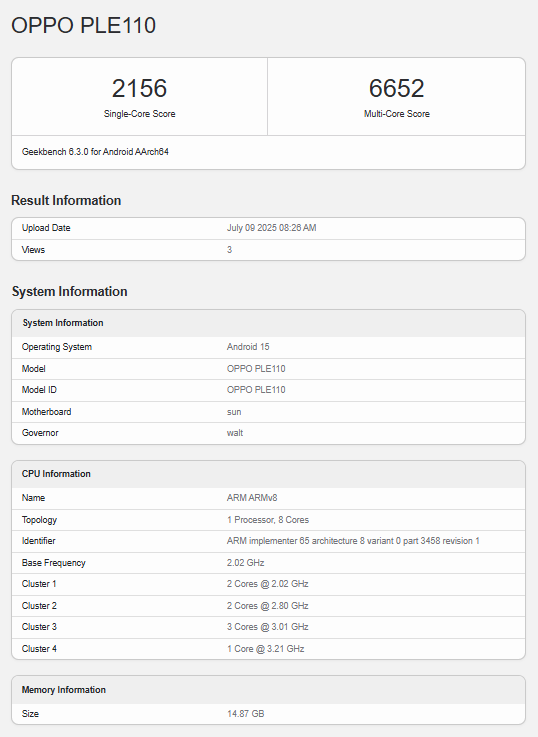
Oppo K13 Turbo Pro Geekbench listing
The Geekbench listing for the Oppo PLE110 reveals a single-core score of 2156 and a multi-core score of 6652. The device runs on a Snapdragon 8s Gen 4 chip, 16GB of RAM, and Android 15.
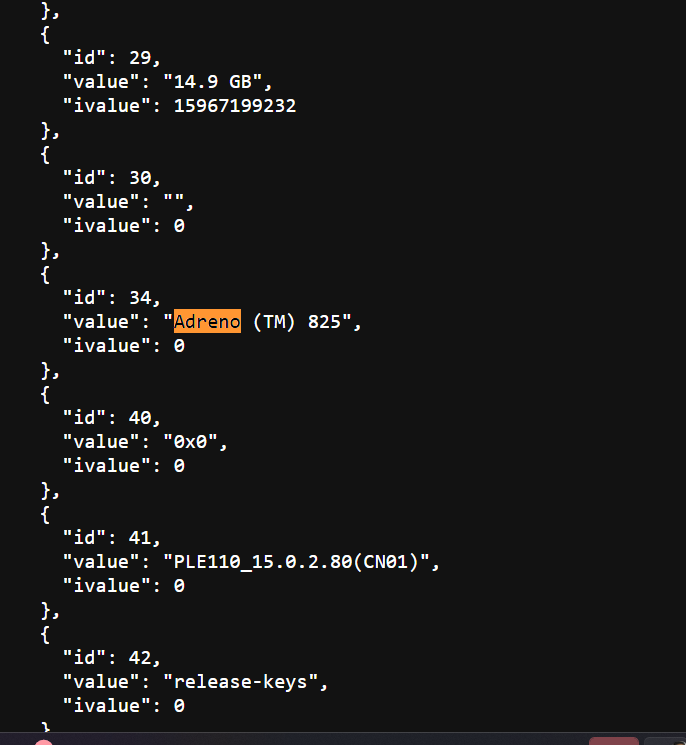
The CPU configuration includes one high-performance core at 3.21 GHz, three cores at 3.01 GHz, two cores at 2.80 GHz, and two cores at 2.02 GHz, providing a balanced mix of speed and efficiency. For graphics, it is equipped with Adreno 825 GPU. Even though the name of the chipset is not mentioned, these technical details are sufficient to conclude that the K13 Turbo (PLE110) is powered by the Snapdragon 8s Gen 4.
Oppo K13 Turbo, K13 Turbo Pro specifications (rumored)
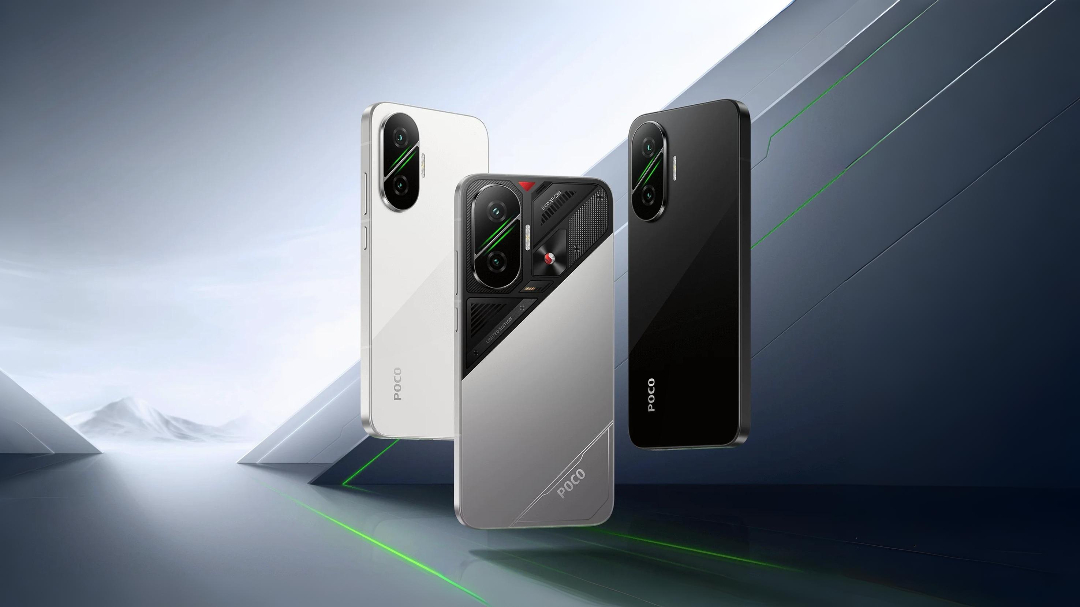
Oppo K13 Turbo schematic by DCS
According to reports, the Oppo K13 Turbo is speculated to house the Dimensity 8450, whereas the K13 Turbo Pro, will feature the Snapdragon 8s Gen 4. This indicates that the Pro edition is poised to compete with devices like the Redmi Turbo 4 Pro and iQOO Z10 Turbo Pro in the Chinese market.
Both variants are expected to sport a 6.8-inch OLED LTPS display with a flat profile, though details on whether it will support a 120Hz or 144Hz refresh rate remain unclear. The cameras are likely to include a 16-megapixel front-facing lens and a dual rear setup with a 50-megapixel primary sensor paired with a 2-megapixel secondary unit.
Additionally, the series is rumored to incorporate an RGB fan for cooling and a substantial battery to support extended usage, making it a strong contender in the mid-to-high-end smartphone segment. Both phones are expected to come in Black Warrior and First Purple shades. While the K13 Turbo will also come in Knight White, the Pro edition may come in Knight Silver.
For more daily updates, please visit our News Section.
Celebrate Prime Day with exclusive TerraMaster storage deals. From July 8 to 11, get up to 20% off on high-performance NAS and DAS devices, great for boosting your data storage and backup setup. Perfect for professionals, businesses, or tech enthusiasts looking for high-speed, high-capacity storage.
TERRAMASTER F6-424 NAS: High-Speed, High-Efficiency 6-Bay NAS for Power Users
Exclusive DEAL:
The TerraMaster F6-424 NAS 6-Bay, powered by an Intel N95 Quad-Core CPU and 8GB DDR5 RAM, is currently available at a limited-time discounted price. Originally priced at $599.99, it’s now on sale for just $479.99, offering a solid 20% savings. This deal is live on Amazon from July 8 to July 11, making it a great opportunity for users looking to upgrade their storage setup at a lower cost. Don’t miss the chance to grab this high-performance NAS at a reduced price while the offer lasts. Buy on Amazon
Powerful Hardware Configuration The TERRAMASTER F6-424 NAS is designed to meet the storage and performance needs of modern users. It runs on a fast Intel N95 quad-core processor with a turbo speed of up to 3.4GHz and includes an integrated UHD GPU for smooth graphical processing. It comes with 8GB of DDR5 memory running at 4800MHz, offering excellent multitasking performance, and can be upgraded to 32GB if needed. Dual M.2 NVMe SSD slots are available for caching, enhancing system responsiveness.
Boosted Performance and Application Speed Thanks to its upgraded CPU and DDR5 RAM, the F6-424 delivers a 140% performance boost compared to earlier models. Applications load 90% faster, and database, file, and photo access speeds are noticeably improved. Web hosting benefits as well, with PHP page response times increased by 60%. These enhancements make the F6-424 suitable for high-load scenarios such as media management, virtualization, and business data handling.
Fast and Flexible Connectivity The F6-424 features dual 2.5GbE ports, supporting link aggregation for up to 5Gbps network bandwidth. In real-world use, it delivers up to 283MB/s transfer speed when paired with four 18TB HDDs in RAID 0. It also includes two USB 3.2 ports for quick data transfer with external drives. RAID options include RAID 0, 1, 5, 6, 10, JBOD, Single, and TerraMaster’s own TRAID and TRAID+.
Easy Setup and Secure Design With a tool-free tray system and push-lock mechanism, setting up the F6-424 is simple and secure. M.2 SSDs can be installed quickly with a sliding cover and hand screws, eliminating the need for extra tools.
Business-Ready Backup Solutions Ideal for small to mid-sized businesses, the F6-424 comes with TerraMaster’s Business Backup Suite, offering centralized backup, cloud sync, off-site recovery, and ransomware protection via snapshot technology.
TERRAMASTER F4-424 Pro NAS: High-Performance 4-Bay NAS for Business Users
Exclusive DEAL:
The TerraMaster F4-424 Pro 4-Bay NAS is now available at a special discounted price for a limited time. Originally priced at $699.99, it’s currently on sale for just $559.99, offering a 20% savings. This exclusive deal is valid from July 8 to July 11 on Amazon, making it the perfect time to upgrade to a powerful business-grade NAS solution. Buy now on Amazon before the offer ends.
Powerful Business-Grade Hardware The TERRAMASTER F4-424 Pro is a high-performance 4-bay NAS designed for small to medium-sized businesses. It runs on a powerful Intel Core i3-N305 processor with 8 cores and 8 threads, turbo-boosting up to 3.8GHz. Combined with a UHD integrated GPU running at 1.25GHz and 32GB of fast DDR5 memory (non-upgradable), this NAS offers excellent performance for demanding workloads. It also includes dual M.2 NVMe slots for SSD caching and dual 2.5GbE Ethernet ports for faster network performance.
Faster Application and Data Handling With its advanced CPU and memory setup, the F4-424 Pro delivers a 150% performance boost over earlier models. It loads applications twice as fast, improves file and photo retrieval by 45%, boosts database response by 55%, and speeds up PHP-based websites by 65%. This makes it an ideal solution for high-load business environments that need reliable speed and efficiency.
High-Speed Connectivity and RAID Support The F4-424 Pro supports dual 2.5GbE ports and delivers up to 283MB/s transfer speeds using four 18TB HDDs in RAID 0. Link Aggregation increases bandwidth up to 5Gbps. Dual USB 3.2 Gen 2 ports allow fast file transfers to and from external devices. The NAS supports RAID 0/1/5/6/10, JBOD, Single, and TRAID configurations, giving users flexibility in data protection and performance.
Tool-Free Installation and Low Noise Design Installing SSDs and hard drives is made simple with a side-sliding cover, tool-free drive trays, and hand-tightened screws. The Push-Lock mechanism ensures secure drive placement. Additionally, the NAS structure features shock-absorbing and noise-reducing panels, making it quieter in operation.
Comprehensive Backup Options The F4-424 Pro includes rich backup solutions like Centralized Backup, Snapshot, Duple Backup, and CloudSync, ensuring data safety across various devices and environments. This makes it a solid storage solution for businesses seeking speed, reliability, and data security.
TERRAMASTER D4-320 External Hard Drive Enclosure: High-Speed, Easy-to-Use 4-Bay USB Storage
Exclusive DEAL:
The TerraMaster D4-320 4-Bay External Hard Drive Enclosure is now available at a limited-time discount. Originally priced at $189.99, it’s on sale for just $151.99, offering a 20% savings. This special deal runs from July 8 to July 11 on Amazon, making it a great time to upgrade your direct-attached storage setup. Grab the deal on Amazon before the offer ends.
Blazing Fast Data Transfer The TERRAMASTER D4-320 is a 4-bay external hard drive enclosure built for speed and efficiency. Using the USB 3.2 Gen2 protocol, it delivers data transfer speeds of up to 10Gbps. When used with four 8TB SATA III hard drives, it can achieve combined read/write speeds up to 1,016 MB/s. Even with just one SATA III SSD, the read speed can reach 510 MB/s, making it a great choice for professionals managing large files. It supports individual hard drives up to 22TB, offering a maximum total capacity of 88TB.
Wide Compatibility and Plug-and-Play Design The D4-320 supports 3.5-inch and 2.5-inch SATA HDDs and SSDs without requiring a RAID setup. It works right out of the box with Windows, macOS, and Linux, with no driver installation needed. Its USB Type-C interface is compatible with USB 3.0, 3.1, 3.2, Thunderbolt 3, and Thunderbolt 4 ports, ensuring flexibility across a range of devices.
Hot Swappable and Tool-Free Setup Thanks to its hot-swappable design, users can replace or add hard drives without shutting down the system. It also features a tool-free hard drive tray and TerraMaster’s Push-lock mechanism, allowing secure and easy drive installation with no extra tools required.
Cool and Quiet Performance To keep things cool and quiet, the D4-320 includes an intelligent temperature-controlled fan and noise-dampening panels. It runs up to 50% quieter than previous models, with standby noise levels under 21 dB(A), making it ideal for office or home use.
This makes the D4-320 an excellent choice for users needing fast, reliable, and quiet storage expansion.
Xiaomi has quietly started rolling out the stable version of Android 16, becoming the first non-Google brand to do so. This major upgrade for Xiaomi devices comes with a new version of its custom skin, HyperOS 2.3, which promises smoother performance, refined animations, and better software experience.
As reported by Xiaomi Time, Xiaomi 15 was the first device to get the Android 16-based HyperOS 2.3 update. The rollout isn’t limited to China, but it’s rolling out globally with the software version OS2.0.217.0.WOCMIXM.
Earlier this week, Xiaomi 14T Pro also began receiving the stable Android 16 update globally. In Europe, the update is tagged with the firmware version OS2.0.214.0.WNNEUXM, while international users are getting it as OS2.0.214.0.WNNMIXM.
While the stable build is currently rolling out to just two devices, Xiaomi is actively beta testing Android 16 on a range of devices, including the Redmi K70 series, Poco F7 series, Poco X7 Pro, Xiaomi Mix Flip, Xiaomi Pad 7 Pro, and more. These devices could soon be blessed with a stable release.
Xiaomi devices automatically check for new updates and notify users when a new update is available, but it won’t be a bad idea to do it manually, especially when a major update has started rolling out.
To check for updates, go to Settings > About phone and tap the HyperOS logo. If an update is available, you can go ahead and install it. Ensure your device has sufficient storage and at least 30% battery. Note that the updates are typically rolled out in an incremental fashion. So, it may take a few days to reach your device.
What’s new in HyperOS 2.3 and Android 16 for Xiaomi devices?
This major upgrade doesn’t introduce radical UI changes or groundbreaking features, but it brings plenty of under-the-hood improvements aimed at a smoother and more consistent user experience.
The HyperOS 2.3 upgrade enhances animations and transitions, and allows better integration with newer apps. The update should also bring the latest security features from Android 16 to keep your Android device safer from emerging threats.
The memory management has been optimized. Users now have more control over their privacy settings. The update also brings a new version of the Privacy Sandbox, enhancing users’ privacy while supporting a healthy advertising ecosystem.
No official confirmation yet
Oddly, Xiaomi hasn’t made an official announcement regarding the Android 16 rollout. There’s also no confirmed release timeline or complete list of eligible devices. That said, since the stable builds are already rolling out, an announcement should arrive soon.
Stay tuned to our Android 16 section for the latest news and confirmed rollout details as they emerge.
Motorola has officially launched the Moto G96 in India, offering an impressive mix of design and specs at an aggressive price point. For under Rs 20,000, this budget phone features an ultra smooth curved AMOLED display, sub-flagship grade main camera, and more. So here’s what you need to know about its specs and pricing details.
Moto G96: What does it offer?
The new Moto G96 sports a 6.67-inch curved pOLED display with a 144Hz refresh rate and FHD+ resolution. This panel also has a 1600 nits of peak brightness, 10 bit colors, Corning’s Gorilla Glass 5 protection, and the brand’s latest Display Color Boost tech. Motorola brings its vegan leather design back on this model along with an IP68 rating for water and dust resistance. The G96 has a slim 7.93mm chassis that is also lightweight (178 grams).
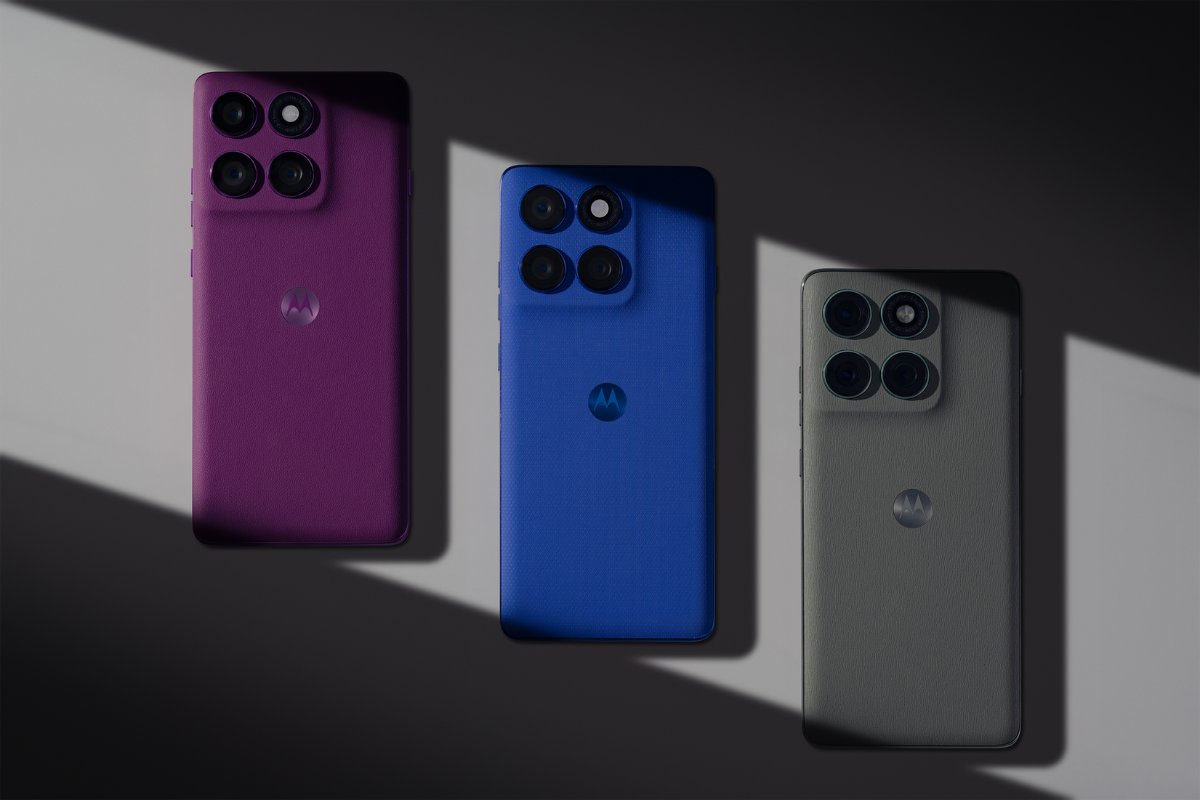
Moto G96 5G
Under the hood, it is equipped with the Qualcomm Snapdragon 7s Gen 2 SoC, which is paired with up to 8GB of RAM and 256GB of internal storage. A large 5,500mAh battery pack powers this model with support for 33W wired fast charging. For optics, the rear has a 50MP Sony LYT700C primary camera, which is a different variant of the main camera found on the OnePlus 13s and the flagship Oppo Find X8. This is paired with an 8MP ultra wide angle lens and a 32MP selfie shooter on the front.
Other notable features include dual SIM support, Water Touch 2.0, dual stereo speakers with Dolby Atmos, Hi Res Audio, NFC, Bluetooth 5.2, and an in-display fingerprint scanner. Motorola has released the Moto G96 in four color variants, namely Ashleigh Blue, Cattleya Orchid, Dresden Blue, and Greener Pastures. It has a starting price tag of Rs 17,999 for the 8GB + 128GB option, while the 8GB + 256GB version costs Rs 19,999. First sale of the Moto G96 kicks off on 16th July 2025 via Flipkart, the brand’s official website, and leading retail stores.
For more daily updates, please visit our News Section.
OnePlus has launched the Nord 5 in India with a strong feature set and aggressive pricing. The phone starts at ₹31,999 and delivers a Snapdragon 8s Gen 3 chipset, 144Hz AMOLED display, 6800mAh battery, and Android 15 with long-term support.
While it is one of the most complete packages in its price segment, it faces serious competition from recent launches by Motorola, iQOO, Poco, and Realme. Each rival brings its own advantages, making the upper mid-range market more competitive than ever.
Poco has introduced the F7 with a Snapdragon 8s Gen 4 chip, 7550mAh battery, and a rugged design. The phone features a 6.83-inch 1.5K OLED flat panel with up to 3200 nits peak brightness and 120Hz refresh rate. It is the only phone in this price range with IP66, IP68, and IP69 certifications for water and dust resistance. The body uses aviation-grade aluminum alloy and CNC machining.
The Poco F7 uses a dual-camera system with a 50MP main sensor and an 8MP ultra-wide lens. The front has a 20MP selfie shooter. The phone runs Android 15 with HyperOS 2 and promises 4 OS and 6 years of security updates. It supports 90W wired and 22.5W reverse charging. Pricing starts at ₹31,999 for the 12GB + 256GB variant.
2. Realme GT 7T
Realme launched the GT 7T with a Dimensity 8400-MAX chip and a 7000mAh battery. It features a 6.78-inch 1.5K OLED display with 120Hz refresh rate and up to 6000 nits peak brightness. The phone runs Android 15 with Realme UI 6.0 and promises 3 Android updates and 4 years of security patches.
The GT 7T includes a 50MP Sony IMX896 main camera with OIS and an 8MP ultra-wide camera. It has a 32MP front-facing camera. The phone supports 120W fast charging and includes Armor Shell Glass and IP69 rating. The base 8GB + 256GB model is priced at ₹34,999.
Please Note: When you buy something using the links in our articles, we may earn a small commission at no cost to you.
3. Motorola Edge 60 Pro
Edge 60 Pro
Motorola launched the Edge 60 Pro at a starting price of ₹29,999. It features a 6.7-inch curved pOLED display with 120Hz refresh rate and up to 4500 nits peak brightness. The phone is powered by the MediaTek Dimensity 8350 Extreme chipset and runs Android 15 with a promise of 3 OS and 4 years of security updates.
The phone includes a triple rear camera setup with a 50MP main sensor, 50MP ultra-wide lens, and 10MP 3x telephoto camera. The front has a 50MP autofocus camera. Motorola has equipped the Edge 60 Pro with a 6000mAh battery, 90W fast charging, 15W wireless charging, and IP68 + IP69 ratings for water and dust resistance. It also has MIL-STD-810H certification, which adds to its ruggedness.
Please Note: When you buy something using the links in our articles, we may earn a small commission at no cost to you.
4. iQOO Neo 10
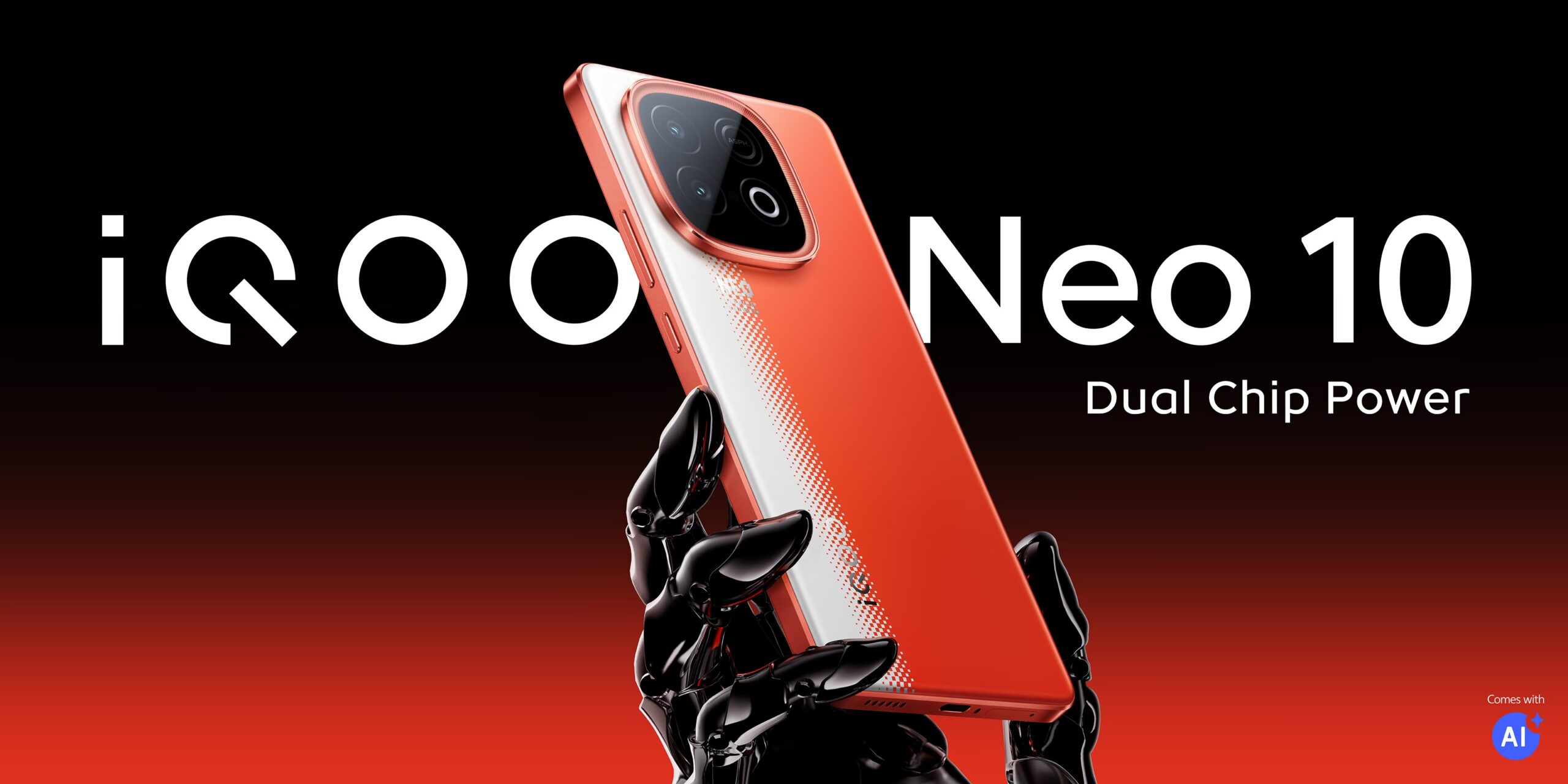
iQOO has launched the Neo 10 in India with a Snapdragon 8s Gen 4 processor and up to 16GB LPDDR5X RAM. It features a 6.78-inch 1.5K AMOLED display with a 144Hz refresh rate and up to 5500 nits brightness. The phone includes a dedicated Q1 graphics chip for 144FPS upscaling and iQOO’s largest-ever 7K Ice Dome VC cooling system.
The Neo 10 runs Android 15 with Funtouch OS 15 and supports 3 years of Android updates. It has a 50MP main camera with Sony IMX882 sensor and an 8MP ultra-wide lens. The phone also includes a 32MP front camera. A 7000mAh battery powers the device, with 120W wired charging for a full charge in 36 minutes. The Neo 10 is priced from ₹31,999 and focuses on gaming, thermal efficiency, and battery life.
Insta360 has released a new version of its X5 action camera, made for motorcycle riders. Called the Insta360 X5 BMW Motorrad Edition, this limited edition model includes new features designed for use on the road.
The camera has the same 8K 360-degree video recording as the regular X5, but it now comes with BMW Motorrad branding on the back cover and accessories. Inside, the interface and stats dashboard have a BMW theme and can show real-time riding data like speed and distance directly on the footage.
One of the main new features is the BMW Motorrad Mini Remote. It attaches to the handlebar and lets riders start or stop recording with a single tap. It also allows switching between fixed camera views and full 360 video using InstaFrame Mode, without taking hands off the bar.
The camera includes a new 2800 mAh Ultra Battery that lasts up to 17 percent longer than the standard battery. It also comes with a BMW-branded carry pouch that has a stronger zipper and a new design. The camera arrives in a new box with visuals focused on its use for riders.
It supports PureVideo Mode for better video quality in different riding conditions. The camera is waterproof and built to handle tough weather. FlowState Stabilization keeps footage smooth, and the Invisible Selfie Stick helps create clean, cinematic shots.
The Insta360 X5 BMW Motorrad Edition is now available worldwide in limited numbers. It is priced at 599.99 dollars on the Insta360 store. The company is also running a giveaway, and the winner will be announced on July 18.
OnePlus has launched the Pad Lite tablet in Europe, offering a budget-friendly option with key features for everyday use. It comes with an 11-inch display that has an 85.3 percent screen-to-body ratio and a 16:10 aspect ratio. The screen supports 10-bit color with 1 billion colors and up to 500 nits of brightness. Eye Comfort mode helps reduce eye strain by limiting blue light and screen flicker.
The tablet has a quad-speaker system certified for Hi-Res Audio. OnePlus’ Omnibearing Sound Field technology adjusts sound direction based on screen orientation, making it suitable for watching videos, playing games, or listening to music.
The Pad Lite is 7.39mm thick and weighs 530 grams. It comes in Aero Blue with a sandblasted finish for better grip. It runs on the MediaTek Helio G100 processor built on a 6nm process and uses OxygenOS 15.0.1. OnePlus says the device will remain smooth even after 36 months of use.
It includes a 9340mAh battery that supports up to 80 hours of music, 11 hours of video playback, and up to 54 days of standby. It can be charged with a 33W SUPERVOOC fast charger.
The Pad Lite supports features like Screen Mirroring, Clipboard Sharing, and Shared Gallery with OnePlus phones. It also allows Quick Share for Android and O+ Connect for iOS and iPadOS devices. The Open Canvas feature lets users open two apps side by side with adjustable windows.
For families, the Pad Lite includes OnePlus Kids Mode, which offers screen time limits, app control, and built-in eye protection. It also comes with Google Kids Space preloaded.
Please Note: When you buy something using the links in our articles, we may earn a small commission at no cost to you.
Pricing & availability
The tablet is available in Aero Blue. The 6GB RAM and 128GB storage version is priced at £169 or €199. The 8GB RAM version with LTE and 128GB storage costs £199 or €229. Buyers can choose a free gift between a SUPERVOOC 80W charger or a folio case. Availability details have not been confirmed yet.
For more daily updates, please visit our News Section.
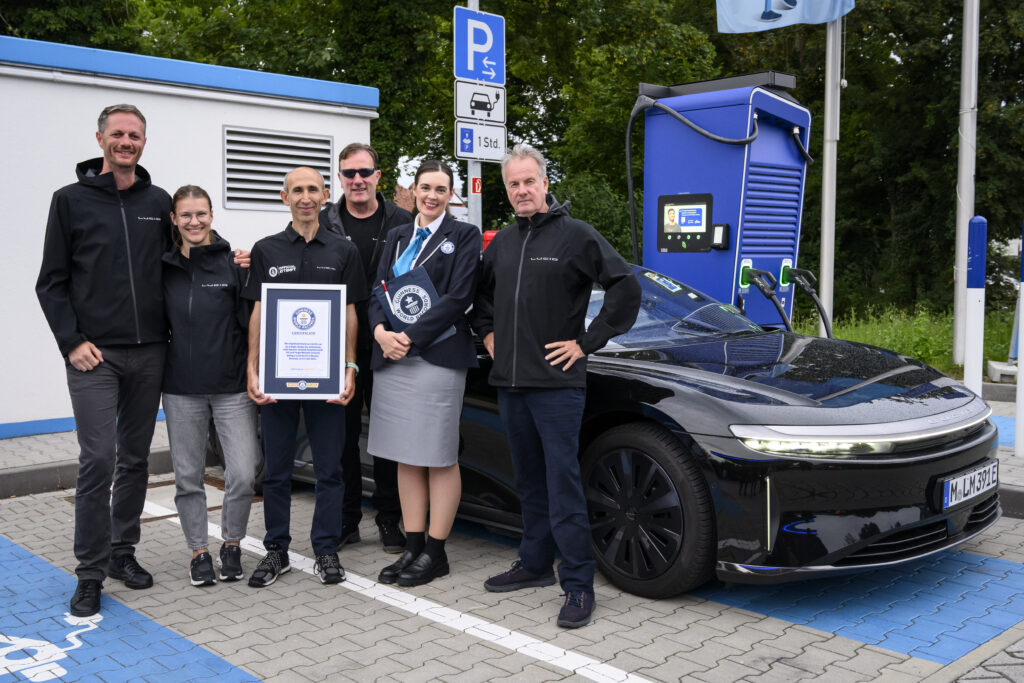
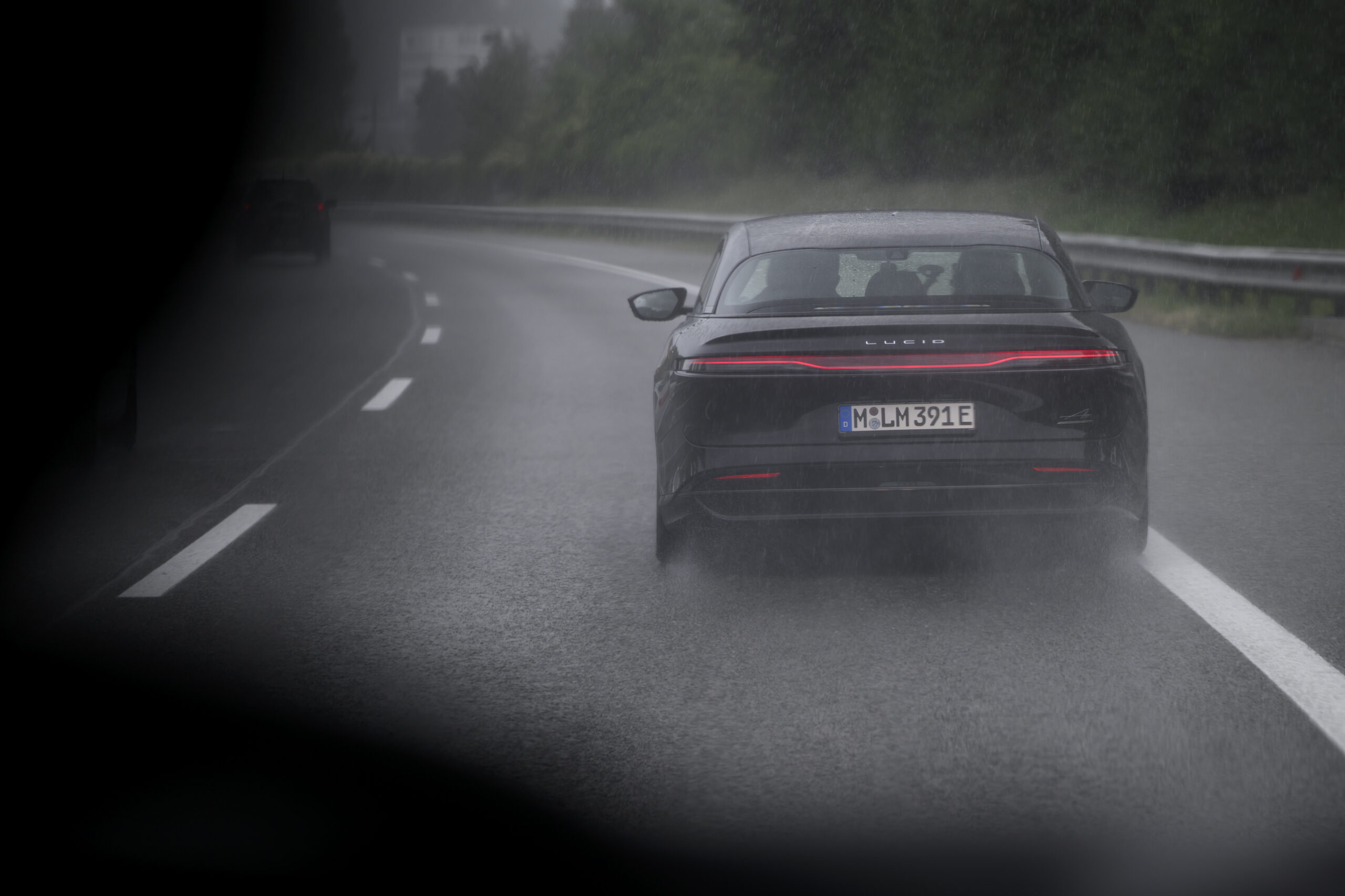
Lucid Motors has set a new Guinness World Record for the longest distance driven by an electric car on a single charge. The Lucid Air Grand Touring traveled 1,205 kilometers from St. Moritz, Switzerland to Munich, Germany without stopping to charge. The drive included alpine roads, highways, and secondary roads. This beats the previous record of 1,045 kilometers set in June 2025 by 160 kilometers.
The Lucid Air Grand Touring is powered by the company’s proprietary electric powertrain. It delivers 831 PS and has a WLTP range of 960 kilometers. It uses as little as 13.5 kWh per 100 kilometers and can reach a top speed of 270 kilometers per hour. The car supports ultra-fast charging, allowing it to add up to 400 kilometers of range in 16 minutes. It seats five and features a spacious interior made from premium materials.
This is the second Guinness World Record involving Lucid and London-based entrepreneur Umit Sabanci. In 2024, Sabanci drove a Lucid Air Grand Touring across nine countries on a single charge, setting the record for most countries visited in a production electric vehicle without recharging.
Sabanci said this new journey builds on that achievement. “When I completed the nine-country trip in 2024, it was just the beginning,” he said. “This new record shows how far electric cars can really go. It’s not just the future. It’s already happening.”
Lucid’s Senior Vice President of Product and Chief Engineer Eric Bach said the record proves Lucid’s lead in EV technology. “Lucid vehicles use less energy and go further than any other EV on the market,” he said.
The Lucid Air Grand Touring is rated at 611 kW, with WLTP-tested ranges between 817 and 960 kilometers. The actual range could vary depending on driving behavior, traffic, road conditions, and weather.
For more daily updates, please visit our News Section.
Razer has launched the BlackWidow V4 Tenkeyless HyperSpeed, a wireless gaming keyboard built for performance and customization. It is available now through Razer and Amazon for $179.99.
The keyboard features Razer’s Gen-3 Orange Tactile Mechanical Switches and supports both 3-pin and 5-pin hot-swappable switches. Users can easily switch out the keys to adjust sound and feel. Inside, it includes dual-layer dampening foam, factory-lubricated stabilizers, a steel top plate and pre-applied PCB tape to improve sound and reduce noise.
There is a multi-function roller and three control buttons for quick access to media, volume and battery status. These can be customized using Razer Synapse software.
The keyboard connects wirelessly using Razer HyperSpeed Wireless, offering low-latency performance used by esports players. It can also pair with up to three devices over Bluetooth and can connect with a compatible Razer mouse using a single dongle.
For lighting, the BlackWidow V4 Tenkeyless HyperSpeed includes Razer Chroma RGB with per-key lighting. It supports integration with over 300 games and apps. Users can create lighting profiles in Razer Chroma Studio. The white steel plate helps reflect light more evenly.
Battery life is a key feature, with up to 980 hours of use when Power Saving Mode is enabled. This mode can be turned on by holding the battery button for three seconds. Tapping the button lights up the number row to show how much charge is left.
To complete the setup, the Razer Cobra Pro mouse is currently available at 21 percent off its $129.99 price.
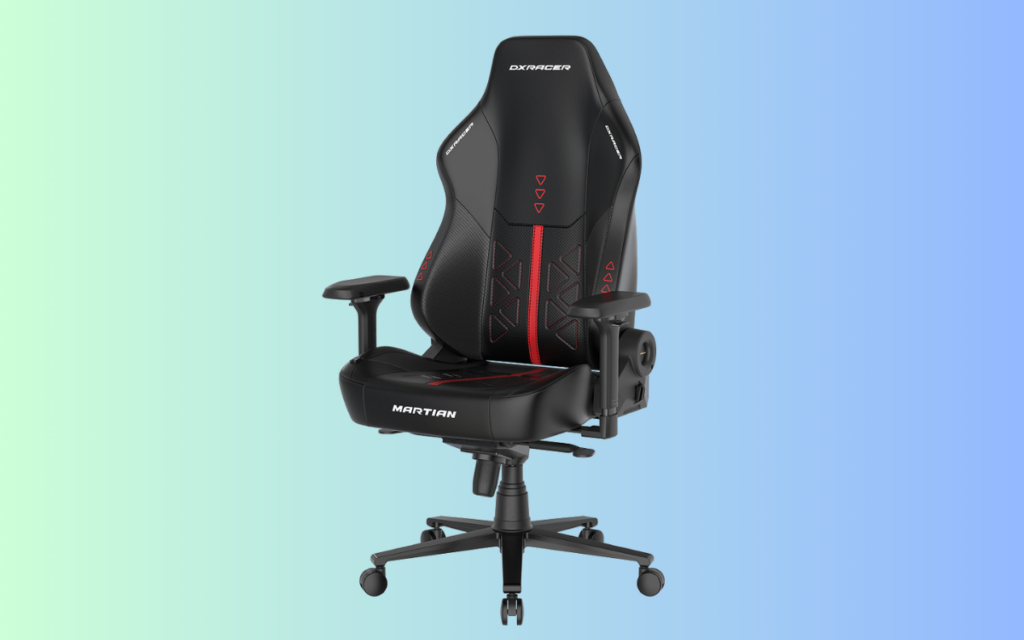
DXRacer has announced a global strategic partnership with professional CS:GO player Kenny “kennyS” Schrub, naming him its first-ever Global Brand Ambassador. The company says kennyS will represent its full range of gaming chairs and desks worldwide, starting with the debut of the new Martian-Pro series electric gaming chair.
The partnership highlights a long-running connection between DXRacer and kennyS, who rose to fame during the early days of competitive CS:GO. DXRacer supported kennyS throughout his career, including his Major championship win with Team EnVyUs in 2015 and multiple MVP awards. The company aims to celebrate that legacy while appealing to a new generation of gamers.
As part of the collaboration, DXRacer has introduced the Martian-Pro Series Electric Gaming Chair. The chair includes several high-end features, including motorized reclining adjustment (90°-135°), customizable 4D lumbar support, and a 360-hour high-capacity lithium-ion battery. The battery powers features such as a vortex fan with a honeycomb ventilation system and a triple-mode heating setup designed to combat cold during long gaming sessions.
The chair also includes 4D magnetic armrests for flexible support and an 8-point vibration massage system with six massage modes. DXRacer says the chair is designed for long-term comfort and ergonomic support during intense or extended gameplay.
In related news, Lenovo recently launched the Legion C7 Pro gaming chair in China for 1,399 yuan (around $195). It features a pneumatic lumbar support system, high-density cold-foam cushioning, and a reinforced steel base rated for 1300kg. The chair is available in Ice White, Carbon Black, and Flame Red, designed for ergonomic comfort during long sessions.
For more daily updates, please visit our News Section.
Samsung‘s 7th-generation foldables are only hours away from their big reveal, and some leaked marketing materials have already confirmed key details. While most of the information in the alleged promo content aligns with earlier leaks and rumors, there’s a surprising twist — and it’s about the Flip7 FE. But for the uninitiated, let’s go through the basics first.
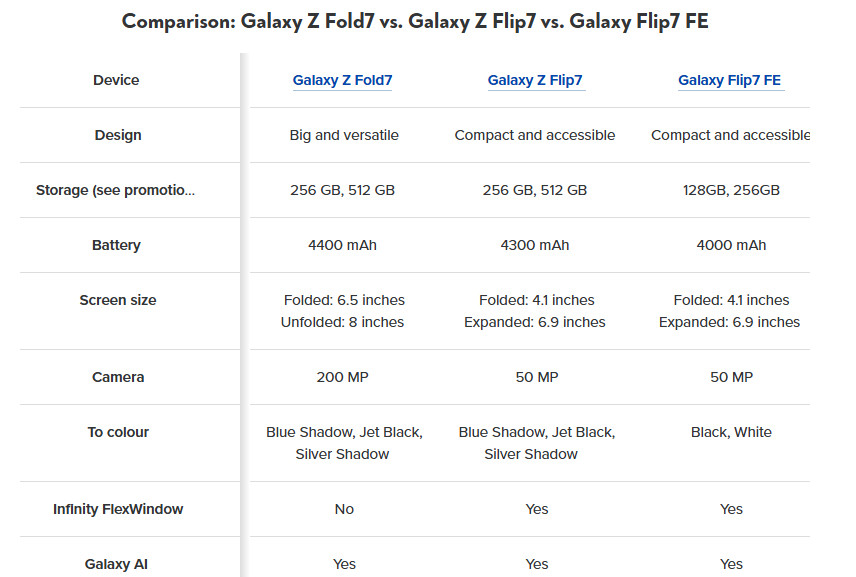
According to the alleged marketing material, the Galaxy Z Flip7 packs “the thinnest bezel on a Galaxy Z Flip to date,” reaffirming a recently leaked real-life image of the phone. It features a 4.1-inch cover display, per another leaked “official Samsung promo” shared by tipster Ronald Quandt. The promo refers to it as an “Infinity FlexWindow.”
Now, about that twist — the same promo material says the Galaxy Z Flip7 FE, which is expected to be a rebranded Z Flip6 powered by the Exynos 2400, also includes a 4.1-inch cover display. The Flip6 had a 3.4-inch cover screen. If this holds true, the Flip7 FE could become a very appealing option for Galaxy fans, offering nearly identical hardware at a lower cost — save for the chipset swap from the Flip7’s Exynos 2500 to the FE’s Exynos 2400. Still, take it with a pinch of salt, as it sounds almost too good to be true. Most previous leaks and renders hinted at a Flip6-like design for the FE.
The Z Flip7 is said to feature a 4,300mAh battery, while the Flip7 FE sticks to a 4,000mAh unit — a reasonable trade-off. The standard Flip7 will reportedly come in three premium colors: Blue Shadow, Jet Black, and Silver Shadow. Meanwhile, the FE version will keep it simple with White and Black options.
Both phones are also set to feature the latest AI innovations from Samsung and Google. One of the alleged promo slides reads: “Don’t search, ask! Google Gemini gives you real-time answers to whatever you’re looking for.”
That said, we’ll have to wait until the official event for more concrete details. In the meantime, check out the details about the Z Fold7 here.
Apple and Samsung are gearing up for a design showdown in 2026. Leaks suggest that while the iPhone 17 Pro Max could get noticeably thicker, the Galaxy S26 Ultra might go the other way—getting slimmer and lighter. It’s a clear sign that the two smartphone giants may be taking very different paths with their next-gen flagships.
Right now, the iPhone 16 Pro Max and Galaxy S25 Ultra are nearly identical in size and weight, both measuring around 163 x 77.6 x 8.3mm and tipping the scales at 227g and 218g, respectively. But according to new leaks shared by tipster @UniverseIce, big changes are coming.
The iPhone 17 Pro Max is reportedly getting thicker, with a depth of 8.76mm. That’s a noticeable bump, possibly to accommodate a larger battery and upgraded camera sensors. Meanwhile, the Galaxy S26 Ultra is said to slim down to somewhere in the 7.xmm range—likely around 7.9mm—according to @TheGalox_. This would follow Samsung’s recent trend toward sleeker designs, as seen in the 8.9mm-thick Galaxy Z Fold7.
Part of that slimming might come from the rumored removal of the S Pen digitizer in the S26 Ultra, and the brand’s new lens technology. Despite the slimmer profile, the phone is still expected to keep its 5,000mAh battery and 200MP (1/1.3″) main sensor. Unfortunately, the rest of the cameras may remain mostly, if not entirely, unchanged.
On the other side, Apple’s move to a thicker body could be aimed at improving thermal performance for the upcoming A19 Pro chip and supporting more advanced “Apple Intelligence” features. The added thickness might also mean better battery life and camera performance—though it could push the iPhone’s weight beyond 227g. By comparison, the Galaxy S26 Ultra could end up lighter than its predecessor, possibly dropping below 218g.
This divergence sets up an interesting contrast: Apple may focus on raw power and endurance, while Samsung leans into portability and ergonomics. Depending on what users value more—performance or comfort—this design shift could tip the balance.
If the leak proves accurate, the iPhone 17 Pro Max and Galaxy S26 Ultra are on track for a major design split when they arrive in early 2026. Which approach will win out? We’ll find out soon enough.
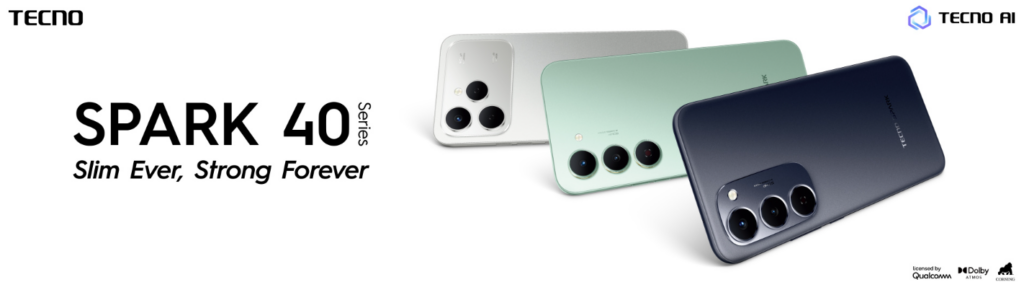
TECNO officially unveiled its all-new SPARK 40 Series, aiming to redefine entry-level and mid-range smartphones. With four new models, SPARK 40 Pro+, SPARK 40 Pro, SPARK 40, and SPARK 40C, the brand has packed advanced technology, premium design, and AI features into budget-friendly devices.
Ultra-Slim Build with Modern Appeal
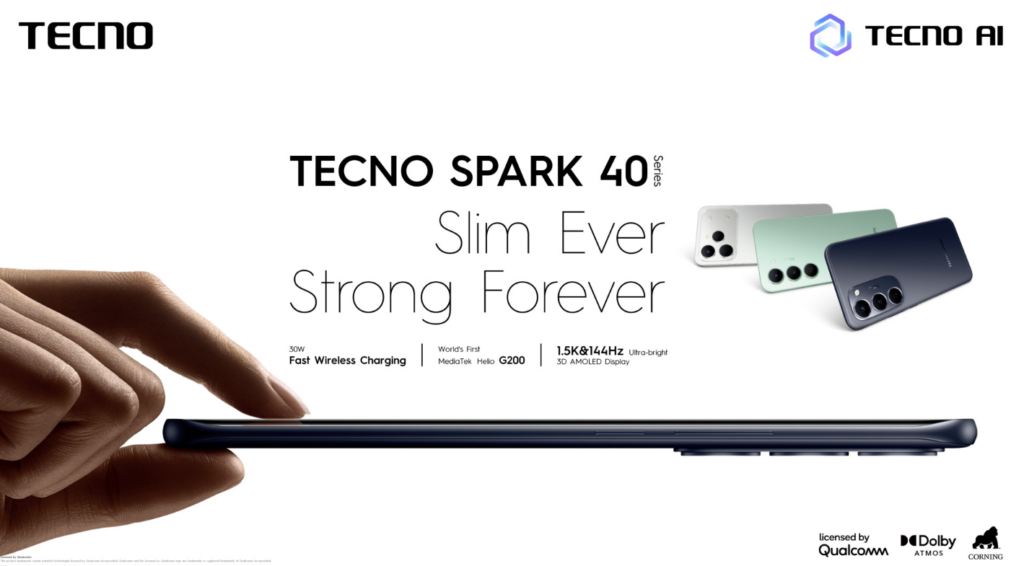
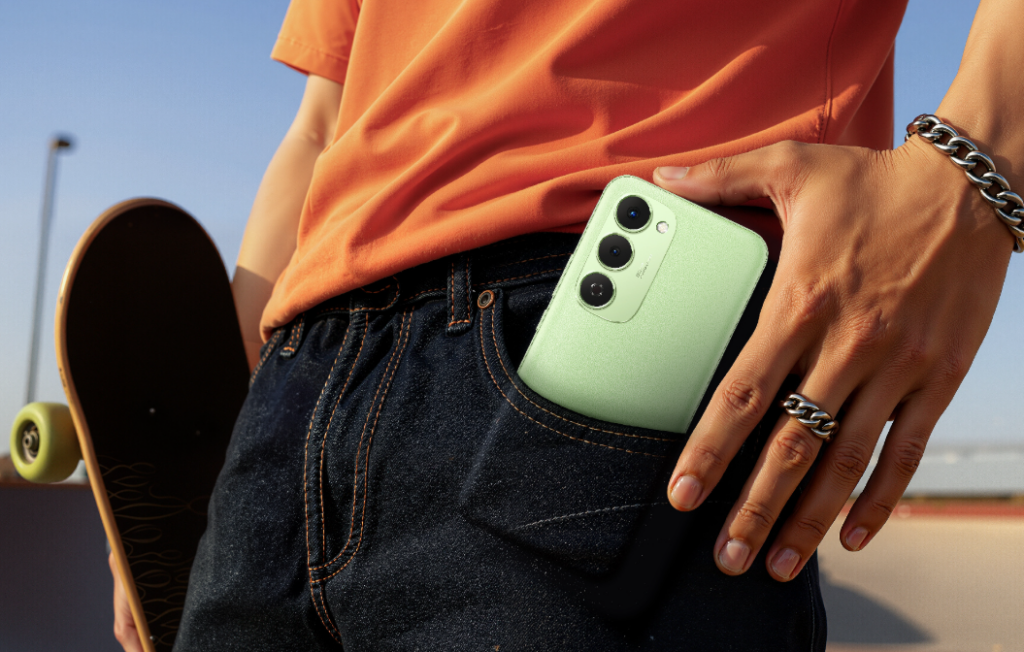
One of the standout features of the SPARK 40 Series is its ultra-slim design. The SPARK 40 Pro+ takes the spotlight as the world’s thinnest curved wireless charging phone at just 6.49mm. The SPARK 40 Pro is close behind at 6.69mm. Each device comes in four trendy colors, including matte black, white, and titanium shades that appeal to Gen Z users. The build is not only stylish but also durable, with IP64 dust and water resistance. The Pro+ and Pro models are protected by Corning® Gorilla Glass 7i, ensuring they can survive drops from up to 1.5 meters. The phones also function smoothly with wet or oily fingers, a practical bonus for everyday use.
Powerful Performance with Long-Lasting Battery
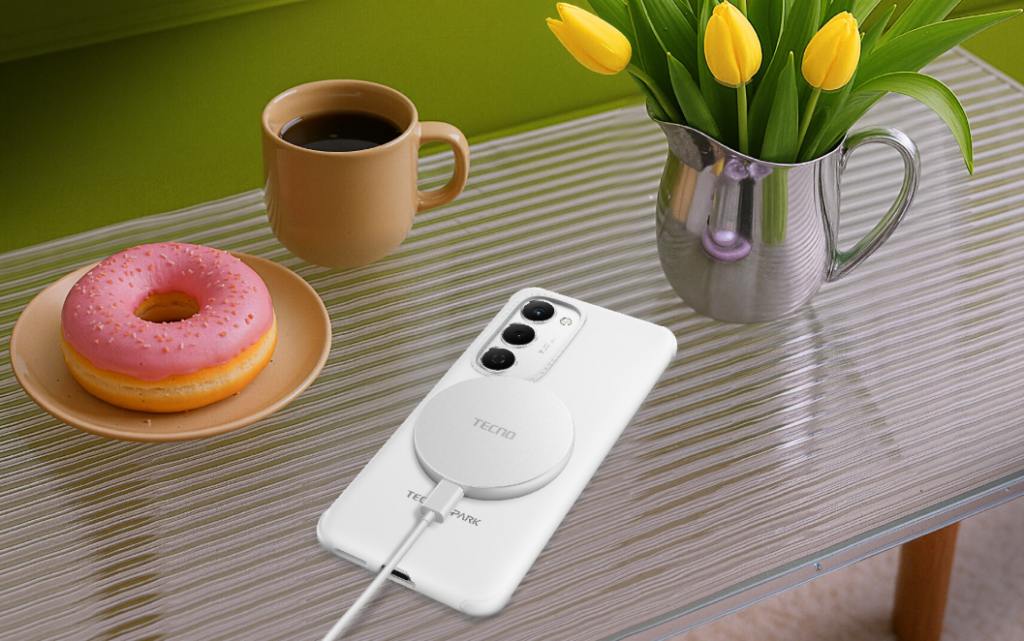
The SPARK 40 Pro+ debuts the world’s first MediaTek Helio G200 processor built on a 6nm process. This chip reaches an impressive AnTuTu score of approximately 470,000, promising fast and smooth performance. The SPARK 40 Pro is powered by the capable G100 Ultimate processor. All main models in the series come with a 5200mAh battery, supporting 45W Super Flash Charge. The Pro+ model introduces 30W wireless fast charging, the first in its price segment, along with 5W reverse wireless charging. A bypass charging feature helps reduce heat during gaming sessions. TECNO promises 80% battery health even after 2000 full charge cycles and offers a five-year performance guarantee.
Flagship-Grade Display and Audio
Both the SPARK 40 Pro+ and Pro feature a 6.78-inch AMOLED display with 1.5K resolution and a 144Hz refresh rate, offering vibrant visuals and ultra-smooth scrolling. The 2160Hz touch sampling rate ensures lightning-fast response, and the peak brightness of 4500 nits makes them the brightest in their class. The display is SGS Low Blue Light Certified, providing eye comfort for prolonged usage. Audio quality is enhanced by dual stereo speakers with Dolby Atmos support, offering an immersive entertainment experience.
AI Features and Smart Systems
TECNO has deeply integrated AI into the SPARK 40 Series through its assistant “Ella,” which is powered by leading platforms like ChatGPT, DeepSeek, and Gemini. Users can enjoy smart tools such as Circle to Search, live call summarization, background object removal in photos, and real-time document-to-text conversion. Translation features are also AI-powered. The series runs on HIOS 15, TECNO’s latest software system, which supports a dual system mode and a more user-friendly interface.
Photography and Connectivity
The main camera across the SPARK 40 Series is a 50MP ultra-clear sensor. The Pro+ variant includes Electronic Image Stabilization (EIS) and TECNO’s RAW domain algorithm for more natural-looking images. For connectivity, the series includes modern tools like Super WiFi 2.0, GPS 2.0, NFC, and even an IR remote control. The FreeLink offline sharing feature allows device-to-device file transfer up to 200 meters, even in complex environments.
A Strong Value Package for Budget Buyers
With this launch, TECNO has raised the bar for what budget and mid-range smartphones can deliver. From ultra-slim, durable design to AMOLED displays, wireless charging, and advanced AI features, the SPARK 40 Series offers a premium experience at an affordable price. It is ideal for first-time smartphone users and anyone seeking a reliable, stylish upgrade without breaking the bank.
OnePlus has launched its new Buds 4 true wireless earbuds in India, priced at Rs. 5,999. The new earbuds arrive alongside the Nord 5 smartphone series and expand OnePlus’ fourth-generation audio lineup in the country.
OnePlus Buds 4 Specifications
The OnePlus Buds 4 are available in Zen Green and Storm Grey colors. They feature a dual-driver setup with an 11mm woofer that uses a 30-layer ceramic-metal diaphragm and a 6mm flat-diaphragm tweeter.
The earbuds also include dual DACs to improve frequency separation. OnePlus claims a wide frequency response of 15Hz to 40kHz, along with support for Hi-Res Audio and LHDC 5.0 codec at up to 1Mbps and 24-bit/192kHz.
The earbuds support adaptive noise cancellation up to 55dB across a 5,500Hz range, which OnePlus claims is its most powerful ANC to date. They include an Adaptive Mode that switches automatically between ANC and transparency based on the surrounding environment. For calls, the Buds 4 feature a triple-microphone setup and use an AI Clear Call algorithm to enhance voice clarity in noisy conditions.
OnePlus has also added a new AI Translation feature that offers real-time language translation activated by a triple-tap gesture, though it is exclusive to select OnePlus phones. The earbuds also support OnePlus 3D Audio, personalized Golden Sound tuning, Sound Master EQ presets, and BassWave 2.0 technology for enhanced bass performance.
The Buds 4 support touch controls, including volume swipes, tap gestures, and long presses to toggle noise modes. They also feature IP55 water resistance, Bluetooth 5.4, Google Fast Pair, dual-device connection, and a 47ms low-latency mode for gaming.
The earbuds offer up to 45 hours of battery life with ANC turned off and up to 37 hours with ANC on. A quick 10-minute charge provides up to 11 hours of playback when using the charging case. Each earbud is equipped with a 62mAh battery, and the case contains a 520mAh battery.
Please Note: When you buy something using the links in our articles, we may earn a small commission at no cost to you.
Pricing and Availability
The OnePlus Buds 4 is priced at Rs. 5,999 and will go on sale starting July 9 at 12 PM IST, and will be available via Amazon, Flipkart, Myntra, OnePlus.in, and major offline retailers including Croma, Reliance Digital, and OnePlus Experience Stores.
For more daily updates, please visit our News Section.
The OnePlus Nord CE 5 has officially arrived, and it brings a host of meaningful upgrades over last year’s Nord CE 4 (Review). From a significantly larger battery to a faster chipset, OnePlus has focused on refining both performance and practicality. So here’s a quick breakdown of everything that’s new and improved compared to its predecessor.
1. OnePlus Nord CE 5 vs Nord CE 4: Design and Display
OnePlus Nord CE 5
With the latest Nord series, OnePlus refreshed the design that makes the new Nord CE 5 look more refined over the Nord CE 4. While the chassis is quite similar in terms of measurements in both models, the Nord CE 5 weighs a heavier 199 grams. But this additional heft isn’t for no reason, which we will discuss before.
On the front, the Nord CE 5 sports a taller 6.77-inch AMOLED display with a 120Hz refresh rate and FHD+ resolution. The Nord CE 4 has a similar 6.7-inch AMOLED screen with an identical refresh rate and resolution, but the brightness on the Nord CE 5 has a higher 1430 nits peak.
Please Note: When you buy something using the links in our articles, we may earn a small commission at no cost to you.
2. Performance
OnePlus Nord CE 4
The OnePlus Nord CE 5 makes a notable departure from Qualcomm and features the new MediaTek Dimensity 8350 Apex SoC. This chipset brings big improvements in both CPU and GPU performance compared to the Nord CE 4’s Snapdragon 7 Gen 3. So it is easily the better choice for day-to-day use and even mobile gaming.
3. Battery
OnePlus Nord CE 4 was a great budget phone with a sizeable 5,500mAh battery pack and an impressive 100W wired fast charging support. The latest model gets a slight downgrade this year with an 80W wired fast charging speed, but the battery pack takes things to the next level. The Nord CE 5 is powered by an absolutely mammoth 7,100mAh cell. Pairing this with the new chip, the CE 5 will easily deliver better battery life.
4. Software Support & More
Since the Nord CE 5 is newer, it runs on Android 15 OS out of the box, instead of the CE 4’s original Android 14 OS. In other words, users get longer software support as well. OnePlus is only offering 2 years of major Android updates and 4 years of security patches on the CE 4, compared to the 4 years of Android updates and 6 years of security patches on the CE 5. Among the other smaller upgrades, there is a new IR blaster on the Nord CE 5, updated Bluetooth 5.4, and NFC support
For more daily updates, please visit our News Section.
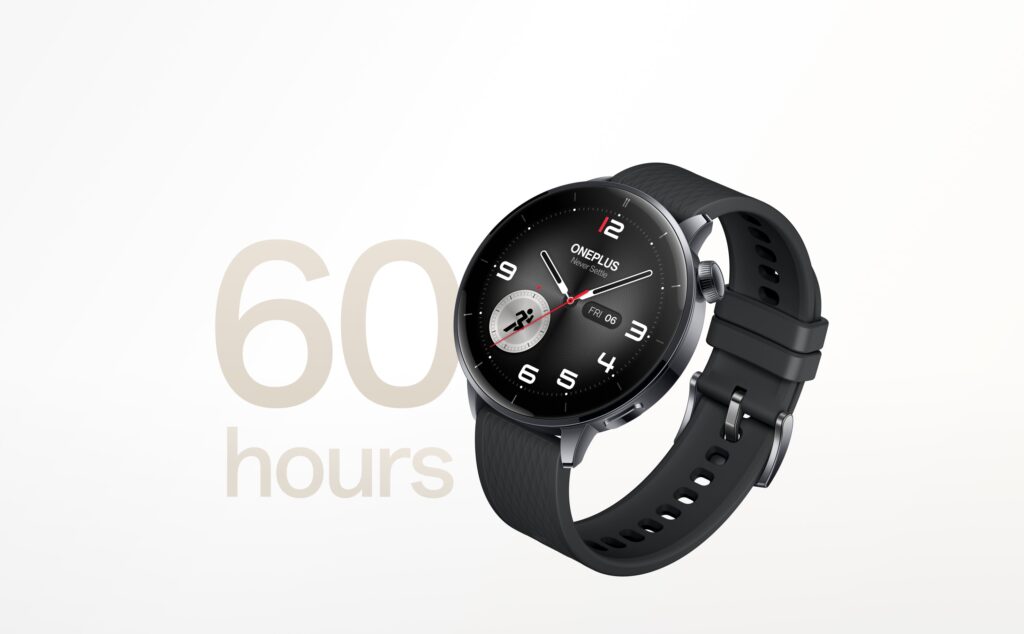
OnePlus has released a new version of its smartwatch, the 43 mm Watch 3. It is smaller, lighter, and slightly cheaper than the 46 mm model, but offers the same core features. While it shares specs with the Oppo Watch X2 mini, the OnePlus version will be available globally.
The 43 mm Watch 3 has a slimmer dial and weighs 37.8 grams. It comes with a 1.32-inch display, compared to the 1.5-inch screen on the 46 mm version. Both are powered by the Snapdragon W5 Gen 1 chip, paired with the BES2800 MCU, 2 GB of RAM, and 32 GB of storage.
Battery life on the 43 mm model is lower due to its size. OnePlus says it lasts up to 7 days in power saver mode. The larger 46 mm model offers up to 16 days.
The Watch 3 supports over 100 sports modes and can auto-detect six types of workouts. It includes standard health tracking features, but it does not support the 60-second health check-in because it lacks a temperature sensor.
The 43 mm Watch 3 is priced at $299.99 on the OnePlus official website. The 46 mm model is priced at $349.99. There are no promotional discounts on the Watch 3, but a trade-in program is available.
For more daily updates, please visit our News Section.
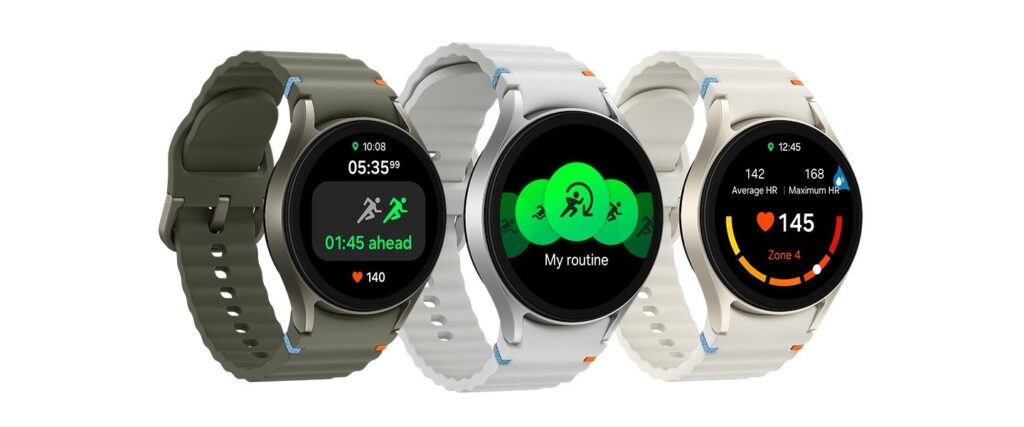
As you might already know that Amazon is holding a Prime Day 2025 Sale right now. Amazon is giving a huge discount of up to 50% on all categories. We have also posted Top picks from Prime Day Sale 2025 US, you must go through it. In a new deal, the Samsung Galaxy Watch 7 is up for grabs for just $159(47% OFF). If you’re looking for a smartwatch, this is the best one out there with this price tag.
Galaxy Watch 7 deal details
The discount is available on the Samsung Galaxy Watch 7 (40mm Bluetooth model). The launch price of the smartwatch is $299 for the 40mm model. Now at the Amazon Prime Day Sale 2025, the Galaxy Watch 7 price is down to just $159 with a 47% discount. Moreover, if you’re planning to make a purchase, don’t wait too long—the sale is only valid until stocks run out.
Please Note: When you buy something using the links in our articles, we may earn a small commission at no cost to you.
Samsung Galaxy Watch 7 Specification and Features
It features a 1.3-inch Super AMOLED display with a 432 x 432 pixels resolution. Galaxy Watch 7 has a circular design with a silicone strap, it is designed to help users to fulfill their health and lifestyle goals. You can now track over 100 workouts and build personalized routines using Workout Routine, enhanced sleep tracking with De Novo FDA-authorised Sleep Apnea detection feature that allows for proactive monitoring of potential signs of sleep apnea.
It is powered by a new 3nm penta-core Exynos W1000 processor. The smartwatch is paired with 2GB of RAM and 32 GB of storage. Samsung Galaxy Watch 7 includes heart rate alerts, ECG, body composition measurement, menstrual cycle tracking, and fall detection. The smartwatch has voice-to-text that is very useful in replying to a message from your watch. Galaxy Watch 7 houses a 300mAh battery and is equipped with L1 + L5 dual-frequency GPS.
Skullcandy has released the Hesh 540 ANC, a new pair of over-ear headphones priced at $149.99 or €129.99. They’re available now in True Black and Bone.
The Hesh 540 ANC comes with active noise cancellation powered by four built-in microphones. Users can adjust the noise cancellation level, or switch to Stay Aware mode to let outside sounds in when needed.
Battery life is up to 65 hours without ANC and around 50 hours with it on. A quick 10-minute charge gives up to 4 more hours of use. The headphones also have wear detection, which auto-pauses or resumes playback when you take them off or put them on.
The standout feature is support for THX Spatial Audio, which gives a 3D sound experience across music, movies, and games. Users can customize the sound using Personal Sound by Mimi and built-in EQ presets.
For connectivity, the headphones use Bluetooth 5.3 and support Google Fast Pair and multi-point pairing to stay connected to more than one device at a time. There’s also a 3.5 mm jack for wired listening. Other features include a foldable design and one-touch access to voice assistants.
In other news, Skullcandy has also recently launched the Aviator 900 ANC wireless headphones. Key highlights include 40mm drivers, adaptive ANC via six microphones, THX Spatial Audio with head tracking, and a mini LED screen for battery and volume info. Battery life is up to 60 hours (50 with ANC), with 4 hours of playback from a 10-minute charge.
For more daily updates, please visit our News Section.
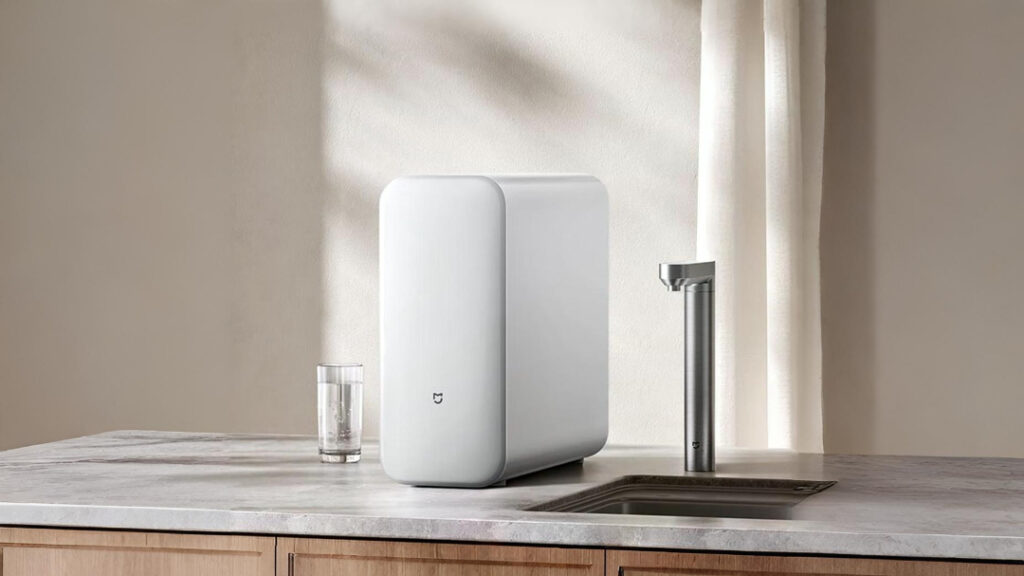
Xiaomi has introduced a new addition to its home appliance lineup with the launch of the Mijia Water Purifier S1 1200G. The purifier is now available for reservation and will officially go on sale in China starting July 15. It is priced at 1,999 yuan (approximately $275).
Mijia Water Purifier S1 1200G Specifications
The S1 focuses on speed and safety. It features a 1200G turbidity flow system that delivers water at a flow rate of 3.21 liters per minute. Xiaomi claims it can fill a 150mL glass in just 2.8 seconds, making it suitable for households that need quick and frequent access to clean drinking water.
The purifier holds dual certifications for mother-and-baby-grade purification and high-standard water quality. Xiaomi says the S1 passes nearly 100 water quality checks. It uses a multi-stage PPC and RO filtration system that can remove 99.9% of lead, 99.8% of cadmium, and 100% of E. coli. The RO membrane is rated to last up to five years, and the daily cost of operation is estimated at 0.15 yuan.
To prevent stale water buildup, the S1 includes a Zero-Stale-Water 3.0 system that flushes internal piping by redirecting purified water through the PPC filter. This system is designed to maintain freshness even with irregular use.
The compact body includes a 3.0-liter internal water tank and a wide-mouth 3.0-inch outlet that reduces splashing during pours. The purifier uses an IPX7-rated smart faucet with a digital display to show water quality and output volume in real time. It offers four preset flow levels and uses a precision rectifier to maintain steady, controlled pouring.
The purifier connects with Xiaomi’s HyperOS ecosystem, allowing full control via the Mi Home app. You can track TDS levels, monitor filter life, reorder cartridges with a single tap, and even customize cup volumes directly from your phone.
In related news, Xiaomi recently launched a new water purifier that boils water to 100°C before flash-cooling it for safer, ready-to-drink output. The company has also introduced a floor-standing air conditioner with fast cooling and heating, a 115° wide-angle swing, and HyperOS integration.
For more daily updates, please visit our News Section.
The Nothing Phone (3) series is now officially complete. In a recent tweet, the founder and CEO of Nothing, Carl Pei, revealed that the lineup is all here, with the latest flagship, the Nothing Phone (3,) being the last model in this series. But this brings slightly bad news for people hoping for more.
There is no Nothing Phone (3) Pro
As of right now, the Phone (3) series consists of three smartphone models. This includes the Nothing Phone (3a), Phone (3a) Pro, and the Phone (3). The first two devices are mid range models, while the latter is the company’s first true flagship. But Carl Pei’s tweet confirming that the “familia is complete”, confirms that there is no Nothiong Phone (3) Pro in the pipeline.
Nothing Phone (3)
To recall, early rumors had hinted at the brand possibly working on a Nothing Phone (3) Pro alongside the vanilla variant. The base Nothing Phone (3) was expected to be a compact flagship, while the Pro variant had a larger screen and slightly better specs. This official confirmation removes any doubts now regarding the future potential of the lineup in 2025.
Nothing already saw a long delay for the Phone (3) launch, which had a strategic reasoning behind it. So far, the premium phone has had a rather negative reception in the market, with people either hating the looks of the device, or being let down by the specs and pricing decision. But this is all we get for now.
For more daily updates, please visit our News Section.
We use cookies on our website to give you the most relevant experience by remembering your preferences and repeat visits. By clicking “Accept”, you consent to the use of ALL the cookies.
This website uses cookies to improve your experience while you navigate through the website. Out of these, the cookies that are categorized as necessary are stored on your browser as they are essential for the working of basic functionalities of the website. We also use third-party cookies that help us analyze and understand how you use this website. These cookies will be stored in your browser only with your consent. You also have the option to opt-out of these cookies. But opting out of some of these cookies may affect your browsing experience.
Necessary cookies are absolutely essential for the website to function properly. This category only includes cookies that ensures basic functionalities and security features of the website. These cookies do not store any personal information.
Any cookies that may not be particularly necessary for the website to function and is used specifically to collect user personal data via analytics, ads, other embedded contents are termed as non-necessary cookies. It is mandatory to procure user consent prior to running these cookies on your website.



















![OnePlus Buds 4 TWS Earbuds with Upto 55dB Real-time ANC,Adaptive Mode,Dual Drivers with Dual DACs,3D Audio,Upto 45hrs Music Playback,Dual-Device connectivity,47ms Low Latency[Zen Green]](https://www.gizmochina.com/wp-content/plugins/aawp/public/image.php?url=YUhSMGNITTZMeTl0TG0xbFpHbGhMV0Z0WVhwdmJpNWpiMjB2YVcxaFoyVnpMMGt2TkRGdmQwUnViR1JwUjB3dVgxTk1NVFl3WHk1cWNHYz18MTc5Mjg2NzAwOA=)