Sony has added new color options to its WH-CH720N and WH-CH520 wireless headphones. Both models now come in a pastel pink variant, while the WH-CH520 also adds a yellow option. An espresso color variant will be available in Canada. The update is part of Sony’s effort to offer more visual choices in its current lineup.
WH-CH720N: Specifications and Features
The WH-CH720N is an over-ear wireless headphone with active noise cancellation powered by Sony’s V1 processor. It includes 30mm dynamic drivers and uses DSEE technology to improve the quality of compressed audio. Ambient sound mode allows some external noise in, while voice mode makes it easier to hold conversations without removing the headphones. Adaptive sound control adjusts noise cancellation and audio based on user activity and surroundings.
WH-CH720N Wireless Noise-Canceling Headphones in Pink
The headphones feature Precise Voice Pickup for improved voice clarity during calls. Physical buttons on the ear cups manage playback, volume, and ANC. Bluetooth 5.2 is supported, along with Google Fast Pair and the ability to connect to two devices at once. Battery life is rated at up to 50 hours without ANC and 35 hours with ANC. Fast charging is also supported.
WH-CH520: Specifications and Features
WH-CH520 Wireless Headphones in YellowWH-CH520 Wireless Headphones in Pink
The WH-CH520 is an on-ear wireless headphone with a compact build, adjustable headband, and soft ear pads. It also features 30mm drivers and DSEE technology. Audio settings can be customized through the Sony Headphones app. A built-in microphone supports hands-free calling and voice assistant use.
Battery life is up to 50 hours. Connectivity includes Bluetooth 5.2 with Swift Pair, Google Fast Pair, and dual-device support.
Availability and Pricing
The WH-CH720N is priced at $149.99 USD ($249.99 CAD) and is available for pre-order in pink and previously available colors through Sony Electronics, Amazon, and authorized retailers.
The WH-CH520 is priced at $59.99 USD ($99.99 CAD) and is available for pre-order in pink, yellow, and existing color options. The espresso variant will be available only in Canada.
Sony Electronics Inc. has introduced its new mid-range wireless earbuds, the WF-C710N. Available for pre-order starting today, the earbuds come in four colors: Glass Blue, Pink, White, and Black. The earbuds focus on delivering core features such as noise cancellation, long battery life, and clear calls in a compact design.
Sony WF-C710N earbuds
The WF-C710N includes Dual Noise Sensor technology with two microphones that reduce surrounding noise. Users can adjust ambient sound settings through the Sony Sound Connect app, offering 20 levels of control or voice passthrough. Adaptive Sound Control changes audio settings based on location and activity, learning commonly visited places like offices or gyms. AI-based Precise Voice Pickup Technology, trained on over 500 million voice samples, helps isolate speech and reduce background noise during calls.
Each earbud has a 5mm driver and supports the Digital Sound Enhancement Engine (DSEE), which improves compressed audio quality. The app includes EQ Custom, allowing users to adjust sound profiles to their preferences.
The WF-C710N has a lightweight build and comes in an IPX4-rated design for water resistance. The earbuds feature a cylindrical case and offer touch controls for music, calls, and volume. With the charging case, the earbuds offer up to 30 hours of total battery life. A five-minute quick charge provides 60 minutes of use. Additional functions include Instant Pause/Play and multipoint Bluetooth connectivity.
Availability and Pricing
The WF-C710N is available for pre-order through Sony’s website, Amazon, and authorized retailers. It is priced at $119.99 USD ($169.99 CAD).
For more daily updates, please visit our News Section.
Oppo has officially started teasing the design and key specifications of the Find X8s, its upcoming compact flagship. The latest announcement highlights several industry-first design aspects, including an ultra-thin body, narrow bezels, and a lightweight build. The device will be unveiled alongside the Find X8s+, Find X8 Ultra, Pad 4 Pro tablet, Watch X2 Mini, and Enco Free 4 TWS on April 10 in China.
Opoo Find X8s’ key details officially confirmed
The Find X8s features a 6.3-inch flat display, which means that it will arrive as a compact flagship phone. Oppo has pushed the boundaries of engineering with an incredibly slim design, reducing the camera bump significantly and minimizing bezels to create a seamless, near-borderless look. The device reportedly weighs under 180g, making it approximately 20g lighter than the iPhone 16 Pro. Additionally, it has a thickness of less than 7.8mm, ensuring a comfortable grip.
One of the notable design changes is the new “Magic Cube,” a pressable button on the left frame, replacing the traditional three-stage Alert Slider key. The rear camera setup maintains a circular module in line with the existing Find X8 series. However, the camera bulge is not that protruding.
Under the hood, the Find X8s is powered by the upcoming Dimensity 9400+ chipset that works at 3.7GHz. Speculations are rife that the device is equipped with a 5,700mAh battery with 80W wired and 50W magnetic wireless charging. Its rear camera setup is expected to include a 50-megapixel main camera with OIS support, an 8-megapixel ultra-wide lens, and a 50-megapixel telephoto camera with 2x optical zoom.
Oppo has officially confirmed that the Find X8s will arrive in 12GB+256GB, 12GB+512GB, 16GB+512GB, and 16GB+1TB configurations. It will be sold in shades like Moonlight White, Hyacinth Purple, and Starry Black.
For more daily updates, please visit our News Section.
Vivo unveiled the Vivo X200 Pro Mini compact phone with a 6.31-inch display in October 2024. Following the success of this phone, other brands like Oppo and OnePlus are also planning to launch their iterations of 6.3-inch display phones, such as the Find X8s and OnePlus 13T. The X8s is scheduled to launch on April 10 in China, and now a new leak has emerged, revealing the launch timeframe of the OnePlus 13T.
According to a new leak from tipster Digital Chat Station, the OnePlus 13T will stand out for its premium build and long battery life while maintaining a smaller form factor. The leak also suggests that this could be the most affordable Snapdragon 8 Elite-powered compact flagship phone.
The OnePlus 13T is said to feature a 6.3-inch 1.5K flat display with an ultra-thin, symmetrical bezel design. It will house a 6,200mAh battery, making it the largest in its category. It will also support 80W fast charging but may lack wireless charging support.
Interestingly, OnePlus has opted for a dual-camera setup, possibly to allocate more internal space for the battery. Previous reports have claimed that it will have a 50-megapixel main camera with OIS support and a 50-megapixel telephoto camera with 2x optical zoom. As far as the launch timeframe is concerned, DCS claims that it will debut by late April in China.
How it compares to the Find X8s
Compared to the OnePlus 13T, the Find X8s has a more advanced camera system and wireless charging, but a slightly smaller battery. Those prioritizing photography may lean towards the Find X8s, while the OnePlus 13T could be a better choice for users looking for maximum battery life at a lower price. As per reports, the Find X8s offers a 6.3-inch display, a Dimensity 9400 Plus chipset, and a 5,700mAh battery. It supports 80W wired and 50W wireless charging while featuring a triple-camera setup (50-megapixel + 8-megapixel + 50-megapixel).
For more daily updates, please visit our News Section.
Motorola is gearing up to refresh its iconic flip phone lineup with the Razr 60 and Razr 60 Ultra. With numerous certifications and leaks surfacing, it’s becoming clear that the company is doubling down on premium specs, refined design, and thoughtful features for its next-gen foldables. Here’s everything we know so far about the Motorola Razr 60 Ultra and what you can expect when it finally launches.
Motorola Razr 50 Series
Refined, Familiar Design
Motorola isn’t reinventing the wheel when it comes to the design of the Razr 60 Ultra. Leaked renders and certification images show a device that holds onto the clamshell aesthetic of its predecessor, the Razr 50 Ultra. The foldable will feature a large 6.96-inch OLED inner display with a high 165Hz refresh rate and a punch-hole cutout for the selfie camera. The cover display, measuring 4 inches with a resolution of 1080 x 1272 pixels, continues to stretch around the dual rear cameras, creating a seamless visual experience.
Interestingly, Motorola appears to be playing with textures and finishes this year. Leaks from Evan Blass suggest the phone could ship in a wood finish, reminiscent of the beloved Moto X Pure from 2015. Other colors reportedly include dark green, bold Rio Red, and possibly a leather finish for the lower half of the rear panel.
Powerful Internals Under the Hood
Talking about performance, the Razr 60 Ultra is expected to pack Qualcomm’s Snapdragon 8 Elite chipset, a step up from last year’s Snapdragon 8s Gen 3. The phone will come with RAM options ranging from 8GB all the way to a whopping 18GB, alongside storage configurations up to 2TB, though not all options will be available at launch.
Another standout upgrade is the battery. The Razr 60 Ultra will reportedly house a dual-cell battery with a combined rated capacity of 4,275mAh and a typical capacity around 4,500mAh. This marks a significant improvement over the 4,000mAh battery on the Razr 50 Ultra. The device has also been spotted with support for 68W fast wired charging and wireless charging, a notable jump from the previous 45W charging speeds.
Cameras Get a Boost
On the camera front, Motorola seems to be stepping things up. Expect a 50MP front camera, a clear upgrade from the 32MP sensor on the Razr 50 Ultra, designed for high-quality selfies and crisp video calls. On the back, the dual-camera setup will feature two 50MP sensors, with enhancements likely aimed at improving low-light performance and color accuracy.
Software and Features
The Razr 60 Ultra is expected to ship with Android 15 out of the box, offering a near-stock Android experience. Motorola is also expected to retain its clever cover display features, such as pinning apps for quick access and using the external display as a selfie preview window. Small design tweaks, like a larger bottom speaker grille replacing the dual-grille setup, are expected to improve audio output.
Stronger Entry-Level Model
The vanilla Razr 60 will also see some upgrades, though not as flashy as the Ultra model. It’s expected to use a MediaTek Dimensity 7400X chipset with up to 12GB of RAM and 512GB of storage. The foldable will sport a slightly smaller 6.7-inch inner display but will gain an IP48 rating and wet touch functionality, making it more durable and user-friendly.
Launch Timeline and Pricing
Motorola traditionally unveils its foldables around June, but given the volume of leaks, an earlier launch possibly in April is on the cards. Pricing details are still under wraps, but with the Razr 50 Ultra debuting at $1,000 in the US, we can expect Motorola to aim for a similar price bracket for the Razr 60 Ultra.
As Motorola fine-tunes its foldable lineup, the Razr 60 Ultra looks like it’s shaping up to be a thoughtful evolution of the series, balancing design nostalgia, performance upgrades, and battery improvements. Stay tuned as more details emerge in the coming weeks.
For more daily updates, please visit our News Section.
Indian electronics brand Boat has launched the Storm Infinity smartwatch, focusing on long battery life and practical features. The watch is now available on Amazon.in, Flipkart, and the official boAt website.
Boat Storm Infinity features
The Boat Storm Infinity has a 1.83-inch display with 550 nits brightness, a Wake Gesture feature triggered by wrist movement, and a Functional Crown for easier navigation. The nylon strap is IP68-rated, making it resistant to sweat, dust, and splashes.
The watch includes Bluetooth Calling with a built-in dial pad and supports up to 20 saved contacts. Health tracking covers heart rate, SpO2, sleep, stress, and menstrual cycles, along with guided breathing exercises. The watch also supports over 100 sports modes.
The smartwatch offers tools like activity tracking, hydration and sedentary reminders, SOS alerts, and Find My Device. It includes a voice assistant and apps for weather, flashlight, music and camera controls, games, and a calendar. All data syncs with the boAt Crest App.
The Storm Infinity includes a 550mAh battery, offering up to 20 days of regular use or 12 days with heavy usage. boAt states that the device typically needs charging twice a month. With ASAP Charge, a full charge takes 60 minutes, while 10 minutes of charging provides extended use.
Pricing & availability
The Storm Infinity is available in Active Black, Cherry Blossom, Silver Mist, and five other colors. It is priced from ₹1,299 with a ₹100 coupon discount (on Amazon) and a 1-year warranty. Offline sales begin today.
For more daily updates, please visit our News Section.
In November 2024, Realme unveiled the Realme GT 7 Pro, equipped with the Snapdragon 8 Elite, in multiple markets. It is likely that the brand will announce the Realme GT 8 Pro as its successor around the same time this year. Well ahead of its launch, tipster Smart Pikachu has leaked the GT 8 Pro’s key specifications.
Realme GT 8 Pro specifications (rumored)
The latest leak suggests that the Realme GT 8 Pro may feature a flat OLED panel with support for a 2K resolution. For security, it will be equipped with an ultrasonic in-screen fingerprint sensor.
Under the hood, the device is expected to feature the upcoming Snapdragon 8 Elite 2 chipset and a 7,000mAh+ battery. It will be an all-rounder flagship phone equipped with a periscope telephoto camera. However, details about the rest of its specifications are currently unavailable.
To recall, the Realme GT 7 Pro features a 6.78-inch micro-quad-curved Samsung AMOLED screen that offers a 1.5K resolution, a 120Hz refresh rate, and an ultrasonic in-screen fingerprint sensor. It is powered by the Snapdragon 8 Elite chipset, paired with up to 16GB of LPDDR5x RAM, up to 1TB of UFS 4.0 storage, and supports 120W fast charging. The GT 7 Pro’s Chinese variant packed a 6,500mAh battery, whereas its global version housed a 5,800mAh battery.
Realme GT 7 Pro
The GT 7 Pro features a 16-megapixel camera for selfies and video calls. On the rear, it has a 50-megapixel main camera with OIS support, an 8-megapixel ultra-wide lens, and a 50-megapixel periscope telephoto camera with OIS and 3x optical zoom.
Apart from the Realme GT 8 Pro, the brand is also said to be working on the Realme GT 7, which is expected to launch in the coming weeks. It is speculated that the GT 7, equipped with the upcoming Dimensity 9400 Plus, will debut as early as next month (April) in China.
For more daily updates, please visit our News Section.
In July 2024, Realme unveiled the Realme GT 6, equipped with the Snapdragon 8 Gen 3 chipset. In a recent Weibo post, tipster Digital Chat Station revealed that the brand is working on the Realme GT 7. In addition, he has also shared the key specifications of the device.
Realme GT 7 specifications (rumored)
According to a tipster, the Realme GT 7 will be equipped with a 7,000mAh single-cell battery and 100W rapid charging support. It will feature a flat display and the forthcoming Dimensity 9400 Plus chipset.
DCS has further claimed that the GT 7 will be thinner and lighter than the GT 6, which is 8.4 mm thick and weighs 207 grams. The GT 6 featured a 5,800mAh battery, but its successor, despite packing a larger battery, will weigh less than its predecessor.
Speculations are rife that the Oppo Find X8S and Find X8S+ will debut on April 10 in China as the world’s first smartphones powered by the Dimensity 9400 Plus chipset. The Vivo X200S, debuting later in the same month, will also feature the same chipset.
Next in line are the iQOO Neo 9S, Redmi K80 Ultra, and OnePlus Ace 5S which are expected to feature the Dimensity 9400 Plus chipset. DCS’ leak states that Realme wants to be the first among these models to launch a D9400+ phone. Therefore, the GT 7 is expected to debut as early as April.
For more daily updates, please visit our News Section.
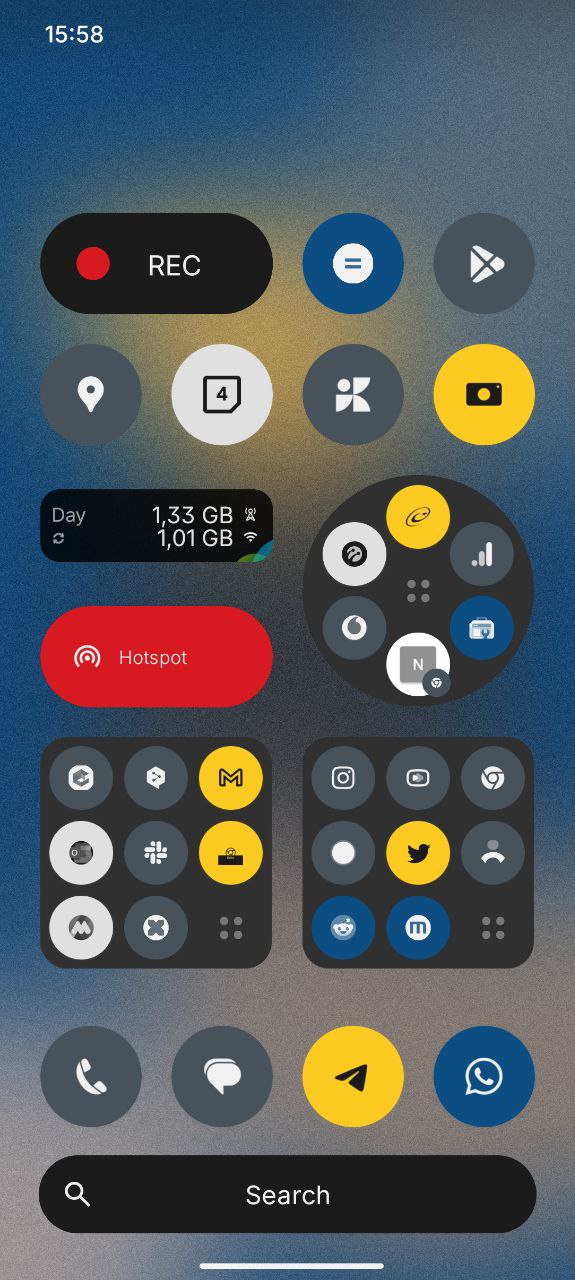
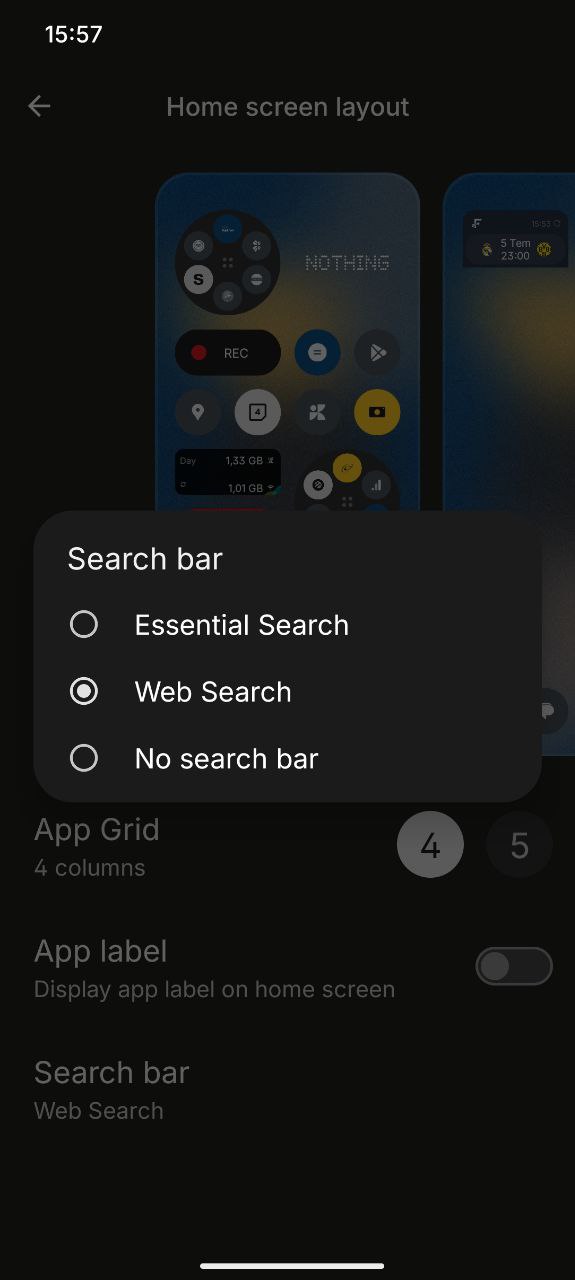
London-based tech company Nothing has released the Nothing OS 3.1 update for its recently launched Phone (3a) and Phone (3a) Pro devices globally. The update brings camera fixes, new productivity features, and system improvements.
The update introduces Essential Key support in the Camera app. A short press adds a text note to a photo, while a long press records a voice memo. This allows users to separate photo reminders in Essential Space from their main photo library.
Camera Fixes
Both devices now correct reddish skin tones in selfies, improve white balance for indoor shots, and provide better portrait output in backlit scenes. Zoom controls are now easier to use, and camera speed has been increased. The Pro model includes more accurate focus at 2x zoom.
System Changes
Always-On Display transitions are now smoother. Essential Space, Nothing’s built-in productivity hub, runs with fewer delays. The update also fixes known bugs and improves overall stability.
Coming Features
Essential Space will soon support Smart Collections for automatic note grouping, Focused Search for faster access, and Flip to Record, allowing users to start a voice memo by flipping the phone.
Official Changelogs
Installation Info
The update is rolling out in phases. Users can check availability under Settings > System > System Updates. Feedback can be sent via the system’s feedback tool or the community forum.
There’s been a resurgence of small smartphones, especially in the premium category. While the base Samsung Galaxy S25 and vanilla Apple iPhone 16 come from an existing line of compact flagship phones, newer models like the Xiaomi 15 and Vivo X200 Pro Mini are targeting the same segment as well. Chinese brands like Oppo and OnePlus are also working on their own small flagships, so here’s what we can expect from the OnePlus 13T/OnePlus 13 Mini and Oppo Find F8S.
OnePlus 13T/13 Mini
While Oppo and OnePlus often share tech and even specs between certain models (causing them to be rebranded smartphones), the OnePlus 13T is quite different from the Oppo Find X8S. The biggest difference is the processor, with the 13T rumored to pack the Snapdragon 8 Elite. Reports have also hinted at the device being the most affordable smartphone with this chipset.
The OnePlus 13T is expected to sport a 6.31-inch LTPO OLED display with a 1.5K resolution along with a 120Hz refresh rate, and an optical in-display fingerprint scanner. For the design, the phone offers a glass back with a metallic frame.
The rear features a dual camera setup with a 50MP OIS main camera and an 8MP ultra wide angle lens. Despite its compact form factor, the OnePlus 13T may pack a massive 6,200mAh battery, which is larger than even the 6.82-inch OnePlus 13 model. However, you’re getting slower 80W wired fast charging and 50W fast wireless charging support.
Oppo Find X8S
The Oppo Find X8S is rumored to be the “Mini” smartphone model from the Chinese brand. There are rumors of this model launching alongside the Find X8S+ with a 6.59-inch display. However, the base Find X8S matches the 13T with a 6.3-inch OLED display. This panel may launch with a 1.5K resolution along with a high refresh rate.
The camera setup retains three sensors on the back with a 50MP OIS main camera, 50MP Samsung JN5 telephoto shooter, and an 8MP ultra wide angle lens. Other notable features include a new pressable push-type hardware button over an Alert Slider, an IP68 + IP69 rating, a slim 7mm body, and 179 grams weight.
For more daily updates, please visit our News Section.
Motorola might soon refresh its mid-range G line of phones, and one of the upcoming models, the Moto G56 5G, has just surfaced on Geekbench revealing key details about the chipset.
First spotted by TheTechOutlook, the Geekbench listing reveals the phone uses an octa-core processor with two high-performance cores clocked at 2.6GHz and six efficiency cores running at 2.0GHz. The GPU is listed as IMG BXM-8-256, suggesting it’s a MediaTek chipset.
Moto G56 will be powered by MediaTek SoC
This CPU and GPU configuration closely resembles the Dimensity 7025, but the latter has a prime core with 2.2GHz clock speed. So it could be that the Moto G56 5G might run on a different, possibly new, processor.
The device ran the benchmark with 8GB of RAM and Android 15. It posted a single-core score of 1039 and a multi-core score of 2396. Beyond these numbers, the Geekbench listing offers little else.
However, previous leaks suggest that the Moto G56 5G will come in Black, Blue, and Dill (Light Green) color options. Its pricing details have also surfaced even before the specs. The 8GB + 256GB variant is expected to go on sale for €250 (around ₹23,675).
This is the phone’s first appearance on a benchmark or certification site for that matter. As a result, we might have to wait a few more months for the device’s official launch. Its predecessor debuted last September, so the G56 5G could follow a similar timeline.
Motorola hasn’t confirmed anything yet, but if history is any indication, the leaks are only going to keep piling up as we get closer to launch.
Dell has expanded its S-series — now part of the Dell Plus lineup in China — with two new 27-inch 4K monitors: the S2725QS and S2725QC. The standout difference? The pricier S2725QC model includes a handy pop-up USB-C hub, bumping the price up to 2,499 yuan ($344), while the base model lands at a more wallet-friendly 1,999 yuan ($275).
Dell S2725Q Series Specifications
But if you’re looking for something bigger and more immersive, Dell’s new S3225QS is worth a closer look. This 31.5-inch curved display offers a crisp 4K resolution (3840×2160) on a VA panel with a 3000:1 contrast ratio, making it perfect for everything from movie marathons to color-sensitive creative work. It also covers 99% of the sRGB and 95% of the DCI-P3 color spaces and supports over a billion colors, specs that should satisfy photographers, designers, and content creators.
Beyond just sharp visuals, Dell has paid attention to comfort. The S3225QS has TÜV Rheinland’s four-star Eye Comfort certification, plus hardware-level blue light protection and ComfortView Plus tech that cuts harmful blue light without messing up color accuracy, helpful if you’re staring at the screen for hours.
Gamers aren’t left out either. The monitor supports a 120Hz refresh rate with AMD FreeSync Premium, meaning smooth, tear-free gameplay and buttery scrolling. Response times clock in at 5ms in fast mode, keeping motion blur to a minimum during frantic action scenes.
On the audio front, Dell has thrown in dual 5W speakers that should handle casual watching and light gaming without making you reach for external speakers. As for connectivity, you get two HDMI 2.1 ports, DisplayPort 1.4, and even a side-facing HDMI port for less cable chaos. The monitor also doesn’t shy away from ergonomics: height adjustment up to 100mm, tilt between -5° to 21°, and a small degree of swivel make it easy to set up just the way you like.
Visually, the design sticks to a clean, minimalist look with a soft matte white finish and rounded edges, exactly the kind of monitor that wouldn’t look out of place in a modern home setup. Dell also throws in a three-year premium panel warranty and on-site service support, making this a pretty solid all-rounder for the price.
In related news, Xiaomi recently launched the Redmi G27Q 240Hz monitor, offering impressive speed, sharp visuals, and an attractive price point. Additionally, Lenovo has introduced a 24.5-inch 1080p office monitor with a 100Hz refresh rate and a 4ms response time, aimed at everyday productivity needs.
For more daily updates, please visit our News Section.
That cheap pwoer bank you recently purchased could be damaging your phone’s battery, or slowly posing a safety risk. Most people don’t realize that the sudden deterioration of their battery happens due to the cheap power bank. Here’s how to spot cheap power banks that may harm your phone, as well as some tips on how to get a good battery power bank.
Signs of incompatible Power Banks
The Power Banks, which are not compatible with your smartphone, can usually overheat your smartphone while charging.
Stay away from the non-PD charger or the chargers that skip safety certifications like UL CE. These power banks can easily short-circuit or lead to fires.
Tips to get a Better Power Bank
Match Charging Technology: If you’re using an iPhone, then you should look for MFi-certified power banks, and Samsung owners should go for the USB-C PD or Quick Charge 3.0 technology compatible Power banks. Similarly, to harness the full charging potential from OnePlus smartphones, they should grab Warp Charge-compatible power banks.
Certification Compatible: Look for UL, CE, or FCC-certified power banks, as these are tested to withstand voltage fluctuations and help keep smart devices safe.
Best Power Banks to choose for your iPhone, Samsung, and OnePlus smartphones
We have listed some of the best power banks for all the major manufacturers that are compatible with the respective certifications and compatible with the charging technology.
Huawei has introduced the Qingyun L420x, an updated version of its 2021 Qingyun L420 (also known as the Dyna Cloud L420). The new model brings a high-resolution OLED display, an all-metal body, and an expanded battery, while also running on Chinese-developed software and hardware. Let’s walk through its specs and features here.
Huawei Qingyun L420x Specifications
The Qingyun L420x features a 14.2-inch OLED screen with a resolution of 2880 x 1920 pixels. It supports a 120Hz refresh rate, sRGB, P3, and Adobe color gamuts, and offers a peak brightness of 450 nits. Huawei has also secured TÜV Rheinland Eye Comfort certification for the panel, which includes 1920Hz PWM dimming to reduce eye strain.
The laptop has an all-metal chassis and weighs 1.32kg. It measures 312.6 x 226.8 x 14.5mm and features a sandblasted finish for a more refined look.
The Qingyun L420x runs on two Linux-based operating systems: Kylin Desktop OS V10 and Tongxin Desktop OS V20. While Huawei hasn’t detailed the exact processor, it’s likely powered by the in-house Kirin chip like its predecessor. Memory options include either 256GB, 512GB, or 1TB of UFS-based storage. And it is paired with 8GB or 16GB of LPDDR5 RAM.
The laptop is equipped with a 70Wh battery, which Huawei claims can provide over 14 hours of video playback on a full charge. It supports 65W fast charging, with a 15-minute charge restoring 25% of battery life.
The Qingyun L420x includes the necessary I/O options including a USB-C, two USB-A 3.2 Gen 1, an HDMI, a 3.5mm headphone/mic combo, and an RJ45 Ethernet port.
The device comes with a 1080p HD webcam with a physical switch for privacy, along with software optimizations that claim to improve boot speed by 28.6%, app launch times by 15%, and file processing by 20%.
Huawei hasn’t shared pricing or availability details yet, but we’ll keep you posted as soon as it does.
For more daily updates, please visit our News Section.
Amazon has just kicked off its big Spring Sale that brings great discounts. Thanks to this, one of the popular gadgets that is becoming more affordable is the Samsung Galaxy S25. It is the base model of the brand’s 2025 flagship lineup, and now, it’s selling for its biggest discount yet.
Samsung Galaxy S25 selling for a 15% discount
The South Korean tech giant’s upcoming Galaxy S25 was first unveiled back in January with a $859.99 price tag for the 256GB option. This model is now selling for a 15 percent discount. So you can buy this for $125 off, which brings its effective price down to just $734.99. Notably, one does not need Amazon Prime membership or any other criteria to avail this discount.
Samsung Galaxy S25
Keep in mind that the Amazon Spring Sale is live right now and lasts till 31st March 2025. So this is the cheapest the Samsung Galaxy S25 has ever been. It is a compact flagship phone that features a 6.2-inch Dynamic LTPO AMOLED 2X display with a 120Hz refresh rate, FHD+ resolution, and 2600 nits of peak brightness. Under the hood, the device is equipped with the Snapdragon 8 Elite for Galaxy, making it one of the fastest phones in the market.
Please Note: When you buy something using the links in our articles, we may earn a small commission at no cost to you.
For photography, the rear packs a triple camera setup with a 50MP (Main) + 10MP (Telephoto) + 12MP (Ultra Wide) with the front housing a 12MP selfie shooter. A 4,000mAh battery powers the Galaxy S25, which supports 25W wired fast charging and 15W Qi2 wireless charging as well. Other notable features include an in-display ultrasonic fingerprint scanner, Bluetooth 5.4, Armor Aluminum 2 frame, and IP68 rating for water and dust resistance.
For more daily updates, please visit our News Section.
Xiaomi has just launched a new addition to its smart home lineup — the Smart Door Lock 2 Cat-Eye Edition — and it’s got some handy upgrades. The standout feature here is right in the name: a built-in “cat-eye” camera designed to keep an eye on who’s at your door, even in the dark. Pre-orders are already live in China at 1,399 yuan (about $195), with open sales starting March 28.
Xiaomi Smart Door Lock 2 Cat-Eye Edition Specs
The lock’s camera uses a 2-megapixel sensor with a 160-degree wide field of view, along with infrared night vision and full-color low-light support, so you can check in on your doorstep any time — day or night. There’s also AI human detection that promises to cut down on false alarms caused by things like wind or stray animals.
Beyond the camera, the Cat-Eye Edition isn’t all that different from the standard Smart Door Lock 2. It still uses Xiaomi’s in-house noise-reduction motor and a C-level lock cylinder, paired with sensors that constantly check the lock’s status. Security alerts include door ajar warnings, tamper alerts, and notifications if someone lingers outside your door for too long.
The lock supports nine unlocking methods — yes, nine — including fingerprint scanning, NFC, Bluetooth from your phone, permanent and temporary passcodes, mechanical keys, and even unlocking via Xiaomi phones, smartwatches, and bands. The fingerprint sensor uses an AI algorithm that improves over time, claiming a speed of just 0.5 seconds and an accuracy rate of 99.51%.
Battery life shouldn’t be a worry either. There’s a 5,000mAh lithium battery that lasts up to four months on a full charge, plus the backup option of four AA batteries that can stretch that to six months. And if all else fails, there’s a Type-C emergency port that lets you power the lock with a power bank.
Like most Xiaomi smart devices, it syncs with the Mi Home app and supports HyperOS as well, letting you check alerts, watch the doorstep feed, manage access, and even talk to visitors through a remote video intercom. The app also supports voice modulation, so you can mask your voice when speaking to strangers — a small but thoughtful touch.
In related news, TCL recently introduced a smart lock that features iPhone-style face unlock technology, along with a built-in display screen right on the door for added convenience and control.
For more daily updates, please visit our News Section.
Xiaomi is expanding its gaming monitor lineup with the launch of the Redmi G27Q 240Hz, now up for pre-order in China. It builds on last year’s 180Hz model, bringing a faster 240Hz refresh rate and a sharper focus on competitive gaming. The monitor is priced at 1,499 yuan ($206), but early buyers can grab it for 1,199 yuan ($165).
Redmi G27Q 240Hz Monitor Specifications
The Redmi G27Q 240Hz packs a 27-inch Fast IPS panel with a 2560 x 1440 resolution. Xiaomi says it’s designed to handle fast-paced action with minimal motion blur, thanks to a 1ms GTG response time and AMD FreeSync Premium support. The ultra-high refresh rate, paired with low latency, makes it a clear play for gamers chasing smoother visuals and fewer distractions.
Brightness and contrast also get a boost here, with HDR400 certification and peak brightness hitting 400 nits. Colors should look vivid and accurate, with the monitor covering 95 percent of the DCI-P3 color space and 100 percent of sRGB. Content creators might appreciate that it supports 10-bit color depth (via 8-bit + FRC), which helps deliver smoother color transitions and more natural gradients.
Xiaomi hasn’t forgotten about eye comfort, either. The G27Q 240Hz features the company’s QingShan eye protection system, with DC dimming and TÜV Rheinland low blue light certification aimed at reducing eye strain during long sessions.
The stand is fully adjustable — you get height, tilt, swivel, and pivot adjustments, along with support for 90-degree rotation if you prefer a portrait setup. The monitor also plays well with existing setups, thanks to dual DisplayPort 1.4 ports, two HDMI 2.0 ports, and a 3.5mm audio jack. Power consumption is rated at 48W, and it supports VESA mounting if you’d rather clear up desk space.
In other news, Lenovo has introduced a 24.5-inch office monitor featuring a 1080p resolution, 100Hz refresh rate, and a 4ms response time. Meanwhile, TCL has unveiled a 31.5-inch 4K Mini LED monitor with a 165Hz refresh rate, designed to meet the needs of both gamers and content creators.
For more daily updates, please visit our News Section.
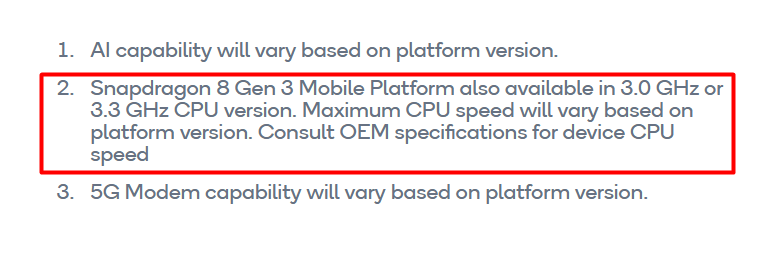
The Snapdragon 8 Gen 3 is a flagship smartphone chipset announced in October 2023. It features a robust CPU with a maximum frequency of 3.3GHz and a powerful GPU that delivers smooth gaming performance.
The Dimensity 8400 Ultra isn’t without its advantages. It’s the first upper mid-range chipset to feature all big CPU cores for a performance boost. The GPU also performs well. Announced in December 2024, it boasts eight big CPU cores with up to 3.25GHz frequency. But how does this chip stack up against the Snapdragon 8 Gen 3? We’ll examine benchmark results and key differences to find out.
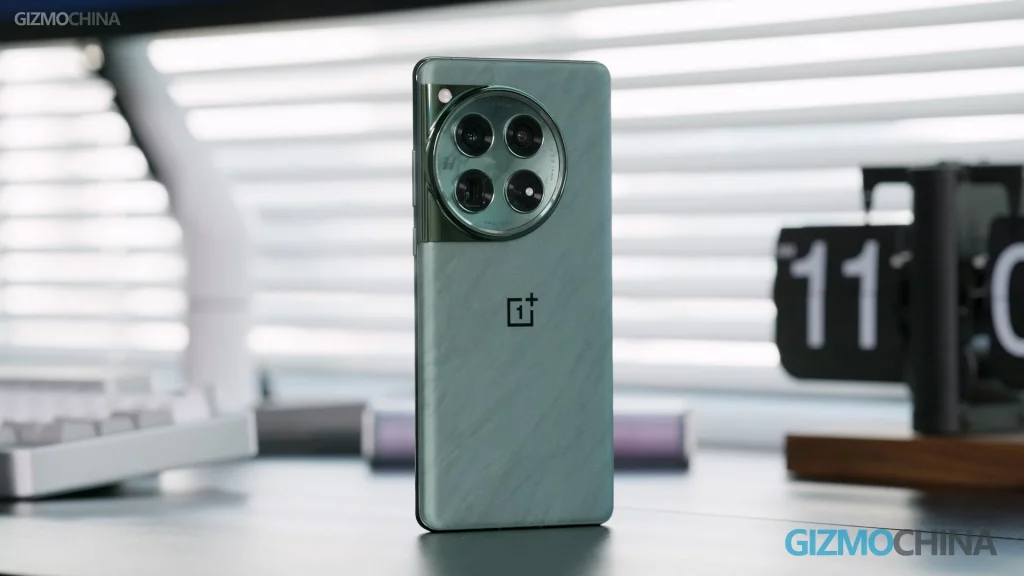
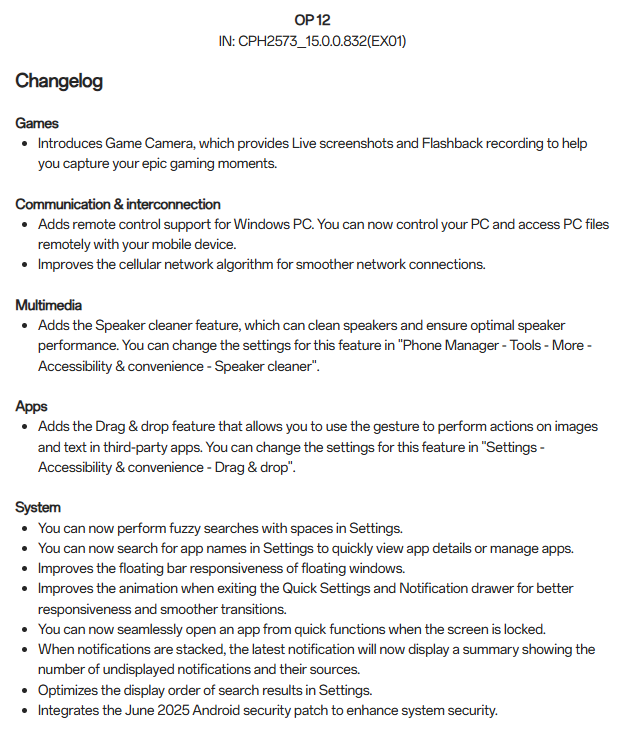
[Note: The following benchmark tests were conducted on the OnePlus 12 (powered by Snapdragon 8 Gen 3) and Poco X7 Pro (powered by Dimensity 8400 Ultra).]
Snapdragon 8 Gen 3 vs Dimensity 8400 Ultra: AnTuTu, Geekbench Scores
AnTuTu Score
AnTuTu is a widely used benchmarking tool that measures a device’s overall performance, evaluating processing power, graphics rendering, multitasking efficiency, and system responsiveness.
The OnePlus 12, powered by the Snapdragon 8 Gen 3, scored around 1.75 million on AnTuTu, while the Dimensity 8400 Ultra-powered Poco X7 Pro achieved 1.58 million points on the AnTuTu (v10) benchmark. That’s an 11% uplift for the Snapdragon 8 Gen 3.
If you look at the breakdown below, the CPU score are almost equal. The key difference lies in the Snapdragon 8 Gen 3’s GPU, which delivers a 33% better score. The memory performance is also slightly faster on the Snapdragon 8 Gen 3, whereas the UX score favors the Dimensity chip.
SD 8 Gen 3
D-8400 Ultra
AnTuTu score
1,753,326
1,582,194
CPU
370,873
369,247
GPU
750,494
564,682
Memory
350,215
327,943
UX
281,744
320,322
Geekbench Score
Geekbench measures CPU performance, providing single-core and multi-core scores. The single-core score reflects performance when a single CPU core is active, while the multi-core score measures overall processing power.
According to Geekbench, both chipsets have similar multi-core performance. However, the Snapdragon 8 Gen 3 outperforms the Dimensity 8400 Ultra in single-core performance by 35%.
SD 8 Gen 3
D-8400 Ultra
Single core
2,130
1,579
Multi core
6,175
6,238
Why does the Snapdragon 8 Gen 3 lead in benchmarks? And beyond performance, what key differences should you know? Let’s break it down.
Snapdragon 8 Gen 3 vs Dimensity 8400 Ultra: Key Differences
CPU
While both chipsets have eight CPU cores, the Snapdragon 8 Gen 3 has a slightly higher peak frequency. Here’s how the CPU clusters look like:
Snapdragon 8 Gen 3:
1 prime core (Cortex-X4 @ 3.3GHz)
5 performance cores (3 x Cortex-A720 @ 3.15GHz, 2 x Cortex-A720 @ 2.96GHz)
2 efficiency cores (2 x Cortex-A520 @ 2.27GHz)
Dimensity 8400 Ultra:
8 performance cores (1 x Cortex-A725 @ 3.25GHz, 3 x Cortex-A725 @ 3GHz, 4 x Cortex-A725 @ 2.1GHz)
The 8 Gen 3 has a balanced mix of high-performance and efficiency cores, providing a good balance between performance and power efficiency. The Dimensity 8400 Ultra, despite featuring all big cores, achieves up to 44% reduction in peak power use over its predecessor.
The Snapdragon chip also has a 12MB L3 cache, while the Dimensity chip has a smaller 6MB L3 cache, resulting in an additional performance boost.
Overall, the Snapdragon 8 Gen 3 has a slightly better CPU configuration, though the Dimensity 8400 Ultra isn’t far behind, as seen in the AnTuTu scores.
GPU
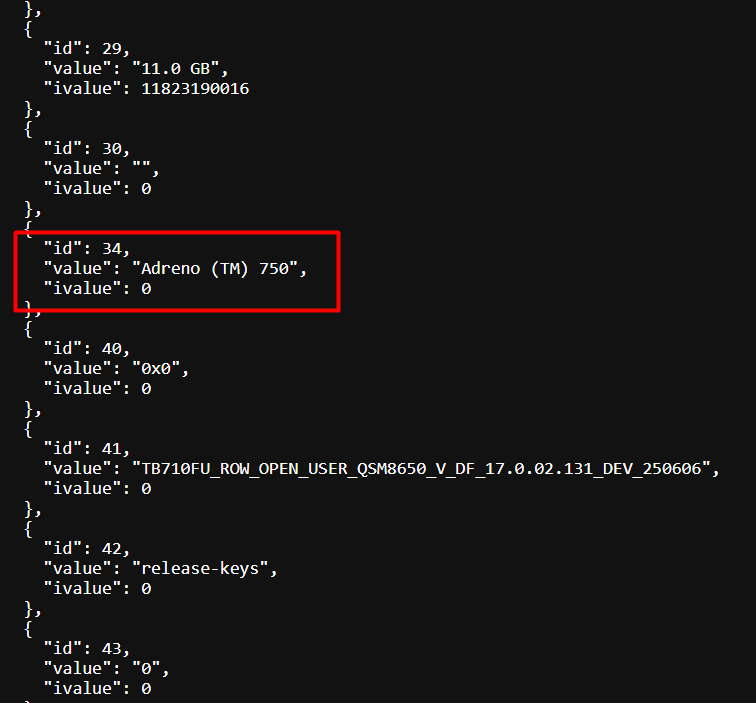
The Snapdragon 8 Gen 3 features the Adreno 750 GPU, designed for high-end gaming. It supports real-time hardware ray tracing with global illuminationfor more accurate and realistic lighting effects, detailed shadows and reflections, and more realistic gameplay. It also offers Unreal Engine 5 support for advanced character rendering.
The Dimensity 8400 Ultra has the Mali-G720 MP7 GPU, which is less powerful than the Adreno 750 but still performs well. It can run games smoothly, though the lack of advanced gaming features makes the Snapdragon 8 Gen 3 the better choice for immersive gameplay.
Camera
The Snapdragon 8 Gen 3 supports up to 200MP single camera, lower than 300MP on the Dimensity 8400 Ultra. However, the Snapdragon 8 Gen 3 supports 8K video recording, whereas the Dimensity 8400 Ultra is limited to 4K.
Additionally, the Snapdragon chip features real-time semantic segmentation for enhanced image details and AI-powered auto-focus, auto-exposure, and auto-white balance. Its ISP is more advanced than that of the Dimensity 8400 Ultra.
Connectivity
Both chipsets feature 5G modems, but the Snapdragon 8 Gen 3 supports a 10Gbps peak download speed, compared to 5.17Gbps on the Dimensity chip. The Snapdragon chip has a 3.5Gbps peak upload speed, while MediaTek has not specified this detail.
The Snapdragon 8 Gen 3 also supports Wi-Fi 7, whereas the Dimensity 8400 Ultra is limited to Wi-Fi 6E. While the Snapdragon chip offers superior connectivity features, the Dimensity 8400 Ultra is still a good choice for most users.
Snapdragon 8 Gen 3 vs Dimensity 8400 Ultra: Conclusion
The Snapdragon 8 Gen 3 is the clear winner. It boasts superior CPU, GPU, and connectivity features. The Dimensity 8400 Ultra, however, remains a strong option for mid-range devices. According to benchmarks, its CPU performance is nearly on par with the Snapdragon 8 Gen 3, but the latter has a significant lead in GPU performance.
If you seek top-tier performance, the Snapdragon 8 Gen 3 is the best choice. However, for those looking for a more affordable yet capable alternative, the Dimensity 8400 Ultra is a great option.
Choosing between the Xiaomi 15 Ultra and Oppo Find X8 Pro is a tough decision for smartphone enthusiasts. Both are top-tier flagships offering cutting-edge features, but they take different approaches in design, display, performance, and camera capabilities. With Xiaomi focusing on pro-level photography and high-end performance, and Oppo delivering exceptional value with a bright display and versatile zoom setup, each has its own appeal.
This comparison will break down their key differences to help you decide which flagship best suits your needs, whether you prioritize camera technology, performance, or overall value for money.
Both devices showcase durability with IP68 ratings for dust and water resistance, but the Oppo Find X8 Pro goes a step further with an IP69 rating, making it resistant to high-pressure water jets.
Xiaomi 15 Ultra features a 6.73-inch LTPO AMOLED display with a peak brightness of 3200 nits and a sharper 1440 x 3200 resolution, ensuring crisp visuals. Meanwhile, the Oppo Find X8 Pro offers a slightly larger 6.78-inch LTPO AMOLED display with a record-breaking 4500 nits peak brightness, making it ideal for outdoor visibility. However, its 1264 x 2780 resolution results in a lower pixel density compared to Xiaomi.
Both support Dolby Vision and HDR10+, ensuring vibrant colors and contrast. While Oppo’s superior brightness enhances HDR content, Xiaomi’s higher resolution gives a sharper viewing experience.
Please Note: When you buy something using the links in our articles, we may earn a small commission at no cost to you.
2. Specifications
OPPO Find X8 Pro
Xiaomi 15 Ultra is powered by the Snapdragon 8 Elite chipset, paired with up to 16GB of RAM and 1TB of UFS 4.1 storage, delivering exceptional performance for intensive tasks. It houses a 5410 mAh battery with 90W wired and 80W wireless charging, ensuring quick power replenishment.
The Oppo Find X8 Pro runs on the Mediatek Dimensity 9400, also offering up to 16GB RAM and 1TB of UFS 4.0 storage. It comes with a larger 5910 mAh battery, but its 80W wired and 50W wireless charging are slightly slower.
While both provide flagship-level performance, Xiaomi’s superior chipset and faster wireless charging give it an edge, whereas the Oppo’s larger battery promises longer usage.
3. Camera
Xiaomi 15 Ultra
Both smartphones offer powerful quad-camera setups. The Xiaomi 15 Ultra features a 50 MP wide sensor with a massive 1.0-inch type sensor for excellent low-light photography, along with a unique 200 MP periscope lens offering 4.3x optical zoom.
Oppo Find X8 Pro counters with a 50 MP wide sensor and dual telephoto lenses, one at 3x and another at 6x optical zoom, providing more versatility in zoomed shots. Both support 4K video recording with advanced stabilization.
While Oppo’s dual zoom lenses allow for varied framing, Xiaomi’s high-resolution periscope camera delivers exceptional detail, making it the better choice for zoom photography enthusiasts.
4. Pricing
The Xiaomi 15 Ultra is priced at approximately $1,100, while the Oppo Find X8 Pro comes in at a significantly lower price of around $899. This makes the Oppo a more budget-friendly option while still offering flagship-level features. Xiaomi 15 Ultra justifies its higher price with its advanced zoom lens, faster wireless charging, and Leica-tuned camera system.
However, for users looking for a premium device without crossing the $1,000 mark, the Oppo Find X8 Pro presents an excellent value proposition.
5. Conclusion
Xiaomi 15 Ultra
Both the Xiaomi 15 Ultra and Oppo Find X8 Pro are top-tier flagships with their individual strengths. Xiaomi stands out with its superior zoom capabilities, faster wireless charging, and two-way satellite communication, making it ideal for power users and photography enthusiasts.
On the other hand, the Oppo Find X8 Pro offers remarkable display brightness, a versatile zoom setup, and a significantly lower price, making it a great choice for users who want a premium experience without spending over $1,000.
If budget is a concern, the Oppo provides excellent value, but if you want the absolute best camera and processing power, the Xiaomi 15 Ultra is worth the extra cost.
Viltrox is gearing up to unveil a new camera lens in the Chinese market in April, teasing photography enthusiasts with the promise of something fresh under its Air product lineup. While the company has remained tight-lipped about specifics, early leaks suggest that the upcoming release will likely be the AF 50mm F2.0 Air — a lightweight, full-frame autofocus lens.
What the leaks are telling us
According to images shared by a well-known Weibo tipster, the suspected lens sports a sleek, compact design and weighs just 203.3 grams, making it a highly portable choice for photographers who prioritize both quality and convenience. The lens will reportedly come in both Sony E-mount and Nikon Z-mount versions, catering to a wide user base.
The tipster also revealed that the lens offers a minimum focusing distance of 0.51 meters, allowing for decent close-up shots, particularly useful for portraits and still-life photography. It is equipped with an STM (stepping motor) autofocus system, designed to deliver quiet, smooth, and precise focusing — ideal for both photography and video recording. Additionally, the optical construction includes ED (Extra-low Dispersion) elements, which help reduce chromatic aberration and contribute to sharp, clear images with accurate color rendering.
This potential launch follows Viltrox’s recent global debut of the AF 25mm F1.7 Air earlier this month. The AF 25mm F1.7 Air is designed for APS-C mirrorless cameras and is available in Sony E, Fujifilm X, and Nikon Z mounts. Weighing just 170 grams, it’s one of the most compact lenses in its class, featuring a durable metal mount and a clean design with aperture settings controlled via the camera body.
The lens offers a full-frame equivalent focal length of 38mm and a bright F1.7 aperture, delivering impressive low-light performance and smooth, pleasing bokeh. Autofocus is handled by an STM motor, ensuring accuracy and silent operation with support for eye and face detection. Priced at $176 globally, the lens has been well-received for its balance of performance, portability, and affordability.
For more daily updates, please visit our News Section.
We use cookies on our website to give you the most relevant experience by remembering your preferences and repeat visits. By clicking “Accept”, you consent to the use of ALL the cookies.
This website uses cookies to improve your experience while you navigate through the website. Out of these, the cookies that are categorized as necessary are stored on your browser as they are essential for the working of basic functionalities of the website. We also use third-party cookies that help us analyze and understand how you use this website. These cookies will be stored in your browser only with your consent. You also have the option to opt-out of these cookies. But opting out of some of these cookies may affect your browsing experience.
Necessary cookies are absolutely essential for the website to function properly. This category only includes cookies that ensures basic functionalities and security features of the website. These cookies do not store any personal information.
Any cookies that may not be particularly necessary for the website to function and is used specifically to collect user personal data via analytics, ads, other embedded contents are termed as non-necessary cookies. It is mandatory to procure user consent prior to running these cookies on your website.