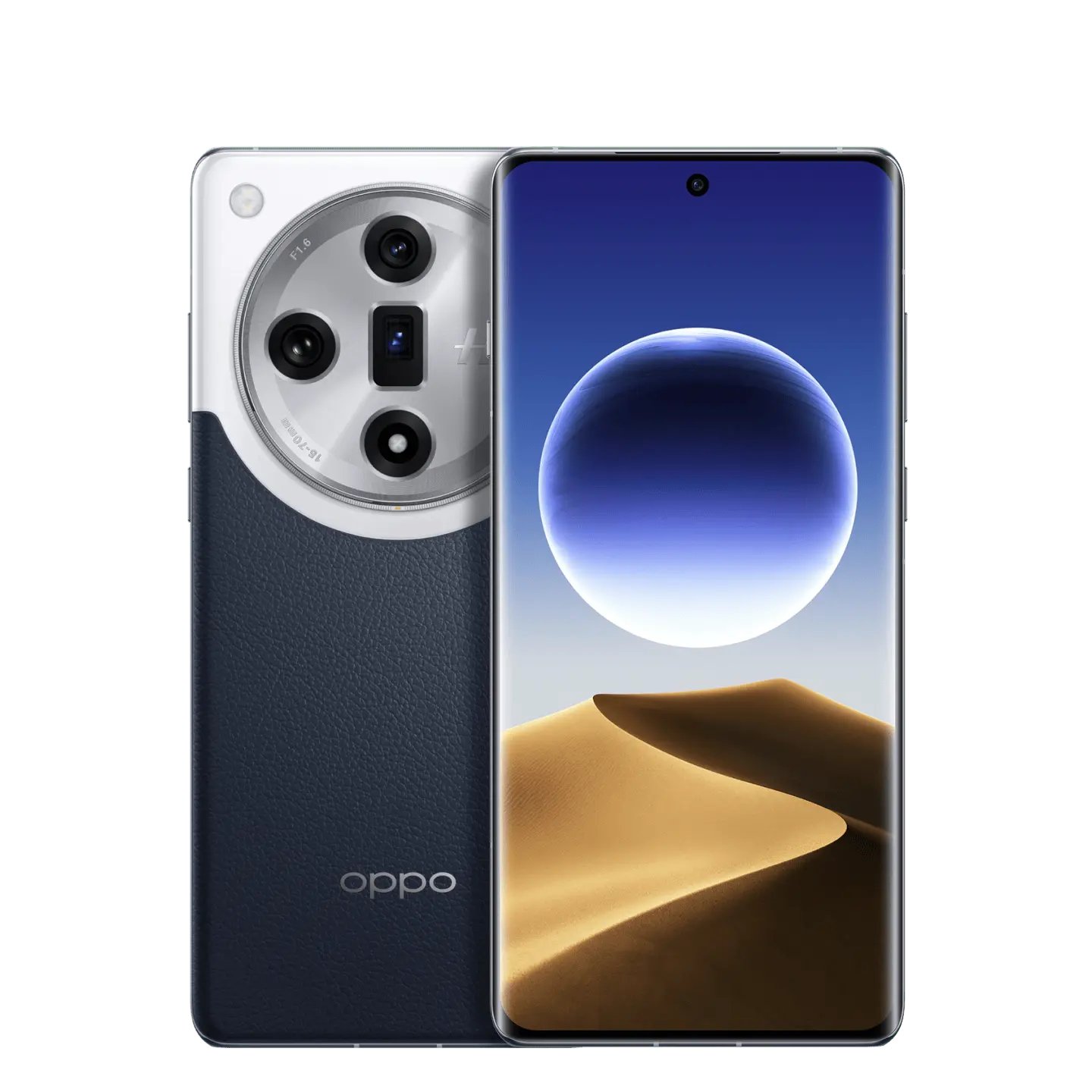
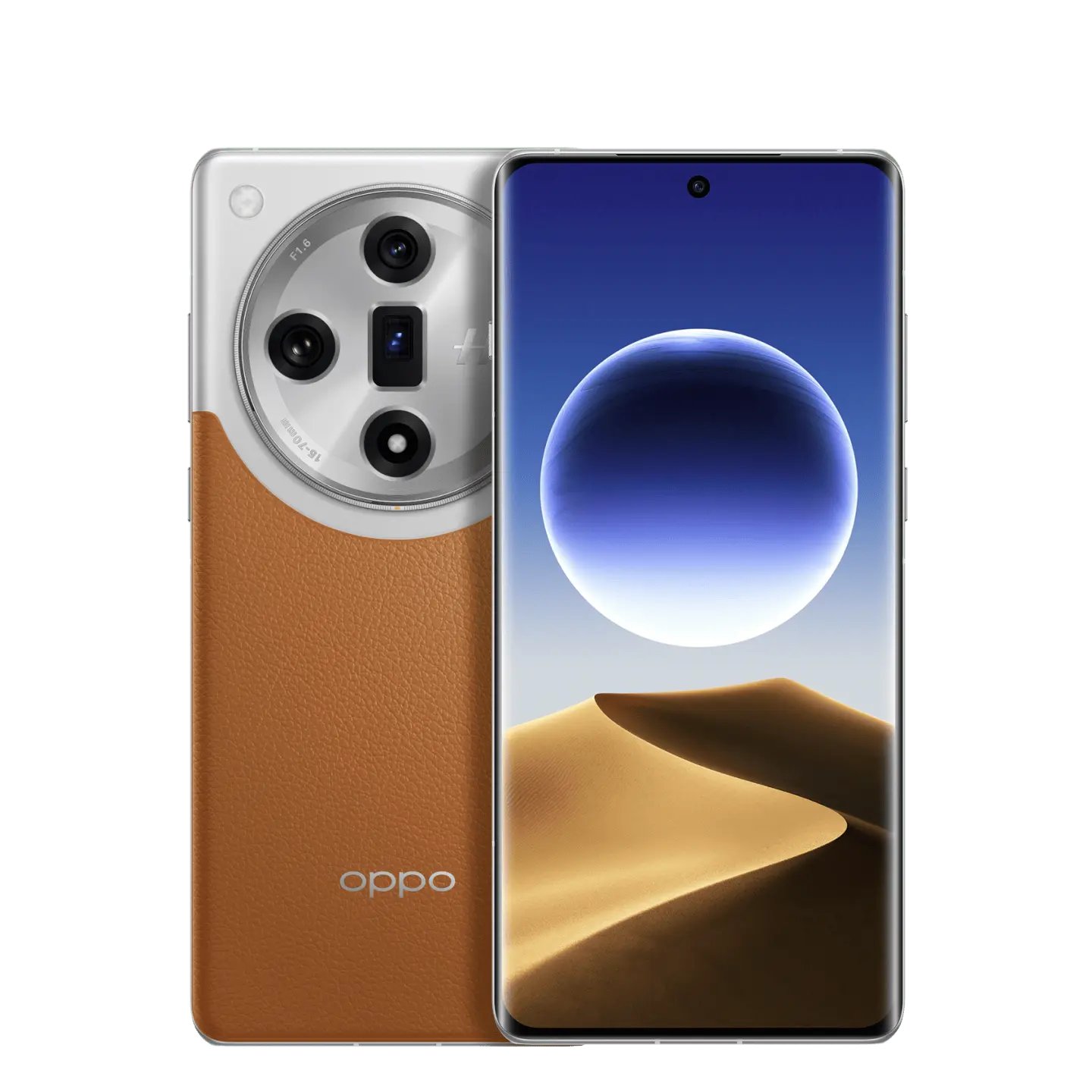
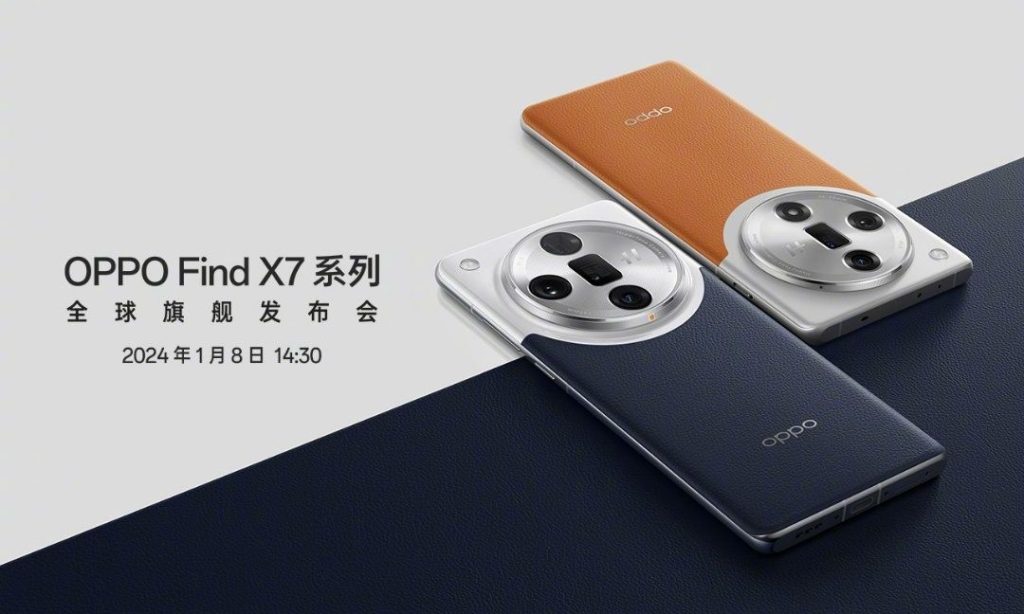
Oppo has officially confirmed that it will unveil the Find X7 series of smartphones at 2:30 pm (local time) on Jan. 8, 2024, in China. In addition, the Find X7 and Find X7 Ultra smartphones are now listed on Oppo China’s online store for reservations. The official listings have confirmed the configurations and color options of both smartphones well ahead of the official announcement.
Oppo Find X7 series launch date
Oppo Find X7
Reports have revealed that the Find X7 will come equipped with the Dimensity 9300 chipset. The official listing reveals that it will come in four configurations, such as 12 GB RAM + 256 GB storage, 16 GB RAM + 256 GB storage, 16 GB RAM + 512 GB storage, and 16 GB RAM + 1 TB storage.

The Find X7 will be available in four shades, such as Starry Sky Black, Sea and Sky, Desert Moon Silver, and Smokey Purple.
Oppo Find X7 Ultra
The Find X7 Ultra is expected to come equipped with the Snapdragon 8 Gen 3 SoC. It will be available in three variants, such as 12 GB RAM + 256 GB storage, 16 GB RAM + 256 GB storage, and 16 GB RAM + 512 GB storage.

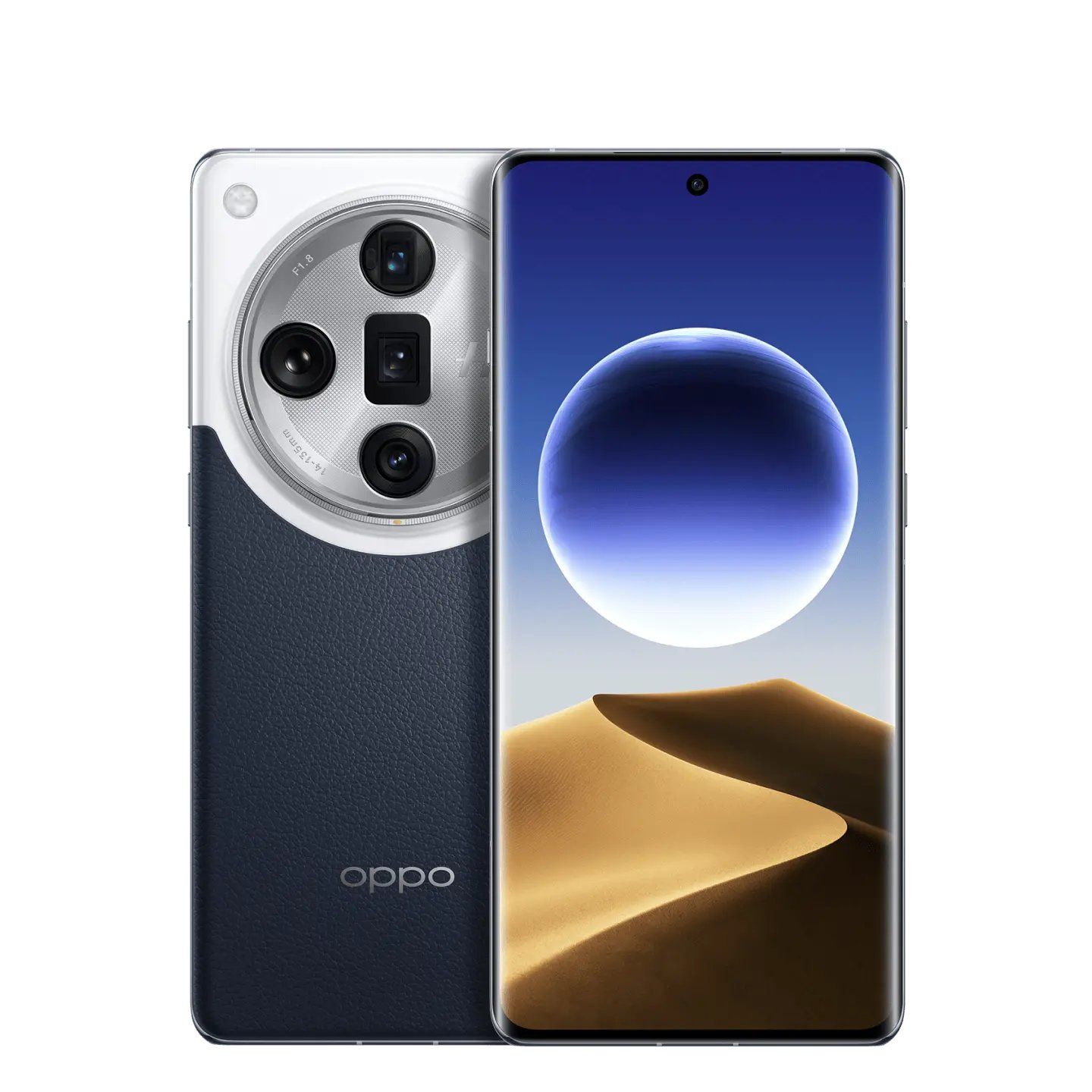
Find X7 Ultra: Pine Shadow InkFind X7 Ultra: Sea and SkyFind X7 Ultra: Desert Moon Silver.
When it comes to color options, the Find X7 Ultra will come in choices such as Pine Shadow Ink, Sea and Sky, and Desert Moon Silver.
The Find X7 and Find X7 Ultra have a similar design, with the front featuring a punch-hole display with curved edges and a dual-tone back panel with a massive camera module. The Find X7 has a triple-camera unit, whereas the Find X7 Ultra has a quad-camera system. The Ultra variant will be the world’s first smartphone to feature dual periscope telephoto cameras. In addition, it will also be the first-ever phone to feature the one-inch Sony LYT-900 50-megapixel camera sensor as the primary snapper.
It is said that there will be a third device called the Oppo Find X7 Ultra Satellite Communication Version, which will come with support for two-way satellite communication. The rest of its specs will be identical to the Find X7 Ultra.
Realme has officially confirmed that it’s phasing out Realme UI and will switch entirely to Oppo’s ColorOS. That means upcoming Realme devices will instead come with ColorOS skin, but this change will also impact existing Realme devices.
The company has announced that eligible older Realme devices will be upgraded to the ColorOS skin. Well, ColorOS 17, to be precise. However, they didn’t publish a list of those eligible devices. So, we’ve created one based on the current software update policy.
These Realme phones will be upgraded to ColorOS 17
Even though Realme is switching to Oppo’s ColorOS, it will likely fulfill the software commitment it made earlier. Therefore, our list, which is based on the update policy, should be mostly accurate.
Realme GT series
Realme GT 8 Pro
Realme GT 7
Realme GT 7 Pro
Realme GT 7 Pro Racing
Realme GT 7T
Realme GT 6
Realme GT 6T
Realme GT 5 Pro
Realme number series
Realme 16
Realme 16 Pro
Realme 16 Pro+
Realme 16T
Realme 15
Realme 15 Pro
Realme 15 Lite
Realme 15T
Realme 15x
Realme 14
Realme 14 Pro
Realme 14 Pro+
Realme 14T
Realme P series
Realme P4
Realme P4 Pro
Realme P4 Lite
Realme P4 Lite 4G
Realme P4 Power 5G
Realme P4R
Realme P4x
Realme P3
Realme P3 Pro
Realme P3 Ultra
Realme P3x
Realme C series
Realme C100
Realme C100 4G
Realme C100x
Realme C100i
Realme C85
Realme C85 4G
Realme 85 Pro
Realme C83
Realme C75
Realme C75x
Realme C73
Realme C71
Realme Narzo series
Realme Narzo Power 5G
Realme Narzo 100x
Realme Narzo 100 Lite
Realme Narzo 90
Realme Narzo 90X
Realme Narzo 80 Lite
Realme Narzo 80 Lite 4G
Realme Narzo 80 Pro
Realme Narzo 80x
Realme Note series
Realme Note 80
Realme Note 70
Realme Note 70T
Alongside these smartphones, Realme will also upgrade the Realme Pad 3 tablet to ColorOS 17, based on Android 17.
Realme hasn’t revealed which phone will be the first to launch with ColorOS 17 or when it will begin rolling out ColorOS 17 to older devices. However, it’s safe to say that we’ll see ColorOS 17 on an Oppo smartphone first.
For those wondering what the shift will look like: we highly doubt much will change as Realme UI and ColorOS look similar. In fact, both custom skins have been sharing the same codebase for years. So, the change won’t be day and night. Still, users can expect some new features and changes that were previously exclusive to ColorOS.
We’ll update you with more details as we receive them. You can visit our Realme section once in a while for fresh updates or join our Telegram channel for instant alerts.
According to the reliable leaker Digital Chat Station, Qualcomm is working on a more affordable variant of the Snapdragon 8 Elite Gen 5 chip. This would let phone makers put near-top-tier performance into devices that don’t cost quite as much as full-blown flagships.
The rumored chip, expected to launch later this year, carries the model number SM8850-1-AB. Early Geekbench 6 scores suggest it performs very close to the standard Snapdragon 8 Elite Gen 5 (SM8850-AC). It’s probably the same core design with some tweaks to binning, clock speeds, or other optimizations to bring the price down. It’s expected to show up in phones costing under 4,000 yuan (around $590).
If this turns out to be real, it would be the fourth known version of the Elite Gen 5 platform:
The regular SM8850-AC is the main one used in most premium Android phones.
Samsung has its own SM8850-1-AD “for Galaxy” version in the S26 series and the new Fold8.
There’s also a SM8850-5-AC with only seven CPU cores (instead of eight), which has already appeared in devices like the Oppo Find N6.
Adding this new SM8850-1-AB would give manufacturers even more flexibility to create strong “value flagship” phones..
This kind of move is classic Qualcomm. They’ve done it with previous Snapdragon 8 series too, releasing different versions so brands can hit different price points while still delivering excellent performance and AI features.
For buyers, it’s good news. More phones in the upper mid-range and premium-but-not-crazy-expensive category could get top-notch specs. This should be especially welcome in price-sensitive markets like India and other emerging regions.

Of course, we’ll need official word from Qualcomm and real-world tests to know exactly how it differs in real-world use. But if the leaks hold up, we could see some compelling flagships and premium mid-range devices, even as manufacturers continue to deal with the ongoing memory chip shortage.
Xiaomi began rolling out the July 2026 security patch only recently, and within a few days, the update has already reached dozens of smartphones. The update is available in multiple regions, including Global, EEA, India, Türkiye, Taiwan, Indonesia, Russia, and China, with the remaining regions to follow soon.
While it’s a minor update focused on upgrading the security patch maintenance, it’s an important one. According to Google, the latest security patch resolves over 40 vulnerabilities found in the previous software, including 5 critical ones. Therefore, it’s best to upgrade your device as soon as the update arrives.
But has Xiaomi released the update for your device? Check the list below to find out.
Xiaomi’s July 2026 security update is available for these devices
The latest security patch is currently available for 58 Xiaomi devices, as shared by Ximitime. This also includes numerous entry-level phones and a couple of tablets. Here’s the complete list:
Xiaomi devices
Xiaomi 17T
Xiaomi 17T Pro
Xiaomi 14 Ultra
Xiaomi 14 Civi
Xiaomi 13 Lite
Xiaomi 13 Pro
Xiaomi 13T
Xiaomi Civi 4 Pro
Xiaomi Civi 2
Xiaomi Pad 7
Xiaomi Pad 7 Pro
Xiaomi Pad 6S Pro 12.4
POCO devices
POCO X8 Pro
POCO X8 Pro (Iron Man Edition)
POCO X7
POCO M8 Pro 5G
POCO M8s
POCO M7 4G
POCO M7 Plus
POCO M6
POCO M6 Pro 4G
POCO C Pad
POCO C85 4G
POCO C85x
POCO C81
POCO C75
POCO Pad
POCO Pad M1
POCO Pad X1
Redmi devices
Redmi Note 15 Pro
Redmi Note 15 Pro+
Redmi Note 14 4G
Redmi Note 14 Pro
Redmi Note 14 Pro 4G
Redmi Note 14 Pro+
Redmi Note 13 Pro 4G
Redmi 17 5G
Redmi 15
Redmi 15 4G
Redmi 15A 5G
Redmi 15C 4G
Redmi 14C
Redmi 13
Redmi 13C 5G
Redmi 13R
Redmi 13X
Redmi A7 Pro
Redmi A7 Pro 5G India
Redmi A3 Pro
Redmi Turbo 5
Redmi Pad 2 4G
Redmi Pad 2 9.7
Redmi Pad 2 Pro
Redmi Pad Pro
Redmi Pad Pro 5G
Redmi Pad SE 2
Redmi Pad SE 4G
Redmi Pad SE 8.7 Wi-Fi
Xiaomi releases software updates in batches. Therefore, not all users receive updates at the same time. The availability depends on your region. To check for available updates on your Xiaomi device, go to Settings > About phone and tap the HyperOS logo.
While this is a minor update, Xiaomi has already started rolling out the stable Android 17 release to some devices. The even bigger HyperOS 4 release is also around the corner. You can read more about it here.
We’ll keep you posted as we receive new details. You can visit the Xiaomi section regularly or join our Telegram channel to not miss out on the latest updates.
Fresh info from a Google Play Console listing gives us our first solid look at what’s under the hood. While it keeps a lot of the same foundation as the last few models, there’s one meaningful upgrade that could make a real difference in daily use.
The watch (codenamed “godric”) is sticking with the Qualcomm SW5100 platform that powered the Pixel Watch 4, 3, and 2. That means the same CPU (four ARM Cortex-A53 cores up to 1.7 GHz) and Adreno 702 GPU at 1 GHz. It’s proven reliable for Wear OS, even if it’s not the absolute fastest chip out there.
The big news is the jump in RAM, from 2GB in previous models to 3GB. That extra memory should help with smoother multitasking and snappier performance. It’ll likely make the watch feel more future-proof than its predecessor.
We don’t have details yet on any coprocessor (the Pixel Watch 4 added an upgraded one for things like satellite SOS), but the RAM upgrade alone is a welcome change for everyday use.
As per leaked renders, the Pixel Watch 5 is keeping a very similar design to the previous generation. It should come in four nice color options: Dark Anthracite, Natural Silver, Pyrite, and Warm Gold. If you liked the look and comfort of the last model, this one will probably feel familiar in the best way.
Google seems to be playing it smart here: focusing on meaningful little improvements instead of reinventing the wheel every year, which would increase costs. More RAM without changing the main chipset should still bring better app performance, smoother background health tracking, and more responsive AI features. We’ll probably see more leaks as we get closer to the expected August 12 launch date.



What do you think? Is the extra RAM enough to get you excited, or are you hoping for bigger changes like a better battery or new health sensors?
If you’re serious about mobile gaming, the right pair of earbuds can make all the difference. From hearing enemy footsteps in BGMI to reacting quicker in Call of Duty: Mobile, good gaming earbuds give you more than just loud sound. Low latency, clear audio, and accurate directional cues can often be the difference between winning and losing a match.
But not every pair of earbuds is built with gaming in mind. Some prioritise music, while others focus on features like ANC or battery life. That’s why we’ve rounded up some of the best gaming earbuds you can buy in India, whether you prefer the reliability of wired earphones or the convenience of true wireless earbuds.
How to choose the right gaming earbuds
Buying gaming earbuds isn’t just about picking the pair with the biggest drivers or loudest bass. The first thing to look for is latency. If you’re into competitive titles like BGMI or Call of Duty: Mobile, low-latency audio or a wired connection will ensure what you hear matches what’s happening on screen.
You should also consider where you’ll use them the most. Wired earphones are generally the best choice for competitive gaming, thanks to their zero-latency performance, while wireless earbuds offer greater convenience for casual gaming and everyday use.
Features like ANC, a long battery life, and a good microphone are also worth considering if you plan to use the earbuds beyond gaming.
The OnePlus Buds 4 offers a balanced experience for gamers looking for an all-rounder. Its low-latency mode keeps gameplay responsive, while the dual-driver setup delivers detailed audio that helps distinguish subtle in-game sounds from louder effects.
Adaptive ANC is another useful feature, especially if you game while travelling or in busy surroundings. It also supports dual-device connectivity, letting you seamlessly switch between your gaming phone and laptop without manually reconnecting the earbuds every time.
The realme Buds Air 7 Pro is easily one of the strongest gaming earbuds in its segment. It comes with a dedicated Game Mode that significantly reduces latency, helping audio keep pace with fast-paced shooters. Combined with its dual-driver setup, the earbuds produce impactful bass while maintaining clear positional cues.
There’s also ANC support that helps you stay immersed during matches played in noisy environments, while the IP55 rating means you can comfortably carry them on your daily commute. It’s a versatile option for users who game as much as they listen to music.
The Logitech G333 is one of the few wired earphones made specifically for gaming, and it will immediately feel different from regular earphones. It uses dual dynamic drivers to separate bass from mids and highs, which helps make footsteps, reloads, and approaching vehicles easier to identify during intense matches.
Since it uses a wired connection, you also get virtually zero latency, so the audio stays perfectly in sync with your gameplay. The G333 features both a 3.5mm connector and a USB-C adapter, making it easy to use with most smartphones, and even PCs and gaming consoles.
If you’re a competitive player, the TRUTHEAR x Crinacle Zero is one of the best options you can buy. Being a wired IEM, it completely eliminates latency, which ensures that every footstep, reload, and gunfire reaches your ears instantly. Its dual dynamic driver setup also offers excellent imaging, making it easier to identify the direction of enemy movement.
Unlike gaming-focused earbuds that rely on software enhancements, the Zero delivers natural and detailed audio. The detachable cable is another advantage, allowing you to replace it easily if it gets damaged. So, if your priority is competitive gaming rather than convenience, this is the pair to get.
The Sony WF-C710N isn’t marketed as a gaming earbud, but it does a great job at gaming as well. It features a low-latency mode that helps keep audio closely synced with on-screen action, making it suitable for casual gaming sessions without noticeable delays.
Where Sony really shines is comfort and noise cancellation. The Active Noise Cancellation (ANC) helps block out background distractions, letting you stay focused during intense matches, while the balanced sound signature ensures explosions, footsteps, and voice chat remain clear without sounding overly bass-heavy.
If budget isn’t a concern and you enjoy getting lost in story-driven games, the Sony INZONE WF-G700N are among the best premium gaming earbuds you can buy. Their 360 Spatial Sound creates a more immersive soundstage, making everything from cinematic cutscenes to ambient environmental effects feel richer and more lifelike.
They’re equally capable in competitive games, thanks to the ultra-low latency 2.4GHz USB-C dongle connection that’s meant to keep the audio perfectly in sync with gameplay. Other features include a long battery life, a comfortable fit, and a clear AI-powered microphone for giving calls throughout your game.
The Logitech G333 are one of the best budget gaming earbuds, as they come with dual dynamic drivers and a wired zero-latency connection.
What are the best wireless gaming earbuds?
The realme Buds Air 7 Pro are the best wireless gaming earbuds on this list, as they feature a dedicated Game Mode, dual drivers, ANC, and solid battery life.
What are the best wired gaming earbuds?
For competitive gamers, the TRUTHEAR x Crinacle Zero is the best wired earbuds on this list for gaming and for everyday listening, as it supports zero latency.
What are the best premium gaming earbuds?
The Sony INZONE WF-G700N is the best premium gaming earbuds, as it supports 360 Spatial Sound for Gaming, an ultra-low latency 2.4GHz connection, and an exceptional battery life.
Which earbuds are best for BGMI?
The TRUTHEAR x Crinacle Zero is the best choice for competitive BGMI players, while the realme Buds Air 7 Pro is an excellent wireless alternative.
Are wired earbuds better for gaming?
Yes. Wired earbuds offer virtually zero latency, making them the preferred choice for competitive gaming where every millisecond matters.
What is low-latency mode in gaming earbuds?
Low-latency mode reduces the delay between your device and the earbuds, ensuring audio stays closely synced with gameplay.
Ever had that wild dream of opening an Amazon package and finding way more than you paid for? Well, it actually happened to a customer in Japan recently, but with a wholesome twist.
The customer ordered just one Intel Core i5-14400 processor. When the package arrived, they opened it to find five sealed retail boxes inside. They shared a photo online, clearly shocked. At around 36,000 yen (roughly $220) per processor, those five units added up to over $1,100 worth of hardware.
Amazon hasn’t explained the exact error, but it looks like a classic warehouse slip. Intel often ships these CPUs in bigger outer cartons that hold multiple retail boxes (five in this case). Someone at the fulfillment center likely scanned the master carton barcode instead of the individual items, so the system thought the whole bundle was just one order. These kinds of mistakes are rare, but they show how complicated large-scale automated shipping can get.
Social media had the usual reactions: lots of people telling him to keep the extras, resell them, or treat it as a lucky “freebie” from a giant company. But the buyer went a different route. They quickly contacted Amazon and arranged to return the four extra processors, keeping only the one they actually paid for.
The i5-14400 is a solid mid-range 14th-gen CPU, designed for work and everyday tasks. Stories like this pop up from time to time (extra gadgets, mystery groceries, you name it), and they always spark debates about what you “should” do in that situation.
In the end, this Japanese customer’s decision probably strengthened their trust in Amazon while quietly earning respect online. With millions of packages flying out every day from highly automated warehouses, errors are bound to happen. What matters is how people respond when they do.
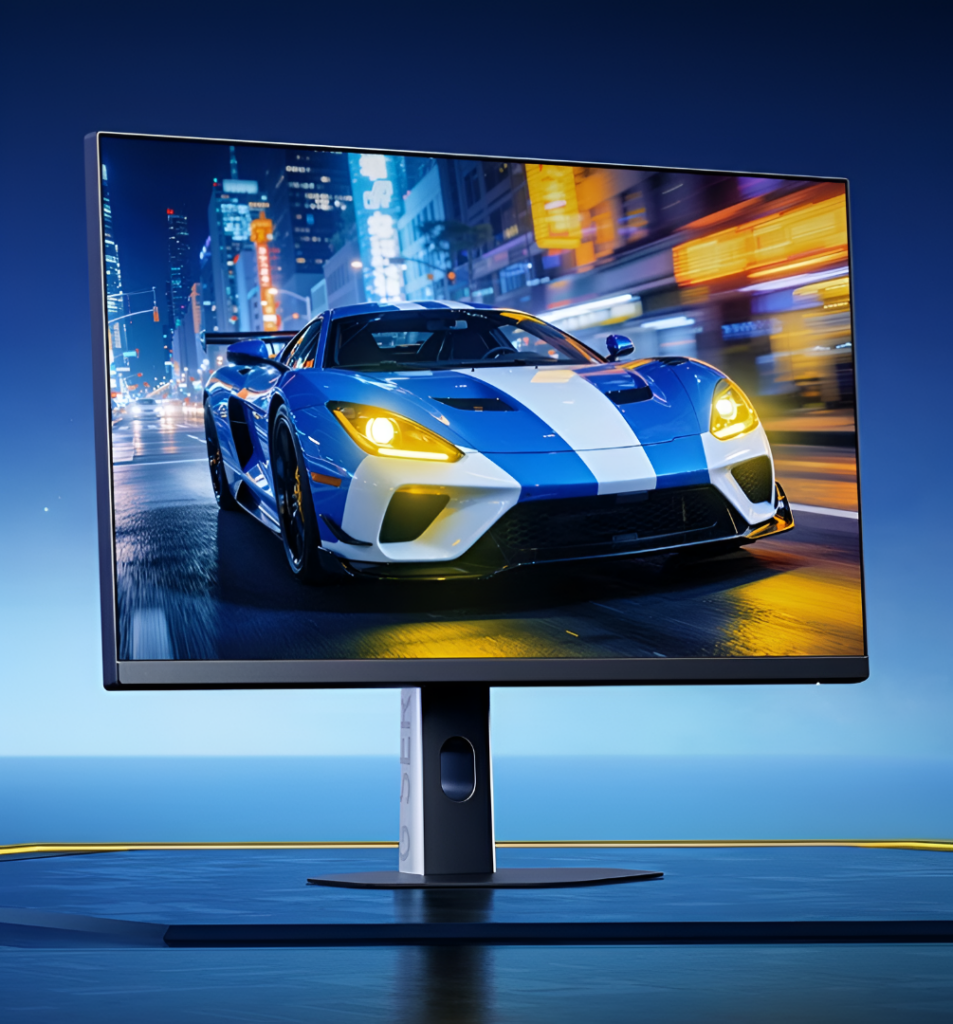
Philips has introduced a new 27-inch gaming monitor in China, the 27M2N5500X, which combines a 1440p resolution with a 425Hz refresh rate. The monitor is currently listed on JD.com with a retail price of 1,899 yuan, which converts to approximately $280.
Philips 27M2N5500X Specifications
The monitor is built around a Fast IPS panel with a 2560 x 1440 resolution. The panel runs natively at 400Hz and can be overclocked to 425Hz. To support these high frame rates, it includes a 1ms gray-to-gray (GTG) response time and a 0.3ms MPRT (Moving Picture Response Time) to minimize motion blur.
It also includes standard variable refresh rate support, including G-Sync compatibility, to prevent screen tearing during gameplay. Additionally, the company includes a feature it calls Zero-Sense Sync Acceleration, which is intended to reduce input lag between the graphics card and the display.
Regarding color and brightness, the 27M2N5500X supports 10-bit color depth and covers 100% of the sRGB gamut, alongside 97% of the DCI-P3 color space. Philips says that the monitors are factory-calibrated to a Delta E value of less than 2. The panel has a typical brightness of 350 nits and a standard 1000:1 contrast ratio, and it carries a basic VESA DisplayHDR 400 certification.
Philips has also integrated several software features for games. These include an AI-assisted crosshair that adjusts its color based on the background, a digital zoom function called Sniper Window, and a shadow enhancement tool that brightens darker areas on the screen. For general use, the monitor incorporates circular polarization and low blue light filters to reduce eye strain.
The physical design includes an ergonomic stand that allows for 130mm of height adjustment, as well as tilt, swivel, and pivot rotation. It is also compatible with standard 100 x 100mm VESA mounts.
For connectivity, the monitor provides one DisplayPort 1.4 connection, two HDMI 2.1 ports, and a 3.5mm headphone jack. It also supports Picture-in-Picture (PIP) and Picture-by-Picture (PBP) modes for users connecting multiple devices simultaneously.
In related news, Asus has recently introduced the ROG Strix XG259QNSR Ace, a 420Hz esports monitor featuring a Fast IPS panel.
Citizen is adding a new limited-edition model to its Tsuyosa line of integrated-bracelet watches: the Tsuyosa Shore Timeslip (NJ0238-57E). It is scheduled to launch in the US in August 2026 for $462.5. In the UK, however, the watch has already been listed and is currently available to order for £349. Citizen says production will be capped at 12,000 pieces globally.
Design Details
The Tsuyosa line has traditionally been defined by its integrated bracelet design and minimalist, brightly colored dials. The Shore Timeslip pivots from this formula by incorporating standard dive-watch hardware.
The watch features a 40mm stainless steel case that measures 12.5mm thick. The most obvious change from the base Tsuyosa is the addition of a 120-click unidirectional bezel. Citizen paired this with a textured, gradient black dial alongside gold-tone indices and hands.
The dial is protected by an anti-reflective sapphire crystal, which includes a magnifier over the three o’clock date window. For low-light visibility, standard luminous material is applied to both the hands and the hour markers. The case integrates directly into a three-link stainless steel bracelet equipped with a push-button fold-over clasp.
Inside, the watch runs on Citizen’s in-house Calibre 8210 automatic movement, which is visible through a transparent display case back. The 21-jewel movement operates at 21,600 vibrations per hour and holds a 42-hour power reserve.
It also includes a hacking seconds function, meaning the seconds hand stops when you pull the crown out, allowing for precise time setting. The stated accuracy is between -20 and +40 seconds per day. That will not compete with high-end chronometers, but it is entirely standard for mechanical movements in the sub-$500 category.
Despite the dive watch styling, the Shore Timeslip is rated for 100 meters of water resistance. That means it isn’t an ISO-certified professional diver, but it is more than capable of handling swimming, snorkeling, and everyday water exposure.
Indian audio brand boAt has added a new set of over-ear headphones to its Nirvana lineup. The Nirvana Eutopia 2 ANC is priced at Rs. 4,999 ($52) and offers high-resolution audio support and adaptive noise cancellation in the sub-5,000-rupee market segment.
boAt Nirvana Eutopia 2 ANC Specifications
Inside the earcups, boAt is using a dual-driver configuration. Each side houses a standard 40mm driver paired with a smaller 10mm driver. The headphones support Hi-Res Audio and utilize the LDAC codec, which allows for higher bitrate audio streaming (up to 990kbps at 96kHz/24bit) over Bluetooth compared to standard SBC or AAC codecs. The company has also included a 3D Spatial Audio feature designed to widen the soundstage for supported media.
For noise isolation, the Eutopia 2 features a 45dB Adaptive Hybrid Active Noise Cancellation system. Instead of a fixed level of noise blocking, the adaptive ANC is built to adjust automatically based on the surrounding environment, shifting between travel, indoor, and outdoor profiles.
For voice calls, the headphones use boAt’s AI ENx technology, which is designed to filter out background ambient noise and isolate the user’s voice for better clarity.
The headphones are equipped with an 800mAh battery. boAt says this will provide up to 80 hours of continuous playback with ANC disabled, and around 50 hours with ANC turned on. Charging is handled via USB-C, taking about 2.5 hours for a full charge, while a 10-minute quick charge provides an estimated 12 hours of listening time.
On the outside, the Eutopia 2 ANC features a foldable, swivel design with memory foam ear cushions and a soft leatherette finish. They carry an IPX4 rating for basic splash and sweat resistance. Connectivity is powered by Bluetooth 5.4, which includes support for Google Fast Pair (GFPS) and multipoint connection to easily switch between compatible devices.
For controls, it uses physical buttons for playback, volume adjustment, voice assistant access, and ANC toggling. You can also fine-tune EQ settings and customize various features through the boAt Hearables companion app.
The boAt Nirvana Eutopia 2 ANC is available in two color options: Cosmic Black and Utopian White. You can find them on boAt’s official website and Amazon India.
Xiaomi has introduced a new portable charger to the Indian market: the Power Bank 5i 20000 67W. It is priced at Rs. 3,299 and will be available in Jet Black and Ice Blue starting July 28 through Xiaomi’s website, Amazon India, and physical retail stores.
Xiaomi Power Bank 5i Specifications
The power bank features a built-in USB-C cable that also doubles as a carrying loop. Xiaomi says the TPU cable has been tested for up to 5,000 bends to ensure durability during everyday use.
Inside the chassis, the power bank is equipped with three 6,700mAh lithium-ion cells, resulting in a total capacity of 20,000mAh, or roughly 74.37Wh. Because this capacity is under the 100Wh threshold, the device complies with standard international aviation regulations and is permitted in carry-on luggage for air travel.
For charging speeds, the Power Bank 5i supports a maximum output of 67W. This is sufficient to fast-charge most modern smartphones and can also provide power to larger devices like tablets and lightweight laptops, such as the MacBook Air. Recharging the power bank itself maxes out at 65W, meaning the battery pack can be topped up relatively quickly if you use a compatible high-wattage wall adapter.
The device includes three output options: the integrated USB-C cable, an additional USB-C port, and a standard USB-A port. It is capable of charging three devices simultaneously, though the total power output is distributed across the active ports when multiple are in use. It supports standard charging protocols, including Power Delivery (PD) 3.0 with Programmable Power Supply (PPS) and Quick Charge 3.5.
For smaller accessories like wireless earbuds or smartwatches, the power bank includes a low-current charging mode. The USB-C ports detect these devices automatically, while the USB-A port requires a double-press of the power button to activate the mode.
On the front, a digital display indicates the remaining battery percentage, current charging status, and alerts for low-current mode or hardware malfunctions. Xiaomi has also included dual NTC thermal sensors to monitor temperatures during use, along with 12 standard layers of circuit protection to prevent issues like overcharging and short circuits.
In related news, Belkin has recently unveiled a new 10,000mAh power bank that combines 45W fast charging with a built-in motion-sensing night light.
The premium mid-range smartphone segment is more competitive than ever, and the OPPO Reno16 and vivo V70 are two of the strongest contenders powered by Qualcomm’s Snapdragon 7 Gen 4 chipset. While both promise flagship-inspired designs, capable cameras, fast charging, and smooth Android 16 experiences, they take different approaches to features and pricing. This comparison takes a closer look at their design, performance, cameras, battery, and overall value to help determine which smartphone deserves a place in your pocket.
The OPPO Reno16 and vivo V70 both feature premium designs with aluminum frames, IP68/IP69 water and dust resistance, and durable front protection rated at Mohs level 4. The Reno16 stands out with support for Nano-SIM, eSIM, and premium wireless audio codecs like aptX HD, aptX Adaptive, and LHDC 5, making it a more versatile option for users who frequently switch networks or use high-end wireless headphones. The vivo V70, however, feels slightly more refined in daily use with its ultrasonic fingerprint scanner, which is generally quicker and more reliable than an optical solution.
Display Quality
Both phones use vibrant AMOLED panels with a 120Hz refresh rate and HDR10+ support. The Reno16 offers a compact 6.32-inch display with an impressive 3840Hz PWM dimming rate, making it more comfortable for extended viewing. The vivo V70 counters with a larger 6.59-inch display, higher 5000-nit peak brightness, and a slightly higher resolution, giving it an edge for outdoor visibility and immersive media consumption.
Verdict
The OPPO Reno16 is better suited for users who prefer a compact flagship experience, while the vivo V70 delivers a brighter, larger display with a faster fingerprint sensor. For overall multimedia usage, the vivo V70 holds a slight advantage.
2. Specifications Including Battery
Performance
Both smartphones are powered by Qualcomm’s Snapdragon 7 Gen 4 chipset paired with the Adreno 722 GPU, ensuring similar CPU and graphics performance for gaming, multitasking, and everyday use. However, storage technology creates a noticeable difference. The vivo V70 uses faster UFS 4.1 storage, resulting in quicker app launches, file transfers, and overall responsiveness. The Reno16 relies on UFS 3.1, which remains capable but falls behind during heavier workloads. Both devices ship with Android 16, although vivo promises up to four major Android upgrades, offering stronger long-term software support.
Battery and Charging
The OPPO Reno16 packs a larger 6700mAh battery (international version) with 80W fast charging, while the vivo V70 features a 6500mAh battery paired with faster 90W charging, bypass charging support, and Power Delivery compatibility. Although the Reno16 lasts slightly longer on a single charge, the V70 offers a more balanced charging experience with useful gaming-focused battery features.
Verdict
Performance is nearly identical, but the vivo V70 gains an advantage through faster storage, longer software support, and superior charging features. The Reno16 wins on battery capacity, but the V70 feels like the more future-ready package.
3. Camera
Main and Secondary Lenses
The OPPO Reno16 impresses with a rare triple 50MP camera setup featuring wide, telephoto, and autofocus ultrawide sensors. Its autofocus ultrawide camera provides greater flexibility for landscape and macro-style shots, while the 3.5x telephoto lens offers excellent reach. The vivo V70 counters with a significantly larger primary sensor, Zeiss optics, and a high-quality 50MP periscope telephoto camera. Although its ultrawide camera drops to 8MP, the larger main sensor is likely to deliver better low-light performance and improved dynamic range. Zeiss color tuning also adds a more premium photography experience.
Selfie Camera
Both phones include autofocus-enabled 50MP selfie cameras capable of recording 4K video. The Reno16 records 4K at up to 60fps and uses an ultrawide selfie lens, making it better for group selfies and vlog recording. The vivo V70 includes Zeiss optics for improved portrait quality but is limited to 4K 30fps.
Verdict
The OPPO Reno16 offers greater camera versatility thanks to its triple 50MP system and superior selfie video capabilities. The vivo V70 delivers stronger image quality from its primary camera, but overall flexibility favors the Reno16.
4. Pricing
The OPPO Reno16 is priced around $600 (₹62,000), while the vivo V70 is priced around $470 (₹45,000). Despite sharing the same Snapdragon 7 Gen 4 processor, the vivo V70 costs substantially less while offering faster UFS 4.1 storage, longer software support, a brighter display, faster charging, and premium Zeiss imaging. The Reno16 justifies part of its premium with its compact design, larger battery, advanced ultrawide camera, eSIM support, and stronger selfie video recording, but the price gap remains difficult to ignore.
Is the Price Justified?
The Reno16 is aimed at buyers who specifically value camera versatility and a compact flagship experience. For most users, however, the vivo V70 delivers nearly the same flagship experience while saving a significant amount of money. It feels like the smarter purchase for everyday buyers.
When value for money is considered, the vivo V70 is the clear winner. It delivers more flagship-level features at a considerably lower price, making it one of the strongest upper mid-range offerings.
5. Conclusion
The OPPO Reno16 distinguishes itself with eSIM support, a compact display, a triple 50MP rear camera system including an autofocus ultrawide sensor, 4K 60fps selfie recording, and a larger international battery. These features make it appealing for content creators and users who prefer smaller premium smartphones.
The vivo V70 focuses on overall refinement with UFS 4.1 storage, Zeiss optics, an ultrasonic fingerprint scanner, a brighter AMOLED display, faster 90W charging, bypass charging, larger primary camera sensor, and four guaranteed Android upgrades. These additions improve long-term usability without significantly increasing cost.
Verdict
Both smartphones deliver excellent Snapdragon 7 Gen 4 performance, but they target different audiences. The OPPO Reno16 is the better choice for users prioritizing camera versatility, compact handling, and advanced selfie features. The vivo V70 stands out with better value, stronger display performance, faster storage, improved software longevity, and a significantly lower price.
For most buyers, the vivo V70 offers a more complete smartphone experience and represents a better overall investment.
iQOO is expected to unveil the iQOO 16 in September in China. While its global variant with model number I2601 was spotted in the IMEI database a couple of weeks ago, it remains unclear whether the device will launch outside China. While that is yet to be confirmed, it appears that iQOO is also preparing to introduce the iQOO 15 Ultra to global markets.
iQOO 15 Ultra spotted at EEC certification
IQOO 15 Ultra EEC certified
Two iQOO smartphones with model numbers V2546A and I2603 have now received EEC certification. To recall, the V2546A model number belongs to the Chinese variant of the iQOO 15 Ultra. With the device clearing EEC certification, the iQOO 15 Ultra could finally make its global debut months after its China launch in February this year.
IQOO I2603 EEC certified
As for the I2603 model, there is no information available about its final moniker. Hopefully, upcoming reports will reveal more details about the mysterious device.
iQOO 15 Ultra specifications
The iQOO 15 Ultra is basically an enhanced version of the existing iQOO 15 equipped with an active cooling fan, pressure-sensitive shoulder triggers, and a bigger battery. It features a 6.85-inch AMOLED LTPO display that offers a 3168 x 1440 pixel resolution and a 144Hz refresh rate. It is equipped with a Snapdragon 8 Elite Gen 5 chipset, paired with up to 16GB of LPDDR5X Ultra RAM and up to 1TB of UFS 4.1 storage.
The phone packs a 7,400mAh battery with support for 100W wired and 40W wireless charging. It includes a 32-megapixel front camera. On the back, it features a triple 50-megapixel camera system comprising a Sony IMX921 primary sensor with OIS, a 50-megapixel ultra-wide camera, and a 50-megapixel periscope telephoto camera with 3x optical zoom and OIS.
Other highlights include Android 16 with OriginOS 6, an ultrasonic in-display fingerprint scanner, IP68/IP69 certification, stereo speakers, NFC, and an IR blaster. It debuted in China with a starting price of CNY 5,699 (~$840).
For more daily updates, please visit our News Section.
The upcoming OnePlus N6x is getting some early attention with fresh teasers that show off a fresh design direction for the N-series. After last week’s initial announcement focused on India, OnePlus has now shared additional images revealing the phone’s complete rear design and confirmed that it will launch on July 31. The design matches the earlier teasers, and the device will be available in a light blue and a deep burgundy finish, both of which look stylish.
The N6x is going for a modern, flat-edge design with sharp, right-angled sides and a clean flat back. This gives it a more structured, premium-inspired feel.
The biggest highlight is the pill-shaped vertical camera module positioned in the top-left corner. It’s a clear shift away from the square camera island on the recently launched N6. The LED flash sits outside the camera module. It also retains the 3.5mm jack from the N6, one of the simplest yet most practical features for budget-conscious buyers.
OnePlus is also playing around with the fun slogan “Beyond what you x-pect”* in their promos. It’s a cute play on words that hints at some surprise features or extra value in a phone that’s supposed to be affordable.
The N-series is about making OnePlus phones more accessible, and the N6x seems to continue that while adding more personality. It’s separate from the Nord lineup, focusing on delivering solid everyday phones that don’t cost a fortune.
With flat frames and this refreshed camera design, OnePlus is clearly trying to give the N6x a distinct identity from the N6. Competition is tough, but these early visuals suggest they’re paying attention to the little details that can make a phone feel special.
We still don’t have full specs on the processor, battery, cameras, or display. Those details should be revealed in the coming days. Until then, the confirmed launch date gives us a clear timeline for when the remaining hardware details will be unveiled.
Rumors suggest Vivo is preparing to revive its S-series smartphones in India, with the Vivo S2 expected to debut in the coming weeks. While the company is yet to make anything official, tipster Abhishek Yadav has now shared an alleged retail listing that appears to reveal the phone’s storage variants, color options, and expected pricing, offering a clearer picture of what buyers can expect.
Leaked retail listing reveals Vivo S2 variants and pricing
The leaked image indicates that the Vivo S2 may arrive in both 8GB+128GB and 8GB+256GB configurations. The 8GB+128GB version is listed in Sapphire Blue, Regal Bronze, and Silk White shades with an apparent price of Rs 38,000 (~$395). The same storage option also appears in demo units. Meanwhile, the 8GB+256GB variant is shown in the same three color options with a listed price of Rs 42,000 (~$437).
Interestingly, the retail listing also includes another set of 8GB+128GB variants in Sapphire Blue, Regal Bronze, and Silk White carrying a price tag of Rs 43,000 (~$447). It remains unclear whether these entries represent a different edition, revised pricing, or another sales channel. Since Vivo has not confirmed the details, the leaked pricing should be treated with caution.
A recently leaked promotional poster (via. 91mobiles) also hinted that the device could launch in the country soon, although an official launch date has not been announced. While the poster did not disclose hardware specifications, it reinforced speculation that the announcement may be only weeks away.
For more daily updates, please visit our News Section.
Poco is reportedly working on the Poco F9 series of smartphones. According to a report by XimiTime, two F9 series devices have emerged in the GSMA IMEI database, revealing their model numbers and monikers. At the same time, these devices have also received certifications in multiple countries, indicating that their global launch could be fast approaching.
Poco F9 Ultra, Poco F9 Pro global launch may be near
Poco F9 Pro and F9 Ultra IMDA listings
Poco F9 Pro and F9 Ultra TKDN listings
The GSMA IMEI database listings reveal that the upcoming Poco F9 Pro carries the model number 2607APCA5G, while the Poco F9 Ultra has the model number 26077PC53G. These devices are expected to launch globally, including in the EEA, Turkey, Indonesia, Taiwan, Russia, and Japan. While India is a major market for Poco, it is unlikely to receive the F9 Pro and F9 Ultra.
Apart from surfacing in the IMEI database, both devices have also appeared on Indonesia’s SDPPI and Singapore’s IMDA certification platforms. This is earlier than expected, considering that the Poco F8 Ultra and F8 Pro were spotted on IMDA and Thailand’s NBTC certification platform in October before going official in November.
The Redmi K100 series is expected to debut in China in August. Since the Poco F9 Pro and F9 Ultra are expected to be based on the Snapdragon 8 Elite Gen 5-powered Redmi K100 series, the F9 lineup could break cover globally as early as October.
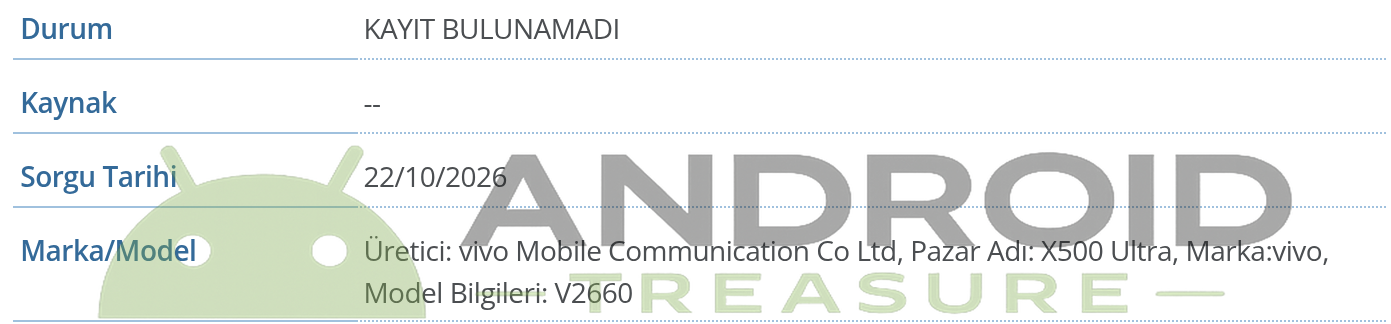
A recent report revealed that the global version of the Vivo X500 has appeared in the GSMA IMEI database. More recently, the Vivo X500 Pro Max was approved by Indonesia’s TKDN certification platform, and now the Vivo X500 has also surfaced in the same database. In addition, the X500, carrying the model number V2610, has appeared on Indonesia’s SDPPI certification platform.
For those unaware, the TKDN certification measures the percentage of locally sourced Indonesian components in a product, while the SDPPI certification confirms that a device complies with Indonesia’s telecommunications and radio equipment standards before it can be sold in the country.
As usual, none of these certifications reveal any specifications. However, since the global Vivo X500 models have already started appearing on certification platforms, it appears that their global launch could take place around a month after the China debut, which is expected in September.
For more daily updates, please visit our News Section.
There have been rumors that iQOO will soon unveil a new Neo series phone in China. Initial reports suggested that the rumored Neo 11S would break cover in July, but now reliable tipster Digital Chat Station claims that it is tentatively scheduled to debut next month (August) in China. Ahead of the launch, he has shared key details about the device.
iQOO Neo 11S key details tipped
According to the tipster, the iQOO Neo 11S will be equipped with a flat OLED panel that offers a 2K resolution and a 144Hz refresh rate. While the new leak does not specify the phone’s chipset, it is expected to feature an underclocked version of the Dimensity 9500.
The tipster has also previously claimed that the Neo 11S will pack a battery of around 8,000mAh. Other expected features include 100W charging, an ultrasonic in-display fingerprint sensor, and an IP68 rating for dust and water resistance.
There is no information yet about the Neo 11S’s camera capabilities. Considering that it is expected to be a minor upgrade over the existing Neo 11, it may inherit the 16-megapixel front camera and a 50-megapixel + 8-megapixel (ultra-wide) dual rear camera setup.
The Neo 11S is said to arrive in multiple configurations, including 12GB+256GB, 12GB+512GB, 16GB+256GB, and 16GB+512GB. It is expected to be available in Light White, Shadow Black, and Wind Chaser color options. The phone is tipped to be priced at around 3,000 Yuan (about $445) in China.
After the Neo 11S, the company is expected to shift its focus to its next-generation flagship lineup, reportedly beginning with the iQOO 16 series, which is expected to launch in September or early October. It is likely to be joined by the iQOO Neo 12.
For more daily updates, please visit our News Section.
Recently, Nubia announced the NaviX Ultra smartphone in China, and is touted as the world’s first AI-agent smartphone with on-device AI processing. While it was showcased at the 2026 World Artificial Intelligence Conference, the brand hasn’t confirmed its specifications yet. Now, reliable tipster Bald Panda has released a Weibo post to reveal the core specs of the device.
Nubia NaviX Ultra leak reveals flagship hardware
Nubia NaviX Ultra
According to the tipster, the Nubia NaviX Ultra will feature a 6.78-inch flat display with a 1.5K resolution and a 144Hz refresh rate. The screen is said to have a centred punch-hole cutout, symmetrical bezels on all four sides, and could offer the slimmest bezels on any Nubia smartphone so far.
It is tipped to run on Qualcomm’s Snapdragon 8 Elite Gen 5 chipset and pack a 7,100mAh battery, making it one of the larger battery capacities expected on a premium flagship.
The camera setup is also expected to be a major highlight. The leak claims the phone will feature three 50-megapixel rear cameras, likely covering primary, ultra-wide and telephoto shooting. A 50-megapixel front-facing camera is also said to be part of the package. In terms of design, the device is expected to arrive in blue, pink, black and white colour options with a horizontal runway-style camera module on the rear.
The NaviX Ultra also has a dedicated orange AI button on the side. It is designed around four key pillars, understanding natural language, completing real-world tasks, remembering user context and keeping data secure. It is based on a system-level GUI Agent architecture that can recognise on-screen content and interact directly with supported apps through MCP and A2A protocols instead of mimicking taps and gestures.
The AI assistant is expected to chain together actions across multiple applications, allowing users to complete multi-step tasks with simple voice or text commands. The tipster also claims Nubia is preparing the NaviX Ultra for large-scale commercial availability, although the company is yet to announce an official launch date.
For more daily updates, please visit our News Section.
Samsung is officially entering the smart glasses market. At its Galaxy Unpacked event in London, the company unveiled new intelligent eyewear powered by Google’s Android XR platform and Gemini AI. To avoid the bulky look of traditional AR hardware, Samsung partnered with eyewear brands Gentle Monster and Warby Parker to design frames intended for everyday use.
The hardware is built around Qualcomm’s Snapdragon AR1 Gen1 platform. Samsung says the glasses will get up to nine hours of battery life on a single charge, with the included charging case providing seven additional full top-ups. The built-in camera provides visual context for the onboard AI, allowing the device to process your surroundings.
Samsung is showcasing two distinct styles. The Gentle Monster edition features a slim black frame with a straight upper rim, while the Warby Parker version opts for a brown frame with a slightly upswept brow line. Both were engineered to prioritize a lightweight fit, with Samsung working alongside the brands to refine the fit around the ears and forehead.
On the software side, the glasses rely on Google’s Gemini AI to handle hands-free tasks via voice, touch, and gesture controls. The camera enables several multimodal AI features: the glasses can scan whiteboards and organize the text into Notes, provide real-time translation, and offer location-based navigation. You can also share your live point-of-view during video calls or have the AI summarize incoming messages and read them aloud.
The core concept is straightforward, positioning the device as a direct competitor to Meta’s smart glasses: bringing AI assistance into your line of sight without forcing you to constantly pull out a phone. However, Samsung is keeping the final launch details under wraps for now. The company has not yet announced pricing or an official release date for the eyewear.
For more daily updates, please visit ourNews Section.
Lenovo has launched the Lecoo Pro 14 in China, a new 14-inch thin-and-light laptop that emphasizes connectivity, upgradeability, and external GPU support. It is available in both Intel and AMD variants and carries a suggested retail price of 5,799 yuan (around $856).
Lenovo Lecoo Pro 14 Specifications
You can choose between an Intel Core Ultra 5 135H or an AMD Ryzen 7 H 255 processor. Both configurations come standard with 24GB of LPDDR5 memory and a 512GB PCIe solid-state drive.
The AMD model utilizes 6400MT/s memory, while the Intel model runs at 5600MT/s. Both versions feature dual M.2 2280 SSD slots, a practical inclusion that allows you to upgrade or add storage later.
The display hardware is identical across both models. Lenovo is using a 14-inch, 2.8K (2880 x 1800) panel with a 120Hz refresh rate. It peaks at 400 nits of brightness, covers 100% of the sRGB color space, and uses a matte anti-glare coating with DC dimming to reduce flicker. The chassis features aluminum alloy on the top and bottom covers, weighs 1.48kg, and includes a hinge that opens flat to 180 degrees.
Where the Lecoo Pro 14 separates itself from typical thin-and-lights is its port selection. Lenovo has included a dedicated OCuLink interface on the motherboard. This port provides a direct PCIe connection for external desktop graphics cards, offering significantly more bandwidth and lower latency than standard Thunderbolt or USB4 connections for eGPU setups.
Alongside the OCuLink port, the laptop includes two USB-C ports (one being a 40Gbps USB4 port), three USB-A 3.2 Gen 1 ports, an HDMI 2.1 output, a Gigabit Ethernet RJ45 jack, a microSD card reader, and a standard 3.5mm audio jack.
To handle thermals, Lenovo is using a dual-fan rear exhaust system capable of sustaining a 65W TDP in its highest performance mode. The cooling setups differ slightly between the two models, with the Intel version utilizing three heat pipes and the AMD version using two.
Power is supplied by an 80Wh battery, which charges via an included 100W GaN USB-C adapter. Rounding out the spec sheet is a 1080p webcam with a physical privacy shutter, Wi-Fi 6 support, and a fingerprint reader integrated into the power button. The laptop ships with Windows 11 Home pre-installed.
In related news, Lenovo has recently unveiled the Legion R9000X 2026, powered by the Ryzen AI Max+ 392 with Radeon 8060S graphics and a 165Hz OLED display.
For more daily updates, please visit our News Section.
HMD has added a new feature phone to its lineup called the Nokia 123 Shield. The company is positioning it as its most affordable option with water and dust resistance, aimed primarily at people who work outside or just want a cheap backup device. HMD hasn’t announced an official global price yet, but retail listings in Bulgaria and Greece have it priced between €35 and €40.
Nokia 123 Shield Specifications
The design of the phone is very straightforward. It has a textured plastic exterior on the sides to make it easier to grip. To keep water, sand, and dust out, there is a rubber flap covering the ports on the bottom. Under that flap, you will find a standard 3.5mm headphone jack and a USB-C port.
The internal hardware is basic. It runs on the S30+ operating system and uses a Unisoc SC6531E processor. The phone comes with just 4MB of RAM and 4MB of internal storage. If you want to store files or listen to music, you have to use a MicroSD card, and the device supports cards up to 32GB. The screen is a 2.4-inch QVGA display. On the back, there is a low-resolution QVGA camera and an LED flash.
Feature phones usually offer long battery life, and the 123 Shield is built to do the same. It has a removable 1,750 mAh battery. HMD says it can provide up to 27.9 hours of continuous talk time and can stay powered on standby for up to 19 days.
The phone also includes an FM radio that works with or without wired headphones. Additionally, there is a built-in flashlight, which HMD says is brighter than the one on the older Nokia 110 model.
The Nokia 123 Shield only supports 2G networks (GSM 900 and 1800 bands) using a dual Mini SIM setup. While HMD says the phone is optimized to hold a signal well for clear calls, the reality is that 2G networks are currently being shut down in many countries.
The Nokia 123 Shield weighs 108 grams and comes in two colors: green and purple.
We use cookies on our website to give you the most relevant experience by remembering your preferences and repeat visits. By clicking “Accept”, you consent to the use of ALL the cookies.
This website uses cookies to improve your experience while you navigate through the website. Out of these, the cookies that are categorized as necessary are stored on your browser as they are essential for the working of basic functionalities of the website. We also use third-party cookies that help us analyze and understand how you use this website. These cookies will be stored in your browser only with your consent. You also have the option to opt-out of these cookies. But opting out of some of these cookies may affect your browsing experience.
Necessary cookies are absolutely essential for the website to function properly. This category only includes cookies that ensures basic functionalities and security features of the website. These cookies do not store any personal information.
Any cookies that may not be particularly necessary for the website to function and is used specifically to collect user personal data via analytics, ads, other embedded contents are termed as non-necessary cookies. It is mandatory to procure user consent prior to running these cookies on your website.