Vivo’s upcoming X200 FE smartphone might launch earlier than expected. While an earlier report hints at a July debut for the phone, a new leak from tipster Paras Guglani suggests the global launch is now scheduled for June 30.
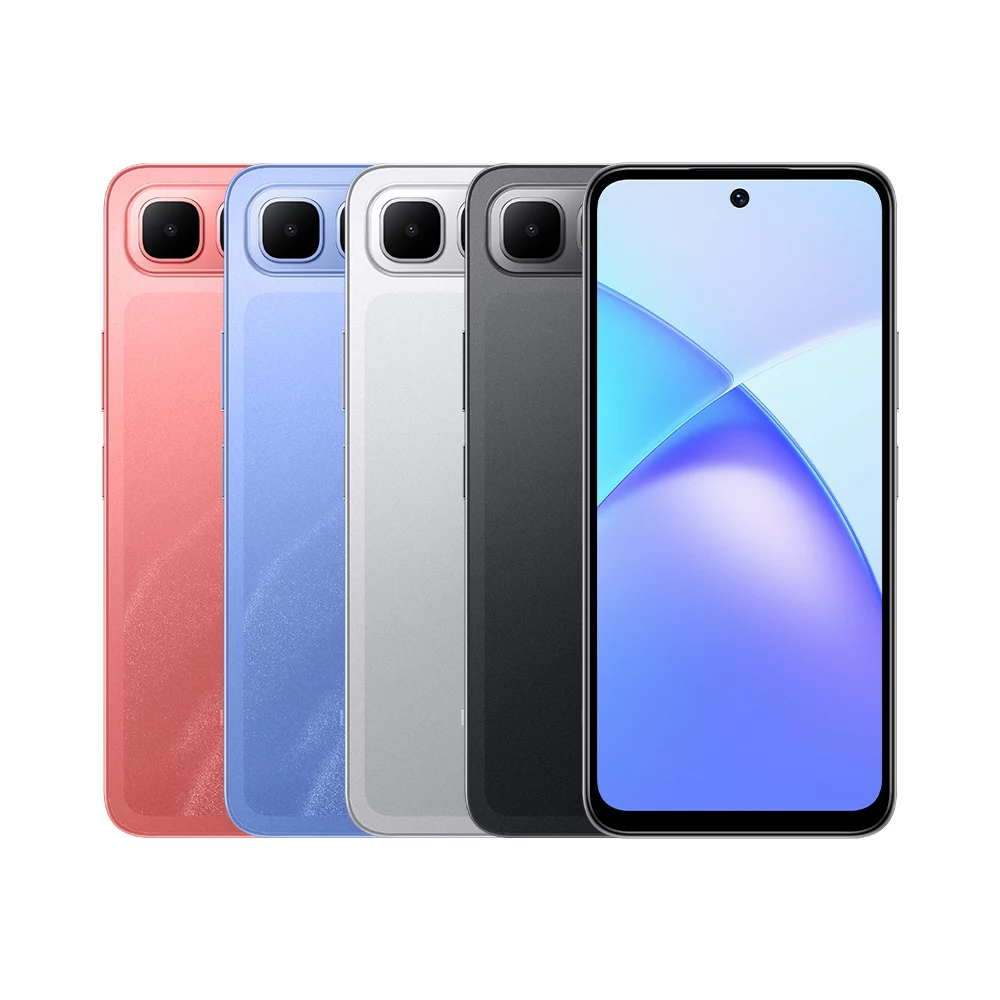
Guglani has backed his claim with photos of what appears to be the phone’s retail packaging, alongside live images showing the device in four different color options: Black, Blue, Yellow, and Pink.
As you can see, the colors, along with the overall design of the handset, are identical to the Vivo S30 Pro mini from China. Therefore, it’s likely that the X200 FE is essentially a rebranded version of that phone, possibly with minimal regional changes.
Vivo X200 FE Specifications (Expected)
If the internal specifications remain unchanged, the Vivo X200 FE is expected to feature a 120Hz AMOLED display with 10-bit color depth and a peak brightness of up to 5,000 nits. A 50MP front camera is situated in a centered punch-hole cutout.
The rear camera setup may include a 50MP primary sensor, an 8MP ultrawide, and a 50MP periscope telephoto camera with a 70mm focal length and 3x optical zoom. Both the main and telephoto lenses are expected to support optical image stabilization (OIS).
Vivo X200 FE in all four colors. Source: Paras Guglani
One of the more notable aspects is the battery. Vivo is using a 6,500mAh silicon-carbon battery in the S30 Pro Mini, and it’s likely the X200 FE will follow suit. That battery supports 90W wired charging and also works with USB PD protocols.
Additional features may include stereo speakers, an under-display fingerprint sensor, and an IP68/IP69 rating for water and dust resistance.
The X200 FE is tipped to launch in India with a price tag of ₹54,999, but launch-day discounts could bring that down to ₹49,999. Vivo has yet to officially confirm any details.
OPPO has confirmed the global launch of its Reno 14 Series 5G smartphones. After its China debut, the series will soon roll out in other markets, including Malaysia. The company has teased three color options for global buyers: White, Blue, and Green. The phones feature a slim profile, Gradient Aura Design, and Iridescent Mermaid Design. Key features include AI Flash Photography, AI Editor 2.0, and ColorOS, likely version 15 based on Android 15.
In Malaysia, OPPO has teased the launch through its official X handle, stating “Coming Soon.”
OPPO has also listed several new devices on its global website under its Mobile Intelligent Ecosystem. These include the Watch X2 Mini smartwatch, Enco Buds 3 earbuds, and Pad SE tablet. The Pad SE is already available in Malaysia and could launch globally alongside the Reno 14 series. Previously, the Reno 14 Pro 5G global model was spotted on Geekbench, equipped with a MediaTek Dimensity 8450 chip, along with 12GB of RAM and Android 15.
OPPO Reno 14 Series Chinese Variant features
The Chinese version of the Reno 14 5G has a 6.59-inch flat LTPS OLED screen with 1.5K resolution, 120Hz refresh rate, and 1200 nits peak brightness. It has an IP66/68/69 rating for dust and water resistance. The phone uses a metal frame with a velvet-textured glass back, weighs 187 grams, and is 7.32mm thick.
It runs on the MediaTek Dimensity 8350 processor with LPDDR5X RAM and UFS 3.1 storage. Options go up to 16GB RAM and 1TB storage. The 6000mAh battery supports 80W wired charging. It uses a nano ice crystal heat sink for cooling, claimed to perform three times better than standard graphite sheets.
The triple camera setup includes a 50MP Sony main sensor with OIS, an 8MP ultra-wide lens, and a 50MP JN5 periscope lens with 3.5x zoom. The front has a 50MP camera. New camera features include Live Photo, 4K HDR to Live conversion, and a CCD effect.
The Reno 14 Pro comes with a larger 6.83-inch 1.5K OLED display and is powered by the Dimensity 8450 chip. It also supports up to 16GB RAM and 1TB of storage. The battery is 6200mAh with 80W wired and 50W wireless charging.
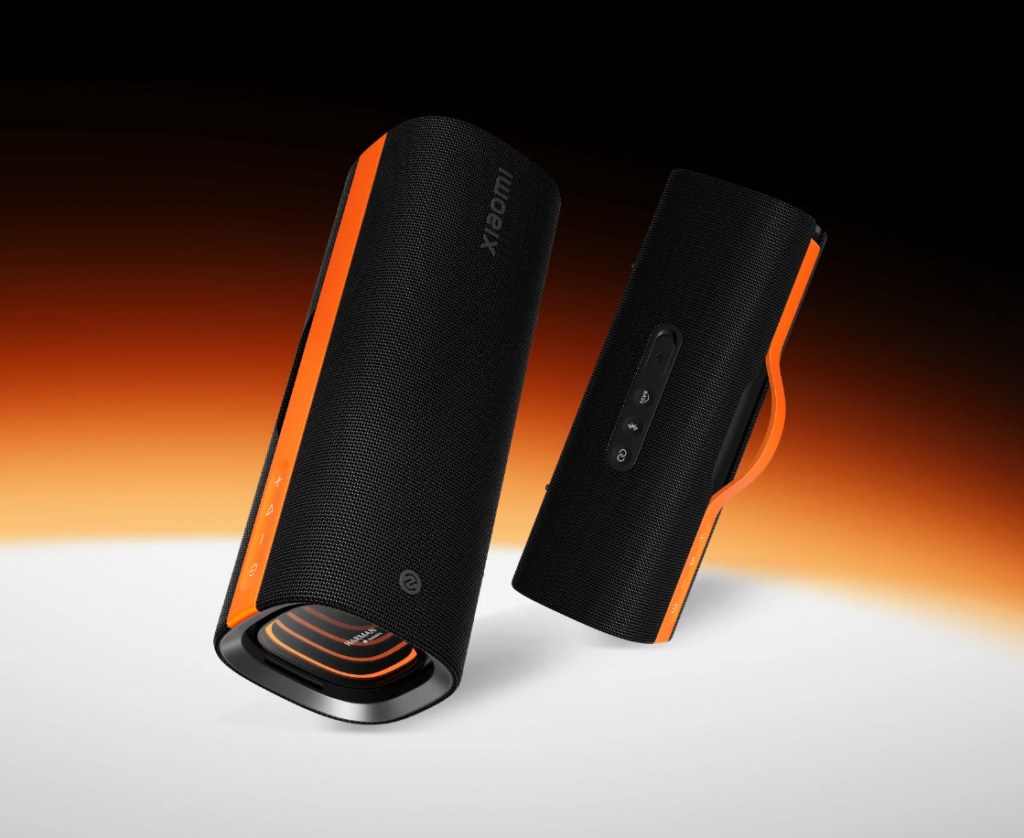
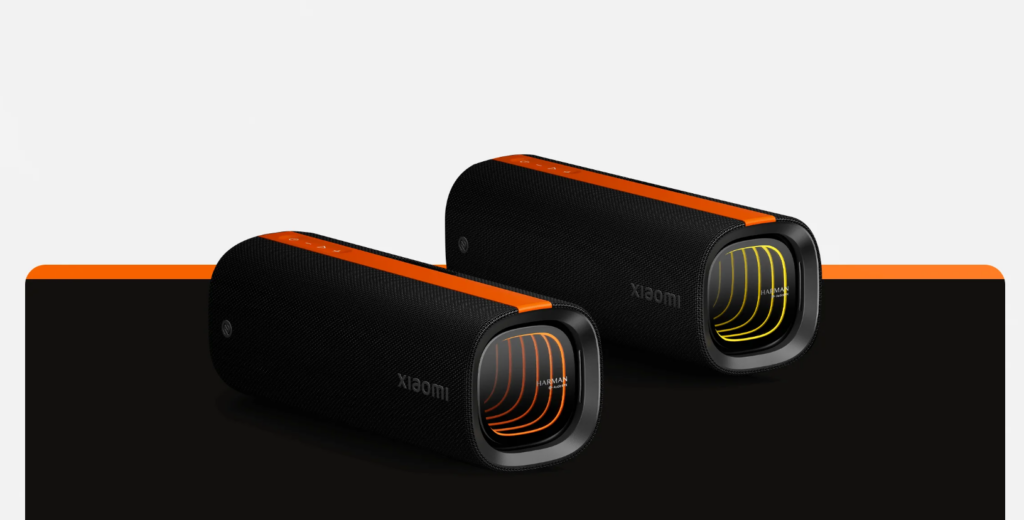
Xiaomi has unveiled the Xiaomi Sound Party, a new portable speaker listed on its global website, signaling an imminent international launch. While pricing and regional availability are yet to be confirmed, the product targets users seeking powerful sound in a portable, party-ready design.
The Sound Party delivers a total output of 50W, combining a 15W tweeter and 35W woofer. It also includes a Bass Boost mode and Harman AudioEFX tuning, promising a wide soundstage and deeper bass. The speaker is equipped with a 7.3V, 5200mAh lithium-ion battery, delivering up to 26 hours of playback at 50% volume with lighting and bass boost turned off.
Designed for portability, the Sound Party weighs approximately 1.2 kg and features a hidden handle. Its IP67 rating offers resistance to dust and water, making it suitable for outdoor use. The 3D ambient “time tunnel” lighting syncs with music, enhancing visual appeal during events.
For stereo sound, the speaker supports TWS (True Wireless Stereo) mode, allowing two units to pair as left and right channels. It also supports Party Connect, enabling synchronised playback across up to 100 units.
Connectivity is powered by Bluetooth 5.4 and NFC support (for Android 8.1+), offering quick and stable pairing. The speaker also includes a built-in microphone for hands-free calls and a USB-C port that supports PD fast charging. A 10-minute charge can yield up to 2 hours of playtime, and the device can function as a power bank with a maximum output of 15W. The speaker comes in black with orange accents and measures 255 x 92 x 92 mm.
For more daily updates, please visit our News Section.
The Tecno Pova Curve 5G enters the competitive sub-Rs 20,000 segment with a focus on design and display, offering a curved AMOLED screen, a slim profile, and a MediaTek Dimensity 7300 Ultimate chipset. Priced at Rs15,999 for the 6GB+128GB variant, it aims to attract buyers looking for a premium feel without breaking the bank. But does it deliver where it matters? Let’s break it down.
4Cameras and Other Features
Tecno Pova Curve 5G
Front: 13MP
Rear: 64MP Sony IMX682 + 2MP bokeh
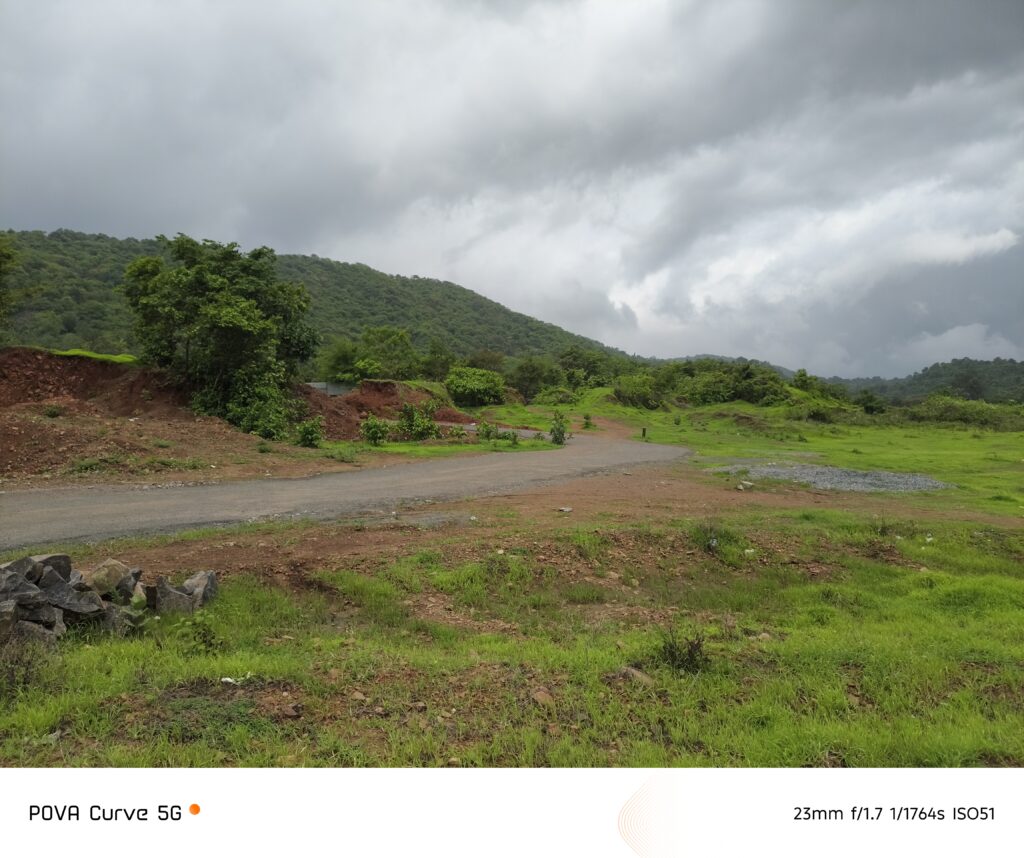
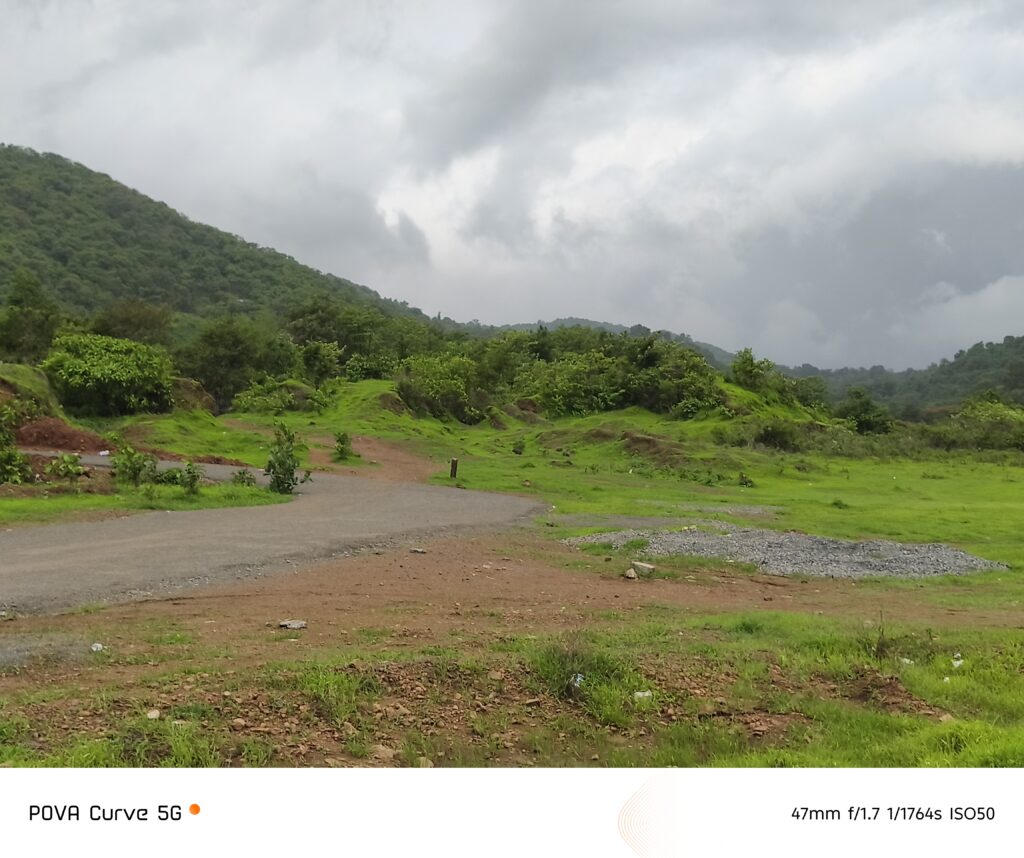
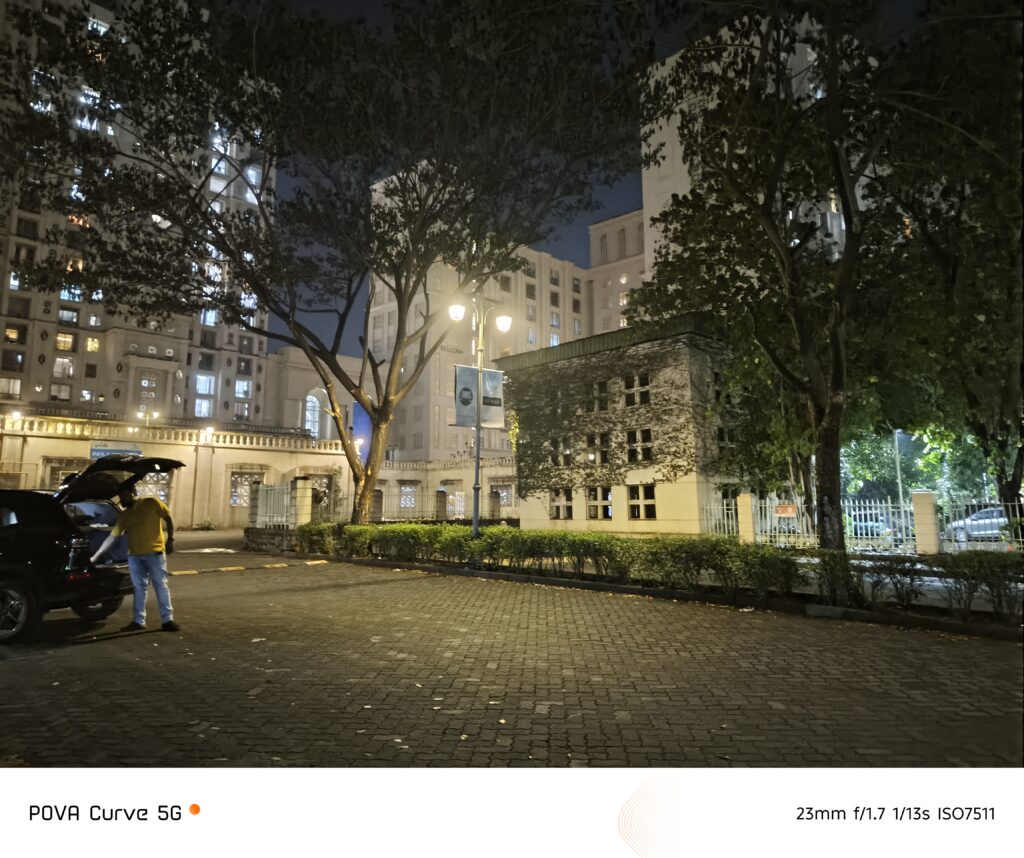
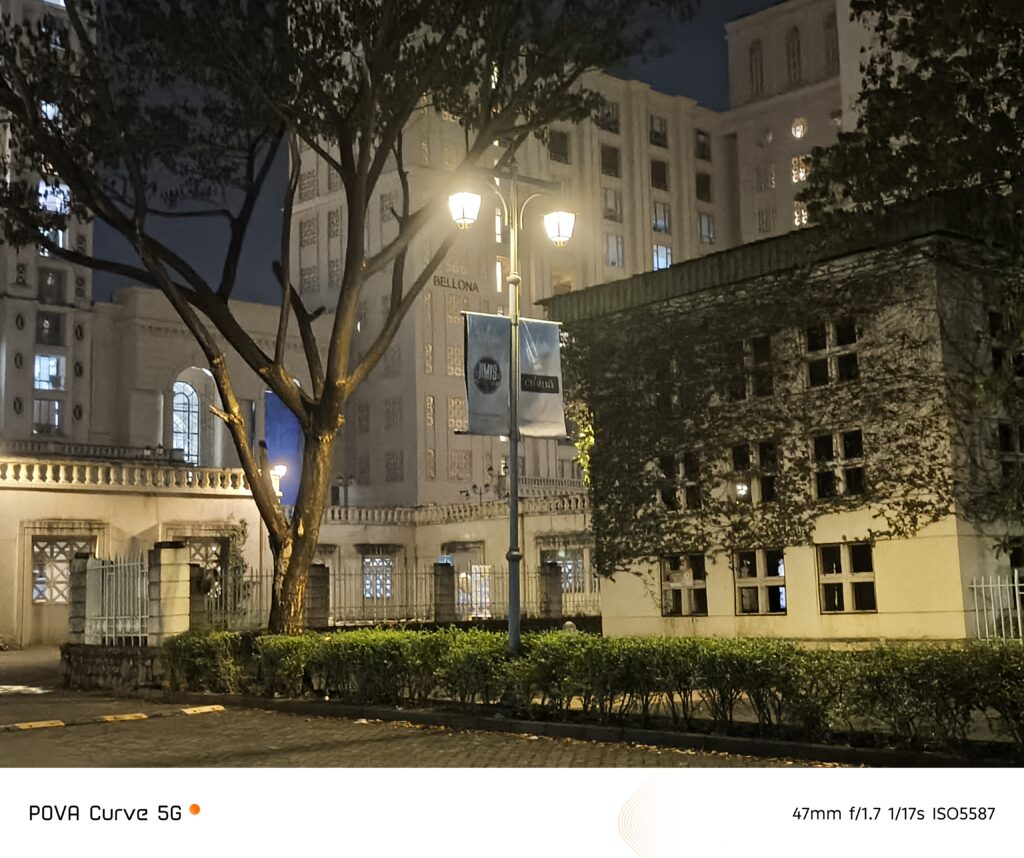
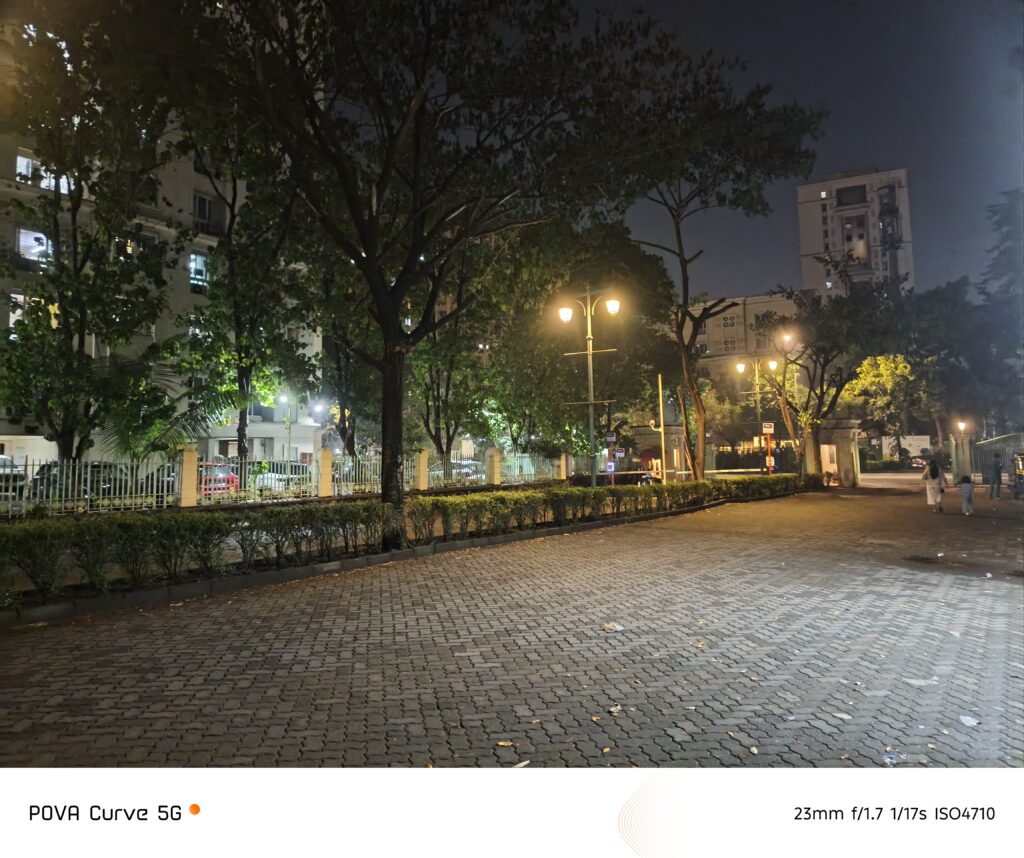
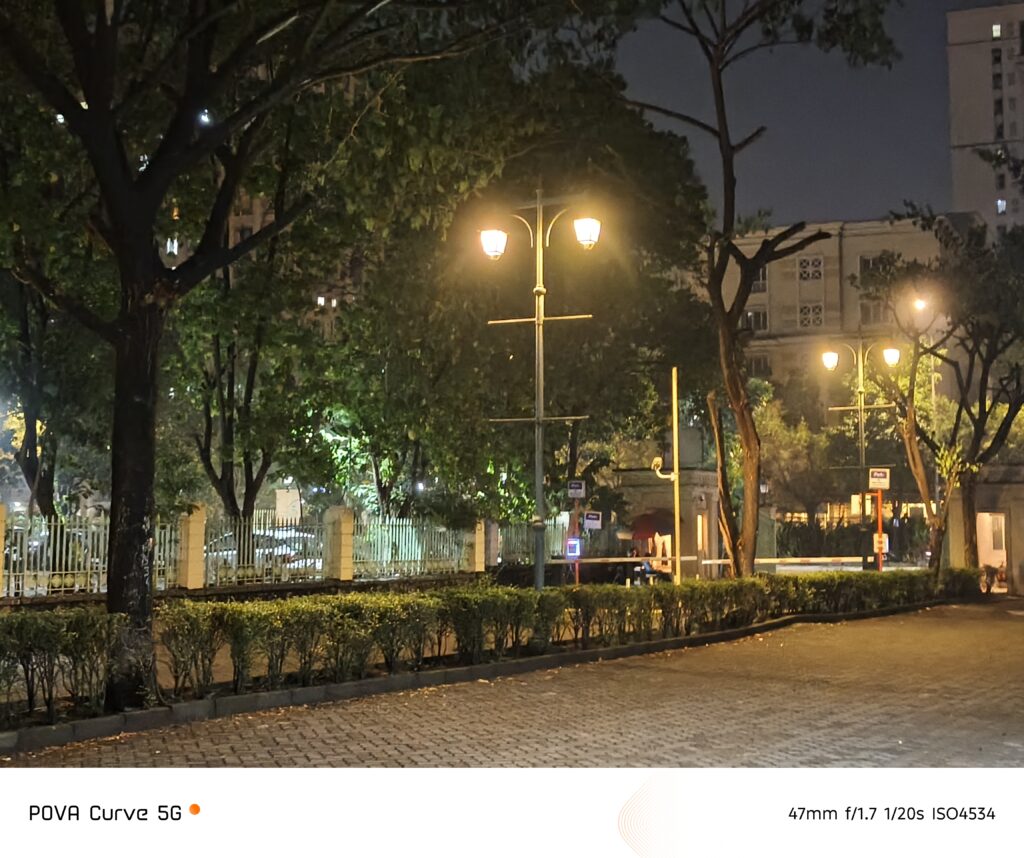
The dual-camera setup includes a 64-megapixel primary sensor (Sony IMX682) and a 2-megapixel depth helper. Daylight shots are detailed with good dynamic range, though colors lean slightly vibrant. Portrait mode works well with accurate edge detection, but low-light performance is average, with visible noise.
1x2x1x2x1x2x1x2x
The 13-megapixel selfie camera captures decent shots in good light but struggles in dim conditions. Both front and rear cameras support 4K@30fps recording, a rarity in this segment, though stabilization could be better. The device offers a couple of handy AI-powered photography-related features like AI Eraser 2.0 (removes unwanted elements from photos), AI Sharpness Plus (enhances details), AI Portrait Expansion (recreates backgrounds in portrait shots), and AIGC Portrait (generates artistic avatar version of photos).
Porrait selfiePorrait selfiePorrait selfie with artificial light1x1x2x1x2x
Other notable features of the Pova Curve 5G include Wi-Fi 6, Bluetooth 5.4, an in-screen fingerprint reader, NFC, an IR blaster, and AI-driven features like real-time translation and transcription, which functions quite well.
For better connectivity in challenging scenarios, the Pova Curve uses AI to continuously optimize signal reception in areas with low network coverage. According to the brand, with 86.5 percent antenna enclosure coverage and full-body signal design, it minimizes blind spots for more reliable connectivity. Additionally, the phone is specially optimized for low-network environments, making it particularly suitable for users in remote areas and Tier 3 locations where network fluctuations are common. This includes support for VoWiFi Dual Pass technology, which helps maintain uninterrupted call quality by seamlessly switching between available networks.
Verdict
Tecno Pova Curve 5G
The Tecno Pova Curve 5G presents an attractive package in the budget segment, combining a premium curved AMOLED display with a sleek, lightweight design, dependable performance, and many AI-powered features. Priced competitively at Rs 15,999, it stands as a worthy alternative to devices like the Realme P3 Pro and Poco X7, though potential buyers should note its limitations, particularly the promise of just one major OS update and the absence of an ultra-wide camera.
The phone shines with its 144Hz refresh rate display, IP64-rated build quality, impressive battery life with 45W fast charging, and capable daylight photography. While these features make it an excellent choice for users who value aesthetics and display quality, those prioritizing long-term software support or more versatile camera capabilities might find better options in alternatives such as the CMF Phone 2 Pro or Infinix Note 50s 5G.
Ultimately, the Pova Curve 5G strikes a fine balance between style and substance, making it particularly appealing for buyers who want a premium-looking device without stretching their budget.
The Pova Curve 5G variants, such as 6GB+128GB and 8GB+128GB are priced at Rs 15,999 and Rs 16,999, respectively. The 6GB variant is available via Flipkart in India, whereas the 8GB edition is only sold offline.
For more daily updates, please visit our News Section.
Gmktec has launched a new compact desktop PC in China. The Gmktec G10 is now available for purchase on JD.com, targeting users who need a small yet capable system for everyday work, content consumption, and light creative tasks.
Gmktec G10 Specifications
The mini PC is powered by AMD’s Ryzen 5 3500U processor, based on the 12nm Zen+ architecture. It includes 4 cores and 8 threads, with a base clock of 2.1GHz and a maximum boost frequency of 3.7GHz. The CPU is paired with integrated Radeon Vega 8 graphics, clocked at 1200MHz. While not designed for high-end gaming, the Vega GPU handles casual 1080p games like League of Legends and basic 2D design work with ease.
Gmktec claims the G10 can scale its total system performance up to 55W, though the base APU TDP is rated at 35W. This gives users a bit more headroom for tasks that benefit from burst performance. In terms of memory, the system ships with 16GB of DDR4 RAM in dual-channel (8GBx2), but it supports upgrades up to 64GB. Storage is also highly expandable, with support for up to 16TB. The entry-level model includes a 512GB SSD, while the higher-end version doubles the capacity to 1TB.
Despite its small footprint, the Gmktec G10 includes a solid array of ports. The front houses two USB-A ports for easy access. On the rear, users get an additional USB-A, two USB-C ports with power delivery and high-speed data support, one HDMI 2.1 port, one DisplayPort 1.4, and a Gigabit Ethernet jack. These ports allow for up to three displays to be connected simultaneously, with both HDMI and DP supporting 4K output at 60Hz.
The G10 uses a single-fan cooling system, and while the thermal solution is modest, it’s sufficient for the TDP envelope this system operates within. Gmktec also highlights the build quality, with a sleek metallic finish and a compact chassis that easily fits into tight workspaces or minimalist desk setups. The design remains clean and understated, making it suitable for office, home, or media center use.
Pricing and Availability
Gmktec has priced the 512GB SSD model at 1399 yuan (approximately $195), with an introductory offer of 1199 yuan (approximately $165). The 1TB SSD variant is priced at 1599 yuan (approximately $223), and is currently available at a discounted rate of 1399 yuan (approximately $195). Both models are listed on JD.com in China.
In related news, Aoostar recently launched the Godz Mini PC featuring an AMD Ryzen 7 processor paired with a discrete Radeon RX6600LE GPU. Meanwhile, Minix has introduced the NGC N713 Mini PC, equipped with a 13th Gen Intel Core i7 processor and support for up to 96GB of RAM.
For more daily updates, please visit ourNews Section.
Realme has started teasing the upcoming Narzo 80 Lite 5G in India, and now a fresh leak from tipster Paras Guglani appears to confirm the full spec sheet of the device.
While the company had already revealed the phone will include a 6000mAh battery, the new leak outlines everything else about it.
Realme Narzo 80 Lite 5G Specifications (Rumored)
According to the leak, the Narzo 80 Lite 5G will feature a 120Hz display, though the screen size and panel type remain unconfirmed. At its core, the phone is said to run on MediaTek’s Dimensity 6300 chipset. It will be paired with 4GB or 6GB of RAM and 64GB or 128GB of storage.
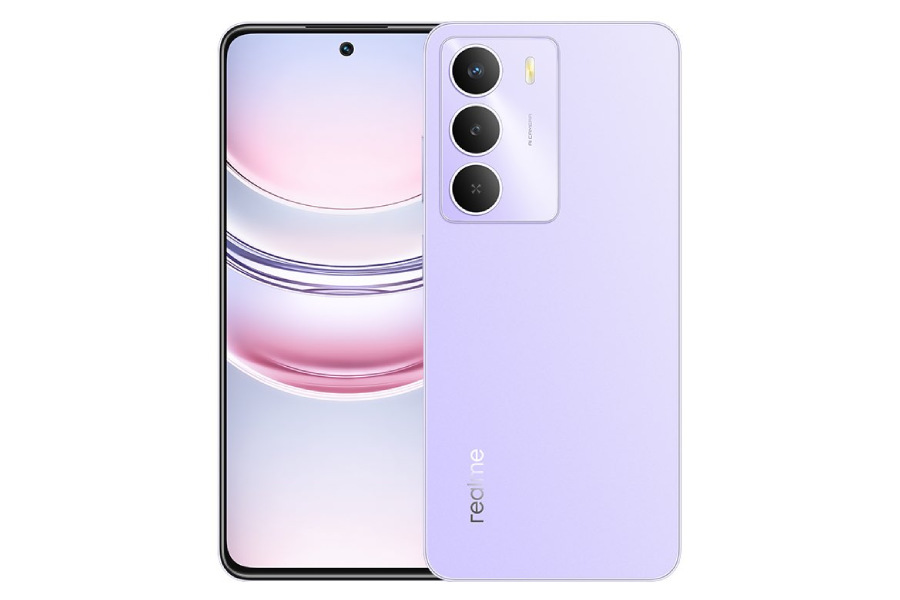
Realme Narzo 80 Lite 5G in Crystal Purple
Camera-wise, Realme is reportedly using a 32MP GC32E2 sensor with autofocus and some AI-based imaging features on the rear. There’s no word yet on the secondary or front cameras. As for software, the phone will run on Realme UI 6.0 out of the box.
The Narzo 80 Lite 5G also brings a few other functional additions, including IP64 dust and splash resistance, dual-mode 5G support, and a relatively slim 7.94mm profile.
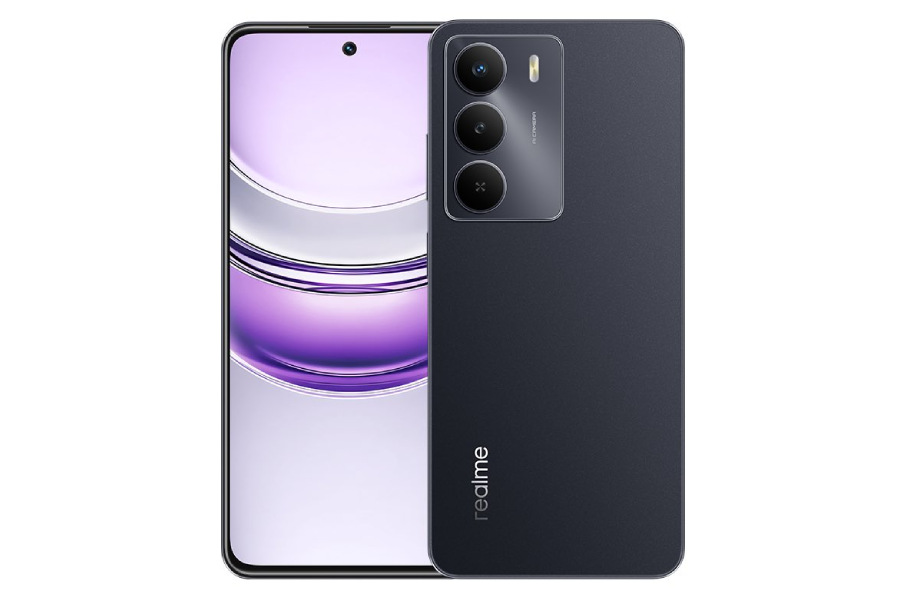
Moreover, its 6000mAh cell will support charging at just 15W. The device will be available in Crystal Purple and Onyx Black shades. And it is expected to retail at around Rs 9,999 for the base variant in India. An earlier leak backs up this pricing and claims the 6GB/128GB model will cost Rs 11,999.
Realme Narzo 80 Lite 5G in Onyx Black
Realme hasn’t confirmed an official launch date yet, but with teasers already rolling out and full specifications now leaked, the Narzo 80 Lite 5G appears to be just around the corner.
Samsung‘s newest flagship smartphones might be receiving the Android 16 OS based One UI 8 Beta update. A new report suggests that this update is rolling out for the Galaxy S25, Galaxy S25+, and Galaxy S25 Ultra. So here’s everything you need to know.
Samsung Galaxy S25 Series Gets One UI 8 Beta
The news arrives from tipster Tarun Vats, who shared the information on X (formerly Twitter). As of right now, it appears that the Android 16 based beta update is rolling out for Galaxy S25 owners in select regions, namely India and Poland. Looking at the tweet shared by the tipster, the One UI 8 Beta for the Galaxy S25 carries the S938BXXU4ZYF3/S938BOXM4ZYF3/S938BXXU4BYF3 build versions. Samsung is adding the June 2025 security patch as well with the download size being around 3.6GB. This
Samsung’s Android 16 OS One UI 8 Beta Could be Rolling Out for the Galaxy S25 lineup
Samsung’s latest One UI 8 Beta is set to bring upgrades to the Galaxy AI, allowing the Galaxy devices to analyze what’s on your screen or what the camera sees. Furthermore, the Now Bar and Now Brief are also on the way along with the option to make AI processes locally on the Galaxy phones.
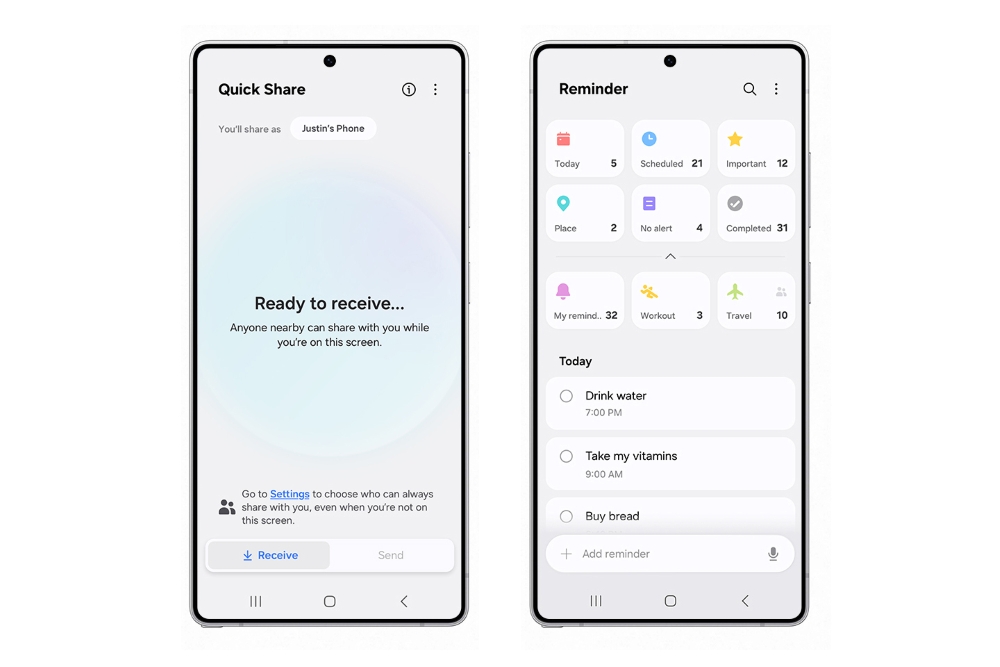
Among the other new features, there is also audio sharing stream via Bluetooth LE audio thanks to QR codes (supported on Galaxy Buds), quicker registration and access to repair support via QR codes and NFC from the Samsung account. The UI is getting updates as well with a new Quick Share option from the Quick Settings panel for faster file sharing.
For more daily updates, please visit our News Section.
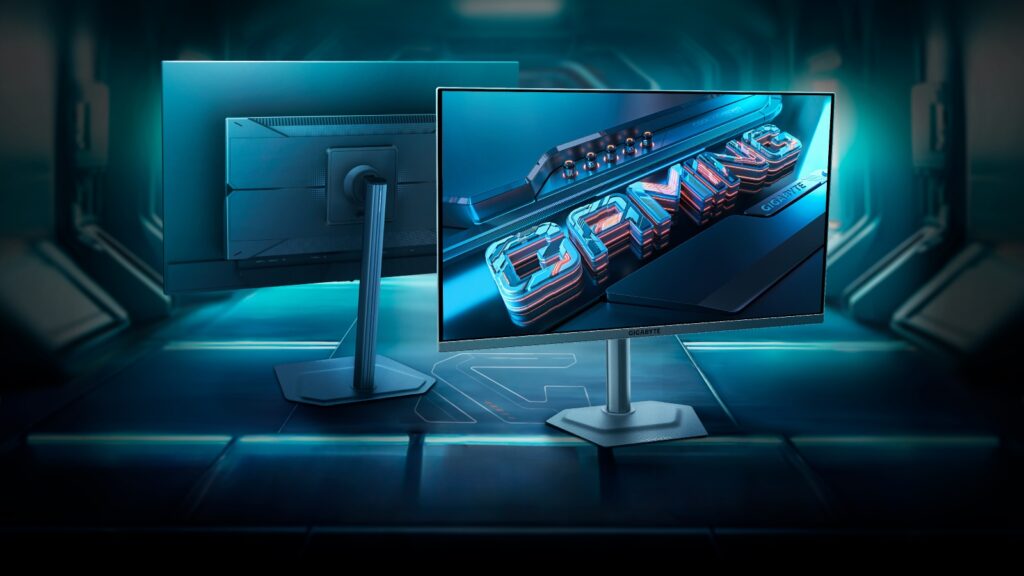
Gigabyte has introduced its latest gaming monitor, the MO27Q2, in the Chinese market. The monitor features a 27-inch QD-OLED panel with a 2K (2560×1440) resolution and a 240Hz refresh rate. It is priced at 2,999 yuan (approximately $418) and is now available for purchase on JD.com.
Gigabyte MO27Q2 Monitor Specifications
The MO27Q2 targets competitive gamers and high-end users with its Samsung-powered QD-OLED display. The panel supports true 10-bit color, 99% DCI-P3 coverage, and a peak brightness of up to 1000 nits. It carries the VESA DisplayHDR 400 certification, which ensures improved dynamic range and contrast performance in HDR content.
The display features a 0.03ms GtG response time and supports AMD FreeSync Premium Pro. It is also certified under VESA ClearMR 13000, indicating high motion clarity and minimal blur during fast-paced gameplay. These specifications position the monitor well for esports and fast-action titles.
Gigabyte has included two HDMI 2.1 ports, one DisplayPort 1.4, and a USB-C port with 18W power delivery. The monitor also provides two USB-A 3.2 ports with KVM switch functionality, a USB-B upstream port, and a 3.5mm headphone jack. These ports allow compatibility with PCs, consoles like the PlayStation 5 and Xbox Series X, and USB-C devices.
The MO27Q2 uses Gigabyte’s AI-based OLED Care system, which manages screen maintenance features to reduce the risk of burn-in. The settings can be adjusted manually, and the monitor comes with a 3-year warranty that includes burn-in protection.
Gigabyte has equipped the monitor with several gaming features, including on-screen crosshair overlays, a black equalizer (Black Equalizer 2.0), PiP and PbP display modes, and a hardware monitoring dashboard. It also features a physical Tactical Switch button that allows users to switch profiles and activate a 24.5-inch emulation mode designed for FPS games.
The stand supports height adjustment up to 130mm, tilt from -5° to +21°, swivel up to ±20°, and pivot rotation up to 90° clockwise. The display also includes dual 5W speakers and supports 100x100mm VESA wall mounting.
In related news, BenQ has launched the professional-grade PV3200U 4K monitor featuring Mac color sync, 95% DCI-P3 coverage, and a built-in 2.1 speaker system. Meanwhile, MSI has introduced the MPG 242R X60N gaming monitor with a blistering 600Hz refresh rate and 0.1ms response time.
For more daily updates, please visit ourNews Section.
Nothing is scheduled to launch the Nothing Phone 3 on July 1 globally. The brand is touting it as a true flagship phone, and it will arrive with a significant change to its design, as it will not feature its signature Glyph interface. New developments have revealed the chipset and battery size of the device.
Nothing Phone 3 tipped to feature the Snapdragon 8s Gen 4
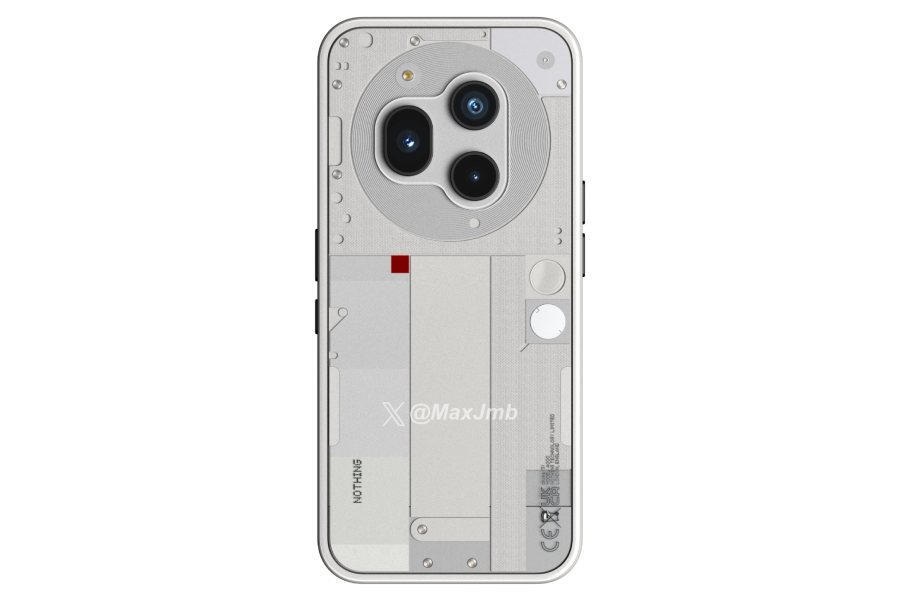
Nothing Phone 3 leaked image
According to tipster Yogesh Brar, the Nothing Phone 3 will be equipped with the Snapdragon 8s Gen 4. It is the same chip that powers the likes of the iQOO Neo 10 and the upcoming Poco F7.
The iQOO Neo 10 debuted with a starting price of Rs 31,999 (~$370) in India. There are speculations that the Poco F7 could be priced at around Rs 30,000 (~$3450). It is likely that the Phone 3, equipped with the same chip, may cost around Rs 60,000 (~$700).
Nothing NT05A battery certified by UL Solutions
Meanwhile, a certification has seemingly revealed the battery size of the Nothing Phone 3. As can be seen in the image above, a Nothing battery with model number NT05A was approved by the UL Solutions platform earlier this year. The said battery with a 5,150mAh rated capacity may power the Nothing Phone 3. At present, there is no concrete information about the fast charging capabilities of the device.
According to other reports, the Nothing Phone 3 may feature a 6.7-inch LTPO AMOLED panel that offers a 1.5K resolution and a 120Hz refresh rate. The device may support 50W wired and 20W wireless charging support. Instead of the Glyph interface, it will feature a customizable dot-matrix LED panel on the back. The device will run on Nothing OS 3.2-based Android 15 and feature a side button that will give access to its AI-driven Essential Space.
For more daily updates, please visit our News Section.
I’ve used plenty of portable monitors over the years: clunky clip-ons, rigid folding screens, and some clever magnetic options. Most of them are fine in a pinch, but rarely do they feel like a seamless extension of your laptop. That changed a few months ago when I got my hands on an early engineering unit of the FlipGo Horizon from Jsaux.
I had tested the company’s earlier FlipGo model, which was already pretty solid. But the Horizon brings a fresh take. Instead of strapping screens precariously onto your laptop lid, it gives you a full modular stand-based system that is flexible, protective, and very portable. Think of it as building a complete workstation out of thin air, and then packing it into your backpack when you’re done.
Now that the Kickstarter campaign is live and I’ve spent weeks testing the Horizon setup at home and the office, it’s time to talk about how it holds up in real-world use.
What’s in the Box
FlipGo Horizon comes with a well-thought-out kit that gives you everything you need to set up a multi-screen workspace right away. Here’s what you get:
2 × 15.6-inch Snap Screens
1 × Snap Stand
2 × USB-C 3.2 cables
1 × HDMI to mini HDMI video cable
1 × 65W power adapter
1 × Carrying case
1 × Tactical backpack (Retail version)
1 × Snap Stand Pro (Pro version only)
1 × SnapMag Module (Pro version only)
Design & Build Quality
The FlipGo Horizon immediately feels more polished than most portable screen setups I’ve tried. Out of the box, the engineering sample I received included two 15.6-inch Snap Screens, a basic Snap Stand, USB-C cables, and an assortment of accessories. Even though this was not a final retail unit, the materials and finish already looked solid. The Snap Screens are 357mm wide and just 12mm thick, sleek, but not fragile. Each weighs around 820 grams, which is totally manageable for travel.
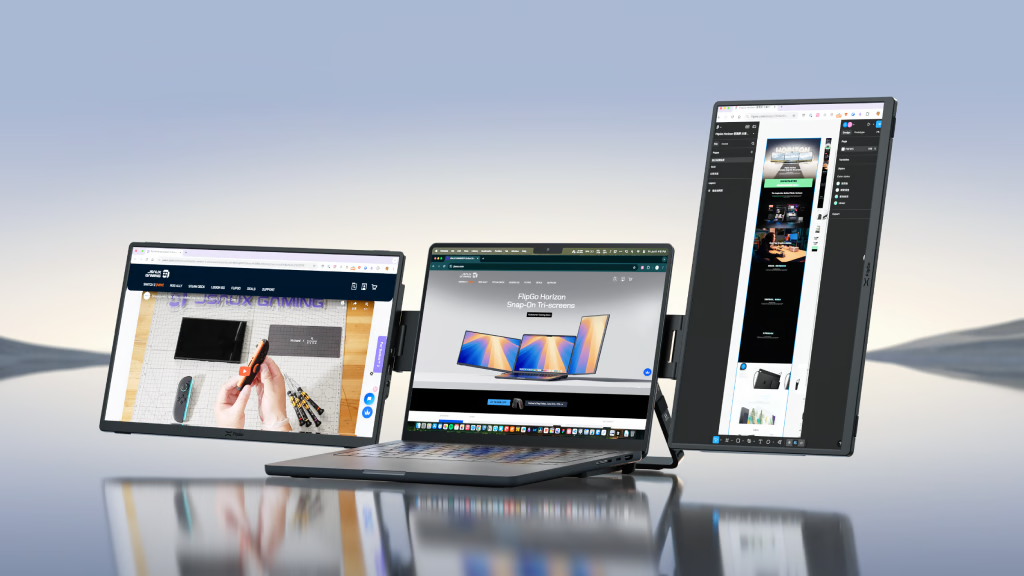
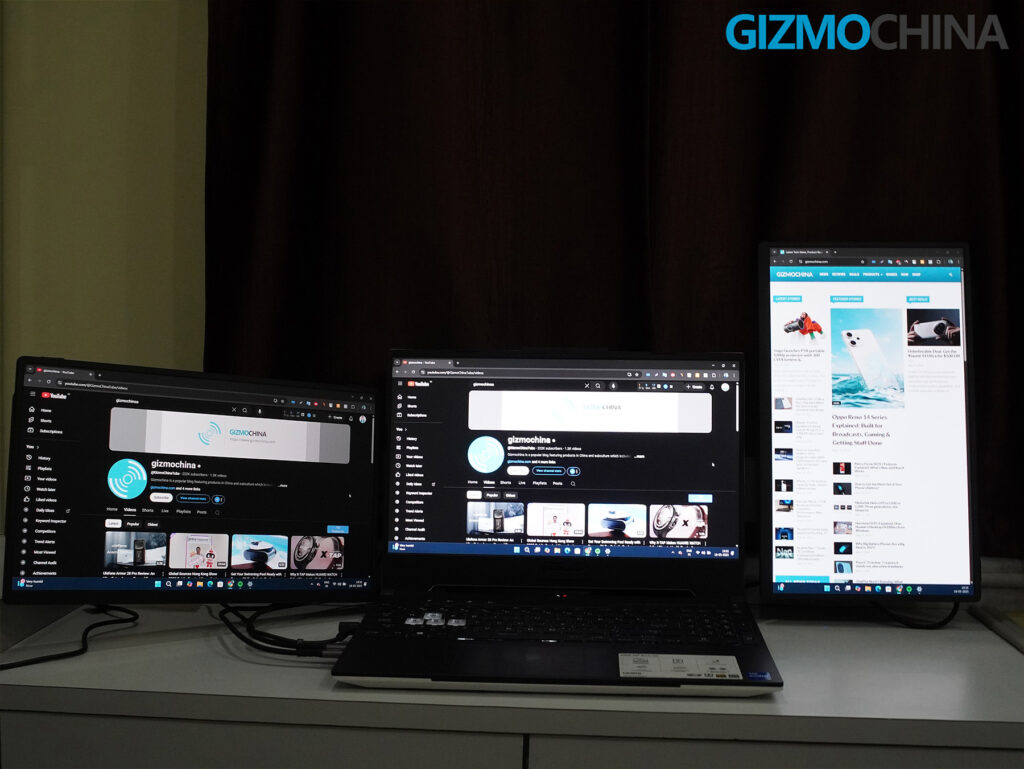
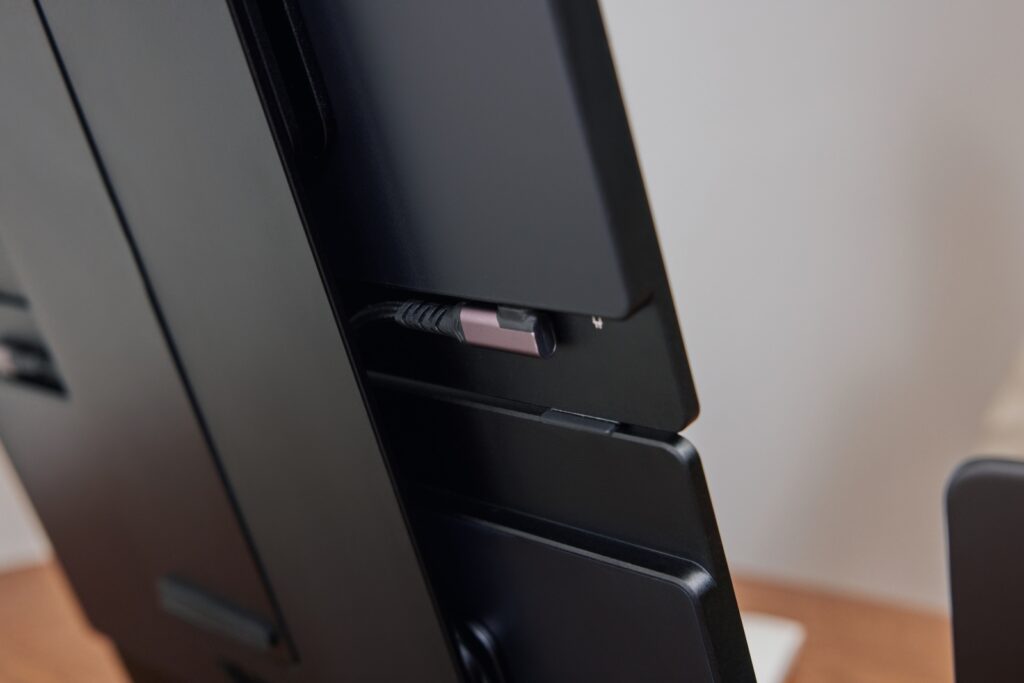
The patented Snap-Lock system is key to the Horizon’s design. Each Snap Screen connects magnetically to the Snap Stand, letting you switch between portrait and landscape modes quickly. The precision alignment magnets and locking clips work as promised. I was impressed by how smoothly the screens aligned with the stand and each other. You just adjust the magnetic arms based on your laptop size and snap the screens on.
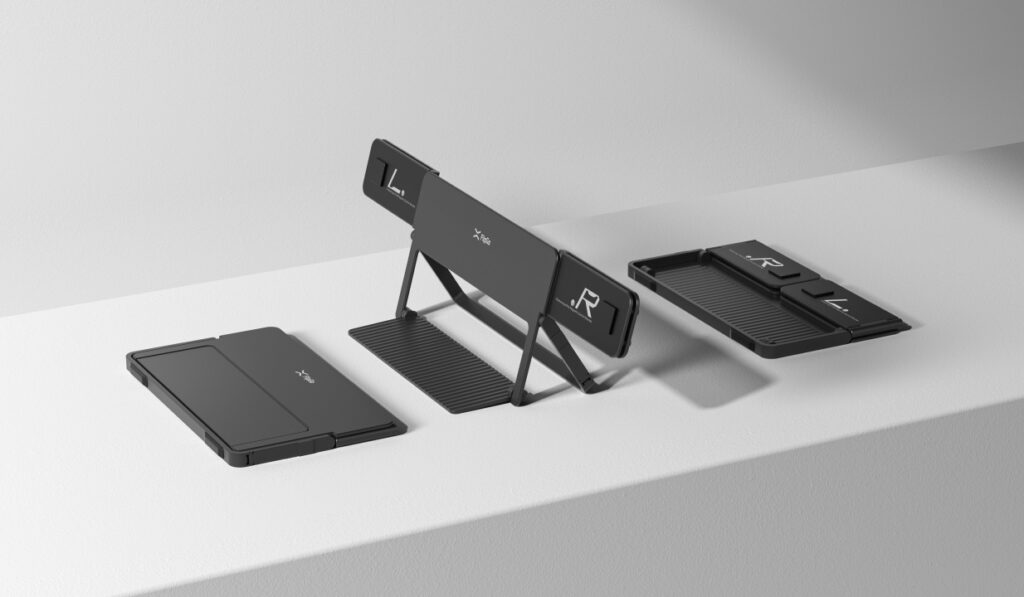
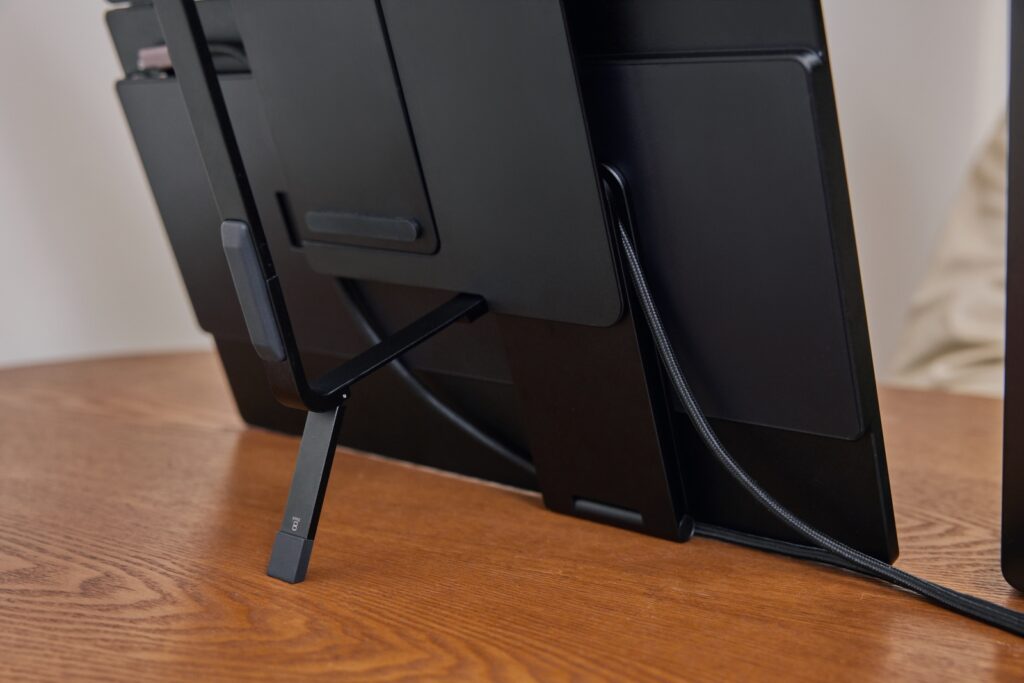
But perhaps the best design change versus older FlipGo models and competing clip-on displays is the stand itself. The Snap Stand takes all the weight off your laptop hinge. This matters — a lot. I’ve seen countless posts of broken hinges on laptops used with clamp-style dual-screen accessories. Here, your laptop sits on the stand’s metal base, and the screens rest on their own supports. This approach protects your device and ensures better stability.
The stand folds down to a very portable form, so the entire system still fits in a backpack (FlipGo even bundles a tactical backpack with the kit). My only small quibble is that the metal base can sometimes feel slippery on certain surfaces unless you’re careful. But overall, the hardware quality here punches above its price.
Connectivity and Setup
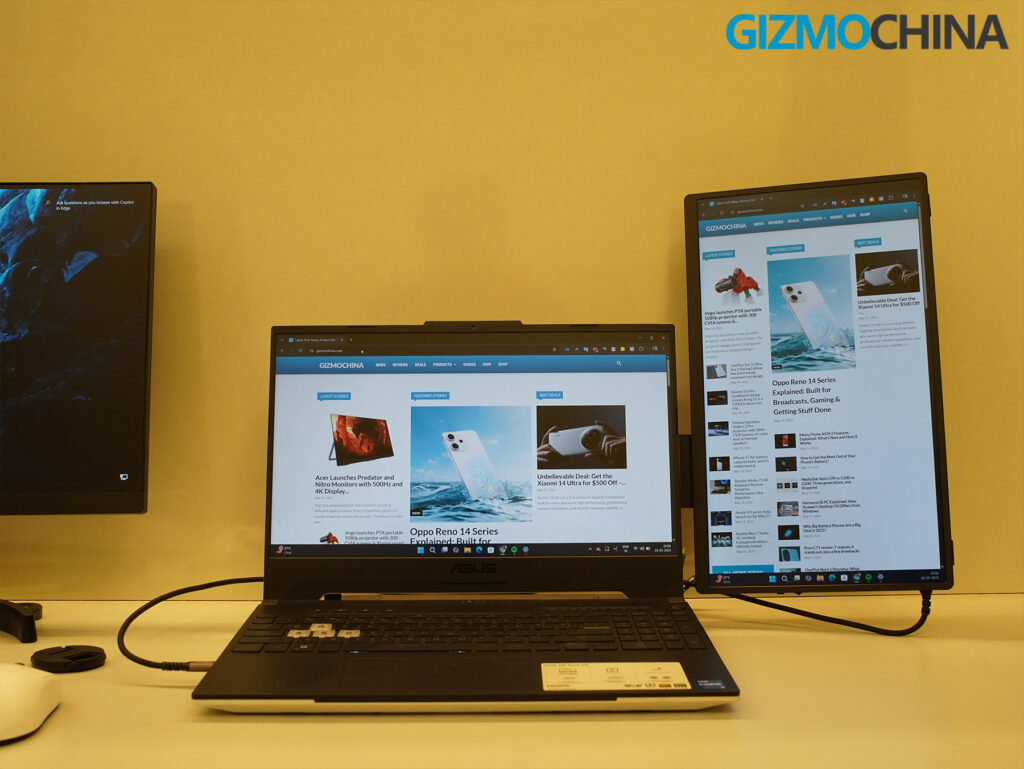
The promise of a “one cable, plug and play” experience is mostly true, depending on your device. I used the FlipGo Horizon exclusively with my Asus TUF Gaming F15 for this review. I did not test it with a MacBook, though the company highlights specific limitations with base M1 and M2 Macs.
Setup on the Asus TUF Gaming F15 was simple. I connected a USB-C cable, adjusted the display arrangement in Windows, and the screens were detected immediately. Portrait rotation settings are applied without any need for driver installs.
It is worth noting that base M1 and M2 Macs can only support one external display natively. This is a limitation of Apple’s hardware, not FlipGo’s. On these devices, FlipGo Horizon allows only one Snap Screen to work unless additional workarounds like DisplayLink docks or adapters are used.
The Snap Stand Pro aims to address this by adding an internal hub with USB-C expansion, reverse power, Ethernet, and more. It also enables both Snap Screens to function on port-limited laptops. My review unit did not include the Snap Stand Pro, so I could not test this setup, but the company’s demo suggests it works well and reduces cable clutter.
It helps that FlipGo provides a clear compatibility matrix so users know exactly what to expect.
Features
The Horizon system is more than just a triple display kit. The magnetic flexibility and multiple modes really set it apart.
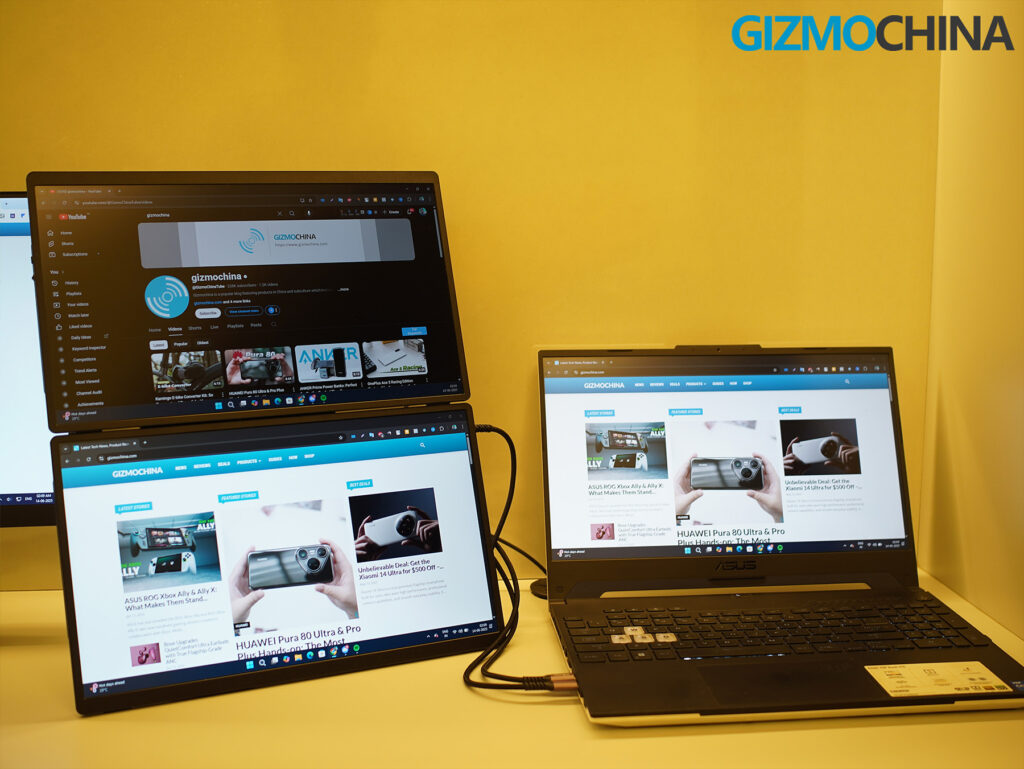
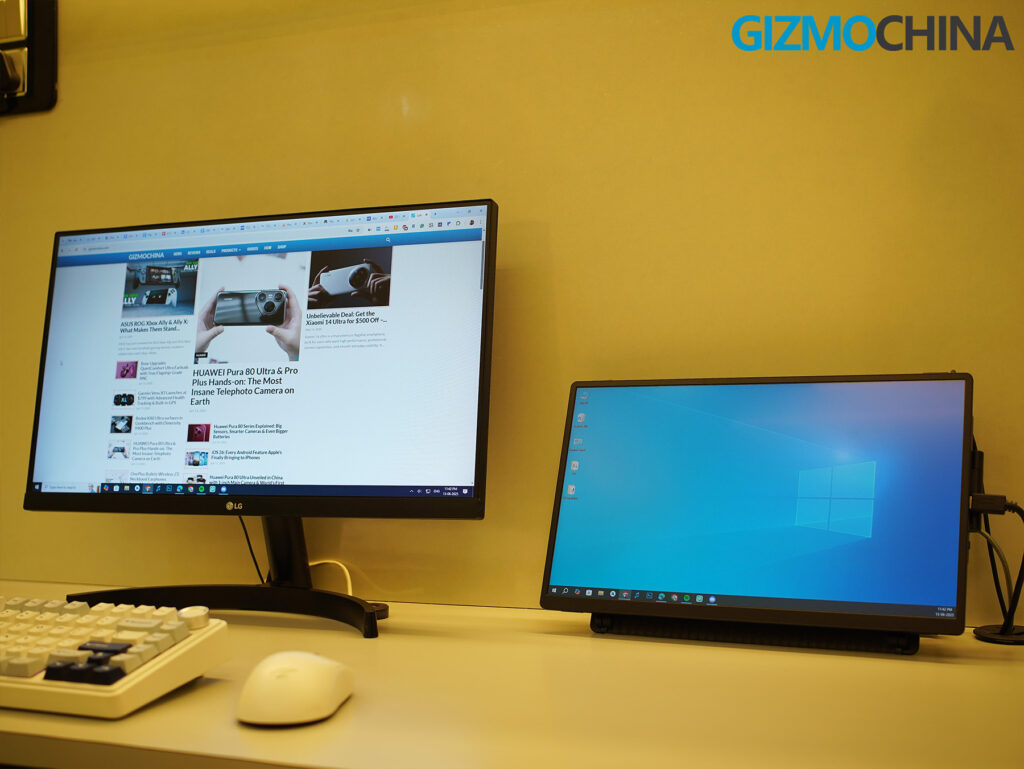
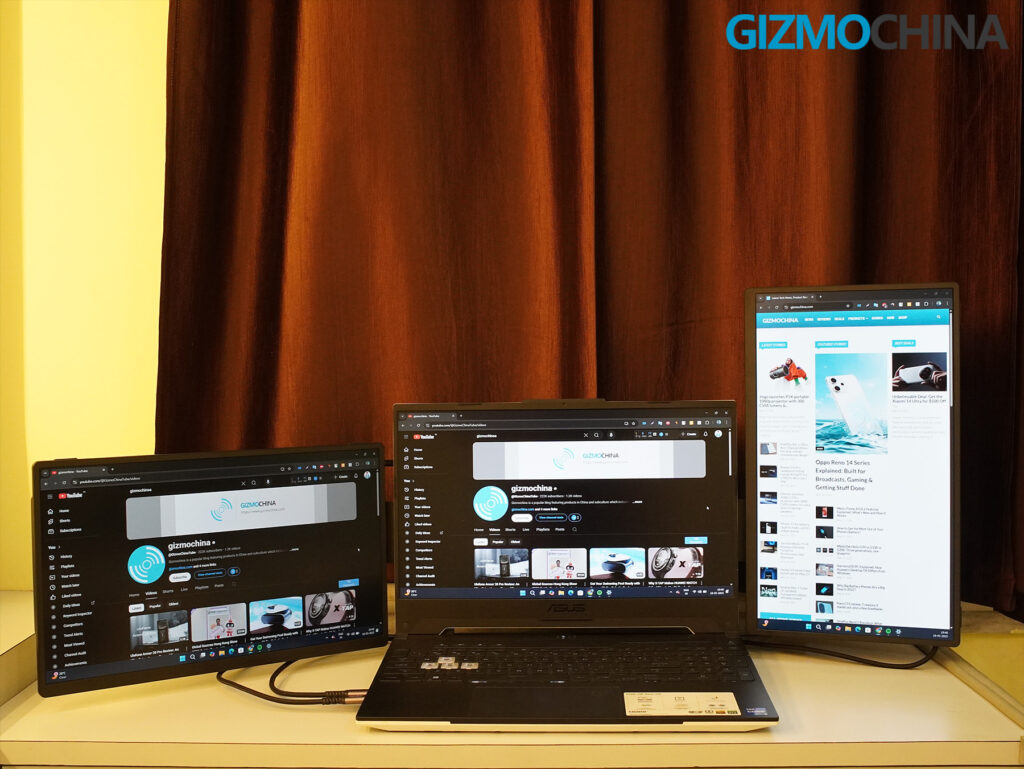
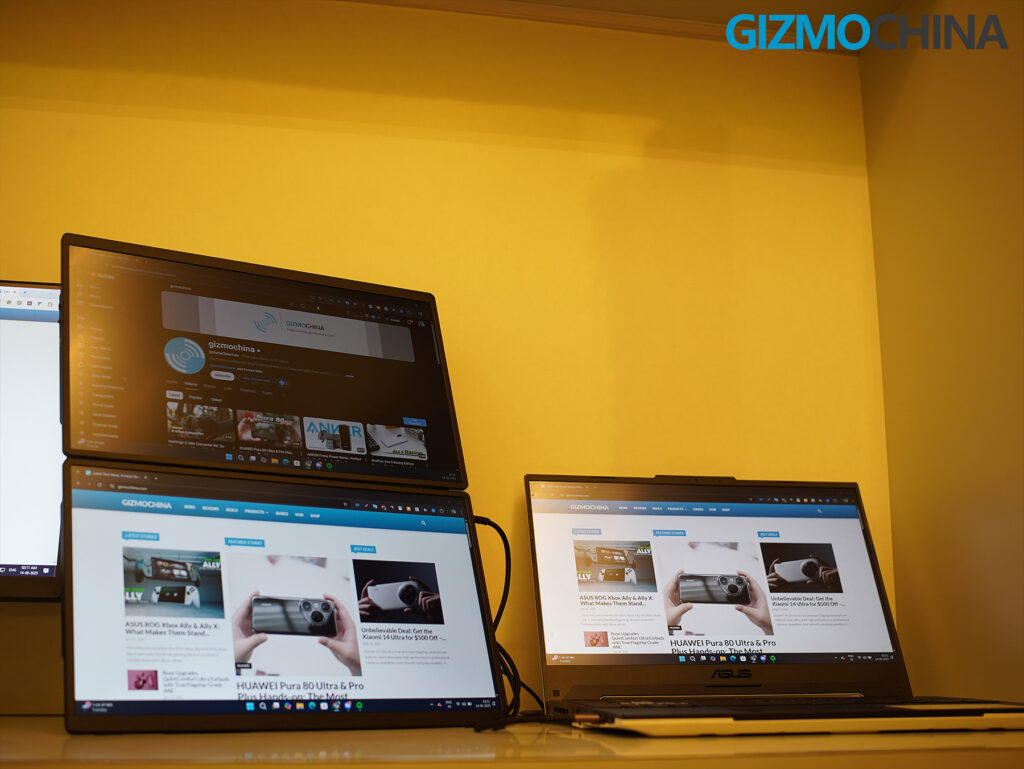
You can configure it in Horizon Mode for a classic side-by-side tri-screen setup, great for video editing or large spreadsheets. Stack Mode lets you create a vertical stack, ideal for coding, writing, or research workflows. Solo Mode enables quick expansion with just one Snap Screen. I mostly used this display in Solo Mode, as I am a desktop user, so it served as a secondary display like a charm.
The Snap-Lock mechanism makes these mode switches intuitive. I loved how easily the screens could be popped off, rotated, or repositioned, with no fiddly screws or brackets required. Even without the magnetic accessories that would enhance this modularity further, I found the system impressively flexible.
Another clever addition is MagSafe ecosystem support. The SnapMag Module (which I also didn’t receive yet in my early kit) allows iPhones, lights, or other MagSafe-compatible accessories to mount directly on the stand. This kind of thoughtful integration is exactly what you want in a modern modular workspace.
Display and Performance
The FlipGo Horizon’s screens are surprisingly good. Each Snap Screen features a 15.6-inch IPS LCD panel with a crisp 1920×1080 resolution, full 100% sRGB color coverage, and brightness up to 300 nits. While this won’t rival the rich contrast of OLED panels, these are some of the best LCD displays I’ve used in a portable setup.
I was immediately impressed by the viewing angles. Even with bright studio lights overhead, the screens remained clear and easy to read. Glare was handled very well, which isn’t always the case with portable monitors. Whether I was editing photos or just running multiple browser windows side by side, the displays held up beautifully.
I used the FlipGo Horizon across a typical week of work. I did a lot of writing and article reading, often with a browser open on one screen, a text editor on another, and Discord or email on the third. The screens were great for this kind of multitasking.
I also spent time editing images in Lightroom, and while an OLED panel would naturally offer better contrast, I found the color accuracy here more than good enough for casual to semi-professional editing. Colors were punchy without being oversaturated. Watching sports on one screen while working on the others was also smooth, with no lag or weird artifacts. The system runs at 60Hz, which is fine for productivity and general media use. You can also play games from handheld consoles.
Each display includes a small control switch on the side. You can easily adjust brightness, contrast, sharpness, black level, and color temperature on the fly. I tweaked mine slightly for photo editing and then bumped up the brightness for a few daylight work sessions. The controls feel responsive and intuitive, making it easy to get the screens looking exactly the way you want.
Although in most parts the setup works fine, you do need to be a bit mindful when detaching the Snap Screens. Occasionally, it takes a little pressure to pull them away from the magnetic Snap-Lock system, and if you’re not careful, a screen could slip and fall, especially when using Stack mode, where the vertical arrangement adds a bit more risk during teardown.
I also found that setting up Stack mode can be a bit more tiresome if you’re working in a shared space or trying to configure everything at a cafe or coworking desk. And one thing to keep in mind: these are large 15.6-inch displays, so they do eat up a fair bit of desk space when fully deployed. It’s worth making sure your work surface is clean and uncluttered before setting up a full triple-screen layout.
Accessories
Since I had an engineering unit, my package didn’t include the Snap Stand Pro or SnapMag Module, both of which add significant functionality.
Based on the official specs and videos, Snap Stand Pro consolidates power delivery, storage expansion, Ethernet, and dual-screen connectivity into a single USB-C cable. That’s a game-changer for port-limited laptops and would eliminate a lot of cable clutter. I am particularly keen to try this version once it’s available.
The SnapMag Module, meanwhile, adds mounting versatility for phones, fill lights, or action cameras. In theory, this would help turn the FlipGo Horizon into a more complete content creation or streaming rig. Again, not something I could test directly, but the potential is obvious.
Even with just the basic Snap Stand, the system worked very well. The folding design is clever, making setup and teardown fast. And the included carrying case is a nice touch for travel.
One thing to note: because the Snap Screens rest on the stand rather than clamping to your laptop, you do need to be careful in busy environments. If someone bumps your table or if a child tugs at a screen, it could be knocked over. This is a tradeoff for avoiding hinge stress, but it’s worth keeping in mind.
FlipGo also offers a range of add-ons that you can pick up separately. There’s a 90° USB-C right-angle adapter (useful for cleaner cable routing), a Snap Stand Pro upgrade if you start with the Standard kit, a SnapMag Module, and even a 20,000mAh 65W PD power bank that pairs well with the system for on-the-go setups. If you want a fully modular mobile workstation, these accessories give you plenty of options to expand.
Final Thoughts
After using the FlipGo Horizon for several weeks in real-world scenarios, I came away impressed. It solves many of the pain points that plague other portable display solutions. The modular design, Snap-Lock system, and stand-based approach make it safer for your laptop, more versatile in layout, and genuinely enjoyable to use.
Yes, the system has some limitations. If you’re using a base M1 or M2 Mac, or a laptop that only supports one external display, you’ll need to plan accordingly, or opt for the Snap Stand Pro to unlock full tri-screen capability. And the freestanding design, while excellent for hinge protection, does mean occasional care is needed in dynamic work environments.
But these are minor tradeoffs when weighed against the flexibility and quality the FlipGo Horizon delivers. For mobile professionals, creatives, and hybrid workers, this system unlocks a level of productivity that a single laptop screen just can’t match.
I’m excited to see how the final retail version performs with the full suite of accessories. Based on what I’ve experienced so far, FlipGo Horizon feels like a thoughtful evolution of the portable workspace, one that fits right into the growing trend of modular, adaptable tech.
If your workflow demands real multi-screen capability on the go, this is absolutely worth a look.
Pricing and Availability
The FlipGo Horizon is available through Kickstarter, with several pricing tiers depending on the version you choose. The Standard version is priced at $359 for Super Early Bird backers (MSRP $459), while the Pro version with Snap Stand Pro starts at $399 (MSRP $499). There are also Early Bird deals that slightly raise the price as the initial stock sells out.
In addition, you can purchase useful add-ons like the Snap Stand Pro separately for $79.99, the SnapMag Module for $15.99, and a 90° USB-C right-angle adapter for $6.99. Shipping is set to begin after the campaign wraps, though as with all crowdfunded products, final delivery dates can vary.
For more daily updates, please visit ourNews Section.
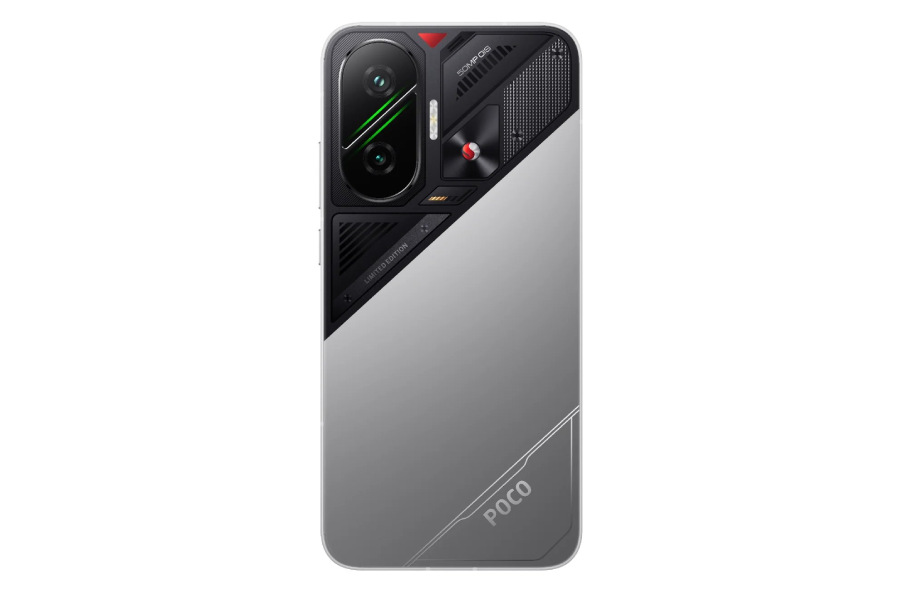
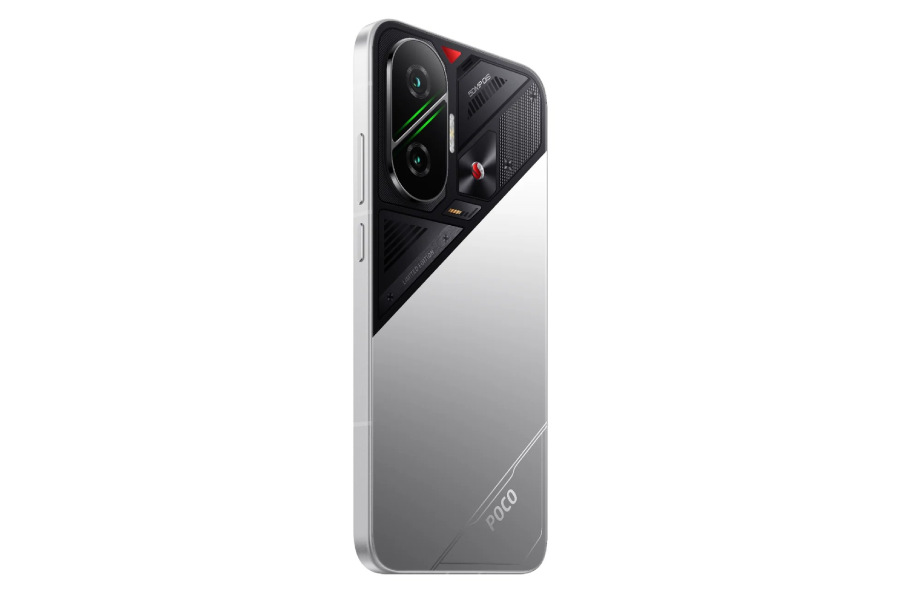
The Poco F7 has now leaked in full, just a day after high-quality renders of the black variant surfaced. A fresh leak from tipster Sudhanshu Ambhore provides a complete look at the upcoming device, including detailed images of a white and silver special edition.
Design-wise, the black and white variants have a minimalistic look with glossy surfaces, vertically stacked dual cameras, and discreet branding. There are no textures or color accents here. Just a polished back with a camera island in the top-left and the Poco logo near the bottom.
In contrast, the special edition model has a back design split diagonally with a two-tone finish. The upper portion includes mock vents, faux circuit-like patterns, and even visible Snapdragon branding. The lower half contrasts with a brushed silver finish and a Poco logo on the right.
Poco F7 Specifications
Internally, the Poco F7 is powered by Qualcomm’s Snapdragon 8s Gen 4, paired with LPDDR5X RAM and UFS 4.1 storage. The display is a 6.83-inch AMOLED panel with a 2772×1280 resolution, 120Hz refresh rate, and 3200 nits peak brightness. The phone also supports 3840Hz PWM dimming and has a 480Hz touch sampling rate.
The screen is also home to a 20MP selfie camera. Whereas, the rear includes a 50MP Sony IMX882 sensor with OIS and an f/1.5 lens, an 8MP ultrawide camera.
As for the battery, the global version reportedly includes a 6500mAh battery, while the Indian variant could come with a larger 7550mAh cell. Both support 90W wired charging.
Other notable features include IP68 water and dust resistance, Wi-Fi 7, an in-display optical fingerprint scanner, and Android 15 with Xiaomi’s HyperOS 2 on top. The phone has a glass back, aluminum frame, and weighs just over 215g, depending on the battery.
There’s no word yet on an official launch date, but with leaks this complete, an announcement likely isn’t far off.
Several reports have revealed that Fairphone 6 is in the works. Ahead of the expected launch, WinFuture has shared an exclusive report revealing the complete specifications of the device. The leak reveals that the Fairphone 6 will feature a compact smartphone with user-replaceable components
Fairphone 6 specifications (rumored)
Fairphone 6 leaked render
As per the report, the Fairphone 6 will come with a 6.31-inch P-OLED LTPO display, offering an adaptive refresh rate ranging from 1Hz to 120Hz. It is said to deliver a resolution of 2484 x 1116 pixels with a pixel density of 432ppi. The screen will be protected by Gorilla Glass 7i. The device is expected to run Android 15 out of the box with a clean, near-stock UI experience.
Under the hood, the device is tipped to feature the Qualcomm Snapdragon 7s Gen 3 chipset, clocked up to 2.5GHz. It will likely pack 8GB of RAM and 256GB of internal storage. Storage expansion up to 2TB may be supported via a microSD slot. A 4,415mAh battery with 33W fast charging over USB Power Delivery is also expected.
For photography, its rear camera setup is said to include a 50-megapixel primary camera with an f/1.56 aperture and a 13-megapixel ultra-wide camera with a 120-degree field of view. On the front, the device may house a 32-megapixel camera with an f/2.0 aperture for selfies and video calls.
The Fairphone 6 will feature a modular design, allowing users to replace the top internal cover, display, front camera, rear cameras, battery, earpiece, and USB-C. The user-replaceable components will be available for purchase through various retailers apart from the company’s official website. Other expected features include a modular design, support for Bluetooth 5.4, Wi-Fi 6E, a 5G modem, and dimensions of 164 x 75 x 8mm.
Fairphone 6 price, availability (rumored)
The report states that the Fairphone 6 will launch on June 25 in Europe and will be priced at 549 euros. It will be available in three shades, such as Horizon Black, Could White, and Forest Green. Availability is likely to begin in select European markets first.
For more daily updates, please visit our News Section.
Recent reports have claimed that Vivo is gearing up to launch the Vivo Y400 Pro in India. The brand has now confirmed that the device will debut on June 20 in the country. Apart from the promotional image shown below, the brand is yet to confirm anything else about the device. However, recent reports have revealed almost everything about it.
Vivo Y400 Pro launch date
Vivo Y400 Pro launch date
The Vivo Y400 Pro variant shown in the image is the Freestyle White edition. Reports have revealed that it will be available in two shades, such as Nebula Purple and Festival Gold.
A premature Amazon India listing revealed that the Vivo Y400 Pro will measure 164 x 75 x 8mm and weigh 182 grams. It will arrive with a 6.77-inch AMOLED quad-curved screen that produces a 1.5K resolution, a 120Hz refresh rate, and up to 4500 nits of brightness.
Under the hood, the Y400 Pro will feature the Dimensity 7300 chipset, 8GB of RAM, 128GB / 256GB of internal storage, and a 5,500mAh battery with 90W charging support.
The Y400 Pro is expected to run on FunTouch OS 15-based Android 15. For selfies, the device will feature a 32-megapixel front camera, whereas it will feature a Sony IMX882 50-megapixel main camera with OIS support and a 2-megapixel auxiliary lens. It will have other features, such as a single speaker and an in-screen fingerprint sensor.
Apart from Amazon, the Vivo Y400 Pro will also be sold via Vivo India’s online store and Flipkart. It is expected to cost around Rs 25,000 (~$290) at launch.
For more daily updates, please visit our News Section.
In April, Oppo unveiled the Oppo A5 Pro 5G, equipped with a Dimensity 6300 chip and a 5,800mAh battery, in India. A new report by SmartPrix has revealed that the brand will soon launch the Oppo A5 5G in the country. The publication has shared a live shot of the phone to showcase its front design. As seen below, the snapshot—which displays the “About device” page—has revealed the key specifications of the device.
Oppo A5 5G key specifications (rumored)
Oppo A5 5G live shot | Source: SmartPrrix
The image reveals that the Oppo A5 5G will feature a 6.6-inch (16.94cm) display with a punch-hole design. The device bears the model number CPH2751 and runs on ColorOS 15.0 based on Android 15. It also comes with the Trinity Engine as a performance booster.
The Oppo A5 5G is powered by the Dimensity 6300 chipset and a 6,000mAh battery. The phone includes 6GB of RAM, 4GB of virtual RAM, and 128GB of internal storage. Other details, such as the camera configuration and fast charging specifications, are still under wraps.
These leaks suggest that India may receive the same Oppo A5 5G model that’s already available in other countries. Therefore, the device is expected to feature an LCD panel with HD+ resolution, a 120Hz refresh rate, and Gorilla Glass 7i protection. It may sport an 8-megapixel front camera and a 50-megapixel + 2-megapixel dual rear camera system. Other expected features include a side-mounted fingerprint scanner, 45W fast charging, and an IP68/IP69-rated chassis.
Oppo A5 5G price in India, availability
Oppo A5 5G (global)
The Oppo A5 5G will arrive in two configurations: 8GB+128GB and 8GB+256GB. The based model is tipped to cost Rs 15,499 (~$180).
For more daily updates, please visit our News Section.
Earlier this year, Realme unveiled the Realme 14 series of smartphones in multiple countries, including India. It seems that the brand is now prepping to launch the Realme 15 series of smartphones in the second half of the year. While the series will include multiple models, a new leak that has surfaced has revealed key details about the Realme 15 Pro.
Realme 15 Pro configurations, color options (rumored)
Realme 14 Pro
According to 91mobiles, the upcoming Realme 15 Pro has the RMX5101 model number. The said device has already bagged approval from the EEC authority in Europe.
In India, the Realme 15 Pro will arrive in multiple configurations, such as 8GB+128GB, 8GB+256GB, 12GB+256GB, and 12GB+512GB. It will be available in three shades: Velvet Green, Silk Purple, and Flowing Silver.
While the report has no other information about the Realme 15 Pro, it speculates that the device may go official by the end of July. This assumption is based on the fact that the Realme 13 Pro was unveiled in the same month last year.
The Realme 15 Pro will arrive as the successor to the Realme 14 Pro, which debuted with a starting price of Rs 24,999 in January this year. The phone features a 6.7-inch FHD+ 120Hz curved-edge AMOLED screen, a Dimensity 7300 chip, 8GB of RAM, up to 256GB of UFS 3.1 storage, and a 6,000mAh battery with 45W charging. The device is equipped with a 50-megapixel Sony IMX882 OIS camera and a 2-megapixel monochrome lens on the back. For selfies, the device is equipped with a 16-megapixel front-facing camera.
For more daily updates, please visit our News Section.
Infinix has officially launched the Smart 10 Plus in Malaysia. As the name suggests, the Plus edition is the most powerful phone in the series, which also includes the Smart 10 and Smart 10 HD. Continue reading ahead to learn about the specifications, features, and price of the Smart 10 Plus.
Infinix Smart 10 Plus specifications and features
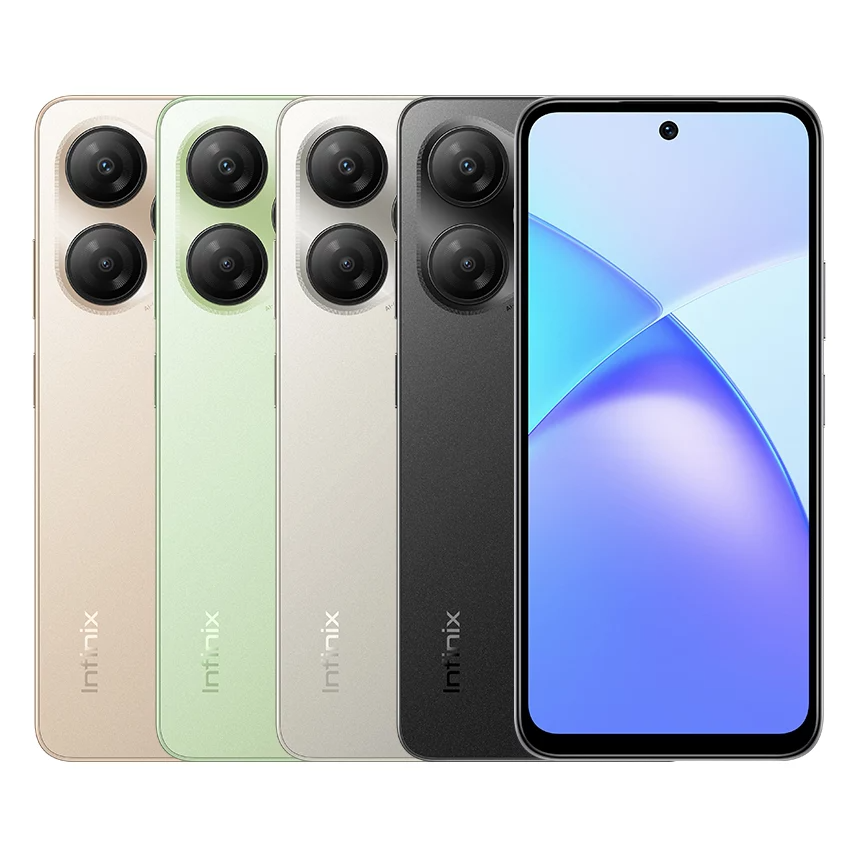
Infinix Smart 10 Plus
The Smart 10 Plus features a 6.67-inch HD+ LCD screen with up to 120Hz refresh rate, up to 240Hz touch sampling rate, and 700 nits of peak brightness. The device measures 165.62 x 77.01 x 8.25mm and weighs 187 grams.
The Unisoc T7250-powered smartphone comes in multiple RAM and storage configurations, including up to 8GB RAM (with extended RAM) and 256GB internal storage, expandable up to 2TB via microSD. It is backed by a 5,000mAh battery that supports 15W charging.
For optics, the Smart 10 Plus is equipped with an 8-megapixel rear camera with autofocus and dual LED flash, and an 8-megapixel front camera with its own LED flash. Both cameras support up to 2K video recording.
Running on Android 15 with XOS 15.1, the device comes with features like side fingerprint sensor, face unlock, IP64 rating, dual speakers with DTS audio, and Hi-Res certified sound. Other specs include Wi-Fi ac, Bluetooth, FM radio, 3.5mm audio jack, and an IR blaster.
Infinix Smart 10 Plus price and availability
Launched in Malaysia, the Smart 10 Plus is available in two variants: the 4GB+128GB model is priced at 349 MYR ($82), while the 8GB+128GB variant costs 399 MYR ($94). It comes in four shades: Sleek Black, Titanium Silver, Iris Blue, and Ruby Red.
For more daily updates, please visit our News Section.
Infinix has unveiled the Smart 10 series, comprising the Smart 10 HD, Smart 10, and Smart 10 Plus. All three phones are officially listed. This post covers details about the HD and standard versions in the series. Readers can visit this link to know about the Plus edition.
Infinix Smart 10, Smart 10 HD specifications and features
Infinix Smart 10
The Smart 10 sports a 6.67-inch HD+ LCD display with up to a 120Hz refresh rate and 700-nit peak brightness. Meanwhile, the Smart 10 HD features a 6.6-inch HD+ IPS panel with a 90Hz refresh rate and 500nits brightness. In terms of dimensions, the Smart 10 measures 162.62 x 77.01 x 8.25mm and weighs 187 grams, while the Smart 10 HD offers 163.6 x 75.6 x 8.5mm dimensions and weighs 184 grams.
Under the hood, the Smart 10 is powered by the Unisoc T7250 chipset, paired with up to 4GB RAM (with 4GB extended RAM) and 256GB storage. On the other hand, the Smart 10 HD runs on the Unisoc T606 processor with 2GB RAM and 64GB internal storage, expandable up to 2TB. Both phones are equipped with a 5,000mAh battery, though the standard variant supports 15W charging, while the Smart 10 HD charges at 10W.
Infinix Smart 10 HD
For photography, the Smart 10 comes with an 8-megapixel front and rear camera setup, both supporting 2K video recording. The Smart 10 HD features a 13-megapixel dual rear camera with an f/1.85 aperture and an 8-megapixel front shooter, both aided by LED flash
The Smart 10 runs XOS 15.1 based on Android 15, while the Smart 10 HD ships with Android 14 Go Edition. Connectivity is ensured with Wi-Fi 5, Bluetooth 5, dual 4G VoLTE, IR blaster, USB-C, and a 3.5mm headphone jack. Additional features include a side-mounted fingerprint sensor, face unlock, IP64 rating, and DTS audio.
Infinix Smart 10 HD, Smart 10 price and availability
The Infinix Smart 10 will be available in four colors, such as Sleek Black, Titanium Silver, Iris Blue, and Twilight Gold. On the other hand, the Smart 10 HD will be released in Africa in shades like Timber Black, Shiny Gold, Crystal Green, and Galaxy White. While the Smart 10 has arrived in Malaysia, the Smart 10 HD will hit the Africa markets soon. However, Infinix has not yet revealed the pricing for either device.
For more daily updates, please visit our News Section.
DOOGEE G6+ Tablet is a feature-rich, lightweight Android tablet built for students, young creators, and families who need a powerful, portable device for everyday tasks. With an 11-inch Full HD+ display, Android 15, and built-in AI capabilities, the G6+ is a smart choice for users looking for performance, durability, and creativity in one compact package.
Limited-Time Deals on DOOGEE G6+ Tablet
Grab the DOOGEE G6+ Tablet at a special discount for a limited time. On Amazon, use the code HP79KQW8 to get 37% off here. Alternatively, purchase from the official DOOGEE store and apply the code KOLG6 to enjoy 27% off. Don’t miss these exclusive launch offers.
Modern Android 15 Experience with AI Boost
The DOOGEE G6+ runs on Android 15, making it one of the first tablets to ship with the latest operating system. This ensures users benefit from faster app performance, enhanced privacy, and AI-powered multitasking tools that help manage multiple activities seamlessly. The Gemini AI Suite further enhances daily use by learning from user habits and providing intelligent suggestions, all while prioritizing privacy through secure on-device processing. With regular updates, this AI experience only gets smarter over time.
Large Full HD+ Display with Smooth Visuals
The G6+ features an 11-inch IPS display with Full HD+ resolution and a 90Hz refresh rate. This makes video streaming, gaming, video calls, and even e-learning feel smoother and more responsive. Whether you’re watching online lectures, creating art, or browsing the web, the visual clarity and fluid motion enhance the user experience without straining the eyes.
Built to Perform and Last All Day
With 256GB of internal storage and support for TF card expansion, the G6+ offers ample room for apps, photos, videos, and class materials. It is powered by a long-lasting 8000mAh battery, which keeps the tablet running from morning to night without frequent recharges. This makes it ideal for school days, road trips, or long creative sessions.
Portable, Rugged, and Family-Friendly Design
Staying true to DOOGEE’s GO Series design ethos – “Carry Lighter, Go Anywhere” – the G6+ is slim, lightweight, and durable. Its rugged structure ensures it can handle daily bumps and drops, making it safe for kids and reliable for busy students. It’s a perfect companion for families looking for a sturdy and travel-friendly tablet.
4G Connectivity and Smooth Online Experience
With dual SIM 4G LTE support, the G6+ provides strong connectivity for calls, streaming, downloads, and browsing. Even in areas with network congestion, it maintains steady speeds and low latency. This makes remote learning, work-from-home tasks, and video conferencing effortless.
DOOGEE G6+ VIP Edition – Turns Tablet into PC
For users wanting more than just a tablet, the VIP Edition of the G6+ includes premium accessories that transform it into a full PC setup. These include a stylus for note-taking and drawing, a Bluetooth keyboard with a touchpad, a Bluetooth mouse, a tempered screen protector, and a leather cover for added safety. This bundle enhances productivity and opens up more creative possibilities.
Ideal for Students, Creators, and Families
The DOOGEE G6+ is an all-rounder that fits well into various lifestyles. Students will appreciate its large screen, long battery life, and smooth performance for note-taking and e-learning. Young content creators can use AI tools, stylus, and accessories for editing videos or writing. Families benefit from its durability and built-in parental controls, making it suitable for children’s use.
With the G6+, DOOGEE delivers a well-balanced tablet that blends portability, performance, and modern features. Whether for study, work, or entertainment, this device is built to empower users to go beyond limits, just as the brand promises.
Huawei’s HarmonyOS software has passed a new shipping milestone, according to a report by research firm Canalys. The Chinese tech company has reportedly shipped over 100 million HarmonyOS-powered smartphones since the platform rollout in 2019.
To be exact, the actual figure is 103 million phones by the end of 2024. Out of which, Huawei sold 46 million HarmonyOS handhelds in 2024 alone.
Huawei Pura 80
These numbers suggest that despite limited international reach, Huawei has a strong domestic presence, particularly in China, where HarmonyOS has become a central part of the company’s hardware ecosystem.
HarmonyOS powers the entire Huawei ecosystem
And the growth isn’t limited to smartphones. Canalys notes Huawei has also shipped 21 million HarmonyOS tablets to date, with 10.5 million of those units sold in 2024.
The OS was first launched in 2019 and deployed widely on consumer devices by mid-2021. It has since become the default platform across much of Huawei’s product line.
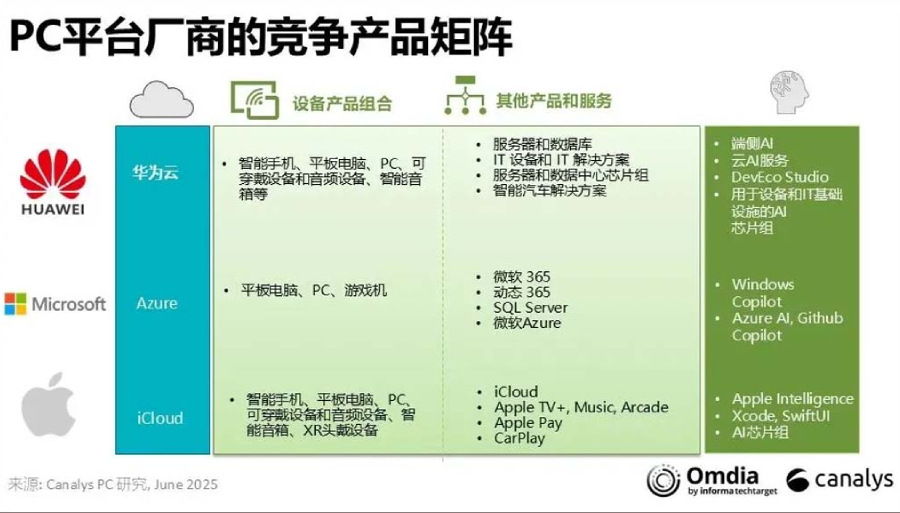
HarmonyOS now extends beyond phones and tablets to wearables, audio products, smart home gear, and increasingly, PCs. Speaking of which, Canalys notes that Huawei shipped around 4.2 million personal computers within China, of which 3.2 million were notebooks.
As for what’s next, Huawei is reportedly gearing up for the next major iteration of HarmonyOS. Version 6.0 is expected later this year and will likely lean further into AI and distributed architecture.
According to Canalys, these elements—along with Huawei’s control over hardware and software—are helping the company position HarmonyOS as a long-term alternative to global platforms, at least within its home market.
For more daily updates, please visit ourNews Section.
Xiaomi may be planning a return to one of its more unconventional design choices. A recent leak from a well-known tipster, Digital Chat Station, hints at a new flagship device that could bring back a full-size rear secondary display.
The blogger didn’t directly name Xiaomi, but the clues were obvious enough. The post mentions a flagship powered by the Qualcomm SM8850 or the Snapdragon 8 Elite 2, along with a design language that features a “horizontal large matrix full-size sub-screen DECO.”
The phone is also said to feature a periscope telephoto camera with a vertical hole-punch layout on the rear. The leaker later clarified in the comments that this isn’t a foldable device, but rather a “wide screen” model.
A new Xiaomi 16 Pro Max?
According to several Chinese media outlets, the device in question is the Xiaomi 16 Pro Max. It apparently will replace the Xiaomi 15 Pro, while the Xiaomi 16 and Xiaomi 16 Pro are said to be compact models in the line.
This is still a rumor. And regardless of the name, the standout feature of the phone will undoubtedly be the return of the rear sub-screen. Back in 2021, the Xiaomi 11 Ultra came with a tiny 1.1-inch AMOLED screen on the back.
XIaomi Mi 11 Ultra
The panel offered quick message previews, always-on display functions, and even acted as a selfie monitor. CEO Lei Jun also admitted the challenge to integrate the display wasn’t the cost, but finding space inside the chassis without compromising battery life or component layout.
As for performance, the phone is expected to ship with Qualcomm’s SM8850 chip, manufactured on TSMC’s 3nm process, featuring a self-developed CPU core design.
According to a report, the chip achieves over 4000 points in single-core and over 11000 points in multi-core Geekbench 6 tests. It is backed by a 16MB GMEM and the Adreno 840 GPU for flagship-level graphics. The memory setup will likely include LPDDR5X RAM and UFS 4.1 storage, possibly starting from a 12GB + 256GB configuration.
We use cookies on our website to give you the most relevant experience by remembering your preferences and repeat visits. By clicking “Accept”, you consent to the use of ALL the cookies.
This website uses cookies to improve your experience while you navigate through the website. Out of these, the cookies that are categorized as necessary are stored on your browser as they are essential for the working of basic functionalities of the website. We also use third-party cookies that help us analyze and understand how you use this website. These cookies will be stored in your browser only with your consent. You also have the option to opt-out of these cookies. But opting out of some of these cookies may affect your browsing experience.
Necessary cookies are absolutely essential for the website to function properly. This category only includes cookies that ensures basic functionalities and security features of the website. These cookies do not store any personal information.
Any cookies that may not be particularly necessary for the website to function and is used specifically to collect user personal data via analytics, ads, other embedded contents are termed as non-necessary cookies. It is mandatory to procure user consent prior to running these cookies on your website.