
Add GIZMOCHINA as Preferred Source on Google
In the competitive world of 2025 flagships, the OPPO Find X8 Ultra and OnePlus 13 represent two of the most advanced Android smartphones available. Both offer top-tier performance, cutting-edge displays, and premium designs, but they target slightly different user needs. This comparison highlights how even the best phones differ in priorities, whether it’s camera excellence, future-proof performance, or overall value for money.
Design and Display
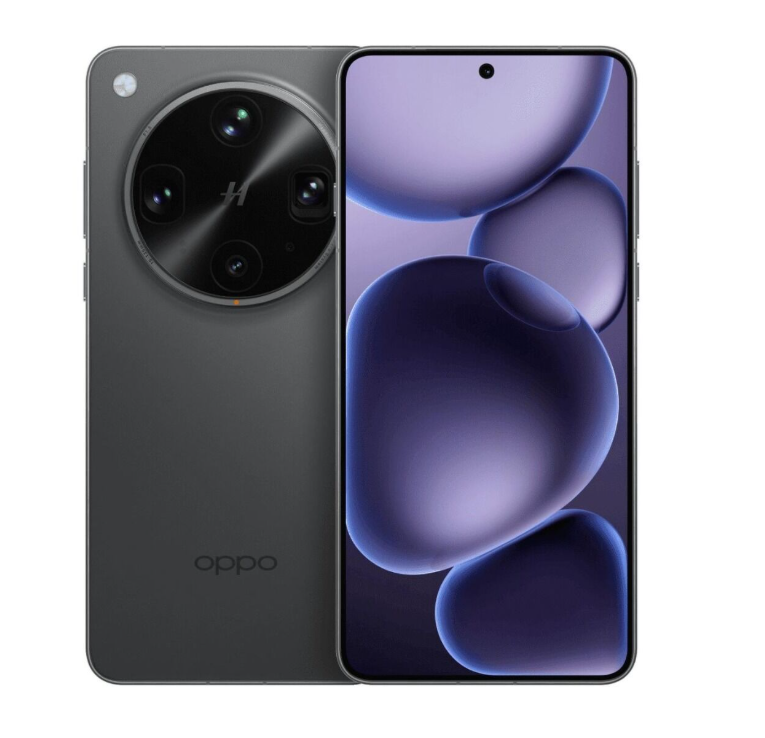
Build and Feel:
The OPPO Find X8 Ultra comes with a premium feel, boasting a solid aluminum frame, curved glass front, and IP68/IP69 water resistance. It’s slightly heavier at 226g, giving it a dense, luxurious hand feel. OnePlus 13, on the other hand, also features an aluminum frame with options for a glass back or eco-leather finish, balancing elegance with a touch of eco-friendliness. It is lighter at around 210-213g, which makes it a bit more comfortable for prolonged use.
Both phones offer excellent durability, but OnePlus 13’s availability of eco-leather makes it slightly more versatile for different tastes. In terms of ruggedness, both phones stand equal with IP69 certification, but OnePlus 13’s slightly lighter frame gives it a small edge for daily handling.
Display Quality:
Both phones boast large 6.82-inch LTPO AMOLED displays with 1440 x 3168 resolution and 120Hz refresh rates. However, OnePlus 13 pushes ahead with a peak brightness of 4500 nits compared to OPPO’s 2500 nits, making it much easier to view outdoors under direct sunlight.
Both support Dolby Vision, HDR10+, and Ultra HDR, but OnePlus 13 uses the newer LTPO 4.1 technology, offering better efficiency and smoother adaptive refresh rates. Although OPPO’s display is impressive for multimedia and color vibrancy, OnePlus 13’s extreme brightness and display technology make it the superior choice for visual clarity.
Verdict:
While the OPPO Find X8 Ultra is beautifully crafted and luxurious, the OnePlus 13 feels slightly more refined for everyday use thanks to its lighter design and newer display tech. In terms of display performance and handling comfort, the OnePlus 13 edges out the win.
Specifications
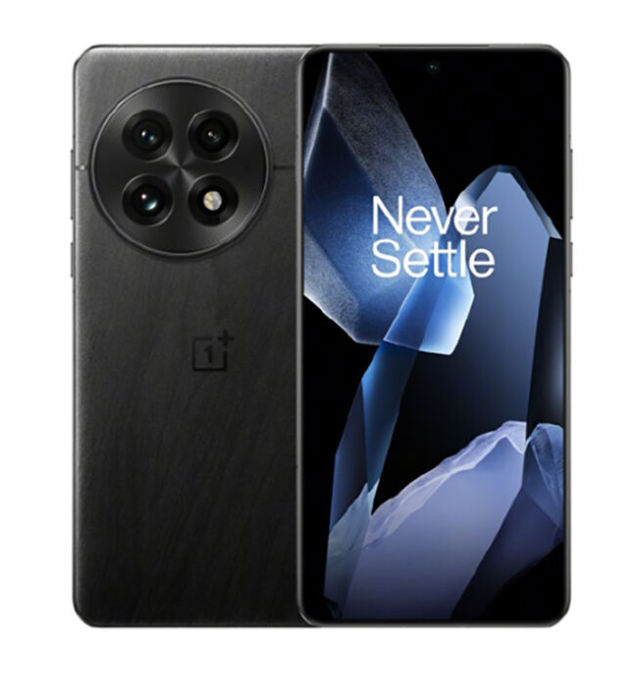
Performance:
Both devices are powered by the Snapdragon 8 Gen 3 Elite chipset with the same CPU and GPU configurations, ensuring top-tier performance. Storage and RAM types are UFS 4.0 across both phones, but the OnePlus 13 offers a version with up to 24GB RAM, providing more headroom for multitasking compared to OPPO’s 16GB maximum. Both devices run Android 15 with ColorOS or OxygenOS, ensuring a fast and responsive software experience.
OnePlus 13 promises four major Android upgrades, giving it a better long-term software support advantage. While daily tasks and gaming are similarly smooth, the higher RAM variant and longer update cycle make the OnePlus 13 better prepared for future demands.
Battery and Charging:
OPPO Find X8 Ultra packs a larger 6100mAh battery, slightly edging over the OnePlus 13’s 6000mAh capacity. Both support 100W wired charging and 50W wireless, with OPPO also offering 10W reverse wireless. However, OnePlus includes an additional 5W reverse wired charging, enhancing its versatility. Charging speeds are almost identical. Although the OPPO battery is technically larger, the practical difference is minimal, and OnePlus’s slightly faster and more flexible charging options provide a slight advantage in real-world use.
Verdict:
In terms of raw performance, both are extremely powerful, but the OnePlus 13’s higher RAM ceiling and better future-proofing through extended software support make it a smarter choice for power users. Battery life is nearly identical, but OnePlus’s extra flexibility in charging edges it ahead slightly.
Camera
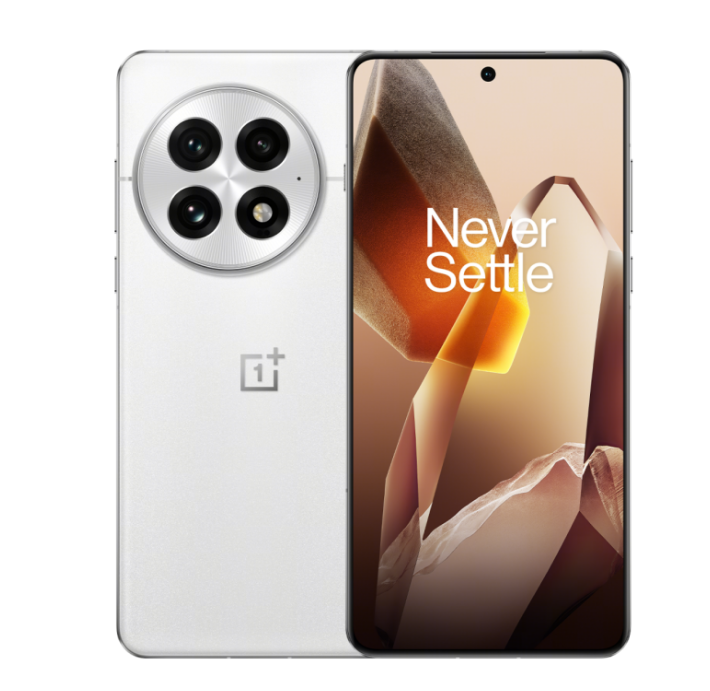
Main and Secondary Lenses:
OPPO Find X8 Ultra is clearly camera-focused with four 50MP sensors, including two periscope telephoto lenses with 3x and 6x optical zoom. The main sensor is massive at 1-inch, ensuring outstanding light capture and detail. The OnePlus 13, while strong with its triple 50MP setup, has a smaller main sensor (1/1.43″) and only one periscope telephoto lens offering 3x zoom. Both devices carry Hasselblad Color Calibration and laser autofocus, but OPPO’s setup is more versatile for pro-level zoom, clarity, and depth. OPPO easily wins for those prioritizing advanced photography, especially telephoto and low-light capabilities.
Selfie Camera:
Both the Find X8 Ultra and OnePlus 13 feature a 32MP front camera, with similar sensor size and features like HDR, panorama, and 4K recording. Both are excellent for selfies, vlogging, and video calls, offering crisp detail and great dynamic range. However, OPPO’s selfie camera includes PDAF (Phase Detection Autofocus), making it faster and sharper for focusing in different lighting conditions. This slight hardware improvement gives the Find X8 Ultra a small advantage for selfie enthusiasts or professional use.
Verdict:
OPPO Find X8 Ultra dominates the main camera department with superior hardware, making it the ideal choice for photographers or content creators. It also edges slightly ahead in selfie performance thanks to its faster autofocus.
Pricing
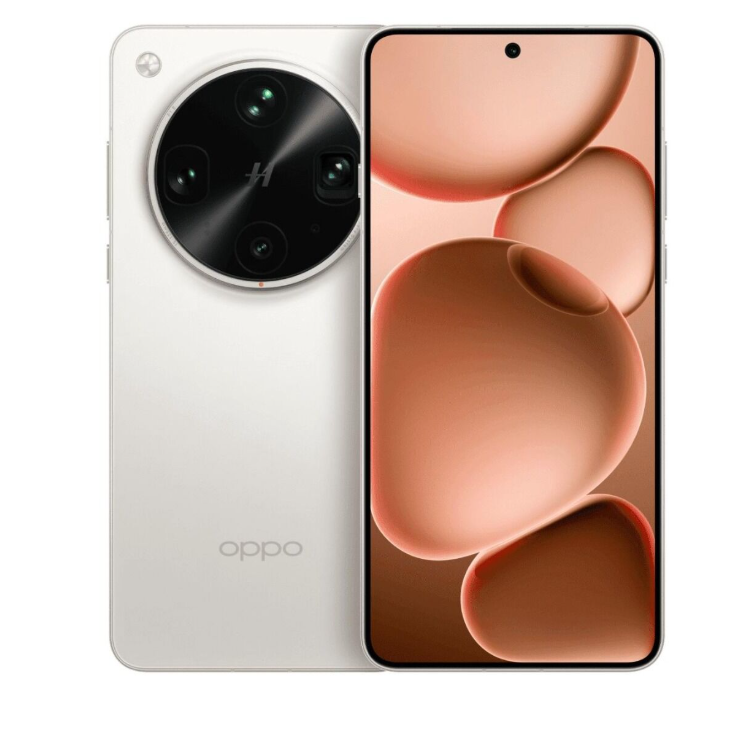
OPPO Find X8 Ultra is priced around $1000, making it a strong value considering its advanced quad-camera setup, large battery, and premium build. The OnePlus 13 is significantly more expensive at around $1500, targeting those who want more RAM options, better brightness, and longer software support. Given the price gap of about $500, OPPO offers tremendous value for camera-centric users, while OnePlus aims for a niche audience demanding the absolute best display and future-proofing.
Verdict:
From a pricing perspective, the OPPO Find X8 Ultra provides much more bang for the buck. Unless extreme brightness, extended updates, or 24GB RAM are critical, most users would find better value in OPPO’s offering.
Conclusion
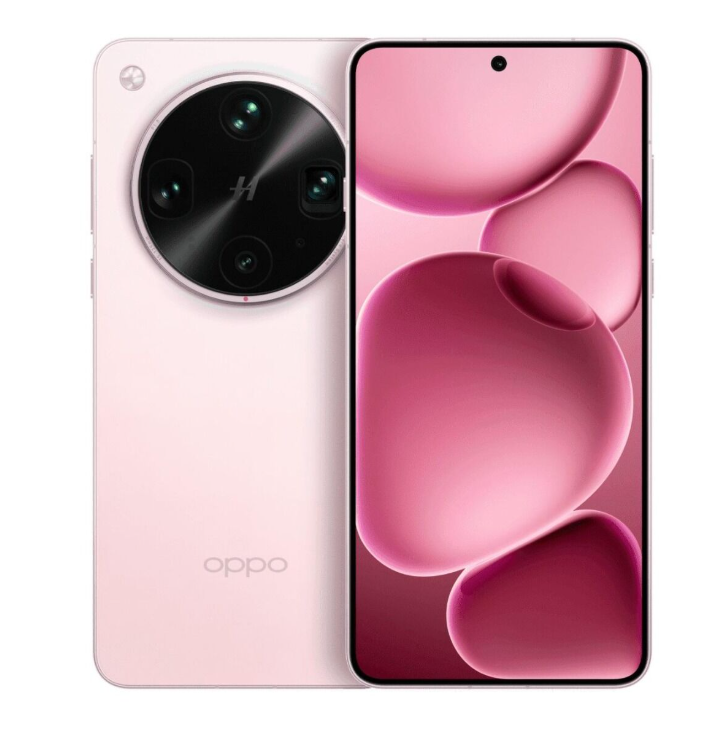
Both phones come packed with features like IP69 resistance, Dolby Vision support, and premium AMOLED panels. Unique to the OPPO Find X8 Ultra is its dual periscope telephoto lenses, offering 3x and 6x optical zoom, which is rare even among flagships. OPPO also includes satellite emergency messaging in a special variant, a life-saving feature for travelers.
On the other hand, the OnePlus 13 shines with 4500 nits peak brightness, Circle to Search integration, and a 24GB RAM option, which is the highest currently available in mainstream phones. Each brand targets a specific niche: OPPO for camera and survival features, OnePlus for future-proof performance and display brilliance.
Final Verdict:
Both the OPPO Find X8 Ultra and the OnePlus 13 are exceptional flagships, but they cater to slightly different priorities. The OPPO Find X8 Ultra is unbeatable for photography enthusiasts and users seeking maximum value at a more accessible price. Its superior camera hardware and emergency features make it stand out.
OnePlus 13, while much more expensive, appeals to those who want the absolute brightest display, cutting-edge RAM capabilities, and long-term software assurance. For most users balancing features and cost, the OPPO Find X8 Ultra emerges as the smarter overall choice.
Read More:



1. Comments