Add GIZMOCHINA as Preferred Source on Google
OnePlus 13R and Samsung Galaxy A35 are both appealing options in the midrange smartphone market, offering a mix of performance and value. While the A35 caters to budget-conscious users with solid features, the 13R provides flagship-like specs at a slightly higher price. This comparison is crucial for those trying to decide between value and premium features, as both devices aim to deliver quality performance but differ in their approach to display, camera, and overall power. Here’s a breakdown of how each stacks up against the other.
1. Design and Display

Build and Feel:
The OnePlus 13R delivers a more premium feel with its aluminum frame and Gorilla Glass 7i protection on both sides. Its sleek, high-end materials offer greater durability and scratch resistance. In contrast, the Galaxy A35 uses a plastic frame, which feels less solid despite also having glass on the front and back. However, Samsung’s IP67 rating provides better water immersion resistance than the 13R’s IP65, making it more reliable around water.
Overall, the OnePlus 13R provides a more luxurious in-hand feel, while the A35 offers slightly better protection in wet environments. For those prioritizing premium construction, the 13R leads.
Display Quality:
The OnePlus 13R features an advanced LTPO 4.1 AMOLED panel with 1B colors, HDR10+, Dolby Vision, and a stunning peak brightness of 4500 nits. This ensures incredible clarity, deeper contrast, and smoother adaptive refresh rates. The Galaxy A35’s Super AMOLED, though decent with 1000 nits peak brightness and 120Hz, lacks HDR support and offers lower pixel density.
The OnePlus 13R display is far superior for content consumption and outdoor visibility. Its wider color range and higher brightness make it more versatile for any lighting condition.
Verdict:
OnePlus 13R wins in both build and display. It offers superior materials, higher brightness, and broader HDR support, making it the better choice for users who value visual excellence and a premium feel.
2. Specifications

Performance:
The OnePlus 13R boasts the flagship Snapdragon 8 Gen 3, delivering top-tier performance for gaming, multitasking, and AI tasks. It’s paired with UFS 4.0 storage and up to 16GB RAM. On the other hand, the Galaxy A35 runs on the midrange Exynos 1380, which is capable for everyday use but can’t match the efficiency and speed of the 13R’s processor.
The OnePlus 13R is significantly more future-proof in performance, especially for demanding users and gamers. It easily outpaces the A35 in raw power and software responsiveness.
Battery and Charging:
The OnePlus 13R comes with a massive 6000 mAh battery and fast 80W charging, reaching 100% in under an hour. The A35 has a smaller 5000 mAh battery and a much slower 25W charge rate, which feels dated by comparison.
The 13R leads in battery capacity and charging convenience. Its fast charging and larger cell offer a more efficient all-day experience.
Verdict:
In performance and battery, the OnePlus 13R outclasses the Galaxy A35. It’s built for power users, with faster charging, longer battery life, and a far superior chipset.
3. Camera

Main and Secondary Lenses:
The OnePlus 13R packs a versatile triple-camera setup, including a 50MP wide with OIS, 50MP telephoto with 2x optical zoom, and an 8MP ultrawide. It also supports 4K at 60fps and includes advanced features like a color spectrum sensor. The Galaxy A35, while also offering a 50MP main sensor with OIS and an ultrawide lens, substitutes the telephoto for a basic 5MP macro.
The 13R’s telephoto lens and more advanced optics provide greater flexibility and quality in photography, especially for portraits and zoom shots. It clearly offers a more flagship-like camera experience.
Selfie Camera:
The Galaxy A35’s 13MP front camera supports 4K video, offering better detail and video sharpness. The 13R has a 16MP selfie shooter but limits video to 1080p. Despite higher resolution for stills, the lack of 4K on the 13R’s front cam is a missed opportunity.
In selfies and vlogging, the A35 has a slight edge due to its 4K support on the front camera.
Verdict:
OnePlus 13R dominates in rear camera versatility and quality, while the A35 takes a small win in selfie video capabilities. Overall, the 13R offers a more powerful photography setup.
4. Pricing
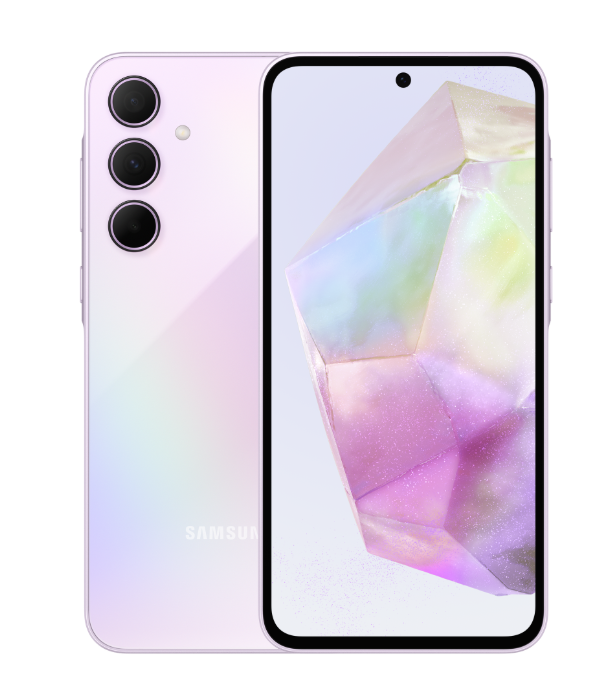
The OnePlus 13R is priced at approximately $500, making it a strong contender in the upper-midrange segment. The Galaxy A35, at $399, sits comfortably in the midrange category. With just a $100 difference, the price gap between these two is now narrower, shifting the value equation significantly.
At $500, the 13R offers a flagship-grade processor, superior display, and much faster charging, which is rare at this price point. The Galaxy A35, while $100 cheaper, still delivers good performance, IP67 water resistance, and microSD expansion, features appreciated in daily use but less compelling for power users.
Verdict:
OnePlus 13R offers a better performance-to-price ratio for users wanting flagship features without flagship pricing. The Galaxy A35 remains a strong option for more casual users, but the relatively small price difference makes the 13R a better value overall for those seeking more power and longevity.
5. Conclusion
The OnePlus 13R includes cutting-edge features like LTPO 4.1 AMOLED with Dolby Vision, the Snapdragon 8 Gen 3 chipset, UFS 4.0 storage, and ultra-fast 80W charging. It also offers a robust triple camera setup with a telephoto lens, IR blaster, and IP65 rating. The addition of advanced features like Circle to Search and Ultra HDR image support further elevate its premium feel.
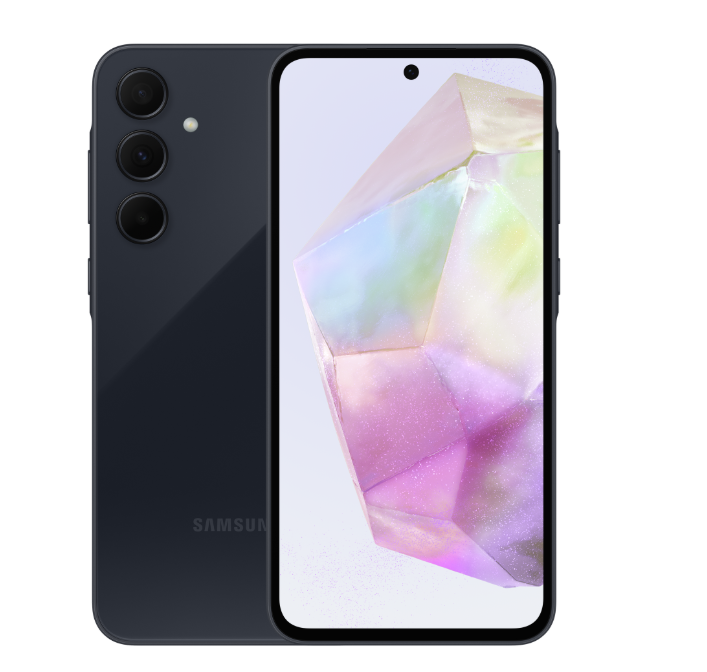
The Galaxy A35 stands out by offering 4K selfie video recording and IP67 water resistance, rare at its price point. It also supports microSD expansion, a key feature missing from the 13R. The 13R brings a flagship experience in every area, while the A35 impresses with thoughtful value-driven additions. Each phone has unique traits that cater to different types of users.
Final Verdict:
For just $100 more than the Galaxy A35, OnePlus 13R delivers a vastly superior chipset, brighter and more advanced display, better battery life, and faster charging, all of which contribute to a more future-proof device.
The Galaxy A35 still holds value for users focused on basic performance, camera flexibility, and water resistance at a slightly lower price. However, the OnePlus 13R justifies its higher cost with flagship-level hardware and performance.
Overall, the OnePlus 13R stands out as the smarter long-term choice for most users, offering premium features at a competitive price point.
Read More:
- OnePlus 13R vs Pixel 9a: Which is the best $500 smartphone
- OnePlus 13T vs Xiaomi 15: Which Flagship Cuts Fewer Corners?
- Nothing Phone (3a) Pro vs. Samsung Galaxy A36: Which One is Worth Your Money?
- Oppo Find X8 Ultra vs Galaxy S25 Ultra: Design, Power & Camera Compared