
Add GIZMOCHINA as Preferred Source on Google
OnePlus 13R and Google Pixel 9a are two of the most competitive mid-range phones of 2025, each aiming to offer flagship-level features without the flagship price. This comparison matters because both phones take very different approaches, one focusing on raw power and hardware, the other on smart software and long-term value.
For buyers looking to balance performance, camera quality, and future-proofing, understanding the strengths and trade-offs of these two devices is key to making the right choice.
[affiliate_genie_cta]1. Design and Display
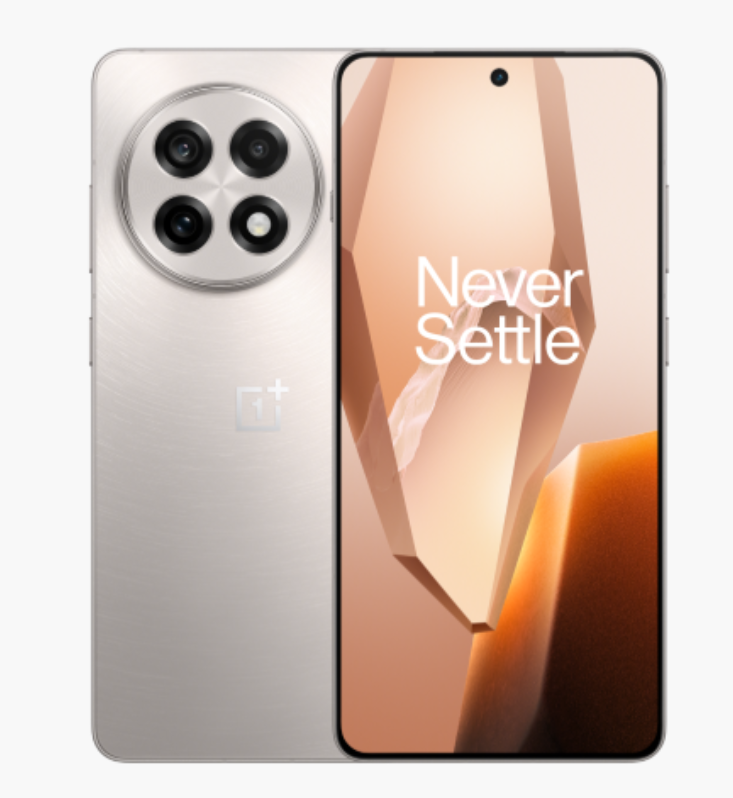
Build and Feel:
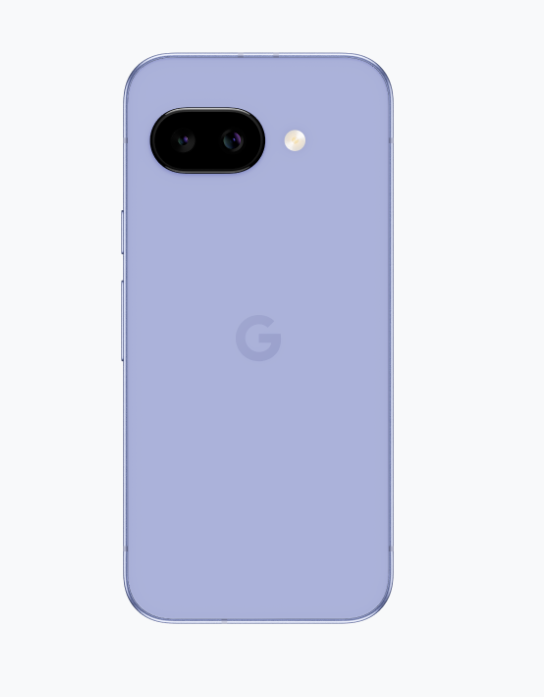
OnePlus 13R brings a more premium combination of glass on both sides with an aluminum frame, giving it a sturdy flagship-grade touch. In contrast, the Pixel 9a uses a plastic back, which feels less sophisticated but does cut down on weight, making it slightly more comfortable for long use. The OnePlus also boasts an IP65 rating, offering solid protection from dust and water splashes, whereas the Pixel 9a’s IP68 certification allows for full immersion, providing better peace of mind in wet environments. For those valuing durability over luxury feel, the Pixel 9a edges forward.
Display Quality:
OnePlus 13R uses an LTPO 4.1 AMOLED panel that’s bright and incredibly smooth at 120Hz with a stunning 4500-nit peak. It supports Dolby Vision and HDR10+, ideal for binge-watchers and mobile gamers. The Pixel 9a’s P-OLED display is also sharp and vibrant, peaking at 2700 nits with HDR, but lacks the same level of brightness and adaptive refresh tech. OnePlus offers a more immersive experience, especially in sunlight and media-rich scenarios.
Verdict:
The Pixel 9a focuses on practicality and durability with an IP68 rating and lighter body, while the OnePlus 13R prioritizes luxury feel and display excellence. For those who value visual performance, OnePlus stands out, but for rugged reliability, the Pixel 9a makes a smarter pick.
| Preview | Product | |
|---|---|---|

|
OnePlus 13R | Smarter with OnePlus AI (12GB RAM, 256GB Storage Astral Trail) | Check Price on Amazon |
Please Note: When you buy something using the links in our articles, we may earn a small commission at no cost to you.
2. Specifications
| Preview | Product | |
|---|---|---|

|
Spigen Liquid Air for Google Pixel 9a Case, Pixel 9a Back Cover (2025) – Matte Black | Check Price on Amazon |
Please Note: When you buy something using the links in our articles, we may earn a small commission at no cost to you.
Performance:
OnePlus 13R is driven by the Snapdragon 8 Gen 3, one of the fastest mobile chipsets available. It pairs this with UFS 4.0 storage and up to 16GB RAM, ensuring lightning-fast performance even for high-end gaming and multitasking. The Pixel 9a uses Google’s Tensor G4, tuned for AI tasks and daily performance but trails in raw power compared to Snapdragon’s flagship. OnePlus offers more future-proof hardware for demanding apps, while Pixel focuses on intelligent optimization. For users who demand speed and sustained gaming, the OnePlus 13R feels more capable.
Battery and Charging:
OnePlus packs a massive 6000mAh battery with ultra-fast 80W wired charging, reaching 50% in just 20 minutes. Pixel 9a’s 5100mAh battery, although smaller, still offers impressive endurance and balances it with 23W wired and 7.5W wireless charging. The OnePlus prioritizes speed and longevity, while Pixel leans toward safer, more moderate charging with its bypass feature. OnePlus 13R is better suited for users who value minimal downtime between charges.
Verdict:
OnePlus 13R has a clear lead in performance and battery tech, delivering both power and endurance for users who rely on their phones for heavy workloads. Pixel 9a favors smart efficiency and wireless convenience but lacks the same raw strength.
3. Camera
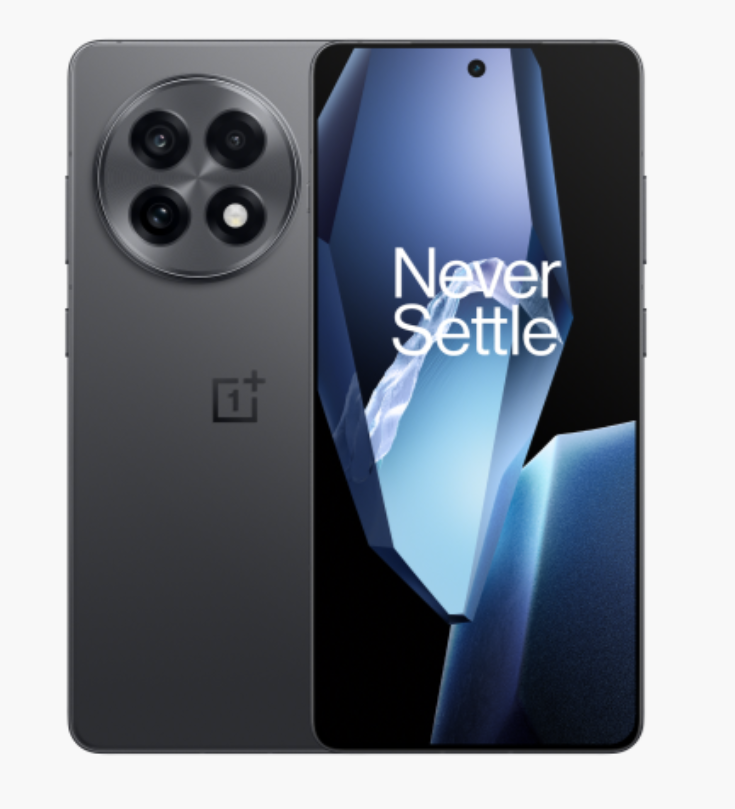
Main and Secondary Lenses:
OnePlus 13R equips a versatile triple camera system with a 50MP primary, 50MP telephoto, and an 8MP ultrawide lens. This combination gives it a better zoom and wider creative flexibility. Pixel 9a’s dual-camera setup offers fewer hardware choices but compensates with Google’s computational photography. The Pixel’s shots often produce superior dynamic range and lifelike colors, but OnePlus shines with optical zoom and more lenses to play with. For versatility, OnePlus wins; for consistency, Pixel remains strong.
Selfie Camera:
Pixel 9a features a 13MP ultrawide selfie camera that offers a broader field of view, which is perfect for group selfies. The OnePlus 13R uses a 16MP front shooter with better detail but a narrower angle. Pixel’s camera shines for social sharing and wider context, while OnePlus prioritizes sharpness and clarity for individual selfies. The Pixel makes a better companion for content creators who want wide, flattering angles.
Verdict:
Pixel 9a delivers outstanding results thanks to its software-driven camera magic, especially for selfies and dynamic range. However, the OnePlus 13R’s telephoto lens and versatility make it a better choice for users who like variety and flexibility in their shots.
4. Pricing
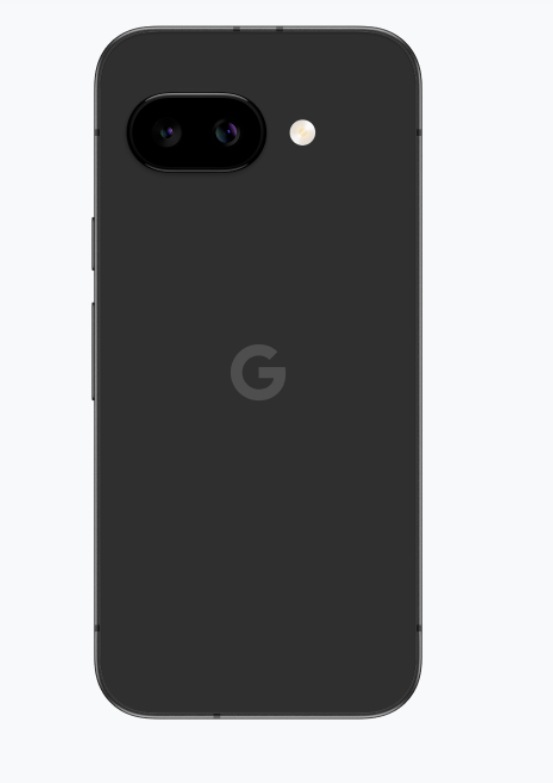
Pixel 9a and OnePlus 13R are both priced around $499-$500, targeting the upper mid-range market. However, OnePlus offers more RAM and storage options out of the box, giving users better hardware value for the price. Pixel focuses on software longevity with a promise of 7 major Android upgrades, which is rare for this price bracket.
Verdict:
For those who prioritize long-term software updates and camera software optimization, the Pixel 9a feels like a more secure buy. But hardware-focused users who want flagship-level specs for gaming, media, and battery life get more for their money with the OnePlus 13R.
5. Conclusion
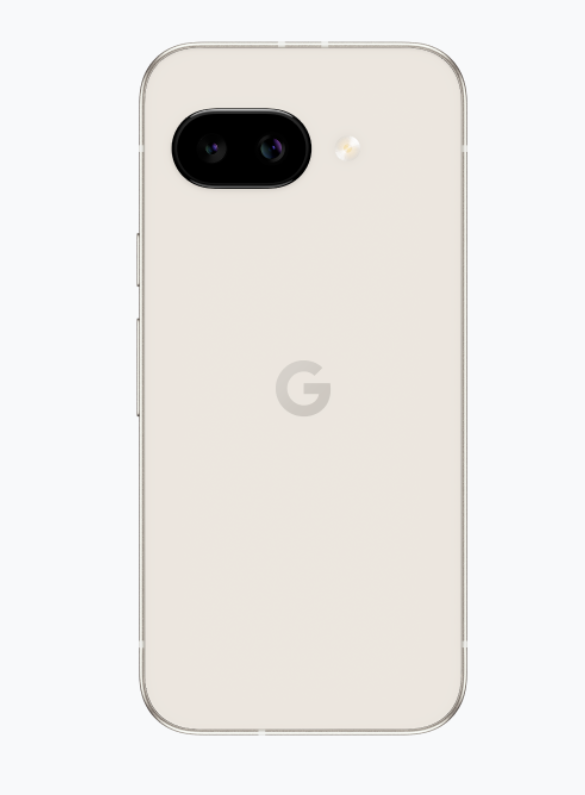
OnePlus 13R stands out for its 4500-nit peak LTPO AMOLED display, larger 6000mAh battery, 80W fast charging, and Snapdragon 8 Gen 3 power, all features usually reserved for high-end flagships. Meanwhile, the Pixel 9a offers unique advantages like 7 years of Android updates, Google’s AI-assisted features, and its highly optimized camera software like Best Take and Pixel Shift.
Final Verdict:
Both phones are excellent mid-range picks, but the OnePlus 13R is better suited for users who prioritize speed, gaming, and battery life. Pixel 9a is the smarter choice for those who want future-proof software, clean updates, and superior computational photography. The Pixel’s software polish and longer update cycle offer long-term reliability, while OnePlus is the choice for power users needing cutting-edge specs at a mid-range price.
Read More:

Comments