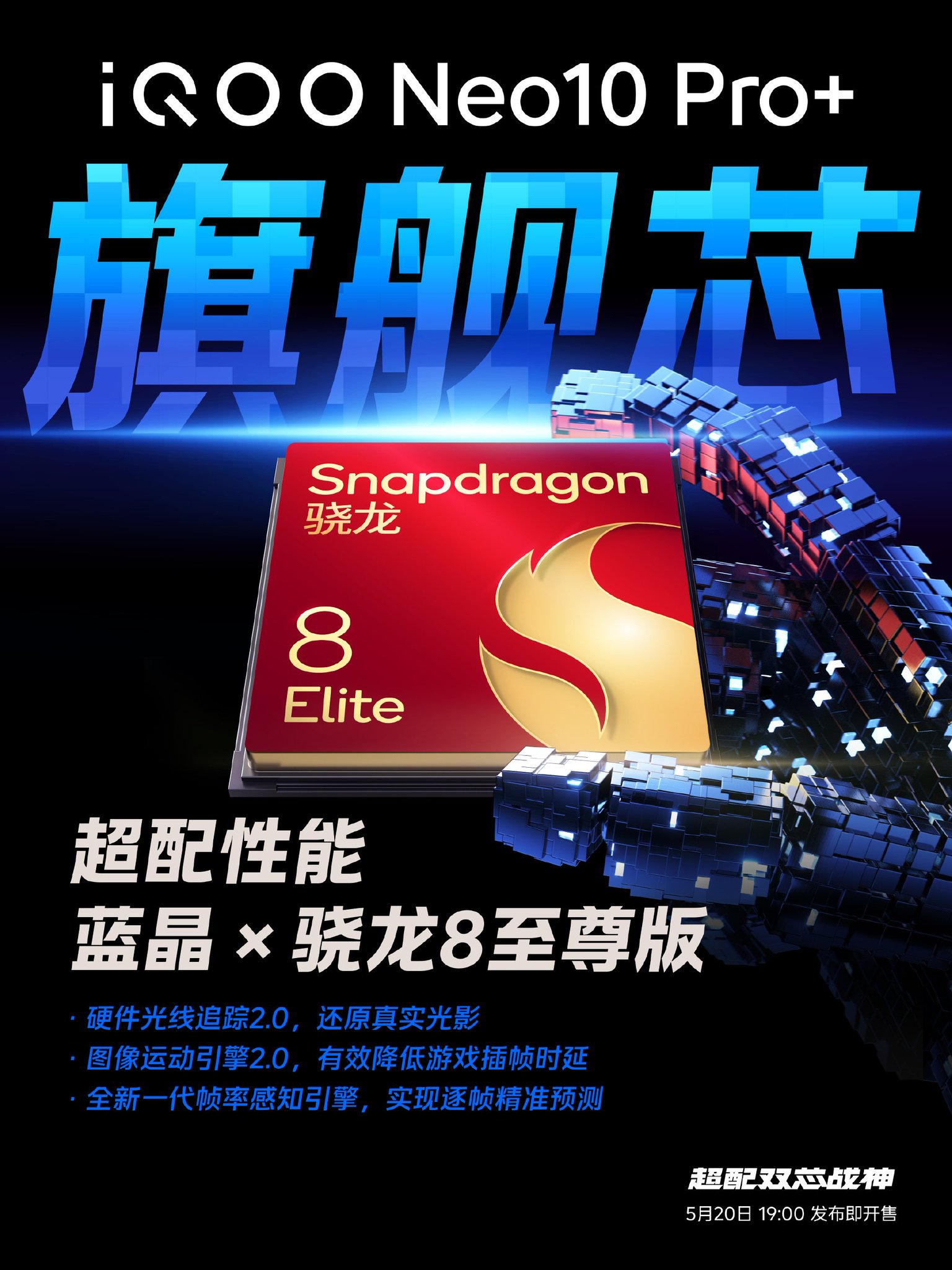
A new leak has surfaced regarding the upcoming Redmi K80 Ultra. Tipster Digital Chat Station has shared fresh details about the device, particularly highlighting changes in its design. Additionally, he also reiterated the key specifications of the device.
Redmi K80 Ultra’s key details leaked
Redmi K80 Ultra’s key details tipped
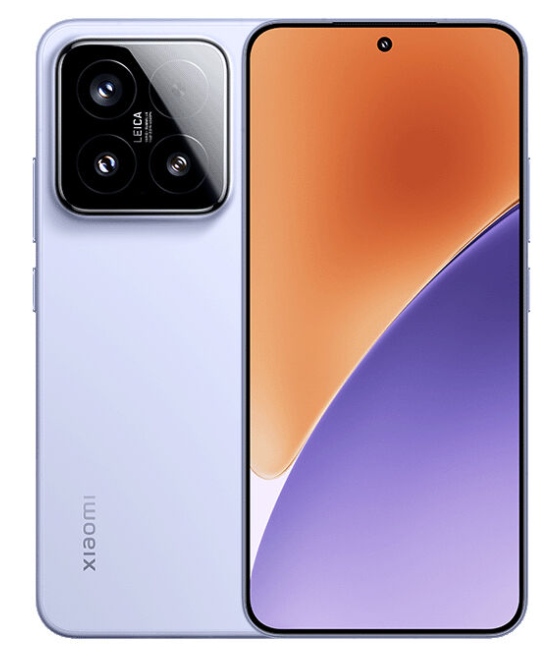
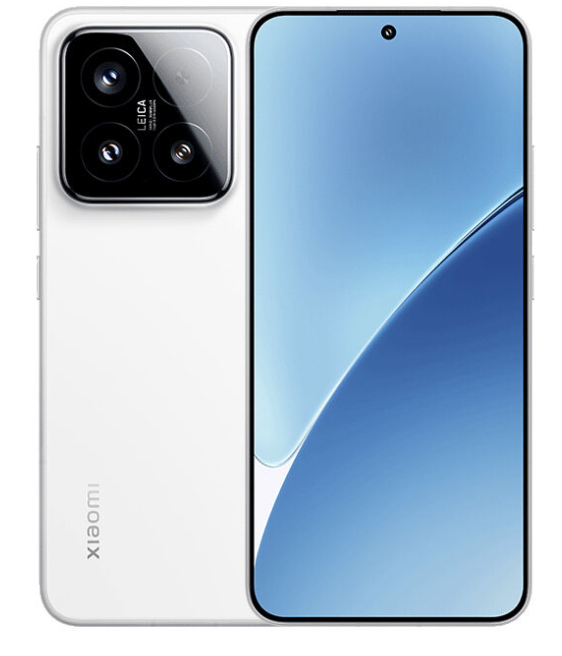
According to the leak, the Redmi K80 Ultra will have a 6.8x-inch flat OLED LTPS display with a 1.5K resolution and uniform bezels. The most notable design change is the round camera module, aligning it with the Redmi K80 and K80 Pro rather than the K70 Ultra, which had a square arrangement. The K80 Ultra is expected to house a triple-camera setup within this circular module, positioned at the upper-left corner of the rear panel. For durability, it will be equipped with a metal middle frame.
On the performance front, the smartphone will be powered by MediaTek’s upcoming Dimensity 9400 Plus chipset. It is also expected to pack a sizable 7,400mAh or 7,500mAh battery with 100W fast charging support, similar to its predecessor.
In addition to the K80 Ultra, Redmi is reportedly developing two other devices. One of them is the Redmi Turbo 4 Pro, which is expected to feature the Snapdragon 8s Elite and may launch as early as April. Another device in the works is a gaming tablet, possibly named the Redmi Pad Pro 2, which could debut alongside the K80 Ultra in July. This tablet is said to feature the same Dimensity 9400+ chip as the K80 Ultra. The year end will see the arrival of the Redmi K90 and K90 Pro. These devices are said to be powered by a custom-version Snapdragon 8 Elite and the Snapdragon 8 Elite 2 chipsets, respectively.
For more daily updates, please visit our News Section.
Amazon has announced plans to discontinue its Appstore for Android devices, as revealed in a notice to developers. The company has also decided to phase out its Amazon Coins program. This move is part of a broader strategy to focus on its own ecosystem, primarily Fire TV and Fire Tablet devices.
Amazon Appstore to be discontinued on Android
Amazon Appstore
The Amazon Appstore for Android will no longer be available from Aug. 20, 2025. Developers can continue releasing updates for existing apps until this date, but new submissions have already been halted. Users will lose access to the store on Android devices after the shutdown, making Google Play the default marketplace for most.
Alongside the Appstore closure, Amazon is also discontinuing its digital currency program, Amazon Coins. As of Feb. 20, 2025, users can no longer purchase Coins, and any remaining balance must be used before the shutdown. Unused Coins will be refunded, with Amazon set to provide details on the refund process later.
While Android users will lose access, the Amazon Appstore will remain functional on the company’s own devices, including Fire TV and Fire Tablets. Amazon stated that the majority of Appstore engagement comes from these devices, making it logical to focus efforts there.
Amazon’s attempt to establish an alternative app distribution platform dates back to 2011, but it struggled to compete with Google Play and the Apple App Store. The store was preloaded on Amazon’s Fire devices and even appeared on select Android and BlackBerry models at one point. However, user engagement outside of Amazon’s ecosystem remained minimal.
Additionally, Amazon confirmed that support for its Appstore on Windows 11 will end on March 5, 2025, following Microsoft’s decision to discontinue the Windows Subsystem for Android. With these changes, Amazon is streamlining its digital services, focusing on platforms where it sees the most traction.
For more daily updates, please visit our News Section.
Vivoofficially launched the V50 in India earlier this week, but the Pro model is nowhere to be seen. That doesn’t mean the company is skipping the Lite version, though. The Vivo V50 Lite has now surfaced in multiple certifications, suggesting an imminent launch.
The device recently appeared in FCC, Malaysia’s SIRIM, and Thialand’s NBTC certifications, carrying the model number V2440. The FCC listing confirms support for all standard connectivity options, including LTE, 5G, dual-band Wi-Fi, Bluetooth, and NFC.
FCC SIRIMNBTC
Powering the device will be a 6,500mAh battery which is labeled under model number BA93. However, finer details about charging speeds and other specs remain unknown.
Meanwhile, Malaysia’s SIRIM certification doesn’t reveal much, except that the phone is officially headed to the Malaysian market. The same goes for Thailand’s NBTC listing, which confirms a launch in the country.
With multiple regulatory approvals in place, the Vivo V50 Lite’s official debut might not be far off. We don’t know what the device will bring to the table though. So here’s a quick look at its predecessor specs.
Vivo V40 Lite
The V40 Lite is powered by a Snapdragon 6 Gen 1 chipset, paired with 8GB of RAM and 256GB of storage. The front is home to a 6.78-inch FHD+ curved AMOLED display (2400 x 1080 resolution) with 120 Hz support.
You also get a 32MP selfie camera on the tiny notch upfront. At the same time, the rear camera system includes a 50 MP Sony IMX 882 main camera, an 8 MP ultra-wide-angle camera, and a 2 MP macro camera.
Fueling the device is a 5500mAh battery with support for 44W fast charging. Other specs of V40 Lite include IP64 dust and water resistance, an under-display fingerprint scanner for biometrics, and support for microSD card through a shared SIM slot.
For more daily updates, please visit our News Section.
Nothing Phone (3a) series is set to launch globally on March 4. While Nothing has been teasing the arrival of the Phone (3a) series for nearly a month, it hasn’t revealed the complete design of the Phone (3a) and Phone (3a) Pro. However, AndroidHeadlines has ended the mystery by sharing multiple leaked renders of both smartphones, revealing their design for the first time.
Nothing Phone (3a), Phone (3a) Pro leaked renders
Nothing Phone (3a) whiteNothing Phone (3a) black
The images show that the Phone (3a) and Phone (3a) Pro have identical designs. However, the main difference is in the camera department. The Phone (3a) features a triple-camera setup in a horizontal manner with the LED flash placed above the horizontal bar. On the other hand, the Pro version has an LED flash and three rear-facing cameras, including a periscope camera, placed almost randomly inside the circular module.
On the front, the Phone (3a) and Phone (3a) Pro have a flat display with a centrally positioned punch-hole. On the left, both phones have volume rockers, while the right edge seemingly features a new camera button apart from the power button. The Phone (3a) will be available in black and white shades, whereas the Pro edition will be sold in black and silver.
Nothing Phone (3a), Phone (3a) Pro specifications (rumored)
Nothing Phone (3a) Pro blackNothing Phone (3a) Pro silver
Speculations are rife that the Phone (3a) and Phone (3a) Pro will be powered by the Snapdragon 7s Gen 3 chipset. The standard version is expected to come in 8 GB / 12 GB RAM variants and 128 GB / 256 GB storage options. On the other hand, the Phone (3a) Pro may come in a single 12GB+256GB configuration.
Both phones are said to have a triple camera setup on the back, consisting of a 50-megapixel (main) + 8-megapixel (ultra-wide) + 50-megapixel (telephoto) sensor. While the Phone (3a) has a 2x telephoto camera with 30x digital zoom, the Phone (3a) Pro features a periscope telephoto camera, which delivers 3x optical zoom and 6x digital zoom.
Another difference is in the selfie camera department, where the Phone (3a) offers a 32-megapixel front camera, while the Pro version flaunts a 50-megapixel sensor instead.
The rest of the specifications are likely to be the same on both models. Both devices are expected to feature a 6.77-inch AMOLED FHD+ 120Hz screen and a 5,000mAh battery.
This post only showcases a few images shared by the publication. Readers can visit the source link to checkout more images.
For more daily updates, please visit our News Section.
Nokia was once the undisputed king of the mobile phone industry. In the early 2000s, its devices dominated global markets, and its brand was synonymous with reliability and innovation. However, within a decade, Nokia’s mobile division was reduced to a shadow of its former self, ultimately being sold to Microsoft. One of the biggest factors behind this dramatic downfall was the rise of Android. While Nokia’s missteps played a role, Google’s open-source operating system fundamentally reshaped the smartphone industry and left Nokia struggling to compete.
Credit: Reuters
The Peak of Nokia’s Dominance
At its height in the mid-2000s, Nokia commanded over 40% of the global mobile phone market. The Finnish company produced some of the most iconic devices, including the Nokia 3310 and the N-series, which were highly popular for their durability, user-friendly design, and cutting-edge features. Nokia’s proprietary Symbian OS was dominant, and its feature phones were bestsellers in both developed and emerging markets. However, as technology evolved and consumer preferences shifted toward smartphones, Nokia failed to adapt quickly.
The Rise of Android and the Changing Smartphone Market
Google introduced Android in 2008 as an open-source operating system designed to work across a wide range of devices. Unlike Apple’s iOS, which was exclusive to the iPhone, Android was adopted by multiple manufacturers, including Samsung, HTC, and Motorola. This open approach allowed rapid innovation, a vast app ecosystem, and a highly customizable user experience.
Android’s flexibility made it a favorite among manufacturers looking for an alternative to proprietary operating systems like Symbian and BlackBerry OS. Companies like Samsung quickly capitalized on this, launching powerful Android smartphones that appealed to a broad audience. By contrast, Nokia continued to rely on Symbian, an aging platform that struggled to compete with the intuitive interfaces and app ecosystems of Android and iOS.
Nokia’s Strategic Missteps
While Android’s rise played a crucial role in reshaping the industry, Nokia’s own decisions accelerated its decline. One of its biggest missteps was its reluctance to embrace Android. Despite recognizing the potential of smartphones, Nokia chose to develop its own Linux-based operating system called MeeGo. However, internal conflicts and management inefficiencies led to MeeGo’s failure, leaving Nokia without a competitive platform.
In 2011, Nokia’s then-CEO Stephen Elop made a controversial decision to partner exclusively with Microsoft and adopt Windows Phone as its primary OS. The move alienated many loyal Nokia customers who were expecting an Android alternative. Meanwhile, Windows Phone struggled to gain market share due to a limited app selection and weaker developer support compared to Android. As Samsung, Huawei, and other manufacturers rapidly expanded their Android offerings, Nokia’s Windows Phone strategy failed to keep up.
The Inevitable Decline and Microsoft Acquisition
By the time Nokia attempted to recover, it was too late. Android had already solidified its dominance, and manufacturers like Samsung had become household names in the smartphone industry. Nokia’s Lumia series, while praised for its hardware, failed to attract enough users due to the limitations of Windows Phone. By 2013, Nokia’s smartphone market share had plummeted, forcing the company to sell its mobile division to Microsoft for $7.2 billion.
Unfortunately, Microsoft’s attempts to revive Nokia’s phone business with Windows Mobile also failed. By 2016, Microsoft had effectively abandoned the venture, marking the end of Nokia’s presence in the smartphone market.
Nokia’s Revival and Lessons Learned
Although Nokia no longer dominates the mobile industry, the brand has seen a resurgence under HMD Global, which licenses the Nokia name for Android smartphones. However, HMD Global has struggled to capitalize on Nokia’s branding effectively. As a result, the company has finally stopped using the Nokia branding for its smartphones, marking the end of Nokia-branded phones. Meanwhile, Nokia itself has shifted its focus entirely to network equipment technology, leaving its mobile legacy behind.
The fall of Nokia serves as a crucial lesson in the tech industry. Even the most dominant companies can falter if they fail to adapt to changing consumer preferences and emerging technologies. Android’s rise was inevitable, but had Nokia embraced it sooner, the company’s fate might have been very different.
For more daily updates, please visit our News Section.
Canon has unveiled the PowerShot V1, a compact camera designed for video-first creators. It features a large Type 1.4 CMOS sensor, a built-in cooling system, and pro-level video capabilities, positioning it as a strong competitor to Sony’s ZV-1 series.
Canon PowerShot V1 Specifications
The star of the show is Canon’s newly developed 1.4-inch CMOS sensor, the largest ever in a PowerShot camera. It’s nearly twice the size of the standard 1.0-inch sensors found in compact cameras, meaning you get richer colors, improved low-light performance, and sharper details.
Paired with the DIGIC X processor, the PowerShot V1 delivers a maximum resolution of 22.3 megapixels, with an ISO range up to 32,000 for stills and 25,600 for video. Its integrated 16-50mm f/2.8-4.5 zoom lens offers a wide perspective, making it perfect for handheld shooting and tight indoor spaces.
Canon understands that overheating is a dealbreaker for creators pushing long recording sessions, so the PowerShot V1 comes with an active cooling system, something almost unheard of in this size category. Thanks to this, it can shoot uncropped 5.7K oversampled 4K at 30fps and full 4K60 (1.4x crop) with minimal heat concerns. The inclusion of 10-bit Canon Log 3 also means more dynamic range and color grading flexibility in post-production.
Canon’s Dual Pixel CMOS AF II brings high-speed, precise autofocus with subject detection for humans, pets, and even moving objects. It also features subject-tracking image stabilization, which smooths out handheld shots in real-time. If you’re shooting high-action content, the PowerShot V1 offers a blazing 30fps burst mode with an electronic shutter.
In terms of connectivity, the PowerShot V1 includes USB-C, HDMI, Bluetooth, and Wi-Fi, enabling easy file transfers and direct webcam use without adapters. It also features a dedicated photo/video toggle switch that retains separate settings for each mode. For added versatility, the camera comes with a multifunction hot shoe, a three-stop ND filter, and both microphone and headphone jacks for professional-grade audio.
Pricing and Availability
Canon has confirmed that the PowerShot V1 will launch in Japan in late April 2025, priced at 148,500 yen (approximately $992). The company has yet to announce availability for global markets.
In related news, Leica recently launched a Burton-themed Sofort 2, sporting a sleek design.
For more daily updates, please visit our News Section.
The Red Magic 10 Pro Golden Saga Limited Edition has been released globally following its initial launch in China. This special edition incorporates real gold and silver into its design but retains the core specifications of the standard model.
The phone uses an 11-layer cooling system with an upgraded vapor chamber, graphene, and copper insulation. The inclusion of gold and silver improves thermal efficiency. A notable feature is the use of liquid metal for heat management, which helps maintain performance during extended use. The liquid metal has a melting point of 60°C and an indium-based eutectic point of 150°C, aiding heat dissipation for the Snapdragon 8 Elite chipset.
The Golden Saga Gift Box includes a specially designed Cooler 5 Pro for additional cooling, an 80W charger and cable for rapid charging, the Red Magic 10 Pro Golden Saga phone with 24GB RAM and 1TB storage, a Saga-themed phone case, a gold-plated SIM ejector tool, and a VIP card with an individual serial number.
The device features a 6.85-inch 1.5K OLED BOE Q9+ display with a 144Hz refresh rate and 2000 nits peak brightness. It is powered by the Snapdragon 8 Elite 3nm chipset and Adreno 830 GPU, paired with 24GB LPDDR5X RAM and 1TB UFS 4.0 storage. It runs Android 15 with REDMAGIC OS 10. The camera setup includes a 50MP OmniVision OV50E40 main sensor with OIS, a 50MP ultra-wide lens, a 2MP macro camera, and a 16MP under-display front camera.
Additional features include an in-display fingerprint sensor, an infrared sensor, dual 1115K speakers with DTS:X ULTRA, three microphones, and support for 5G, Wi-Fi 7, Bluetooth 5.4, NFC, and USB Type-C. The phone is equipped with a 7050mAh battery and supports 100W fast charging.
Pricing & availability
US: $1499
UK: £1299
EU: €1499
Singapore: S$2199
Mexico: Mex$35999
Pre-orders are open via redmagic.gg. Availability includes North America, Europe, the UK, Asia Pacific, the Middle East, and Latin America, including the US, Canada, India, Australia, and major European and Middle Eastern markets.
For more daily updates, please visit our News Section.
Oppo has finally launched the Watch X2 globally and in China after its US and European debut as the OnePlus Watch 3. This premium smartwatch features advanced health tracking, enhanced GPS, and a titanium alloy design. Let’s check out the key specs and pricing details.
Oppo Watch X2 Specifications
The Oppo Watch X2 features a 1.5-inch LTPO AMOLED display with a 466×466 resolution and an impressive peak brightness of 2,200 nits. The display is protected by a sapphire crystal cover with a Mohs hardness rating of over 8, ensuring durability against scratches and impacts. The round watch face is accompanied by a pyramid-textured rotating crown for intuitive navigation.
The smartwatch is powered by the Qualcomm Snapdragon W5 wearable platform, paired with a secondary BES2800BP processor for efficiency. It includes 2GB of RAM and 32GB of storage, running on ColorOS Watch 7.0 for the Chinese market and Wear OS 5.0 for global models.
In terms of health monitoring, the Watch X2 integrates ECG electrodes, an 8-channel heart rate sensor, a 16-channel blood oxygen sensor, and a wrist temperature sensor. It features a 60-second health check that analyzes 14 key indicators, covering heart health, sleep, and mental well-being. Additionally, the watch includes sleep apnea detection, real-time SpO2 monitoring, and vascular health assessment.
The Watch X2 also features a hypertension risk assessment, developed with Fuwai Hospital and Omron. It evaluates hypertension risk after seven days of continuous wear, making it particularly useful for those with a family history or high-stress levels.
Fitness features are equally robust, offering over 100 sports modes and 11 specialized options, including running posture analysis and an advanced badminton mode. It supports dual-frequency GPS for improved route tracking and integrates with outdoor navigation apps for easy route imports.
The Oppo Watch X2 houses a 648mAh battery, supported by Oppo’s Glacier battery technology. In full smart mode, the watch offers up to five days of battery life, while the long battery mode extends usage to 16 days.
For connectivity, the watch includes an independent eSIM function, enabling users to make calls and access the internet without relying on a smartphone. It also supports a standalone WeChat watch app (in Chinese version), allowing messaging and voice calls directly from the smartwatch.
Pricing & Availability
The Oppo Watch X2 is available in three color options: Lava Black, Summit Blue, and Silver Moon. Pricing in China starts at 2,499 yuan ($343) for the black variant, 2,599 yuan ($356) for silver, and 2,699 yuan ($370) for blue.
For the global market, the smartwatch is priced at SGD 499 ($374) for the Lava Black variant and SGD 549 ($411) for the Summit Blue model. It is already available for purchase in Singapore, while sales in China will begin on February 26.
Blackberry was a household name in mobile communications in the early 2000s. Thanks to its iconic physical physical QWERTY keyboard and secure email system, phones from the brand also became popular amongst business professionals. However, the arrival of touchscreen smartphones completely transformed the mobile landscape, starting the downfall of Blackberry’s dominance. So here’s a closer look at how touchscreen technology revolutionized the industry and ultimately killed Blackberry.
Despite initial pushback against the removal of touchscreens, the iPhone helped lead the shift in industry standard. 2007 was a pivotal year as the first iPhone was released with a sleek design and intuitive all digital UI. The touchscreen enabled dynamic interactions, various gestures, and a flexible user interface that could adapt to numerous applications. In just a short amount of time, the touchscreen shifted consumer expectations away from physical keyboards to interactive screens.
2. Blackberry’s Struggle to Adapt
Blackberry played on its strengths that included its tactile QWERTY keyboards and focus on security. While it remained a staple for certain users, the company struggled to adapt to the shifting market. Blackberry stuck to the formula that worked well for them but smartphones were the future. While competitors were embracing full screen displays and developing robust app ecosystems, Blackberry continued to prioritize its traditional keyboard and enterprise-centric features. This slow change made it difficult for Blackberry to compete with the sleek, multifunctional devices that quickly captured market share.
3. Shifting Consumer Preferences
Over time, people began seeing all the positives for the touchscreen over physical keyboards. Touchscreens offered a platform for multi-touch gestures, app integrations, and customizable interfaces. Meanwhile, Blackberry’s offerings began to seem outdated and less engaging. The shift in user preferences towards media consumption, social networking, and gaming hastened Blackberry’s decline, as these activities were best experienced larger screened devices.
4. Impact on the Enterprise Market
Blackberry had a stronghold in the corporate world, where security and productivity were crucial. However, even businesses began to favor phones that could offer both security and a modern user experience. With companies eventually adopting platforms that used a wide range of apps and services, touchscreen smartphones became a necessity. Taking all of this into account, Blackberry’s inability to quickly adapt cost them the business side of its customers as well.
5. Conclusion
Touchscreen smartphones have changed the way we interact with technology. These have reshaped the mobile world and Blackberry, who was once a leader in mobile communications, was unable to make a swift evolution. As a result, the company had sealed its fate. The evolution of mobile technology reminds us that in the tech world, innovation is key to survival.
For more daily updates, please visit our News Section.
Oppo has officially unveiled the Find N5, its latest premium foldable smartphone, in both global and Chinese markets. As the successor to the Find N3, the new model introduces notable improvements in hinge durability, crease reduction, and software integration, particularly with Mac devices.
Oppo Find N5 Specifications
The Find N5 features a 6.62-inch outer AMOLED screen with an 1140×2616 resolution and 1-120Hz LTPO refresh rate, reaching up to 2,450 nits peak brightness. The inner foldable display measures 8.12 inches with a 2248×2480 resolution, also supporting 1-120Hz LTPO adaptive refresh rates and 2,100 nits peak brightness.
Both displays utilize 2160Hz high-frequency PWM dimming for reduced eye strain and improved brightness control. Additionally, Oppo has integrated Ultra-Thin Glass (UTG) and Nano-Crystal Glass for enhanced durability and a smoother touch experience. Both displays support the Oppo Pen stylus, which is available separately.
Oppo has managed to keep the Find N5 incredibly slim. When unfolded, the device is just 4.21mm thin, making it one of the slimmest foldables available. When folded, it measures 8.93mm, aligning closely with the thickness of its USB-C port. The glass version weighs 229g, while the leather version is slightly heavier at 239g.
Under the hood, the Find N5 runs on the Snapdragon 8 Elite, Qualcomm’s latest 3nm chipset, with up to 16GB of LPDDR5X RAM and 1TB of UFS 4.0 storage for high-end performance.
It features Android 15 with ColorOS 15, bringing improved multitasking, AI-powered search, and AI call summaries. The company has also improved cross-device functionality with O+ Connect, enabling seamless file sharing and remote access between the Find N5 and Mac devices.
The Find N5 is equipped with a 50MP Ultra Vision main sensor with OIS, a 50MP periscope telephoto lens supporting 6x optical zoom, and an 8MP ultra-wide-angle camera with a 116° field of view. Oppo has collaborated with Hasselblad to fine-tune the imaging capabilities, delivering richer colors and sharper details. On the front, both the cover screen and the main foldable display house an 8MP selfie camera, supporting up to 4K video recording.
The device packs a 5600mAh Glacier battery for extended use while maintaining a slim design. It supports 80W SuperVOOC wired charging, reaching full charge in 42 minutes, along with 50W wireless and 10W reverse wireless charging for accessories.
The Find N5 is designed with Oppo’s new Titanium Flexion Hinge, utilizing aerospace-grade titanium alloy to improve durability while maintaining a thin and lightweight structure. The hinge is 26% slimmer than its predecessor, with a crease width reduced by 10% and depth by 30%, enhancing the overall viewing experience. The device also boasts TÜV Rheinland dual foldable durability certifications, ensuring longevity even after 100,000 folding cycles.
The Find N5 also comes with IPX6, IPX8, and IPX9 ratings, offering strong water resistance against splashes and submersion. The device includes stereo speakers with Dolby Atmos, a side-mounted fingerprint scanner, and USB Type-C audio for enhanced connectivity. The device also features an alert slider for quick sound profile adjustments, further improving usability.
Pricing and Availability
The Oppo Find N5 is available in Misty White and Cosmic Black for global markets, priced at 2,499 SGD ($1,868) in Singapore, with sales beginning February 28.
In China, an additional Dusk Purple color option with a leather back is offered. The pricing in China is as follows:
It has been nearly a decade since the last Windows phone was released. But a DIY hardware mod has unofficially revived the Lumia phone. A bizarre project has managed to build an iPhone into the chassis of a classic Windows Lumia phone. So let’s check it out.
Lumia 1020 reimagined with an iPhone SE 3 Mod
iPhone SE (2022) fused into a Nokia Lumia 1020 body
The project was undertaken by a Redditor who shared images of his jerry rigged ‘Windows iPhone’ on the r/hackintosh subreddit. Keep in mind that this is just a hardware mod, so the iPhone SE 2022 isn’t running on the Windows Mobile operating system. So if you were curious to see what an iOS running Windows Phone looks like, this is your best bet. The fusion includes the iconic design of the Nokia Lumia 1020 with a modern iPhone.
As crazy as it sounds, the Frankenstein device is fully functioning, which means you can use the 12MP camera on the rear, get access to Touch ID (but it has been moved to the back), and get the Taptic engine. But that’s not all, 5G is fully functioning as well as a SIM card tray, and flash module. There is also the dated Lightning port, but this is technically an upgrade considering how the old Lumia phone offered the older micro USB.
This is a pretty impressive hardware mod that brings all of the functionality of the iPhone, but even managed to include a way to use the Lumia 1020’s camera shutter button. In the post, the person basically made the shutter button as a second volume down button to allow for similar functionality. But there is always a catch and that is the loss of the headphone jack. This project arrives as Apple discontinued the iPhone SE model, so you can even look at this as two discontinued models joining hands for a new life.
For more daily updates, please visit our News Section.
Vivo is expected to unveil the Vivo X200 Ultra in the second quarter of this year. Today, tipster Digital Chat Station took to Weibo to reveal the launch timeframe and the inclusion of a new Action button, apart from reiterating the camera specifications of the device.
Vivo X200 Ultra to feature an Action Button
According to the leak, the Vivo X200 Ultra will introduce an Action Button on the lower right side of the device, designed primarily for quick access to photography and videography functions. He further mentioned that the X200 Ultra will come equipped with a powerful camera setup featuring a 50-megapixel primary sensor, a 50-megapixel ultra-wide lens, and a 200-megapixel periscope telephoto camera.
These sensors will be paired with a customized optical system and a dedicated in-house imaging chip, ensuring seamless hardware-software integration. The tipster has previously claimed that the primary camera will offer a 35mm focal length by default.
Other reports have revealed that the X200 Ultra will support 4K 120fps video recording across all focal lengths. This upgrade is expected to minimize abrupt transitions when switching between focal lengths, positioning Vivo’s latest flagship as a strong contender against Apple’s Pro series in video recording capabilities.
The Vivo X200 Ultra is expected to feature the Snapdragon 8 Elite chipset and a 2K OLED quad-curved display with high refresh rate support. It may house a 6,000mAh battery with 90W wired and 50W wireless charging support.
DCS claimed that the Vivo X200 Ultra is tentatively scheduled to launch by mid-to-late April this year. The leak also suggests that Vivo may launch the Vivo X200S alongside the Ultra model, featuring the Dimensity 9400+ chipset and a flat display, as well as a flagship tablet, possibly the Vivo Pad 4 Pro. In another leak, DCS revealed that the X Fold 4 foldable phone is expected to launch by mid-2025, but after the Honor Magic V4, which is expected to launch in June.
For more daily updates, please visit our News Section.
Samsung is offering some decent discounts on its latest flagship launches. After the Galaxy Watch Ultra and other smartphone discounts, the Korean giant is offering a 43% discount on the Galaxy Watch 7 40 mm. It is up for grabs at the price of $170 with a $130 discount on its actual retail price. It is a steal deal if you want to enjoy the latest features on a smartwatch.
Samsung is offering lucrative discounts under the Galaxy S25, Galaxy S25+, and Galaxy S25 Ultra campaigns on all the latest stock. Otherwise, the Galaxy Watch 7 is available for $189 if you purchase it along with the Galaxy S25 Smartphone. Presently, it is the lowest price at which the Galaxy Watch 7 is currently retailing on Woot.
It is once in a once-in-a-while opportunity for buyers to grab the Galaxy Watch 7 400 mm in Cream colors at the jaw-dropping price of $170. Surprisingly, the same watch is currently on sale for $230 via Amazon. It’s a tremendous discount on the Woot right now, and you should hurry to grab it before stocks deplete.
Released in July 2024, the Samsung Galaxy Watch 7 combines sleek aesthetics with robust performance. Available in 40mm and 44mm aluminum variants, it features vibrant RGB stripe AMOLED displays (1.31-inch and 1.47-inch) protected by scratch-resistant sapphire crystal. Under the hood, the Exynos W1000 chipset with a 5-core CPU and 2GB RAM ensures smooth multitasking, while 32GB storage accommodates apps and media. The watch boasts up to 40 hours of battery life (Lifewire) and supports 15W wireless charging for quick top-ups.
Beyond standard metrics like ECG, SpO2, and blood pressure, it adds bioelectrical impedance analysis and a temperature sensor for holistic insights. LTE and Bluetooth models ensure seamless connectivity, supported by Wi-Fi 802.11 a/b/g/n, Bluetooth 5.3, NFC, and GPS.
Please Note: When you buy something using the links in our articles, we may earn a small commission at no cost to you.

Apple finally released a new “budget” iPhone after months of rumors and leaks. The iPhone 16e debuted with various improvements over older iPhone SE models, but the new release also brings discontinuation of older generation iPhones. So here’s everything you need to know.
Apple iPhone 14 Series & iPhone SE Officially Discontinued
Apple iPhone 14
The Cupertino based giant has discontinued the iPhone 14 series and iPhone SE 3. Notably, the iPhone SE was the last phone to ever feature the Touch ID fingerprint scanning system, and we might not see this technology return on iPhones ever again. Similarly, Apple has also finally completely transitioned to the USB Type-C port as there is no longer any model officially being sold with the dated Lightning Port for charging and data transfer.
Apple iPhone SE 2022
An official discontinuation means that the iPhone 14 series and iPhone SE have been removed from the brand’s official website. However, these devices could be selling for a decent discount right now from retailers or online e-commerce platforms. But these are likely limited till the time existing stocks last.
Apple iPhone 16e
Talking about the new iPhone 16e, the device has a price tag that nearly matches the base iPhone 15. Although, you get the newer Apple A18 chipset, Apple Intelligence, C1 modem for improved 5G connectivity and a USB-C port. It sports a 6.1-inch OLED XDR Retina display on the front along with a 12MP selfie shooter and Face ID technology. Meanwhile, the rear features a long 48MP camera that offers 2x optical zoom. Other notable features include, Haptic Touch, 1200 nits of peak brightness, fingerprint resistant oleophobic coating, and more.
Baseus has officially launched its MC1 clip-on open-ear earbuds in global markets, following their initial debut in China last November. Designed for all-day comfort and immersive sound, the MC1 earbuds introduce an innovative open-fit clip-on design, catering to users who want high-quality audio while staying aware of their surroundings.
Baseus Bowie MC1 Specifications
The Bowie MC1 earbuds ditch the traditional in-ear approach in favor of a clip-on mechanism that sits securely on the outer ear. This open-ear design eliminates pressure on the ear canal, making it ideal for prolonged use.
To enhance comfort, Baseus integrates its self-developed cloud airbag cushions, which conform to different ear shapes for a snug yet lightweight fit. The flexible C-bridge structure ensures stability, even during intense activities like running or cycling, and works seamlessly with glasses and accessories.
Sound quality remains a priority, with the MC1 featuring a tri-magnetic circuit driver and a nano-polymer three-layer composite diaphragm. This setup enables a vibration amplitude of 0.8mm, delivering crisp highs, detailed mids, and punchy bass.
Baseus further refines audio output with its AI Dynamic Bass Enhancement algorithm, which performs 48,000 checks per second to intelligently optimize low-end frequencies. It also comes with directional sound technology that minimizes sound leakage, creating a more immersive listening experience without disturbing those nearby.
For clearer calls, the MC1 earbuds leverage Baseus’ Deep Neural Network (DNN) noise reduction algorithm, trained on over 30 million samples. The system isolates voices and cancels ambient noise, making conversations clearer in busy environments like subways or outdoor areas. They support Bluetooth 5.4 for stable 10-meter connectivity, while the Baseus app offers EQ adjustments and a low-latency mode.
The earbuds offer up to 40 hours of playtime with the charging case, support fast Type-C charging, and feature an IP57 rating for water and dust resistance, making them ideal for workouts and outdoor use.
Pricing and Availability
The Baseus MC1 clip-on earbuds are available on Amazon in Cosmic Black and Moon White. In the US, they are priced at $49.99 after applying a $20 coupon to the original $69.99 MSRP. In Germany, they are listed at €49.99, but a 10% coupon brings the final price down to €44.99. Meanwhile, in the UK, the earbuds retail for £59.99, but a £20 coupon reduces the price to £39.99.
Oppo has unveiled the Oppo Find N5 as the world’s first Snapdragon 8 Elite-powered foldable phone. Surprisingly, the brand has managed to slim down its design to 8.93mm in the folded state, breaking the 9.2mm record set by last year’s Honor Magic V3. A recent leak revealed that the Magic V4 is in the works and may debut in the second quarter of this year. A new leak by tipster Digital Chat Station has revealed the specific month in which the device will launch. Additionally, he has also shared details of other Honor devices that are expected to launch by mid-2025.
Honor Magic V4 launch timeframe (rumored)
According to DCS, the Honor Magic V4 is set to debut in China in June. Like its predecessor, it will feature an ultra-thin design. While it’s unclear if it will be slimmer than the Find N5, it is expected to be a few millimetres thinner, maintaining the standard set by the Magic V3.
Upcoming Honor devices
Apart from Magic V4, the brand is also working on a couple of new phones, which may launch by mid-2025. These include the Honor 400 series, Magic V2 Flip, and GT Pro.
DCS did not share any information about the specifications of the upcoming Honor devices. However, it appears that the Magic V4 may feature the Snapdragon 8 Elite. The tipster also revealed that the Vivo X Fold 4 will launch in quick succession after the Magic V4.
Reports suggest that Xiaomi may not launch a book-style foldable phone. As far as Huawei is concerned, it may launch the Mate X7 in the second half of this year.
For more daily updates, please visit our News Section.
Instagram is rolling out a handful of useful updates to its direct messaging service, including message translation, music stickers, and the ability to schedule messages.
Message translation has been available on Facebook Messenger since 2018, but it’s only now making its way to Instagram DMs. It’s a little ridiculous that it took Meta this long to roll it out— WhatsApp still doesn’t have it—but better late than never, right?
Now, you can translate messages in your Instagram chat by simply long-pressing on a sent or received message and tapping Translate. The translated text will appear right below the original.
Another addition to DM is music stickers. The feature lets you share a snippet of your selected song in messages. You’ll find the new Music option under the Stickers tab in your chat, where you can search for a song to share. Just keep in mind that the sticker will only include a 30-second preview of the song.
Instagram is also adding the ability to schedule messages, which should come in handy for things like birthday wishes at exactly midnight. You can long press the send button to schedule a message and select your preferred time from the available customization options.
Group chats are getting a small but useful tweak as well. Each group will now have a personalized QR code that you can share to invite others. However, group admins will still have control over who can join as they can refresh the QR code at any time to limit access.
And finally, Instagram is expanding last year’s feature that lets users pin up to three chat threads in their DMs. Now, you’ll also be able to pin specific messages within one-on-one or group conversations, making it easier to keep important texts front and center.
These new features have already started rolling out globally, so if you don’t see them yet, they should arrive soon.
For more daily updates, please visit our News Section.
Logitech MX Series is designed to enhance productivity and promote health with ergonomic design. All Logitech MX Series products, including wireless keyboards, mechanical keyboards, Wireless Mice, and others, are on 20% sale in India. Interested users can grab their favorite accessory with a discount using coupon code LOGIMX20.
Logitech MX Ergo S Advanced Wireless is on sale for the price of Rs 7,995 and with the 2% discount coupon, you will get it for Rs 6,396. The Logitech MX Brio Ultra HD 4K Collaboration Web Cam is on sale for Rs 19,995, and with the coupon code, it is down to Rs 15,996. It’s a whopping Rs 3,999 discount on the list price.
Further, the other wireless keyboards and Wireless Mouse are also available at the same price. You can choose between different colors for the Logitech MX Anywhere 3S Compact Wireless mouse. Similarly, the Logitech MX Keys Mini Minimalist Wireless Keyboards is available in five different colors including White, Black, Rose, Pale Grey, and Graphite.
The famous Logitech Wave Keys Wireless Ergonomic keyboard is on sale with a Cushioned Palm rest for the price of Rs 5495. The 20% discount with the coupon code will plummet the price. Logitech Lift Vertical Ergonomic Mouse is also on sale for the price of Rs 5495 in three different colors Graphite pale Grey and Rose.
Please Note: When you buy something using the links in our articles, we may earn a small commission at no cost to you.

Samsung is rolling out the One UI 7 beta 4 update for the Galaxy S24. This is still the beta version of One UI 7 and not the final build but offers various improvements and fixes to the major update for last year’s flagship phones. So here’s everything you need to know.
Samsung Galaxy S24 gets One UI 7 Beta 4 Update
The South Korean tech giant is bringing out the One UI 7 beta 4 for the Galaxy S24 amid reports of the update seeing delays. While the Galaxy S25 got its first update, the Galaxy S24 users had no launch timeline for the official build of One UI 7. But now, the One UI 7 beta 4 is finally here for the 2024 premium model. This is a major software upgrade, bringing the latest Android 15 OS, new AI features, and various tweaks to the user interface (Via 9To5Google).
Samsung’s One UI 7 Beta
As of right now, Samsung has only offered this update on the base Galaxy S24, so it has yet to arrive in the Galaxy S24+ and Galaxy S24 Ultra. This update is currently rolling out in the brand’s home market of South Korea. But considering how the beta program is also live in other regions like Europe and the US, we can expect a wider release to follow soon. This is a sizeable update that has a total download of 1.4GB.
The Beta 4 build of the One UI 7 brings various bug fixes and stability improvements along with new AI Filters for the camera, LOG video format, and much more. We still don’t have an official release date for the One UI 7, so stick around for more.
For more daily updates, please visit our News Section.
Vivo is gearing up to launch a new budget smartphone in the Indian market soon. But ahead of the official announcement, the Vivo T4x model has just been spotted on a new leak that revealed its main rear camera details and more. So here’s what we know.
Vivo T4x may arrive with a 50MP AI rear camera
Vivo T3X
According to a MySmartPrice report, the Chinese smartphone maker’s Vivo T4x will reportedly feature a 50MP AI main camera on the back. The artificial intelligence part of this device is the various AI powered tools. This includes AI Erase, AI Photo Enhance, and AI Document Mode. Unfortunately, there is no word regarding any other sensor on the back. But from what we know so far, the Vivo T4x could offer a dual camera setup on the rear.
Apart from this, the report confirmed that the upcoming Vivo smartphones will also offer Military Grade Certified Durability for their design and house an IR blaster. For those unaware, this feature allows you to control TVs and other devices as it can double as a remote control. In a recent teaser, the brand confirmed that the Vivo T4x will pack the largest battery ever in the segment thanks to its massive 6,500mAh battery pack.
Vivo T4x 5G teaser
This model will be sold via Flipkart in India, with its Indian release being right around the corner. The smartphone could launch for under 15,000 INR and could arrive in two color options, namely Pronto Purple and Marine Blue. An earlier report also claimed that the T4x is equipped with the MediaTek Dimensity 7300 SoC.
For more daily updates, please visit our News Section.
We use cookies on our website to give you the most relevant experience by remembering your preferences and repeat visits. By clicking “Accept”, you consent to the use of ALL the cookies.
This website uses cookies to improve your experience while you navigate through the website. Out of these, the cookies that are categorized as necessary are stored on your browser as they are essential for the working of basic functionalities of the website. We also use third-party cookies that help us analyze and understand how you use this website. These cookies will be stored in your browser only with your consent. You also have the option to opt-out of these cookies. But opting out of some of these cookies may affect your browsing experience.
Necessary cookies are absolutely essential for the website to function properly. This category only includes cookies that ensures basic functionalities and security features of the website. These cookies do not store any personal information.
Any cookies that may not be particularly necessary for the website to function and is used specifically to collect user personal data via analytics, ads, other embedded contents are termed as non-necessary cookies. It is mandatory to procure user consent prior to running these cookies on your website.