
Add GIZMOCHINA on Google:
Nokia was once the undisputed king of the mobile phone industry. In the early 2000s, its devices dominated global markets, and its brand was synonymous with reliability and innovation. However, within a decade, Nokia’s mobile division was reduced to a shadow of its former self, ultimately being sold to Microsoft. One of the biggest factors behind this dramatic downfall was the rise of Android. While Nokia’s missteps played a role, Google’s open-source operating system fundamentally reshaped the smartphone industry and left Nokia struggling to compete.
The Peak of Nokia’s Dominance
At its height in the mid-2000s, Nokia commanded over 40% of the global mobile phone market. The Finnish company produced some of the most iconic devices, including the Nokia 3310 and the N-series, which were highly popular for their durability, user-friendly design, and cutting-edge features. Nokia’s proprietary Symbian OS was dominant, and its feature phones were bestsellers in both developed and emerging markets. However, as technology evolved and consumer preferences shifted toward smartphones, Nokia failed to adapt quickly.
The Rise of Android and the Changing Smartphone Market
Google introduced Android in 2008 as an open-source operating system designed to work across a wide range of devices. Unlike Apple’s iOS, which was exclusive to the iPhone, Android was adopted by multiple manufacturers, including Samsung, HTC, and Motorola. This open approach allowed rapid innovation, a vast app ecosystem, and a highly customizable user experience.

Android’s flexibility made it a favorite among manufacturers looking for an alternative to proprietary operating systems like Symbian and BlackBerry OS. Companies like Samsung quickly capitalized on this, launching powerful Android smartphones that appealed to a broad audience. By contrast, Nokia continued to rely on Symbian, an aging platform that struggled to compete with the intuitive interfaces and app ecosystems of Android and iOS.
Nokia’s Strategic Missteps
While Android’s rise played a crucial role in reshaping the industry, Nokia’s own decisions accelerated its decline. One of its biggest missteps was its reluctance to embrace Android. Despite recognizing the potential of smartphones, Nokia chose to develop its own Linux-based operating system called MeeGo. However, internal conflicts and management inefficiencies led to MeeGo’s failure, leaving Nokia without a competitive platform.
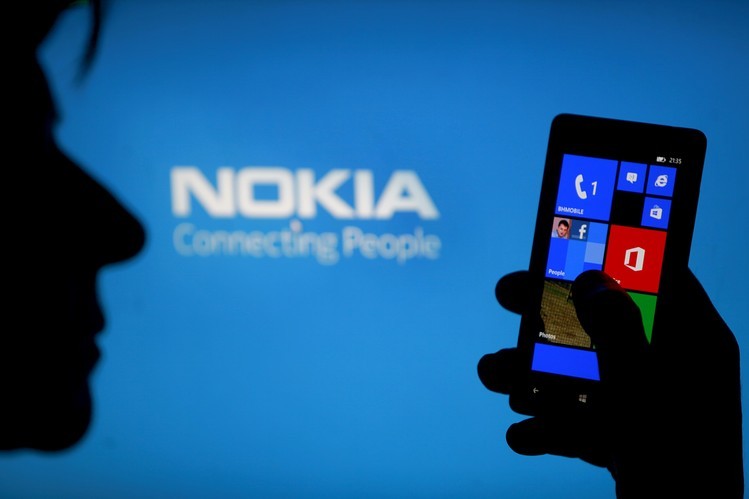
In 2011, Nokia’s then-CEO Stephen Elop made a controversial decision to partner exclusively with Microsoft and adopt Windows Phone as its primary OS. The move alienated many loyal Nokia customers who were expecting an Android alternative. Meanwhile, Windows Phone struggled to gain market share due to a limited app selection and weaker developer support compared to Android. As Samsung, Huawei, and other manufacturers rapidly expanded their Android offerings, Nokia’s Windows Phone strategy failed to keep up.
The Inevitable Decline and Microsoft Acquisition
By the time Nokia attempted to recover, it was too late. Android had already solidified its dominance, and manufacturers like Samsung had become household names in the smartphone industry. Nokia’s Lumia series, while praised for its hardware, failed to attract enough users due to the limitations of Windows Phone. By 2013, Nokia’s smartphone market share had plummeted, forcing the company to sell its mobile division to Microsoft for $7.2 billion.
Unfortunately, Microsoft’s attempts to revive Nokia’s phone business with Windows Mobile also failed. By 2016, Microsoft had effectively abandoned the venture, marking the end of Nokia’s presence in the smartphone market.
Nokia’s Revival and Lessons Learned
Although Nokia no longer dominates the mobile industry, the brand has seen a resurgence under HMD Global, which licenses the Nokia name for Android smartphones. However, HMD Global has struggled to capitalize on Nokia’s branding effectively. As a result, the company has finally stopped using the Nokia branding for its smartphones, marking the end of Nokia-branded phones. Meanwhile, Nokia itself has shifted its focus entirely to network equipment technology, leaving its mobile legacy behind.
The fall of Nokia serves as a crucial lesson in the tech industry. Even the most dominant companies can falter if they fail to adapt to changing consumer preferences and emerging technologies. Android’s rise was inevitable, but had Nokia embraced it sooner, the company’s fate might have been very different.
For more daily updates, please visit our News Section.
Stay ahead in tech! Join our Telegram community and sign up for our daily newsletter of top stories!




Comments