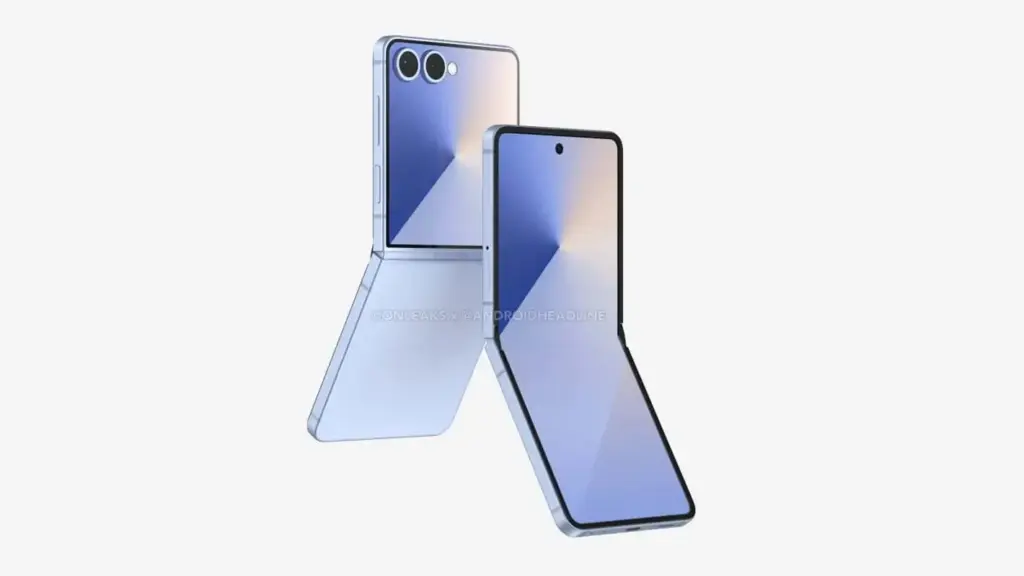
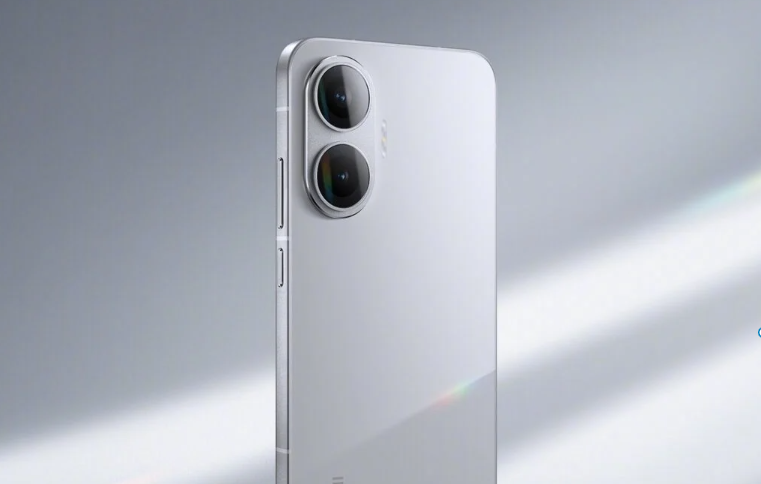
A last gen Samsung flagship has just gone on sale with a massive discount. The Galaxy S24 is a premium model from last year, which is on discount, along with another budget flagship phone. Both the base Galaxy S24 and Galaxy S24 FE are listed with an attractive deal, so let’s check it out.
Samsung Galaxy S24, Galaxy S24 FE Discount: What’s the deal?
Samsung Galaxy S24
The South Korean tech giant’s Galaxy S24 was first announced with a launch price tag of 74,999 INR in India. But with the current deal, the device can be purchased for just 44,999 INR. This is for the 8GB + 128GB option, while the 8GB + 256GB (originally 79,999 INR) and 8GB + 512GB (originally 89,999 INR) variants cost 50,999 INR and 62,999 INR, respectively.
On ther other hand, the Galaxy S24 FE was announced for 59,999 INR in the Indian market, but has a new starting price tag of 34,999 INR for the 8GB + 128GB option. Meanwhile, the 8GB + 256GB version is selling for 40,999 INR, down from 65,999 INR. Both models are listed on Flipkart with these notable discounts. There is also an ongoing deal for the duo on Amazon India, but these are slightly more expensive on the other platform.
Samsung Galaxy S24 FE
Buyers can also avail this deal with up to 9 months of no cost EMI options from leading banks and Samsung’s official e-store in India. Apart from this, Flipkart has listed the premium devices with 5 percent cashback to Flipkart Axis credit card holders.
For more daily updates, please visit our News Section.
Honor has just shared a new teaser that has confirmed the launch of a new wearable. The company is working on a brand new smartwatch with an image poster showcasing its design and hinting at its imminent release. So here’s everything we know so far.
Honor is bringing a new smartwatch series to China
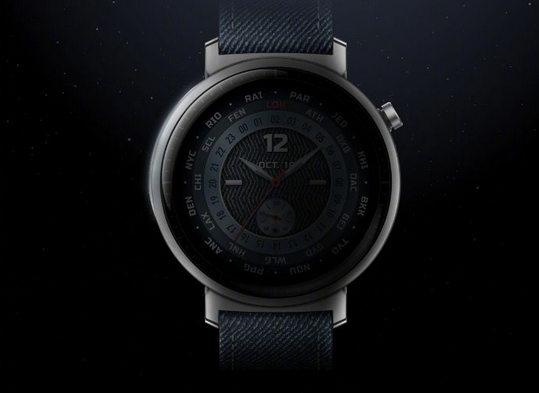
The Chinese smartphone maker announced a new teaser on Weibo. In the social media post, a teaser image was shared that revealed an upcoming smartwatch series that is arriving soon. While the official name of this wearable model is still unclear, although we do get a glimpse of its design. The new Honor smartwatch features a circular display that is surrounded by a metallic frame that also features a rotating crown on the top right side.
This could be a brand new lineup or simply a new model in the brand’s existing wearable series. Back in March, the company had unveiled the Honor Watch 5 Ultra globally during MWC. In the teaser, the company has already kicked off the pre-reservations for this smartwatch, with bookings available via Honor Mall and other major e-commerce platforms.
Just yesterday, Honor announced the MagicBook Pro 16 2025 and Hunter Edition, which features cutting edge features like Intel Core Ultra CPU, RTX 5070 GPU, and a 165Hz display. In related news, the brand is also working on its flagship Magic 8 Pro with a leak revealing its camera details, while the mid range Honor 400 and Honor 400 Pro were just spotted on a Chinese radio certification.
For more daily updates, please visit our News Section.
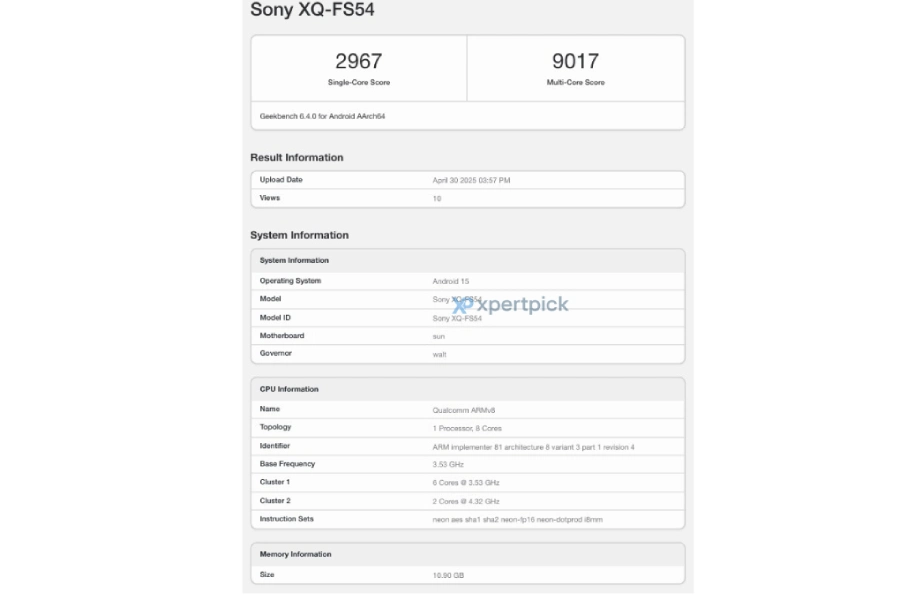
Sony’s next flagship phone, the Xperia 1 VII, has quietly appeared on Geekbench just weeks after its real-life images leaked online. The Geekbench entry is for a device with the model number XQ-FS54.
Although the listing doesn’t specify the device name, the model code aligns with Sony’s naming format for European units. So this likely is a European variant of the Xperia 1 VII.
Sony Xperia 1 VII Benchmark
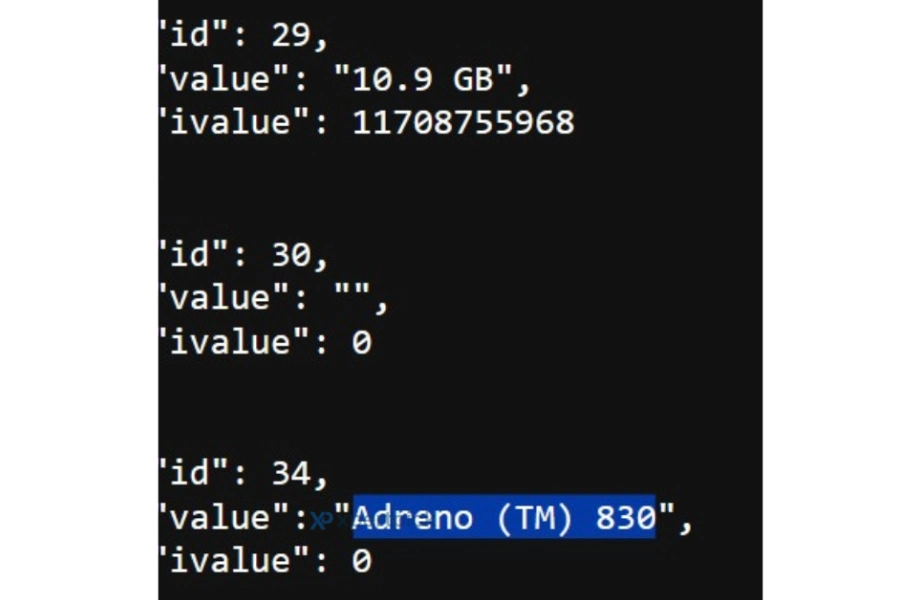
It shows the device is running on a new Qualcomm chipset, which isn’t named outright but is paired with an Adreno 830 GPU and a CPU clocked at up to 4.32GHz. The combination makes it fairly easy to guess. It’s Qualcomm’s top-tierSnapdragon 8 Elite, as previously rumored for the Xperia 1 VII.
The listing also shows the phone has 12GB of RAM and is running Android 15. In benchmark scores, it managed 2,967 points in the single-core test and 9,017 in the multi-core run. Those are in line with what you’d expect from the latest Snapdragon platform, but the scores themselves don’t say much beyond confirming the hardware is being actively tested.
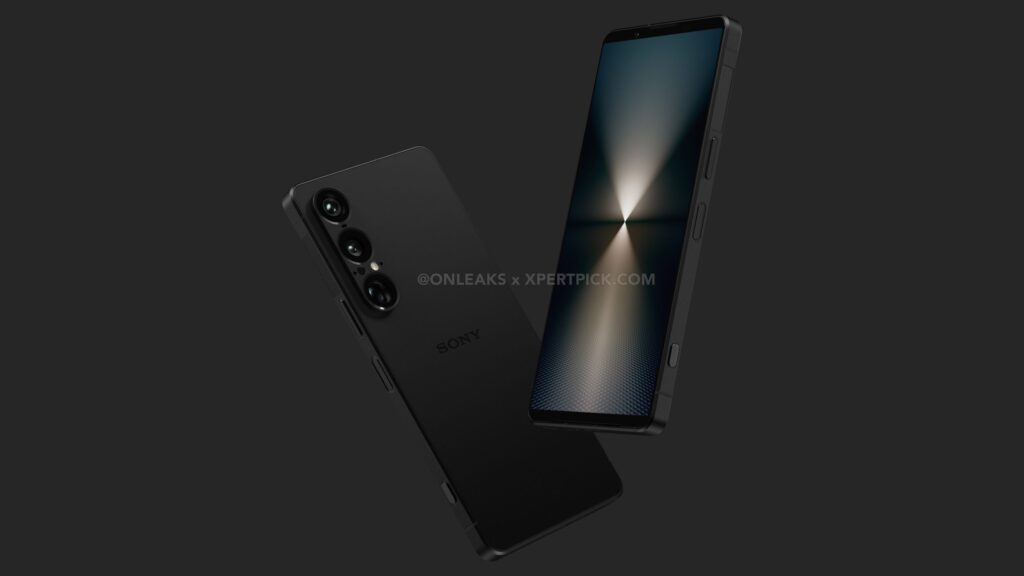
The leaked renders and hands-on images of the handheld show that Sony isn’t straying far from its established design language. The phone keeps its signature tall form factor, reportedly measuring 161.9 x 74.5 x 8.5mm, or 11mm at the thickest point, due to the camera bump.
It features a flat frame with all buttons—power, volume, and a dedicated shutter—on the right side, while the left remains bare.
Sony Xperia 1 VII Render
The Xperia 1 VII retains some hardware features most flagship phones have ditched, like a 3.5mm headphone jack and a microSD/SIM slot at the bottom. It also features dual front-facing speakers, a USB-C port, and a vertical rear camera layout with three sensors.
The main is said to be a 48MP camera with OIS, a 12MP ultra-wide, and a 12MP periscope telephoto lens offering variable zoom between 70mm and 200mm.
Sony hasn’t confirmed a launch date for its next flagship just yet. But as the real-world images and benchmark results are now out in the wild, an official announcement probably isn’t far off.
For more daily updates, please visit our News Section.
OnePlus officially introduced the OnePlus 13T, a compact flagship smartphone, on April 24 in China. The device became available for purchase on April 30. While the brand initially didn’t disclose much about the market response, OnePlus China President Louis Lee later shared an update highlighting the strong early performance of the 13T in the domestic market.
OnePlus 13T: Strong first sale performance officially confirmed
OnePlus 13T first sale record
According to Louis Lee, the OnePlus 13T achieved a sales revenue of over 200 million Yuan (approximately $27.6 million) within just 10 minutes of its first sale. Within two hours, the phone had already surpassed the brand’s full-day sales target. Lee added that among all smartphones launched between 3,000 Yuan (~$410) and 4,000 Yuan (~$550) in recent years, the 13T has become the best-selling model. After government subsidies, the phone is available for as low as 2,899 Yuan (~$400), making it nearly 800 Yuan cheaper than other compact flagship options available in the Chinese market.
The OnePlus 13T features a 6.32-inch flat OLED display with a 1.5K resolution, 120Hz refresh rate, 1600 nits HBM, and 4,500 nits peak brightness. It supports 3840Hz PWM dimming for improved eye comfort. The device runs on ColorOS 15-based Android 15 and features a new pressable hardware button on its left spine.
The 13T features the Snapdragon 8 Elite chipset with LPDDR5x RAM and UFS 4.0 storage. The device includes a 6,260mAh battery with 80W wired charging support. Camera setup includes a 50-megapixel Sony IMX906 primary sensor with OIS, a 50-megapixel 2x telephoto lens with OIS, and a 16-megapixel front camera.
OnePlus 13s to debut in India
OnePlus 13S poster
OnePlus has begun teasing the OnePlus 13s for the Indian market. It will feature a 6.32-inch OLED display and a Snapdragon 8 Elite chipset. It will be available in Black Velvet and Pink Satin shades. Given the identical specifications and design, the 13s appears to be a region-specific variant of the 13T, likely not launching in North America or European markets.
[affiliate_genie_cta]
For more daily updates, please visit our News Section.
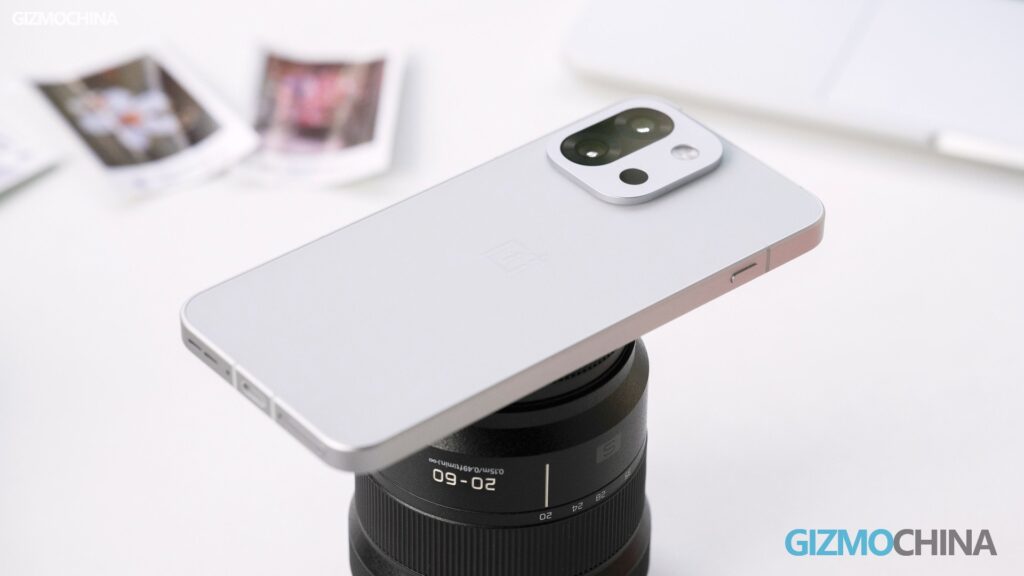
Samsung is expected to unveil the Galaxy S25 Edge with an incredibly slim profile of just 5.84mm on May 13 globally. This launch is rumored to be a strategic move to get ahead of Apple’s upcoming iPhone 17 Air, which is expected to debut later this year with a similarly sleek design. In response, several Chinese smartphone brands are also preparing to enter the ultra-thin phone segment to compete with both the Galaxy S25 Edge and the iPhone 17 Air. Oppo, for instance, is already positioning its Reno and Find X series as Android alternatives to the iPhone. According to a recent post on Weibo by tipster Digital Chat Station, Oppo is now developing a direct competitor to the iPhone 17 Air and S25 Edge.
Oppo could be working on an ultra-thin “Air” phone
Oppo’s ultra-thin flagship could be in the works
The above Weibo post suggests that Oppo may launch an ultra-thin flagship phone to rival the iPhone 17 Air. In the comment section, Weibo users are seen discussing their expectations for the device, including features like a large battery, a periscope camera, and an ultrasonic in-display fingerprint sensor — all packed into a slim and lightweight body worthy of the “Air” label.
While it’s difficult to pack all flagship-grade features — including a large battery — into a phone that’s just 6mm to 7mm thick, Oppo may still manage to pull it off. The recently unveiled Find X8s+ serves as a promising example, balancing slim design with a big battery and premium hardware.
Find X8s+
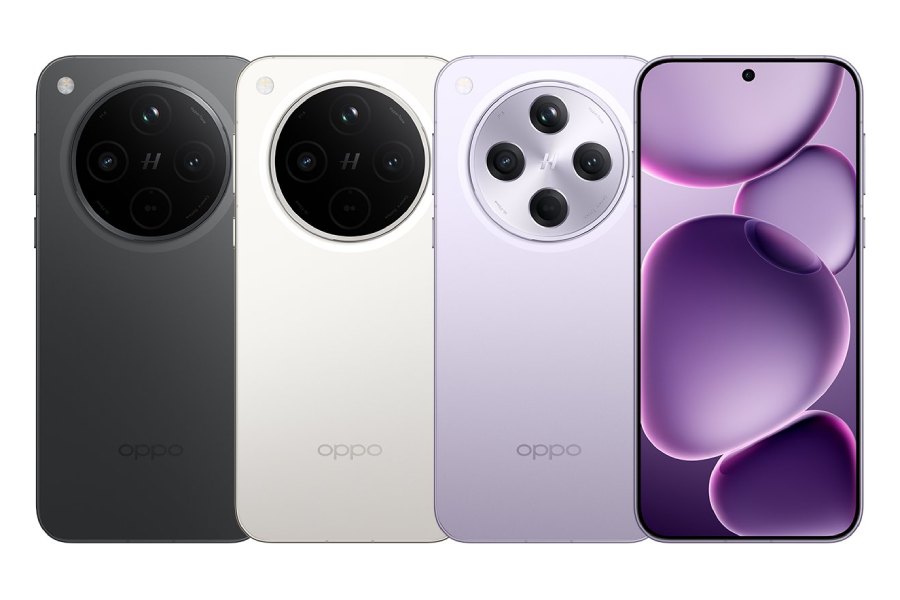
The China-exclusive Find X8s+ houses a 6.59-inch OLED 1.5K 120Hz screen and a 6,000mAh battery with 80W charging inside a body that weighs 198 grams and measures only 8mm. It also features a 50-megapixel (main) + 50-megapixel (ultra-wide) + 50-megapixel (periscope) triple camera setup, a 32-megapixel front camera, 50W wireless charging, and the latest Dimensity 9400 Plus chipset.
For more daily updates, please visit our News Section.
Vivo has officially introduced a new entry-level 5G smartphone in India – the Y19 5G. Some of its major highlights include a 90Hz display, AI-driven cameras, a big battery, and a durable build. Here’s a look at the specifications, features, and price of the device.
Vivo Y19 5G specifications and features
Vivo Y19 5G
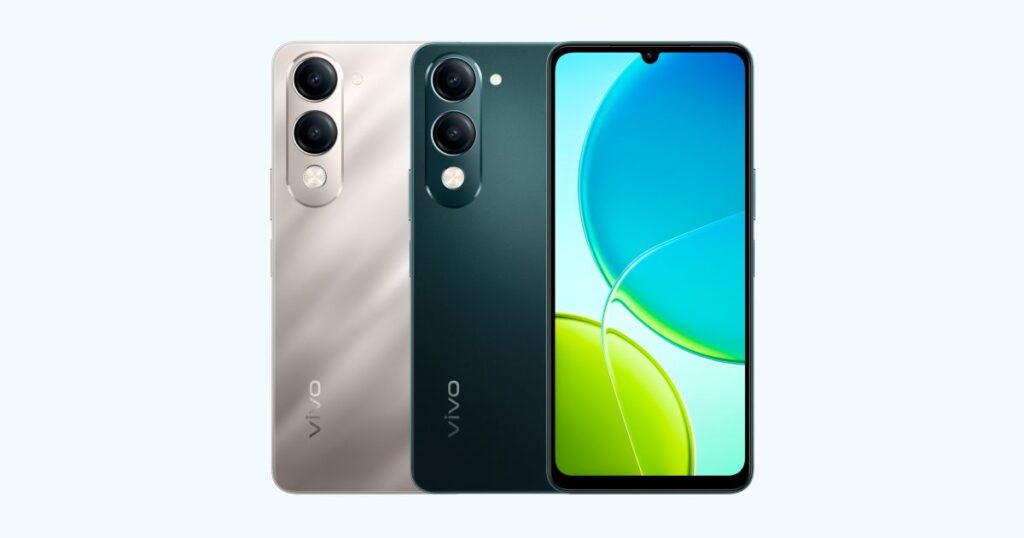
The Vivo Y19 5G comes with a 6.74-inch LCD waterdrop-notch display that supports a 90Hz refresh rate and HD+ resolution. The panel is TÜV Rheinland certified for low blue light emission. In terms of design, the device gets a metallic matte frame with a striking Rainbow Crystal Texture. The phone also gets IP64 dust and water resistance and has passed the Swiss SGS Five-Star Drop Resistance Certification for added durability. It measures 8.19mm in thickness and weighs 199 grams.
For photography, the Vivo Y19 5G features a 13-megapixel AI-assisted rear camera with support for Night, Portrait, and Pro modes. The camera software enables features like AI Erase, AI Photo Enhance, and AI Document scanner for added convenience. On the front, there’s a 5-megapixel selfie camera with Portrait and Night modes. The device runs on Android 15 with Vivo’s FunTouch OS 15 skin on top.
Vivo Y19 5G
Under the hood, the Y19 5G is powered by the MediaTek Dimensity 6300 chipset paired with up to 6GB RAM and 128GB internal storage. It houses a 5,500mAh battery supported by Smart Charging Engine 2.0 for improved charge efficiency and 15W charging. It includes other features, such as a side-facing fingerprint scanner, a dedicated microSD card slot, dual-band Wi-Fi, Bluetooth 5.4, and a USB-C port.
Vivo Y19 5G price in India, availability
Vivo Y19 5G
The Vivo Y19 5G is priced at Rs 10,499 for the 4GB+64GB variant, Rs 11,499 for 4GB+128GB, and Rs 12,999 for 6GB+128GB. It comes in two colorways: Titanium Silver and Majestic Green.
[affiliate_genie_cta]
The Y19 is available via Flipkart, Vivo India e-store, and retail outlets, with no-cost EMI offers also available. Buyers can avail the 6GB+128GB variant of the device with 3 months no-cost EMI offer.
For more daily updates, please visit our News Section.
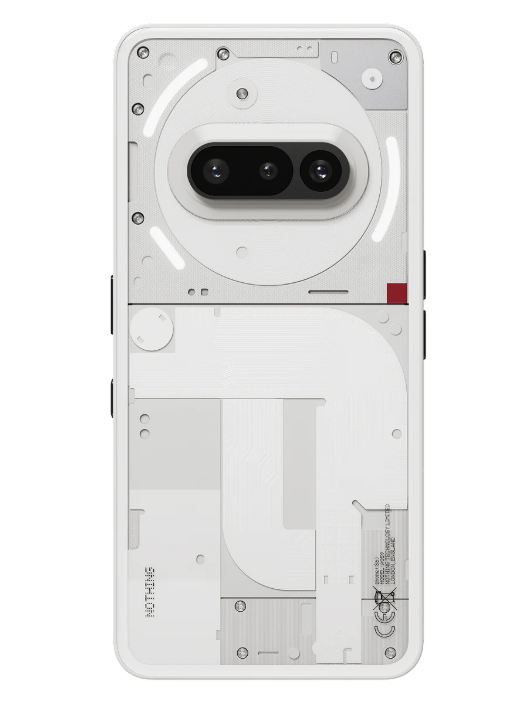
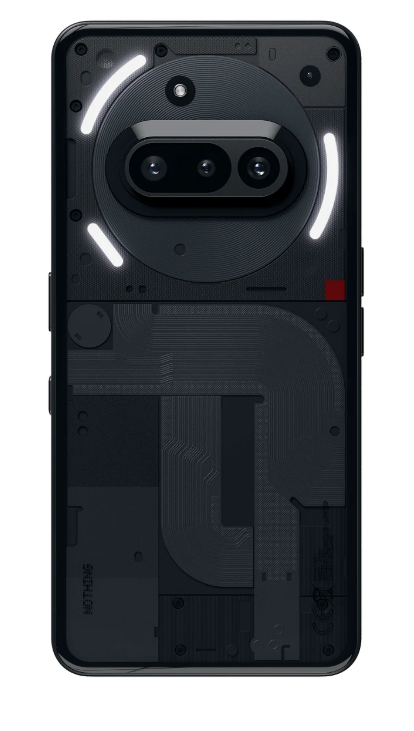
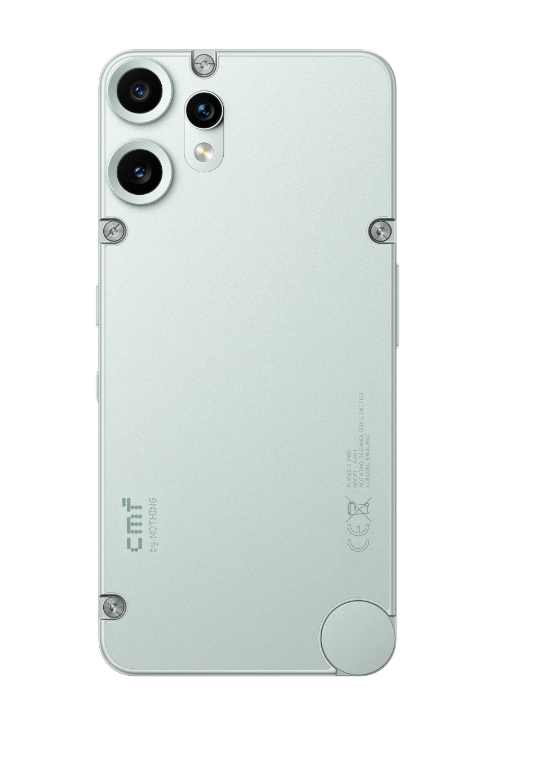
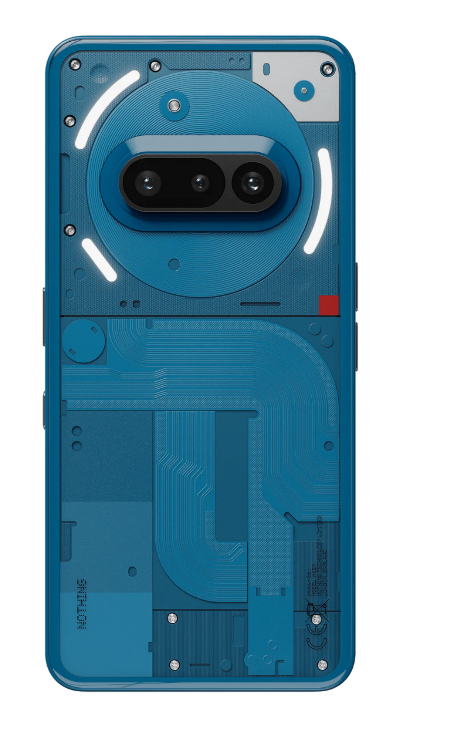
CMF Phone 2 Pro and Nothing Phone 3A are two of the most compelling mid-range smartphones in 2025, offering flagship-level features at accessible prices. With both coming from brands under the same parent company, this comparison matters, each targets a different kind of user experience. One prioritizes value and practicality, while the other leans into design innovation and premium enhancements. Understanding how they differ helps buyers choose between affordability and added polish.
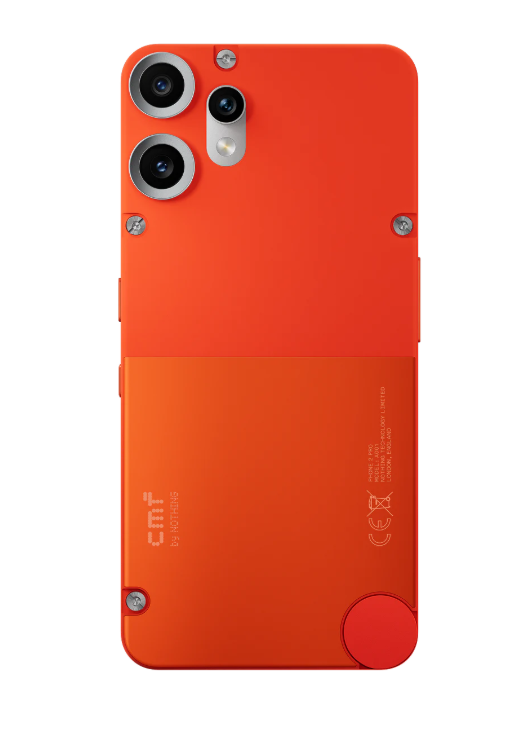
Build and Feel: CMF Phone 2 Pro carries a practical yet minimalist design with an IP54 rating and the unique “Accessory Point” feature, allowing back panel customization. It’s noticeably slimmer and lighter, offering a more comfortable in-hand experience. The Nothing Phone 3A, however, embraces the signature transparent design and adds the Glyph Interface with multiple lighting zones, providing a more interactive and visually distinctive build. Its IP64 rating also ensures better dust and water resistance than the CMF.
The more interactive Glyph lights and slightly better protection make the Nothing 3A a more premium-feeling device despite its higher weight.
Display Quality: Both phones share a 6.77” flexible AMOLED panel with identical resolution, brightness (3000 nits peak), contrast ratio, 10-bit color depth, and 120Hz adaptive refresh. The panel specs are virtually identical, but the Glyph Interface of the Nothing 3A integrates with notifications, timers, and music, adding functional value to the rear design.
While display quality is technically matched, the extra interaction layer of the Glyph Interface gives the Nothing 3A a functional edge in user experience.
Verdict: CMF 2 Pro is lighter and more comfortable, while the Nothing Phone 3A offers a richer, more premium feel with its unique Glyph setup and better IP rating. For design innovation and interactivity, the Nothing 3A wins this round.
2. Specifications
Nothing Phone (3a)
Performance: CMF Phone 2 Pro runs on the MediaTek Dimensity 7300 Pro, a capable 4nm chip with decent efficiency and performance for mid-range tasks. The Nothing Phone 3A, powered by Snapdragon 7s Gen 3, delivers slightly better GPU performance and a more refined ISP and NPU setup, which benefits AI-driven tasks and photography processing.
The Snapdragon 7s Gen 3 edges out with better graphics and imaging capabilities, making the Nothing 3A better for gaming and camera use.
Battery and Charging: Both phones feature a 5,000 mAh battery, but the CMF supports 33W charging, while the Nothing 3A reaches 50W, charging to full in just under an hour. The 3A also supports faster 7.5W reverse wired charging, compared to CMF’s 5W.
The Nothing 3A delivers faster power top-ups and more efficient energy use, making it more suitable for users with heavy daily usage.
Verdict: CMF Phone 2 Pro performs well for its class but is outpaced in GPU power and charging by the Nothing 3A. For better speed, photography processing, and faster charging, the Nothing 3A offers more comprehensive performance value.
3. Camera
Nothing Phone (3a)
Main and Secondary Lenses: Both phones feature a 50MP main sensor with f/1.88 aperture and 1/1.57” size, but the Nothing Phone 3A adds OIS, offering steadier shots. The 50MP telephoto lens on both phones delivers 2x optical zoom, but the 3A provides a longer digital zoom range (up to 30x vs. CMF’s 20x). Ultra-wide cameras are identical in resolution (8MP), with minor differences in FOV and sensor brands.
With OIS on the main lens and enhanced zoom capability, the Nothing 3A takes the lead for photography flexibility.
Selfie Camera: CMF Phone 2 Pro comes with a 16MP front camera, while the Nothing 3A boasts a 32MP sensor with a wider field of view. This makes the 3A more effective for group selfies and detailed captures, especially in daylight.
Nothing 3A’s sharper and wider-angle front shooter offers better selfie quality and versatility in various lighting conditions.
Verdict: While both setups are similar in raw numbers, the inclusion of OIS and a higher-resolution selfie camera gives the Nothing Phone 3A a noticeable advantage in real-world photography.
4. Pricing
CMF Phone 2 Pro
CMF Phone 2 Pro is priced around $279, making it significantly more affordable than the Nothing Phone 3A, which costs approximately $398. That’s a $119 price difference, a substantial margin in the budget to mid-range segment.
For users focused on value, the CMF offers solid performance, a flagship-like display, and good cameras at a far lower cost. However, the extra price on the Nothing 3A goes toward improved build, faster charging, better camera optics, and the unique Glyph system.
Verdict: The CMF Phone 2 Pro offers better value for money, while the Nothing Phone 3A justifies its higher price with a more premium feature set.
5. Conclusion
Nothing Phone (3a)
Nothing Phone 3A’s most distinctive feature is its Glyph Interface, which includes 26 addressable lighting zones that interact with system functions like notifications, calendars, and music. This adds a futuristic, visual interaction layer. It also benefits from faster 50W charging, a better-rated IP64 design, and a 32MP selfie camera, offering superior multimedia and day-to-day user experience.
On the other hand, the CMF Phone 2 Pro counters with an expandable storage slot (up to 2TB), a feature missing from the Nothing 3A. It’s also lighter and slimmer, making it easier to handle. The Accessory Point on the back adds customization potential that could appeal to DIY and personalization-focused users.
Glyph interaction and faster hardware make the Nothing 3A more feature-rich, but CMF’s microSD slot and lightweight build are standout advantages in practical usability.
Verdict: Overall, for affordability and core essentials, the CMF Phone 2 Pro wins on value. But for those seeking a polished, interactive, and higher-end experience, the Nothing Phone 3A offers a clear upgrade.
Realme is celebrating its 7th anniversary in India by launching the 2025 Realme Anniversary Sale, featuring exciting offers across its smartphone range. Starting today, customers can grab limited-time deals both online and offline. The discounts include instant bank offers, platform coupons, and EMI benefits on Realme’s most popular and newly launched smartphones.
Realme 7th anniversary sale
2025 Realme anniversary sale on Flipkart
On Flipkart, the Realme P series is now available with aggressive pricing:
8GB+256GB – Rs 24,999 (Rs 2,000 EMI or Rs 1,000 full swipe bank offer)
Realme 14 Pro+ 5G:
8GB+128GB – Rs 27,999
8GB+256GB – Rs 29,999
12GB+256GB – Rs 31,999
12GB+512GB – Rs 33,999 (Discounts up to Rs 4,000 via EMI or full swipe)
The above information is based on a press release shared by Realme. Please verify offers and availability on Flipkart, Amazon, or your nearest store before purchasing. It should be noted that the above offers are available until May 8.
For more daily updates, please visit our News Section.
Poco has announced major price cuts across its popular smartphone lineup for Flipkart’s Big Savings Days 2025, also dubbed the SASA LELE Sale. The sale, which kicks off today and runs until 8th May, includes deep discounts on budget and mid-range models. All bank offers apply on HDFC, Axis, and ICICI credit/debit card transactions via full swipe or EMI.
Poco Big Savings Day 2025 sale on Flipkart
Poco C series
The Poco C series targets entry-level users and gets the biggest cuts. The Poco C71 (4GB+64GB, Airtel variant) is now listed at Rs 5,799, while the standard 4GB+64GB model is priced at Rs 6,499. A higher-end 6GB+128GB variant is available for Rs 7,299.
The Poco C75 has also received a markdown, with the 4GB+64GB version at Rs 7,699 and the 4GB+128GB model at Rs 8,499.
Poco M series
Poco’s M series offers value-packed 5G phones at mid-range prices. The Poco M7 5G starts at Rs 9,499 for the 6GB+128GB variant and Rs 10,699 for the 8GB+128GB configuration.
The Poco M6 Plus is now selling for Rs 9,999 (6GB+128GB) and Rs 10,999 (8GB+128GB).
Those looking for a slightly more refined experience can consider the Poco M7 Pro 5G, which is available at Rs 11,999 (6GB+128GB) and Rs 13,999 (8GB+256GB).
Poco X series
The Poco X7 5G delivers upper mid-range performance at new low prices. The 8GB+128GB model is now available for Rs 15,999, while the 8GB+256GB version is listed at Rs 17,999.
The Poco X7 Pro, which features a more powerful chipset and enhanced display, is priced at Rs 22,999 for the 8GB+256GB version and Rs 24,999 for the 12GB+256GB model.
Poco F series
The flagship-level Poco F6 is the sole offering in this series for the sale, and it comes in a 12GB+256GB configuration priced at Rs 22,999—bringing powerful internals at a reduced cost.
The above post is based on a press release by the brand. It is advisable to double-check the actual pricing and discounts on Flipkart before making a purchase.
For more daily updates, please visit our News Section.
Amazon’s Great Summer Sale has commenced, and some exciting discounts are already live on popular smartphones, wearables, and accessories. Discounts are raining down on every smart category, and Prime members have 12-hour exclusive early access. It’s the prime time to restock your daily essentials or do a tech upgrade.
Amazon Great Summer Sale Offers
In the smartphone and mobile accessory category, Amazon is offering a sale on the Samsung Galaxy S24 Ultra 5G, which is retailing for Rs 84,999. A Rs 5000 discount coupon is applicable on the purchase of the smartphone, Meanwhile, the iPhone 15 is available for the price of Rs 57,749, inclusive of bank discount offers. OnePlus Nord CE4 Lite 5G is available at an exciting price of Rs 15,999. A similar discount is applicable on the Tecno Pop 9, which is up for grabs at the price of Rs 5490.
Apart from the specific smartphone deals, Amazon offers major discounts on 5G smartphones. There’s an additional discount of 89% on mobile accessories like chargers, cases, power banks, and earbuds.
Furthermore, tech enthusiasts can get up to a 45% discount on laptops from HP, Dell, and Lenovo. Meanwhile, the gaming laptops are available for Rs 41,990. Similarly, smartwatches, headphones, speakers, and cameras are on sale for 60-80% off.
This sale season, you can upgrade your home entertainment system by replacing your TV and get up to 65% off. Furthermore, Amazon is offering free installation, fast delivery, and extended warranties on all TVs.
Special discounts for businesses are already in full swing. Grab up to a 70% discount on all consumer electronic items.
The interested buyers can maximize discounts with a Prime subscription.
Bank Discounts
Apart from the inclusive discounts from Amazon, the bank discounts are making the deals sweeter. The HDFC Bank Credit Card users can get a 10% Instant Discount on most of the products. Moreover, Amazon Pay ICICI Bank Credit Card holders can grab unlimited 5% cashback on all purchases.
[affiliate_genie_cta]
Please Note: When you buy something using the links in our articles, we may earn a small commission at no cost to you.
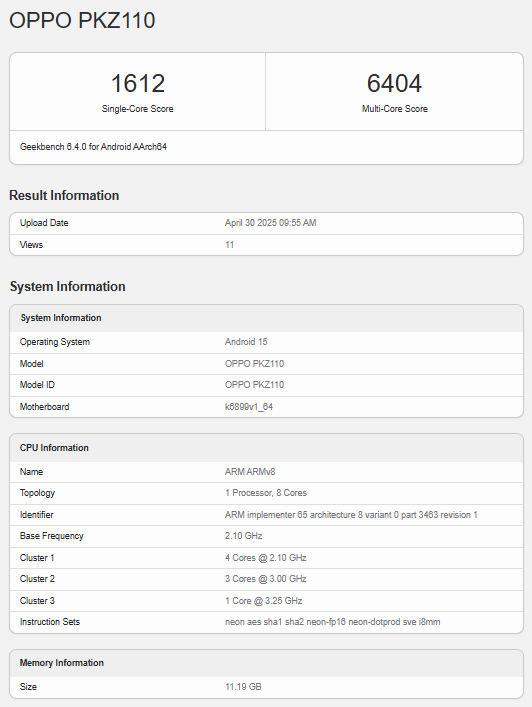
An upcoming Oppo smartphone bearing the model number PKZ110 has surfaced on Geekbench. The device is found to be equipped with the Dimensity 8400 chipset, which also powers the likes of the Redmi Turbo 4, Realme Neo 7 SE, and iQOO Z10 Turbo in China. Here’s a look at the details that have emerged through the Geekbench listing of the device.
Oppo PKZ110 Geekbench listing
Oppo PKZ110 Geekbench
The Oppo PKZ110 was previously spotted at China’s radio certification and MIIT certification, and now it has emerged in Geekbench’s database. The listing reveals that it is powered by the MediaTek MT6899 chipset, which is mentioned as “k6899v1_64” in the motherboard field.
The Dimensity chip includes one prime CPU core working at 3.2GHz, three cores clocking at 3GHz, and the remaining four efficiency cores operating at 2.10GHz. As per the source code of the listing, the chipset includes Mali-G720 MC7 for graphics. These details are enough to confirm that the Oppo PKZ110 is powered by the Dimensity 8400 chipset.
The Oppo PKZ110 Geekbench listing further reveals that it has 12GB of RAM and Android 15 onboard. In the single-core test of Geekbench 6, the device secured 1612 points, and it scored 6404 in the multi-core test. Unfortunately, the final moniker of the device is under wraps for now.
Reno 14 series or K13?
The Reno 12 and 12 Pro, which were launched in China in May 2024, featured the Dimensity 8250 and Dimensity 9200+ chipsets, respectively. The Reno 13 and 13 Pro, which debuted in November, were both powered by the Dimensity 8350. Since the Reno series focuses more on photography at an affordable price rather than high-end performance, the company may continue using the Dimensity 8350 for the upcoming Reno 14 series, as leaks have also suggested.
Meanwhile, Oppo is reportedly working on the K13 series for the Chinese market. Recent reports suggest that the lineup may include three models: the K13x, K13, and K13 Turbo, featuring the Snapdragon 6 Gen 4, Dimensity 8400, and Snapdragon 8s Gen 4 chipsets, respectively. Therefore, the PKZ110 could possibly be the K13. However, before drawing any conclusions, it is best to wait for further reports.
For more daily updates, please visit our News Section.
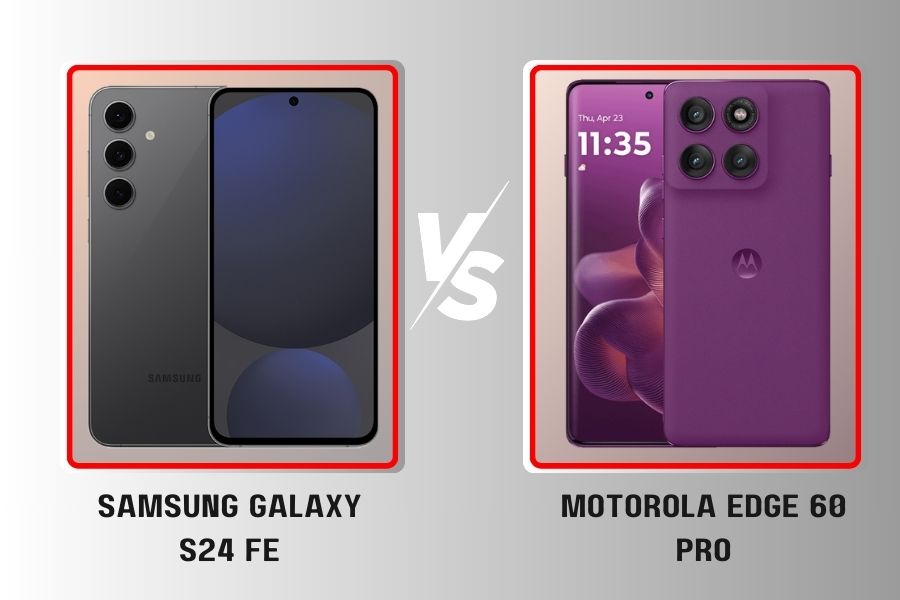
The Motorola Edge 60 Pro and the Samsung Galaxy S24 FE land in the same general category: premium mid-range phones that try to do a little bit of everything while looking the part.
Both phones offer large OLED displays, capable triple-camera systems, and a splash of flagship DNA, but they go about things very differently. One leans on sheer hardware specs and big battery numbers, the other rides on brand reputation and software support.
If you’re trying to choose between these two, here are five key ways the Motorola Edge 60 Pro is different from the Galaxy S24 FE.
Both phones come with 6.7-inch OLED panels that refresh at 120Hz and support the HDR10+ standard. So at first glance, they seem evenly matched. But Motorola pushes the panel much further in terms of peak brightness and resolution.
The Edge 60 Pro’s P-OLED display hits up to 4500 nits of peak brightness. It’s several times brighter than what most phones can manage, and more than double the 1900 nits peak brightness of the S24 FE.
It also has a higher resolution at 1220 x 2712 pixels (444 ppi), compared to the FE’s 1080 x 2340 pixels (385 ppi). So you should get sharper visuals and better daylight legibility on the Motorola, even though the S24 FE uses Samsung’s high-end Dynamic AMOLED 2X panel tech.
Samsung’s strength is likely in display tuning and color science, but for sheer specs on paper, Motorola has the more technically impressive screen. Not to forget, it also has a higher screen-to-body ratio (92.2% vs 88%).
2. Performance: Dimensity vs Exynos
This might be the most divisive difference between the two. The Edge 60 Pro runs on the MediaTek Dimensity 8350 Extreme, while the Galaxy S24 FE uses Samsung’s Exynos 2400e.
On paper, both chipsets are built on a 4nm process and feature modern cores, but their performance profiles differ. The Dimensity 8350 Extreme is structured around Cortex-A715 and Cortex-A510 cores that hit up to 3.35 GHz on the prime core. It’s paired with a Mali-G615 MC6 GPU.
The Exynos 2400e, meanwhile, is a 10-core setup with a peak 3.1 GHz performance core and uses AMD’s Xclipse 940 GPU. It also supports hardware ray tracing, though that’s more aspirational than useful right now.
In reality, neither chip will match the performance of recent flagship chips. But both of them will handle your tasks, light or demanding, fairly easily.
The Edge 60 Pro is available with up to 12GB of RAM, whereas the S24 FE tops out at 8GB. Both have UFS 4.0 storage.
3. Battery Life and Charging
Battery is one area where the Edge 60 Pro pulls ahead. Motorola has stuffed in a 6000 mAh silicon-carbon (Si/C) battery inside the phone, while the Galaxy S24 FE makes do with 4700 mAh.
That’s a substantial difference in raw capacity. In daily use, this should translate into longer screen-on time and less frequent charging.
The charging story is equally lopsided. The Edge 60 Pro supports 90W wired charging, 15W wireless, and 5W reverse wired charging. Samsung, by comparison, sticks with its usual 25W wired and 15W wireless, with reverse wireless but no wired reverse option.
It’s clear that Motorola wins by a great margin in the charging and battery department.
4. Camera Hardware and Features
The two phones differ significantly in terms of cameras as well.
Motorola’s main shooter is a 50MP sensor with OIS, flanked by a 10MP 3x telephoto and a 50MP ultrawide with autofocus. Samsung matches the main camera resolution at 50MP but offers an 8MP 3x telephoto and a 12MP ultrawide.
On pure megapixel count and ultrawide versatility, Motorola wins here. Both have optical zoom, but the FE’s telephoto sensor is smaller and likely to show more noise in tricky lighting. That’s on paper, though. For a real comparison, it’s best to go through some reviews for a better sense of performance.
On the flip side, Samsung pulls ahead in terms of video resolution. It supports recording up to 8K@30fps, whereas Motorola caps at 4K@30fps. So, if you’re shooting a lot of high-res video, Samsung might be the better tool.
As for selfies, Motorola uses a 50MP front camera with 4K recording. Samsung’s is a 10MP unit that also shoots in 4 K. Again, spec-wise, Motorola gives you more.
5. Build, Software, and Ecosystem Perks
When it comes to build quality, Samsung still feels more premium in hand. The Galaxy S24 FE uses Gorilla Glass Victus+ on both sides and a solid aluminum frame, while the Edge 60 Pro opts for Gorilla Glass 7i on the front but lacks the same grade on the back.
Both phones are IP68-rated, but Motorola adds IP69 and MIL-STD-810H compliance, which implies more durability under extreme conditions.
Software is another area where Samsung plays a different game. The S24 FE shipped with Android 14-based One UI 6.1 out of the box. And it promises seven years of OS and security updates.
Motorola’s offering comes pre-installed with Android 15, but you only get three OS upgrades and a year more of security patches after that. Samsung’s track record in updates is currently unmatched in the Android space.
Samsung also supports DeX, Circle to Search, and other software features that tie into its ecosystem of tablets, watches, and laptops. Motorola offers a cleaner Android experience, but it lacks the deeper ecosystem hooks, though that may not matter to everyone.
6. Final Thoughts
The Motorola Edge 60 Pro is a well-specced device in this matchup. It gives you more RAM, more pixels, more battery, faster charging, and a brighter screen. It’s also cheaper at Rs 29,999 starting price in India, compared to Rs 36,999 for the S24 FE.
But Samsung counters with better long-term software support, more refined build quality, a stronger brand, and a few high-end features like DeX and 8K video recording. So if you want a phone that just works and will keep getting updates for years, the Galaxy S24 FE is still the safer bet.
For more daily updates, please visit ourNews Section.
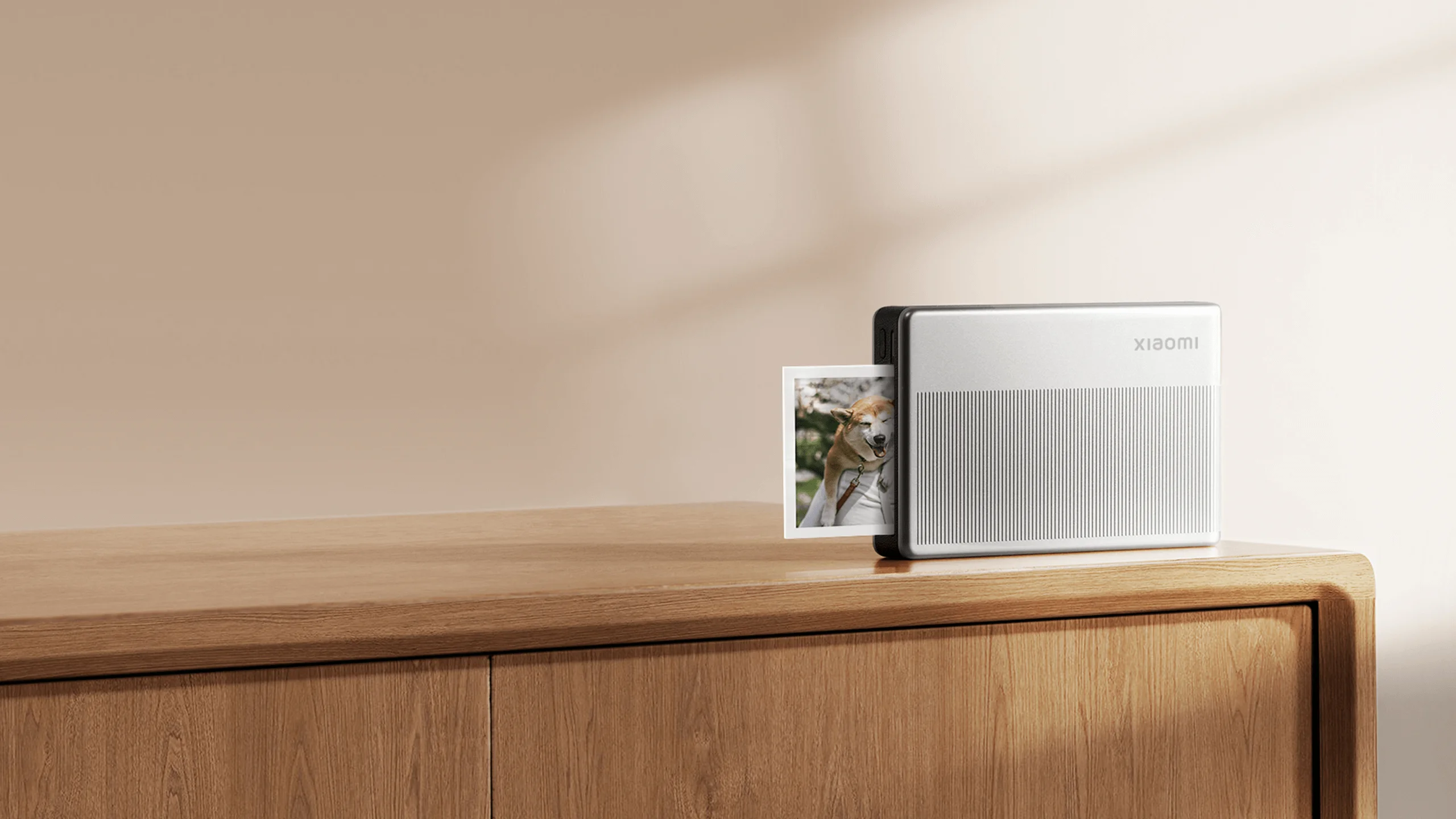
Xiaomi is getting ready to launch the Portable Photo Printer 1S in global markets. The device recently appeared on the company’s international website. It prints photos directly from a smartphone using the Mi Home app and ZINK paper.
The printer uses ZINK (zero-ink) technology, which means it doesn’t need ink cartridges. Instead, it heats special paper to activate color crystals. The printed photos have a sticky back and can be placed on surfaces like scrapbooks or phone covers. The box includes five sheets of photo paper.
The 1S supports AR photos. Users can attach a 15-second video or a 60-second audio clip to a photo through the Mi Home app. When scanned with the app, the printed photo plays the linked media. The app also offers editing tools, such as filters, collage layouts, and watermarks with avatars or text.
It connects through Bluetooth 5.2 and supports up to three devices at once. Wi-Fi is not required. It supports image formats like JPEG, PNG, and HEIF, and works with Android 8.0 or iOS 12.0 and newer. AR content is managed through the Mi Home app, with a limit of 100 AR photos per user account.
[affiliate_genie_cta]
The printer measures 82mm x 124mm x 22mm and is compact enough to carry easily. Xiaomi says print costs can go as low as 1.98 yuan (about $0.27) per sheet. It’s still unclear if it works with ZINK paper from other brands. Xiaomi hasn’t confirmed a release date or global price yet. In China, the printer sells for 399 yuan (~$55).
For more daily updates, please visit ourNews Section.
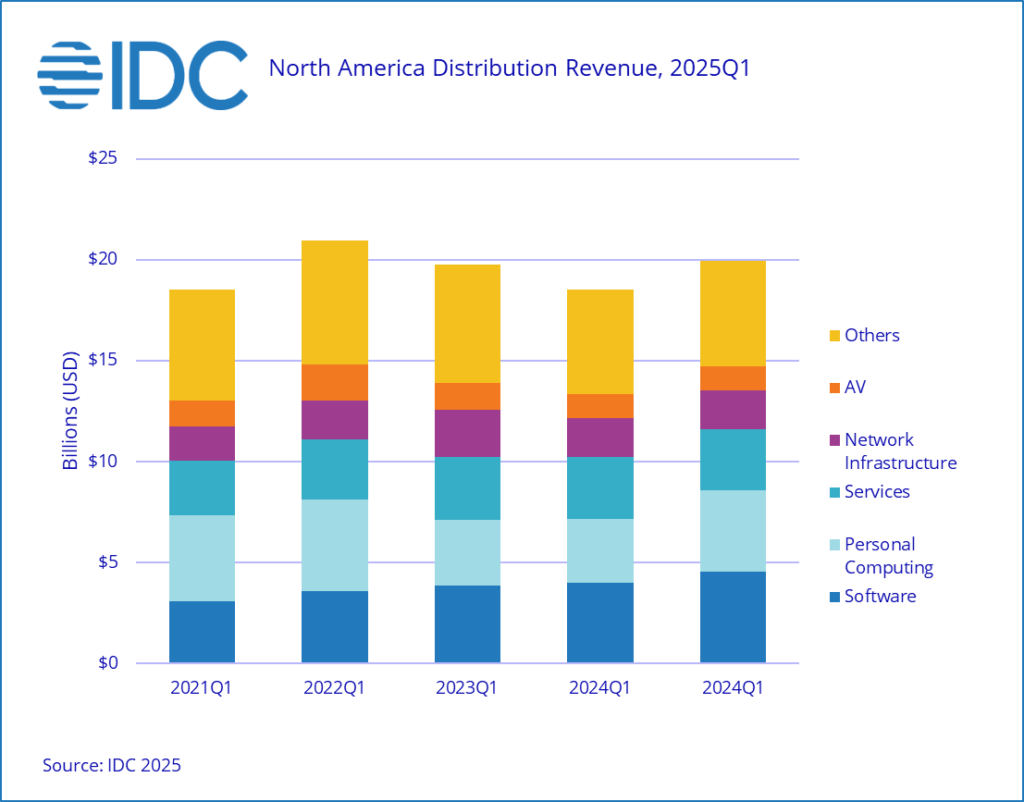
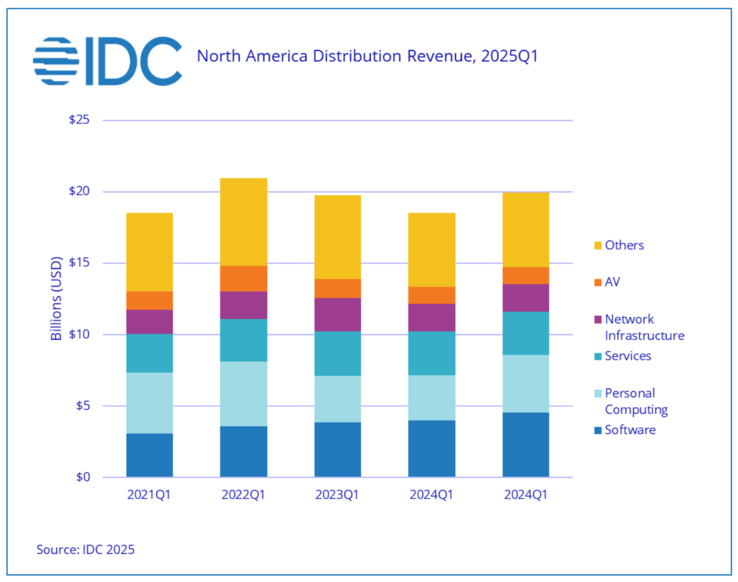
Desktop and laptop sales in North America rose sharply in Q1 2025 as buyers moved quickly to avoid possible price hikes tied to U.S. trade tariffs. According to IDC, personal computing sales through distributors reached $4.07 billion, marking a 27.8 percent year-over-year increase. This pushed total IT distribution revenue to $19.9 billion for the quarter, up 7.6 percent from the same time last year.
Desktops saw the highest growth at 35.3 percent. Notebooks rose 26.9 percent, while workstations jumped 49.3 percent. Detachable tablets were the only segment to decline, falling 5.4 percent.
IDC said the surge was mainly driven by uncertainty around U.S. tariff policy. Commercial buyers accelerated orders to avoid expected cost increases. In April, the U.S. announced new tariffs on Chinese goods, including tech products, with rates exceeding 100 percent in some cases. A 90-day enforcement delay has not eased concerns, prompting early purchases across the channel.
Other categories showed smaller changes. Software, which is not impacted by tariffs, grew 13.2 percent year-over-year to $4.5 billion. Key drivers were storage, security, and system infrastructure software, which made up more than half of total software revenue. Network infrastructure was up 1 percent, while AV and services posted small year-over-year declines.
IDC’s chart shows a clear rise in personal computing revenue compared to previous quarters. The spike stands out across all product groups and reflects how policy uncertainty influenced buying behavior.
Analysts expect this trend to be short-term. Sales may decline in the second half of 2025 as early stockpiling slows and tariff enforcement begins.
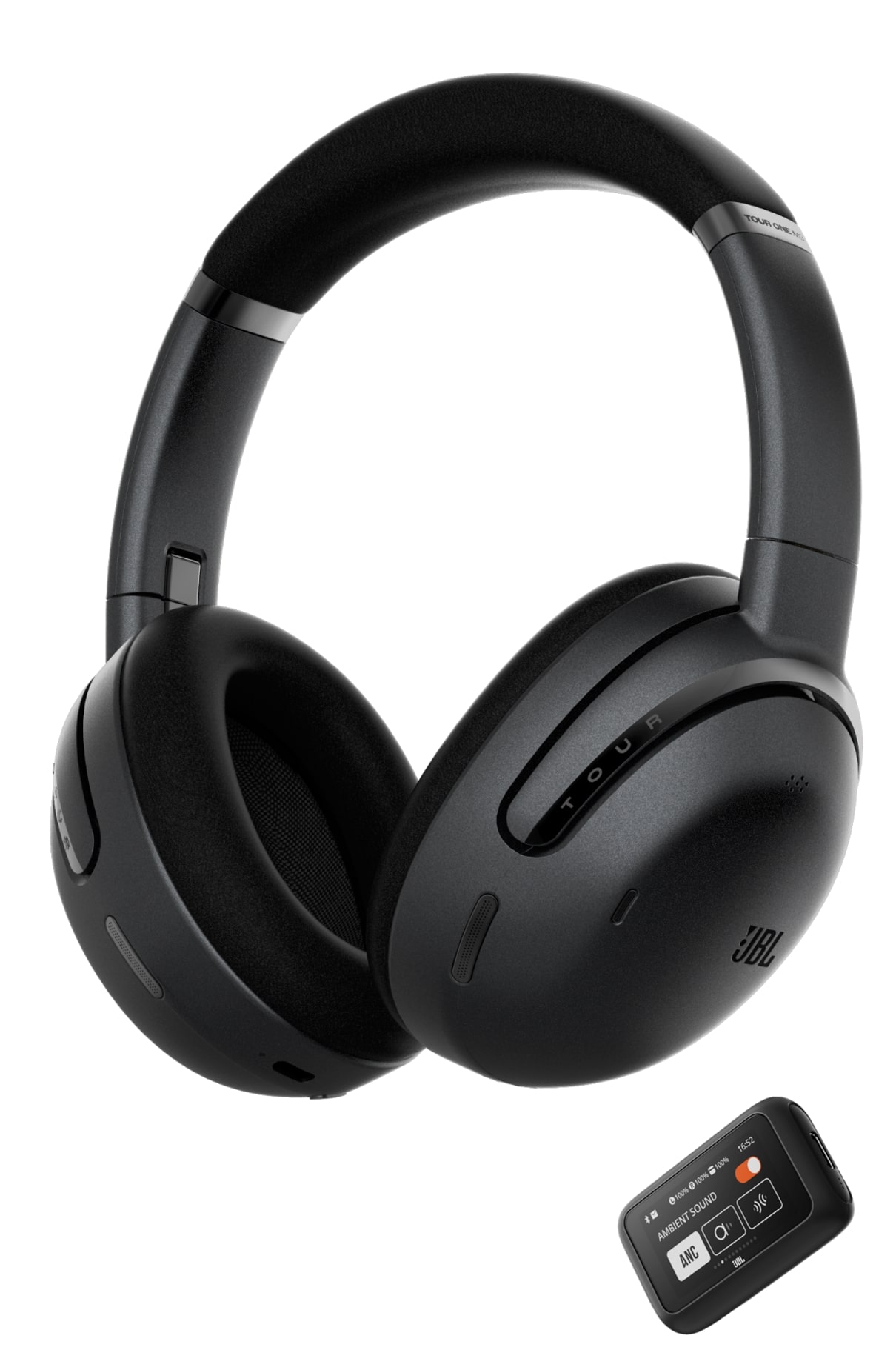
JBL has launched the Tour One M3 Smart Tx, a new pair of over-ear headphones aimed at travelers. They’re priced at $399 and are available now on JBL’s website and Amazon.
The main feature is the SMART Tx transmitter, a small wireless touchscreen device that connects to in-flight entertainment systems. It lets users stream audio straight to the headphones, removing the need for airline headsets. It also supports Auracast, so multiple people can listen at the same time.
The Tour One M3 uses JBL’s latest adaptive noise cancelling and includes JBL Spatial 360 for surround-style sound. Audio is personalized with Personi-Fi 3.0, which adjusts the sound based on the user’s hearing profile.
Battery life lasts up to 70 hours without noise cancelling. A 5-minute charge gives 5 extra hours of playback. The headphones have a new ergonomic design for comfort during long use and come with a travel case and carabiner clip.
The SMART Tx transmitter has touchscreen controls for volume and playback. It can also be customized with images. It’s designed to replace wired headphone jacks and give travelers more control over their in-flight audio.
The Tour One M3 comes in Black, Mocha, and Blue. The version with the SMART Tx costs €399.99/$399.95, while the headphones alone are priced at €349.99.
[affiliate_genie_cta]
For more daily updates, please visit ourNews Section.
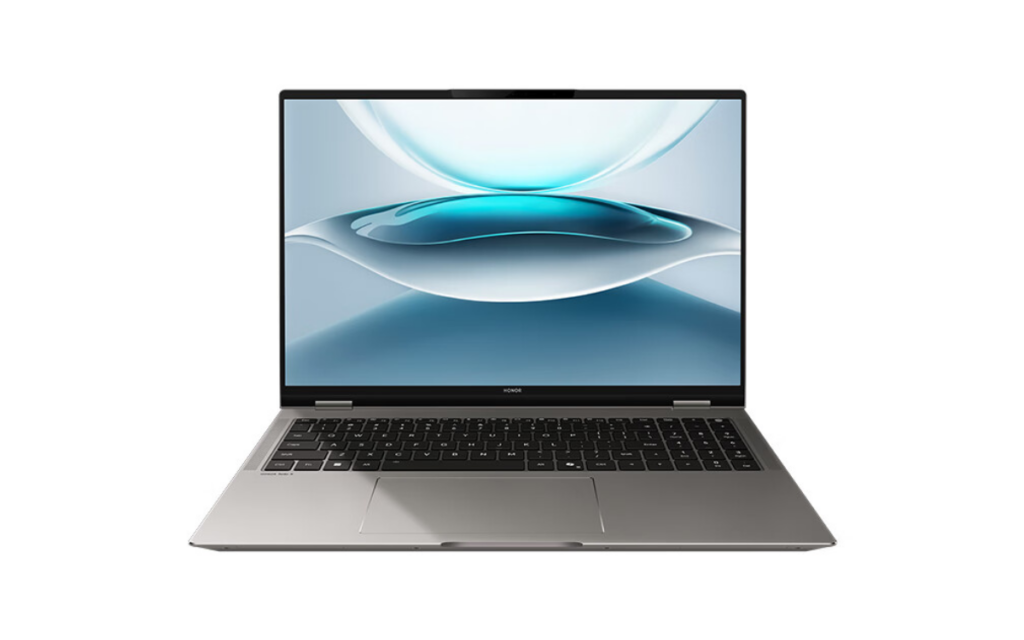
Honor is taking a serious swing at both the creator and gamer laptop markets with the official launch of its MagicBook Pro 16 2025 lineup in China. The company has introduced two sharply distinct variants: a standard integrated GPU model for everyday multitasking and productivity, and a new Hunter Edition that’s unapologetically built for gaming.
Both models share a common DNA, premium design, refined thermals, and AI-centric enhancements, but they target different audiences with surgical precision.
MagicBook Pro 16 2025
The standard MagicBook Pro 16 2025 arrives in configurations built around Intel’s latest Core Ultra 5-225H and Ultra 9-285H processors. These are backed by either 24GB or 32GB of LPDDR5x RAM and 1TB PCIe 4.0 SSDs, wrapped in a sleek all-metal chassis measuring just 17.9mm thick and weighing 1.81kg. Color options include Starry Grey, Midnight Black, and Aurora Blue, with each variant boasting a CNC-machined finish and a new “Meteor Arc” design for a more premium visual identity.
The display remains a highlight: a 16-inch IPS panel with a crisp 3072 × 1920 resolution, 165Hz refresh rate, 3ms response time, and support for 100% of the DCI-P3 color gamut. Honor’s Oasis Eye Protection and TÜV Rheinland certifications are built in, signaling serious attention to visual comfort for prolonged use.
MagicBook Pro 16 2025 Hunter Edition
Then there’s the MagicBook Pro 16 2025 Hunter Edition. Honor positions this as its quietest, most powerful gaming laptop yet, and it just might live up to that pitch. The Hunter is the first laptop to feature the newly released Nvidia GeForce RTX 5070 GPU, complete with 8GB of GDDR7 memory and DLSS 4.0 support. It’s paired with the same Core Ultra 5 or Ultra 9 CPUs, 32GB RAM, and a 1TB SSD, but what sets it apart is how it manages thermals and noise.
Thanks to Honor’s upgraded Turbo X tuning suite and Smart Silent Cooling 2.0, the Hunter can hit up to 150W performance in Beast Mode, while keeping fan noise to just 35dB under load, and down to 17dB when idle. That’s whisper-quiet by gaming laptop standards.
Audio, AI, and Game Enhancements
Both models come loaded with Honor’s Spatial Audio 2.0 system, which adapts sound profiles to different genres, from FPS to MOBAs. The Hunter Edition adds a dedicated AI Game Assistant, offering on-the-fly performance optimization, voice chat noise suppression, and even an in-game strategy library. These are subtle but smart touches aimed at delivering a console-like experience in a laptop form factor.
Pricing and Availability
The MagicBook Pro 16 2025 integrated graphics version is available in the following configurations:
Word of a massive 145% US tariff on Chinese imports has North American buyers rushing to grab desktops and laptops before prices skyrocket. IDC’s latest data shows Q1 2025 sales going through the roof, but this surge might not last long.
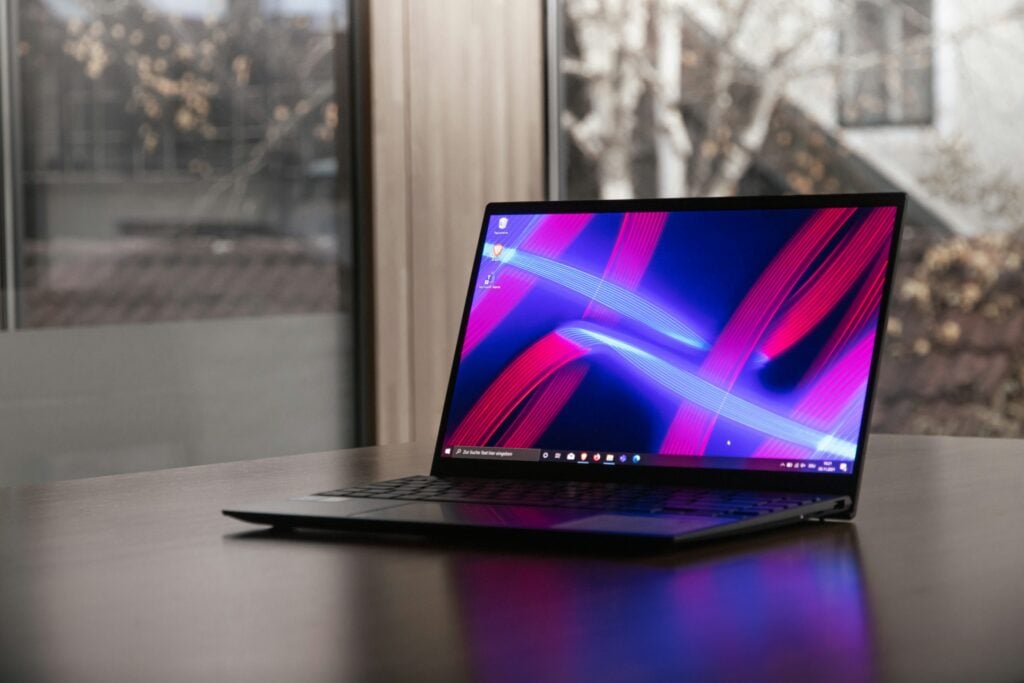
Image: joachim_pressl on Unsplash
Since tons of PC parts come from China, the threat of these tariffs has everyone on edge. IDC says Q1 2025 PC revenue hit $19.9 billion, up 7.6% from last year. Laptops flew off shelves with a 26.9% sales jump, desktops surged 35.3%, and workstations? A whopping 49.3% spike. Big names like Dell, HP, and Lenovo are even holding back notebook shipments to the US, hinting at stock shortages.
But tariff isn’t the only reason behind this surge
Microsoft is pulling the plug on Windows 10 security updates in October 2025, so many people with older PCs that can’t handle Windows 11 are upgrading now. Retail sales popped off in March 2025, though folks are feeling less confident with US-China tariff talks stuck, per IDC. Companies are beefing up their IT setups, and regular people are snagging systems to dodge the price hikes.
Still, IDC is waving a red flag: this buying craze could fizzle by late 2025. The US gaming sector is already seeing this, with Circana reporting a 6% drop in console and accessory sales in March, showing folks are prioritizing work over play. That said, Nintendo Switch 2 pre-orders might give gaming a boost, per posts on X.
PC brands like Lenovo are cashing in now, but with laptop prices possibly jumping 46%, the surge might disappear soon. Will buyers keep stockpiling, or will budgets tighten? The second half of 2025 will tell.
While Samsung has used both its proprietary Exynos and Qualcomm’s Snapdragon chips for its flagship smartphones, its premium foldable phones have typically used only high end Snapdragon processors. But the upcoming Galaxy Z Flip 7 might be the first to break this cycle.
Samsung Galaxy Z Flip 7 tipped with Exynos 2500 once again
But a fresh report from the South Korean publication, ChosunBiz, hints at the Exynos 2500 being finalized for the Galaxy Z Flip 7. According to industry sources close to the matter, Samsung’s Galaxy Z Flip 7 would be the first foldable to debut with an Exynos chipset (2500). On the other hand, the more expensive Galaxy Z Fold 7 could be equipped with the Qualcomm Snapdragon 8 Elite.
Samsung Galaxy Z Flip 7 Leaked Render
Samsung apparently begin production with 200,000 units planned for the Galaxy Z Flip 7. Initial doubts regarding the Exynos 2500 was stemming from Samsung facing yield issues with the chip production. But it seems the problem might have been addressed. With the new Qualcomm chip getting expensive over its predecessor, the in house chip could help the brand keep cost low as well.
For more daily updates, please visit our News Section.
Xiaomi’s Poco F7 is gearing up for a global spring 2025 release, following the Poco F7 Pro and Ultra, but leaks suggest its battery will shrink to 6,500mAh from the 7,550mAh in its Indian and Chinese variants. Certified in Singapore, this rebranded Redmi Turbo 4 Pro is set to pack a Snapdragon 8s Gen 4 and a vibrant AMOLED display.
The Poco F7 series is expanding, with the base Poco F7 now certified by Singapore’s IMDA under model 25053PC47G, confirming its global rollout. Initially pegged for an India-only launch after BIS certification (model 25053PC47I), the Poco F7 will hit multiple markets as a tweaked Redmi Turbo 4 Pro. The catch? Its battery drops to 6,500mAh globally, compared to 7,550mAh in India and China, a move echoing Xiaomi’s regional tweaks like the Poco X7 Pro’s 6,000mAh global battery versus 6,550mAh in India.
Powered by the Snapdragon 8s Gen 4, the Poco F7 boasts a 6.83-inch 1.5K AMOLED display with 120Hz refresh and 3,200 nits brightness, ideal for gaming and media. It reportedly retains 90W wired charging and a 50MP OIS main camera. This battery downgrade, likely for cost or regulatory reasons, may disappoint fans, but the F7’s $300-400 price range (based on the F6’s $379) keeps it competitive against the iQOO Z10 Turbo.
To recall, the Poco F6 featured the Snapdragon 8s Gen 3 chip, a 6.67-inch AMOLED display with 2,400 nits peak brightness, protected by Gorilla Glass Victus on the front, along with a plastic frame and back. It packed a 5,000mAh battery with 90W charging support, a 50MP 1/1.95” main camera paired with an 8MP ultrawide, and an optical fingerprint scanner beneath the display.
With the Poco F7 Pro ($499) and Ultra ($649) launched in March, the F7’s May debut could shake up the mid-range market. Will the smaller battery dent its appeal, or will its vibrant display and capable chip win over global buyers? Only time will tell.
OnePlus has started rolling out OxygenOS 15.0.0.800 for the OnePlus Pad. The update is now live in India, Europe, North America, and other global regions. It is being released in batches, so only some users will get it today, with a wider rollout coming soon. The build number is OPD2203_15.0.0.800(EX01).
The update adds partial screen recording, letting users capture only a selected area of the screen. The Calendar, Notes, and My Files apps also get a refreshed layout that shows more information and improves drag-and-drop support.
New clock widgets have been added, which can show the current time and weather on the Home screen. Super Power Saving Mode has been updated with a new list of default apps and a better way to add more apps to the mode.
Other system changes include better gesture recognition for closing floating windows and improved shadows around them. When the Quick Settings and notification panel are shown together, they now appear stacked vertically instead of side by side. The update also includes the April 2025 Android security patch.
For users in India, bug reports can now be submitted directly through the OnePlus Community App under the “Bug Report” section in the profile tab. Users can also dial *#800# on their device to access the feedback tool.
For more daily updates, please visit our News Section.
We use cookies on our website to give you the most relevant experience by remembering your preferences and repeat visits. By clicking “Accept”, you consent to the use of ALL the cookies.
This website uses cookies to improve your experience while you navigate through the website. Out of these, the cookies that are categorized as necessary are stored on your browser as they are essential for the working of basic functionalities of the website. We also use third-party cookies that help us analyze and understand how you use this website. These cookies will be stored in your browser only with your consent. You also have the option to opt-out of these cookies. But opting out of some of these cookies may affect your browsing experience.
Necessary cookies are absolutely essential for the website to function properly. This category only includes cookies that ensures basic functionalities and security features of the website. These cookies do not store any personal information.
Any cookies that may not be particularly necessary for the website to function and is used specifically to collect user personal data via analytics, ads, other embedded contents are termed as non-necessary cookies. It is mandatory to procure user consent prior to running these cookies on your website.