Advertisement

DJI Osmo 360 II vs DJI Osmo Pocket 4P: Which Pocket Camera Should You Buy?

DJI recently expanded its handheld camera lineup with two distinct devices: the Osmo 360 II and the Osmo Pocket 4P. While both are highly portable and share some of the company’s latest processing technology, they are designed for fundamentally different types of video production. Choosing between them comes down to how you prefer to shoot and the environments you typically work in.

1. Design and Build

DJI-Osmo-360-II

The physical construction of these cameras dictates their best use cases. The Osmo 360 II is built for durability and unpredictable environments. It carries an IP68 rating, meaning it can handle water immersion up to 10 meters without needing an external waterproof housing.

It is also rated to operate in temperatures as low as -20 degrees Celsius. DJI has included replaceable lens protectors, which is a practical update for a camera meant to be mounted on bikes, helmets, or used in action sports where scratches are likely.

DJI Osmo Pocket 4P

The Osmo Pocket 4P, conversely, is a much more delicate device. Weighing 230 grams, its defining feature is a 3-axis mechanical gimbal. It isn’t weather-sealed or ruggedized for extreme sports. Instead, it is designed for handheld use in controlled environments.

It features a bright 2.0-inch rotating touchscreen that doubles as a quick power-on switch, allowing you to start recording quickly. It is a tool built for smooth, deliberate camera movements rather than rough handling.

2. Sensors and Image Quality

This is where the two cameras diverge the most in terms of workflow. The Osmo 360 II uses dual 1/1.1-inch square CMOS sensors. The square aspect ratio is an interesting design choice, intended to improve sensor utilization and capture native 8K panoramic video at up to 60fps.

It also includes a 14.5-stop dynamic range, 10-bit color depth with D-Log M, and an AI Super Night 2.0 mode for low-light situations. The appeal here is the ability to capture everything around you and decide on the exact framing later in post-production.

The Pocket 4P takes a more traditional photography approach, introducing a dual-camera system to the Pocket line. The main wide-angle camera uses a 1-inch sensor (20mm equivalent, f/2.0) with LOFIC technology, which DJI says provides up to 17 stops of dynamic range.

DJI OSMO Pocket 4P

Alongside it is a 60mm medium-telephoto lens with a 1/1.28-inch sensor (f/1.8). This secondary lens provides 3x optical zoom, allowing for more natural depth of field and background compression in portrait shots. It also supports 4K video at up to 240fps for slow motion and uses the D-Log 2 color profile. If your priority is standard, high-quality video right out of the camera, the Pocket 4P has a clear edge.

3. Tracking, Storage, and Connectivity

DJI-Osmo-360-II

Both cameras offer subject tracking, but they process it differently. The Pocket 4P uses ActiveTrack 8.0, physically moving the gimbal to keep subjects centered, even when using the telephoto lens. The Osmo 360 II relies on digital tracking, cropping into the 360-degree sphere to keep a subject in frame, which is currently limited to a 4K resolution output.

Both models feature built-in internal storage. The Osmo 360 II includes 128GB (about 105GB usable), while the Pocket 4P has 103GB. This allows users to start recording immediately without needing to supply their own microSD card right away, though both support expansion up to 1TB. For file transfers, the Pocket 4P supports USB 3.1 speeds up to 800MB/s, making it relatively quick to offload large video files.

DJI Osmo Pocket 4P

Audio capture is handled by a four-microphone array on the Osmo 360 II and a three-microphone array on the Pocket 4P. Both devices also support direct connections to DJI’s wireless microphone ecosystem, such as the Mic Mini 2.

For battery life, the Pocket 4P offers up to 210 minutes of recording at 1080p and supports fast charging to 80 percent in 18 minutes. The Osmo 360 II, handling the higher processing demands of 8K video, provides up to 100 minutes of continuous recording on its 2150mAh battery.

4. Which One Should You Buy?

Pricing for both cameras is remarkably competitive. In China, the Osmo 360 II starts at CNY 3,299 ($489) for the Standard Combo, while the Osmo Pocket 4P starts slightly higher at CNY 3,799 ($563).

If you are an action sports junkie, a motorcyclist, or someone who wants to capture immersive VR-ready environments, the Osmo 360 II is the obvious choice. Its 8K resolution gives you massive flexibility to crop into standard flat videos later, and its IP68 rating means it can take a beating.

However, if you are a YouTuber, a solo filmmaker, or a travel vlogger who prioritizes image quality, optical depth of field, and perfectly smooth tracking shots, the Osmo Pocket 4P is unparalleled. The addition of a 60mm telephoto lens to a 1-inch main sensor on a mechanical gimbal makes it one of the most capable pocket cameras ever made.

For more daily updates, please visit our News Section.

Stay ahead in tech! Join our Telegram community and sign up for our daily newsletter of top stories!

Google Pixel 11 Pro Fold vs Samsung Galaxy Z Fold8: Specs, Camera and Price Compared

Foldables are evolving beyond bigger screens, and the Google Pixel 11 Pro Fold and Samsung Galaxy Z Fold8 show two very different ways to build a flagship. The Pixel focuses on display quality, cameras and Google’s smart software, while Samsung emphasizes raw performance, multitasking and productivity. With both targeting the ultra-premium segment, this comparison explores which foldable offers the more complete experience.

Major Features:

CategoryGoogle Pixel 11 Pro FoldSamsung Galaxy Z Fold8Winner
Build & ProtectionGlass-ceramic front, Gorilla Glass Victus 2 back, aluminum frame, IP68Gorilla Glass Ceramic 3, Gorilla Glass Victus 2, Armor Aluminum, IP48Google — IP68 protection
Main Display8-inch LTPO OLED, 120Hz, HDR10+, 3600 nits peak7.6-inch Dynamic LTPO AMOLED 2X, 120Hz, HDR10+, 3000 nits peakGoogle — larger and brighter
Cover Display6.5-inch OLED, 120Hz, HDR, 3600 nits peak5.5-inch Dynamic LTPO AMOLED 2X, 120HzGoogle — larger cover display
ProcessorGoogle Tensor G6, 3nmSnapdragon 8 Elite Gen 5, 3nmSamsung — stronger hardware
RAM16GB12GB / 16GBGoogle — 16GB standard
Storage256GB / 512GB / 1TB256GB / 512GB / 1TBTie — same storage options
Rear Cameras48MP + 10.8MP 5x telephoto + 10.5MP ultrawide50MP + 50MP ultrawideGoogle — dedicated 5x telephoto
Video RecordingUp to 4K 60fpsUp to 8K 30fps, 4K 120fpsSamsung — higher video capabilities
Selfie Cameras10MP + 10MP cover camera10MP + 10MP cover cameraTie — same resolution
Battery4806mAh4800mAhGoogle — slightly larger
Wired Charging30W45WSamsung — faster charging
Wireless Charging25W magnetic, Qi2.220WGoogle — faster wireless charging
Reverse ChargingBypass charging4.5W reverse wirelessSamsung — reverse wireless charging
SoftwareAndroid 17, up to 7 major OS updatesAndroid 17, One UI 9, up to 7 major OS updatesSamsung — One UI 9
Special FeaturesUWB, Satellite SOS, bypass chargingSamsung DeX, UWB, high-bitrate audioSamsung — DeX support
PricePriced around $1,900 / ₹187,000Priced around $1,900 / ₹180,000Samsung — lower India price
OverallDisplay, camera and protection focusedPerformance, charging and productivity focusedGoogle — stronger overall package

1. Design and Display

Build and Feel

The Google Pixel 11 Pro Fold combines a glass-ceramic front, Gorilla Glass Victus 2 back and aluminum frame with IP68 protection. Its design prioritizes stronger dust and water resistance, while the Pixel styling gives it a distinctly modern flagship character. The Samsung Galaxy Z Fold8 uses Gorilla Glass Ceramic 3, Gorilla Glass Victus 2, Armor Aluminum and IP48 protection. Samsung also introduces Flex Titanium technology, giving the Fold8 a more refined and durability-focused construction. The Galaxy’s design feels especially polished for users who prefer a slimmer foldable experience.

Display Quality

The Pixel 11 Pro Fold features an 8-inch LTPO OLED inner display with 120Hz refresh rate, HDR10+ and up to 3600 nits peak brightness. Its 1:1 aspect ratio makes it particularly appealing for reading, multitasking and large-screen apps. The Galaxy Z Fold8 has a 7.6-inch Dynamic LTPO AMOLED 2X panel with 120Hz, HDR10+ and 3000 nits peak brightness. Its anti-reflective coating is a useful advantage outdoors.

Verdict

Winner: Google — The Pixel offers the larger, brighter inner display and stronger IP68 protection, making it the more compelling overall display package.

2. Specifications Including Battery

Performance

The Pixel 11 Pro Fold is powered by Google’s Tensor G6 3nm chipset with 16GB RAM across its storage configurations. Android 17 and seven major OS updates also give it a strong long-term software proposition. The Galaxy Z Fold8 uses the Snapdragon 8 Elite Gen 5, paired with up to 16GB RAM. Its flagship Qualcomm platform is better suited to demanding gaming, sustained performance and intensive multitasking. Samsung’s One UI 9 also brings a mature foldable software experience with Samsung DeX support.

Battery and Charging

The Pixel packs a 4806mAh battery with 30W wired charging and 25W magnetic wireless charging through Qi2.2. Bypass charging is another useful feature for prolonged gaming. The Galaxy Z Fold8 has a slightly smaller 4800mAh battery but supports faster 45W wired charging, 20W wireless charging and 4.5W reverse wireless charging. Samsung therefore has the more convenient charging setup, particularly for users who regularly need quick top-ups.

Verdict

Winner: Samsung — The Snapdragon 8 Elite Gen 5 delivers stronger performance potential, while 45W charging makes the Fold8 more practical for demanding users.

3. Camera

Main and Secondary Lenses

The Pixel 11 Pro Fold uses a triple-camera system with a 48MP main sensor, 10.8MP telephoto with 5x optical zoom and a 10.5MP ultrawide camera with a 127-degree field of view. Pixel-exclusive features such as Best Take, Zoom Enhance, Pixel Shift and Ultra-HDR strengthen its computational photography capabilities. The Galaxy Z Fold8 instead has a 50MP main camera and 50MP ultrawide camera, but it does not include a dedicated telephoto lens. Samsung compensates with 8K video recording and 4K recording at up to 120fps.

Selfie Camera

Both foldables offer 10MP selfie cameras, along with separate cover cameras. The Pixel focuses on computational imaging and supports 4K recording from its selfie cameras, while Samsung’s cover camera also records in 4K and provides a wider 24mm perspective.

Verdict

Winner: Google — The dedicated 5x telephoto and Pixel’s computational photography features make the Pixel more versatile for photography and long-range shots.

4. Pricing

The Google Pixel 11 Pro Fold is priced around $1,900, or approximately ₹187,000. The Samsung Galaxy Z Fold8 is priced around $1,900, or approximately ₹180,000. That makes the Samsung slightly less expensive in the Indian pricing comparison, although both sit firmly in the ultra-premium foldable category. At this level, buyers are paying not only for hardware but also for advanced foldable software, premium construction and long-term support.

Is the Price Justified?

The Pixel’s price is easier to justify for users who prioritize its larger inner display, 16GB RAM, IP68 protection, 5x optical zoom and Pixel software features. Samsung offers stronger value for users who want Snapdragon performance, faster wired charging, DeX and a mature multitasking ecosystem. The Fold8 also costs less in the stated Indian pricing, giving it a small value advantage.

Verdict

Winner: Samsung — At a similar US price but lower stated Indian price, the Fold8 delivers stronger performance and productivity features for the money.

5. Conclusion

The Google Pixel 11 Pro Fold stands out with its 8-inch 1:1 inner OLED display, 3600-nit peak brightness, IP68 protection, 5x optical telephoto camera, 16GB RAM and Pixel-focused computational photography. Its Qi2.2 magnetic wireless charging and bypass charging also add useful everyday flexibility. The Galaxy Z Fold8 counters with a Snapdragon 8 Elite Gen 5 chipset, Samsung DeX, Flex Titanium technology, anti-reflective display treatment, 45W wired charging and up to 16GB RAM. These features make Samsung’s foldable particularly attractive for productivity and performance-heavy workloads.

Verdict

Winner: Google Pixel 11 Pro Fold — The Pixel takes the overall lead because its larger display, superior water and dust protection, dedicated telephoto camera and computational photography create a more complete feature set. The Galaxy Z Fold8 remains the better choice for users who prioritize gaming, raw performance, DeX and faster charging. For photography, display quality and everyday versatility, the Pixel feels more distinctive, while Samsung remains the stronger productivity-focused alternative.


FAQs

1. Which phone is better for photography?
The Pixel 11 Pro Fold is better for photography, especially for users who want dedicated 5x optical zoom.

2. Which phone offers better gaming performance?
The Samsung Galaxy Z Fold8 offers stronger gaming performance thanks to its Snapdragon 8 Elite Gen 5 chipset.

3. Which foldable has faster charging?
The Galaxy Z Fold8 supports faster 45W wired charging compared with the Pixel’s 30W wired charging.

4. Which foldable offers better value for money?
The Galaxy Z Fold8 offers better value at the stated Indian price of ₹180,000.

5. Which foldable should you buy overall?
Choose the Pixel 11 Pro Fold for cameras and display, or the Galaxy Z Fold8 for performance and productivity.

Read More:

Galaxy S26 FE hands-on video shows redesigned camera island, confirms key specs

Samsung’s next Fan Edition phone is already showing up in the wild. A real-life hands-on video has given us the clearest look yet at the unreleased Galaxy S26 FE, showing off its design, software, and some of the camera features well before any official announcement.

The footage, shared by TikTok account @SamsungCentralSquare (via VerdeSelvans), shows the Galaxy S26 FE in a blue colour and highlights a clear design difference from the main S26 series. The pill-shaped Ambient Island looks like it sticks out more, so the individual camera cutouts sit flush with the island itself. The idea might be to visually set the FE apart from the S26 and S26+, since there’s not a huge difference in the hardware otherwise.

The video confirms it’s running Android 17-based One UI 9, complete with Galaxy AI features like advanced Photo Assist and Document Scan. One standout inclusion is Horizon Lock, the software stabilisation tool that keeps your video level even if you tilt or rotate the phone while recording.

A full specs leak from last week fills in the rest of the picture. The Galaxy S26 FE is expected to come with a 6.7-inch AMOLED display running at 120Hz. Power comes from a 3nm Exynos 2500 chipset, an upgrade over the predecessor’s 4nm-based Exynos 2400, paired with 8GB of RAM and either 128GB or 256GB of storage. On the camera side you’ve got a 50MP main sensor, a 12MP ultrawide, an 8MP telephoto, and a 12MP front camera.

There’s a 4,900mAh battery that supports 45W wired charging, same as last year. Reports point to a possible launch in the first week of September, which fits the usual late-summer or early-autumn timing for Fan Edition models.

Horizon Lock is one of the few features that helped the main Galaxy S26 series stand out from previous models, and having it on the FE should do the same. Official details, pricing, and availability are still to come, but between the hands-on video and the recent specs leaks, there’s not much left to guess about when Samsung finally unveils it.

Don’t miss a thing! Join our Telegram community for instant updates and grab our free daily newsletter for the best tech stories!

For more daily updates, please visit our News Section.

(Source: @VerdeSelvans on X)

Redmi Note 17 series global launch date announced

Xiaomi is bringing the Redmi Note 17 series to Malaysia on August 18, 2026. For the first time, the lineup will also include a new top-end model, the Redmi Note 17 Pro Max. It will sit above the standard Note 17 and Note 17 Pro.

Xiaomi confirmed in the teaser that the Redmi Note 17 Pro Max will feature a silicon-carbon battery with up to 10,000mAh capacity, the largest battery ever used in the Redmi Note series. 

Redmi Note 17 series battery

Redmi Note 17 Series Rundown

Here’s a quick look at how the Chinese models shape up, since Malaysia’s versions are likely to follow a similar template. The standard Redmi Note 17 runs on a Snapdragon 4 Gen 4 chipset, paired with a 7-inch OLED display, an 8,000mAh battery, 45W wired charging, and a 50-megapixel main camera. It also carries an IP65 rating.

Redmi Note 17 Pro Max

The Redmi Note 17 Pro moves up to a Snapdragon 6s Gen 4 chip and a 6.83-inch AMOLED display with 1.5K resolution and a 120Hz refresh rate. Its 9,000mAh battery pairs with a 50-megapixel main camera and a 2-megapixel depth sensor, and the phone is IP69K-rated for durability. China doesn’t have an official Pro Max yet, so the 10,000mAh model debuting in Malaysia looks to be a global-first addition to the range.

A Geekbench listing for the global Redmi Note 17 Pro Max has also appeared ahead of the launch, giving us an early look at the phone’s hardware.

Xiaomi is expected to reveal the full specifications tomorrow, including RAM, storage, cameras, and pricing. More details about the Redmi Note 17 Pro Max and the rest of the lineup should become clear once the Malaysian launch takes place.

Don’t miss a thing! Join our Telegram community for instant updates and grab our free daily newsletter for the best tech stories!

For more daily updates, please visit our News Section.

DJI Mic Mini 2S vs Rode Wireless Micro: Which microphone is best for you?

If you’ve ever tried to buy a wireless microphone for your phone, you’ve probably noticed that they all start to look the same after a while. There are tiny black transmitters, tiny black receivers, charging cases, and many promises of professional or studio-quality sound.

The good news is that you no longer need to spend hundreds of dollars to get decent wireless audio. The bad news is that choosing between the many small wireless microphones has become surprisingly difficult. 

DJI Mic Mini 2S vs Rode Wireless Micro

Two of the most interesting options right now are DJI’s Mic Mini 2S and the Rode Wireless Micro. Both are small enough to disappear on your shirt, both are designed primarily for creators who shoot with phones or compact cameras, and both are relatively affordable compared with professional wireless systems.

But they are different in their own rights. The Rode Wireless Micro is about keeping things simple. DJI’s Mic Mini 2S is more ambitious, with features like internal recording, longer battery life, and support for more transmitters. 

Here’s the comparison between DJI Mic Mini 2S versus Rode Wireless Micro to help you decide which is better for you.

1. Rode Wireless Micro

Rode Wireless Micro

The biggest reason to buy the Rode Wireless Micro is that you probably don’t want to think about your microphone very much. The system is built around two small transmitters, a receiver, and a charging case that looks a lot like an oversized pair of wireless earbuds. Depending on the bundle, it costs around $99 to $149, and you can get versions with either USB-C or Lightning connectivity for phones.

The transmitters are tiny and light, and can also be attached magnetically, which is useful if you don’t want to put a clip through thin or delicate clothing. There isn’t much to configure either. Plug the receiver into your phone, attach the transmitters, and start recording.

The receiver doesn’t have a screen or a bunch of controls to worry about, and it draws power from the connected device. For someone who wants to record a quick video, interview, or vlog without going through a setup process, that’s a good thing.

The microphones themselves are omnidirectional and are designed to pick up your voice clearly while keeping the whole setup small and unobtrusive.

There is a trade-off, though. The Wireless Micro doesn’t have onboard recording. If the wireless connection drops while you’re filming, the audio that wasn’t transmitted is simply gone.

2. DJI Mic Mini 2S

The DJI Mic Mini 2S is slightly different. Instead of trying to make the microphone as simple as possible, DJI has packed in more features for people who want some insurance and control over their recordings.

The biggest one is internal recording. Each transmitter has 14.5GB of storage, which DJI says is enough for around 28 hours of 24-bit audio or roughly 22 hours of 32-bit float audio. So even if the wireless connection to your phone or camera drops, the transmitter can continue recording your voice locally.

If you’re recording a casual TikTok or YouTube Short, losing a few seconds of audio probably isn’t the end of the world. If you’re interviewing someone who flew across the country to talk to you, having a backup recording can save the entire shoot.

DJI also gives you more ways to control how the microphone sounds. The Mic Mini 2S includes two levels of AI noise reduction, three voice tone presets, and a clipping-control feature that can automatically reduce the gain when something suddenly gets very loud.

The receiver itself doesn’t have a screen, but DJI uses its Mimo app to provide more information and controls. You can see audio levels and connection status and change settings that aren’t available on the Rode system.

3. DJI also wins if you need more than two microphones

There is another reason you might want to consider DJI, particularly if you’re recording interviews or group conversations. 

The Mic Mini 2S can support up to four transmitters with a single receiver. This means you can have multiple people wearing microphones without having to build a complicated setup around several wireless systems.

Meanwhile, the Rode Wireless Micro is limited to two transmitters. For a solo creator, that’s probably irrelevant. For someone who occasionally records a panel, group interview, or podcast with several people, it could be the feature that makes the DJI worth buying.

The downside is that adding more transmitters also pushes the price up, so you shouldn’t pay for the extra capacity unless you actually expect to use it.

4. Battery life is another DJI advantage

Both microphones should easily get through a normal shooting day, but DJI has the advantage on paper. Rode rates each Wireless Micro transmitter for around seven hours of battery life. The charging case provides two additional charges for a total of 21 hours of total battery life.

DJI claims around 11 hours for each Mic Mini 2S transmitter and about 10 hours for the receiver. With the charging case, total battery life goes beyond 40 hours.

That doesn’t mean you’ll suddenly need 40 hours of recording time. It does mean you can throw the case into your bag, forget about charging the microphones for a while, and still have plenty of battery when you need them.

5. You probably don’t need to worry about range

Rode’s Wireless Micro has a range of more than 100 meters, while DJI claims up to 400 meters with its standard receiver. The smaller DJI Mobile Receiver has a claimed range of around 200 to 300 meters. 

Those numbers sound impressive, but they’re not particularly important for most people buying these microphones. If you’re recording a person talking to the camera, conducting an interview, or walking around while vlogging, you’re probably going to be well within the range of either system.

DJI does have one interesting advantage if you’re already using its cameras. Through its OsmoAudio system, the Mic Mini 2S transmitters can connect directly to compatible devices such as the Osmo Pocket 4 and Osmo 360 II without needing the receiver. That’s a nice feature if you’re already invested in DJI’s ecosystem.

6. So which one should you buy?

For most people who just want a tiny wireless microphone for their phone, I’d lean toward the Rode Wireless Micro. It does what it’s supposed to do without making you think too much about the equipment. The transmitters are tiny, the setup is simple, and the audio is good enough for the kind of voice recording most phone-based creators are doing.

The DJI Mic Mini 2S is the better choice if you’re more serious about recording or want room to grow. Its internal recording is the biggest reason to choose it. Having a backup copy of your audio can be extremely useful for interviews and other recordings that can’t easily be repeated. The ability to use up to four transmitters, longer battery life, additional audio controls, and direct connections to some DJI cameras also make it more flexible.

So this isn’t really a case of one microphone being better than the other. The Rode Wireless Micro is the microphone I’d recommend if you want to clip something onto your shirt and forget it’s there. The DJI Mic Mini 2S is the one I’d carry if I cared more about having options when something goes wrong.

Don’t miss a thing! Join our Telegram community for instant updates and grab our free daily newsletter for the best tech stories!

For more daily updates, please visit our News Section.

HMD 102 Pro 4G leaked details suggest the brand is quietly improving its feature phones

A new budget feature phone from HMD is on its way for people who just want something simple and reliable for calls and basic use. Leaked details suggest it’s an upgraded take on an existing model, focused on practical improvements.

Tipster smashx_60 has shared info on the HMD 102 4G Pro, which builds directly on the regular HMD 102 4G. The main upgrade is dual SIM dual standby with LTE support, so you can keep two lines active with 4G for clearer calls and some basic internet activity. That makes it a bit more flexible for anyone who needs dual-network capability without dealing with a full smartphone.

It keeps the same compact size and comes with IP52 protection against dust and light splashes. Up front there’s a 2-inch LCD with 160×120 resolution. The rear camera gets a small but noticeable bump to 0.3 MP (300,000 pixels), up from the standard model’s 0.08 MP, so it should be relatively better for basic snaps.

Inside, it runs on a Unisoc 8910FF-S processor. Memory gets modest upgrades: RAM goes from 16 MB to 24 MB, and storage doubles from 24 MB to 48 MB. The battery also edges up from 1,000 mAh to 1,200 mAh, which should help with standby and talk time. These changes keep it firmly in the ultra-cheap feature phone category while fixing a few of the base model’s limitations.

Other leaked details mention microSD support, Bluetooth, a 3.5 mm headphone jack, and the S30+ operating system, the usual simple software with an MP3 player and games like Snake. The Pro version looks aimed at markets where tough, long-lasting basic phones are still popular, whether as a secondary device or for older users.

Pricing and exact availability haven’t been confirmed yet since this is still a leak. But the upgrades suggest HMD is slowly improving its low-cost 4G feature phone range to better handle dual-SIM LTE needs in a no-frills package.

Don’t miss a thing! Join our Telegram community for instant updates and grab our free daily newsletter for the best tech stories!

For more daily updates, please visit our News Section.

(Source: @smashx_60 on X)

These Samsung phones are nearing the end of their life

Samsung end of life device list

Samsung has been one of the best Android brands for offering longer, timely software updates. The brand promises seven years of updates to its newer high-end phones and tablets. Even most mid-range Galaxy phones now come with software support for 6 years, raising the bar when many brands are still offering 5 years of updates to their high-end phones.

Galaxy devices launched in the last year or two should still have a long way before they reach the end of the road. However, many of those launched in 2021 and 2022 are reaching the point where they will stop receiving all kinds of updates, including One UI updates and security patches. Based on the update policy, Sammyfans has prepared a list of such devices. Review it below to find out if you may need an upgrade soon.

Galaxy phones nearing the end of software support

DeviceLaunch dateEnd of Android updatesEnd of security updates
Galaxy Z Fold 3August 2021August 2025 (ended)August 2026
Galaxy Z Flip 3August 2021August 2025 (ended)August 2026
Galaxy S21 FE 5GJanuary 2022January 2026 (ended)January 2027
Galaxy S22February 2022February 2026 (ended)February 2027
Galaxy S22+February 2022February 2026 (ended)February 2027
Galaxy S22 UltraFebruary 2022February 2026 (ended)February 2027
Galaxy A53 5GApril 2022April 2026 (ended)April 2027
Galaxy A14May 2023May 2025 (ended)May 2027
Galaxy Z Fold 4August 2022August 2026August 2027
Galaxy Z Flip 4August 2022August 2026August 2027
Galaxy S23February 2023February 2027February 2028
Galaxy S23+February 2023February 2027February 2028
Galaxy S23 UltraFebruary 2023February 2027February 2028
Galaxy A54 5GMarch 2023March 2027March 2028

Samsung doesn’t publish such a list. It’s been prepared after reviewing the official update policy for Galaxy devices. Even when a device reaches the end of its life, users aren’t notified. So, it’s best to keep yourself in check.

Even when a device reaches the end of its life, it continues to work just fine. However, it won’t receive any kind of software updates. Not only do users miss out on the latest features and visual changes, but they also don’t receive fixes to discovered security vulnerabilities via monthly security patches.

The best move is to find a reliable upgrade with long-term software support. You can see the list of Samsung devices that promise seven years of updates or six years of updates to find potential upgrade options.

We’ll update this post regularly with the latest information. You can bookmark the page or join our Telegram channel to never miss an update.

Galaxy Z Fold 8 Ultra, Fold 8, Flip 8 screen replacement prices now official: up to $639 if inner screen is damaged

Samsung has updated the official out-of-warranty screen repair prices for its newest foldables, the Galaxy Z Fold 8, Galaxy Z Fold 8 Ultra, and Galaxy Z Flip 8. The numbers give a clearer idea of how much it could cost if something goes wrong with the flexible displays.

Starting with the most expensive repair, a full inner screen module replacement, the Galaxy Z Fold 8 Ultra comes in at $639 (or Rs 59,670). The regular Galaxy Z Fold 8 is $579 (or Rs 54,130) for the same job, while the Galaxy Z Flip 8 is $359 (or Rs 26,760). These are the repairs that cover the more complex folding inner displays.

Outer screen repairs are much cheaper. Replacing the cover display costs $149 on the Fold 8 Ultra, $139 on the standard Fold 8, and $129 on the Flip 8. That makes sense – the outer screens are simpler than the folding panels.

Looking at last year’s prices, there’s a noticeable jump on the Fold side. The Galaxy Z Fold 7’s inner screen repair was listed at $449, which is quite a bit lower than what the Fold 8 models are now charging. Samsung does note that the repair categories are different this year, so it’s not a perfect one-to-one comparison. On the Flip side, the Galaxy Z Flip 7’s inner repair was $249, so the Flip 8’s $359 is a clear step up.

Outer screen prices haven’t moved as much. The Fold 7 outer repair was the same $139 as this year’s Fold 8. The Flip 7 outer repair was $119, only $10 less than the Flip 8’s $129.

Overall, the new pricing shows that while outer displays are still relatively cheap to fix, a damaged inner screen on the premium Fold models can cost almost as much as a mid-range phone. Anyone using a new Galaxy Z Fold 8 or Flip 8 might want to look into something like Samsung Care+, which can bring those out-of-pocket costs down a lot. The official numbers are up on Samsung’s support sites if you want to check them yourself.

🔌 You’ll NeedA tempered-glass screen protector helps avoid the kind of inner-display damage that costs up to $639 to repair. Check Galaxy Z Fold 8 screen protector price on Amazon →

Don’t miss a thing! Join our Telegram community for instant updates and grab our free daily newsletter for the best tech stories!

For more daily updates, please visit our News Section.

(Samsung US | Samsung India | Via)

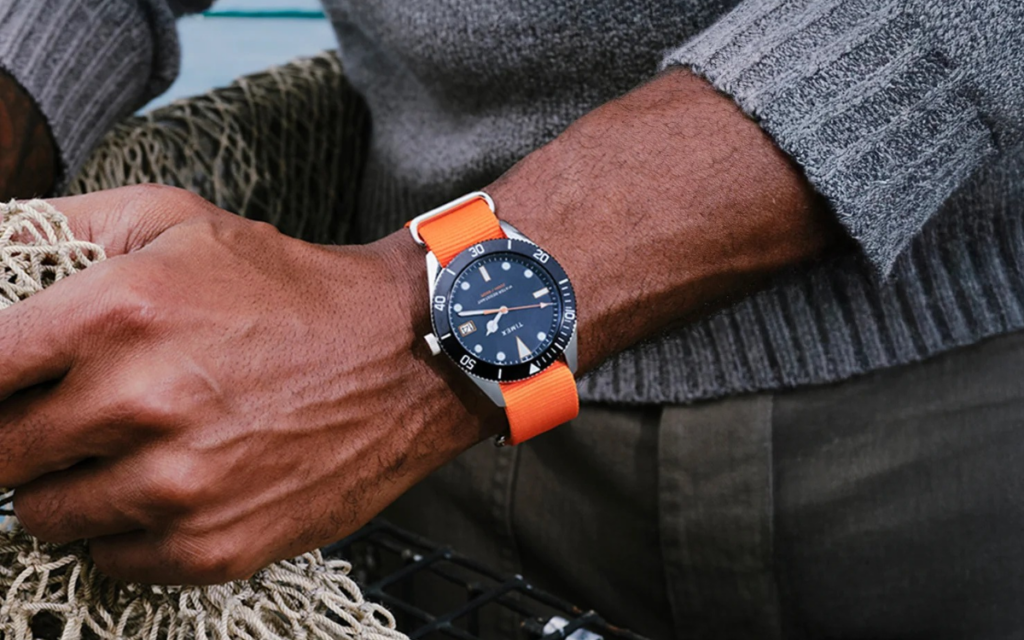
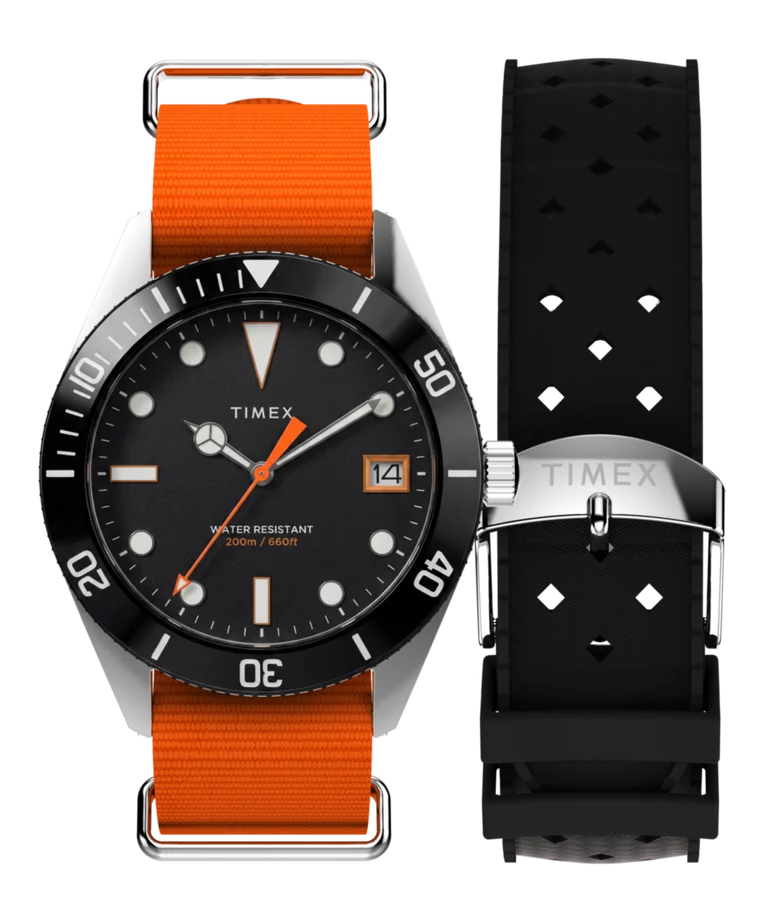
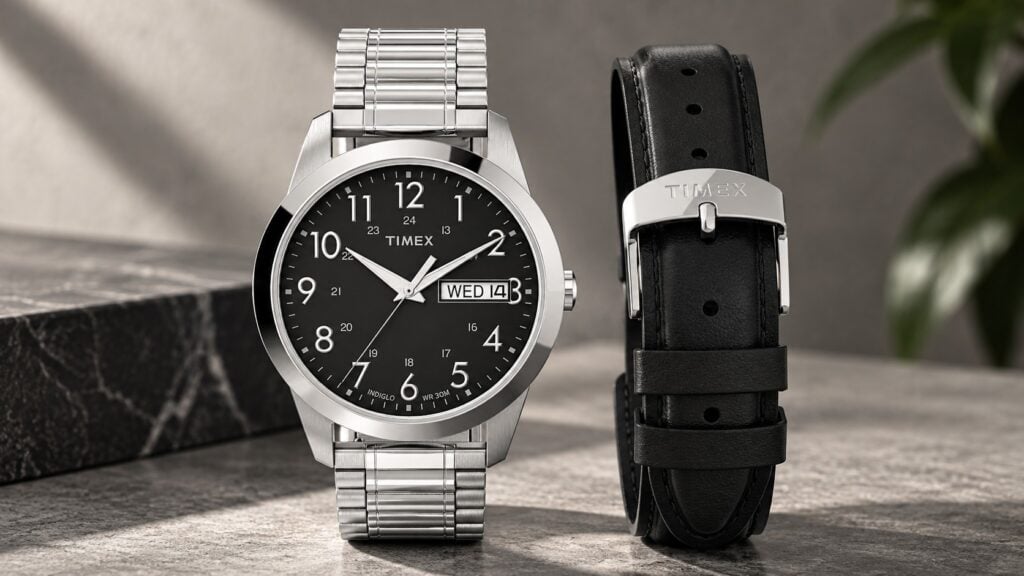
Timex launches three new Automatic E Line watches with a retro square case

Timex has officially launched a trio of new Automatic E Line watches in the US, reviving a classic 1983 dress watch design. The new lineup leans heavily into the current industry trend of retro reissues, utilizing a rounded square case, often referred to by watch enthusiasts as a TV Dial, while upgrading the internals with a standard Japanese automatic movement.

Timex Automatic E Line watches

Design Details

The new E Line models feature a 38mm stainless steel case, stepping up slightly in size to meet modern wrist preferences while retaining the original vintage silhouette. The watches measure 45.5mm lug-to-lug with a case thickness of 12.5mm.

Timex is offering three distinct variations for this release: a silver-tone model with a horizontally textured blue dial (TW6A00700), a silver-tone model with a matching silver dial (TW6A00500), and a two-tone stainless steel variant with a silver dial (TW6A00600).

Timex Automatic E Line watches

Across all three models, the dial design remains uniform. Timex has opted for a clean layout featuring a horizontal texture, distinct applied hour markers, a basic printed minute track, and a date window positioned at 3 o’clock.

Inside the case, Timex is using the Miyota caliber 8215. This is a well-known, entry-level Japanese automatic movement featuring 21 jewels and a 40-hour power reserve. It operates via the natural motion of the wearer’s wrist, though it can also be hand-wound via the crown. Timex has included an exhibition case back, allowing users to view the mechanical movement in action.

Timex Automatic E Line watches

For the hardware, the watches are fitted with a stainless steel bracelet that tapers down to a butterfly deployant clasp, designed to create a seamless look when closed on the wrist.

🔌 You’ll NeedThis automatic movement needs regular wrist motion or winding — a watch winder keeps it running when not worn. Check automatic watch winder price on Amazon →

The dial is protected by a vintage-style flat mineral crystal, and the case carries a water resistance rating of 50 meters, making it suitable for light splashes but not intended for swimming or diving.

Pricing and Availability

The standard silver-tone models are priced at $379, while the two-tone version costs $399. All three are listed on the Timex US website, with two currently available for pre-order and one available for purchase.

In related news, Timex has recently launched new vintage-inspired Quartz E Line watches with elegant sunray dials and five new Q Timex Marbella watches featuring retro designs and textured dials.

For more daily updates, please visit our News Section.

Stay ahead in tech! Join our Telegram community and sign up for our daily newsletter of top stories!

(Timex 1,2,3)

Google Pixel 11 Pro XL vs Samsung Galaxy S26 Ultra: Specs, Cameras and Price Compared

Google Pixel 11 Pro XL and Samsung Galaxy S26 Ultra take very different approaches to the flagship smartphone experience. Google leans into AI, computational photography and a clean Android experience, while Samsung pushes hardware versatility with a powerful Snapdragon chip, S Pen, DeX and a more flexible camera system. With both phones targeting the same premium segment, the real question is not which is more expensive, but which flagship delivers more for the way you use your phone. 

Major Features:

CategoryGoogle Pixel 11 Pro XLSamsung Galaxy S26 UltraWinner
Display6.8-inch LTPO OLED, 120Hz, 3600 nits peak6.9-inch Dynamic LTPO AMOLED 2X, 120Hz, 2600 nits peakSamsung – sharper panel and anti-reflective coating
BuildGorilla Glass Victus 2, aluminum frame, IP68Gorilla Armor 2, Victus 2, Armor Aluminum 2, IP68Samsung – tougher front glass
PerformanceTensor G6, up to 16GB RAMSnapdragon 8 Elite Gen 5, up to 16GB RAMSamsung – stronger raw performance
SoftwareAndroid 17, 7 major OS updatesAndroid 16, One UI 8.5, 7 major OS updatesGoogle – newer Android version
Battery5115mAh5000mAhGoogle – larger battery
Wired Charging45W60WSamsung – faster charging
Wireless Charging25W magnetic Qi2.225W Qi2.2Tie – similar charging speed
Main Camera50MP200MPSamsung – higher-resolution main sensor
Telephoto48MP 5x periscope10MP 3x + 50MP 5x periscopeSamsung – greater zoom flexibility
Ultrawide48MP50MPSamsung – higher-resolution sensor
Selfie Camera42MP ultrawide, PDAF12MP wide, dual-pixel PDAFGoogle – higher-resolution ultrawide selfie camera
VideoUp to 8K at 30fpsUp to 8K at 30fps, 4K at 120fpsSamsung – stronger high-frame-rate recording
ProductivityGoogle AI featuresS Pen, Samsung DeX, Wireless DeXSamsung – more productivity tools
StorageUp to 1TBUp to 1TBTie – same maximum storage
PricePriced around $1300 / ₹135,000Priced around $1300 / ₹140,000Google – slightly cheaper in India
OverallAI-focused flagship with Pixel photographyFeature-rich flagship with powerful hardwareSamsung – more complete flagship package

1. Design and Display

Build and Feel

The Google Pixel 11 Pro XL uses a glass front and back with an aluminum frame, Gorilla Glass Victus 2 and IP68 protection. Samsung uses Gorilla Armor 2 on the front, Victus 2 on the rear and Armor Aluminum 2. Both deliver a premium flagship feel, but Samsung has a slight edge with its tougher front glass and more advanced anti-reflective treatment.

Display Quality

The Pixel 11 Pro XL features a 6.8-inch LTPO OLED display with a 120Hz refresh rate, HDR10+, 1344 x 2992 resolution and up to 3600 nits peak brightness. The Galaxy S26 Ultra has a 6.9-inch Dynamic LTPO AMOLED 2X panel with 1440 x 3120 resolution, 120Hz refresh rate and 2600 nits peak brightness. Samsung also adds DX anti-reflective coating and Privacy Display, making it more versatile for outdoor use and sensitive content.

Verdict

Samsung wins the display category for its sharper panel, anti-reflective coating and Privacy Display. Pixel offers higher peak brightness, but Galaxy S26 Ultra feels more polished for everyday viewing.

2. Specifications Including Battery

Performance

The Pixel 11 Pro XL runs Android 17 and is powered by Google’s Tensor G6 chipset, paired with up to 16GB RAM and 1TB storage. The Galaxy S26 Ultra uses the Snapdragon 8 Elite Gen 5 with up to 16GB RAM and 1TB storage. Samsung’s flagship Qualcomm platform has the stronger performance profile for demanding gaming, sustained workloads and intensive multitasking, while Tensor focuses heavily on AI-powered experiences.

Battery and Charging

Pixel packs a 5115mAh battery with 45W wired charging, 25W magnetic Qi2.2 wireless charging, reverse wired charging and bypass charging. Samsung has a 5000mAh battery with faster 60W wired charging, 25W Qi2.2 wireless charging and 4.5W reverse wireless charging. Pixel has the larger battery, but Samsung’s faster wired charging is more practical when a quick top-up is needed.

Verdict

Samsung takes the performance category with its Snapdragon chipset and faster wired charging. Pixel counters with a slightly larger battery and bypass charging, making it appealing for users who prioritise endurance and sustained device use.

3. Camera

Main and Secondary Lenses

The Pixel 11 Pro XL features a 50MP main camera, 48MP 5x periscope telephoto and 48MP ultrawide camera. Samsung offers a more extensive setup with a 200MP main sensor, 10MP 3x telephoto, 50MP 5x periscope and 50MP ultrawide. Samsung therefore provides more focal-length flexibility, while Pixel relies on computational photography features such as Best Take and Zoom Enhance.

Selfie Camera

Pixel has a 42MP ultrawide selfie camera with PDAF and 4K video recording at 30 and 60fps. Samsung uses a 12MP front camera with dual-pixel PDAF and 4K recording at 30 and 60fps. The Pixel’s higher-resolution ultrawide sensor is better suited to detailed selfies and group shots, while Samsung delivers a more conventional front-camera experience with strong video support.

Verdict

Samsung wins overall because its four-camera system offers greater versatility across different focal lengths. Pixel remains more attractive for computational photography and high-resolution ultrawide selfies, especially for users who value Google’s imaging software.

4. Pricing

The Google Pixel 11 Pro XL is priced around $1300 / ₹135,000, while the Samsung Galaxy S26 Ultra is priced around $1300 / ₹140,000. Their US pricing is almost identical, although Samsung commands a roughly ₹5,000 higher price in India. At this level, both phones compete directly as premium flagship devices with extensive hardware and software features.

Is the Price Justified?

Pixel justifies its price through Tensor G6, Android 17, advanced computational photography, a large battery and Google-focused AI features. Samsung offers a broader hardware package with Snapdragon performance, S Pen support, DeX, a more versatile camera system and a sophisticated display. The Galaxy therefore provides more functionality for users who want their phone to cover productivity as well as entertainment.

Verdict

Pixel offers strong value for Google-focused users, but Samsung provides more hardware versatility at almost the same global price. The Galaxy S26 Ultra is easier to justify for power users seeking an all-round flagship.

5. Conclusion

The Pixel 11 Pro XL stands out with Android 17, Tensor G6, Google’s computational photography features, a 42MP ultrawide selfie camera, a 5115mAh battery and magnetic Qi2.2 charging. Samsung counters with S Pen support, Samsung DeX, Privacy Display, Snapdragon 8 Elite Gen 5 performance and four rear cameras covering multiple focal lengths.

The Pixel feels better suited to users who prefer Google’s software approach, AI features and photography processing. The Galaxy S26 Ultra is more compelling for power users who want gaming performance, productivity tools, flexible photography and desktop-style capabilities from one device.

Verdict

The Samsung Galaxy S26 Ultra is the stronger all-round flagship thanks to its performance, camera versatility, S Pen, DeX and display features. The Pixel 11 Pro XL remains the better choice for Google-first software and computational photography.

Read More:

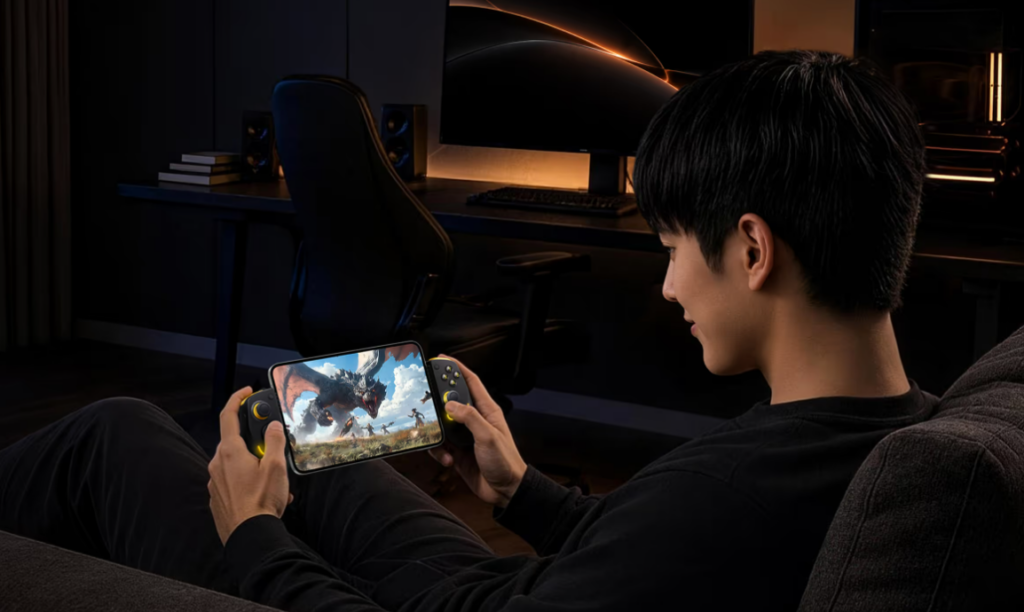
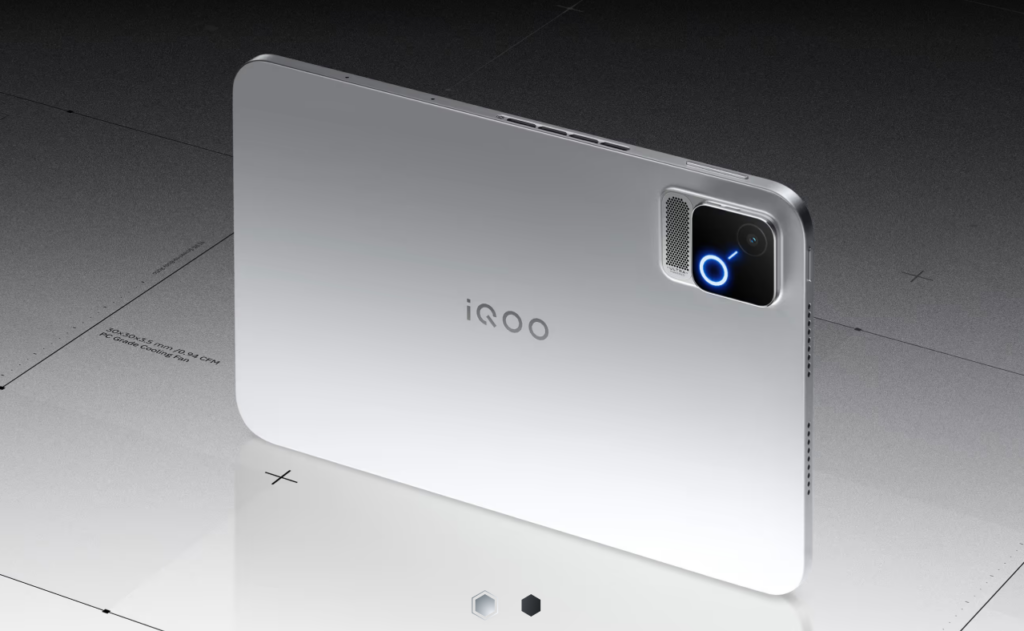
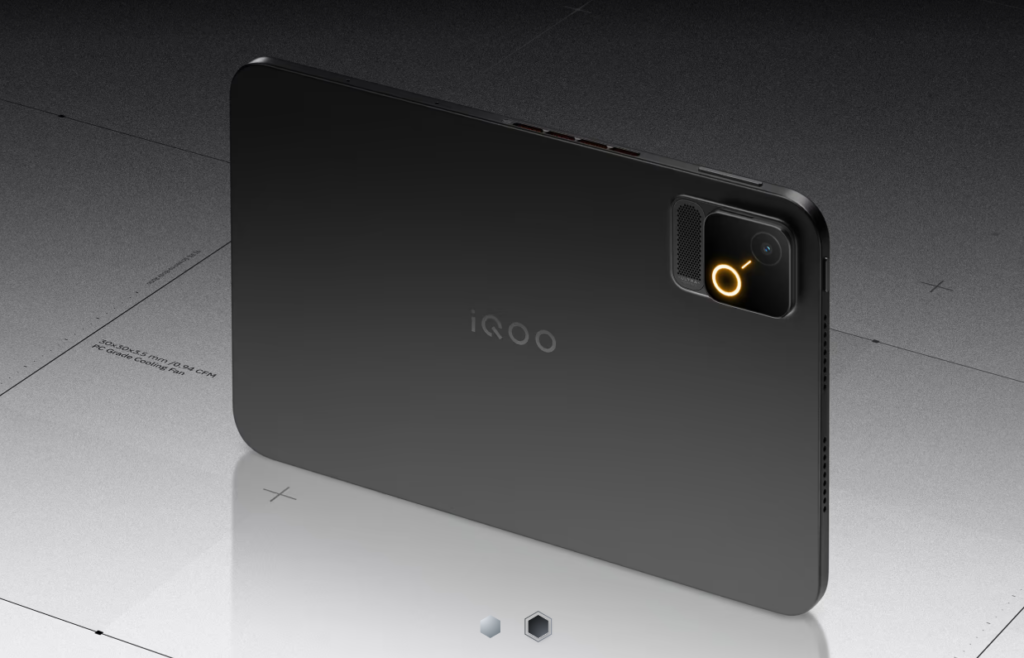
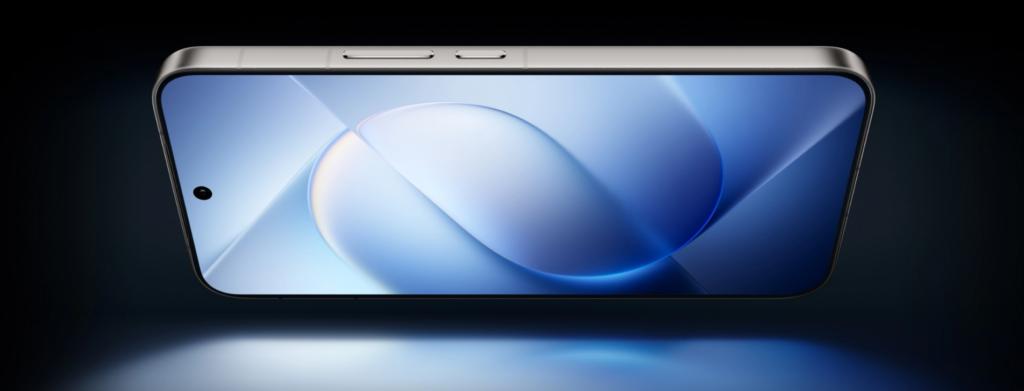
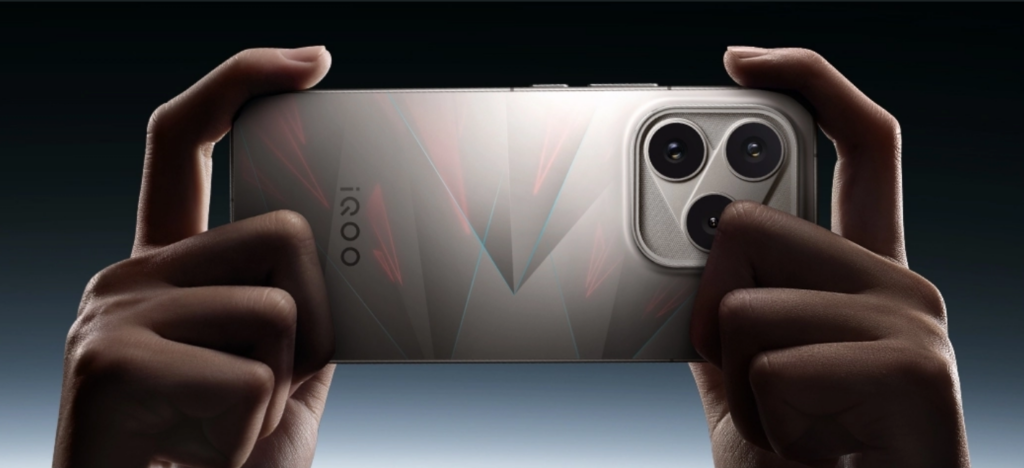
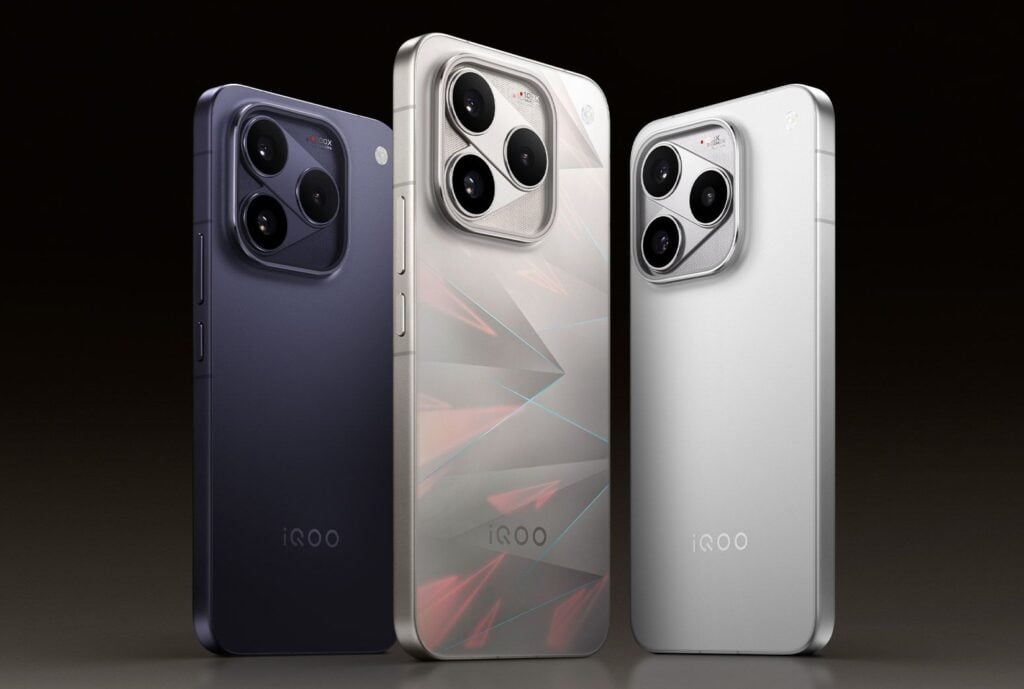
iQOO 16 camera specifications leak hints at a major upgrade in the making

In a recent report, reliable tipster Digital Chat Station shared key details about the iQOO 16’s display, chipset, and design. Now, the tipster has published a new Weibo post revealing more about the phone’s camera setup. While the iQOO 16 is expected to remain focused primarily on performance, it may not be positioned as a camera-centric flagship. Still, the latest leak suggests that iQOO could be giving its upcoming phone a more capable camera system than expected, with all three rear sensors reportedly getting a 50-megapixel resolution.

iQOO 16 camera setup could be a big step up

The new leak by DCS suggests that the Snapdragon 8 Elite Gen 6 Pro-powered iQOO 16 is being evaluated with three 50-megapixel rear cameras. The primary sensor reportedly measures 1/1.3-inch and is paired with an f/1.68 aperture, making it the largest and brightest camera in the setup. He has previously claimed that it could feature the OmniVision OV50Q sensor as the primary snapper.

The ultra-wide camera is said to use another 50-megapixel sensor with an f/2.0 aperture. Meanwhile, the periscope telephoto camera reportedly has a 1/1.95-inch 50-megapixel sensor and an f/2.65 aperture. DCS also notes that the lens arrangement appears to follow an inverted design, while the exact telephoto and macro capabilities are still being determined.

iQOO 15
iQOO 15

The same source has previously claimed that the iQOO 16 will flaunt a 6.85-inch Samsung-made flat display with 2K resolution and a 165Hz refresh rate. The phone could also pack an 8,500mAh battery with 100W wired charging and wireless charging.

Other rumored specifications include a dedicated display chip, 3D ultrasonic fingerprint recognition, 1115-series symmetrical dual speakers, a 0916-series X-axis linear motor, IP68 and IP69 ratings, USB 3.2 connectivity and an AR coating. The iQOO 16 is expected to arrive in China around the end of September or early October.

For more daily updates, please visit our News Section.

Stay ahead in tech! Join our Telegram community and sign up for our daily newsletter of top stories!

OnePlus 16’s custom screen could bring a major display upgrade

The rumor mill has been consistently leaking details about the OnePlus 16, and the latest one points to a major display upgrade. The upcoming flagship is reportedly being developed with a new custom material and circuit design, with the improvements expected to focus on power efficiency, durability, and smoother overall performance.

OnePlus 16 tipped to feature custom X4 display material

According to well-known tipster Digital Chat Station, OnePlus and BOE have jointly developed a new X4 light-emitting material for the OnePlus 16. Internal testing reportedly shows the material outperforming Samsung’s M-series panels across nearly all key metrics, although exact figures have not been disclosed.

The X4 material is said to deliver extremely low power consumption while also doubling the lifespan compared to the previous generation. This improved efficiency could be especially important for a high-refresh-rate flagship, where maintaining smooth performance typically increases power usage. A longer lifespan could also help ensure more consistent brightness and display quality over time.

The OnePlus 16 is also expected to stick with a flat display design while introducing ultra-thin bezels on all four sides. OnePlus has already been working closely with BOE on recent flagship screens, with the OnePlus 15 featuring a 165Hz third-generation Oriental Screen and a custom X3 light-emitting material.

The X4 upgrade reportedly goes beyond just the display material itself. The new material and updated circuit design are said to enable additional smoothness-focused features, along with several high-end display technologies that could push panel performance further. However, key details such as resolution, peak brightness, and the final refresh rate have not yet been revealed.

The OnePlus 16 is also expected to bring major gaming-related improvements. OnePlus China president Li Jie previously confirmed that the company’s three exclusive gaming technologies will receive significant upgrades on the next flagship, including a 185Hz high-refresh-rate display, the Fengchi gaming engine, and e-sports triple-core technology.

As for the launch, the OnePlus 16, which reportedly carries the model number PYB110, has already secured an important certification in China. The flagship is expected to make its debut in October.

What do you think about the rumored X4 display for the OnePlus 16, and which upgrade are you most excited to see?

For more daily updates, please visit our News Section.

Stay ahead in tech! Join our Telegram community and sign up for our daily newsletter of top stories!
Lenovo Legion Y700 Infinite OLED tablet surfaces in real-life images

Lenovo’s next compact gaming tablet is showing up a bit earlier than expected. Real-world photos of the Legion Y700 Infinite have started circulating online, giving us a proper look at its front and back design just days before the official launch.

The images, shared on Weibo on August 15, show the tablet in what looks like a store setting. It’s finished in a dark blue colour, has clear Legion branding, and looks properly compact when held in landscape. One shot shows the front with Lenovo’s Android interface running, while another reveals a single rear camera with an LED flash next to it.

Lenovo has confirmed the Legion Y700 Infinite will launch in China on August 25. Two of the biggest upgrades over the previous model stand out: an 8.4-inch OLED display and native 5G support. The OLED panel runs at 2,560 x 1,600 resolution, 165 Hz refresh rate, and a 3,400 Hz touch sampling rate, so it should feel smooth and responsive for gaming. Power comes from an overclocked Snapdragon 8 Elite Gen 5, which Lenovo says can hit an AnTuTu score of 4,585,844.

To keep the boosted chip cool, the tablet is expected to use a fairly large 15,000 mm² vapor chamber. Other leaked details fill in the rest of the picture. RAM and storage options are said to start at 12 GB + 256 GB and go up to 24 GB + 1 TB. There’s talk of a 7,470 mAh battery with 68 W charging, an 8 MP front camera, and a 50 MP rear camera. The body is tipped to measure around 6.5 mm thick and weigh about 298 grams, with dual USB-C ports and a fingerprint reader also expected.

Lenovo has also confirmed it will work with accessories like the G9 controller and the CR7 Supreme Cooler Kit, an external semiconductor-based cooling accessory. Pricing and any international plans should become clearer at the August 25 event.

Don’t miss a thing! Join our Telegram community for instant updates and grab our free daily newsletter for the best tech stories!

For more daily updates, please visit our News Section.

(Source: Flash on Weibo)

iQOO Neo11 Ultra camera samples impress with social media-ready look and no artifacts

iQOO’s latest official teaser for the Neo11 Ultra is all about the camera. They’ve confirmed a 50MP “ultra-stabilized” large Sony sensor as the main camera. The teaser also mentions “new native light and shadow effects,” which probably points to smarter image processing. Overall, it hints at more realistic depth and contrast.

The Live Photo feature gets a proper upgrade too: higher quality, plus support for stabilization, beautification, and filters. The main camera is paired with an 8MP ultrawide, while selfies are handled by a 16MP front camera. So it’s a simple dual-rear setup on the back, but the brand is clearly focusing on the main camera hardware and the processing improvements.

As proof, the teaser includes three high-resolution images, most likely shot on the main camera, including a night shot. The first photo is a portrait. Only when you zoom in do you notice a bit of overlap on some individual strands of hair. Apart from that, the subject separation looks clean, and the colors and noise control are both impressive. There’s no major over-sharpening anywhere in the frame.

The second shot is outdoors in daylight, and as expected it looks solid. Saturation and texture on the subject are nicely balanced, the kind of photo you’d share without touching it. The third image has a bit more colour punch, but it doesn’t tip into looking oversaturated or dull.

🔌 You’ll NeedFlagship-tier fast charging on phones like this rarely comes with a full-power brick in the box. Check 120W GaN fast charger price on Amazon →

It’s hard to judge the exact colour temperature in the yellow-light areas, but overall it still looks good enough to post as-is. The Live Photo sample also holds up well, with a decent amount of detail visible in the individual frames.

The phone goes on sale on August 18 in China. From the specs that have been floating around (and the earlier official teases), it’s very much a performance-first device. It’s powered by the Dimensity 9500M with an 11-core GPU, plus iQOO’s own Q2 gaming chip for an extra boost in games. The display is a 6.83-inch 2K 144Hz LTPS flat panel using Visionox’s F2 material, and it can hit 1,000 nits full-screen when you max the brightness manually. Touch is handled by a Synopsys S3910V controller.

Don’t miss a thing! Join our Telegram community for instant updates and grab our free daily newsletter for the best tech stories!

For more daily updates, please visit our News Section.

(Source: iQOO on Weibo)

Timex launches new vintage Quartz E Line watches with elegant sunray dials

Timex has just released three new watches in its Quartz E Line, bringing back a design originally introduced in 1983. The defining feature of these new models is the rounded square case, a shape watch enthusiasts often refer to as the TV Dial because of its resemblance to old cathode-ray tube televisions.

Timex Quartz E Line watches

Design Details

Instead of scaling the watch up to fit modern oversized trends, Timex has gone smaller. These new E Line models feature a compact 30mm stainless steel case. It is a straightforward, retro-leaning dress watch that fits into the recent industry shift back toward smaller, more wearable case sizes.

🔌 You’ll NeedThe dial is covered by mineral glass, not sapphire, so a screen protector helps guard against scratches. Check watch screen protector mineral glass price on Amazon →

There are three specific models in this release. The base version (TW6A01000) comes in a standard brushed and polished silver-tone stainless steel finish with a light pink sunray dial, and it is priced at $269. For a slight premium at $289, you have two additional options: a full gold-tone version (TW6A00900) and a two-tone silver and gold variant (TW6A00800). Both of the $289 models are paired with a champagne sunray dial.

Inside, the hardware is very standard. The watches run on a basic battery-powered quartz movement, so they will keep accurate time without needing to be wound. The case dimensions are fairly slim, measuring 8.5mm thick with a 36.5mm lug-to-lug distance, meaning they will sit flat against the wrist. The dial is protected by a flat mineral glass crystal and features simple hour markers alongside a basic printed minute track.

Timex Quartz E Line watches

For the strap, Timex is using a 10mm stainless steel bracelet that secures with a butterfly deployant clasp. This type of clasp folds inward on both sides, which hides the locking mechanism and makes the bracelet look like one continuous piece of metal when it is closed. According to Timex, the band is adjustable to fit wrist sizes between 5.3 and 7.5 inches.

As for everyday durability, the watches have a 50-meter water resistance rating. That is enough to survive washing your hands, getting caught in the rain, or some very light swimming, but it is not built for snorkeling or diving.

Availability

All three 30mm Quartz E Line models are available to buy now directly through the Timex US website.

In related news, Timex has recently launched five new Q Timex Marbella watches featuring retro-inspired designs and textured dials. The brand has also introduced three new Waterbury Classic watches with textured dials.

For more daily updates, please visit our News Section.

Stay ahead in tech! Join our Telegram community and sign up for our daily newsletter of top stories!

(Timex 1,2,3)

Vivo Y31T specifications leaked

Vivo is apparently preparing a follow-up to last year’s Y31 for the Indian market. Early images and specs that have surfaced point to a phone focused on battery life and durability in the affordable segment. A leaked rear render has also appeared, giving the first look at what the device might look like before its official reveal.

According to the leak, the Vivo Y31T will have a 6.75-inch LCD display with HD+ resolution and peak brightness of 1,250 nits. Power comes from Qualcomm’s Snapdragon 4 Gen 2 chipset paired with UFS 2.2 storage. Memory options are expected to include 4GB/128GB, 6GB/128GB, and 6GB/256GB. The big highlight is a hefty 7,200 mAh battery with 44W fast charging, which should easily handle all-day use and possibly stretch into a second day for lighter users. Colour options listed so far are Crimson Red, Gold Mist, and Seashore Green.

On the camera side, there’s a 50MP main sensor on the back along with a 2MP secondary unit (mostly decorative), while an 8MP camera handles selfies. The phone is said to measure 8.39 mm thick and carries both IP66 and IP68 ratings for dust and water resistance. Compared with the original Y31, the Y31T brings a slightly larger and brighter screen plus a much bigger battery.

It’s apparently being positioned against phones like the Oppo A6 5G, which suggests a price below ₹30,000. That puts it in the value mid-range category in 2026. Official confirmation and the full details, including software, exact launch date, and final pricing, are still pending.

The leaked package paints the Y31T as a practical daily driver that prioritises longevity and durability. More information should emerge as we get closer to the launch.

Don’t miss a thing! Join our Telegram community for instant updates and grab our free daily newsletter for the best tech stories!

For more daily updates, please visit our News Section.

(Source)

Top 5 Alternatives to the Oppo A7 Pro Max in 2026

The Oppo A7 Pro Max has raised the bar for battery-focused smartphones with its massive 10,000mAh battery, 80W charging and Snapdragon 4 Gen 5 chipset. It also packs a 6.78-inch 1.5K 120Hz OLED display and 50-megapixel cameras, making it an interesting option for users who prioritise endurance. However, the phone is currently limited to China, making alternatives more practical for buyers in other markets.

Oppo A7 Pro Max
Oppo A7 Pro Max

If you like the idea of a phone that can last for days but want stronger performance, different camera capabilities or a device that is already available in more markets, there are several alternatives worth considering. Here are five options that offer a different take on the A7 Pro Max formula.

6Other phones worth considering

Poco F7
Poco-F7

The upcoming Oppo F35 Pro could be particularly interesting because it is expected to follow a similar formula to the A7 Pro Max, with reports pointing to a 10,000mAh battery and Snapdragon 4 Gen 5 chipset. The Motorola Edge 70 Fusion is another option to watch, while last year’s Poco F7, Realme GT 7T and Oppo K13 Turbo Pro remain relevant alternatives with batteries of around 7,000mAh alongside significantly more powerful chipsets. These models offer a better balance between battery endurance and performance, making them worth considering for users who want strong gaming and everyday performance without giving up the benefits of a large battery.

For more daily updates, please visit our News Section.

Stay ahead in tech! Join our Telegram community and sign up for our daily newsletter of top stories!
Next

BGMI Lite is coming to India in late 2026 because budget phones are getting worse for gaming

Krafton India has announced that Battlegrounds Mobile India (BGMI) Lite is officially in the works and slated for release by the end of 2026. It is a quiet confirmation of something the Indian mobile gaming community has been asking for since the original game was rebranded and brought back post-ban. But the real story here isn’t just that a lighter version of a popular battle royale is launching; it is about why it is happening right now.

BGMI Lite

For a few years, the standard version of BGMI ran perfectly fine on most mid-range and budget Android devices. However, the smartphone hardware market has hit a strange bottleneck recently. Driven by the mobile industry’s current obsession with integrating expensive AI-specific silicon, combined with a massive surge in global memory and RAM pricing, smartphone manufacturers have been forced to cut corners. The result is that the current crop of budget-tier smartphones actually offers worse raw gaming performance than devices released a couple of years ago.

According to us, this hardware regression makes a Lite version a practical necessity rather than just a portfolio expansion. Before the sweeping 2020 ban on apps with Chinese ties, PUBG Mobile Lite was incredibly popular in India, catering specifically to the massive demographic using entry-level hardware. When Krafton successfully navigated regulatory hurdles to relaunch the main game as BGMI, the Lite counterpart was left behind. At the time, it didn’t seem to matter much because budget phones were getting increasingly capable. That is simply no longer the case.

In its announcement, Krafton kept the specifics light, stating only that the game will arrive by the end of 2026 and aims to make the BGMI experience accessible to an even wider community of players. The company has not yet detailed exactly what graphical compromises, map size reductions, or gameplay tweaks will be made to accommodate lower-end hardware, noting that those specifics will be shared closer to the launch date.

Ultimately, launching BGMI Lite is a straightforward retention strategy. As the cost of entry for decent mobile gaming hardware creeps up, Krafton needs a way to keep its massive Indian player base engaged without relying on them to upgrade their phones. It is a pragmatic response to a smartphone market that has temporarily sacrificed budget gaming performance for AI features and component costs.

In related news, Ayaneo has recently launched the Konkr Pocket Advance retro handheld, featuring PS2 emulation in a compact GBA-inspired design.

For more daily updates, please visit our News Section.

Stay ahead in tech! Join our Telegram community and sign up for our daily newsletter of top stories!
Xiaomi scraps Xiaomi 18 Ultra, Oppo and Vivo to limit their Ultra model to China only: Leak

Xiaomi has reportedly pulled the plug on the Xiaomi 18 Ultra, and you might see the word Ultra disappear from a lot more Chinese flagships next year.

Words for this come from tipster Kartikey Singh on X, who claims that Xiaomi has decided to scrap the Ultra model for its next flagship smartphone series. 

As a result, instead of the usual four-way lineup with a camera-focused Ultra at the top, we’ll only get the Xiaomi 18, the Xiaomi 18 Pro, and the Xiaomi 18 Pro Max.

Previous reports point to soaring memory chip prices as the main reason. DRAM and NAND costs have climbed sharply in 2026 on the back of AI demand, and squeezing in Ultra-tier hardware like a 200MP quad-camera system would have pushed the price well past what most buyers would pay. The good news, if you can call it that, is that the Ultra isn’t gone forever. 

Xiaomi is expected to bring it back with the Xiaomi 19 Ultra sometime in late 2027 or early 2028, once component costs settle down. Until then, the Xiaomi 18 Pro Max is tipped to be the top-of-the-line model from the brand.

On the other hand, Oppo Find X10 Ultra and Vivo X300 will remain exclusive to China

Xiaomi isn’t alone here. Rising memory costs have reportedly made Oppo and Vivo rethink their own next-generation Ultra phones as well. Their current Ultra models, the Oppo Find X9 Ultra and the Vivo X300 Ultra, made it to global markets this year. But according to Singh, their successors, the Oppo Find X10 Ultra and the Vivo X500 Ultra, might stay limited to China when they launch in the first half of 2027.

Neither company has confirmed that yet, so treat it as an early claim.

If that does happen, Samsung’s Galaxy S27 Ultra would be left as the only true Ultra-branded flagship you can actually buy outside China. Everyone else will compete with their Pro Max model in the flagship segment.

For more daily updates, please visit our News Section.

Stay ahead in tech! Join our Telegram community and sign up for our daily newsletter of top stories!
Pixel Tag vs AirTag vs Galaxy SmartTag2: Which tracker is the right choice?

Losing your keys used to mean checking every couch cushion, drawer, and jacket pocket in the house. Now, you can clip a small tracker to your keys, bag, or wallet and use your phone to find it.

Apple popularized this category with the AirTag, and we have since seen several makers — smartphone and not — launching their own tracking devices. That market now has a new big name. At the Made by Google event alongside the Pixel 11 series, Google launched its first item tracker, the Pixel Tag. It will go on sale on November 11.

Pixel Tag vs Apple AirTag vs Galaxy SmartTag 2

Apple has had the AirTag since 2021 and updated it earlier this year, while Samsung has offered the Galaxy SmartTag2 since 2023. All three do the same basic job, but they work very differently depending on which phone you use.

Here’s a comparison of the Google Pixel Tag, Apple AirTag, and Samsung Galaxy SmartTag2 to help you decide which one makes the most sense for you.

1. Price and design

The three trackers are priced almost the same. The Pixel Tag costs $29 for one or $99 for a four-pack, matching the AirTag. The Galaxy SmartTag2 costs $30 for one or $100 for four.

Visually, they look different. AirTag is a small, flat, round disc, closer to the size of a large coin. The Galaxy SmartTag2 is pill-shaped with a large metal ring loop built into one end, so it clips onto keychains without needing a case. The Pixel Tag also uses a pill-shaped, pebble-like body, measuring about 46 x 28 x 5.4mm and weighing under 12 grams, but it has no built-in loop, so you’ll likely need a case or holder to attach it to keys. For now, it comes in just one color called Fog, which is a light gray.

All three use a replaceable CR2032 coin battery, so users can replace the battery when it runs out instead of buying a new tracker.

Google and Apple say their trackers can last more than a year on a single battery with normal use. Samsung claims up to 500 days of battery life in normal mode, or up to 700 days with power-saving mode enabled.

They are also similarly durable. All three have an IP67 rating, meaning they are protected from dust and can survive being submerged in up to about a meter of water for a short time. So a little rain or a wet backpack shouldn’t be a problem.

2. How they find your stuff

Apple AirTag 2

Each tracker has its own strength and/or weakness in how they work. All three use two main ways to find your belongings. They can connect directly to your phone when you’re nearby, or use a larger network of other phones to find the tracker when it’s far away.

AirTag

The latest AirTag uses Ultra Wideband (UWB) to help you find a lost item when you’re nearby. Your iPhone can show you which direction to walk and how far away the tracker is. Speaking of which, the Precision Finding on the new AirTag covers 50% more range than the previous generation, thanks to Apple’s second-generation UWB chip.

Apple also made the new AirTag’s speaker louder by 50%, which the company claims can be heard from up to twice as far away. And when you’re too far away for a direct connection, AirTag uses Apple’s Find My network, so that other nearby Apple devices can detect the lost AirTag and anonymously send its location to its owner.

Pixel Tag

The Pixel Tag works similarly, but uses Google’s Android ecosystem. It uses both UWB and Bluetooth Channel Sounding for precision finding, but the exact features you get depend on your phone’s hardware and software.

UWB uses a dedicated ultra-wideband chip to provide more precise distance and directional information, while Bluetooth Channel Sounding uses newer Bluetooth technology to measure distance without requiring UWB hardware. However, Channel Sounding requires a compatible phone running Android 16 or newer with Bluetooth 6.0 or later, while UWB also requires a phone with a UWB chip.

Google Pixel Tag Launch Specs Price

When the tracker is out of direct range, it switches to Google’s Find Hub network, which relies on participating Android devices to detect lost items. Android smartphone pool is much bigger compared to Apple, and such a large network could be a major advantage in crowded places like airports, shopping centers, and city streets. The more Android devices nearby, the better the chance that one of them will detect your lost tracker.

Galaxy SmartTag2

Samsung Galaxy SmartTag 2

Samsung’s Galaxy SmartTag2 also combines Bluetooth and UWB. Samsung claims a Bluetooth range of up to 120 meters under ideal conditions. However, the most accurate UWB tracking only works if your Galaxy phone has a UWB chip. Not every Samsung phone has one, so some cheaper Galaxy A-series phones and certain other models won’t offer the full tracking experience.

For finding lost items from a distance, the SmartTag2 uses Samsung’s SmartThings Find network. Unlike Google’s network, this is limited to Samsung Galaxy devices.

3. The ecosystem problem

This is probably the most important thing to consider before buying any of these trackers. The three trackers don’t work together, and two of them are heavily tied to their own phone brands.

The Galaxy SmartTag2 is the most restrictive. It works with Samsung Galaxy phones and tablets through the SmartThings Find app. If you use a Pixel, OnePlus, or iPhone, you can’t use it as your everyday tracker.

AirTag has a similar limitation on the Apple side. You need an iPhone or iPad for setup and regular tracking. Android phones can scan a lost AirTag using NFC and see the owner’s contact information if Lost Mode is enabled, but Android users don’t get the full tracking experience.

The Pixel Tag is more flexible and works with Android phones running Android 9 or later, although some advanced finding features require newer hardware and software. This gives Google a much wider reach than Samsung. However, it still doesn’t work as a full-featured tracker with iPhones.

So the real choice is fairly simple. AirTag for Apple users, Pixel Tag for most Android users, and SmartTag2 for Samsung Galaxy users.

4. Which one should you buy?

If you use an iPhone, the AirTag is still the obvious choice. Apple’s Find My network is large and well established, while the new UWB chip and louder speaker make it easier to locate the tag when you’re nearby.

If you use a Samsung Galaxy phone, the Galaxy SmartTag2 is a good option. It has excellent battery life and works well within Samsung’s ecosystem. Just remember that the best tracking features depend on your specific Galaxy phone.

For other Android users, the Pixel Tag makes the most sense. It works across a much wider range of Android phones, costs about the same as an AirTag, has an IP67 rating, and uses Google’s Find Hub network, which the company says covers more than a billion devices. However, note that Pixel Tag doesn’t go on sale until November 11, so you will have to wait if you’re willing to get one.

If you want something thinner or designed specifically for wallets, third-party trackers such as the Ugreen FineTrack Slim Duo 2 are also worth considering. But for a simple first-party option, the Pixel Tag fills a gap Android users have had since the AirTag launched in 2021.

For more daily updates, please visit our News Section.

Stay ahead in tech! Join our Telegram community and sign up for our daily newsletter of top stories!