Advertisement

The 7 Most Influential Samsung Galaxy Phones Of All Time

Samsung has undeniably cemented its position as a global powerhouse in the smartphone arena. The Galaxy line, in particular, has been a driving force behind this success, consistently pushing the boundaries of mobile technology and design. But among the numerous models released over the years, some stand out as true game-changers, sparking revolutions and leaving an indelible mark on the industry. This article delves into the legacy of these titans, exploring top Samsung Galaxy smartphones that redefined the mobile experience.

Samsung Galaxy Smartphones
Credit: Pixacre Tech (YT)

1. Samsung Galaxy S (2010)

Before the Galaxy S, Samsung was a significant player in the mobile market, but not necessarily a dominant one in the burgeoning smartphone space. The original Galaxy S changed everything. Released in 2010, this device was a watershed moment for both Samsung and the Android ecosystem. It showcased the potential of Google‘s operating system with its vibrant Super AMOLED display, a feature that would become a hallmark of Galaxy devices.

The Galaxy S wasn’t just about a pretty screen, though. It packed a powerful processor, a capable camera, and a sleek design that felt premium compared to its contemporaries. It was a complete package that demonstrated Samsung’s commitment to innovation and quality. More importantly, it signaled the arrival of a serious contender to Apple‘s iPhone, which had largely dominated the smartphone conversation until then. The Galaxy S laid the foundation for Samsung’s rise to prominence and helped solidify Android as the leading mobile platform.

2. Samsung Galaxy Note (2011)

In 2011, Samsung dared to challenge conventional wisdom with the Galaxy Note. At a time when most smartphones hovered around the 4-inch display size, the Note sported a massive (for the time) 5.3-inch screen. This audacious move was initially met with skepticism, with many critics dismissing the Note as too large and unwieldy. However, Samsung’s gamble paid off handsomely.

The Note wasn’t just about size; it also introduced the S Pen, a stylus that offered a unique way to interact with the device. This combination of a large display and a stylus proved to be a hit with users, particularly those who valued productivity and creativity on the go. The Galaxy Note essentially created the “phablet” category, blurring the lines between smartphones and tablets. It spawned a wave of imitators and solidified Samsung’s reputation as a company willing to take risks and innovate.

3. Samsung Galaxy S3 (2012)

With the Galaxy S3, Samsung shifted its focus from raw specifications to user experience. While the S3 boasted impressive hardware, it was the software features that truly set it apart. Samsung introduced a suite of “smart” features designed to make the phone more intuitive and user-friendly.

Features like Smart Stay, which kept the screen on as long as the user was looking at it, and S Voice, Samsung’s answer to Siri, showcased the company’s ambition to create a phone that anticipated and catered to the user’s needs. The Galaxy S3 also marked a significant improvement in design, with a more rounded and organic aesthetic. It was a phone that felt both powerful and approachable, solidifying Samsung’s position as a leader in smartphone design and user experience.

4. Samsung Galaxy S6 Edge (2015)

Samsung had experimented with curved displays before, but it was the Galaxy S6 Edge that truly brought the concept to the mainstream. The S6 Edge featured a revolutionary dual-curved display that wrapped around the sides of the phone, creating a visually stunning and immersive experience. This design wasn’t just about aesthetics; it also added functionality with features like Edge Lighting and information tickers.

The S6 Edge was a bold statement that showcased Samsung’s technological prowess and its willingness to push the boundaries of display technology. It was a phone that turned heads and sparked a new wave of innovation in smartphone displays. The curved edge display became a signature feature of subsequent Galaxy flagships, further cementing Samsung’s leadership in display technology.

5. Samsung Galaxy S8 (2017)

The Galaxy S8 was a major leap forward in smartphone design. Its “Infinity Display,” which stretched from edge to edge with minimal bezels, was a game-changer. It made the phone look sleek and modern, and it provided a more immersive viewing experience. The S8 also marked the debut of Bixby, Samsung’s AI assistant and it featured improved camera technology.

The S8’s design influenced the entire smartphone industry, with other manufacturers quickly adopting the bezel-less look. It solidified Samsung’s position as a leader in both design and technology, and it set a new standard for flagship smartphones.

6. Samsung Galaxy S20 Ultra (2020)

In recent years, Samsung has consistently pushed the boundaries of mobile photography with its Galaxy S series. The Galaxy S20 Ultra, in particular, was a landmark device in this regard. It boasted a groundbreaking camera system with a 108MP main sensor and a periscope zoom lens that offered an unprecedented 100x “Space Zoom.”

While the zoom capabilities were initially met with some skepticism, the S20 Ultra’s camera system was undeniably powerful and versatile. It set a new standard for smartphone photography, pushing other manufacturers to up their game. The S20 Ultra demonstrated Samsung’s commitment to delivering cutting-edge camera technology in its smartphones, a trend that continues to this day.

7. Samsung Galaxy Z Fold 3 (2021)

Samsung has been at the forefront of foldable phone technology, and the Galaxy Z Fold 3 was a significant step forward. It was more durable and refined than its predecessors, with improved hinge design and water resistance. The Fold 3 also featured an under-display camera on the inner folding screen, making for a more seamless viewing experience.

The Z Fold 3 signaled that foldable phones were becoming a viable option for consumers. It showed that Samsung was committed to pushing the boundaries of what’s possible with smartphones, and it offered a glimpse into the future of mobile devices.

These are just a few of the Samsung Galaxy smartphones that have made a significant impact on the industry. Samsung’s commitment to innovation, design, and user experience has made them a leader in the smartphone market, and their Galaxy line continues to push the boundaries of what’s possible with mobile technology.

If you’re unsure about the Snapdragon smartphone chipset lineup, check out our guide on Snapdragon processors for a detailed breakdown.

For more daily updates, please visit our News Section.

Stay ahead in tech! Join our Telegram community and sign up for our daily newsletter of top stories! 💡

Galaxy S25 Ultra’s repairability score is the highest in a decade

Samsung made very little changes to the hardware of the Galaxy S25 Ultra. But the changes it did make turned out to be meaningful. Team iFixit recently shared their experience with Samsung’s latest Ultra flagship on their YouTube channel and gave this flagship the highest repair score for Samsung mobile phones in the past ten years.

A battery replacement is now easier than ever

The company has added four pull tabs behind the battery, and it came right off the bat without even needing to pull. The fact that Samsung didn’t glue the battery with the chassis has to be one of the best decisions they made for this phone.

However, the screen is still a bit difficult for an “average repair guy” to remove. iFixit mentions they had to heat the phone at 150°C for 3 minutes straight to soften the adhesive. Still, then the adhesive holding the display remains quite effective. The good thing is that most of the usual repair process can be completed without prying off the display. As the team suggests, it’s better not to touch the display unless it’s broken.

Samsung Galaxy S25 Ultra camera ring pop off

One aspect the team didn’t talk about though, is the removable camera rings. Apparently, the lens cover glass can be replaced without having to remove the back glass.

In other aspects, this phone is largely similar to its predecessor, with iterative improvements in performance, battery life, and camera quality. While the lack of innovation didn’t stop Samsung from launching a flagship in 2025, you should wait until next year given you haven’t upgraded already. Rumors suggest Samsung will finally make the switch from traditional Li-Ion batteries to Si/C Li-Ion batteries, which have much higher energy density and enable much larger capacity without making the phone bulky.

Don’t miss a thing! Join our Telegram community for instant updates and grab our free daily newsletter for the best tech stories!

For more daily updates, please visit our News Section.

After the S25 Ultra, the Z Fold 7 might be next to lose S-Pen features

Samsung may be making a trade-off with the Galaxy Z Fold 7 to push for a slimmer design, and it could come at the cost of a downgraded S Pen experience. Words for it come from an X tipster who claims the next iteration of Samsung’s foldable may see some limitations in its stylus functionality. 

The Galaxy Z Fold lineup first introduced stylus support with the Z Fold 3 in 2021, but the implementation has always been somewhat restricted. 

Samsung Galaxy Z Fold 4

Unlike the S Pen found in the Galaxy S Ultra series, the Fold’s stylus has never featured Bluetooth support. The upcoming Z Fold 7 may take this a step further and scale back its stylus capabilities even more.

In pursuit of slimness

The reason appears to be Samsung’s focus on making the Fold 7 the thinnest model in its lineup. According to the leak, the device is set to be even slimmer than the Z Fold Special Edition, which measures 4.9mm when unfolded and 10.6mm when folded. 

Achieving such a slim profile likely necessitates internal compromises, and it appears the S Pen’s feature set might be on the chopping block. The exact nature of the limitations remains unclear, though. The rumor doesn’t specify what features the company might sacrifice to accommodate the device’s svelte design.

Samsung Galaxy Z Fold 6 Special Edition

This wouldn’t be the first time Samsung has tweaked S Pen features based on device constraints. For instance, the latest Galaxy S25 Ultra has an S Pen without Bluetooth connectivity.  

As mentioned earlier, the S Pens designed for the Z Fold 5 and 6 already lack Bluetooth. So, it’s pretty clear from Samsung’s side that they are willing to tailor the stylus experience to fit the specific device.  

Of course, this is all speculation for now. The rumor hasn’t been corroborated by other sources, so it’s wise to treat it with healthy skepticism.  

The foldable phone market is constantly evolving, and Samsung is always experimenting with new designs and features. Whether a thinner profile is worth a potentially diminished S Pen experience remains to be seen. We’ll have to wait for official announcements or further leaks to get a clearer picture.

(Source)

Xiaomi Mijia Massage Gun 3 Mini – Dual-Mode, Deep Tissue Relief, and 30-Day Battery Life

The Xiaomi Mijia Massage Gun 3 Mini Version is a powerful yet compact massage device designed to help you relieve muscle tension, improve blood circulation, and relax your body after a long day or an intense workout. With its advanced features and user-friendly design, this massage gun is an excellent tool for muscle recovery and relaxation.

You can now get the Xiaomi Mijia Massage Gun 3 Mini Version for $59.99 at Geekwiils. The device comes in Blue, Gray and White color variants. 

Dual-Mode Functionality

The Xiaomi Mijia Massage Gun 3 Mini Version features a unique dual-mode design, allowing you to switch between static and dynamic modes effortlessly. Whether you need a gentle massage or deep muscle penetration, this massage gun adjusts to your needs. The dual-state functionality ensures that your muscles receive the right level of care, promoting better blood circulation and reducing muscle stiffness.

Powerful Motor for Deep Muscle Relief

This massage gun is equipped with a high-performance motor that operates at a maximum speed of 2500 rpm. With a striking force of 12kg, it can reach up to 6mm deep into muscle tissues, providing quick relief from tightness and soreness. Despite its power, the Xiaomi Mijia Massage Gun 3 Mini Version maintains a low noise level of just 40dB, ensuring a peaceful and relaxing experience.

Three Massage Heads for Targeted Relief

To provide a customized massage experience, the Xiaomi Mijia Massage Gun 3 Mini Version comes with three interchangeable massage heads. These heads are designed to target different muscle groups, ensuring that you get the best possible relief based on your specific needs.

Long Battery Life for Uninterrupted Use

One of the standout features of this massage gun is its long-lasting battery life. Equipped with a 1900mAh battery, it can last up to 30 days on a single charge, depending on usage. The device is charged via a USB-C interface, making it convenient to recharge anytime and anywhere.

Key Specs:

  • Dual-Mode Design: Switch between static and dynamic modes for tailored muscle relief.
  • Powerful Motor: Maximum speed of 2500 rpm with a 12kg striking force.
  • Low Noise Operation: Runs at a maximum noise level of 40dB.
  • Deep Muscle Penetration: Reaches up to 6mm deep into muscle tissues.
  • Three Massage Heads: Designed for different muscle groups.
  • Long Battery Life: 1900mAh battery lasting up to 30 days.
  • USB-C Charging: Convenient and easy to recharge.


Vivo V50e to stick with old chipset—don’t expect performance gains

With just days to go before the launch of the Vivo V50, a new variant in the lineup has surfaced on the Geekbench AI database. The Vivo V50e, likely launching alongside—or shortly after—the standard model, has now surfaced on the benchmarking platform with key details about its processor, RAM, and software.

While its existence wasn’t exactly a secret, the new listing hints that Vivo could be gearing up to bring this mid-range device to market sooner than expected.

Vivo V50e Geekbench Performance

The Vivo V50e has surfaced on Geekbench with the model number V2428 while packing a MediaTek Dimensity 7300 chipset. This is the same SoC used in its predecessor, meaning no upgrades on that front.

The device scores 529 points in Single Precision, 1316 in Half Precision, and 2632 in Quantized Score tests. The listing further reveals that the V50e will come with 8GB of RAM and will likely run on Android 15 out of the box.

What Else to Expect?

Beyond the benchmark listing, details on the Vivo V50e remain limited. However, leaks suggest that the smartphone could feature a 5,500mAh battery with 80W fast charging.

In the meantime, Vivo is gearing up for the V50 launch on February 17th. It is expected to boast a quad-curved display with a 120Hz refresh rate.  It’s rumored to be powered by the Qualcomm Snapdragon 7 Gen 3 processor and will have a dual rear camera setup with two 50MP sensors (primary and ultrawide), along with a 50MP front-facing camera.  

Vivo V50 - Red Rose
Vivo V50 – Red Rose

The smartphone is expected to be available in Rose Red, Starry Blue, and Titanium Grey color options. Notably, there’s no Pro variant this year. 

For now, official confirmation on the Vivo V50e’s availability remains pending. Given its appearance on global certification sites, an announcement may not be too far away.

Tech enthusiast? Get the latest news first! Follow our Telegram channel and subscribe to our free newsletter for your daily tech fix!

For more daily updates, please visit our News Section.

Samsung S Pen users should think twice before buying a magnetic accessory

The Galaxy S25 Ultra supports Qi2 charging when paired with magnetic cases. It helps with alignment and makes charging more convenient, and more efficient. But, you should think twice before investing in such a case or any other magnetic accessory—if you are one who actually takes the S Pen out every once in a while.

Samsung Galaxy S25 Ultra S Pen

Galaxy S25 Ultra’s S Pen facing interference with magnetic accessories, again

The S Pen lacks Bluetooth and the controls that come with it. But that’s not all—the stylus is facing the same interference issue as the one on last year’s Galaxy S24 Ultra.

Ryan Haines from Android Authority tested the device with a magnetic Peak Design wallet and confirmed that the S Pen suffers from the issue. In his words, “drawing abruptly stopped” when the S Pen overlapped the magnetic accessory.

Folks at Android Central also faced the same issue. The phone also notifies the user about the issue saying “Magnetic accessories can interfere with your S Pen: The magnets in accessories can interfere with the signals your S Pen sends to your phone. They may cause your S Pen to not write correctly or cause Air commands to occur unintentionally,” which you can see in the image below.

We were expecting the interference issue to be fixed this year, but here we are. Aside from the incentive to sell the magnetic accessories separately, the interference could be another reason behind not adding the magnets inside the back panel.

In other aspects, the phone packs the latest Snapdragon flagship chip, the Snapdragon 8 Elite for Galaxy, and offers a noticeable improvement in raw performance. While the battery capacity remains the same on paper (5,000mAh), the chip’s improved efficiency results in a decent boost in battery life.

Tech enthusiast? Get the latest news first! Follow our Telegram channel and subscribe to our free newsletter for your daily tech fix!

For more daily updates, please visit our News Section.

(Source: 1, 2)

HMD launches Aura²: proves low-cost phones can be made to last

HMD Global has launched the HMD Aura², a successor to the Aura launched in Q2 last year. While this phone doesn’t pack impressive specifications (which we’ll explore shortly), it is made to last, which makes sense for many users.

You’ll be able to repair the phone yourself (like replacing a broken screen without having to buy a new one) with parts from iFixit.

HMD Aura² specs and features:

The phone is powered by the UNISOC SC9863A, which is paired with 4GB of RAM and 256GB of storage. HMD is using Android 14 (Go edition), which is designed to ensure a smooth and efficient user experience on low-end smartphones. So, while the core specs are not impressive, the lightweight software suggests it will be able to handle basic smartphone tasks like video streaming just fine.

Speaking of streaming, it comes with a 6.52″ HD (576 x 1280) display, which supports a standard 60Hz refresh rate. The display reaches 460 nits peak brightness, which means you’ll be able to use the phone in direct sunlight. The refresh rate could have been at least 90Hz for smoother scrolling. But the stock UI means no heavier animations, which often makes things worse in entry-level hardware.

One of the standout features of this phone is its 3.5mm headphone jack, which makes sense because otherwise, you’d have to invest in expensive Bluetooth earphones or leave without one. As for the cameras, it keeps things simple with a 13MP shooter on the back and a 5MP one on the front. Notably, the image samples shared by the company look impressive considering the price range and hardware.

Pricing:

The HMD Aura² comes in two different color options—Shadow Black and Electric Purple—and is priced at 169 Australian dollars (~$106 or Rs 9,225). It will go on sale on March 13.

Don’t miss a thing! Join our Telegram community for instant updates and grab our free daily newsletter for the best tech stories!
For more daily updates, please visit our News Section.

(Source)

Galaxy Z Fold 7 could be the slimmest foldable yet, but it’ll lack S Pen features

Samsung is seemingly joining the race for slimness. The brand experimented with the South Korea-exclusive Galaxy Z Fold Special Edition—removed the S Pen. And now it seems that Samsung is following the same route for the Galaxy Z Fold 7, which is expected to launch in July or August this year.

Samsung Galaxy Z Fold 6 and Galaxy Z Flip 6

Galaxy Z Fold 7 could be less than 4.2mm in thickness

According to X tipster @kro_roe, the Z Fold 7 will be the slimmest foldable of its time, which is a bold claim for sure. The Galaxy Z Fold 6 measures 5.6 mm when unfolded, which is much thicker than its Chinese competitors, such as the 4.35 mm Honor Magic V3. The upcoming Oppo Find N5 (or the OnePlus Open 2), which is scheduled to launch on February 20, is even thinner when unfolded—4.2mm.

As revealed by real-life images, the phone is almost the same thick as the USB-C port. As an Oppo exec commented, the charging port becomes the limiting factor in how slim they can make it. Something like 4.18mm will still be slimmer than the 4.2, so you cannot rule out the possibility entirely.

The tipster claims that the Z Fold 7 will lack some S Pen features, although he didn’t mention which specific features the stylus will lack. The Galaxy S25 Ultra’s S Pen lacks Bluetooth connectivity and the features it enabled in the past, and people aren’t happy about it. We will need to see how the mass market accepts this change given the fact that the large screen foldables are even more focused on multitasking and the S Pen is a key part of a lot of the functionalities.

Oppo-Find-N5s-crease-is-barely-visible-compared-to-the-Galaxy-Z-Fold-6-1
Oppo Find N5 vs Galaxy Z Fold 6 crease

Another aspect I’m personally interested to see in action is the crease. While its competitors have been using a different hinge mechanism that solves the issue, Samsung has made very little progress here. It remains to be seen how the crease on the Z Fold 7 evolves, especially with the phone becoming even slimmer.

Stay ahead in tech! Join our Telegram community and sign up for our daily newsletter of top stories!

For more daily updates, please visit our News Section.

(Source)

MSI’s MAG 275QF X32 brings 320Hz speed to a 27-inch 2K display

MSI has introduced the MAG 275QF X32, a high-performance gaming monitor designed for esports enthusiasts and competitive gamers. This 27-inch display sports a 2560×1440 (2K) resolution and a blazing-fast 320Hz refresh rate, ensuring ultra-smooth visuals and responsive gameplay. While pricing details remain undisclosed, the monitor brings several premium features to the table.

MSI MAG 275QF X32

MSI MAG 275QF X32 Specifications

The MAG 275QF X32 features a Rapid IPS panel that delivers an impressive 0.5ms response time (GtG, minimum), effectively minimizing motion blur and ghosting. It comes with a peak brightness of 400 nits and sports VESA DisplayHDR 400 certification, enhancing contrast and color accuracy for HDR content. Additionally, the monitor equips 10-bit color depth (8-bit + FRC), delivering richer color reproduction.

To cater to gamers and content creators alike, the display covers 108% of the sRGB gamut, along with 75% Adobe RGB and 75% DCI-P3, ensuring precise and vivid color output. It also comes with Adaptive-Sync technology which further enhances the experience by eliminating screen tearing and reducing stuttering, making it ideal for fast-paced action games.

The gaming monitor is equipped with modern connectivity options, including two HDMI 2.1 ports, a DisplayPort 1.4a (HBR3) input, and a 3.5mm headphone jack.

MSI MAG 275QF X32

To enhance gameplay, MSI equips the monitor with AI Vision and Smart Crosshair, two features designed to optimize visuals and targeting accuracy. Additionally, it comes with MSI’s Console Mode and HDMI CEC technology, ensuring smooth performance when connected to gaming consoles by optimizing refresh rates and resolution.

The monitor adopts a frameless design, offering a sleek and modern look that fits well in any setup. It features an anti-glare surface treatment, reducing reflections and improving visibility. The stand allows for tilt adjustment (-5° to 20°) but does not support height, swivel, or pivot adjustments. However, VESA mounting (100x100mm) is available for users who prefer custom monitor arms or wall mounting.

The MAG 275QF X32 includes PiP (Picture-in-Picture) and PbP (Picture-by-Picture) support, allowing users to multitask efficiently with multiple input sources.

In terms of dimensions, the monitor measures 613.3 x 220.1 x 454.6 mm with the stand and 613.3 x 57.9 x 360.7 mm without the stand, weighing 3.95 kg (net) and 6.35 kg (gross).

In related news, AOC has introduced a 27-inch monitor featuring a 2K resolution, a 180Hz refresh rate, and QD-Mini LED technology, all for under $250.

For more daily updates, please visit our News Section.

Stay ahead in tech! Join our Telegram community and sign up for our daily newsletter of top stories! 💡

(Via)

Is a back case worth for your phone? Weighing the pros and cons

Smartphones have become indispensable tools in our daily lives, serving as our primary means of communication, entertainment, and even work. These devices represent a significant investment and protecting them from the wear and tear of daily use is crucial. A back case offers a simple yet effective way to safeguard your phone, preventing costly repairs or replacements down the line. While some may argue against using a case, citing reasons like aesthetics or added bulk, the advantages of using a back case often outweigh these perceived drawbacks.

1. Protection Against the Unexpected

Samsung Galaxy Z Fold 6 case
Samsung Galaxy Z Fold 6 case with S Pen slot

The primary function of a back case is to protect your phone from the inevitable bumps, drops, and scratches of daily life. Modern smartphones are constructed with delicate materials like glass and metal, making them susceptible to damage from even minor impacts. This fragility is amplified in foldable phones like the Galaxy Z Fold 6 and Z Flip 6, where the hinge mechanism and the flexible inner screen are particularly vulnerable. A well-designed back case acts as a buffer, absorbing the shock from falls and preventing scratches from keys, coins, and other abrasive objects. This protection can save you from costly repairs or even the need to replace your phone altogether. For foldable phones, this protection is even more critical, as damage to the hinge or inner screen can be catastrophic.

2. Enhanced Grip and Comfort

Samsung Galaxy S25 Ultra grip case

Many smartphones feature sleek, smooth designs that can make them slippery to hold. This increases the risk of accidental drops, especially when using the phone with one hand. Back cases often feature textured surfaces or materials that provide a more secure grip, reducing the likelihood of your phone slipping out of your hand. Additionally, some cases are designed with ergonomic considerations in mind, making the phone more comfortable to hold for extended periods.

3. Personalization and Style

Samsung Galaxy Z Flip 6 Flipsuit case

Beyond protection, back cases offer a canvas for personalization. With a vast array of colors, designs, and materials available, you can find a case that perfectly matches your style and preferences. Whether you prefer a minimalist clear case that showcases your phone’s original design or a bold, vibrant case that makes a statement, the options are endless. This allows you to express your individuality and make your phone truly your own.

4. Preserving Resale Value

iPhone 16 Pro max case
iPhone 16 Pro Max case

Smartphones are a significant investment, and many people choose to upgrade to the latest models every few years. When it comes time to sell or trade in your old phone, its condition plays a crucial role in determining its resale value. By protecting your phone with a back case, you can keep it looking newer for longer, ensuring that you get the best possible price when you decide to upgrade.

5. Addressing the Counterarguments

Realme P3 Pro
Realme P3 Pro has luminous color changing back that glows in the dark

While the benefits of using a back case are clear, some people choose not to use them for various reasons. One common concern is that cases add bulk to the phone, making it less pocketable or comfortable to hold. However, many slim and lightweight cases are available that offer excellent protection without adding significant bulk.

Another reason people avoid cases is that they can obscure the phone’s original design, especially in the case of phones with unique back panels like the Nothing Phone 2 or color-changing options from Vivo and Tecno. While this is a valid concern, transparent cases are available that allow the phone’s design to shine through while still providing protection. Additionally, some cases are designed to complement the phone’s aesthetics, enhancing rather than hiding its beauty. Some exciting back panel designs, like the upcoming Realme P3 Pro with nebula lines that glow in the dark, and color-changing options, offer a unique look that users may not want to cover. There are also a variety of back case options, from slim and clear to rugged and colorful, allowing users to find a balance between protection and aesthetics.

Finally, some people may feel that using a case is unnecessary if they are careful with their phone. While it’s true that being cautious can reduce the risk of damage, accidents can still happen. A back case provides an extra layer of protection, offering peace of mind even in the most careful hands.

6. What’s Your Preference?

Nothing Phone 2
Nothing Phone 2

We’d love to hear your thoughts! Do you prefer using a back case on your phone, or do you go caseless? Share your reasons in the comments below! Let us know what factors influence your decision, whether it’s protection, style, or something else entirely. We’re interested to see the different perspectives on this topic.

BYD challenges Tesla & Xpeng with free Self-Driving tech in budget EVs

BYD has announced that its advanced driver-assistance system (ADAS), called “God’s Eye,” will now be included in all its electric vehicles at no extra cost. This system enables autonomous highway driving for up to 600 miles without driver intervention. It is now available in over two dozen BYD models, including the Seagull mini EV, Qin Plus sedan, and Dolphin hatchback, without any price increase.

BYD brings Affordable Self-Driving Technology to all EVs

BYD’s new system makes self-driving technology accessible to budget-conscious buyers. The Seagull mini EV, priced at RMB 69,800 ($9,700), now includes an entry-level version of “God’s Eye.” All BYD models priced above RMB 100,000 ($13,686) come with the full version of the system. Unlike competitors, BYD does not use expensive LiDAR sensors in its lower-end models, helping keep costs low while maintaining autonomous functionality.

How does BYD’s free tech impact the market? 

The announcement has shaken the automotive industry. Analysts expected a price hike of RMB 3,000 due to the inclusion of ADAS, but BYD maintained its existing prices. The company’s move puts it ahead of Tesla, whose Full Self-Driving (FSD) system costs RMB 64,000 and is available only for vehicles priced above RMB 227,500. Meanwhile, BYD’s system is available in cars costing as little as RMB 69,800.

What are BYD’s future plans?

BYD aims to make self-driving technology a standard feature in all cars, similar to seat belts and airbags. The company plans to expand the capabilities of “God’s Eye” through over-the-air (OTA) updates, enabling urban self-navigation by 2025. With nearly 4.3 million EVs sold in 2024 and an expected 22% growth in 2025, BYD is positioning itself as a leader in autonomous electric vehicles.

How will this impact the competition?

BYD’s rapid advancements have put pressure on competitors like Xpeng and Tesla. Tesla is still waiting for regulatory approval for its FSD system in China, while BYD has already secured a Level 3 assisted driving test license. Meanwhile, Japanese automakers like Nissan and Honda are struggling to keep up in the EV transition.

BYD’s partnership with AI company DeepSeek further strengthens its position. The “DiPilot” system, included in BYD’s sub-$10,000 models, offers Level 2 autonomy, enabling features like lane changes, automated braking, and remote parking. The system uses AI-driven neural networks for real-time decision-making, continuously improving with data from BYD’s growing fleet.

With its groundbreaking affordability and technological advancements, BYD is reshaping the future of self-driving cars, making autonomous driving accessible to everyone.

Read More:

Xiaomi Pad 7 Nano Texture Display Edition Unveiled; Goes on Sale Feb 18 in India

Xiaomi has announced the launch of the Pad 7 Nano Texture Display Edition in India on February 18, 2025. The tablet will be available on Amazon, mi.com, and Xiaomi retail stores for ₹32,999, with a ₹1,000 discount for select bank transactions.

Xiaomi Pad 7 Nano Texture Display Edition

Xiaomi Pad 7 Nano Texture Display Edition features

The new Pad 7 features a Nano Texture Display designed to reduce glare and improve visibility, especially outdoors. The screen has a nanometer-scale textured surface that scatters light, minimizing reflections. An anti-reflective coating further enhances clarity. Xiaomi states this technology reduces glare by 99% and reflectivity by 65%, making it more comfortable for extended use and reducing eye strain.

Xiaomi Pad 7 Nano Texture Display Edition

The tablet has an 11.2-inch CrystalRes display with a 3.2K resolution, a 144Hz refresh rate, and 800 nits HBM brightness. It also includes HydroTouch technology for wet-hand responsiveness and holds a TUV Rheinland Triple certification for blue light reduction.

The Pad 7 Nano Texture Edition runs on a Snapdragon 7+ Gen 3 chipset, with 12GB LPDDR5X RAM and 256GB UFS 4.0 storage. It operates on Xiaomi’s HyperOS 2 and has an 8,850mAh battery supporting 45W Turbocharging. The tablet weighs 500g and is 6.18mm thick.

The device includes a 13MP rear camera and an 8MP front camera. It supports Workstation Mode for multitasking, AI-driven app optimizations, and NFC-based Tap to Share for quick file transfers. It features quad Dolby Atmos speakers and an IP52 rating for dust and water resistance.

Optional accessories such as the Focus Pen and Focus Keyboard are sold separately. The tablet comes in Graphite Grey, Sage Green, and Mirage Purple. Pre-orders start on February 18 at 12 PM IST. This edition is a premium alternative to the standard Pad 7, which does not include the nano texture display and was released last month.

For more daily updates, please visit our News Section.

Stay ahead in tech! Join our Telegram community and sign up for our daily newsletter of top stories!

(Source)

Leica just dropped a Burton-themed Sofort 2, and it looks slick

Leica and Burton Snowboards have partnered to release the Leica Sofort 2 Burton Special Edition instant camera, a tribute to snowboarding pioneer Jake Burton and his passion for photography. This special edition camera boasts a striking “Jake Blue” and black color scheme, featuring the Burton logo prominently on the top cover. It comes bundled with a custom Burton camera bag, adding to its exclusivity.

Leica Sofort 2 Burton Special Edition

Leica Sofort 2 Specifications

The Leica Sofort 2 is a hybrid instant camera that seamlessly blends digital and analog photography. It features a 4.9-megapixel 1/5-inch CMOS sensor and sports a 2.4mm f/2 lens (28mm equivalent) with an aperture range of f/2 to f/16. The camera offers shutter speeds from 1/4 to 1/8000 seconds and an autofocus system that operates from 10 cm to infinity.

For storage, the Sofort 2 includes internal memory for approximately 45 images and supports microSD/microSDHC cards for expanded capacity. It equips a 3-inch TFT LCD for clear image review and menu navigation.

The camera uses Leica’s instant film packs, producing 62 x 46 mm prints. Measuring 123 x 86 x 44 mm and weighing approximately 320 grams without film, it houses a 740mAh built-in lithium-ion battery that supports around 100 instant prints per charge, with a charging time of 2 to 3 hours.

Leica Sofort 2 Burton Special Edition
Burton Edition Leica Sofort 2

The Burton Special Edition offers multiple shooting modes, including selfie, landscape, and macro, along with ten lens and film effects for creative customization. Beyond instant printing, it connects to the Leica Fotos app via Bluetooth, allowing users to print photos from their smartphones or other Leica cameras, blending the digital and analog experience.

The collaboration celebrates Jake Burton’s legacy, as he frequently used Leica cameras to document his life and snowboarding journey. The “Jake Blue” color scheme is inspired by his personal style, and the camera serves as a reminder of his influence on the sport.

Pricing and Availability

The Leica Sofort 2 Burton Edition will be available globally from February 11, 2025, through Leica Stores, the Leica Online Store, and authorized dealers. It is priced at €595 (including VAT) / ¥4,680 / $599. For those who prefer the standard version, the regular Sofort 2 is available in black, white, and red, retailing at $399.

For more daily updates, please visit our News Section.

Stay ahead in tech! Join our Telegram community and sign up for our daily newsletter of top stories! 💡

Snapdragon 6 Gen 4 brings AI, gaming, and battery improvements to mid-range phones

Qualcomm has introduced the Snapdragon 6 Gen 4 mobile platform, bringing enhanced performance, better battery efficiency, and AI-driven features to mid-range smartphones. Designed to cater to a variety of users, the chipset is aimed at gamers, content creators, and professionals who require seamless connectivity, high-quality visuals, and reliable performance.

Snapdragon 6 Gen 4 specifications and features

Snapdragon 6 Gen 4-
Snapdragon 6 Gen 4-

The Snapdragon 6 Gen 4 features an 11 percent faster Kryo CPU and a 29 percent improvement in graphics rendering through its upgraded Adreno GPU compared to its predecessor. Despite these enhancements, it manages to achieve 12% overall power savings, ensuring extended battery life.

For AI-powered tasks, the platform integrates the Qualcomm AI Engine with new-in-series INT4 support, making AI processing more efficient. The Qualcomm Sensing Hub incorporates a low-power AI system, enabling smart AI-based operations with minimal battery drain.

Gamers will benefit from Snapdragon Game Super Resolution, which upscales gaming visuals to 4K without excessive power consumption. The Adreno Frame Motion Engine can double frame rates, providing smoother and more immersive gameplay. Additionally, select Snapdragon Elite Gaming features to enhance the overall gaming experience.

Snapdragon 6 Gen 4
Snapdragon 6 Gen 4

On the photography front, the Qualcomm Spectra Triple ISP allows simultaneous capture from three cameras. The chipset supports up to 200MP photo capture and Snapdragon Low Light Vision (LLV) technology for clearer images and videos in low-light conditions.

For connectivity, the Snapdragon 5G Modem-RF System offers ultra-fast 5G speeds up to 2.9 Gbps and Dual SIM Dual Active (DSDA) support, allowing users to use two 5G or 5G+4G networks simultaneously. The FastConnect system supports Wi-Fi 6 and 6E for faster and more stable connections.

Availability and brands adopting Snapdragon 6 Gen 4

Smartphones powered by the Snapdragon 6 Gen 4 are set to arrive in the coming months. Leading brands such as Realme, Oppo, and Honor are expected to incorporate this chipset in their upcoming mid-range devices.

For more daily updates, please visit our News Section.

Stay ahead in tech! Join our Telegram community and sign up for our daily newsletter of top stories! 

China’s Smart Robotics industry is booming with more than 450,000 companies

China’s smart robotics industry is growing at an impressive pace. As of December 2024, the country has registered 451,700 companies in the sector, with a total capital of 6.44 trillion yuan ($884.27 billion). Since 2020, the number of firms has increased by 206.73%, showing a steady upward trend. Even in the past year alone, the industry has grown by 19.39%, signaling strong demand and investment in robotics technology.

China’s industry and regional Robotics landscape

Most of China’s smart robotics firms operate in scientific research, technical services, IT, and wholesale sectors, making up nearly 80% of the industry. Geographically, the eastern region of China, dominates the landscape, hosting over two-thirds of all robotics enterprises. This area is known as the “golden cluster zone” due to its advanced research and development facilities. Meanwhile, the central and northwestern regions also maintain a solid presence, accounting for 15.33% and 14.97% of enterprises, respectively.

Expansion in Humanoid Robotics

China is pushing the boundaries in humanoid robotics. Companies like UBTech, Unitree Robotics, CloudMinds, and Engine AI are making strides in AI-powered humanoid robots. UBTech has partnered with Foxconn to introduce robots into manufacturing, while Unitree launched its G1 humanoid robot in July 2024. Leading automakers like BYD and Geely are also integrating humanoid robots into their production lines. Investment in this field is strong, with China securing 56 out of 69 global financing events in 2024, totaling 11 billion yuan ($1.5 billion).

Government support fuels innovation

China’s government has prioritized robotics development. By 2025, the country aims to establish a world-class humanoid robotics industry with mass production capabilities. Policies in cities like Beijing and Zhejiang focus on fostering robotic innovation, supporting startups, and strengthening supply chains. By 2035, China’s humanoid robot market is expected to reach 300 billion yuan, solidifying its position as a global leader in the field.

Read More:

(via)

Oppo Watch X2 will boast dual-frequency GPS and a battery that lasts

Oppo is set to launch the Watch X2 on February 20 at 19:00 in China, unveiling a smartwatch that blends style, performance, and advanced features. The company has been gradually revealing key details on Weibo, building excitement ahead of the release.

Oppo Watch X2

Oppo Watch X2 Key Specs Teased

According to new teasers, the smartwatch will feature dual-frequency all-constellation GPS, designed to provide precise outdoor running tracking and navigation. Unlike conventional smartwatches that rely on single-band GPS, dual-frequency positioning helps reduce interference and improves accuracy, making it a great companion for serious runners and outdoor enthusiasts.

The Watch X2 promises a battery life of 26 hours when using GPS for running and 24 hours for navigation, which should be more than enough for long-distance activities.

Oppo is also introducing its new Glacier Battery, designed to last up to two weeks on a business trip. In full smart mode, the watch delivers up to five days of usage, while extended battery mode stretches it to 16 days.

The smartwatch features a 1.5-inch Ultra-Bright Diamond Display with a peak brightness of 2200 nits, ensuring clear visibility even in bright outdoor conditions. Its design includes a round dial with a titanium bezel for a premium look, along with a pyramid-textured rotating crown for easier navigation.

On the health tracking front, the Watch X2 comes equipped with ECG monitoring, high blood pressure risk alerts, wrist temperature measurement, and a 60-second health check, positioning it as a strong competitor in the smartwatch segment.

The smartwatch is expected to launch in a 46mm size with eSIM support, a 648mAh battery with 10W fast charging, NFC, and 5ATM water resistance, along with an IP68 rating for dust and water protection. Oppo has confirmed three color options: Azure Peak Blue, Obsidian Black, and Desert Silver Moon.

Pre-orders are already live in China, with eligible customers receiving a 15% government subsidy. Those who pre-order will also get a free charging dock and an extra fluororubber strap.

The Watch X2 will debut alongside the Find N5, while OnePlus has confirmed the global launch of the OnePlus Watch 3, which is expected to be a rebranded version of Oppo’s latest smartwatch.

For more daily updates, please visit our News Section.

Stay ahead in tech! Join our Telegram community and sign up for our daily newsletter of top stories! 💡

Motorola razr+ Paris Hilton Limited Edition smartphone bundle launching tomorrow in the US

Motorola unveiled the razr+ Paris Hilton Limited Edition smartphone in the U.S., which will be available to buy starting tomorrow (February 13).

motorola razr+ Paris Hilton Limited Edition

Drenched in custom “Paris Pink” vegan leather, the foldable phone features Hilton’s engraved autograph and her iconic “That’s Hot” tagline. The limited-edition package includes a vegan leather case with her autograph, two wrist straps (“Pink Sparkle” and “Pink Vegan Leather”), and exclusive pre-loaded content: 13 wallpapers, remixed “Hello Moto” ringtones, and Hilton-themed notifications like “That’s Hot” soundbites. The box includes a personalized message from Hilton.

motorola razr+ Paris Hilton Limited Edition

Under the aesthetic overhaul, the device retains the standard razr+’s specs. Its 6.9-inch foldable LTPO AMOLED main display (165Hz, 3,000-nit brightness) pairs with a 1272 x 1080 external screen for app access, messaging, and photos without unfolding.

motorola razr+ Paris Hilton Limited Edition

Powered by a Snapdragon 8s Gen 3 chip and 12GB RAM, it runs Android 14 and includes a 50MP dual rear camera (main + 2x telephoto), 32MP internal front camera, and 12.6MP external selfie lens. It has a 4,000mAh battery that supports 45W wired, 15W wireless, and 5W reverse charging. It has IPX8 water resistance, Gorilla Glass Victus, and an aluminum frame.

Pricing & availability

The Motorola Razr+ Paris Hilton Edition is priced at USD 1,199.99 and will be available in limited quantities exclusively on motorola.com starting February 13. Motorola does not plan to restock, anticipating a quick sellout.

In other news, Motorola appears to be preparing a successor to the Razr 50 Ultra, as revealed by multiple certifications and a recent Geekbench listing. Notably, the device is named the Motorola Razr Ultra 2025, deviating from Motorola’s usual naming pattern.

For more daily updates, please visit our News Section.

Don’t miss a thing! Join our Telegram community for instant updates and grab our free daily newsletter for the best tech stories!
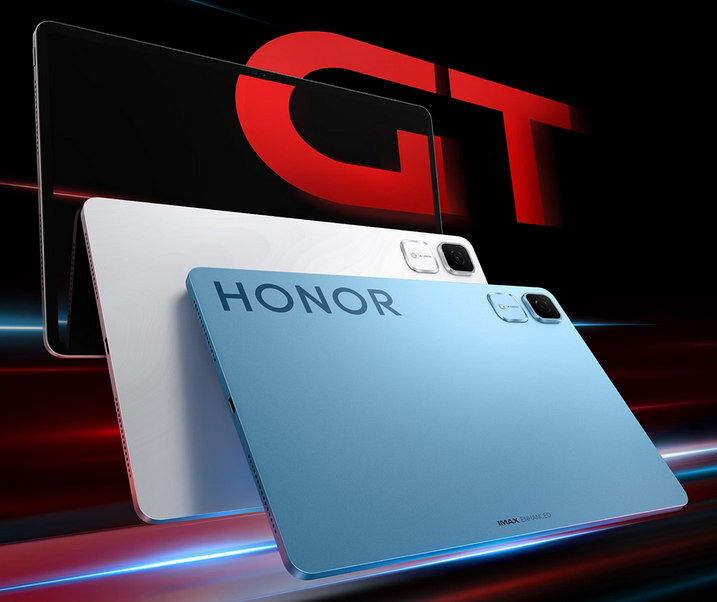
(Source)

Samsung devices that will get One UI 7 (Android 15) update

Samsung One UI 7 eligible devices

One UI 7, based on Android 15, is the biggest upgrade in recent years, but its rollout has been majorly disappointing so far. Only the Galaxy S25 series has access to stable One UI 7.0, while other users have been left waiting. Samsung, however, is expected to kick off the stable One UI 7.0 rollout sometime this month.

If you are also waiting for the One UI 7.0 update, the first step is to ensure that your Galaxy device hasn’t run out of major updates quota. To make it easier, we have compiled a list of Galaxy phones and tablets that are eligible for the One UI 7.0 update below.

Samsung One UI 7.0 eligible devices list

(Galaxy S series)

  • Galaxy S24 Ultra
  • Galaxy S24+
  • Galaxy S24
  • Galaxy S24 FE
  • Galaxy S23 Ultra
  • Galaxy S23+
  • Galaxy S23
  • Galaxy S23 FE
  • Galaxy S22 Ultra
  • Galaxy S22+
  • Galaxy S22
  • Galaxy S21 Ultra
  • Galaxy S21+
  • Galaxy S21
  • Galaxy S21 FE

(Galaxy Z series)

  • Galaxy Z Fold Special Edition
  • Galaxy Z Fold 6
  • Galaxy Z Flip 6
  • Galaxy Z Fold 5
  • Galaxy Z Flip 5
  • Galaxy Z Fold 4
  • Galaxy Z Flip 4
  • Galaxy Z Fold 3
  • Galaxy Z Flip 3

(Galaxy A series)

  • Galaxy A73
  • Galaxy A55
  • Galaxy A54
  • Galaxy A35
  • Galaxy A34
  • Galaxy A33
  • Galaxy A25
  • Galaxy A24
  • Galaxy A23
  • Galaxy A16 (LTE)
  • Galaxy A16 (5G)
  • Galaxy A15 (LTE)
  • Galaxy A15 (5G)
  • Galaxy A14 (LTE)
  • Galaxy A14 (5G)
  • Galaxy A06
  • Galaxy A05s

(Galaxy M series)

  • Galaxy M55s
  • Galaxy M55
  • Galaxy M54
  • Galaxy M53
  • Galaxy M35
  • Galaxy M34
  • Galaxy M33
  • Galaxy M15
  • Galaxy M14 (LTE)
  • Galaxy M14 (5G)
  • Galaxy M05

(Galaxy F series)

  • Galaxy F55
  • Galaxy F54
  • Galaxy F34
  • Galaxy F15
  • Galaxy F05

(Galaxy Tab series)

  • Galaxy Tab S10 Ultra
  • Galaxy Tab S10+
  • Galaxy Tab S9 Ultra
  • Galaxy Tab S9+
  • Galaxy Tab S9
  • Galaxy Tab S9 FE+
  • Galaxy Tab S9 FE
  • Galaxy Tab S8 Ultra
  • Galaxy Tab S8+
  • Galaxy Tab S8
  • Galaxy Tab S6 Lite (2024)
  • Galaxy Tab A9+
  • Galaxy Tab A9
  • Galaxy Tab Active 5
  • Galaxy Tab Active 4 Pro

(Other devices)

  • Galaxy XCover 7
  • Galaxy XCover 6 Pro
  • Galaxy C55

We have prepared this list after reviewing the software update policy for all Galaxy phones and tablets.

If your device isn’t on the list, it may have already received the promised number of OS upgrades. However, I recommend waiting until the One UI 7.0 rollout is complete, as Samsung occasionally surprises outdated devices with extra major updates.

Related:
Prepare your Samsung Galaxy for a smooth upgrade to One UI 7.0

When will your Samsung Galaxy get the One UI 7.0 update?

Samsung is usually quicker than most Android brands with new OS releases, and its rollout pace has always been commendable. However, Android 15 has been a different story for the brand. It still hasn’t updated a single Galaxy device to Android 15, while many other brands started rolling it out to their devices back in November.

Only Galaxy S25 users have access to Android 15-based One UI 7.0, which is based on Android 15. Other users have been waiting for their turn for weeks without any clue about the rollout plans.

While Samsung is silent about the One UI 7.0 release plans, it has revealed that the Galaxy S24 series will get the fourth One UI 7.0 beta in the coming days. This is expected to be the final beta build before the stable update starts rolling out later this month. The flagship models will be the first in line to receive the much-awaited One UI 7.0 update, and then it’ll expand to mid-range and cheaper Galaxy phones and tablets.

Also read:
1. Top One UI 7.0 features you must know
2. One UI 7.0 rollout still needs some more time

Tech enthusiast? Get the latest news first! Follow our Telegram channel and subscribe to our free newsletter for your daily tech fix! ⚡

DeperAI 65W, India’s first UFCS fast charger now available at Reliance Digital stores

DeperAI, the tech startup founded by former OnePlus executive Jim Zhang, is expanding its presence in India with an offline retail push. The company has partnered with Reliance Digital to bring its Superpower 65W Single Type-C Adapter to over 9,000 stores nationwide.

This marks a major milestone for DeperAI, which had previously sold its products exclusively online via Amazon. The adapter is priced at Rs. 2,499 and will be available starting February 12.

DeperAI 65W Fast Charger

The Superpower 65W Single C Adapter uses UFCS (Universal Fast Charging Specification) Fusion Fast Charging Technology, which streamlines fast-charging protocols across brands.

UFCS enables seamless compatibility between various fast-charging standards, such as Qualcomm Quick Charge and USB Power Delivery (PD), and proprietary protocols from brands like Oppo, Vivo, and Huawei. This means the charger can intelligently adjust its power output based on the connected device, ensuring fast and safe charging for smartphones, tablets, and even laptops. The charger is also MFI-certified for Apple devices and works seamlessly with the latest iPhones, iPads, and MacBooks.

Why UFCS Matters

Fast charging has long been a fragmented experience, with each brand pushing its own proprietary standard. UFCS aims to unify these technologies, allowing cross-brand compatibility without compromising speed or safety. With more manufacturers adopting the standard, chargers like DeperAI’s Superpower 65W Adapter could become the go-to option for users who want a single, high-performance charger that works across multiple devices.

The Superpower 65W Adapter is built with advanced GaN III technology, making it more compact and energy-efficient while preventing overheating. It weighs just 170 grams and features a fireproof PC material for durability and safety.

It is designed for convenience and features an Indian-standard wall mount and universal input voltage (200-240V, 50/60Hz), making it an ideal travel companion. It also includes built-in safety protections against over-voltage, over-current, and short circuits, ensuring reliable power delivery without the risk of damage.

Manufactured at the Caria Factory in Noida, which also produces chargers for OnePlus, Oppo, and Vivo, DeperAI’s latest release promises premium quality at an accessible price.

You can also check out our full review of the Superpower 65W Pro model which comes with two USB-C ports and one USB-A port.

For more daily updates, please visit our News Section.

Stay ahead in tech! Join our Telegram community and sign up for our daily newsletter of top stories! 💡
Comparing Samsung Galaxy S25 Ultra and Vivo X200 Pro: Which is better?

Samsung Galaxy S25 Ultra and Vivo X200 Pro represent two of the most compelling flagship smartphones of 2025, each catering to different user needs. Samsung focuses on a premium experience with long-term software support, powerful cameras, and the S Pen, while Vivo pushes boundaries with ultra-fast charging, a high-brightness display, and an advanced periscope lens. This comparison is essential for buyers weighing Samsung’s ecosystem against Vivo’s high-value offering, especially when considering display quality, battery performance, and photography. 

1. Design and Display

Galaxy S25 Ultra
Galaxy S25 Ultra

The Samsung Galaxy S25 Ultra boasts a premium titanium frame with Corning Gorilla Armor 2 on both the front and back, making it extremely durable. It also retains the signature S Pen, which adds extra functionality. The Vivo X200 Pro, on the other hand, features an aluminum alloy frame and offers a glass or glass fiber back. While both devices are IP68-rated, the Vivo goes a step further with IP69 certification, making it resistant to high-pressure water jets.

When it comes to display, the Galaxy S25 Ultra features a massive 6.9-inch Dynamic LTPO AMOLED 2X screen with a peak brightness of 2600 nits, making it one of the brightest in the industry. The Vivo X200 Pro sports a slightly smaller 6.78-inch LTPO AMOLED panel with an incredible 4500-nit peak brightness, which is exceptional for outdoor visibility. 

However, Samsung’s higher resolution (1440p vs. 1260p) and its smoother software optimizations make it the better choice for those who prioritize sharpness and UI fluidity. Vivo’s Ultra HDR support and Dolby Vision, however, make it an excellent choice for media consumption.

Please Note: When you buy something using the links in our articles, we may earn a small commission at no cost to you.

2. Specifications 

Vivo X200 Pro
Vivo X200 Pro

Samsung powers the S25 Ultra with the Snapdragon 8 Elite, while Vivo opts for the Dimensity 9400. Both chipsets are cutting-edge, but Qualcomm’s GPU tends to have better gaming optimizations. Samsung also provides seven years of Android updates, significantly longer than Vivo’s four years, making it the better choice for long-term use.

Battery-wise, the Vivo X200 Pro leads with a 6000mAh (global variant) compared to Samsung’s 5000mAh. Vivo also offers much faster charging at 90W wired and 30W wireless, whereas Samsung lags behind with 45W wired and 15W wireless. 

If longevity and fast charging are priorities, the Vivo is the winner. However, Samsung’s efficiency, better software updates, and overall ecosystem may make up for the smaller battery.

3. Camera

Galaxy S25 Ultra
Galaxy S25 Ultra

The Galaxy S25 Ultra continues Samsung’s tradition of offering a powerful quad-camera system, headlined by a 200MP main sensor, a 50MP periscope (5x optical zoom), a 10MP telephoto (3x zoom), and a 50MP ultrawide. Vivo counters with a 50MP primary sensor, a 200MP periscope (3.7x zoom with macro), and a 50MP ultrawide. Samsung’s periscope telephoto reaches 5x optical zoom, while Vivo’s 200MP periscope can deliver incredible detail, but at a slightly lower zoom range.

For selfies, Vivo offers a 32MP ultrawide sensor, whereas Samsung sticks with a 12MP shooter. Samsung’s image processing, 8K video recording, and superior HDR optimizations give it an edge in photography versatility, but Vivo’s Zeiss partnership and advanced color tuning could be preferable for professional-grade shots.

 If zoom and AI processing matter, Samsung wins, but for natural color accuracy and portrait photography, Vivo is a strong contender.

4. Pricing

The Samsung Galaxy S25 Ultra starts at $1,249, while the Vivo X200 Pro comes in significantly cheaper at $799. This makes the Vivo a compelling option for those who want flagship performance at a lower price. However, Samsung justifies its premium price with better build quality, long-term software support, and a more refined ecosystem. 

If you want the best of the best and are willing to pay for it, the Galaxy S25 Ultra is the way to go. But for those who prioritize value for money, the Vivo X200 Pro is an unbeatable deal.


5. Conclusion

Vivo X200 Pro
Vivo X200 Pro

The S25 Ultra stands out with its S Pen, offering productivity-focused features that no other mainstream flagship provides. It also has better long-term software support, making it a more future-proof purchase. Vivo, however, brings a more affordable flagship experience with an exceptionally bright display, faster charging, and an advanced periscope camera. Additionally, Vivo offers optional satellite connectivity in some regions, which could be a lifesaver in emergencies.

Overall, Samsung remains the best choice for power users who want longevity, software reliability, and premium features like the S Pen. Meanwhile, Vivo is ideal for users who want cutting-edge hardware, incredible battery life, and flagship-level cameras without breaking the bank.

Read More: