Add GIZMOCHINA as Preferred Source on Google
Honor 400 and Honor 400 Pro are two closely related devices launched together, yet they cater to different types of users. With overlapping features but significant differences in performance, camera, and charging, choosing the right one isn’t straightforward. This comparison is important because it highlights whether the Pro model’s higher price brings meaningful advantages, or if the standard Honor 400 is already good enough for most users.
1. Design and Display
Build and Feel:
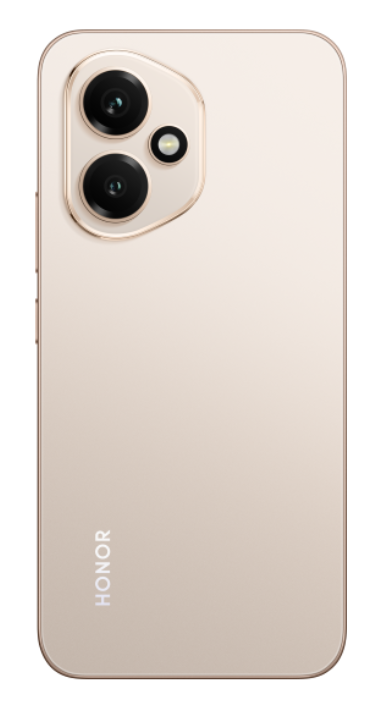
Honor 400 offers a slim profile with a refined body and IP65/IP66 protection depending on the region, making it resistant to dust and water sprays. In contrast, the Honor 400 Pro is more robust with IP68/IP69 certification, ensuring protection even against submersion and high-pressure water jets. The Pro’s slightly thicker build adds durability but also makes it heavier. Users prioritizing sleekness and lightness may prefer the standard 400, but for rugged use or better ingress protection, the 400 Pro leads. The added water resistance in the Pro version makes it more suitable for harsh environments or outdoor use.
Display Quality:
Both models use a 120Hz AMOLED panel with 1B colors and an impressive 5000 nits peak brightness, ensuring vivid colors and excellent readability under sunlight. The Honor 400 Pro steps up with a slightly larger 6.7-inch panel and higher resolution (1280 x 2800) compared to the 6.55-inch 1264 x 2736 screen on the Honor 400. Moreover, the Pro supports HDR Vivid, a more advanced high-dynamic range standard, enhancing contrast and color depth during media playback. The Pro offers a more immersive viewing experience with richer visuals, especially suited for multimedia enthusiasts.
Verdict:
Honor 400 Pro wins in build quality and display due to superior water resistance and enhanced HDR visuals, though the Honor 400 remains a good choice for users wanting a lighter and more compact device.
2. Specifications

Performance:
Honor 400 is powered by the Snapdragon 7 Gen 3, a capable upper-midrange chipset suitable for daily tasks and light gaming. However, the Honor 400 Pro features the Snapdragon 8 Gen 3, a flagship SoC with significant gains in CPU and GPU performance. It brings faster app launches, better multitasking, and superior gaming capabilities. The Pro is ideal for power users and gamers, offering performance levels closer to top-tier flagship phones. Its edge in AI processing and thermal efficiency also future-proofs the device better for intensive apps and long-term usage.
Battery and Charging:
Both phones offer two battery configurations: 5300 mAh for Europe and 6000 mAh for other regions. However, charging speeds differ dramatically. The Honor 400 tops at 80W wired, while the 400 Pro supports up to 100W wired charging, reaching 100% in just 39 minutes. It also adds 50W wireless charging and reverse wireless charging, features entirely missing in the base model. The Honor 400 Pro offers significantly more versatility in how users charge their devices, especially for those who value wireless convenience and quicker top-ups.
Verdict:
Honor 400 Pro clearly leads in both performance and battery technology, offering flagship-grade processing and charging speeds, making it a better choice for demanding users.
3. Camera
Main and Secondary Lenses:
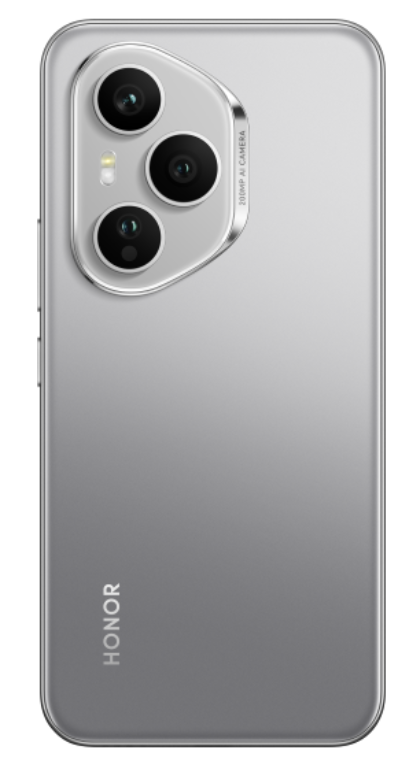
Both phones feature a 200MP primary sensor with OIS and a 12MP ultrawide, ensuring sharp detail and good field coverage. However, the Pro introduces a third sensor, a 50MP telephoto lens with 3x optical zoom and OIS. This drastically improves portrait and zoom photography, providing more flexibility in capturing distant subjects with clarity. The extra lens on the Pro model adds true flagship versatility, making it more suitable for mobile photography enthusiasts who value zoom capabilities.
Selfie Camera:
Honor 400 offers a 50MP front camera capable of detailed selfies and 4K video. The 400 Pro upgrades this setup with an additional 2MP depth sensor, allowing for improved edge detection in portrait mode. While the sensor itself is modest, it enhances the overall selfie experience, particularly for users who frequently use portrait effects in social media. Both phones support 4K selfie video, but the Pro’s dual-lens setup slightly edges out in quality and refinement.
Verdict:
Honor 400 Pro takes the lead with a superior triple-lens rear camera system and an enhanced selfie setup, offering more shooting flexibility and refined results for photos and video.
4. Pricing
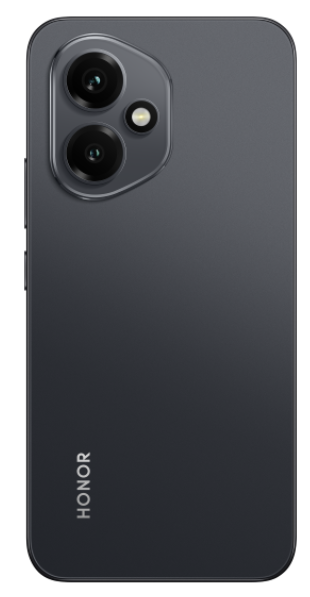
Honor 400 is priced around $830, offering strong performance and high-end cameras in the upper-midrange category. The Honor 400 Pro is priced at approximately $1230, a significant $400 increase. However, this premium includes flagship performance, a third telephoto camera, wireless charging, and higher water resistance. The price jump may feel steep for casual users, but those seeking a full-featured premium phone will find the Pro’s added capabilities justify the extra cost. For budget-conscious users, the Honor 400 still delivers excellent value without many major sacrifices.
5. Conclusion
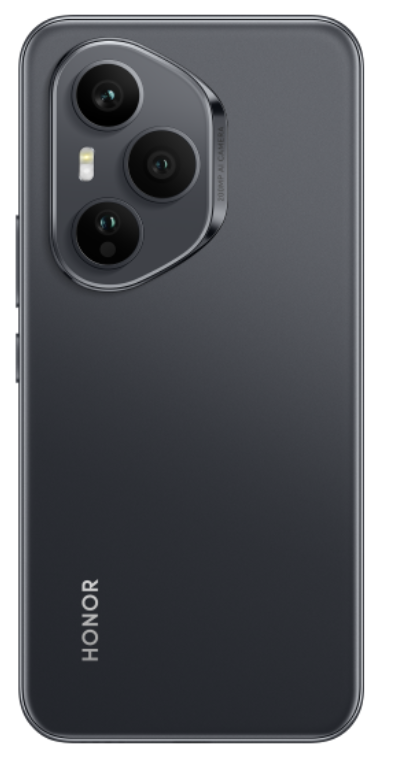
Honor 400 Pro distinguishes itself with wireless and reverse wireless charging, flagship Snapdragon 8 Gen 3 performance, and IP69 water resistance, features typically reserved for ultra-premium models. The addition of a telephoto lens also enhances its camera system. In contrast, the standard Honor 400 is more about offering high-tier essentials, an excellent main camera, solid display, and dependable battery life, without pushing into flagship territory.
Verdict:
Honor 400 is ideal for users who want flagship-like features at a more accessible price. Honor 400 Pro, while considerably more expensive, justifies its premium with truly top-tier hardware, advanced camera versatility, and full charging options. Choose the Pro if performance, photography, and durability are top priorities; otherwise, the base Honor 400 offers great value for everyday use.
Read More:
- Vivo X200 Ultra vs Pixel 9 Pro XL: Hardware vs AI, Who Wins?
- Oppo Find X8s+ vs OnePlus 13: Is the OnePlus Worth $200 More Than the Find X8s+?
- Oppo Find X8s+ vs Xiaomi 15: The Winner Is Obvious