Vivo is set to unveil the Vivo Y300i smartphone on March 14 in China. The device will be a slightly modified version of the Y39 5G and T4x, which were recently launched in Malaysia and India, respectively. The Y300 series is expected to include multiple models, one of which is the Y300 Pro+, whose key specifications have been revealed by a Chinese tech blogger.
Vivo Y300 Pro+ key specifications (rumored)
Vivo Y300 Pro+ key specs tipped
According to tipster Panda is Bald, the Vivo Y300 Pro+ will feature the Snapdragon 7s Gen 3 chipset and a battery with a rate value of 7,320mAh. The typical value of this battery could be around 7,500mAh.
The Y300 Pro+ will have a 32-megapixel camera for selfies and video calls. On the back, the device will feature a dual-camera setup headlined by a 50-megapixel primary camera. The other details of the Y300 Pro+ are under wraps.
The Vivo Y300 Pro+ will be the most powerful phone in the Y300 series, which already includes the Y300 and Y300 Pro. This week, the brand will unveil the Y300i in China. This midrange 5G phone will come equipped with the Snapdragon 4 Gen 2 chip. Therefore, the Y300 Pro+ may go official by the end of this month or by early April in China.
The Y300 Pro’s base model was introduced with a price tag of 1,799 Yuan (~$250). Therefore, it is likely that the Y300 Pro+ may arrive with a sub-2,000 (~$275) starting price.
For more daily updates, please visit our News Section.
Oppo, Vivo, and Xiaomi are working on new tablets for the Chinese market. According to tipster Experience More, all three tablets will break cover in April. Ahead of the launch, the source has leaked the key specifications of all three devices.
Oppo Pad 4 Pro
Oppo Pad 4 Pro, Vivo Pad 4 Pro, and Xiaomi Pad 7s Pro tipped to launch in April
According to the tipster, the Oppo Pad 4 Pro will feature a 13.2-inch LCD panel, a Snapdragon 8 Elite/ chipset, and a 12,000mAh battery with 80W fast charging. It appears to be the Oppo tablet with the OPD2409 model number, which was spotted with an 80W charger at the 3C certification. This tablet is expected to launch alongside the Find X8 Ultra, Find X8S, and Find X8 Mini.
Vivo Pad 4 Pro
A Vivo tablet with the PD2573 model number was recently approved by China’s 3C authority. This device seems to be the Vivo Pad 4 Pro, which may break cover along with the Vivo X200 Ultra, X200S, and Vivo Watch 5 in April. According to the tipster, the Pad 4 Pro will feature a 12.95-inch LCD panel, a Dimensity 9400 chip, and a 12,000mAh battery with 66W rapid charging support. A recent leak revealed that its screen will support a 3.1K resolution and a 144Hz refresh rate.
Vivo may also launch an entry-level tablet dubbed the Vivo Pad SE. This device was spotted with a PD2511 model number and 15W charger at the 3C certification recently.
Xiaomi Pad 7s Pro
As seen in the Weibo post, while the tipster has claimed that Xiaomi will launch a tablet with a 14-inch OLED panel and 120W fast charging support, he hasn’t mentioned its marketing name. As per other reports, this device, which has already bagged 3C certification in China, will be called the Xiaomi Pad 7s Pro when it hits the market.
For more daily updates, please visit our News Section.
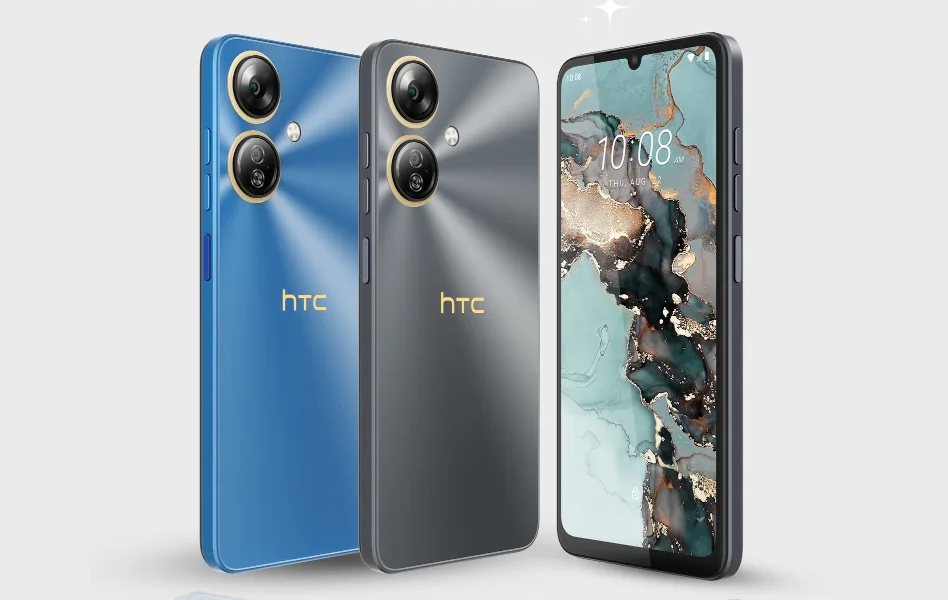
Taiwanese smartphone brand HTC has introduced a new budget-friendly device, the HTC Wildfire E5 Plus. The handset, which is aimed at Southeast Asian markets, such as Vietnam and Thailand, is an entry-level offering for users seeking a large display and capable cameras. Continue reading to learn what the Wildfire E5 Plus is packed with.
HTC Wildfire E5 Plus specifications and features
HTC Wildfire E5 Plus
The HTC Wildfire E5 Plus is designed for entry-level users, featuring a 6.745-inch HD+ display with a 90Hz refresh rate. The screen has a notch at the top housing a 16-megapixel front camera. Its rear camera setup comprises a 50-megapixel primary camera and a 2-megapixel depth sensor.
Under the hood, the Wildfire E5 Plus is powered by the Unisoc T606 processor clocked at 1.6GHz, paired with 6GB of RAM and 128GB of internal storage. Users can expand the storage via a microSD card.
The Wildfire E5 Plus runs on Android 14 and is backed by a 5,000mAh battery. For security, it offers biometric authentication through both fingerprint and facial recognition. Connectivity options include 4G LTE, Wi-Fi 802.11, Bluetooth 5.0, a USB Type-C port, and a 3.5mm headphone jack.
HTC Wildfire E5 Plus price and availability
Available in grey and blue, the HTC Wildfire E5 Plus can be bought for 2,379,000 VND (~$93) in Vietnam. The handset is also expected to be released in Thailand later this month.
For more daily updates, please visit our News Section.
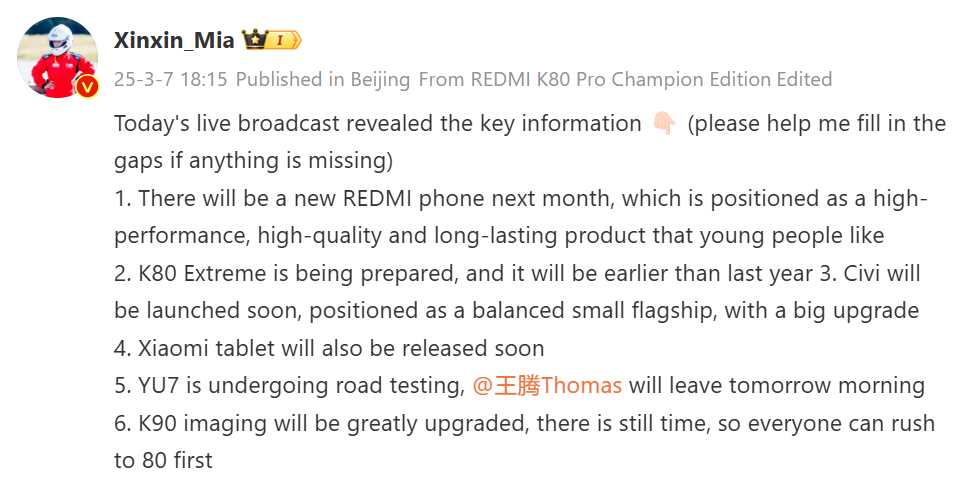
Xiaomi recently conducted a live broadcast in China, revealing exciting updates about their upcoming products for the year. The brand’s Redmi Product Manager, XinXiin Mia, took to Weibo to summarize the key details shared during the session. Keep reading to know what Xiaomi has in store for its fans this year.
Redmi Turbo 4 Pro incoming in April
Xiaomi’s forthcoming devices officially confirmed
One of the biggest announcements was the upcoming launch of a new Redmi smartphone, expected next month. This device, believed to be the Redmi Turbo 4 Pro, is designed to cater to young consumers seeking high performance, quality, and extended battery life. The phone is rumored to feature the next-generation Snapdragon 8s Elite chipset, which could make it one of the first phones to run on this powerful new processor. Expect excellent performance, a long-lasting battery, and overall improved user experience.
Redmi K80 Ultra and next Xiaomi Civi phone confirmed
In addition to the Turbo 4 Pro, Mia revealed that Xiaomi is working on the Redmi K80 Ultra, with a release expected earlier than last year’s model. While the Redmi K70 Ultra launched in July 2024, the K80 Ultra could be unveiled in May or June. This device is likely to feature the Dimensity 9400 Plus chipset, which will also power future models from Vivo, Oppo, and iQOO.
For fans seeking a balanced flagship experience, the Xiaomi Civi series will also see a significant update. The upcoming Xiaomi Civi 5 Pro is expected to offer major improvements, all while maintaining its sleek and compact design. This model may include the Snapdragon 8s Elite SoC, delivering top-tier performance in a premium, smaller package.
Furthermore, Xiaomi is preparing to launch a new tablet aimed at users who demand both portability and power. This device is rumored to be theXiaomi Pad 7s Pro, which was recently spotted at China’s 3C certification with a 120W charger.
Redmi K90 Series and Xiaomi YU7
Mia also mentioned that Xiaomi is working on the Redmi K90 series, focusing particularly on a major upgrade to its imaging capabilities. However, since the K90 is still in early development, she advised fans to focus on the Redmi K80 lineup for now. Based on Xiaomi’s usual release schedule, the K90 series could be announced in November 2025.
Finally, Xiaomi’s YU7 model, which is being hyped as a Tesla Model Y killer, is undergoing road testing. The test will be led by Xiaomi’s top executive, Wang Teng Thomas, with reports suggesting the device will debut in China in July.
Interestingly, there was no mention of Xiaomi’s foldable segment during the live broadcast. According to reports, the Xiaomi Mix Flip 2, which is expected to be powered by the Snapdragon 8 Elite chipset, is slated for a May release. However, it appears that there will be no new book-style foldable device from the brand this year
For more daily updates, please visit our News Section.
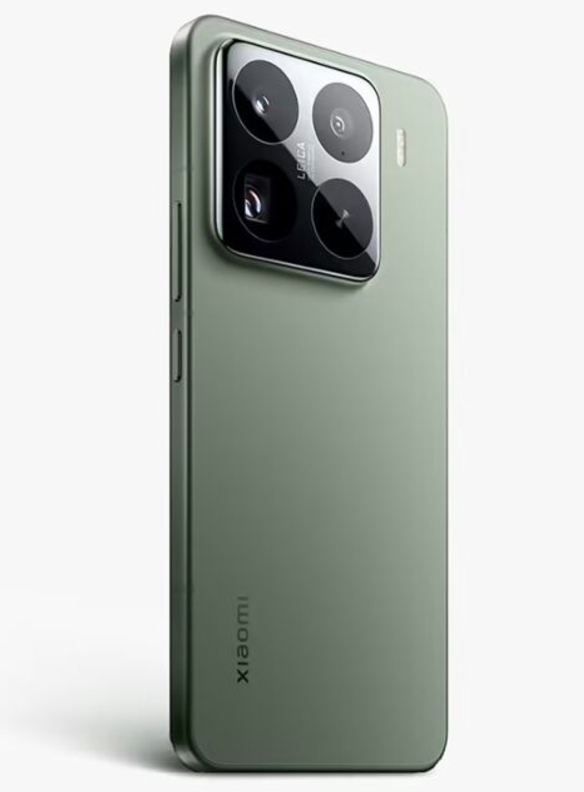
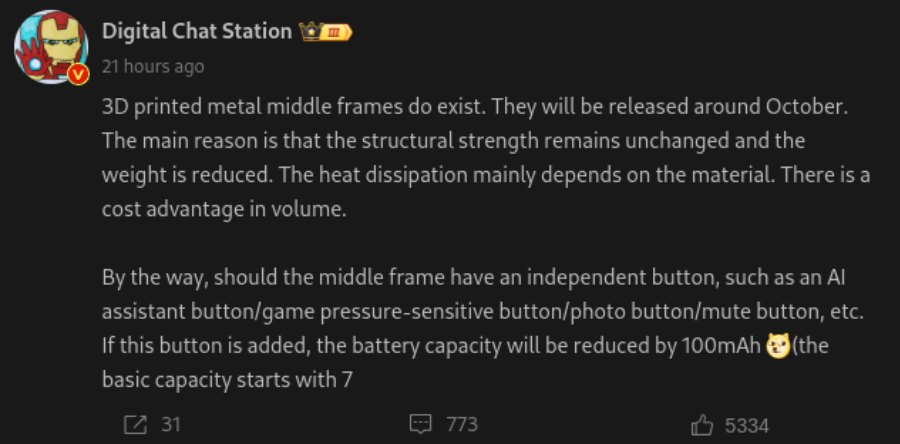
A recent report suggested that Xiaomi’s upcoming 16 Pro could feature a 3D-printed metal middle frame, and now, another well-known tipster, Digital Chat Station (DCS), has backed up the claim while providing some additional details.
As previously reported, Xiaomi is reportedly opting for a 3D-printed metal frame to reduce weight while maintaining structural integrity. However, DCS says the impact on thermals will depend on the material Xiaomi chooses for the frame. The potential options include aluminum or titanium.
Xiaomi 15 Pro
Interestingly, the leak also suggests that 3D printing might not be as expensive at scale as we might expect it to be.
DCS says there is a “cost advantage in volume”, meaning while the technology can be costly for low-volume production, mass manufacturing could actually lower costs for Xiaomi. So 3D frame seems like a viable option rather than an expensive premium feature.
Xiaomi 16 Pro may also get a customizable button
DCS also suggests the Xiaomi 16 Pro may feature an extra button on the frame. And based on the leak, it seems like a customizable button that can be used as an AI button, a pressure-sensitive gaming button, a dedicated camera shutter or as a mute switch.
If this pans out, users may be able to configure the button based on their needs, similar to the Action Button on the iPhone 16 Pro.
However, there is one small trade-off. The report claims that adding this button could lead to a reduction in battery size by 100mAh. That said, Xiaomi 16 Pro is still expected to pack a massive 7000mAh battery, which should more than compensate for the slight capacity drop.
More importantly, according to DCS, the Xiaomi 16 Pro—likely alongside the standard model—is expected to launch around October.
For more daily updates, please visit our News Section.
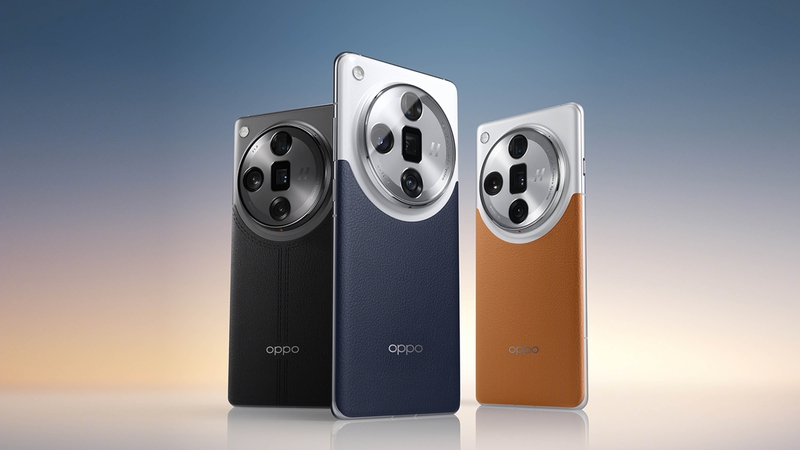
Oppo is gearing up to launch its highly anticipated flagship, the Find X8 Ultra, in April. As teasers and leaks continue to pile up, the Find X8 Ultra is shaping up to be one of the most exciting smartphones of the year, particularly in the camera and charging departments. Here’s a comprehensive look at everything we know so far.
Flat Display and Design Upgrades
Unlike many of its competitors, Oppo is taking a different route with the Find X8 Ultra by opting for a flat display instead of a curved one. This move, confirmed by Oppo Find series product manager Zhou Yibao, makes the X8 Ultra stand out as the only “Ultra” flagship with a flat panel. The phone is expected to have an ultra-narrow bezel design, providing a more immersive experience.
A recently leaked teaser suggests that the device will have an oval-shaped rear camera module. On the front, there will be a centrally placed punch-hole cutout, keeping the design clean and modern. Oppo is also bringing an IP68/69 rating, meaning the phone will be resistant to dust and water, including high-pressure water jets.
100W Wired and 80W Wireless Charging
Charging speed has been a key area of focus for Oppo, and the Find X8 Ultra will feature significant upgrades. The phone will support 100W wired fast charging, which can take the battery from 0 to 100 percent in just 35 minutes. This matches what the OnePlus 13 offers, ensuring rapid power-ups for users who need a quick boost.
The real upgrade comes in the wireless charging department. Unlike its predecessor, the Find X7 Ultra, which had 50W wireless charging, the Find X8 Ultra will feature 80W wireless charging. This makes it one of the fastest wirelessly charging smartphones on the market, offering convenience without sacrificing speed.
Massive Battery
According to tipster Digital Chat Station, the Find X8 Ultra will house a large 6000mAh battery. The device will utilize a dual-cell battery setup, a design choice that improves efficiency and longevity while maintaining fast charging speeds. Despite the large battery capacity, the phone is expected to remain under 9mm in thickness, ensuring a sleek form factor.
Quad-Camera System
Oppo has always prioritized camera performance in its Ultra series, and the Find X8 Ultra is no exception. The phone will come with a quad-camera system co-engineered with Hasselblad. The setup is rumored to include:
50MP main camera with a 1-inch type Sony Lytia LYT-900 sensor and OIS
50MP telephoto macro camera with a Sony Lytia LYT-701 sensor, 3x optical zoom, and OIS
50MP periscope telephoto lens with 6x optical zoom
50MP ultrawide lens
The camera system is expected to deliver superior low-light performance, enhanced dynamic range, and improved zoom capabilities. Oppo’s product manager has also teased that the X8 Ultra will take “exceptional” night photos with richer colors and better light intake.
Snapdragon 8 Elite SoC
Unlike the Find X8 and X8 Pro, which are powered by MediaTek’s Dimensity 9400 chipset, the Find X8 Ultra will be powered by Qualcomm’s latest Snapdragon 8 Elite SoC. This ensures top-tier performance, making the phone a strong competitor in the flagship segment. The device is also expected to feature an ultrasonic fingerprint sensor for faster and more secure authentication.
Additional Features and Launch Details
Oppo is set to introduce an upgraded version of its 0916 X-axis linear motor, enhancing haptic feedback for a more immersive experience. Another notable change is the removal of the alert slider, which will be replaced with a multifunction button. The device is also expected to support satellite communication, which could improve connectivity in remote areas.
The Find X8 Ultra will launch in China in April, with sales starting the same month. However, global availability remains uncertain. Oppo’s previous Find X Ultra models never made it to international markets, including India, and the same could be true for the X8 Ultra. The phone is expected to be accompanied by other devices such as the Oppo Pad 4 Pro, Find X8S, and Find X8 Mini during its launch event.
For more daily updates, please visit our News Section.
Asus has just unveiled its latest high-performance gaming monitor, the ROG Strix OLED XG27UCDMG, in the Chinese market. This 26.5-inch powerhouse features Samsung’s fourth-gen 4K QD-OLED panel with a 240Hz refresh rate. Priced at 6,499 yuan (~$900) and launching on March 10, this display is designed for competitive gamers and content creators who demand top-tier visuals and ultra-smooth performance.
ROG Strix OLED XG27UCDMG Specs
The XG27UCDMG sports a 3840 x 2160 resolution QD-OLED panel, delivering ultra-sharp images, deep blacks, and vibrant colors with a 1.5 million:1 contrast ratio. Asus claims 99% DCI-P3 coverage with ΔE<2 accuracy, ensuring precise color reproduction. It also supports VESA DisplayHDR 400 True Black and reaches a peak brightness of 1,000 nits, making it one of the brightest OLED monitors on the market.
For performance, the monitor equips a blistering 0.03ms GTG response time and supports Adaptive Sync for both AMD FreeSync Premium Pro and Nvidia G-Sync. It also features Extreme Low Motion Blur (ELMB) for ultra-smooth gameplay with minimal ghosting. Asus introduces ROG OLED Anti-Flicker 2.0, a brightness compensation algorithm that reduces flicker by up to 20%, addressing one of OLED’s biggest drawbacks.
To enhance longevity, the XG27UCDMG comes with OLED Care Pro, which includes Pixel Shift, Pixel Cleaning, and Border Detection to help prevent burn-in. It also sports the Neo Proximity Sensor, which detects when the user steps away and automatically dims or turns off the screen to extend panel lifespan.
Connectivity is robust, as the monitor features two HDMI 2.1 ports, DisplayPort 1.4 (DSC), a USB-C port with DP Alt Mode and 90W power delivery, a USB hub, and a headphone jack. The stand offers full adjustability, including 120mm height adjustment, +20° to -5° tilt, +45° to -45° swivel, and +90° to -90° pivot. It also supports 100x100mm VESA mounting for those who prefer an arm setup.
Asus equips the monitor with DisplayWidget Center, allowing users to tweak settings via software instead of relying on the OSD. It also comes with AI-powered gaming enhancements like AI Crosshair, AI Shadow Boost, and AI Visual, which optimize display settings in real time.
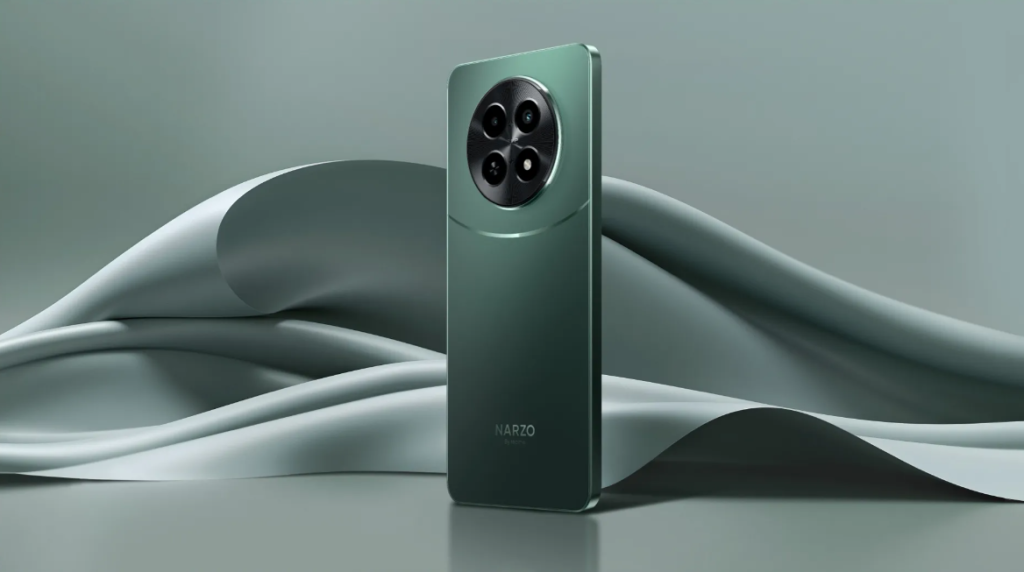
An upcoming Narzo model from Realme has just surfaced in a fresh leak. The device in question is rumored to be the Realme Narzo 80x 5G, which is likely a mid range smartphone. But ahead of its official announcement, the Narzo 80x already had its color and storage variants revealed.
Realme Narzo 80x Leak
The latest information arrives from a 91Mobiles report. Sources close to the matter revealed that the Indian variant of the Realme Narzo 80x carries the model number RMX3944. To recall, this is the same model number that was spotted in the previously released Realme P3x. The upcoming Realme Narzo will likely go on sale via Amazon and is expected to launch in three storage configurations.
Realme Narzo 70x
This includes the 6GB + 128GB, 8GB + 128GB, and 12GB + 256GB variants. Meanwhile, the Realme Narzo 80x is set to release in two color options, namely Sunlit Gold and Deep Ocean. Unfortunately, that was all the information revealed in the report. But considering how the Narzo 70x launched back in April 2024, we can expect a similar release timeline for the successor as well.
If the Realme Narzo 80x is a rebranded Realme P3x, we can make some estimation regarding the specifications. The P3x launched with a tall 6.72-inch LCD panel that offers an FHD+ resolution, a 120Hz refresh rate, and a 240Hz touch sampling rate. Under the hood, the Realme P3x features the MediaTek Dimensity 6400 SoC, which is paired with up to 8GB of RAM and 128GB of internal storage. A sizeable 6,000mAh battery pack powers this device, which supports 45W wired fast charging. Other notable features include 50MP dual cameras on the rear, a microSD card, and IP68 + IP69 rating for water and dust resistance.
For more daily updates, please visit our News Section.
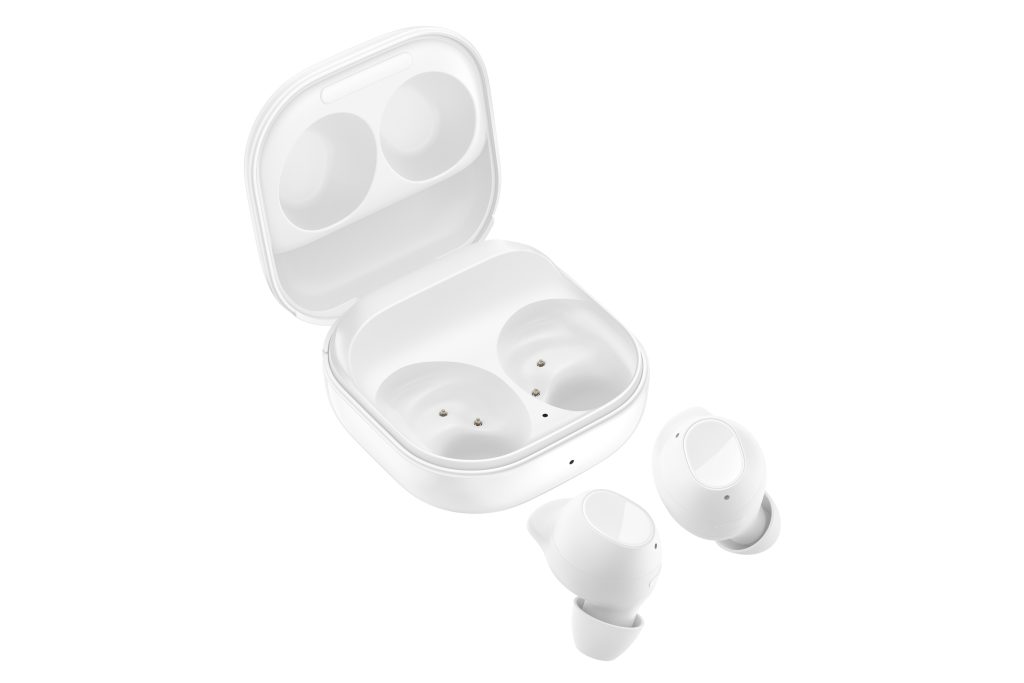
Samsung is reportedly working on a new pair of budget-friendly wireless earbuds, the Galaxy Buds FE 2. it will be a successor to the popular Galaxy Buds FE released in 2023. This is a good news for Samsung users, especially considering the price tags of the recently released Galaxy Buds 3 series.
Samsung Galaxy Buds FE
The news of the Galaxy Buds FE 2’s development comes from GalaxyClub, which reportedly found evidence of the earbuds’ firmware and model number (SM-R410). This suggests a direct follow-up to the original Galaxy Buds FE, which carried the model number SM-R400.
It remains to be seen whether the Buds FE 2 adopts the new design language
That said, specific details about the Buds FE 2’s design and features are scarce at this point. Samsung switched to the stem design with the Galaxy Buds 3 series, and it remains to be seen whether the brand adopts the new design language for the upcoming more affordable earphones.
Galaxy Buds 3 series new design
One area where the Buds FE stands out is its exchangeable ear tips design. This is, in fact, a rare feature in the company’s earbuds lineup. In addition to that, the FE 2 could also come with the updated carrying case design, which will give it a new look.
The Galaxy Buds FE 2 is expected to launch by the end of 2025. For context, the predecessor was also announced toward the end of 2023.
The Buds FE is listed at $99, and the FE 2 is expected to launch with a similar price tag. In comparison, the Buds 3 and Buds 3 Pro are currently available on Amazon for $149 and $209, respectively.
Given that Samsung adopts the stem design for the new FE model and prices it at around $100, it will become a more appealing option than the buds 3 to many users.
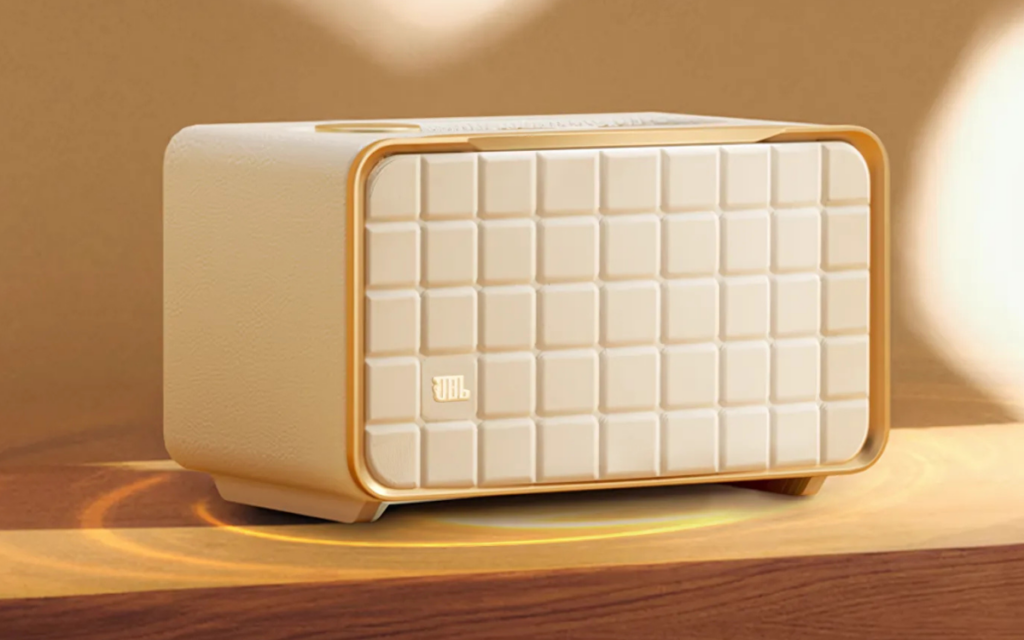
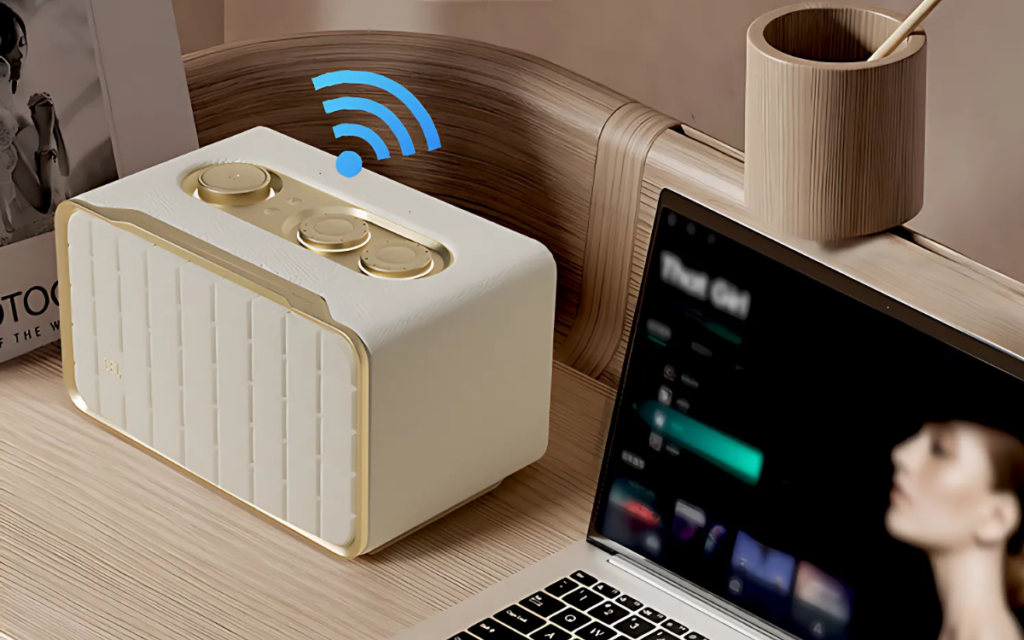
JBL has unveiled the Authentics 200 Platinum Edition in the Chinese market, a premium Bluetooth speaker that seamlessly blends retro aesthetics with modern audio engineering. Now available on JD.com, the speaker is priced at 1,999 yuan ($276).
JBL Authentics 200 Platinum Edition Specs
Drawing inspiration from the legendary JBL L100 Classic, the Authentics 200 Platinum Edition sports the brand’s iconic Quadrex grille design, evoking a sense of nostalgia while exuding contemporary sophistication. The exclusive platinum color variant gives it a refined touch, making it a stylish centerpiece in any space, whether perched on a bookshelf, bedside table, or office desk.
JBL isn’t just flexing its design muscles here, the Authentics 200 delivers on audio performance, too. This speaker packs a two-way independent driver system, featuring dual 25mm silk dome tweeters for crisp highs and a robust 5-inch long-throw full-range driver that ensures deep, punchy mids. JBL further enhances the low-end response with a 6-inch racetrack-shaped passive radiator, bringing a full-bodied bass presence that rounds out its 90W RMS power output. The result? A spacious, immersive soundstage with excellent instrument separation and dynamic depth.
JBL has equipped the Authentics 200 with dual wireless streaming options, allowing users to switch between Bluetooth 5.3 for instant device pairing and Wi-Fi connectivity for high-resolution streaming. Supporting both 2.4GHz and 5GHz Wi-Fi bands, the speaker ensures smooth, lag-free playback. For those who prefer wired connections, JBL has included an AUX input and an Ethernet port, adding to its versatility.
Beyond just sound, the speaker incorporates an intuitive control panel featuring a brushed gold-tone rotary dial and a subtle starry LED light strip, enhancing the user experience with a visually striking interface. The JBL One app unlocks even more customization, offering EQ adjustments and audio personalization options to tailor the listening experience.
Measuring 266mm x 172mm x 167mm and weighing 3.12kg, the JBL Authentics 200 Platinum Edition is compact yet powerful, delivering an impressive frequency response from 50Hz to 20kHz.
Earlier this year, JBL introduced a smart Bluetooth speaker featuring a built-in alarm clock and wireless charging. Additionally, the JBL Flip 7 arrived with AI-powered audio, Bluetooth 5.4, and IP68-rated durability.
For more daily updates, please visit ourNews Section.
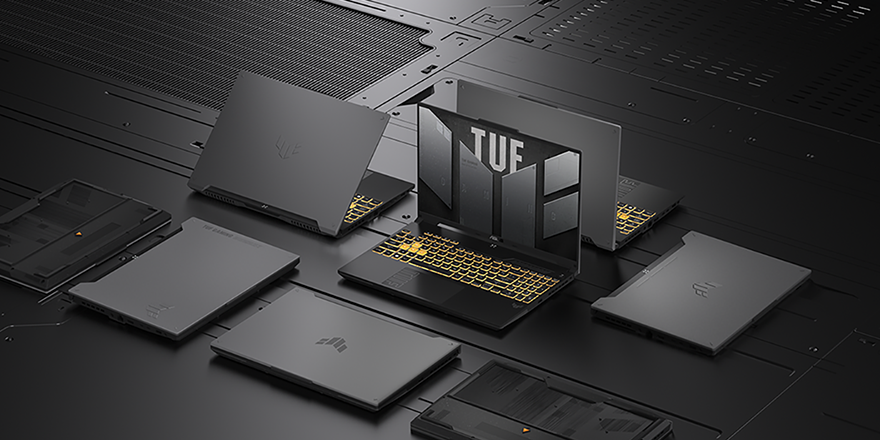
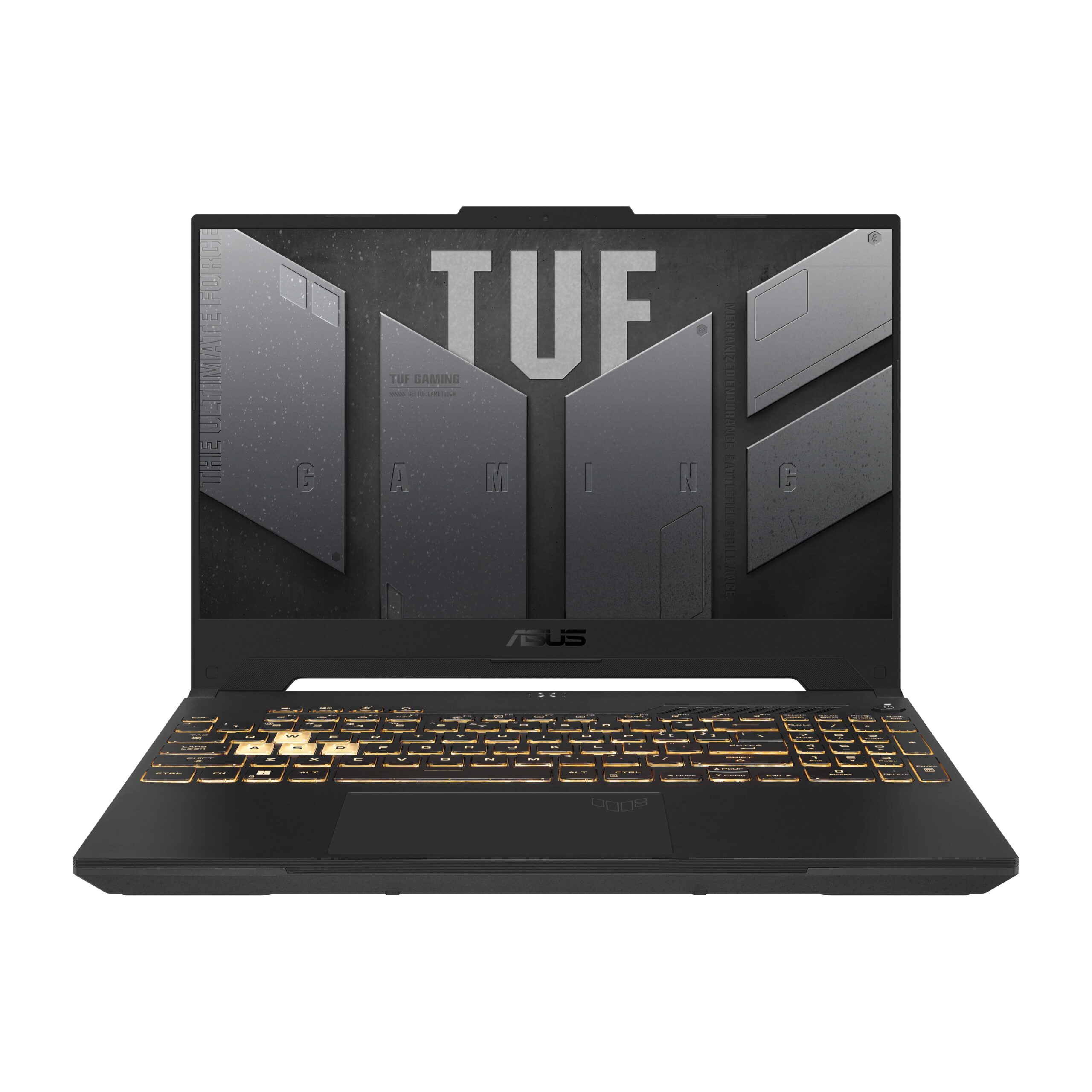
ASUS is gearing up to launch the TUF Gaming F16 (FX607) laptop in India on March 12, 2025, at 12 PM. The device is now listed on Amazon India, confirming key specifications.
Key Specifications
The ASUS TUF Gaming F16 will feature the NVIDIA GeForce RTX 4050 Laptop GPU, offering high performance for gaming and content creation. It will be powered by the 13th Gen Intel Core i7-13650HX processor, equipped with 14 cores (6 performance cores and 8 efficiency cores) and a maximum clock speed of 4.9 GHz.
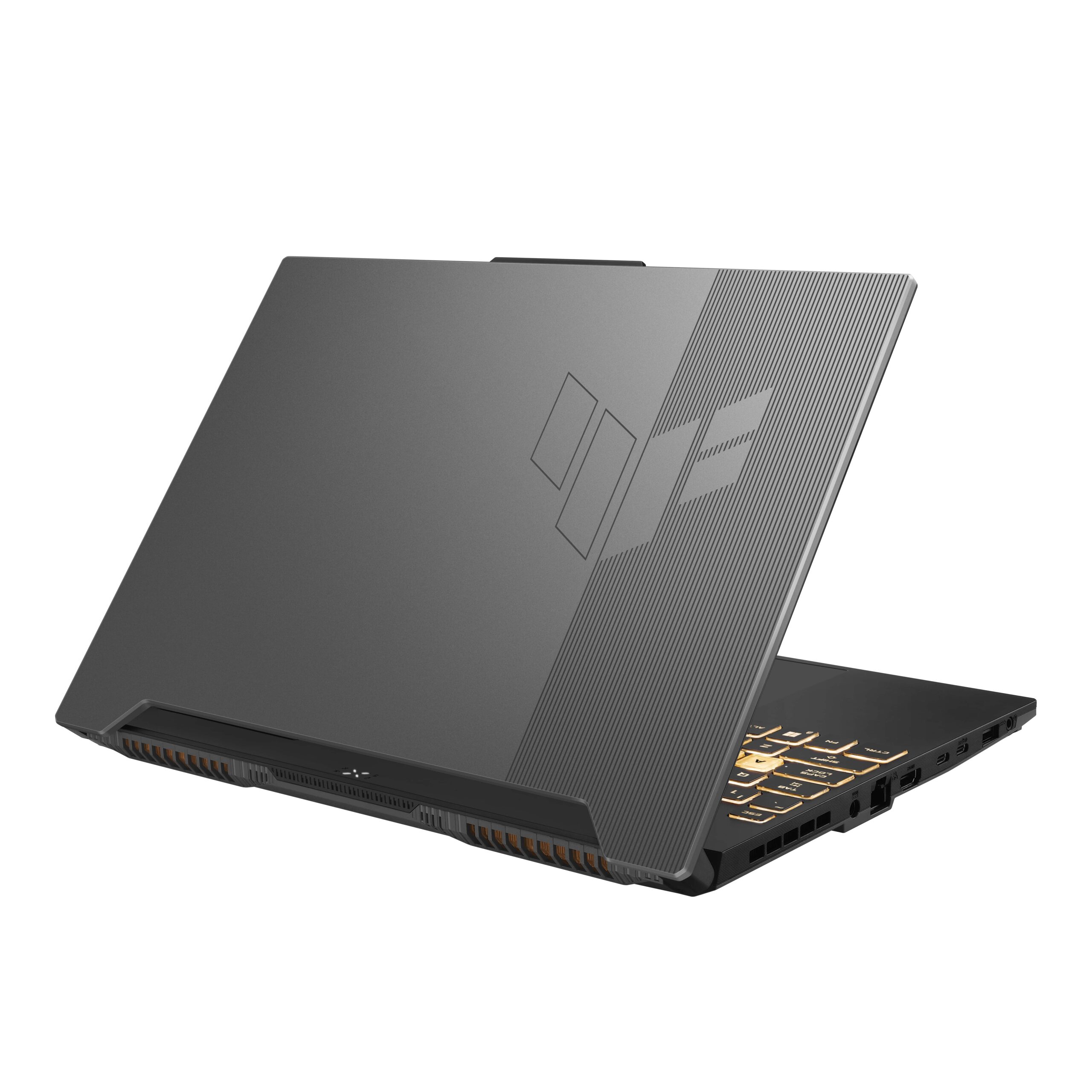
The laptop sports a 16-inch FHD+ (1920 x 1200) anti-glare display with a 16:10 aspect ratio, 250 nits brightness, and a 120Hz refresh rate. It is designed in Mecha Gray with thin bezels, ensuring an immersive gaming experience. Weighing 2.27 kg, it measures 35.5 x 25.2 x 2.21 ~ 2.82 cm. The device comes with 16GB DDR5 RAM and a 512GB PCIe 4.0 NVMe M.2 SSD, ensuring fast boot times and efficient multitasking.
It features an RJ45 LAN port, Thunderbolt 4 with DisplayPort support, a USB 3.2 Gen 2 Type-C port with power delivery and G-SYNC, and two USB 3.2 Gen 1 Type-A ports. The laptop runs on Windows 11 Home and comes with a two-year global warranty.
Availability & Pricing
The ASUS TUF Gaming F16 is expected to be available via Amazon India post-launch. Pricing details are yet to be revealed, but given its specifications, it is likely to be positioned as a mid-range gaming laptop.
For more daily updates, please visit our News Section.
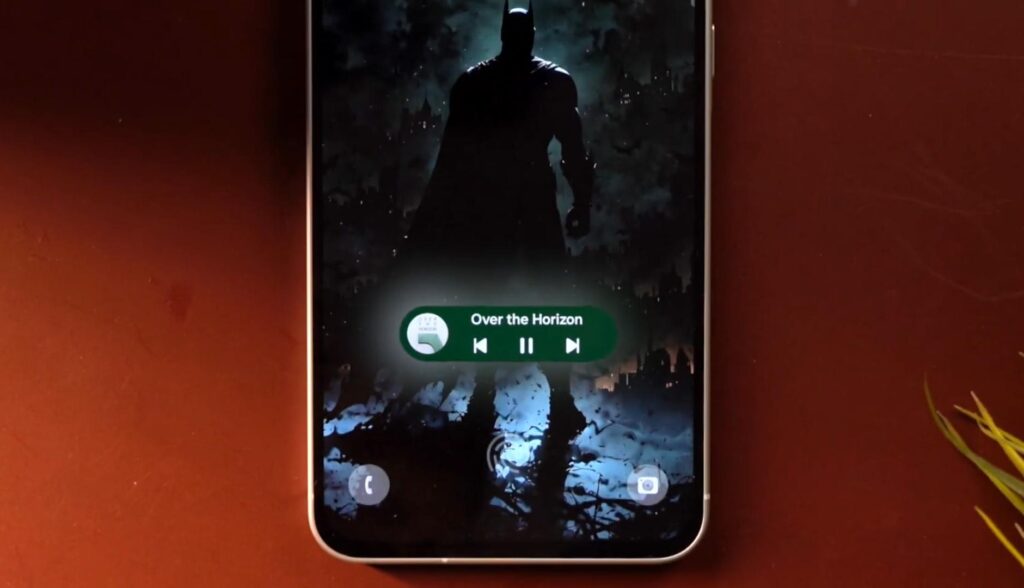
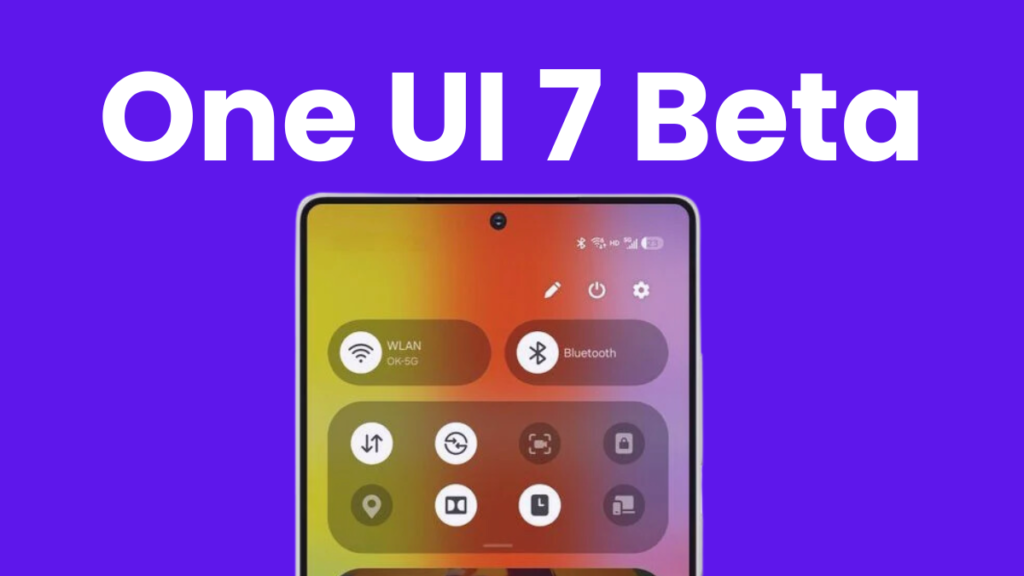
One UI 7.0 introduces a range of new visual features, which includes the Now Bar—a lock screen widget that is designed to display ongoing activities like timers, music playback, and food delivery tracking.
Unfortunately, more affordable phones like the Galaxy A56 cannot offer the same visual experience as the S25 or S24 series. On the A56, the UI element is positioned much higher on the screen, which takes away the clean look.
It’s not because the phone is cheaper than the flagships
On the Galaxy S24 and S25, the Now Bar is positioned neatly at the bottom of the screen, between the quick-launch shortcuts and below the ultrasonic fingerprint scanner. However, on the more affordable Galaxy A series models, the fingerprint scanner itself is positioned at the very bottom of the screen, which means the fingerprint icon would overlap with the Now Bar. So, the reason behind this difference is not the type of fingerprint scanner, but the placement of it.
That said, models with side-mounted fingerprint scanners, such as the Galaxy A26 and A06, should face no problem in displaying the Now Bar at the bottom of the screen, just like the flagships. I also assume the placement of the optical fingerprint scanner can be adjusted to match the needs of the UI.
So, I’m hoping to see a uniform look of the lock screen across different price segments, starting with future models. Still, it remains to be seen whether this slightly unpleasant look is enough for the giant to allocate some time and effort to it.
And for Galaxy A56 users, the feature can be turned off by navigating to Settings » Lock Screen and AOD » Now Bar.
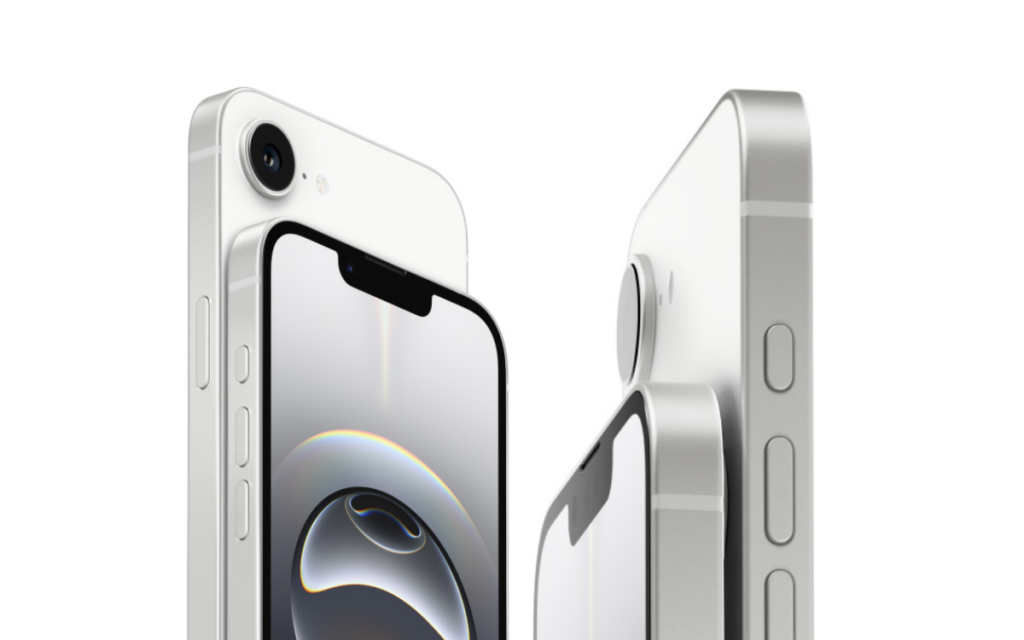
A bunch of iPhones have just gone on discount on Flipkart during the Big Savings Days Sale. This includes newer models like the iPhone 16e, along with the flagship iPhone 16 series and even some older iPhones as well. So here are all the details.
Apple iPhone 16e Already On Sale Via Flipkart
The discounts are available for the entire iPhone 16 series and a few iPhone 15 models, which include the iPhone 16e, iPhone 16, iPhone 16 Plus, iPhone 16 Pro, iPhone 16 Pro Max, iPhone 15, and iPhone 15 Plus. This sale is on Flipkart during the Big Savings Days Sale, which is live between March 7 and will last till March 13. So here’s a list of all the deals:
Apple iPhone 16e
iPhone 16e – Has a regular price tag of 59,900 INR but can be purchased for just 47,900 INR thanks to a 4,000 INR instant bank cashback and up to 8,000 INR exchange bonus.
iPhone 16 – Has a regular price tag of 79,900 INR but can be purchased for just 56,205 INR thanks to a 9,901 INR price drop and up to 9,799 INR exchange bonus.
iPhone 16Plus – Has a regular price tag of 79,900 INR but can be purchased for just 56,205 INR thanks to a 9,901 INR price drop and up to 9,799 INR exchange bonus.
iPhone 16Pro – Has a regular price tag of 1,19,900 INR but can be purchased for just 44,900 INR thanks to a 7,000 INR price drop, up to 2,000 INR UPI transaction discount, and up to 65,200 INR exchange bonus.
iPhone 16Pro Max – Has a regular price tag of 1,44,900 INR but can be purchased for just 61,655 INR thanks to a 9,000 INR price drop, up to 2,000 INR UPI transaction discount, and up to 65,200 INR exchange bonus.
iPhone 15 – Has a regular price tag of 69,900 INR but can be purchased for just 56,205 INR thanks to a 4,901 INR price drop, 1000 INR instant bank discount, and up to 2,799 INR exchange bonus.
iPhone 15 Plus – Has a regular price tag of 79,900 INR but can be purchased for just 57,205 INR thanks to a 10,901 INR price drop, 1000 INR credit card discount, and up to 6,799 INR exchange bonus.
For more daily updates, please visit our News Section.
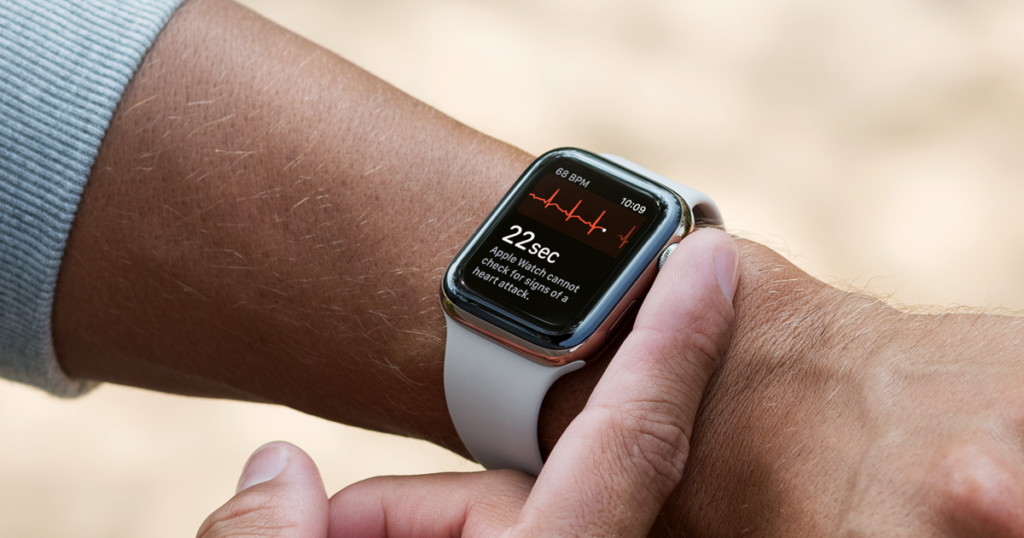
Apple has once again triumphed in a high-stakes patent battle, securing a crucial win against AliveCor in a fight that could have led to an import ban on the Apple Watch. The U.S. Court of Appeals for the Federal Circuit today upheld the invalidation of AliveCor’s patents, closing a chapter in a years-long legal saga that has pitted the Cupertino giant against a smaller medical tech company claiming Apple unfairly leveraged its innovations.
Federal Court Sides with Apple, Invalidating AliveCor’s ECG Patents
The dispute dates back to 2020, when AliveCor accused Apple of infringing its patents related to ECG technology, which was integrated into the Apple Watch starting with the Series 4. AliveCor, best known for its KardiaBand accessory that brought FDA-cleared electrocardiogram capabilities to the Apple Watch before Apple introduced its own version, claimed the tech giant copied its innovations while simultaneously blocking third-party developers like AliveCor from operating freely on its platform. The company sought an import ban at the U.S. International Trade Commission (ITC), which initially ruled in AliveCor’s favor, determining that Apple had indeed infringed its patents.
But Apple wasn’t going down without a fight. The company took the matter to the U.S. Patent and Trademark Office’s Patent Trial and Appeal Board (PTAB), which ultimately ruled in Apple’s favor, stating that AliveCor’s patents were unpatentable due to prior art. That decision weakened AliveCor’s case, and today’s ruling from the Federal Circuit cements the outcome: AliveCor’s patents won’t stand, and there will be no Apple Watch import ban.
AliveCor, unsurprisingly, isn’t happy. The company expressed disappointment over the decision, stating that it threatens smaller innovators by allowing corporate giants to dominate the industry unchecked. But for Apple, this is yet another victory in its battle to maintain the Apple Watch’s position as the go-to wearable for health tracking. Meanwhile, a separate Apple Watch import ban over Masimo’s blood oxygen technology remains in effect—at least for now.
For more daily updates, please visit ourNews Section.
We’re three months into 2025, and Samsung still hasn’t rolled out a stable One UI 7 update to its devices. It’s running very late this year.
Right now, only the Galaxy S24 series, along with the Z Fold 6 and Z Flip 6 (which just entered beta testing a day ago), have access to the update. At this pace, Android 15 might not make its way to all eligible Galaxy devices until Q4.
Source: Huawei Central
But this won’t likely be the case with One UI 8 as the company is preparing to roll out the Android 16 update much sooner than expected.
And now, according to reports from two X users (1, 2), the company has already begun internal testing of One UI 8 for the Galaxy S25 series, along with the Z Fold 6 and Flip 6.
It’s ironic, but not surprising
Yes, you read that right—Samsung is already working on One UI 8 before One UI 7 has even finished rolling out. It sounds ironic, but this early internal testing is standard practice, happening months before a public beta launch.
What’s notable, though, is that Samsung seems to have started development two months ahead of schedule. That lines up with rumors that Android 16 is dropping in June, which would explain the accelerated timeline.
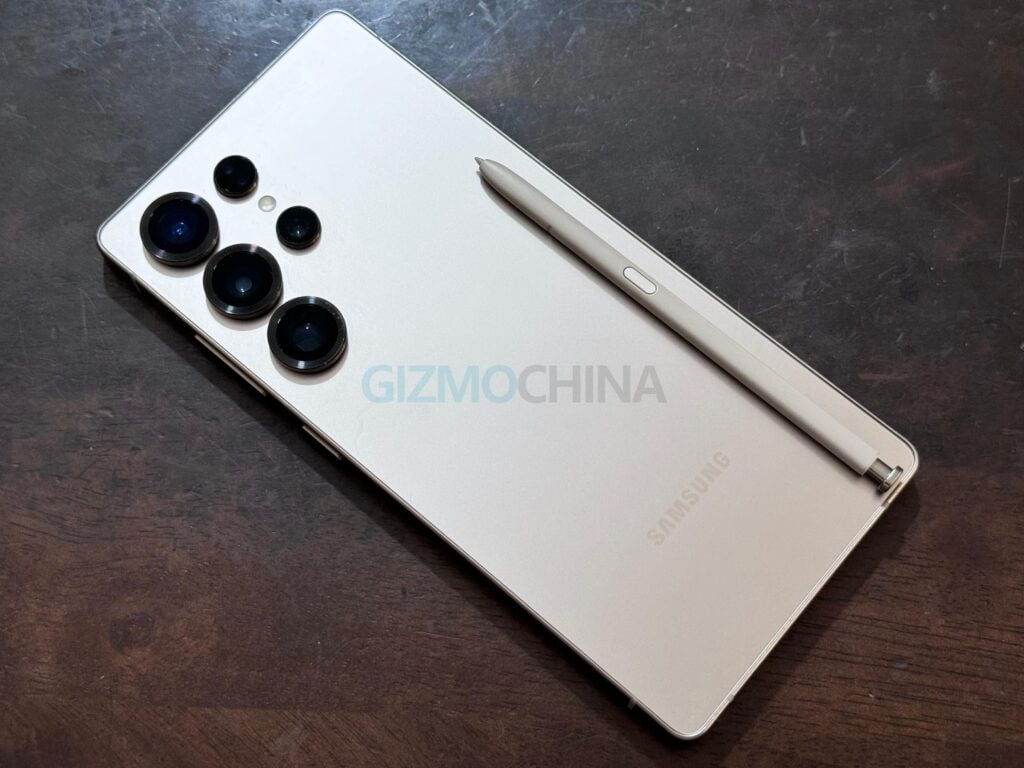
Samsung Galaxy S25 Ultra – S Pen
The S25 series’ internal One UI 8 test build carries the firmware version SM-S938B, while the Z Fold 6 and Flip 6 builds are listed as SM-F956B and SM-F741B, respectively.
Now the question is — will Samsung speed up its One UI releases, or are we looking at another slow rollout? Hopefully, it’s the former, and the company picks up the pace with One UI 7.
What’s really frustrating is the lack of a clear timeline. Samsung hasn’t given users any concrete details on when to expect the update, leaving them in the dark. A little transparency would go a long way.
For more daily updates, please visit our News Section.
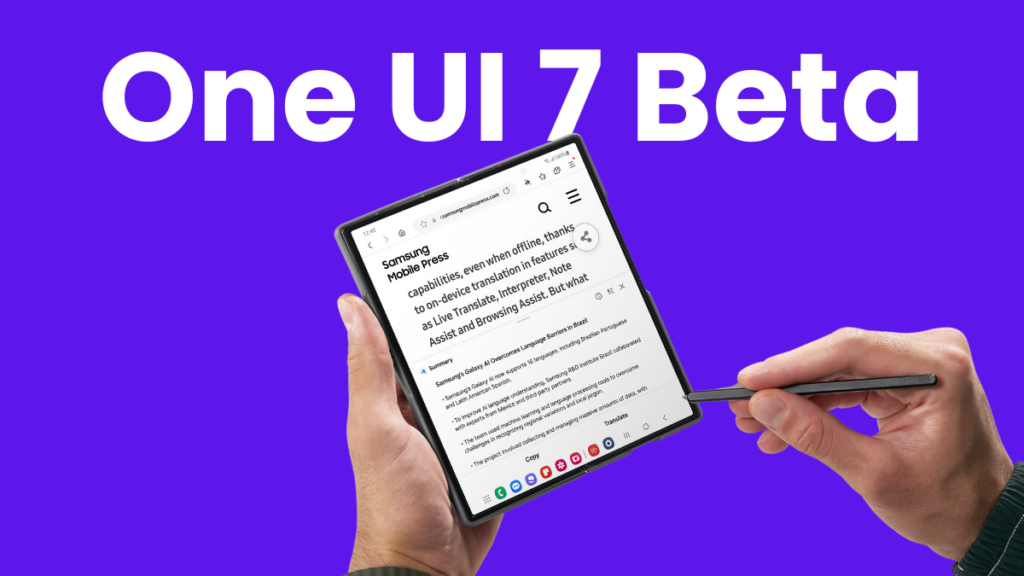
If you’re a One UI enthusiast, you must be waiting for Samsung to announce the One UI 7 beta program for your Galaxy device. This program lets users access the latest features and upgrades ahead of the official release. However, the wait has been unusually long this time, especially for those who don’t own a Galaxy S24.
Even though there has been a significant delay to the One UI 7 beta rollout, it’s nice to have the latest features on our devices before the majority get to experience them. In this post, we’ve included everything you need to know about the One UI 7 beta program, including the eligible devices, release timeline, and registration process.
One UI 7 beta eligible devices
Galaxy S24
Galaxy S24+
Galaxy S24 Ultra
Galaxy S23
Galaxy S23+
Galaxy S23 Ultra
Galaxy A55
Galaxy Z Fold 5
Galaxy Z Flip 5
Galaxy Tab S10+
Galaxy Tab S10 Ultra
These Galaxy phones and tablets are officially confirmed to be eligible for the One UI 7 beta program. Check out the next section to learn when they will get access to the beta program.
One UI 7 beta rollout timeline
Samsung began the One UI 7 beta program a little later than usual in the first week of December 2024. The Galaxy S24 was obviously the first to get an early taste of the software, but it didn’t expand to any other Galaxy device until this week.
On March 5, Samsung finally announced the expansion of the One UI 7 beta program to more Galaxy devices and revealed some important details about the release timeline. Samsung confirmed that the Galaxy Z Fold 6 and Galaxy Z Flip 6 would get the beta update in the same week (it is already rolling out). It also revealed that the remaining devices, including the Galaxy S23 series, Galaxy Tab S10 series, and Galaxy A55, will get the beta update in March 2025.
So, here’s the confirmed beta release timeline:
Galaxy S23 series: March 2025
Galaxy Tab S10 series: March 2025
Galaxy A55: March 2025
It’s important to note that the One UI 7 beta program is only available in select countries, which include India, Korea, the UK, and the US.
Samsung offers the beta program only to a few Galaxy devices. Therefore, to participate in the beta program, you must have a device that’s actually eligible for it (see the complete list of eligible devices above).
The second eligibility criteria is your current region, as the One UI 7 beta program is only available in select countries, including India, Korea, the UK, and the US.
Step 2: Enroll for the beta program
Now, you have to register your Galaxy device to participate in the One UI 7 beta program. To do this, you must check if Samsung has opened the beta program for your Galaxy device.
Open the Samsung Members app on your Galaxy device and look for the One UI Beta Program banner. It usually appears at the top. If you don’t see the banner, it means Samsung hasn’t opened the beta program for your Galaxy device (or it’s yet to reach your country). You should check again later. Once you see the One UI Beta Program banner, tap on it and click the Enroll button.
Now, fill in the required details. After this, you can install the beta update on your device.
Step 3: Install the beta update
To install the One UI 7 beta update, open Settings and go to Software update. Tap on Download and install to check for new updates. Now, download the update package.
Before you hit the Install now button, ensure that the battery is above 40% to avoid potential update failure. Also, take a complete backup beforehand to avoid any data loss.
MWC has come to an end, which means it’s time for the Best of MWC 2025 list, featuring the standout smartphones, accessories, and gadgets that we saw at the event.
This year, AI was everywhere, in smartphones, IoT gadgets, and even network solutions. But more importantly, there were a bunch of hardware innovations too. Brands from Honor, Xiaomi, Realme, Huawei, Lenovo, and even Samsung shared the latest innovations with the world, some of them really unique and interesting.
So here were some of the best products at MWC 2025. I have included a special AI category in this list; after all, 2025 is the year of AI.
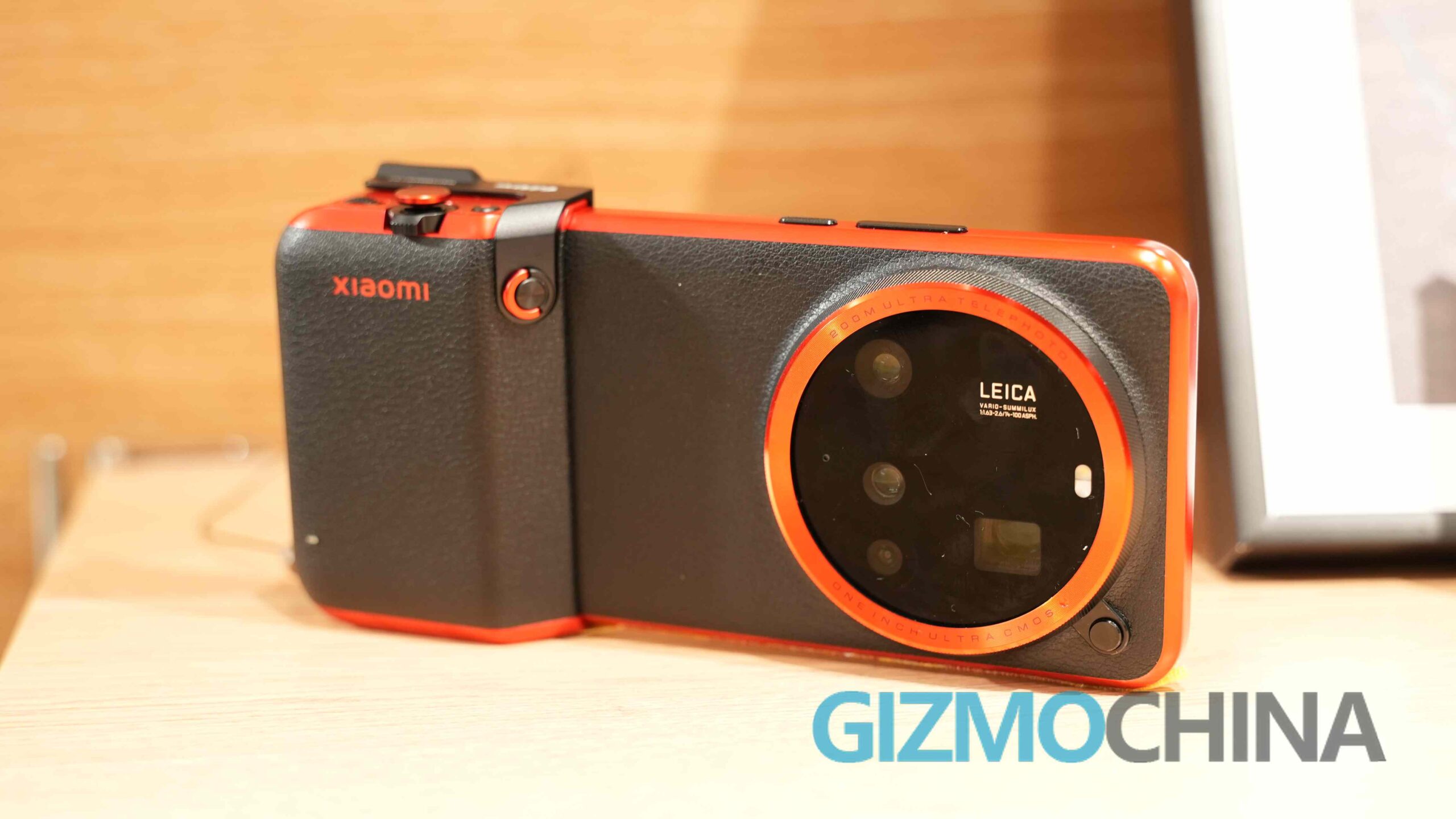
Xiaomi 15 Ultra stole the show at MWC 2025 with its high-end specs, an extremely capable camera, and a strikingly familiar camera design that either people love or hate.
For me personally, the phone and its huge circular camera module look beautiful and futuristic, and if you can get your hands on the photography kit, it could be the perfect camera smartphone.
You can check out our detailed review of the phone and the photography kit in our video below.
Another interesting smartphone we saw at MWC was from HMD.
HMD Xplora X1
The HMD Xplora X1 focuses on a very unique niche that traditional smartphones forget about: parents and children.
The phone comes with operating system-level parental controls that allow customization of app and internet access, screen time limits, location tracking, emergency SOS calling, and a school mode to minimize distractions. All these features can be managed remotely via the Xplora app.
Its perfect for children and parents who want to protect their children from unwanted online risks.
2. BEST INNOVATIVE SMARTPHONE
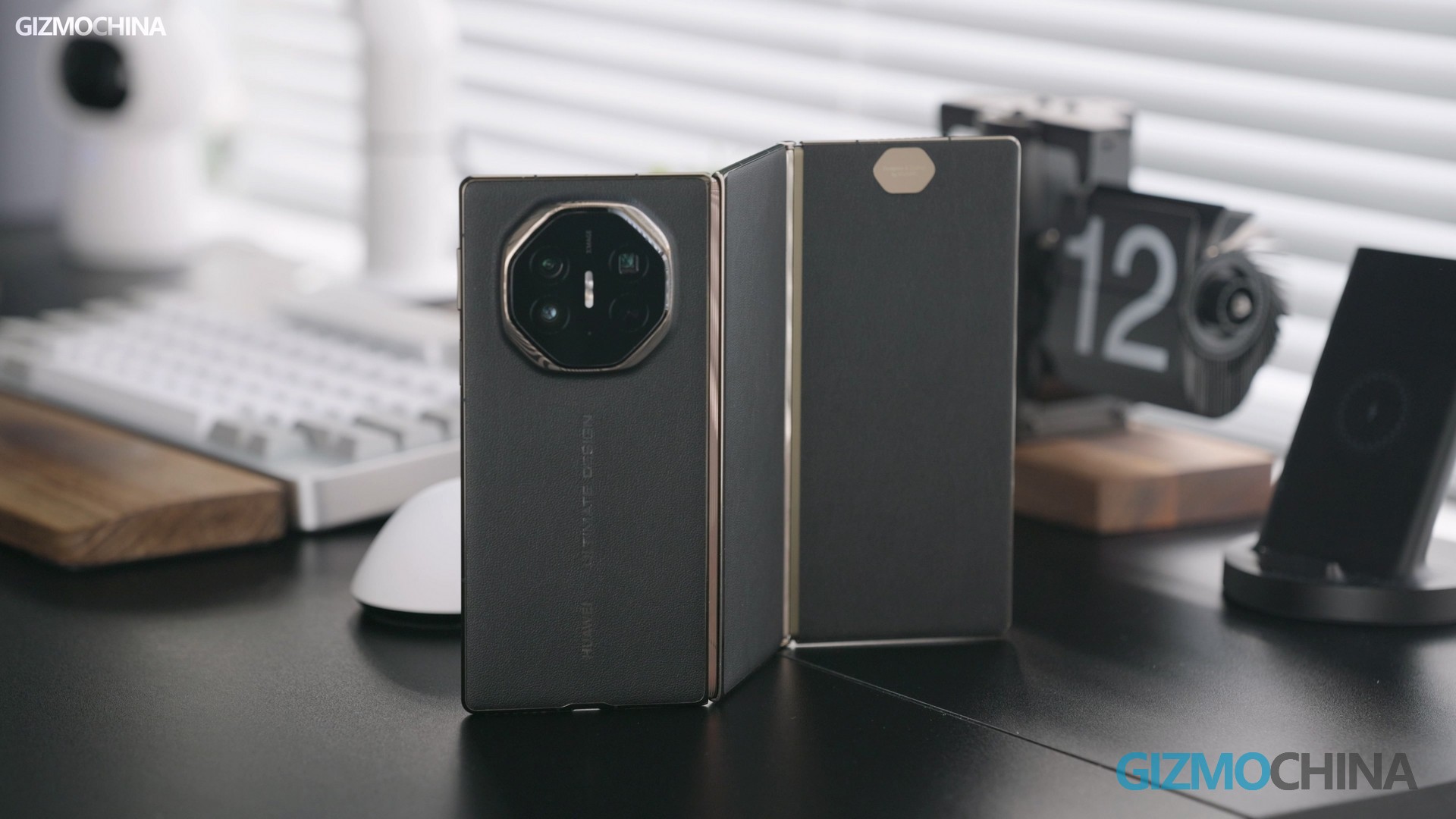
Huawei Mate XT Ultimate
What impressed us about the Mate XT is how well-crafted it is. The foldable is just 3.6mm thick when completely unfolded and measures 12.8mm—just 0.7mm thicker than the Samsung Galaxy Z Fold 6 when unfolded too. This is quite an achievement given that this is the world’s first triple fold smartphone.
But thanks to its innovative design, the Mate XT offers a giant 10.2-inch tablet-sized screen with a comfortable 16:11 aspect ratio, making it ideal for browsing and productivity.
With impressive cameras, a large battery, and a beautiful design, there’s no doubt the Mate XT Ultimate was of the most innovative smartphones we saw at MWC 2025.
There are smartphones that impressed us and are available for purchase, and there are smartphones that are concepts, but we wish they could be made available soon.
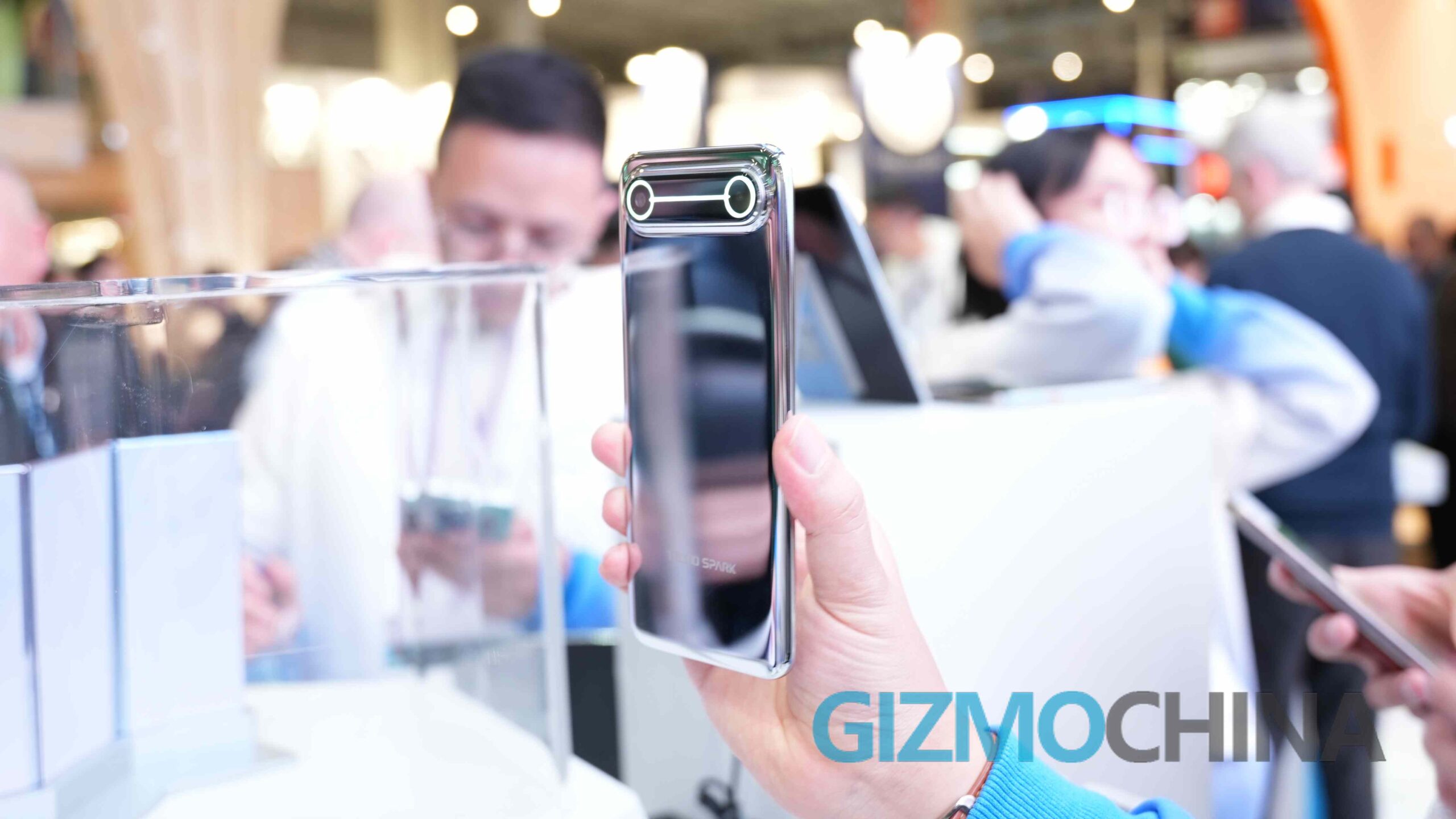
The Tecno Spark Slim was one such device, refreshing our views on a slim smartphone. Featuring a respectable 5200mAh battery in a super slim 5.75mm thick body, the phone redefines what slim smartphones are capable of.
The Spark Slim comes with a polished, shiny, and curved body that fits well in your palm and features a futuristic LED-equipped camera bar, much like the Nexus 6P. At 166 grams, it weighs less than your traditional flagship too.
It was a cool prototype that adds practicality to a beautiful form factor. Unfortunately, we don’t know if the device will ever see the light of day.
Xiaomi Modular Camera Concept
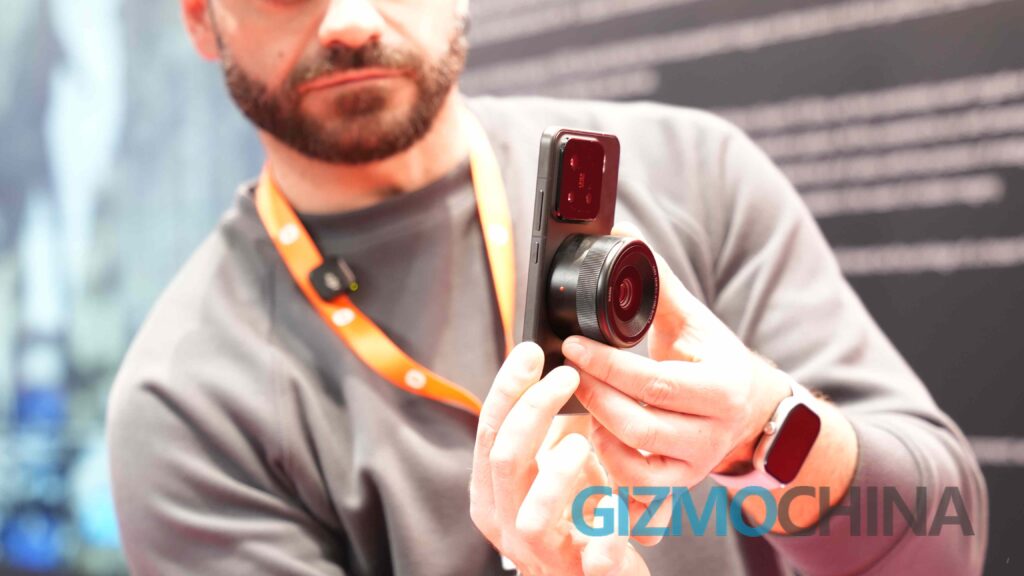
Speaking of concepts, I can’t move to the next category without talking about Xiaomi’s Modular Camera Concept.
The concept phone features Qi2 magnets on the back (similar to MagSafe), connecting via Xiaomi’s proprietary LaserLink technology and allowing access to the phone’s ISP for super-fast processing.
The technology allows users to connect external lenses (showcased with a 100MP Light Fusion X Micro Four Thirds sensor) to the smartphone via the pins on the back. Users can shift between the lenses within seconds, and it acts like an additional camera for the phone.
It was a really cool concept, but given the challenges in production, I am not sure if it’ll ever be commercially released.
4. BEST EARBUDS
Honor Earbuds Open
The Honor Earbuds were a surprisingly good pair of open earbuds, offering impressive sound quality for its category.
It comes with Bluetooth 5.2, an IP54-rated design, and a 58mAh battery on each earbud, offering up to 6 hours of playback. The earbuds produced good quality output in a comfortable and lightweight design.
You also get ANC, but don’t expect anything spectacular given its open ear design. There’s AI translation too when paired with the Honor Magic 7 Pro.
HMD Amped Earbuds
Meet HMD Amped Earbuds, which, in addition to being your traditional earbuds, also offer a magsafe-compatible wireless charging case. But its not just for iPhones, since it can charge any Qi-enabled smartphone in the market.
Its sleek, comes in good color options, and is handy, making it a smart product in your pocket.
5. BEST HARDWARE INNOVATION
Lenovo MagicBay Dual Screen Concept
Lenovo’s booth was filled with innovations, which has become a tradition of sorts.
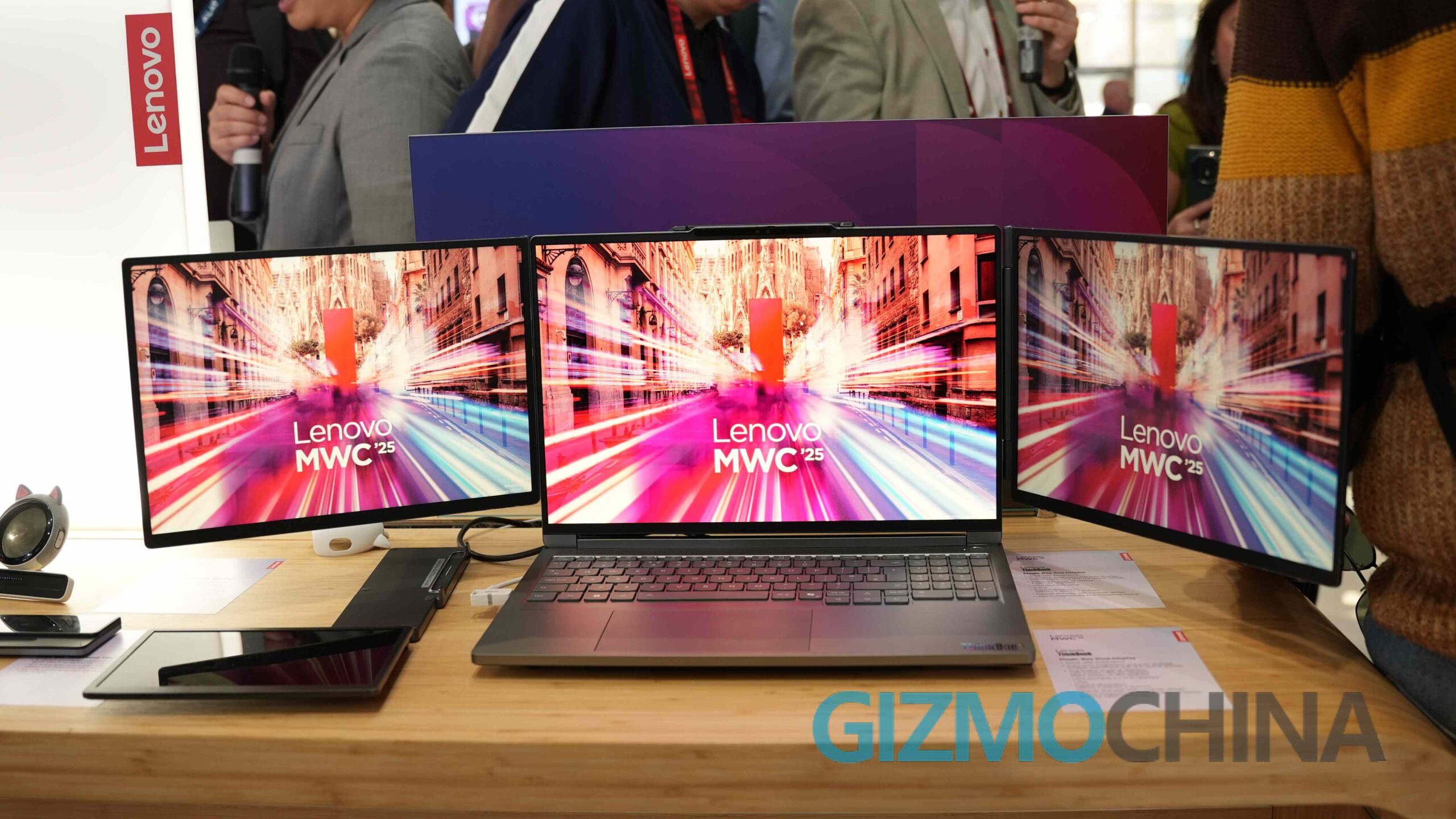
There was a solar charging laptop, a laptop screen that extended, a 3D Thinkbook laptop, and even an AI stick. But what really stood out for me personally was the Magic Bay Dual Display concept. It uses pogo pin connectors on the back, which was initially shown off a year ago at CES.
The concept machine showcased at its booth featured a pair of 13.3-inch 2.8K displays on the sides, in addition to the regular 16-inch display at the center. I can imagine carrying these additional screen accessories on the go, adding significant real estate to your workflow.
The best part about this accessory is the simplicity of its connection. The screen module connects via magnetic pogo pins at the back, so it simply snaps on to your laptop in seconds.
Really cool and really practical.
Samsung Flex Gaming Concept
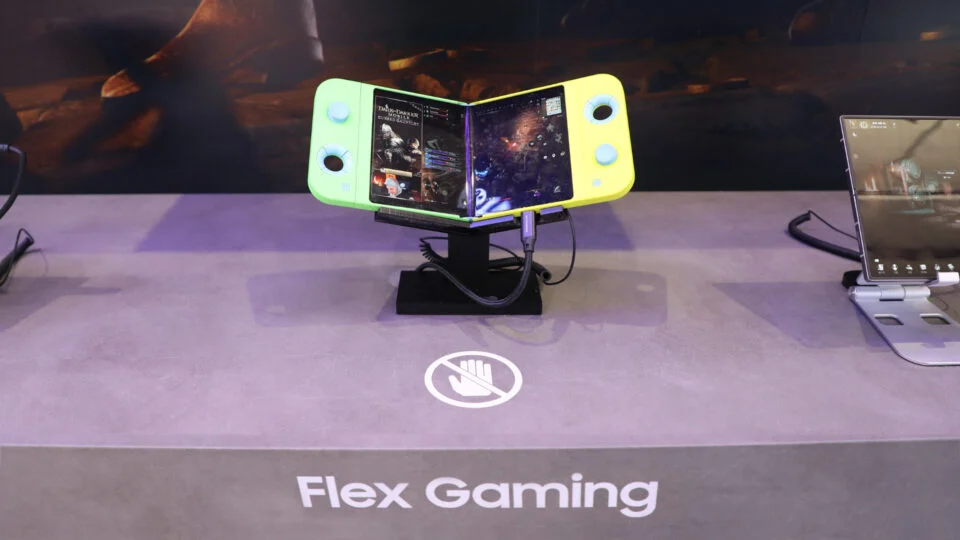
Samsung’s Flex Gaming concept features a 7.2-inch foldable OLED display that folds right in the middle, offering unmatched portable gaming.
Traditional handheld gaming consoles like Steam Deck and Nintendo Switch are bulky, which might hinder their portability factor. However, Samsung is trying to solve this problem by adding a hinge mechanism, allowing the device to fold similar to the Galaxy Z Flip series.
Like other traditional gaming handhelds, the Flex Gaming concept comes with joysticks and D-pads on either side. However, the console has a clever cavity design to house the joystick in the folded position.
While still a concept, the idea behind this design was pretty refreshing.
6. BEST TABLET
Huawei MatePad 13.2
The Huawei MatePad 13.2 is one of the most beautiful tablets on the market right now. It comes with a 13.2-inch OLED display with a resolution of 2880 × 1920 pixels, a 144Hz refresh rate, and a peak brightness of 1000 nits. It also features professional-grade color accuracy with a ∆E < 1 and incorporates anti-reflection PaperMatte display technology to reduce glare, enhancing visibility in bright settings.
Apart from the beautiful display and very high screen-to-body ratio, the tablet weighs just 580g and is just 5.5mm thick, adding to the portability factor.
7. BEST AIINNOVATION
Honor Agentic AI
There is no doubt 2025 is the year of AI, and its finally coming onto your smartphones. No, I am not talking about fancy AI editing features like object removal. I’m talking about access to full-fledged AI assistants and agents running on devices!
Honor also showcased its AI agent at the event, soon to be coming on the Magic 7 series. In the near future, you can outsource a lot of the menial tasks, like finding and booking a table for dinner, with these AI agents while you focus on the important stuff.
The possibilities with AI seem endless, solving even something as simple as changing a setting on your phone without having to figure out where exactly the option is located.
Honor’s Agentic AI gave us a glimpse of what our future smartphones would look like, and I’m pretty sure we are going to be amazed with what’s coming our way soon.
8. BEST LAPTOP
Lenovo Solar
With ARM chips coming onto laptops, battery life has become less of a worry.
However, there is a section of the population that would still wish for longer batteries, or rather alternative charging solutions for existing laptops.
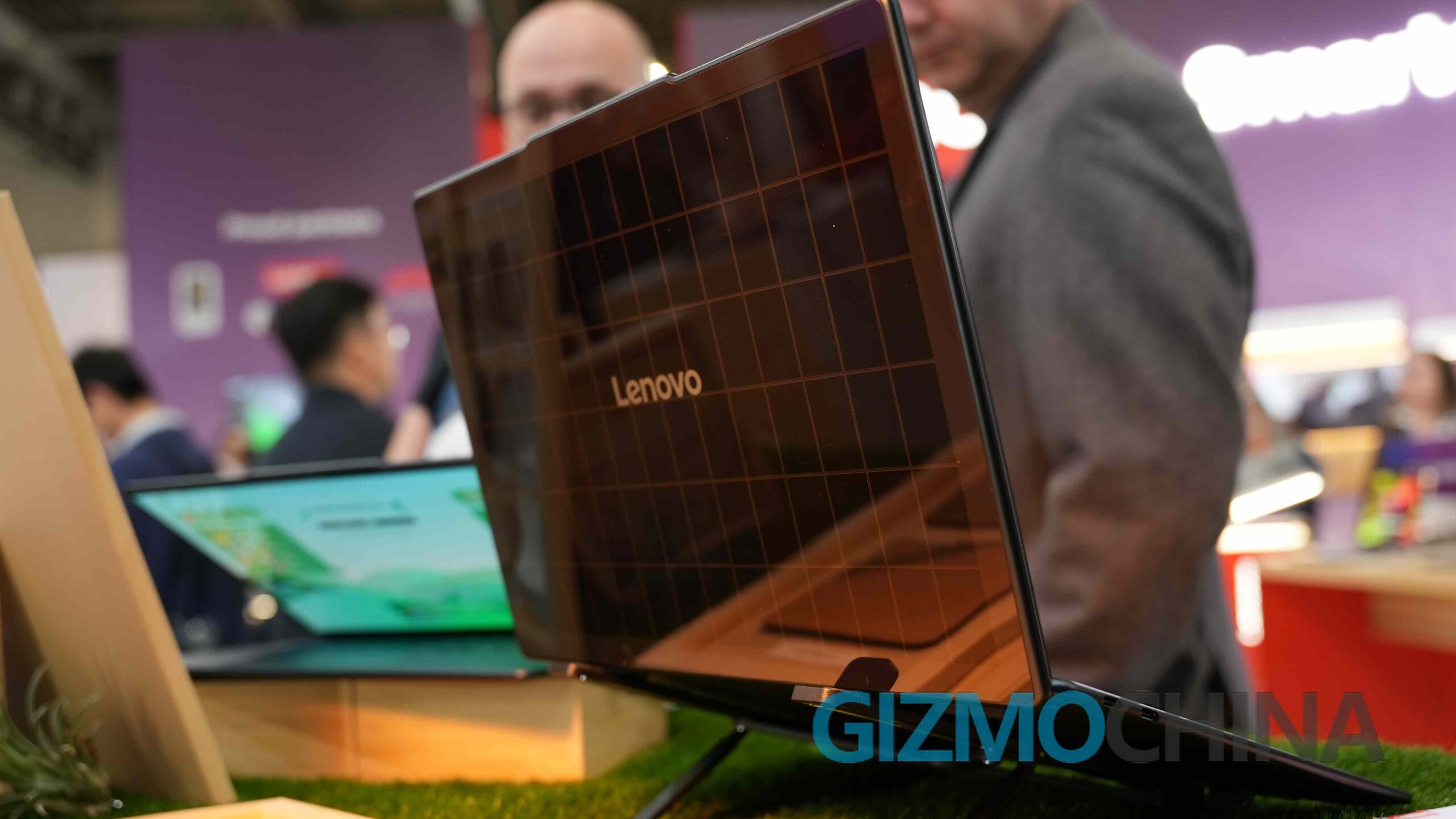
How about a laptop that features a solar panel harnessing the power of the sun? That’s exactly what we got to see at the Lenovo Booth this year, including an additional set of solar panels to speed up the charging process.
The laptop actually looked good even with the solar panel grids on its front, and Lenovo said to me that they were even testing other color options, so you are not only limited to one color.
On a regular day, you could get up to 1 hour of battery life with 20 minutes of charging. Pretty cool, right?
9. BEST SMARTWATCH
Huawei Watch Ultimate
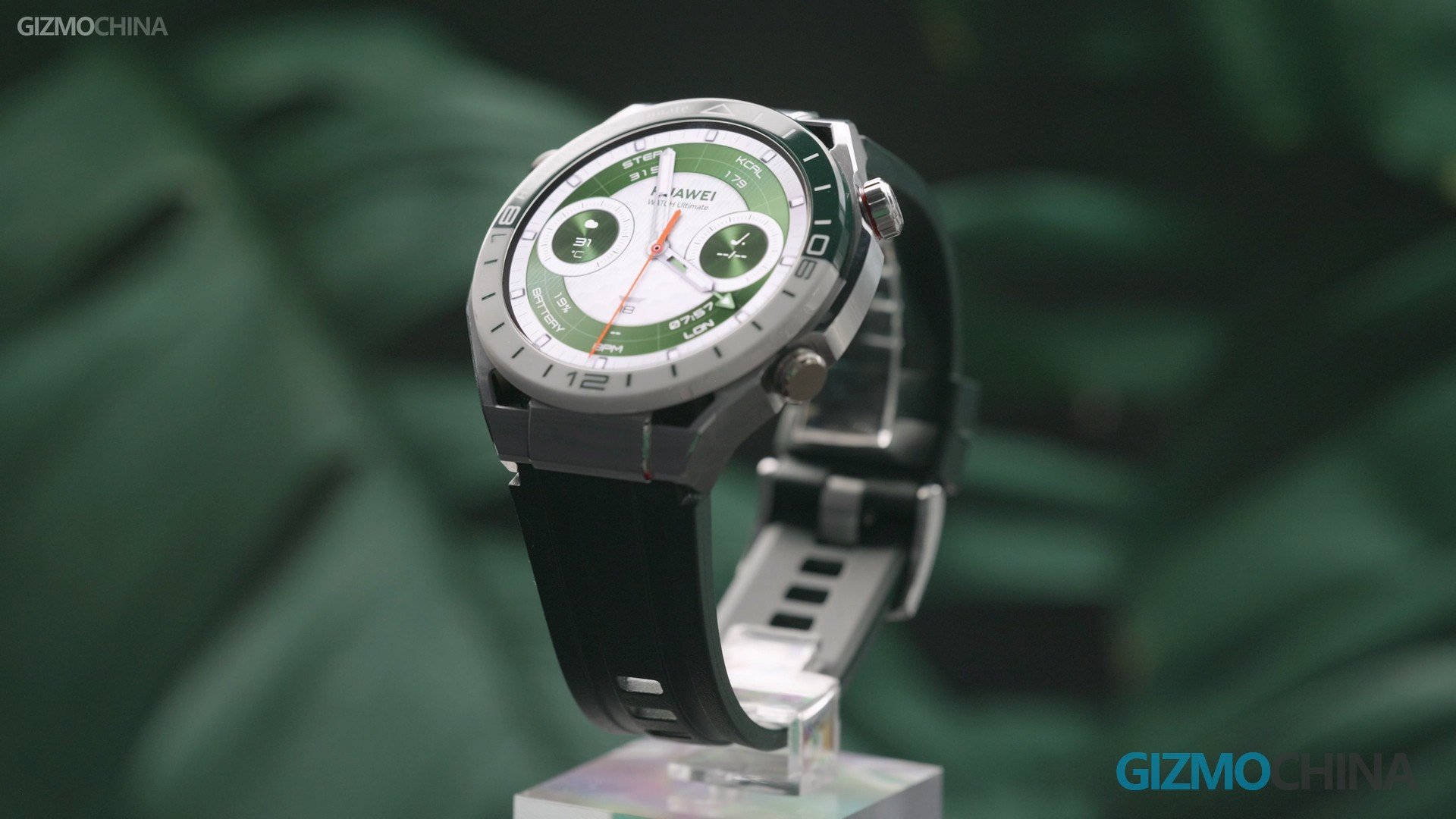
Like the MatePad, the Huawei Watch Ultimate is one of the most beautiful smartwatches that you can get. It features a luxurious design, resembling high-end traditional timepieces like the Rolex Submariner, a zirconium Liquid Metal case, a nano microcrystalline ceramic bezel and even a titanium strap option.
As for features, the upper right crown handles zoom, scroll, and navigation, while the lower right crown serves as a customizable button—defaulting to exercise mode—and doubles as an electrode for ECG heart rhythm monitoring, surpassing standard heart rate detection.
It is a perfect example where a beautiful style blends modern features, making it our favorite watch displayed at MWC 2024. You can read our review here.
Xiaomi’s 15 series flagship lineup finally made its global debut this week, and its Indian launch is scheduled for March 11. While it may seem too early to discuss the Xiaomi 16 series, the ever-churning smartphone rumor mill says otherwise.
According to a new leak, the Xiaomi 16 Pro could feature 3D-printed frames. The tip comes from TF Securities International analyst Ming-Chi Kuo, who shared the information on X (formerly Twitter).
Kuo claims the Xiaomi 16 Pro will feature a metal mid-frame produced with 3D printing technology from Chinese supplier Bright Laser Technologies.
Kuo notes that the 3D-printed structure’s hollow design could help reduce the phone’s weight while improving thermal performance — all without compromising structural strength.
3D tech has its limitations
That said, 3D printing isn’t exactly the most efficient manufacturing process, as it builds objects layer by layer, slowing down production. There’s also the question of cost, which is likely to be higher than conventional manufacturing methods.
My latest industry survey shows that Xiaomi’s upcoming flagship, the Xiaomi 16 Pro, set to launch in late 2025, is also adopting a metal mid-frame produced with Bright Laser Technologies (BLT)’s 3D printing technology. This points to an accelerating trend of using 3D printing for…
But Kuo suggests smartphone makers could increasingly adopt 3D printing if its advantages outweigh the downsides, especially in applications where efficiency isn’t the primary concern.
It’s a bit reminiscent of what Sharp attempted back in the early 2000s with the mova SH251iS, the first phone with a glasses-free 3D display. The concept was ahead of its time, but the tech had its limitations—working only from certain angles.
Fast-forward a couple of decades, and we now have devices like the ZTE Nubia Pad 3D, which offer vastly improved glasses-free 3D screens.
3D-printed smartphone frames shouldn’t be as complex as making true 3D displays, but widespread adoption will take time.
For more daily updates, please visit our News Section.
Samsung has long been lauded for its swift software updates, often setting the pace for other Android manufacturers. But with One UI 7, the company seems to have lost its grip on the very thing that made its software stand out: consistency. Unexpected delays and poor communication have frustrated users who expect timely software improvements, especially from a brand like Samsung.
For years now, Samsung has been one of the fastest OEMs to push major Android updates. One UI 6, for example, rolled out to the Galaxy S23 series on October 30, 2023 — less than a month after Android 14’s official release on October 4.
So naturally, expectations were high for One UI 7 to follow a similar timeline. But things didn’t go as planned. The beta which was initially expected in October was delayed until December 5, 2024, when it finally arrived for the Galaxy S24 series — nearly two months behind schedule.
Even after that, the progress has been very sluggish. Samsung has released three additional beta updates for the S24 series in December, January, and February. But it wasn’t until March 7 — five months after Android 15’s release — that Samsung finally opened the One UI 7 beta to Galaxy Z Fold 6 and Flip 6 users.
Currently, the stable One UI 7 build is available only on the Galaxy S25 series and the latest A-series devices (Galaxy A56, A36, and A26), which shipped with the new interface pre-installed. Meanwhile, Galaxy S24 owners — along with users of older models — remain in limbo, with no official timeline for the stable update in sight.
2. Official Explanations
In response to the delays, Sally Hyesoon Jeong, Samsung’s Executive Vice President and Head of the Framework R&D Team, acknowledged that the company had bigger ambitions for One UI 7.
Jeong explained that Samsung aimed for a “big breakthrough” with the update — a goal that required extensive planning which reportedly started two to three years before the project even began.
“We wanted to create something more impactful,” Jeong said. “This longer preparation time allowed us to make significant improvements.”
As SamMobile notes, Samsung clearly indicates that the delay is due to the scale of the update. However, that explanation offers little comfort to users, especially as there is still no clear rollout schedule in sight.
3. Does This Hurt Samsung’s Reputation?
Samsung has built a reputation as one of the most reliable Android OEMs for updates. In fact, its recent promise of seven years of software support for flagship devices puts it ahead of most competitors. However, delayed updates like One UI 7 risk undermining that trust.
For many users, fast and reliable software updates are a key reason to choose a Samsung device over a competitor’s. If that consistency starts slipping, Samsung could lose the competitive advantage it has worked hard to establish.
4. The Road Ahead
Looking ahead, it’s crucial for Samsung to regain user trust by offering transparent communication and a clear timeline for the One UI 7 rollout.
According to reports, the stable update for the Galaxy S24 series may not arrive until April or May 2025 — seven months after Android 15’s initial release.
Worse yet, there’s still no word on when users with older flagship devices, like the Galaxy S23 and S22 series, will receive the update. As things stand, it looks like One UI 7 won’t reach most Samsung devices until later this year — possibly not until Q4.
Meanwhile, Google has expedited the rollout of Android 16. It’s expected to launch in June. This means the next major Android version could arrive before Samsung even ships One UI 7 — putting the company two OS versions behind.
So if Samsung wants to maintain user confidence, it needs a more transparent update strategy. A public roadmap, clearer communication, and a structured beta rollout could help reassure users. Otherwise, the company may lose the trust it has worked hard to build in the Android ecosystem.
For more daily updates, please visit our News Section.
Sony has introduced a The Last of Us Limited Edition DualSense wireless controller, developed alongside Naughty Dog, to mark the franchise’s legacy. Priced at $84.99 (€84.99/£74.99), the controller includes black gloss trophy icons depicting symbols from The Last of Us Part I and Part II. Pre-orders open March 14, 2025, on PlayStation Direct and at retailers, with shipping starting April 10, 2025.
Design Features
The controller highlights three symbols: a firefly (representing Part I’s rebel group logo), a moth, and a wolf (reflecting Ellie and Abby’s stories in Part II). “We aimed to honor both games through meaningful visuals,” said Neil Druckmann, Naughty Dog’s Head of Studio. Graphic Designer Megan Mehran noted the icons “capture the series’ emotional themes.”
The controller coincides with The Last of Us Part II Remastered’s PC launch (Steam/Epic Games Store) on April 3, 2025, and HBO’s The Last of Us Season 2 premiere on April 13, 2025.
The controller also features white joysticks, a white PS logo, and white trigger and shoulder buttons, contrasting against the fully black back, which includes the game’s title and Sony branding in white. However, the large text stands out more prominently than the rest of the design.
Availability
Available in limited quantities, the controller will be priced at $84.99 in the US, €84.99 in Europe, and £74.99 in the UK. Pre-orders begin on March 14 at 10 AM local time (7 AM PT in the US) on PlayStation Direct and participating retailers. It will be available for general purchase starting April 10, 2025.
For more daily updates, please visit our News Section.
We use cookies on our website to give you the most relevant experience by remembering your preferences and repeat visits. By clicking “Accept”, you consent to the use of ALL the cookies.
This website uses cookies to improve your experience while you navigate through the website. Out of these, the cookies that are categorized as necessary are stored on your browser as they are essential for the working of basic functionalities of the website. We also use third-party cookies that help us analyze and understand how you use this website. These cookies will be stored in your browser only with your consent. You also have the option to opt-out of these cookies. But opting out of some of these cookies may affect your browsing experience.
Necessary cookies are absolutely essential for the website to function properly. This category only includes cookies that ensures basic functionalities and security features of the website. These cookies do not store any personal information.
Any cookies that may not be particularly necessary for the website to function and is used specifically to collect user personal data via analytics, ads, other embedded contents are termed as non-necessary cookies. It is mandatory to procure user consent prior to running these cookies on your website.