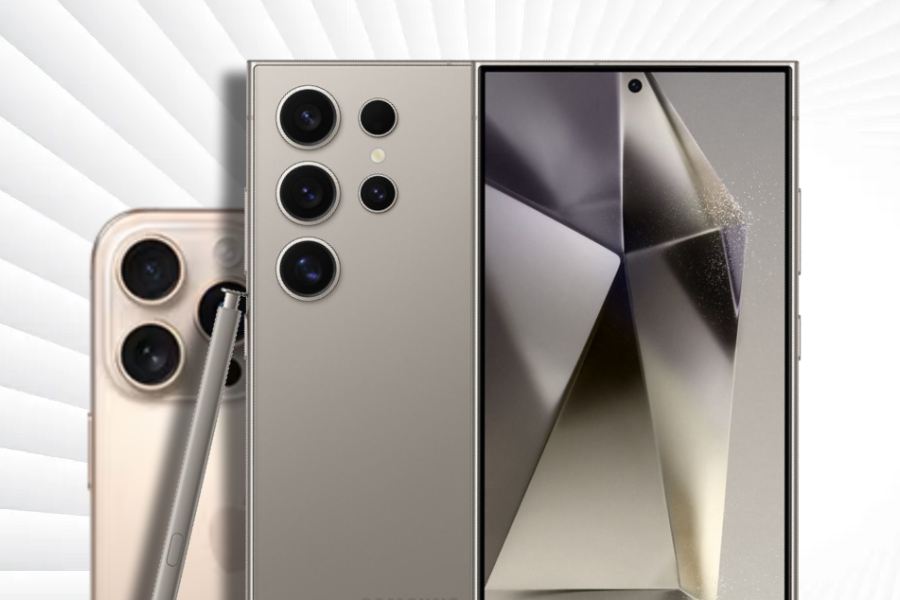
Xiaomi appears to be readying its next flagship smartphone series, the Xiaomi 15, for launch. A device believed to be part of the range has now appeared on the Geekbench benchmarking platform, with a chip that’s just mere hours away from unveiling.
The device is believed to be the vanilla Xiaomi 15 bearing the model number 24129PN74C. And it is likely to be powered by the Snapdragon 8 Elite SoC, which Qualcomm is set to unveil at a launch event today.
Xiaomi 15 Geekbench
The chipset scored 3180 in the single-core test and 10058 in the multi-core test. That’s a notable improvement over the previous generation Xiaomi 14, which typically achieved scores around 2100 and 6700 respectively.
The Geekbench entry also suggests the Xiaomi 15 will pack 16GB of RAM and run on an Android 15-based operating system out of the box. This aligns with our expectations for flagship devices launching in late 2024.
Moreover, rumors suggest that the Xiaomi 15 series will include three models: the standard Xiaomi 15, a Pro variant, and an Ultra version. While the Ultra may launch next year, the standard and Pro models could be the first to use Qualcomm’s latest and most powerful Snapdragon chip.
Globally, we might only see the Xiaomi 15 and 15 Ultra, as the company only launched their respective predecessors last year.
Additionally, details from the 3C certification website reveal that both the Xiaomi 15 and 15 Pro will support up to 90W wired charging using MDY-14-EC adapters, similar to their predecessors.
Despite these leaks, Xiaomi hasn’t officially confirmed any details about the Xiaomi 15 series, so it’s best to take this information with caution until official announcements are made.
Xiaomi has launched its latest air conditioner, the Mijia Fresh Air Pro AC Simple White 1.5 HP, aimed at delivering superior cooling and heating performance. The new model will be available for purchase starting tonight at 8 PM (CST), priced at 3,999 Yuan ($562), with an introductory offer of 3,599 Yuan ($506). Let’s check out its key specs.
Xiaomi Mijia Fresh Air Pro Specifications:
The Xiaomi Mijia Fresh Air Pro AC is a 1.5 HP wall-mounted split unit that supports both cooling and heating. It features a variable frequency drive for more efficient operation, boasting a super first-class energy efficiency rating with an APF of 5.65.
The model can rapidly cool in 30 seconds and heat in 60 seconds, making it ideal for extreme climates, ranging from -35°C for heating to 65°C for cooling. It has a cooling capacity of 3,520W and a heating capacity of 5,110W, with the indoor unit operating between 36-42 dB(A) in high-power mode, ensuring a quieter experience.
The unit employs a dual-cylinder compressor that enhances stability by 30% at low frequencies, offers better overload protection, and extends the overall lifespan compared to single-cylinder compressors. Additionally, it features a dual-row condenser with an increased heat exchange area of 82% for faster cooling and heating performance. The AC comes with Xiaomi’s Lingyun AI Engine that intelligently adjusts its mode based on the surrounding conditions.
The indoor unit measures 965x325x215 mm and weighs 13 kg, while the outdoor unit measures 860x551x331 mm with a weight of 28 kg. The unit supports a 16-20m² room size, making it suitable for medium-sized spaces.
The Fresh Air Pro offers efficient whole-house ventilation with a 60m²/h air volume system and four-layer HEPA purification, removing 99% of bacteria, viruses, pollen, and 93% of formaldehyde. It features ion purification for high sterilization, operates quietly at 18dB, and includes an independent fresh air function to eliminate 99% of PM2.5, CO, and TVOC pollutants. Additionally, it features AI-based cloud algorithms that enhance long-term energy savings and precise temperature control.
The unit supports Xiaomi HyperOS Connect, enabling control through the Mijia App, Xiao AI voice assistant, and NFC-based ‘Tap-to-Control’ functionality. It also offers multiple airflow modes, including ceiling, carpet, and surround wind, to ensure comfort by preventing direct drafts.
The device is compatible with the Xiaomi Home ecosystem, featuring OTA updates for continuous optimization. The installation process is designed to be user-friendly, with no need for additional ductwork or wall modifications in most cases.
Xiaomi recently launched two new smart home devices: the Mijia Smart Aroma Diffuser Set and the Mijia Smart Blender P1. The Aroma Diffuser offers a 50-day battery life and HyperOS integration, while the Blender P1 features a powerful 35,000 rpm motor, 13-layer noise reduction, and HyperOS compatibility, making them both ideal additions to Xiaomi’s growing smart home ecosystem.
In July, we exclusively reported that Poco has begun working on the Poco F7 series, as the Pro model appeared in the IMEI database. While the Pro model usually sits at the top of the Poco F-series, this might change with the Poco F7 series.
A new Poco F7 Ultra has now surfaced in the IMEI listing with model number 24122RKC7G. Spotted by X user, it appeared alongside the Poco F7 Pro.
Interestingly, the Poco F7 Ultra’s model number matches that of the Redmi K80. This suggests that the Poco F7 Ultra could be a rebranded version of the Chinese Redmi K80. If that indeed comes true, here’s what you can expect from the device.
Redmi K80 Specifications
The Redmi K80 is expected to feature a Snapdragon 8 Gen 3 processor. On the front, we might get a 2K flat OLED display, which according to a previous report, will be made by TCL.
Moving on, the device is also expected to feature a telephoto lens capable of shooting macro shots. We might also see the phone packing a big 6500mAh battery.
Big battery, especially in the range of 6000mAh, seems to be a trend for smartphones in 2024. Several flagship devices are rumored to include batteries in this range, and even Redmi’s own Note 14 Pro+ also has a 6200mAh cell.
We also expect an IP68 rating at the very least, and possibly even an IP69 rating, especially since even the more affordable Redmi Note 14 Pro has already been confirmed to have an IP69 rating.
The K80 will launch alongside its Pro sibling, which is also expected to have the same chipset, if not the new Snapdragon 8 Elite, and display but might differ in charging and battery capacity.
There are plenty of great smartphone to choose from under the Rs 50,000 price mark in India. Some are budget flagships that offer performance that rivals ultra premium phones, while others bring great cameras. With the launch of the Infinix Zero Flip, there is even a budget flip phone now. So let’s compare this Flip phone with the Vivo V40 Pro, which punches above its weight class in terms of camera.
Infinix is shaking up the foldable smartphone segment by launching the Zero Flip for just Rs 49,999. This is half of what the Galaxy Z Flip 6 costs in India. Of course, there are some compromises when launching a flip phone for this price, like the mid range MediaTek Dimensity 8020 SoC. Most flip phones are premium devices that pack top end processors, so the Infinix Zero Flip is an outlier. But you don’t always need the best chipset or performance.
The design and display of this phone are also pretty impressive for its price. It has a 3.64-inch AMOLED display with a 120Hz refresh rate and 1100 nits of peak brightness. This is better than Samsung’s Z Flip 6 in some ways. The main screen is a 6.9-inch LTPO AMOLED panel with a 120Hz refresh rate, 1400 nits of peak brightness, and 2160Hz PWM dimming.
For optics, there is a 50MP (Main) + 50MP (Ultrawide) dual camera setup on the rear, while the front houses a 50MP selfie camera. Infinix has even advertised it as a vlogging phone, capable of recording 4K 60fps video recording from the front and back cameras. It also has a sizeable 4,720mAh battery pack with 70W wired fast charging. All of this makes it a great package for those looking to experience a flip phone without burning a hole in your wallet. You get capable hardware in an accessible foldable phone, which is what many have been waiting for. So how does the Vivo V40 Pro compare?
Please Note: When you buy something using the links in our articles, we may earn a small commission at no cost to you.
2. Reasons to Pick the Vivo V40 Pro
The Vivo V40 series launched as the first V series smartphones to be a part of from the brand’s collaboration with Zeiss. Vivo’s recent mid range lineup features great specs but the cameras are its key selling point. For optics, the Vivo V40 Pro features Zeiss lenses for the 50MP primary sensor, a 50MP ultra wide angle lens, and a 50MP telephoto shooter with 2x optical zoom. The rear also has a smart Aura Light. Meanwhile, the front houses a 50MP shooter for selfies and video calls.
This smartphone has received praise for its cameras, having one of the best photography experiences at this price. However, it isn’t simply a one trick pony. The Vivo V40 Pro is equipped with the Dimensity 9200+ SoC, which is a high end chipset. So you get impressive performance with a massive 5,500mAh battery pack. The front house is a tall 6.78-inch AMOLED display that offers a 120Hz refresh rate, DHR10+, 4500 nits of peak brightness, and FHD+ resolution.
So if you have to pick between the Zero Flip and V40 Pro, Vivo’s offering promises a solid overall experience with great cameras. Many still don’t see the appeal of a foldable phone, so the V40 Pro is easily recommendable for photography enthusiasts who also need a little more horsepower under the hood.
Funtouch OS 15, based on Android 15, has arrived, bringing in a host of exciting new features and improvements for Vivo and iQOO devices. The new software is already rolling out to select newer models and will expand to more eligible devices over the coming weeks.
Usually, Google and Samsung are the first brands to roll out the latest Android version, but Vivo took charge this time by becoming the first brand to roll out a stable Android 15 update that surprised the tech community.
The Funtouch OS 15 tagline reads a “new era of smooth,” meaning the new skin focuses on delivering a smoother experience with better fluidity. The latest software brings AI Image Lab, Origin Animation, Large Folder, new fingerprint animations, and plenty of other changes. Let’s look at them in detail.
What’s new in Funtouch OS 15?
Better speed and smoothness
The tagline “new era of smooth” isn’t just a tagline, but Vivo has actually worked on the smoothness, as Funtouch OS 15 feels a lot smoother than Funtouch OS 14.
There’s a new screen on/off animation that aims to give you the feel of the gentle power of nature.
Vivo claims a 20% faster app startup response with the new Lightning-speed engine and a 15% faster average app startup, thanks to new scheduling algorithms. The memory enhancement technology claims 40% faster memory compression for smoother performance, even with parallel multitasking.
Lock screen customizations
The lock screen in Funtouch OS 15 lets you change the font and color of the clock. There are also some new AOD styles and a new set of live and static wallpapers to make the lock screen more personalized.
You can now change the bottom left and bottom right shortcuts on the lock screen to something you use more frequently.
Home screen and icons
Funtouch OS 15 adds the home screen preview sections at the lower part of the screen, which appear when you tap and hold the home screen. The small preview section shows the exact arrangement of apps on the home screen.
You also get a new set of live and static wallpapers for your lock and home screens. Plus, the ability to set any video as wallpaper for your home and lock screens, though the video duration is limited to 10 seconds only.
There are also new clock widgets, which have been imported from OriginOS. Vivo also brings a large folder to Funtouch OS 15, called Enlarged folder. HarmonyOS and OxygenOS already offer this feature, and it is now available to Vivo phones with the latest update.
There’s a new “Exquisite” icon type that makes subtle changes to icons that are barely noticeable. Funtouch OS 15 also lets you hide labels to give your home screen a cleaner look.
AI features in Album
The Album app is updated to integrate many AI features, such as AI photo enhancement, AI erase, and AI tagging.
The AI photo enhancement tool automatically adjusts things to improve the look of your photos, while the AI erase tool lets you remove unwanted persons or objects. The AI tagging feature groups photos of people with the same face, similar to Google Photos.
Revamped Settings app
The Settings app is much cleaner and better organized than Funtouch OS 14. The Settings homepage now has Wi-Fi, SIM card, and mobile network options for easier access.
Now, when you tap the Manage storage option under the RAM & storage section, it redirects to Super cleanup. Previously, it only showed downloaded files and infrequently used apps.
Super cleanup is a cleaning tool that offers multiple cleanup options, such as WhatsApp cleanup, Photo cleanup, Video cleanup, and more. It also has in-depth cleanup options like Large file cleanup and App cleanup.
Better multitasking
Funtouch OS 15 contributes to better multitasking. You can now enter the split-screen mode just by swiping up three fingers from any supported app.
The three dots in the middle let you swap the apps and resize the split-screen window. You can also create an app pair of your favorite split-screen apps for quicker access in the future.
Screenshot tools
You swipe down three fingers to take a screenshot. That’s also present in Funtouch OS 14, but the latest version, Funtouch OS 15, also lets you screenshot a specific portion of your screen. For this, hold down three fingers and swipe up/down to the portion you want to grab.
Funtouch OS 15 also brings many screenshot editing tools, such as mosaic and text tools.
Screen recording gets a lot better
Screen recording is getting a big update with Funtouch OS 15. Now, you can record audio from the microphone, as well as, the system at the same time, while screen recording. There’s a customizable pencil icon to highlight or draw something on the screen.
You can turn off voice recording during the screen recording at any time. The updated screen recording is excellent for someone making tutorials.
Other important changes
The Smart sidebar now has a screen translation feature that allows you to instantly translate any text on your screen using Google Lens. Then, there’s partial screen sharing to protect your data while screen sharing. You can choose to only share a single app or the entire screen.
Four new fingerprint animations would please those who always prioritize customization. For gamers, the Ultra Game Mode now allows users to adjust the screen refresh rate and touch sampling rate.
Funtouch OS 15 also has Live transcribe support that transcribes what the phone listens to in a selected language. There’s also a Sound notifications feature that notifies you when your phone hears certain sounds, like fire alarms, ringing doorbells, etc. However, it requires constant use of the microphone, which doesn’t sound sweet from a privacy perspective.
The latest version also has a sleep standby optimization that freezes idle apps and limits frequent switching of networks during sleeping hours to reduce power consumption. Last but not least, Link to Windows is now available in the Settings app. You don’t need to download it from the Google Play Store.
In case you’re wondering when your phone will get Funtouch OS 15 beta:
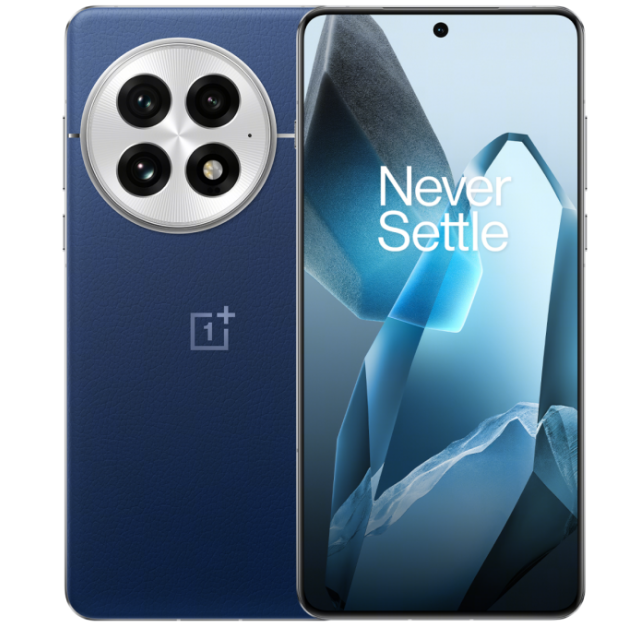
OnePlus is all set to launch the OnePlus 13, its next-gen flagship smartphone soon. But ahead of the highly anticipated launch on October 31, the company teased the design of the OnePlus 13 earlier today. So how does it compare to its predecessor, the OnePlus 12? Read on to find out.
1. OnePlus 13 vs OnePlus 12: New Premium Materials
One of the popular trends in the smartphone market is the vegan leather on the back, which is often seen in Motorola smartphones. However, not all brands have hopped on the faux leather bandwagon. The OnePlus 12 was announced with a Gorilla Glass panel on the back which was surrounded by an aluminum frame. Blending glass and metal has been the most popular choice in premium smartphones.
But on the OnePlus 13, materials and the texture they offer are a key focus in the design. The brand teased the OnePlus 13 in three color options, all of which feature a distinct material and feel. The first is the White Dawn that blends Silk Glass technology for an elegant appearance. Meanwhile, the Obsidian Secret will debut with an Ebony Wood Grain Glass finish. Using wood is already unique and it adds a touch of nature to your smartphone. Lastly, we have the Blue Moment, which stands out as the industry’s first BabySkin texture that promises to offer a soft skin-like feel.
Please Note: When you buy something using the links in our articles, we may earn a small commission at no cost to you.
2. Slight Update to the Circular Camera Module
Since the last two generations, OnePlus has moved to a large circular camera module on the rear. This design element is returning with the OnePlus 13. However, there are still some minor changes over last year’s flagship. The large circular camera island on the OnePlus 13 now appears more distinct than its predecessor.
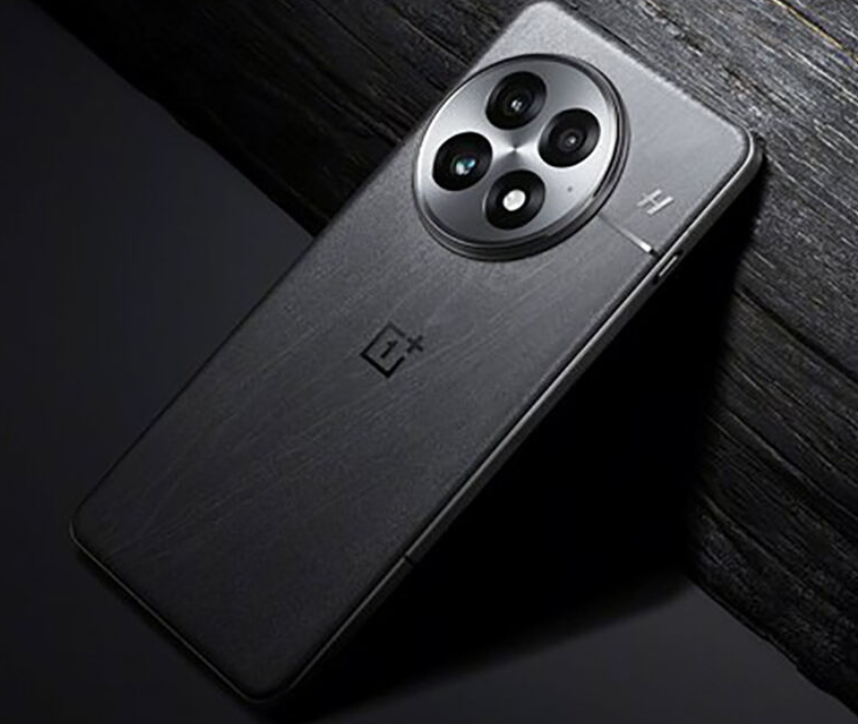
With the OnePlus 12, the company attempted to blend the camera module into the aluminum frame on the side. However, the OnePlus 13’s module appears more standalone. There is a horizontal line that extends from the camera module to the edge and has the “H” (Hasselblad) logo right above it. All of this just points to how OnePlus is bringing elegant updates rather than a bold overhaul in design.
3. What about the front?
OnePlus was rumored to bring a micro quad curved display on the OnePlus 13, which was later confirmed in the official design teasers. But placing the OnePlus 13 next to the OnePlus 12, it appears both devices are nearly identical from the front. This isn’t a complaint considering how even the previous year’s flagship had minimal bezels and a center alinged punch hole cutout for the selfie camera.
OnePlus has unveiled the OnePlus Magnetic Turbine, a new magnetic wireless charger designed for faster, more efficient charging. It sports a clean white design with a red accent at its center and supports up to 50W AirVOOC wireless charging.
The magnetic charger will be compatible with iPhones
This high-performance charger is equipped with a built-in fan to manage heat during use. Li Jie, President of OnePlus China, describes it as offering the highest wattage in magnetic charging while addressing thermal issues. It incorporates a comprehensive cooling system with a centrifugal fan core, TEC cooling, heat-dissipating fins, a silicone pad, and an aluminum sheet for effective heat management.
The launch follows Oppo’s announcement of its magnetic charger and additional accessories, set to be released with the Find X8 series in China on October 24. OnePlus, too, is gearing up for the launch of the OnePlus 13, making this magnetic charger’s debut timely. The OnePlus 13 is expected to support 50W wireless charging, fully tapping into the charger’s potential.
Both Oppo and OnePlus are placing strong emphasis on magnetic charging technology, with more launches expected soon. Interestingly, these magnetic chargers will not be exclusive to Oppo and OnePlus devices but will also work with iPhones.
OnePlus 13 is set to launch on October 31 in China, marking it as one of the first smartphones powered by the Snapdragon 8 Elite chipset. It will be available in three color options: White Dawn with Silk Glass, Blue Moment with a BabySkin texture, and Obsidian Secret with Ebony Wood Grain Glass. The device will have a micro-quad-curved display and a circular camera module with three lenses, an LED flash, and the Hasselblad “H” logo.
Key specifications include a 6.82-inch 2K 120Hz BOE X2 display, up to 24GB LPDDR5x RAM, up to 1TB UFS 4.0 storage, a 6,000mAh battery with 100W wired charging, a 32MP front camera, and a 50MP triple rear camera setup. Additional features include ColorOS 15-based Android 15, an 0916T vibration motor, and an IP69-rated build.
The Galaxy S25 series has already made headlines several times regarding its chipset choices. Qualcomm’s flagship smartphone chips are becoming more expensive, and Samsung has also managed to improve its in-house Exynos chips to some extent, as seen with the S24 series. On the other hand, many users have lost confidence in Exynos, and using it on the base and Plus models could impact consumer interest in the devices.
Some reports suggested that Samsung might switch to MediaTek for the base and Plus models of the S25 series, which seemed plausible until leaks indicated that the Dimensity 9400 would be used for the S25 FE. Meanwhile, the S25 and S25+ were expected to feature the Snapdragon 8 Gen 4 (or Snapdragon 8 Elite).
Samsung may stick to Exynos 2500 for S25 and S25+
Now. tipster Sawyer Galox claims that Samsung is testing the Exynos 2500 and has plans to power the S25 and S25+ with it. He also suggests that the Snapdragon flagship chip will be too expensive for the models.
Nonetheless, we hope for reasonable numbers representing the performance and power efficiency of the Exynos 2500.
What to expect?
Exynos 2500 has already made its appearance on the Geekbench database with a 10-core architecture, similar to its predecessor. The chipset features a total of three performance cores, which is rare for smartphone SoCs. According to NanoReview, the SoC scores 2666 and 8839 in Geekbench single and multi-core tests respectively. For context, the Galaxy S25 Ultra scores over 3000 and 9000 in the tests respectively. We have also seen other upcoming flagships with the Snapdragon 8 Gen chip such as OnePlus 13 and iQOO 13 scoring even higher, thanks to improved cooling solutions.
That said, it will be interesting to see how the S25 and S25+ perform, especially with sustained workloads.
In terms of design, all Galaxy S25 models are expected to be slimmer than their predecessors, with the Ultra model featuring a flat display and rounded corners for the first time.
POCO is working on a new mid range smartphone from its M series. The device in question is the POCO M7 Pro 5G, which recently surfaced on a fresh certification. This sighting hints at its imminent launch so here’s everything we know so far.
POCO M7 Pro 5G Visits Indonesia’s SDPPI
The Chinese smartphone maker’s POCO M7 Pro 5G was spotted in Indonesia’s SDPPI certification platform (Via TheTechOutlook). It was seen carrying the 2409FPCC4G model number, with the “G” likely referring to the global variant. As the name suggests, it is likely the successor to the POCO M6 Pro 5G that launched back in 2023. The POCO M7 Pro 5G was seen in multiple certifications recently, and the SDPPI sighting hints at its imminent global release.
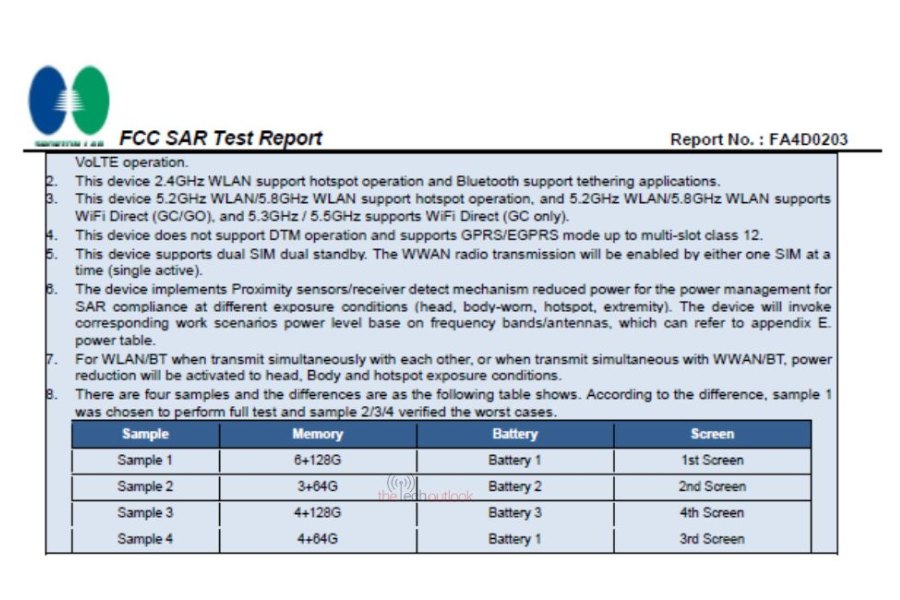
Unfortunately, the Indonesian certification does not reveal any finer details like its specs or features. Although it does confirm its POCO M7 Pro 5G moniker. Back in September 2024, the POCO M7 Pro 5G had its design and certain specs revealed via FCC. The smartphone can be seen with a dual tone rear panel with a green marble like finish. The upcoming budget phone can also be seen with a dual camera setup housed in a rectangular module. That listing confirmed support for basic connectivity options like NFC, Bluetooth, WiFi, and 5G NR bands.
The smartphone might be a cutdown variant of the Redmi Note 14 5G. So we could get a 50-megapixel main camera on the rear, while the front sports a 1.5K AMOLED display. Under the hood, it might be equipped with the MediaTek Dimensity 6100+ SoC. This device should run on the company’s Android OS based HyperOS custom skin out of the box and offer at least 128GB of base internal storage. Keep in mind that POCO has yet to make any official announcement about the POCO M7 Pro 5G, so stay tuned for more updates.
The EMEET SmartCam S800 is one of the most popular office tools in the Gizmochina’s Review team, Especially when we’re ready to have a big ‘fight’ online. This is EMEET’s newest and probably the most powerful SmartCam. The editors are very happy with the product, so I hope this post will help those who are considering buying a webcam.
I’m glad to see that they use USB-C ports instead of the old micro USB ports and that the USB type is 3.0. Of course, the cable is also USB 3.0. The reason for using 3.0, besides being able to provide more current to the S800, the faster transfer rate also gives it the ability to record 4K video. If you use your own USB 2.0 cable, then the recording resolution will only be 1080p.
Design
Let’s take a closer look at what makes this smart cam so special in its design. To protect your privacy, the camera lights up to alert you when it’s working. Plus there’s a physical cover here, and you can turn the camera off by toggling the slider.
Open the coverClose the cover
Below the Smart cam is a pivot that provides a certain range of rotation. At the bottom is its mounting structure that hooks onto the top of the monitor, just like the monitor light bar. Thick monitors like ours can be mounted easily as well.
It also has 1/4 screw holes on the bottom if you want to secure it with a tripod. As a webcam, the S800 has everything it should have, which is pretty good.
Specs
If you want to get clear footage on your PC. And unlike us, have a professional camera and video capture device like this one. Then getting a webcam is one of the wisest choices. This S800 uses a 1/2-inch Sony sensor and can record up to 4K 30fps, or 1080P 60fps video. Obviously, both of these specs are perfect for live streaming. So, let’s talk about its image quality now.
Image Quality
The image you see now was recorded by the S800. The recording software used is a built-in Windows camera. I don’t know if you are satisfied with the quality, but at least I am. To show just how awesome this 1/2-inch Sony sensor is, we got a laptop’s built-in camera, a phone’s front-facing camera, and a DSLR to do a little comparison.
You can clearly see how big the difference is. Whether it’s for online meetings or live streaming, the S800 will always be one of the best options. It even has an HDR feature, which when turned on, you get images with greater dynamic range, a very attractive feature for those in poor lighting conditions.
The S800 is better than professional cameras in one thing: the focusing distance can be very close. This, along with the focusing system consisting of PDAF and TOF, makes it perfect for showing close-ups of items. This feature will be very helpful to salesmen who do Shopping Livestream, as they often have to show different items in front of the camera, a very quick focusing system is very important for them.
Also, the two built-in microphones are nice. If you haven’t chosen your favorite microphone yet, it would not be a bad idea to use it for live streaming first.
Software
The S800 doesn’t need any other software to adjust the basic video settings, such as sharpness effect, saturation, and exposure, in the Windows settings. Resolution and frame rate can also be adjusted but in a different menu.
If you want to adjust the image quality more finely, then you’ll need to download EMEETLINK, which controls the S800’s various detailed parameters, just like a professional camera. Things like face detection and HDR are very useful features.
Also, I wish EMEETLINK would have a built-in chroma key function, it would make it easier for newbies to start live streaming. Oh, and for the cable, I also wish they would give a USB A to C adapter. After all, some laptops don’t have USB A ports anymore.
The EMEET SmartCam S800 is a great webcam. it pretty much does the best it can in terms of image quality and functionality. I once used the S800 for a live stream. Even though we only used the 1080p 30fps specs, I was still happy with the image quality of the live stream. Although we will still use Mirrorless Camera for live streaming in the future, I will also keep it because we need a second camera for our live streaming. It’s highly recommended for personal and online meeting uses. Check it out on Amazon here if you are interested in the S800. We also recommend another popular EMEET 4K Webcam in the studio – EMEET NOVA 4K, although the NOVA was not showcased in the review. You can also check on Amazon here for the Nova 4K model, as it’s more like a budget model for the S800.
Vivo has just unveiled its 2024 flagship lineup, the X200 series, featuring larger batteries, upgraded cameras, and a more powerful chipset.
Now a mysterious device with model name V2429A has surfaced on TENNA with a 6,500mAh battery (rated capacity 6365mAh), much larger than the ones on the X200 series devices. But the listing includes more than just the battery capacity. So let’s take a look.
Vivo V2429A specifications:
The mysterious device boasts a 6.67-inch AMOLED panel with 2800×1260 (1.5K) resolution and 1073.74 million color depth. Although the model number closely resembles that of the Vivo X Fold 4 (V2429), the listing does not mention a second display, suggesting it is a bar phone.
Notably, the model number is also a bit similar to that of the vivo S19 (V2364A), launched in May this year with a 6000mAh battery.
Inside, the Vivo V2429A uses an octa-core chipset with 2.63 GHz frequency (likely the base clock speed).
The listing also reveals the device’s dimensions—160.35 x 74.18 x 7.19 mm—closely matching those of the Vivo S19, which is 7.2 mm thick. Given this similarity and the timing of the Vivo S19’s launch, the V2429A is likely to be the Vivo S20.
Despite packing a larger battery, the phone weighs 185.5 grams, 6g lighter than the S19, which could be achieved with an improved silicon-carbon anode battery.
The phone features 8/12/16GB RAM and 128/256/512GB/1TB storage and supports 5G, Infrared, Bluetooth, Wi-Fi, an under-screen fingerprint reader, and face recognition.
Vivo S19 specs:
While the chipset for the new model is still unknown, its alleged predecessor, the vivo S19, uses the Snapdragon 7 Gen 3 (4 nm) chipset. It scores over 1,100 in Geekbench single-core tests and around 3,300 in multi-core tests. In the 3DMark Wild Life Performance test, it achieves between 5,900 and 6,000 points.”
As for the cameras, the phone packs a 50MP+8MP dual setup on the back and a 50MP selfie on the front.
Tecno is gearing up for the launch of a new tablet model. The company’s upcoming launch is the MegaPad 11, which was revealed in fresh certification sightings on the Google Play Console and FCC database. So here’s everything we know so far.
Tecno MegaPad 11 spotted on FCC and Google Play Console
Back in August 2024, we covered an exclusive report regarding Tecno’s plans to launch the MegaPad 10 and MegaPad 11. Now, it seems that the brand is finally getting closer to an official launch for the latter. The MegaPad 11 recently surfaced on the Google Play Console and FCC carrying the T1101 model number (Via TheTechOutlook). The Google Play Console listing confirms that the device features 8GB of RAM and runs on the Android 14 OS out of the box.
Tecno MegaPad 11
It was certified with the MediaTek MT8781V/CA processor, which is the Helio G99 chipset. The MegaPad 11 likely sports an 11-inch screen with the Google Play Console database confirming 1920 x 1200 pixel resolution and 280 PPI pixel density. The screen will also have a 90Hz refresh rate and a 5-megapixel selfie camera on the front, while the rear has a 13-megapixel primary sensor. On the other hand, the FCC certification confirmed that it is powered by a massive 8,000mAh battery pack.
This tablet is certified with the U180TSA charger adapter model number, confirming 18W wired fast charging. There are also schematics revealing the rear design of the Tecno MegaPad 11. We can see the rear packs a dual tone panel along with a dual camera setup housed in a rectangular camera module. Other notable features include Tecno AI, Dolby Atmos, around 500 grams weight, Blue and Green color options, up to 8GB of virtual RAM expansion support, 4G networking, and more. This is all the information we have at the moment, so stick around for more updates.
iQOO has confirmed it will launch the iQOO 13 smartphone in China by the end of October, though the exact date is still unknown. Global customers likely won’t have to wait long to get their hands on the device.
Nipun Marya, CEO of iQOO India, shared a teaser poster hinting at the iQOO 13 launch in the country. While the teaser doesn’t name the phone directly, the phrase “Ready for the next?” clearly gives it away that it’s referring to the iQOO 13.
A report earlier this week suggested the smartphone could launch in India on December 3rd.
iQOO 13 Specifications
iQOO has confirmed the iQOO 13 will boast BOE’s latest Q10 panel, promising a 2K resolution and a smooth 144Hz refresh rate. The Q10 display reportedly boasts higher brightness, a longer lifespan, and lower color deviation compared to competitors.
Under the hood, the iQOO 13 will sport the upcoming Snapdragon 8 Elite paired with a self-developed gaming chip, the Q2, which supports PC-level 2K texture super-resolution and native 144FPS gaming. Memory options will include up to 16GB of RAM and 512GB of storage. The phone also appeared on the Geekbench and scored even higher than the Galaxy S25 Ultra’s overclocked 8 Elite chip.
iQOO 13
Software-wise, we are expecting the Android 15-based OriginOS 5 (FunTouch OS 15 globally) operating system, which recently made its official debut.
For the cameras, it will likely have a triple 50MP setup on the rear — a main sensor, an ultrawide lens, and a telephoto lens.
Moreover, the battery department will be handled by a 6150mAh cell, which will support 120W fast charging. Leaks also suggest an IP68 rating for dust and water resistance and the phone may have a metal frame and a “Halo” light strip for added style. The iQOO 13 is expected to launch in India for around Rs 55,000.
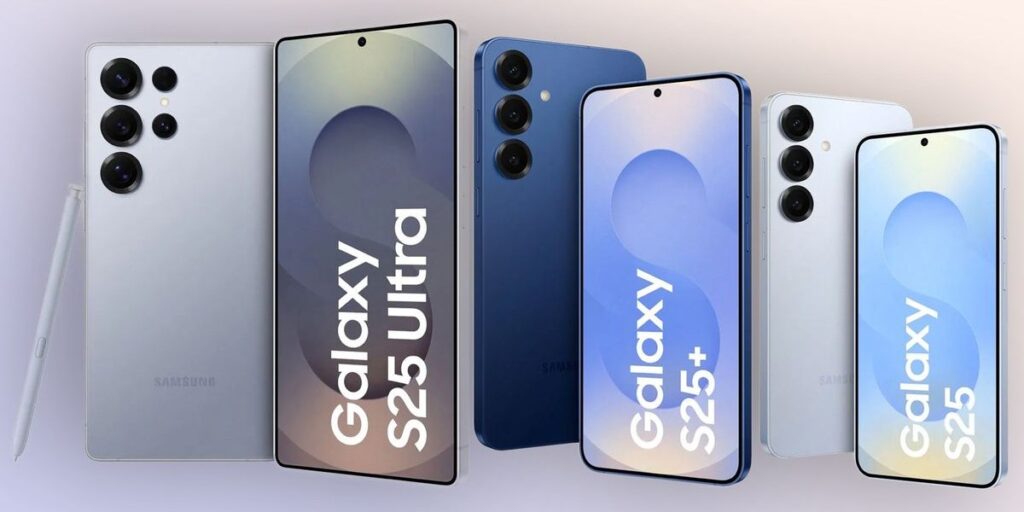
More and more aspects of the Galaxy S25 series, expected to launch in Q1 2025, are getting revealed thanks to leaks and rumors. Two of the most recent ones include images of the screen protectors (that hint at even slimmer bezels) and aluminum dummy units of all three models along with the precise dimensions.
It looks like Samsung is continuing its minimalist design approach with the Galaxy S25 and S25 Plus, while the Ultra model is getting a major shift in design – rounded corners.
Galaxy S25, S25+, and S25 Ultra dimensions:
The Galaxy S25 measures 146.94 x 70.46 x 7.25 mm, down from 7.6mm of the Galaxy S24.
The Galaxy S25 Plus measures 158.44 x 75.79 x 7.35 mm, down from 7.7mm of the Galaxy S24 Plus.
Galaxy S25 Ultra measures at 162.82 x 77.65 x 8.25 mm, down from 8.6mm of the S24 Ultra. The upcoming Ultra flagship is also slightly narrower, down from the 79mm of the S24 Ultra, which is possibly due to the slimmer bezels.
Front design
The S25 Ultra will be the brand’s first Ultra model to feature a completely flat display, addressing several issues: easier availability of screen protectors, better display protection from the middle frame covering the sides, and fewer accidental touches.
Leaked images of the screen protectors also hint at slimmer bezels for all three models.
Inside, the Galaxy S25 Ultra will feature the Snapdragon 8 Gen 4 (or Snapdragon 8 Elite) chip, which is expected to deliver significant improvements in raw performance and AI processing compared to its predecessor. However, the chip will be notably more expensive. Although earlier rumors suggested that the base and Plus models would adopt MediaTek’s flagship Dimensity 9400, a recent report from Sammy Fans indicates that the Snapdragon chip will be used across the entire lineup.
Qualcomm will introduce the Snapdragon 8 Elite mobile platform at the 2024 Snapdragon Summit, set to take place in Hawaii from Oct. 21 to Oct. 23. Soon after, smartphone brands are expected to release in China. Speculations are rife that the Xiaomi 15 and 15 Pro will be the world’s first phones to feature the Snapdragon 8 Elite chipset.
Which brand will launch the first Snapdragon 8 Elite phone outside of China? As per reports, the Realme GT 7 Pro and iQOO 13 will be the first Snapdragon 8 Elite to hit markets outside of China. While the iQOO 13 is expected to break cover in the first week of December, the GT 7 Pro could be the first Snapdragon 8 Elite phone to hit the Indian market.
Many details about the GT 7 Pro have already been leaked by the rumor mill. Here’s a look at everything that’s known about the device.
The Realme GT 7 Pro is expected to feature a custom-made Samsung screen, which is expected to deliver a 1.5K resolution and a 120Hz refresh rate. The screen can achieve global brightness of up to 2,000 nits and manual brightness of up to 1,000 nits. The exact screen size is not known yet.
The GT 7 Pro will also be Realme’s first phone equipped with an ultrasonic in-screen fingerprint scanner. In terms of durability, it will be Realme’s first IP68/69-rated dust and water resistance. Additionally, it will feature a metallic frame. In terms of design, the GT 5 Pro featured a round camera module, but rumors surrounding the GT 7 Pro suggest that it will have a square camera module as shown in the mock render above.
2. Top-notch Performance
The 3nm Snapdragon 8 Elite will power the Realme GT 7 Pro smartphone. According to a recent leak, the chip has the capability to surpass a score of 3,000,000 million on the AnTuTu benchmarks.
The other major highlight of the GT 7 Pro is its high-density 6,500mAh silicon carbon battery. Thereby, it will offer the largest battery seen on a Realme phone.. It is expected to support 100W charging but may lack wireless charging capabilities. The topmost variant of the GT 7 Pro for the Chinese market is expected to feature 16 GB of LPDDR5x RAM and 1 TB of UFS 4.0 storage.
The Realme GT 7 Pro could be the first phone from Realme to run on the Realme UI 6-based Android 15 platform. It is likely that the company may also have a bunch of AI features for enhanced experience.
3. Stellar Photography Experience
According to a recent report, the Realme GT 7 Pro will have an OIS-enabled 50-megapixel Sony IMX906 primary camera. An 8-megapixel ultra-wide lens and a 50-megapixel Sony IMX882 periscope telephoto camera with 3x optical zoom will accompany it. It might come with a 16-megapixel front camera for selfies.
4. Realme GT 7 Pro Launch Timeframe
The Realme GT 7 Pro will be unveiled later this month. However, the phone is rumored to launch by early November in the home market. As far as the global launch is concerned, it is expected to hit the Indian market by mid-November.
5. Price Speculations
Currently, there is no official pricing for the Realme GT 7 Pro. However, reports suggest that devices powered by the Snapdragon 8 Elite chipset are expected to be priced around 500 Yuan more than last year’s Snapdragon 8 Gen 4 phones. The base model of the GT 5 Pro was priced at 3,399 Yuan ($480) in China. Based on these rumors, the starting price for the GT 7 Pro’s base model could be approximately 3,899 Yuan ($550).
While Realme has launched a couple of affordable flagships in recent years, it hasn’t launched a true flagship phone in India for quite some time. To recall, the Snapdragon 8 Gen 1-powered Realme GT 2 Pro, which debuted in April 2022, was the company’s last flagship phone for the Indian market. At that time, it was priced at Rs 50,000. There’s a possibility that the GT 7 Pro with all the new features and upgrades could be positioned between Rs 55,000 and Rs 65,000 in India.
The Oppo Find X8 series is scheduled to launch on October 24. After teasing the new dual-port 120W charger, the company has now confirmed the battery capacity of the Pro model and shared some impressive battery life figures, which are higher than expected.
The Oppo Find X8 Pro packs a 5910mAh battery, which is massive considering the dimensions of the device. The battery is based on Oppo’s new glacier battery tech, which offers an 18% increase in capacity and a 13% reduction in thickness compared to the previous generation.
Oppo Find X8 Pro battery backup
With the new battery technology and increased battery size, the phone offers significant improvement in battery life. According to a company executive, the Find X8 Pro can record 5.3 hours of Dolby Vision HDR video at -20℃, while the iPhone 16 Pro Max automatically exits after about 10 minutes. In normal conditions, the battery life extends to 7.2 hours, up from 5.0 hours on the iPhone.
The phone outperformed the iPhone 16 Pro Max in video streaming as well, with 29.3 hours of battery life as compared to 27.7 hours on the latest and best iPhone. Not to mention, this is a big achievement for Oppo’s new flagship.
The Find X8 Pro measures just 8.24mm thick, making it significantly slimmer than the 9.5mm Find X7 Ultra and the 8.7mm base Find X7, both of which feature 5000mAh batteries. This suggests that the new battery technology not only saves internal space but also offers greater capacity.
“In terms of weight, the phone is 215g, making it 6g lighter than the Find X7 Ultra.
Find X8 Pro is equips a 6.78″ almost flat display on the front and a quick-start button on the bottom right of the device.
In terms of performance, the Find X8 and Find X8 Pro are among the first devices to feature the Dimensity 9400 chipset, which offers significant improvements in CPU, GPU, and AI processing capabilities.
The iQOO 13 has been teased extensively in China over the past few weeks. Today, Jia Jingdong, Vice President of Vivo Brand and General Manager of Brand and Product Strategy, confirmed several details about the device in a Weibo post. Here are the first confirmed specifications of the iQOO 13:
iQOO 13 key specifications
While Qualcomm has yet to confirm the name of its next-generation Snapdragon 8-series chip officially, Jingdong has revealed that the chipset will be called the Snapdragon 8 Elite, which will power the iQOO 13. According to Jingdong, the latest Snapdragon chip promises significant advancements in CPU, GPU, and NPU performance, achieving a level of capability comparable to that of PCs. The collaboration between Vivo and Qualcomm aims to optimize this chipset, enabling users to experience both high performance and energy efficiency.
The iQOO 13 incorporates advanced tuning features, including performance allocation tuning to adjust CPU and GPU frequencies based on usage scenarios. It employs a sophisticated heat dissipation system with multi-layer graphene and a 7K ultra-large VC heat spreader, ensuring stable performance under heavy loads. The device is also equipped with a self-developed gaming chip, the Q2, which supports PC-level 2K texture super-resolution and native 144FPS gaming.
The iQOO 13 features a 2K Q10 Everest display, developed in collaboration with China-based BOE, designed to deliver superior brightness and color accuracy while minimizing power consumption. Recent reports have revealed that it will have a 6.82-inch flat OLED panel that offers a 2K resolution and a 144Hz refresh rate. Additionally, it offers the world’s first OLED circularly polarized light eye protection technology, reducing eye strain during prolonged use.
Jingdong also confirmed that the iQOO 13 packs a 6,150mAh battery with 120W charging support, utilizing third-generation silicon negative electrode technology to maintain a thin and lightweight design. The device runs on the latest OriginOS 5, enhancing user experience with improved AI capabilities and audio-visual configurations tailored for gaming. Finally, he also confirmed that the device is equipped with dual speakers and a large-sized 1016H motor for haptics.
Realme is set to launch its new flagship smartphone, the GT 7 Pro, later this month. In China, it will be one of the first phones with the Snapdragon 8 Elite chip, while globally, it is expected to be the first phone featuring this processor.
Looks like the smartphone is moving through the necessary steps for its worldwide release. It has now already received approval from Thailand’s NBTC certification.
The device is listed with the model number RMX5011 on the certification. As usual with NBTC, it doesn’t reveal the phone’s specifications, but it does confirm that the phone is nearing its global launch.
Though not yet confirmed, the smartphone is likely to launch in the Indian market in November. This timing suggests it will soon compete with the iQOO 13, expected to arrive in the first week of December in India.
Realme GT 7 Pro Expected Specifications
According to reports, the Realme GT 7 Pro will feature a 6.78-inch AMOLED panel that offers a 1.5K resolution and a 120Hz refresh rate. It will be Realme’s first phone to feature an ultrasonic in-screen fingerprint scanner.
On the front, the GT 7 Pro will have a 32-megapixel selfie camera. Its back panel is expected to feature an OIS-enabled 50-megapixel LYT-700 primary camera, an 8-megapixel ultra-wide lens, and a 50-megapixel LYT-600 periscope telephoto camera with 3x optical zoom.
Under the hood, the GT 7 Pro will have the Snapdragon 8 Elite chipset, paired with up to 16 GB of LPDDR5x RAM, up to 1 TB of storage. The phone might also pack a big 6,500mAh battery with support for 120W fast charging.
Aside from this, you can expect metal frames on the side, an IP68/69-rated chassis, and Realme UI 6-based Android 15. We’ll keep you updated as more details surface.
Honor is all set to launch the Magic 7 series of smartphones on Oct. 30 in China. While the launch date was confirmed last week, the company hadn’t revealed the appearance of the Magic 7 lineup. Today, the brand released the following teasers to showcase the first color of the series—Moon Shadow Gray. This color is inspired by the world’s first science fiction blockbuster, “A Trip to the Moon,” evoking the moment when the spacecraft travels through the night sky and lands on the moon.
The Honor Magic 7’s back panel features a flowing texture design. A thin red line embellishes the power button, adding a striking detail. The Magic 7’s camera module reveals a blade structure, indicating a physical variable aperture lens. The camera island is symmetrical and cantered on the back, expected to house a 4-camera combination. The new design marks a departure from the previous “100X” logo seen on earlier models.
Honor CEO Zhao Ming emphasized that the design of the Honor Magic 7 series aims to leave a lasting impression at first sight. The series will also be available in Morning Glow Gold, inspired by the first ray of morning light, which is designed to bring joy to users. Additionally, the standard version of the Honor Magic 7 series will support ultrasonic screen fingerprint technology.
The Honor Magic 7 series will be the first to feature the Snapdragon 8 Elite processor and launch with MagicOS 9.0, promising major advancements in human-computer interaction and intelligent services. The new operating system aims to enhance overall efficiency and introduce convenient features like one-sentence command transmission.
Pre-orders for the Honor Magic 7 series have begun on the Honor official website. Customers can place an intention deposit of 100 yuan to receive free Bluetooth headphones, a 1,200 Yuan subsidy for old-for-new exchanges, and other benefits. The series includes standard and Pro models, both expected to push the boundaries of smartphone design and functionality.
We are just hours away from the launch of Oppo‘s 2024 flagship lineup, the Find X8 series. The company has already teased several new features, and today, it revealed exciting details about the devices’ charging capabilities. The Find X8 series will come with a 120W charger in the box, capable of charging two devices simultaneously—ideal for office environments. Additionally, the charger can also be used to power laptops.
No need to buy another adapter for accessories
The power adapter is based on Oppo’s latest gallium nitride technology, which makes it incredibly power efficient. As a result, it can offer high current low voltage power output.
As for the output configuration, the adapter comes with a Type-C, and a Type-A port and offers a 80W + 45W output for charging two devices simultaneously. Notably, the Type-C port is likely to offer an 80W charging speed.
The company will also launch an 80W fast charging power bank and a magnetic power bank on October 24 alongside the Find X8 series. According to previous reports, the company has plans to create an ecosystem of magnetic accessories.
Speaking of the phones, the series includes a total of three devices: Oppo Find X8, Find X8 Pro, and Find X8 Ultra (expected to launch early next year).
Find X8 / Pro supports 80W fast charging
According to a previous rumor, the standard and Pro models will pack 5700mAh and 5800mAh batteries respectively, and support 80W fast charging. So the company has designed the charger keeping two high-performance devices in mind.
The Find X8 and Find X8 Pro will power the Dimensity 9400 chip, while the Ultra model will boast the Snapdragon 8 Elite ( or 87 Gen 4) chip, similar to iQOO 13 and OnePlus 13, which are also expected to launch at the end of October. Both phones come with a completely flat design, which is a major shift from the Find X7 and Find X7 Ultra. Other than that, Oppo has also taken several measures to make the display more eye-friendly.
We use cookies on our website to give you the most relevant experience by remembering your preferences and repeat visits. By clicking “Accept”, you consent to the use of ALL the cookies.
This website uses cookies to improve your experience while you navigate through the website. Out of these, the cookies that are categorized as necessary are stored on your browser as they are essential for the working of basic functionalities of the website. We also use third-party cookies that help us analyze and understand how you use this website. These cookies will be stored in your browser only with your consent. You also have the option to opt-out of these cookies. But opting out of some of these cookies may affect your browsing experience.
Necessary cookies are absolutely essential for the website to function properly. This category only includes cookies that ensures basic functionalities and security features of the website. These cookies do not store any personal information.
Any cookies that may not be particularly necessary for the website to function and is used specifically to collect user personal data via analytics, ads, other embedded contents are termed as non-necessary cookies. It is mandatory to procure user consent prior to running these cookies on your website.