Advertisement

Xiaomi plans to introduce a different tri-fold smartphone in 2026

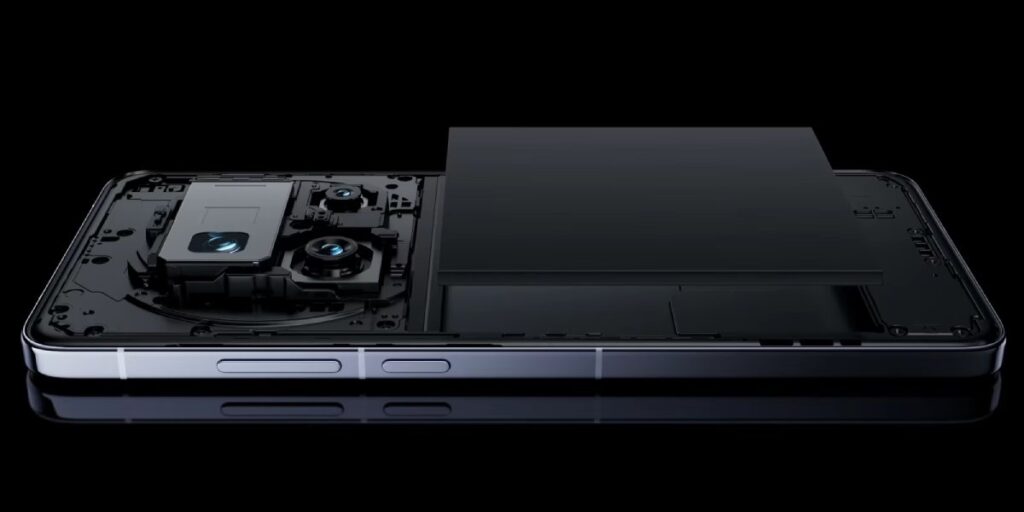
Xiaomi is working on two new tri-fold smartphones. A different Xiaomi tri-fold model has been identified in the IMEI database that will be introduced in 2026. While this is still about 1.5 years away, we now know that Xiaomi is developing these exciting new devices. We expect the first Xiaomi tri-fold model to be unveiled in Q1 2025.

Xiaomi’s First Tri-Fold Smartphone, “Zhuque,” Coming in 2025

The first tri-foldable smartphone is code-named “zhuque” and is expected to launch in 2025. This phone will be special because it will have a tri-fold design, meaning it can fold in three parts. Also, this phone will not have any buttons, making it the first buttonless smartphone from Xiaomi.

Another Tri-Fold Smartphone Planned for 2026

In 2026, Xiaomi is expected to launch another tri-fold foldable phone. The model number for this tri-fold phone is “26013VP46C,” and it is likely to be released in the first quarter of 2026. The “2601” in the model number points to January 2026, and the “C” means it will be exclusive to the Chinese market.

This new phone will probably be powered by Snapdragon 8 Gen 5. While there is no information about this processor yet, we can expect that it will offer strong performance, as Snapdragon processors are known for their high power.

“Zhuque” Could Affect the Future of Xiaomi’s Tri-Foldable Phones

The success of the “zhuque” model is crucial. If it doesn’t meet Xiaomi’s expectations, the company might not release it at all, or it could be launched as a limited edition. This could also impact the 2026 tri-fold model and may cause Xiaomi to cancel the project altogether. The MIX Alpha, another experimental Xiaomi device, faced similar challenges. It was introduced with a lot of excitement but only sold in limited quantities and didn’t get further updates.

The “zhuque” smartphone has already appeared in the IMEI database, and there are two versions: one with satellite communication (model number 2503FVPB1C) and one without satellite communication (model number 25031VP29C). Like the other tri-fold models, “zhuque” will only be sold in China.

Xiaomi has tried experimental phones before, like the MIX Alpha, but those devices often face software issues. The MIX Alpha, for example, didn’t receive many updates after its release, which made it hard to use in the long term. If the “zhuque” is not fully ready for mass production, it may face similar problems. If you do buy it, you might need to order it from China, as it won’t be sold globally.

Source: Smartprix

Sad news: Samsung’s Galaxy Buds FE suddenly explode, leaving one user with hearing loss

Samsung’s Galaxy Buds FE suddenly exploded in the ear of a Turkish user, causing that user to suffer permanent hearing loss. This is very sad news, as permanent hearing damage means that the person in question will never be able to hear sound again. So how is Samsung going to fix this? It won’t. On top of that, the user who took the headphones to the technical service received negative responses.

The only thing Samsung offered was “a new earbuds”. For a product that harms a person’s health, this offer is nothing but nonsense. When the brand examined the headset, they could not understand why the problem occurred. But this suggests that more people who bought the same headset may also will be experiencing an explosion.

Samsung Galaxy Buds FE explodes

News emerged yesterday that the Galaxy Buds FE exploded in a Turkish user. The user says that he gave the Galaxy Buds FE to his girlfriend and the earbuds suddenly exploded. The brand is expected to conduct a detailed investigation about the incident that emerged on Samsung’s Turkey forum. We don’t want a new Galaxy Note 7 disaster.

The user says that he took the earbuds to Samsung technical service after it exploded, but Samsung did not respond positively. They only offered to give the user a new earbuds. Is a person’s life so worthless? The user says that he will complain to Samsung and will not let this incident go. He is absolutely right. We don’t want another Galaxy Note 7 disaster to happen again. It’s too bad that Samsung’s Galaxy Buds FE harmed a person’s health, and after this incident, the brand needs to put its products through a detailed quality control test.

Oppo Find X8 Ultra rumored to feature new 2K OLED display, launch likely in Q1 2025

Oppo‘s highly anticipated Find X8 Ultra, the flagship model of the upcoming Find X8 series, is expected to debut in the first quarter of 2025. According to tipster Smart Pikachu, this top-tier smartphone will come packed with cutting-edge features, setting it apart from its siblings, the Find X8 and Find X8 Pro.

Oppo Find X7 Ultra

The standout feature of the Oppo Find X8 Ultra is going to be its brand-new 2K OLED display. This premium screen technology will offer a sharper resolution compared to the 1.5K OLED displays rumored for the other models in the lineup. This will distinguish the Ultra model from the other variants in the lineup.

Currently, there is no info on the exact display size, but the previous Find X7 Ultra featured a 6.82-inch screen, so the size is expected to be similar. The Pro variant is anticipated to have a 6.7-inch display, suggesting the Ultra could offer a slightly larger screen. As per previous leaks, the device is also expected to feature slim bezels, IP69-rated durability, and a Dynamic Island-style UI for improved navigation.

Oppo Find X8 Ultra leak

Under the hood, the Find X8 Ultra is likely to be powered by Qualcomm’s upcoming Snapdragon 8 Gen 4 SoC, a shift away from MediaTek’s Dimensity 9400 chipset, which is expected to feature in the Find X8 and Find X8 Pro. This Snapdragon chip is rumored to offer enhanced AI capabilities, better power efficiency, and improved multitasking performance, giving the Ultra model a noticeable performance edge.

On the camera front, the Find X8 Ultra is expected to boast a 1-inch primary sensor for superior low-light photography and detailed shots. Additionally, it is rumored to feature two periscope telephoto lenses, making it a strong contender for zoom photography and providing greater flexibility when framing distant subjects.

Battery life is another area where the Find X8 Ultra is expected to shine, with reports suggesting a massive 6000mAh battery. Even with the power-hungry 2K OLED display, this should ensure long-lasting performance. It is also expected to support 100W wired and 50W wireless charging.

While the Find X8 Ultra is set for a Q1 2024 release, potentially in January, Oppo might unveil the Dimensity 9400-powered Find X8 and Find X8 Pro as soon as October 20, 2023. MediaTek is set to announce the Dimensity 9400 chipset on October 9, making the Find X8 series one of the first to feature this new processor.

Exclusive: Tecno Spark Go 1S surfaced, coming soon

Tecno’s new smartphone Tecno Spark Go 1S is coming. The brand unveiled the Spark Go 1 in August and is now getting ready to unveil the Spark Go 1S. Gizmochina has spotted Tecno’s new smartphone in the IMEI database. So what does this smartphone have to offer? We don’t have an answer for that yet. But we can say that the Tecno Spark Go 1S is aimed at low-budget users and we are sure that the device will not offer any significant improvements.

Tecno Spark Go 1S is coming

The Tecno Spark Go 1 is a lower-segment smartphone featuring the Unisoc T615. It has a 6.67-inch 720×1600 HD+ resolution and a 120Hz screen refresh rate. The Spark Go 1, comes with a 5000mAh battery and 15W fast charging support, and also features a 13MP rear camera. This smartphone stands out for its affordability and users also need budget products. Now Tecno is preparing to announce the Spark Go 1S model. It’s not yet known what the new Spark Go 1S model will offer.

The Tecno Spark Go 1S has been spotted in the IMEI database with model number KL4h. This smartphone could be officially launched in the coming months. The Spark Go 1S is expected to offer similar features to the previous Spark Go 1. However, we can’t say anything for sure. The brand is known for its affordable smartphones and attracts the attention of users. Tecno started working on the Spark Go 1S right after the Spark Go 1 and it remains to be seen what the new smartphone will offer.

Is this our first look at the Motorola ThinkPhone 2025?

Motorola launched the ThinkPhone for the enterprise market last year, which uses one of Lenovo’s most popular brands, ThinkPad. Although it was a business-oriented device, it was a very good alternative for anyone. In the latest news, Android Headlines claims that the Motorola ThinkPhone 2025 is on its way.

As can be seen from the leaked render, the phone comes with flat sides and a redesigned camera module, similar to the recent Edge series devices. Upon closer inspection, you can see that the bezels are slightly slimmer than the original Motorola ThinkPhone. Other than that, the back also has the same textures as its predecessor.

Motorola ThinkPhone 2025 specifications

According to the report the phone has a 6.36″ LTPO pOLED display. This means the successor will be slightly more compact as compared to the 6.6″ original Motorola ThinkPhone. The successor is measured at 154.1 x 71.2 x 8.1mm and weighs 171g. The display panel of the successor also boasts a higher 2670 x 1200 resolution (460ppi) as compared to the FHD+ panel (399 ppi)of the predecessor.

In terms of performance, the ThinkPhone 2025 packs the MediaTek Dimensity 7300 chipset, which is paired with 8GB of LPDDR4X RAM and 256GB of storage onboard. It’s also reported that, unlike the original ThinkPhone, this new model will only come with one RAM/Storage variant.

The ThinkPhone 2025 packs a 4310mAh battery and supports 68W fast charging. For context, the battery capacity is comparable to this year’s Moto Edge 50 Pro.

While the ThinkPhone 2025 packs a smaller battery than its predecessor, it offers an upgraded camera system. According to the report, the phone ditches the 2 MP depth camera for a 10MP 3x telephoto. Other than that the phone will use a 50MP main and a 13MP ultrawide, which was also the case for its predecessor. So while the back design and camera system get an enhancement similar to the Motorola Edge 50 lineup, the flat design on the front ensures fewer accidental touches.

(Source)
The Motorola Razr 50s is now official; details here

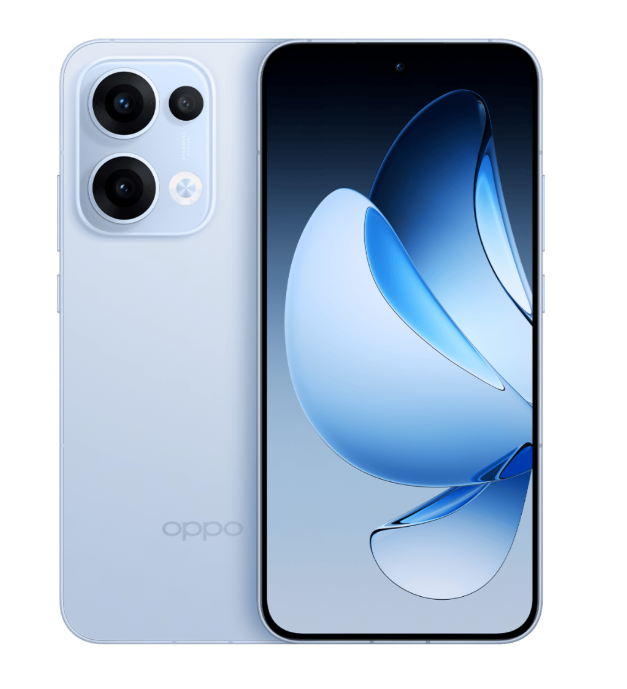
Motorola launched the Razr 50 and Razr 50 Ultra back in June this year. Now the company is expanding the Razr 50 lineup with a new model called the Razr 50s. This model is scheduled to be released on September 27 and is already available for reservation on Softbank. The Moto Razr 50s will arrive in three different color options – Koala Grey, Sand Cream, and Spritz Orange.

Judging from the images, the Razr 50s comes with very similar bezels on both the inner and outer display as compared to the Razr 50. The aspect ratio of the outer display is also very similar to the predecessor.

Motorola Razr 50s has also been spotted on Geekbench

While the listing does not reveal much about the internals of the device, the recently spotted (via 91mobiles) Geekbench listing does. As can be seen, the phone scores 1040 and 1003 in single and multi-core tests respectively. The listing further reveals that the chipset has a base frequency of 2.00 GHz and a (4+4) core architecture, which is paired with 8GB RAM.

For context, the Motorola Razr 50 scores around 1033 and 2751 in the same tests. it suggests that the Razr 50s will not be a downgrade at least in terms of performance. The Geekbench listing also reveals that the phone will come with Android 14. This is all the information the Geekbench listing reveals.

The Moto Razr 50s has already received HDR10+ certification, which means that the device will come with an HDR10+ compatible display.

Notably, the Razr 40 series includes only two models: the Razr 40 and Razr 40 Ultra.

To give you an idea of what to expect, the standard Motorola Razr 50 packs a 6.9″ foldable AMOLED panel for the inner display and a 3.6″ AMOLED panel for the outer display. The phone is powered by the Dimensity 7300X chipset, which also has a base clock speed of 2.00 GHz. This is paired with an optional 256GB or 512GB of UFS 2.2 storage and 8GB or 12GB RAM. The outer screen on the Razr 50 has three cutouts for a 50 MP main, a 13MP ultrawide, and a flash module.

(Source: 1, 2)

Nothing’s first open-ear TWS leaks in full ahead of launch

Nothing‘s next entrant in the earbud market is indeed open-air earbuds. This has now been confirmed via a report by WinFuture that accompanies a fresh batch of images revealing the design of TWS.

The Nothing Ear (Open), set to be officially unveiled tomorrow — September 24th — are the company’s first open-ear buds. They take a slightly different approach compared to the company’s previous offerings in terms of design.

The leaked images show a design that’s familiar in the open-ear space. A wraparound band presumably fits around the back of the ear, with the speaker itself – rumored to be a sizeable 14.2mm driver – positioned for optimal sound delivery.  This design is similar to what we’ve seen from brands like SoundCore and JBL.

Battery life is also decent, with the leak suggesting the earbuds themselves will offer 8 hours of playback on a single charge. Combined with the charging case, that figure supposedly jumps to 30 hours. 

It’s worth noting that this is a slight downgrade compared to the standard Nothing Ear 2. They can offer up to 36 hours of playback time. 

Being an open-ear earbud, it’s unlikely that the new Nothing TWS will have Active Noise Cancellation or ANC support. It’s because open-ear earbuds sit outside or just partially in the ear canal, leaving the ear canal open. This allows ambient sound to flow in freely.

As for the case of the buds, the images depict a design that’s thin but quite wide. The leak also throws in some additional details. Each earbud is said to weigh a mere 8.1 grams, and both the buds and the case boast an IP54 splash-proof rating. 

An interesting tidbit is the continued support for ChatGPT when paired with a Nothing Phone. Additionally, the leak mentions a “Bass Enhance” mode, which could appeal to bass-heavy music lovers.

The price for the earbuds is still under wraps. But with the launch tomorrow, the wait won’t be long.

iPhone 4s user finally unlocks phone locked for almost a decade

A young woman from Jiangsu Province in China gained online attention after sharing her ten-year effort to unlock an iPhone 4s. In a video shared on Chinese social media, she explained how she finally regained access to the phone, which had been locked for 80,000 hours — about ten years.

“I have no idea who locked it in 2015,” she said. At that time, the iPhone displayed a message saying it would unlock in 80,000 hours. “It told me it would unlock after 80,000 hours. I thought, isn’t that ten years? So I switched my phone at that time. But recently, I remembered it.”

So to power up the phone, she bought a new charging cable and charged it, hoping the wait was over. But when she checked, it still showed “288 minutes.” We, as well, can clearly see the message. 

She exclaimed, “There are still four hours before I can unlock this phone that has been locked for ten years! Is this true? You are not lying to me! We’ll know in another four hours.”

Four hours later, she posted a follow-up video showing that the wait time was finally over. Lucky enough, she remembered the passcode and, after entering it, the phone unlocked.

In the video, she explained why she didn’t reset the phone. A video of her deceased cat was saved on it. “The reason I never wiped it and waited this long is because I couldn’t bear to lose that data. Ten years! Oh my god!”

She then shared glimpses of the phone in use, showing the familiar charging sound of the 4s and its outdated app layout. The phone ran iOS 6 and had 16GB of storage.

If you’re wondering whether this situation is unusual, let us clarify—it can happen with older iPhones. On the Apple Support community, one user reported their iPhone had been locked for 50 years.

Similarly, a post on 9to5Mac’s forum mentioned an iPhone disabled for “23614974 minutes”—about 45 years. In such cases, the only solution is to erase all the phone’s data and perform a factory reset, unless you’re willing to wait it out.

Galaxy S25 and S26 will possibly adopt the same main sensor Samsung is using since Galaxy S22

Samsung has used the same main sensor in the base Galaxy S22, S23, and S24. In the latest news tipster Ice Universe claims that Samsung will use the same main sensor on the Galaxy S25 and possibly even in the S26.

Samsung-Galaxy-S24-Series

The news comes after another X user Techwiser compared the main camera performance of the Galaxy S24 and the recently released iPhone 16. The iPhone 16 not only captured the skin tone right but also managed to offer an overall brighter image.

Of course, smartphone photography these days significantly relies on clever software tricks alongside the optical hardware. However, an upgrade in the sensor or the lenses is always beneficial for the image processing algorithms as it offers more accurate information to process. That being said, it might not be ideal to stick to the same sensor for 4-5 years straight, especially considering Samsung is one of the largest manufacturers of smartphone camera sensors.

For those curious, the Galaxy S24 uses the Samsung ISOCELL (S5K)GN3 main sensor, which according to Samsung, has an optical format of 1/1.57″. This 50MP sensor packs a Dual Tetrapixel RGB bayer pattern and supports 30fps @8K, 120fps @4K, and 240fps @FHD video recording. Samsung has implemented 8K@24/30fps, 4K@30/60fps, 1080p@30/60/240fps with the Galaxy S24.

While the S24 and S24 Plus still use the old sensor, competitors like Google, OnePlus, and Xiaomi all are using much larger main sensors. For context, both the Pixel 9 and Xiaomi 14 (review) uses 1/1.31″ main sensor, which certainly benefits the camera system on those devices. The OnePlus 12 uses a 1/1.43″ main sensor, which is also larger than the one on the recent base and plus models of the Galaxy flagships.

Not to mention, if paired with the right optical hardware, the base and plus models will be able to offer much better end results than what we are seeing here. Notably, an upgraded larger main sensor will be especially beneficial for low light scenarios, where the images will not only be brighter but will also have less noise.

(Source)
Is the Redmi Note 14 Series a worthy successor to the Redmi Note 13?

Xiaomi took the mid-range smartphone segment by storm with its Redmi Note series years back. These phones were one of the most popular offerings thanks to the cost-to-value ratio. The Redmi Note 13 was the last that continued this legacy, so what improvements does the upcoming Redmi Note 14 bring? Is it a worthy successor? What are the new changes? Let’s find out.

Redmi Note 14 series launch date--
Redmi Note 14 series

1. Redmi Note 14 Series: A New Look

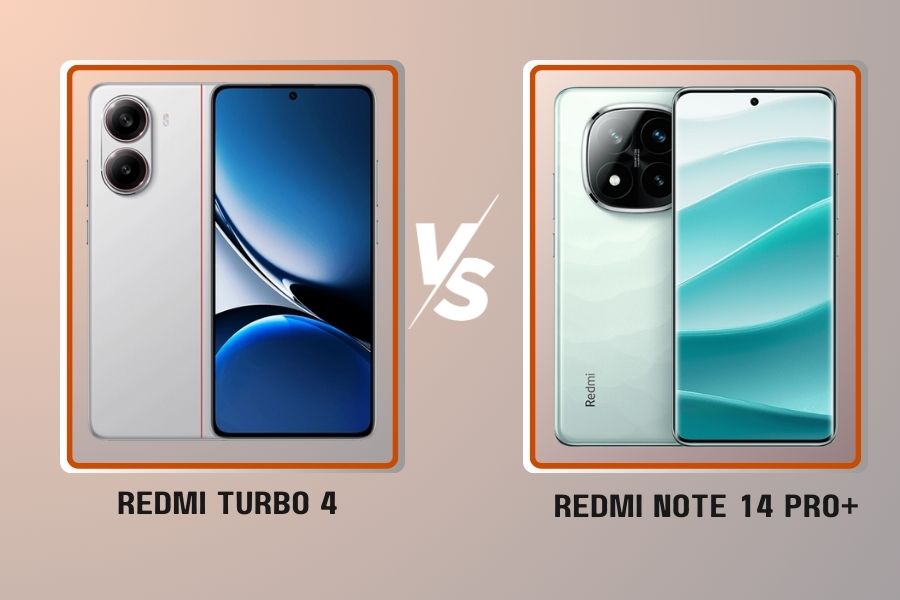
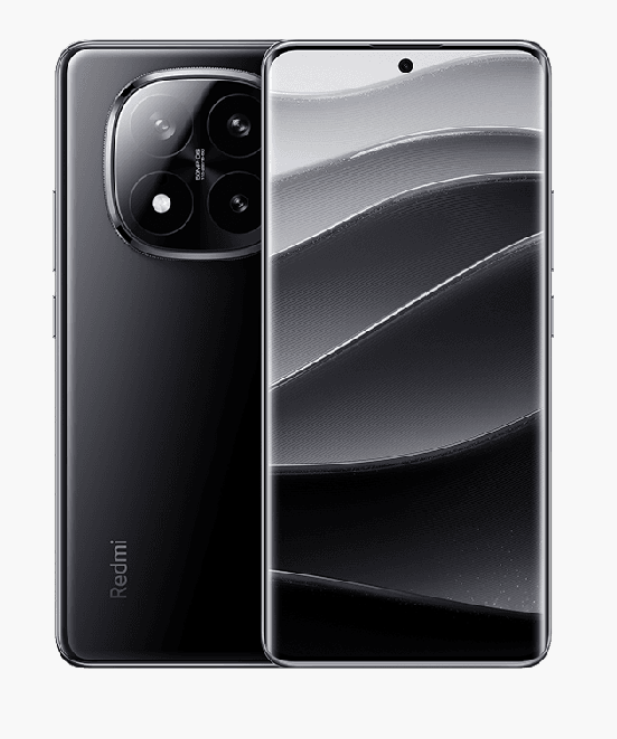
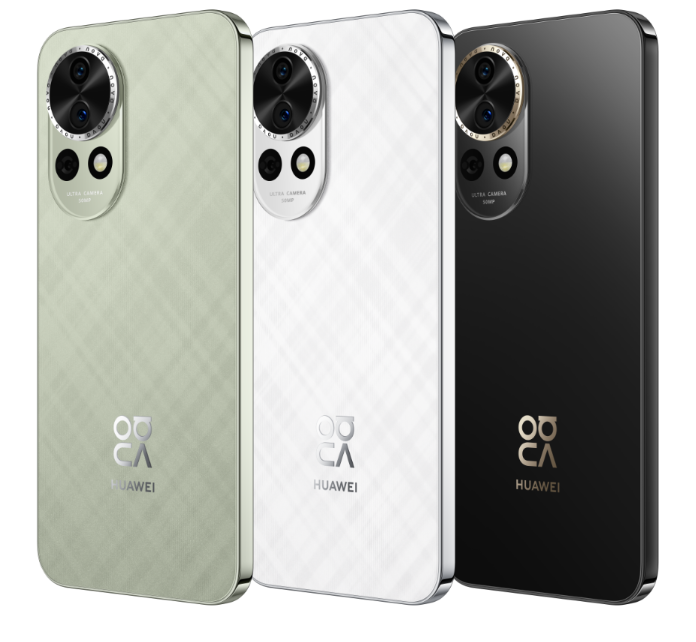
Right off the bat, the immediate change one would notice between the two generations is the design. The biggest difference is with the camera module. While the Redmi Note 13 series features image sensors on the top left corner, the company is shifting it into the middle with the Note 14 lineup. The newer models are expected to feature both glass and vegan leather options and we can expect limited edition models as well, like the Redmi Note 13 Pro+ World Champions Edition and the Note 13 Pro New Year special Edition.

2. Newer & Faster Specs

Xiaomi is refreshing the chipsets on the entire Note 14 series. So we’re not getting the same chips again, but the newer and more powerful versions of them. To recall, the base Redmi Note 13 launched with the MediaTek Dimensityu 6080 SoC, while the Note 13 Pro and Note 13 Pro+ packed the Snapdragon 7s Gen 2 and Dimensity 7200 Ultra respectively.

With the Note 14 lineup, the base model will reportedly be equipped with the Dimensity 6100+. The higher end models feature the Snapdragon 7s Gen 3 on the Redmi Note 14 Pro and Dimensity 7350 chipset on the Note 14 Pro+. All of these are straight improvements over the old phones. The Redmi Note 14 Pro is expected to house a massive 5,500mAh battery pack, which is larger than the Note 13 Pro’s 5,100mAh cell. So the Pro+ might also get a bigger battery. The charging rates are expected to be similar between generations.

3. Cameras

There are also changes in the camera department. The main sensor on the Redmi Note 13 is a 108MP camera, but the Redmi Note 14 is getting a new 50MP primary shooter. It would likely retain the ultra-wide-angle lens. The shift to a 50MP sensor for the main rear camera is also coming to the Note 14 Pro models as well. The Note 13 Pro series offered a 200MP triple camera setup, while the Note 14 Pros may offer a 50MP + 12MP + 2MP configuration.

BOULT RetroAmp X60 & X40 Bluetooth speakers launched

BOULT, a significant player in the Indian audio market, introduced two new Bluetooth speaker models in the country: the RetroAmp X60 and RetroAmp X40. These speakers offer a vintage look combined with modern technology.

RetroAmp X60 specs:

The RetroAmp X60, the larger model, has a leather body with gold accents for a classic look. It provides 60W of sound through dual dynamic drivers and supports various input options, including Bluetooth 5.3, AUX, USB, and TF card, making it compatible with devices like smartphones, TVs, and computers.

BOULT RetroAmp X60
BOULT RetroAmp X60

The X60 is built for long listening sessions, with up to 14 hours of battery life. It also includes a karaoke mode for added fun during gatherings. The control panel allows easy access to functions like play/pause and track selection.

RetroAmp X40 specs:

RetroAmp X40
BOULT RetroAmp X40

The smaller RetroAmp X40 offers 40W of sound through dual drivers and has a similar leather design with copper accents. It supports Bluetooth 5.3, FM playback, and AUX, USB, and TF card inputs. The X40 has a battery life of up to 10 hours.

Pricing & availability

Both models are available on Flipkart and boultaudio.com at introductory prices: Rs. 3,999 for the X40 and Rs. 5,999 for the X60.

In other news, Sony India has launched the WF-C510, expanding its range of truly wireless earbuds. Key features include Sony’s DSEE technology for enhanced audio, 360 Reality Audio for immersive sound, and up to 22 hours of playback with the charging case. A 5-minute charge provides an additional hour of listening.

The earbuds include Ambient Sound Mode for environmental awareness, “Voice Focus” for clearer calls, and customizable EQ settings via the Sony | Headphones Connect app. They support multipoint pairing, Quick Access to Spotify, and have an IPX4 water resistance rating.

New Arrival: Moondrop KADENZ Earphone with 10mm Dynamic Driver and DSP Tunings

Moondrop KADENZ is an advanced in-ear earphone designed for audiophiles and music lovers alike. It comes equipped with a powerful 10mm ULT-Gen2 dynamic driver, offering a refined and effective audio experience. The earphones feature cutting-edge technology and attention to detail to provide high-quality sound and an excellent user experience. You can get the earphones for $189.99 only on GeekWills. 

Powerful 10mm ULT-Gen2 Dynamic Driver

At the heart of the Moondrop KADENZ is the second-generation ULT-Gen2 10mm dynamic driver, a patented ultra-linear moving coil unit. The driver’s irregular magnetic circuit design, simulated using FEA (finite element analysis) technology, ensures precise sound reproduction. For optimized performance, air pressure balance channels are incorporated into the magnetic circuit structure to handle different vibration areas. Additionally, the unique vault-type venting device reduces treble standing waves inside the diaphragm while protecting the coil during intense dynamics. This sophisticated design ensures a rich, balanced audio experience with remarkable clarity and detail.
Well-Balanced Acoustic Tone

The Moondrop KADENZ delivers a well-balanced tone, thanks to its optimized cavity structure. Through extensive testing, including directional simulations, 3D printing, and mold adjustments, the internal structure was fine-tuned to enhance the acoustic volume. This attention to detail allows the KADENZ to reproduce sound across a wide range of frequencies, ensuring a balanced and natural tone, whether listening to soft vocals or powerful bass-heavy tracks.

Third-Generation Anti-Clogging Sound Filter

Moondrop has equipped the KADENZ with a third-generation patented anti-clogging sound filter, ensuring the best possible sound quality. This new design effectively prevents earwax and debris from clogging the sound filter, a common issue with in-ear earphones. The improved filter is especially beneficial for maintaining clear mid and high-frequency audio, ensuring consistent performance over time.

Interchangeable 0.78mm 2-Pin Cable Design

For enhanced versatility, the Moondrop KADENZ features a universal 0.78mm 2-pin interchangeable cable. This allows users to swap out the cable depending on their needs or preferences. The earphones come with both a 3.5mm analog cable and a USB-C cable, making it compatible with a wide range of devices, including PCs, Android phones, and iOS devices. This adaptability makes the KADENZ ideal for different streaming scenarios and use cases.

USB-C Cable with Five DSP Tunings

Moondrop KADENZ also comes with a USB-C high-definition decoding cable featuring DSP (digital signal processing) technology. Created by the renowned audio reviewer Crinacle, this cable offers five unique tunings, allowing users to customize their listening experience. The USB-C cable supports high-resolution audio, decoding PCM signals up to 32bit/384kHz, with a dynamic range of 120dB and a low total harmonic distortion of just 0.003%. This results in crisp, clear audio for a premium listening experience.

Key Specifications:

  • Driver: 10mm ULT-Gen2 dynamic driver
  • Sensitivity: 122dB/Vrms (@1kHz)
  • Impedance: 35Ω ± 15% (@1kHz)
  • Frequency Response: 8Hz-21kHz
  • Cable: 0.78mm 2-pin (includes 3.5mm analog and USB-C cables)
  • THD: ≤0.03% (@1kHz, 94dB)

With its flagship-level 10mm ULT-Gen2 dynamic driver, well-balanced acoustics, and versatile design, the Moondrop KADENZ stands out as a top-tier option for anyone seeking high-quality, immersive audio.

Xiaomi 15 Ultra camera specs leaked, may feature 200MP periscope telephoto lens

Renowned tipster Digital Chat Station recently revealed key details about a forthcoming flagship device, believed to be the Xiaomi 15 Ultra. Expected to launch in the first quarter of next year, this device is likely to be Xiaomi’s most advanced offering, building on the legacy of the Xiaomi 14 Ultra.

As per the leak, the Xiaomi 15 Ultra will boast a quad-camera setup featuring three 50MP lenses and an impressive 200MP telephoto lens.

Xiaomi 14 Ultra

1. Advanced Quad-Camera Setup

Xiaomi 15 Ultra Camera Specs Leak DCS

The highlight of the Xiaomi 15 Ultra is its imaging system. The quad-camera setup includes three 50MP sensors and a powerful 200MP lens, expected to be a periscope telephoto unit.

This telephoto lens will not only support traditional zoom capabilities but also low-light telephoto and ultra-telephoto macro modes, positioning the Xiaomi 15 Ultra as a standout device for photography enthusiasts. While the specifics of these 50MP sensors are not yet confirmed, the main sensor is anticipated to feature a large probably 1-inch+ sensor with fixed aperture, continuing the trend of large sensors used in Xiaomi’s top-tier devices.

For comparison, the Xiaomi 14 Ultra also comes with a quad-camera setup featuring a 50MP rear camera with a 1″ Sony LYT-900 sensor, f/1.63 ~ f/4 variable aperture, Hyper OIS, LED flash, and a Leica Summilux lens.

The setup is complemented by a 50MP 122° Leica ultra-wide angle lens with an f/1.8 aperture and 5cm super macro capability. Additionally, it includes a 50MP 3.2X 10cm Leica telephoto camera with an f/1.8 aperture, OIS, along with a 50MP 5X 30cm Leica periscope telephoto camera featuring an f/2.5 aperture, OIS. These three lenses use the Sony IMX858 sensor.

While it remains uncertain if the Xiaomi 15 Ultra will continue with this sensor for its ultra-wide lens, rumors suggest that the 200MP telephoto lens could utilize Samsung’s HP3 sensor which could provide up to 10x optical zoom. The HP3 is a 200MP mobile image sensor with 0.56-micron pixels and triple ISO capabilities, which has been used in several high-end competitors’ models.

2. Other Key Specifications

Beyond the cameras, the Xiaomi 15 Ultra is expected to deliver flagship-level performance with the new Snapdragon 8 Gen 4 chipset, potentially paired with up to 24GB of RAM. Additionally, the device may feature a 6,200mAh battery, ensuring all-day power, and will run on the latest HyperOS 2.0, based on Android 15.

Aesthetically, leaks suggest the phone will have a 2K display with micro-curvature on all four sides and an ultrasonic in-display fingerprint sensor. It is expected to come in three material finishes for the body: plain leather, fiberglass, or ceramic.

OnePlus 13 Launch Seems Imminent: Visits MIIT Certification

OnePlus plans to be the first smartphone brand to launch a flagship phone powered by Qualcomm’s Snapdragon 8 Gen 4 chip. With the Snapdragon announcement drawing near, it seems like the OnePlus 13 launch is also right around the corner. A recent sighting in a Chinese certification has also backed these expectations, so here’s what we know.

OnePlus 13 spotted in Chinese certification

The Chinese smartphone maker’s next-gen premium device surfaced on the MIIT database. This is a major certification platform, which hints at the OnePlus 13’s imminent release. This device was spotted carrying the PJZ110 model number and was certified with 5G connectivity, a dual SIM card slot, and running on the Android operating system.

OnePlus 13 mockup render
OnePlus 13 mockup in new Green Vegan Leather Color Option

Apart from these basic specs, MIIT didn’t reveal any other notable details. But we have a fair bit of info regarding its specs thanks to various leaks and reports. OnePlus 13 is confirmed to arrive with the Snapdragon 8 Gen 4 SoC. GeekBench listing showcased the smartphone with 16GB of RAM. The benchmarks also confirmed its flagship phone with Android 15 OS out of the box. Reports have claimed that a massive 6,000mAh battery pack could power this device, which supports 100W wired fast charging and 50W wireless fast charging.

For optics, the rear is expected to pack a triple camera setup with a 50-megapixel Sony LYT808 primary sensor along with an ultra wide angle lens and a periscope telephoto shooter. The camera module will continue the Hasselblad calibration. Other notable details include an IP69 rating for water and dust resistance and a new green vegan leather option. The OnePlus 13 on GeekBench was seen outperforming the iPhone 16’s Apple A18 chipset. Based on what we know so far, this flagship device will be announced in September.

Timekettle W4 Pro AI Interpreter Earbuds: Accurate, Fast, and It has AI.

Interpreter is a solid need for a lot of people, and some of them want a dedicated device to do that. This time we have the Timekettle W4 Pro, a pair of AI interpreter earbuds. Like their predecessors, they have the iconic case design, but rather unique shape on the earbuds. Let’s see what these earbuds are truly capable of.

Unboxing

As you can see, the first thing Timekettle want you to know is that, when you have this device, you don’t need to panic! So these earbuds come with a squared-off metal case, a glossy surface on the top, with a logo on the top. And matte finish at the bottom, with a button in the middle, that’s for pairing.

Open it up, you know that the case is held by a magnet, quite an innovative design actually. There are labels to tell you which side is the earbud, and they should be put in the right place after use. Overall, I think the design and build are quite good, and innovative.

Features

So after you pair them up with your phone, you can use them to do translation properly.

The first feature is the One-on-one, which means you wear one earbud, and hand the other one to another person, and assign a language to each earbud, then the translation will start to work. There are two ways to have the translation results, one is text on the App, and the other is the sound to your earbuds. Based on our tests, for 2-3 conversational sentences, it usually takes 2-3 seconds to have the texts, and 4-5 seconds for the sounds. The speed is good actually.

Next, we have the Listen & Play. If you prefer to have both earbuds on your ears, or you think giving one earbud to many people is not that hygienic, then this mode will be the choice. In this mode, you use the phone to show people the translated text and voice, so when you are giving a speech, you say something, and many people will be able to hear what you have said. It also takes less time to show text than the voice, and I found that they both take less time to complete the tasks. This mode is also useful if you are listening to a speech or something, you can ask that person on the stage to wear this just for you, right? So the phone’s microphone can be a useful tool in this process.

Lastly, there is the Media Translation, which is a mode for you to have translation results from a video or audio played backstage on your phone, or a phone call with a foreigner. After trying it for a few times, I think the good thing about this feature is the accuracy, and the phone call translation can be a good way to use it. But for a media source translation, the experience is not that seamless, I mean you have both the original sound and translated voice playing directly into your ears, both loud and clear, and your brain will get a bit messy. If you have no problem concentrating on things that way, then it will work well for you.

Of course, if you are going to need offline translation, you might need to buy the packages within the app.

And also you can choose a male or a female voice for the results. I would recommend female voice, because you can also practice your language skills with the AI-Language tutor in the App. You can choose a particular topic, and then practice conversations with the tutor, this feature can help a lot of language learners. After every session from any mode, you can also review the whole conversation that happened earlier, to help you recap. There are also some other AI features in the app, if you want to, you can try to use them later.

Highlights

After using these earbuds for a few days, I still find the design very unique I must say. It has a long stem, and there are three mics at the sides, the benefit is that when the mic is closer to your mouth, it will pick up the sound a lot better. Also it has the Open-Ear concept integrated, so it protects your hearing better, helps you pick up the real sound around you, another thing is that it is more hygienic if multiple people are going to wear the same earbud over and over again.

It claims to support 40 Languages, 93 Accents, and 13 Pairs of Offline Languages. Isn’t that great, yay mate? Like for me, I always have trouble talking to people with heavy accents in English, it’s like my brain does not work well, I am sure it will help me a lot when I travel. The accuracy is also really good, I would say it’s 95%, so you can rely on it even for business occasions. It claims to have a so-called HybridComm technology, which makes the whole process clean, fast, and smart, and my experience very much supports this. So after an important business meeting maybe, you can have AI do a summary, and then form a very organized report, quite convenient.

Verdict

So this is the review of the Timekettle W4 Pro AI Interpreter Earbuds, I would say these earbuds work really well. They can save you from the back-and-forth effort with a normal translator, it just blends into your daily life seamlessly. We recognize that Gizmochina’s audience are from everywhere, and I am sure some of you work in a diverse environment. These earbuds can truly help you out. So if you are interested in them, check out the link here:

iPhone 16 Pro Users Report Display Freezing: Is the New Camera Button to Blame?

Apple has been dealing with a bumpy launch of the iPhone 16 series, with even the Pro models seeing a lower than expected demand. But things appear to be getting worse for the brand, as the iPhone 16 Pro owners are now complaining about display issues on their thousand dollar phone.

Apple iPhone 16 Pro Touchscreen Freezing Problem

Reports from users have started surfacing that screens of their iPhone 16 Pro models are becoming unresponsive. The news first popped up on Reddit as iPhone 16 Pro owners complained about their devices having issues with the touchscreen. Apparently, the screens of the higher end 2024 iPhones are unresponsive due to accidental touches. This problem mostly appears on the right half of the display, which is also where the new camera button is situated.

iPhone 16 Pro

Many believed that this new button could be behind this issue. Users claimed that the touchscreen became unresponsive if their hands were in contact with the camera button. So accidentally putting your hands on the camera button causes the screen to face delay or not work at all. The Apple iPhone 16 Pro The freezing is temporary, although the home bar isn’t affected. While the issue may stem from the right half, the display becomes unresponsive on all four screen edges.

Considering how users can’t swipe or tap but the home bar remains unaffected, the issue might be related to the iPhone’s software. There’s a feature called Palm Rejection, which was even demonstrated by Khaos Tian on Mastodon. As the name suggests, it denies all touch inputs to reject any unwanted actions on the iPhone 16. This problem doesn’t seem to affect older models as he demonstrated how the iPhone 13 mini, which also has palm rejection, did not face such an issue. Apple could likely patch this out with an update if it is actually the palm rejection algorithm, although an issue with a faulty camera button might warrant a hardware fix.

Xgimi Mogo 3 Pro Review: This Compact Google TV Projector Will Surprise You!

As a tech reviewer, I’ve had the privilege of trying out several innovative gadgets. However, this is my first time diving into the world of projectors, and the Xgimi Mogo 3 Pro has set the bar quite high for my initial experience.

Xgimi MoGo 3 Pro Review

Portable projectors have evolved significantly over the past few years, and I was curious to see if the Mogo 3 Pro could meet the expectations set by its impressive feature list.

Let me take you through my experience with this compact, versatile projector, highlighting its design, features, performance, and the overall experience it delivers.

1. What’s in the Box?

The Xgimi Mogo 3 Pro comes with the following items in the box:

  • Xgimi Mogo 3 Pro Projector
  • Remote
  • Creative Optical Filter (optional)
  • Power Adapter
  • 2 x AAA Batteries
  • User Manual
  • Warranty Card

I also got the optional accessories, like the carrying case and power base stand, which are not included in the standard box but can be purchased separately.

2. Design and Build Quality

Xgimi-MoGo-3-Pro-Review

From the moment I unboxed the Mogo 3 Pro, I was immediately impressed by its sleek, modern design. The build quality is exceptional, with a compact, cylindrical form that gives it a unique, premium feel.

At just 1.1 kg, it’s extremely lightweight and portable, making it easy to move between rooms or take on outdoor adventures. The projector comes with a 130-degree adjustable stand, which allows for easy positioning on various surfaces. Additionally, the rubberized feet ensure stable placement, which is great when you’re constantly adjusting it for the best viewing angle.

One thing I really liked is the seamless integration of the Type-C power input, which brings modern convenience. However, it’s important to note that it lacks an internal battery, so you’ll need to use the supplied adapter or the optional PowerBase stand if you want truly portable, battery-powered operation.

The PowerBase stand is fantastic, sturdy, and practical, offering up to 2.5 hours of additional battery life. During my testing, I found it to be very stable, whether indoors or outdoors.

Xgimi also offers a premium faux leather carrying case (purchased separately) with suede lining, and I have to say, this accessory really impressed me. The quality is outstanding, offering excellent protection for the projector while being stylish enough to match the premium feel of the device itself.

3. Setting Up the Xgimi Mogo 3 Pro

Xgimi-MoGo-3-Pro-Review

Setting up the Mogo 3 Pro was a breeze. The projector runs on Google TV, which significantly simplifies the experience. Upon powering it up, I was prompted to link my Google account, and within minutes, I had access to Netflix, YouTube, Prime Video, and more.

It comes with a remote which has direct buttons for popular streaming services, making navigation incredibly easy. I found the remote’s build quality to be excellent, with the buttons providing a tactile and responsive feel.

The Mogo 3 Pro features auto-focus and auto-keystone correction, automatically fine-tuning the image for sharpness and proper alignment, even if the setup isn’t perfect. This was a game-changer for me as someone new to projector setups. It also comes equipped with ISA 2.0 technology, offering intelligent obstacle avoidance and screen alignment, ensuring the image adjusts to bypass objects like furniture or plants.

Initially, I experienced some keystone correction issues during setup, but Xgimi quickly addressed this with a firmware update. After the update, the projector seamlessly adjusted, providing a sharp and perfectly aligned image, greatly enhancing its usability.

4. Image and Sound Quality

Xgimi-MoGo-3-Pro-Review

Now, let’s move on to the core feature: the projection quality. The Mogo 3 Pro delivers native 1080p resolution, which, paired with 450 ISO lumens of brightness, is good enough for most casual viewing experiences.

However, as with any projector, it performs best in low-light or dark conditions. In well-lit environments, the image quality suffers, and the brightness becomes noticeably less effective. If you’re someone who watches content in dimly lit or dark spaces, this projector will serve you well, but if you’re hoping for daytime use without blackout curtains, you might find the brightness a bit underwhelming.

What I really enjoyed was the color accuracy. The projector covers up to 90% of the DCI-P3 color gamut and produces vibrant and realistic colors, whether you’re watching a movie or playing games. For a portable projector, the clarity and color reproduction are impressive, especially when streaming content in HD.

As for the audio, the Mogo 3 Pro is equipped with dual 5W Harman Kardon speakers, and I must say, the sound quality exceeded my expectations. For a portable projector, the speakers deliver rich, immersive audio that easily fills a small to medium-sized room.

Whether I was watching action movies or listening to music, the sound was clear with decent bass. There’s no immediate need to pair it with external speakers, which is a big plus for its portability.

The projector also supports Ambient Light Mode which turns the projector into a Bluetooth speaker with customizable lighting effects, creating a relaxed atmosphere and adding a decorative touch. However, it felt somewhat gimmicky to me.

5. Accessories and Practical Use

Xgimi-MoGo-3-Pro-Review

Xgimi has done a great job of offering additional accessories to complement the Mogo 3 Pro. I tested both the tripod stand and the PowerBase stand, and both were solid options. The tripod stand is perfect for placing the projector at different heights, while the PowerBase stand enhances portability with its built-in battery. Both accessories are sturdy and well-designed, which is something I really appreciated during my testing.

One accessory I didn’t quite make much use of was the Creative Optical Filter. While it promises to create a more immersive experience by expanding the projection and adding some cool visual effects, I found it to be somewhat underwhelming. This could be due to the limited space in my room, so perhaps with a larger setup, it might have more of an impact. Nevertheless, the core experience of the projector doesn’t rely on this accessory, so it didn’t detract from my overall satisfaction.

6. Performance and Final Thoughts

Xgimi-MoGo-3-Pro-Review

Over the course of testing, I used the Mogo 3 Pro for a variety of purposes, from movie nights to casual gaming. In all scenarios, it performed admirably. The Google TV interface is fluid and easy to navigate, the image quality is crisp and clear, and the sound is more than adequate for its size.

While it’s not the brightest projector on the market, it holds its own in low-light settings, and the compact form factor makes it a truly portable entertainment device. I also liked that the projector runs quietly. At less than 32 decibels, the fan noise was barely noticeable, even during longer viewing sessions. This made the viewing experience all the more enjoyable, especially when watching in quieter environments.

In conclusion, the Xgimi Mogo 3 Pro offers a lot of value for its price, especially if you’re looking for a portable projector that can handle a wide range of entertainment needs. It’s well-built, easy to set up, and delivers great image and sound quality for casual use.

While it might not compete with high-end projectors in terms of brightness, its portability, Google TV integration, and Harman Kardon speakers make it a versatile and enjoyable device. If you’re considering a portable projector for your home or for travel, the Mogo 3 Pro is definitely worth checking out.

7. Pricing and Availablity

The Xgimi Mogo 3 Pro is priced at approximately $450. For an additional $50, you can purchase the bundle with the PowerBase stand, which adds battery life and portability. Accessories like the carrying case are available for $69, and the Creative Optical Filter is priced at $49. These can be purchased separately to enhance your overall experience.

It is now available on the Xgimi website and Amazon.

World’s First Tri-Fold Smartphone Huawei Mate XT now at an exclusive discount on Giztop

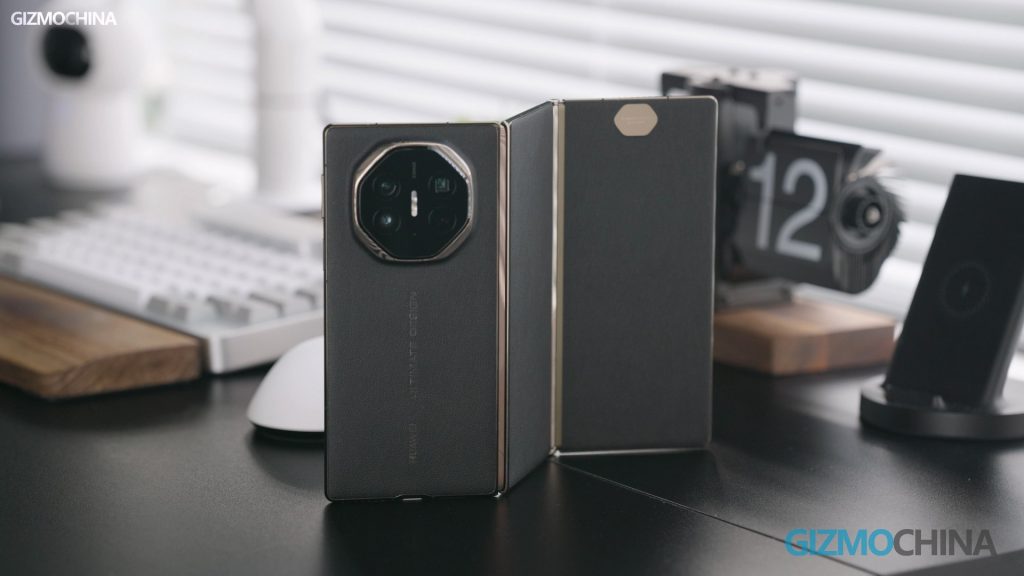
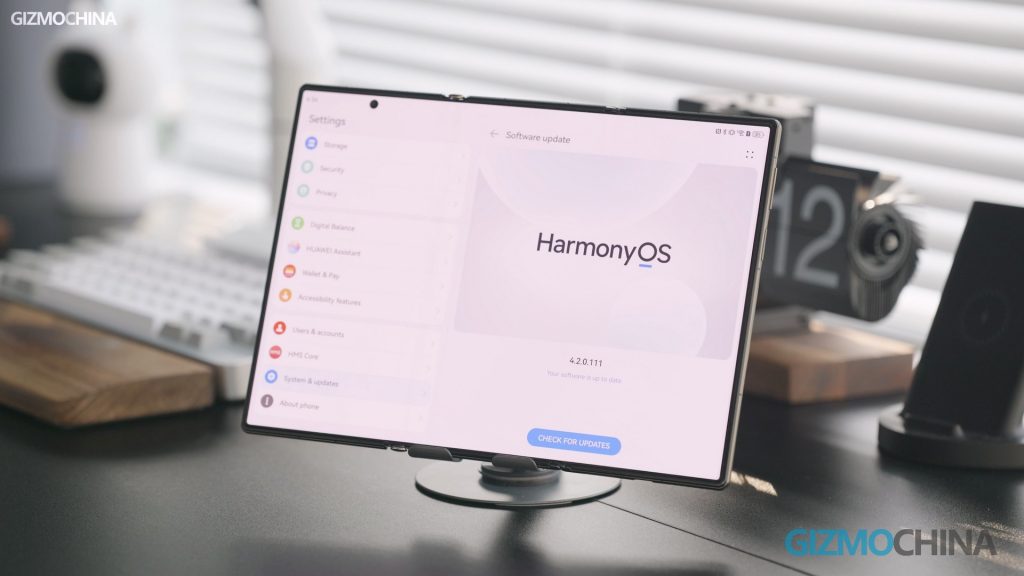
Huawei Mate XT marks a significant milestone in smartphone technology as the world’s first tri-fold smartphone, showcasing an innovative design that redefines the way users interact with their devices. With its unique triple-screen setup, advanced features, and robust specifications, this device stands out in the competitive market of foldable smartphones.

Groundbreaking Design and Display

The Huawei Mate XT features a triple-screen design that utilizes dual hinges to create an immersive experience. The front display measures 6.4 inches with an OLED panel, offering vibrant colors and sharp visuals. When fully unfolded, the device transforms into a stunning 10.2-inch display with a resolution of 2,232 x 3,184 pixels, perfect for multitasking, streaming, or gaming. In its partially unfolded state, the 7.9-inch display provides flexibility for various use cases.

The device’s thickness is also impressive, measuring just 3.6 mm when unfolded and 12.8 mm when folded, making it one of the slimmest foldable smartphones on the market. This sleek design ensures that users can enjoy a premium feel without compromising portability.

Enhanced Durability and Technology

One of the standout features of the Mate XT is its ultra-durable structure. Constructed with advanced materials and incorporating a non-Newtonian fluid, the smartphone enhances durability and flexibility. The dual-hinge design consists of an inner hinge that manages compression forces and an outer hinge that resists tension, ensuring smooth operation and stable display positioning.

Powerful Performance and Storage Options

Under the hood, the Huawei Mate XT is powered by the Kirin 9010 processor, coupled with either 12GB or 16GB of LPDDR5X RAM. This powerful combination delivers exceptional performance for running applications, multitasking, and navigating through menus seamlessly. Storage options include 256GB, 512GB, or 1TB of UFS 4.0 memory, providing ample space for all your photos, apps, and media.

Impressive Camera Capabilities

Photography enthusiasts will appreciate the Huawei Mate XT’s camera setup. The device boasts a rear camera system featuring 50MP, 12MP, and 12MP lenses, along with an 8MP selfie camera. With 5.5x optical zoom and up to 50x digital zoom, users can capture stunning images from various distances. The inclusion of optical image stabilization, electronic image stabilization, and AIS image stabilization ensures that every shot is clear and professional.

Long-lasting Battery Life

Equipped with a 5,600mAh battery, the Mate XT supports 67W fast wired charging, allowing users to go from empty to full charge in just 37 minutes. It also features Quick Charge 4+ and Power Delivery 3.0 technologies, along with 50W wireless charging, making it a practical choice for those on the go.

Pricing and Availability

The Huawei Mate XT is officially on sale, with an eye-catching price point of up to $10,000 in the offline market. This high cost reflects Huawei’s very limited first batch, making it a premium offering in the foldable smartphone category. For those interested in acquiring this innovative device at a more accessible price, it is available on Giztop for $8,999.

Huawei Mate XT represents a groundbreaking advancement in smartphone technology with its tri-fold design, impressive specifications, and robust features. While it operates on Harmony OS NEXT without Google Mobile Services, its innovative capabilities make it a noteworthy option for tech enthusiasts looking for something truly unique in the world of smartphones.

Nothing’s 140W GaN charger silently appears on e-commerce listing revealing price and specs

Nothing is likely preparing to launch a new 140W GaN charger under its sub-brand, CMF. While the company hasn’t officially announced anything about it, a new listing on Flipkart suggests the launch is imminent.

The listing, shared by a user on X (formerly Twitter), shows the charger in a matte black finish with the CMF logo and a 140W GaN inscription. It features two USB Type-C ports and one USB Type-A port on a two-pin design.

A poster accompanying the listing highlights the charger’s specifications. It mentions nine safety mechanisms and intelligent power distribution, though there’s no mention of the specific power output for each port individually or when used together.

However, the poster confirms that the charger supports PD 3.1 protocol and can charge two laptops simultaneously. For instance, it can charge a MacBook Pro to 55% in just 30 minutes.

For Nothing’s smartphones, including the CMF Phone 1 and Nothing Phone (2a), the charger can power them to 66% in 30 minutes.

As for the price, the listing shows an EMI plan of Rs 294 per month for 24 months. Based on it, the total cost comes in at around Rs 7,000, but that’s likely factoring in the interest. 

We couldn’t find the listing for the charger on Flipkart, but a user in the original post suggests the charger is priced at Rs 6,000 for the Indian market.

It’s not clear when the company will launch the adapter, but there’s a Nothing event scheduled for September 24th – tomorrow – where the company is expected to unveil its first open-ear earbuds. The charger might also debut at this event.

And note that, it’s not the first GaN charger under the Nothing by CMF brand. There’s already a 65W model that the company launched last year for Rs 2,999 in India or some USD 49 in the US.

New Arrival: FiiO KA15 Portable Hi-Fi DAC with Dual CS43198 DACs & 560mW Output Power

FiiO KA15 is a high-performance portable Hi-Fi DAC and headphone amplifier, designed to elevate your audio experience. Whether you’re connecting it to your phone, tablet, or computer, the KA15 is built to deliver exceptional sound quality, making it a versatile choice for audiophiles who crave uncompromising audio wherever they go. You can get this device for $109 only at GeekWills.

Premium Sound Performance

At the heart of the FiiO KA15 is the renowned dual CS43198 DAC, a high-performance, low-power digital-to-analog converter that supports resolutions up to 32-bit/768kHz and DSD256. With its impressive sound reproduction capabilities, the KA15 ensures that every note and detail is heard with clarity and precision. Complementing the DAC is the Dual high-performance op-amp SGM8262, which provides powerful amplification for both low and high-impedance headphones, offering up to 560mW of output power. This power level rivals many desktop amplifiers, making the KA15 an excellent portable alternative.

Customizable Audio with PEQ Adjustment

One of the standout features of the FiiO KA15 is its built-in audiophile-grade DSP, which supports 10-segment high-precision lossless PEQ (Parametric Equalizer) adjustment. With FiiO’s self-developed algorithm and app, users can simulate or correct the frequency response curve of their headphones. The PEQ settings can be saved, shared, and modified, giving users full control over their listening experience. The PEQ adjustments ensure that the KA15 delivers an efficient and smooth listening experience, tailored to your preferences.

Enhanced Usability with IPS Display and Control App

The FiiO KA15 is equipped with a 0.96-inch IPS true-color LCD screen, displaying both Chinese and English languages. Its retro dynamic user interface offers an intuitive experience, allowing users to navigate local settings effortlessly. The KA15 can be controlled in all directions through the FiiO Control App, where users can adjust PEQ settings, balance channels, change volume levels, switch UAC modes, and more. The app also supports future firmware updates, ensuring that the KA15 stays current with the latest audio technologies.

Versatile Connectivity

For gaming enthusiasts, the KA15’s UAC 1.0 mode allows easy connection to devices such as the Nintendo Switch and PlayStation 5, providing an immersive audio experience during gameplay. The device also features both 3.5mm single-ended and 4.4mm balanced outputs, with the 3.5mm output supporting SPDIF coaxial output. This enables users to connect the KA15 to higher-end external decoders for even more diverse sound performance options.

Key Specs:

  • DAC: CS43198 DAC
  • Output Power: 560mW (max)
  • Support: Resolutions up to 768kHz/32bit and DSD256
  • Compatibility: Android, iOS, iPad OS, Windows, Mac OS
  • Certifications: Hi-Res Audio Certified

With its powerful performance, customizable sound, and versatile connectivity, the FiiO KA15 is an ideal choice for audiophiles seeking high-fidelity audio on the go. Whether for music lovers or gamers, the KA15 offers a premium, adaptable listening experience.