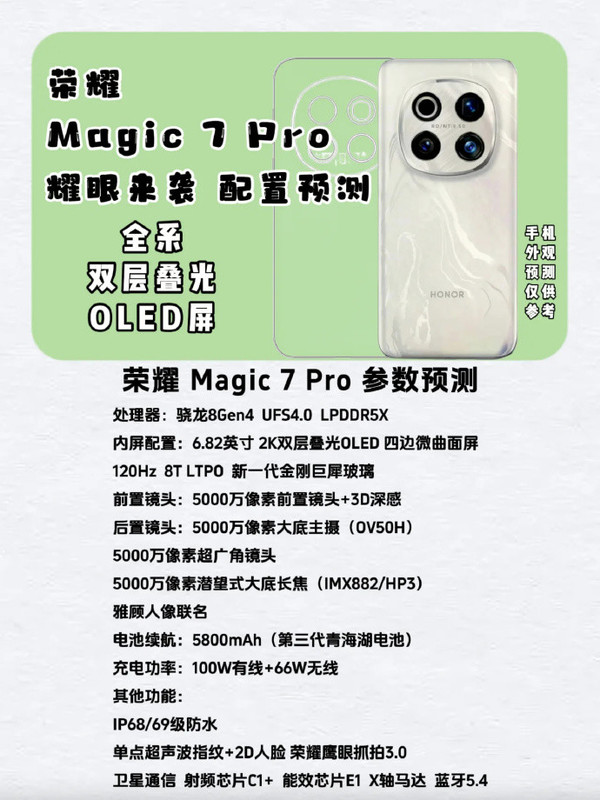
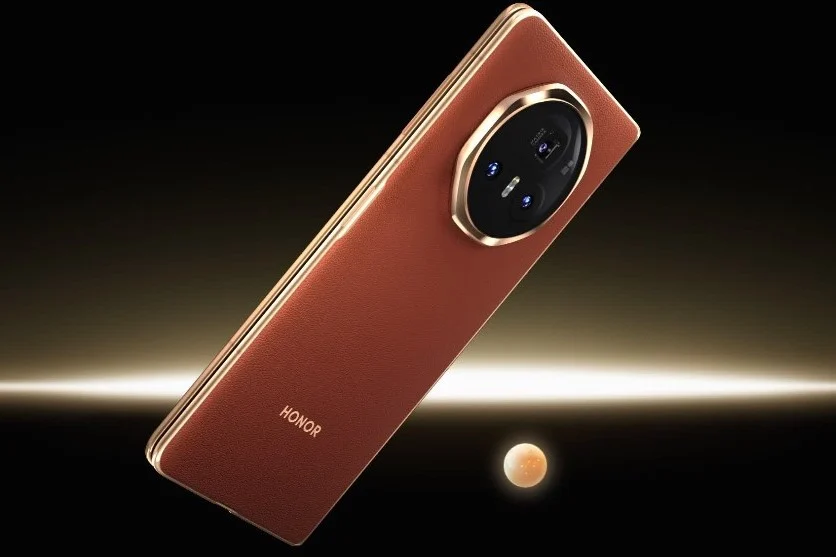
Recent reports have claimed that the Honor Magic 7 Pro will be announced in November of this year. Like the Magic 6 series, the upcoming Magic 7 lineup may include the Magic 7, Magic 7 Pro, Magic 7 Ultimate, and Magic 7 RSR Porsche Design. Among these models, the rumor mill has been consistently leaking details about the Magic 7 Pro. Recently, a tipster created a mock render to showcase the rear design of the phone. Now, the image below has surfaced on Chinese social media platforms, revealing all the major specs. Here’s a look at what to expect from the Magic 7 Pro.
Honor Magic 7 Pro specifications (rumored)
Honor Magic 7 Pro specs leak
The Honor Magic 7 Pro will likely sport a 6.82-inch 2K dual-layer OLED display with quad-curved edges and a 120Hz refresh rate. The screen could also integrate 8T LTPO technology and be protected by next-generation Kunlun Glass for enhanced durability. It is expected to feature the Snapdragon 8 Gen 4 processor, paired with UFS 4.0 storage and LPDDR5X RAM.
In terms of photography, the device may boast a 50-megapixel front-facing camera with 3D depth-sensing capabilities. On the rear, it is rumored to have a triple camera setup, including a 50-megapixel main sensor (OmniVision OV50H), a 50-megapixel ultra-wide-angle lens, and a 50-megapixel periscope telephoto lens IMX882 or 200-megapixel Samsung HP3 sensor technology.
The Magic 7 Pro may potentially come equipped with a 5,800mAh battery, utilizing third-generation Qinghai Lake battery technology. It is expected to support 100W wired charging and 66W wireless charging, ensuring quick power-ups. Additional features could include IP68/69 water resistance, ultrasonic fingerprint and 2D face recognition, as well as Honor’s enhanced eye protection 3.0. Additionally, the Magic 7 Pro is said to offer other features, such as also said to support satellite communication and may include the C1+ RF chip, E1 efficiency chip, and x-axis linear motor.
Readers should note that the authenticity of this leaked image cannot be confirmed. Therefore, it is advisable to take these specifications with a grain of salt.
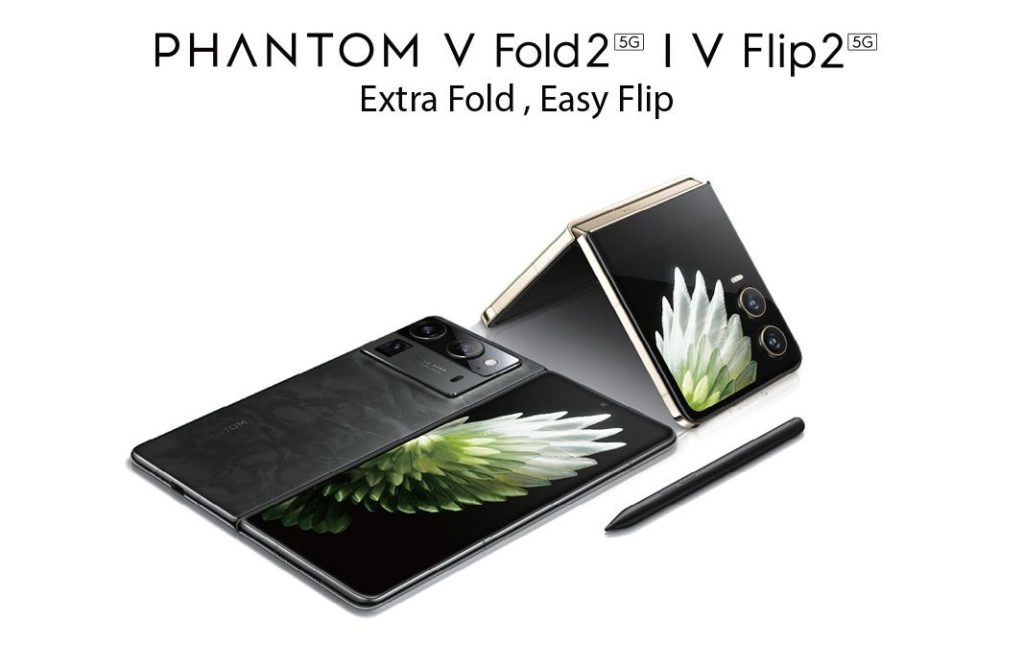
Tecno plans to launch the Tecno Phantom V Fold 2 and V Flip 2 foldable phones in various markets. The Phantom V Fold 2 will be the brand’s second-generation horizontally foldable phone. The company has reportedly started accepting pre-orders in the African market, indicating that it may launch by early September. Here’s a look at the new features that the Phantom V Fold 2 is expected to offer.
New Design
Tecno Phantom V Fold 2
The original Tecno Phantom V Fold sported a round camera module on the back. Additionally, some users of the first-generation device reported experiencing some movement when squeezing the folded device at the hinge. The hinge did not stay open at different angles, which meant that it could either be fully opened or completely closed.
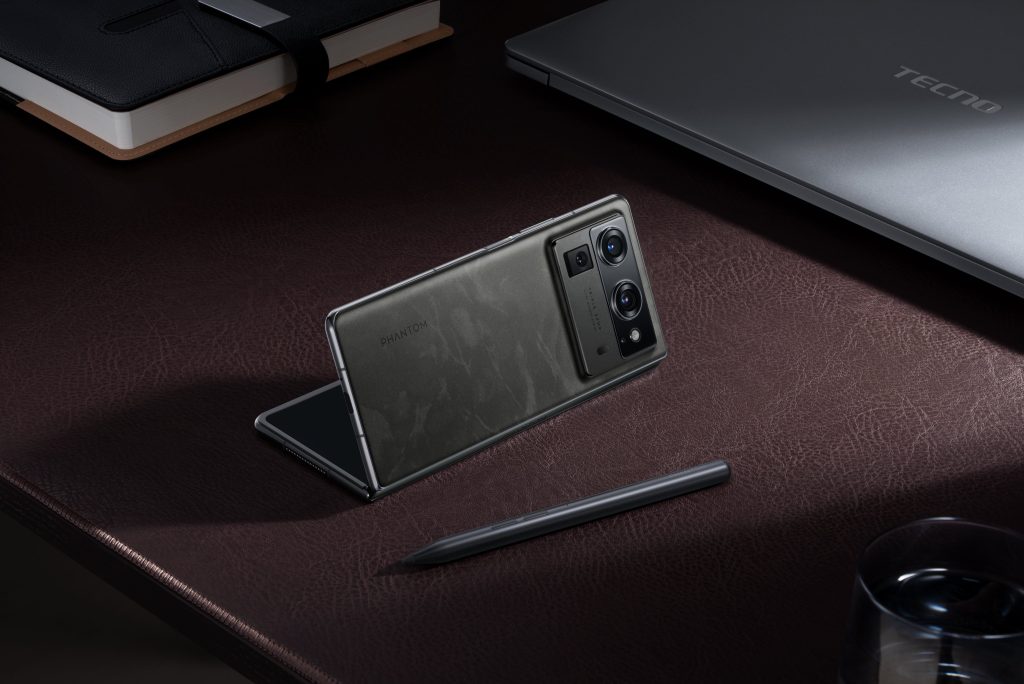
The above image reveals that the Phantom V Fold 2 has a slightly protruding rectangle camera module featuring a 50-megapixel triple camera unit. It also suggests that the device has a side-facing fingerprint sensor.
The Phantom V Fold 2 appears to have a new or improved hinge because the image shows it open at an angle of about 120 degrees.
Stylus Support
Tecno Phantom V Fold 2
The original Phantom V Fold did not have support for stylus. However, the above image suggests that a second-generation model will come with stylus support. However, the device may not have a dedicated storage slot for the stylus.
Bigger Battery + Faster Charging
Tecno Phantom V Fold 2
The Tecno Phantom V Fold 2’s FCC and TUV Rheinland certifications have revealed that it will pack 2637mAh + 2973mAh (5,610mAh – rated value) dual-cell battery. Its typical value could be around 5,700mAh, indicating that it may house a massive battery size like the Vivo X Fold 3 Pro, which packs a 5,700mAh battery.
The FCC certification has also revealed that the device will support 70W rapid charging. In comparison, the predecessor model packed a 5,000mAh battery with 45W charging.
Other Internals
Tecno Phantom V Fold 2, Phantom V Flip 2-
The details surrounding the other specifications of the Phantom V Fold 2 remain unclear. Its internal screen may support 2000 x 2296 pixels resolution, which is the same as the Phantom V Fold. Hence, it may feature a 7.85-inch foldable display on the inside. Under the hood, it may feature the Dimensity 9000 Plus chipset, 12 GB of RAM, and 512 GB of storage. The predecessor model also offered the same specs. The Fold 2 is expected to run on HiOS 14-based Android 14.
Affordable Price
Tecno Phantom V Fold 2, Phantom V Flip 2-
The Phantom V Fold is the most affordable foldable phone, having debuted with a price tag of Rs 88,888. The V Fold 2 is likely to continue this trend, potentially being the most affordable foldable compared to offerings from Samsung, Vivo, and OnePlus. It is expected to be priced at around Rs 90,000.
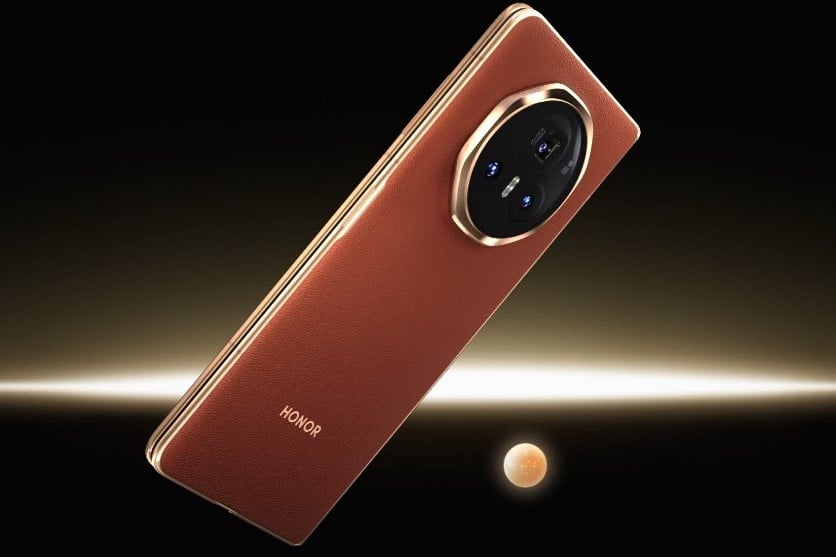
Honor is gearing up to unveil its Magic V3 foldable smartphone globally at IFA 2024, which will be held between September 6 and September 10. Following a cryptic teaser and leaked details, the company has confirmed its appearance at the event.
Set to be showcased alongside the MagicPad 2 and MagicBook Art 14, the price of the Magic V3 has recently leaked online. Tipster Sudhanshu Ambhore has claimed that the device will launch in the Eurozone and UK for €1,999 and £1,699, respectively. This would undercut Samsung’s Galaxy Z Fold 6 by £100 in the UK but match its price in the Eurozone.
In a recent teaser, Honor took a jab at Samsung for producing thicker foldable phones. While the Galaxy Z Fold 6 has a folded thickness of 12.1mm, the Magic V3 is notably slimmer at just 9.3mm. However, the weight difference between the two is minimal, with the Galaxy Z Fold 6 weighing 239 grams and the Magic V3 tipping the scales at up to 230 grams. Other specifications are expected to be the same as the Honor Magic V3 Chinese model, which debuted in China last month.
Honor Magic V3 (Chinese model) specs:
The Honor Magic V3 Chinese model features a 6.43-inch main display with curved edges and FHD+ resolution, along with a 7.92-inch internal display with a resolution of 2,344 x 2,156 pixels. Both screens support a 120Hz LTPO refresh rate, Dolby Vision, HDR Vivid, and stylus input. Peak brightness reaches 5,000 nits. The phone includes an ultrasonic fingerprint scanner with a power button and a 7-series aluminum alloy frame. It’s IPX8-certified for water resistance up to 2.5 meters.
For photography, the Honor Magic V3 has a triple rear camera setup: a 50MP main sensor with OIS, a 40MP ultra-wide lens, and a 50MP periscope telephoto lens with 100x digital zoom and OIS. It also has a 20MP front camera for both the internal and external screens. A Harcourt portrait mode is expected in August.
The device runs on a Snapdragon 8 Gen 3 processor, with up to 16GB of RAM and 1TB of storage. It features a titanium heat dissipation system and is powered by a 5,150mAh battery with 66W wired and 50W wireless charging.
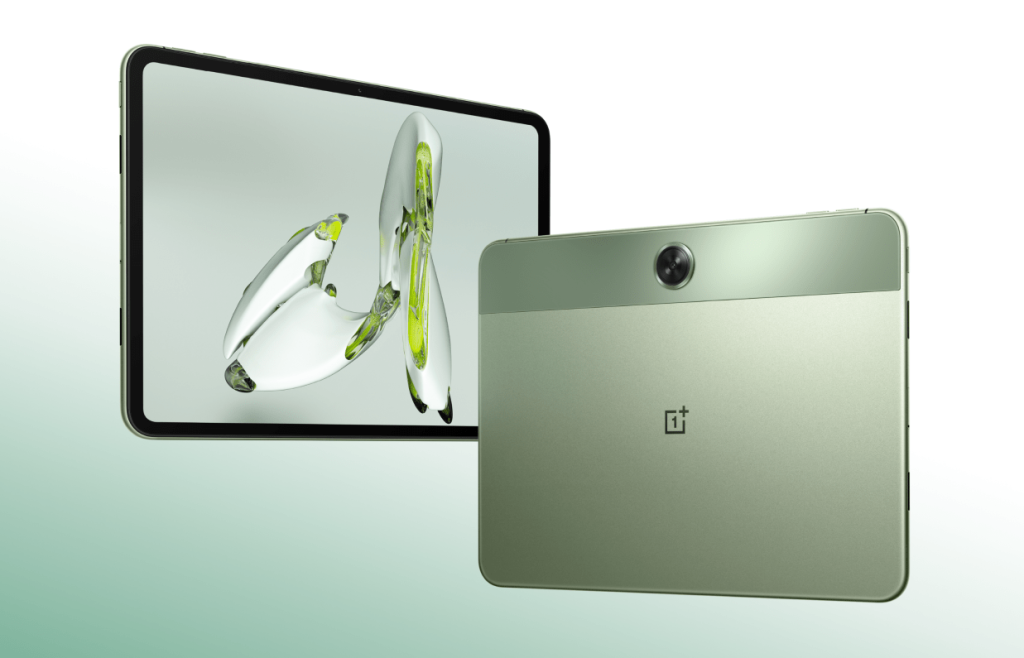
OnePlus has started rolling out the OxygenOS 14.0.0.806 update for its Pad Go tablet in India. This update, which includes a variety of improvements and bug fixes, is being released gradually to ensure a smooth deployment to all eligible devices. The update has the version number OPD2304_14.0.0.806(EX01).
OnePlus Pad Go
OnePlus Pad Go OxygenOS 14.0.0.806 update Changelog
System
Optimises power consumption to extend battery life.
Improves the experience of swiping down on the screen with three fingers to take a screenshot.
Integrates the August 2024 Android security patch to enhance system security.
Fixes an issue with the display of video playback progress when the largest font size and screen display are used.
Fixes an issue where Auto brightness might turn on automatically.
Fixes an issue where “3-finger screenshot” may not work on the Camera interface.
As with other OxygenOS updates, version 14.0.0.806 is being released incrementally. If you haven’t received the update yet, it should arrive in the coming days. Users who have already received the update can report any issues through the OnePlus Community thread.
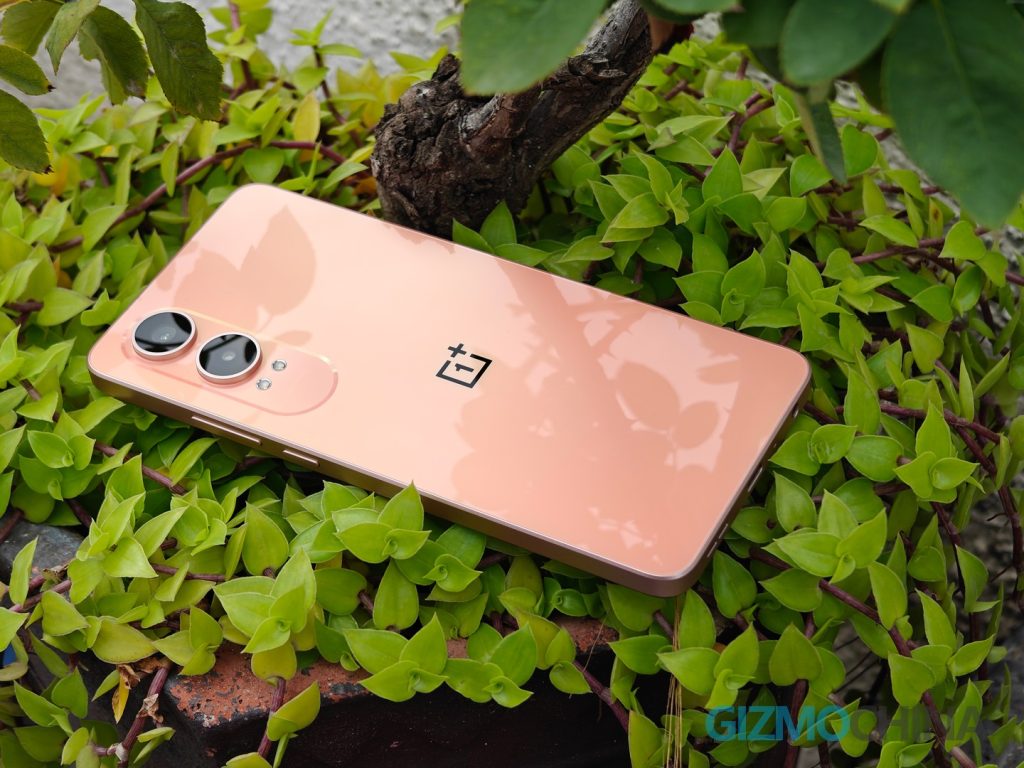
In other news, OnePlus has globally launched the Buds Pro 3, the successor to the Buds 2 Pro. These TWS earphones come with an in-ear design and feature a mix of matte and glossy finishes, along with a pebble-shaped charging case that has a leather texture. They are priced at ₹11,999 in India and $179/£199/€199 internationally. Available in Lunar Radiance and Midnight Opus colors, the Buds Pro 3 can be purchased starting August 23.
OnePlus has continued its firmware update rollout, this time bringing the OxygenOS 14.0.1.900 update to the Nord CE 4 Lite. The update is available to users in India, the EU, and global regions.
This update brings various improvements and fixes to improve the user experience. Key updates include better system stability, improved camera performance, and enhanced security. It also resolves certain display issues, accessibility bugs, and optimizes media management and app-sharing features. You can find the complete changelog below.
OxygenOS 14.0.1.900 update changelog:
System
Integrates the August 2024 Android security patch to enhance system security.
Improves system stability.
Fixes display issues with some games.
Fixes an issue where Eye comfort mode might not work in some scenarios.
Fixes an issue where the Accessibility Menu might not respond to your taps.
Apps
Improves the process of renaming photos and videos.
Rearranges the apps on the Share screen to prioritise the most popular ones.
Camera
Improves the zoom performance for video recording.
Optimizes the resolution and clarity of photos taken in some third-party apps for a better photography experience.
OnePlus has encouraged users to check their firmware versions and to report any bugs encountered after the update. Indian users can conveniently submit bug reports by dialing *#800#. To check if you’ve received it, go to Settings > About Device and tap the blue ribbon.
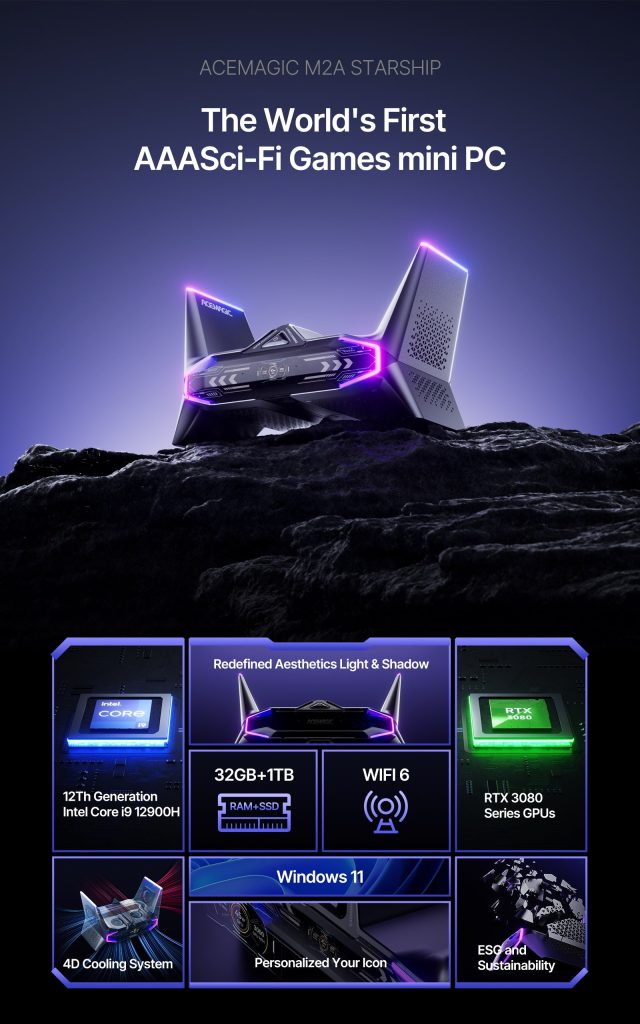
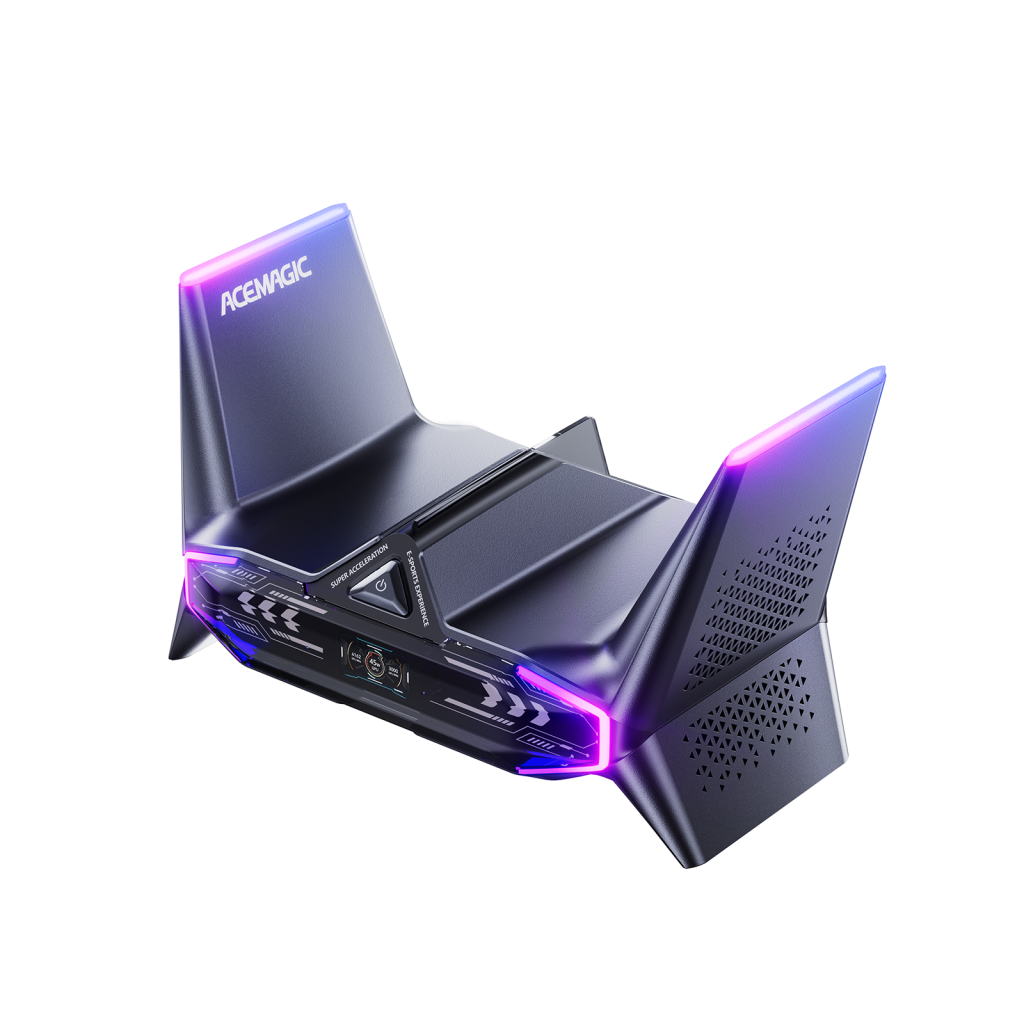
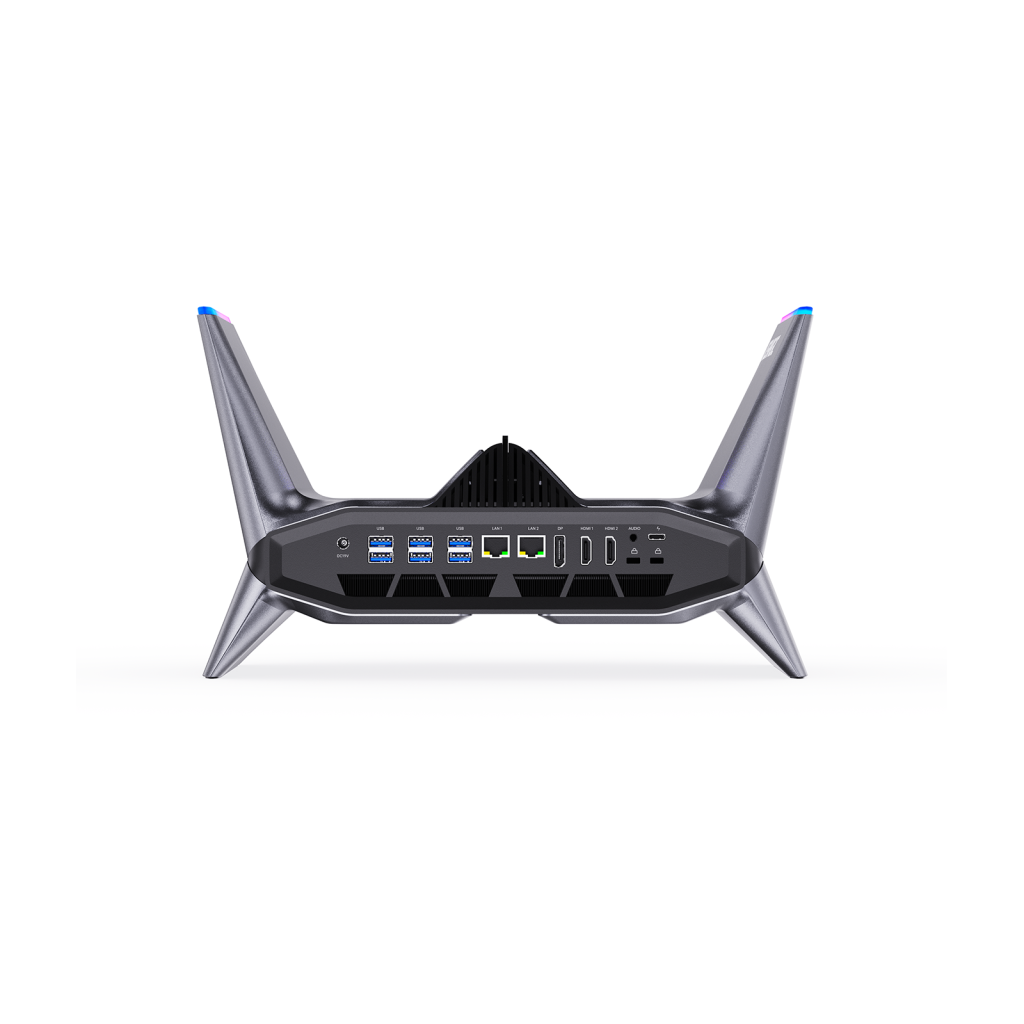
Acemagic has just unveiled its latest gaming mini PC, the M2A Starship, in the Chinese market. True to its name, the mini PC features a design reminiscent of a starship straight out of a sci-fi movie. The M2A Starship is now available for pre-sale on JD.com, with prices starting at 8,999 yuan ($1263). Let’s check out its key specs.
Acemagic M2A Starship Specifications:
The Starship M2A is equipped with an Intel Core i9-12900H processor which features 14 cores and 20 threads, with a base clock of 1.45GHz and a boost clock that can reach up to 5.0GHz. Complementing this is an NVIDIA RTX 3080 GPU with a clock speed of 1.71GHz and 16GB of GDDR6 VRAM for high graphics performance in gaming.
The device comes with 32GB of DDR5 dual-channel memory, operating at 4800MT/S, and a 1TB PCIe 3.0 NVMe SSD for storage. The mini PC supports Wi-Fi 6 for fast and reliable wireless connectivity and runs on Windows 11 out of the box.
The M2A Starship comes with an extensive range of ports, including one USB4 (Type-C), three USB 3.2 Gen1, three USB 3.2 Gen2, two HDMI 2.0, one DP 1.4, and a 3.5mm headphone jack. Additionally, it features dual 2.5G Ethernet ports, catering to users who require robust wired network connectivity.
The mini PC features a 4D Cooling System, which uses four specialized fans and seven copper heat pipes to maintain optimal temperatures. It also includes a Smart Control Center for monitoring performance metrics like GPU and CPU temperatures, power consumption, and fan speed. Additionally, the PC features customizable RGB lighting on the wing and front panels, allowing users to personalize its aesthetics.
Acemagic also prioritizes environmental and social responsibility, with the M2A constructed from eco-friendly PC+ABS materials and processes that promote sustainability.
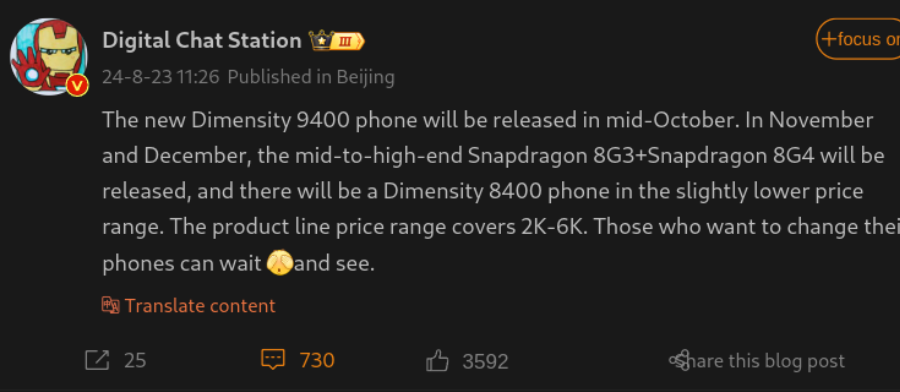
A recent leak from usually reliable tipster Digital Chat Station suggests that MediaTek is preparing to launch its next flagship chipset, the Dimensity 9400, earlier than usual.
Typically, MediaTek releases its top-tier processors in the last quarter of the year. However, the company is now reportedly aiming for a mid-October release for phones powered by the Dimensity 9400. So we can expect the SoC to be unveiled even earlier. Meanwhile, its competitor Qualcomm is set to launch its Snapdragon 8 Gen 4 on October 21st.
The leak aligns with an earlier report suggesting that the Vivo X200 series or Oppo Find X8 series, powered by the Dimensity 9400, could launch before the Xiaomi 15 series, which is expected to be the first with the Snapdragon 8 Gen 4 processor.
The tipster also notes that Snapdragon 8 Gen 4-powered phones are likely to debut in November or December. Additionally, there’s mention of a mid-range Snapdragon 8 Gen 3 device in the works, though no specific model has been named. Digital Chat Station also mentions the arrival of a Dimensity 8400 chipset targeting the slightly lower price range.
While specific details about the Dimensity 9400 are still scarce, previous leaks suggest it will be built on a 3nm process for improved performance and better battery life.
It will feature an upgraded CPU architecture with the new Cortex-X925 as its performance core. With this, the SoC might deliver up to a 30% increase in single-core performance over its predecessor, if a report is to be believed.
Moreover, it’s expected to achieve this while consuming 30% less power than the Snapdragon 8 Gen 3 for similar tasks. Additionally, the Dimensity 9400 is set to be the first chip to use Samsung’s lightning-fast 10.7 Gbps LPDDR5x memory, the fastest in the industry.
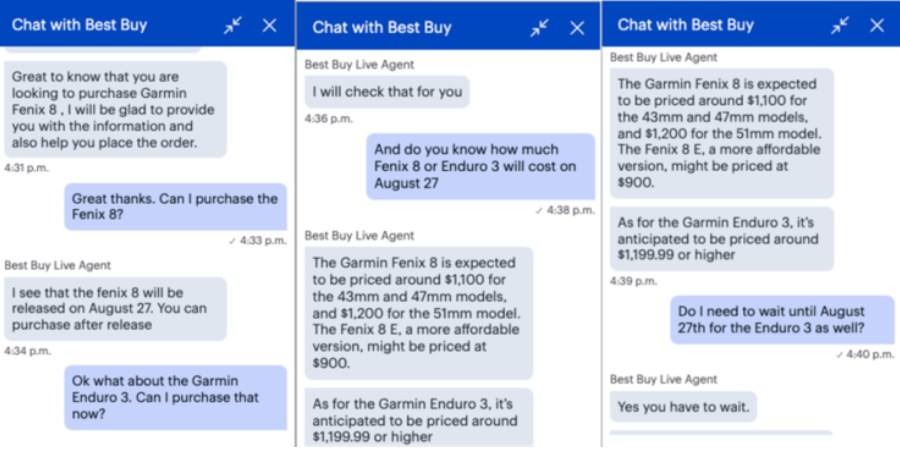
Garmin enthusiasts with a keen eye may have noticed a leak that hints at the potential U.S. pricing for the upcoming Fenix 8, Fenix E (possibly Fenix 8 E), and Enduro 3 smartwatches. The source of the leak is a conversation with a Best Buy Live Agent which was shared by Garmin Rumors.
According to the leak, Best Buy will offer the Fenix 8 in three sizes: 43mm, 47mm, and 51mm. Although the exact prices are not confirmed, the agent suggests the 43mm and 47mm versions could be priced around $1,100, with the larger 51mm model potentially reaching $1,200. This pricing exceeds the Fenix 7X Pro Sapphire Solar Edition’s $999.99 RRP, positioning the Fenix 8 squarely in the premium segment.
The Fenix 8 is also expected to be accompanied by a more affordable model called the Fenix 8 E. It might retail for around $900. Initially, it was believed that the 8 E would feature a MIP display instead of the AMOLED used in the premium model, which would justify its lower price.
However, the Best Buy representative mentioned that the E variant will have an AMOLED display, along with GPS and even solar charging. This makes the lower ~$900 price tag somewhat puzzling.
As for the Enduro 3, it’s expected to come in a single 51mm size, with a price starting at $1,199.99. However, it’s worth noting that the Best Buy representative used phrases like “priced around” and “might be priced at,” suggesting that these figures may not be final.
While the leaked pricing positions the Fenix 8 and Enduro 3 as premium offerings, the details surrounding the Fenix E remain somewhat unclear.
All three smartphones are expected to go official on August 27th—two days from now. So we should soon have official confirmation on pricing and features. Stay tuned for updates as Garmin unveils its latest lineup of premium adventure watches.
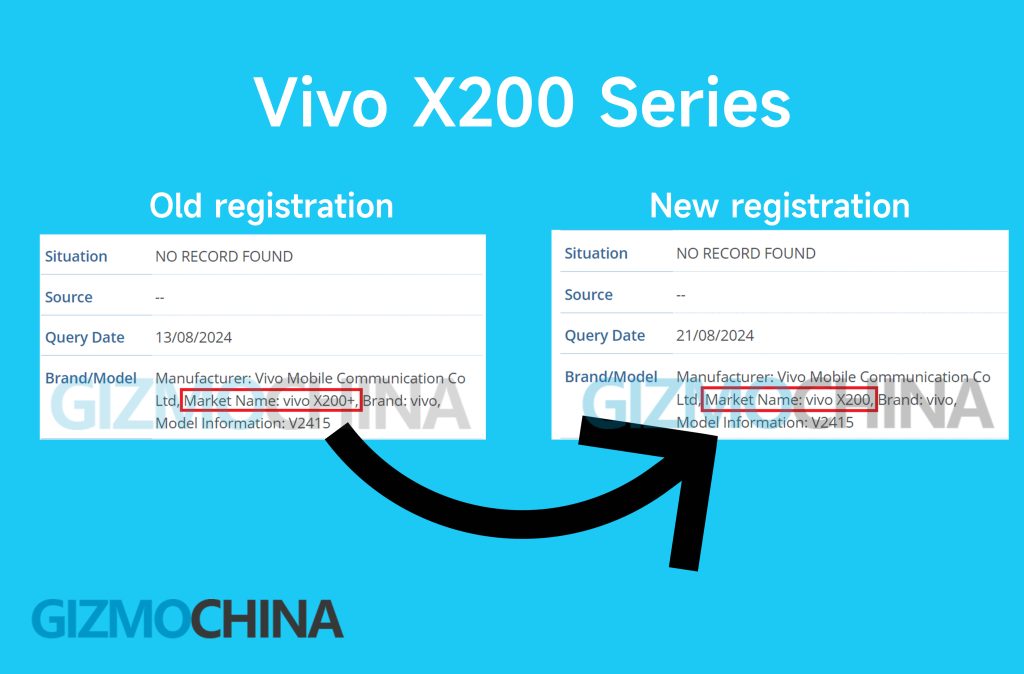
Update: Vivo seems to have decided to rename the X200+ as the X200 Pro Mini. Perhaps after the name leaked, they suddenly changed the name of the smartphone.
Chinese tech giant Vivo is working on the next flagship smartphone. Gizmochina has spotted the Vivo X200+ in the IMEI database. The smartphone rumored to be the Vivo X200 Mini in recent days is actually the Vivo X200+. The new Vivo X200+ is expected to increase competition in the smartphone market.
The new Vivo X200+ has been confirmed
Vivo plans to increase competition in the flagship smartphone market. The company will announce its new high-end smartphone Vivo X200+ in the near future. Vivo’s X200+ has been in the IMEI database for a long time. However, model number V2415, which appeared as Vivo V200+ on August 13, appeared as Vivo X200 on August 18.
This sudden name change is believed to be a strategic move by Vivo to prevent early leaks of the X200+. The model number and IMEI number of the device are the same. We believe that Vivo is trying to hide the X200+. Vivo X200 series will consist of 3 models: X200, X200+ and X200 Pro. The Vivo X200 Pro has been already leaked with model number V2413.
In the IMEI database, device manufacturers can change market names. We see an example here on the Vivo X200+. Unfortunately, the brand trying to hide the existence of the Vivo X200+ failed to do so. Still, this is not a bad thing. These leaks are made because people are curious about new smartphones. And if the Vivo X200+ is already good enough, the new smartphone will scare rival brands. So the leaks don’t really matter.
The Vivo X200+ was leaked as the Vivo X200 Mini and the expected specs of the Vivo X200+ were revealed. You can learn what the Vivo X200+ has to offer by clicking on this article.
The official launch date of the Vivo X200 series is not yet known, but it’s possible that more detailed information will emerge in the future. We are excited to see what this new smartphone has to offer.
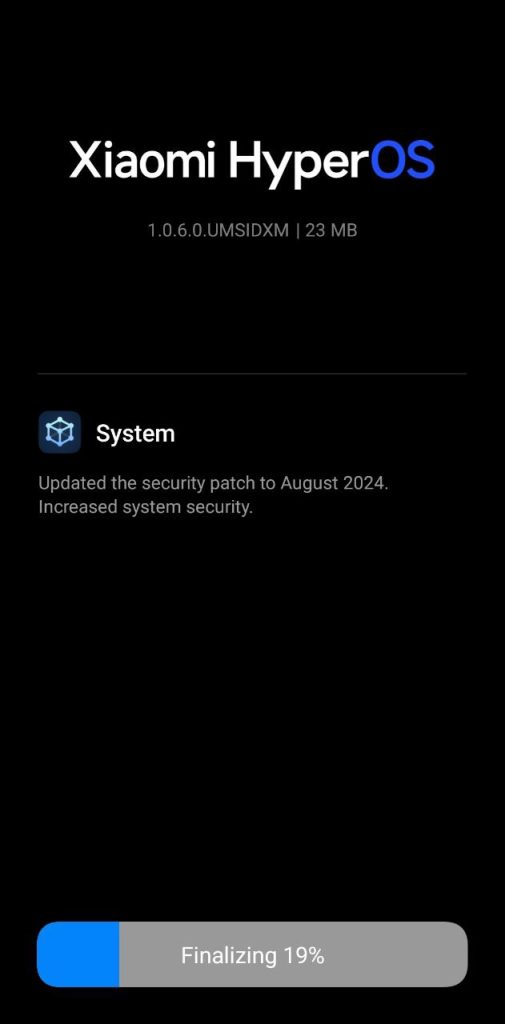
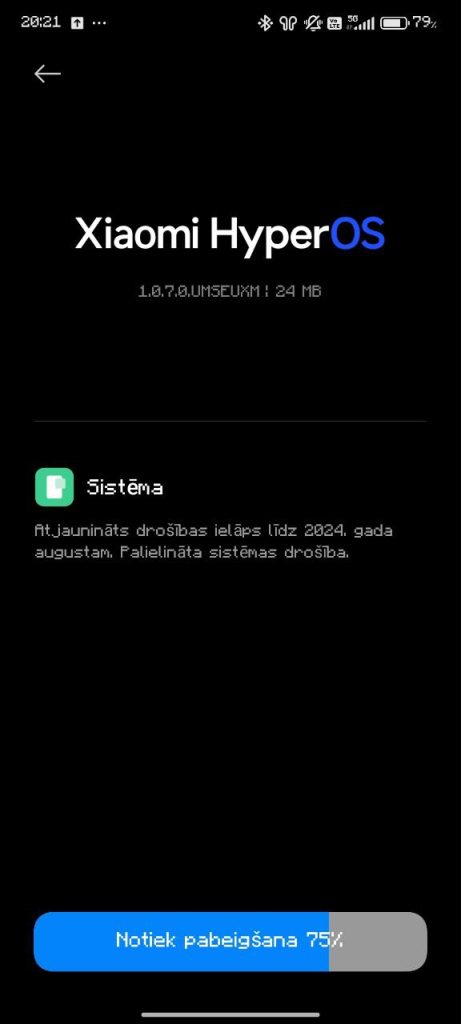
Xiaomi has started releasing the August 2024 security patch for many smartphones. You may have seen our news about this. Now the POCO X5 Pro is one of the devices receiving the new security patch. The brand is working hard to release updates to their smartphones as quickly as possible. This update covers users with Global, EEA, India, and Indonesia ROMs.
POCO X5 Pro HyperOS August Update
The POCO X5 Pro was launched in 2023 and comes out of the box with Android 12 based MIUI 14. Currently, this smartphone is running Android 14 based HyperOS. Xiaomi regularly releases new updates. The August 2024 security update released today for the POCO X5 Pro will increase system security and include some improvements.
HyperOS August Update Build Numbers: OS1.0.7.0.UMSEUXM, OS1.0.6.0.UMSINXM, OS1.0.6.0.UMSIDXM and OS1.0.6.0.UMSMIXM.
The build numbers of the update vary by region. Basically, the updates for all regions are the same. The August 2024 security patch with a size range of 20MB is gradually rolling out to X5 Pro users. To remember the specifications of the POCO X5 Pro, it comes with a 6.67-inch 120Hz AMOLED panel. Powered by Snapdragon 778G, the device performs well enough. It has no problems playing games, switching interfaces or performing any task. With the latest HyperOS update, your device is now more protected against security vulnerabilities.
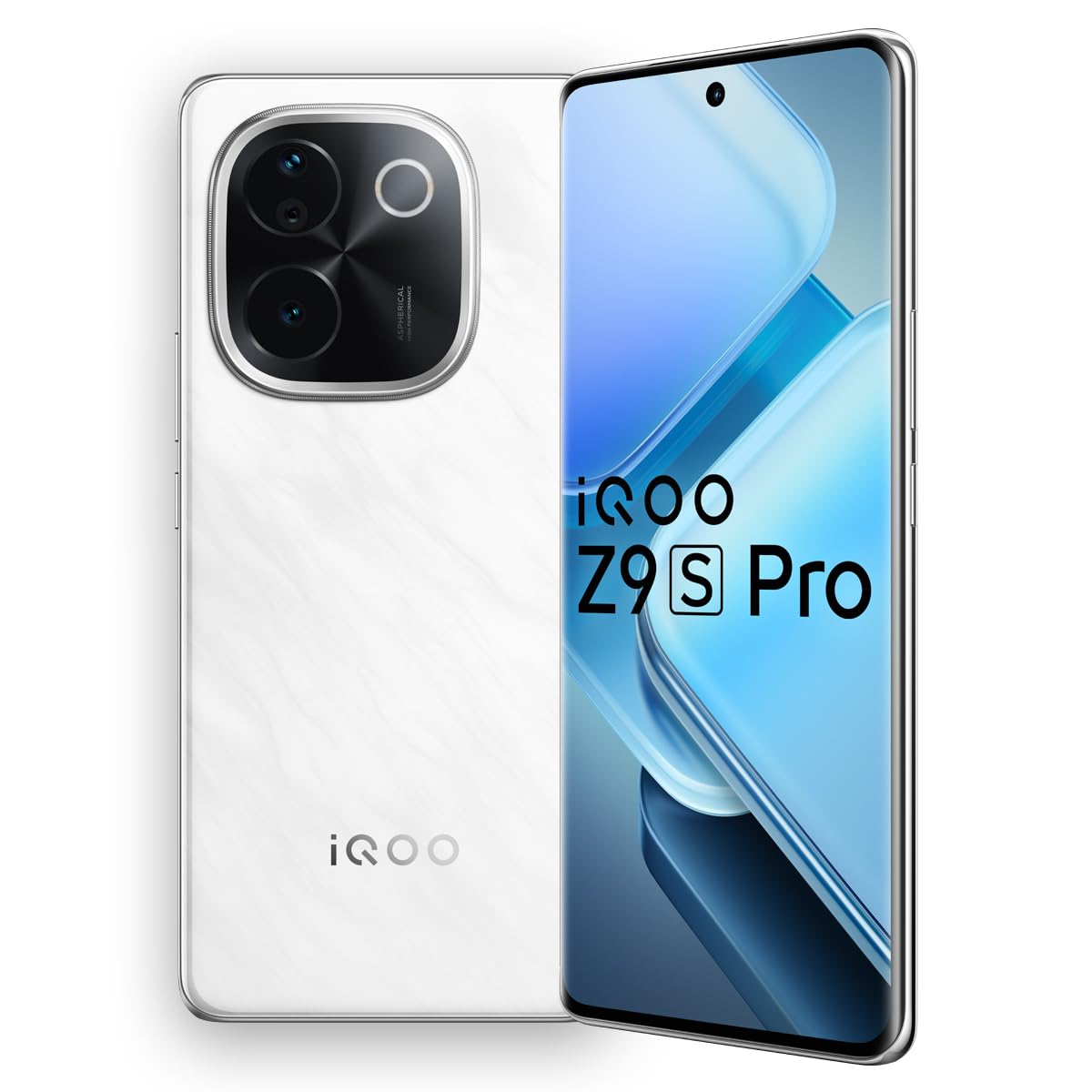
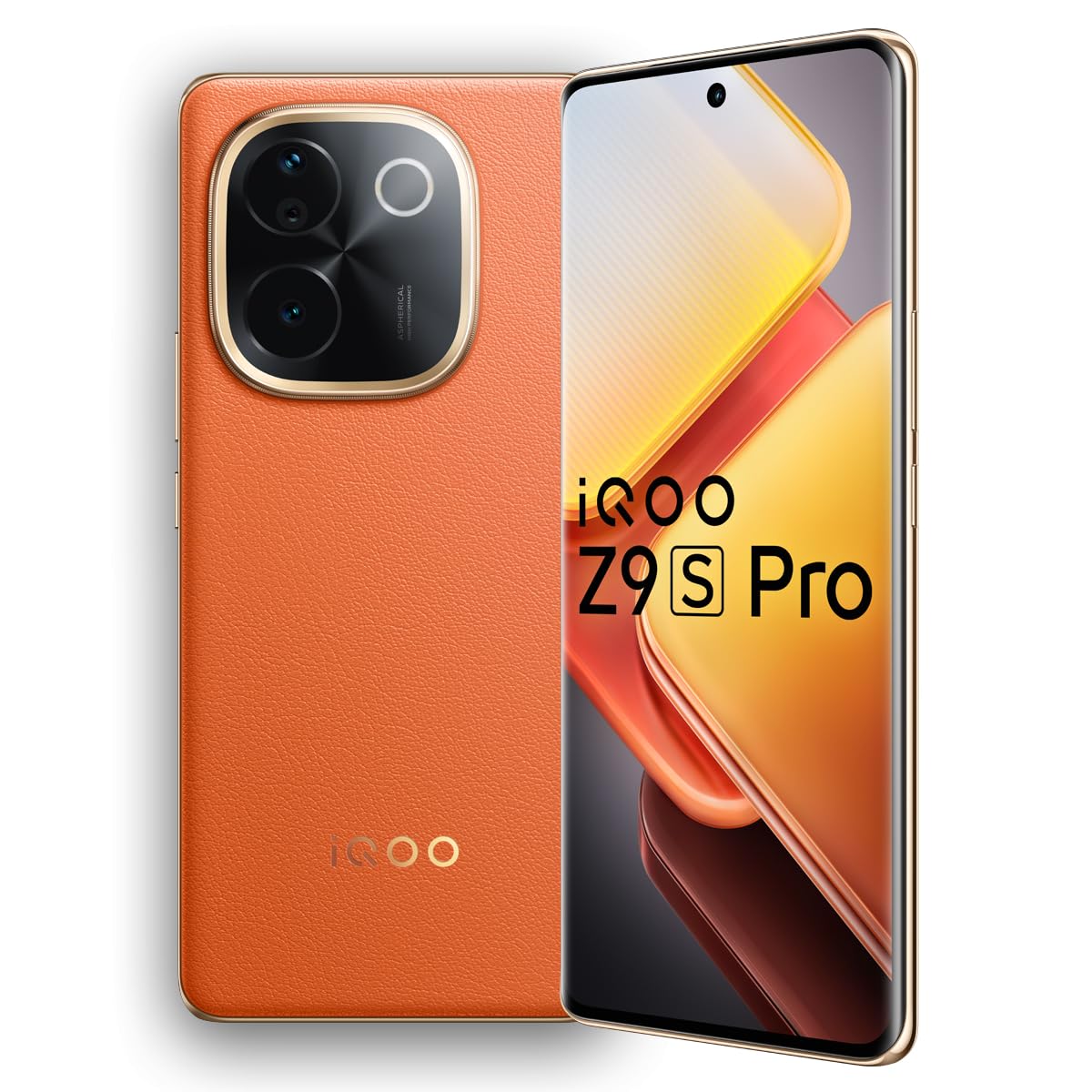
A couple of days back, iQOO launched the Z9s series smartphones in India, including two models, the iQOO Z9s and the Z9s Pro. While the sale of the Z9s model is scheduled for August 29, the Z9s Pro model is already available to buy.
iQOO Z9s Pro pricing & availability
iQOO Z9s Pro is priced at Rs 24,999 for the 8GB+128GB variant, Rs. 26,999 for the 8GB+256GB variant and Rs. 28,999 for the 12GB+256GB variant.
It is available for purchase on Amazon.in and iQOO.com with exclusive offers, including an instant Rs. 3,000 discount on ICICI Bank and HDFC Credit/Debit/EMI options or a Rs. 3,000 exchange bonus on all devices.
This offer brings the effective price of the Z9s Pro down to Rs. 21,999, Rs. 23,999 and Rs. 25,999, respectively.
iQOO Z9s Pro specs:
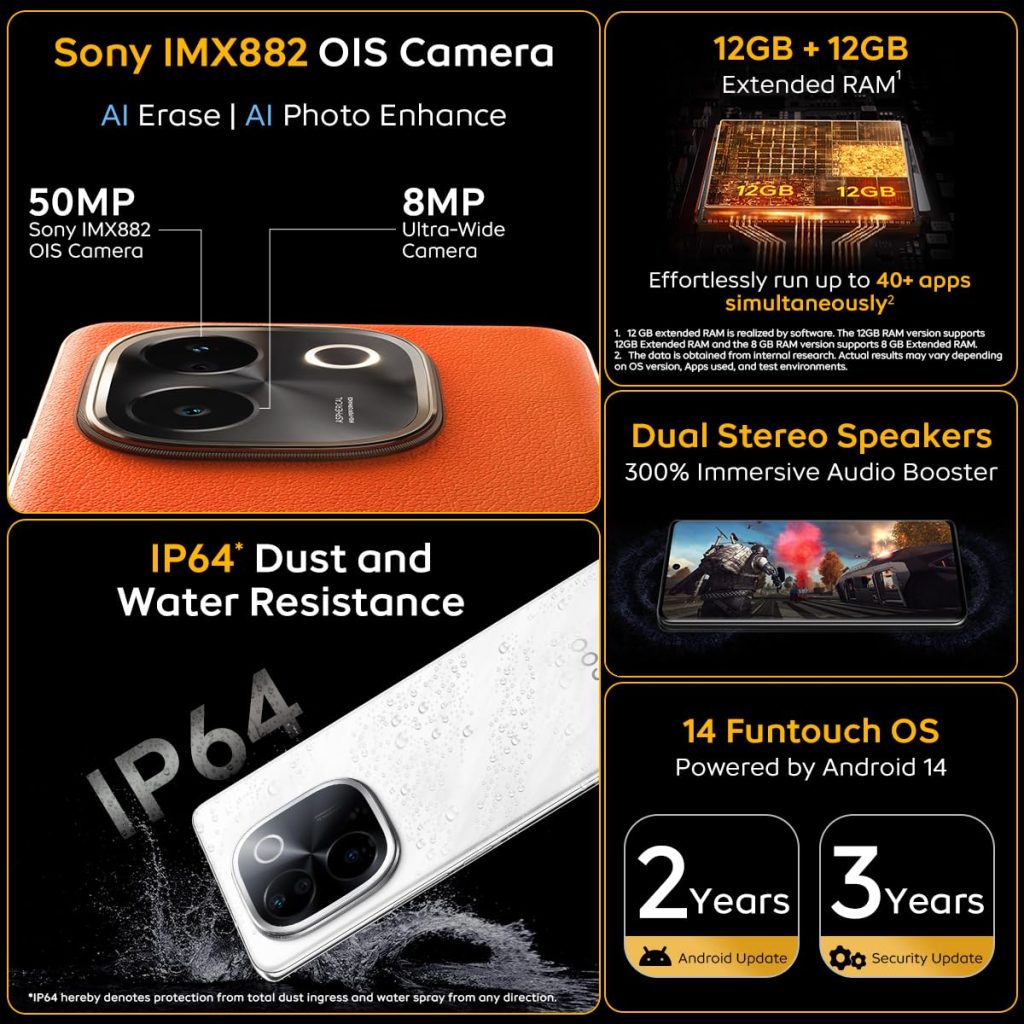
The iQOO Z9s Pro comes with a 6.77-inch Full HD AMOLED display, featuring a resolution of 2392 x 1080 pixels, a 20:9 aspect ratio, and HDR10+ support. The screen can reach up to 4500 nits of brightness and has a 120Hz refresh rate and a 300Hz touch sampling rate for smooth performance.
It runs on the Qualcomm Snapdragon 7 Gen 3 processor with an Adreno 720 GPU and is available with either 8GB or 12GB of LPDDR4X RAM and 128GB or 256GB of UFS 2.2 storage. The phone operates on Android 14-based FuntouchOS 14 and is powered by a 5500mAh battery with 80W fast charging. It supports 5G SA/NSA, dual 4G VoLTE, Wi-Fi 6, Bluetooth 5.4, GPS, and USB Type-C connectivity.
It features a 50MP main camera with a Sony IMX 882 sensor, optical image stabilization (OIS), and an f/1.79 aperture, along with an 8MP ultra-wide camera with an f/2.2 aperture. For selfies, there’s a 16MP front camera with an f/2.45 aperture. Other features include an in-display fingerprint sensor, USB Type-C audio, stereo speakers, and IP64 dust and splash resistance.
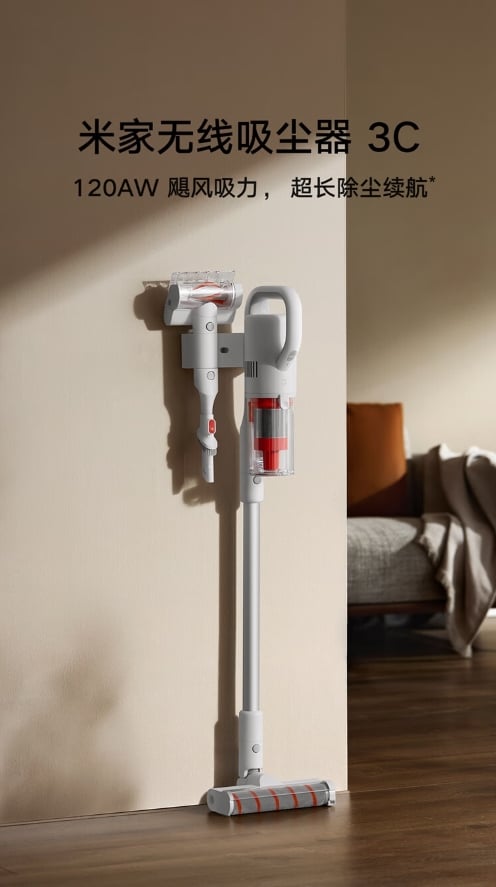
Xiaomi has launched the Mijia Cordless Vacuum Cleaner 3C in the Chinese market. The vacuum cleaner is now available for purchase on JD.com at a price of 899 yuan ($126), with shipping expected to begin after September 5, 2024.
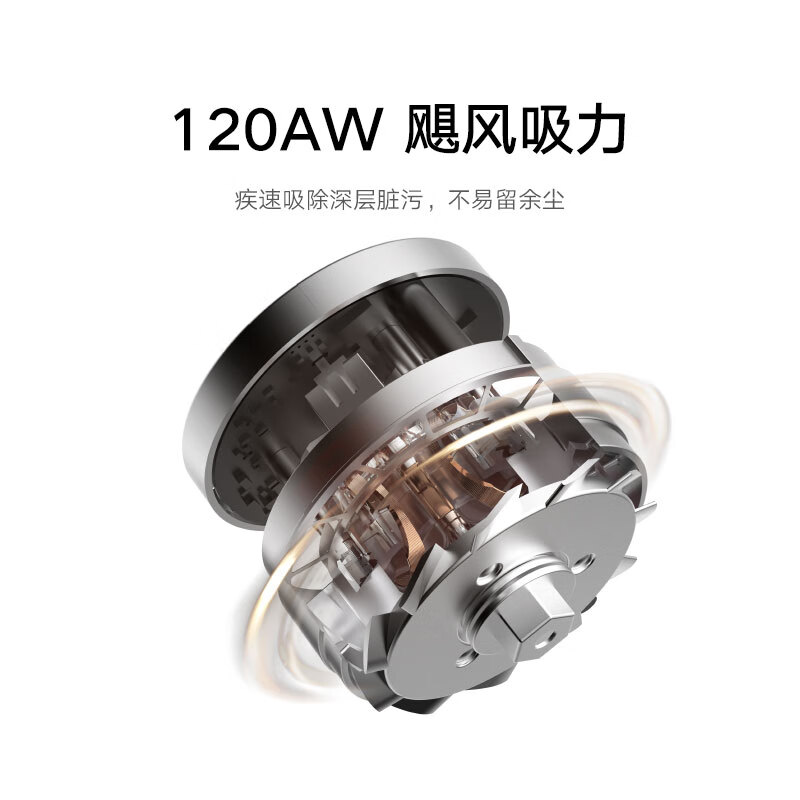
The Mijia Cordless Vacuum Cleaner 3C features a lightweight brushless motor capable of reaching up to 100,000 RPM, delivering a maximum suction power of 120AW (air watt). This high-speed suction effectively removes deep-seated dirt, leaving no residue behind.
The vacuum cleaner is equipped with a 250W motor and a high-performance 2500mAh lithium-ion battery pack that provides up to 60 minutes of cleaning time, making it suitable for whole-house cleaning in one go.
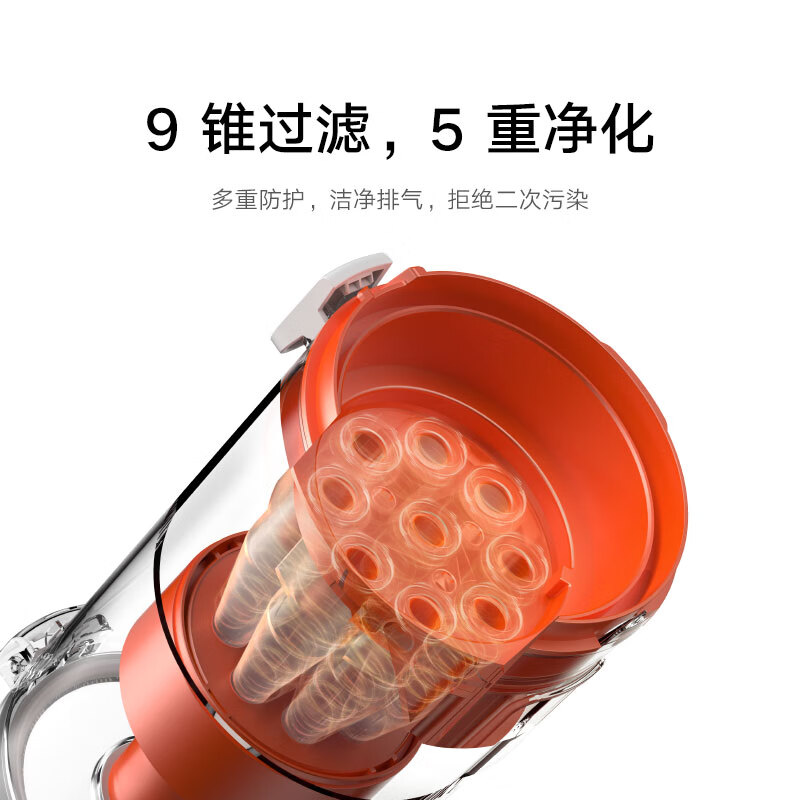
The cleaner utilizes a 9-cone cyclone filtration system, which efficiently separates dust from the airflow, prolonging the filter’s life. It also includes a 5-layer purification system, ensuring rapid dust removal with no secondary pollution.
The 3C is equipped with an anti-tangle electric soft brush with an independent motor drive and a patented anti-tangle mite removal brush designed for deep cleaning of beds and sofas. This makes it particularly beneficial for pet owners.
The vacuum cleaner offers three suction modes—Persistent, Standard, and Strong—allowing users to adjust the cleaning power based on the task at hand. It also features 180° flat cleaning capability, making it easy to reach under beds, cabinets, and sofas. The 0.5L large visible dust cup is designed for easy one-button dust disposal, preventing users from getting their hands dirty.
For enhanced visibility during cleaning, the vacuum cleaner comes with 140° wide-angle green light technology, which increases dust visibility by 15 times, ensuring no dust can escape. The product is also designed for versatility, with three brush heads that can be easily switched to suit different cleaning tasks, whether on floors, in homes, or in cars.
The Mijia Cordless Vacuum Cleaner 3C is eco-friendly, with washable and reusable components, including the dust cup and filter, which maintain the product’s quality over time.
The honeymoon phase for the Google Pixel 9 series might be ending early for mobile gamers. A test by Dame Tech reveals that the new Tensor G4 processor underperforms in Genshin Impact, lagging behind its predecessor, the Tensor G2, found in the Pixel 7 series.
Although Google has stated that the Tensor G4 prioritizes AI performance over raw benchmarks, concerns are growing as the chipset struggles with this popular, demanding mobile game.
Dame Tech’s tests focused on Genshin Impact, pushing the Pixel 9 Pro XL to its limits with the highest possible visual settings. The results were disappointing for Pixel fans: the Tensor G4 managed an average frame rate (FPS) of 39.2, a noticeable drop from the Pixel 7 Pro’s 45.3 FPS achieved with the older Tensor G2.
Interestingly, the Pixel 9 Pro XL maintained cooler temperatures during the test. The phone peaked at 37 degrees Celsius, while the Pixel 7 Pro reached a hotter 42 degrees Celsius. This suggests that throttling (performance reduction due to heat) isn’t the cause of the lower FPS.
According to Dame Tech, the likely issue is optimization. Genshin Impact, known for its demanding graphics, may not be fully optimized for the Pixel 9’s new hardware. This could explain the performance gap despite the cooler operation.
The gap becomes even more pronounced when compared to current flagship devices: the ROG Phone 8 Pro averages a stellar 61.1 FPS, while the iPhone 15 Pro Max and Galaxy S24 Ultra achieve 59.2 FPS and 51.4 FPS, respectively.
While Google prioritizes AI performance, it’s clear that further optimization is needed for the Tensor G4 in other areas. However, it’s important to note that this SoC is not designed for gaming, so it’s unlikely that gamers would choose the Pixel 9 over other current flagships in the first place.
Recently, Infinix announced the XE27 (hands-on impressions) and Buds NEO TWS earphones in India. Now the brand has launched the Note 40 Pro 5G and Pro+ 5G Racing Edition smartphones in the country. The non-special variants of the devices first debuted in April this year. The latest offerings have been developed in collaboration with BMW Group’s Design Works. The design features racing elements along with a host of customisations.
Infinix Note 40 Series Racing Edition arrives in India
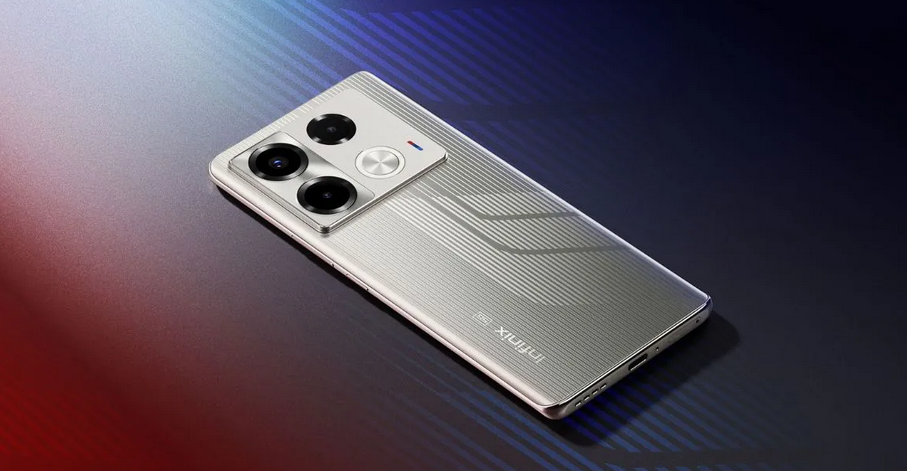
The Infinix Note 40 Pro 5G and Pro+ 5G Racing Edition phones retain the same rectangular rear camera module with an Active Halo AI lightning. There is a BMW’s legendary tricolor beside the 108MP camera text. The rest of the back panel has sleek vertical lines made using advanced UV printing technology for a premium glossy feel. If you look closely, the centre of the back panel looks like Formula 1’s logo.
Apart from the design, the Infinix Note 40 series Racing Edition comes with exclusive wallpapers that take inspiration from the high-speed energy of a racetrack. The phones also come with customized icons for an enhanced user experience. Additionally, the devices also come in a customized retail box set with some bundled BMW-themed goodies.
The Infinix Note 40 Pro 5G Racing Edition is priced at Rs 15,999 for the sole 8GB + 256GB variant. Meanwhile, the Pro+ 5G Racing Edition with 12GB + 256GB costs Rs 18,999. It’s worth noting that the price is inclusive of bank discounts. Both phones can be purchased starting August 26 from Flipkart.
The core specifications of the Infinix Note 40 Pro 5G and Pro+ 5G remain the same. They feature an FHD+ 120Hz curved AMOLED display. Both phones have a 108MP main camera with two 2MP sensors. They are powered by a Dimensity 7020 processor coupled with up to 12GB RAM and 256GB storage. The Pro 5G is backed by a 5,000mAh battery with support for 45W charging whereas the Pro+ 5G runs on a 4,600mAh cell with 100W charging. The devices are compatible with 20W wireless charging.
Samsung was expected to release the much-awaited One UI 7 beta earlier this month, but now that doesn’t seem to be happening anytime soon. The beta release is reportedly being delayed again and again.
But what’s forcing Samsung to delay the One UI 7 beta release?
The One UI 7 beta, based on Android 15, was initially expected to be released to the Galaxy S24 series earlier this month. Samsung is yet to officially comment anything on this delay. However, according to a reliable tipster, Ice Universe, Samsung wants to fix the obvious bugs to leave a good impression on the beta testers.
As per Ice Universe, Samsung won’t release the One UI 7 beta until it reaches a certain level of stability. But Sammobile has a different take on the One UI 7 delay that also seems logical. They say the delay is caused by the slow rollout of the One UI 6.1.1 update.
You may already know that the x.1.1 updates are usually released for Galaxy tablets and foldables, but Samsung will reportedly bring the One UI 6.1.1 to older high-end Galaxy S series phones as well because of Galaxy AI features. This inclusion of additional devices in the One UI 6.1.1 rollout is causing the delay in the One UI 7 beta release, as per Sammobile.
As of writing this post, the One UI 7 beta has reportedly been pushed to September. Once it goes live, the Galaxy S24 series, Fold 6, and Flip 6 will be the first phones to be eligible for the beta testing. According to previous reports, the beta program will follow a phased release as usual. You may already know it will initially be available for users in South Korea, Germany, and the US. Then, it’ll expand to other regions, including India, China, and the UK.
Ahead of its global launch at IFA Berlin 2024, the Honor Magic V3 has achieved an unusual world record. The company teamed up with Guinness World Record holder Bryan Berg to show the phone’s lightweight design by placing it on top of the world’s tallest house of cards.
Berg spent eight hours meticulously building the record-breaking structure. It reached an impressive height of 54 stories and was made entirely of standard playing cards without using glue. The final touch was placing the Honor Magic V3 on top to showcase its lightweight design.
At just 226 grams, the Magic V3 is remarkably light for a foldable phone. In comparison, its closest competitor, the Samsung Galaxy Z Fold 6, weighs 239 grams. You can watch the world record video below:
Beyond the house of cards spectacle, the Magic V3 itself has a more substantial claim to fame — it is the world’s slimmest foldable with a folded thickness of just 9.2mm. The Galaxy Z Fold 6, for comparison, measures 12.1mm thick in its folded state.
Honor Magic V3 Specifications
Since the device is already official in China, we know most of its specs. Let’s take a quick recap at it.
The Magic V3 features a 6.43-inch main display with curved edges and FHD+ resolution, along with a 7.92-inch internal display boasting a resolution of 2,344 x 2,156 pixels. Both screens support a 120Hz LTPO refresh rate, Dolby Vision, HDR Vivid, and are compatible with stylus input. For durability, it’s IPX8-certified, offering water resistance up to 2.5 meters.
On the back, the phone has a triple rear camera setup: a 50MP main sensor with OIS, a 40MP ultra-wide lens, and a 50MP periscope telephoto lens with 100x digital zoom and OIS. It also features a 20MP front camera for selfies and video calls on both the internal and external screens.
Under the hood, the device is powered by a Snapdragon 8 Gen 3 processor, with up to 16GB of RAM and 1TB of storage. It includes a titanium heat dissipation system and is backed by a 5,150mAh battery supporting 66W wired and 50W wireless charging.
Xiaomi 14 Ultra vs Honor Magic 6 Pro comparison table
Which device do you think will come out top in this Xiaomi 14 Ultra s Honor Magic 6 Pro comparison article? Both devices are top of their individual classes when it comes to their performance and design. But in a battle of two, only one can come out tops, and we’ll see which of these devices is the top dog at the end of this article.
Both entries from Xiaomi and Honor are the best devices that you can purchase from either brand when shopping for a new device. But which should you pick when considering purchasing either of these devices? Let’s have a look at their specifications and features to make a well-informed decision on which device you should pick.
Please Note: When you buy something using the links in our articles, we may earn a small commission at no cost to you.
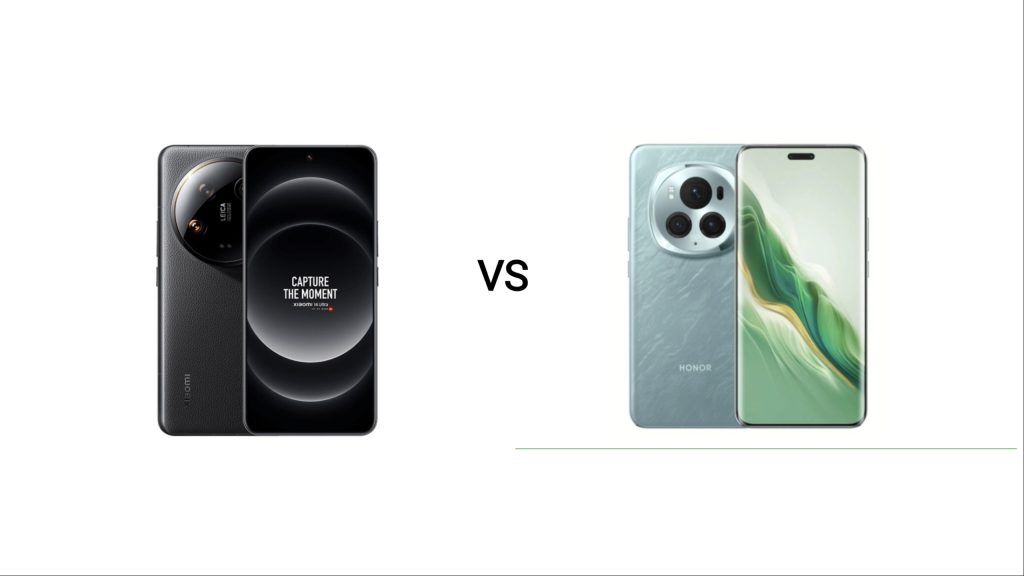
Xiaomi 14 Ultra vs Honor Magic 6 Pro: Design and colours
Xiaomi 14 Ultra:
In terms of its design, this is a good-looking device that boasts some impressive design elements. Some of these elements include the circular camera bump, the leather textured finish, and smooth edges. The rear camera cutout houses four cameras, which we’ll come to in a bit, but up front you’ll find a centre-mounted selfie cutout.
The power and volume rocker keys sit on the right-hand side of this device’s frame. At its base sits the USB-C charging port and speakers, there is not much change in terms of design between this device and its predecessor. The available colour options this device offers are Black, Blue, White, Titanium Gray.
Honor Magic 6 Pro:
Despite the fact that these devices both feature a centre-mounted circular camera cutout, they are different in various ways. Unlike the Xiaomi 14 Ultra, this entry from Honor comes with just three rear cameras in the circular cutout. The finish on the rear of this device is also unique and stands out from that on its rival in this article.
Buyers of the Honor Magic 6 Pro can get it in a ton of colour options, which all feature different texture finish. The power and volume rocker keys of this device sit on its right side, with the colour of the frame around the device matching the colour of the frame around the camera cutout. Speaking of colours, this device comes in Black, Green, Blue, Purple, White with the Black and the Green options being more popular in some regions.
Major differences:
A more aesthetically pleasing design on the Honor Magic Pro 6.
Xiaomi 14 Ultra vs Honor Magic 6 Pro: Display
Xiaomi 14 Ultra:
Users of this device get a 6.73-inch LTPO AMOLED screen panel that supports 120Hz refresh rates. This screen boasts 3000 nits peak brightness and is protected by the Xiaomi Shield Glass protection technology. The display on this device supports Dolby Vision and HDR10+ for a more immersive viewing experience. Lastly, the bezels on this device are slim, giving the user an 89.6% screen to body ratio.
Honor Magic 6 Pro:
The screen on this device is an LTPO OLED panel, and it measures 6.8 inches, which is slightly bigger than the Xiaomi 14 Ultra. Not only is this device slightly larger than the Xiaomi 14 Ultra, it also comes with a curved screen display which features Honor’s NanoCrystal Shield for drop protection. At the top centre part of this screen display sits a pill-shaped front facing camera cutout housing a camera lens and a sensor. With 5000 nits peak brightness, this 120Hz HDR screen display completely floors the Xiaomi 14 Ultra.
Major differences:
5000 nits peak brightness on the Honor Magic 6 Pro.
NanoCrystal Shield for drop protection on the Honor Magic 6 Pro.
Curved screen on the Honor Magic 6 Pro.
Better screen-to-body ratio on the Honor Magic 6 Pro.
Xiaomi 14 Ultra vs Honor Magic 6 Pro: Cameras
Xiaomi 14 Ultra:
The Xiaomi 14 Ultra was built for a specific reason in mind, to help users to “capture the moment.” This reveals that this device is a camera centric entry with a quad 50MP rear camera sensor. Up front is a 32MP selfie camera sensor which takes impressive photos. Thanks to the Leica photography partnership, this device is one of the best you can get for taking pictures. In fact, Xiaomi retails a ton of photography accessories with this device.
Honor Magic 6 Pro:
Despite having one less camera than on the Xiaomi 14 Ultra, the Honor Magic 6 Pro comes with a 180MP periscope telephoto lens. Making up the three lenses are two 50MP camera sensors, one being a wide lens and the other being an ultrawide lens. Up front is a 50MP selfie camera and a TOF 5D sensor. For better photography, Honor adds their AI Ultra Falcon Camera technology to this device so it stands out from the crowd.
Major differences:
Quad rear cameras on the Xiaomi 14 Ultra.
180MP periscope telephoto lens on the Honor Magic 6 Pro.
AI Ultra Falcon Camera technology on the Honor Magic 6 Pro.
TOF 3D sensor on the Honor Magic 6 Pro’s front facing camera.
Xiaomi 14 Ultra vs Honor Magic 6 Pro: Performance
Xiaomi 14 Ultra:
This device features Qualcomm’s powerful Snapdragon 8 Gen 3 processor. Joining this processor is up to 16GB worth of RAM as the highest option, and 12GB of RAM for the basset model. The Xiaomi 14 Ultra offers up to 1TB worth of storage, but buyers can still get 256GB and 512GB storage options. With these processor and RAM options, this device is more than suitable for everyday usage and intense gaming.
Honor Magic 6 Pro:
For its performance, this device relies on the Qualcomm Snapdragon 8 Gen 3 processor that is also on the Xiaomi 14 Ultra. Memory capacity on this device is 12GB for the base model and 16GB for the top of the line model. Storage capacity here tops out at 1TB, with the base 12GB RAM option offering 256GB of storage. Clearly, in terms of performance, the Honor Magic 6 Pro is neck on neck with the Xiaomi 14 Ultra.
Major upgrades & differences:
Nil.
Xiaomi 14 Ultra vs Honor Magic 6 Pro: Software
Xiaomi 14 Ultra:
This device runs on Android 14 and Xiaomi’s HyperOS out of the box. Users are getting 4 years of Android OS upgrades and 5 years of security updates.
Honor Magic 6 Pro:
For its software, this device runs on Android 14 and MagicOS 8.0 out of the box. Buyers will benefit from the 4 years OS upgrade that this device offers.
Major differences:
HyperOS on the Xiaomi 14 Ultra.
Android 14 and MagicOS 8.0 on the Honor Magic 6 Pro.
Xiaomi 14 Ultra vs Honor Magic 6 Pro: Battery life and charging
Xiaomi 14 Ultra:
Those buying this device outside China will get a 5000mAh battery capacity. This is followed by 90W fast wired charging, which can charge the device from 0-100% in 33 minutes. For wireless charging, users get 80W fast wireless charging on this device. Lastly, is the 10W reversed wireless charging that this device comes with.
Honor Magic 6 Pro:
The Honor Magic 6 Pro comes with a 5600mAh battery capacity which can go a whole day on a single charge. To power up this battery, the Honor Magic 6 Pro supports 80W fast charging and 66W wireless fast charging. If you have to power your accessories, you can do so using the reverse wired or wireless technology that this device comes with.
Major differences:
Larger battery on the Honor Magic 6 Pro.
Faster wires and wireless charging on the Xiaomi 14 Ultra.
Xiaomi 14 Ultra vs Honor Magic 6 Pro: Final Verdict
After closely comparing the specifications of these devices, you might find a ton of reasons to opt for the Honor Magic 4 Pro. It features a better camera setup with AI technology, a larger battery, a better front – facing camera, and to some a cleaner design. In terms of their performance, these devices are in close competition with one another.
But the Honor Magic 6 Pro stands out as the more affordable device and the easier to purchase option. For the reasons above, more people will find themselves tilting towards the Honor Magic 6 Pro in place of the Xiaomi 14 Ultra. In this close battle against flagship Android devices, Pro wins Ultra.
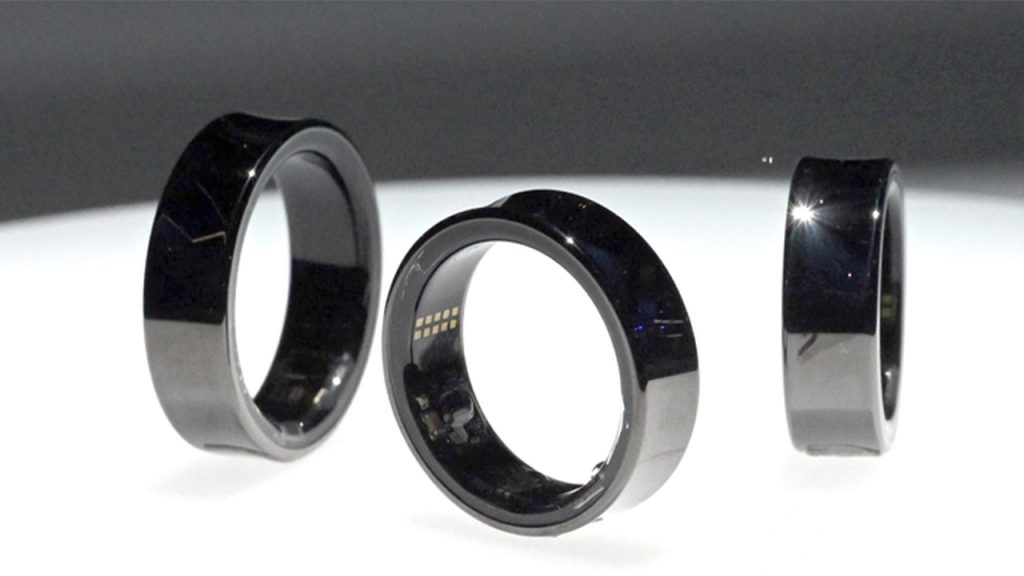
Samsung expanded its wearable lineup this summer by introducing the Galaxy Ring. As expected, the Ring packs a lot of technology into a small form factor. However, in doing so, it seems that Samsung may not have prioritized making it repairable.
The team at iFixit recently conducted a teardown of the Galaxy Ring and confirmed that if the device gets damaged, it can’t be repaired.
Samsung has taken several steps to make its first smart ring durable. The Galaxy Ring boasts an IP68 water and dust resistance rating, can withstand deep water pressure, and features a Grade 5 titanium frame for scratch and impact protection.
While all of this is impressive and serves its purpose well, one component that inevitably degrades over time is the battery. And unfortunately, replacing the Galaxy Ring’s battery is a near-impossible feat. The battery is sealed within the device, so it’s inaccessible without destroying the ring itself.
iFixit also shared a computed tomography (CT) scan of the ring, revealing just how tightly packed the internal components are. The long strip on the right side is the battery. Due to its lack of repairability, every Galaxy Ring Samsung sells will eventually become e-waste after its limited lifespan.
Despite its non-repairable nature, the Galaxy Ring packs a surprising amount of tech into its compact form. It features the Nordic Semiconductor nRF5340 system on a chip that has 2x Arm Cortex-M33 cores, paired with 512 KB RAM, 1 MB storage as well as Bluetooth 5.4 connectivity.
Additionally, there’s a tiny wireless charging coil and a battery pack next to it and an NFC tag as well as an antenna for transferring signal between the ring and your paired smartphone.
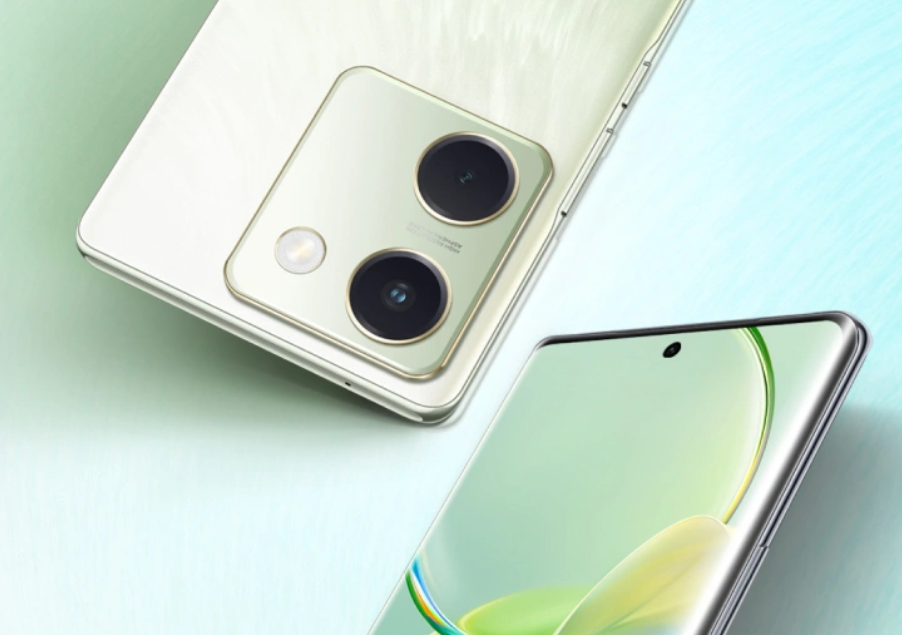
The packaging box of the vivo Y300 Pro has already been leaked in a purple color. In the latest news, tipster Digital Chat Station has shared some information about the device.
vivo Y200 Pro
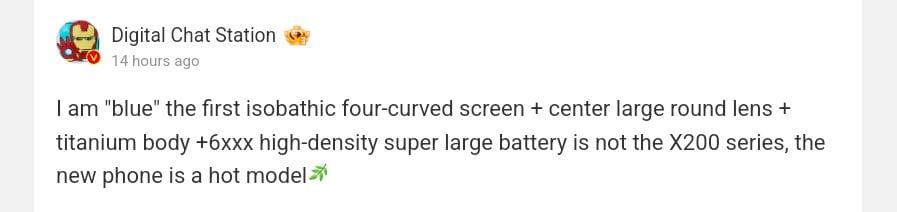
According to the tipster, the phone is going to house a quad-curved display on the front with a large centered hole punch camera module and pack a ‘6xxx’ mAh high-density battery. Notably, it’s going to be the first phone in the series to offer an equal depth quad curved screen.
According to a previous leak, the battery capacity will be 6500 mAh, which is going to be the largest battery on a vivo phone. The leaked packaging box also claims that the battery life is “ridiculously long-lasting”. On top of that, the phone will also support 80W fast charging, which has already been confirmed by China’s 3C certification platform.
To recall, the vivo Y200 Pro packs a 6.78″ FHD+ AMOLED display that reaches a max brightness of 1300 nits. The phone is equipped with the Snapdragon 695 5G chipset, which is paired with UFS 2.2 storage. It equips a 64 MP main and a 2 MP macro camera on the back and a 16 MP centered hole-punch selfie camera on the front.
As compared to the rumors mentioned above, the Y200 Pro packs a much smaller 5000 mAh battery which also supports a relatively slower 44W charging. So it seems like the successor will be a significant upgrade when it comes to battery life and charging.
Nonetheless, these are still rumors and hence readers are advised to take the battery and charging details with a pinch of salt.
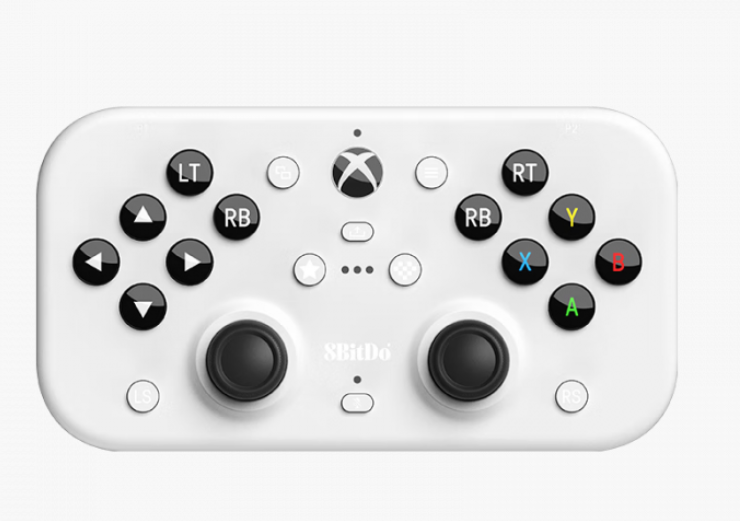
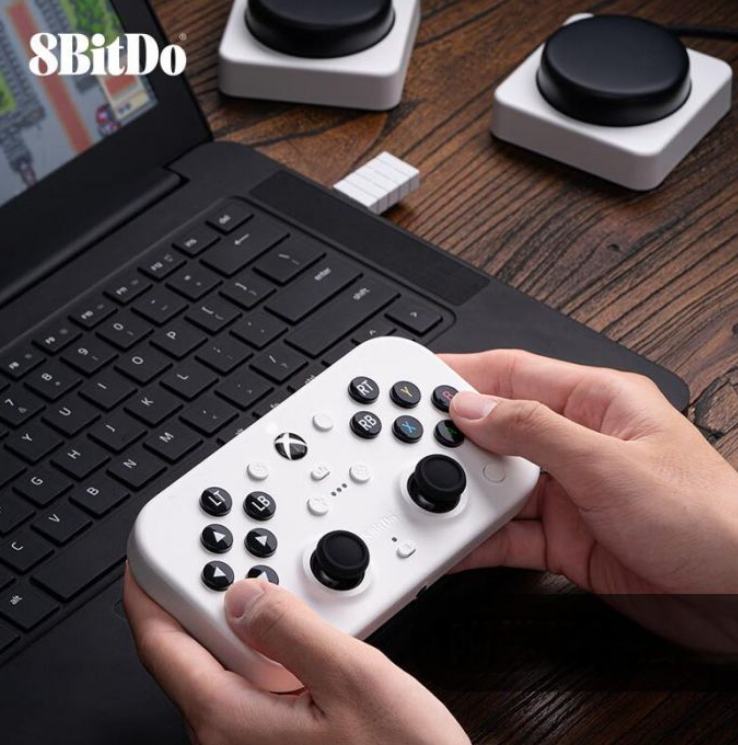
The 8BitDo Lite SE 2.4G Wireless Gaming Controller brings effortless connectivity to your gaming setup. Compatible with Xbox Series X, Xbox Series S, Xbox One, and Windows 10/11, it connects wirelessly via a 2.4G adapter, ensuring smooth and responsive gameplay whether you’re on a console or PC.
Engineered with gamers in mind, especially those with limited mobility, the Lite SE features lower-resistance buttons and highly sensitive joysticks. This thoughtful design promotes flexibility and extended playtime, enhancing your gaming experience by making controls more accessible and comfortable.
Unified Face-Button Layout
The controller’s design ensures every button is within easy reach, including dedicated LS and RS buttons. With a non-slip silicone mat on the bottom, the Lite SE remains firmly in place during intense gaming sessions, providing stability and control.
Enhanced Customization with 8BitDo Ultimate Software X
Take full control with the 8BitDo Ultimate Software. Customize button mappings, adjust stick sensitivities for precision control, and keep your controller up-to-date with the latest firmware updates. This software offers unparalleled flexibility to tailor the controller to your exact preferences.
Game-Changing Super Buttons
The Lite SE features innovative Super Buttons—large, programmable keys that let you map any function instantly without needing software. These super buttons are perfect for quick adjustments and dynamic in-game actions.
Key Features:
Dimensions/Weight: Controller: 1457830mm / 160g; Super Button: 757533mm / 140g
Compatibility: Xbox Series X/S, Xbox One, Windows 10 and above
Connectivity: Wired (Xbox and Windows), 2.4G Wireless (Xbox and Windows), 3.5mm audio jack (supports standard CTIA connector)
Battery: 1000mAh Li-ion rechargeable battery, offering 20 play hours with a 4-hour charge time
Elevate your gaming experience with the 8BitDo Lite SE, where accessibility, customization, and innovation come together in one powerful controller.
We use cookies on our website to give you the most relevant experience by remembering your preferences and repeat visits. By clicking “Accept”, you consent to the use of ALL the cookies.
This website uses cookies to improve your experience while you navigate through the website. Out of these, the cookies that are categorized as necessary are stored on your browser as they are essential for the working of basic functionalities of the website. We also use third-party cookies that help us analyze and understand how you use this website. These cookies will be stored in your browser only with your consent. You also have the option to opt-out of these cookies. But opting out of some of these cookies may affect your browsing experience.
Necessary cookies are absolutely essential for the website to function properly. This category only includes cookies that ensures basic functionalities and security features of the website. These cookies do not store any personal information.
Any cookies that may not be particularly necessary for the website to function and is used specifically to collect user personal data via analytics, ads, other embedded contents are termed as non-necessary cookies. It is mandatory to procure user consent prior to running these cookies on your website.