Advertisement

Oppo Find X7, Find X7 Ultra launch date, configurations, color options officially confirmed

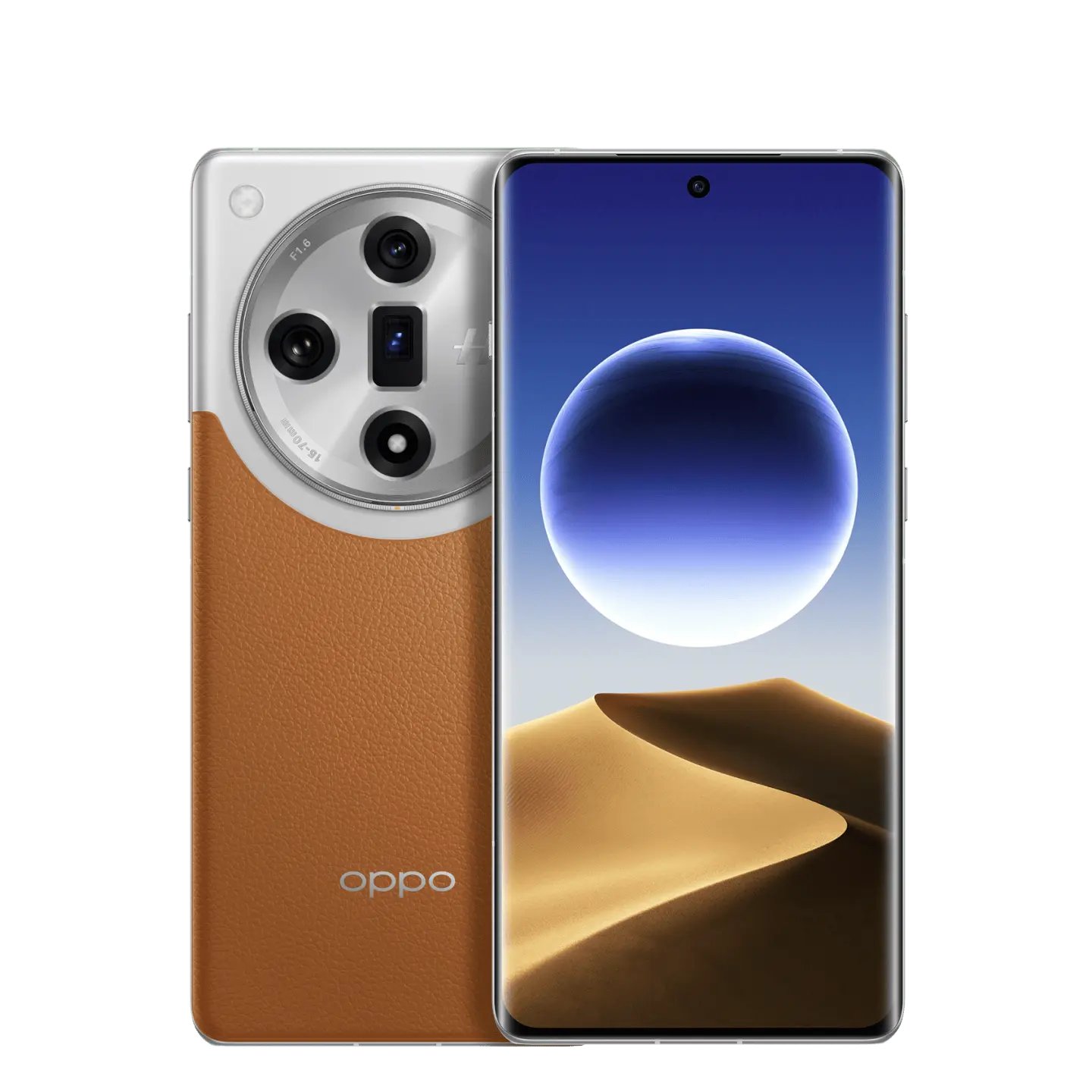
Oppo has officially confirmed that it will unveil the Find X7 series of smartphones at 2:30 pm (local time) on Jan. 8, 2024, in China. In addition, the Find X7 and Find X7 Ultra smartphones are now listed on Oppo China’s online store for reservations. The official listings have confirmed the configurations and color options of both smartphones well ahead of the official announcement.
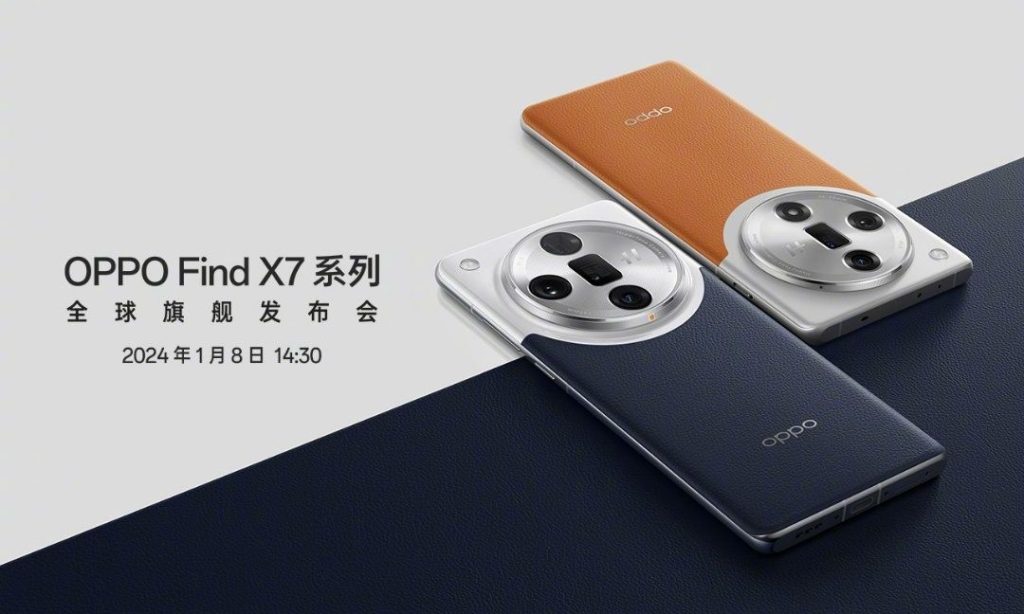
Oppo Find X7 series launch date-
Oppo Find X7 series launch date

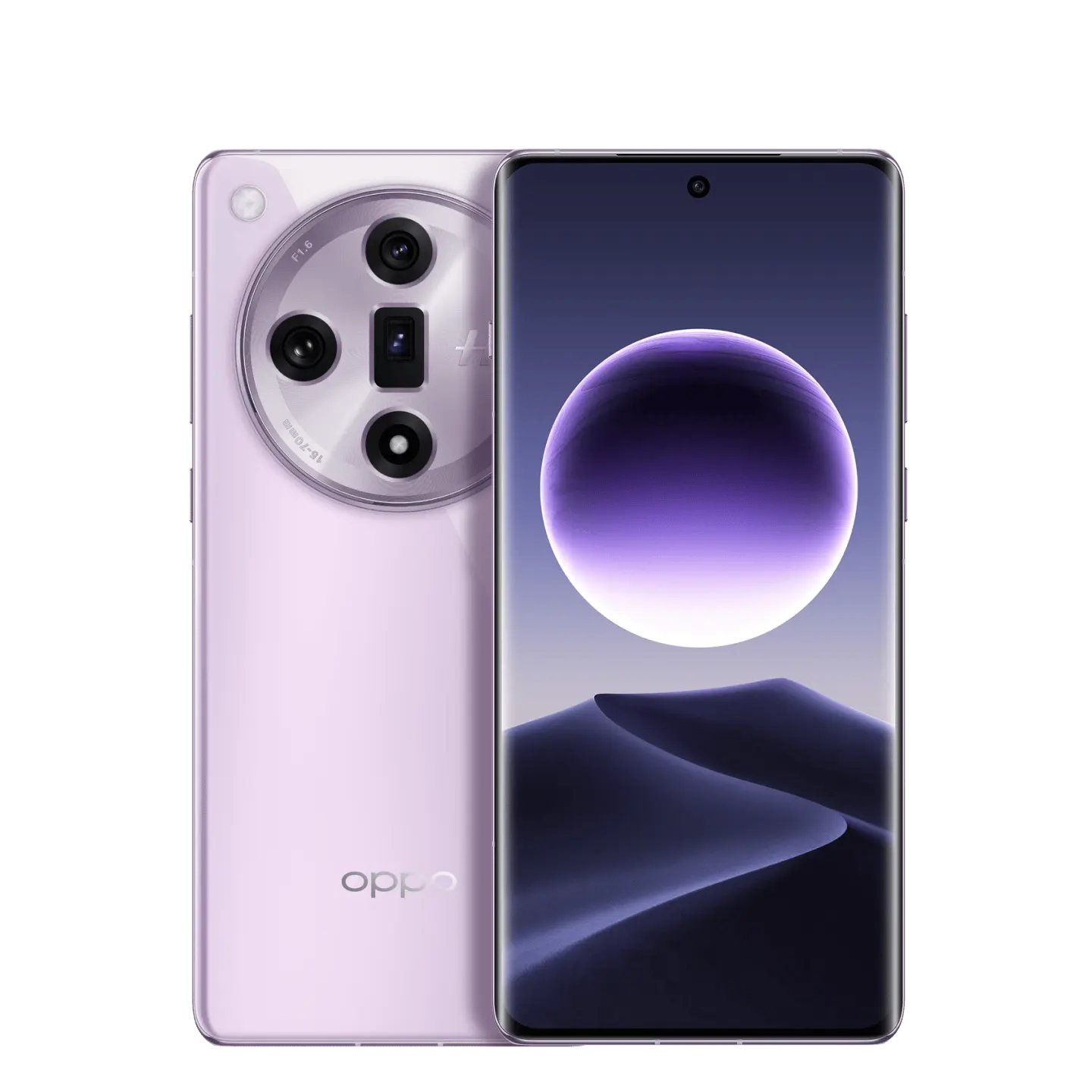
Oppo Find X7

Reports have revealed that the Find X7 will come equipped with the Dimensity 9300 chipset. The official listing reveals that it will come in four configurations, such as 12 GB RAM + 256 GB storage, 16 GB RAM + 256 GB storage, 16 GB RAM + 512 GB storage, and 16 GB RAM + 1 TB storage.
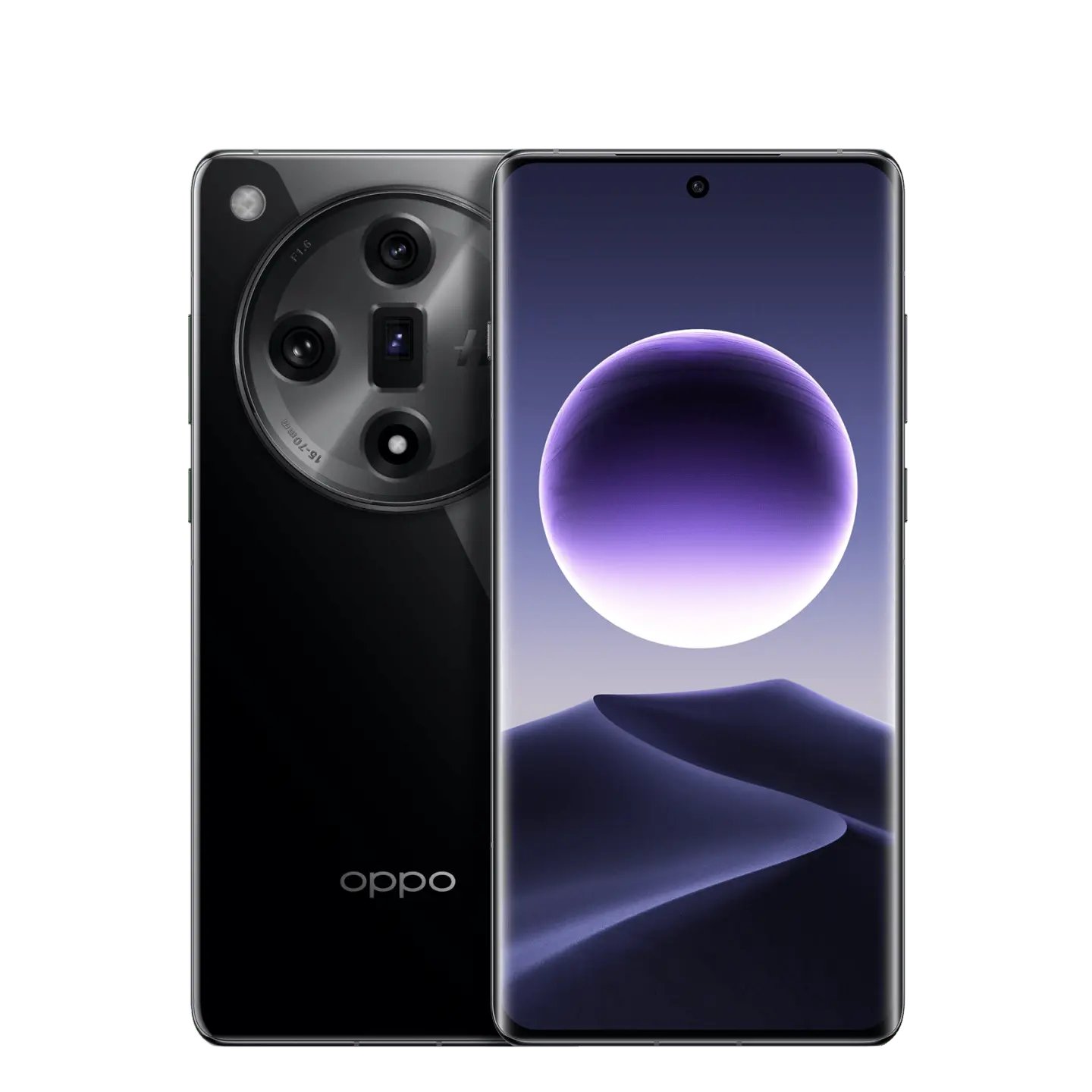
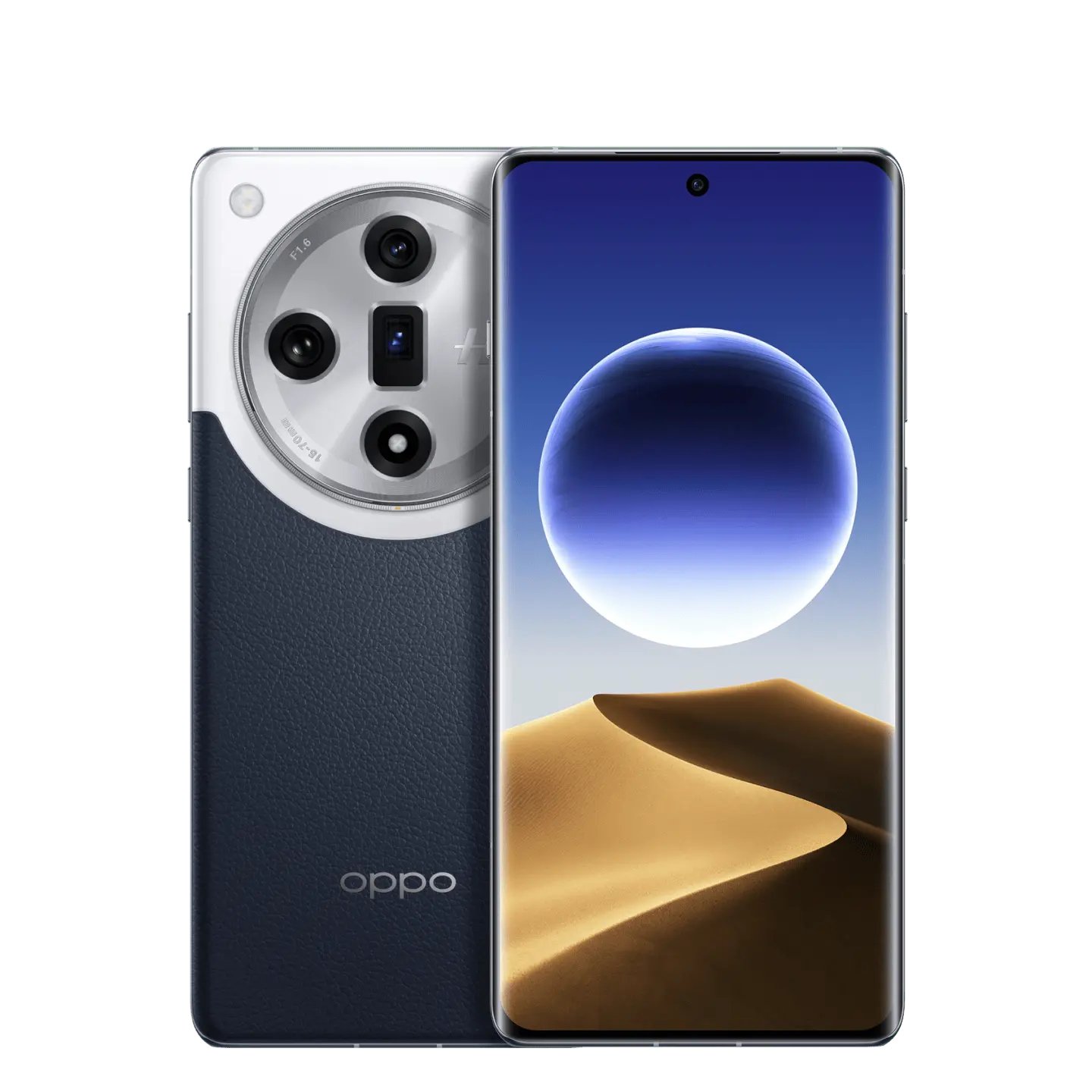
The Find X7 will be available in four shades, such as Starry Sky Black, Sea and Sky, Desert Moon Silver, and Smokey Purple.

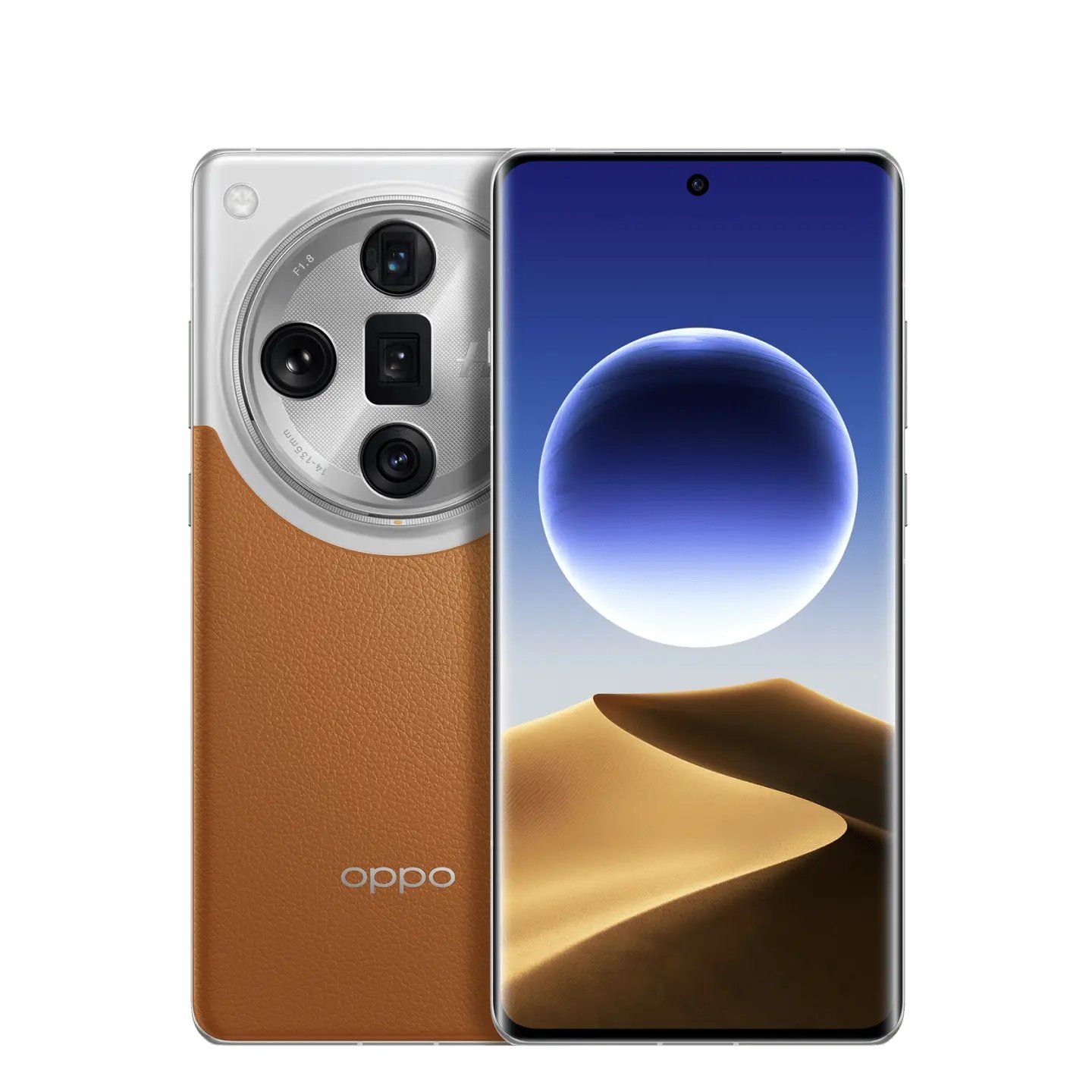
Oppo Find X7 Ultra

The Find X7 Ultra is expected to come equipped with the Snapdragon 8 Gen 3 SoC. It will be available in three variants, such as 12 GB RAM + 256 GB storage, 16 GB RAM + 256 GB storage, and 16 GB RAM + 512 GB storage.
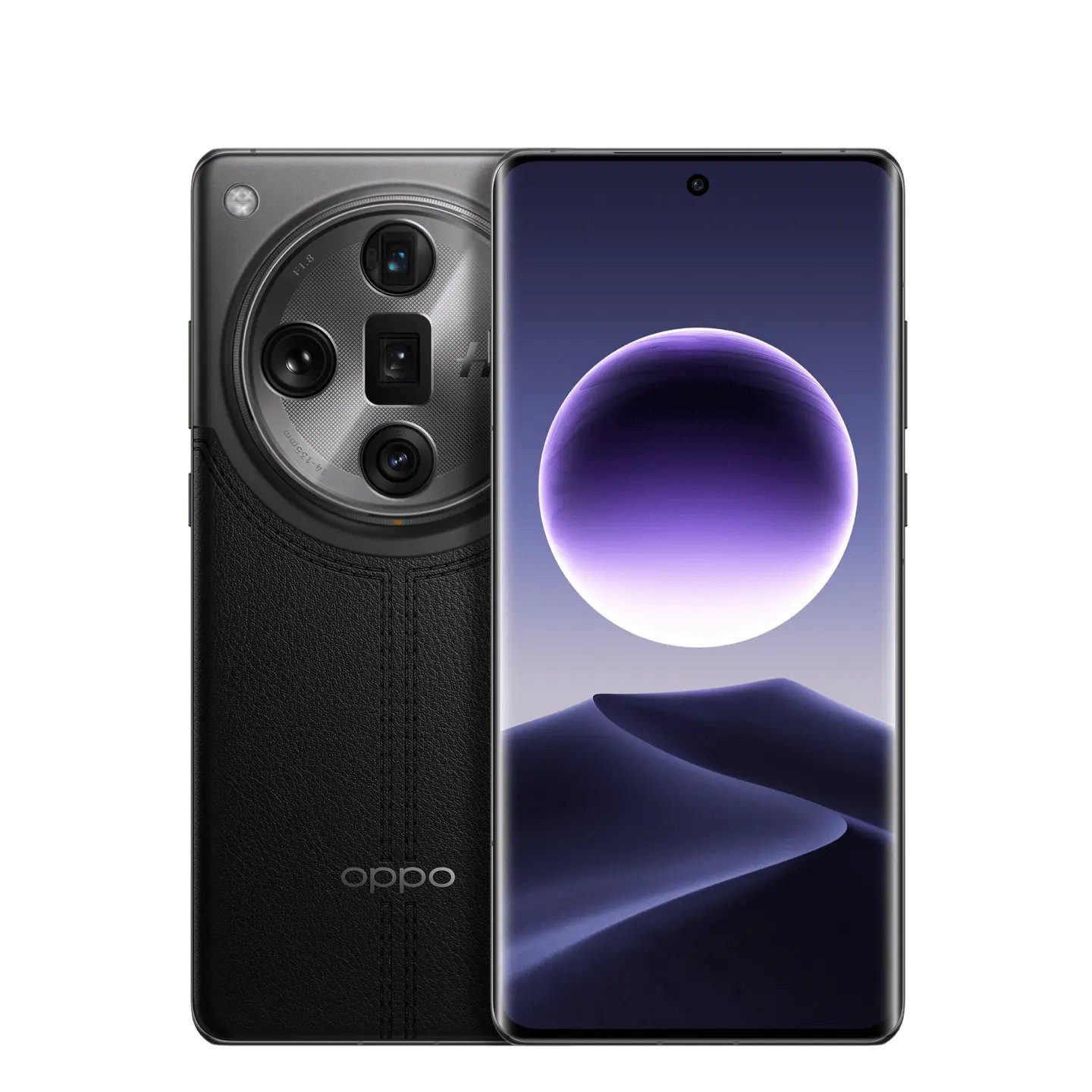
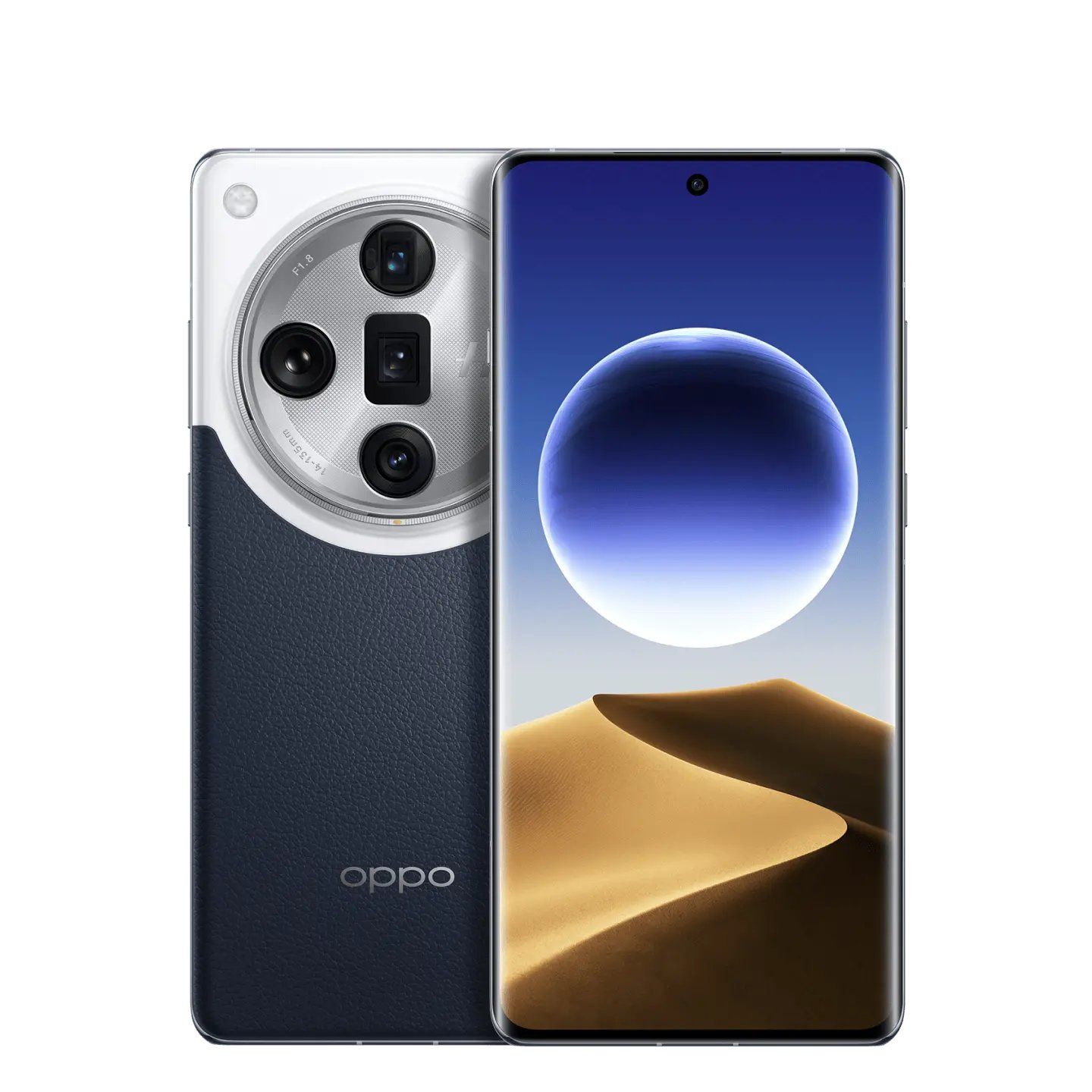
When it comes to color options, the Find X7 Ultra will come in choices such as Pine Shadow Ink, Sea and Sky, and Desert Moon Silver.

The Find X7 and Find X7 Ultra have a similar design, with the front featuring a punch-hole display with curved edges and a dual-tone back panel with a massive camera module. The Find X7 has a triple-camera unit, whereas the Find X7 Ultra has a quad-camera system. The Ultra variant will be the world’s first smartphone to feature dual periscope telephoto cameras. In addition, it will also be the first-ever phone to feature the one-inch Sony LYT-900 50-megapixel camera sensor as the primary snapper.

It is said that there will be a third device called the Oppo Find X7 Ultra Satellite Communication Version, which will come with support for two-way satellite communication. The rest of its specs will be identical to the Find X7 Ultra.

RELATED:

Xiaomi launches clever titanium thermos that brews tea by flipping upside down

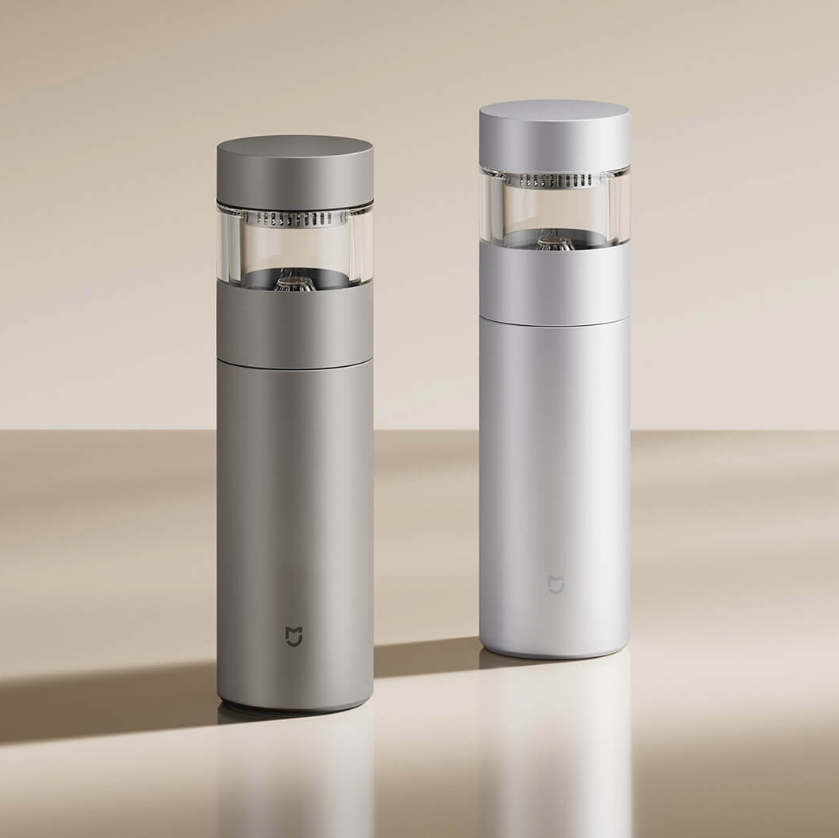
Xiaomi has introduced a new travel mug to its Mijia product line. The Mijia Titanium Thermos Cup Tea-Water Separation Edition is a 500ml insulated flask that includes a detachable brewing chamber. It is priced at 199 yuan ($30), with a crowdfunding campaign scheduled to launch on the Xiaomi Youpin platform at 10:00 AM on October 14th.

Xiaomi Mijia Titanium Thermos Cup Tea-Water Separation Edition

Mijia Thermos Cup Tea-Water Separation Edition Specs

The thermos is designed for brewing loose-leaf tea and infused drinks on the go using a simple gravity-based system. It features a transparent, BPA-free Tritan tea chamber above the insulated flask, separated by a titanium filter. The chamber supports green tea, black tea, oolong, lemon slices, mint leaves, dried tangerine peel, ginseng, and other ingredients, while the main body holds the hot water for brewing.

Xiaomi Mijia Titanium Thermos Cup Tea-Water Separation Edition

To start brewing, you turn the sealed thermos upside down, which allows the hot water to flow through the filter and into the clear chamber. Because the chamber is transparent, you can visually check the color of the liquid to see how strong the tea is getting. Once it is ready, turning the bottle upright drains the brewed tea back into the insulated lower section. The wet leaves remain trapped in the top chamber, preventing the drink from over-steeping.

Xiaomi Mijia Titanium Thermos Cup Tea-Water Separation Edition

The main body of the cup, the removable filter, and the inner lining of the lid are all constructed from titanium. Xiaomi says that the titanium used has a purity of over 99%. Titanium is frequently used in travel drinkware because it is lighter than standard stainless steel, resists corrosion, and does not leave a metallic taste in the liquid. The thermos also features a rounded drinking rim for standard sipping.

If the brewing function is not needed, the thermos can be converted into a standard insulated bottle. The clear tea chamber can be completely unscrewed and set aside, allowing the lid to attach directly to the titanium base. The vacuum-insulated flask can maintain a liquid temperature of around 45°C for six hours.

Xiaomi Mijia Titanium Thermos Cup Tea-Water Separation Edition

For maintenance, the titanium filter can be removed, and the silicone sealing ring includes a pull tab so it can be easily taken out for washing. The Tritan tea chamber is thickened for durability, but Xiaomi advises against boiling it or soaking it in high-temperature water to avoid warping the plastic. The thermos will be available in two colors: Deep Space Gray and Moonlight Silver.

In related news, Portronics has recently launched a 4-in-1 tire inflator with up to 150 PSI pressure and dual AC/DC power, alongside Casio’s new F-91WF watches in the US featuring recycled bands while retaining the same iconic design.

For more daily updates, please visit our News Section.
Stay ahead in tech! Join our Telegram community and sign up for our daily newsletter of top stories!

(Xiaomi Youpin)

HMD launches new smartphone with 64MP Sony camera and Indus AI

HMD has launched the HMD Vibe 2 Pro 5G in India starting at Rs 15,999. It sits above the HMD Vibe 2 5G, which arrived in May at Rs 10,999 with an HD+ display and an 18W phone-in-the-box charger. 

The Pro model changes both of those, and it also brings a faster chipset and a higher-resolution main camera. It goes on sale on October 8 through Flipkart. 

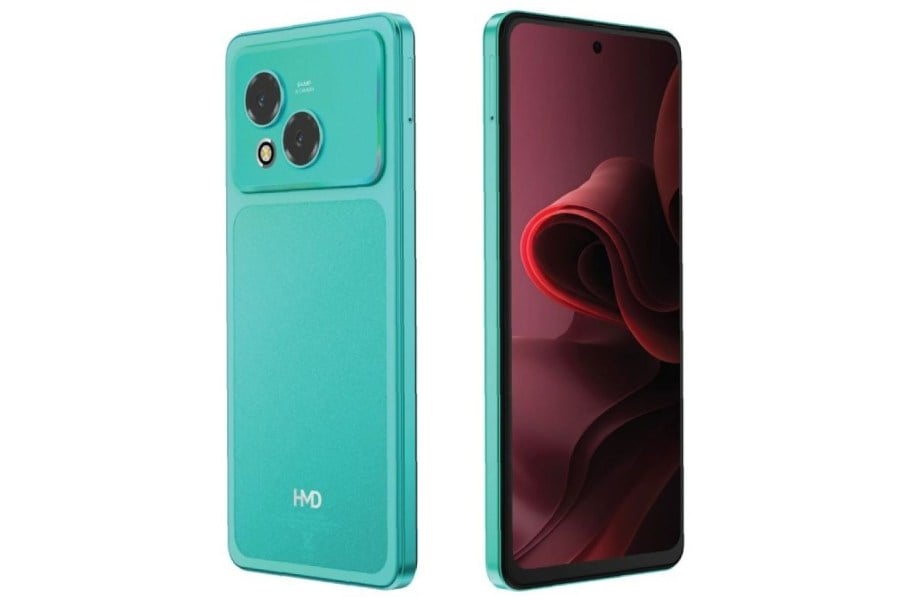
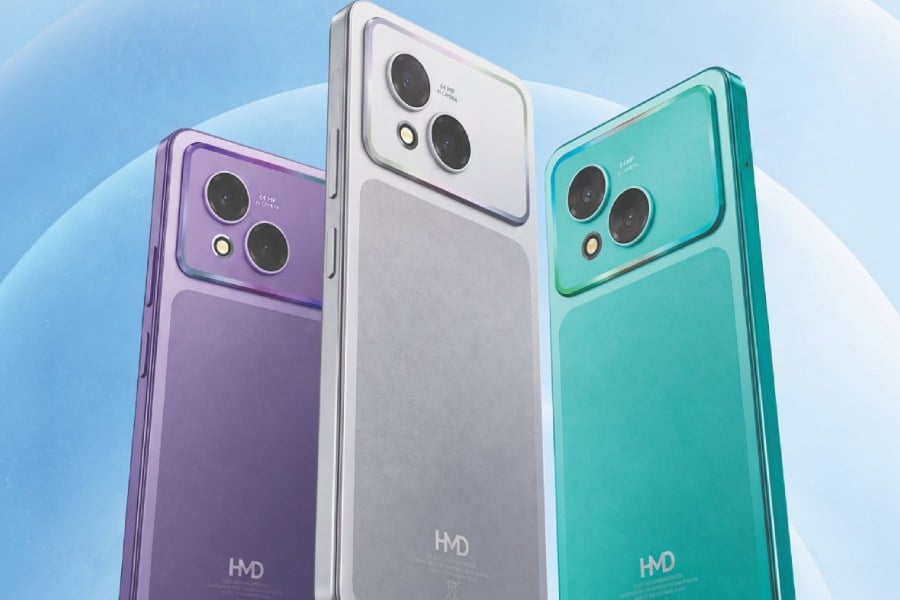
HMD Vibe 2 Pro Design

HMD Vibe 2 Pro Specifications

The HMD Vibe 2 Pro 5G has a 6.78-inch FHD+ LCD panel with a 120Hz refresh rate. Powering the device is a MediaTek Dimensity 6300 chipset along with up to 8GB of LPDDR4X RAM and 128GB of storage. 

Software-wise, it comes pre-installed with Android 16, and HMD promises two years of security updates. There is no OS upgrade promise, so you should expect to stay on Android 16. 
You get a 6,000mAh battery with 33W wired charging. That should get you through a full day of normal use, and the faster charger cuts your time at the wall compared with the 18W speed on the standard Vibe 2 5G. 

HMD Vibe 2 Pro Specs

The rear camera setup pairs a 64MP Sony IMX682 main sensor with a 2MP macro camera. There is a 13MP camera on the front for selfies and video calls. 

Where to buyHMD Vibe 2 Pro 5GLatest price on AmazonCheck price →

The phone has dual stereo speakers and still includes a 3.5mm headphone jack, so you can plug in wired earphones without an adapter.

HMD has also added Indus by Sarvam, an AI assistant that supports more than 22 Indian languages. You can use it to write drafts, ask questions, and plan tasks in your own language. The phone also supports the Sanchar Saathi app, which gives you telecom-related safety tools.

HMD Vibe 2 Pro 5G price in India and sale details

The HMD Vibe 2 Pro 5G comes in two configurations. The 6GB RAM + 128GB storage model costs Rs 15,999, and the 8GB RAM + 128GB model costs Rs 17,999. For a limited time, HMD is cutting those prices to Rs 14,999 and Rs 16,999.

HMD Vibe 2 Pro Launch Specs Price

You can buy the phone from October 8 on Flipkart during the Big Billion Days sale. It comes in Silver Mist, Aqua Green, and Cosmic Purple.

For more daily updates, please visit our News Section.

Stay ahead in tech! Join our Telegram community and sign up for our daily newsletter of top stories!

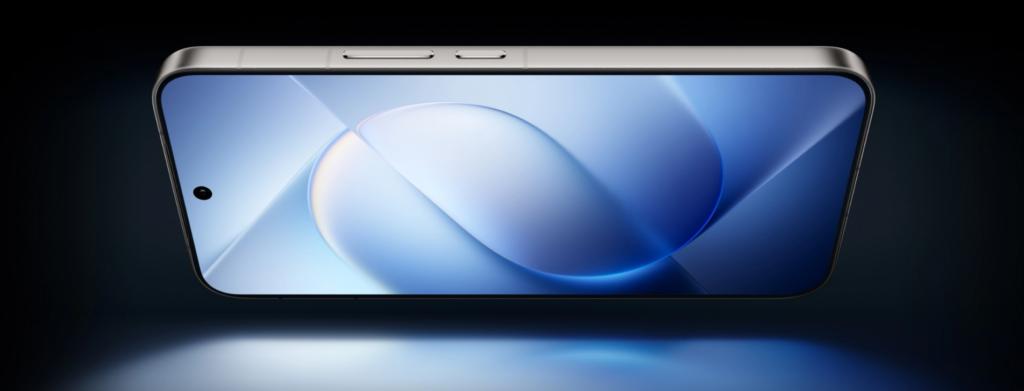
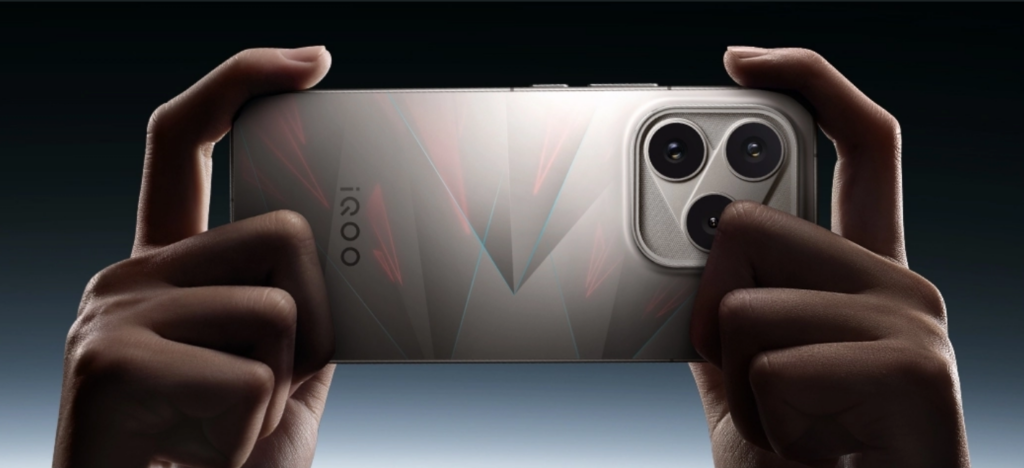
iQOO launches new gaming headset with 40mm drivers, LDAC, ANC, THX spatial audio & 150h battery

iQOO has launched its latest over-ear gaming headset alongside the iQOO 16 and iQOO Pad Ultra. It is priced at 699 yuan ($104) and is designed to work across multiple platforms, from desktop PCs to handheld gaming devices such as the Steam Deck and Nintendo Switch 2.

iQOO Gaming Headset

iQOO Gaming Headset Specifications

The headset weighs 251 grams, which is relatively light for a wireless gaming model. Instead of the usual faux leather, iQOO is using a breathable fabric for the earcups and a suspended headband design to help with heat dissipation during longer sessions. There is ambient lighting on the earcups, which can sync dynamically with compatible iQOO phones, alongside standard static and breathing effects.

For connectivity, the headset supports four connection methods: Bluetooth 5.4, a standard wired option, and a 2.4GHz wireless connection via a low-latency dongle. The dongle itself is practical, featuring both USB-C and USB-A connectors, making it straightforward to swap between a PC, a PS5, or a handheld console.

iQOO Gaming Headset

It supports simultaneous connections with up to three devices and claims a 47ms end-to-end latency. As is typical with many USB wireless headsets, Xbox consoles are left off the compatibility list.

For audio, the headset relies on 40mm drivers and a BES2710Y-8X chip. The spatial audio implementation changes depending on your platform. On Windows, iQOO partnered with THX to offer THX Spatial Audio+ through its desktop software, simulating a 7.1.4 surround setup.

Where to buygaming headset with boom micBrowse the range on AmazonShop now →

On mobile devices, it uses iQOO’s proprietary spatial audio. There is also adaptive active noise cancellation (ANC) with a transparency mode, and voice chat is handled by a detachable boom microphone alongside a built-in multi-mic array for noise suppression.

iQOO Gaming Headset

In terms of battery life, iQOO claims the headset can last up to 150 hours on a single charge for music playback with ANC and lighting turned off. For gaming with ANC enabled, that number drops to 68 hours. Charging is handled via USB-C and takes about two and a half hours.

While the headset works with standard iOS and Android devices via the Vivo Headphones app, iQOO is keeping a few software features exclusive to its own ecosystem. If you use a compatible vivo or iQOO device, you get access to themed pairing pop-ups, AI translation tools, and deeper multi-device management. The headset comes in a single Speed Black colorway.

For more daily updates, please visit our News Section.

Stay ahead in tech! Join our Telegram community and sign up for our daily newsletter of top stories!

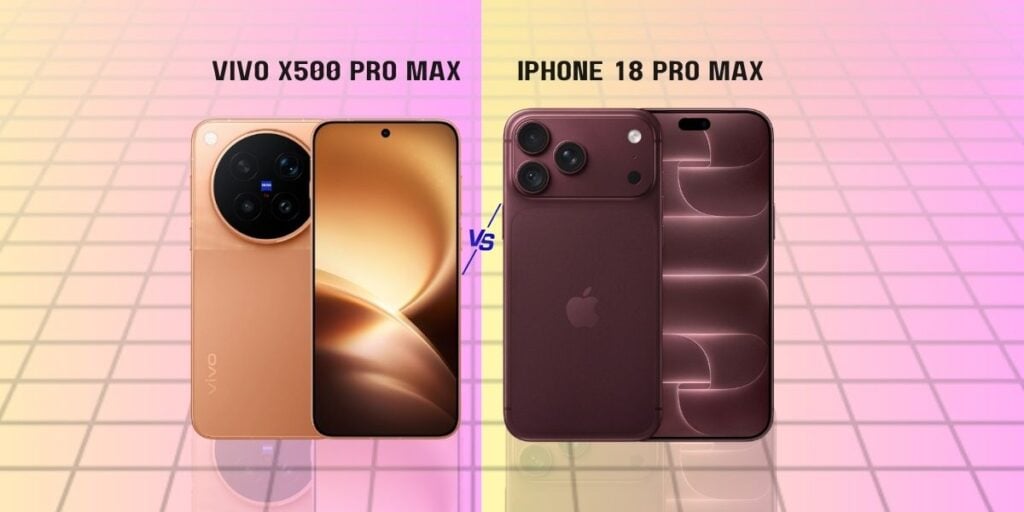
Vivo X500 Pro Max vs iPhone 18 Pro Max: Which flagship wins?

Phone cameras have become good enough that the interesting differences are no longer always about which one has the bigger sensor or the higher megapixel count. Sometimes, it comes down to what each company thinks you should be able to do with that hardware.

That becomes pretty clear with the Vivo X500 Pro Max and iPhone 18 Pro Max. Both sit near the top of their respective lineups, but they arrive at the camera problem from very different places. Vivo has built a phone around a particularly ambitious telephoto system, while Apple has changed something much closer to the starting point of a photo: how much light the main camera lets in.

Vivo X500 Pro Max vs iPhone 18 Pro Max

Neither approach tries to solve the same problem. One gives you more reach when your subject is far away, while the other gives you more control over the way a scene is captured. And once you look beyond the cameras, the differences continue through the displays, processors, batteries, software, and even the way the two companies talk about their phones.

So rather than treating this as another Android-versus-iPhone comparison, it’s more interesting to look at what Vivo and Apple are actually doing differently with their flagship cameras.

1. Zeiss lens ring vs Apple’s usual restraint

The Vivo X500 Pro Max has a large circular camera ring with Zeiss branding and a knurled texture around the edge. Vivo has made the camera module a major part of the phone’s design rather than trying to hide it, and it makes sense to do so considering what it brings to the table. The frame is made from aviation-grade aluminum, while the phone carries IP68 and IP69 ratings.

The iPhone 18 Pro Max keeps Apple’s aluminum unibody design, with Ceramic Shield 2 on the front. Apple says it is three times more scratch-resistant than the glass used on the iPhone 16 Pro. The rear also uses Ceramic Shield and includes MagSafe. The phone is IP68 rated, weighs around 240 grams, and is roughly 9mm thick.

2. 144Hz gaming vs Apple’s brightness mystery

The Vivo X500 Pro Max has a 6.85-inch BOE Q11 display with a 3168 × 1440 resolution and 507 ppi. Its refresh rate can adjust between 1Hz and 144Hz, although the 144Hz mode is intended for gaming rather than regular use.

The display can reach 4,400 nits at a 20% window and 2,000 nits across the full screen. Vivo also uses chip-level Demura calibration, a sunlight compensation system, and an ambient light sensor that can measure down to 0.3 lux.

The iPhone 18 Pro Max has a slightly larger 6.9-inch Super Retina XDR display with ProMotion up to 120Hz. Apple says it is brighter than the previous generation and has better anti-reflection, although it hasn’t provided specific brightness figures for those improvements. The redesigned Dynamic Island can now display three Live Activities at the same time while still handling Face ID.

3. Vivo goes all-in on the telephoto, while Apple adds more camera control

Vivo X500 Pro Max
Vivo X500 Pro Max

This is where the two phones really separate. The Vivo X500 Pro Max uses a 50MP Blueprint 900 main sensor co-developed with Sony. It is a 1/1.28-inch sensor with an f/1.57 aperture and a 24mm equivalent focal length. It also gets 3-degree “TrueDynamic” gimbal-style stabilization and Zeiss T* coating.

Vivo claims up to 17EV of dynamic range in Log mode and says the sensor is the first to support 4K 120fps DCG HDR video. The ultra-wide camera is a 50MP sensor with an f/2.0 aperture. The bigger story, however, is the telephoto camera.

The phone has a 200MP Zeiss APO telephoto lens paired with a 1/1.4-inch Blueprint x Samsung HP0 sensor. It offers an 85mm equivalent focal length, an f/2.67 aperture, and a 15cm macro mode.

The camera supports up to 30x zoom and has a telephoto tracking mode that can keep a moving subject centered between 10x and 30x. That feature will be added through a software update. Vivo has also introduced what it describes as the first active anti-fog system for a phone camera lens, designed for cold and humid conditions such as ski slopes.

There’s also an optional Zeiss G2 Ultra teleconverter that takes the effective focal length to around 400mm. Vivo also sells a magnetic 3.92-inch Smart Screen accessory that attaches to the back of the phone and can be used to frame shots with the rear cameras.

On the contrary, instead of giving the main camera extreme reach, the iPhone 18 Pro Max adds a variable aperture to its 48MP Fusion Main camera. It’s the first time an iPhone has offered this feature.

The aperture can switch between ƒ/1.48 for low-light shots, ƒ/1.8 as the default setting, ƒ/2.8 for more depth, and ƒ/4.0 for maximum depth. The ƒ/4.0 setting can also create a starburst effect around point light sources. The main camera covers 24mm and 48mm equivalents.

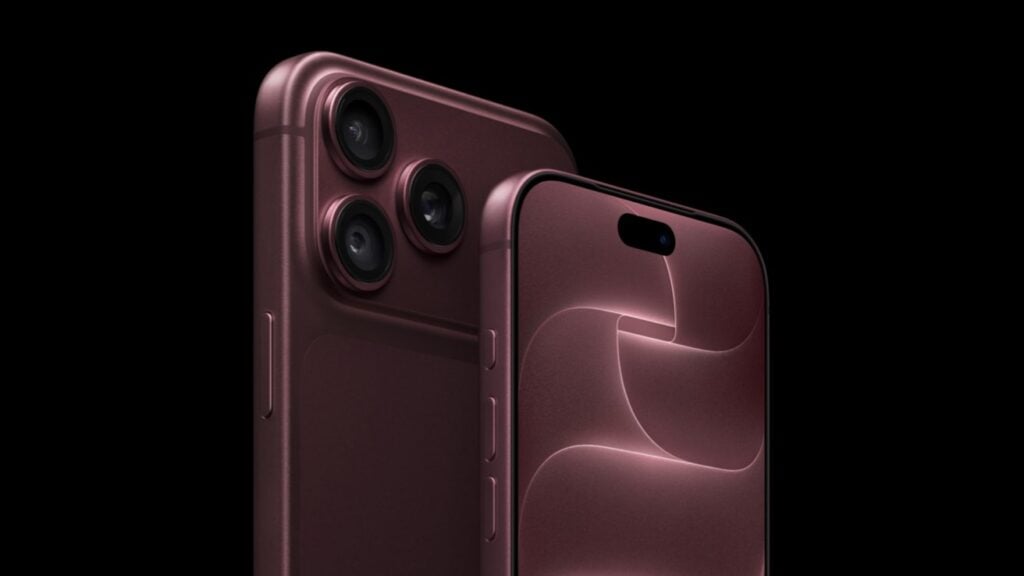
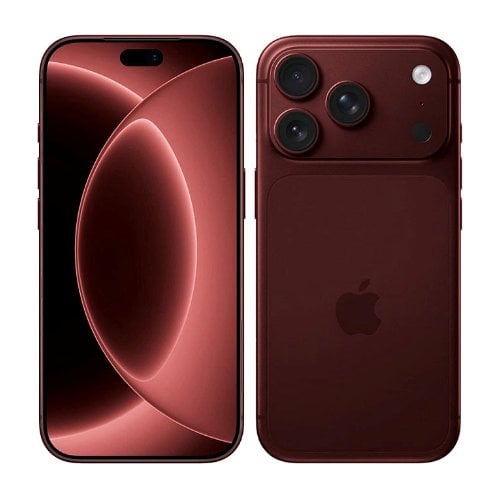
A dark red iPhone 18 Pro showing the triple camera array and display.

The 48MP Ultra Wide camera offers a 13mm equivalent focal length with an ƒ/2.2 aperture. The 48MP Telephoto camera covers 100mm and 200mm equivalents at ƒ/2.8, giving the phone up to 8x optical-quality zoom and a 16x total optical range.

Apple is also adding more manual controls. Pro controls let users adjust aperture, shutter speed, and white balance directly in the Camera app, along with a histogram. Photographic Styles 3 adds controls for texture and grain.

Where to buyVivo X500 Pro MaxBrowse the range on AmazonShop now →

Another new feature is Apple Reference Image, which cryptographically signs what the camera sensor captured so users can later check whether an image has been edited. The feature isn’t available at launch in China, while capture-only restrictions apply in the EU.

The front camera is an 18MP Center Stage sensor that can automatically widen the frame when more people enter the shot. 

4. Lots of video modes vs more editing options

Vivo has packed the X500 Pro Max with a long list of video features. It supports 4K 240fps slow motion, 4K 120fps 10-bit Log, 4K 120fps subject tracking, and 4K 60fps cinematic portraits. A future update will add 8K native Live Photos and a 4K 960fps super-slow-motion mode. The phone also includes several cinematic color profiles, including Sunlight Film, Cool Silver Halide, and Parisian Afterglow, along with support for importing 3D LUTs.

Apple’s video features are more about what users can do after recording. Cinematic mode effects can now be added to video recorded at up to 60fps, while 4K time-lapse gets Dolby Vision HDR.

Where to buyiPhone 18 Pro MaxLatest price on AmazonCheck price →

Audio Mix can also separate music from background noise instead of only separating voices. For more serious video work, Apple still offers ProRes RAW, Apple Log 2, genlock, and 4K 120fps Dolby Vision.

5. Dimensity’s efficiency gains vs A20 Pro’s new design

The Vivo X500 Pro Max is powered by MediaTek’s Dimensity 9600 Pro, a 2nm chip with a 2+3+3 all-big-core design. MediaTek claims 17% higher single-core performance and a 61% reduction in peak multi-core power draw compared with the previous generation. Vivo also adds gaming features such as native 144fps gaming and 120fps ray tracing in supported titles.

The iPhone 18 Pro Max uses Apple’s A20 Pro, which is also built on a 2nm process. It has a 6-core CPU, 50% more memory bandwidth than the A19 Pro, and a 7-core GPU that Apple rates as up to 40% faster. 

Apple has also changed the chip packaging. The die now sits next to the memory instead of having the memory stacked with it. This removes the memory from the thermal path and lets the chip sit directly against a new vapor chamber with three times the surface area of the previous generation.

Apple says the new design can deliver up to 40% better sustained performance. The phone also has a new N1 chip for Wi-Fi 7, Bluetooth 6, and Thread. The C2 modem offers faster uploads than the C1X while using 15% less power.

6. Vivo gives you the battery capacity; Apple gives you the runtime

The Vivo X500 Pro Max has an 8,000mAh battery, or 7,800mAh rated capacity, with more than 25% silicon content. It supports 90W wired charging and 40W wireless charging. There’s a catch with the wireless charging speed: reaching 40W requires Vivo’s own 50W vertical charger.

Apple doesn’t usually disclose battery capacity and instead gives battery-life figures. The iPhone 18 Pro Max offers up to 45 hours of video playback on eSIM-only models, which Apple calls its biggest battery-life increase on an iPhone.

The extra internal space created by removing the physical SIM tray also helps with the battery. Apple rates general use at up to 30 hours per charge, while wired charging can reach 50% in around 15 minutes with a compatible adapter.

7. Price and availability

The iPhone 18 Pro Max starts at $1,299 for 256GB. It is already available in more than 65 countries and regions, with another 20 markets scheduled to receive it by late September.

The Vivo X500 Pro Max starts at 6,999 yuan, or about $1,044, for the 12GB/256GB model in China. The 12GB/1TB version costs 8,999 yuan. Vivo also offers a 16GB/1TB Creator’s Package for 12,999 yuan, or about $1,940. This version includes satellite messaging.

Vivo has confirmed that the X500 series will launch in Singapore, but there is currently no US launch planned.

8. Which one makes more sense?

The Vivo X500 Pro Max and iPhone 18 Pro Max take very different approaches to phone photography. Vivo has built much of its camera hardware around the 200MP telephoto, with long-range zoom, tracking, macro shooting, an anti-fog system, and an optional teleconverter. 

Apple is going with a variable-aperture main camera and expanded manual controls. It also adds tools for editing, recording, and checking the history of captured images. 

The choice therefore comes down largely to the kind of photography and video work you do, along with which phone’s wider features and availability fit your needs.

For more daily updates, please visit our News Section.

Stay ahead in tech! Join our Telegram community and sign up for our daily newsletter of top stories!

iQOO Pad Ultra debuts with 8.8-inch 165Hz OLED display, SD 8 Elite Extreme Gen 6 & 9020mAh battery

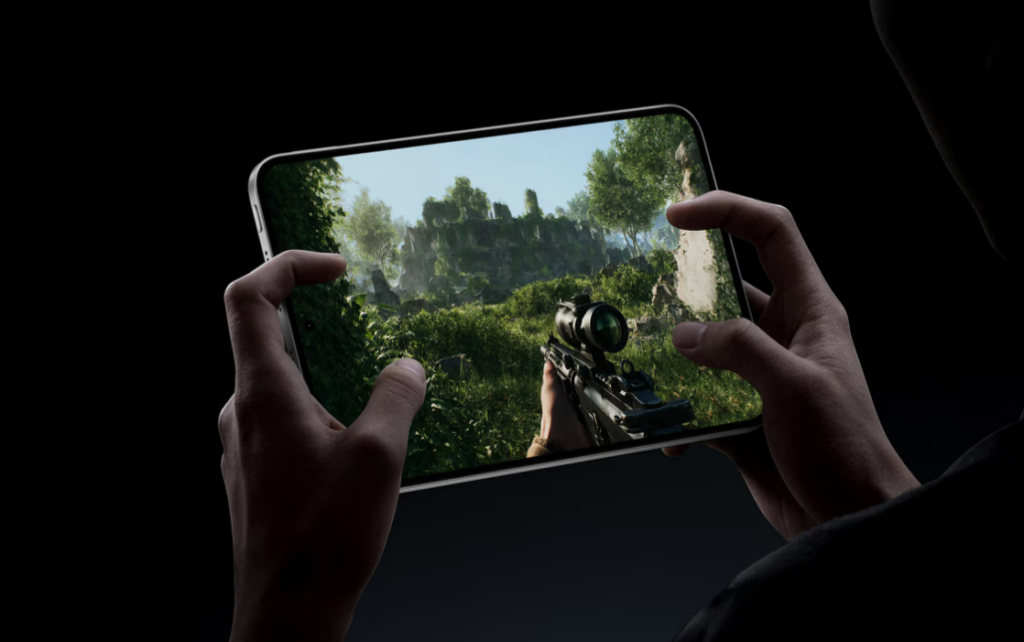
Alongside the iQOO 16, iQOO has introduced the Pad Ultra, a new 8.8-inch Android tablet designed primarily for mobile and cross-platform gaming. It goes on sale in China on October 15th, starting at a promotional price of 5,999 yuan ($894).

iQOO Pad Ultra

iQOO Pad Ultra Specifications

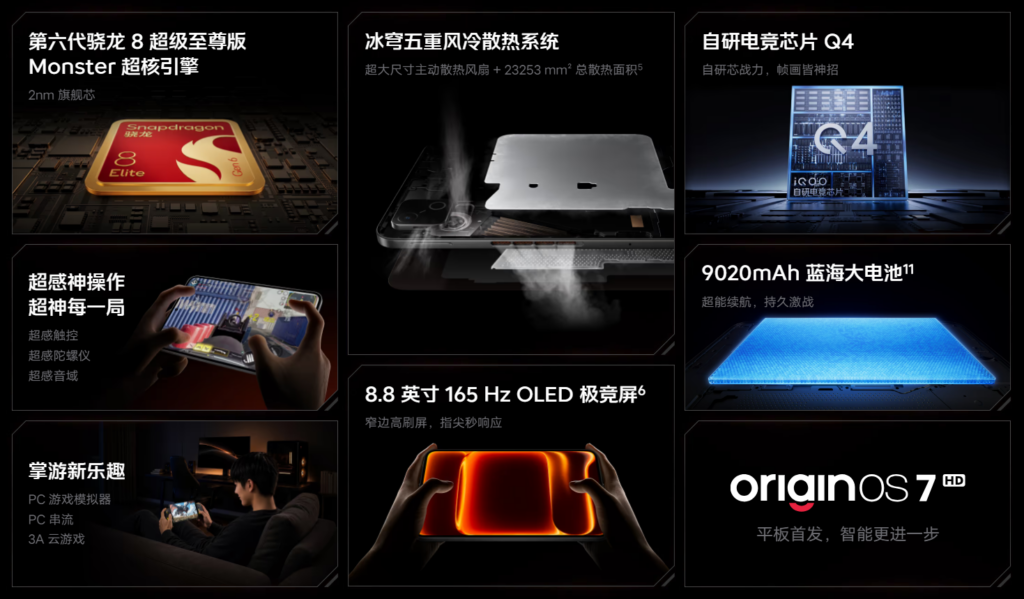
The tablet is built around an 8.8-inch OLED display with a 2304 x 1440 resolution and a 16:10 aspect ratio. It supports a 165Hz maximum refresh rate and a standard 120Hz touch sampling rate that can scale up to 500Hz while gaming.

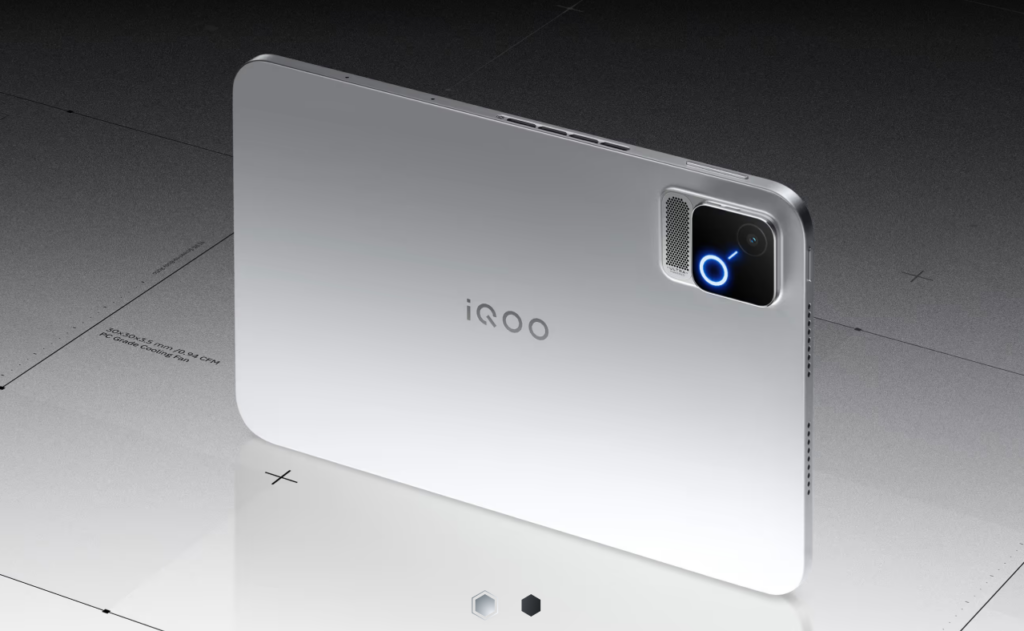
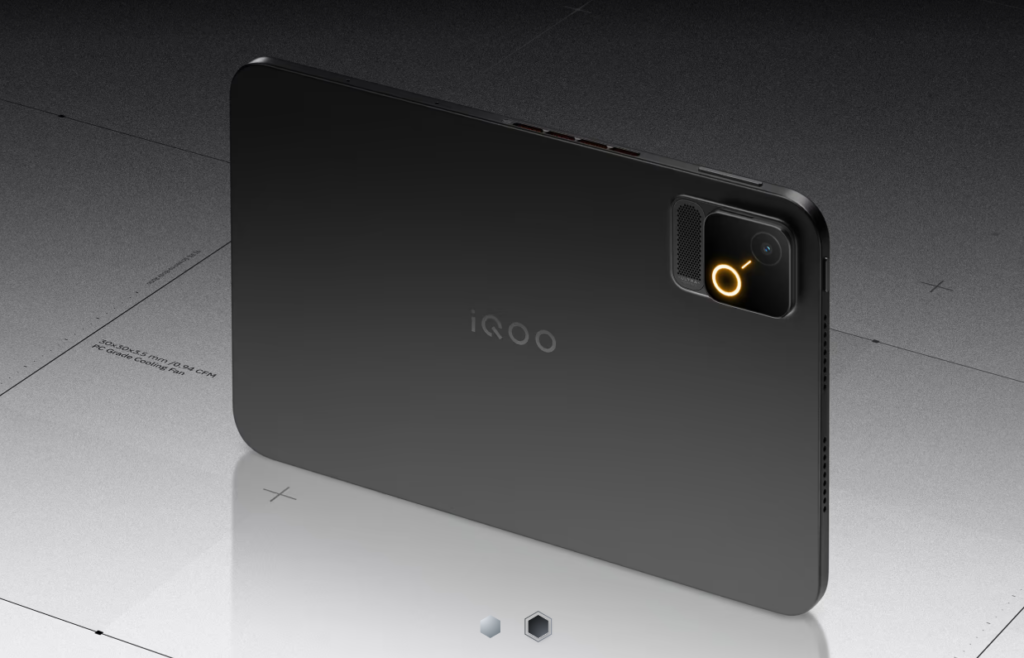
The chassis is a metal unibody that weighs 298 grams and measures 5.74mm thick. On the back, the 13-megapixel camera module includes a customizable RGB lighting system with six different effects. On the front, it includes a 13-megapixel sensor for selfies.

iQOO Pad Ultra

Inside, the Pad Ultra runs on the 2nm Snapdragon 8 Elite Extreme Gen 6 chip, paired with up to 16GB of LPDDR5X RAM and 1TB of UFS 4.1 storage. Because heavy gaming workloads generate heat, iQOO included an active cooling system.

This setup uses a 30 x 30 x 3.5mm fan alongside dual vapor chambers and a dedicated copper block over the CPU. There is also a secondary, self-developed Q4 chip designed to offload specific tasks like frame interpolation and ray tracing.

For controls, the tablet includes dual X-axis linear motors for haptic feedback and a 500Hz gyroscope for motion aiming. The software, OriginOS 7 HD, includes a Game Space hub that aggregates mobile, cloud, and PC gaming.

Where to buySnapdragon 8 Elite gaming tabletBrowse the range on AmazonShop now →

The tablet also features a built-in PC game emulator that allows users to log into Steam and run compatible PC titles locally. The device also supports cloud gaming via Tencent START and can be attached to an optional telescopic controller.

iQOO Pad Ultra

Outside of gaming, the OriginOS software includes a feature called Atomic Workbench, which allows up to five applications to run on the screen simultaneously without overlapping windows. It also supports file and clipboard sharing with compatible vivo smartphones.

The tablet is powered by a 9,020mAh silicon-anode battery that charges at 66W via USB-C. It will be available in Star Armor Silver and End Shadow Black.

Pricing and Availability

The base model with 12GB of RAM and 256GB of storage has a standard price of 6,499 yuan ($975), though it is discounted to 5,999 yuan ($900) for the launch window. The 16GB + 256GB model costs 7,199 yuan ($1,080), the 16GB + 512GB model is priced at 7,999 yuan ($1,200), and the highest configuration with 16GB of RAM and 1TB of storage costs 8,999 yuan ($1,350).

For more daily updates, please visit our News Section.

Stay ahead in tech! Join our Telegram community and sign up for our daily newsletter of top stories!

Timex launches Heritage 66 watch as a modern revival of its 1966 Skin Diver

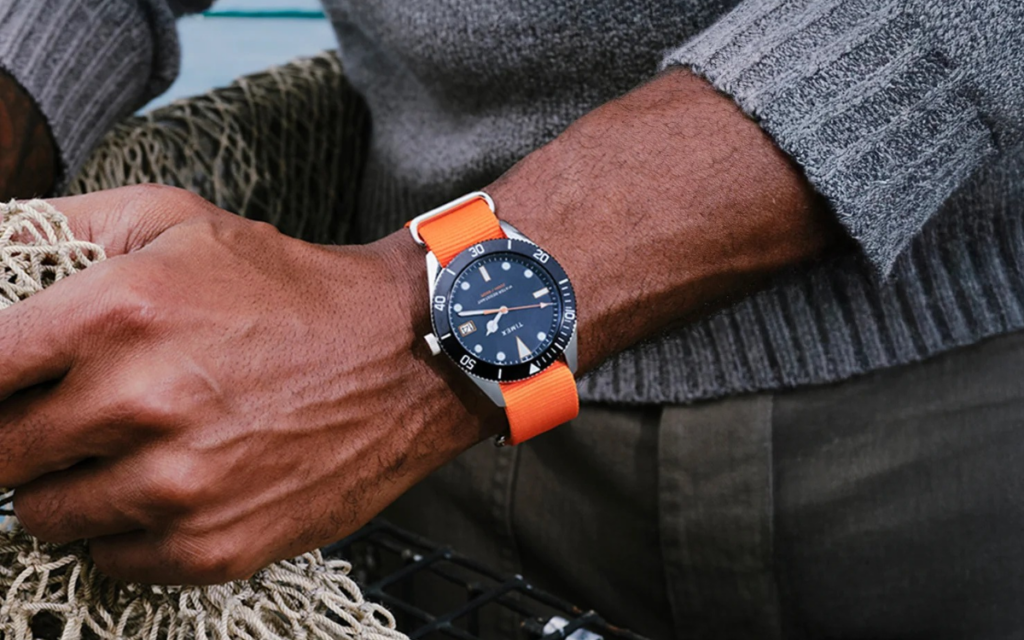
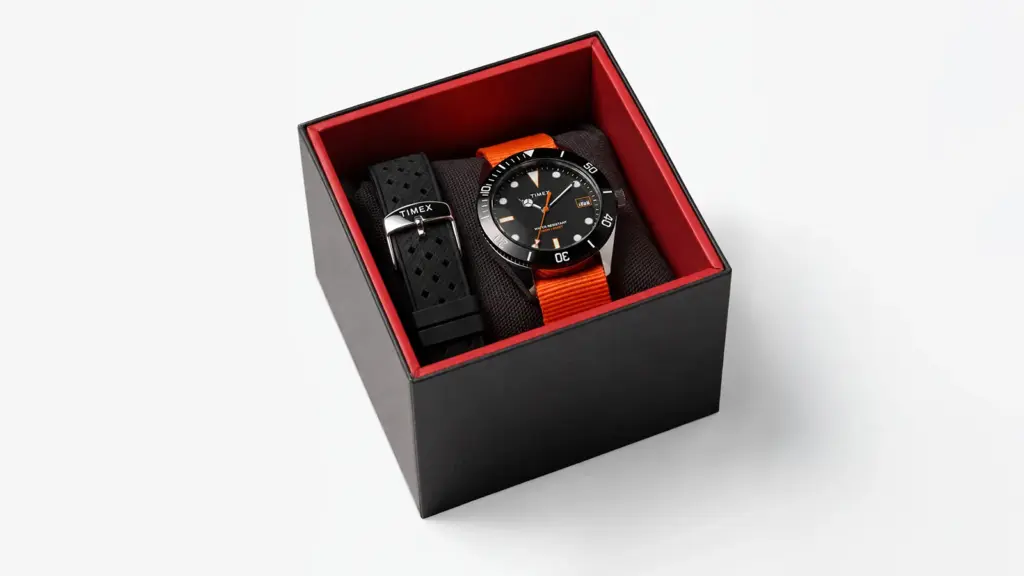
Timex has partnered with lifestyle brand Bespoke Post to release the Heritage 66, a new quartz dive watch that draws its design directly from the 1966 Timex Skin Diver. The collaboration watch is available now on the Timex US website, priced at $300.

Timex Heritage 66 with Bespoke Post watch

Design Details

The Heritage 66 is built around a 40mm polished stainless-steel case with a 12mm thickness, offering standard dimensions that fit a wide range of wrist sizes. The dial is straightforward and utilitarian: a black background featuring luminous hands and full markers for low-light visibility, alongside a standard date window positioned at 3 o’clock. The dial is protected by a mineral glass crystal, which is typical for watches in this price bracket, though inherently less scratch-resistant than sapphire.

For hardware controls, the watch features a unidirectional rotating aluminum bezel for tracking elapsed time. It also comes with a screw-down crown and 200 meters of water resistance, making the Heritage 66 suitable for recreational scuba diving, snorkeling, and swimming.

Inside, Timex uses a quartz analog movement powered by an SR621SW battery. While some enthusiasts may prefer an automatic movement in a vintage-inspired watch, the quartz setup offers better accuracy while helping keep the price relatively accessible.

Where to buyTimex Heritage 66Latest price on AmazonCheck price →

Because it is being sold as a gift set, the Heritage 66 ships with two interchangeable 20mm straps. The primary option is a bright orange double-layer fabric slip-thru strap, while a black HNBR rubber strap is included for a more subdued, traditional dive look. Both utilize quick-release spring bars, allowing users to swap bands without requiring specialized tools.

Timex Heritage 66 with Bespoke Post watch

The Bespoke Post collaboration remains fairly subtle on the exterior, with the brand’s logo engraved directly onto the crown. The stainless-steel case back adds another distinctive touch with an engraved skin diver silhouette. This design pays homage to the original print advertisement used for the 1966 Timex Skin Diver.

In related news, Casio has recently launched new F-91WF watches in the US with recycled bands and the same iconic design, alongside new AQ-240E models featuring sleek navy and glossy black retro styling.

For more daily updates, please visit our News Section.

Stay ahead in tech! Join our Telegram community and sign up for our daily newsletter of top stories!

(Timex)

iQOO 16 launches with a 2K 165Hz 10,000-nit AMOLED display, 8,400mAh battery, Snapdragon 8 Elite Gen 6 Extreme, and triple 50MP cameras

iQOO has finally launched the much-awaited iQOO 16 in China, positioning it as a performance-focused successor to last year’s iQOO 15. The new flagship packs the Snapdragon 8 Elite Gen 6 Extreme, iQOO’s self-developed Q4 gaming chip, an 8,400mAh battery, and an 8,500mm² VC cooling system. It also brings a 2K 165Hz Samsung M16 display, making high-performance gaming and sustained performance the core focus of the phone. Continue reading ahead to know more in detail about the iQOO 16.

iQOO 16 specifications and features

IQOO 16 display
IQOO 16 display

The iQOO 16 centers around a 6.85-inch Samsung M16 AMOLED display with a 3168 x 1440 resolution and up to a 165Hz LTPO refresh rate. It supports up to 5000Hz instantaneous touch sampling, 2800 nits full-screen excitation brightness and 10,000 nits peak local brightness. The panel also supports full-brightness DC dimming and up to 3300Hz high-frequency PWM dimming.

Performance comes from the Snapdragon 8 Elite Extreme Gen 6, built on TSMC’s 2nm process and featuring CPU speeds of up to 5.01GHz. It is paired with LPDDR5X Ultra Pro memory and UFS 4.1 storage, while the Q4 gaming chip, Monster Super Core Engine and an 8,500mm² VC cooling system are designed to enhance sustained performance.

iQOO 16 camreas
iQOO 16

The 8400mAh battery uses fifth-generation silicon-anode technology and supports 100W wired charging and 40W wireless charging. It also features iQOO’s proprietary Q-flex control technology, which optimizes six stages of the touch-control pipeline and works with the touch chip and gyroscope at the game-engine level to reduce gaming latency.

On the rear, the phone carries a 50-megapixel OmniVision OV50Q main camera with OIS, a 50-megapixel Sony LYTIA 600 periscope telephoto camera with OIS, and a 50-megapixel ultrawide camera. On the front, there’s a 32-megapixel selfie camera, while video recording reaches up to 8K from the rear.

iQOO 16
iQOO 16

The iQOO 16 runs on OriginOS 7-based Android 17. It also features 3D ultrasonic fingerprint recognition, Wi-Fi 7, USB 3.2 Gen 1, NFC, an infrared blaster, and stereo speakers. There’s X+Z dual-axis linear motor onboard to provide more varied and precise haptic feedback. For durability, the phone carries IP68 and IP69 ratings for dust and water resistance.

iQOO 16 price and availability

The iQOO 16 starts at 5,999 Yuan (~$900) for the 12GB+256GB version. The 12GB+512GB model costs 6,799 Yuan (~$1,020), while the 16GB+512GB version is priced at 7,499 Yuan (~$1,125). The 16GB+1TB model costs 8,499 Yuan (~$1,275). The phone comes in three finishes: Chasing Light, Legend, and Track.

The iQOO 16’s global version has already been spotted at Europe’s EEC certification in the recent past. However, there is no official word on its global availability yet.

For daily updates, please visit our News Section.

Stay ahead in tech! Join our Telegram community and sign up for our daily newsletter of top stories!

Honor Magic 9 Pro Max: 200MP Camera, 8800mAh Battery Available at Giztop

Honor Magic 9 Pro Max is a high-end smartphone designed for users who want a large display, powerful performance, advanced cameras, and a very large battery. It features a 6.8-inch LTPO OLED display with a 1.5K+ resolution and a 1–120Hz adaptive refresh rate. The phone is powered by Qualcomm’s Snapdragon 8 Elite Extreme Gen 6 processor and comes with up to 16GB of LPDDR5X RAM. Storage options include 256GB, 512GB, and 1TB, giving users plenty of space for apps, photos, videos, and other files.

Display and Design

The Honor Magic 9 Pro Max features a 6.8-inch ultra-narrow flat OLED display with a 1320 x 2868-pixel resolution. The panel supports 1.07 billion colors, 100% DCI-P3 color coverage, and a peak HDR brightness of 5000 nits. Its LTPO technology allows the refresh rate to adjust between 1Hz and 120Hz depending on the content, which can help balance smoothness and power efficiency. The phone also offers IP68, IP69, and IP69K protection for resistance against water and dust.

Performance and Storage

The smartphone uses the Snapdragon 8 Elite Extreme Gen 6 chipset with an Adreno 850 GPU. It is available with 12GB or 16GB of LPDDR5X RAM, making it suitable for demanding apps, multitasking, gaming, and everyday use. Internal storage options include 256GB, 512GB, and 1TB. Storage cannot be expanded, so choosing the right capacity at purchase is important.

Cameras and Battery

The Honor Magic 9 Pro Max has a triple-camera setup on the rear. It includes a 200MP main camera with a large 1/1.28-inch sensor and OIS, a 50MP ultra-wide camera, and a 200MP 1/1.4-inch 3.5x periscope telephoto camera. A 55MP front camera handles selfies and video calls. The phone packs an 8800mAh battery with support for 100W wired charging and 80W wireless charging.

Price and Availability

The Honor Magic 9 Pro Max is available with a starting price of $1,199 at Giztop. Global and express shipping options are also available, making the phone accessible to buyers outside its primary market. With its large battery, flagship processor, high-resolution cameras, and high-brightness LTPO display, the Magic 9 Pro Max targets users looking for a feature-rich premium smartphone.


Read More:

Noise Homestage 5.2.4 launches with 700W Dolby Atmos home theatre and dual subwoofers

Noise is stepping into the home audio market in India with its new Homestage range of soundbars. The lineup is designed for living rooms, with the flagship model focusing on immersive Dolby Atmos audio. It also brings a mix of wired and wireless components aimed at creating a fuller home theatre setup.

Noise Homestage specifications and features

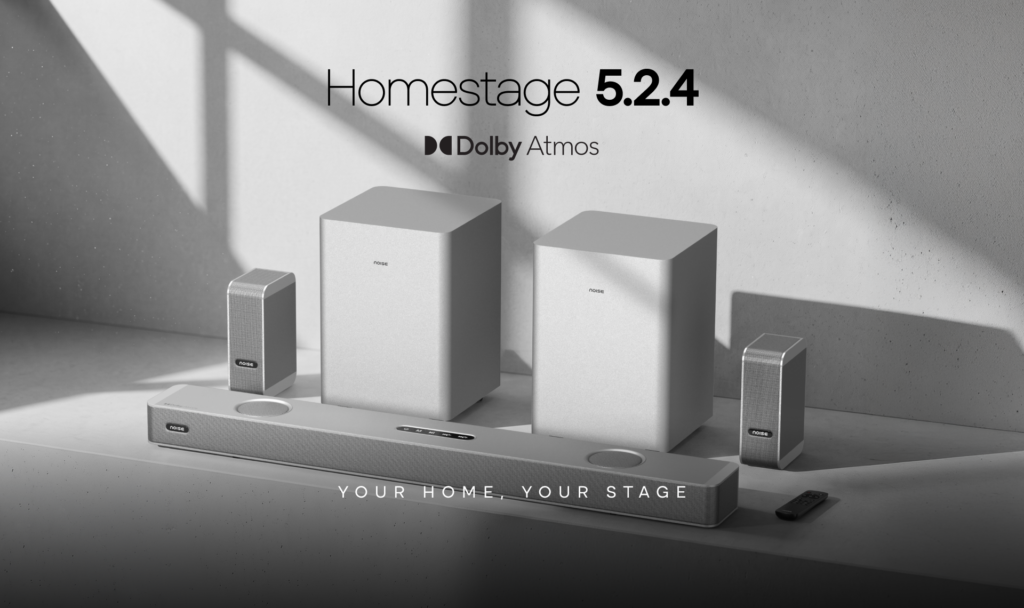
Noise Homestage 5.2.4

Leading the lineup is the Noise Homestage 5.2.4, a 700W Dolby Atmos system built around five front channels, two dedicated subwoofers and four up-firing height channels. The setup is designed to create a three-dimensional sound field, with audio positioned around and above the listener.

The system includes two wired 6.5-inch subwoofers for bass output and two wireless rear satellite speakers. A single HDMI eARC connection can carry full-quality Dolby Atmos audio from a compatible TV, while Bluetooth 5.3 allows users to connect smartphones and other devices for music and podcasts. Optical, USB and AUX inputs are also available.

Users can adjust the sound to suit their preferences through dedicated 12-level bass and treble controls. The soundbar has a matte metallic finish and is offered in Black and Silver. The range also includes the Homestage 2.1 with a dedicated subwoofer and the Homestage 5.1, which delivers 500W Dolby Atmos audio with wired rear satellite speakers.

Noise Homestage price and availability

The Noise Homestage range is now available through Noise’s official website in India. Prices start at Rs 4,999 for the Homestage 2.1 90W, while the Homestage 3.2 200W costs Rs 8,999.

Where to buyNoise Homestage 5.2.4Latest price on AmazonCheck price →

The Homestage 5.1 500W Dolby Atmos is priced at Rs 14,999, while the flagship Homestage 5.2.4 700W Dolby Atmos costs Rs 24,999.

For daily updates, please visit our News Section.

Stay ahead in tech! Join our Telegram community and sign up for our daily newsletter of top stories!

Huawei Mate 90 series chip lineup look like this

A new leak has revealed which Kirin chip goes into each Huawei Mate 90 phone. Earlier reports said only that the Mate 90 series would use different versions of Huawei’s new silicon. This tip assigns a chip to every model.

Which chip goes in which Mate 90

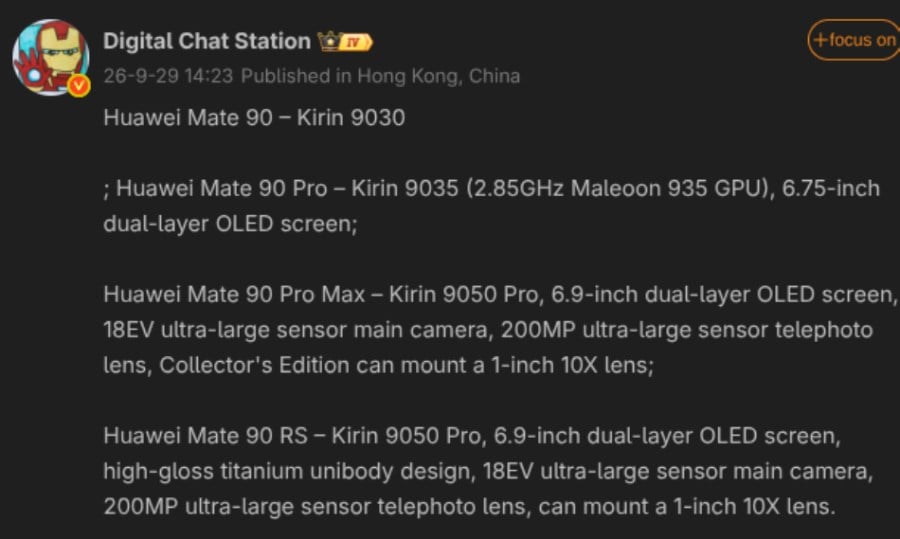
According to the tipster, the standard Huawei Mate 90 will use the Kirin 9030. The Huawei Mate 90 Pro is expected to get the Kirin 9035, paired with a 2.85GHz Maleoon 935 GPU. The Huawei Mate 90 Pro Max and the Huawei Mate 90 RS, meanwhile, are said to use the Kirin 9050 Pro.

Huawei Mate 90 series chip leak

The leak lines up with previous reveals. A pre-launch roundup previously suggested the Mate 90 and Mate 90 Pro would use earlier versions of the chip, while the Pro Max and RS Ultimate Design would get the full Kirin 9050 Pro. The Kirin 9050 Pro name has also appeared in leaks for some time.

The leak also shares some details on the displays. The Mate 90 Pro has a 6.75-inch dual-layer OLED screen. The Mate 90 Pro Max and Mate 90 RS both have a 6.9-inch dual-layer OLED panel. The tipster gives no screen details for the standard Mate 90.

As for the camera, the Mate 90 Pro Max and Mate 90 RS both have an 18EV ultra-large sensor for the main camera and a 200MP ultra-large sensor for the telephoto lens. This aligns with an earlier leak about dual periscope cameras on the higher-end models.

Teleconverter support

The two top-end models are also expected to support an external teleconverter. Both the Mate 90 Pro Max Collector’s Edition and RS are said to support a 1-inch 10X lens.

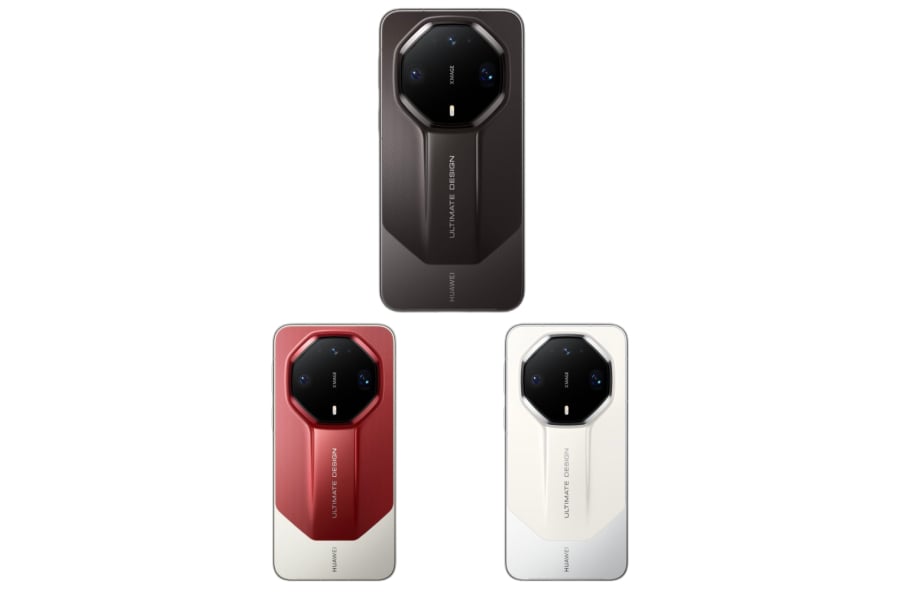
The Mate 90 RS is also expected to have a high-gloss titanium unibody design, giving it a different look from the Pro Max. Despite the exterior differences, both models are said to share the same Kirin 9050 Pro chip, 6.9-inch display, and main camera hardware.

For daily updates, please visit our News Section.

Stay ahead in tech! Join our Telegram community and sign up for our daily newsletter of top stories!

Motorola Razr Flex wide foldable specs leak, images well ahead of expected launch

Motorola is preparing its first wide foldable smartphone, expanding its Razr lineup beyond the familiar clamshell design. The device has already been teased by the company, and its internal name has now surfaced alongside detailed hardware information. A mid-December launch is currently being targeted, although the timing could still change.

Motorola Razr Flex specs, images leaked

Motorola Razr Flex
Motorola Razr Flex

According to AndroidHeadlines, the foldable is internally known as Razr Flex and carries the Parker codename. It will feature a 6.92-inch OLED inner display with a 2364 x 1728-pixel resolution, a 165Hz adaptive refresh rate and support for HDR10, HDR10+ and Dolby Vision. A 4.97-inch OLED cover screen with a 1736 x 1140-pixel resolution will sit on the outside.

The Snapdragon 8 Elite Gen 5 will be present under the hood of the device. The Qualcomm chip will be paired with 12GB of RAM and 256GB of non-expandable storage. The device could measure 110 x 149 x 5.8mm when unfolded and 110 x 76 x 12.6mm when folded, with a reported weight of 215 grams. It is also expected to support Wi-Fi 7, Bluetooth 6.0 with LE Audio, 5G, LTE, eSIM and a physical nano SIM slot.

Photography could include a 50-megapixel main camera with up to 30x digital zoom and a 50-megapixel ultrawide camera. Two 32-megapixel selfie cameras are also listed, with one positioned for each display. A 5,000mAh dual-cell battery is expected, alongside USB-PD wired charging and 25W Qi wireless charging.

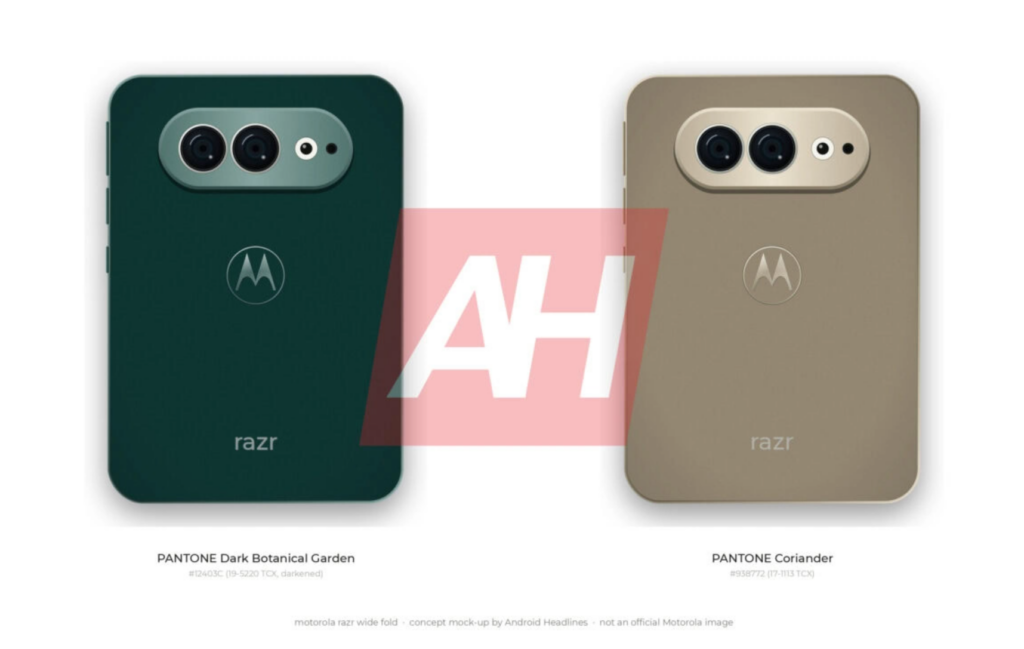
The foldable is also tipped to carry IP48 and IP49 ratings for ingress protection and run Android 17 out of the box. A side-mounted fingerprint scanner will be integrated into the power button, while a dedicated physical AI key is also seen in the leaked image. It will come in two Pantone shades, such as Coriander and Dark Botanical Garden.

The Razr Flex is expected to launch around mid-December and could enter a segment that already includes wide foldables from Samsung and Apple. However, Motorola has not yet confirmed the final name, complete specifications or launch date.

What do you think of Motorola’s first wide foldable?

For daily updates, please visit our News Section.

Stay ahead in tech! Join our Telegram community and sign up for our daily newsletter of top stories!

(source)

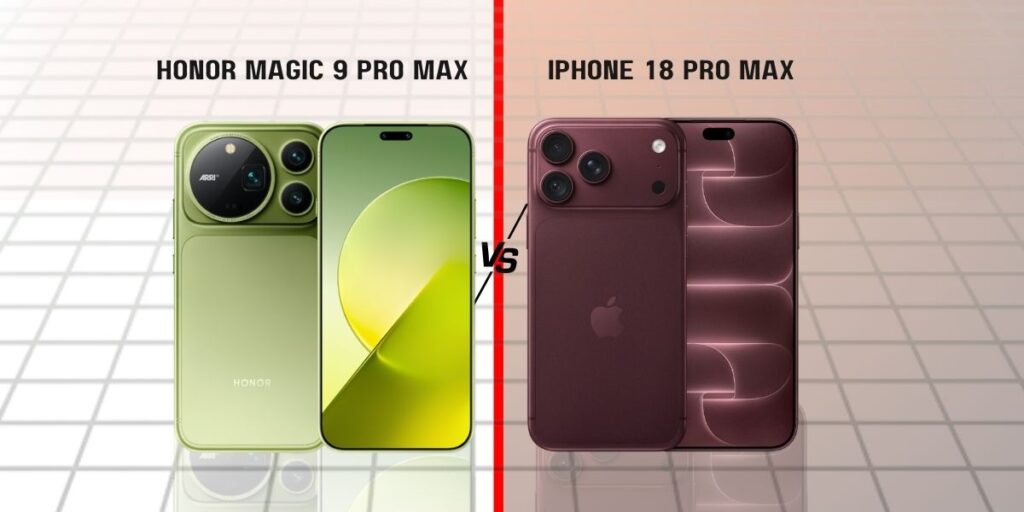
iPhone 18 Pro Max vs Honor Magic 9 Pro Max: The difference in Pros

Apple spent this year’s autumn event telling everyone that the iPhone 18 Pro Max has the best camera it has ever put in an iPhone — the usual. Three weeks later, Honor launched the Magic 9 Pro Max, its first phone with the “Pro Max” name, and a very different approach to cameras.

The two phones also have similar prices at higher storage levels, and both put their cameras at the center of the experience. But the hardware underneath is very different.

Apple has added a mechanical aperture to its main camera, while Honor has gone with two 200MP sensors and a partnership with cinema camera maker ARRI. Here’s how the two phones compare.

Honor Magic 9 Pro Max vs iPhone 18 Pro Max

1. Aluminum design vs. a camera-inspired body

Apple iPhone 18 Pro Max

The iPhone 18 Pro Max still looks unmistakably iPhone. It has an aluminum unibody, Ceramic Shield 2 on the front, and a Ceramic Shield back with MagSafe. Apple says the new front glass is three times more scratch-resistant than the one used on the iPhone 16 Pro.

It comes in Black, Silver, Glacier, and Burgundy. The phone is IP68 rated, weighs around 240 grams, and is about 9mm thick. Apple also says 40% of the phone uses recycled materials, including 85% recycled aluminum in the frame.

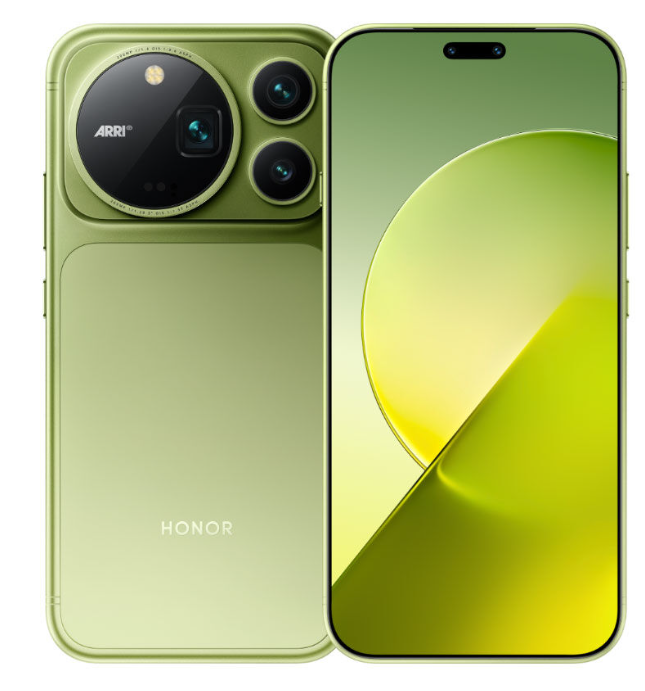
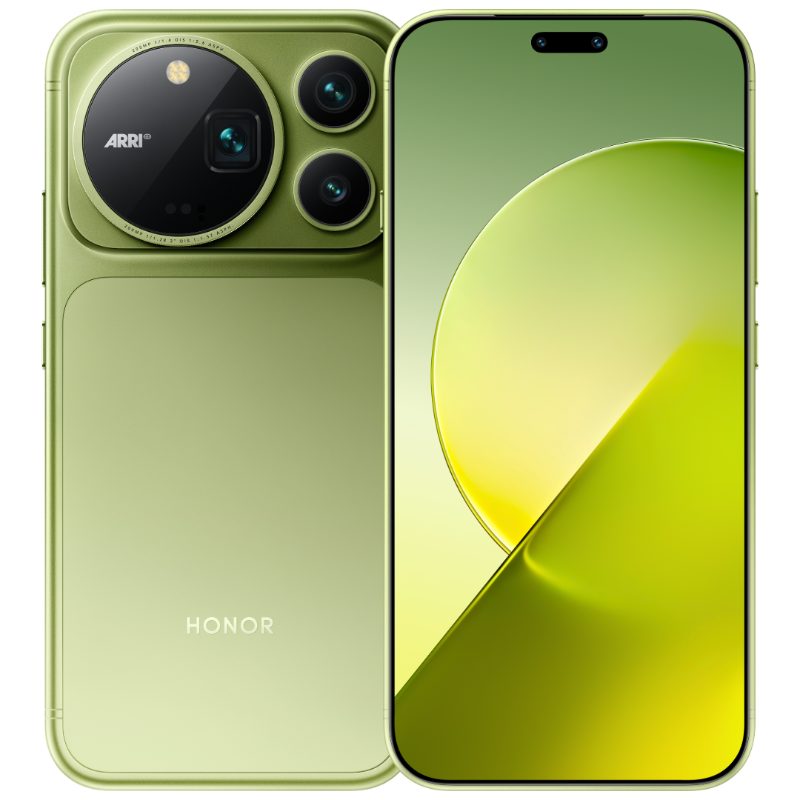
As for Honor, instead of the round camera island used on previous Magic phones, it now has an asymmetric camera plateau inspired by ARRI cinema cameras. The lens ring also gets a precision-cut metal finish that gives the phone a camera-like appearance.

The Magic 9 Pro Max comes in Moss Green, Silver Halide, and Shadow Black. It has IP68, IP69, and IP69K ratings, giving it higher water and dust protection than the iPhone. Despite its larger camera module and much bigger battery, it is also lighter at around 233 grams and thinner at 8.6mm.

2. Apple gives fewer display numbers

The iPhone 18 Pro Max has a 6.9-inch Super Retina XDR display with ProMotion up to 120Hz. Apple says the panel is brighter and has better anti-reflection compared with last year’s model, but it does not give a peak brightness number.

The redesigned Dynamic Island can also handle up to three Live Activities at the same time while continuing to support Face ID.

Honor is much more specific with its display specifications. The Magic 9 Pro Max uses a 6.8-inch LTPO OLED panel with a claimed peak brightness of 10,000 nits and 6,000 nits at a 20% window. It can go as low as 1 nit and uses a 5,600-layer silicon nitride coating that brings reflectivity down to 1.5%. 

The display also supports 4320Hz PWM dimming and has received TÜV Rheinland’s low-reflection certification. Honor says it is the first phone to receive the TÜV Rheinland Global Eye Protection 6.0 certification. 

Those numbers look very different on paper, but actual outdoor visibility will depend on more than peak brightness alone. The iPhone has also traditionally performed well in bright sunlight.

3. One variable aperture vs. two 200MP cameras

This is where the two phones take very different paths. The iPhone 18 Pro Max uses a 48MP Fusion Main camera with a physically adjustable aperture. It is the first iPhone to offer a mechanical variable aperture.

Inside the camera, you now have six laser-cut blades that can switch between four settings: ƒ/1.48 for more light, ƒ/1.8 as the default, ƒ/2.8 for more depth, and ƒ/4.0 for effects such as starbursts around bright lights.

The main camera covers 24mm and 48mm equivalents at 1x and 2x. It is joined by a 48MP Ultra Wide camera at 13mm and ƒ/2.2, along with a 48MP Telephoto camera covering 100mm and 200mm equivalents at ƒ/2.8. Apple says the system offers up to 8x optical-quality zoom and 16x total optical range.

Apple has also added new Pro controls that let users manually adjust aperture, shutter speed, and white balance in the Camera app. A histogram is available for checking exposure. Photographic Styles 3 adds texture and grain controls alongside the existing tone and color adjustments.

Another new feature is Apple Reference Image, which cryptographically signs what the camera captured so users can later verify whether a photo has been edited. However, it will not be available at launch in China, while capture will not be available in the EU.

The front camera is an 18MP Center Stage camera that can automatically widen its frame to include more people.

In the case of Honor, it doesn’t have an aperture ring, but two 200MP sensors. The main camera uses a 1/1.28-inch sensor with an f/1.57 aperture, 24mm equivalent focal length, 3-degree stabilization, and a CIPA 8.0 rating.

The 200MP telephoto camera uses a 1/1.4-inch sensor, f/2.6 aperture, and 85mm focal length. Both cameras were developed with ARRI and support ARRI’s LogC3 color curve.

There is also a 50MP ultra-wide camera and a 3D depth sensor on the back. For selfies, the phone borrows a page from Apple — it’s a 1:1 square camera, but higher in resolution: a 55MP.

The cameras are processed by Honor’s H1 imaging chip, which handles RAW-domain noise reduction. The phone also offers 87 official ARRI Looks for color grading.

Where to buyiPhone 18 Pro MaxLatest price on AmazonCheck price →

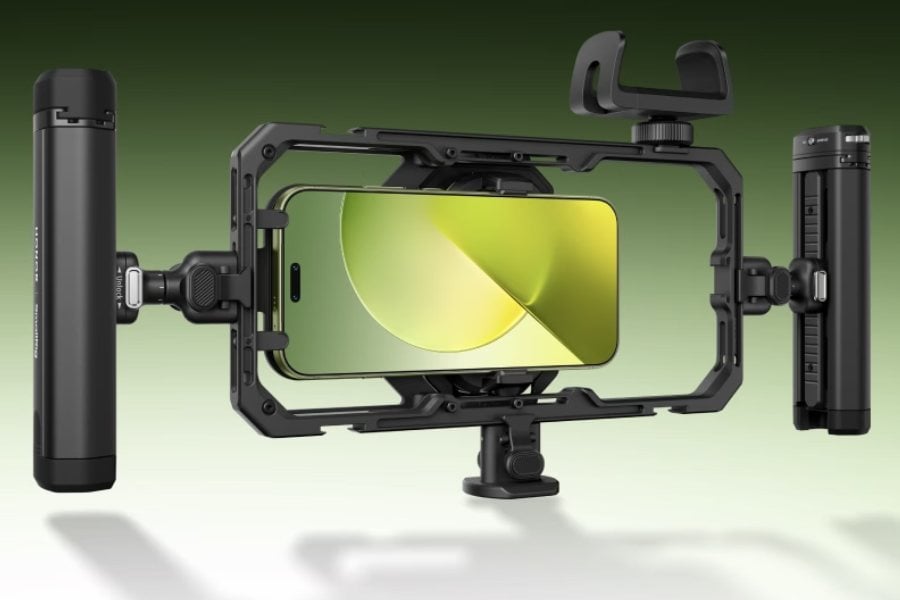
Honor says its gun microphone improves noise reduction by 462% compared with a normal omnidirectional microphone. The company also sells a G200 teleconverter with a 200mm equivalent focal length, a G500 teleconverter with a 500mm equivalent focal length, and a SmallRig video cage for mounting accessories.

In simple terms, Apple is using fewer sensors but adding more physical camera controls, while Honor is using much higher-resolution sensors and ARRI’s cinema color processing. They are simply different approaches to smartphone photography.

4. Video: more control after shooting vs. in-camera processing

Apple’s video features give users more options after recording. Cinematic mode effects can now be applied to regular video recorded at up to 60fps. Time-lapse recording goes up to 4K with Dolby Vision HDR.

Audio Mix can also separate music from background noise, rather than only separating voices. For more advanced video work, the phone supports ProRes RAW, Apple Log 2, genlock for multicamera setups, and 4K 120fps Dolby Vision.

Where to buyHonor Magic 9 Pro MaxBrowse the range on AmazonShop now →

Honor’s video system uses the ARRI LogC3 pipeline and downloadable Looks so users can get a particular color style during recording. Its 2.39:1 Movie Live mode records a three-second cinematic 4K live photo after the shutter is pressed. AI Color Tracking can also take the color grade from a reference photo and apply it while recording.

Honor does not provide video frame-rate details with the same level of detail as Apple, so a direct video comparison will have to wait for hands-on testing.

5. A20 Pro vs. Snapdragon 8 Elite Extreme Gen 6

The iPhone 18 Pro Max is powered by Apple’s A20 Pro, built on a 2nm process. It has a six-core CPU with two performance cores and four efficiency cores, along with 50% more memory bandwidth than the A19 Pro.

The seven-core GPU is rated up to 40% faster than the previous generation, while the new dual 16-core Neural Engine offers twice the AI performance of the A19 Pro.

Apple has also changed the chip packaging. The die now sits next to the memory instead of stacking them, keeping the memory away from the chip’s main thermal path. The A20 Pro can then sit directly against a new vapor chamber with three times the surface area of the previous model.

Apple says this design can deliver up to 40% better sustained performance. The phone also has Apple’s N1 wireless chip with Wi-Fi 7, Bluetooth 6, and Thread support. The C2 modem is said to offer faster uploads than the C1X while using 15% less power. US models also support mmWave.

The Magic 9 Pro Max uses Qualcomm’s Snapdragon 8 Elite Extreme Gen 6, which is also built on a 2nm process and reaches up to 5.01GHz. Honor cites Qualcomm’s benchmarks showing a 13% CPU improvement, 44% GPU improvement, and 35% NPU improvement over the previous generation. A pre-launch AnTuTu test also put the phone above 5.5 million points.

6. Battery

Apple does not reveal the iPhone 18 Pro Max’s battery capacity. Instead, it quotes up to 45 hours of video playback for eSIM-only models, which Apple describes as its biggest battery-life improvement on an iPhone.

General use is rated at up to 30 hours per charge. With the right adapter, wired charging can reach 50% in around 15 minutes, while five minutes of charging can provide roughly seven hours of video playback. Unofficial regulatory filings suggest the iPhone 18 Pro Max has a battery capacity of around 5,567mAh for the US model, but Apple has not confirmed that figure.

Honor gives a much larger number: 8,800mAh. The Magic 9 Pro Max uses the company’s “Qinghai Lake blade battery” with 40% silicon content and 1000Wh/L energy density. It supports 100W wired charging and 80W wireless charging, along with 50W wireless charging in compatible cars.

7. Siri AI vs. Honor’s AI button

The iPhone 18 Pro Max ships with iOS 27, Apple Intelligence, and the new Siri AI. Siri can understand personal context, see what’s on the screen, and perform actions inside apps such as Messages and Reminders.

The new Siri features start with English, while French, Japanese, Korean, Portuguese, and Spanish are scheduled for October. The feature will not be available in the EU at launch.

iOS 27 also introduces iPhone Handoff, which lets users move between two iPhones using the same number. For now, the feature works with T-Mobile in the US and Telekom in Germany.

Honor uses MagicOS with its YOYO assistant. The Magic 9 Pro Max has a dedicated hardware button for YOYO, which can be used for one-press video highlight capture, recurring reminders, and proactive tasks. Honor Connect also lets the phone connect with devices such as the iPhone, Apple Watch, and Mac.

The Magic 9 Pro Max also uses 3D face recognition alongside a 3D ultrasonic fingerprint sensor. The iPhone continues to rely on Face ID for biometric authentication.

8. Availability is another major difference

The iPhone 18 Pro Max starts at $1,299 for 256GB and is available in 512GB, 1TB, and 2TB storage options as well. What’s more important here is that you can get the device in most countries around the world, including the US, the UK, most of the EU, China, Japan, and Australia. 

The Honor Magic 9 Pro Max starts at 6,499 yuan (about $968) for the 12GB/256GB model in China. The 16GB/1TB version costs 8,499 yuan (about $1,266). Honor also sells a 10,999-yuan (about $1,639) Master Photographer Package that includes the teleconverter kit.

However, the phone is currently exclusive to the Chinese market. The phone is expected to reach Europe sometime in November or December, but a US launch is not in the cards, as Honor isn’t officially present there. 

For daily updates, please visit our News Section.

Stay ahead in tech! Join our Telegram community and sign up for our daily newsletter of top stories!

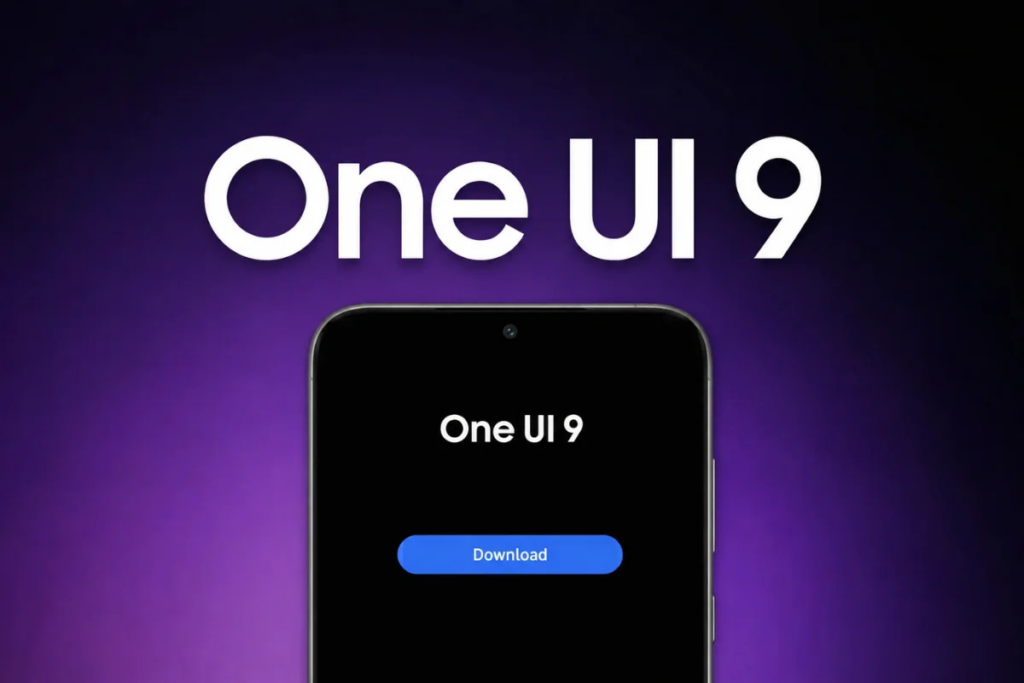
One UI 9 update is now rolling out to these Galaxy devices

One UI 9 update rollout

Samsung’s One UI 9 rollout has finally picked up some good pace after a series of unfortunate events. The stable update initially landed on the Galaxy S26 series, but it remained limited to Korea for longer than expected. The update is now available in more regions, and Samsung has also begun rolling out the update to more Galaxy devices – at a better pace.

Quickly after the Galaxy S26 picked up One UI 9 globally, the rollout also went live for the Galaxy S25 series and recent foldable phones. Here’s a list of Galaxy devices that have received the One UI 9 update.

Samsung devices getting the stable One UI 9 update

Galaxy S series

  • Galaxy S26, S26+, S26 Ultra
  • Galaxy S25, S25+, S25 Ultra, S25 Edge, S25 FE

Galaxy Z series

  • Galaxy Z TriFold
  • Galaxy Z Fold 7, Flip 7

The list should grow as more Galaxy devices receive the One UI 9 update in the coming days and weeks. We’ll update it regularly to keep it fresh and up-to-date.

If your Galaxy device is on the list, navigate to Settings > Software updates, then tap Download and install to check for the latest update, if you have not yet received an update notification. Keep in mind that the update rolls out in batches and may take a while to reach your device.

We’ll keep tracking the latest developments around One UI and post them in our Samsung section. You can visit the page regularly for the latest details.

Also, don’t forget to join our Telegram channel to receive instant alerts as soon as we post new stories.

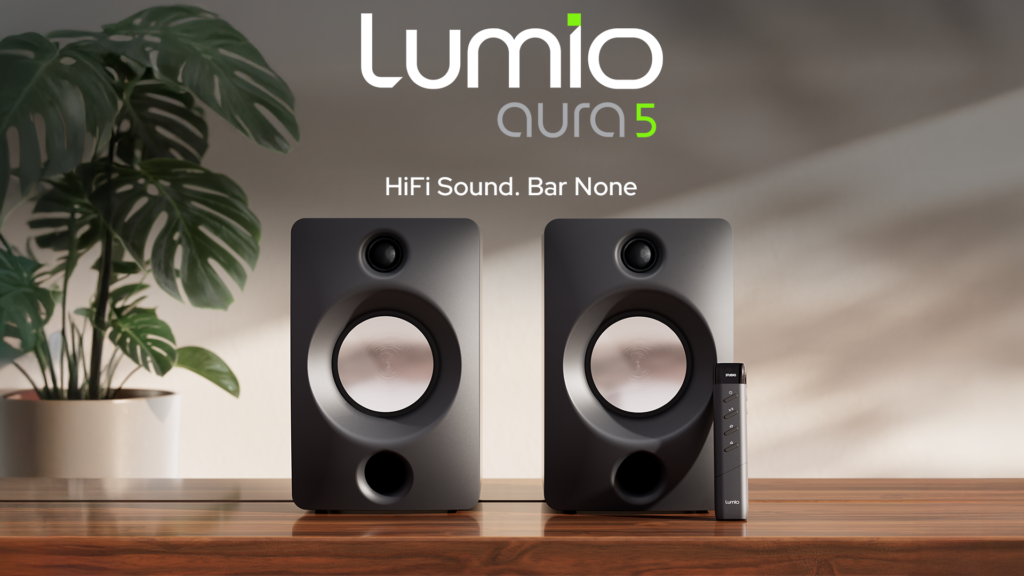
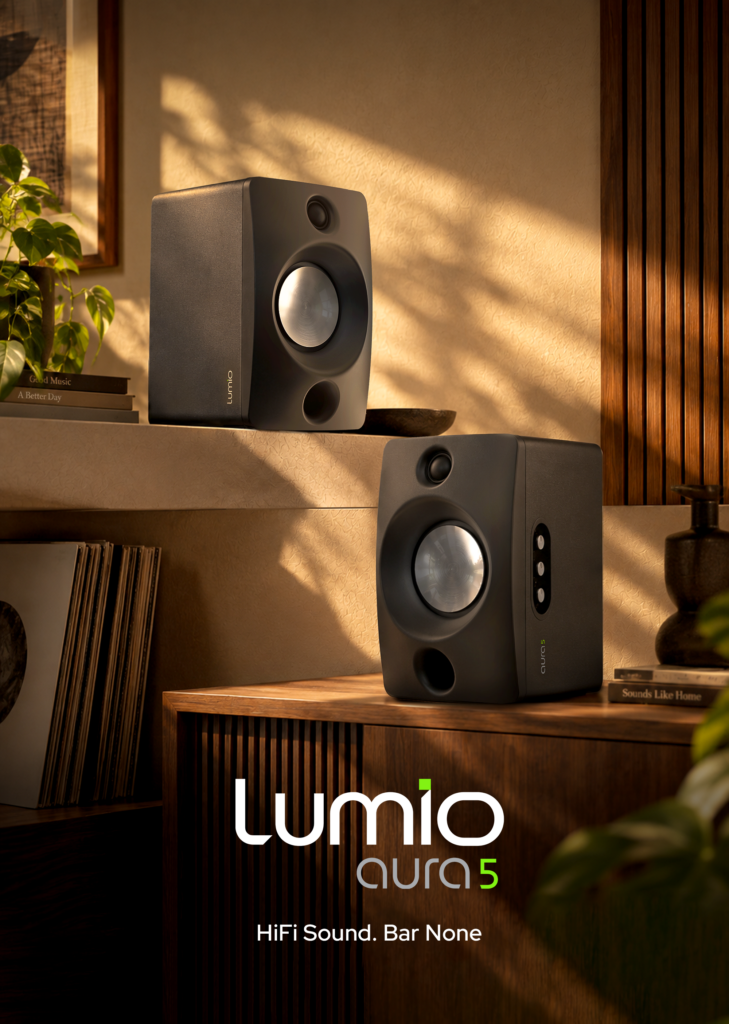
Lumio Aura 5 launches with 24-bit lossless Hi-Fi audio and 100W output without an amplifier

Lumio has entered India’s home audio segment with the Aura 5, a Hi-Fi bookshelf speaker designed for living rooms and desktops. It combines a stereo setup with multiple wired and wireless inputs, while aiming to keep the experience simple. The speaker also focuses on lossless playback and room-filling sound without requiring a separate amplifier.

Lumio Aura 5 specifications and features

Lumio Aura 5
Lumio Aura 5

The Lumio Aura 5 uses a pair of real-wood cabinets, with each carrying a 4.5-inch aluminium woofer and a 1-inch silk dome tweeter. Together, the system delivers 100W sustained output and up to 200W peak power, with a claimed 105dB SPL at 1 metre. Bass response extends down to 35Hz, while the physical left-right separation is designed to create a wider stereo soundstage.

For different listening preferences, Lumio offers three DGS tuning modes: Studio, Cinema and Groove. The speaker supports lossless audio up to 24-bit/48kHz and uses a dedicated low-noise analogue supply rail for its DAC. Users can connect through HDMI ARC, optical, coaxial, 3.5mm, USB or Bluetooth 5.4, making it suitable for TVs, computers and other audio sources without adding an external amplifier or receiver.

Lumio Aura 5
Lumio Aura 5

The system also comes with a Bluetooth Minion OLED remote for controlling playback and settings, while an Android and iOS app is planned for a later release. Its active bookshelf design keeps the two speakers self-contained, while the front-facing bass ports are intended to support the low-frequency output.

Lumio Aura 5 price and availability

The Lumio Aura 5 will be sold through Amazon India during the Amazon Great Indian Festival. It carries a price of Rs 24,999, with an early-bird price of Rs 19,999 starting October 15. Lumio says additional bank offers will also be available, while the speaker pair gets a one-year comprehensive warranty and the remote gets six months of coverage.

Where to buyLumio Aura 5Latest price on AmazonCheck price →

What do you think of Lumio’s approach to bringing Hi-Fi audio into a simpler home setup?

For daily updates, please visit our News Section.

Stay ahead in tech! Join our Telegram community and sign up for our daily newsletter of top stories!

Xiaomi sees rising demand for larger, premium TVs in India

India’s television market is seeing a shift as consumers increasingly look beyond simply replacing an existing TV. Larger screens, premium display technologies and connected-home features are becoming more important factors in purchase decisions. Xiaomi says its own sales trends reflect this growing interest in more immersive home entertainment experiences.

Where to buyXiaomi TVBrowse the range on AmazonShop now →

Larger screens gain momentum in Xiaomi’s portfolio

Xiaomi TV
Xiaomi TV

Xiaomi says it now has a TV user base of 1.3 crore in India, while the contribution of 55-inch and larger televisions within its portfolio has increased by 200% year over year. The company also points to strong demand for its larger QLED models, with its 75-inch QLED TV recording approximately 10 times the growth of its previous 75-inch offering. Xiaomi says its QLED segment also grew sixfold last year.

The broader market is showing a similar shift towards bigger displays. According to Counterpoint Research’s Q1 2026 India TV report, televisions measuring 55 inches and above recorded the fastest growth among screen sizes and accounted for nearly one-third of total shipments. This indicates that consumers are increasingly considering larger screens when upgrading their home entertainment setups.

QLED and MiniLED adoption continues to grow

Xiaomi TV
Xiaomi TV

Display technology is also becoming a bigger part of the purchase decision, according to Xiaomi’s data. QLED accounted for around 30% of India’s TV market, with the Rs 20,000 to Rs 30,000 segment seeing strong growth. Xiaomi’s own QLED business recorded sixfold growth last year, adding to the company’s broader push towards premium display technology.

MiniLED has also emerged as a fast-growing segment. Counterpoint’s Q1 2026 data cited by Xiaomi shows MiniLED shipments increasing by more than 13 times year over year, with televisions measuring 55 inches and above remaining the key driver of this growth. Together, these trends suggest that TV upgrades are increasingly being viewed as part of a broader home entertainment experience rather than a straightforward replacement purchase.

Xiaomi’s growing focus on televisions also reflects its broader strategy of expanding beyond smartphones and strengthening its Home business under its Human × Car × Home strategy. By growing its presence in larger screens, QLED and MiniLED televisions, the company is building out the Home pillar while offering consumers a more connected and immersive entertainment experience.

For daily updates, please visit our News Section.

Stay ahead in tech! Join our Telegram community and sign up for our daily newsletter of top stories!

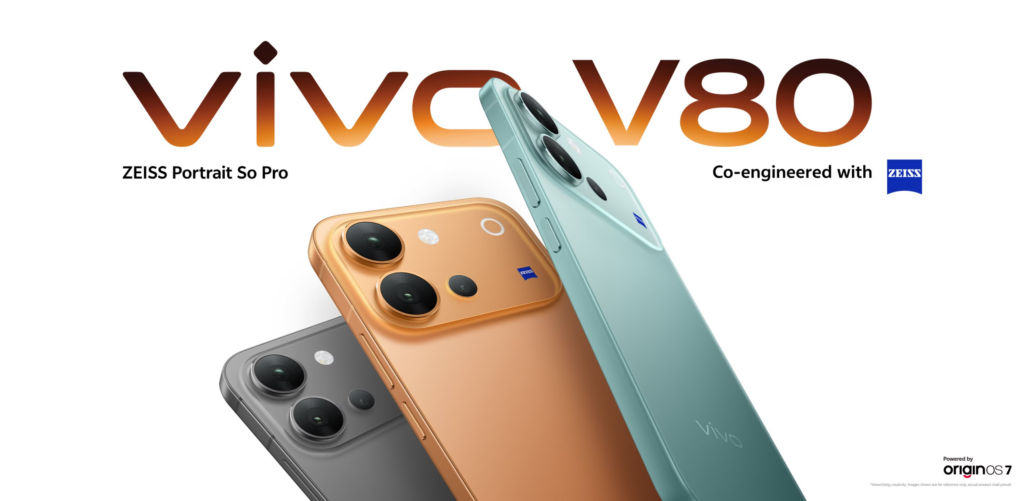
Vivo V80 price leaks, and it’s more expensive than you’d expect

Vivo set a launch date for the Vivo V80 earlier this week. Before the company gets a chance to do a full reveal, tipster Abhishek Yadav has shared the phone’s Indian pricing. 

The Vivo V80 reportedly starts at Rs 63,000 for the 8GB + 128GB model. The 8GB + 256GB version is listed at Rs 70,000, and the 8GB + 512GB model at Rs 80,000.

Vivo V80 color options

If the tip holds, you’re paying a lot more than last time. The Vivo V70 launched in India at Rs 45,999 for 8GB + 256GB, so the same storage tier on the Vivo V80 would cost about Rs 24,000 more. It also lands well above the Vivo V70 Elite, which started at Rs 51,999. The tip doesn’t say whether these are launch prices or MRP before bank offers, so what you pay could be lower, but a price hike seems inevitable.

Vivo V80 specifications

For the price, Vivo V80 will come with a 6.59-inch flat LTPS OLED with a 1.5K resolution and a 144Hz refresh rate. Vivo’s own teasers confirm 5,000 nits of local peak brightness.

The phone runs on the Snapdragon 7 Gen 4 chip with UFS 4.1 storage. On the back, you get a 50MP main camera with OIS, an 8MP ultra-wide camera, and a 50MP telephoto camera with 3x zoom and OIS. The front has a 50MP selfie camera. Vivo is also expected to bring 10X portrait zoom and 4K cinematic video to the V series with this phone.

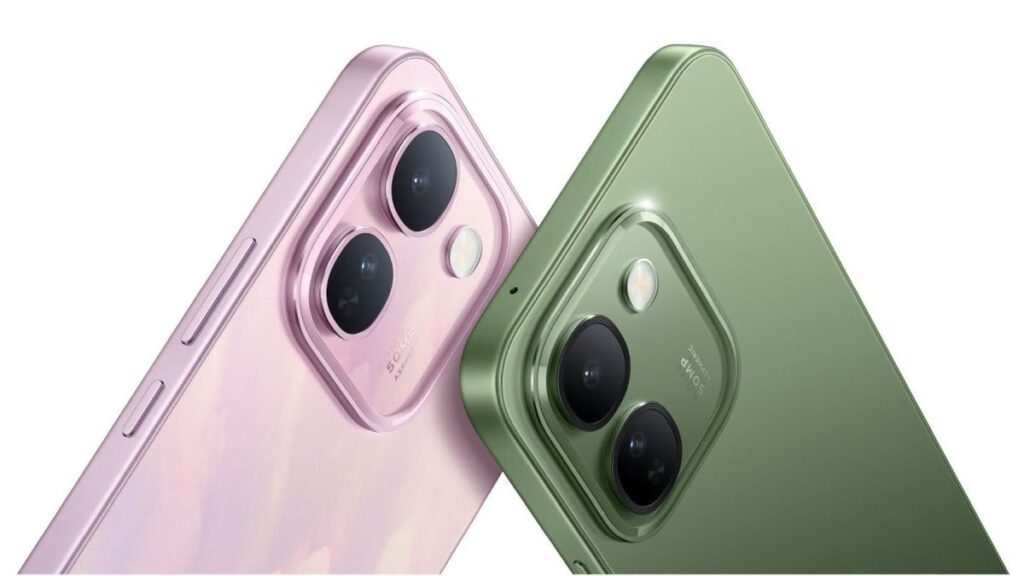
VIvo V80 Lite 5G
VIvo V80 Lite 5G

The Vivo V80 has a 7,200mAh battery with 90W charging. Vivo says it’s the largest battery it has fitted to a V-series phone. The phone ships with Android 17, which means OriginOS 7 in India.

The rest of the list covers what you’d expect at this price. You get IP68 and IP69 ratings with a metal frame, stereo speakers, an ultrasonic in-display fingerprint scanner, and an IR sensor. The phone has a USB 2.0 port, so wired file transfers will stay slow.

For daily updates, please visit our News Section.

Stay ahead in tech! Join our Telegram community and sign up for our daily newsletter of top stories!

(Source)

Oppo K14 Plus with 8000mAh battery launched in India: price, specs and features

Oppo has launched a new K-series smartphone in India, adding another option for users looking for a feature-packed device. The Oppo K14 Plus focuses on performance, display quality, camera capabilities and long-term durability. It will be available in India during the Flipkart Big Billion Days sale.

Oppo K14 Plus specifications and features

Oppo K14 Plus 5G
Oppo K14 Plus 5G

The Oppo K14 Plus features a 6.78-inch 1.5K AMOLED display with a 144Hz refresh rate, 3600 nits peak brightness and 2160Hz PWM dimming. It is powered by the MediaTek Dimensity 7360 Max chipset, paired with up to 8GB LPDDR4X RAM and 256GB UFS 3.1 storage. It he phone also gets a 5000mm² vapour chamber for sustained performance.

A major highlight is its 8000mAh battery, which supports 45W fast charging. Oppo says the battery is designed to retain at least 80% capacity after 1,800 full charge cycles. The phone also has IP69K, IP69, IP68, and IP66 ratings, along with an aluminium frame and reinforced construction.

For photography, the K14 Plus features a 50-megapixel Smartsense SC532HS main camera with OIS and a 2-megapixel secondary sensor. It supports 4K video recording, while the front houses a 16-megapixel Sony IMX480 camera. Connectivity options include 5G, 4G LTE and VoLTE, Wi-Fi, Bluetooth, and a USB-C port.

Where to buyOppo K14 PlusLatest price on AmazonCheck price →

The phone comes with a hybrid dual-SIM slot and also features an in-display optical fingerprint sensor for biometric authentication. It runs ColorOS 16 based on Android 16, is confirmed to receive two years of OS upgrades and three years of security patches.

Oppo K14 Plus price and availability

The Oppo K14 Plus starts at Rs 29,999 for the 6GB+128GB variant, while the 8GB+128GB and 8GB+256GB models cost Rs 32,999 and Rs 35,999, respectively. It comes in Solar Orange and White Star colours and will go on sale from October 8 through Flipkart and Oppo’s India e-store. A Rs 4,000 instant bank discount will be available on the sale day, bringing the effective prices to Rs 25,999, Rs 28,999 and Rs 31,999. What do you think of the Oppo K14 Plus and its 8000mAh battery?

For daily updates, please visit our News Section.

Stay ahead in tech! Join our Telegram community and sign up for our daily newsletter of top stories!

Lenovo launches smaller 245W GaN power adapter with built-in cable

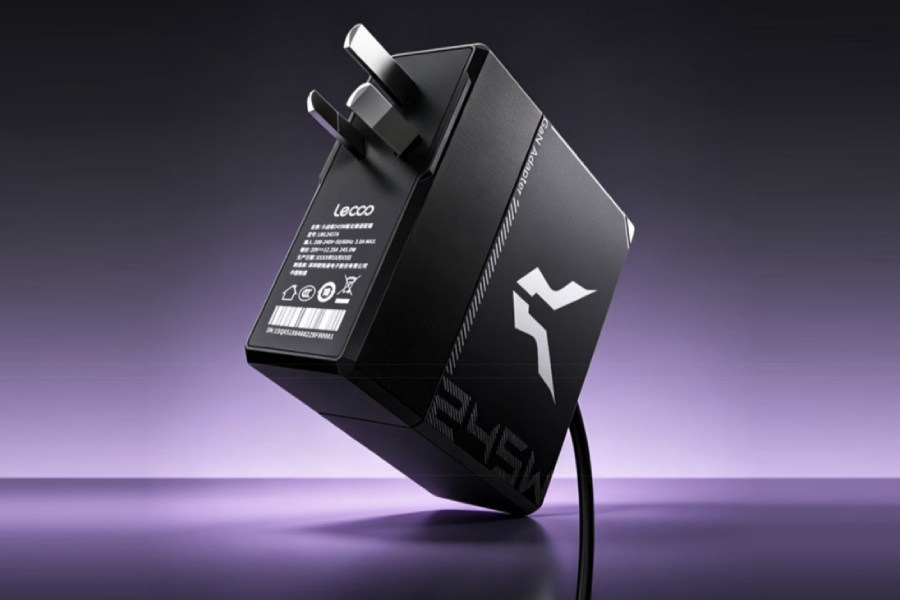
Lenovo has announced a new gallium nitride (GaN) power adapter in China, called the Lecoo Bellator 245W. As the name implies, it outputs up to 245W of power, which makes it clear that it’s intended for gaming laptops.

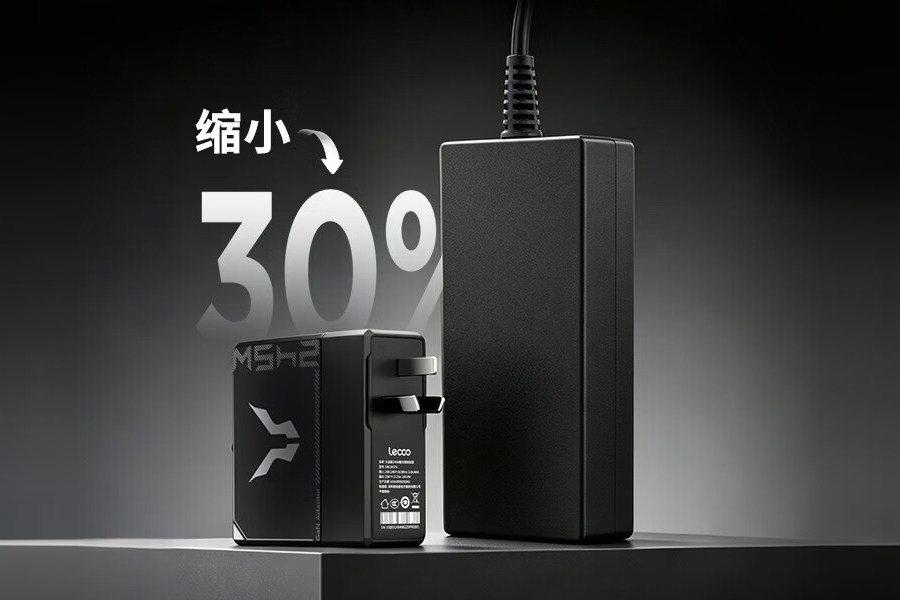
Now, as a GaN module, size is the main selling point here. Lenovo says the Lecoo Bellator 245W is about 30% smaller by volume and about 28% lighter than a standard 240W adapter. If you take your gaming laptop to class, the office, or a friend’s place, the difference adds up once the charger goes into the bag next to it.

It goes on sale on October 8 for 249 yuan, or about $37.

Lenovo Lecco Bellator 245W adpater

Size and weight

The Lecoo Bellator 245W measures 82 × 82 × 33 mm and weighs about 449.7 grams. High-wattage chargers tend to be bulky, and GaN is how Lenovo fits this much power into a smaller body. 

Where to buyLenovo GaN laptop chargersBrowse the range on AmazonShop now →

The dimensions match the Legion 300W GaN4.0 adapter Lenovo announced in May, even though that one is rated 55W higher. Lenovo has been shrinking its gaming laptop adapters for a few years now, going back to the Legion C140 GaN charger from 2023.

Lenovo lecoo Bellator 245W adapter

It is not a pocket-sized charger. The Lecoo Bellator 245W uses a three-prong grounded plug, which fits a product designed for high-performance laptops. Still, you’re getting something easier to carry than a traditional adapter in the same power class.

The cable is built in, 1.5 meters long, and ends in a 5.5 x 2.5 mm round DC connector. So you have no separate cable to pack or lose. Lenovo has also used a thicker cable core and an internal shielding layer to ensure a steady power delivery.

The compatible laptops for the adapter include Lenovo Bellator 7000, Bellator 7000P, and Bellator 7000X. On these models, the adapter can enable Beast Mode and Battle Mode, the profiles that let the CPU and GPU run harder when the laptop is under stress. If you own one of these laptops, you get a smaller adapter option for 249 yuan.

For daily updates, please visit our News Section.

Stay ahead in tech! Join our Telegram community and sign up for our daily newsletter of top stories!

(Via)

Honor S3 is a 3-inch e-ink reader that attaches magnetically to the back of your phone

On the sidelines of the Magic 9 series launch yesterday, Honor also announced the Honor Life S3 pocket e-ink screen reader. It’s a small 3.68-inch e-ink panel that attaches magnetically to the back of a phone and retails for 399 yuan (around $60). 

Honor says the S3 is a mini book that can fit in your pocket. It weighs just 61g and measures 5.6mm thick, and the small size also means you can hold it in one hand for long reading sessions without much strain.

Honor S3 e-ink launch specs price

Honor Life S3 Specifications 

The S3 has a 3.68-inch soft-light e-ink display with a 259 PPI pixel density. It is covered by a high-transparency frosted glass panel designed to give the screen a paper-like feel. The display also has a soft-light eye-protection feature, which should make it more comfortable to look at during longer reading sessions.

There are no physical buttons on the device. Instead, it uses a full-screen single-point touch design, allowing you to turn pages with a tap.

Honor Life S3 Design

The magnetic attachment is one of the more unusual parts of the S3. Its built-in magnetic structure lets it snap onto the back of a compatible phone with a single click. Honor says the reader is thin enough to sit almost flush with the phone, so you can carry both devices together without adding much bulk.

Where to buyHonor e-ink readerBrowse the range on AmazonShop now →

It offers up to 30 hours of run time in continuous use, and normal use can stretch it to a week.

On the software side, the S3 comes pre-installed with RTOS that reportedly offers access to a library of more than 700,000 genuine books. The reader supports wireless book transfers through the Honor Smart Space app and works with common e-book formats. For storage, the S3 supports TF cards with capacities of up to 1TB. 

Honor Life S3 e-ink features

At 399 yuan, the Honor S3 is for people who like reading during short breaks or while commuting but do not want to carry a larger e-reader. Its small size, low weight, and magnetic design make it easy to keep with a phone, while the e-ink display provides an alternative to reading on a smartphone screen.

For daily updates, please visit our News Section.

Stay ahead in tech! Join our Telegram community and sign up for our daily newsletter of top stories!

Nothing Headphone (1) Pro debuts with xMEMS tweeter and up to 68hr battery

Nothing is taking its over-ear audio lineup further with the new Headphone (1) Pro, which has launched globally as the successor to last year’s model. The flagship headphones bring a triple-driver setup featuring an xMEMS tweeter, up to 46dB of adaptive ANC, LDAC connectivity, and up to 68 hours of playback. Nothing has also partnered with Metropolis Studios to tune the audio experience and added Dynamic Spatial Audio with head tracking.

Where to buyNothing Headphone (1) ProLatest price on AmazonCheck price →

Nothing Headphone (1) Pro specifications and features

Nothing Headphone (1) Pro

The biggest change comes in the acoustic hardware. The Headphone (1) Pro uses a 40mm bass driver alongside a 13 x 8mm precision dynamic driver and a 3.2 x 6.0 x 1.15mm xMEMS solid-state treble driver. It supports Hi-Res Audio, with LDAC delivering up to 24-bit/96kHz wireless playback. Through USB-C, the headphones support up to 24-bit/192kHz lossless digital audio, while the 3.5mm input supports up to 24-bit/96kHz analogue signals.

Nothing has equipped the headphones with 10 microphones for hybrid ANC, delivering up to 46dB of real-time adaptive noise cancellation. A separate four-microphone setup handles calls, with DNN-based processing designed to reduce wind and background noise. Dynamic Spatial Audio adds head tracking and five listening profiles, including Studio B, which is based on Metropolis Studios’ room.

Nothing Headphone (1) Pro

The headphones feature Bluetooth 6.1 with AAC, SBC, LDAC, and LC3 support, along with Google Fast Pair, Microsoft Swift Pair, dual connectivity, low-lag mode, and in-ear detection. The 327-gram design combines titanium and aluminum, while the earcups offer up to 20 degrees of tilt. There is also an IP52 rating and physical roller, paddle, and button controls.

Nothing Headphone (1) Pro

A 1,060mAh battery provides up to 68 hours of AAC playback without ANC or 30 hours with ANC enabled. LDAC playback lasts up to 53 hours without ANC and 28 hours with it. A five-minute charge provides up to four hours of playback without ANC.

Nothing Headphone (1) Pro price and availability

The Nothing Headphone (1) Pro is available in Black and White for $399, £349, or €349. It is sold through Nothing’s official website and authorized retail partners.

For daily updates, please visit our News Section.

Stay ahead in tech! Join our Telegram community and sign up for our daily newsletter of top stories!