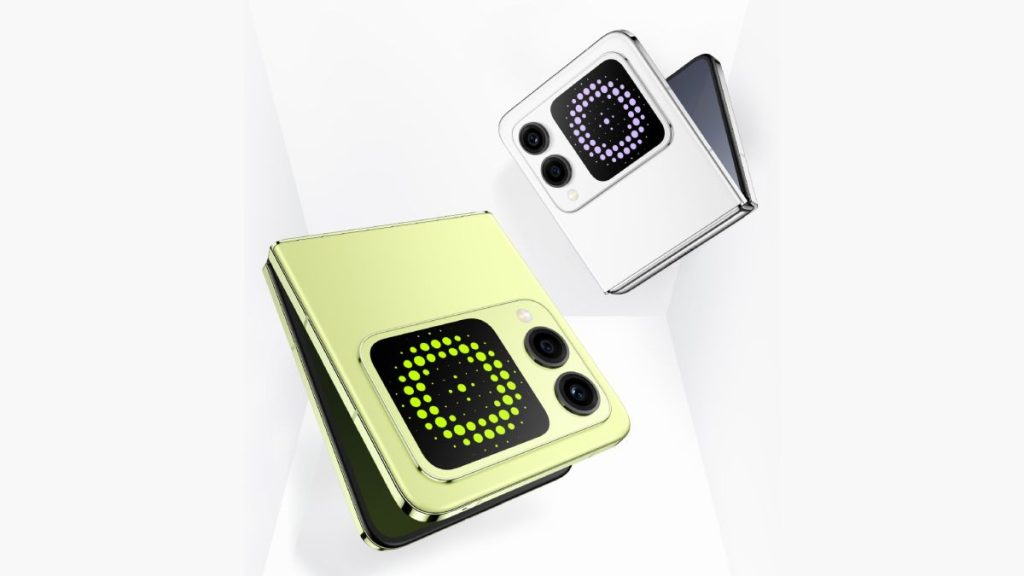
Several reports have claimed that the OnePlus Ace 3 Pro is the next OnePlus phone for the Chinese market. It is likely that the brand may roll out official teasers of the phone starting this week. However, some images of the phone have already appeared on Weibo, revealing its design in two color options.
OnePlus Ace 3 Pro design, display, chipset details emerge
OnePlus Ace 3 Pro image
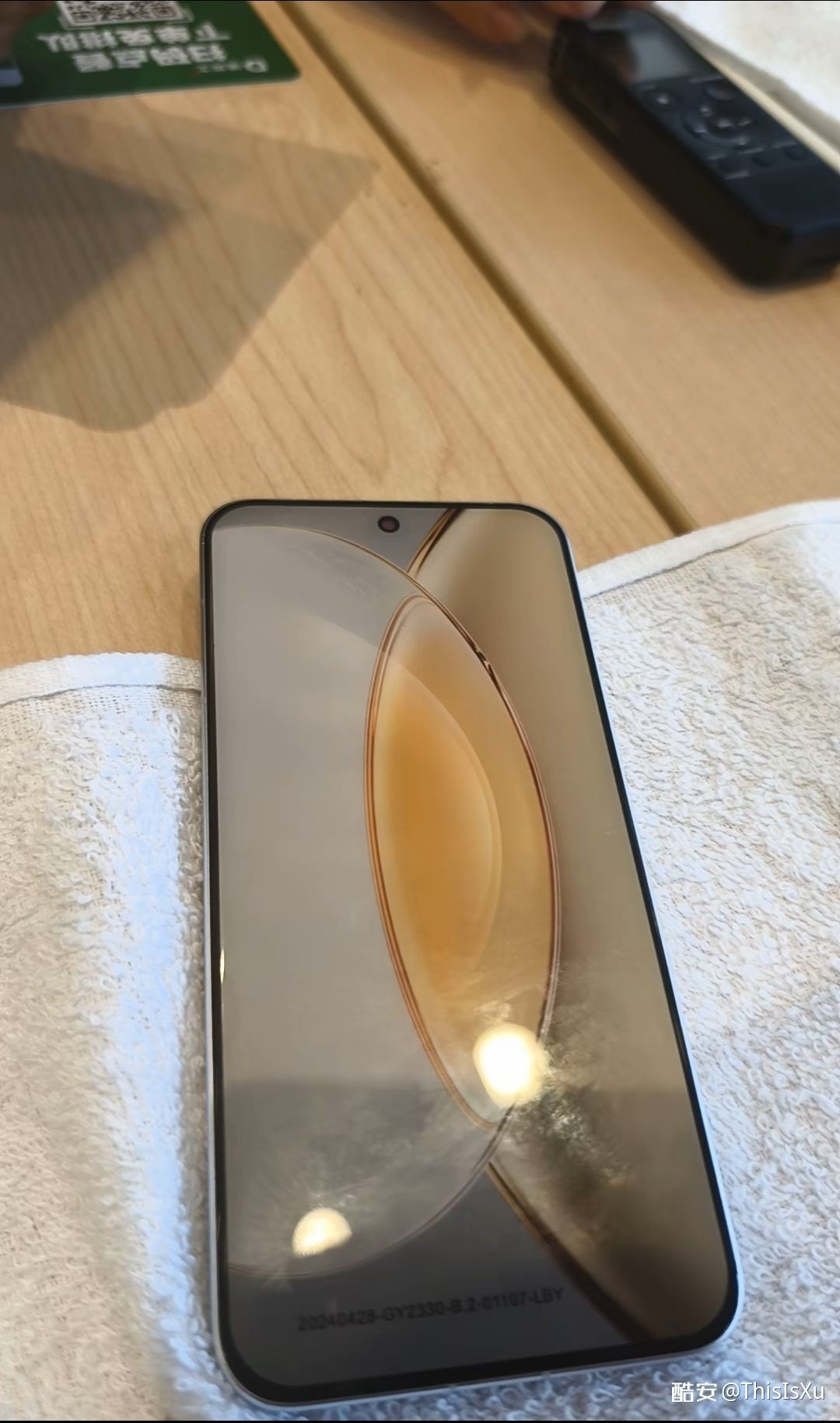
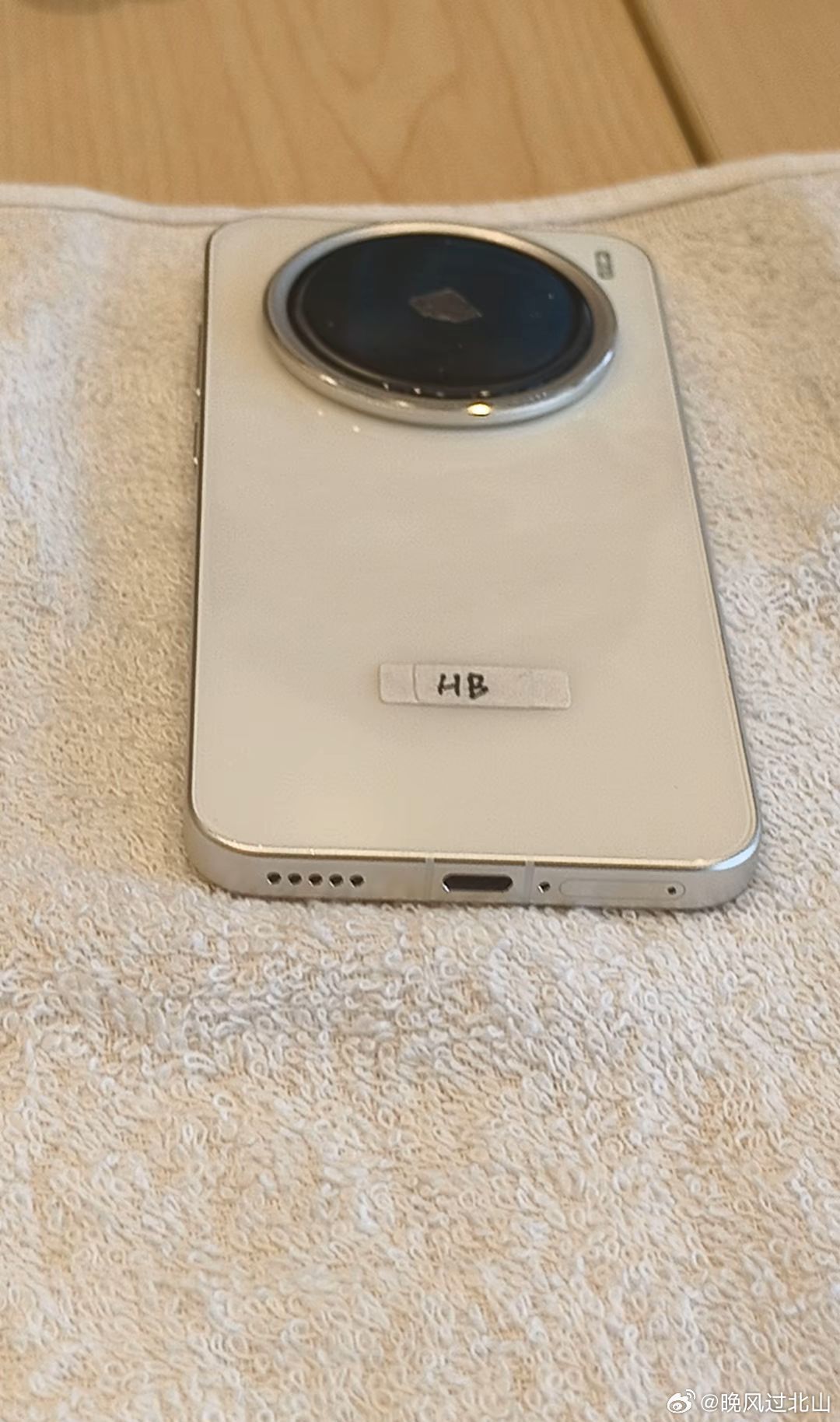
A Weibo user has shared the images that give the first look at the OnePlus Ace 3 Pro. Before reading ahead, readers should know that the authenticity of the images could not be verified. Nevertheless, the images showcase the phone in white and blue options.
The Ace 3 Pro can be seen sporting a round camera module on the back. Unlike the recent flagship phones from OnePlus, the Ace 3 Pro’s camera module does not fuse with its side frame. The other images show that the device is equipped with a curved-edge OLED screen on the front that offers a 1.5K resolution.
The Chinese text describes that the Ace 3 Pro’s display will offer enhanced eye protection. It features improvements in display quality, brightness, eye comfort, lifespan, and smoothness, achieving a DisplayMate A+ rating. Under the hood, the device will be equipped with the Snapdragon 8 Gen 3. The images also show the presence of an alert slider on the left side and buttons for volume and power on the right.
Rumors have claimed that the Oneplus Ace 3 Pro will be equipped with a 6,100mAh battery with 100W charging. It is expected to arrive with up to 16 GB of LPDDR5x RAM and 1 TB of UFS 4.0 storage. It will have a 50-megapixel + 8-megapixel + 2-megapixel triple camera unit and a 16-megapixel front camera. However, these details are not mentioned in the leak.
The ASRock DeskMate X600, a mini PC co-developed by ASRock and Polar Night, has arrived on JD.com. This tiny powerhouse packs a lot of capability into its mere 3.5-liter size.
The chassis is available in three colors, Obsidian Black, Moonlight Silver and Starry Grey
The DeskMate X600 is built to handle AMD‘s latest Ryzen 7000 and 8000 series desktop processors, giving users the freedom to choose their performance level. Pricing starts at 1348 yuan (approximately $202 USD) for a barebones configuration (no CPU, wireless network card, RAM, or SSD). Pre-built options with Ryzen 5 8600G or Ryzen 7 8700G processors, along with RAM and storage, are available starting at 3848 yuan (approximately $573 USD).
The DeskMate X600 prioritizes both aesthetics and thermal management. The sleek chassis comes in three colors: Obsidian Black, Moonlight Silver, and Starry Gray. The durable 2mm anodized aluminum alloy shell is complemented by a strategically placed 7010 fan at the bottom for effective heat dissipation.
The DeskMate X600 boasts several features designed to enhance performance. A 10-phase power supply X600 motherboard ensures stable power delivery. Four DDR5 memory slots support high-speed memory overclocking up to 7200+ MT/s. A PCIe Gen4x16 slot offers flexibility for future upgrades.
The DeskMate X600 caters to various storage needs with two M.2 slots, one supporting PCIe 5.0 and the other PCIe 4.0, and an additional 2.5-inch SATA slot for even more storage. The DeskMate X600 comes equipped with a Realtek 2.5G wired network card for reliable wired connections. While it doesn’t have a built-in wireless network card, the e-commerce platform offers a configuration with a MediaTek Wi-Fi6E card for wireless connectivity.
A standout feature of the DeskMate X600 is the dedicated slot on top that allows users to connect an external graphics card via a PCIe extension cable. ASRock claims this method offers superior bandwidth and stability compared to Thunderbolt 4 and OCuLink solutions.
The 360 V9 driving recorder has launched on JD.com, offering a feature set designed for both everyday driving and capturing action-packed moments. The V9 boasts two recording modes: driving and sports. It also supports voice control with “0” delay, allowing for convenient operation both inside and outside the car.
The V9 automatically switches to time-lapse recording mode for up to 24 hours after parking
This dashcam features a built-in 1/2.7-inch back-illuminated image sensor and supports 4K resolution for crisp and detailed recordings. Additionally, the BSI back-illuminated starlight technology enhances image quality in low-light conditions, ensuring clear visuals even at night.
For added security, the V9 automatically switches to time-lapse recording mode for up to 24 hours after parking and turning off the engine. The optional V9 battery compartment unlocks additional features like front and rear dual LCD screens (1.54-inch each).
The V9 prioritizes secure storage of crucial footage. In the event of a collision, the recorder automatically captures and stores emergency video using a separate, non-overwriting mechanism. Built-in iGS motion stabilization (except in specific modes) helps counteract image jitter for smoother recordings.
The V9 comes with a built-in 1700mAh battery offering 150 minutes of recording time. It supports fast charging and can be used while plugged in, reaching 80% charge in just 30 minutes. The recorder also boasts a “new quick-release design” for easy removal and a spring-loaded buckle for a secure connection, ensuring stability even during sports activities.
The V9 offers a 140-degree wide-angle field of view with AI algorithms for correcting image distortion caused by the wide angle. Additionally, it automatically adjusts for particularly bright or dark areas within the recording frame, maintaining an overall balanced image quality.
The Jiangmen Underground Neutrino Observatory (JUNO) in China is getting closer to a major milestone with the nearing completion of the world’s largest acrylic sphere. This massive structure will play a crucial role in capturing and analyzing neutrinos, subatomic particles that hold mysteries about the universe.
The sphere has been constructed from 263 large spherical panels
The acrylic sphere boasts an impressive diameter of 35.4 meters, dwarfing the previous record holder of 12 meters. Donchamp (Jiangsu) Material Technology Co Ltd., based in Taizhou, Jiangsu province, is responsible for developing and manufacturing this giant sphere.
The sphere is a marvel of engineering, meticulously constructed from 263 large spherical panels, each 12 centimeters thick. A team of 50 workers from Donchamp is currently finalizing the installation process, aiming for completion by the end of July.
The JUNO observatory itself resides 700 meters underground in Jiangmen, Guangdong province. This deep location shields the experiment from background radiation, allowing for more precise detection of neutrinos.
Once operational, JUNO will utilize the acrylic sphere to contain 20,000 metric tons of liquid scintillator. This special liquid will emit light when struck by neutrinos, allowing the observatory’s 45,000 photomultiplier tubes to detect and record these elusive particles.
By studying neutrinos, scientists hope to gain a deeper understanding of the universe’s evolution, the nature of dark matter, and the processes that power exploding stars, supernovas. With the completion of the giant acrylic sphere, JUNO is poised to become a leading facility in the field of neutrino research.
JBL is gearing up for an exciting launch in India with its latest wireless earbuds, the JBL Live Beam 3, set to hit the market on June 18th. Following its unveiling at CES 2024 and the activation of its microsite on Amazon, JBL India, and JBL Malaysia websites, the brand has now revealed that these earbuds have a price tag of Rs. 13,999. The JBL Live Beam 3 promises top-tier audio quality and a range of innovative features.
JBL Live Beam 3 specifications:
The earbuds are equipped with 10mm dynamic drivers powered by JBL’s Signature Sound, ensuring high-quality audio output. They come with a customizable SmartCase that allows users to control JBL Spatial Sound, manage music and calls, and personalize the screensaver. The earbuds offer Hi-Res audio with LDAC support and feature True Adaptive Noise Cancellation with a smart ambient mode, providing users with either an immersive listening experience or awareness of their surroundings.
Six microphones ensure clear and crisp call quality. The battery life is impressive, offering up to 48 hours of playtime with Active Noise Cancellation (ANC) off, and up to 40 hours with ANC on. It also has Speed Charge technology, providing 4 hours of playtime with just 15 minutes of charging. Additionally, the earbuds support wireless charging for added convenience.
The JBL Live Beam 3 earbuds utilize Bluetooth 5.3 for a stable and efficient connection. They are compatible with the JBL Headphones app, allowing users to customize EQ settings and switch between Smart Audio and Video modes. Available in Black, Blue, and Gray, the earbuds cater to various style preferences. Starting June 18th, the earbuds will be available to purchase on Amazon India.
Motorola has launched the Moto E14, a budget smartphone that offers attractive features at a low cost. This new model is now available across the UK and aims to provide great value for money.
Moto E14 specs and features
The Moto E14 comes with a 6.56-inch HD+ display that has a 90Hz refresh rate and 267 ppi pixel density for smoother scrolling and sharper images. It features a High Brightness mode for better visibility in bright conditions and a Night Light mode to ease eye strain in darker environments.
The device also includes Dolby Atmos technology, delivering high-quality sound. The Moto E14 has a quality build with a matte finish and is protected by Corning Gorilla Glass, making it resistant to scratches and minor damage. It’s also equipped with an IP52 water-repellent design to handle everyday spills and splashes.
Under the hood, the phone houses an octa-core UNISOC T606 processor with RAM Boost technology, allowing it to handle multiple apps at once without slowing down. The device also comes with a 1TB microSD card slot. The smartphone is powered by a 5000mAh battery that supports 15W fast charging.
For optics, the Moto E14 features an AI-powered 13MP primary camera. On the front, it has a 5MP selfie snapper. As for the operating system, the device uses Android 14 Go edition.
Pricing and Where to Buy
The Moto E14 is priced at £69.99 and comes in three colors: Graphite Gray, Pastel Green, and Pastel Purple. It is available at several retailers including Currys, JLP, O2, GiffGaff, Tesco, Amazon, Argos, and Motorola’s own website.
Earlier this year Lenovo‘s sub-brand Lecoo launched “K2739GQL”, a 27-inch gaming monitor that offers advanced features tailored for gamers and professionals who demand high performance from their displays. The monitor is now up for sale on JD.com and is priced at 4999 yuan ($689). Let’s delve into its key specs.
Lenovo Lecoo K2739GQL Specifications:
This monitor boasts a 27-inch Fast-IPS panel with a 2560×1440 resolution, offering crisp and detailed visuals. Its standout features are the impressive 360Hz refresh rate and 1ms response time, ensuring ultra-smooth gameplay and fluid motion handling.
This high refresh rate is further enhanced by support for Adaptive Sync and G-SYNC technologies, reducing screen tearing and stuttering. The panel boasts a wide viewing angle of 178 degrees, making it comfortable to view from almost any position.
The monitor offers a respectable 400 nits brightness and a 1000:1 static contrast ratio, delivering vibrant visuals. It also boasts 10-bit color depth with coverage of 134.44% of the sRGB color gamut and 101.21% of the DCI-P3 color gamut, ensuring accurate and rich color reproduction.
Additionally, the K2739GQL supports HDR400, enhancing the display’s dynamic range and offering richer brightness and color detail, particularly beneficial in HDR-enabled games.
Additionally, the monitor comes equipped with Lenovo’s hardware anti-blue light technology, which filters harmful blue light emissions and incorporates DC dimming to reduce flicker, thus offering better eye protection during prolonged use.
The ergonomic design of the monitor stand offers flexibility with tilt, height, and rotation adjustments, facilitating optimal viewing angles and user comfort. The stand also supports easy adjustments for both horizontal and vertical screen orientations.
For connectivity, the monitor is well-equipped with two HDMI 2.1 ports, one DP 1.4 port, two USB-A 3.0 ports, one USB-B 3.0 port, and a 3.5mm audio jack.
In terms of physical dimensions, the monitor measures 619.0mm in width, 367.5mm in height, and 50.4mm in depth, with a net weight of 6.9 kg. It also supports VESA wall mounting with a 100x100mm pattern.
Of course, Samsung makes great devices, but sometimes buyers get confused when picking which budget entry to purchase. In this article, we’ll have a look at a more expensive option from the Samsung Galaxy M series, and we’ll compare that with a more affordable entry into the Galaxy A series. Both devices pack a punch in terms of their features and specifications, but we’re here to help you make a well-informed choice when buying. This is the Galaxy M55 vs Galaxy A35 comparison article, and let’s get right into it.
Please Note: When you buy something using the links in our articles, we may earn a small commission at no cost to you.
Galaxy M55 vs Galaxy A35: Design and colours
Galaxy M55:
The Galaxy M55 is a good-looking device and a great choice for those that aren’t fans of the new flat edges that Samsung is using on the A-seires. This device features a flat screen, triple rear cameras, a centre-mounted selfie camera cutout at the top of the screen. Its power and volume rocker keys sit on the right-hand side of the frame, while the SIM tray sits to the left of the frame. Under the device is the USB-C port, speaker cutout, and microphone, but at the top sits an upwards firing speaker. Available colours on this device are Dark Blue and Light Green.
Galaxy A35:
The more popular Galaxy A35 comes with a similar design to the Galaxy M55, but with a more fashionable touch to the side frames. On this device, the side frames are flat, and they feature a bump around the area of the power button and volume rocker keys. It also comes with a triple rear camera setup and a centre-mounted selfie camera, just like the Galaxy M55 entry. On the base of this device sits the USB-C port, speakers, and a microphone, on the top sits the SIM tray and an upward firing speaker. Available colours on this device are Iceblue, Lilac, Navy, and Lemon, giving more choice than the Galaxy M55 entry.
Major differences:
Flat sides on the Galaxy A35.
SIM tray sits at the top and not the side on the Galaxy A35.
Galaxy M55 vs Galaxy A35: Display
Galaxy M55 and Galaxy A35:
The Samsung Galaxy M55 comes with a large 6.7-inch Super AMOLED screen. As for the more affordable Samsung Galaxy A35, it comes with a slightly smaller 6.6-inch Super AMOLED screen display. Both displays support up to 120Hz refresh rate and 1000 nits brightness. For protection, the 6.6-inch Super AMOLED screen on the Galaxy A35 comes with Corning Gorilla Glass Victus+ technology.
Major differences:
Larger screen on the Galaxy A35.
Galaxy M55 vs Galaxy A35: Cameras
Galaxy M55 and Galaxy A35:
Both devices in this comparison article have triple rear camera setups with a 50MP main camera and an 8MP ultrawide sensor. The main difference in their camera configuration is the macro camera and the selfie camera. For the Galaxy M55, it comes with a 2MP macro camera and a 50MP selfie camera. The Galaxy A35, on its part, features a 5MP macro camera and a 13MP selfie camera. The layout of the camera systems on both devices are the same, and they deliver similar image quality.
Major differences:
Different macro and selfie cameras on both devices.
Galaxy M55 vs Galaxy A35: Performance
Galaxy M55 and Galaxy A35:
For most smartphone buyers today, performance is a telling factor when choosing a new device to purchase. When it comes to this telling factor, the Samsung Galaxy M55 outperforms the Galaxy A35 as it comes with a more powerful Snapdragon 7 Gen 1 processor. The more affordable Galaxy A35 entry comes with Samsung’s Exynos 1380 processor and an extra 6GB RAM offering (not available on the Galaxy M55) that buyers can pick from when making a purchase. Both the Galaxy M55 and the Galaxy A35 with 8GB and 12GB RAM options with up to 256GB storage offering.
Major upgrades & differences:
A more powerful processor on the Galaxy M55.
Galaxy M55 vs Galaxy A35: Software
Galaxy M55 and Galaxy A35:
Both devices in this comparison run on Android 14 and OneUI 6.1 software, and they both support up to three years of OS update.
Major differences:
Nil.
Galaxy M55 vs Galaxy A35: Battery life and charging
Galaxy M55 and Galaxy A35:
Samsung equips both devices in this comparison with 5000mAh battery capacities but gives the M55 fast charging reaching 45W while the Galaxy A35 makes do with 25W fast charging.
Major differences:
Faster charging on the Galaxy M55.
Galaxy M55 vs Galaxy A35: Final Verdict
Which device in this comparison is the better pick for your needs? Is it the Galaxy M55 with its 50MP selfie camera and 45W fast charging? Or is it the Galaxy A35 that packs more storage and RAM options to cater for the needs of a wider audience of buyers, as well as its sleek finish? While the both devices are very similar in the specifications, most buyers might prefer the A35 as it is more common in the market among the two options and also more affordable. For users wanting to get the most regardless of the pricing, the Galaxy M55 is a solid buy, and it gets them impressive performance on the go.
Samsung could release the Galaxy Ring in the US in August and the company has already revealed some of the health tracking capabilities of the smart ring. Now an image of the charging case of the Galaxy Ring has surfaced on the web.
Galaxy Ring charging case
The Galaxy Ring charging case looks like a jewelry box
The leak comes from renowned tipster Ice Universe. Although he didn’t share much except the image, you can see that the case for the company’s smart ring adopts a fancier design and looks somewhat like a jewelry box.
Reportedly, the charging mechanism for the ring will be similar to the company’s available wireless earphones. However, it’s also possible that the new smart ring will charge wirelessly in the case. The case is also likely to support wireless charging.
According to a previous report, the Galaxy Ring has achieved 9 days of battery life in Samsung’s tests. Notably, different sizes of the ring will come with different battery capacities, and it’s not clear which size in the company’s tests ran 9 days on a single charge. According to the FCC listing of the smart ring, the battery capacity ranges from 17mAh to 22.5mAh.
Speaking of the pricing of Samsung’s first-ever wearable smart ring, it could be in the range of $300 to $350. Samsung will likely launch this new product in the upcoming Galaxy Unpacked event along with the redesigned Galaxy Buds 3 series, Galaxy Watch 7 series, and the sixth generation foldable.
The Galaxy Ring “monitors heart rate, heart rate variability, blood oxygen, movement, and sleep to provide users valuable insights and offer guidance to improve their health and wellbeing,” noted a document from Samsung. The total health tracking system will also reportedly offer an “Energy Score” based on the recorded data. There could also be additional capabilities of the smart ring that the company has reserved to reveal on its Unpacked event.
HP‘s audio brand Poly has launched the Voyager Free 20 TWS earbuds in China, starting at 799 yuan ($118). These earbuds boast a variety of features designed for both professional calls and everyday listening.
HP Poly Voyager Free 20 Specifications:
The Poly Voyager Free 20 comes equipped with a total of 6 noise-canceling microphones and 10mm dynamic drivers for powerful audio. HP Poly provides four different ear tip sizes for a comfortable fit and an AI intelligent fit testing function to ensure optimal noise cancellation.
The earbuds prioritize clear audio with its AI Adaptive Hybrid Intelligent Noise Reduction. This technology automatically adjusts the level of noise cancellation based on your surroundings, ensuring you can hear and be heard during calls.
The TWS earbuds are equipped with the Qualcomm Snapdragon S3 Gen 2 Sound Platform, optimized for low-energy audio with a latency as low as 20ms. Additionally, it supports Qualcomm aptX codec.
The earbuds offer up to 8 hours of playback with ANC enabled, which can be extended to 12 hours with ANC off. The charging case provides an additional 28 hours (with ANC off) for a total playtime of up to 42 hours. A quick 10-minute charge provides 2 hours of use.
The Voyager Free 20 supports Bluetooth 5.4 and it allows you to connect to two devices simultaneously. It also features intelligent sensing for automatic pause/play and answer/end calls. The earbuds are IP56 dustproof and water-resistant, making them suitable for workouts or light rain.
Pricing and Availability
The HP Poly Voyager Free 20 comes in Galaxy Grey and Gravity Black color options. The starting price is 799 yuan ($110) with a 50 yuan E-card rebate for posting reviews. The earbuds are now available on JD.com.
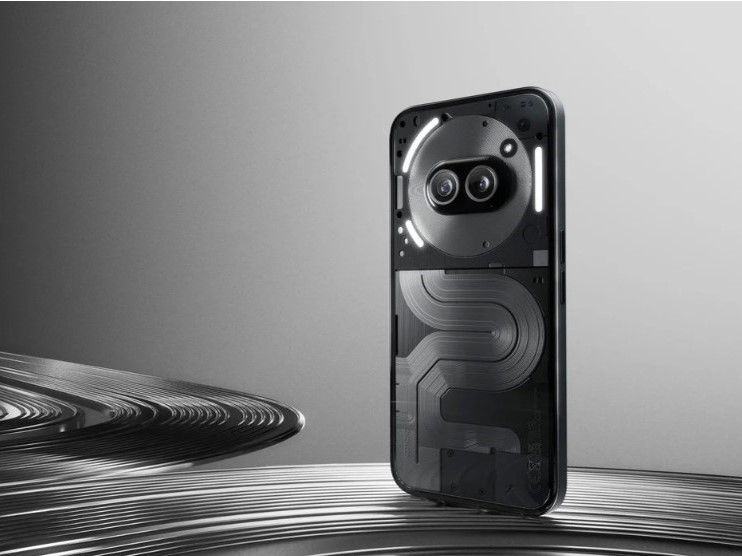
Ahead of the expected release of the Nothing Phone (2a) Community Edition, details about the upcoming Nothing OS 3.0 update have surfaced, courtesy of Carl Pei, the CEO himself.
He shared a few new things Nothing is planning to bring on its third iteration of the operating system. This will include a choice to select from multiple lock screen options.
The default layout shows only the time, date, and day on the lock screen. However, it will be accompanied by two new customizable options on the Nothing OS 3.0.
The first is the “Clock + Widget” option that will allow users to add three widgets—weather, quick actions, and date—in the lock screen alongside a digital clock made of dots.
For those seeking a more information-dense experience, there will be a second option called “Expanded Widget Area.” It will show an analog clock with a large date tile, along with widgets for quick actions, weather, and contacts.
Beyond lock screen customization, Pei also hinted at an “Interactive Dot Animation” feature. Although details are scarce, the image shared by Pei reveals it will include three layers—input image, live interaction, and final output—suggesting dynamic animations within the user interface.
The update is also expected to introduce a revamped native gallery app and a dedicated community app.
Nothing OS 3.0 will be available for the Nothing Phone (1), Nothing Phone (2), and the upcoming Phone (2a). The latest reveal by the man himself aligns with Pei’s usual strategy of using social media platforms to generate buzz for upcoming products.
Carl Pei has also confirmed that the official announcement for Nothing OS 3.0 is slated for September. These initial leaks or teasers, whatever you prefer to call them, give us an idea of what can we expect with Nothing OS 3.0.
New information from reliable leaker @smashx_60 has revealed pricing details and software support plans for HMD‘s upcoming HMD Skyline smartphone. While the previous leak focused on hardware specifications, this latest update shares details about the phone’s post-launch experience.
Earlier, it was rumored that the HMD Skyline would feature a Snapdragon 7s Gen 2 chipset, a 120Hz OLED display, and a Samsung ISOCELL HM2 primary camera sensor, along with a design reminiscent of the Nokia Lumia 920. These details remain unchanged.
The new leak delves into the software support for the phone. HMD Global is reportedly planning three years of Android updates for the HMD Skyline. This means the Skyline will reach the end of its Android support cycle with Android 17, assuming it launches with Android 14 as expected.
Security patches will also be provided for three years, with no additional year of support beyond the major platform updates, unlike some other manufacturers.
– HMD Skyline will receive software updates for up to 3 years (3Y+3Y) €459 for 8/256GB 4 colours options €499 for 12/256GB 4 colours options – HMD Skyline BE (Business Edition) will receive software updates for up to 5 years (3Y+5Y) €520 for 8/256GB only black option
However, there is reportedly a business-oriented “HMD Skyline Business Edition (BE)” which, according to the tipster, will receive five years of security patches. However, this extended support will come at a higher price since Business Edition devices are often more expensive than the standard models.
The tipster has also shared the pricing details for both editions. The HMD Skyline BE is expected to launch at €520 with 8GB of RAM and 256GB of storage. It will be available only in black, says the tipster.
On the other hand, the standard version will come in four color options and with choices of either 8GB or 12GB of RAM. The storage option will remain the same at 256GB. The 8GB variant is expected to be priced at €459, while the 12GB option will be priced at €499. The launch timeframe of HMD Skyline is said to be mid-July.
As the Google Pixel 9 series launch time is inching closer, leaks continue to reveal details about the upcoming phone’s specifications. The latest leak focuses on the vanilla Pixel 9’s performance through a benchmark listing.
The device appeared on Geekbench 6 with the official name. As expected, it is powered by the new Tensor G4 chip.
In the benchmark, it achieved a single-core score of 1653 and a multi-core score of 3313. These numbers are lower compared to competitors like the Snapdragon 8 Gen 3 and even show a slight decline from the Pixel 8’s performance with the Tensor G3.
However, it’s important to remember that benchmark scores can vary due to different testing conditions or lack of proper optimization, so these numbers might not fully represent the Pixel 9’s final performance.
On a more positive note, the leak confirms previous information about the Tensor G4’s core configuration. The Pixel 9 features a prime core clocked at 3.1 GHz, three cores at 2.6 GHz, and four cores at 1.95 GHz. The listing also confirms 8GB of RAM, consistent with rumors, and the familiar Mali-G715 GPU used in the Pixel 8.
The Pixel 9, along with the 9 Pro, was also tested on AnTuTulast month. The Pixel 9 scored 1,016,167 points, while the Pixel 9 Pro scored 1,148,452 points. Additionally, the new model of the series, the Pixel 9 Pro XL, scored 1,176,410 points with the same Tensor G3 chip.
Pixel 9 and Pixel 9 Pro
Leaked images of all three devices reveal a similar camera cutout. The Pixel 9 has a dual-camera setup, while the 9 Pro and 9 Pro XL feature a triple-camera arrangement.
We still don’t know much about the Pixel 9 series, but we’ll keep you updated as more details emerge.
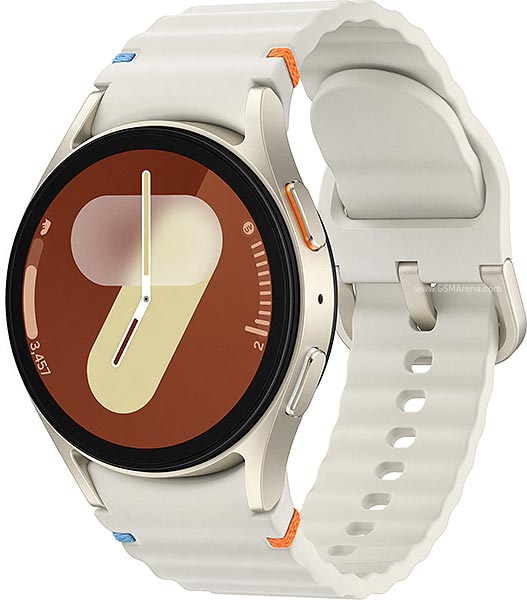
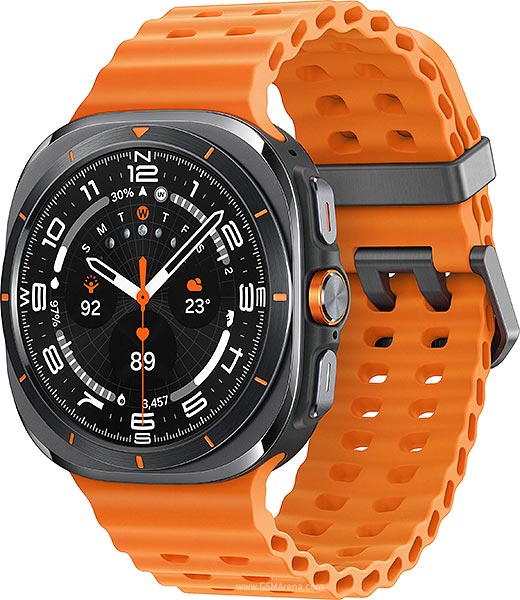
New render images of the Samsung Galaxy Watch Ultra have surfaced! More details about the Galaxy Watch Ultra are comin up each day. Previously, render images of Samsung’s upcoming watch had already been released, and now there’s a new addition to these.
Galaxy Watch Ultra will be introduced with a modern and different design compared to previously released Galaxy Watches. Samsung has managed to give the watch a squarish look while maintaining the beloved circular design language of the Galaxy Watch series. The newly emerged render images show the watch in silver and black colors. A new side of the Watch Ultra, compared to previously released Galaxy Watches, is the addition of a third button on the side of the watch. It’s colored in orange, just like on Apple Watch Ultras.
Galaxy Watch Ultra shares the same screen size as the previously released Galaxy Watch6 Classic. While the screen size isn’t larger, there is a significant difference in size between the two watches. The Watch Ultra is much thicker. The dimensions of the Galaxy Watch6 Classic are 46.5 x 46.5 x 10.9 mm, whereas the Watch Ultra measures 47 x 47.4 x 16.4 mm. Additionally, Galaxy Watch Ultra will feature a titanium case.
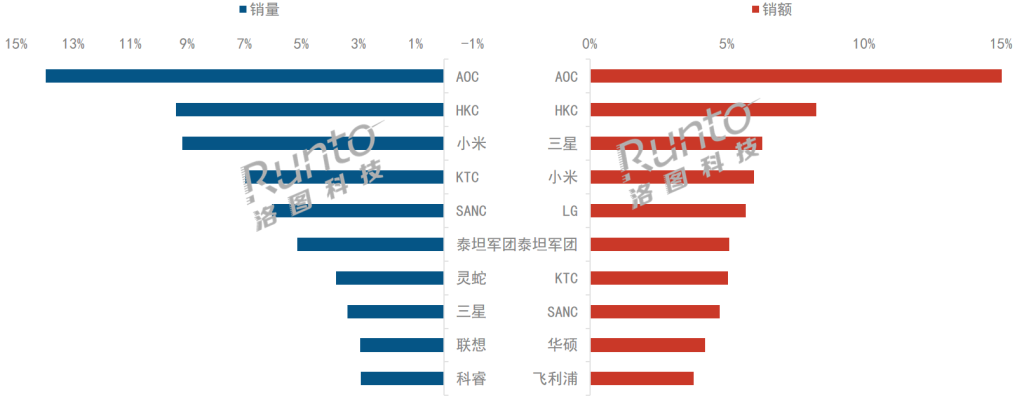
HKC has launched a new 1080p monitor called the V2511 in the Chinese market. The monitor is priced at 459 yuan (roughly $63) and it is now available on JD.com. Let’s delve into its key specs.
HKC V2511 Monitor Specifications:
The HKC V2511 is equipped with a 24.5-inch 1920×1080 IPS panel, offering a brightness of 250 nits and a 1000:1 static contrast ratio. It provides wide viewing angles of 178 degrees both horizontally and vertically, ensuring consistent image quality from any perspective. The monitor features a response time of 5ms which minimizes ghosting, making it ideal for fast-paced content.
The monitor comes with a 100Hz refresh rate, delivering smoother visuals that are particularly noticeable when scrolling through webpages or switching between applications. Compared to traditional 60Hz monitors, the V2511 provides a more responsive feel.
HKC claims the V2511 covers 99% of the sRGB color gamut, indicating decent color reproduction for everyday use. This, coupled with the 8-bit color depth, suggests the monitor can display a wide range of colors without sacrificing vibrancy.
In terms of design, the HKC V2511 features a three-sided narrow bezel, which minimizes distractions and makes it an excellent candidate for multi-monitor setups.
The monitor is also equipped with flicker-free technology and a low blue light filter, which are critical for reducing eye strain during prolonged use. These features are supported by DC dimming technology, enhancing visual comfort in various lighting conditions.
For adaptability, the V2511 includes standard connectivity options with one VGA port and one HDMI 1.4 port, accommodating a wide range of devices from gaming consoles to computers.
The monitor also supports VESA 75x75mm mounting, which allows for easy integration into different spaces by either placing it on a desk with its height-adjustable stand or mounting it on a wall.
We know that the launch of OPPO’s Pad, its sub-brand OnePlus usually unveils a new tablet. OnePlus Pad 2 should arrive in the global market very soon, while China will see an identical device under the name OPPO Pad 3. But let’s turn our attention to the even more exciting OnePlus Pad Pro.
A new device with the model number “OPD2401” has received certification on China’s 3C website. The 3C listing indicates that the upcoming tablet will come with a charging adapter with the model number “VCB70ACH,” which supports 67W fast charging. According to TheTechOutlook team, this tablet is actually the OnePlus Pad Pro.
This is quite exciting since OnePlus has never introduced a tablet in the “Pro” lineup in the past. Currently, OnePlus has two different tablets globally available: OnePlus Pad and the OnePlus Pad Go. Note that OnePlus Pad also supports 67W charging. While OnePlus Pad Pro doesn’t bring a significant upgrade in charging speed, a “Pro” tablet generally means better speakers and a superior display, making it a great device for productivity and media consumption.
OnePlus Pad Pro
The marketing name of the tablet is not yet confirmed, but Chinese sources claim it to be the OnePlus Pad Pro. Another known detail about the alleged OnePlus Pad Pro is that it will feature the Snapdragon 8 Gen 3 chipset. So you can be sure that, it indeed will be a powerful tablet.
Oppo is expected to launch the Reno 12 series globally on June 18 — this Tuesday. The lineup will include the Reno 12 and Reno 12 Pro, but there are also rumors of a third smartphone in the mix.
It is expected to be the Reno 12F, but an exclusive report by Spill Some Beans has now revealed that it will actually be the Oppo Reno 12 FS 5G. The publication has shared the design and full specs of the phone ahead of the launch.
Oppo Reno 12 FS 5G Specifications
So the Reno 12 FS 5G will feature a different camera design compared to the standard Reno 12 and Pro models. Its back will have a circular camera island dubbed the “Cosmo Ring Design,” with a Halo Light that can be set to eight different colors for important notifications and alerts.
The front of the device will have a 6.67-inch FHD+ AMOLED (2.5D) screen with a 120Hz refresh rate, 240Hz touch sampling rate, and 600 nits brightness. It also has 100% DCI-P3 color coverage and AGC DT-Star2 protection.
The Reno 12 FS will be powered by a MediaTek Dimensity 6300 5G chipset, paired with 12GB of LPDDR4X RAM and 512GB of UFS 2.2 storage.
For photography, the phone will have a 50MP OmniVision OVD50D primary camera, an 8MP IMX355 ultrawide camera, and a 2MP macro camera. A 32MP front camera will be housed in a punch-hole cutout for selfies. Keeping all this powered will be a 5000mAh battery with support for 45W SuperVOOC charging.
Oppo is also teasing AI features for the Reno 12 series, which will be included in the 12 FS 5G as well. These features include an AI Eraser to remove unwanted people and objects from photos, AI Smart Image Matting, and AI Studio to turn pictures into stickers and portraits into artworks. Additionally, AI LinkBookst and AI BeaconLink will offer optimized connectivity.
Other specifications include an under-display fingerprint scanner, an IP64 rating, and ColorOS 14 based on Android 14. The Oppo Reno 12 FS 5G is said to be priced at EUR 399.99 for the sole 12/512GB variant and will be available in Amber Orange and Black Green colors.

We shared that the vivo V40 launched in Europe in our previous article. We emphasize “once again” that vivo V40 Lite does not come with a charger, as the regular vivo V40 also lacked a charging adapter in the box. It seems Vivo is preparing to completely remove the charging adapter from both entry-level and mid-range devices in the global market.
vivo V40 Lite actually shares similar specs with vivo V30e, which is a phone already available in India. Essentially, we can consider vivo V40 Lite as the European variant and the V30e as the Indian variant. However, while vivo V40 Lite does not come with a charger in Europe, the vivo V30e greets Indian users with one in the box. It’s clear that Vivo is taking an interesting step with its entry-level and mid-range devices recently.
vivo V40 Lite specs
vivo V40 Lite is equipped with a Snapdragon 6 Gen 1 chipset. It features a 6.78-inch FHD+ curved AMOLED display (2400 x 1080 resolution) with 120 Hz support. The phone comes out of the box with Android 14-based FuntouchOS.
Brown & White
The phone has LPDDR4X RAM and a UFS 2.2 storage unit. It’s listed on Amazon Spain as 8GB+256GB configuration with a price tag of €399. The phone is available in Brown and White color options. Compared to the regular vivo V40, the vivo V40 Lite offers slightly lower performance due to its Snapdragon 6 Gen 1 chipset.
The phone packs a 5500 mAh battery and supports 44W fast charging. Despite its fast charging capabilities, the charger is not included in the box and must be purchased separately. vivo V40 Lite is equipped with a 50 MP Sony IMX 882 main camera, an 8 MP ultra-wide-angle camera, and a 2 MP macro camera. Additionally, the phone supports e-SIM as well. Visit vivo Europe’s official website here.
Ahead of its expected launch on June 18, the OPPO Reno 12F 5G has been spotted on the Geekbench benchmark database. The listing sheds light on some of the core specifications users can expect from the upcoming smartphone.
The Geekbench listing shows the OPPO Reno 12F 5G model number as CPH2637, which coincides with an earlier TDRA certification. The benchmark results show scores of 677 and 1415 in the single-core and multi-core tests respectively.
Under the hood, the OPPO Reno 12F 5G is expected to pack a MediaTek Dimensity 6300 processor based on the listing’s details.
The processor features an octa-core configuration with two high-performance cores clocked at 2.40 GHz and six efficiency cores clocked at 2.0 GHz. The listing also reveals the presence of a Mali-G57 GPU for graphics processing.
The Geekbench data further confirms 8GB of RAM for the OPPO Reno 12F 5G. The phone is likely to run on the latest Android 14 operating system out of the box.
Prior to the Geekbench listing, the upcoming Reno 12F received TUV Rheinland certification, hinting at a 5,000mAh battery with support for 45W SuperVOOC fast charging.
It has also appeared on the Bureau of Indian Standard (BIS) certification that suggests the device will launch in the Indian market as well.
However, considering OPPO’s strategy of using different names for similar models in different regions, the Reno 12F 5G might adopt a new moniker for the Indian market, similar to the Reno 11F 5G which was launched as the OPPO F25 Pro in India.
With the launch date approaching, more details about the OPPO Reno 12F 5G, including its official pricing and availability, are expected to surface soon.
Xiaomi has unveiled its latest electric shaver, the Mijia Electric Shaver Dual Blade Version in the Chinese market. This new shaver boasts a compact design, an efficient dual-blade system, and IPX7 waterproofing. Let’s check out its key specs.
Xiaomi Mijia Electric Shaver Dual Blade Specifications:
The electric shaver features a unique dual-blade design. One blade is an inclined arc-shaped long shaver with a 0.3mm tooth spacing for capturing even the shortest hairs. The other blade is a 55-micron ultra-thin precision mesh that utilizes an electroformed design for a deep shave and minimal stubble. This combination ensures a clean and comfortable shaving experience, even for those with longer beards (around 3-5mm).
The shaver boasts an impressive ultra-thin and portable design. With a thickness of only 16mm, it easily fits into pockets or toiletry bags, making it ideal for travel. The minimalist design with a matte texture adds a touch of sophistication.
The Mijia shaver is IPX7 waterproof, allowing for easy cleaning under running water. This eliminates the need for harsh chemicals and simplifies the maintenance process. It also supports both wet and dry shaving, providing users with more flexibility in their shaving routines.
The shaver packs a high-speed motor, powered by advanced Japanese technology, and delivers a powerful and stable output with a speed exceeding 6,500 rpm. It equips a Type-C interface and a high-energy-density lithium battery for up to 60 minutes of continuous use on a single charge. Additionally, a convenient 3-minute quick charge function allows for 5 minutes of shaving when the battery is low.
The shaver comes with a magnetic zinc alloy suction blade holder for easy disassembly and cleaning. The shock-absorbing blade head structure further enhances shaving comfort by reducing noise and vibration. For added peace of mind while traveling, the shaver features a safety lock function that can be activated with a long press of the power button.
Pricing and Availability
The Xiaomi Mijia Electric Shaver Dual Blade Version is available now on JD.com, starting at 189 yuan (approximately $26).
We use cookies on our website to give you the most relevant experience by remembering your preferences and repeat visits. By clicking “Accept”, you consent to the use of ALL the cookies.
This website uses cookies to improve your experience while you navigate through the website. Out of these, the cookies that are categorized as necessary are stored on your browser as they are essential for the working of basic functionalities of the website. We also use third-party cookies that help us analyze and understand how you use this website. These cookies will be stored in your browser only with your consent. You also have the option to opt-out of these cookies. But opting out of some of these cookies may affect your browsing experience.
Necessary cookies are absolutely essential for the website to function properly. This category only includes cookies that ensures basic functionalities and security features of the website. These cookies do not store any personal information.
Any cookies that may not be particularly necessary for the website to function and is used specifically to collect user personal data via analytics, ads, other embedded contents are termed as non-necessary cookies. It is mandatory to procure user consent prior to running these cookies on your website.