Realme has introduced a new color for its Buds Air 6, Royal Violet, to the Indian market. This comes after the initial release of Flame Silver and Forest Green color options back in May.
Pricing and Availability
The Royal Violet Buds Air 6 will be available from July 15th on Flipkart and the Realme India website. It is not confirmed if it will be on Amazon. This new color option is expected to be priced similarly to the existing ones, which are currently going for Rs 3,299. Specifications will remain the same.
Realme Buds Air 6 specs:
The Realme Buds Air 6 features a stem design with slightly angled earbuds and silicone ear tips. They are IP55-certified for water resistance and include smart touch controls for various functions.
The Realme Buds Air 6 is equipped with 12.4mm drivers and a dynamic bass boost for clear bass. They are Hi-Res Wireless audio certified and support LHDC 5.0 audio decoding to maintain sound quality during streaming. They feature 50dB active noise cancellation and adaptive noise cancellation that adjusts to the environment. Each earbud has three microphones for clear call quality, and there is a 55ms low latency mode for better performance.
The Realme Buds Air 6 offers up to 40 hours of battery life, with 10 hours of use from the earbuds alone when ANC is off. They also support Google Fast Pair for easy connectivity.
In related news, Xiaomi has recently debuted the Redmi Buds 5C earphones in India, featuring 12.4mm titanium drivers, 40dB hybrid active noise cancellation, and a transparency mode. They come in a pebble-shaped case with a 480mAh battery, providing up to 36 hours of use, while the earbuds offer 7.5 hours of usage.
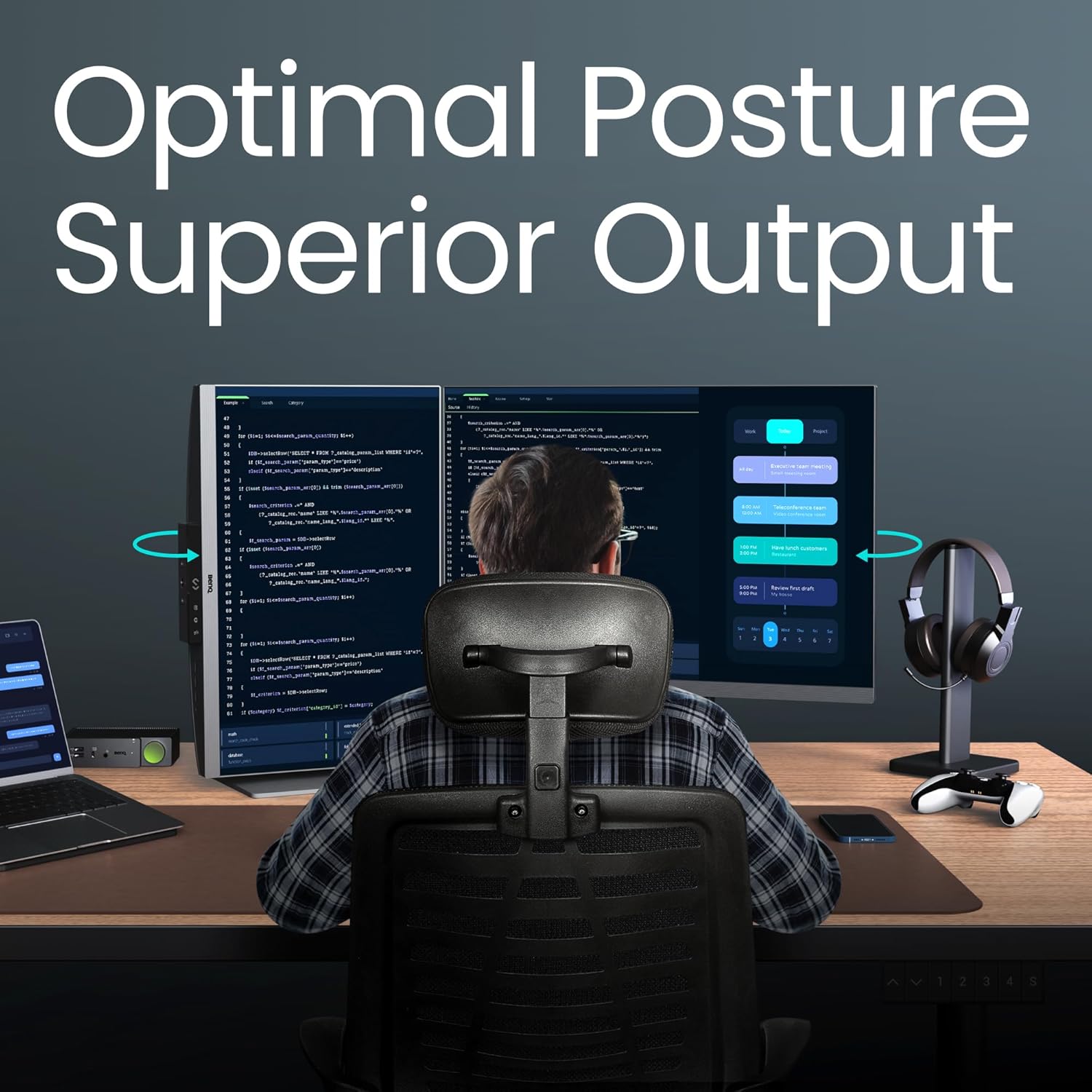
BenQ has launched the RD280U monitor, designed specifically for programmers and developers. The 28.2-inch, 3:2 aspect ratio display boasts a sharp 4K+ resolution (3840 x 2560) and 95% P3 color gamut, ideal for viewing more code and maintaining color accuracy. The monitor also supports HDR10 and VESA DisplayHDR 400.
The RD280U features BenQ’s anti-glare Fine-Coated Panel for a comfortable coding experience. A dedicated coding mode enhances text clarity, while a KVM switch and multi-stream transport improve workflow efficiency.
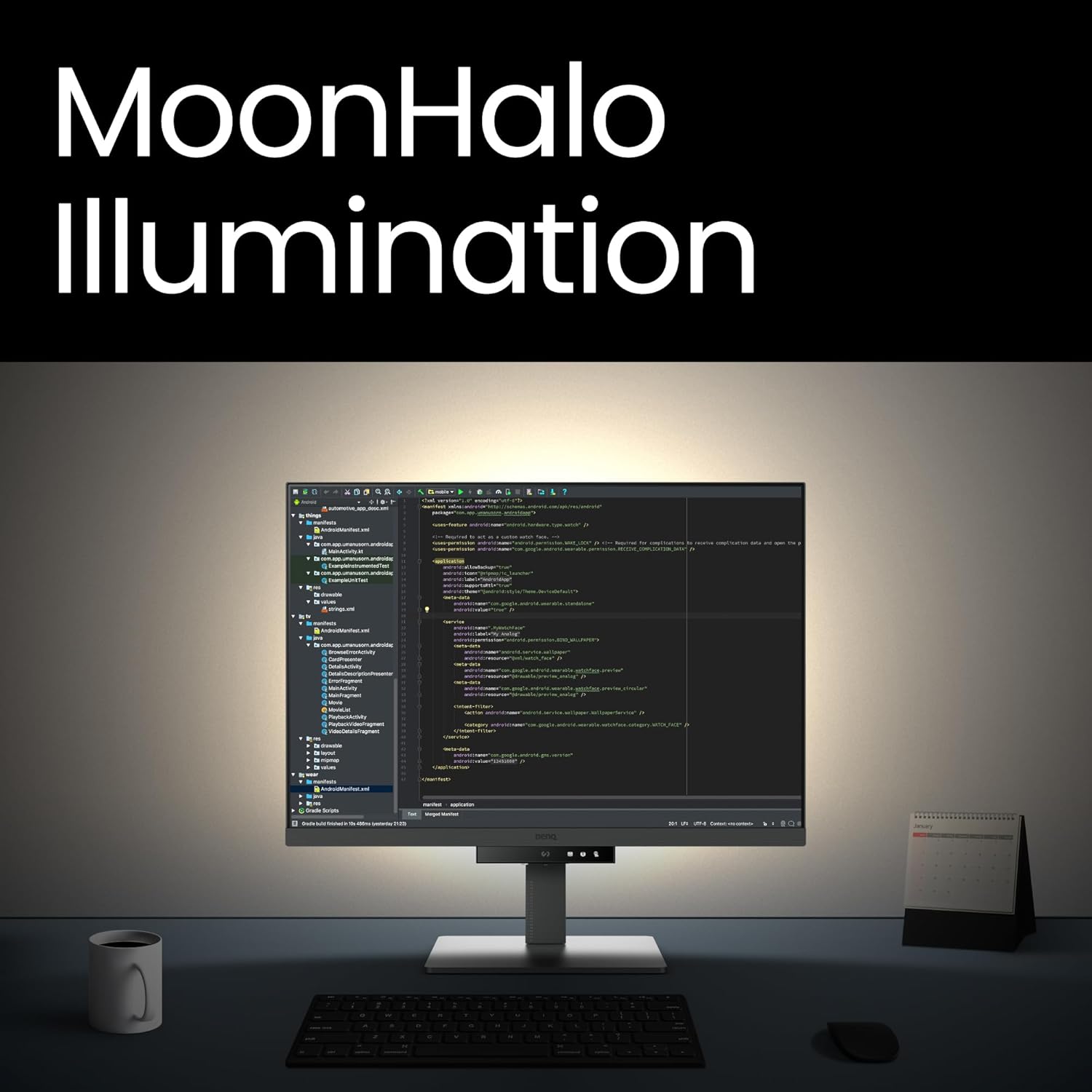
For late-night coding sessions, the monitor includes a MoonHalo Backlight that reduces eye strain and glare. Built-in eye-care technologies like Brightness Intelligence Gen2 automatically adjust to ambient light, further enhancing comfort.
The RD280U comes with an ergonomic stand and BenQ’s Display Pilot 2 software for improved user experience. For connectivity, it has a 90W USB C / Thunderbolt 3, an HDMI, DisplayPort, USB-C, USB-C out, USB Type-B upstream, x3 USB Type-A downstream, and a 3.5mm audio jack.
Pricing & availability
The monitor is priced at Rs. 47,500 and available through BenQ’s e-Store, Amazon.in, and select retailers in India.
If you are looking for a 24″ monitor with 2K for coding, BenQ also offers the RD240Q in India, which has a 24.1-inch display, 16:10 aspect ratio, WQXGA (2560 x 1600) resolution, and 95% P3 color gamut coverage. It also includes features like a KVM switch and multi-stream transport. Lastly, it is also relatively cheaper, costing around Rs 32,000.
As the ninth iteration of the Amazon Prime Day sale is around the corner, so are the Amazon Alexa and Fire TV product discounts. The shopping discount extends up to 55% on most of the Amazon home-grown brands in India. The sale will commence on July 20th at midnight and run until July 21st at midnight. However, interested folks can add their favorite products to their wishlist, so you don’t miss any important deals or discounts.
Deals on Amazon Alexa and Fire TV Stick
Preparation for Amazon Prime Day 2024 in India is already in full swing, and Amazon is unveiling the deal details each day. Details about Amazon Alexa devices are already out, and users can grab up to a 55% discount:
The discount extends if you bundle it with Smart Bulb or any other device. There’s an Echo Dot 5th Gen + LED Smart Bulb bundle retailing for Rs 4,749 and an Echo Pop + LED Smart Bulb, which is available for Rs 2,749. Furthermore, there’s an Echo Dot 4th Gen with Clock + Smart Plug that is retailing for Rs 3,948.
Please Note: When you buy something using the links in our articles, we may earn a small commission at no cost to you.
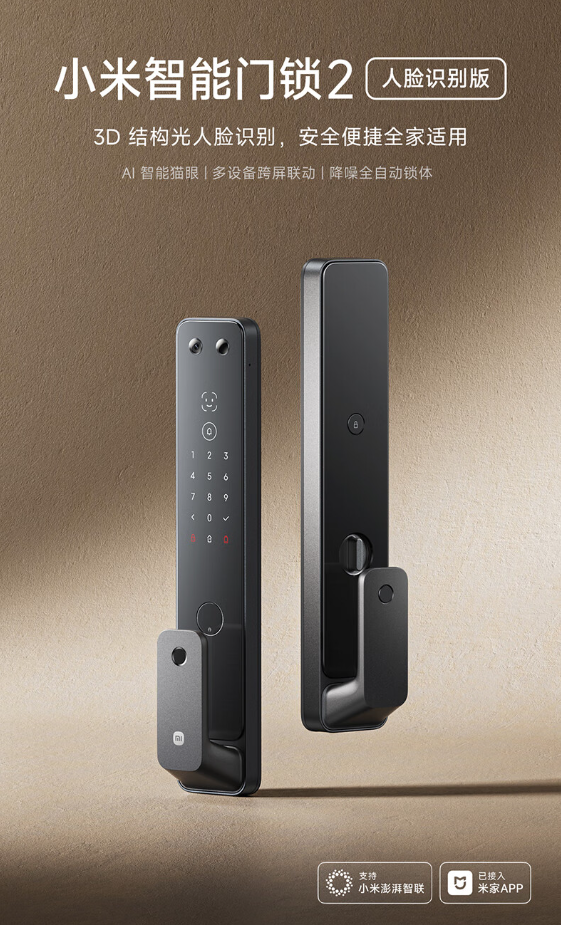
Xiaomi has launched its latest smart door lock, the Xiaomi Smart Door Lock 2 Face Recognition Version. This upgraded lock boasts several new features, including 3D structured light face recognition, AI smart peephole functionality, and a noise-reduction automatic locking mechanism. Let’s check out its specs.
Xiaomi Smart Door Lock 2 Specifications:
The Smart Door Lock 2 boasts a 3D structured light face recognition technology that utilizes invisible light to capture facial details and create a unique facial spectrum for secure unlocking.
The process is contactless and automatic, eliminating the need for fumbling with keys or remembering complex passwords. It works for all ages, even children who don’t need to reach high or adults who might have shallow fingerprints. Additionally, it boasts anti-counterfeiting measures to prevent unlocking with photos or videos.
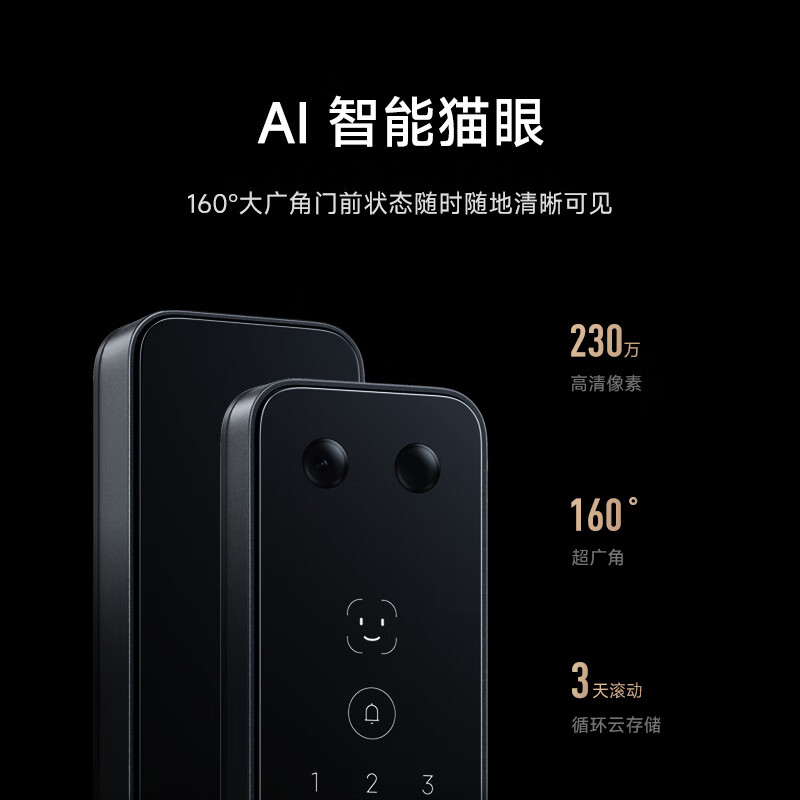
The Xiaomi Smart Door Lock 2 integrates a new generation AI smart cat eye for remote door monitoring. This feature includes a 2.3 MP high-definition camera with 160° viewing angle and AI human detection to minimize false alarms caused by pets. It even offers micro-light full-color night vision for clear visuals in low-light conditions.
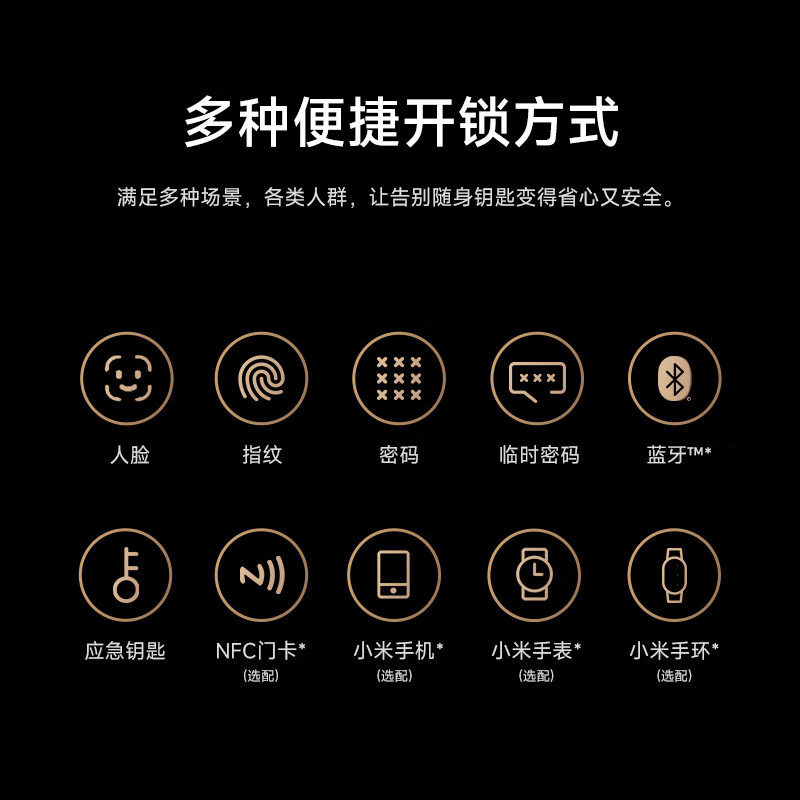
Beyond face recognition, the Xiaomi Smart Door Lock 2 offers a variety of unlocking methods, including fingerprint, password (fixed, virtual position, temporary, and cycle), Bluetooth, emergency key, NFC card, Xiaomi phone, Xiaomi watch, and Xiaomi bracelet (optional purchases). This provides users with flexibility and a backup option in case of any issues with the primary unlocking method.
The Xiaomi Smart Door Lock 2 features a self-developed noise reduction full automatic lock body. This means the door automatically locks upon closing, eliminating the worry of forgetting to lock the door. Additionally, the design incorporates noise reduction features to minimize the sound when the door opens and closes.
The Xiaomi Smart Door Lock 2 supports dual-protocol Wi-Fi and Bluetooth connectivity. Users can receive door lock notifications and manage settings remotely via the Mi Home app.
The lock also integrates with Xiaomi’s HyperOS Connect, enabling users to create automated scenarios based on door activity. For instance, lights can be programmed to turn on upon unlocking or curtains can close when the homeowner leaves.
Pricing and Availability
The Xiaomi Smart Door Lock 2 Face Recognition Version is currently available for pre-order in China with a starting price of 1899 yuan (roughly $261).
I would like to say that I made a mistake in my report that the Galaxy S25+ might not be released, and I apologize to everyone for that. Samsung will not abandon the “Plus” model in the Galaxy S25 series. I wish I had waited a little bit before reporting that the Galaxy S25+ might not be launched. Every human being can make mistakes, the important thing is to learn from them.
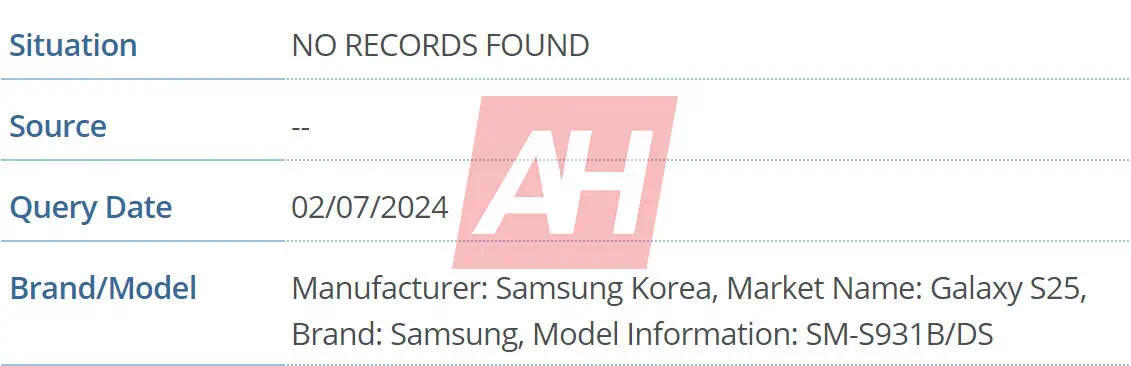
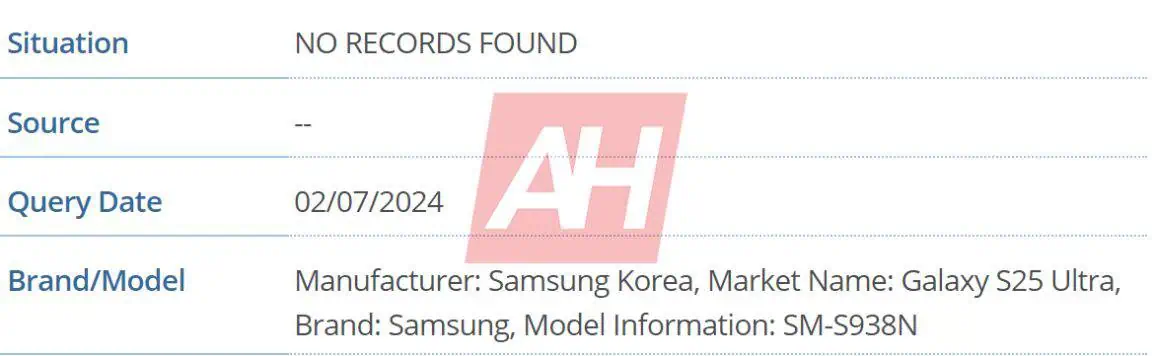
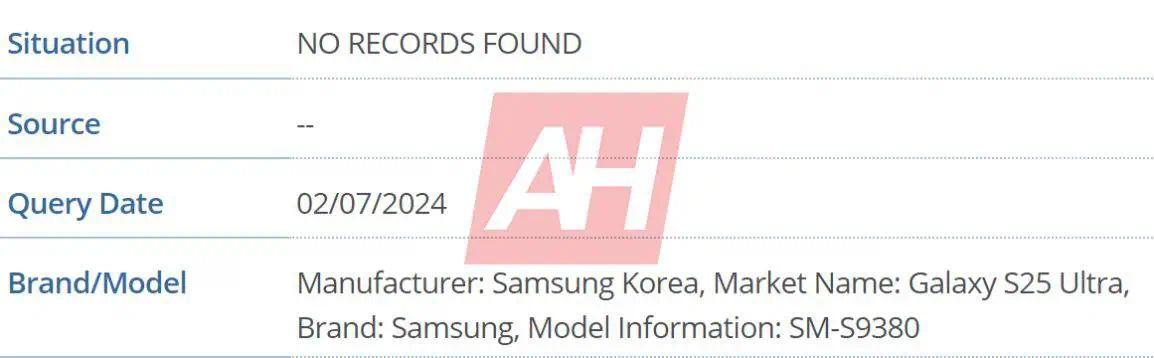
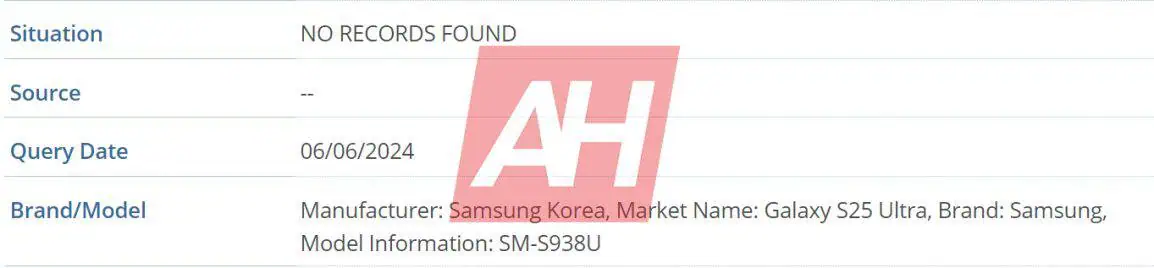
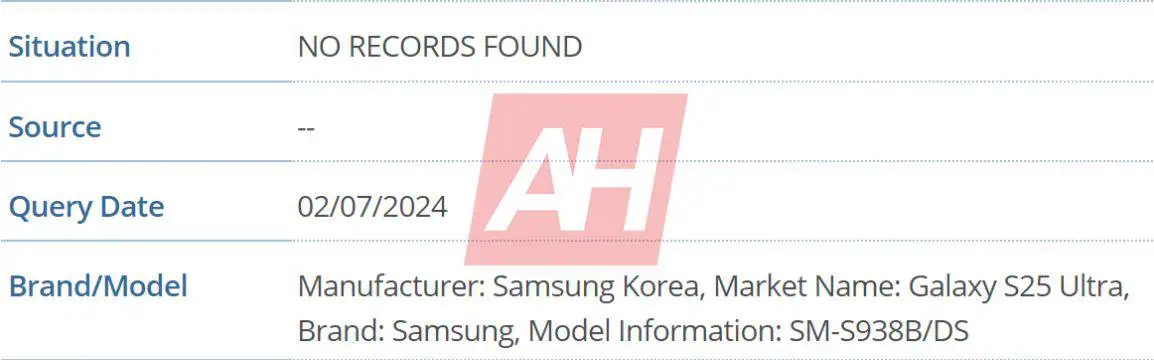
But the reason I did that was because all Galaxy S24 series models were added to the database in July 2023 last year. The same situation was true for the Galaxy S25 series. At first, when I only saw the Galaxy S25 and Galaxy S25 Ultra, I thought that the Galaxy S25+ would not be introduced. According to my recent analysis of the GSMA database, I can say that the Galaxy S25+ will be officially available worldwide.
Any smartphone that is not added to the GSMA database is never introduced. This indicates that the device has not been included in the production plan. Every smartphone has an IMEI number and this is mandatory. Otherwise, you are missing out on many things, such as making calls, connecting to the internet, and the smartphone is no different from a tablet. That’s why the GSMA database is very important.
We previously reported that the Galaxy S25+ might not be released. This rumor started for a strange reason and we’ve explained why above. Samsung adds all the devices that will be introduced in the future to the database mostly 6 months in advance. However, this year Samsung first added only the regular Galaxy S25 and Galaxy S25 Ultra to the database and the Plus model was missing. That’s why I thought the Galaxy S25+ would not be introduced. That was wrong and I was too hasty. The smartphone will be officially introduced, don’t worry.
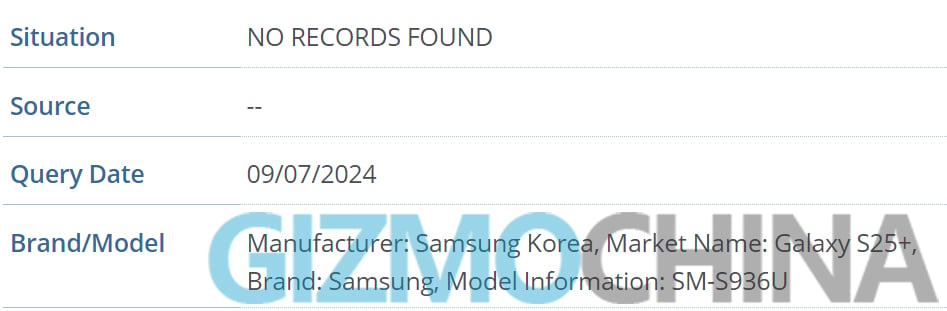
Galaxy S25+ SM-S936U
We spotted the Galaxy S25+ in the IMEI database with the model number SM-S936U. Note that the “U” at the end of the model number refers to the “US” region. We already knew that the regular Galaxy S25 and Galaxy S25 Ultra were on the way. With our new findings, we can safely say that Samsung has not given up on the Plus model. So, how did the rumor that the Galaxy S25 Plus may not be launched come about? Here’s why.
Previously, Samsung added all models of the Galaxy S24 series to the database in July 2023. The fact that the Galaxy S25 and Galaxy S25 Ultra were first detected on July 1 had made us think that the Galaxy S25+ model would not be introduced. Samsung added the Galaxy S25 Plus to the database shortly after, on July 9. This small delay led many to believe that the Galaxy S25+ would not be released. However, it turns out that this is not true; the Galaxy S25+ is now in the database and is sure to be released next year.
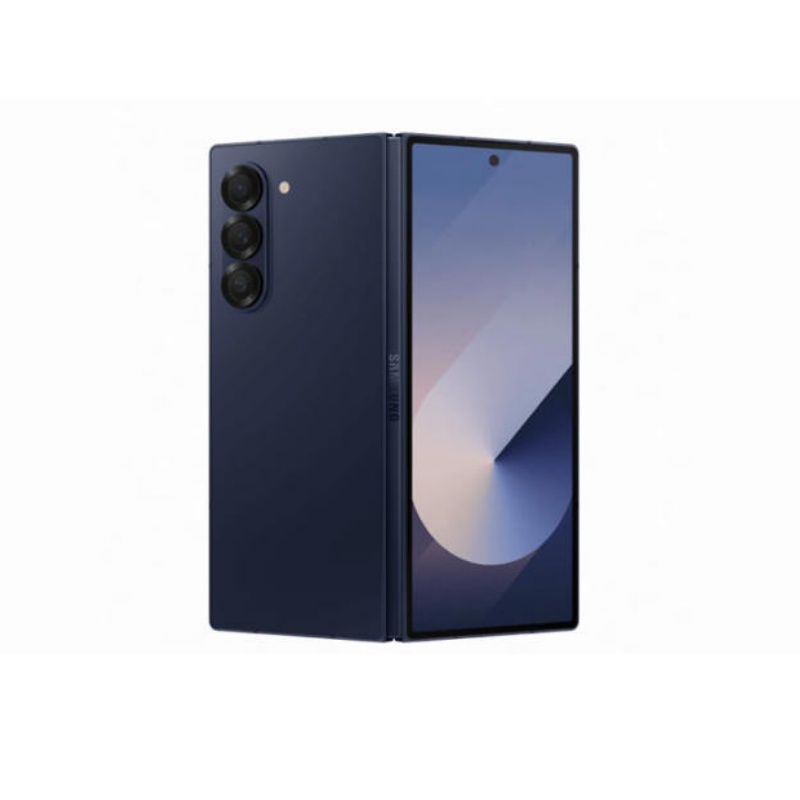
Samsung‘s upcoming Galaxy Unpacked event in Paris is set for tomorrow, and the Galaxy Z Fold 6 is expected to be the star of the show. However, rumors about a thinner, possibly larger-screened variant, the Z Fold 6 Ultra (or Z Fold 6 Slim), have been circulating for some time. Today, a new leak suggests that the Fold 6 Ultra project might be on indefinite hold, dashing those hopes.
Details are scarce, but the Ultra’s main appeal seemed to be its slimmer profile compared to the standard Fold 6. This would have positioned Samsung as a contender for the title of the world’s thinnest foldable phone, a title currently held by Honor’s Magic V2.
Honor is launching its Magic V3 foldable this month, which is even thinner than the Magic V2. Similarly, Xiaomi is rumored to be working on the Mix Fold 4, which is also said to have an incredibly slim profile.
The lack of a Fold 6 Ultra launch could be a sign that Samsung’s design for the device wasn’t thin enough to compete. It’s also possible the company simply decided to focus resources elsewhere. Regardless of the reason, this latest rumor paints a picture of a missed opportunity for Samsung.
For years, Samsung has been the dominant player in the foldable phone market. However, recent reports suggest their market share is shrinking, particularly when compared to aggressive innovation from Chinese manufacturers.
The upcoming Z Fold 6 itself is rumored to have only minor upgrades that may fail to deliver the level of innovation needed to maintain market share.
Whether the Fold 6 Ultra’s hold-up is due to technical limitations or a strategic shift by Samsung remains unclear. But one thing seems certain: the current generation of foldable phones seems to be dominated by advancements from Chinese companies. This could be a wake-up call for Samsung, urging them to step up their foldable game in the near future.
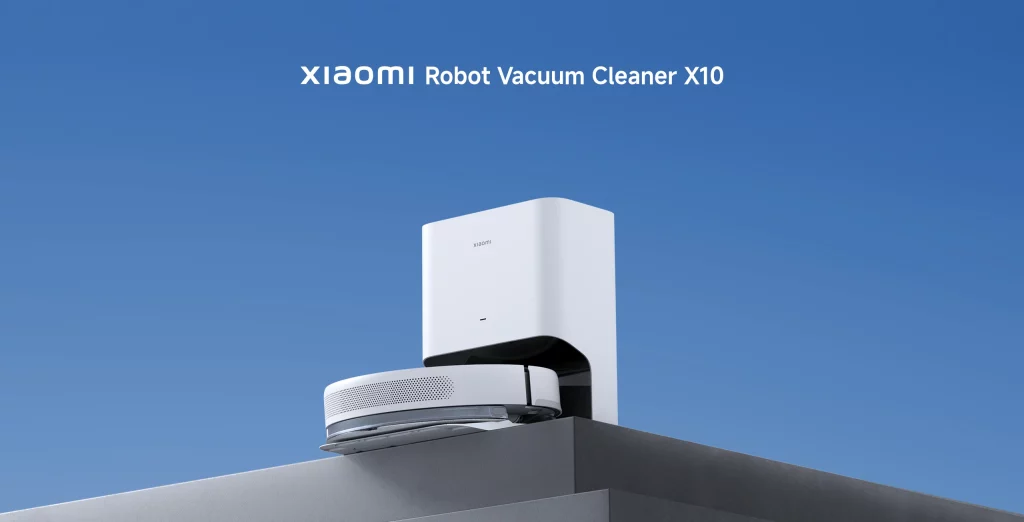
Xiaomi recently hosted a launch event in India for its Redmi 13 5G smartphone. In addition to the smartphone, the brand introduced several other products, including new power banks, the Redmi Buds 5C, and the Xiaomi Robot Vacuum Cleaner X10. Although the Vacuum Cleaner X10 has been available in other markets for some time, it has now made its debut in India. Here are all the details about this device.
Xiaomi Robot Vacuum Cleaner X10 specs:
Xiaomi’s X10 Robot Vacuum boasts high-performance cleaning with 4000Pa suction and LDS laser navigation for efficient home cleaning.
The standout feature is the Automatic Cleaning Station with 17000Pa suction for dustbin emptying and a 2.5L disposable bag lasting 60 cleaning sessions.
The X10 vacuums and mops, featuring a 200ml water tank for up to 80 minutes of mopping with adjustable water flow. It has a 5200mAh battery that offers 180 minutes of cleaning, covering up to 2500 sq. ft.
Smart features include hands-free dust disposal, personalized cleaning plans via the Xiaomi Home app, and obstacle avoidance. Security is prioritized with TÜV Rheinland certification and data protection measures.
Pricing & availability
The X10 costs Rs. 34,999, but an introductory offer reduces it to Rs. 29,999 starting July 15th. It will be available online and at Xiaomi retail outlets.
In related news, Xiaomi has introduced the Robot Vacuum S20 in the global market, featuring a powerful 5,000Pa suction across three modes, a central roller brush, and a side brush for edges. It has a 400 ml dustbin and a 270 ml water tank for less frequent maintenance. Equipped with LDS laser navigation and built-in sensors, it maps areas accurately and avoids obstacles. Users can control it via the Mi Home/Xiaomi Home app or voice assistants like Amazon Alexa and Google Assistant.
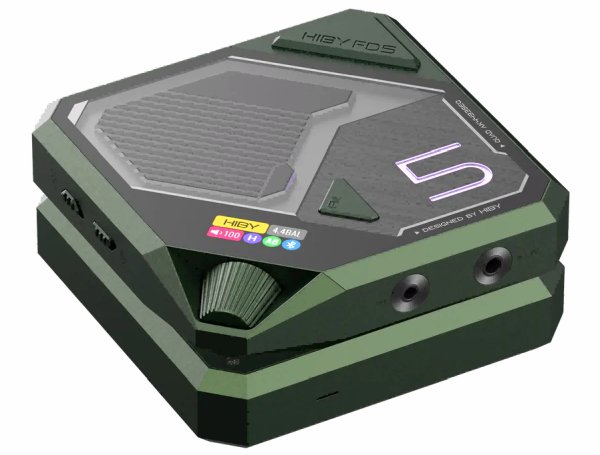
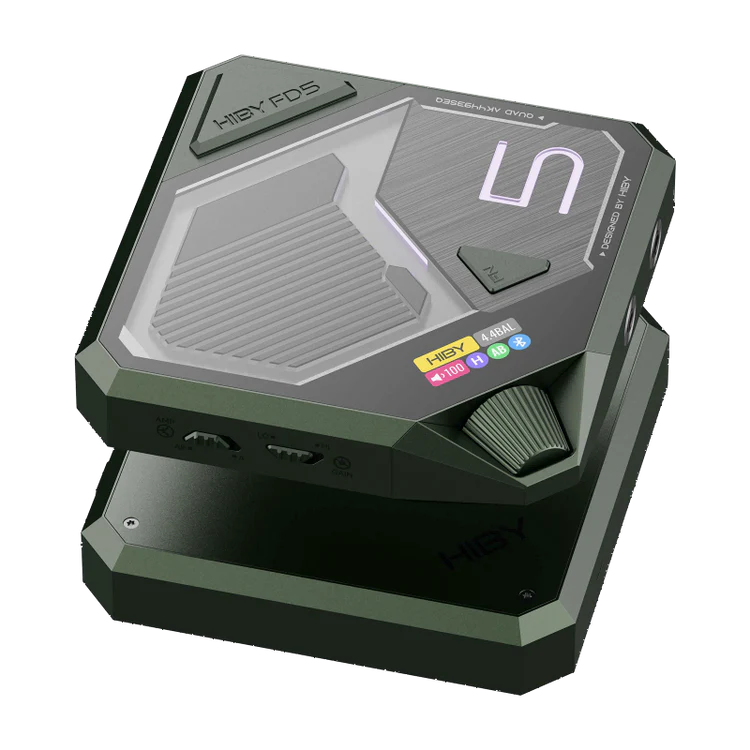
The HiBy FD5 multifunction headphone amplifier has been unveiled. The new desktop-grade heavy-duty headphone amplifier is a powerful offering from HiBy and will be a great addition for audiophiles. The FD5 amplifier supports Bluetooth connectivity and USB connection. It also supports 3.5mm and 4.4mm headphone and line outputs.
The FD5 headphone amplifier is equipped with a quad AKM4493 DAC array with a 1,503mW power output. The amplifier comes with a cyborg-inspired exterior design which will catch the fancy of audiophiles alike. It supports all desktop audio functions and offers class A and AB amplification with switching possible. The 4 x AKM4493 DAC array has dual crystal oscillators and dual Hi-Res certification. It has a transparent 1.1-inch display for navigating through the menu.
The amplifier has sufficient power to drive virtually all headphones currently on the market, with its maximum power output of 1,523mW. The maximum SNR of the model is 125dB while the dynamic range is 127 dB. The crosstalk rejection value is 106dBr, the THD+N rate is about 0.0004% and the frequency response is between 20Hz and 90kHz.
The HiBy FD5 is priced at $429 and is available for purchase directly from the HiBy official website. The price is independent of shipping costs but HiBy says shipments will commence next week. It is expected that the availability of the model will subsequently shift to retail platforms like Amazon.
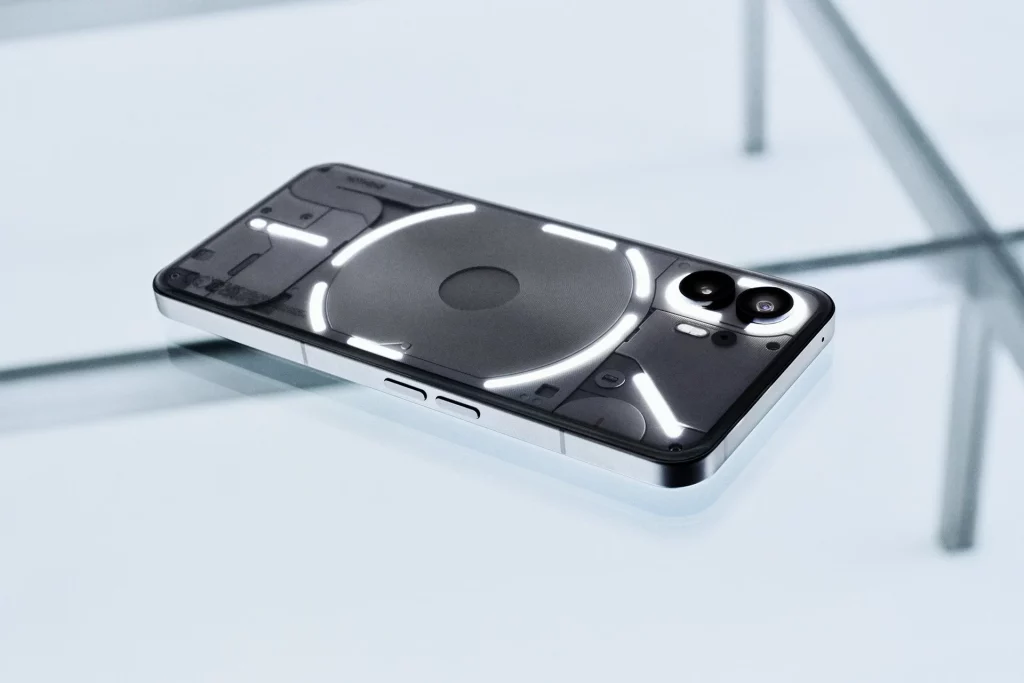
Nothing has released the latest Nothing OS 2.6 update for its Nothing Phone (2), introducing a variety of new features, game mode enhancements, and crucial bug fixes. This update weighs 87MB. You can check out the complete changelog below.
Nothing OS 2.6 update for Phone (2)
New features & experience improvements
Added support for deleting wallpaper history in Wallpaper Studio.
Enhanced initial setup for the Weather Widget/app with user-friendly prompts to add a specific city.
Added support for displaying CMF Watch battery level in the Quick Settings Bluetooth tile.
Optimized the Low Lag Mode experience for Nothing earbuds.
Game Mode enhancements:
Tap the left sidebar for quick access to Game Dashboard during games.
Incoming calls during games can now be displayed in a pop-up view.
Added support to reject third-party app calls during gameplay.
Support for one-tap callback after rejecting a regular call.
Optimized light notifications to show more information during games.
Support for blocking notifications during gameplay to reduce distractions.
Bug Fixes:
Fixed an issue affecting voice and call recording in WhatsApp.
Resolved anomalies when making emergency calls in certain scenarios.
Fixed an issue where some apps could not use the Cloned Apps feature properly.
Other general bug fixes.
As with most firmware rollouts, the Nothing OS 2.6 update is being deployed in stages. This staggered approach allows Nothing to monitor for any potential issues and ensures a stable update process. Users who have not yet received the OTA notification can manually check for the update by navigating to Settings > System > System Update.
In related news, Nothing’s sub-brand CMF has just launched a new budget smartphone across the globe called the CMF Phone 1. This device comes with customizable back plates that also support attachments like a kickstand or a lanyard, or a card case. Under the hood, the device features a Dimensity 7300 processor, paired with up to 8GB RAM and 128GB storage.
Keychron‘s B6 Pro wireless keyboard, previously launched overseas in May, has finally arrived in China. This full-size keyboard boasts a scissor-switch design and comes in black-and-white colour options. Users can customize various settings through a dedicated web driver.
The keyboard has an 800mAh battery with a 1200-hour lifespan
The B6 Pro features an impressive 1000Hz polling rate in wired mode (dropping to 90Hz in Bluetooth mode). It also packs a long-lasting 800mAh battery, offering a remarkable lifespan of up to 1200 hours – translating roughly to 8 months of use with 5 hours of daily typing.
Unlike other offerings from Keychron, the B6 Pro isn’t a mechanical keyboard. Instead, it utilizes scissor-switch keys, similar to those found on laptops, resulting in a slim profile with a front thickness of 5.2mm and a maximum height of 14.5mm. The keyboard also features a comfortable 3.2-degree inclination angle.
In terms of user convenience, the B6 Pro offers seamless switching between wired, 2.4G wireless, and Bluetooth connectivity modes. It also allows for quick toggling between Windows and Mac layouts. Weighing in at 623 grams, the keyboard comes bundled with a silicone keyboard film for added protection.
The Keychron B6 Pro is available for purchase in China at a price of 302 yuan (approximately $42 USD). Early adopters can take advantage of a 10% discount, bringing the price down to 271 yuan ($37 USD).
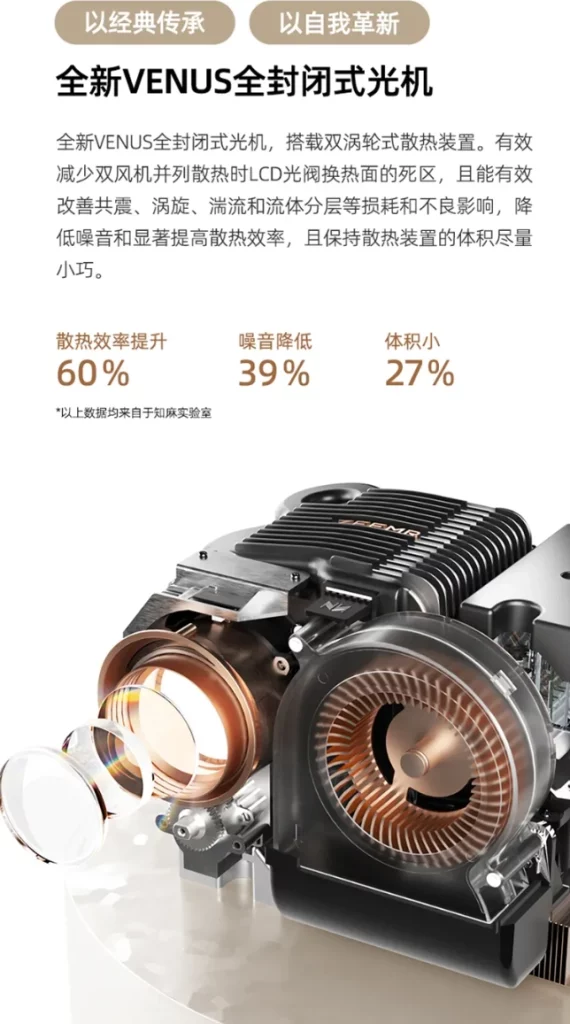
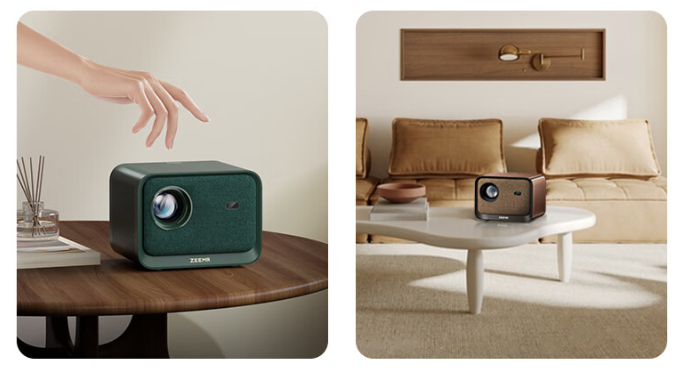
The ZEEMR Z2 MINI projector has gone on sale in China. The projector is equipped with a VENUS optical engine and a dual-turbine cooling architecture. It has a maximum brightness of 650 CVIA lumens and a physical native resolution of 1080p.
The Zeemr Z2 MINI projector comes with several improvements over the first-generation model cutting across noise reduction, brightness, size, and overall acoustic design. The heat dissipation efficiency of the new projector is improved by 60%, 39% noise reduction, 27% volume reduction, and 40% higher brightness than its predecessor.
The Z2 MINI projector has a double-shell dual-cavity acoustic design with dual 8W full-band speakers and an S-Level DSP amplifier chip. It supports 16-band equalizer adjustment and is available in Wilderness Green and Dawn Gold limited edition colors. The projector has a 3.5-inch BOE LCD screen with high transmittance and comes pre-installed with an AI TOUCH II control system. It also has a 6-axis gyroscope and a CMOS image processing module. It supports AI global autofocus, aand global automatic correction. The built-in operating system of the Z2 MINI is ads-free and WiFi, HDMI 2.0 (ARC), and USB-A 2.0 are available.
The Zeemr Z2 MINI has a projection ratio of 1.33:1 and can achieve a 150-inch projection. First-release customers will get a 1-year extended warranty, a 180-day replacement repair, a desktop stand, a Disc/ PTZ/ Vertical bracket, and a 100-inch anti-glare screen. The projector also comes with an iQIYI Monthly Card for early purchasers.
The price of the Z2 MINI after the coupon discount starts at 1,299 yuan ($). It is available for purchase from JD.com and there is no clarity yet on the global availability of the model at this time.
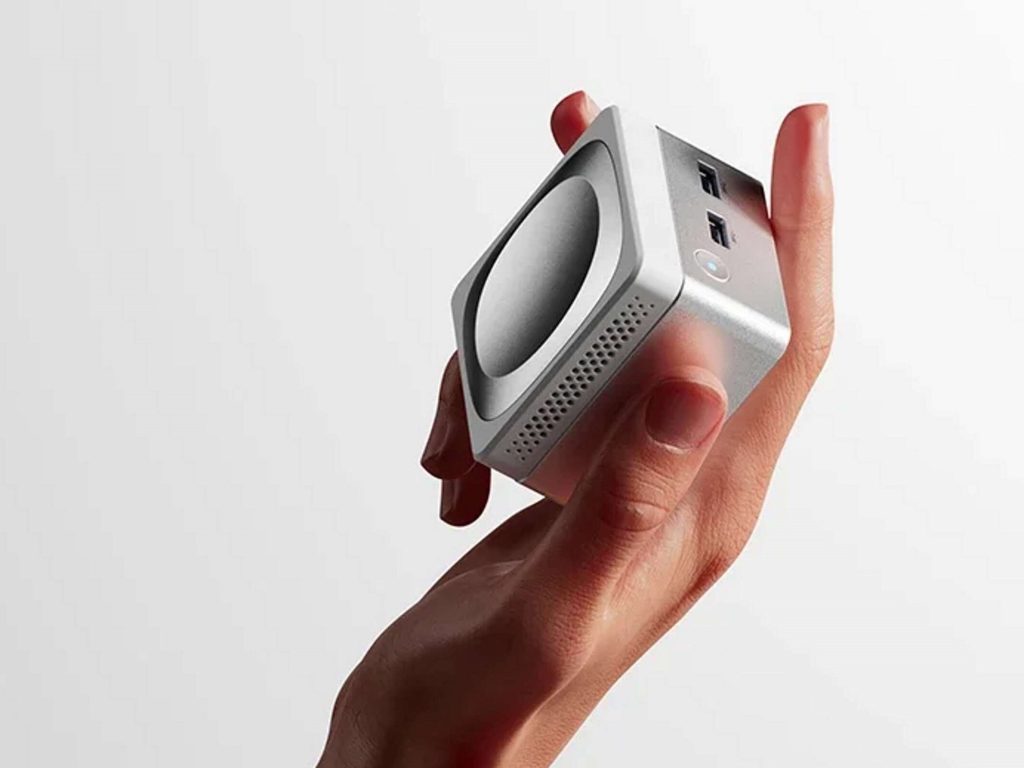
Chinese manufacturer Szbox has unveiled the T-Box Pro, a super compact mini PC powered by an Intel processor. The mini-PC, now available for purchase, is designed for basic applications. It is also equipped with two Ethernet ports.
The Szbox T-Box Pro mini PC is so small that it can fit into one hand. It has a decent RAM capacity and also features USB-C and HDMI interfaces. The dimensions of the mini PC are 7.3 x 7.3 x 4.3 cm while it weighs 200g. It comes equipped with an Intel N100 processor with four computing cores and a clock frequency of up to 3.4GHz. The Intel N100 CPU was released in 2023 and is a decent choice for the T-Box Pro.
The T-Box Pro mini PC is suitable for low-load scenarios and undemanding tasks. It can conveniently be used for presentation, media playback, and similar basic computing tasks. It has an LPDDR5 RAM of 12GB and a clock frequency of 4,300 MHz is part of the architecture. In terms of storage, the T-Box has an M.2 2242 SSD slot and this can be connected via SATA and NVMe. The RAM is not expandable while the SSD’s capacity is up to 2TB. In terms of ports, the T-Box Pro has a USB-C, two USB 3.2, and two USB 2.0 ports. It also has an HDMI interface while the two Ethernet ports can reach a maximum transfer speed of 1 Gbit/s.
The T-Box Pro is available in different model variants and its minimum price is $145 (inclusive of import fees). It is available in selected retail platforms such as AliExpress.
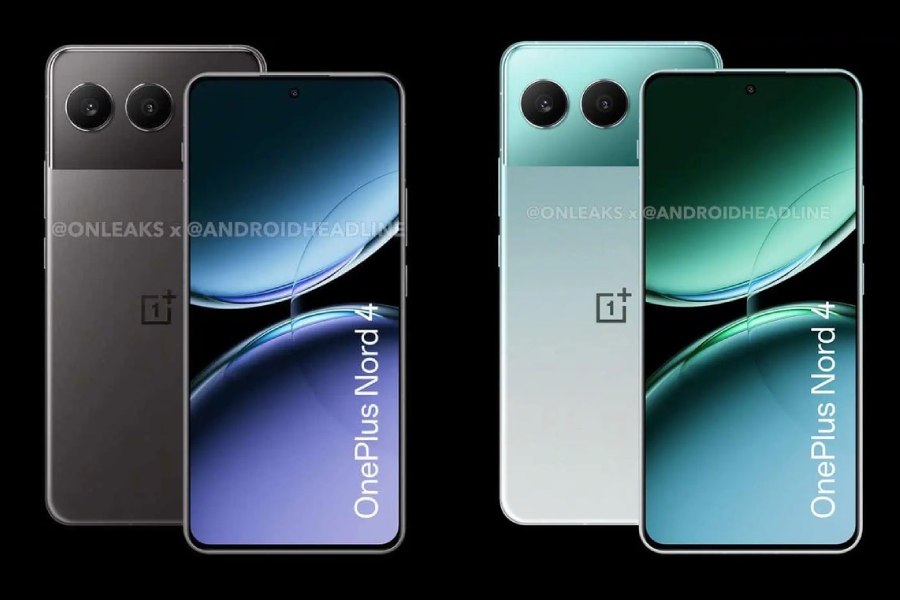
The price of the upcoming OnePlus Nord 4 in India has been leaked just days before its official announcement. The leak comes from a user on X (formerly Twitter) who noticed an accidental poster listing for the Nord 4, revealing its price and financing options.
The poster shows the base model of the OnePlus Nord 4 might be priced at Rs 27,999 in India. However, this price may include bank discounts. So factoring in additional costs, the phone’s price could be closer to the previously rumored Rs 31,999.
Pricing for higher storage variants remains unknown, but you can expect an increase of around Rs 3,000. For financing, OnePlus appears to be offering a 6-month no-cost EMI service.
The poster only shows a shadowy silhouette of the Nord 4; however, the phone’s design has already been fully leaked earlier. It is expected to feature a 6.74-inch 1.5K OLED Tianma U8+ display with a 120Hz refresh rate and a peak brightness of 2150 nits, matching the screen size of the Nord 3.
Powering the device will likely be the Qualcomm Snapdragon 7+ Gen 3 SoC with Adreno GPU. This replaces the Dimensity 9000 SoC found in the Nord 3. The chipset could be paired with at least 8GB of RAM and storage options of possibly 128GB and 256GB.
The phone is rumored to pack a large 5,500mAh battery with support for 100W fast charging, an upgrade from the 5,000mAh battery and 80W charging of the Nord 3.
Camera-wise, the OnePlus Nord 4 might utilize a dual-lens rear setup with a 50MP primary sensor and an 8MP ultra-wide-angle lens. This is a slight downgrade from the triple camera system with a 50MP main sensor, an 8MP ultra-wide sensor, and a 2MP sensor on the Nord 3. It seems the Nord 4 might forgo the inclusion of a third sensor simply for the sake of having one.
Security features on the phone are expected to include an in-display fingerprint sensor. Other features could be dual speakers, an X-axis linear motor for vibration feedback, and an alert slider.
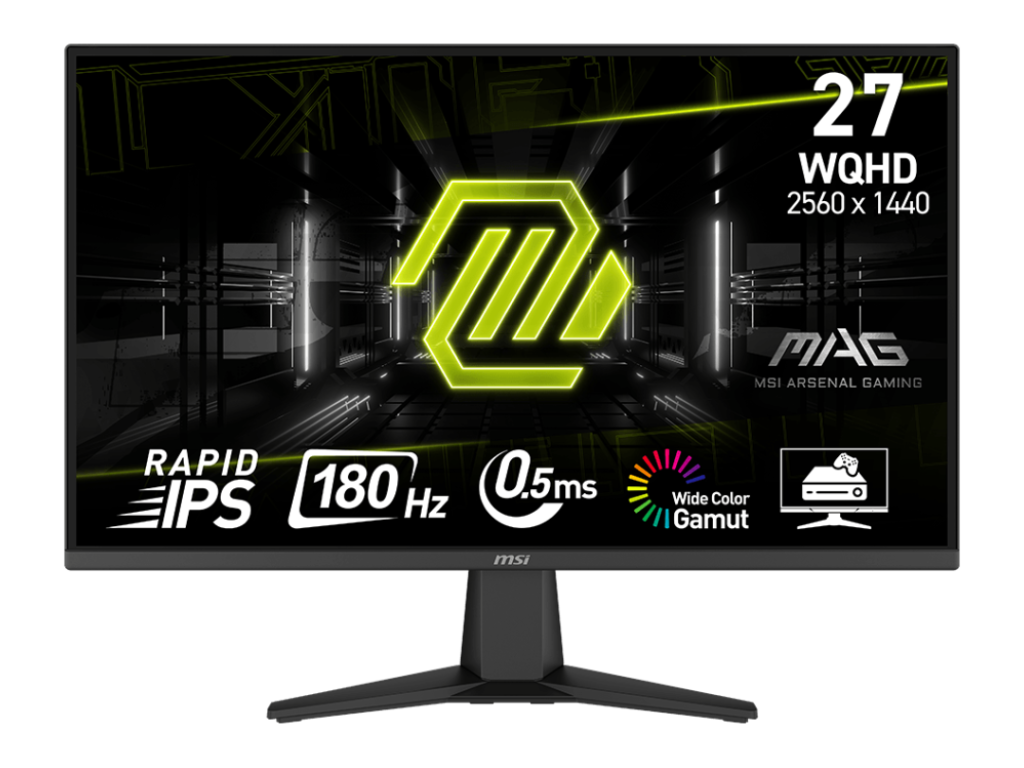
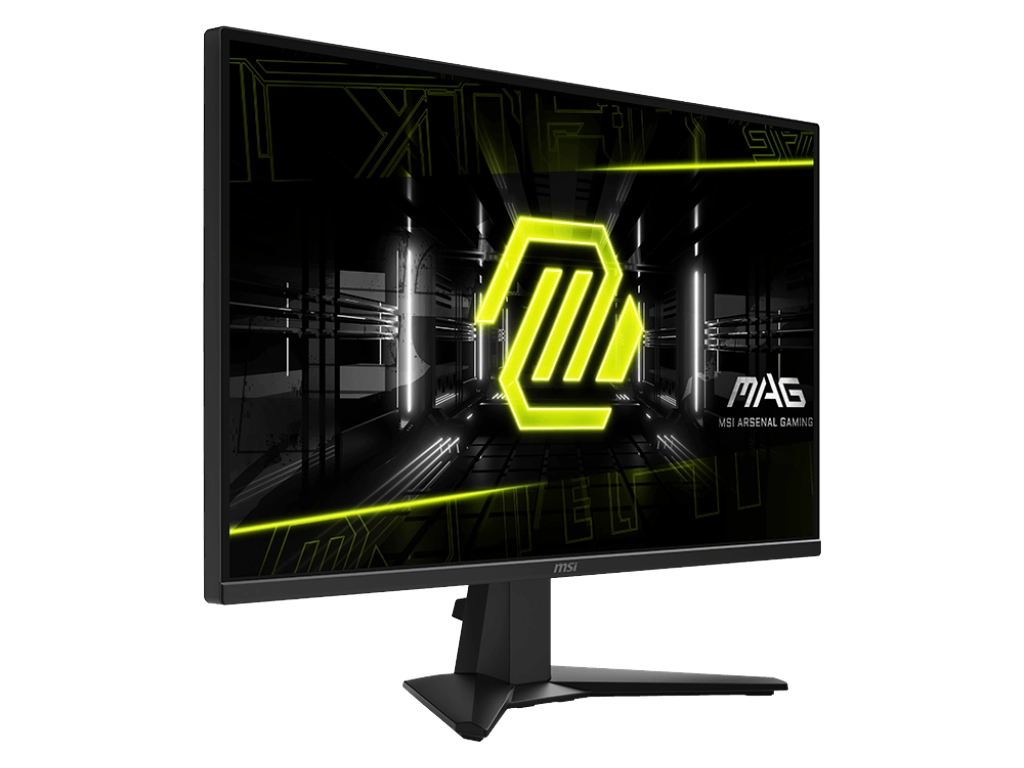
The MSI MAG 275QF gaming monitor has gone on sale in China after its July 2 release. The model is signposted by its 27-inch 2K Rapid IPS panel with a display refresh rate of 180Hz. It has a resolution of 2560 x 1440 pixels and a GtG grayscale response time of 0.5ms. It achieves a peak brightness of 300 nits and offers a 1000:1 contrast ratio.
The MSI MAG 275QF has several impressive features that guarantee an immersive gaming experience. The fast response time of the monitor eliminates screen tearing and choppy frame rates. The new AI Vision technology utilized in the monitor reveals details in dark areas and also enhances overall brightness and saturates colors.
The MAG 275QF is equipped with Adaptive-Sync and HDR-Ready technologies. It covers 101% of the sRGB color gamut, 78% DCI-P3 coverage, and 82% Adobe ARGB. It supports AI Vision image optimization technology to improve brightness and image saturation. The monitor is compatible with devices from three major host manufacturers for an enhanced versatility of the model.
In terms of interfaces, the MSI MAG 275QF monitor has HDMI 2.0 and DisplayPort 1.4 interfaces although their numbers available were not specified. The monitor supports MSI EYE CARE protection for anti-flicker, anti-flare, and two-eye protection technologies. The MSI MAG 275QF is available from JD.com at a retail price of 899 yuan ($124). There are no global availability details yet for the monitor but it is expected to be available to a sprinkling of international markets.
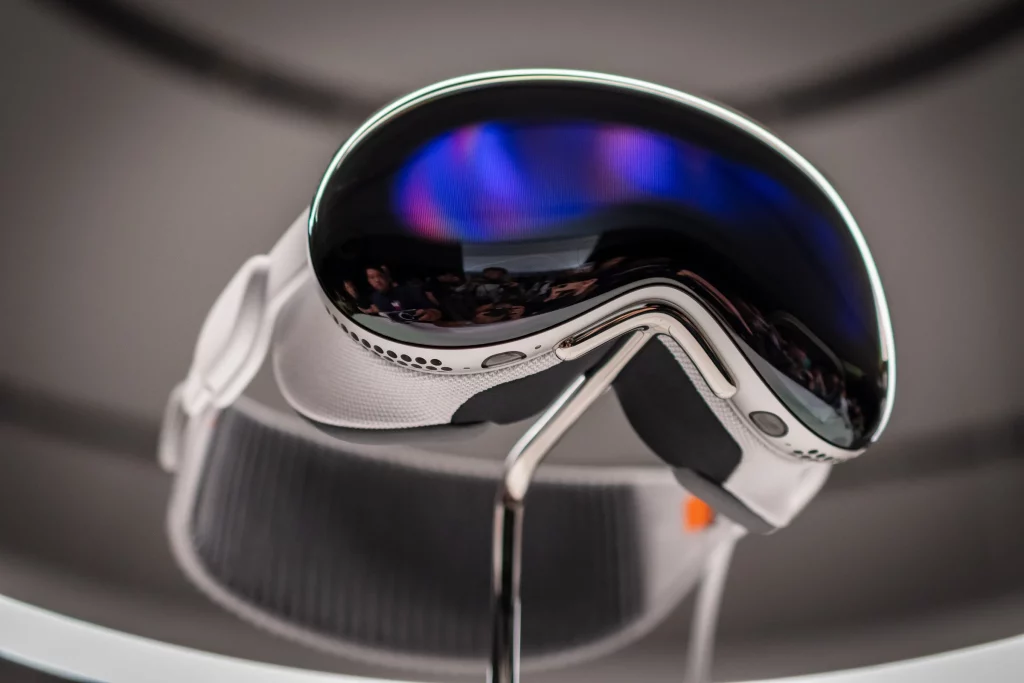
Apple has released the visionOS 2 Beta 3 for the developers. The OS version is designed keeping augmented reality (AR) and virtual reality (VR) devices and their requirements in mind. Developers can participate in the test by opening Settings, going to Software Updates, clicking on the option for beta updates, and enabling developer beta.
The visionOS 2 Bets 3 is now available to registered developers
visionOS 2 is now able to convert your 2D photos to 3D ones to make them look more realistic. The company says that they have developed such a feature to add depth to photos and make memories more immersive. The achievement is attributed to the company’s development of advanced machine learning algorithms.
Alongside the ability to turn 2D photos to 3D, visionOS 2 Beta 3 also introduces new gestures to activate the main view and control center. Notably, the Vision Pro headset running on visionOS 2 is also compatible with a Bluetooth mouse.
visionOS 2 enables users to customize the main view and rearrange applications freely. The Travel Mode also gets some enhancements with support for trains.
The Mindfulness app in visionOS 2 on Apple Vision Pro also reportedly tracks breathing patterns and responds to them in order to offer a more immersive meditation experience.
Now the guest user profile can be saved for up to 30 days, which can be very useful for specific users. The company revealed that the Mac virtual displays will support a higher resolution and a larger size starting later this year. The Apple Vision Pro will also act as an AirPlay receiver, enabling users to share content from their iPhone, iPad, or Mac to the headset.
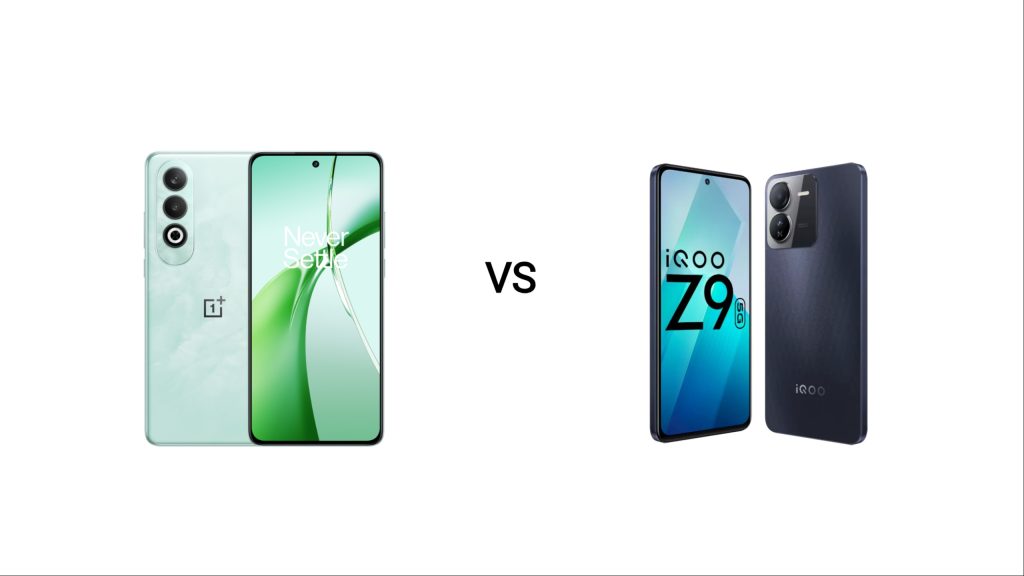
Is the iQOO Z9 as good as the OnePlus Nord CE 4? Are you shopping for a new device and find yourself torn between these two devices? If yes, then this article closely compares these two devices to help you make a better purchase choice. These devices are both mid-range Android entries that offer impressive features for their respective pricing. Let’s now find out which is a better purchase for those shopping for a new device.
Please Note: When you buy something using the links in our articles, we may earn a small commission at no cost to you.
OnePlus Nord CE 4 vs iQOO Z9: Design and colours
OnePlus Nord CE 4:
This is a good-looking device and if you’ll agree with me, the OnePlus brand logo on it makes it look cooler. The OnePlus Nord CE 4 comes with a dual rear camera setup vertically with the main sensor above the secondary lens, and the secondary lens above the ring-shaped torch. All edges of this device are flat, and the volume and power buttons sit on the right side of the frame. At its base are the USB-C port, microphone, SIM tray slot, and speakers And at the top sits the upwards firing speakers. Available colours for this device are Celadon Marble, Dark Chrome.
iQOO Z9:
The iQOO Z9 is a good-looking device that comes with an impressive design finish. This device comes with a dual rear camera setup with a square-ish island holding the two lenses as well as the flash. iQOO does well to position this island to the top left side of the device’s rear panel. It also comes with flat edges housing the power button and volume rocker keys on the right side of the frame. The USB-C port, speaker, microphone, and SIM tray are positioned at the base of the device. As for the colour options of this device, iQOO offers a green entry with a brushed finish as well as a blue entry with a graphene finish.
Major differences:
Impressive colour finish on the iQOO Z9.
OnePlus Nord CE 4 vs iQOO Z9: Display
OnePlus Nord CE 4 and iQOO Z9:
When it comes to the display of these devices, the iQOO Z9 comes with a slightly smaller display. It also brings a brighter AMOLED display panel clocking in at 1800 nits peak brightness. The OnePlus Nord CE 4 On its part boasts a better screen-to-body ratio making its bezels slimmer than that on the entry from iQOO. Both devices support up to 120Hz refresh rate, which is great for power usage and gaming.
Major differences:
Better screen-to-body ratio on the OnePlus Nord CE 4.
Brighter screen on the iQOO Z9.
OnePlus Nord CE 4 vs iQOO Z9: Cameras
OnePlus Nord CE 4 and iQOO Z9:
Both the OnePlus Nord CE 4 and the iQOO Z9 come with a dual rear camera setup. Both devices also feature a 50MP main camera sensor and a 16MP selfie sensor. However, iQOO only offers a 2MP depth sensor and a supporting lens, but OnePlus offers an 8MP ultrawide sensor as a supporting lens. Both devices also support 4K video recording on their rear cameras.
Major differences:
8MP ultrawide sensor on the OnePlus Nord CE 4.
OnePlus Nord CE 4 vs iQOO Z9: Performance
OnePlus Nord CE 4 and iQOO Z9:
In this category, the OnePlus Nord CE 4 outperforms the competition. It brings the more capable Snapdragon 7 Gen 3 processor in comparison with the MediaTek Dimensity 7200 processor on the iQOO Z9. Buyers also get 12GB RAM on the OnePlus Nord CE 4 while the iQOO Z9 comes with 8GB RAM as standard.
Major upgrades & differences:
A more powerful processor on the OnePlus Nord CE 4.
Up to 12GB RAM on the OnePlus Nord CE 4.
OnePlus Nord CE 4 vs iQOO Z9: Software
OnePlus Nord CE 4 and iQOO Z9:
Both devices run on Android 14 out of the box but with different software as the OnePlus Nord CE 4 runs ColorOS 14 and the iQOO Z9 runs Funtouch 14. If you purchase any of these devices, you’ll get up to three years of OS upgrades and five years of security updates.
Major differences:
OnePlus Nord CE 4 runs ColorOS 14.
iQOO Z9 runs Funtouch 14.
OnePlus Nord CE 4 vs iQOO Z9: Battery life and charging
OnePlus Nord CE 4 and iQOO Z9:
The OnePlus Nord CE 4 comes with a larger battery and faster charging capabilities. It features a 5500mAh battery and supports a 100W fast charger. As for the iQOO Z9, it comes with a 5000mAh battery capacity and supports 44W fast charging.
Major differences:
Faster charging and a larger battery on the OnePlus Nord CE 4.
OnePlus Nord CE 4 vs iQOO Z9: Final Verdict
Both devices in this comparison are very impressive entries with impressive features. However, the OnePlus Nord CE 4 is the better pick as it brings a better processor, camera setup, battery, and charging. But if you’re looking to save yourself some money or looking for a more impressive display, the iQOO Z9 is the way to go.
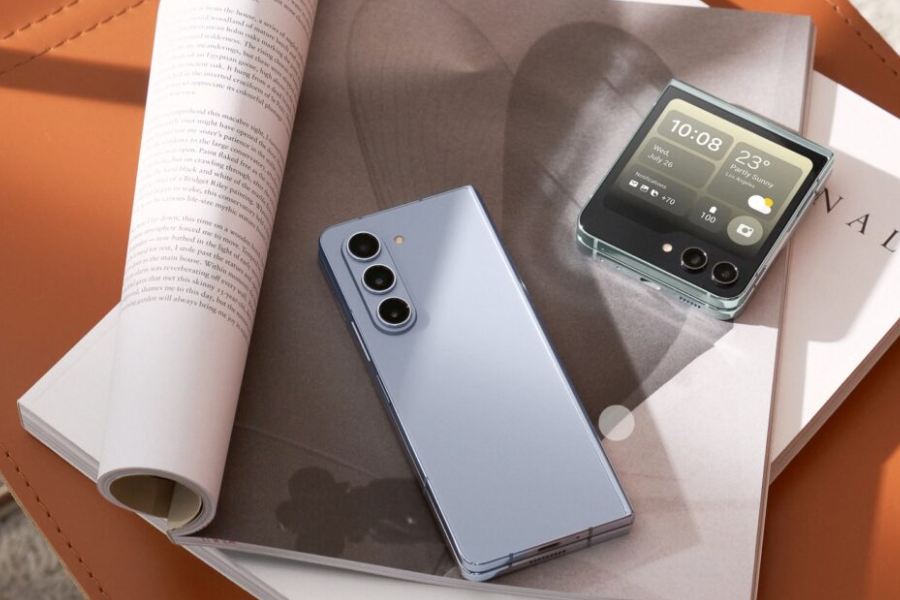
A report from July last year claimed that Samsung was working on making its foldable devices dust-resistant. However, neither the fifth generation of Galaxy Foldables came with dust resistance, nor was it mentioned in the numerous leaks and rumors about the sixth generation foldables we’ve seen so far. The Galaxy Z Fold 6 and Flip 6 are scheduled to be released at the Galaxy Unpacked event on July 10.
Galaxy Z Fold 6 and Flip 6 could be IP48 dust and water resistant
A new leak claims that dust resistance is coming to Galaxy foldables. Last week, a leak revealed almost everything about the 6th generation foldables, including images. However, there was a small detail that most of us probably missed. According to the leak, the 6th generation foldables could offer dust and water resistance. The phones are expected to come with an IP48 dust and water resistance rating.
The IP48 ingress protection rating means the phone will be able to protect itself from solid objects larger than 1mm. On the other side, it will be able to withstand immersion in water beyond 1 meter, just as we typically see with bar flagship phones.
While Samsung and many other companies have managed to make the hinge water-resistant, dust resistance is still a milestone to achieve. Protection against dust is especially important for foldable phones as they come with moving parts (the hinge components) that can wear and tear at a much faster rate if dust particles enter the hinge.
It’s important to note that Samsung has been using brush-like structures inside the hinge to prevent dust particles from entering. Although previous models are not officially rated for dust protection, rigorous testing has shown that they do offer some level of dust resistance. Nonetheless, we hope Samsung can overcome technological limitations to make this relatively new form factor even more reliable over time.
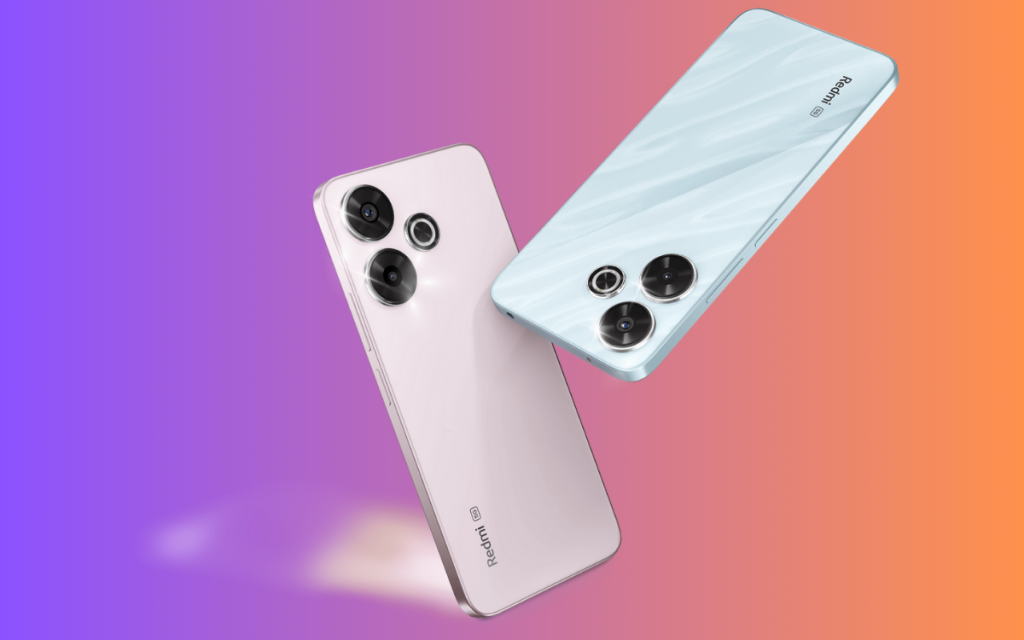
Xiaomi just launched the Redmi 13 5G, their latest budget-friendly 5G smartphone in India. It boasts some improvements over its predecessor, the Redmi 12 5G, but let’s see how these two phones stack up against each other to help you decide which one might be the better choice.
Both the Redmi 13 5G and Redmi 12 5G share the same 6.79-inch FHD+ LCD screen size and 91% screen-to-body ratio. However, the Redmi 13 5G boasts a smoother 120Hz adaptive refresh rate compared to the 90Hz of the Redmi 12 5G. This higher refresh rate enhances the viewing experience, particularly for scrolling and gaming.
In terms of design, both phones sport a crystal glass design, making them visually appealing. Xiaomi proudly declares the Redmi 13 5G as the first phone in its segment to feature dual-sided glass, adding a touch of premium feel to the device.
Both phones have an IP53 rating for dust and splash resistance. They weigh in at 199g and share identical dimensions.
2. Performance
The Redmi 13 5G comes equipped with the Snapdragon 4 Gen 2 AE (Accelerated Edition) processor, while the Redmi 12 5G sports the standard Snapdragon 4 Gen 2. While the specifics of the AE version aren’t officially confirmed, it’s suggested to offer slightly better performance.
The Redmi 13 5G starts with a base variant of 6GB RAM, while the Redmi 12 5G begins at 4GB RAM. Both models can be upgraded to 8GB of RAM, with an additional 8GB of virtual RAM available. The Redmi 13 5G is offered exclusively in a 128GB (UFS 2.2) variant, whereas the Redmi 12 5G provides more flexibility with 128GB and 256GB (UFS 2.2) options. Both phones offer up to 1TB expandable storage via a microSD card.
3. Camera
The camera department is where the Redmi 13 5G truly sets itself apart. It features a remarkable 108MP primary camera with a Samsung ISOCELL HM6 sensor and 9-in-1 pixel binning technology. This promises exceptional image quality, especially in well-lit conditions.
The Redmi 12 5G, while still capable, has a 50MP primary camera. Both phones include a 2MP depth sensor for portrait shots. The Redmi 13 5G also gains a ring flash on the back, potentially improving low-light photography.
For selfies, the Redmi 13 5G has a 13MP front camera, while the Redmi 12 5G settles for an 8MP sensor.
4. Software and Updates
The Redmi 13 5G comes with Android 14 and Xiaomi’s HyperOS pre-installed. On the other hand, the Redmi 12 5G runs on Android 13 with MIUI 14 out of the box but is upgradable to the latest HyperOS. Therefore, both devices offer similar software capabilities.
Xiaomi has committed to providing two years of Android updates and four years of security updates for the Redmi 13 5G, compared to two years of Android updates and three years of security updates for the Redmi 12 5G. This longer support period ensures that the Redmi 13 5G remains up-to-date and secure for a more extended period.
5. Battery
The Redmi 13 5G packs a slightly larger 5030mAh battery compared to the Redmi 12 5G’s 5000mAh battery. However, the difference is minor and both batteries should offer good day-long battery life. The Redmi 13 5G boasts a faster 33W fast charging solution compared to the Redmi 12 5G’s 18W fast charging.
6. Pricing and Availability
The Redmi 13 5G is available in two variants: 6GB + 128GB priced at Rs. 13,999 and 8GB + 128GB priced at Rs. 15,499. The Redmi 12 5G is available in three variants: 4GB + 128GB priced at Rs. 11,999, 6GB + 128GB priced at Rs. 13,499, and 8GB + 256GB priced at Rs. 15,499. The Redmi 13 5G will be available for purchase from Amazon.in, Mi.com, and Xiaomi Retail starting from July 12th.
7. Conclusion
Both the Redmi 13 5G and Redmi 12 5G are promising contenders in the budget 5G smartphone segment. The Redmi 13 5G edges ahead with its 120Hz display, more powerful processor, significantly improved camera system, longer software support, and faster charging capabilities.
However, the Redmi 12 5G remains a solid choice for those seeking a 5G smartphone with a good balance of features and affordability. The final decision depends on individual priorities and budget considerations.
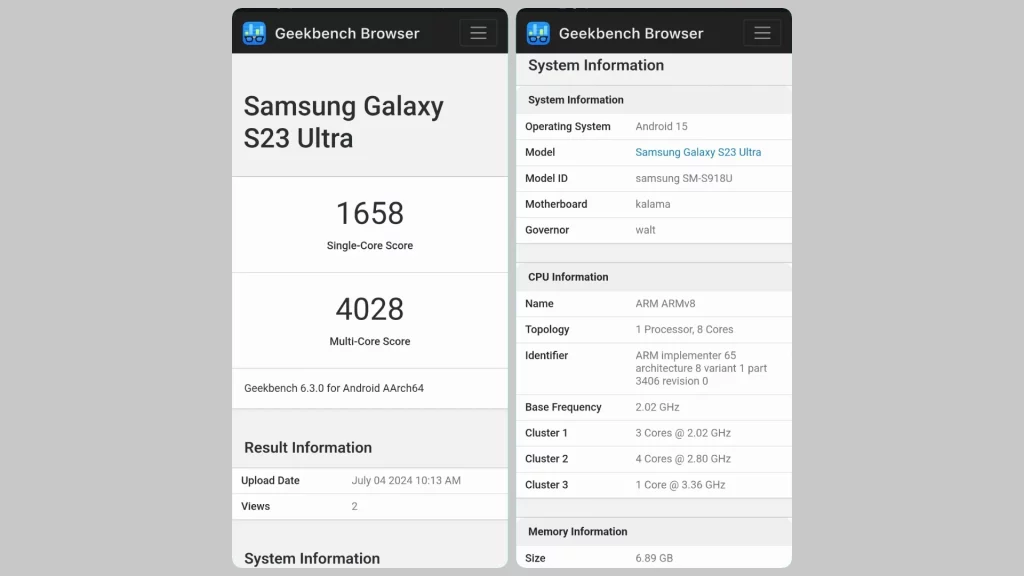
Samsung seems to be working intensively on all its flagship devices. Following the Galaxy S24+, the Galaxy S23 Ultra has now been seen on Geekbench, confirming it runs on Android 15. We know that One UI 7 is based on Android 15.
Galaxy S23 Ultra running Android 15 based One UI 7
After Google reached platform stability with Android 15, Samsung quickly started developing One UI 7. Samsung is likely to first release the One UI 7 as a Beta version and then a stable release expected later.
The Galaxy S23 Ultra achieved a single-core score of 1658 and a multi-core score of 4028. This test result was first shared on Twitter by Tarun Vats.
As expected, the Realme GT 6 smartphone has launched in its home country. It arrives as the successor to the last year’s GT 5. It’s worth noting that the Realme GT 6 in China is a different smartphone compared to its global counterpart that was announced last month. The latest offering packs flagship specifications and features. Let’s find out what it offers out of the box.
Realme GT 6 specifications and features
The Realme GT 6 flaunts a new design compared to its predecessor and the global variant. It has a flat frame and a rectangular camera module on the rear. The back panel also gives a dual-tone look due to the darker and lighter shade of the same color. The device is IP65-certified dust and water-resistant.
In terms of display, the Realme GT 6 boasts a BOE S1+ AMOLED panel measuring 6.78 inches and bearing a resolution of 2,780 x 1,264 pixels. The screen features Pro XDR, a 120Hz LTPO refresh rate, 6,000 nits peak brightness, an integrated fingerprint scanner, and a 2160Hz high-frequency PWM dimming. The display is shielded by Crystal Armor Glass.
On the optics front, the Realme GT 6 features a dual rear camera setup comprising of a 50MP Sony IMX890 sensor with OIS and an 8MP ultra-wide-angle lens. Up front, there is a 16MP selfie snapper.
Under the hood, the Realme GT 6 is powered by a Snapdragon 8 Gen 3 processor. It packs up to 16GB RAM and 1TB storage. The device is equipped with a large 10,000-level dual VC for heat dissipation. There is also an aerospace-grade aluminium middle frame and thermal insulation that aids in keeping the temperature low. The smartphone is backed by a 5,800mAh second-generation silicon-carbon anode battery technology. It supports 120W wired charging and is also compatible with 33W UFCS and 55W PPS fast charging.
The Realme GT 6 ships with Realme UI 5 based on Android 14 OS. It packs various AI features like AI portal, AI call summary, AIGC, and more. The device also comes with gesture controls for performing actions without touching the screen. Other features on the smartphone include IR control, an X-Axis linear motor and a sky communication system comprising 5.5GHz networks and WiFi-7 protocols.
Realme GT 6 pricing and availability
The Realme GT 6 starts at CNY 2,799 (~$385) for the base 12GB + 256GB variant. The 16GB + 256GB and 16GB + 512GB options are priced at CNY 3,099 (~$426) and CNY 3,399 (~$467) respectively. The highest 16GB + 1TB configuration costs CNY 3,899 (~$536). The smartphone is offered in Storm Purple, Light Year White, and Dark Side of the Moon color options. The last one comes with multiple gradient textures on the back panel similar to the surface of the moon. The device can be purchased from July 15 in China.
We use cookies on our website to give you the most relevant experience by remembering your preferences and repeat visits. By clicking “Accept”, you consent to the use of ALL the cookies.
This website uses cookies to improve your experience while you navigate through the website. Out of these, the cookies that are categorized as necessary are stored on your browser as they are essential for the working of basic functionalities of the website. We also use third-party cookies that help us analyze and understand how you use this website. These cookies will be stored in your browser only with your consent. You also have the option to opt-out of these cookies. But opting out of some of these cookies may affect your browsing experience.
Necessary cookies are absolutely essential for the website to function properly. This category only includes cookies that ensures basic functionalities and security features of the website. These cookies do not store any personal information.
Any cookies that may not be particularly necessary for the website to function and is used specifically to collect user personal data via analytics, ads, other embedded contents are termed as non-necessary cookies. It is mandatory to procure user consent prior to running these cookies on your website.