
Add GIZMOCHINA as Preferred Source on Google
[embedyt] https://www.youtube.com/watch?v=nSRTxAz-Krg[/embedyt]
Redmi K30 Pro vs Mi 10
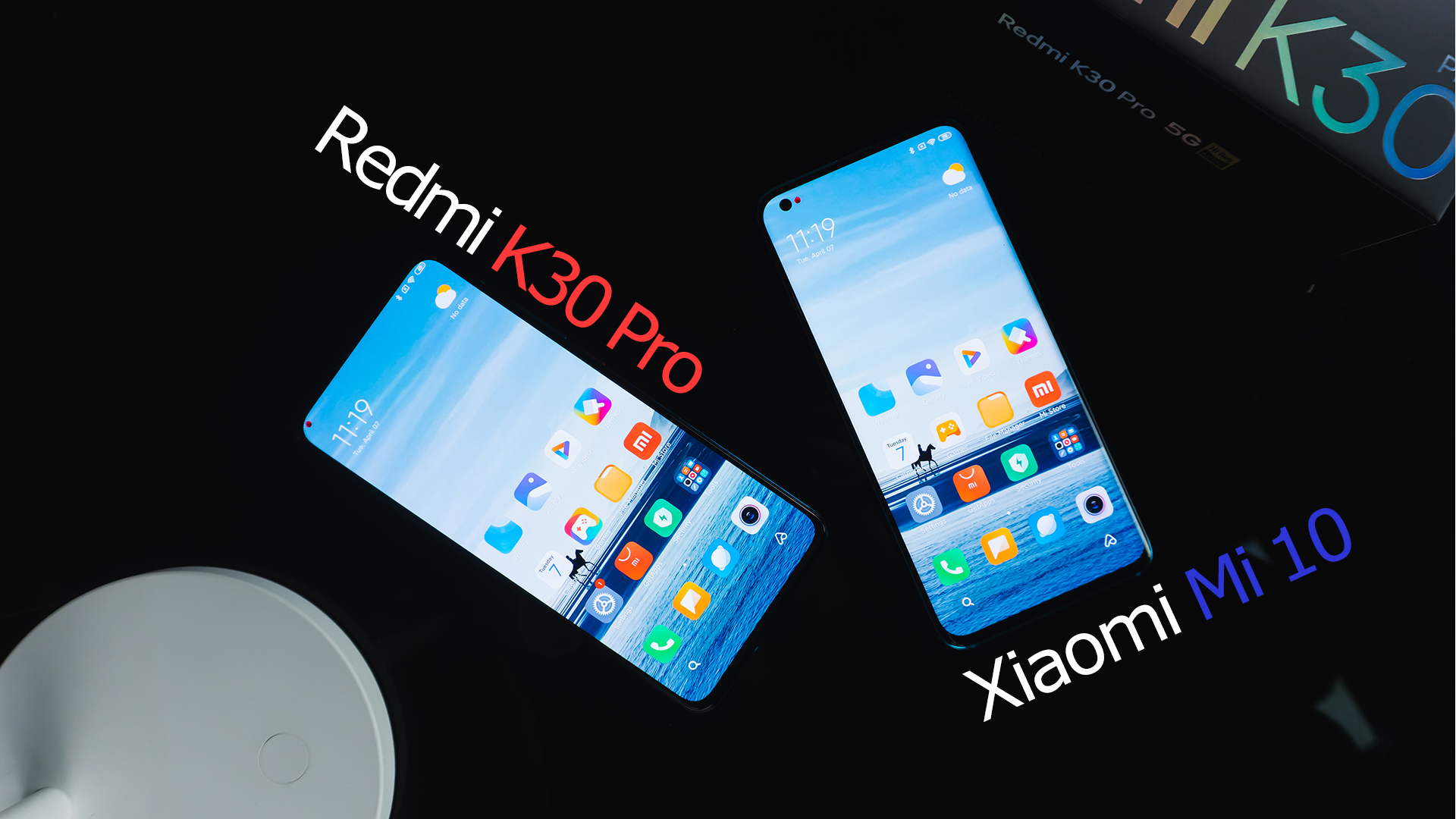
Redmi released the K30 Pro model earlier this year. Since the K30 model released in January, it’s been over 2 months for us to imagine how the K30 Pro would kill those flagships as the K20 Pro did. And right now, the Redmi k30 Pro is just in our hands. Along with that, we’ve also got the Mi 10, which puts in the perfect position to see if Redmi’s flagship and Xiaomi’s flagship competes with each other.
Design
Its good to see that the K30 Pro used the complete full-screen design without any hole-punch or notch. In 2020, you will see almost all the flagships would turn to different kinds of hole-punch displays. For those who cannot accept the imperfection, the K30 Pro has given you the perfect solution.

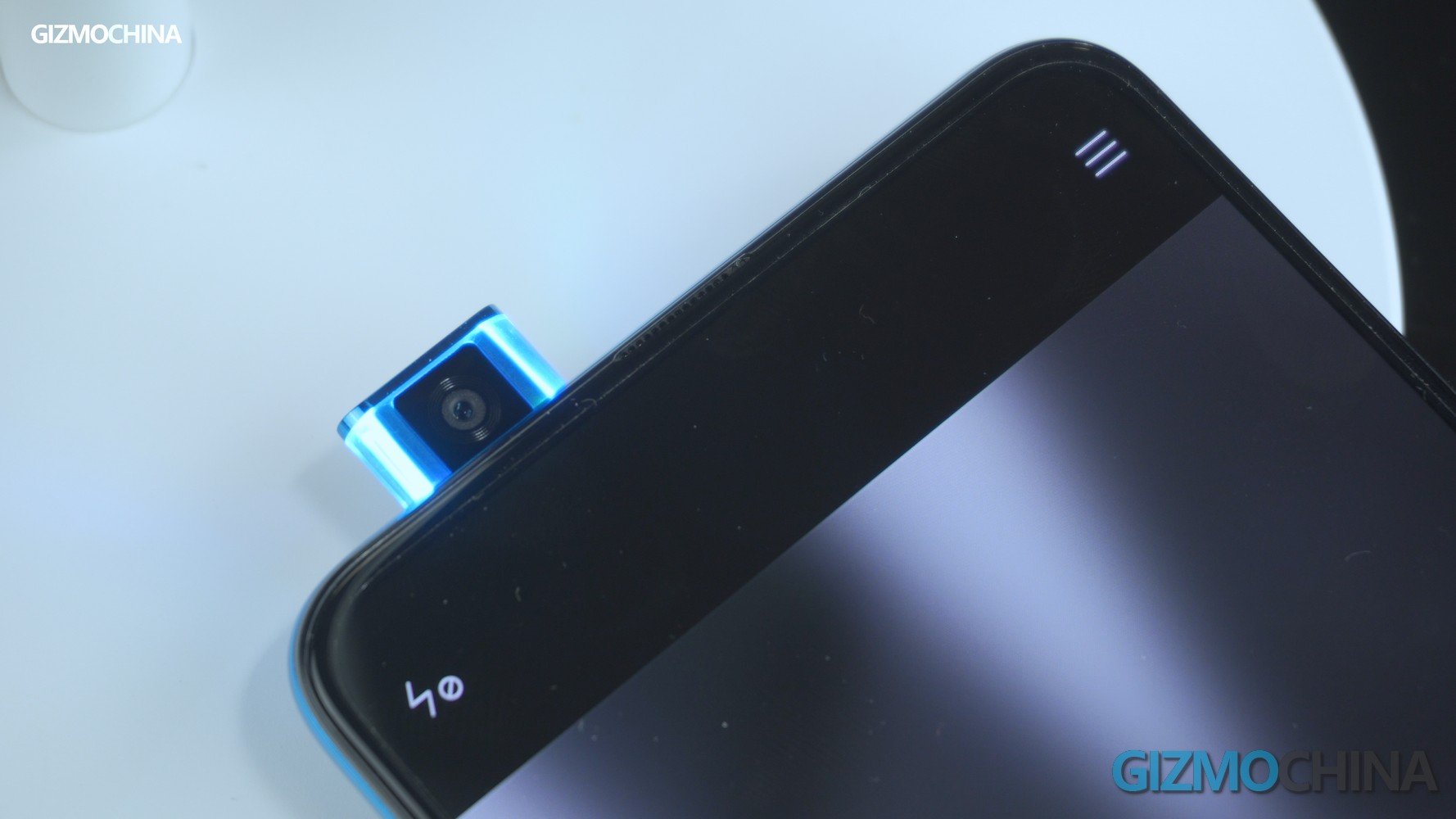
The pop-up front camera is still one of the most effective setups for solving the dilemma between higher screen-to-body ratio and front camera components. Most phone producers have abandoned the pop-up mechanism, which probably is more about suppliers’ choices on balancing cost and user sensibility. But smartphone designers are still working on or, at least, waiting for the next solution, which is likely to be the in-screen camera. Comingback to the pop-up cameras, some users may worry about the thickness problem caused by the pop-up camera but in fact, the Redmi K30 Pro is not much thicker than the Mi 10.
Here’s how it pops-up from the top. Redmi has inherited its shiny pop-up motion, which is really not an elegant design but makes it more like a fancy toy.
And another detail different from the Mi10 is the flat display. Although a curved display is really able to catch eyes at first glance, we found that users usually got annoyed by the edge-mistouch problem. So, we appreciate that Redmi did not follow the trend for curved screen displays. Looking back to the rear camera arrangement, it reminded us of the Huawei Mate 30 Pro, though the design of K30 Pro looks much simpler.
At the same time, the K30 Pro reserved a 3.5mm Audio port, which has been taken away on most flagships including the Mi 10. But the Mi 10 has dual speakers which are able to have stereo when holding the phone in hands, while the K30 Pro, though having a certification of Hi-Res Audio, struggle to provide the same enjoyment with only one speaker.
Display
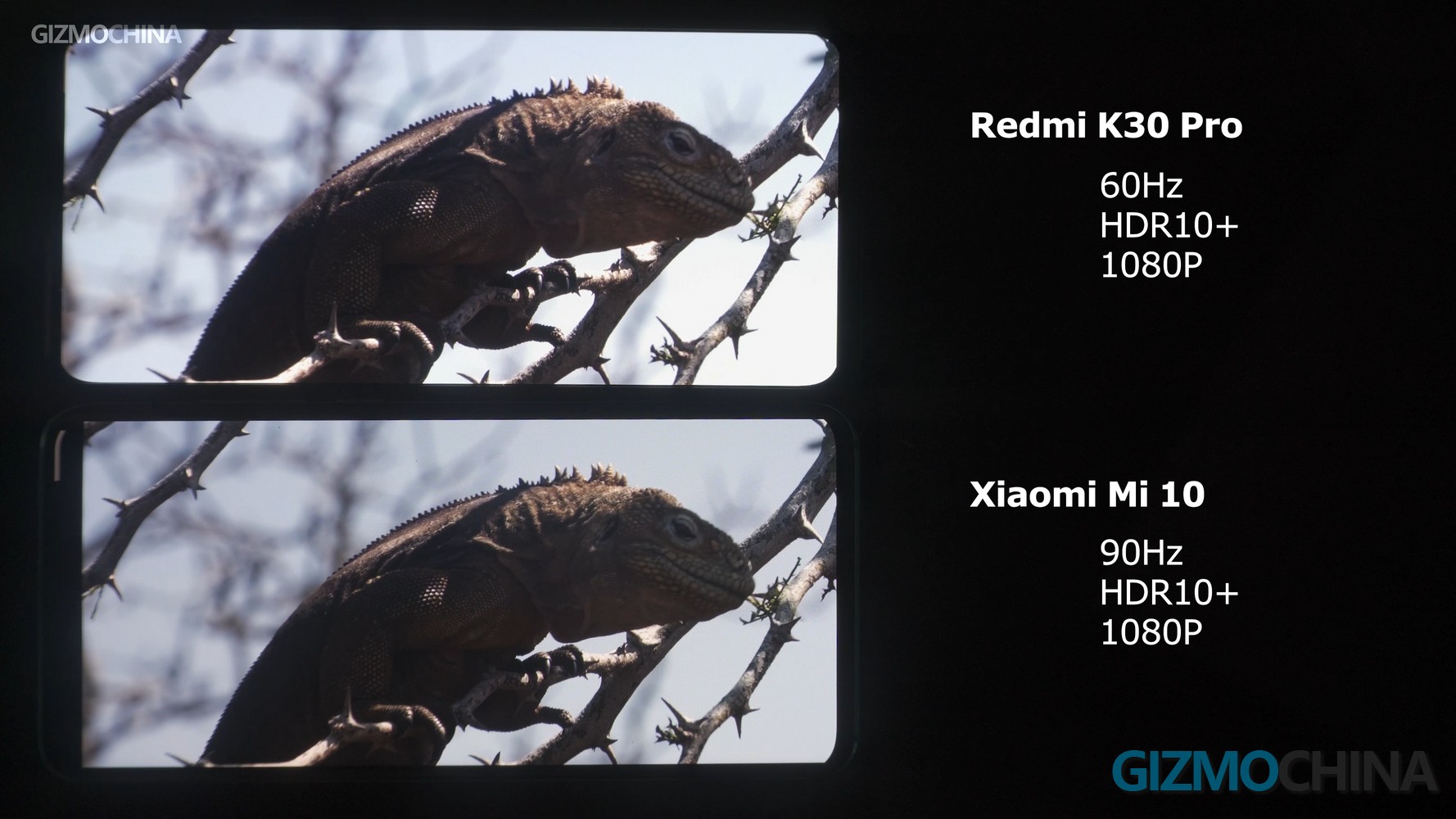
One of the biggest differences in user experience is their display. Mi 10’s display features a 90Hz refresh rate, while the K30 Pro equipped a 60Hz one. I have to say one of the most intuitive feelings about using a phone is the visual experience on their displays. Thanks to the high refresh-rate, Mi 10 seems to be a bit more fluent in the system layout, though their inside CPU performance should be very close to each other.
But other than that, the Redmi K30 Pro is definitely an excellent 1080P HDR display and had a similar color presentation to the Mi 10.
Performance
About their performance, they both are equipped with a Snapdragon 865 SOC and LPDDR5 memory, which is the best combination for performance you can have in a 2020 Android Phone. But pay attention here not to get the wrong option, because the 6GB RAM and 128 ROM version of the K30 Pro features the LPDD4X memory. In addition, the K30 Pro is equipped with the UFS3.1 storage, while the Mi 10 features the UFS3.0 storage which was considered as one of the pros in Mi 10’s advertisement.
In our test, the UFS3.1 did have around 10% speed improvement of file transmission. And more importantly, the K30 Pro is a cheaper model.
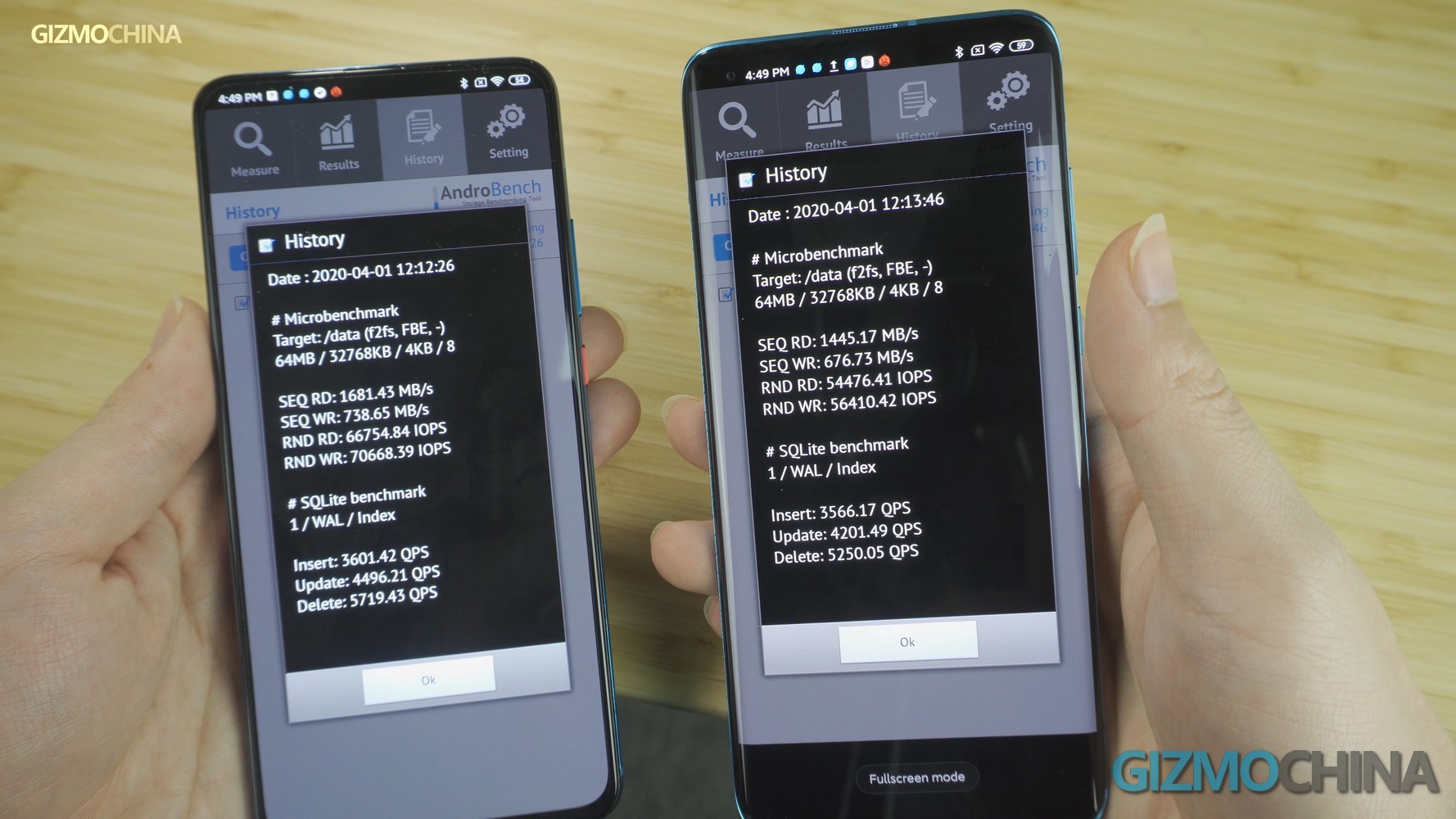
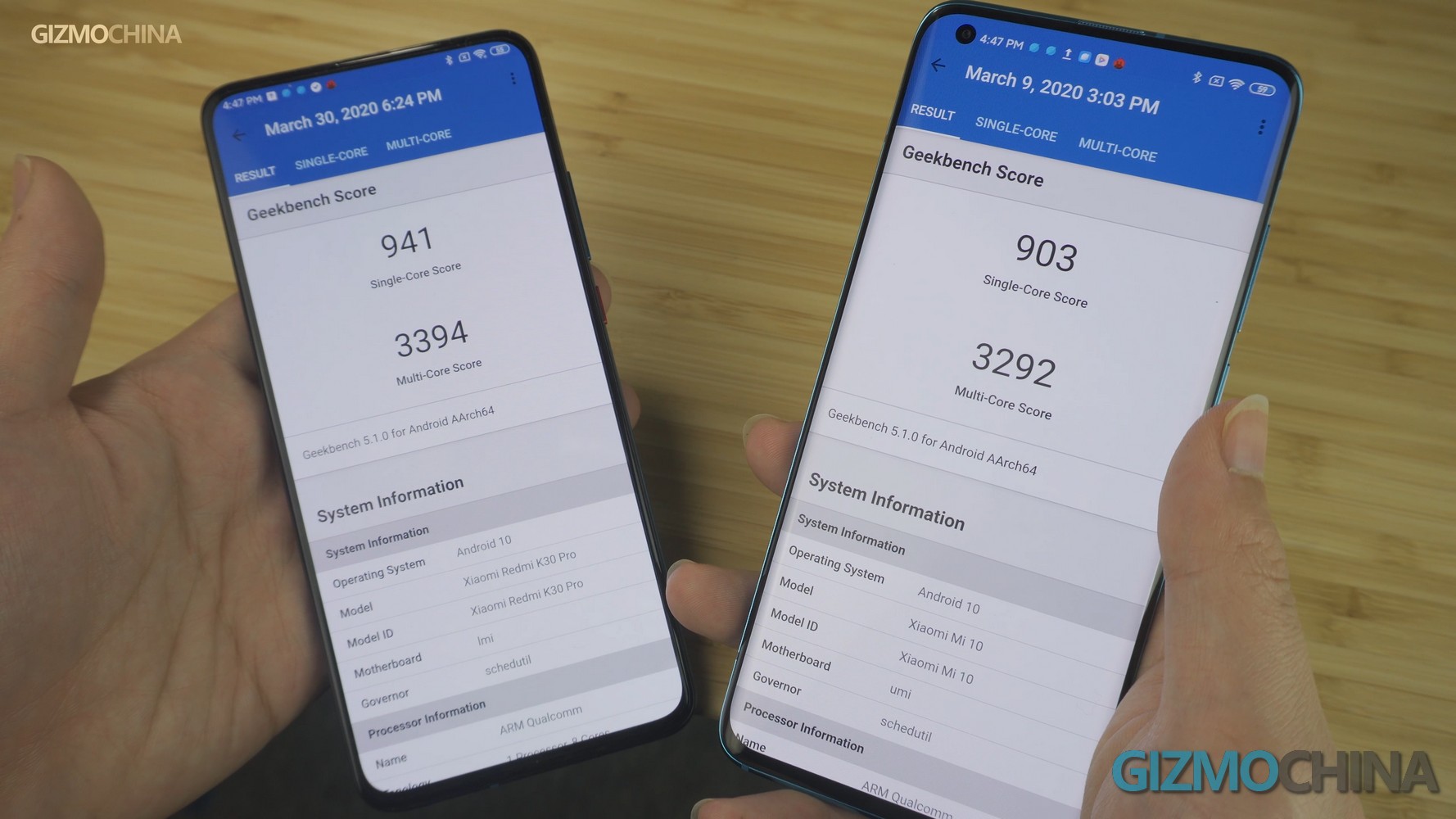
In Geekbench 5 test, the K30 Pro performed a bit better than the Mi 10 in both single-core and multi-core tests. And then we moved to the Andro-bench, the Redmi K30 Pro was not just leading the race of sequence read and write speed affected by the storage capacity but also had better results of random read and write. And the Andro-bench storage test also proved that there was over 10% improvement of the sequence read and write speed with the UFS3.1 storage.
Gaming
But when we moved to gaming tests, the K30 Pro’s gaming performance was obviously limited by the 60Hz display. In PUBG Mobile, even though we applied the highest graphic settings, the K30 Pro stably maintained 60 fps through the whole test. And the Mi 10 amazingly reached at 83.6fps averagely under the same picture quality. And looking back at the PUBG Mobile on the K30 Pro, it’s a performance waste!
And then we did a stress test in Namian Legend. this time the results were able to reflect their actual CPU performance. Although Mi10’s frame rate peaked at 90 frames, it averaged at 47.5, while the average frame rate of K30 Pro is 49.5fps. And that also met the results shown in those benchmark apps.
Cameras
Redmi was known as a sub-brand pursuing cost-effectiveness. Cameras on Redmi generally were not able to challenge those outstanding camera phones. And unfortunately, Mi 10 series were just one of them. We shot photos on both of them and let’s see what we got.
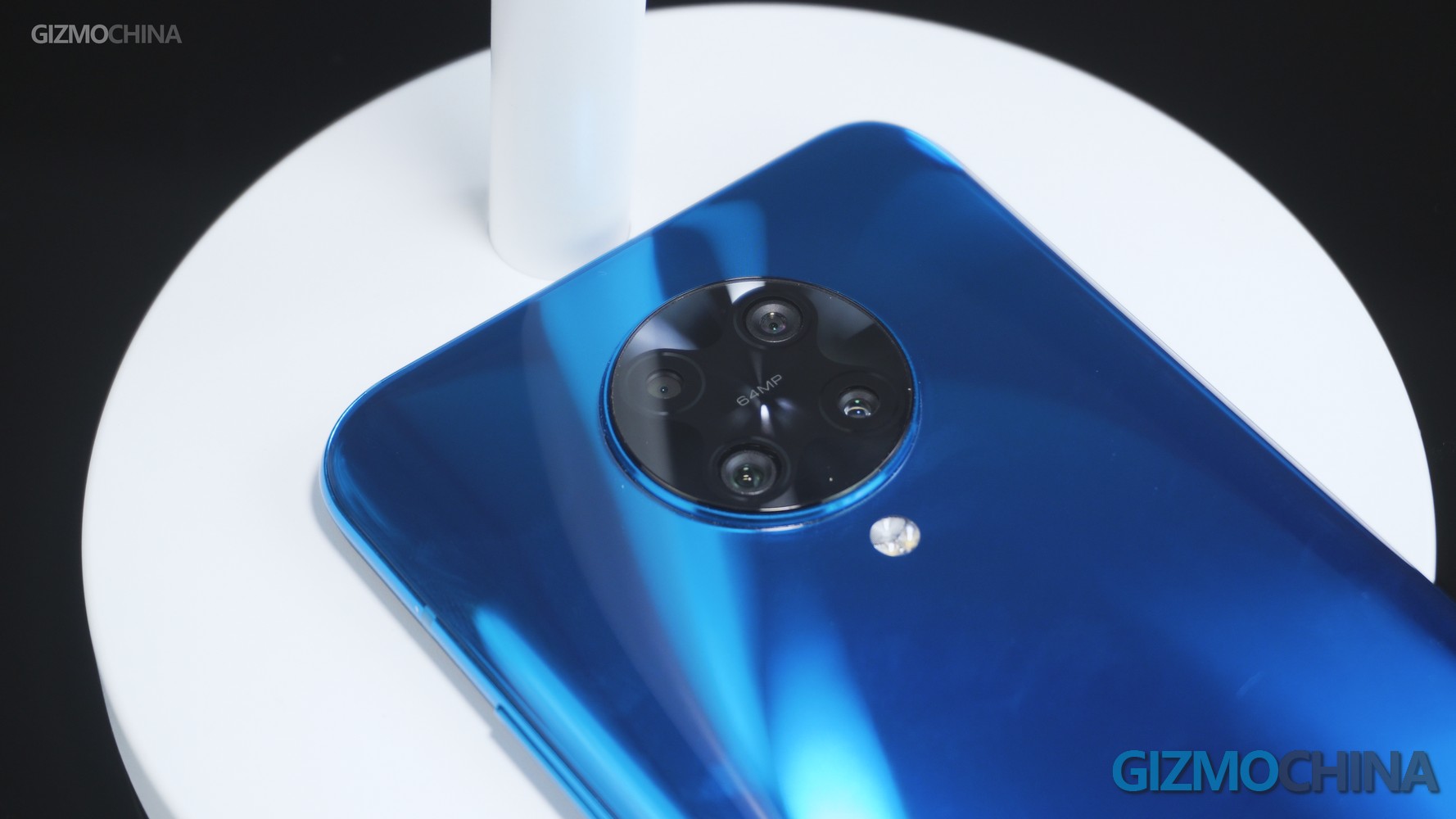
From the samples we found that Mi 10 was able to produce vivid colors with a bit higher saturation, but we also admire the K30 Pro’s 64MP primary camera due to its ability to portray the true colors. And if we were thinking to have more editing possibilities, the 108MP cameras of the Mi 10 would reserve more detail and better color tolerance.
When things come down to the high-resolution mode, obviously we see the gap between these two phones. 64MP resolution is definitely one of the most popular high-resolution solutions, but if there could be a better option like this 108MP sensor, all we have to concern is just the software tuning. But to be honest, the improvement from 64 to 108MP probably is hard to notice for most users in daily use. Because it’s not easy to perceive the difference in the details when the resolutions get so high.
And we tried several wide-angle photos but found that they may feature the same wide-angle lens and sensors. The samples looked very close with good resolution and good anti-distortion.
They both feature a macro camera. But from their samples, we thought they were still at a ‘have fun’ level. Xiaomi has developed its own powerful night mode just like its rivals have developed a few software solutions on improving and balancing the brightness. These two models both could shoot night photos under extremely low light conditions. The night mode samples significantly reduced noise in the darkness. The Mi 10’s advantage of high resolution still worked in night mode, which was impressive during our whole camera review.
Charge
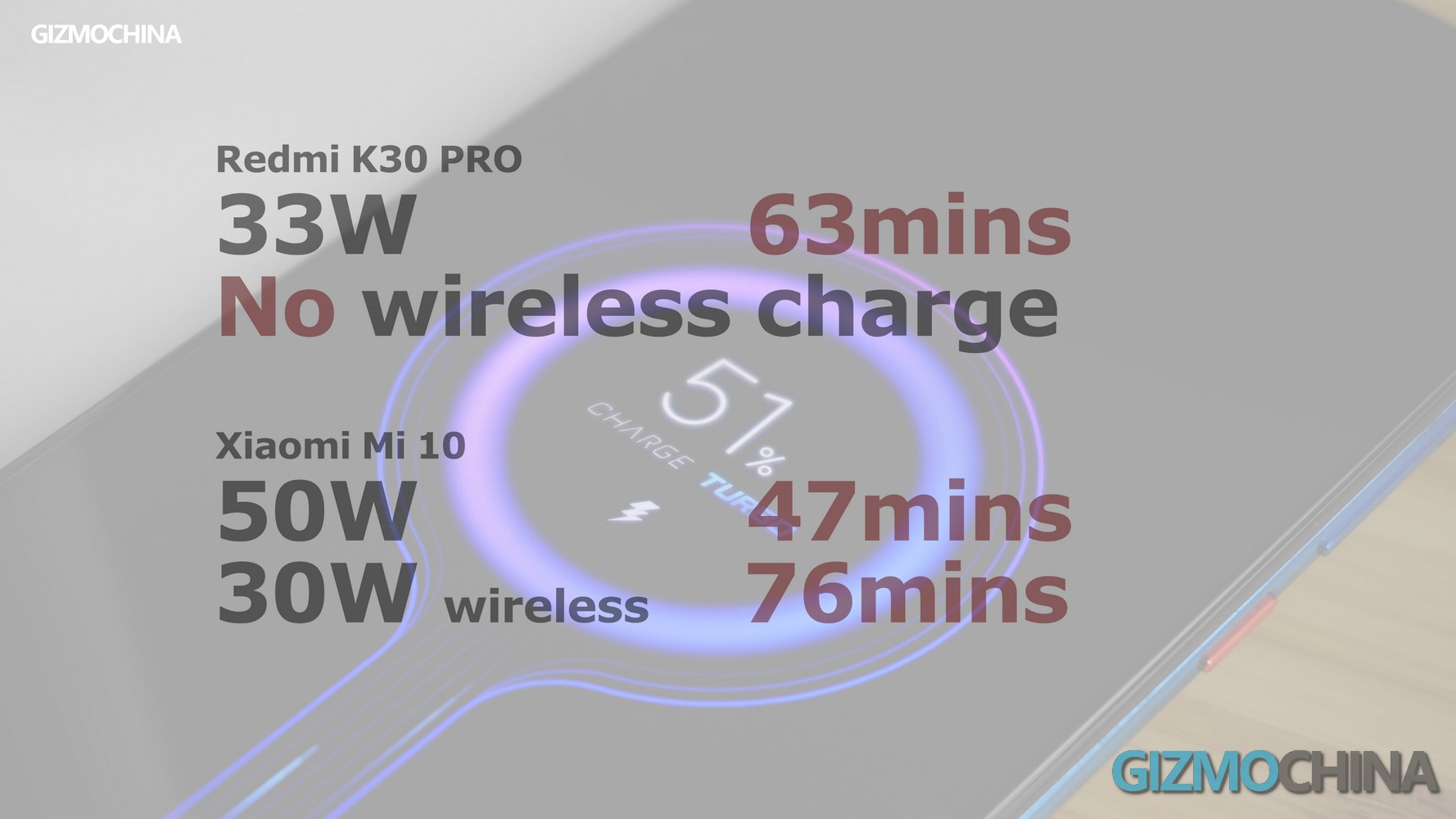
Another feature worth talking about is the charging efficiency. An included 33W charger gave the K30 Pro a full-charge just in around 63 minutes, while the 50W charger did it in just 47 minutes. Both of them were impressive. Especially for the Mi 10, it features the 30W wireless charging, which is even faster than on some flagship models’ wired charging. However, there’s no wireless charging on the K30 pro.
Conclusion
From a market perspective, the Redmi K series has inherited the former role of the Mi series, which were popular as cost-effective flagship killers. But as we’ve observed, it is getting more difficult than ever to play the role of an all-round candidate and save cost at the same time. The Redmi K30 Pro, to some extent, has matched its market positioning, and it’s still one of the high-end models to get your money’s worth. For most users the K30 Pro is a better buy starting at 2999 yuan ($426) despite its 60Hz display. It has a capable camera setup with a good design and powerful hardware to satisfy the requirements of most upper mid-range users.
The near $100 difference between the Redmi K30 Pro (8GB) and Mi 10 could be significant enough for most buyers to lean towards the former.
What are your thoughts?



Comments