
Add GIZMOCHINA as Preferred Source on Google
At an interactive platform recently, the Shanghai-based Semiconductor Manufacturing International Corp (SMIC) hinted that it has started small-scale trial production of its second-generation N+1 FinFET process. This was disclosed in response to an investor’s question about the progress the company has made in the R&D and production of 7-nanometer products.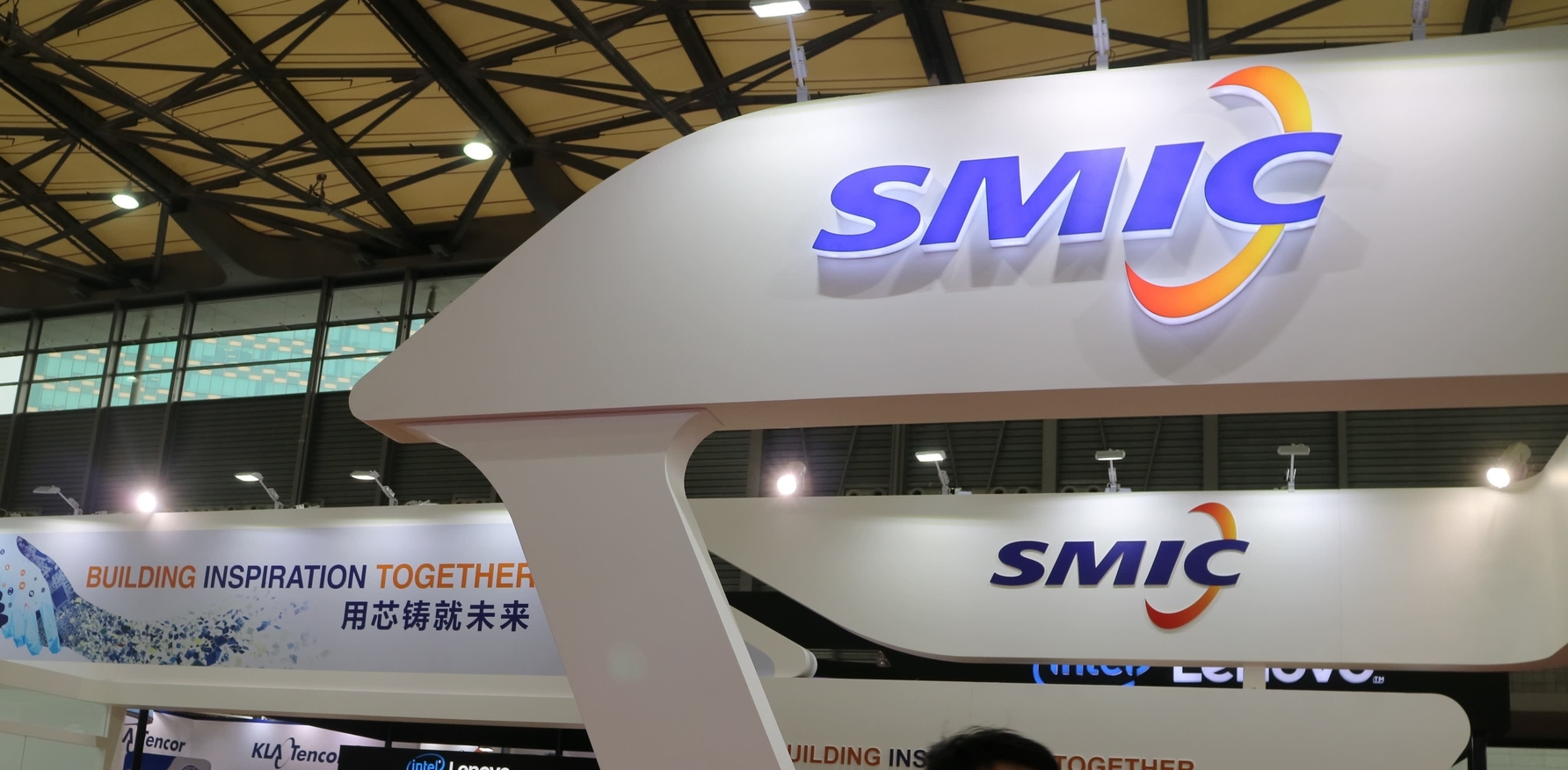
SMIC first announced that it has achieved mass production of the most advanced 14nm process in China in 2019. The process is the company’s first-generation FinFET process and it started mass production in the fourth quarter of 2019. The company deployed the process to manufacture the Hisilicon Kirin 710A chipset which was utilized first on the Honor Play 4T and then a couple of other Huawei products.
In September this year, when asked by investors to verify internal news about the mass production of its next-generation chips, SMIC responded that its second-generation FinFET N+1 process has indeed entered the customer introduction stage. The company equally hinted that it is expected to start small-scale production (trial production) by the end of 2020.
Later in October, China’s one-stop IP and custom chip company INNOSILICON announced that it has completed the world’s first chip tape-out and testing based on SMIC’s FinFET N+1 advanced process. All IPs are made in-house, with one-time functions.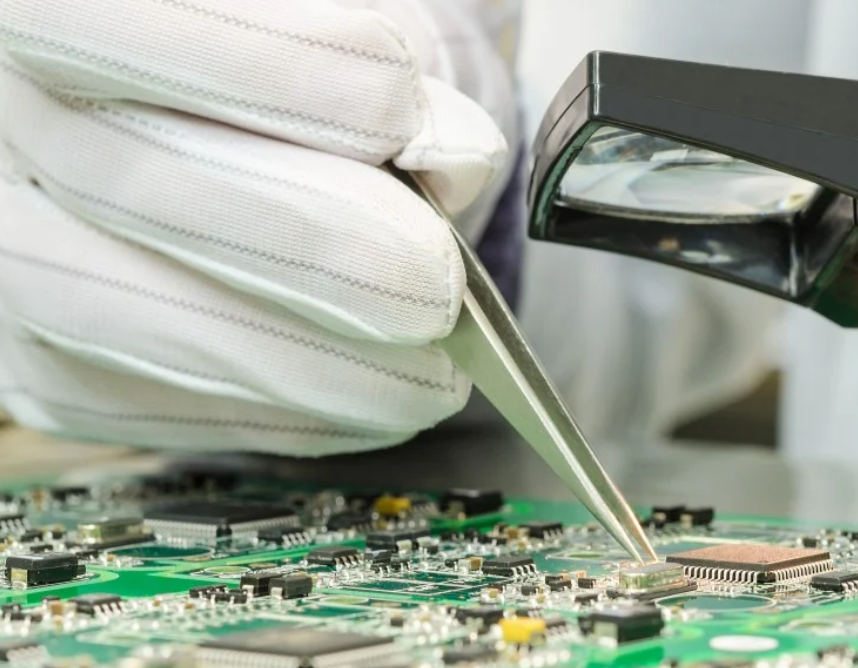
Regarding the N+1 process, SMIC CEO Liang Mengsong revealed earlier this year that the process is very similar to the 7nm process in terms of power and stability, and does not require EUV lithography. The new N+1 process nodes are being called 8nm or an early stage 7nm process. The process is geared towards low-power applications. Compared to the 14nm process, SMIC’s N+1 process has a 20% increase in performance and a 57% reduction in power consumption, while the 7nm market benchmark performance increase should be 35%.
Although this arrives as positive news, SMIC is still years behind TSMC which has moved on to the 5nm process and is presently working on its next-gen 3nm node.
UP NEXT: Oppo X 2021 unveiled as the world’s first smartphone concept with an extending display


Comments