
Add GIZMOCHINA as Preferred Source on Google
If you watched the big Xiaomi launch a couple of weeks ago, you’ll know that the company is calling the Mi 11 Ultra the “Light of Android”. That’s a pretty big title. So far no one has dared to exalt themselves like that, including Samsung.
So how good is the Mi 11 Ultra that Xiaomi has called it the “Light of Android”?
Let’s take a look at the Mi 11 Ultra and see if it can live up to its title as the most powerful Android phone.
Xiaomi Mi 11 Ultra Review: Design
To be the most powerful Android phone, looks and design are important. So does the Mi 11 Ultra have a good-looking design?
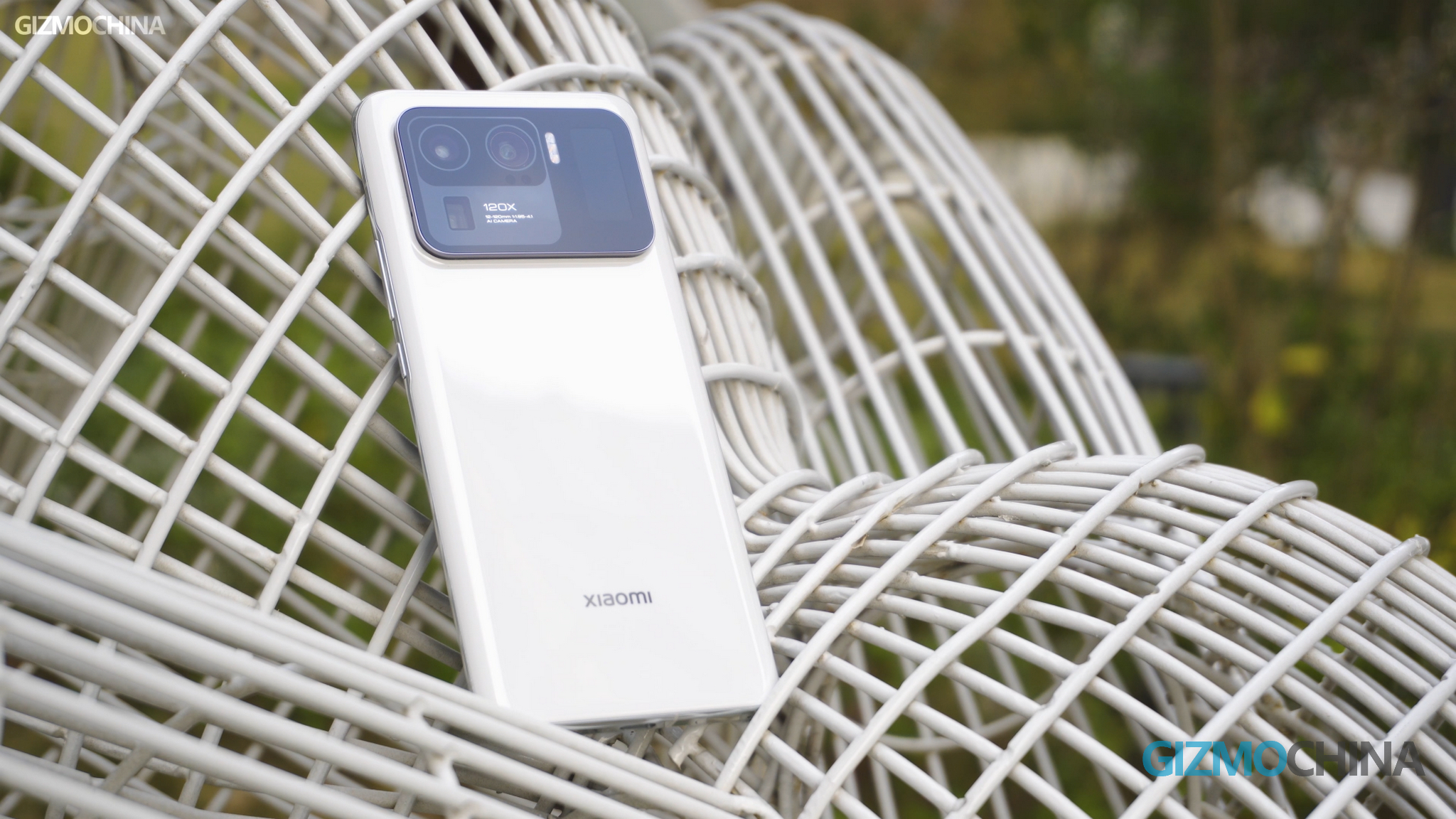
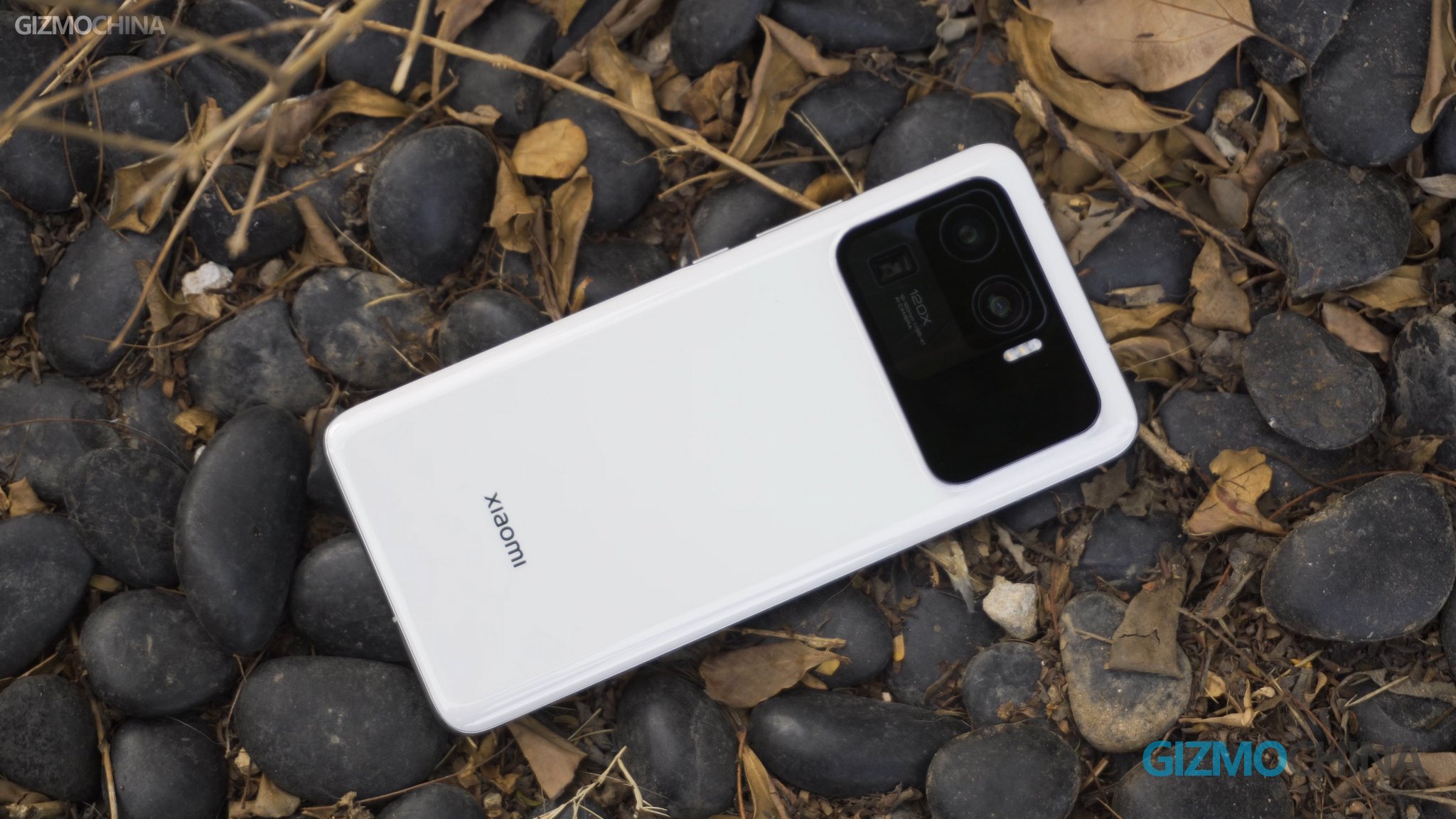 From my perspective, yes, it looks good. Its camera module is unlike anyone else’s. The large module takes up almost a third of the entire phone. On the left half of the module are the super-sized three lenses, and on the right is a small display. Although the module sticks out very much, the phone doesn’t wobble because it’s big and centered.
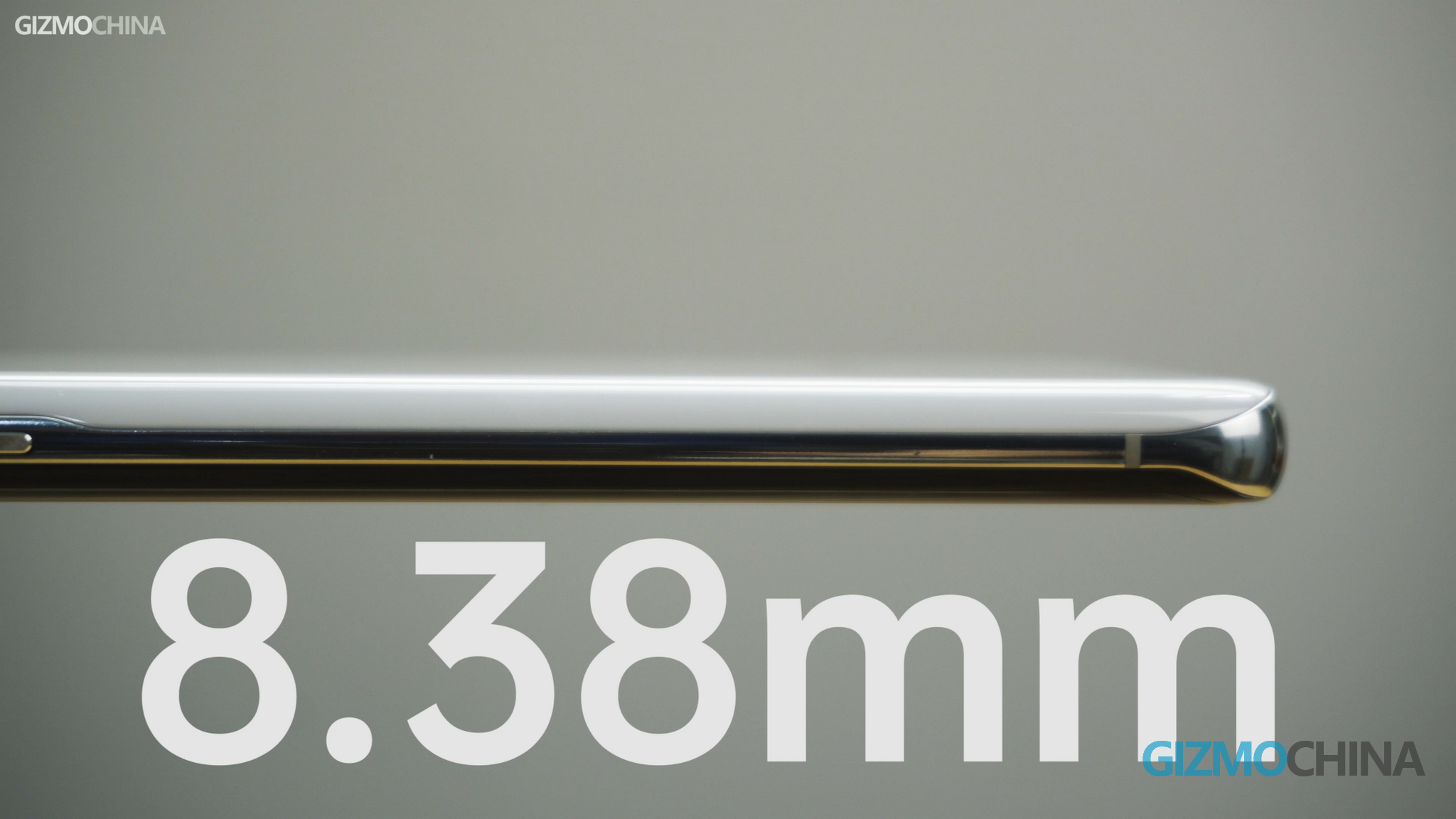
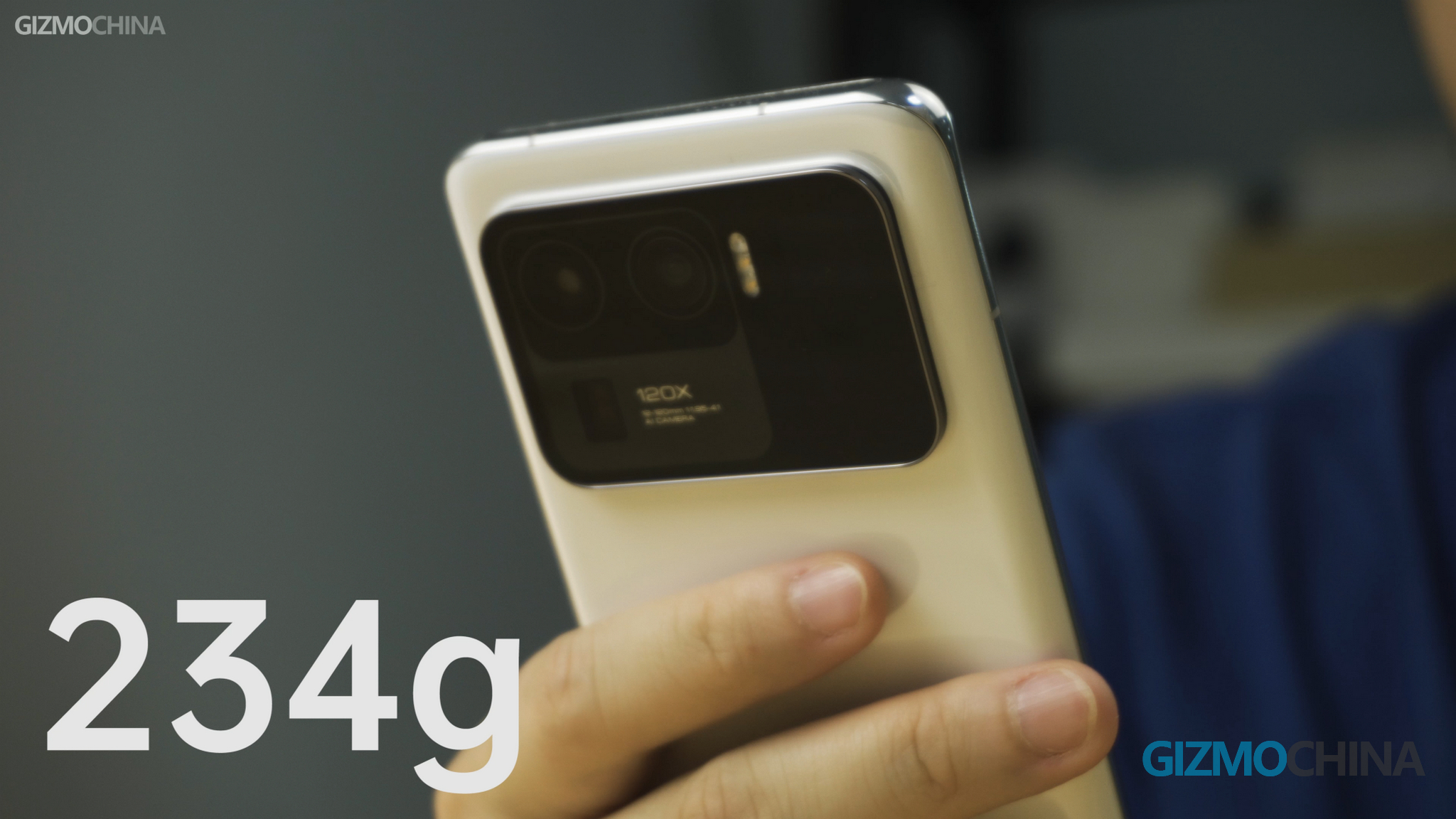 The top-heaviness is definitely there, but it’s actually not as big of an issue as one might expect. Because the backplate is ceramic, it is only available in black, white, and textured marble white. All three colors are very subdued and elegant. But you also have to bear the weight of 234g as a result. Although it is heavy, it is not thick. 8.38mm thick is even thinner than the vegan leather version Mi 11. So it doesn’t look bulky. The glass trim strip on the top, the chamfered camera module, and the placement of the bottom speaker to the right also show that Xiaomi is starting to pay attention to the details of the design.
 If there are two words to describe its appearance, they are “refined” and “dominant”. A premium phone with an unforgettable and distinctive look is a design success. I think the Mi 11 Ultra does that.
Xiaomi Mi 11 Ultra Review: Display
The screen is the first gate to human-machine interaction. Is the screen of the Mi 11 Ultra good enough?
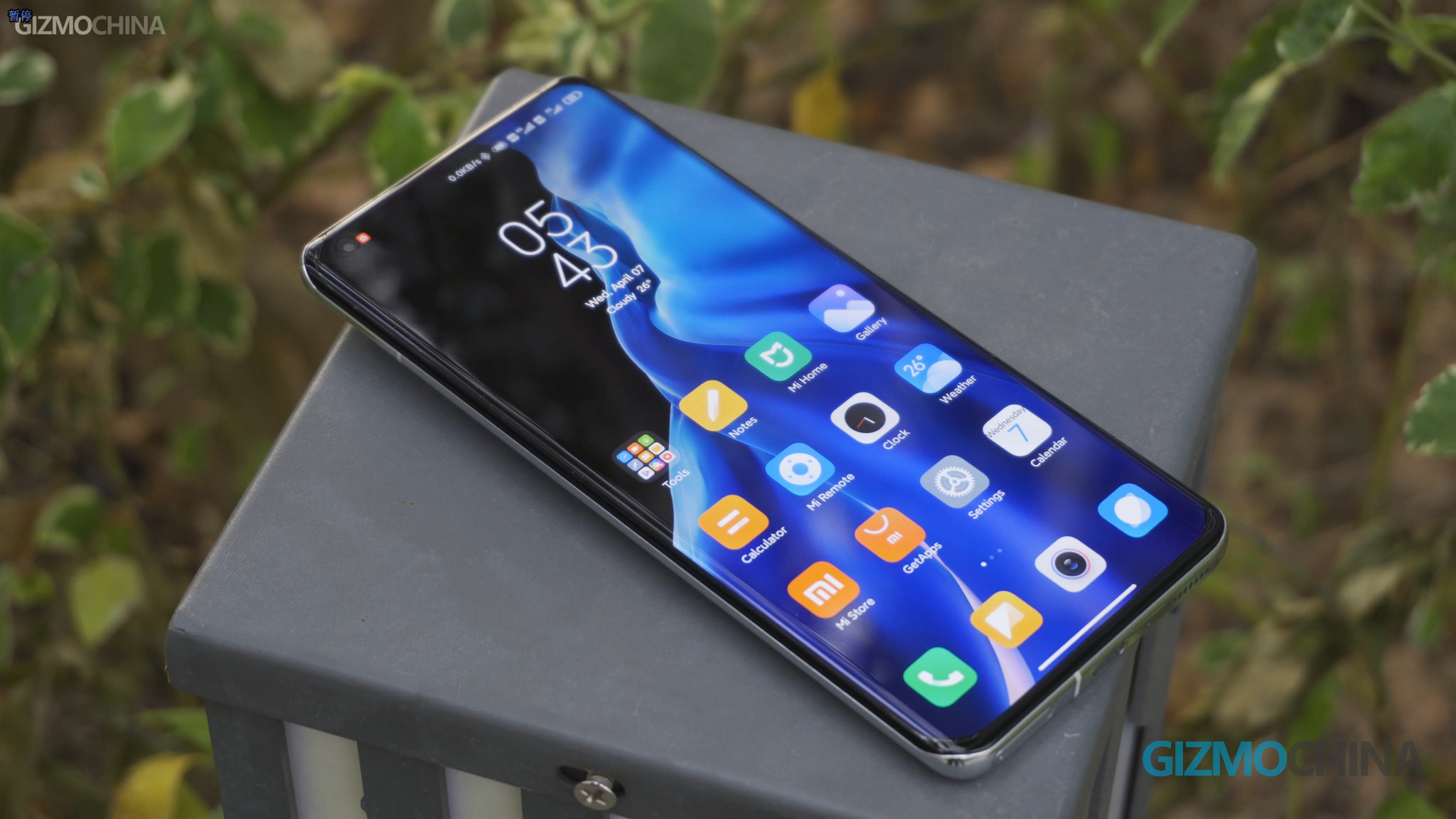
The screen on the Mi 11 Ultra is actually the same as the Mi 11’s. There is a 2k and 120hz refresh rate, as well as Corning’s latest Victus glass. The quad-curved screen also enhances the experience of full-screen gesture. You can pause for a closer look at the other parameters. There are some subtle differences that come from the software. For example, the peak brightness has been increased by 300nit and Dolby Vision is supported. 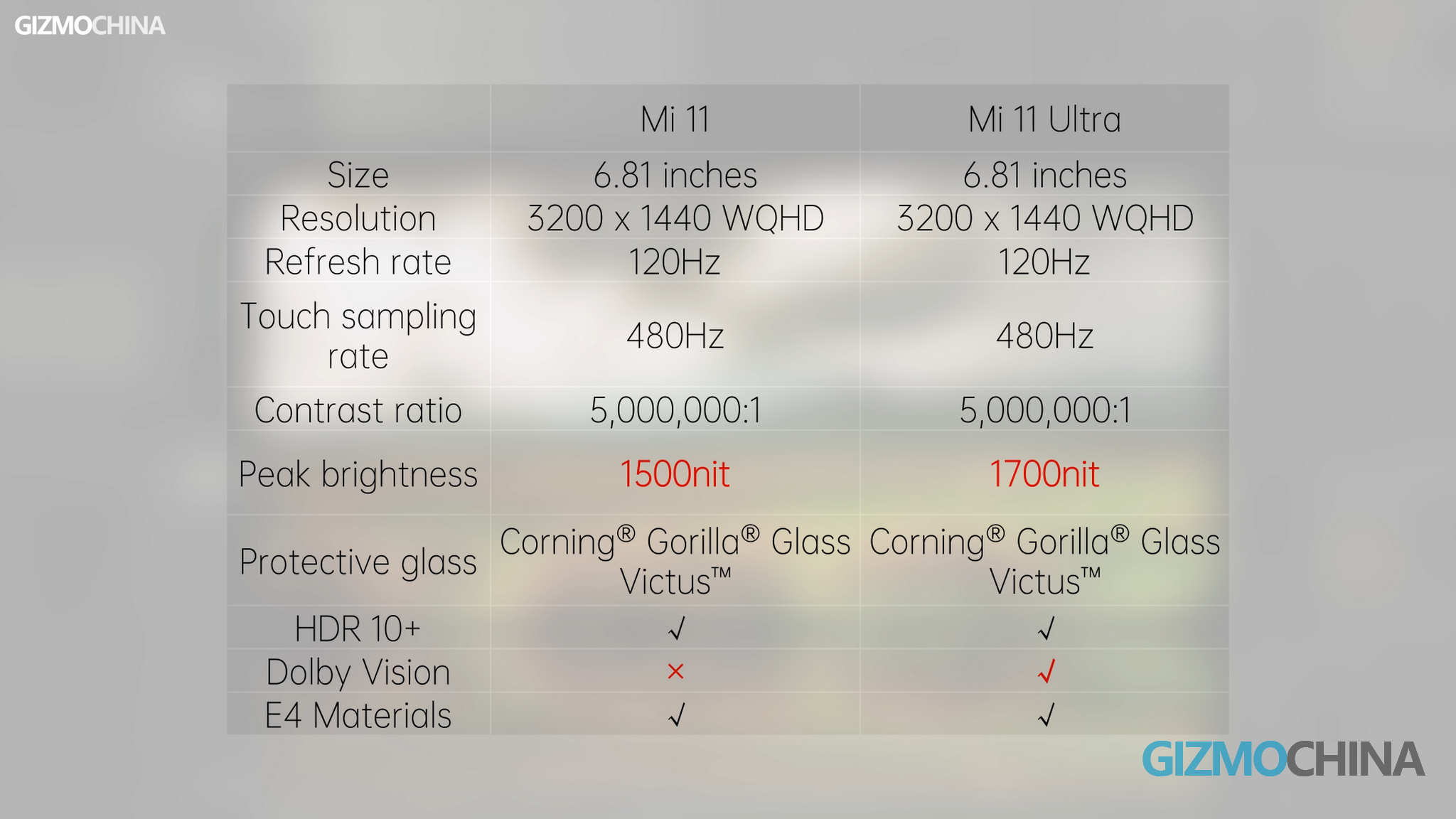 If there is a downside, it would be the lack of LTPO and Truetone display support. But other than that you won’t find any other drawbacks and it’s still one of the best screens of the year.
Xiaomi Mi 11 Ultra Review: Gaming & Performance
If you’re going to be at the top of the Android phone list, the performance has to be very powerful. So how is the performance of the Mi 11 Ultra?
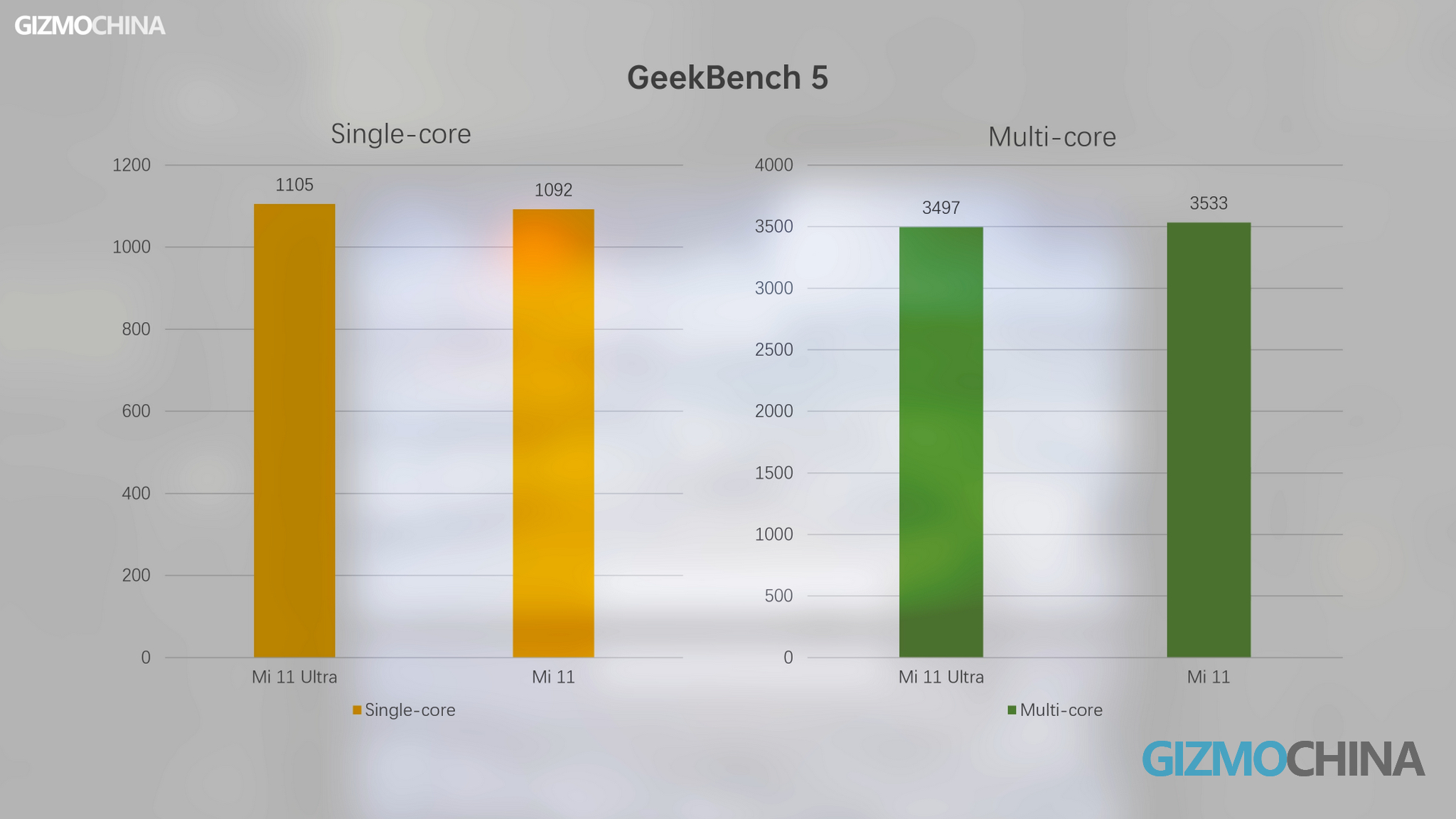
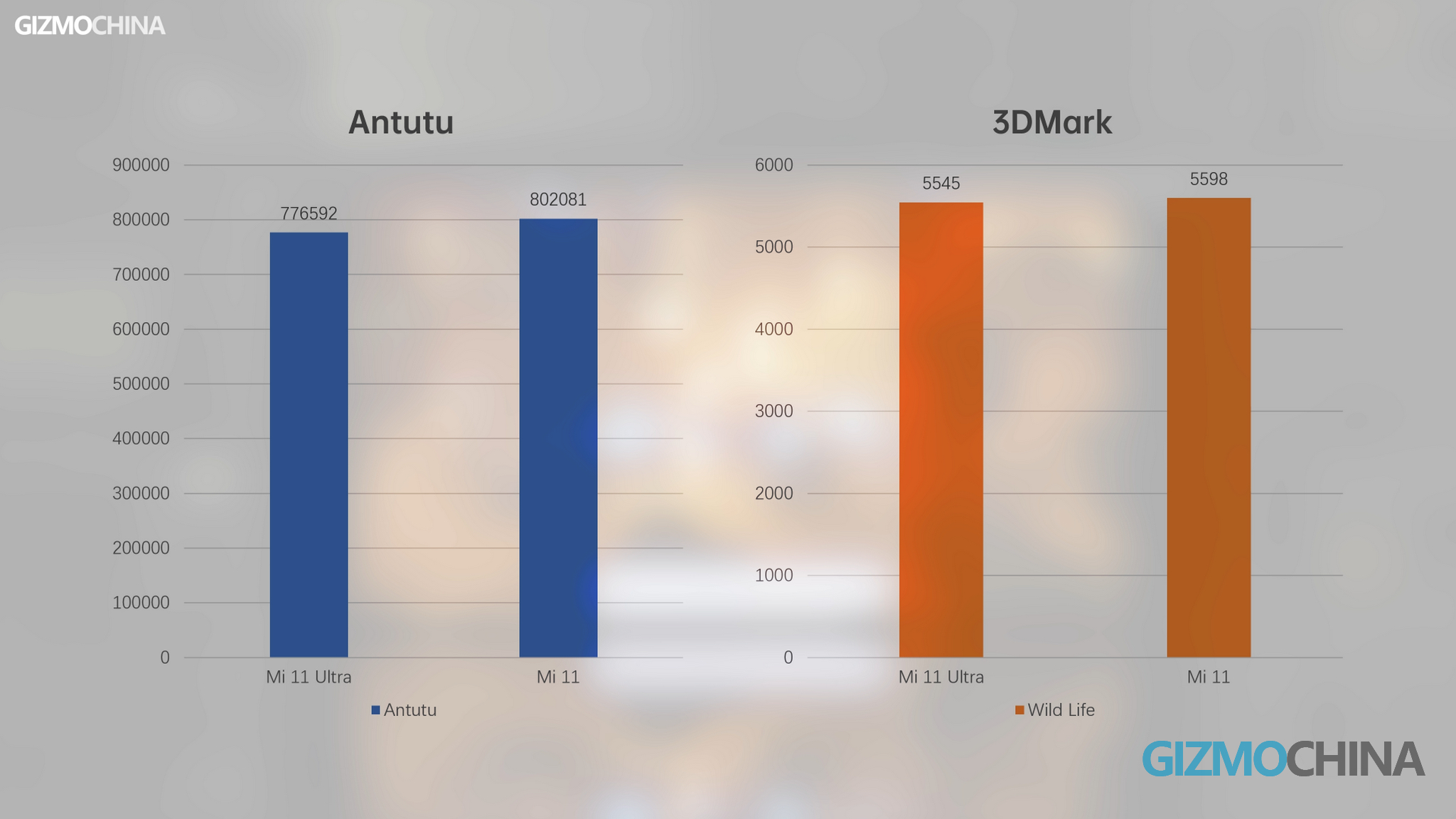
Honestly, not that great. On AnTuTu, it scores around 770,000, which is lower than the 800,000 points of its Mi 11 sibling. But 3DMARK’s 5545, Geekbench 5’s single-core score of 1105, and a multi-core score of 3497 brings it at par with other flagship phones. Xiaomi claims that the Mi 11 Ultra uses a new phase-change thermal conductivity material. The thermal conductivity has been improved by 100%. But the gaming experience is not improved from a practical point of view.
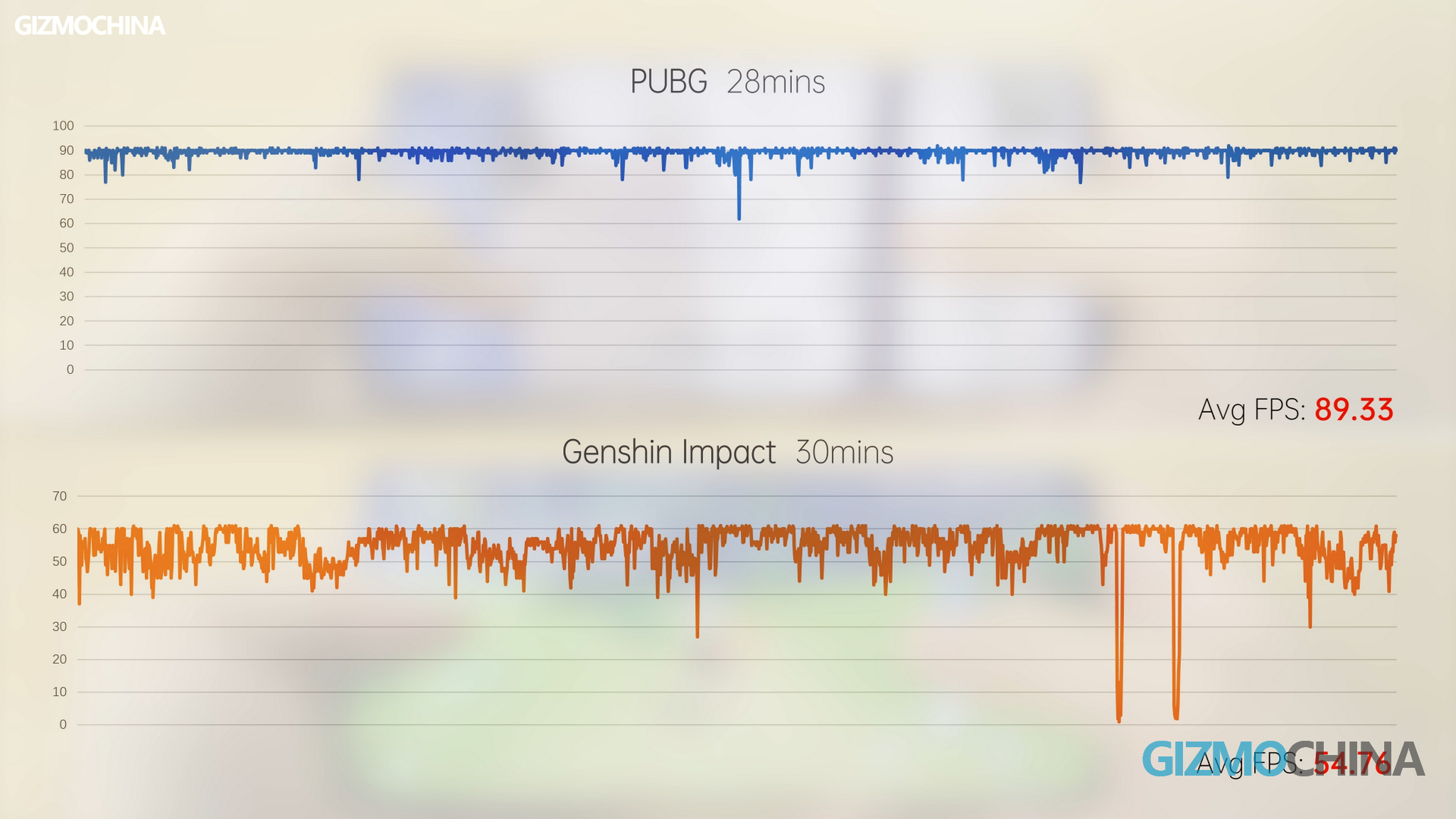
Games like PUBG are certainly not a problem for flagships, averaging at 89 fps. Genshin Impact also had an average of 54 fps because Xiaomi had targeted optimizations.
The temperature didn’t surpass 50°C either. But when it came to games that are heavy on performance and are not optimized for the device like Brightridge, the gaming experience is very bad. The average frame rate is not bad at all.

But even though Xiaomi says it has used new cooling materials, the temperature still breaks 50°C. Because the metal frame of the Mi 11 Ultra conducts heat better, the frame feels very hot when playing games. And it prompts an overheating warning after exiting the game. This results in your phone limiting the screen refresh rate, camera, etc. So we would recommend getting a cooling back clip if you want to play these kinds of games.
Xiaomi Mi 11 Ultra Review: Camera Performance
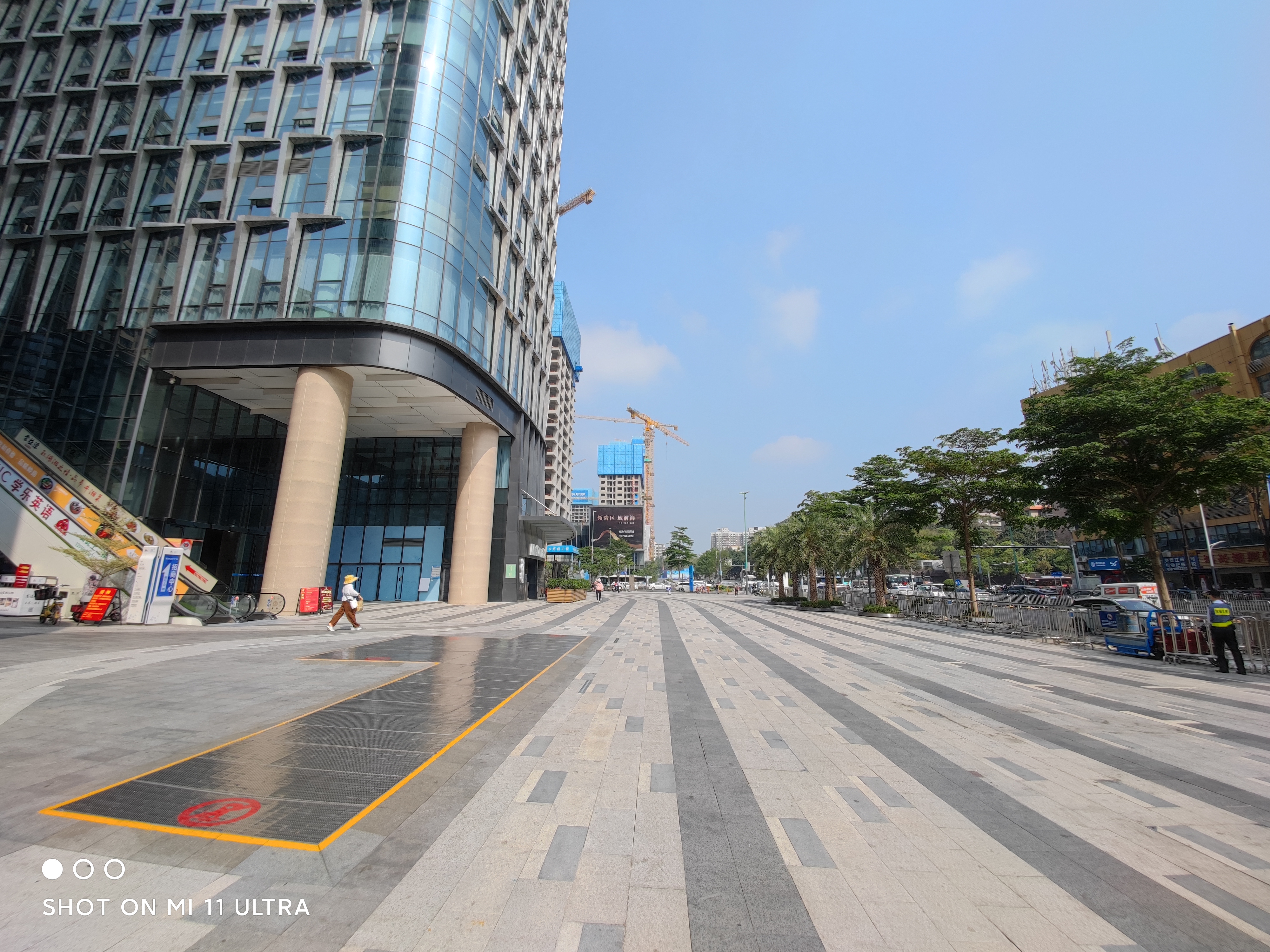
Here comes the most important question, with such a large camera module, the Mi 11 Ultra must be good at taking photos right? The main camera of the Mi 11 Ultra is a GN2 sensor from Samsung, with a humongous sensor size of 1/1.12″ inches.
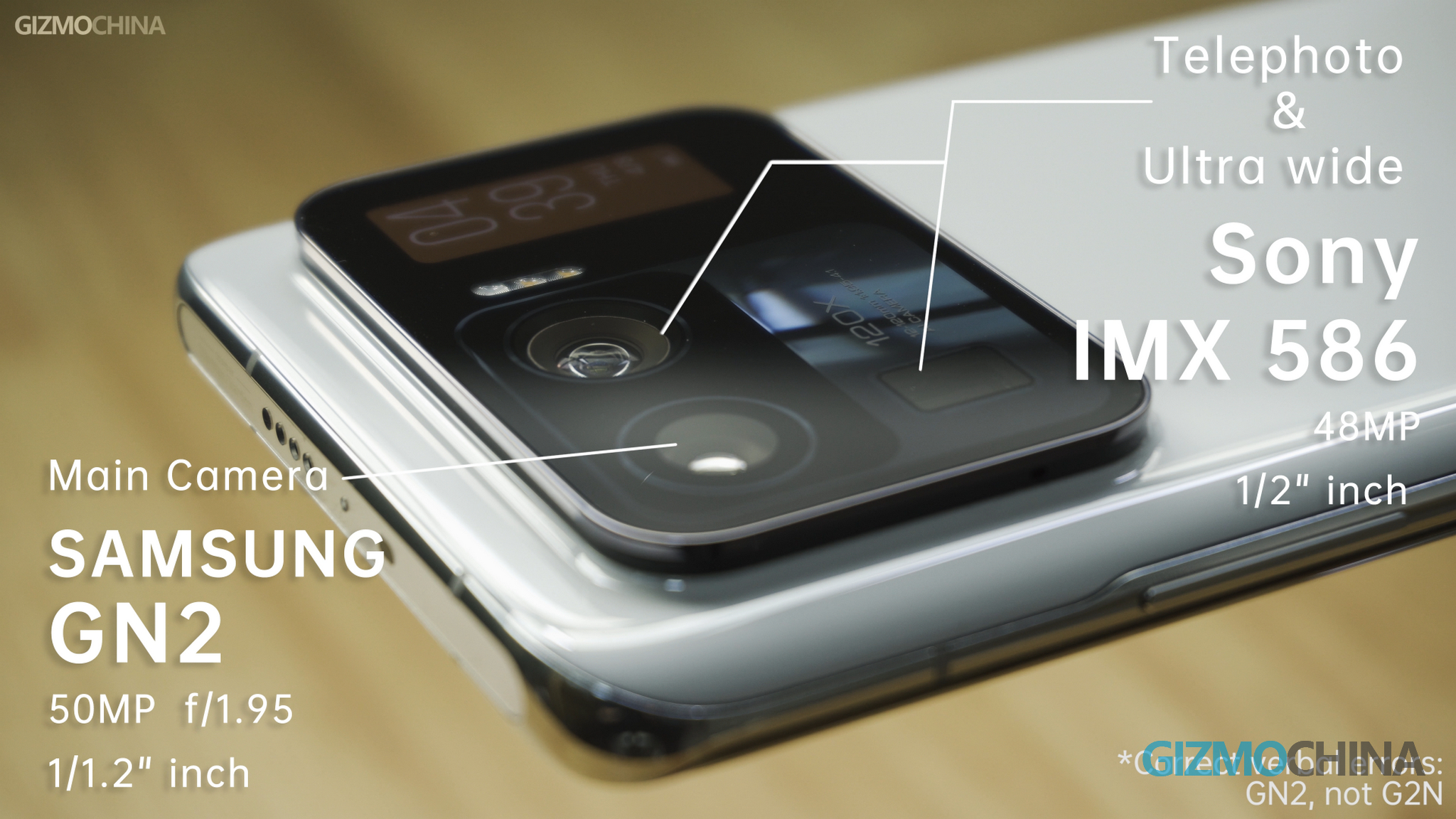 It’s the largest CMOS size of any recently released phone. Both the ultra-wide lens and telephoto lens are Sony’s IMX586, a sensor that was used as the main camera in most phones the year before, but now the Mi 11 Ultra is using this popular sensor for its ultra-wide lens and periscopic telephoto lens, which is a very extravagant act.
Main Camera
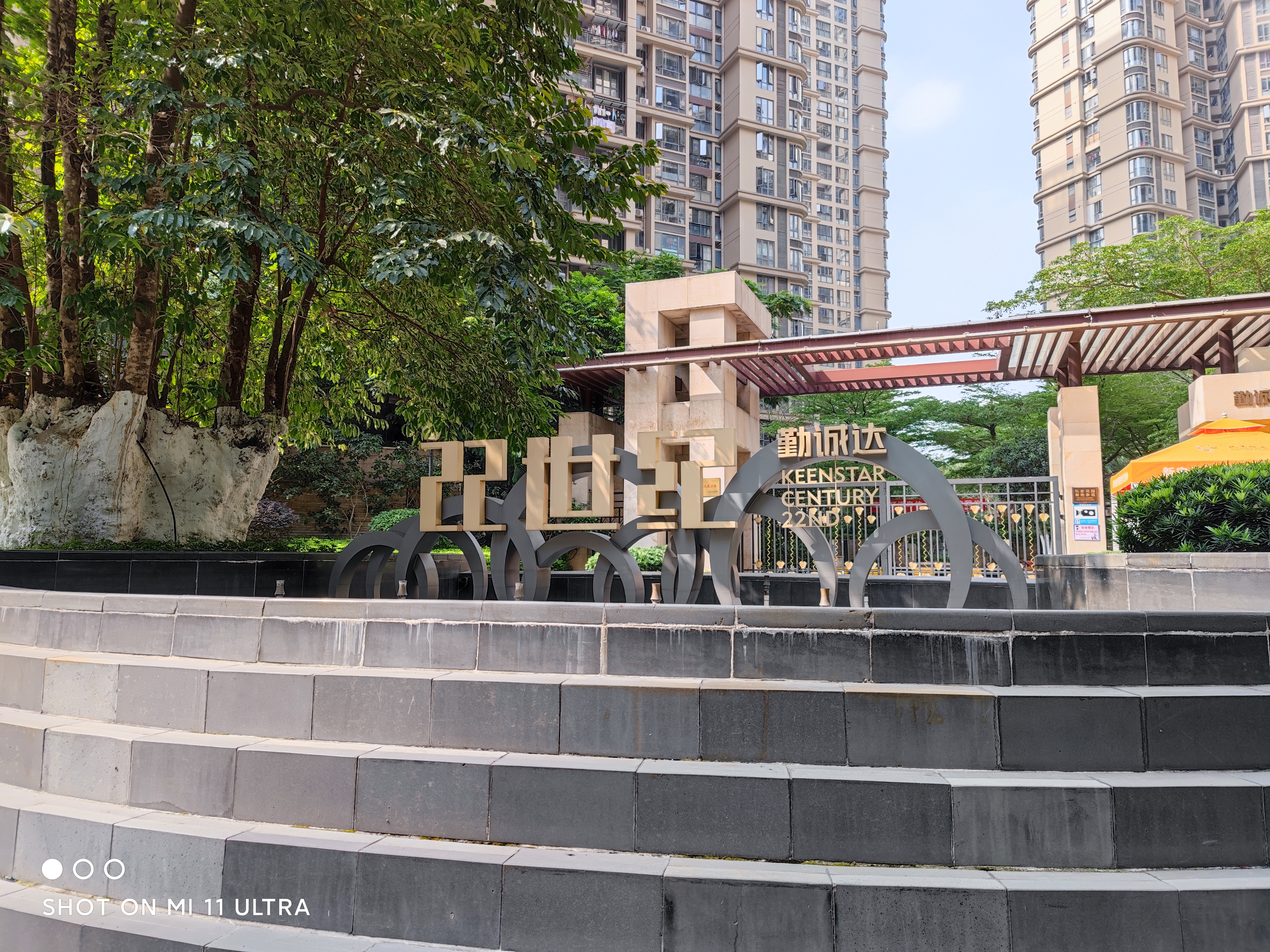
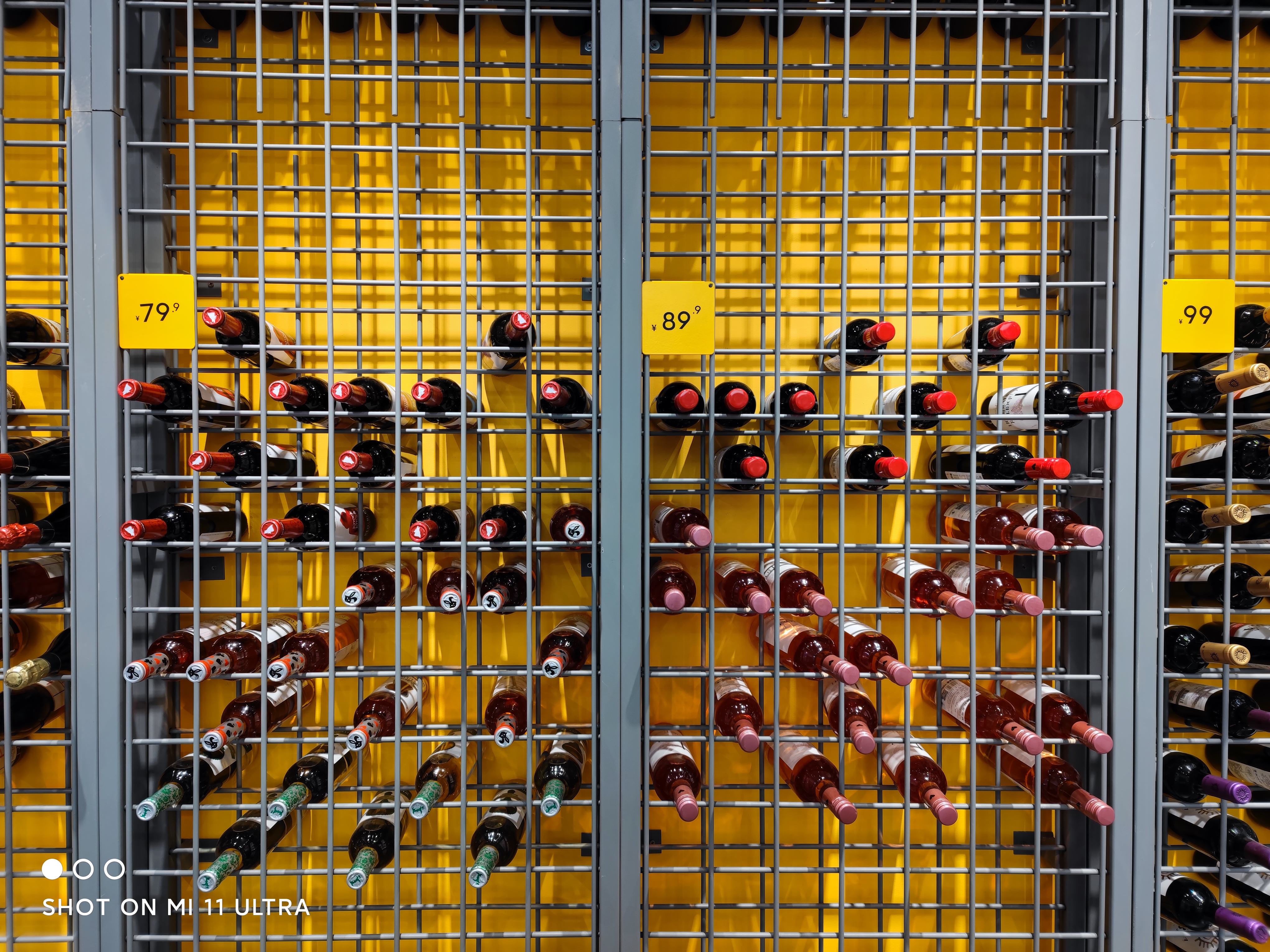
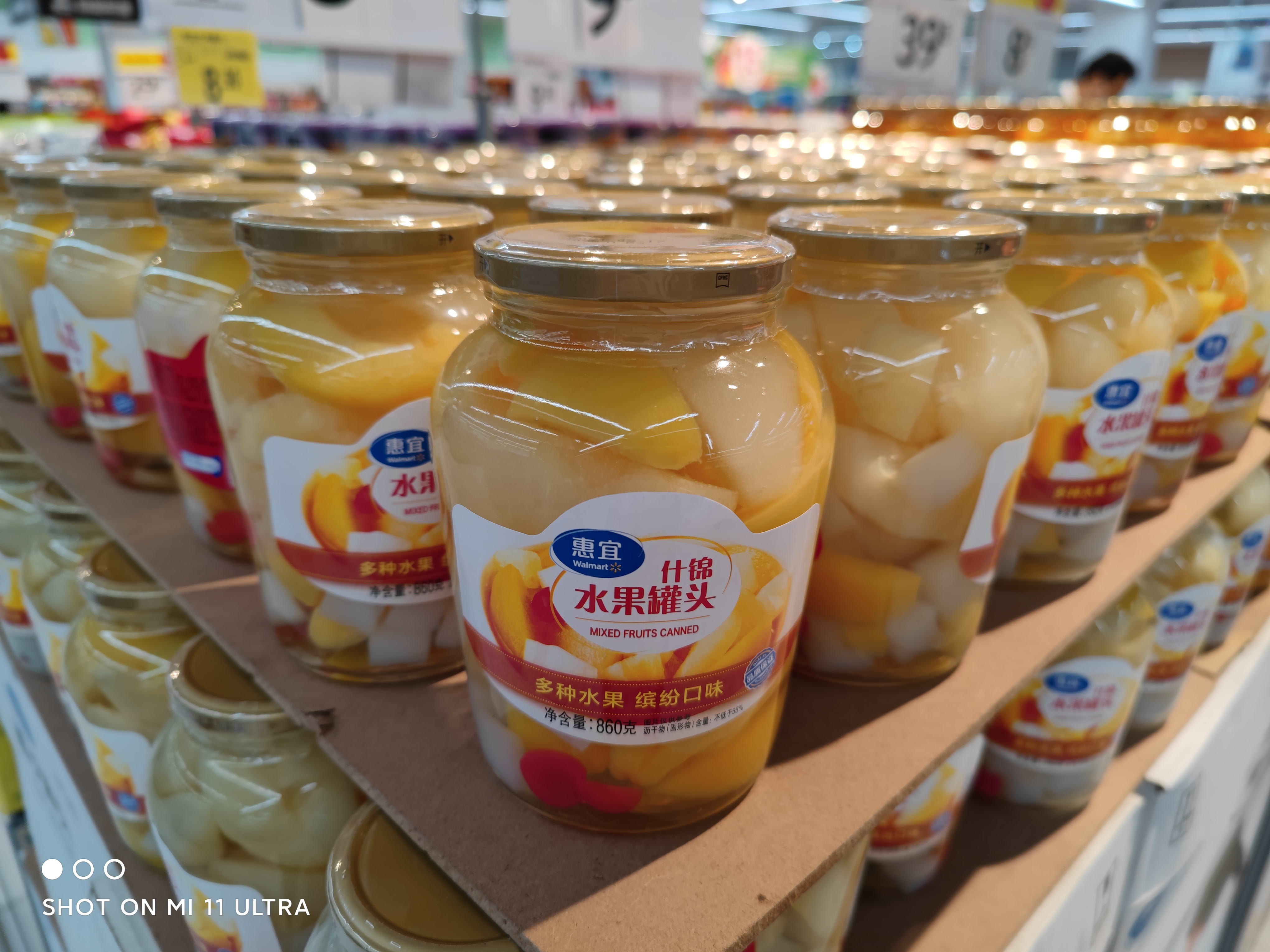
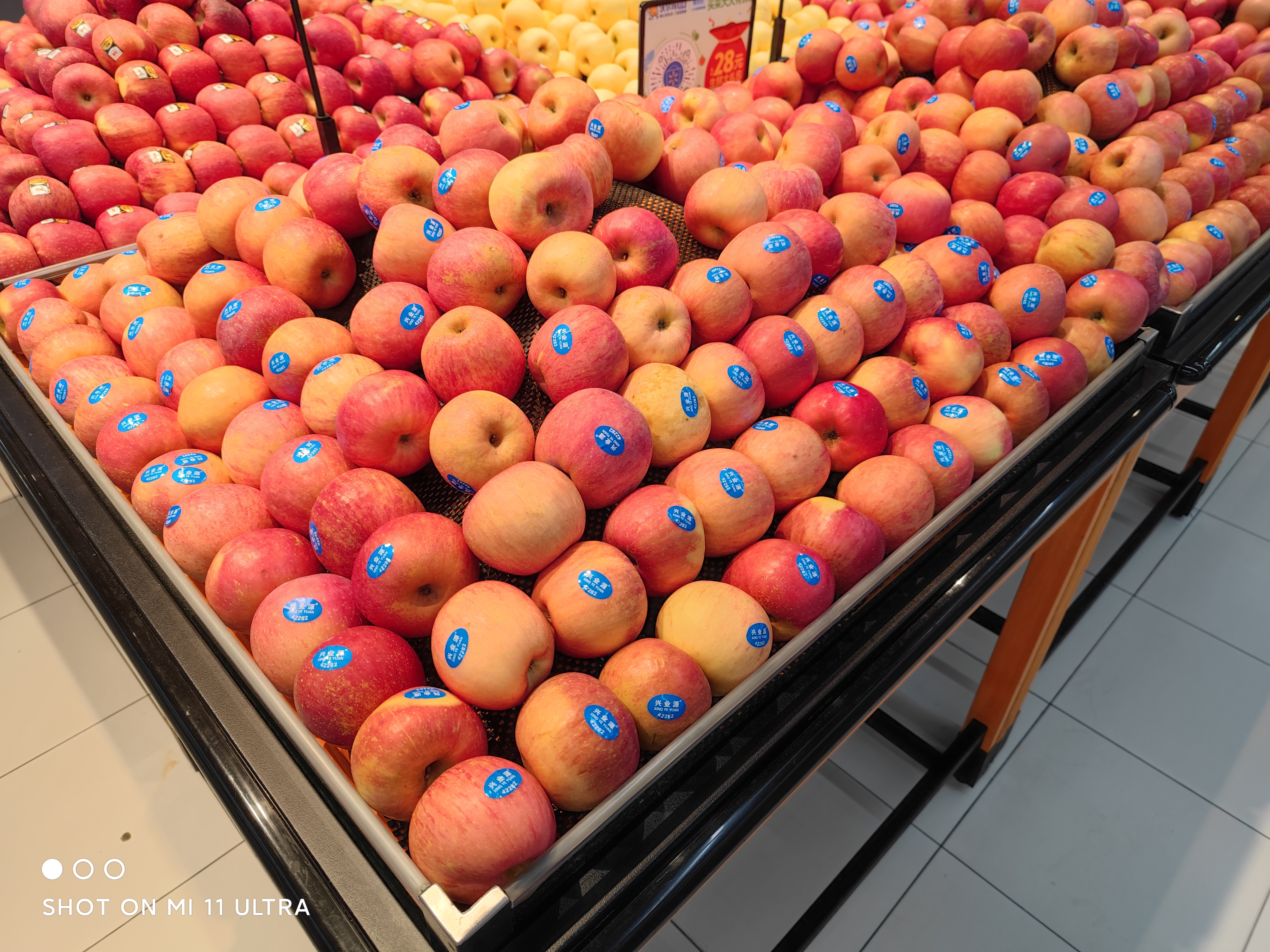
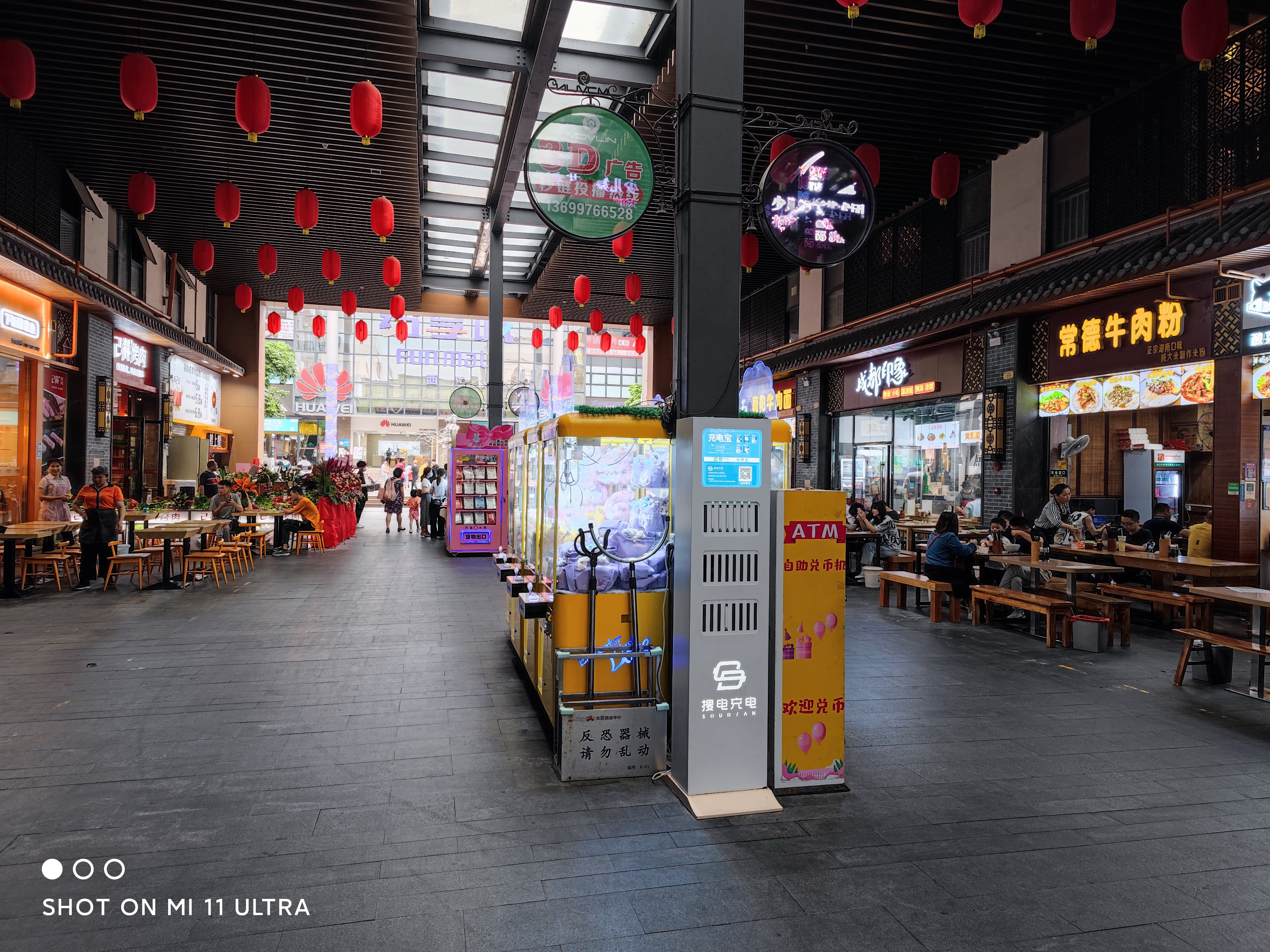
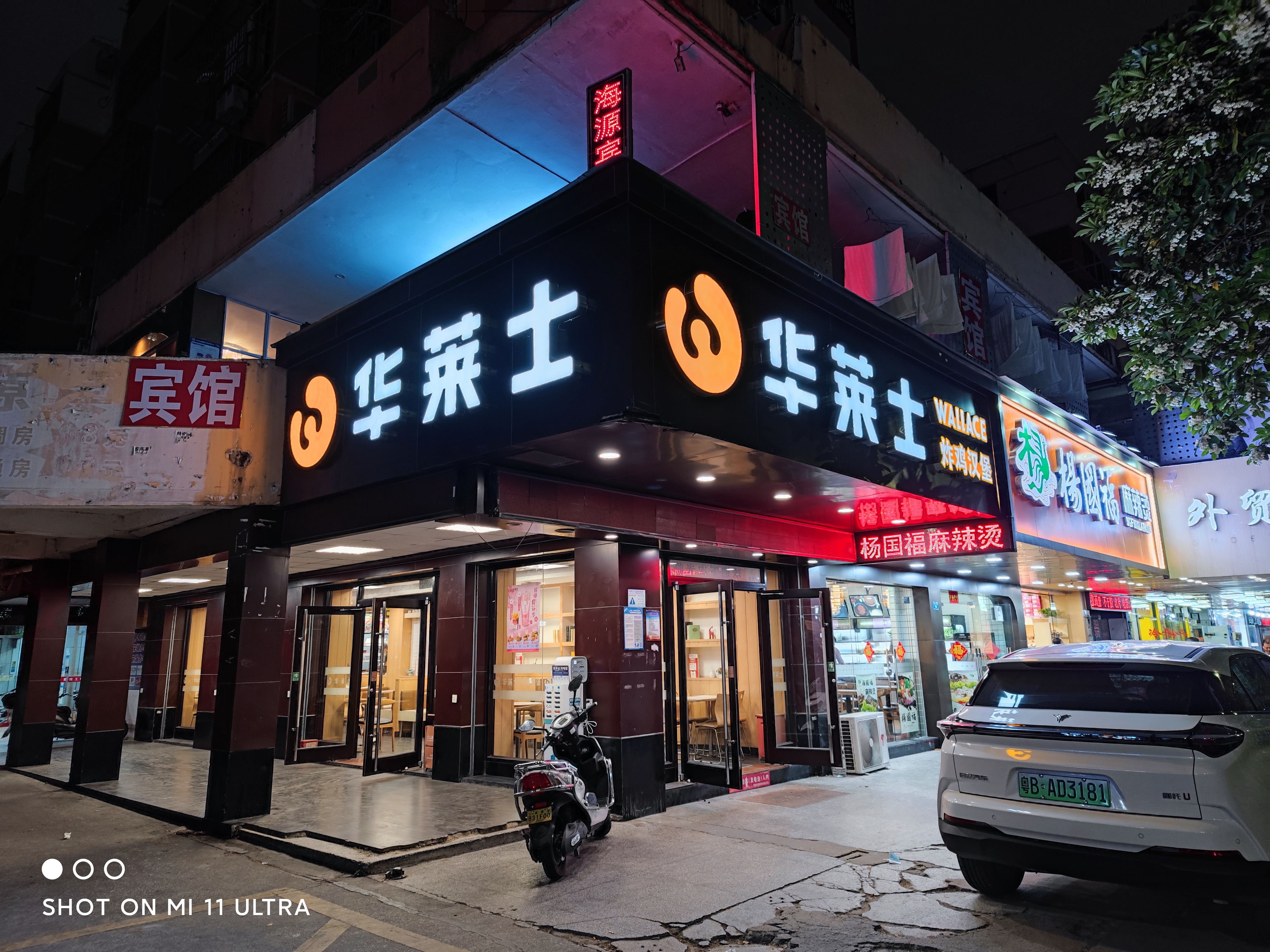
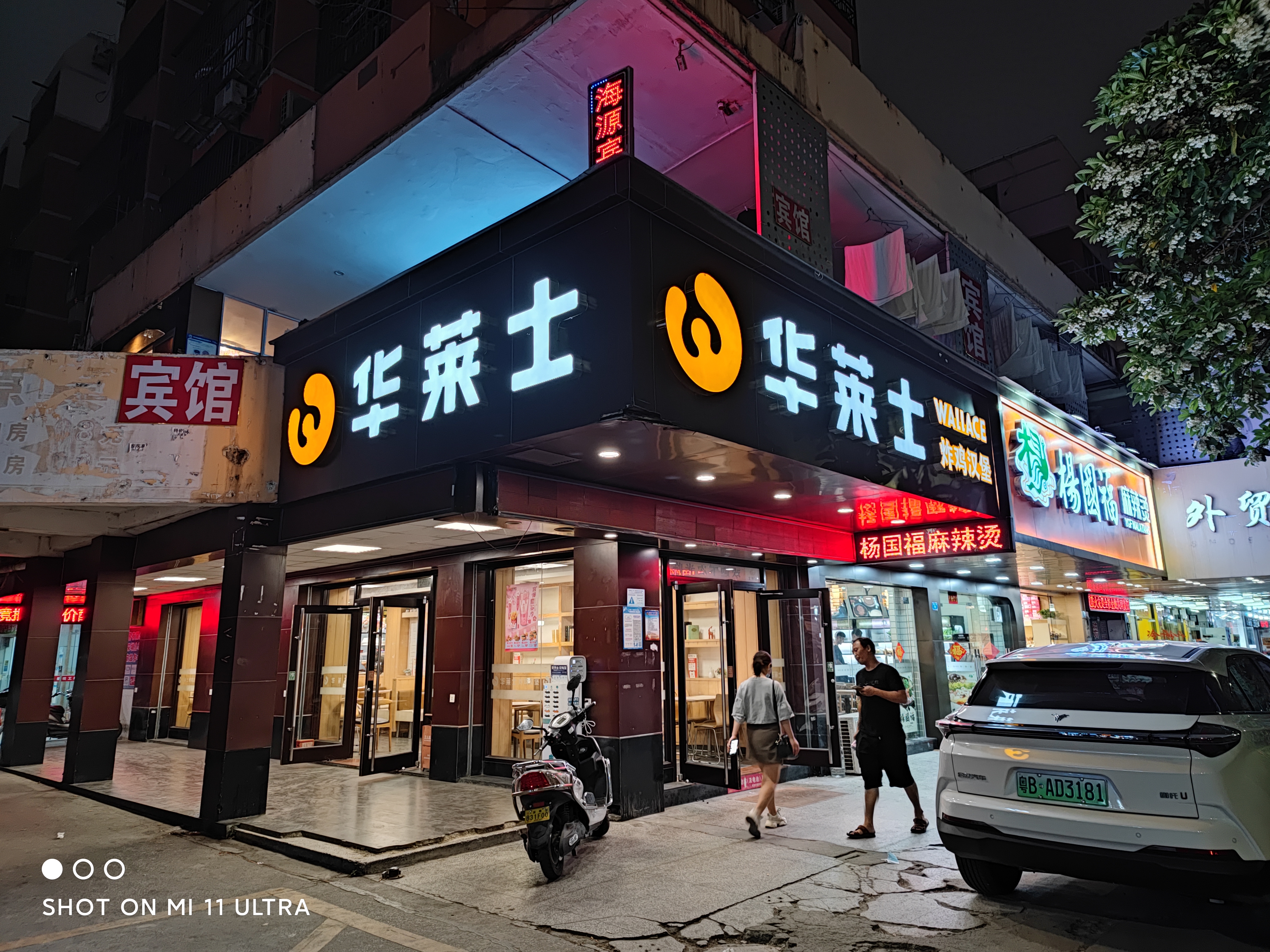
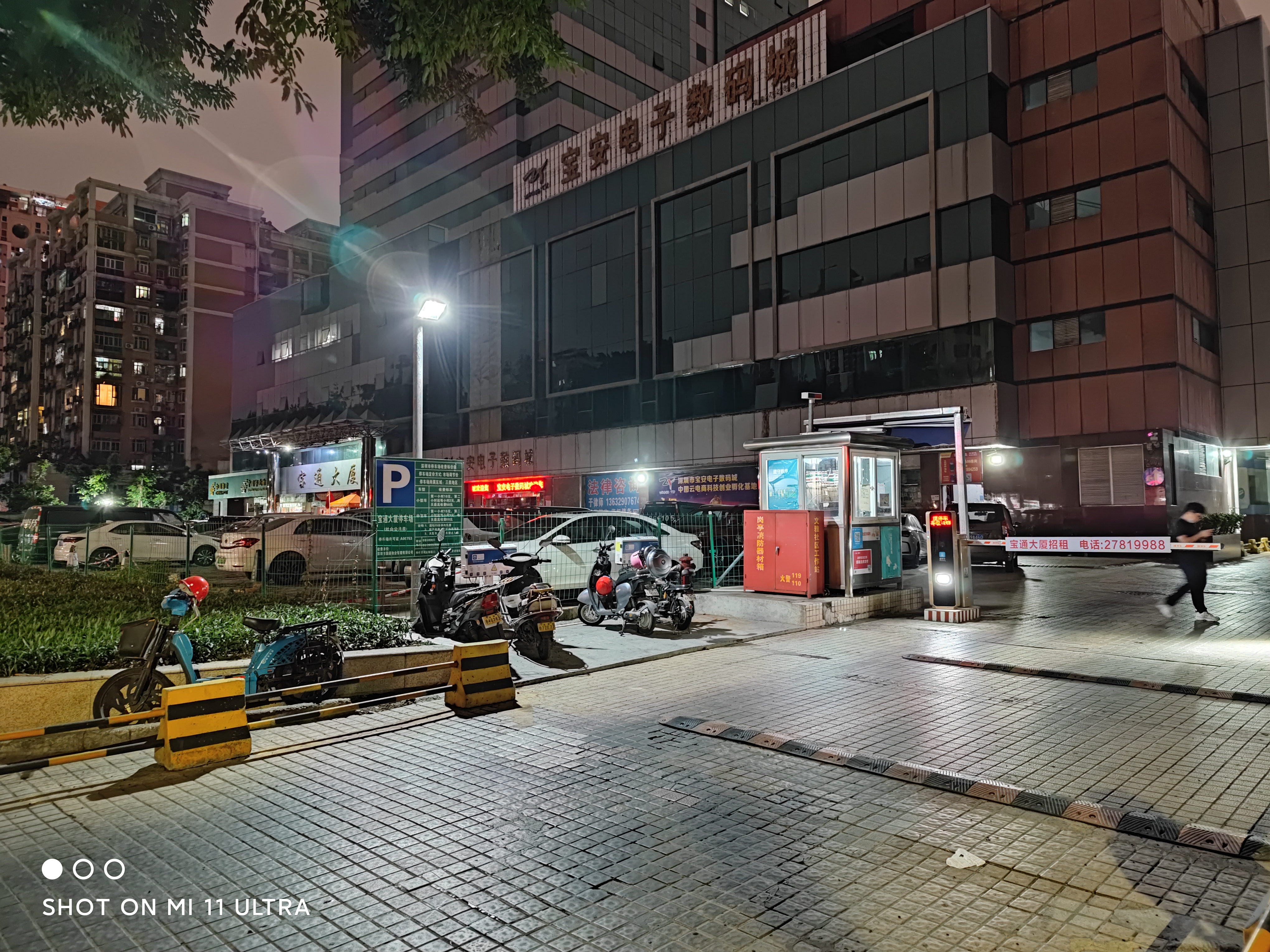
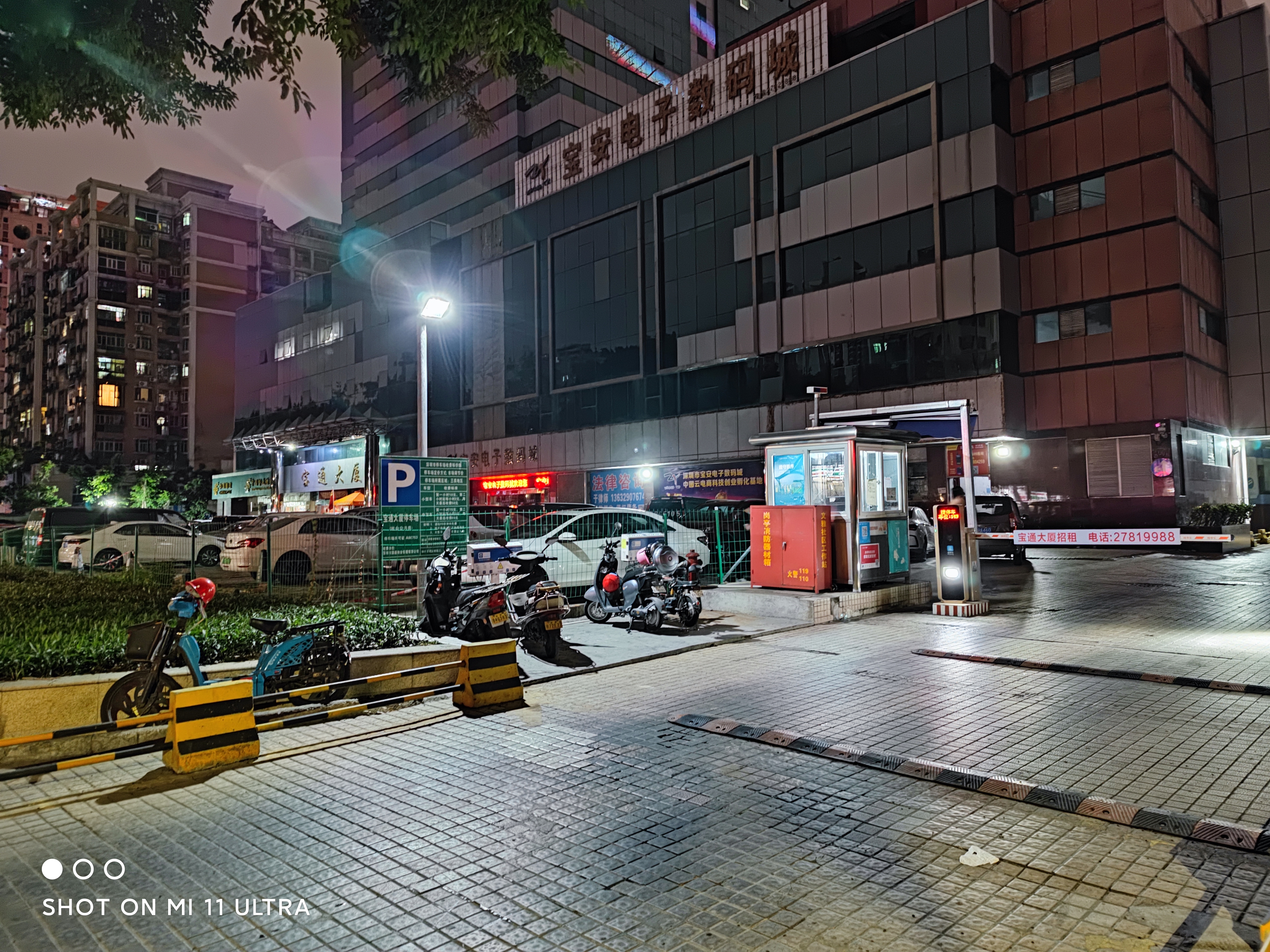
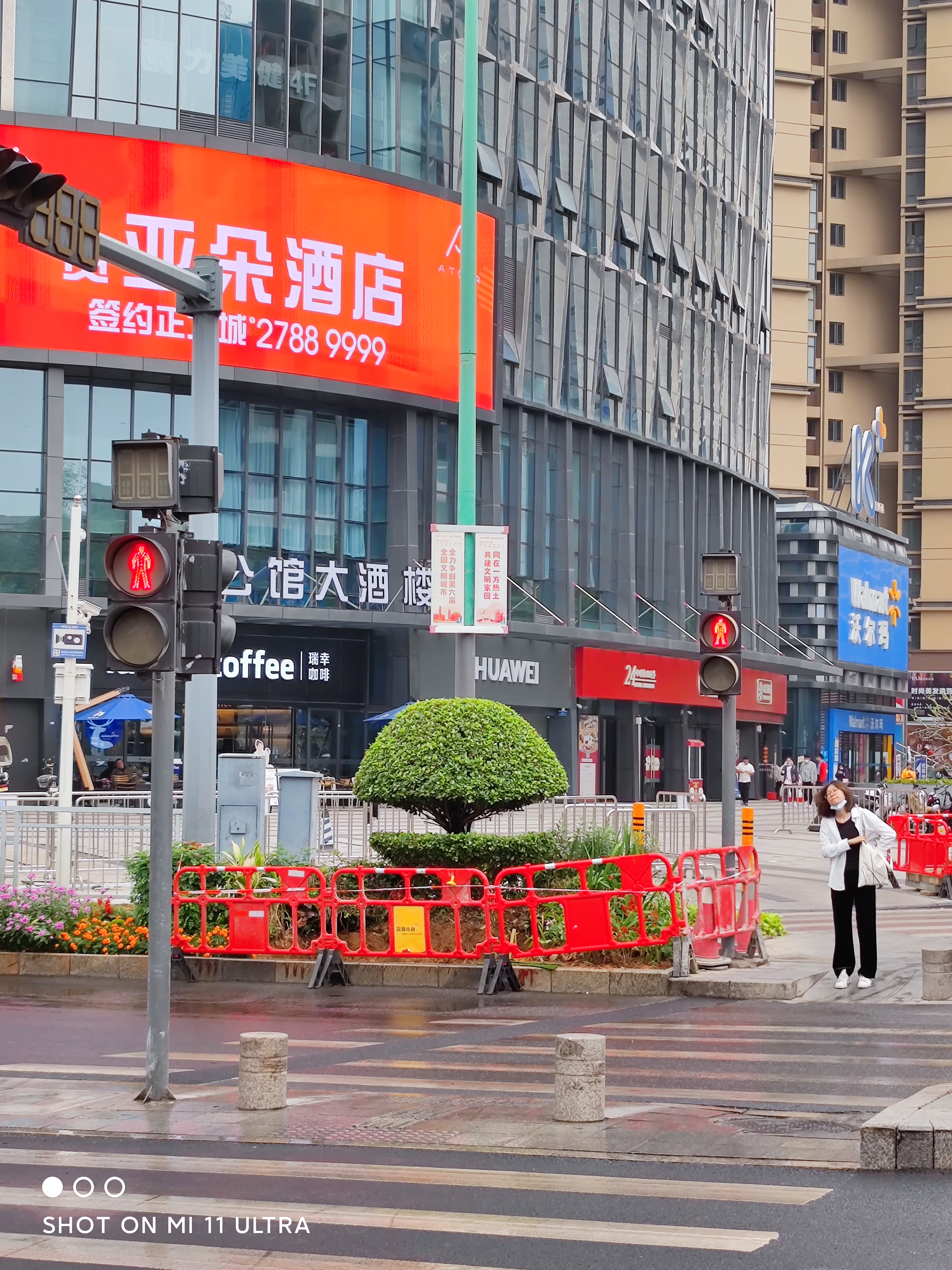
The Mi 11 Ultra’s color tones are biased towards reproducing realistic scenes without being too vibrant. Colour accuracy is also much improved over the previous generation. It performs consistently in most scenes. The bokeh from the larger CMOS size is also more pronounced. The background light spot is larger. The more evenly spotted light also indicates an improvement in the quality of the lenses. Performance in dark conditions is excellent, with good detail retention. However, the sharpening is a little heavy. It doesn’t look very natural. Other than that it is difficult for me to pick out any other faults.





Ultra-Wide Camera
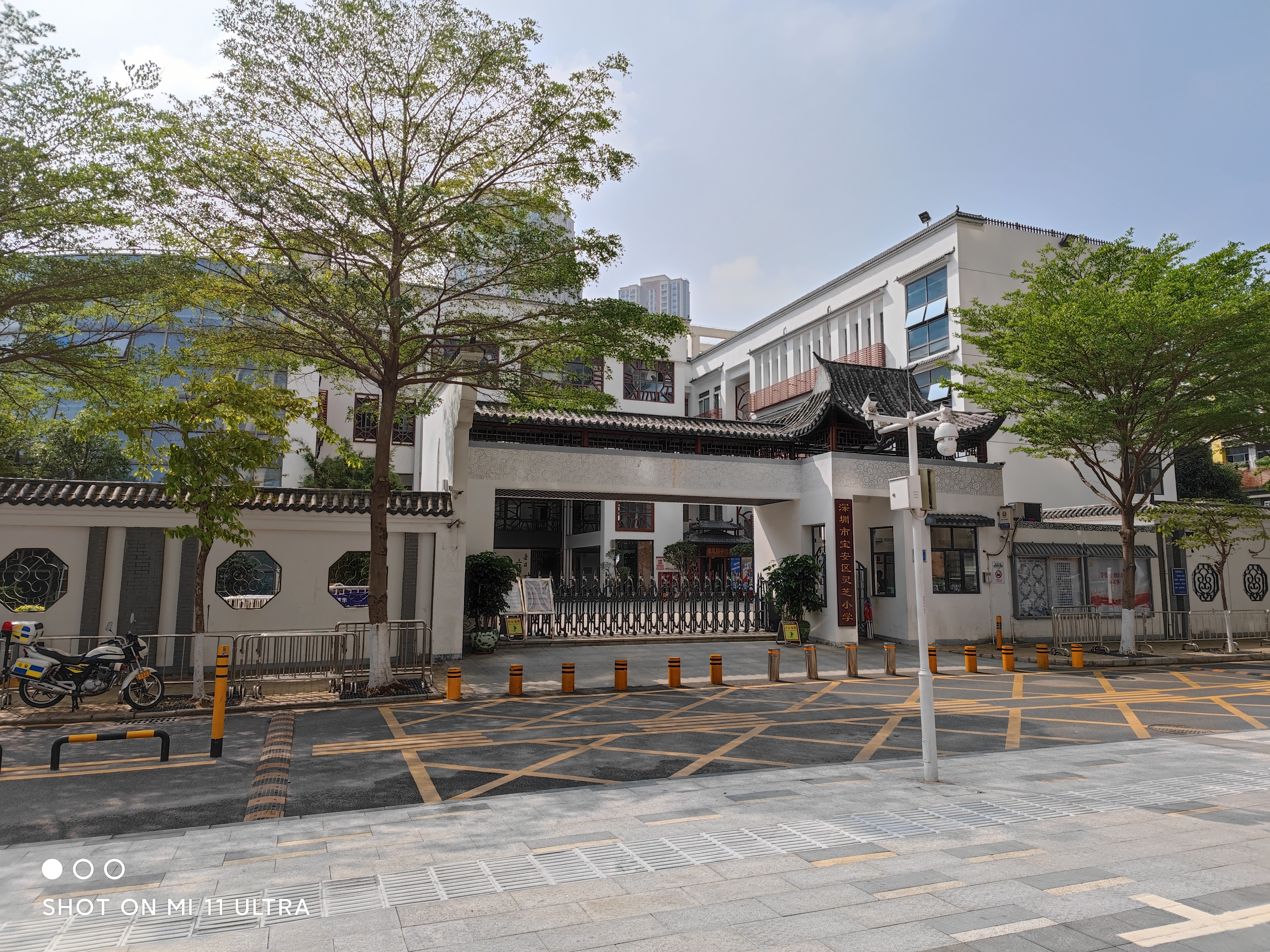
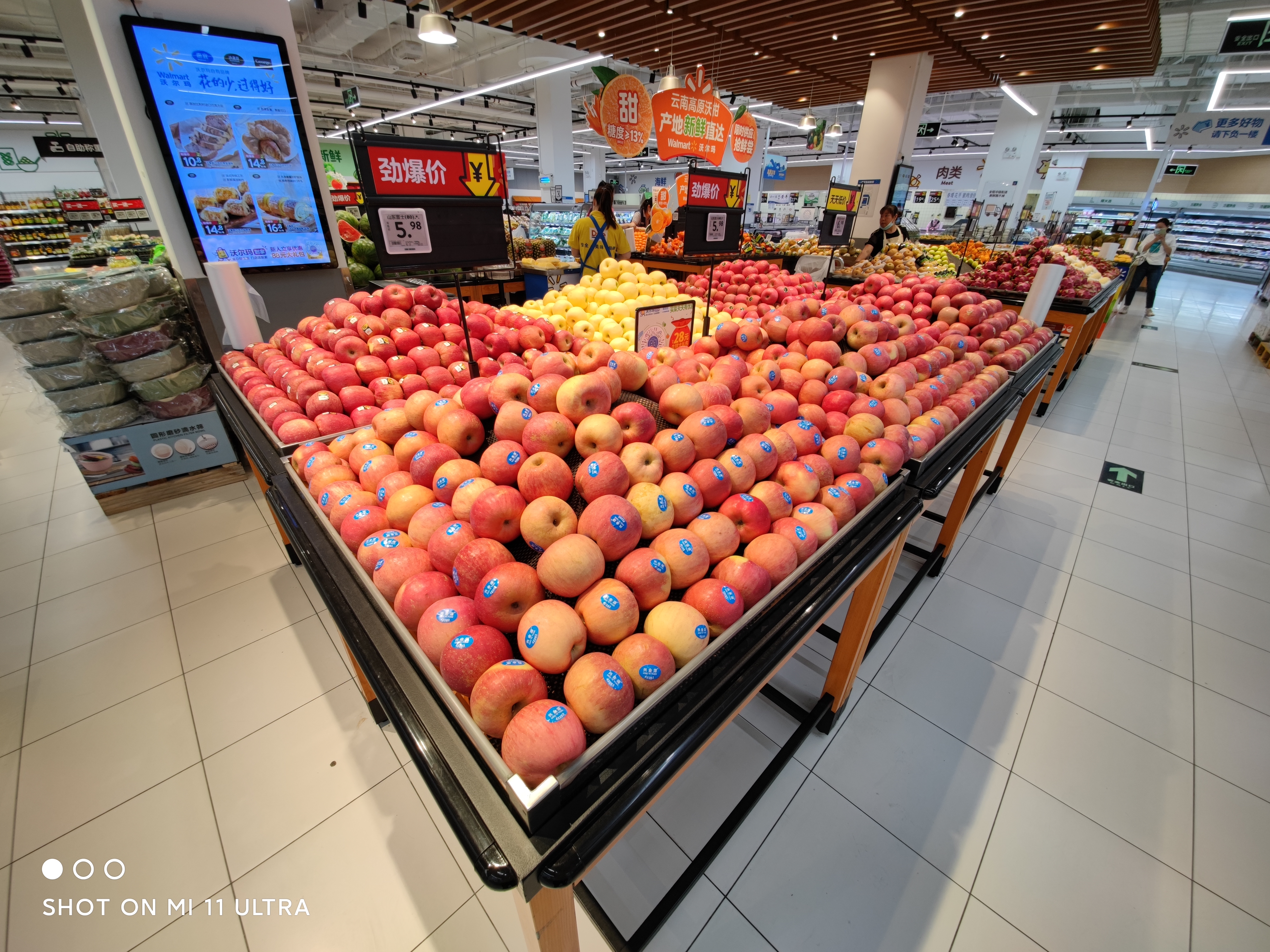
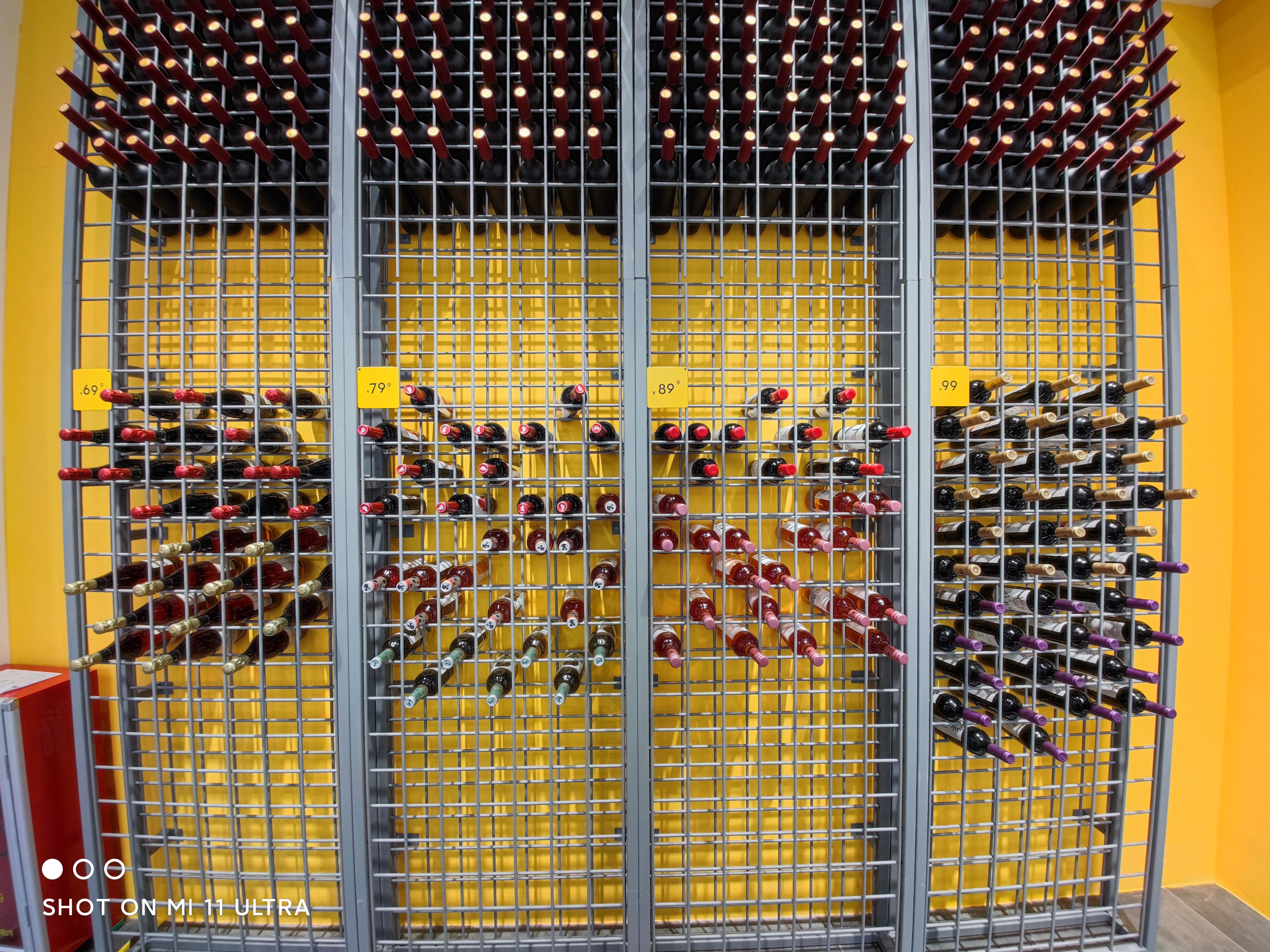
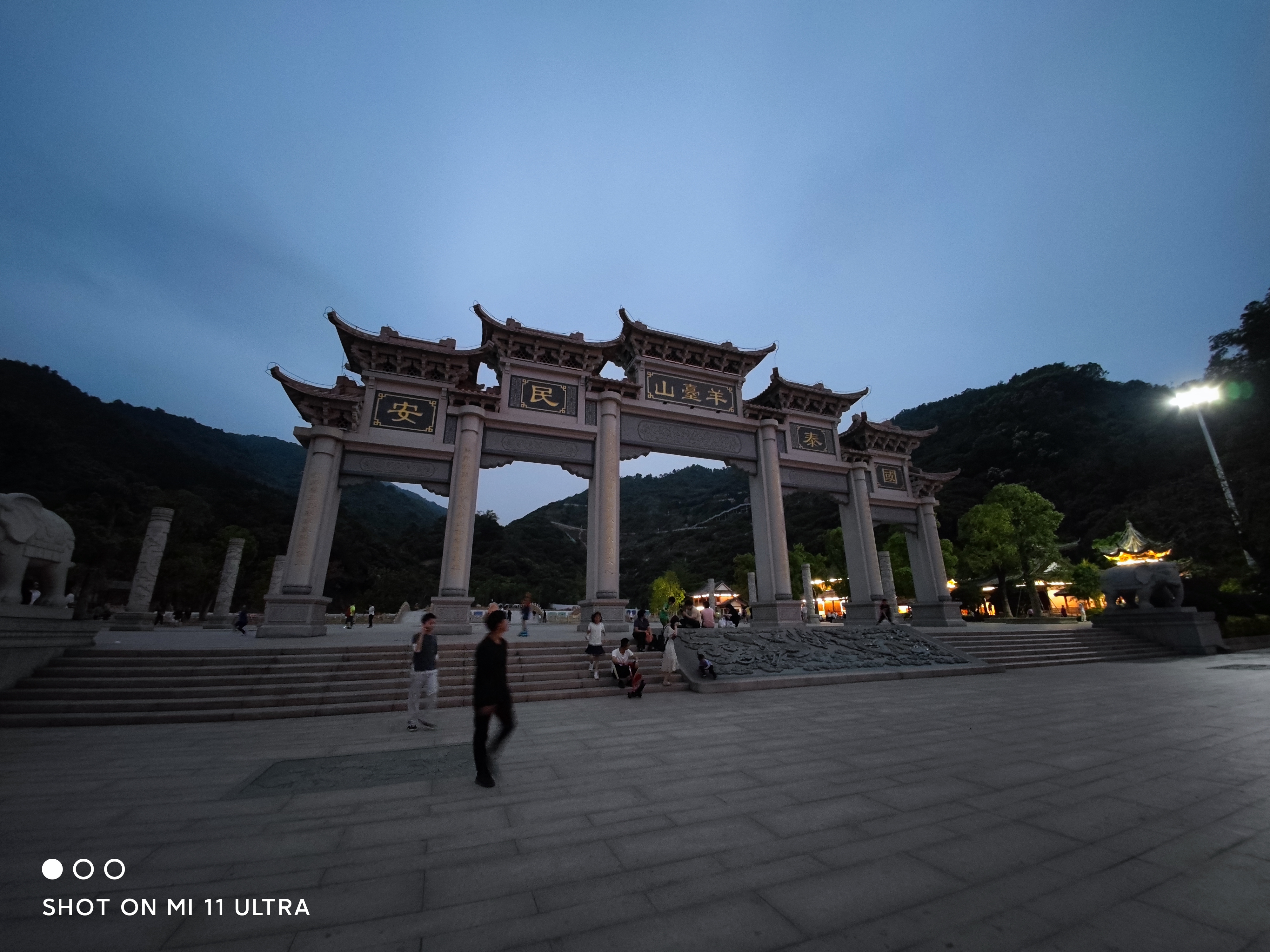
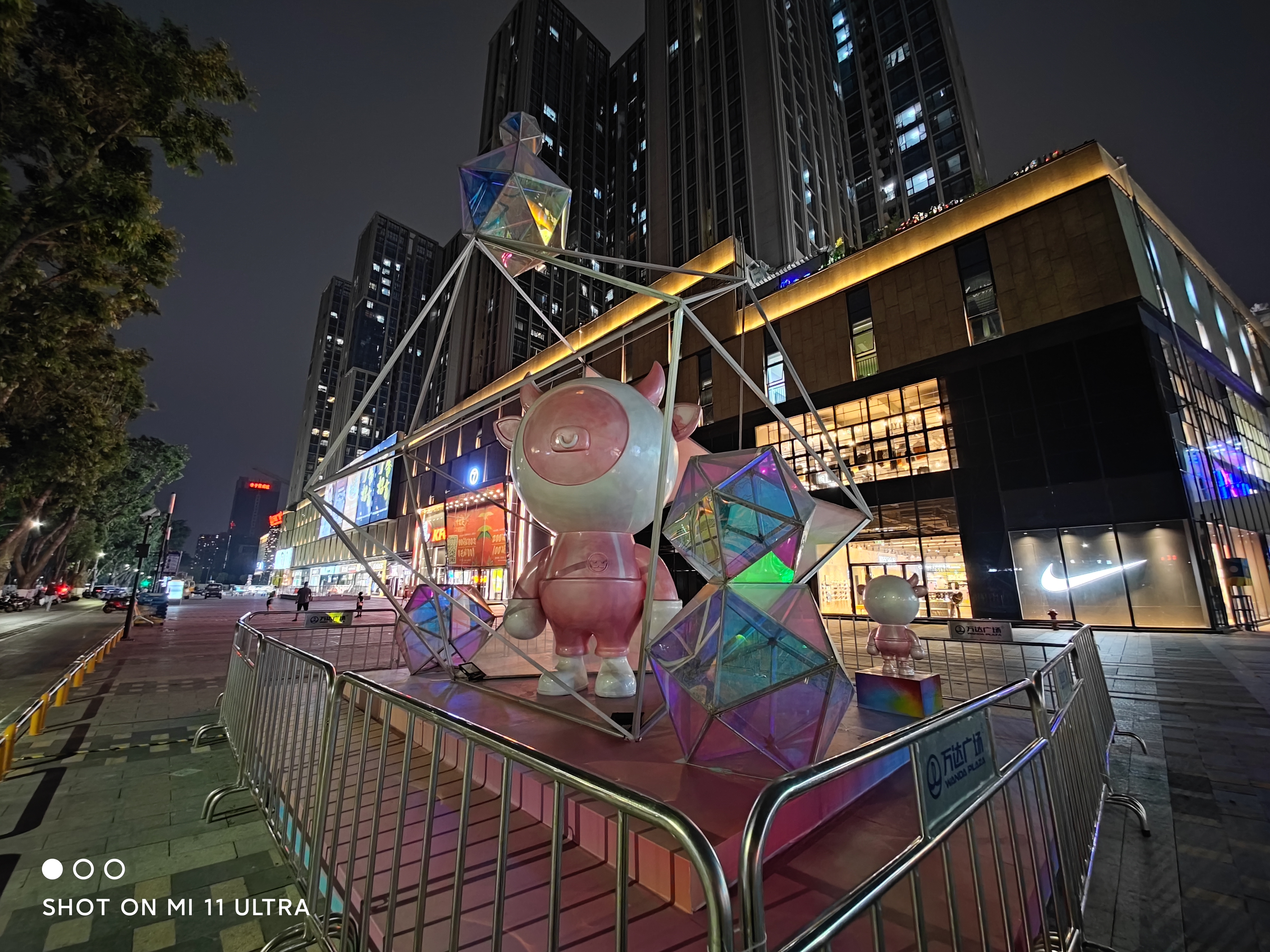
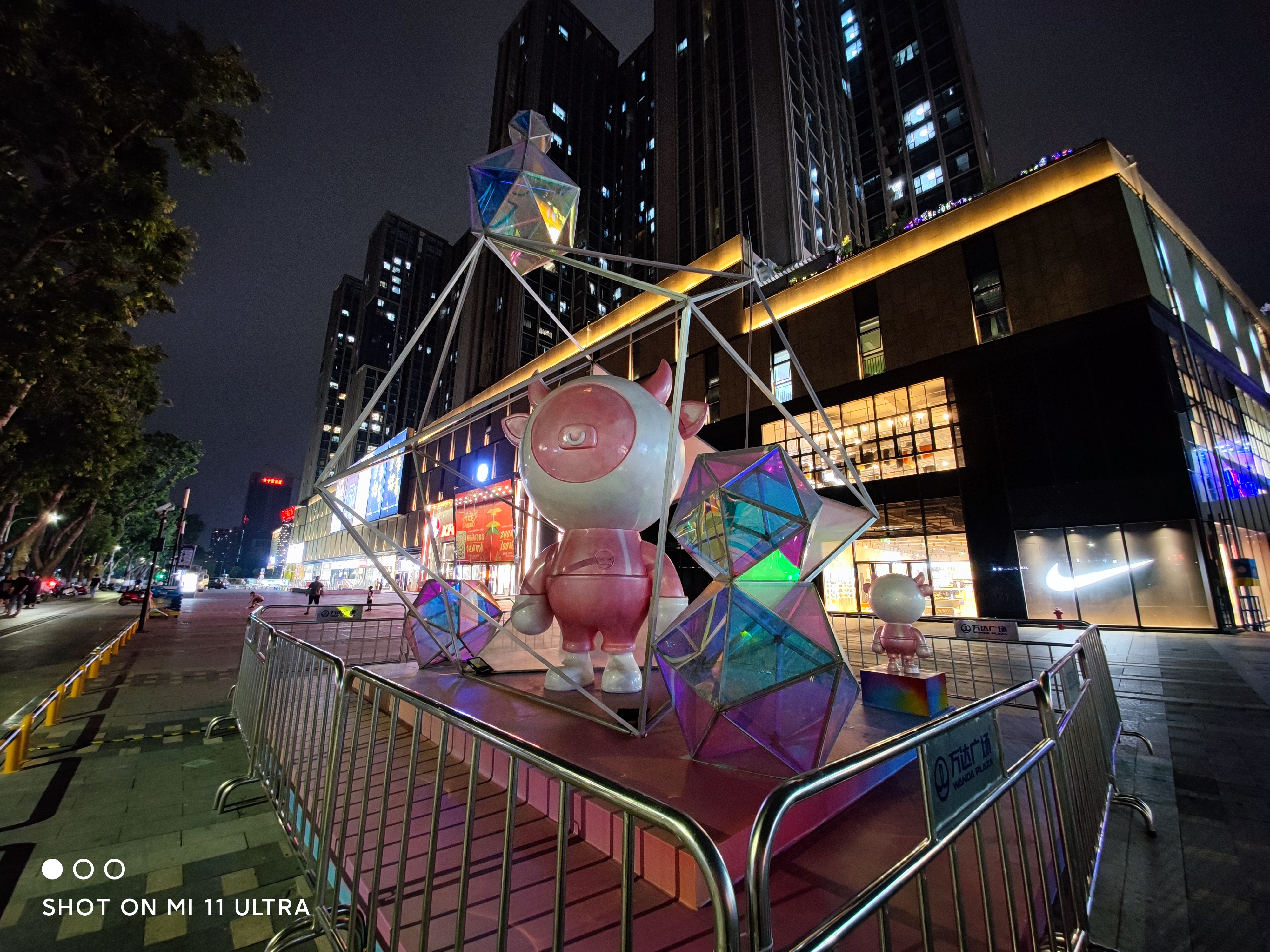
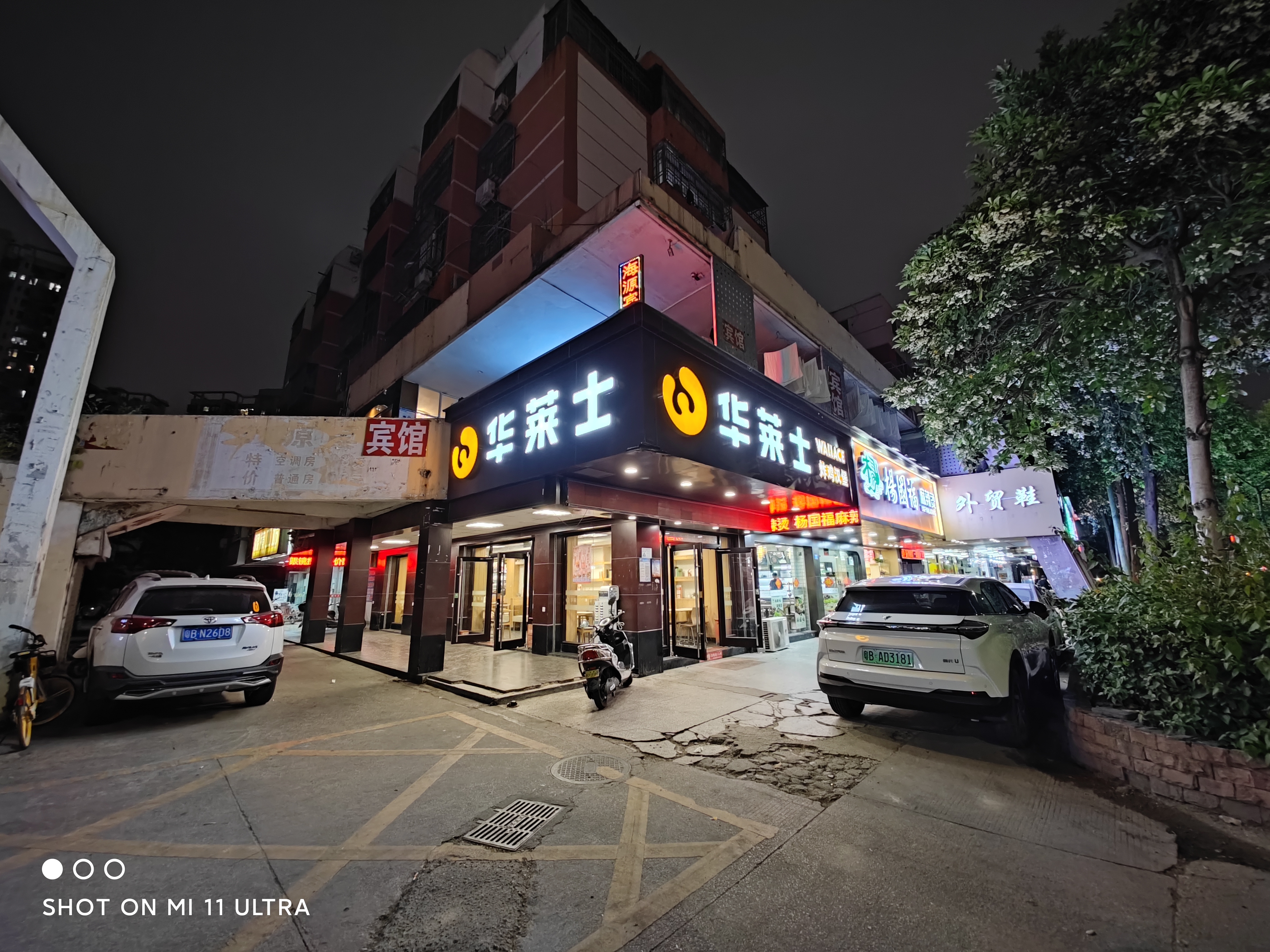
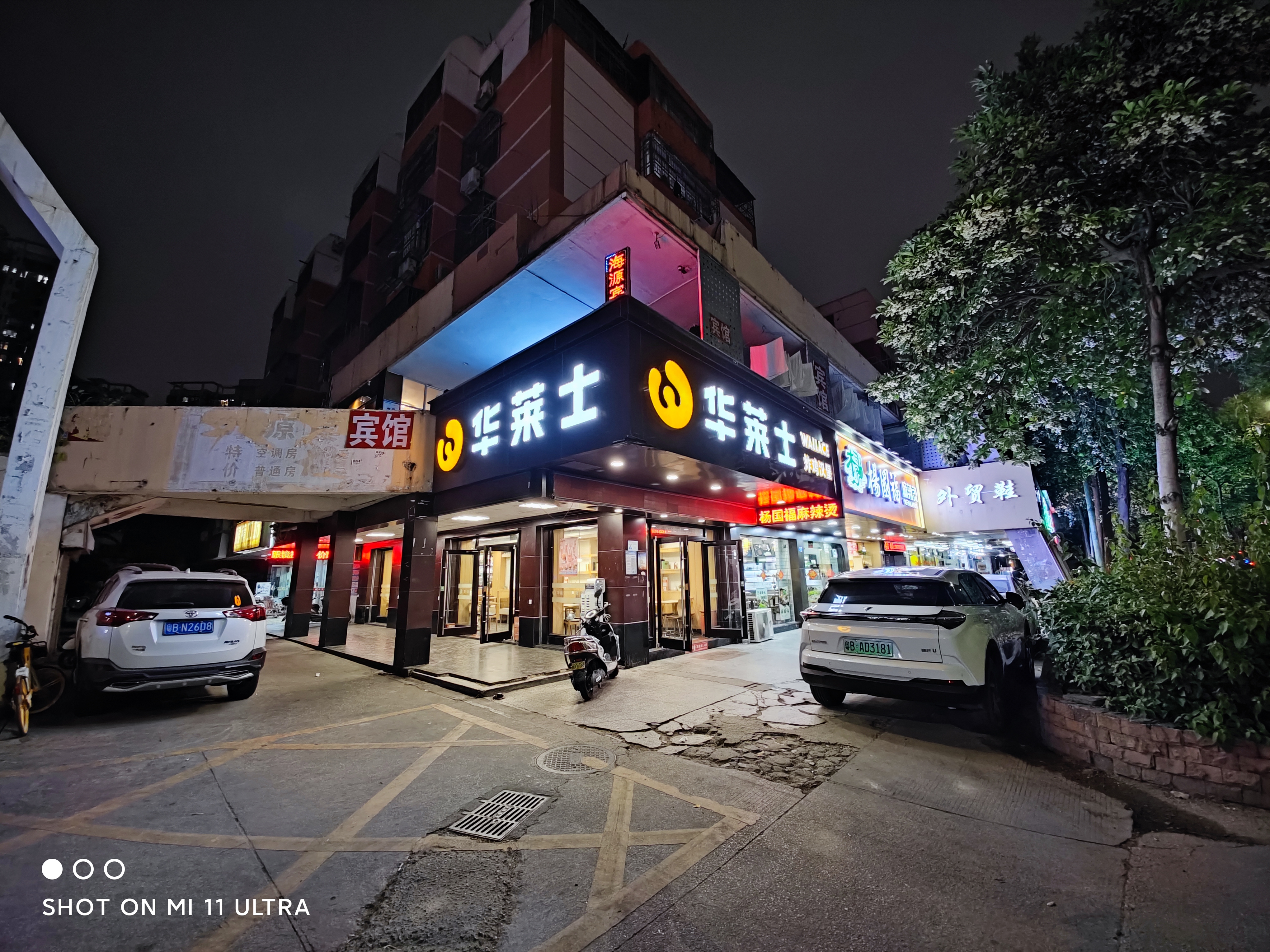
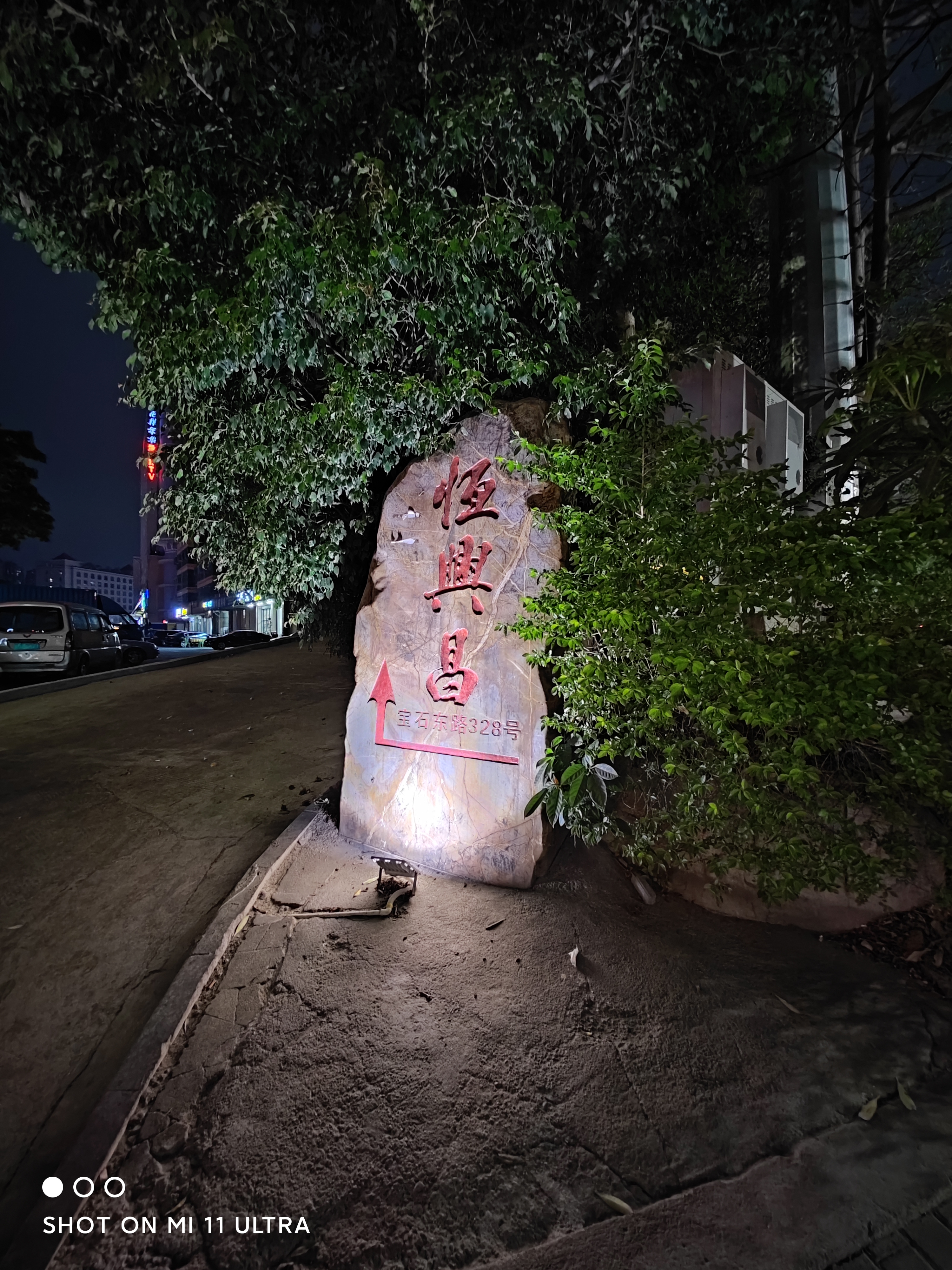
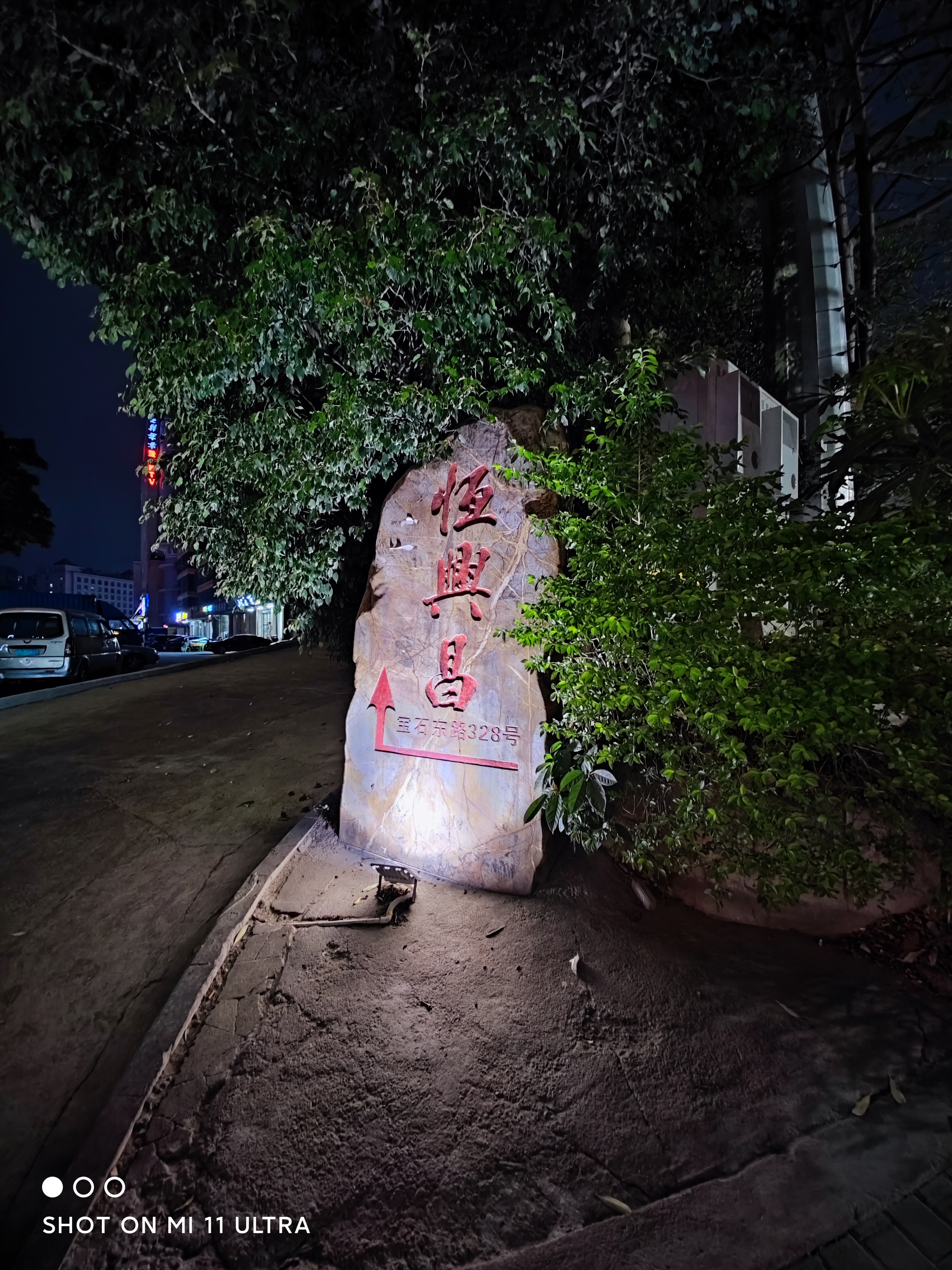
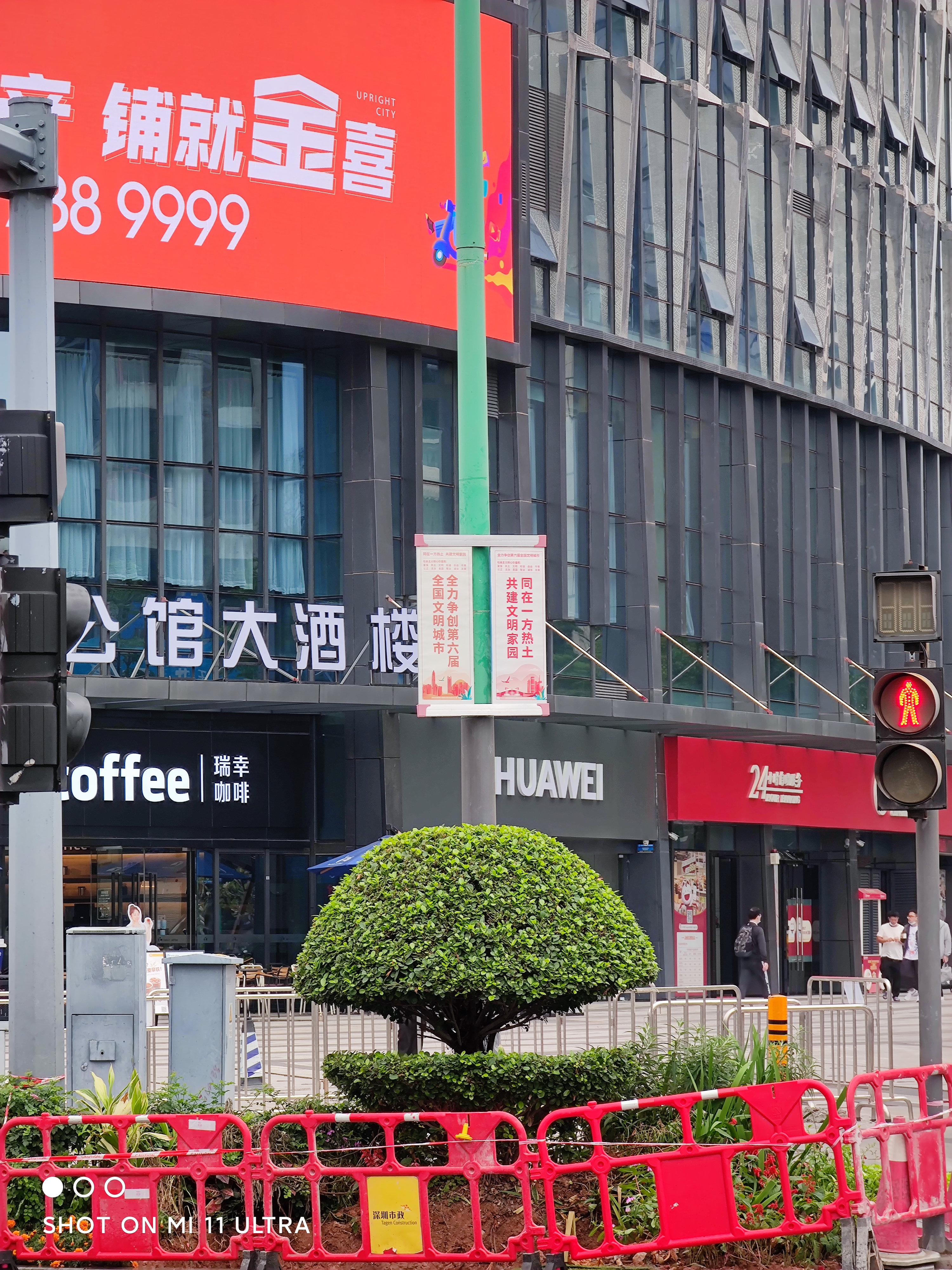
At first, I thought Mi 11 Ultra’s wide-angle lens would be the biggest improvement over its predecessor, the Mi 10 Ultra. But that wasn’t the case. The ultra-wide lens’ improvement is barely noticeable in most daytime scenes. Only at night in auto mode, you can see more noise in the dark areas, but the difference is reduced again when you turn on night mode. So although the IMX586 is also used for the ultra-wide angle, the improvement is not as pronounced as you might expect. The lens also has an integrated macro mode. But the closest focusing distance is the same in macro mode and normal mode. So you can ignore this mode. It’s also a step backward compared to its predecessor. The Mi 11 Ultra is still using a 12mm lens, with more distortion around the photo, which needs to be noted.



Telephoto Camera
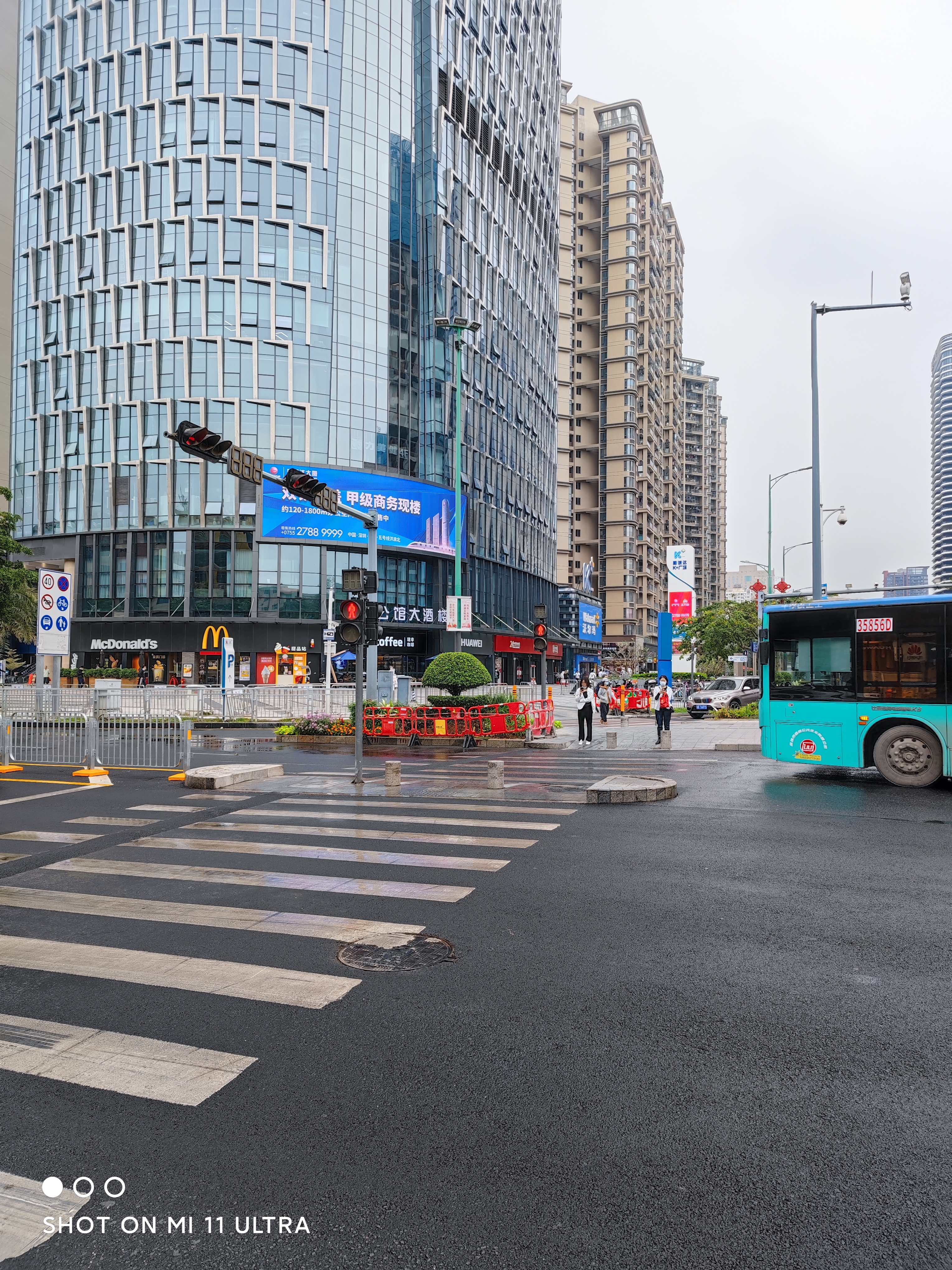
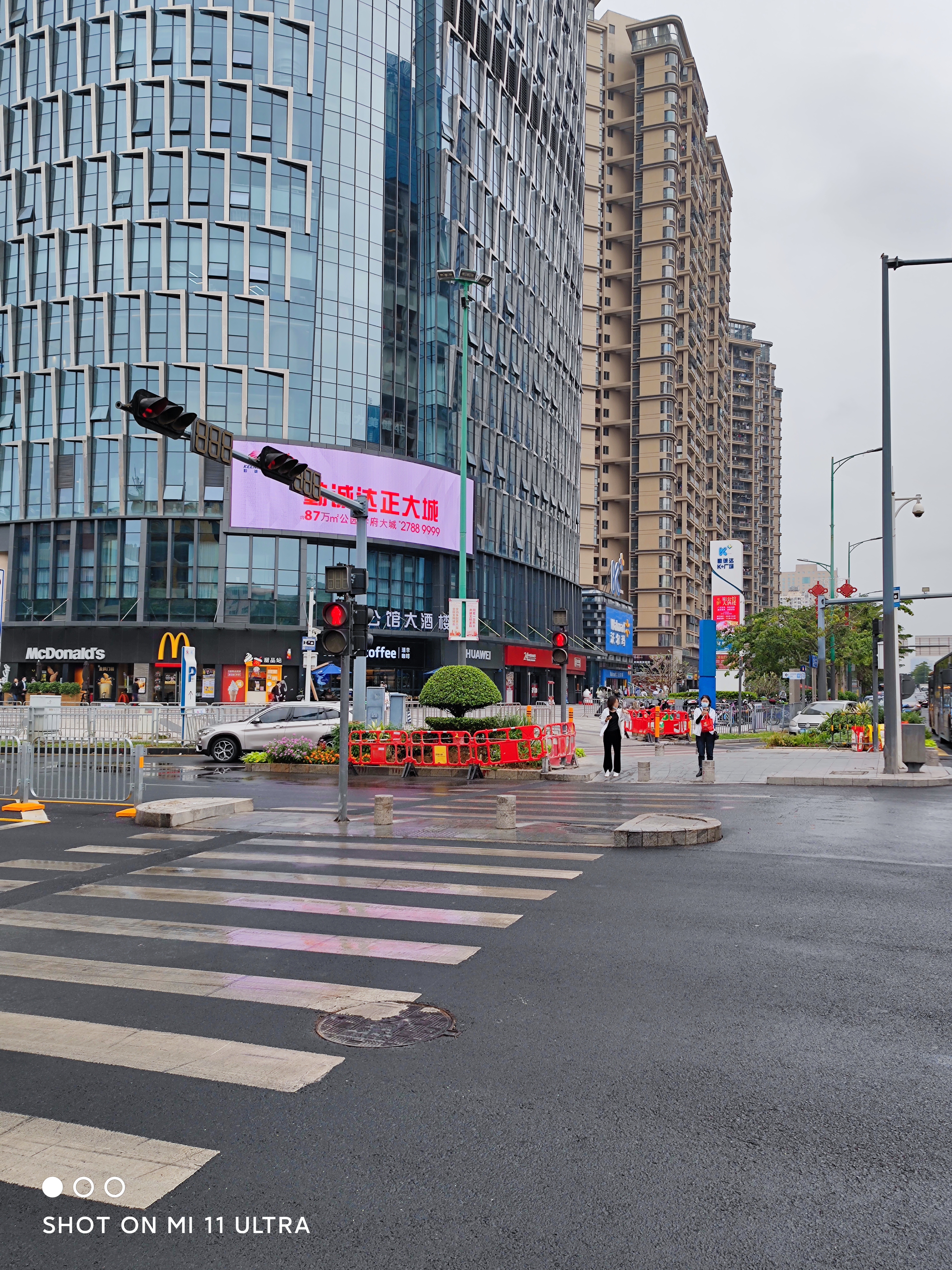
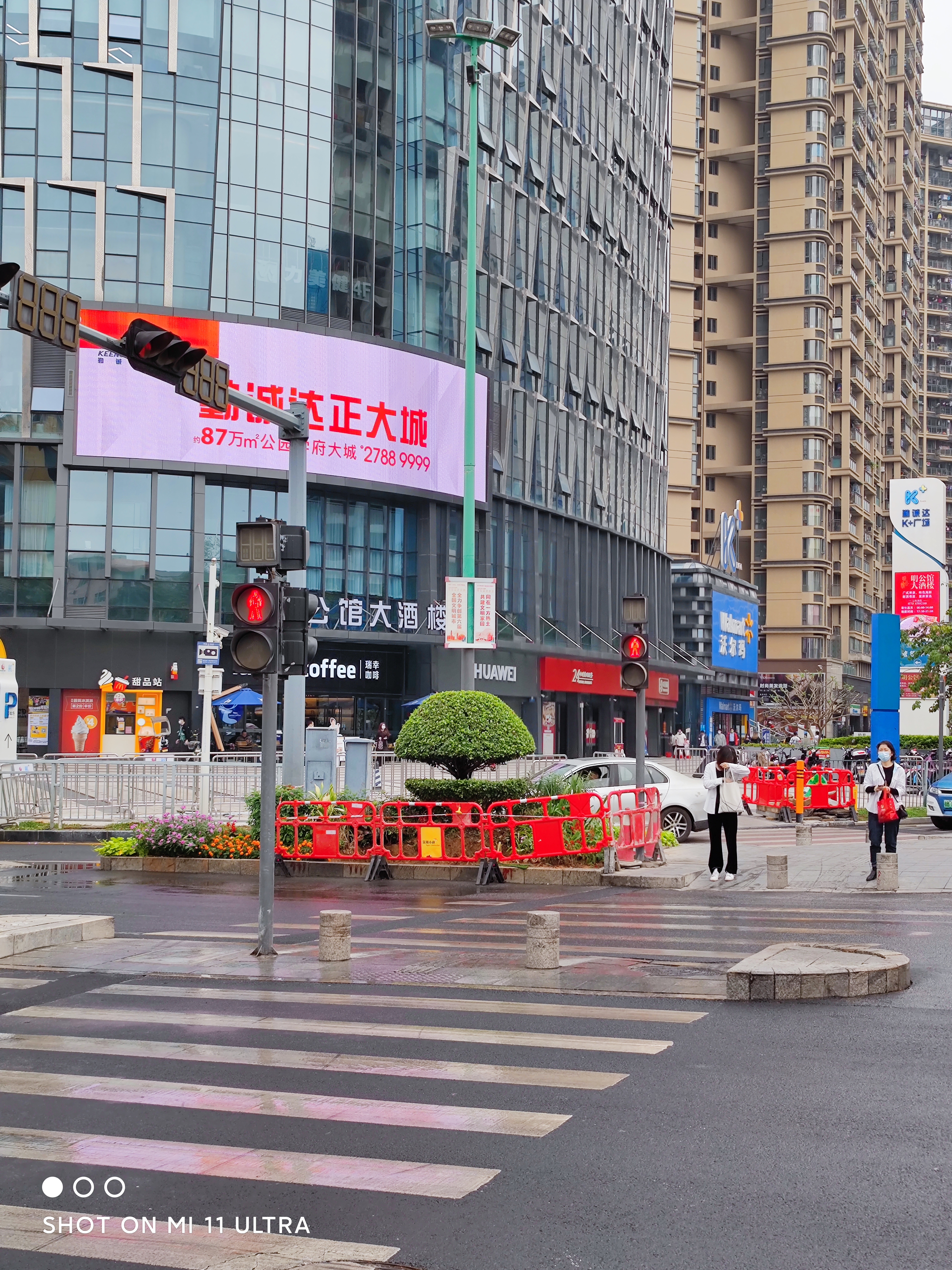
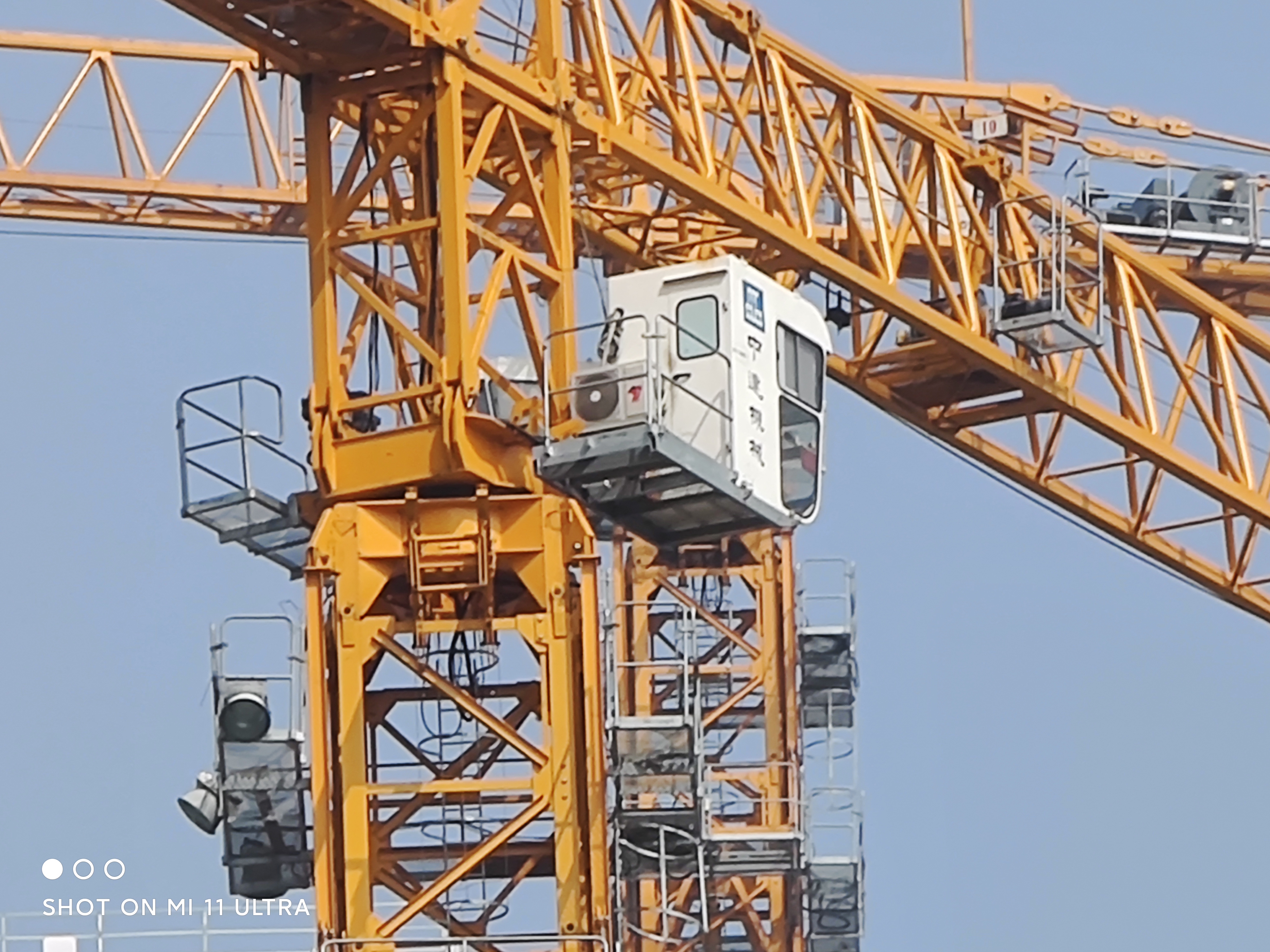
The 5x telephoto lens has not changed in terms of hardware, but there are software improvements. This lens can now be used in night mode. But it doesn’t really matter because the dynamic range of the telephoto lens is much better on the Mi 11 Ultra as compared to the Mi 10 Ultra, even without the night mode on. I think since it’s a flagship phone, the periscopic telephoto lens is still important. Because it can help you take very good photos in cluttered environments.

Video Shooting
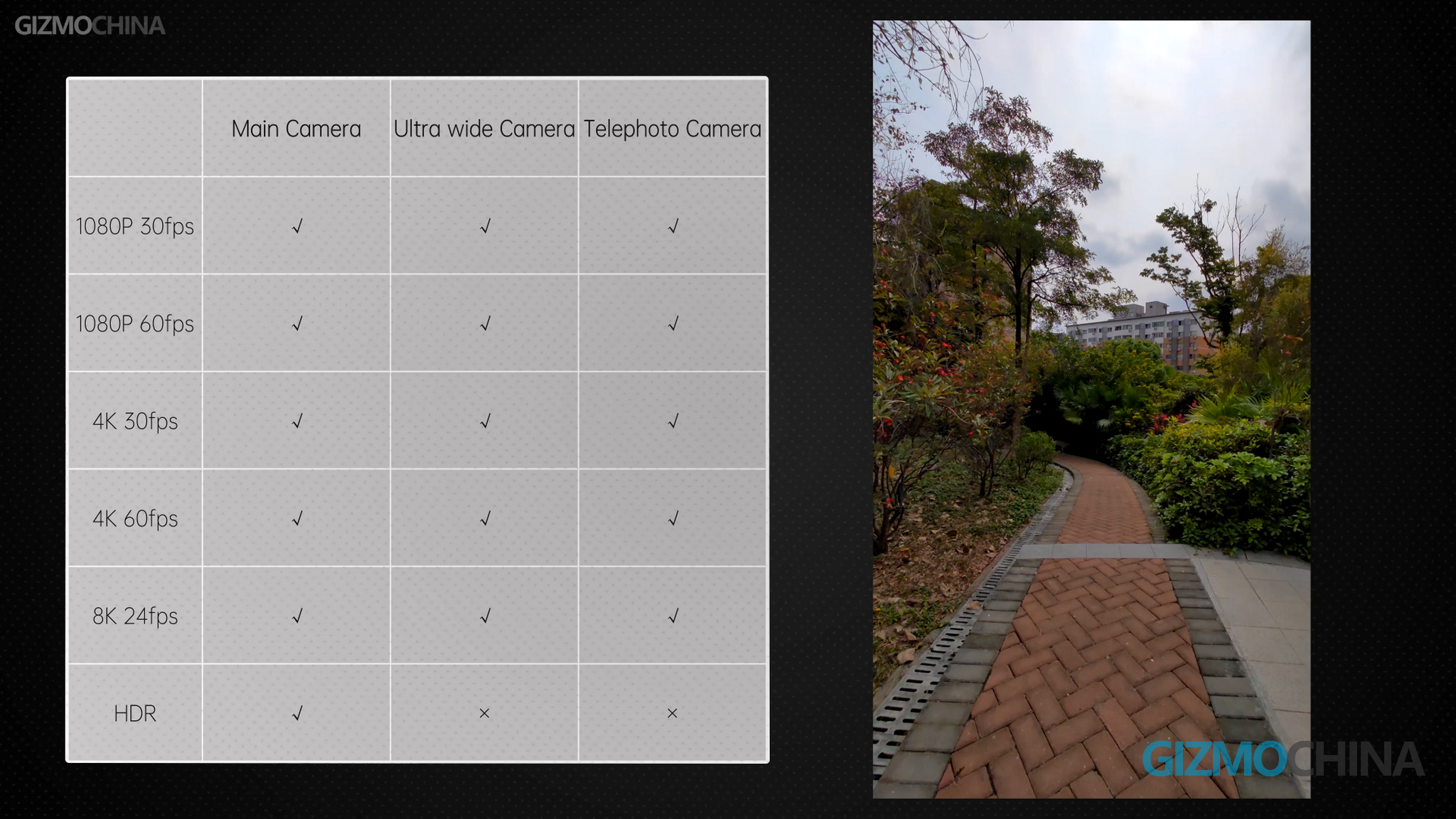
You don’t have to worry about the Mi 11 Ultra’s performance in video shooting either. It performs very well. All three lenses support 8K and 4K 60 fps. And you can switch lenses in 4K 30 fps recording too. Notably, the Mi 10 Ultra can only do that in 1080P 30 fps video.
 Check out our video review for video samples.
Issues
The Mi 11 Ultra is really impeccable when it plays well, but there’s a problem with Xiaomi’s new phones. It’s that the firmware can be very problematic at first. The most common problem is the very high shutter lag and the particularly slow HDR compositing. There’s also the old Xiaomi problem of wavering white balance, but it is much better than the previous Xiaomi phones in this video. The telephoto strategy is also a bit strange. The Mi 10 Ultra zoomed in to 5x in the same scene calls for a periscopic 5x telephoto shot, while the Mi 11 Ultra zoomed in to 5x is a cropped version from the main camera sensor, so you need to be careful when you shoot. Even if you were fine with the previous bugs, this one will be hard to ignore. Sometimes at the end of a photoshoot, you’ll find that the photo you’ve taken has been zoomed in multiple times for no apparent reason, making it completely unusable. This problem has occurred twice in the last few days of taking photos. Hopefully, Xiaomi will fix these issues in the next version soon.
Xiaomi Mi 11 Ultra Review: Charging & Battery Life
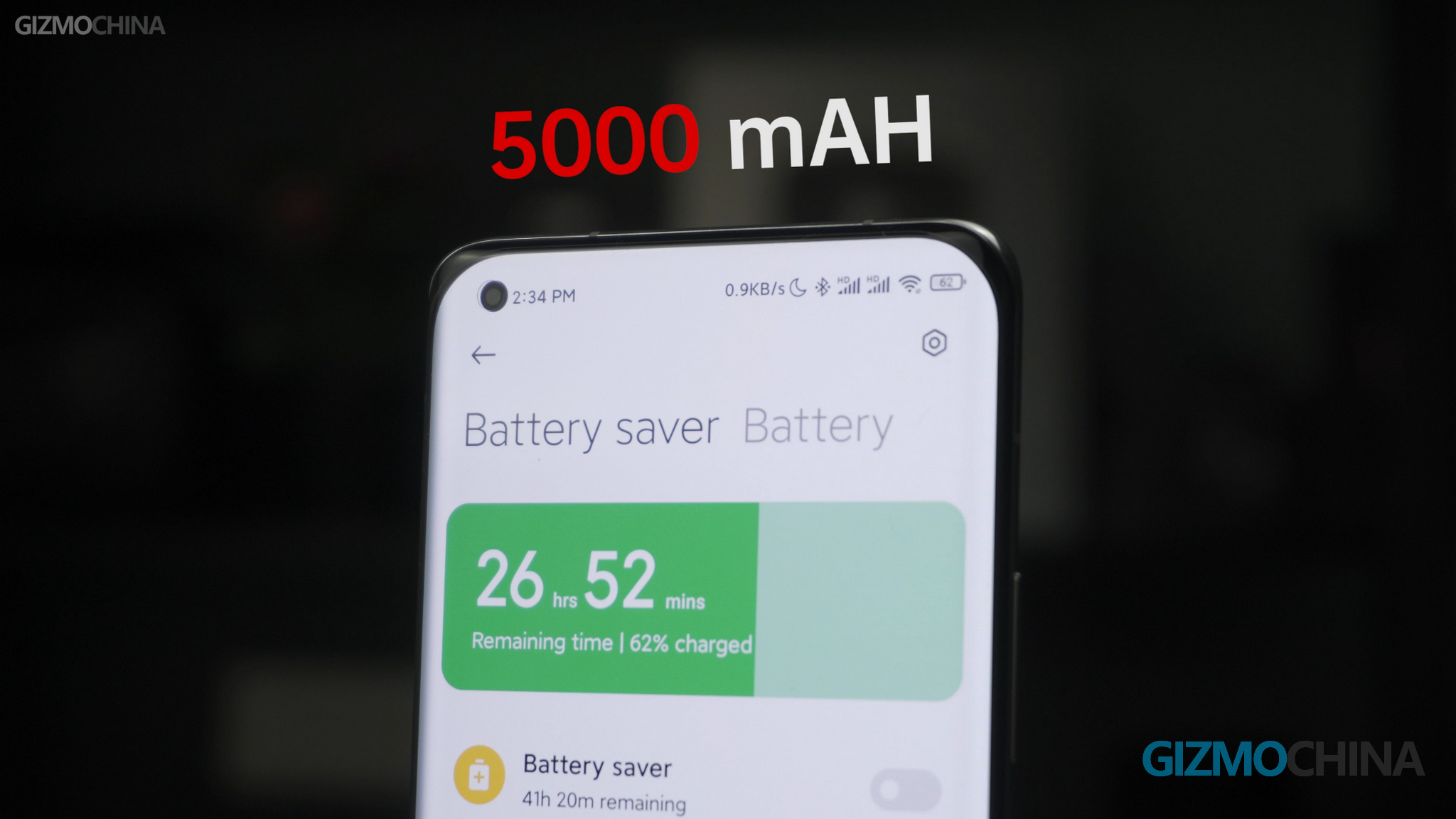
As with the Mi 11 and Mi 10s, the charger and charging cable are not included in the box. They are packaged separately. This time the battery of the Mi 11 Ultra uses a new negative material. It allows the battery to increase its power storage capacity. That’s why you can see that there is actually a 5000mAh battery crammed into an 8.38mm body.
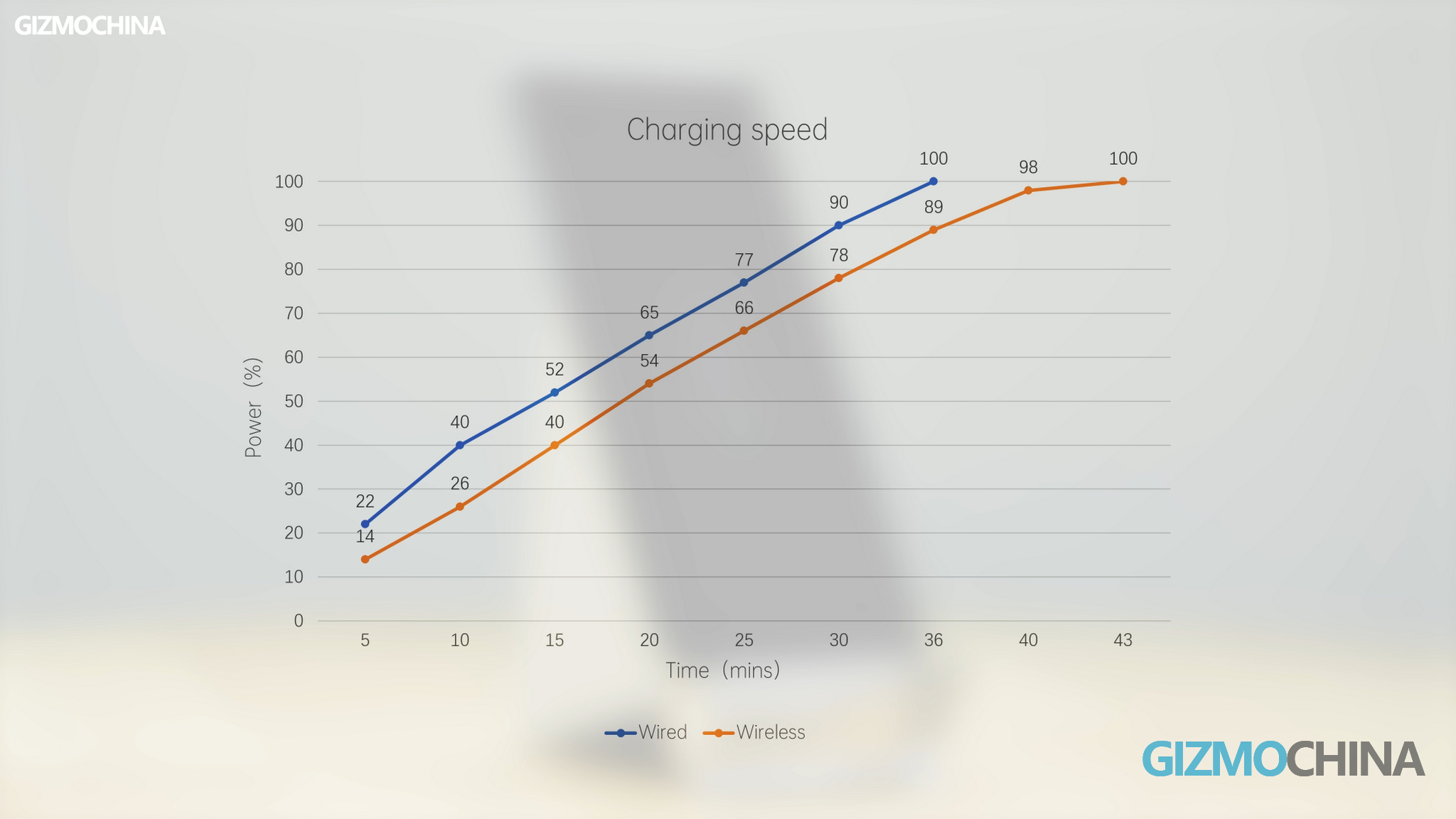
 The charging power isn’t as aggressive as the 120w of last year’s Mi 10 Ultra. But 67w of wired charging plus 67w of wireless charging is top-notch, especially wireless charging. In testing, wired charging charges the phone to 22% in 5 minutes, 90% in 30 minutes, and it takes only 36 minutes to fully charge to 100%. Wireless charging charged up the phone to 14% in 5 minutes, 78% in half an hour, and it took 43 minutes to fill up to 100%. For supporting such a powerful wireless charging phone, Xiaomi has also launched an 80w wireless charging dock. The styling is very cool. It can charge horizontally and vertically and is able to control whether the cooling fan is on or not. As for why the charging dock is 80w instead of 67w, I guess Xiaomi’s new mobile phones launched in the near future will continue to break the record of the fastest wireless charging technology in mass-produced phones.
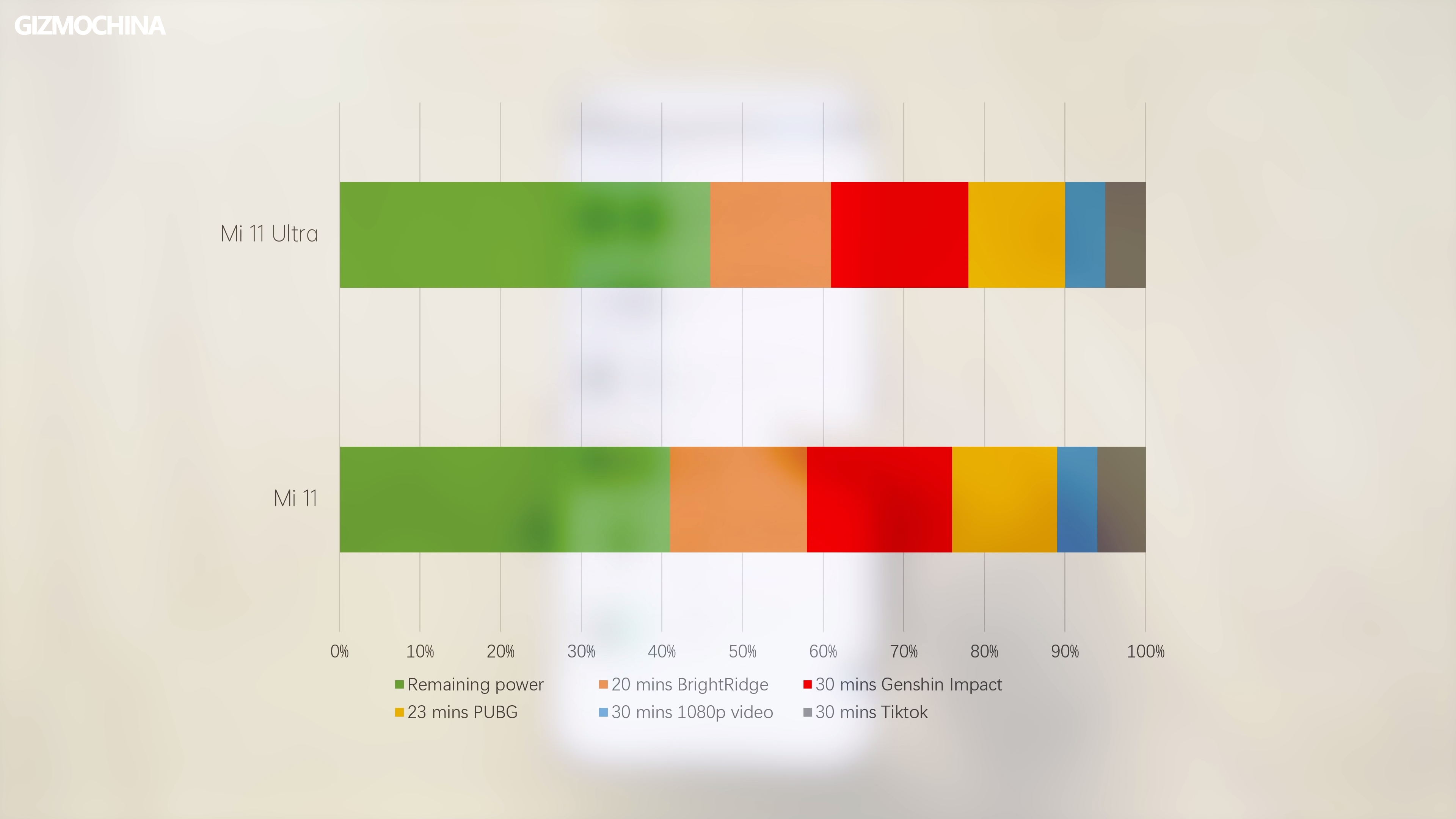
Because of its huge battery, its battery life should be great, right? Half an hour of Tiktok and 1080p video playback uses 5%, 28 minutes of PUBG uses 12%, GenshinImpact for 30 minutes uses 17% and Brightridge for 20 minutes drains 15% of the battery. It seems to be pretty well optimized for light use, and about the same as any other phone for heavy use.
Xiaomi Mi 11 Ultra Review: Rear Camera Screen
Mi 11 Ultra brings the best hardware of 2021, but does it have any other highlights? Remember that little screen on the back of the phone? It allows you to check the time, but also messages, charging animations, and more.
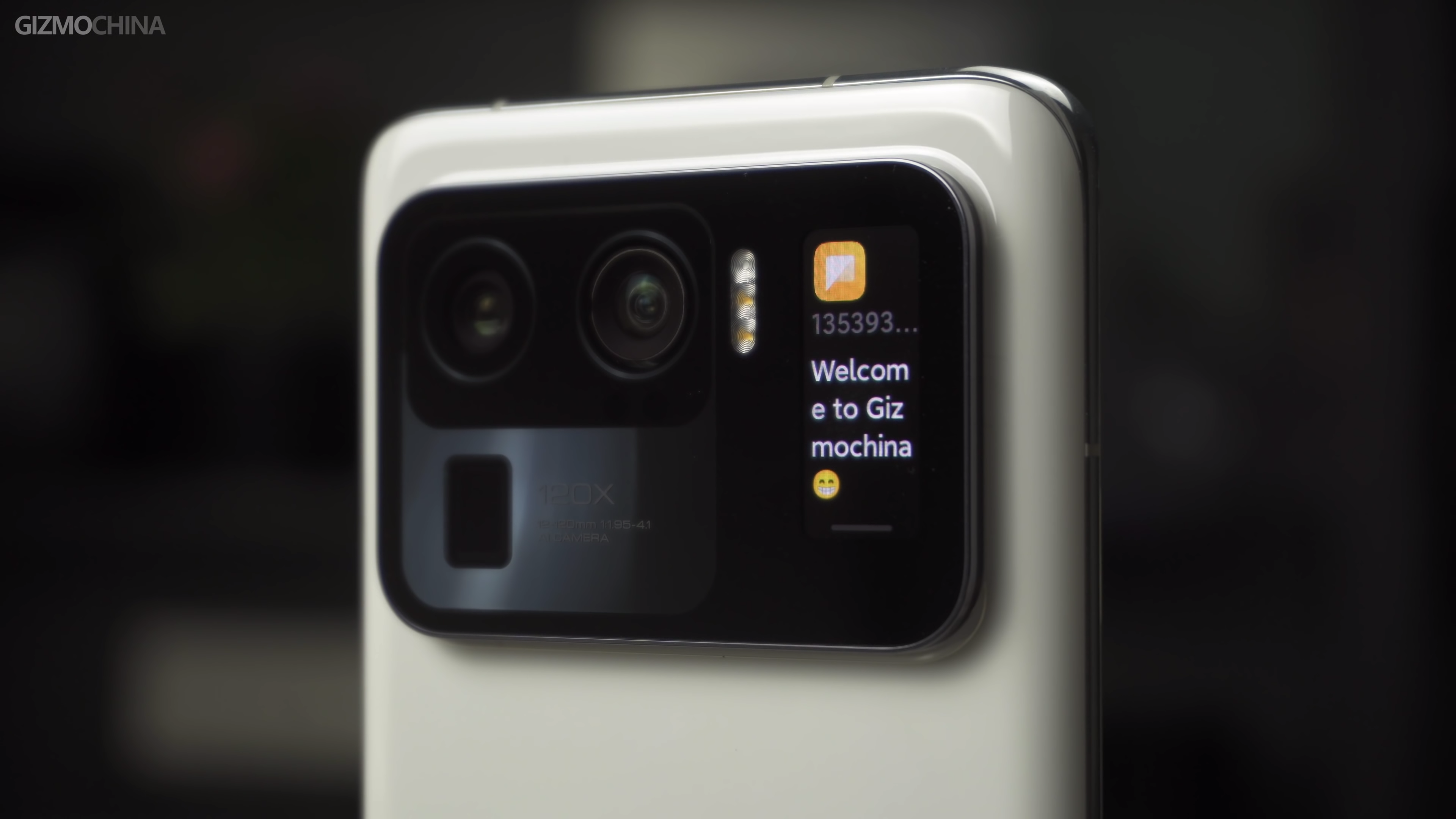
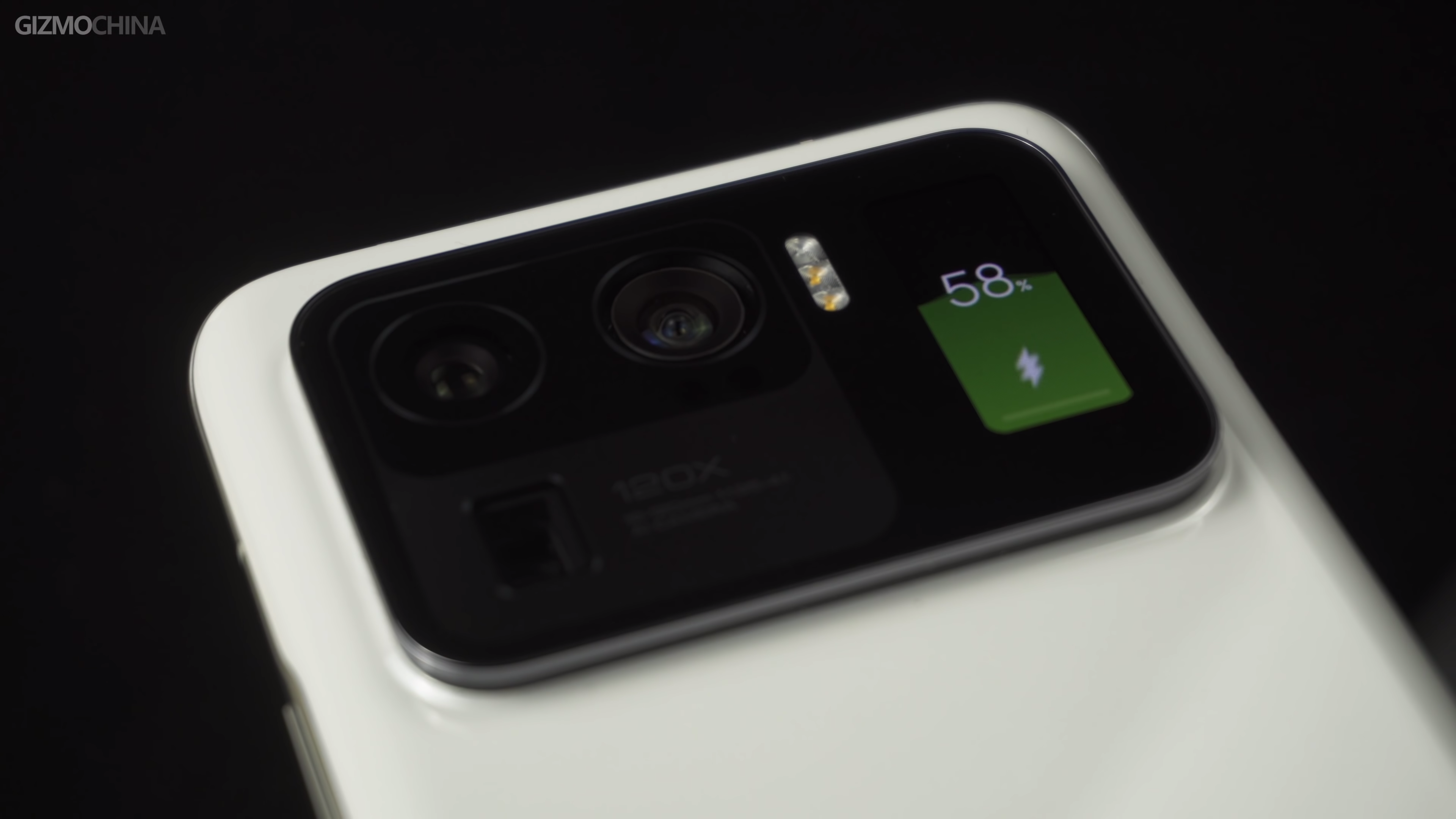
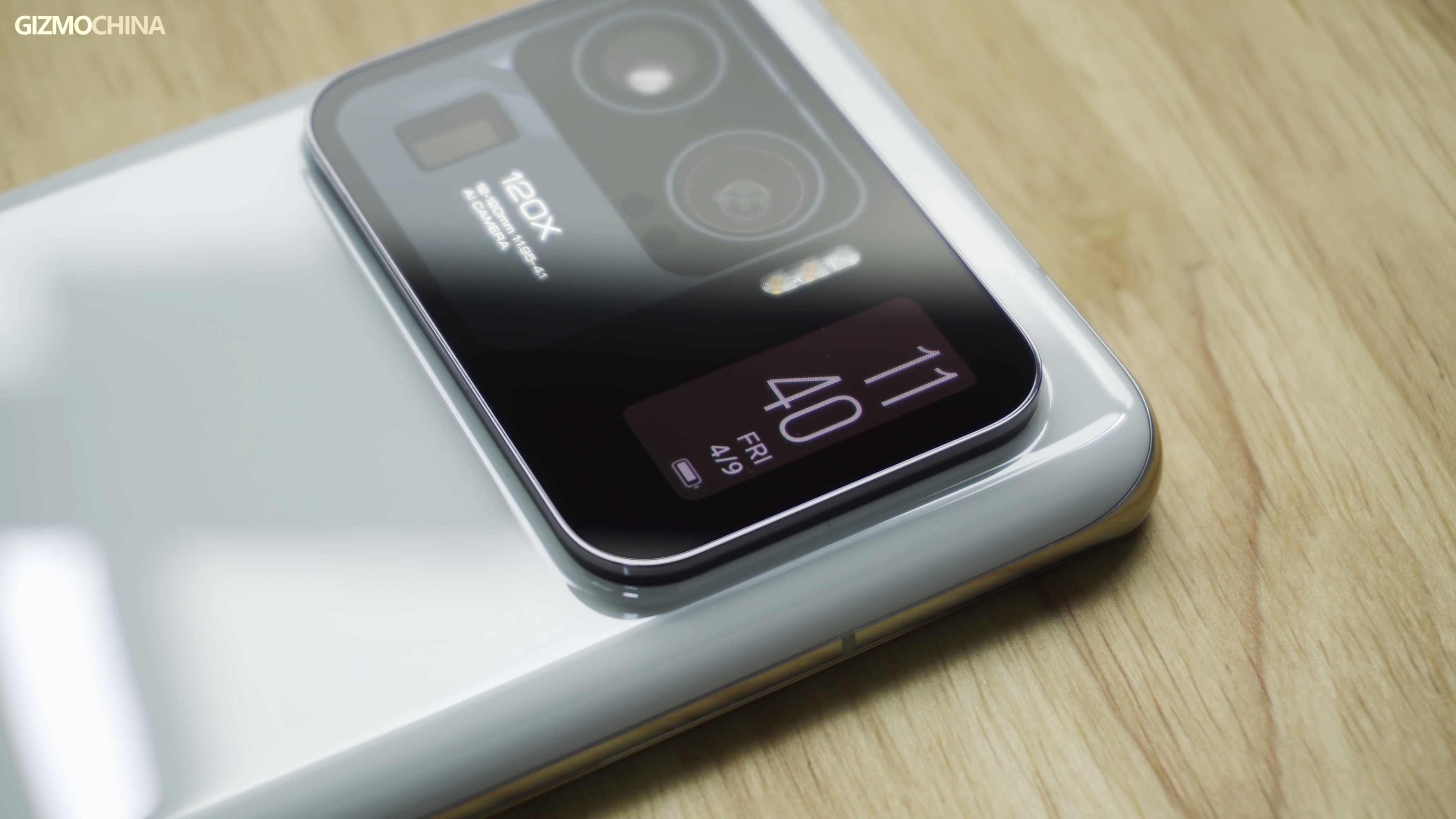
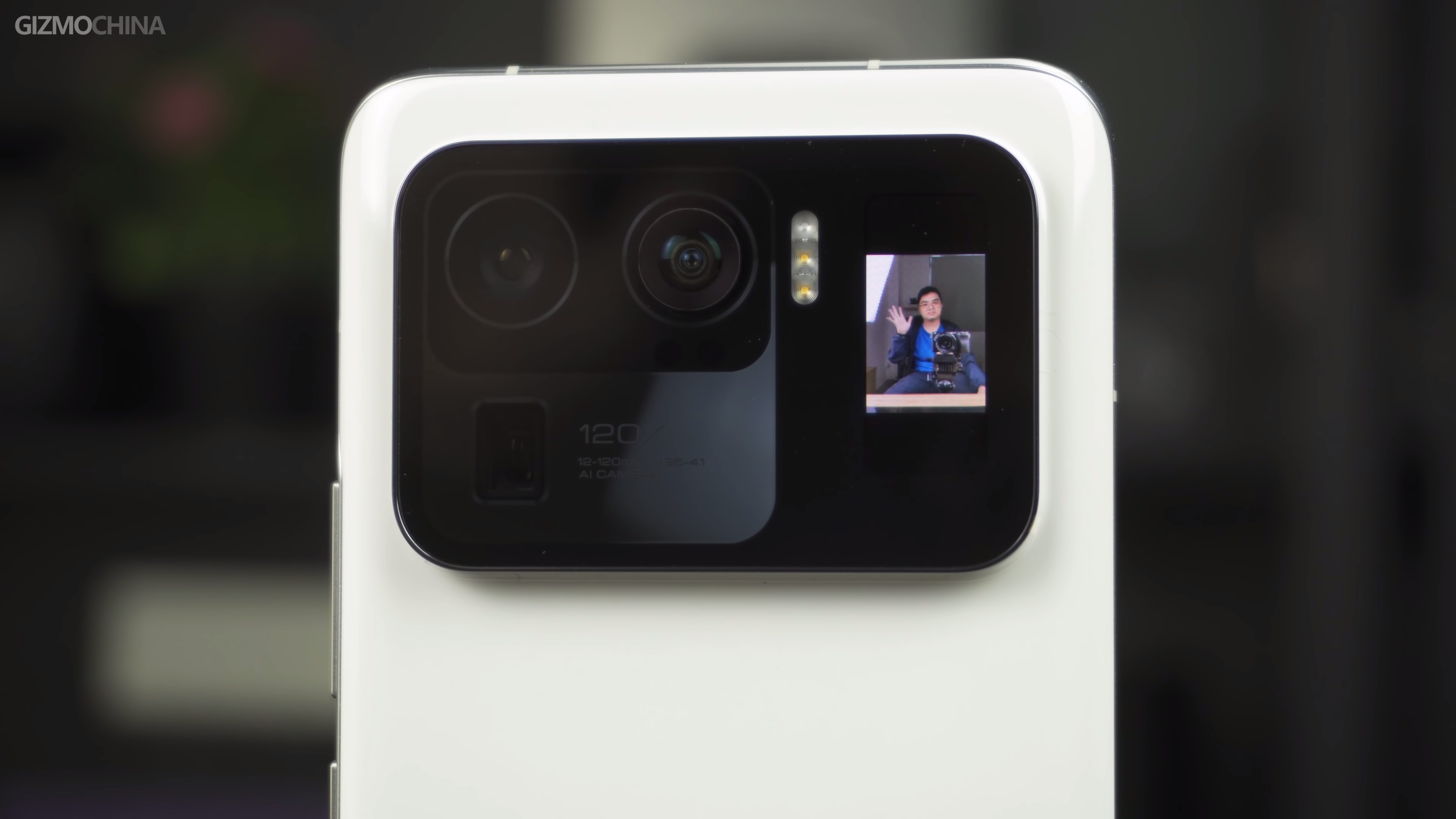
But the best thing about it is that it can be used for selfies. And the rear lens doesn’t have beauty effect, keeping your selfies realistic. Unfortunately, the screen doesn’t support video recording yet, but I guess Xiaomi will update this feature soon.
 There’s no shortage of infrared transmitters and NFC, but the USB is still 2.0. I have to criticize Xiaomi on this point. However, the phone does support IP68 water resistance, making it the first Xiaomi phone to have IP68 water resistance in 11 years. Another highlight is Harman Kardon’s stereo dual speakers. The sound quality is a step up from the Mi 11. Again, please check out Mi 11 Ultra review video for the speaker quality.
Xiaomi Mi 11 Ultra Review: Verdict
Having read this review, have you come up with an answer to the question of whether the Mi 11 Ultra is the “light of Android”?
It does have the potential to be the most powerful Android phone because its hardware is really very good. But it’s not ready yet, because it’s not the best in terms of software. Wait a few months for Xiaomi to make up for its software shortcomings. Maybe it will really become the “light of Android”. But by then the competition will be even stronger.
Let’s wait and see who will release the best Android phone this year.
RELATED:



Comments