
Add GIZMOCHINA as Preferred Source on Google
While iPhones are typically seen as one of the more secure smartphones in the market by many consumers, it appears that the Apple device is still quite prone to hacking. This is apparently true especially when they are turned off.
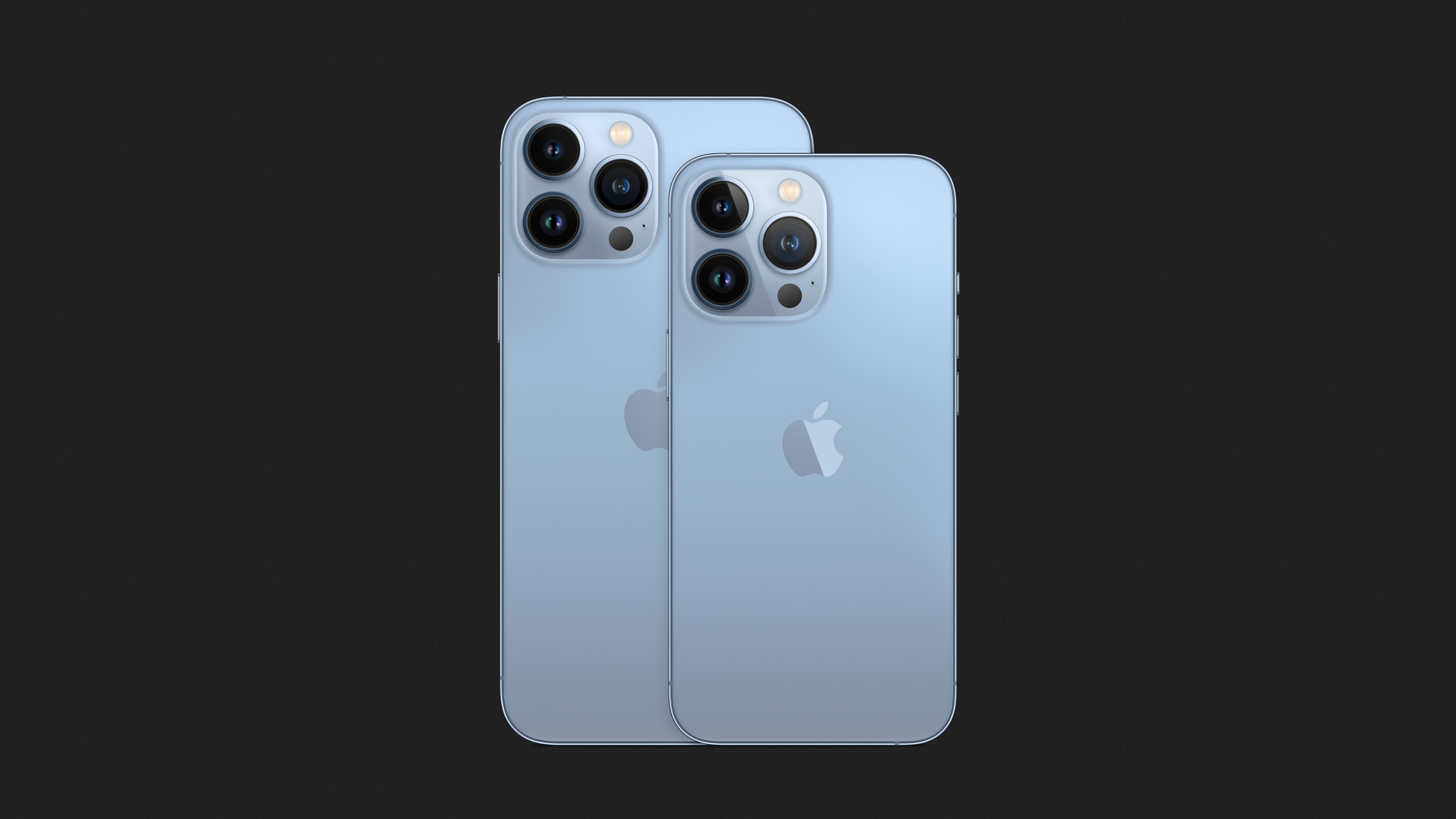
According to a research report from Technical University of Darmstadt, the iPhones are the most vulnerable to hackers when they are switched off. The primary reason for this is due to how it handles its various wireless networking technologies. When an iPhone is switched off, most wireless chips, like Bluetooth, NFC (Near Field Communications), and UWB (Ultra Wideband) are still running up to 24 hours. Although, this is not some bug and does serve a crucial purpose as well.
The Cupertino based giant offers the Find My network function on their products, which helps in locating Apple owners’ products when they are lost or possibly even stolen. This also lets you still have access to items like credit cards, student passes, and digital keys as well. But unfortunately, this feature is a double edged sword since these wireless chips have direct access to the secure elements. In other words, it could be potentially exploited by hackers to install malware on the iPhones even when the iOS system is not running.
These wireless chips remain active in a Low Power Mode (LPM). However, this LPM support is implemented on a hardware level. So, this can not be simply fixed via an OTA software update. The researchers conducted a security analysis of LPM features introduced with iOS 15 and found that Bluetooth LPM firmware can be modified to run malware on the iPhone. This enables hackers to have system level access to track someone’s location or run new features on their phone. Fortunately for many, this mostly affects jailbroken iPhones. Although, the security hole might still be used as spyware to target people.
RELATED:
- Apple plans to shift manufacturing outside China: Report
- Apple iPhones with eSIM face bug that deactivates FaceTime & iMessage
- Apple iPhone shipments rises by almost 20% in Q1 2022 in North America


Comments