
Add GIZMOCHINA as Preferred Source on Google
Xiaomi, is changing its strategy in India after Samsung overtook it to become the top seller of mobile phones in the world’s second-biggest market. Xiaomi’s focus on selling smartphones priced under Rs. 10,000 has not worked as Indian consumers are willing to pay more for better-looking models with richer features. Meanwhile, Samsung launched products that met those aspirations and offered innovative financing schemes that made them affordable to most. So what will be Xiaomi’s new strategy? Here are the details…
Xiaomi Struggles in India as Samsung Overtakes as Market Leader
According to Counterpoint, Samsung had a 20% market share in the last quarter of 2022 compared to Xiaomi’s 18%. This loosening of Xiaomi’s grip on the market is a lesson for companies that fail to cater to changing consumer preferences in a fast-growing economy with rising disposable incomes.
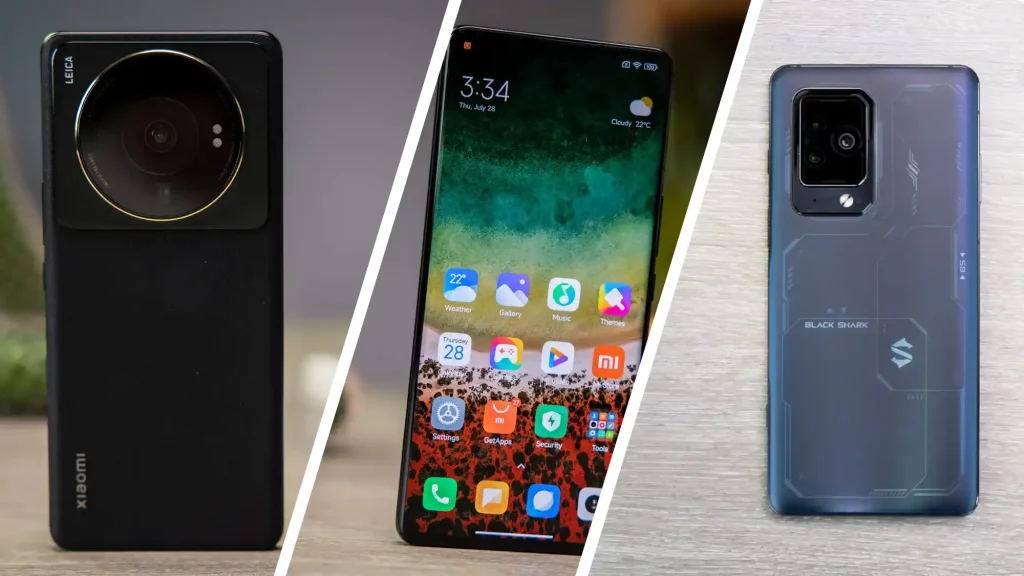
Xiaomi’s portfolio of budget phones was out of step with the premiumisation trend that is sweeping India, leading to a strategic shift to focus on premium smartphones. In January, it launched the Redmi Note 12 whose top-end variant is priced above Rs. 30,000, and more recently the Xiaomi 13 Pro at Rs. 79,999 – its highest-priced phone in India. The shift has already paid dividends, with the Redmi Note 12 clocking sales of $61 million within two weeks of its launch.
Samsung’s success in India has been aided by a scheme run with its financing partners that offers “convenient and assured” loans, helping generate $1 billion in device sales last year. The growth in premium segment phones was much higher in small towns than in big cities, and almost half the consumers who opted for its financing scheme were first-time loan seekers.
Xiaomi has also tapped partnerships to offer loans, calling them a key growth driver for sales of phones priced above Rs. 15,000. The company will also open more stores beyond its current network of 20,000 retail partners and boost local procurement of mobile phone parts, likely reducing costs.
Some industry analysts believe the new strategy could help the Chinese company return to solid growth in India. Xiaomi has historically enjoyed a strong brand equity, a robust online and offline channel presence, and can make a comeback with a potentially strong premium and value-for-money product mix. The lesson for companies like Xiaomi is that they need to be responsive to changing consumer tastes and preferences to succeed in fast-growing markets like India.
RELATED:
- Samsung Galaxy A54 vs Samsung Galaxy A34: Specs Comparison
- Xiaomi 13 Pro Global Version World Premiere for $1099 at AliExpress (Coupon)
- Upcoming Smartphones in March 2023: Redmi, Poco, Oppo, Huawei, and More
- Xiaomi Mijia Smart Fish Tank With Remote Feeding Goes on Sale…
- Google Pixel 7a appears on Bluetooth SIG ahead of alleged May 10 launch
(via)




Comments