
Add GIZMOCHINA as Preferred Source on Google
Smartphones have become an extension of people’s arms. We use phones all the time. They are with us 24×7.
So it’s no surprise that consumers research a lot before buying a new handset these days. Consumers want their phones to not only offer a good set of features but also look good and feel nicer to hold in their hands.
Devices that prioritize the latter part while still offering a decent range of features belong to the affordable premium category. These products typically do not carry the same high price tag as flagship devices but are not as budget-friendly as mid-range devices either.
Some of the popular handsets in this category are the Oppo Reno series and the Vivo S series (aka Vivo V series). These devices make up a significant chunk of the brand’s sales figures.
On the other hand, Xiaomi, a company that’s been in the industry for over a decade, still cannot boast of a successful affordable premium smartphone lineup.
I have some thoughts on why it couldn’t keep up with the competition.
Xiaomi started as an Online-only Value-focused brand
It’s a known fact that Xiaomi started as an online-only brand. It was the one who popularized the infamous flash sale strategy. As with most new companies, it had a leaner portfolio and its products were value-focused.
However, as the company grew, it had to enter offline markets. Slowly, it even rolled out its own retail stores across the world.
When a brand like Xiaomi which mostly caters to nerds evolves into a mainstream brand, there are bound to be changes in its product portfolio. Xiaomi went through this process, but things weren’t so smooth. Xiaomi made a lot of mistakes trying to enter into the new market.
Xiaomi’s Fumbled Entry into the Affordable Premium Smartphone Segment
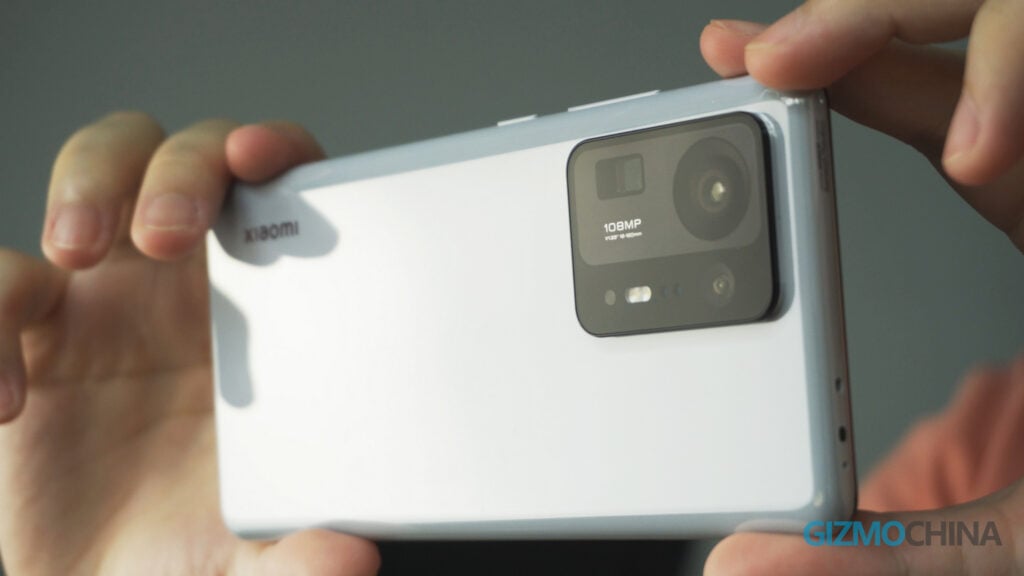
The company initially tried to break into the affordable premium smartphone category with two lineups – the Mi Mix and Mi X.
The Mi Mix was targeted at a premium audience with industry-first features like bezel-less displays. On the other hand, the Mi X series was a budget option with good cameras and a design to boast for. The latter was released as Android One handsets in the global markets.
But what happened next was unexpected. The company discontinued the two series after a couple of generations. The Mi was replaced by Mi CC in partnership with Meitu but it did not last long either. Though the Mix series made a comeback in 2021, there hasn’t been a successor in 2 years but a new one is expected soon.
Amidst this, Xiaomi even introduced lite variants of its flagship Mi series. Though this lineup still exists, at least in some markets, there’s no progress.
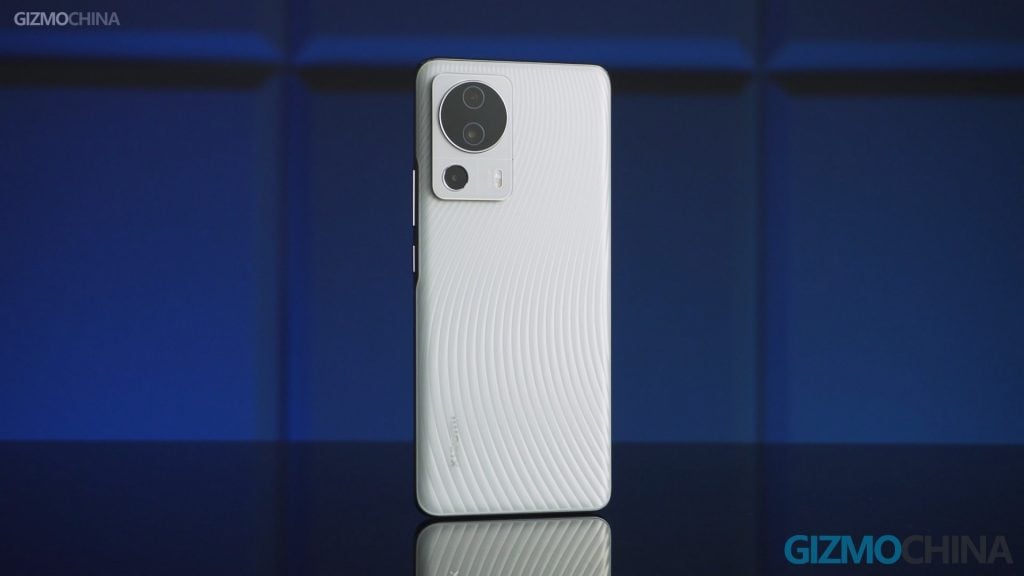
Then, in 2021, Xiaomi surprised everyone with another attempt at affordable premium smartphones with the debut of the Civi lineup. Unlike previous models, these phones are mostly targeted at the female audience.
The Civi series is expected to enter the third generation later this month with the launch of the Civi 3. Will it be the last one? Only Xiaomi knows the answer.
Limited Availability and an Inconsistent Product lineup
As you can grasp from above, Xiaomi lacks consistency. I discussed this in my last month’s opinion piece on the company’s smartphone portfolio in India.
To make consumers trust your brand, you need to be consistent with branding. At the same time, the products should be built around their standalone features.
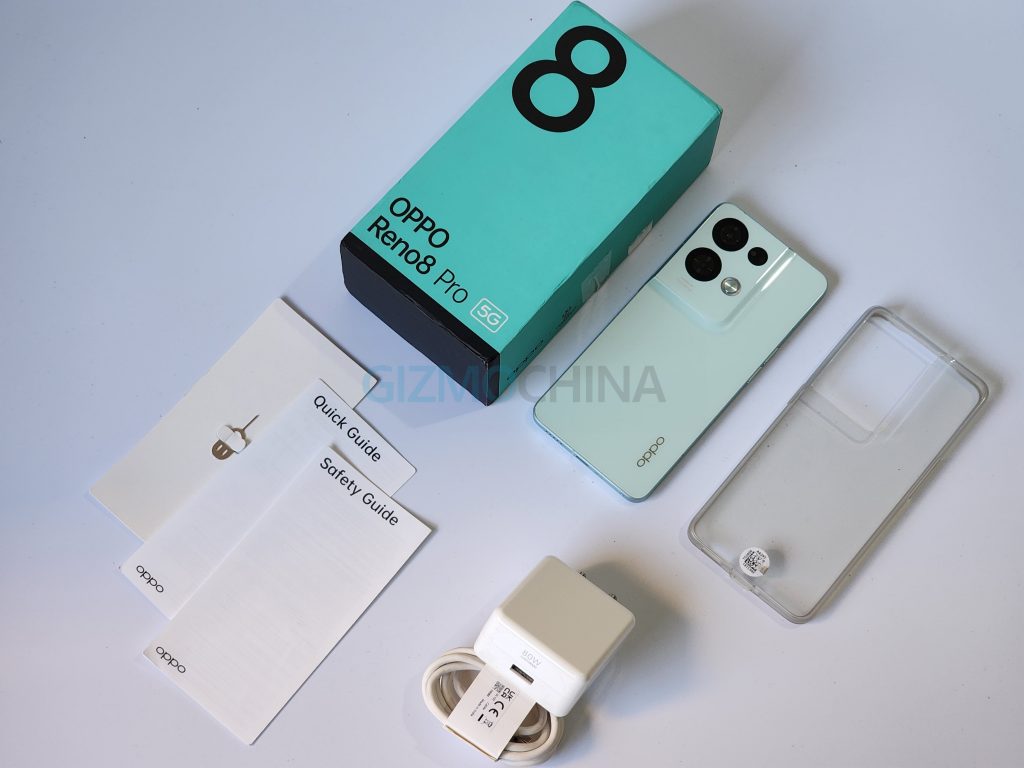
Both Oppo and Vivo have nailed this formula with their Reno and S series, respectively. These two lineups focus more on design and some interesting camera features that are mostly software-based. Above all, they have been consistent for years.
Then, there’s the availability factor. Xiaomi’s affordable premium phones have always been subjected to limited availability. They are only released in some markets and at times, successive models don’t make it to the regions where the prior model debuted.
Finally, the least discussed factor is accessibility. In India, Oppo and Vivo have a robust offline presence. They have even partnered with multiple financial companies to aid their buyers. The same is the case in China and other Asian markets.
On the other hand, Xiaomi still lacks expertise in this regard. Most of its target customers reside in developing countries and these customers are not only price-sensitive but also brand conscious.
Sub-par offline experience
The worldwide smartphone market has been declining for the last few quarters due to low demand in the budget segment, however, the premium category is actually rising. Consumers are willing to spend more money on better phones.
Offline experience matters a lot to sell expensive products. Personally, I don’t get the premium vibes at Xiaomi stores. As a nerd, Xiaomi stores are really a good place to hang out. But as a regular customer, I am yet to experience an emotional attachment even after visiting a store in my city multiple times.
In comparison, the OnePlus store, which is nearby, screams premium to me. It is well-lit and the products inside the store are fairly organized. Even the promotional posters and displays feel much better than Xiaomi’s.
If the experience zone itself doesn’t feel premium, would customers prefer buying expensive handsets from that brand? And in some markets, Xiaomi is yet to clear off its name as a cheap smartphone brand, courtesy of its tremendous success associated with the Redmi products.
With not-so-good performance in non-budget segments, the brand is losing market shares globally. Once the market leader in India, it has now dropped to third place in the last couple of quarters.
Despite setbacks, Xiaomi has the potential for a comeback
Xiaomi cannot mitigate the above-discussed issues in a short time period. Changing a brand identity takes time, however, the company does not seem to be making any effective decisions so far.
Xiaomi kicked off 2023 with the promise of a leaner and more streamlined product portfolio in key markets like India. We will have to wait a couple of more quarters to know whether the company achieved its goal.
Xiaomi has enough resources to get it on track with the competition. But will it be able to?
We would love to know your thoughts on Xiaomi’s future. Feel free to drop your opinions in the comment section below.
RELATED:
- Fatal explosion: Xiaomi Smartphone reportedly overheats, kills 8-year-old girl in India
- Xiaomi Is Facing More Difficulties In The EV Market Than In The Smartphone Market
- Redmi Note 12 Pro is the best smartphone for content consumption under ₹30000
- Tech Titans Clash: Xiaomi Seeks to Invalidate Huawei’s Panoramic Patent
- Xiaomi Pad 6 Pro Review: Best android gaming pad but…


Comments