
Add GIZMOCHINA as Preferred Source on Google
Ford‘s recent recall of 34,762 Mustang Mach-E electric crossovers has caught the attention of not just the EV industry, but also the general public. While the immediate concern is vehicle safety, this incident serves as a crucial reminder of the technological challenges that manufacturers face as they transition to electric vehicles.
The contactors that have to be replaced serve as the connection between the battery and motors
The recall focuses on the high-voltage battery main contactors in specific models manufactured between May 2020 and May 2022. The National Highway Traffic Safety Administration (NHTSA) indicates that fast charging and aggressive acceleration can cause these contactors to overheat. Overheating could lead to a sudden power loss, raising the risk of a crash.
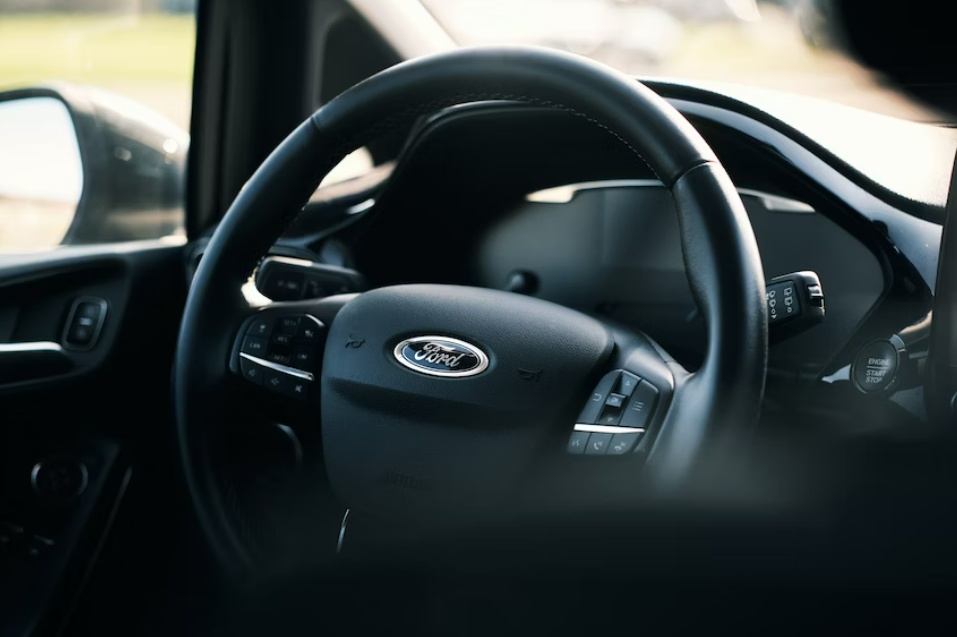
Most articles emphasize the defect and the recall’s impact on Ford’s reputation, especially considering the automaker leads in recalls this year with 46, affecting nearly 5 million vehicles in the U.S. But let’s dig deeper. The contactors are essential components in an EV’s high-voltage system. They act as a bridge for electricity between the battery and the motors. They also serve as a safety switch, breaking the connection in emergencies. This recall underscores the need for technological innovation in even the most basic, yet critical, components of electric vehicles.
Ford has been proactive, offering to replace the problematic junction box for free and stating they are not aware of any accidents stemming from this defect. However, after reports of power loss even post-software updates, the NHTSA has initiated an investigation into Ford’s handling of the recall.
Don’t get us wrong – Ford’s recall is indeed a setback, but it can also be viewed as a pivotal moment for the industry to take a step back and focus on the fundamentals of EV technology. That’s probably the real moral of this story.
RELATED:
- Introducing Ulefone Armor X12: Affordable rugged phone for your everyday adventures
- Ford Ranger Goes Electric, But Will the U.S. Get a Piece of the Action?
- Download the best GCam APK for OnePlus Nord CE 3 Lite 5G
(Via)

Comments