
Add GIZMOCHINA on Google:
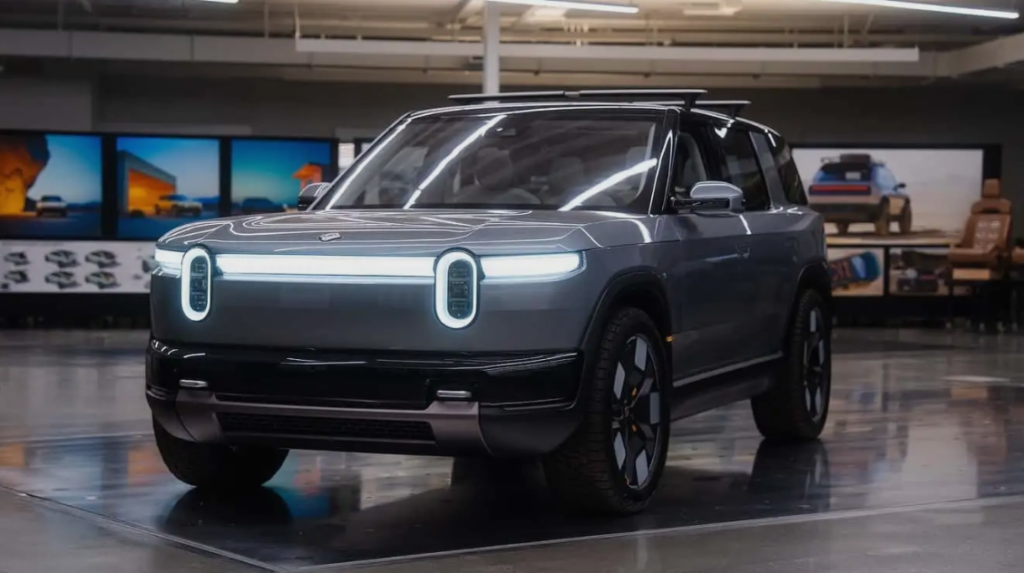
Rivian, a U.S.-based electric vehicle maker known for its premium electric trucks, SUVs, and delivery vans, has made a bold new claim about the future of driving. The company, which focuses heavily on advanced software and clean-energy technology, says its cars could become so autonomous that owners won’t even need to be inside them.
According to CEO RJ Scaringe, Rivian aims to reach this level of full driverless capability by 2030, allowing vehicles to run errands, pick up friends, and travel completely on their own.
Steps Toward Full Autonomy
Scaringe explains that Rivian’s next major features include “hands-off everywhere” driving and point-to-point navigation similar to Tesla’s FSD. These systems will still require driver attention at first. But he believes that soon after, cars will no longer need monitoring. By 2028 or 2029, he suggests Rivian vehicles could complete solo trips while owners stay at home.
Why This Matters
Robotaxis like Waymo already drive without humans in certain cities, showing how quickly the field is advancing. Driver-assist systems such as GM’s Super Cruise and Tesla’s FSD (Supervised) allow hands-free driving but still depend on human supervision.
The challenge now is to make fully driverless technology safe, affordable, and available in everyday cars. Whoever achieves this first will gain a huge advantage, giving people extra time to rest, work, or relax while commuting.
Tesla’s Driverless Claims
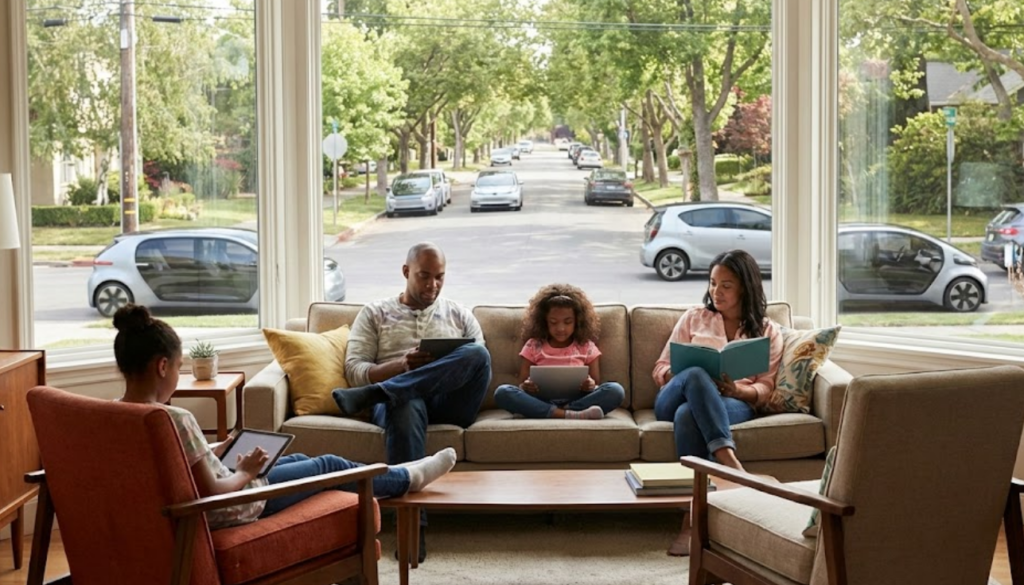
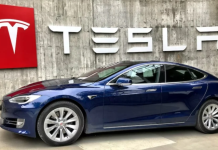
Tesla CEO Elon Musk is also pushing hard toward this goal. According to Reuters, Tesla is testing fully driverless Model Y vehicles in Austin and aims to deliver the first units by June. Musk says these cars will operate with no driver involvement. Further reports say that Tesla will soon launch unsupervised FSD in Austin, allowing vehicles to navigate without human monitoring. These updates show that Tesla remains a major competitor in the race toward full autonomy.
Major Challenges for Autonomous Cars
Developing safe and reliable driverless cars has proven far harder than early predictions suggested. Many challenges remain, including safety validation, rare road scenarios, and regulatory approval. Still, rapid progress in AI is pushing the industry forward.
Old rule-based approaches are being replaced with AI models that learn, adapt, and generalize better. With Rivian, Tesla, GM, and Waymo all improving their autonomous systems, the dream of personal driverless cars is closer than ever, though not guaranteed.
Read More:
- AGIBOT Hits 5000-Unit Milestone, Fueling China’s Humanoid Robotics
- Leaked Video Exposes Tesla’s Robot Secret: Was Optimus Being Remote-Controlled?
- A Collector’s Dream Phone: Realme 15 Pro GoT Edition Drops at Giztop for Just $499
(via)

Comments