
Add GIZMOCHINA as Preferred Source on Google
Bharti Airtel, a leading Indian telecommunications company, is facing allegations of a data breach impacting a staggering 375 million users. The company, however, has vehemently denied these claims, calling them a “desperate attempt to tarnish Airtel’s reputation by vested interests.”
Dark Web Informer on X.com reported that an anonymous seller known as “xenZen” has made the data of 375 million Airtel subscribers available for sale on a hacker forum called BreachForums.
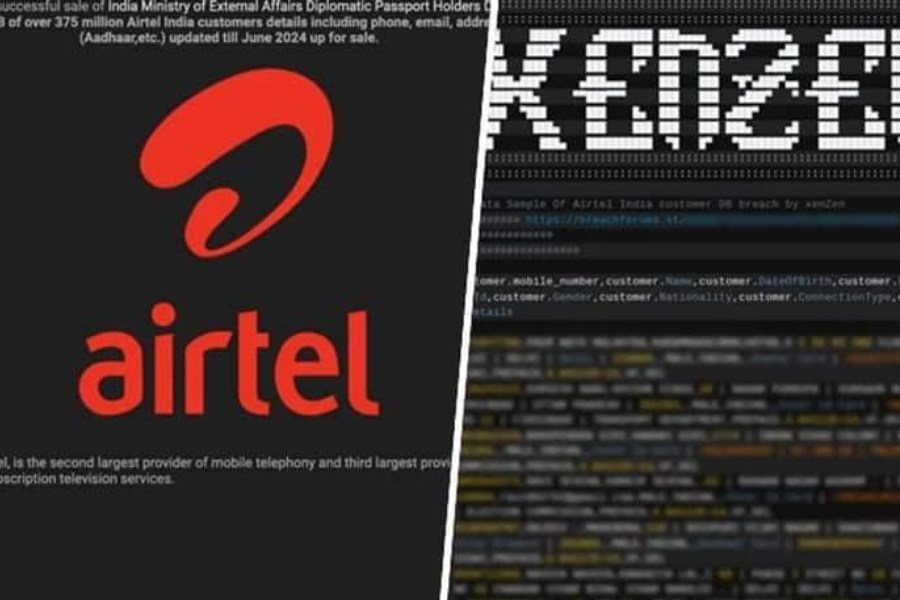
The data supposedly included sensitive details like names, family information, contact details, and even Aadhaar numbers, a unique 12-digit identification number assigned to Indian citizens.
Airtel responded swiftly to the allegations with a statement from a spokesperson, asserting, “There has been an ongoing report alleging that Airtel customer data has been compromised. This is nothing short of a desperate attempt to tarnish Airtel’s reputation by vested interests. We have done a thorough investigation and can confirm that there has been no breach whatsoever from Airtel systems.”
Unimpressively, xenZen also claimed responsibility for another recent data leak involving the Indian Ministry of External Affairs (MEA). This breach, identified in late June, reportedly exposed data from around 200,000 users registered on the MEA’s eMigrate portal. However, the authenticity of both these claims remains unverified.
While the truth behind these allegations is yet to be determined, it reminds us of the constant threat of cyberattacks. Here are some steps to protect your personal information:
- Be cautious about the information you share online. Limit the amount of personal data you share on public platforms and websites.
- Use strong and unique passwords for all your online accounts. Consider using a password manager to generate and store complex passwords.
- Enable two-factor authentication (2FA) wherever possible. This adds an extra layer of security by requiring a second verification code in addition to your password when logging in.
- Be wary of phishing attempts. Don’t click on suspicious links or attachments in emails or text messages, even if they appear to be from legitimate sources.
pen_spark
By following these basic security practices, you can help safeguard your personal information and minimize the potential fallout from a data breach.




Comments