
Add GIZMOCHINA as Preferred Source on Google
Google has launched its latest flagship Pixel 9 series devices, which includes a total of four models – Pixel 9, Pixel 9 Pro, Pixel 9 Pro XL, and the Pixel 9 Pro Fold.
We have already seen benchmark results from numerous sources highlighting the fact that the Tensor G4 chip inherits the biggest problem of its predecessor, which is dialing down the performance in order to control the temperature. But does the performance throttling become noticeable in real-life use cases or is it only something you see in benchmark tests?
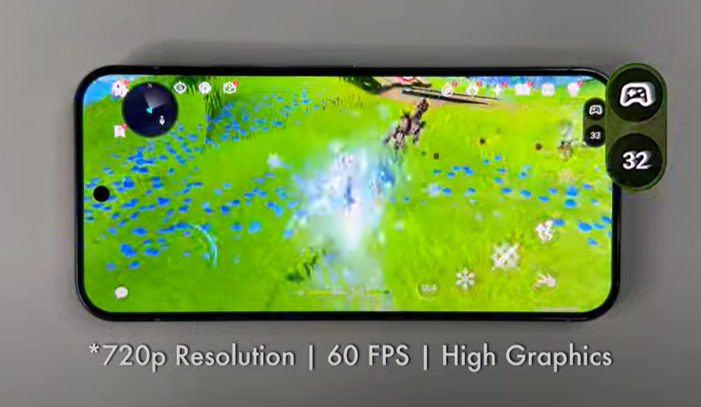
To find out, YouTube creator Dame Tech ran Genshin Impact in the highest settings for only slightly over 9 minutes. For those unfamiliar, this is an open-world, action role-playing game, which is heavy and is often used to measure the raw performance capabilities and overall performance improvements of flagships.
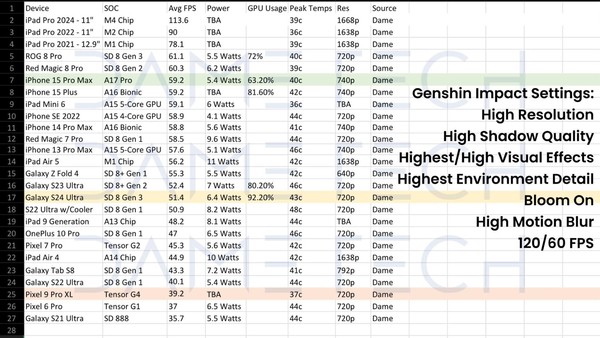
Similar to the benchmark results, the Pixel 9 Pro XL started dialing down the performance within seconds, which is not usual for a modern flagship with the latest and greatest chipset and other hardware. The phone was already reaching as low as 32fps within three minutes of gameplay. After the 9-minute gameplay, the average frame rate was 39.2 fps, which is even lower than the average frame rate of 45.3FPS of the Tensor G2-powered Pixel 7 Pro.
Speaking of other flagships, the Snapdragon 8 Gen 3 on the Galaxy S24 Ultra performs 31% higher, while the A17 Pro chip on the iPhone 15 Pro Max is 51% higher.
But Google seems to have finally solved the overheating issue
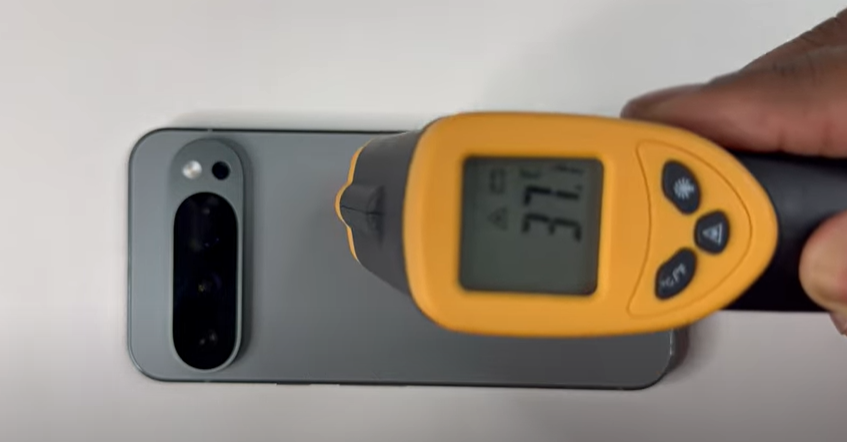
The phone didn’t get as hot as most of its competitors. After the 9-minute gameplay, the phone only reached 37°C. For reference, the iPhone 15 Pro Max and the Galaxy S24 Ultra reached 40°C and 43°C respectively. The Tensor G4 chip indeed comes with a higher raw power than its predecessors, however, the phone seems to limit its power usage (at least for some use cases) to control the temperature. The phone also offers a significant improvement in battery life.
(Source)




Comments