Add GIZMOCHINA on Google:
Motorola, a brand with a long history in the mobile industry, has always been known for its innovation and reliable build quality. Over the years, they have made a significant impact in the Indian smartphone market with products that cater to both budget-conscious consumers and those seeking premium features.
However, like any brand, Motorola phones come with their strengths and areas for improvement. In this article, we’ll delve into what makes Motorola phones stand out and discuss the enhancements that could elevate their market position in India.
Why You May and May Not Want to Buy a Motorola Phone in India
1. Build Quality
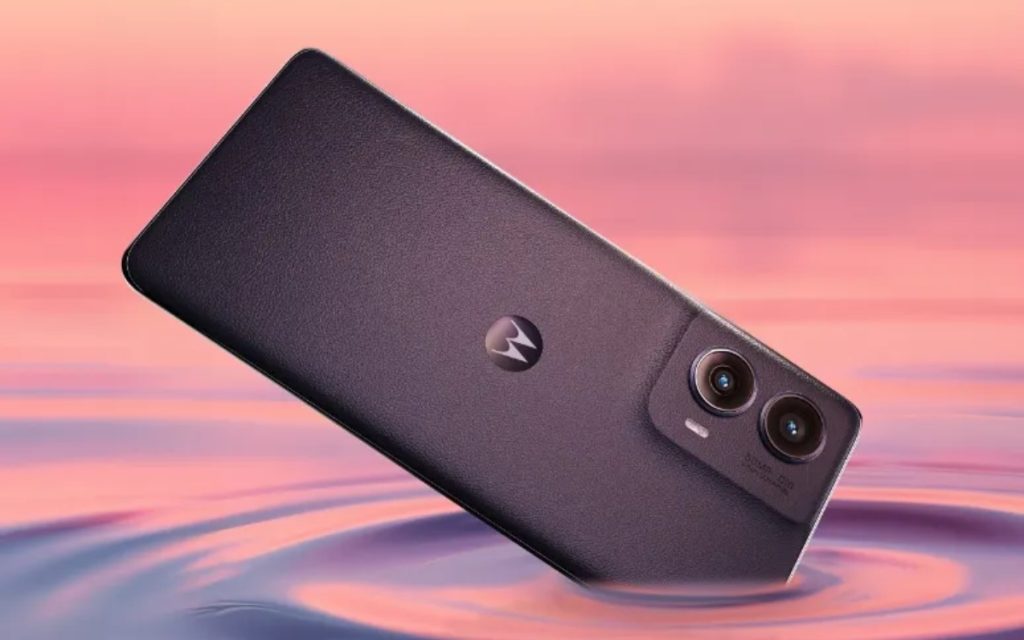
Motorola phones are renowned for their superior build quality, and the brand has made significant strides in this area. Instead of sticking to the usual glass-back or plastic-back design like many other brands, Motorola offers phones with alternative materials like vegan leather. This choice not only adds a premium touch but also enhances durability. Vegan leather, for example, resists fingerprints and scratches better than glass, making it a practical option for those who prioritize long-term durability.
2. pOLED Displays
Motorola frequently uses pOLED displays in its smartphones, offering a visual experience that stands out in its price range. pOLED displays provide deeper blacks, higher contrast ratios, and better energy efficiency compared to traditional LCD panels.
This makes them an ideal choice for media consumption, gaming, and everyday usage, as they deliver vibrant and accurate colors. Additionally, pOLED technology is known for being more durable than other display technologies, making it less prone to screen burn-in issues.
3. IP Rating
Almost all mid-range and flagship Motorola phones come equipped with an IP rating, which means they are resistant to dust and water. This feature is particularly useful for users who live in areas with unpredictable weather conditions or those who are constantly on the move. The IP rating adds an extra layer of protection, ensuring that accidental splashes or dust won’t damage the phone easily.
4. Lightweight Design
Motorola understands that carrying a bulky phone is a hassle, which is why many of their phones come in lightweight designs. This ensures that users can comfortably hold and use their phones for extended periods without feeling fatigued. The brand has done a commendable job of balancing functionality and portability, making their phones ideal for everyday use.
5. Wireless Charging
Wireless charging is a premium feature that is slowly making its way to mid-range devices, and Motorola has embraced this technology. Wireless charging adds convenience, allowing users to charge their phones without needing to plug them in. It’s a useful feature for people who want a clutter-free charging experience, and Motorola’s phones ensure compatibility with various wireless charging pads and stations.
6. Camera Hardware
Motorola’s mid-range phones now feature a proper three-lens camera system, including telephoto and ultrawide lenses with autofocus. The ultrawide lens expands creative possibilities for wide-angle shots like group photos or landscapes, while the telephoto lens enhances zoom capabilities, capturing crisp, clear shots from a distance. The inclusion of telephoto lenses even in budget-oriented mid-range devices significantly improves portrait quality by providing more detail and creating DSLR-like images with greater depth and clarity.
7. Close to Stock Android
Motorola is one of the few brands that offers a close-to-stock Android experience. For users who appreciate a clean, bloatware-free user interface, this is a huge advantage. Stock Android typically means faster updates, better performance, and fewer security vulnerabilities due to the lack of heavy skinning. Users who want a minimalistic software experience without unnecessary apps will appreciate Motorola’s software philosophy.
8. Curved Displays
While curved displays are aesthetically pleasing and make the phone look modern and premium, they may not be the best choice for everyone. Most Motorola flagship and high-end models come with fully curved displays, which, while visually striking, can be difficult to handle.
The accidental touch issue, for instance, can be frustrating. Over time, users may find that the practicality of curved displays is outweighed by the potential drawbacks, such as fragility and the need for extra care when handling the phone. For those who prefer durability and ease of use over aesthetics, the curved display may be a downside.
9. Stock Android
Motorola’s near-stock Android experience has been a key selling point, but many users now prefer feature-packed custom skins offered by brands like Xiaomi, Oppo, Vivo, and Samsung. These skins provide advanced customization, built-in apps, and optimizations for a more personalized experience.
While Motorola offers some useful apps, they lack the depth and richness of features that many users, particularly in India, expect. Though some appreciate the simplicity of stock Android, most prefer a fully-featured experience from the outset.
10. Average Camera Performance
In the mid-range segment, most brands have set high standards for smartphone cameras. Unfortunately, Motorola doesn’t quite compete at that level. While Motorola offers decent camera hardware, the lack of optimization and a well-designed camera app puts it behind the competition.
Motorola’s camera app feels basic, lacking in the design and features found in other brands. Furthermore, Motorola’s images often lack detail and vibrancy compared to what you’d get from similarly priced devices from other brands.
The lack of a feature-rich camera experience, along with underwhelming post-processing, makes Motorola phones less appealing to photography enthusiasts and everyday users alike.
11. Delayed Software Updates
Motorola has improved its software update strategy, addressing past user frustrations by offering five years of major updates with the launch of the Edge 50 Neo. However, the timely rollout of these updates is crucial to avoid security risks and keep pace with competitors. While the brand’s commitment to long-term support is promising, it must ensure punctual delivery to stay competitive in the Indian market.
12. Limited Availability
One of the major challenges for Motorola in India is its limited availability. Motorola phones are primarily sold on Flipkart and in select offline stores, which can make it harder for consumers to get their hands on the latest models.
This limited availability contrasts with the broad reach of competitors like Xiaomi, Samsung, and Realme, which have extensive offline and online distribution networks. Expanding availability to other e-commerce platforms and increasing offline store presence could significantly boost Motorola’s sales and appeal to a wider audience.
13. Conclusion
Motorola phones have a lot to offer in terms of build quality, display technology, and clean software experience. However, to keep up with the competition in the Indian market, they need to focus on refining the camera experience, improving software customization, and delivering timely updates. By addressing these areas, Motorola can continue to be a strong player in the Indian smartphone market and further expand its user base.