
Add GIZMOCHINA as Preferred Source on Google
Apple opted for some vibrant color options for the non-Pro iPhone 16 models. But a new leak hints at unusually vibrant colors for next year’s Pro iPhones. According to leaker Majin Bu, the color options chosen for the iPhone 17 Pro might include Teal Titanium, Green Titanium, and Dark Green Titanium.
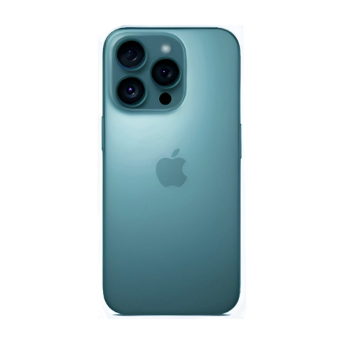
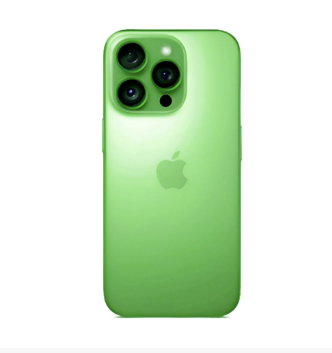
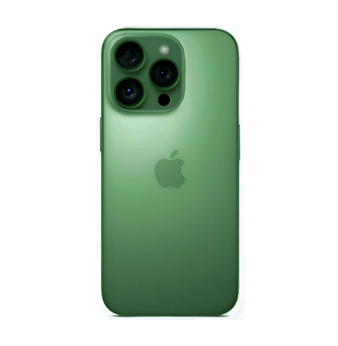
While the adoption of the mentioned colors for next year’s Pro iPhones is still uncertain, the leaker suggests a higher likelihood for Teal Titanium. This is because the iPhone 16 and iPhone 16 Plus already offer a similar option—Teal.
However, it’s also worth noting that Apple typically doesn’t offer its Pro iPhones in vibrant color options, which makes this rumor particularly intriguing. Could Apple be shifting its strategy? At this point, it’s uncertain. For context, the iPhone 16 Pro models are available in Black, White, Gold, and Gray colors.
Apple is seemingly making major changes to the iPhone 17 lineup
Notably, it seems like Apple is making some major changes to multiple aspects of the upcoming iPhones. For instance, the iPhone 16 Pro models are rumored to offer another button refresh. The company is reportedly working on a new button that can replace the Action button and volume buttons.
Speaking of the cameras, the iPhone 17 Pro Max was rumored to be the first iPhone to feature three 48MP cameras. The iPhone 17 lineup could also include a new ‘Air’ or ‘Slim’ model that, unlike the non-Pro iPhone models so far, finally features a 120Hz refresh rate.
Apple has seen softer demands for the iPhone 16 series devices. So will the iPhone 17 lineup finally offer something interesting that grabs the attention? Well, only time will tell.
In terms of performance, Apple will likely focus on more advanced AI features and pack a chipset that can handle the workload. The phones are also rumored to pack 12GB RAM, which again, is crucial for more advanced AI features. Aside from more RAM and a slightly more capable chipset, the iPhone 17 lineup could also feature a proper cooling system for better-sustained performance.
(Source)


Comments