
Add GIZMOCHINA as Preferred Source on Google
Honor is preparing to unveil its new flagship lineup, the Honor Magic 7 series, on October 30th, with recent leaks providing more details about the devices. According to a well-known tipster, Digital Chat Station, the series will consist of two models: the standard Magic 7 and the higher-end Magic 7 Pro.
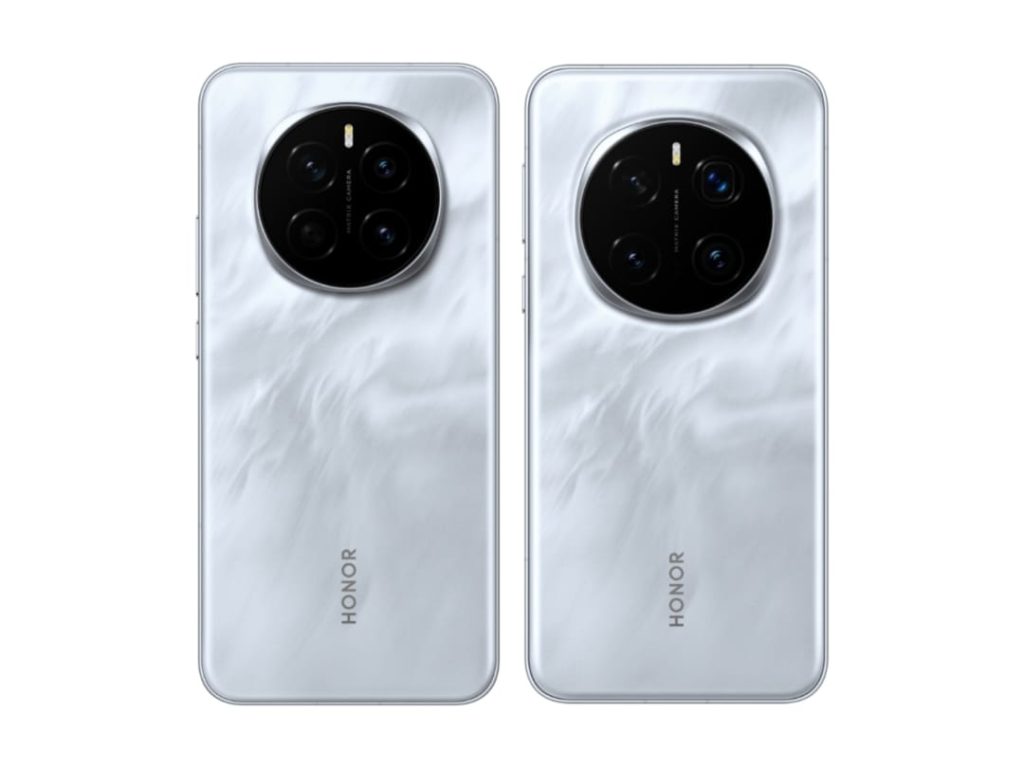
Both phones will feature Qualcomm’s recently launched Snapdragon 8 Elite chipset, which promises improvements in CPU, GPU, and AI performance, making them among the first to use this new SoC.
Honor Magic 7/ Magic 7 Pro specifications:
The leaks reveal that the Honor Magic 7 Pro will come with advanced features such as a periscope telephoto lens for superior zoom capabilities, whereas the standard Magic 7 will have an optical telephoto lens.
Another upgrade across both models is the use of an ultrasonic fingerprint sensor, which is a step up from the optical sensors used in the Magic 6 series. Additionally, the Pro variant is expected to support 3D face unlock, akin to Apple’s Face ID, for enhanced security.

The devices will also offer robust fast-charging solutions, with both models supporting 100W wired charging. For context, the Magic 6 and Magic 6 Pro packs 66W and 80W charging respectively.
Earlier reports suggested that the Magic 7 Pro might include a 2K OLED display, likely with a high refresh rate, while the standard Magic 7 could feature a 1.5K display. The Pro model is also speculated to come with satellite communication capabilities, an addition that could set it apart from competitors
Snapdragon 8 Elite chipset
The Magic 7 series will be powered by the Snapdragon 8 Elite, Qualcomm’s latest flagship processor. This chipset promises a boost in overall performance, particularly in graphics and AI tasks. It is designed to handle demanding applications with ease, providing a smoother user experience. Honor’s partnership with Qualcomm ensures the Magic 7 will stand out with cutting-edge hardware, potentially offering users faster processing speeds, better power efficiency, and more optimized AI processing.
(Source)




Comments