
Add GIZMOCHINA as Preferred Source on Google
ZTE‘s President has provided an exciting early look at the camera samples of the Z70 Ultra highlighting the flagship’s premium imaging capabilities.
The Z70 Ultra is expected to arrive later this month, making it one of the first devices to be powered by the recently launched Snapdragon 8 Elite chipset. With this release, ZTE aims to set new standards in mobile photography with a camera system that includes a 35 mm primary camera and advanced telephoto technology.



Flagship camera system with variable aperture
In a series of posts on Weibo, ZTE President Ni Fei shared camera samples captured with the Nubia Z70 Ultra, giving users a taste of its photography prowess.
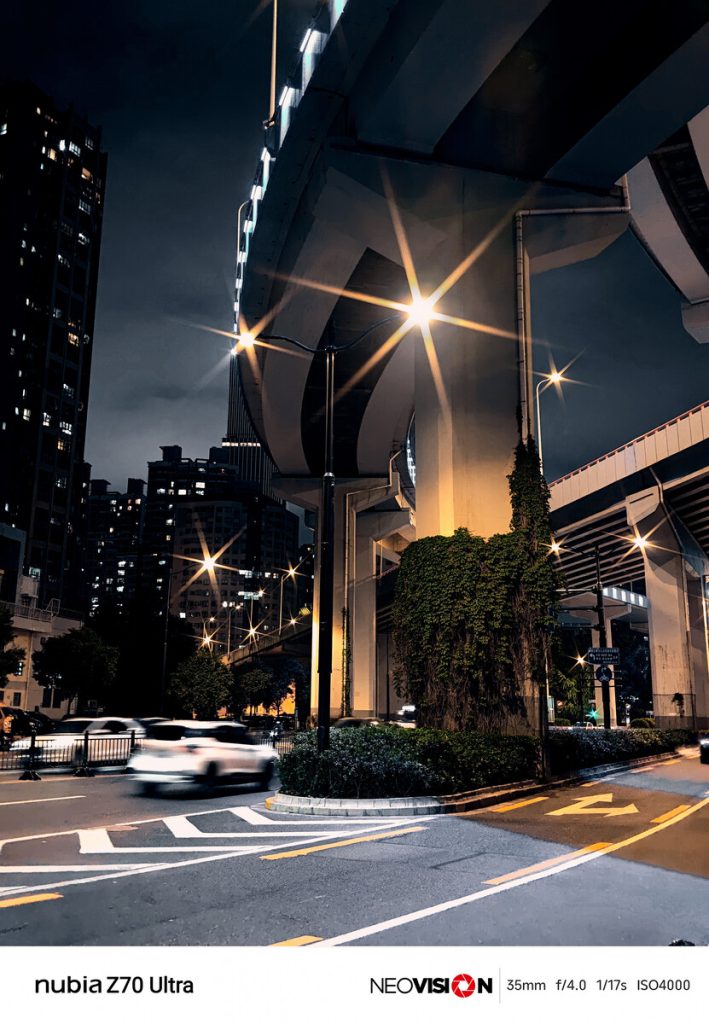
Although the exact aperture range hasn’t been confirmed, the samples suggest the camera can operate at an impressive f/4.0, offering flexibility for different lighting conditions. Ni Fei also shared a video on his Weibo account that highlights the performance of this camera under varying apertures, hinting at ZTE’s commitment to delivering a professional-grade photography experience.
Alongside the main camera, the Z70 Ultra is rumored to introduce advanced telephoto technology, capable of capturing close-up shots with stunning clarity. While ZTE has yet to reveal details about the telephoto lens’s magnification or focal length, the shared images exhibit a high level of detail without the typical artifacts found in zoomed-in shots.
The Nubia Z60 Ultra, for reference, features an 85 mm 3.3x telephoto camera, so it’s likely that ZTE has made significant upgrades in the Z70 Ultra.
As for the performance, the Snapdragon 8 Elite chipset promises major gains in performance and power efficiency. Announced recently, the Snapdragon 8 Elite offers an all-big-cores architecture designed to rival MediaTek’s Dimensity 9400, achieving up to a 45% improvement in CPU performance and a 40% boost in GPU performance over previous generations. Additionally, the new chipset is 44% more power efficient, allowing for smoother performance without compromising battery life.
(Via)




Comments