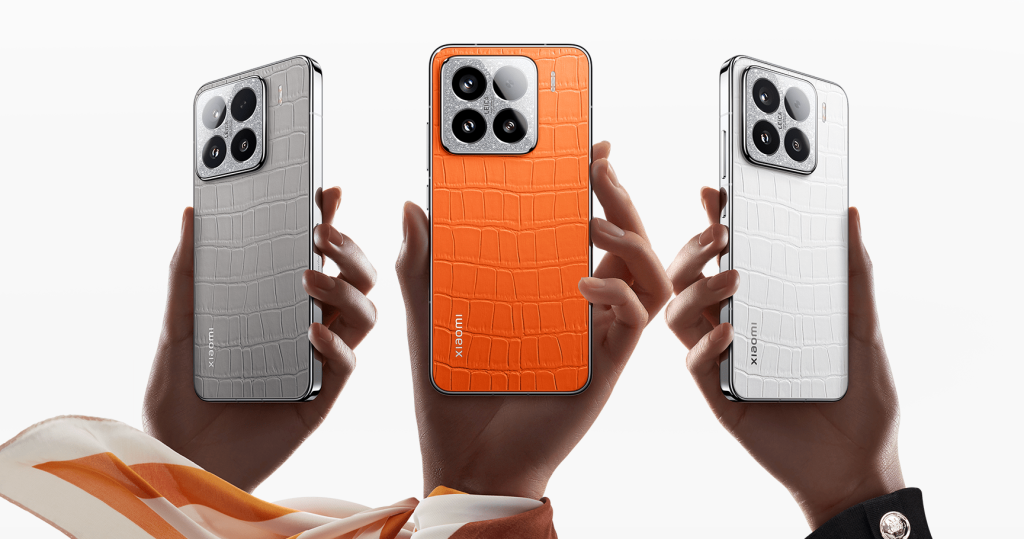
Chinese smartphone brands like Xiaomi, Oppo, and OnePlus have been dominating the smartphone market in India. These aren’t restricted to just affordable models, but even the higher end flagship phones as well. They often come packed with high-end features at competitive prices, giving stiff competition to veteran brands like Apple and Samsung. But are these Chinese flagship smartphones really worth buying in India? Here are all the Pros and Cons.
One of the biggest advantages of Chinese flagship smartphones is their competitive pricing. Brands like Xiaomi and OnePlus are the best examples of this. From their entry into the Indian market, they have consistently offset the flagship pricing expectations. While they aren’t as aggressively affordable as before, these still offer impressive value.
The OnePlus 13 starts in China for under $700 but offers cutting edge hardware. The front has a tall 2K+ OLED display with a 120Hz refresh rate and 4500 nits of peak brightness. It is equipped with Qualcomm’s latest and greatest Snapdragon 8 Elite and features three 50MP flagship grade cameras on the back with Hasselblad tuning. You also get a massive 6,000mAh battery pack with 100W wired and 50W wireless fast charging. So it’s a complete package of top notch specs and features, despite costing less than even an iPhone 16 or Galaxy S24.
2. Cutting-Edge Features and Innovations
Chinese brands are known to be the first to adopt new technology, which are not proven in the market. These companies also push the envelope in features as well. Smartphones from China innovated in fast charging, advanced camera setups, high refresh rate displays, and more. Samsung is seen as one of the leaders for a premium Android experience but it still lags behind in charging speeds. This is something even Apple refuses to improve upon, and it gets worse considering how their latest $800 iPhone 16 still offers a 60Hz refresh rate.
3. Software Experience
Flagship smartphones from China are often feature packed not just in hardware, but also in the software side. However, the overall software experience can be a mixed bag. Every brand has their own spin on Android with unique custom skins which are heavily modified. In recent years, Oppo with its ColorOS has made massive improvements in its UI. But the stigma of Chinese Android UI’s being packed with bloatware still holds some ground.
Unlike Apple, Android users don’t get seamless continuity between different brands. So switching from Samsung’s One UI to Xiaomi’s MIUI can be more jarring than one would think, despite both platforms being on Android. One may prefer the former but might not like the look of the latter.
4. Privacy and Data Concerns
Another notable con is privacy concerns. Indian consumers hesitate to buy Chinese smartphones due to data privacy with the Indian government being wary of these brands as well. Military personnel were outright banned from using these devices as well in the past. There are constant reports and controversies regarding data collection, potential security risks, and much more. Finding concrete proof for any particular Chinese company isn’t easy, but this factor could be a deal breaker for privacy-conscious buyers.
We use cookies on our website to give you the most relevant experience by remembering your preferences and repeat visits. By clicking “Accept”, you consent to the use of ALL the cookies.
This website uses cookies to improve your experience while you navigate through the website. Out of these, the cookies that are categorized as necessary are stored on your browser as they are essential for the working of basic functionalities of the website. We also use third-party cookies that help us analyze and understand how you use this website. These cookies will be stored in your browser only with your consent. You also have the option to opt-out of these cookies. But opting out of some of these cookies may affect your browsing experience.
Necessary cookies are absolutely essential for the website to function properly. This category only includes cookies that ensures basic functionalities and security features of the website. These cookies do not store any personal information.
Any cookies that may not be particularly necessary for the website to function and is used specifically to collect user personal data via analytics, ads, other embedded contents are termed as non-necessary cookies. It is mandatory to procure user consent prior to running these cookies on your website.