Add GIZMOCHINA as Preferred Source on Google
Choosing the right Android phone can feel overwhelming. With so many options flooding the market, navigating through specs and marketing buzzwords can quickly become confusing. But don’t worry—we’re here to cut through the noise and help you make a smart choice.
Everyone has unique needs and priorities. Some value sleek designs and powerful performance, while others focus on battery life or camera quality. Whatever your needs may be, there’s an Android phone out there that’s perfect for you.
In this guide, we’ll break down the key factors to consider when choosing an Android phone. We’ll rank options based on performance, camera quality, battery life, and software features. We’ll also explore various price ranges to help you find the best value for your money.
By the end of this guide, you’ll have a clear understanding of what to look for in an Android phone and be able to make an informed decision that aligns with your specific needs and preferences.
1. Best All-Round Android
The Samsung Galaxy S24 Ultra builds on the company’s legacy of delivering top-tier performance, though its hardware updates are modest compared to the previous model.
The standout feature this year is the inclusion of AI-powered tools under the Galaxy AI suite, which includes real-time call translations, automatic note summaries, and circle to search.
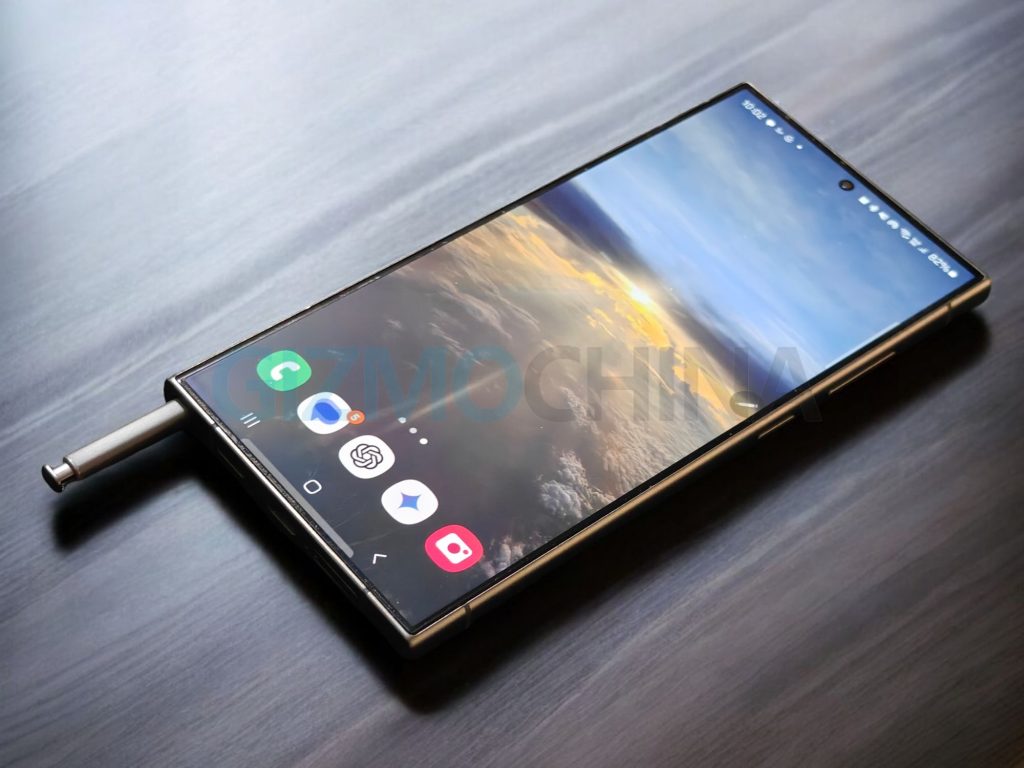
Powering these AI features is the Snapdragon 8 Gen 3 chipset. The SoC can handle any daunting tasks you throw at it and even has great efficiency, allowing nearly 17 hours of usage on a single charge.
Cameras have always been the talking point for the Galaxy-S series, and the S24 Ultra is no exception. While the hardware hasn’t undergone major changes, it introduces a notable update.
Samsung has replaced the previous 10x telephoto module with a new large-sensor 5x telephoto camera, enabling both 5x and 10x zoom shots through hybrid processing.
Starting at $1,299, the Galaxy S24 Ultra is undeniably a premium device. Along with top-tier hardware, it offers one of the best software support policies in the Android ecosystem—seven years of software and security updates—making it a strong choice for long-term value.
| Preview | Product | |
|---|---|---|

|
Samsung Galaxy S24 Ultra 5G AI Smartphone (Titanium Black, 12GB, 256GB Storage)_Without Offer | Check Price on Amazon |
Please Note: When you buy something using the links in our articles, we may earn a small commission at no cost to you.
2. Best AI Phone
While the S24 Ultra brings a suite of AI features, the king-of-the-hill for an AI phone is undeniably, the Pixel 9 Pro XL.
Building on its predecessor’s strengths, the Pixel 9 Pro XL introduces tools like Pixel Studio for instant image generation and Note Assist for smart, efficient note-taking.
Its Zoom Enhance intelligently fills gaps between pixels and predicts fine details for sharp post-capture zoom results. Additionally, Super Pro Res Zoom and tools like Add Me, along with a host of other practical AI features, provide plenty of new and innovative AI features to explore.
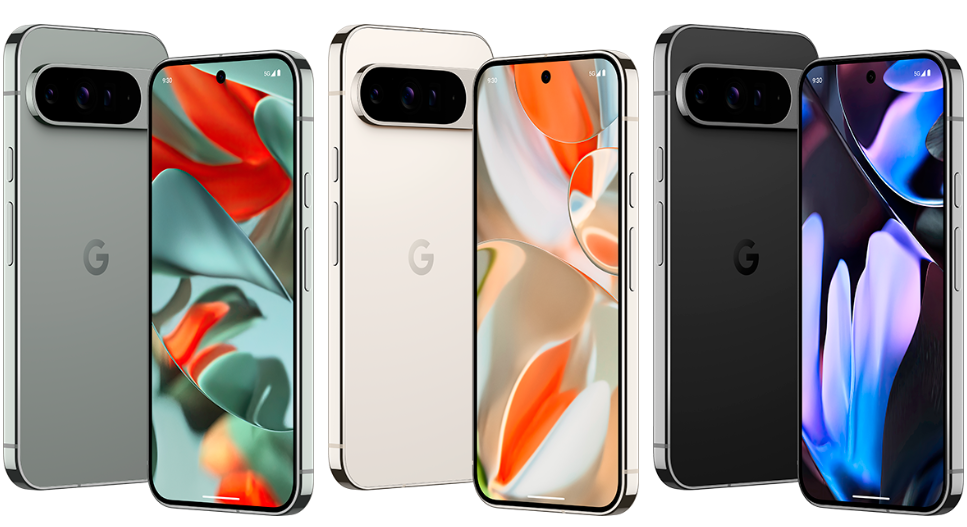
Google even upgraded the RAM to a default of 16GB on the Pixel 9 Pro XL to power all these AI features. And it also comes with seven years of platform and security patch update promise as the S24 Ultra.
Beyond AI, the Pixel 9 Pro XL has top-of-the-line hardware as well. The 6.8-inch Super Actua display offers an impressive peak brightness of 2,469 nits. Meanwhile, the Tensor G4 chip improves in terms of efficiency delivering a day’s worth of battery life with ease.
Although the Pixel 9 Pro XL comes with a $100 price increase over the previous model, the improvements, particularly in AI and battery life, make it worth considering for those looking for a device that truly integrates artificial intelligence into everyday use.
| Preview | Product | |
|---|---|---|

|
Google Pixel 9 Pro XL – Unlocked Android Smartphone with Gemini, Triple Rear Camera System, 24-Hour… | Check Price on Amazon |
Please Note: When you buy something using the links in our articles, we may earn a small commission at no cost to you.
3. Flagship At Budget
OnePlus has steadily climbed the ranks of premium Android phone makers, and the OnePlus 12 is proof of its growth. With a top-tier Snapdragon 8 Gen 3 processor, a refined design, and a camera system developed in collaboration with Hasselblad, this phone competes with more established brands.
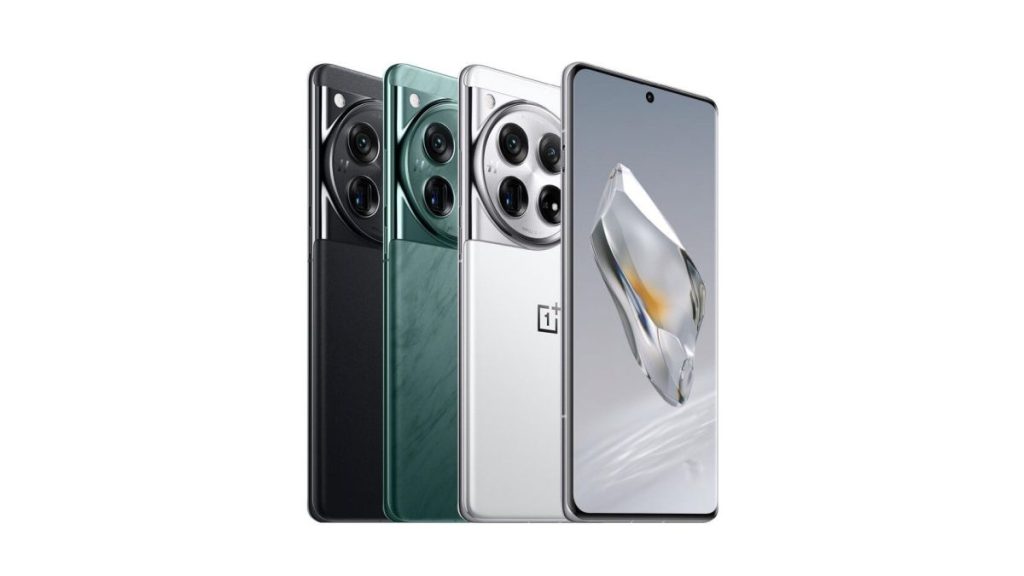
Battery performance is another area where the OnePlus 12 shines. It delivers an incredibly good battery life and supports a fast 80W wired (in the US) and 50W wireless charging.
Despite featuring the same chipset as the S24 Ultra and being the OnePlus’ flagship, the OnePlus 12 is available for around $600 in the US, nearly half the price of the S24 Ultra. However, keep in mind that its software support—four years of major updates—isn’t as extensive as Samsung or Google’s.

Please Note: When you buy something using the links in our articles, we may earn a small commission at no cost to you.
4. Best Compact Option
For those who prefer a smaller phone without compromising on performance, the Galaxy S24 is an excellent choice. Despite being more compact than its Ultra sibling, it packs the same Snapdragon 8 Gen 3 for Galaxy chipset, offering a similar level of performance.
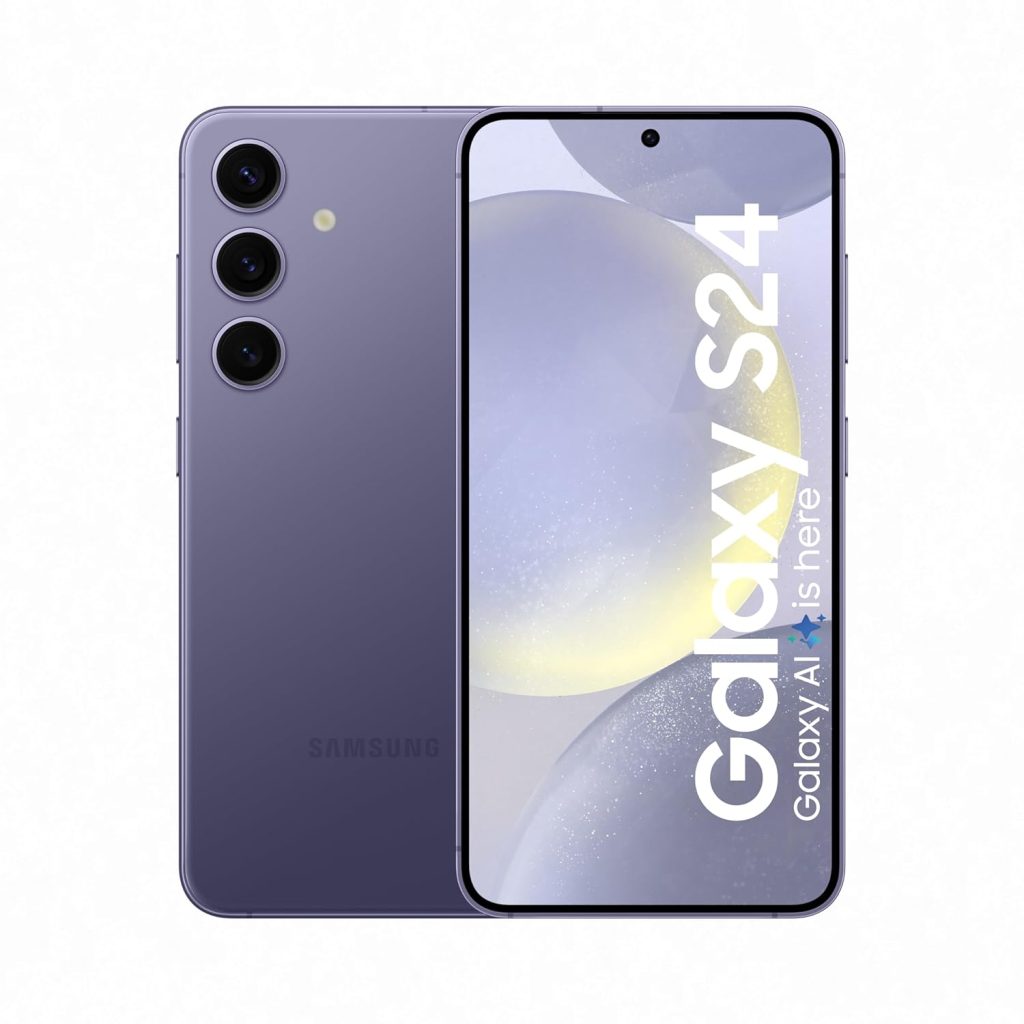
The S24 also features an impressive camera setup, including a dedicated telephoto lens for portraits. You’ll also find all the Galaxy AI features available on the S24 Ultra. And most importantly, the same seven-year software support commitment extends to this model as well.
| Preview | Product | |
|---|---|---|

|
Samsung Galaxy S24 5G AI Smartphone (Onyx Black, 8GB, 256GB Storage) | Check Price on Amazon |
Please Note: When you buy something using the links in our articles, we may earn a small commission at no cost to you.
5. Best Foldable
Google’s first folding phone was a bit of a disaster, but with the Pixel 9 Pro Fold, the company has made significant improvements in several key areas.
However, for those eyeing a foldable, be prepared for a pricey device—whether it’s the Pixel 9 Pro Fold or the Samsung Galaxy Z Fold 6. It’s also bulkier than most traditional slab phones, and while the cameras are good, they don’t reach the same level as those on the flagship phones.
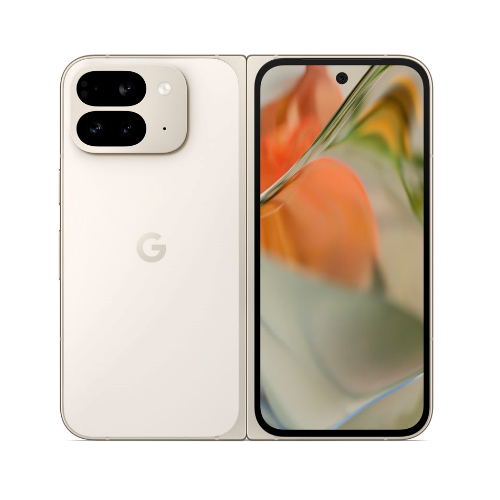
Still, the foldable has its own appeal and Pixel 9 Pro XL is probably the best device in the segment right now. It features a 6.3-inch outer screen, with a ratio similar to Google’s slab phones. In contrast, the Samsung Z Fold 6 uses a taller, narrower format, which can feel cramped.
Powered by the same Tensor G4 chip as other Pixel 9 devices, it also includes a solid 4650mAh battery. Like the rest of the Pixel 9 lineup, it benefits from a seven-year software update commitment and offers a solid camera setup with all the AI features to explore.

Please Note: When you buy something using the links in our articles, we may earn a small commission at no cost to you.
6. Best Flip Phone
If you’re looking for a foldable that feels more like a regular phone, the Samsung Galaxy Z Flip 6 is a great option. Its compact, foldable design packs a powerful Snapdragon 8 Gen 3 chipset, a 6.7-inch AMOLED display, and an upgraded 4,000mAh battery.
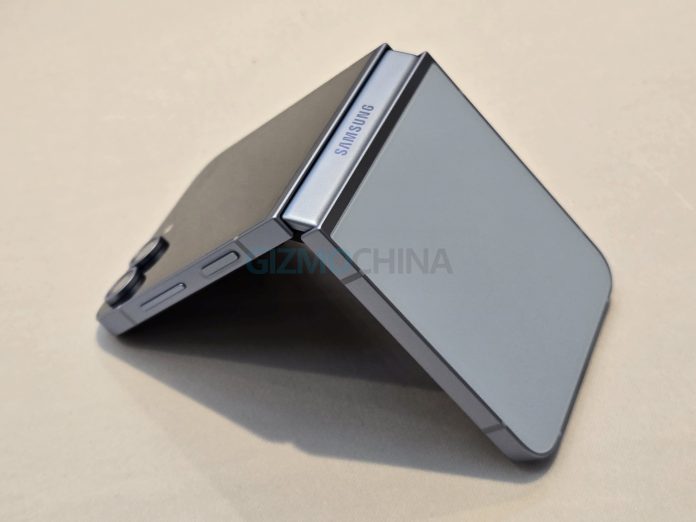
The Z Flip 6 also improves its camera system with a 50MP main sensor and a 12MP ultra-wide camera. New AI-powered features, such as Auto Zoom, automatically adjust the frame based on the number of people or objects in the shot, improving camera performance.
Additionally, the Flex Window (the outer display) adds interactive features like suggested replies and live translations. These upgrades make the Galaxy Z Flip 6 an appealing choice for those looking for a compact and functional foldable phone.
| Preview | Product | |
|---|---|---|

|
Samsung Galaxy Z Flip6 5G AI Smartphone (Mint, 12GB RAM, 256GB Storage) Without Offer | Check Price on Amazon |
Please Note: When you buy something using the links in our articles, we may earn a small commission at no cost to you.
7. Choosing Your Perfect Match
The best Android phone depends on your priorities. For an all-around flagship, the Galaxy S24 Ultra delivers top-tier performance and longevity.
Those interested in AI advancements will find the Pixel 9 Pro XL appealing, while budget-conscious users can consider the OnePlus 12 for flagship-level features at a lower price. If compactness or foldable innovation is more important, the Galaxy S24 and OnePlus Open are excellent choices.
Ultimately, Android’s diversity ensures there’s a phone for everyone, whether you prioritize the performance, design, or value.