Add GIZMOCHINA as Preferred Source on Google
Wireless earbuds have become the go-to audio solution for many, offering freedom from tangled wires and a sleek, modern look. From Apple’s AirPods to budget-friendly alternatives, they dominate the audio accessories market.
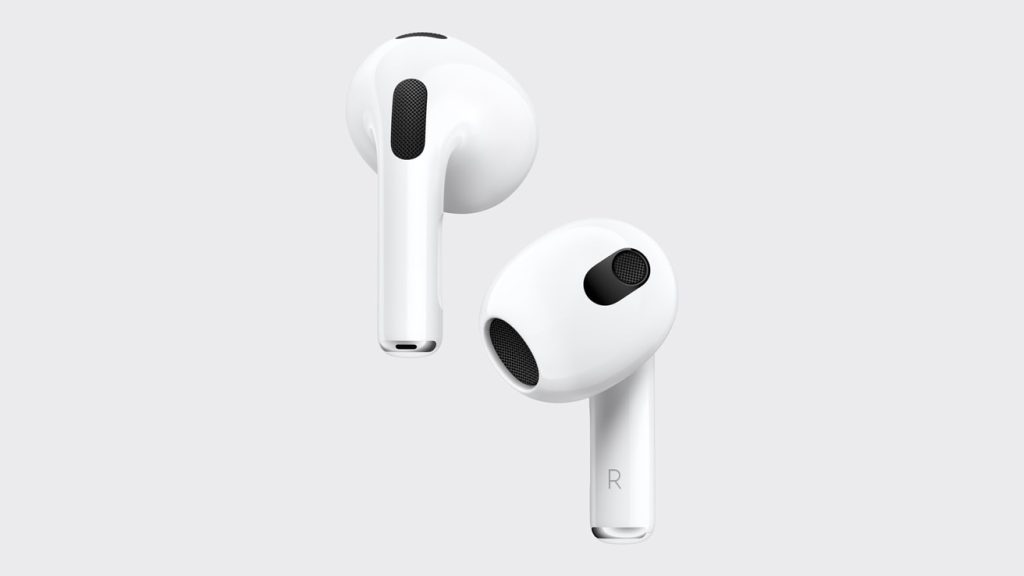
But as convenient as they may seem, wireless earbuds come with a host of downsides that often get overlooked. Let’s dive into why these tiny devices might not be the best investment.
1. Sound quality
The advent of aptX and LDAC codecs has raised the bar for wireless headphone sound quality. Yet, even these advancements can’t compete with the uncompressed clarity of wired earbuds. Bluetooth technology simply doesn’t have the bandwidth to deliver truly lossless audio.
With wired earbuds, the sound you hear is as good as the source itself. There’s no compression, no loss in detail, and no reliance on fancy codecs. For audiophiles—or anyone who values pristine sound quality—wired earbuds are the clear winner.
2. Delays in sound transmission
Due to decoding the digital buffering signal and converting it to analog, all wireless earbuds have a noticeable sound lag. Depending on the model, it ranges from 40 to 300 ms. Wired earbuds, on the other hand, generally do not have any noticeable delay in sound transmission.
Even if you don’t mind the lag when listening to music or watching videos, in dynamic video games, while working with sound, or when playing musical instruments, it’s a crucial factor. Using wireless earbuds for these purposes, alas, will not work.
3. Connection instability
Bluetooth models are susceptible to interference because they rely on radio. This can manifest itself in stuttering audio, an inability to connect, or occasional loss of connection in crowded areas or when there is a source of interference nearby.
Even the most budgeted wireless earbuds can stutter if you simply put your phone in the back pocket of your jeans. All this is the price for the lack of a cable. Wired devices have none of this and can be used anywhere without problems. The connection is extremely reliable.
4. Less compatibility
Wireless earbuds rely entirely on Bluetooth connectivity. While this might cover most modern devices, there are glaring exceptions. Want to connect to a PC without Bluetooth? Or maybe a PlayStation console, a guitar amp, or an older audio system? You’re out of luck.
Wired headphones, however, are universal. As long as there’s a headphone jack—or even an adapter—you’re good to go.
5. Need for charging
Unlike wired headphones, which work as long as your device has power, wireless earbuds depend on their own internal batteries. These batteries typically last only a few hours per charge, and their lifespan diminishes over time.
After a year or two, you’ll likely find yourself charging them more often, which is not only inconvenient but also a clear sign of the device’s limited lifespan. Add the charging case into the mix—another battery that needs care—and it becomes a cycle of constant maintenance.
6. Fragile and Hard to Repair
Wireless earbuds might look sleek, but their complex internals make them inherently fragile. Batteries are usually the first component to fail, often within a couple of years. Replacing them isn’t just difficult—it’s often impossible.
In contrast, wired headphones are far simpler. The most common point of failure, the cable or plug, is relatively easy to repair. They’re also more durable, surviving drops and rough handling much better than their wireless counterparts.
7. Risk of losing one earphone
True wireless earbuds (TWS) bring an added risk: losing one of them. Whether it slips out during a jog or vanishes into a couch cushion, a lost earbud is more than just an annoyance—it’s costly. Without its counterpart, the remaining earbud is essentially useless.
Spare earbuds, if available, aren’t cheap. More often than not, losing one means replacing the entire set, making wireless earbuds a risky investment.
8. High price
Even as wireless earbuds become more widespread, they remain pricier than comparable wired options. The reason is simple, more components mean higher costs.
Wired headphones, with their straightforward design, are not only cheaper but also offer better value for the money. Their prices have even dropped further to stay competitive in a wireless-dominated market. If you’re on a budget or simply want the best bang for your buck, wired is the way to go.
Don’t miss a thing! Join our Telegram community for instant updates and grab our free daily newsletter for the best tech stories! 🚀