Add GIZMOCHINA as Preferred Source on Google
Premium smartphones are getting more expensive every year, with brands like Apple, Samsung, and Google now asking upwards of $1,000 for their flagship models. At that price, you’d expect cutting-edge technology, better durability, and features that justify the cost. But here’s the catch: most people don’t need them, and the premium tag rarely delivers proportional value for the price.
If you’re considering spending that much on a smartphone, it’s worth questioning what you’re really paying for—and whether it’s worth it. Here’s why holding off on premium smartphones might be a smarter move.
1. The “Flagship Features” Are Overkill for Most Users
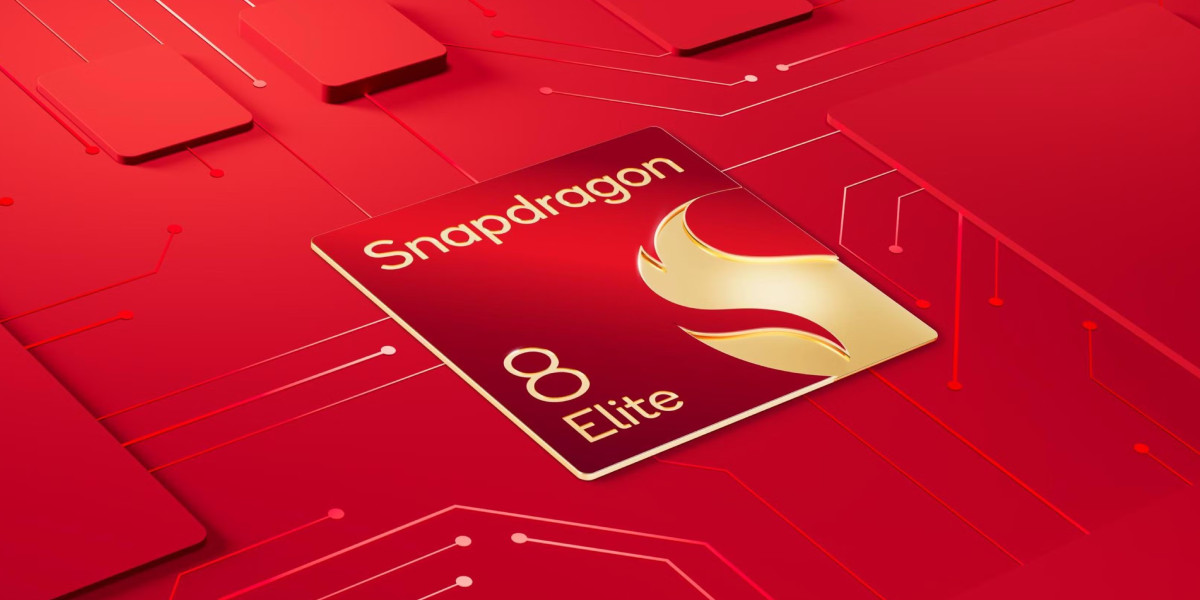
Premium phones boast top-tier specs: the latest Snapdragon chipsets, insane amounts of RAM, and displays with refresh rates hitting 120Hz or higher. These features sound impressive, but in day-to-day use, they don’t make a huge difference for the average user.
If you’re someone who spends time scrolling Instagram, browsing Twitter, or watching Netflix, you won’t see meaningful improvements over mid-range phones that cost half the price. Modern mid-range devices already offer great performance for casual use. They come with smooth displays, good processors, and enough RAM to multitask without any noticeable lag.
For instance, Samsung’s Galaxy A series and Google’s Pixel 8a offer 90Hz OLED screens, strong cameras, and reliable performance for $500 to $600. Unless you’re gaming at the highest settings or editing 4K videos, a flagship phone’s extreme power is unnecessary.
2. Camera Improvements Are Marginal at Best
Camera systems are often the main selling point for premium phones. Flagships like the iPhone 16 Pro Max or Galaxy S24 Ultra pack multiple lenses, bigger sensors, and fancy computational photography tricks. But how much better are they, really?
For most users, the difference between a $1,200 flagship and a $600 mid-range phone isn’t as significant as marketing suggests. Flagship cameras excel in specific areas—low-light performance, optical zoom, and detailed portraits—but these improvements cater to niche needs. Casual users taking pictures for social media won’t see night-and-day differences.
In fact, phones like the Google Pixel 8a and Samsung Galaxy A55 deliver solid cameras that handle everyday photography extremely well. These mid-range devices capture sharp, colorful images in good lighting and even perform decently in low light thanks to software optimization. You’re paying a premium for diminishing returns when you jump to flagship models.
3. Software Updates Are No Longer Exclusive to Flagships
One argument for buying premium smartphones used to be longer software support. Flagships often received OS updates and security patches for more years than mid-range devices. However, that’s changing.
Companies like Samsung and Google now promise four major OS updates and five years of security patches for many of their mid-range phones. The Pixel 8a, for instance, gets the same software support as the Pixel 8 Pro. Samsung’s Galaxy A-series phones also benefit from extended update policies.
This means you no longer need to pay flagship prices to enjoy long-term software support. Mid-range devices are catching up, giving you better longevity without the premium price tag.
4. Premium Design Isn’t Practical
Flagship phones often prioritize aesthetics, featuring glass backs, stainless steel frames, and ultra-thin bezels. While these materials look great, they come with practical downsides. Glass-backed phones are more prone to shattering when dropped, and repairing a flagship device can cost hundreds of dollars.
On the other hand, mid-range phones often use plastic builds that are more durable in real-world use. Plastic can withstand falls better than glass, and it’s also cheaper to replace if damaged. Sure, a premium phone might feel more “luxurious” in your hand, but that doesn’t mean it’s better for daily use.
5. Battery Life Isn’t Always Better
You’d think spending $1,000 or more would get you a phone with unbeatable battery life, but that’s not always the case. Flagship devices often include high-resolution displays and power-hungry processors, which drain the battery faster. Manufacturers might include fast charging as compensation, but that doesn’t change the fact that a bigger, brighter display impacts endurance.
Mid-range phones, on the other hand, strike a better balance. Devices like the Samsung Galaxy A56 and OnePlus Nord series come with large batteries and efficient processors, offering all-day battery life without cutting corners. You might even get better longevity than some premium models.
6. If You Want a Flagship, Buy an Older Model or Pre-Owned
If you really want that flagship experience, you don’t need to buy the latest $1,200 phone. Older flagship models often drop in price significantly after a year or two, offering the same premium experience at a fraction of the cost. You can also consider buying a pre-owned flagship device, which can deliver excellent value if you shop carefully.
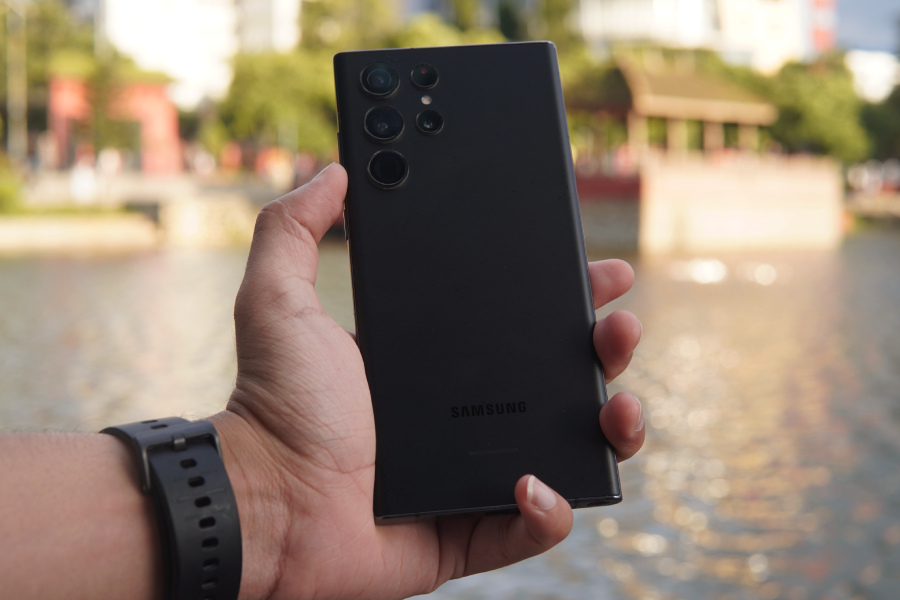
I did the same for myself—I bought a Galaxy S22 Ultra second-hand, and the device is still going strong. It handles everything I throw at it, from multitasking to photography, without breaking a sweat. I wrote a review of it after using it for a year and a half later, which you can check out here.
7. Mid-Range Phones Are Better Than Ever
The biggest reason to skip premium smartphones is that mid-range options have become incredibly capable. Devices priced between $400 and $700 now offer fast performance, solid cameras, long software support, and durable designs.
Take Google’s Pixel 8a as an example: it delivers flagship-level software experience, a great camera, and smooth performance for $400. Samsung’s Galaxy A55 offers a stunning display, reliable battery life, and long-term software support for a similar price.
When you can get all the essentials—and then some—at half the cost, spending $1,000 on a premium phone doesn’t make financial sense.
8. The Bottom Line
Premium smartphones might be the best that tech companies have to offer, but they’re not the best value for most people. The improvements they bring—whether it’s a slightly faster processor, marginally better cameras, or a glass-backed design—rarely justify their skyrocketing price tags.
Unless you’re a power user who needs the absolute best specs and features, a mid-range phone will meet your needs just fine. You’ll save hundreds of dollars, and you won’t miss out on much.
So before you rush to buy the latest flagship, take a closer look at what mid-range phones offer. You might find that they’re all you really need—and more.
Don’t miss a thing! Join our Telegram community for instant updates and grab our free daily newsletter for the best tech stories! 🚀